

Table of Contents
Why the B2B Lead Generation Landscape Is Shifting in 2026
The 6 B2B Lead Generation Trends Reshaping Pipeline Building in 2026
Trend 1: First-Party Data Becomes Your Competitive Moat
Trend 2: AI-Driven Personalization at Scale Is Now Standard
Trend 3: Demand Generation Comes Before Lead Generation
Trend 4: LinkedIn Strategy Evolves Beyond Spray-and-Pray
Trend 5: Account-Based Marketing Goes Mainstream
Trend 6: Lead Quality Finally Beats Lead Quantity
How Cleverly Helps You Execute These Trends
Conclusion
Frequently Asked Questions
Modified On :
July 30, 2026
Key Takeaways
- B2B buyers complete most of their research before ever speaking to a sales rep which means the competition for pipeline happens long before a lead fills out a form.
- First-party data is now a competitive advantage. Companies that own their audience data will consistently outperform those still relying on external data brokers.
- AI has permanently raised the personalization bar. Generic outreach is dead, and every touchpoint now needs to be relevant to stage in the buyer journey.
- Multi-channel outreach is no longer optional — email, LinkedIn, and calling need to work together as a coordinated system, not in isolation.
- Lead quality has officially overtaken lead volume as the primary KPI.
- Companies with documented, repeatable lead generation systems consistently outperform those running one-off campaigns.
The old B2B lead generation playbook is broken. Spray-and-pray outreach, third-party data lists, and generic email blasts are producing diminishing returns.
Meanwhile, B2B buyers have become more self-directed than ever, according to Forrester, 92% of buyers begin their research already thinking about at least one vendor, meaning the competition for pipeline happens long before a lead fills out a form.
The companies winning in 2026 aren't the ones doing more. They're the ones doing smarter, with better data, sharper targeting, and systems built for quality over volume.
This guide breaks down the 6 key B2B lead generation trends reshaping how pipelines get built in 2026, with the data, tactics, and implementation steps you need to stay ahead.
Why the B2B Lead Generation Landscape Is Shifting in 2026
The rules of pipeline building have changed, and the data makes it clear.
80% of B2B decision-making now happens before a seller ever enters the room. Buyers research independently, build shortlists silently, and arrive at vendor conversations already leaning toward a decision.
The average B2B buying cycle involves 13 internal stakeholders and 9 external influencers — all of whom need to be influenced long before a demo is booked.
Meanwhile, the channels and tactics that worked in 2022 are producing diminishing returns. Generic LinkedIn requests go ignored. Third-party data lists are becoming unreliable as privacy regulations tighten globally.
The companies pulling ahead are building smarter systems — ones that combine owned data, AI-driven personalization, and multi-channel precision to reach the right buyers at the right moment.
🚀 Don’t Just Follow Trends. Build Pipeline.
Cleverly’s LinkedIn + cold email outreach has generated $312M in pipeline for 10,000+ companies. Plans start at just $397/mo.
The 6 B2B Lead Generation Trends Reshaping Pipeline Building in 2026
Each of the shifts below is backed by data, already happening in the market, and directly actionable. Together, they form the blueprint for a modern B2B lead generation system.
Trend 1: First-Party Data Becomes Your Competitive Moat
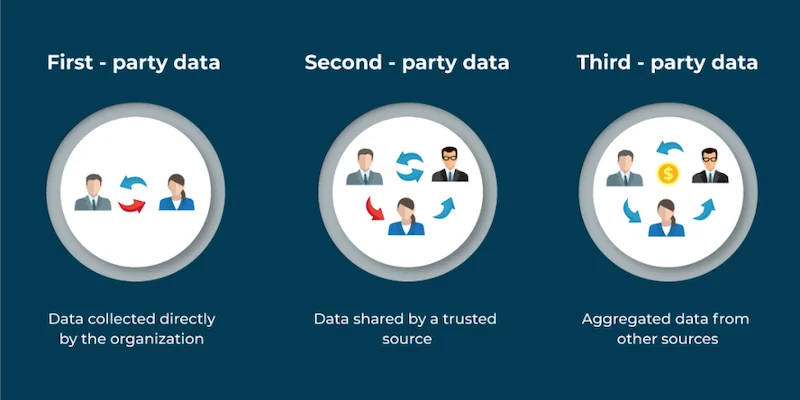
Why Third-Party Data Is Losing Its Edge
The death of third-party cookies isn't coming, it's already here. Google has phased out third-party cookies in Chrome, and privacy regulations (GDPR, CCPA, PIPEDA) continue to tighten globally. B2B companies that relied on external data brokers are scrambling to adapt.
Third-party cookies are disappearing definitively, and with them the basis for traditional retargeting and audience building. B2B lead gen companies that depended on external data sources face a strategic reconsideration. First-party data, collected via your website, CRM, and marketing automation is the new gold.
The problem? Most B2B companies don't know where to start. They've spent years outsourcing their data strategy to brokers and platforms. Now they need to build their own.
The 98% Problem
On average, only 2% of your B2B website traffic converts into a lead. The remaining 98% disappear without leaving a trace.
That's the core challenge and the core opportunity also. Your website is already generating intent data. You're just not capturing it.
How to Build Your First-Party Data Strategy
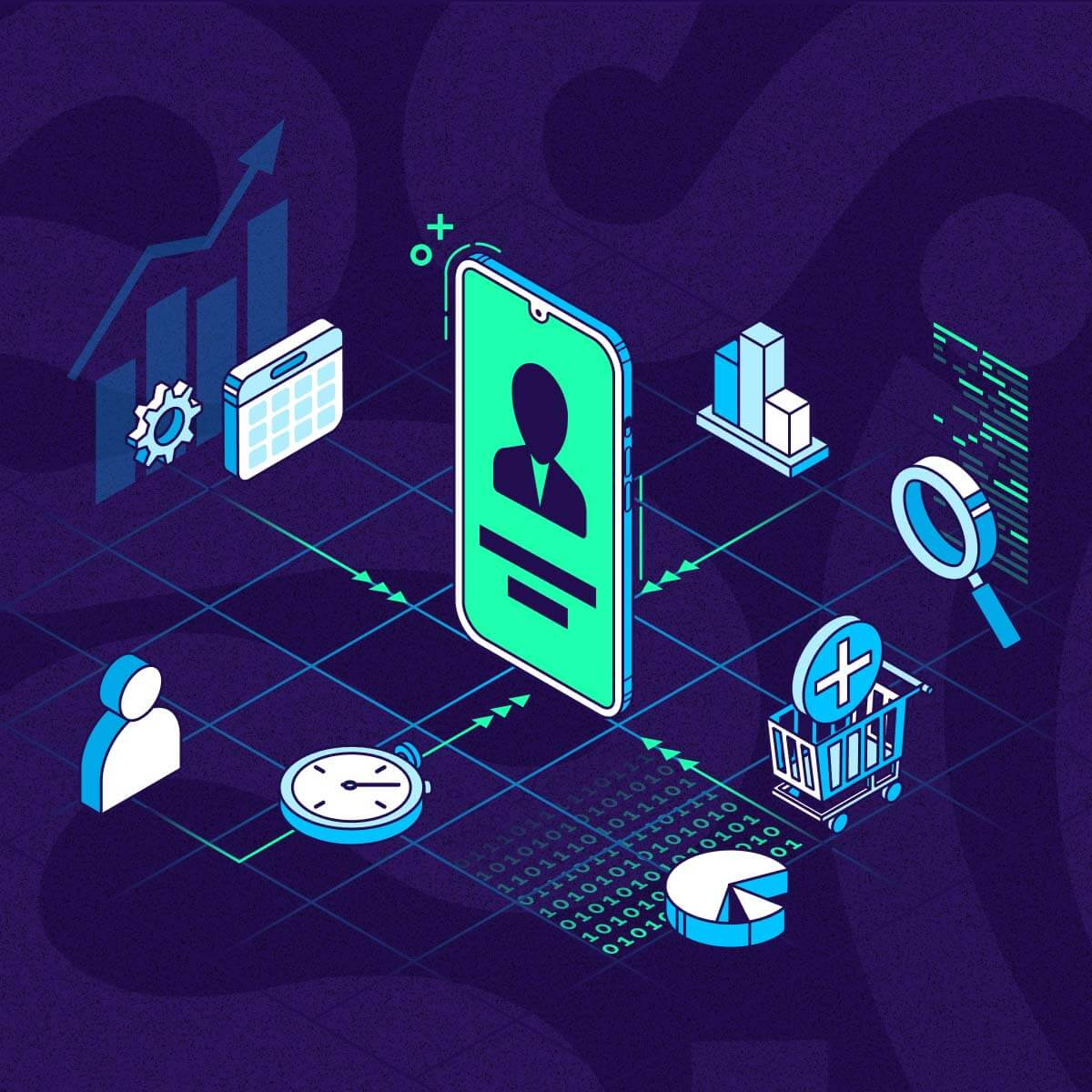
Identify who's visiting your website. Tools that identify companies visiting your site (Clearbit, Leadinfo, and similar platforms) are becoming table stakes. They let you:
- Identify which companies visit your website (not just individuals).
- Track behavior and engagement patterns across pages.
- Understand which products or services they're most interested in.
- Build retargeting audiences based on real intent signals.
Implement a hybrid content strategy.
Don't gate everything. The most effective approach combines ungated foundational content (blog posts, guides) with gated premium resources (proprietary research, templates, benchmarks). Build trust first, then capture leads from an engaged audience.
Use first-party data for cookieless retargeting.
Now that cookies are disappearing, your own website visit data becomes your most important competitive advantage. Use this data for cookieless retargeting on LinkedIn and Google Ads.
Enrich your data.
First-party data tells you who visited and what they looked at. Layer in data enrichment tools to add company size, industry, technology stack, recent funding, and buying signals. This becomes the foundation for personalized outreach.
📌 Pro tip: Combine website visitor identification with your CRM to automatically trigger personalized nurture flows based on behavior.
📞 Add 10–30 Sales Calls to Your Pipeline
Our $5M cold calling system books qualified meetings with trained SDRs. Guaranteed appointments—or we replace the SDR.
Trend 2: AI-Driven Personalization at Scale Is Now Standard
The Personalization Gap
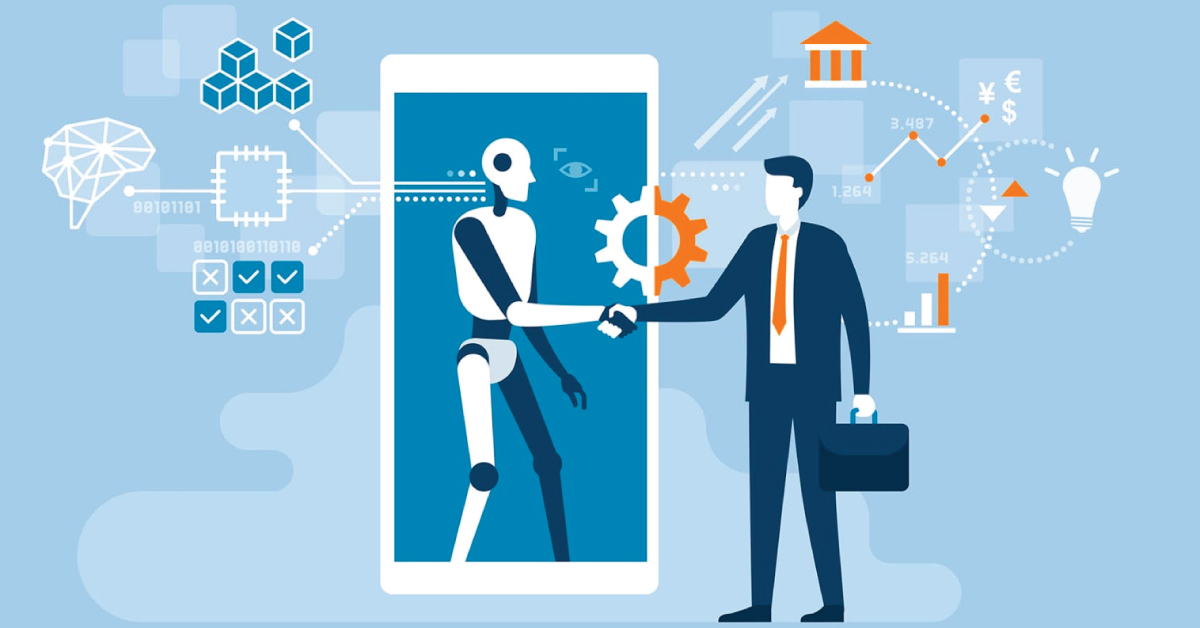
Buyers expect personalized experiences, but most B2B outreach still feels generic. AI is no longer hype. It's the engine behind effective B2B campaigns in 2026.
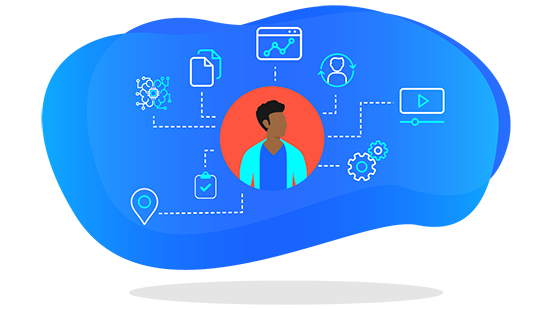
The transition from "one-size-fits-all" to hyperpersonalization makes the difference between ignored emails and conversations with decision-makers. Hyperpersonalization means every touchpoint in your marketing and sales process is tailored to the specific company, industry, and stage in the buyer journey.
The gap between expectation and reality is where opportunity lives.
How AI Is Changing the Game
92% of marketers say AI has already impacted their role, including lead generation workflows. 79% expect to incorporate more AI into their strategies.80% of marketing automation users saw an increase in leads, with 77% experiencing a higher conversion rate. From CRM systems to AI-driven prospecting platforms, the use of automation and analytics is now table stakes for scalable lead generation.
How to Implement AI Personalization
Automate data enrichment.
Tools like Apollo, Clay, and Clearbit use AI to fill in missing data points — job titles, company details, buying signals — automatically. B2B sales representatives who perform manual lead outreach spend 28% of their time researching targets and sourcing contact details. AI eliminates this bottleneck.
Personalize email sequences at scale.
AI-powered platforms analyze your best-performing emails, identify patterns in subject lines and opening hooks, and generate personalized variations based on prospect data (company size, industry, role). The result: higher open rates and response rates without manual customization for every prospect.
Implement AI-driven lead scoring.
Traditional lead scoring is static — you set rules and hope they work. AI lead scoring is dynamic. It learns from your actual conversion data and adjusts scoring in real time, helping your sales team prioritize the prospects most likely to close.
Use AI for pipeline forecasting.
Beyond scoring, AI can predict which leads will convert and when, deal size based on company characteristics, and sales cycle length by industry. This transforms lead generation from a guessing game into a predictable system.
Trend 3: Demand Generation Comes Before Lead Generation
The Shift from Reactive to Proactive
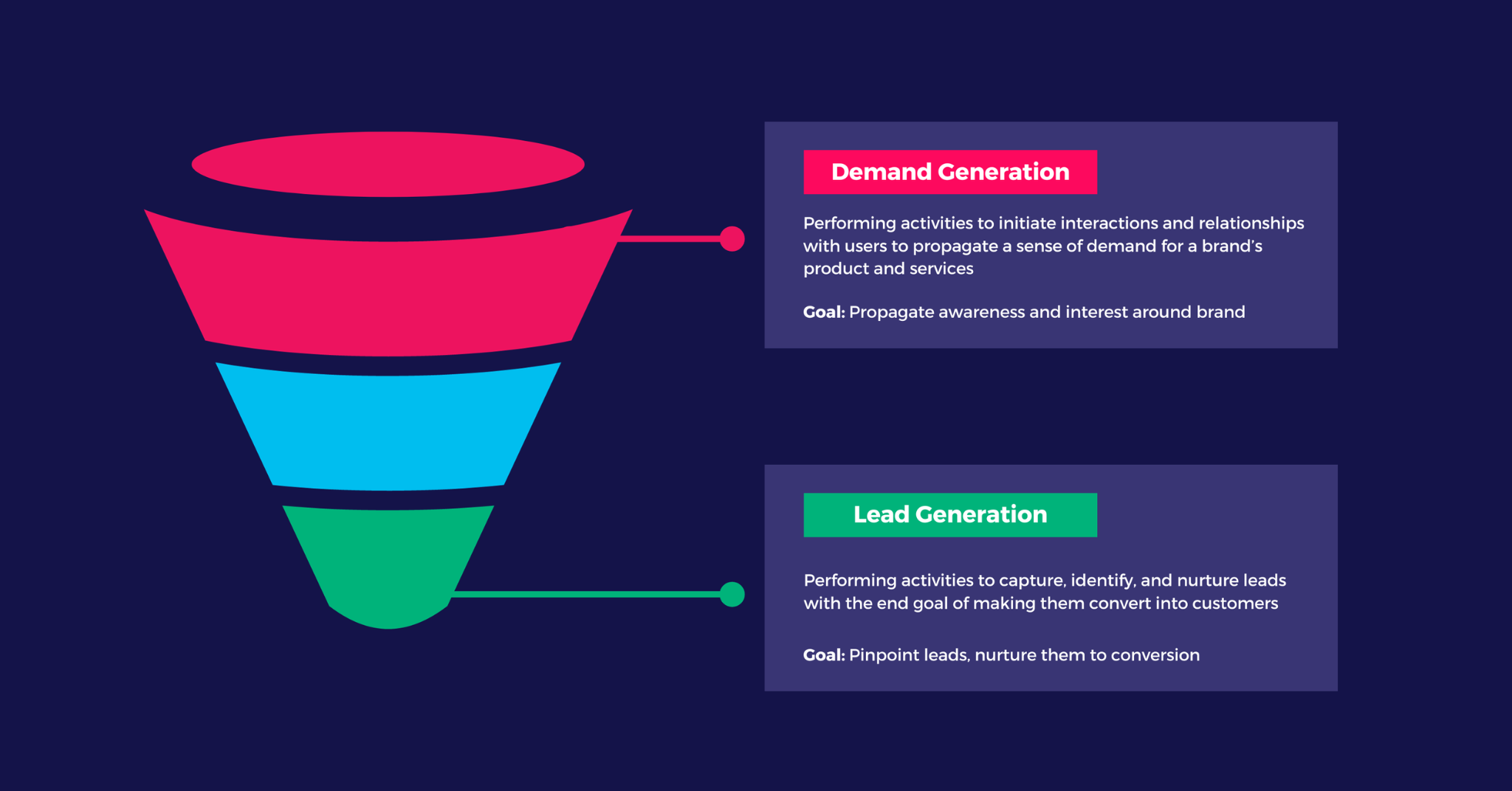
Traditional lead generation strategies are reactive: you wait for prospects to raise their hand. Demand generation is proactive: you build awareness and authority first, then capture leads from an already-engaged audience.
Many marketing teams measure success based on when a lead appears. But if buyers already have vendors in mind, the real competition happens earlier. Category education, product visibility, and proof all shape the shortlist before the first marketing conversion ever occurs.
The implication is clear: if you're not building demand before you try to capture leads, you're already behind.
Why This Matters for Pipeline Quality
Prospects who discover you through valuable content are pre-sold on your expertise before they ever speak to sales. They're not cold — they're warm. This leads to shorter sales cycles, higher conversion rates, and larger deal sizes.
Businesses that publish blogs consistently generate 13x more leads and achieve better returns.
How to Implement Demand Generation
Publish ungated, high-value content.
Create blog posts, guides, and resources that solve real problems for your target audience — without requiring a form. Build trust and establish authority first.
The best B2B content strategy looks like this:
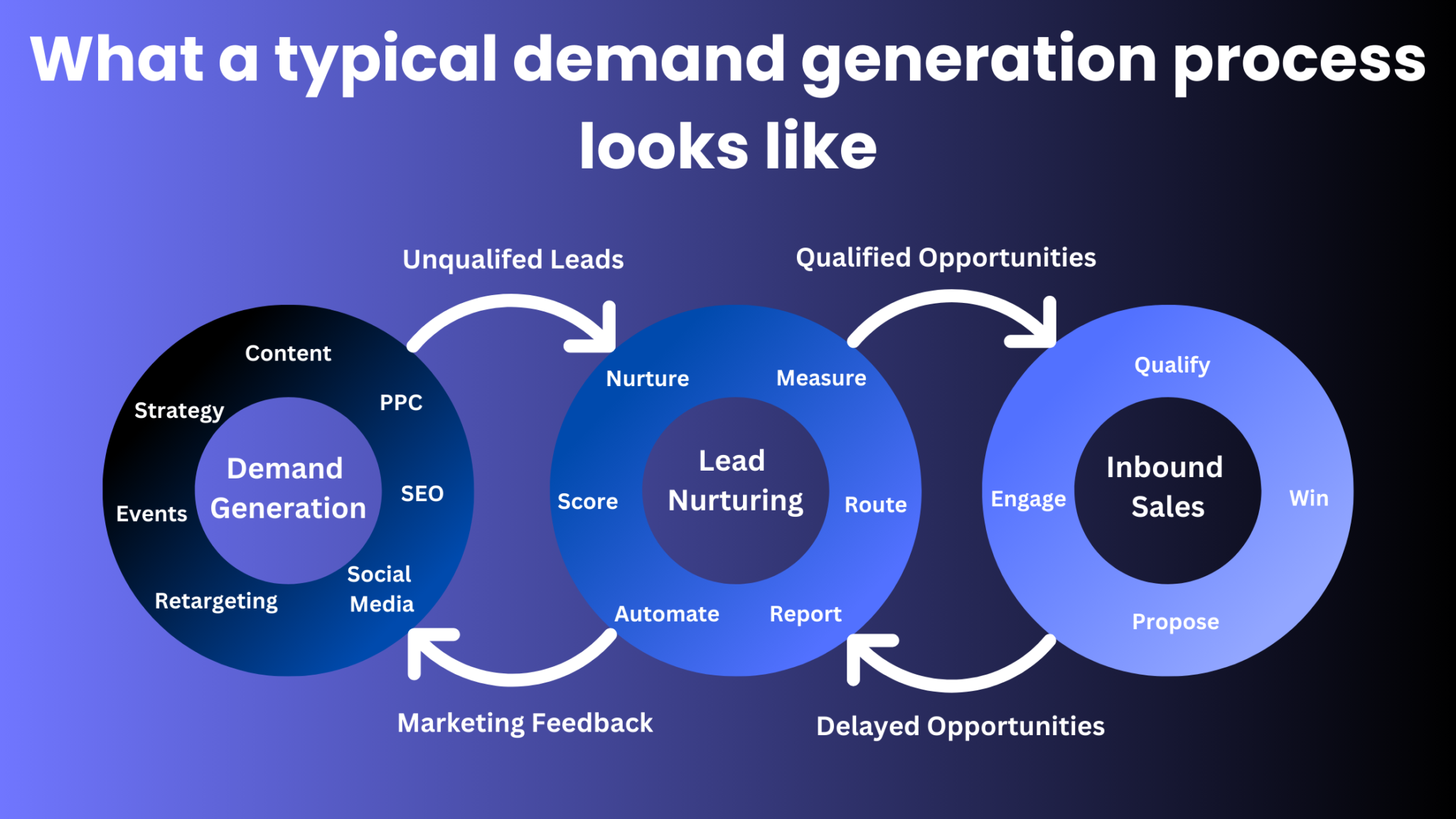
1️⃣ Identify intent from content consumption. Track which companies consume your content and how deeply they engage — time on page, pages visited, return visits, scroll depth. Companies that engage deeply with your content are significantly more likely to become customers.
2️⃣ Build retargeting from content engagement. Once you know which companies are consuming your content, retarget them with more specific offers (webinars, demos, consultations) on LinkedIn and Google Ads. The funnel: content discovery → company identification → behavioral tracking → targeted retargeting → conversion.
3️⃣ Create content clusters around your ICP's core challenges. Instead of one-off blog posts, build comprehensive clusters around topics relevant to your target industries. This dominates search results, establishes authority, and creates multiple touchpoints to identify interested prospects.
Trend 4: LinkedIn Strategy Evolves Beyond Spray-and-Pray
Why LinkedIn Still Dominates — And Why Strategy Matters
89% of B2B marketers use LinkedIn for lead generation, and 62% say it produces leads for them effectively. But not all LinkedIn strategies are created equal.
LinkedIn generates 75% to 85% of all B2B leads from social media. And 4 out of 5 LinkedIn members drive business decisions.
The trend in 2026 is moving away from mass connection requests toward more strategic, relationship-based approaches.
LinkedIn's algorithm has changed. Generic outreach is being deprioritized. Authentic engagement and thought leadership are being rewarded.
How to Evolve Your LinkedIn Strategy
Build a thought leadership presence first.
Before you prospect, establish credibility. Post 2-3 times per week on topics relevant to your industry. Share original insights — not just industry news. Engage authentically with others' content. Let your network grow organically. Companies with strong thought leadership on LinkedIn see dramatically higher engagement on outreach messages and response rates.
Use LinkedIn's native tools strategically.
LinkedIn Lead Gen Forms, Sponsored InMail, and LinkedIn Ads are becoming more sophisticated. Lead Gen Forms auto-populate with prospect data, meaning conversion rates are typically 2-3x higher than external landing pages. Use them for top-of-funnel awareness, mid-funnel nurturing, and retargeting engaged prospects.
Combine LinkedIn outreach with email for multi-touch sequences.
The most effective B2B outreach combines LinkedIn connection requests with personalized email follow-ups. A proven sequence:
- Day 1: Personalized LinkedIn connection request
- Day 3: If accepted, send personalized email
- Day 7: LinkedIn follow-up message if no email reply
- Day 14: Follow-up email
- Day 21: Final touch before moving on
This multi-touch outreach approach consistently outperforms single-channel outreach.
Leverage Sales Navigator for ABM targeting.
Use advanced filters (company size, industry, job title, seniority), account insights (promotions, new hires, company news), and activity tracking to time your outreach strategically. 40% of B2B marketers rate LinkedIn as the most effective channel for driving high-quality leads.
Trend 5: Account-Based Marketing Goes Mainstream
From Enterprise-Only to Mid-Market Standard
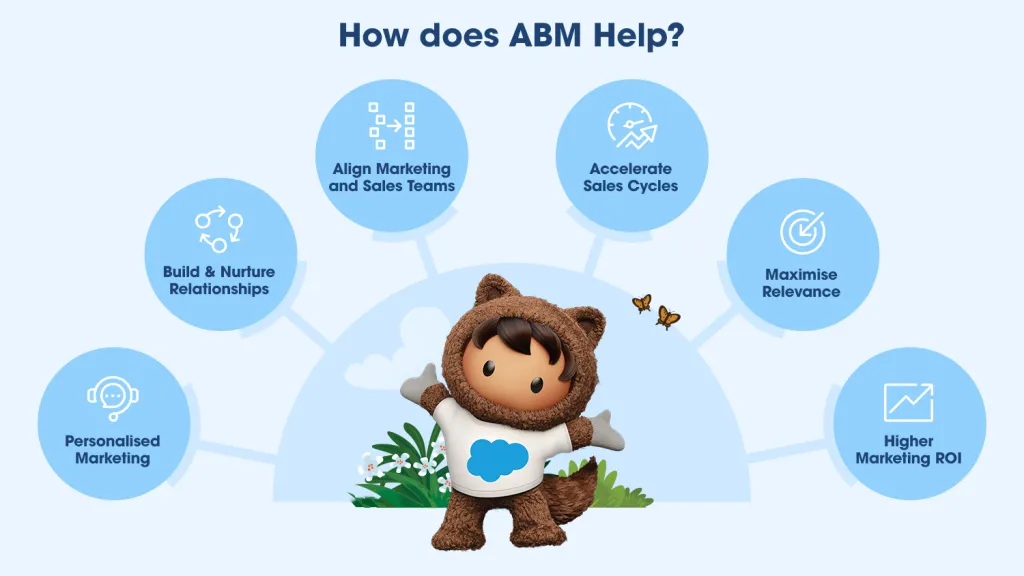
Account-based marketing — targeting specific high-value accounts with personalized campaigns — is no longer just for enterprise sales teams. Mid-market companies are adopting account-based marketing strategies and seeing significant ROI improvements.
The shift is clear: ABM is becoming the default strategy for B2B lead generation, not the exception.
The global lead generation industry is projected to reach $295 billion by 2027, growing at an estimated 17% CAGR, as businesses invest heavily in automation and outsourced sales solutions. ABM is a major driver of this growth.
Why ABM Outperforms Traditional Lead Generation
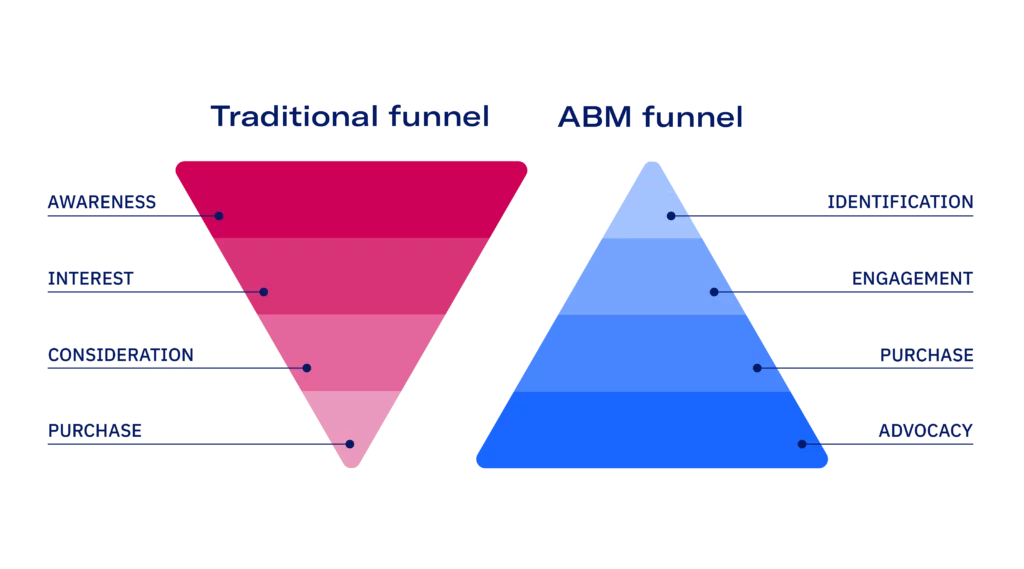
Traditional lead generation casts a wide net and hopes for conversions. ABM identifies the exact accounts you want to win and builds campaigns specifically for them. The result:
- Higher average contract values
- Higher win rates
- Better sales and marketing alignment
How to Implement ABM in 2026
Define your Ideal Customer Profile (ICP) with precision.
Your ICP should include company size (employees, revenue), industry and vertical, geographic location, technology stack, growth stage, and buying signals (recent funding, leadership changes, expansion). The more specific your ICP, the better your targeting.
Build a Target Account List (TAL).
Use your ICP to identify 50-200 specific accounts you want to win. Research each account, identify decision-makers and influencers, assess fit and opportunity, and prioritize by potential value.
A well-built TAL is the foundation of a successful ABM. Develop account-specific campaigns. For each account on your TAL, create personalized campaigns across email, LinkedIn, and paid ads. The message should speak directly to that company's specific challenges and opportunities. This includes:
- Personalized email sequences (3-5 emails over 30 days)
- LinkedIn outreach to multiple decision-makers
- Targeted ads on LinkedIn and Google
- Custom content addressing their specific pain points
Align sales and marketing around shared goals.
41% of B2B marketers report difficulty aligning marketing-generated leads with sales expectations. ABM only works when both teams jointly define the TAL, share metrics (pipeline generated, deals closed, revenue), and hold regular sync-ups to adjust strategy.
Trend 6: Lead Quality Finally Beats Lead Quantity
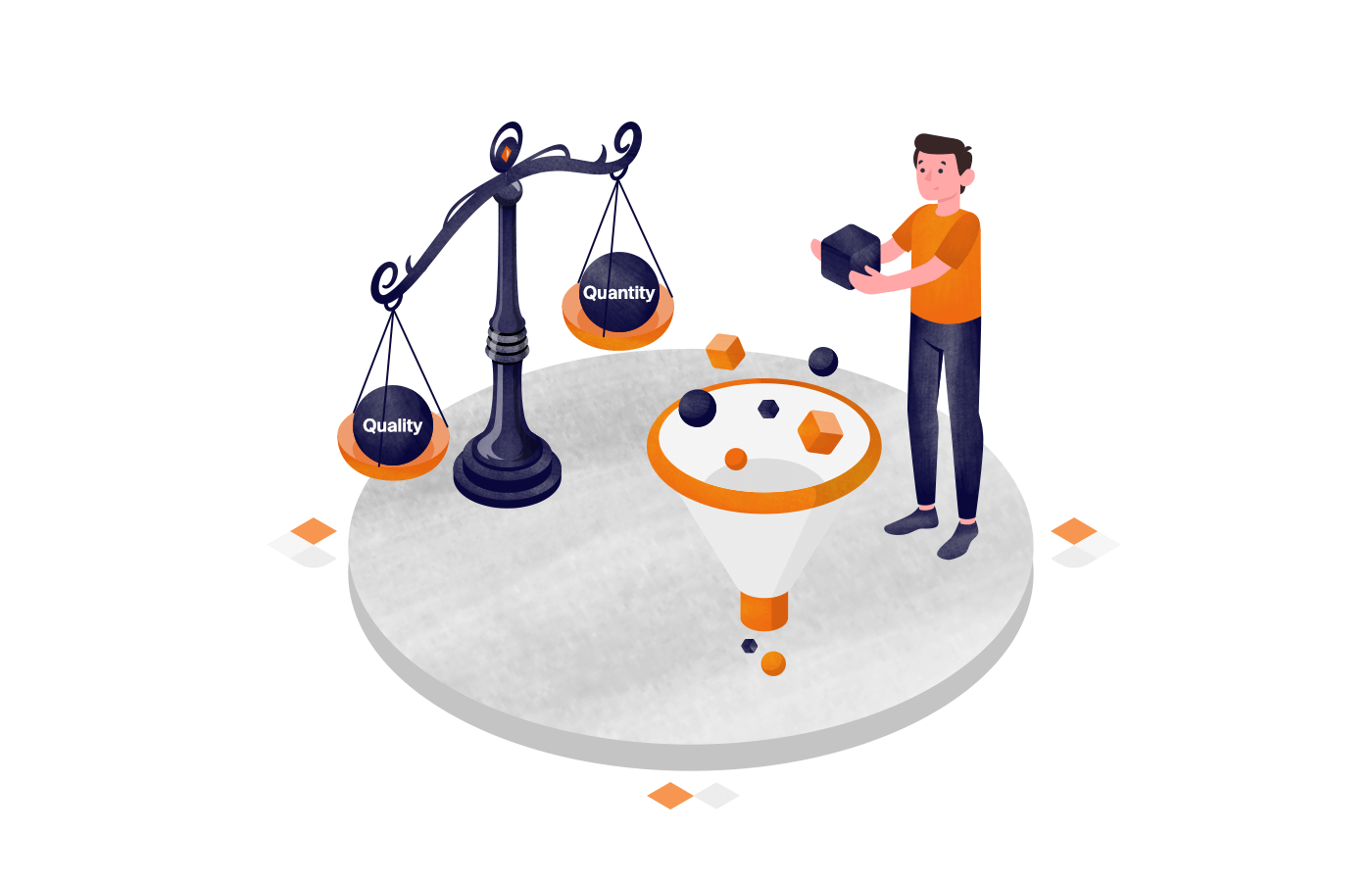
The Volume Trap Is Breaking Down
For years, the metric was simple: more leads = more revenue. That equation is breaking down. 61% of marketers say generating quality leads is their top challenge, and the data explains why: 79% of leads never convert into sales due to poor nurturing and qualification.
The 5 top metrics that matter to marketers in 2026: lead quality and MQLs (39%), lead-to-customer conversion rate (34%), ROI (31%), customer acquisition cost (30%), and lead generation volume (29%).
Lead quality has officially overtaken lead volume as the primary KPI. The companies winning in 2026 are the ones chasing fewer, better leads — not more of the same.
Related: Read our deep-dive on lead quality vs. quantity and why more leads can actually hurt B2B revenue.
How to Prioritize Lead Quality
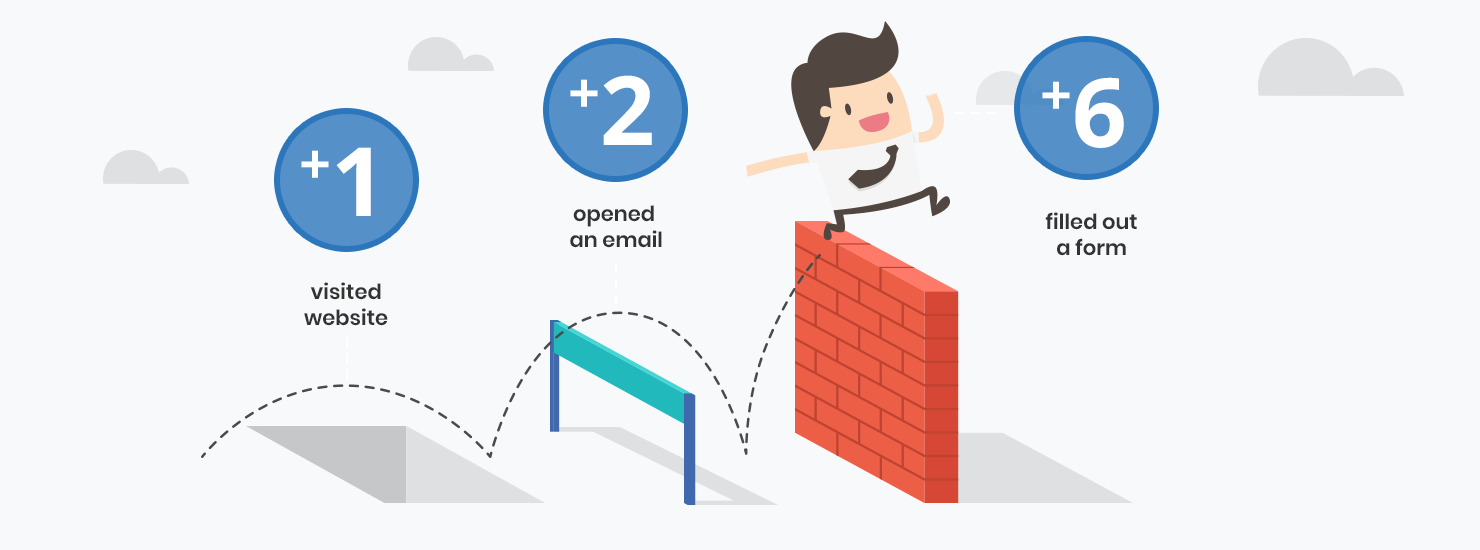
Implement a rigorous lead scoring model.
Score leads based on demographic fit (company size, industry, location), behavioral signals (website visits, email opens, content downloads), engagement depth (demo requests, pricing page visits, contact form submissions), and ICP alignment. High-scoring leads go directly to sales. Medium-scoring leads go to nurturing. Low-scoring leads get disqualified early.
Use the BANT framework for qualification.
Define what makes a qualified lead for your business: Budget, Authority, Need, and Timeline. Leads that meet all four criteria are qualified. Those that don't should be nurtured or disqualified.
Invest in sales enablement.
Give your sales team the tools, training, and content they need to close deals faster — battle cards, case studies, competitive analysis, and objection handling guides. Sales enablement is a direct driver of that experience.
Measure what actually matters.
Track lead-to-opportunity conversion rate, opportunity-to-deal conversion rate, average deal size, sales cycle length, and customer acquisition cost (CAC). If these metrics are improving, your lead generation strategy is working.
How Cleverly Helps You Execute These Trends
Implementing all six of these trends simultaneously requires expertise, infrastructure, and relentless execution. Most B2B teams know what they should be doing — but don't have the bandwidth or specialist knowledge to do it well across every channel.
That's exactly where Cleverly comes in.
The Problem Most B2B Companies Face
When you're managing cold email deliverability, LinkedIn outreach sequences, ABM targeting, content strategy, lead scoring, and sales alignment all at once — something always falls through the cracks.
👎 The result: inconsistent pipeline, missed opportunities, and revenue that's hard to predict month over month.
What Cleverly Does Differently
Cleverly doesn't just run campaigns. We build outbound systems specifically engineered to generate consistent, qualified pipelines across the channels that matter most for your business.
What that looks like in practice:
- Done-for-you cold email outreach. We handle everything from cold email infrastructure setup and domain warm-up to personalized copywriting and deliverability optimization. Our campaigns are built to land in the inbox and start conversations — not get filtered to spam.
- LinkedIn lead generation at scale. We manage your LinkedIn outreach end-to-end: ICP targeting, connection sequences, follow-up messaging, and reply management. Every message is personalized to the prospect's company, role, and context. We don't blast — we build relationships.
- Multi-channel sales cadences. We design and execute sales cadences that combine email, LinkedIn, and calling touchpoints in the right sequence, at the right time. Multi-touch outreach consistently outperforms single-channel approaches — and we've built the playbooks to prove it.
- ICP definition and targeting strategy. Before we send a single message, we work with you to sharpen your ICP, build your target account list, and identify the decision-makers most likely to convert. Precision targeting is the foundation of everything we do.
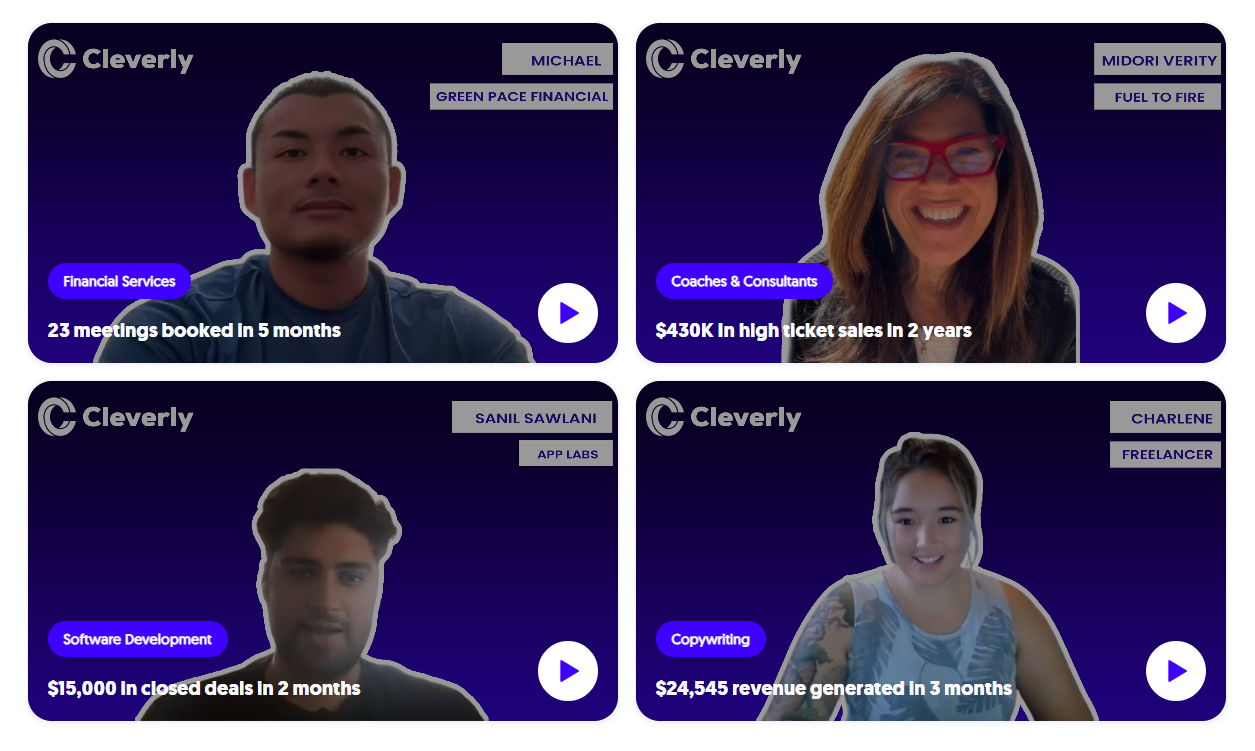
Read our client reviews
The Results Our Clients See
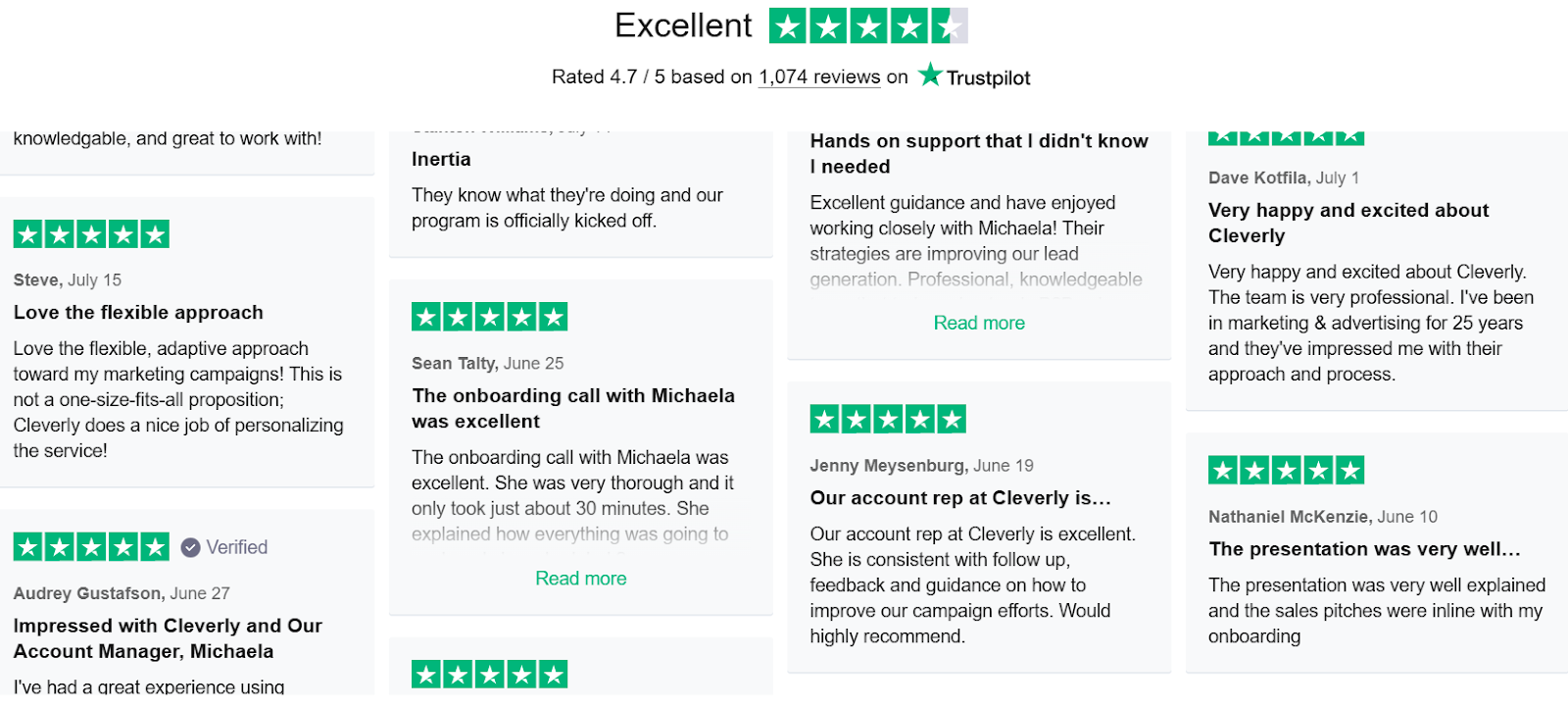
Cleverly has generated over $312 M in pipeline for B2B companies across technology, SaaS, professional services, and more. Our clients consistently see:
- Qualified meetings booked within the first 30 days of campaign launch.
- Higher reply rates than industry benchmarks through hyper-personalized outreach.
- Shorter sales cycles because prospects arrive pre-educated and pre-qualified.
- Predictable pipeline that compounds as campaigns mature.
The difference between a tactic and a system is repeatability. Cleverly builds systems.
🚀 Ready to build a predictable B2B pipeline? Book a free consultation with our team to see how we'd approach your specific market.
Conclusion
The B2B lead generation space is shifting from volume-based tactics to precision-driven systems. The six trends covered here: first-party data, AI personalization, demand generation, evolved LinkedIn strategy, account-based marketing, and quality-focused metrics — aren't optional. They're becoming the baseline for any competitive B2B company.
The companies winning in 2026 are the ones doing smarter outreach — backed by better data, powered by AI, and aligned around metrics that actually drive revenue.
Implementing these trends requires more than reading about them. It requires the right strategy, the right tools, and consistent execution across every channel. If you're ready to build a predictable B2B pipeline that compounds over time, our B2B lead gen services are built to help you do exactly that.
Frequently Asked Questions
Free Resource
How to Scale a Profitable Cold Call System
Get the complete guide — download it instantly now.
Free Ebook
Download the Free Guide
Enter your details to get instant access.
You're all set! 🎉
Your ebook is downloading now.
Click below if the download didn't start automatically.


