Table of Contents
What Is Cold Email Personalization?
Why Cold Email Personalization Improves Reply Rates
The Cold Email Personalization Framework (Step-by-Step)
Personalized Cold Email Examples
How AI Helps Scale Cold Email Personalization
Common Mistakes in Cold Email Personalization
How Cleverly Executes Personalized Cold Email Campaigns
Conclusion
Frequently Asked Questions
Modified On :
March 16, 2026
Key Takeaways
- Cold email personalization goes beyond merge tags. It's about referencing real, specific context that's relevant to each prospect.
- Relevance is what earns replies. Buyers respond to emails that speak directly to their situation, not generic templates.
- A repeatable framework (ICP, research, hook, pain point, value prop, CTA) makes personalized cold emails consistent and scalable.
- Your opening line carries the most weight. One specific, well-researched hook can dramatically lift reply rates.
- AI tools help you scale cold email personalization faster, but human review is still essential to keep quality high.
- Short, focused emails always outperform long ones. Personalization is about relevance, not word count.
Most cold emails never get a reply. Not because the product is bad or the timing is off, but because the email feels like it was written for nobody in particular.
Today's buyers get dozens of outreach emails every week. They can spot a template in two seconds, and when they do, it's gone.
Cold email personalization is what separates emails that get deleted from emails that start conversations.
When you personalize the right way, combining real research, structured messaging, and smart tools, reply rates climb fast. Some campaigns consistently hit 20% or higher.
This guide covers:
- What cold email personalization actually means
- A step-by-step framework to do it right
- Real personalized cold email examples you can model
- How AI tools can help you scale without losing quality

What Is Cold Email Personalization?
Cold email personalization is the practice of tailoring your outreach to a specific prospect based on real, relevant context about them or their business.
It goes well beyond adding a first name. There are three levels most people operate at:
- Merge tags – Swapping in {First Name}, {Company}, {Title}. This is table stakes, not personalization.
- Surface-level personalization – Referencing the prospect's industry or job role in a generic way. Better, but still easy to spot.
- Deep contextual personalization – Referencing something specific: a recent post, a company announcement, a hiring trend, a business challenge unique to their situation.
Personalized cold emails built on real context feel relevant. They show the prospect you actually know something about them. That's what earns attention and gets replies.
Also Check: How to Write Cold Emails That Get Replies (Complete Guide)
📩 Want Replies — Or Just Opens?
Cleverly runs done-for-you cold email campaigns where you only pay for qualified, meeting-ready leads.
Why Cold Email Personalization Improves Reply Rates
Relevance is the only thing that stops a busy person from hitting delete.
When your email connects to something a prospect actually cares about, it creates a moment of recognition. They feel seen, not sold to. Why that matters:
- Attention: Relevant context grabs attention in the first line. Generic openers don't.
- Credibility: When you reference something real, you instantly come across as someone worth responding to.
- Lower resistance: Tailored messaging feels like a conversation, not a pitch. That lowers the natural guard buyers put up against cold outreach.
- Expectation match: Modern B2B buyers expect personalized cold email outreach. They can tell the difference between effort and automation.
The bottom line: Prospects respond to context, not templates. The more relevant your email, the more likely it earns a reply.

The Cold Email Personalization Framework (Step-by-Step)
Here's a repeatable framework for how to personalize cold emails at scale without sacrificing quality.
Step 1: Identify a Clear ICP
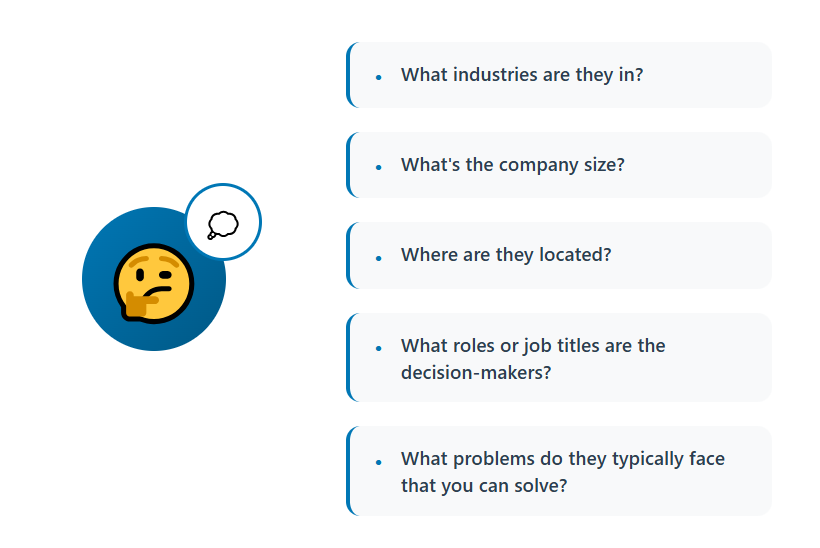
Before you write a single word, you need to know exactly who you're targeting. Build your Ideal Customer Profile (ICP) around:
- Industry and sub-industry
- Company size (headcount, revenue)
- Prospect's role and seniority
- Common pain points and priorities at that level
The tighter your ICP, the easier personalization becomes. You already know what matters to them.
Step 2: Research the Prospect

Spend 3 to 5 minutes per prospect gathering specific signals. Look at:
- Their LinkedIn profile (recent posts, career moves, recommendations).
- Company news (press releases, blog posts, announcements).
- Funding rounds or acquisitions.
- Hiring trends (what roles they're scaling signals business priorities).
You're looking for one or two strong hooks, not a full dossier.
Step 3: Personalize the Opening Line
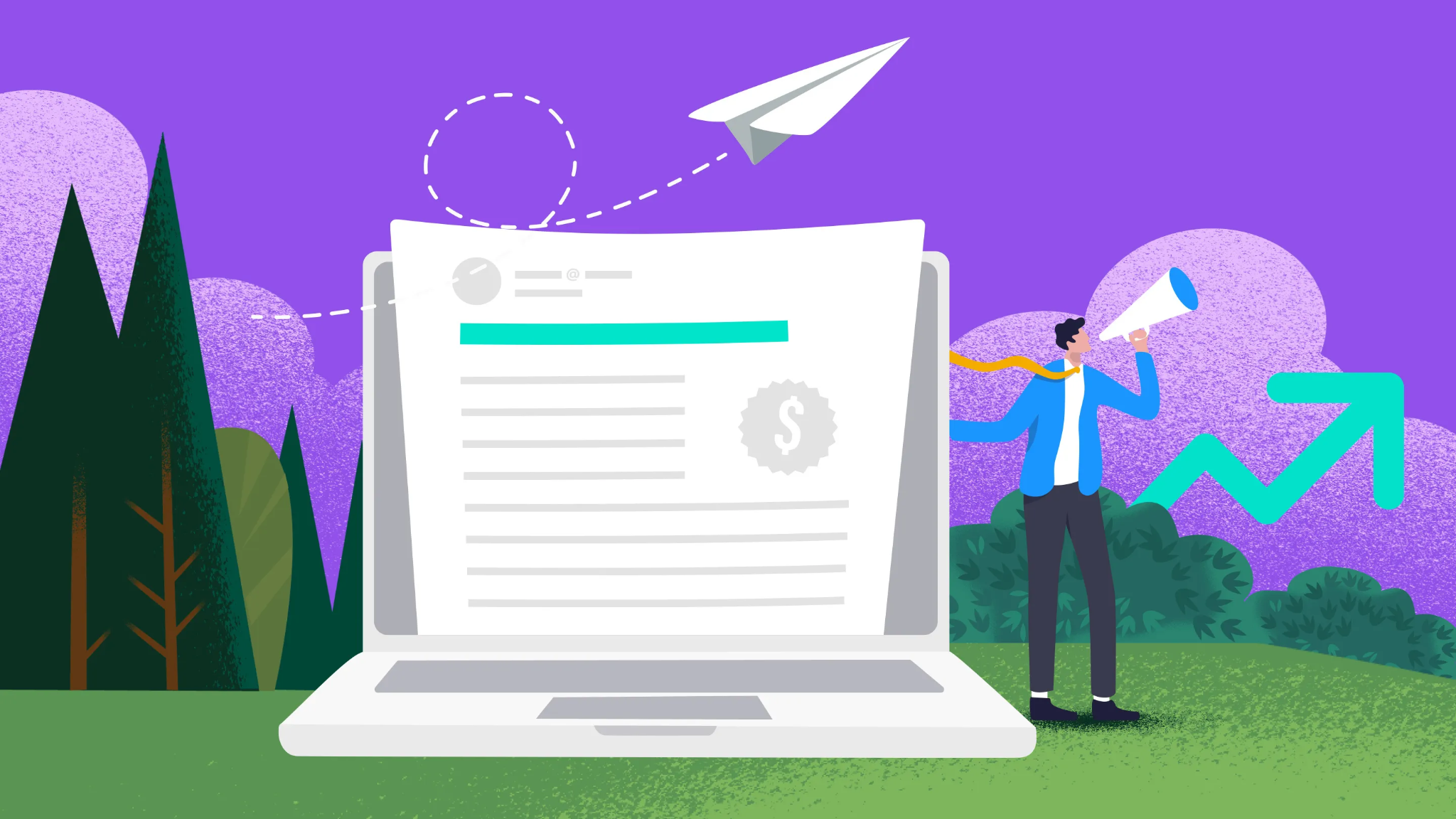
Your first line should feel like it could only be written for this person. Not their industry. Not their title. Them.
- Reference something they posted or commented on
- Mention a specific company initiative you noticed
- Acknowledge a challenge that's specific to their current situation
One strong, specific opening line can double your reply rate on its own.
Step 4: Connect the Insight to a Pain Point
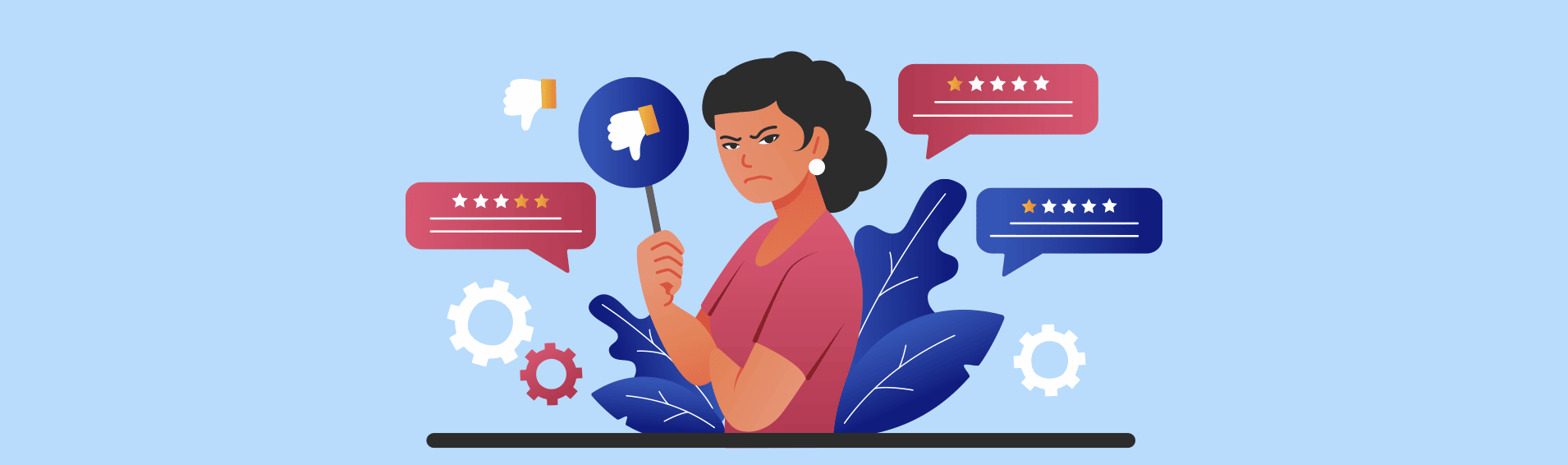
This is the bridge most people miss. The personalization has to connect to something that matters to their business.
Don't just mention what you found. Tie it to a challenge they're likely facing as a result. That's what makes the email feel relevant instead of just researched.
Step 5: Offer a Relevant Value Proposition
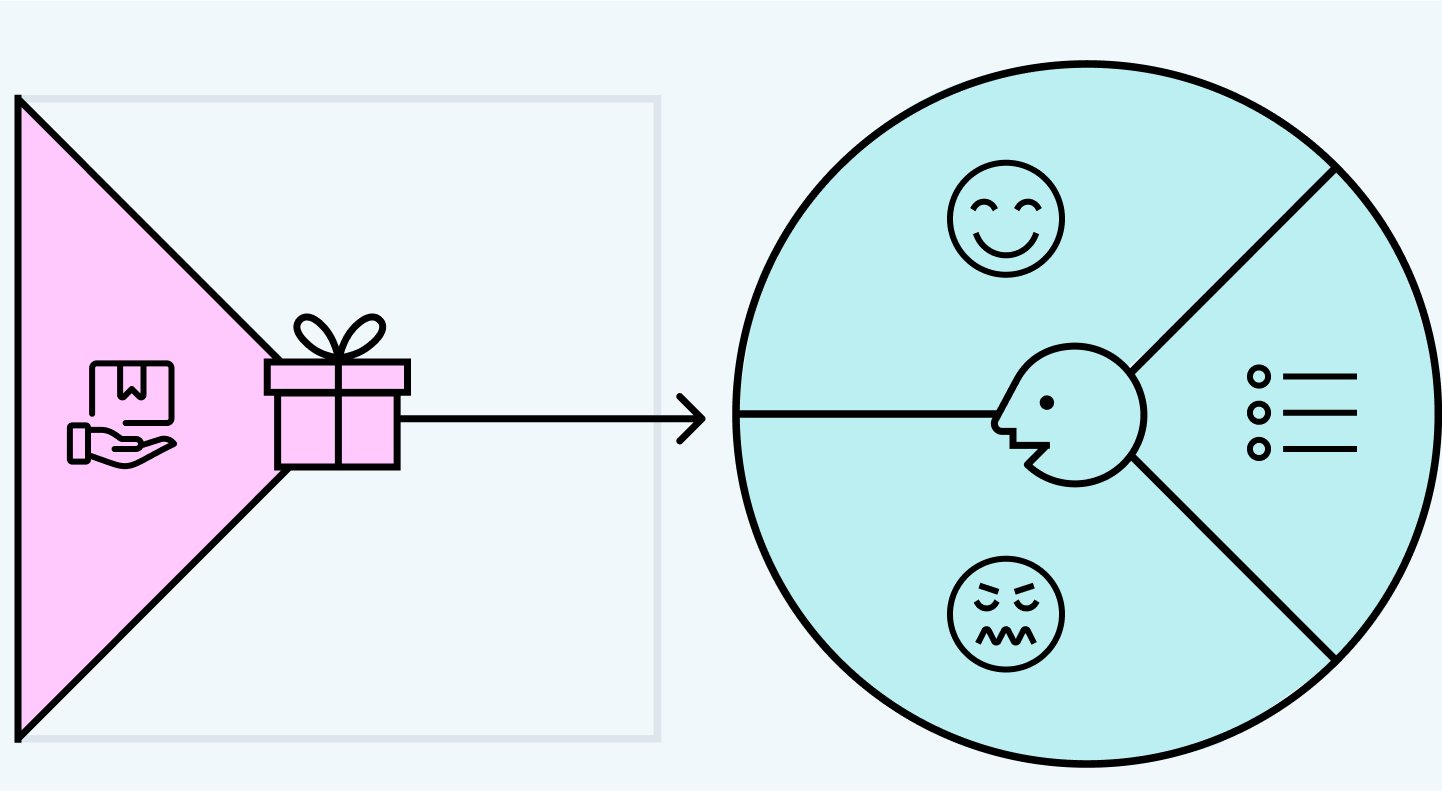
Now you explain how you help, but keep it specific to the pain point you just referenced. A good value prop here is one or two sentences that answer: "What's in it for them, given their specific situation?"
Avoid listing every feature or benefit. Narrow it down to what's most relevant for this prospect right now.
Step 6: End With a Simple Call to Action
Keep the ask low-friction. You're not closing a deal in one email. You're starting a conversation.
Examples:
- "Would it make sense to connect for 15 minutes this week?"
- "Open to a quick call to see if this fits?"
- "Worth a conversation?"
One question. One ask. Make it easy to say yes.
Read More: Best Cold Email Blueprint to Generate Leads (100% Tested)
🚀 Cold Email That Books Real Meetings
Skip spammy sequences. Cleverly delivers personalized cold email outreach that turns prospects into sales calls.
Personalized Cold Email Examples
Here are three personalized cold email examples built around different types of research.
Example 1: LinkedIn Activity Personalization
Subject: Your post on SDR burnout
Hi [First Name],
Saw your post about SDR burnout and the pressure to hit pipe numbers with shrinking budgets. That resonates with a lot of the sales leaders we work with.
We help B2B teams generate qualified meetings through done-for-you cold email outreach, so your reps spend time closing, not prospecting.
Worth a quick call to see if it fits?
[Your Name]
Example 2: Company News Personalization
Subject: Congrats on the Series B
Hi [First Name],
Congrats on the Series B. Scaling pipeline fast after a raise is exciting but it can put a real strain on outbound capacity.
We run cold email campaigns for B2B companies in scale mode and have helped 10,000+ clients generate meeting-ready leads. Happy to share what's working.
Open to a 15-minute chat?
[Your Name]
Example 3: Role-Based Personalization
Subject: Quick question for [Title]s at [Company size] companies
Hi [First Name],
Most [VP of Sales / Head of Growth] I talk to at [company type] are dealing with the same issue: outbound takes forever to set up and even longer to show results.
We remove that bottleneck entirely with a fully managed cold email system. Our clients typically see meeting-ready leads within the first 30 days.
Would love to show you how it works. Have 15 minutes this week?
[Your Name]
How AI Helps Scale Cold Email Personalization
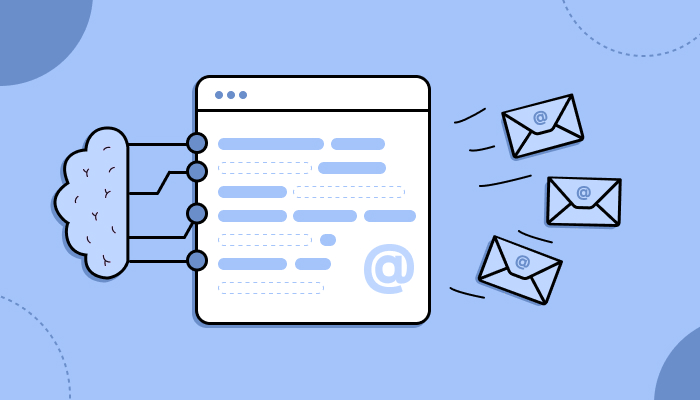
AI has genuinely changed what's possible with cold email personalization at scale. Used the right way, it saves hours without making your emails feel robotic.
Here's where AI tools add real value:
- Prospect research: AI can pull and summarize public data on a prospect faster than manual searching.
- Personalization suggestions: Tools can generate first-line variations based on LinkedIn activity, news, or company data.
- Data enrichment: AI can fill in gaps in your prospect lists with job titles, contact info, and firmographic data.
- Message generation: Draft variations for A/B testing across different personas and ICPs.
But there are real risks to watch out for:
- Over-automation produces emails that feel fake even when they technically include "personalization".
- AI can get facts wrong, always review before you send.
- Relying entirely on AI-generated content removes the human judgment that makes outreach land.
The best AI cold email personalization setups use AI to surface the research and generate draft options, then have a human review and refine. AI should assist your thinking, not replace it.
Here’s More: How To Actually Get B2B Clients With Cold Email
Common Mistakes in Cold Email Personalization
Even experienced teams get this wrong. Here are the mistakes that quietly kill reply rates:
❌ Fake personalization: Saying "I noticed you're in SaaS" isn't personalization. It's lazy. Prospects see through it instantly.
❌ Over-long emails: Personalization doesn't mean more words. Keep it tight. If your email runs past 150 words, cut it.
❌ Irrelevant research: Mentioning something about a prospect that has nothing to do with your pitch creates confusion, not connection.
❌ Forced personalization: If the hook doesn't naturally lead into your value proposition, it doesn't belong in the email. Don't force a connection that isn't there.
❌ Full AI dependence: Completely AI-generated emails lack nuance. They often miss the subtle context that makes a message feel genuinely human.
Every one of these mistakes signals to the prospect that the email wasn't really written for them. That's the fastest way to end up in the trash.
How Cleverly Executes Personalized Cold Email Campaigns
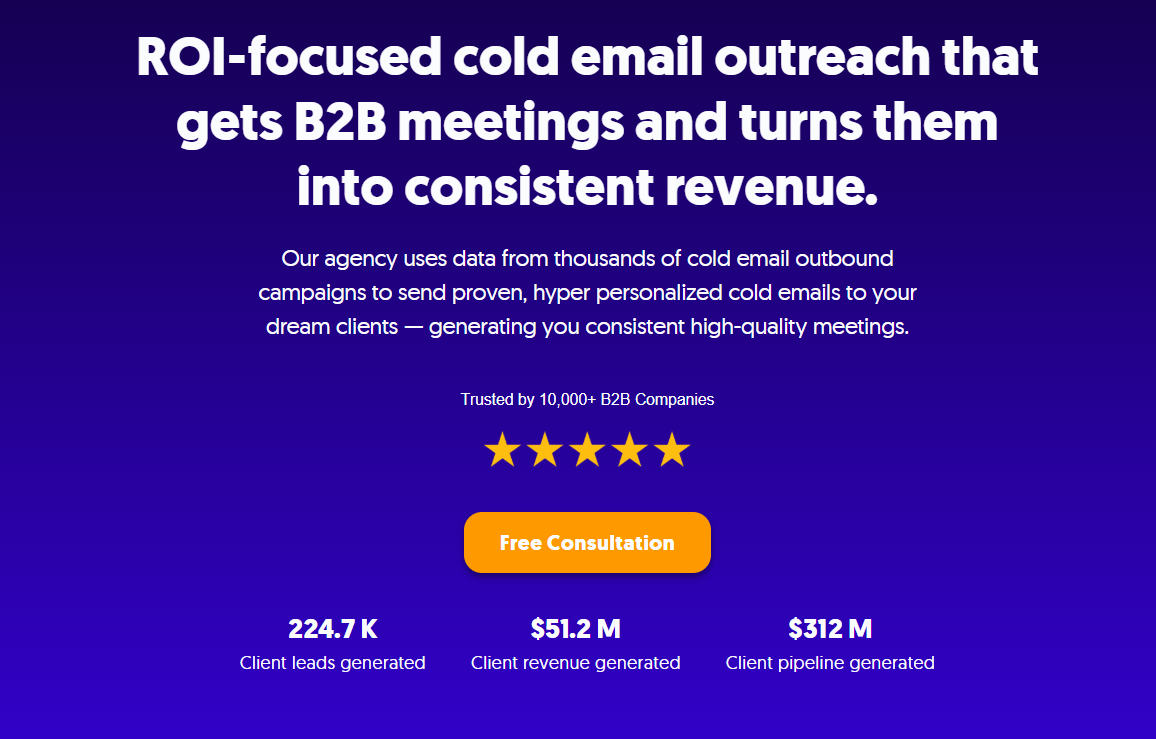
If you want personalized cold email outreach done right, without building the system yourself, this is exactly what we do at Cleverly.
We're a cold email outreach agency that handles the entire process for you, end to end. Here's how we approach it:
- ICP-first targeting: We start by clearly defining your ideal customer profile and breaking it into specific personas. Every campaign is built around the right audience before a single email is written.
- Personalized messaging frameworks: We write hyper-personalized emails for each persona, including hundreds of unique first-line ice breakers so no two emails look the same. Generic batch-and-blast is not how we operate.
- Multi-touch outbound campaigns: We run full drip sequences designed to stay relevant across multiple touchpoints without being pushy or repetitive.
- AI-assisted research and personalization: We use AI tools to accelerate research and generate personalization at scale, combined with human review to make sure every email holds up.
- Ongoing campaign optimization: We run A/B tests continuously, review performance in a qualitative way, and optimize based on what's actually driving responses, not just opens.
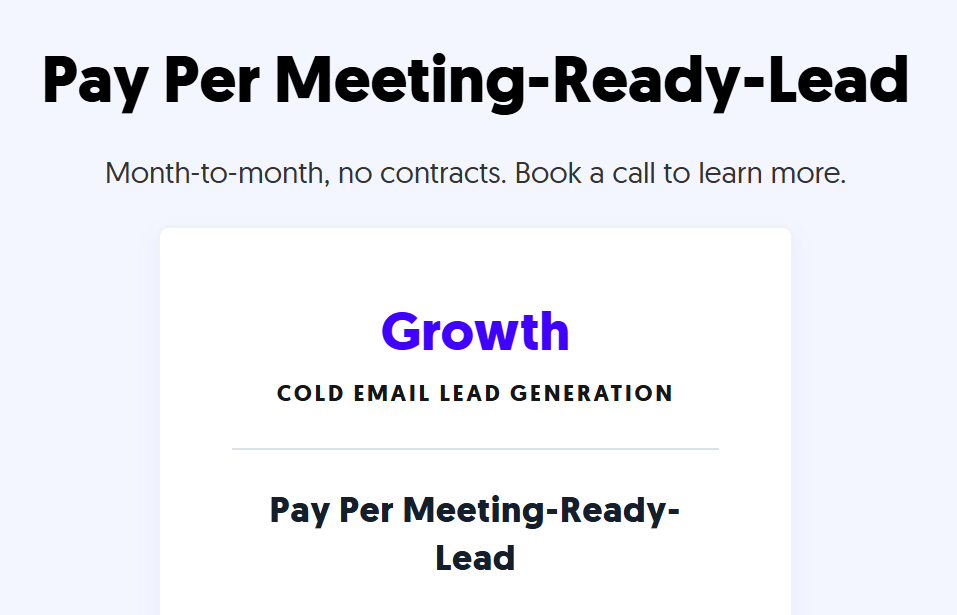
The result: you get notified when a prospect is meeting-ready. You focus on closing. We handle everything else.
Our clients have seen real outcomes from this system:
- 224,700+ client leads generated
- $51.2M in client revenue generated
- $312M in client pipeline generated
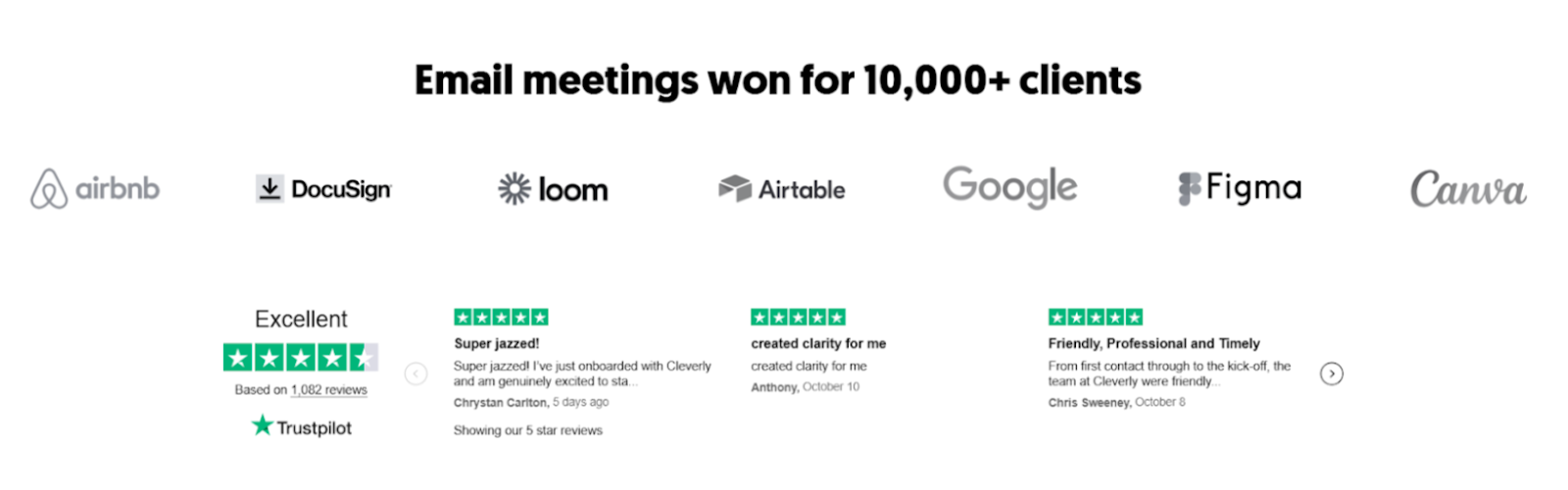
- Email meetings booked for 10,000+ clients including Amazon, Google, Uber, PayPal, Slack, and Spotify
Want it done for you? Book a FREE consultation with Cleverly and see how our cold email system can start generating meeting-ready leads for your business.
Conclusion
Cold email personalization isn't optional anymore. It's the baseline for getting a reply.
The teams consistently hitting 20%+ reply rates are doing a few things right: they research before they write, they connect insights to real pain points, they keep their asks simple, and they use AI to help scale without losing the human touch.
Generic outreach gets ignored. Relevant outreach starts conversations. The framework in this guide gives you a repeatable way to do it right every time.
Frequently Asked Questions
Free Resource
How to Scale a Profitable Cold Call System
Get the complete guide — download it instantly now.
Free Ebook
Download the Free Guide
Enter your details to get instant access.
You're all set! 🎉
Your ebook is downloading now.
Click below if the download didn't start automatically.