

Table of Contents
What Is a Lead Pipeline?
Why a Scalable Lead Pipeline Matters
Lead Pipeline Stages Explained
How to Build a Lead Generation Pipeline (Step-by-Step)
Strategies to Build a Consistent B2B Lead Pipeline
Common Mistakes That Break Lead Pipelines
Metrics to Track for a Healthy Lead Pipeline
Tools That Help Build and Scale Lead Pipelines
How Cleverly Builds Scalable Lead Generation Pipelines
Conclusion
Frequently Asked Questions
Modified On :
March 30, 2026
Key Takeaways
- A lead pipeline is a system, not just a list of contacts.
- Clear pipeline stages make it easier to track progress and spot drop-offs.
- Multi-channel outreach across email, LinkedIn, and phone drives the most consistent results.
- Follow-ups and qualification are where most pipelines win or lose.
- Track reply rate, meeting rate, conversion rate, and pipeline value weekly.
- Consistent outreach beats sporadic bursts every single time
Most of the time it is not a lead problem. It’s a system problem.
When your pipeline is built on random tactics and one-off campaigns, growth becomes unpredictable. Some months are great. Others are dead quiet. And you never really know why.
A structured lead pipeline changes that. It gives you a repeatable process to fill your calendar with qualified prospects, keep your sales team busy, and grow revenue on your terms.
In this guide, we'll walk you through:
- The core lead pipeline stages
- How to build a scalable lead generation pipeline from scratch
- Proven strategies to maintain consistency month after month
Let's get into it.
What Is a Lead Pipeline?
A lead generation pipeline is the structured path a prospect takes from first contact to closed deal. It's not just a list of leads. It's a system that tracks where every prospect is, what's been done, and what needs to happen next.
Lead pipeline vs. sales funnel - what's the difference?
Both matter, but the pipeline is what drives day-to-day revenue activity.
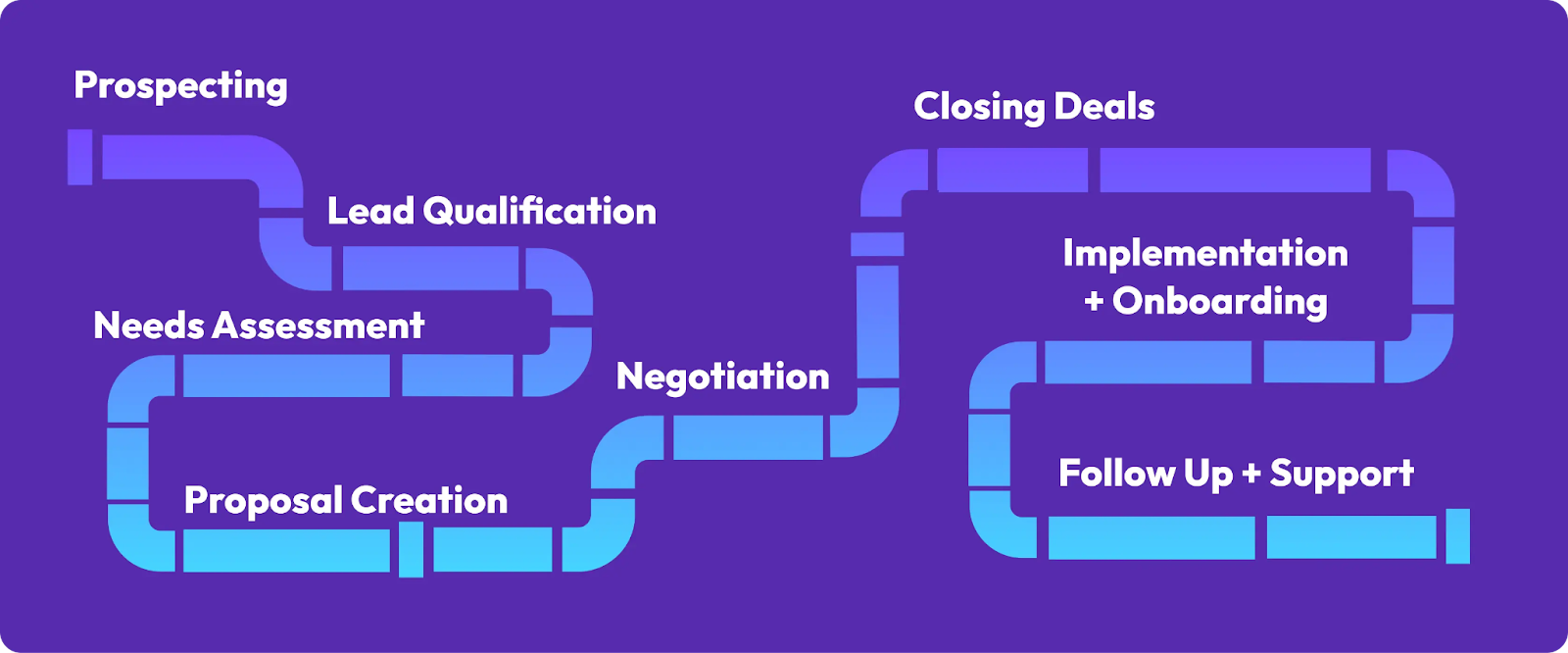
In a healthy pipeline, leads move through clearly defined stages, from prospect to qualified lead to booked meeting to closed deal. Each stage has a clear action, and nothing falls through the cracks.
That's how a well-run sales lead pipeline ties directly to predictable revenue.
Also Check: Proven & Scalable Methods to Increase Your B2B Sales Pipeline
🔥 Predictable Pipeline. Zero Guesswork.
10,000+ companies use Cleverly to generate meetings with buyers at Amazon, Google, Uber & more. Plans start at just $397/mo.
Why a Scalable Lead Pipeline Matters
Without a scalable pipeline, you're always reacting. With one, you're always ahead. Here's what a solid sales lead pipeline actually does for your business:
1. Predictable revenue — You know roughly how many leads are entering the pipeline and what percentage will convert, so forecasting becomes a lot more reliable.
2. Better sales forecasting — Leadership can plan hiring, capacity, and spend based on real pipeline data, not gut feelings.
3. Improved conversion rates — When every lead is properly nurtured and followed up, fewer deals slip through the cracks.
4. Efficient use of sales resources — Your team focuses only on qualified, sales-ready leads instead of chasing cold, unfit prospects.
5. Reduced dependency on inbound — Outbound pipelines give you control. You're not sitting around waiting for leads to come to you.
Read More: Sales Forecasting vs Pipeline Management (Real Difference)
Lead Pipeline Stages Explained
Every effective lead generation pipeline is built on the same core stages. Here's how each one works.
Stage 1: Prospecting
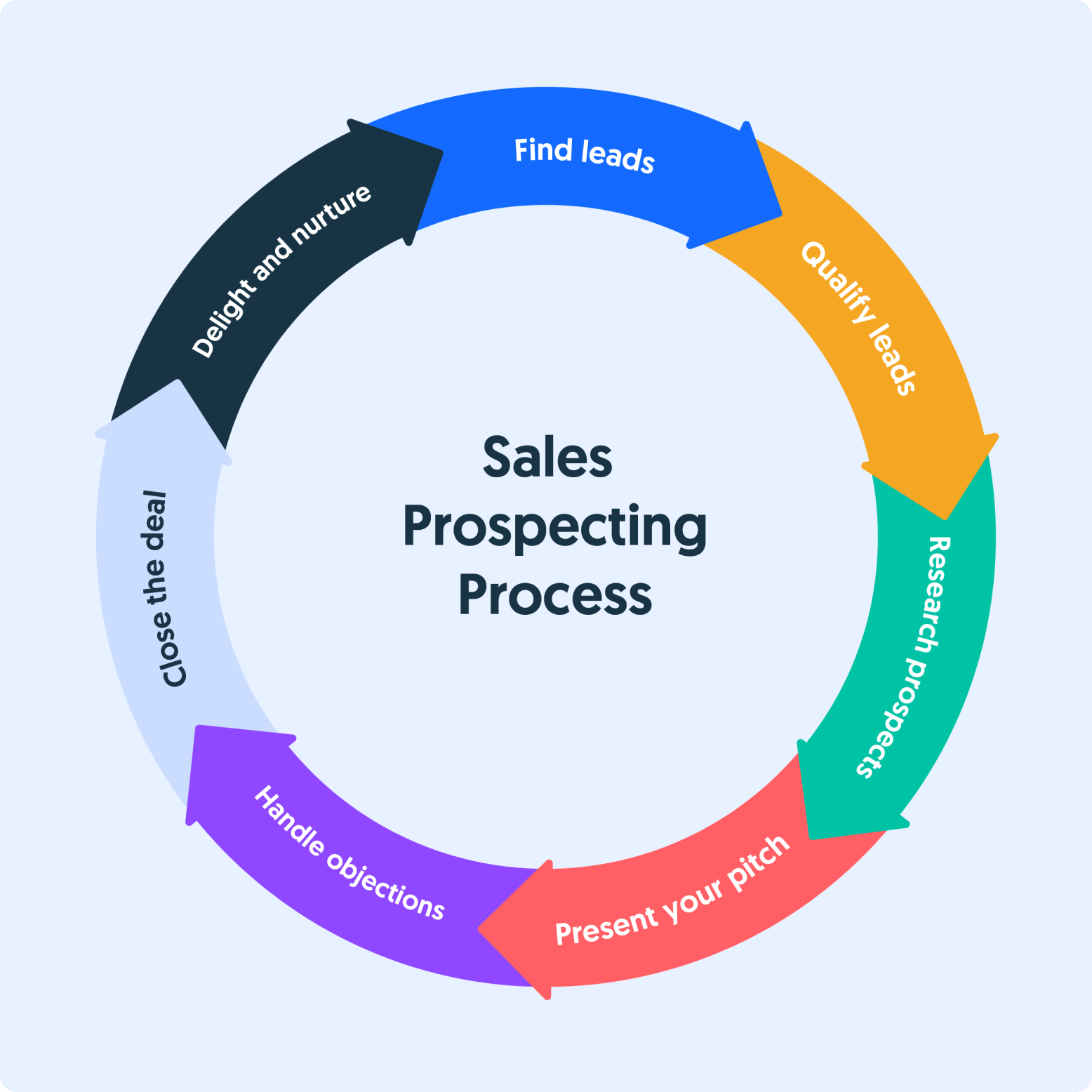
This is where it all starts. You identify your target audience and build a list of companies and contacts that actually fit your ideal customer profile (ICP).
Good prospecting means you're not blasting everyone. You're finding the right people — the ones most likely to need what you offer and have the budget to buy it.
Stage 2: Outreach
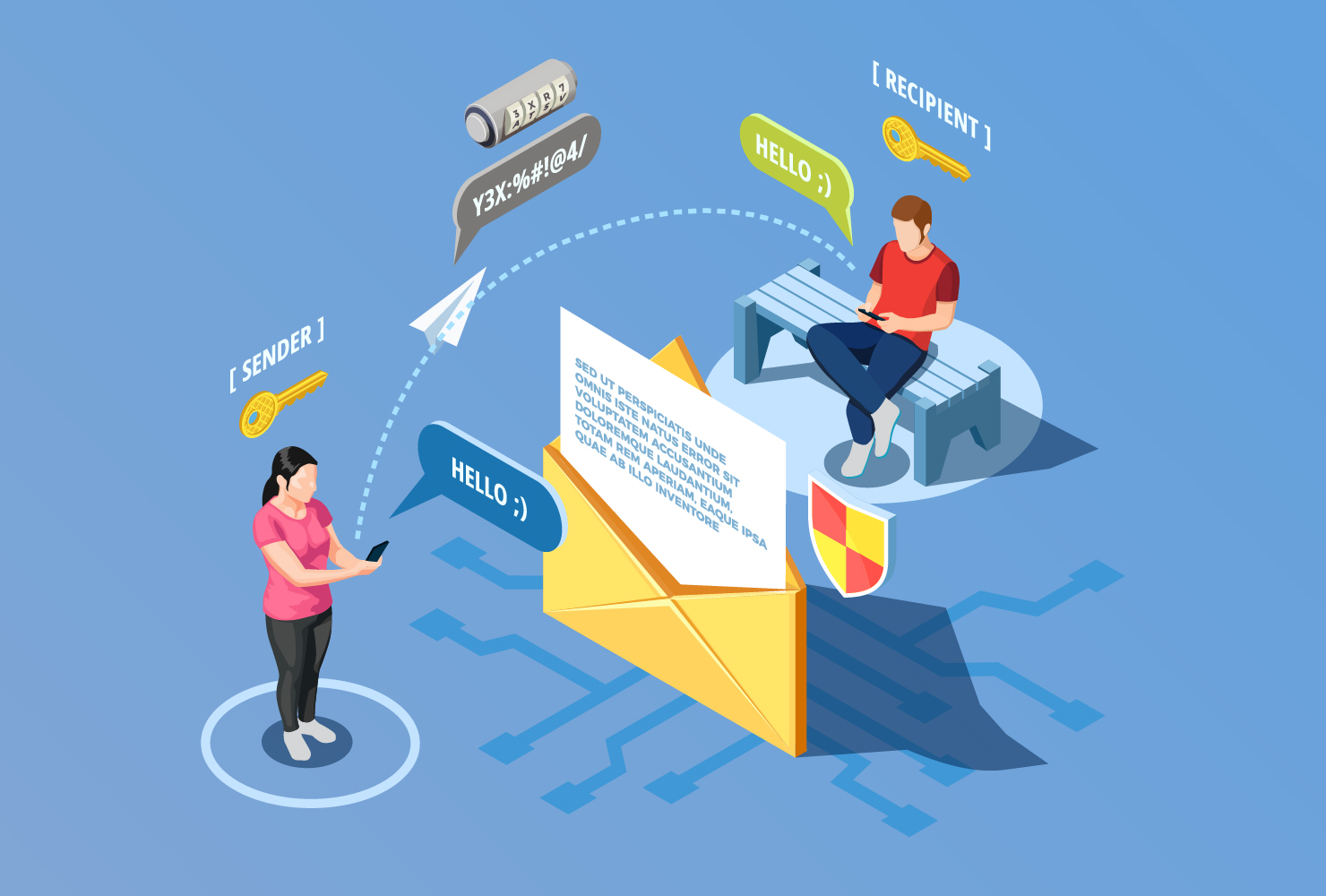
Once your list is ready, it's time to reach out. The most effective B2B outreach happens across multiple channels:
- Cold email — Direct, scalable, and easy to personalize at volume.
- LinkedIn outreach — Great for building relationships with decision-makers in a professional context.
- Cold calling — Still one of the fastest ways to get a real conversation going.
Using all three together consistently outperforms any single channel approach.
Stage 3: Engagement
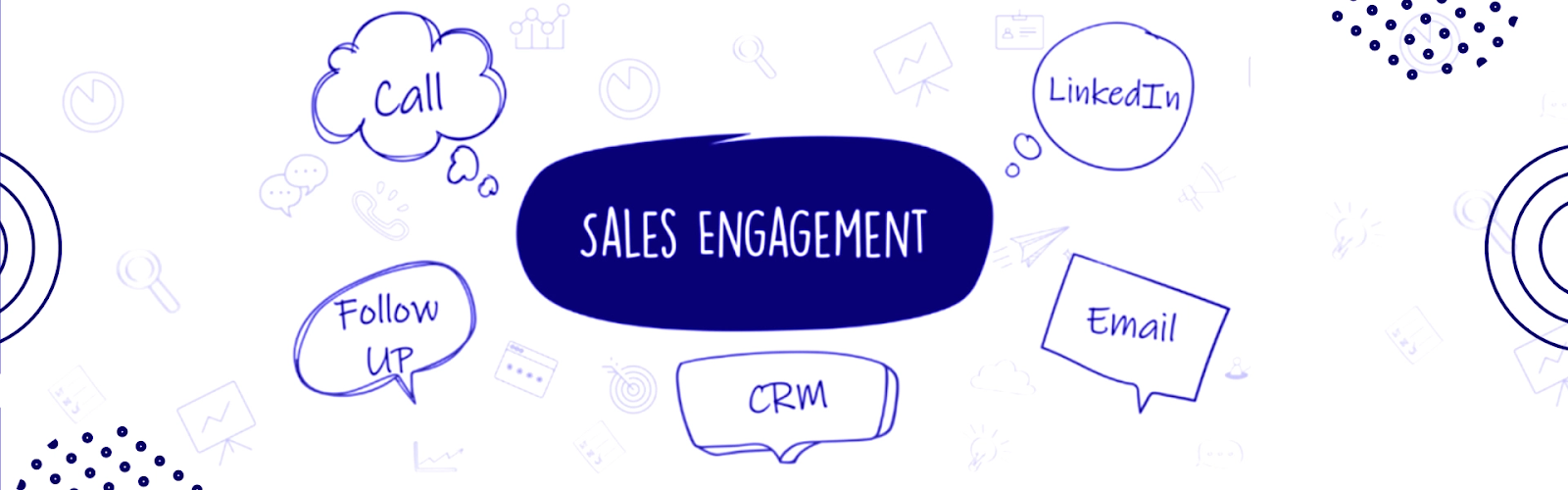
Outreach only works if it starts a conversation. This stage is about managing responses — following up, answering questions, and keeping prospects warm.
Most leads don't convert on the first touch. Engagement is what bridges the gap between "saw your message" and "let's talk."
Stage 4: Qualification
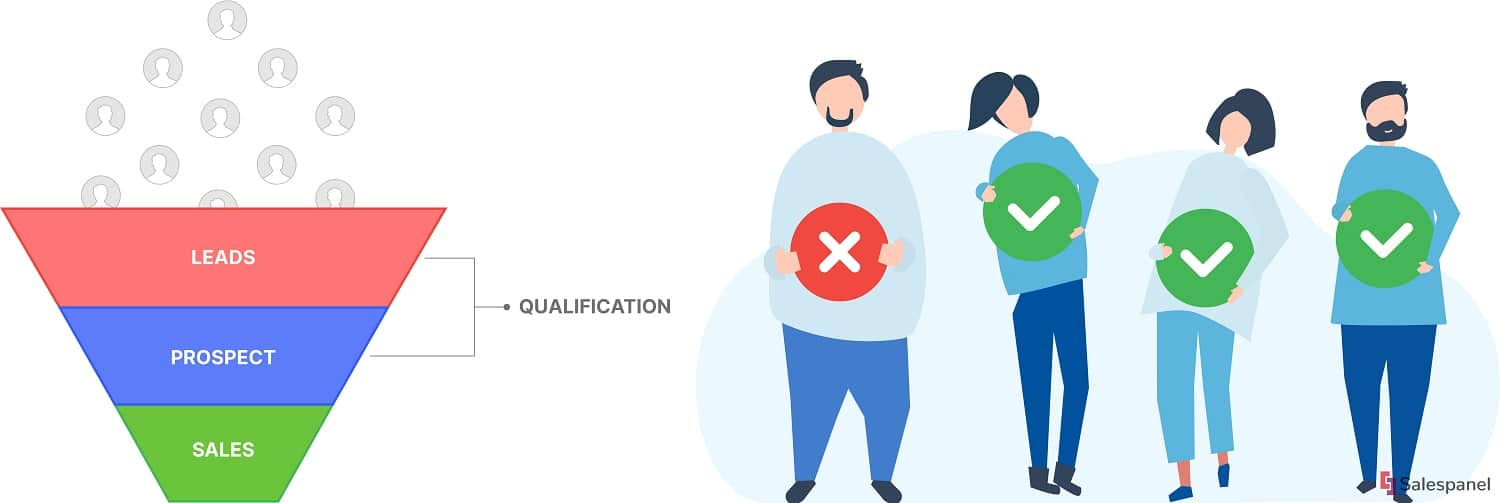
Not every lead that responds is a good fit. Qualification is where you figure out who's worth pursuing and who isn't.
You're assessing:
- Do they match your ICP?
- Do they have a real need for your solution?
- Do they have the budget and authority to buy?
Qualifying early saves your team a ton of time down the line.
Stage 5: Appointment Setting
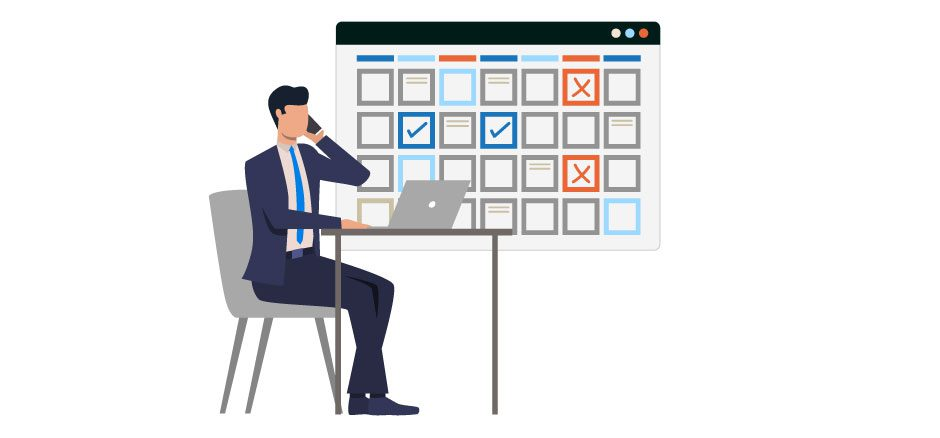
Qualified leads get moved to a meeting. This is the handoff moment where your outreach effort turns into a real sales conversation.
A good appointment setting process means the lead shows up informed, interested, and ready to talk, not just agreeing to "a quick call."
More on This: B2B Appointment Setting Services (Complete Guide for Revenue Teams)
Stage 6: Conversion
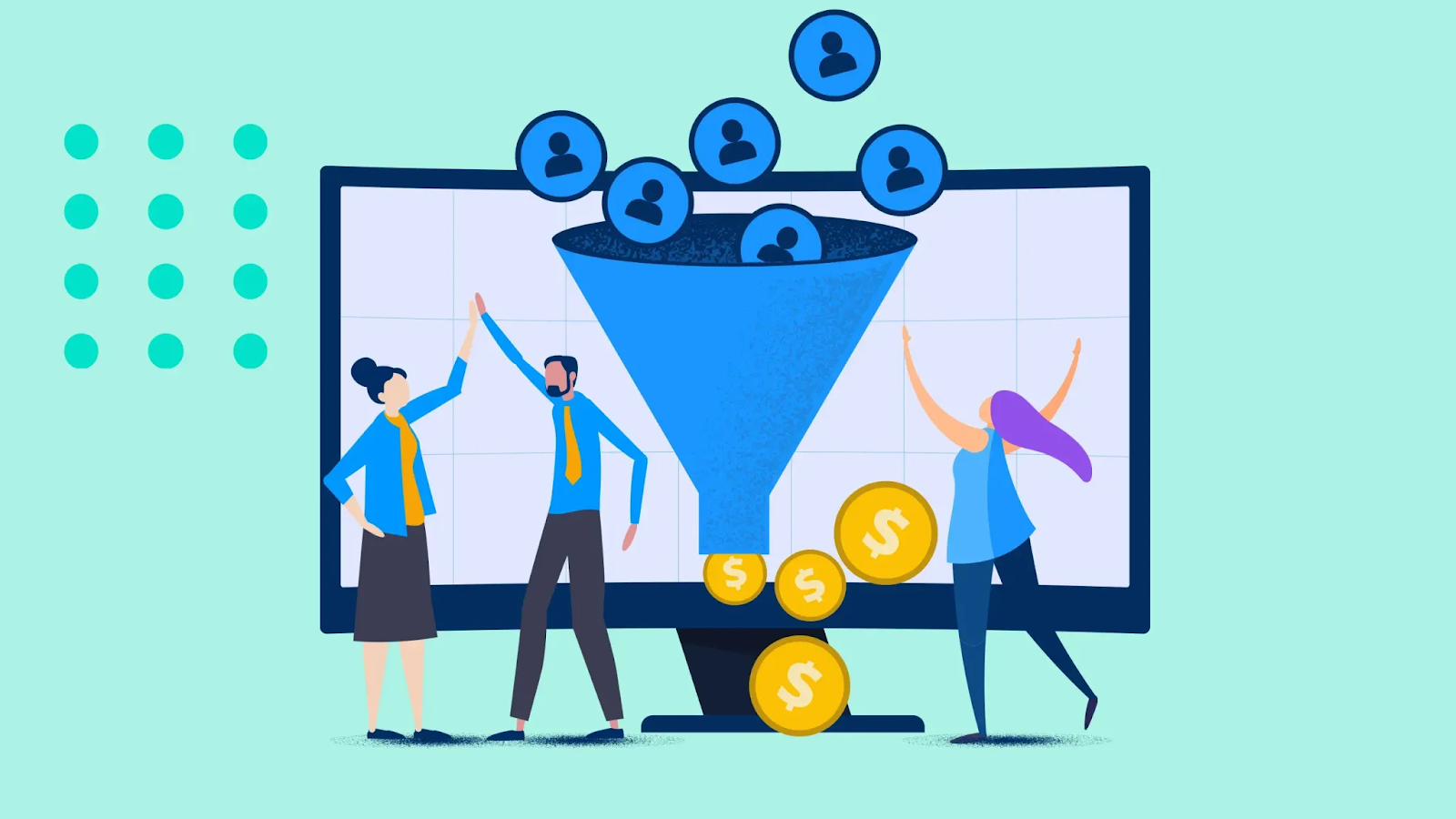
This is where sales closes the deal. By the time a lead reaches this stage, they've been qualified and nurtured properly. The hard work is already done.
A strong pipeline makes closing easier because leads arrive at this stage warm, not cold.
Quick Read: High Ticket Sales in B2B: Strategy, Funnels & Real Examples
🤝 Want 10–30 Sales Calls Every Month?
Our $5M cold calling system delivers guaranteed qualified appointments with trained SDRs. No hires. No headaches. Just meetings.
How to Build a Lead Generation Pipeline (Step-by-Step)
Here's how to build a consistent B2B lead pipeline that actually holds up at scale.
Step 1: Define Your Ideal Customer Profile (ICP)
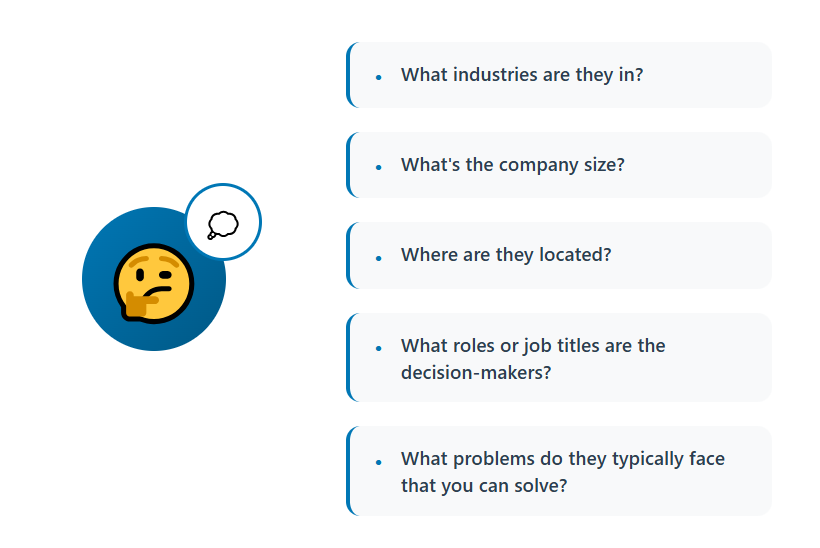
Before you do anything else, get crystal clear on who you're targeting. Your ICP should cover:
- Industry and company size
- Job titles and seniority
- Pain points your solution solves
- Revenue range and geography
The tighter your ICP, the better your results. Broad targeting wastes budget and time.
Step 2: Build a Targeted Prospect List
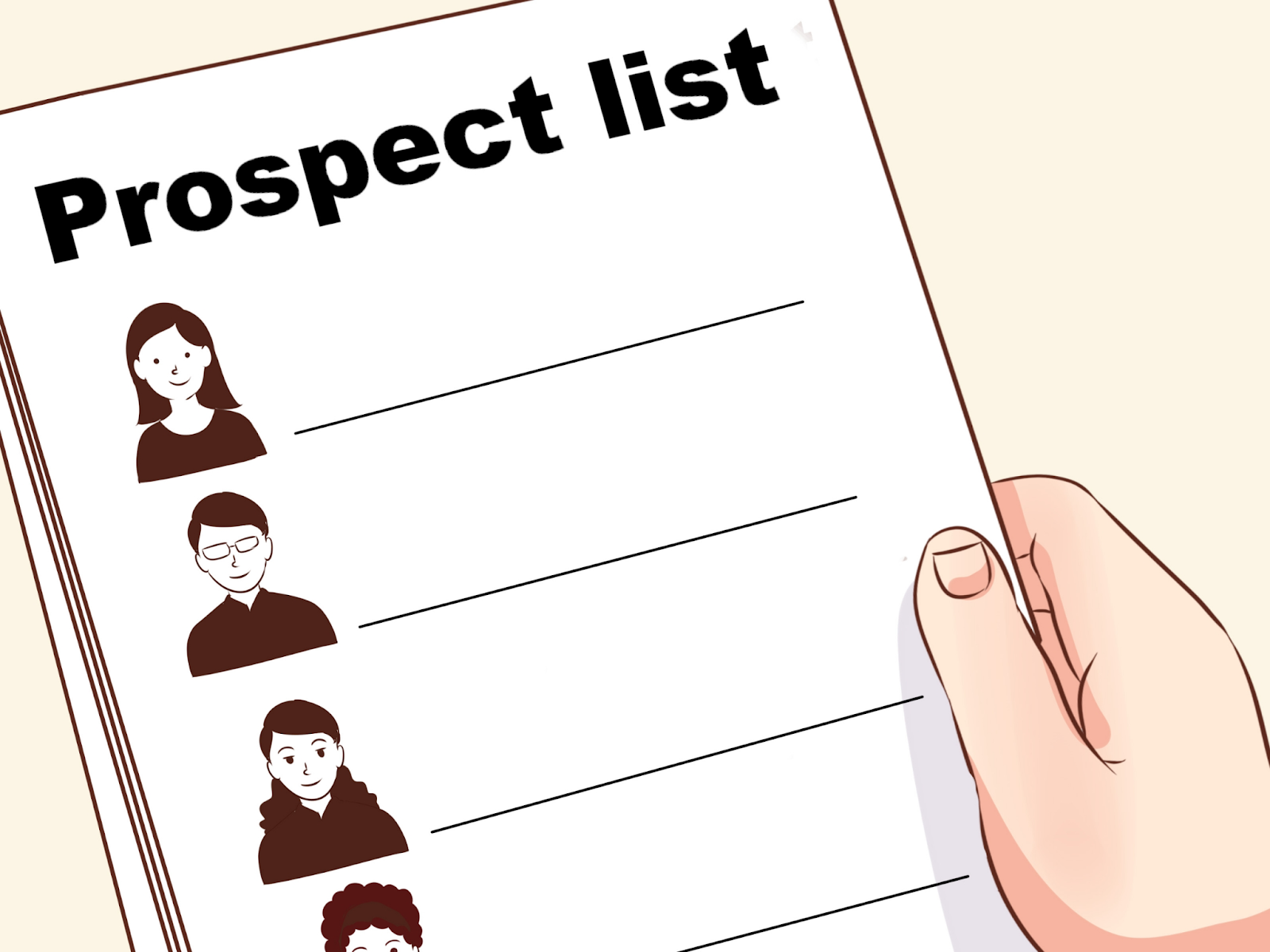
Use your ICP to build a high-quality prospect list. Pull data from LinkedIn, industry databases, and intent data platforms.
Prioritize accuracy over volume. A list of 500 perfect-fit contacts will outperform a list of 5,000 random ones every time.
Step 3: Create Multi-Channel Outreach Campaigns
Don't rely on just one channel. Build campaigns that touch prospects across email, LinkedIn, and phone. Each channel reinforces the others and increases your chances of getting a response.
More Detail Here: Multi-Touch Outreach - Why Buyers Reply After Seeing Your Name Twice
Step 4: Personalize Messaging
Generic outreach gets ignored. Reference the prospect's industry, role, a recent company milestone, or a specific pain point.
Even small personalization signals like mentioning their company name or a relevant challenge can double your reply rates.
Related: Cold Email Personalization Framework That Gets 20%+ Replies
Step 5: Implement Follow-Up Sequences
Most responses come after the second, third, or even fourth touch. Build follow-up sequences into every campaign so no lead goes cold by default.
Automate where you can, but keep the tone conversational.
Step 6: Qualify Leads Effectively
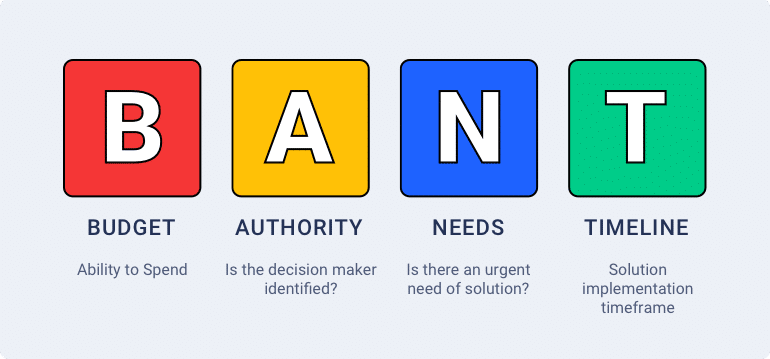
Use a simple qualification framework like BANT (Budget, Authority, Need, Timeline) or a version tailored to your sales process.
The goal is to move only genuinely interested, well-fit leads forward and stop wasting time on the rest.
Step 7: Track and Optimize Performance
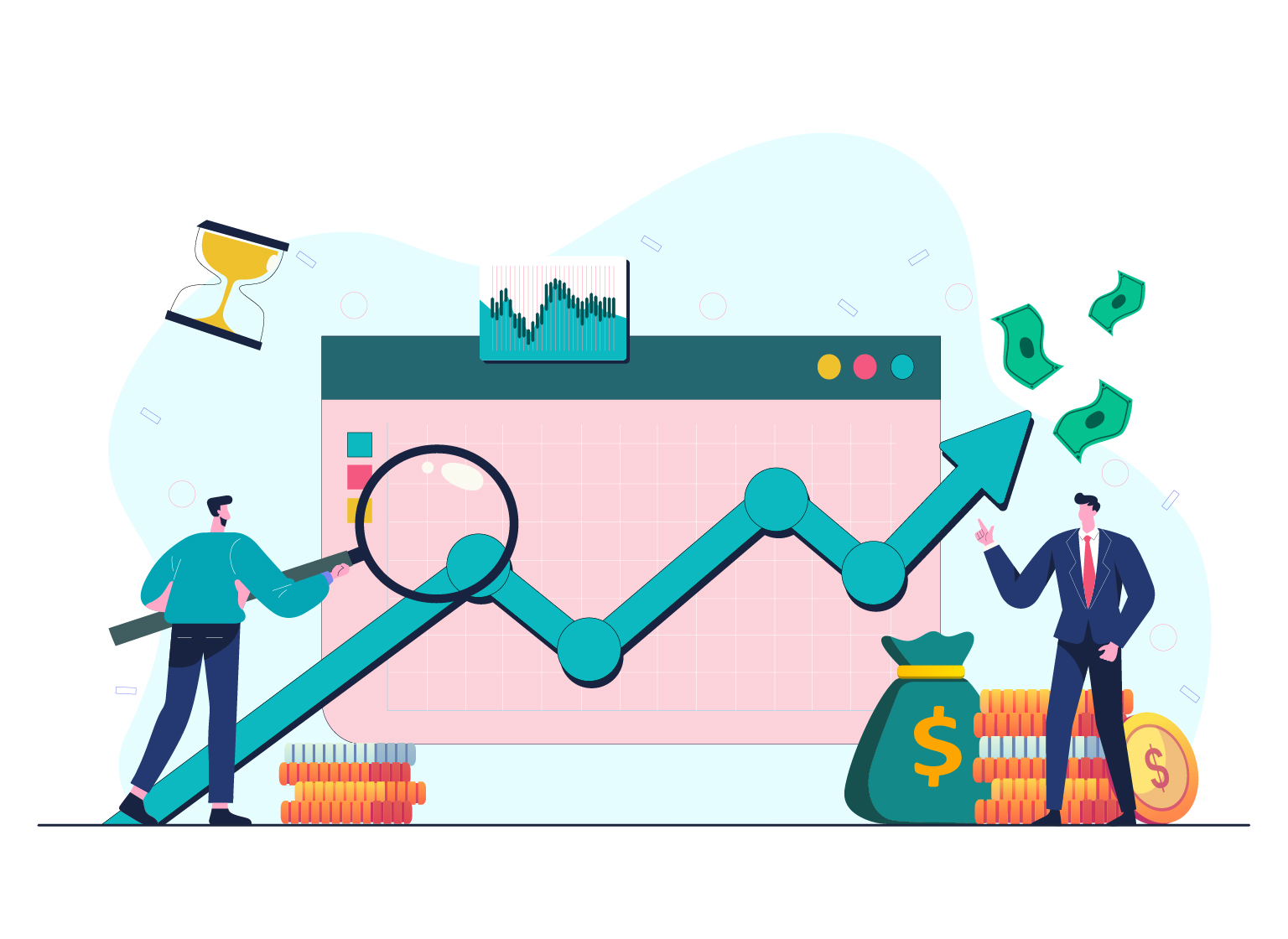
Set up tracking from day one. Monitor reply rates, meeting rates, and conversion rates by channel and campaign. Review performance weekly and adjust your messaging, targeting, or sequences based on what the data tells you.
Strategies to Build a Consistent B2B Lead Pipeline
Consistency doesn't happen by accident. Here are the strategies that keep a lead generation pipeline running reliably.
1. Multi-touch outbound outreach - One message is rarely enough. A sequence that combines email, LinkedIn, and phone across 2 to 3 weeks dramatically increases contact rates.
2. Account-based targeting - Focus your outreach on a defined list of high-value accounts rather than casting a wide net. This improves relevance and conversion at every stage.
3. Content + outbound integration - Pair your outbound campaigns with relevant content. Sharing a useful resource in a follow-up email gives your prospect a reason to engage beyond "just checking in."
4. Leveraging LinkedIn for prospecting - LinkedIn is where most B2B decision-makers live. Use it to identify warm leads, research prospects before outreach, and build relationships over time.
5. Using data for targeting - Layer intent data, technographic data, and firmographic filters onto your prospect lists. The more precisely you target, the higher your conversion rates will be.
Common Mistakes That Break Lead Pipelines
Even well-intentioned teams make these mistakes. Watch out for them.
❌ Relying on a single channel — If one channel dries up, your whole pipeline stalls. Diversify.
❌ Inconsistent outreach — Sporadic campaigns don't build momentum. Volume and consistency matter.
❌ Poor targeting — Reaching out to the wrong people wastes your team's time and kills your sender reputation.
❌ Lack of follow-ups — Most deals don't close on the first touch. If you're not following up, you're leaving revenue on the table.
❌ Not tracking performance — You can't improve what you don't measure. Pipelines without tracking are just guesswork.
Metrics to Track for a Healthy Lead Pipeline
These are the numbers you need to watch to keep your lead pipeline in shape.
Review these weekly, not monthly. By the time monthly numbers are in, you've already lost two to three weeks of optimization time.
Tools That Help Build and Scale Lead Pipelines
The right stack makes your lead generation pipeline faster and more efficient.
1. CRM tools — HubSpot, Salesforce, or Pipedrive to manage and track every lead across pipeline stages.
2. Email outreach tools — Instantly, Smartlead, or Lemlist for building and running cold email sequences at scale.
3. LinkedIn automation tools — Tools like Cleverly's LinkedIn automation tool, or platforms like Sales Navigator for prospecting and manual outreach.
4. Analytics platforms — Google Looker Studio or built-in CRM dashboards to track pipeline health and campaign performance.
Keep your stack lean. Too many tools create data silos and slow your team down.
How Cleverly Builds Scalable Lead Generation Pipelines
We're a lead B2B generation agency that's helped over 10,000 clients build and scale predictable B2B pipelines - working with companies like Amazon, Google, Uber, PayPal, Slack, Spotify, and many more.
To date, we've generated $312M in pipeline revenue and $51.2M in closed revenue for our clients. And we do it all for you.
You get coverage across three major B2B channels without needing to manage three separate teams:
- LinkedIn lead gen starts at just $397/month
- Cold email: you only pay for meeting-ready leads we send you
- Cold calling: our $5M cold calling system books you 10 to 30 qualified sales calls every month, guaranteed, with a no-accent appointment setter, breakthrough call scripts, and a power dialer included. No in-housing costs. If we don't hit appointments, we replace the SDR. Simple.
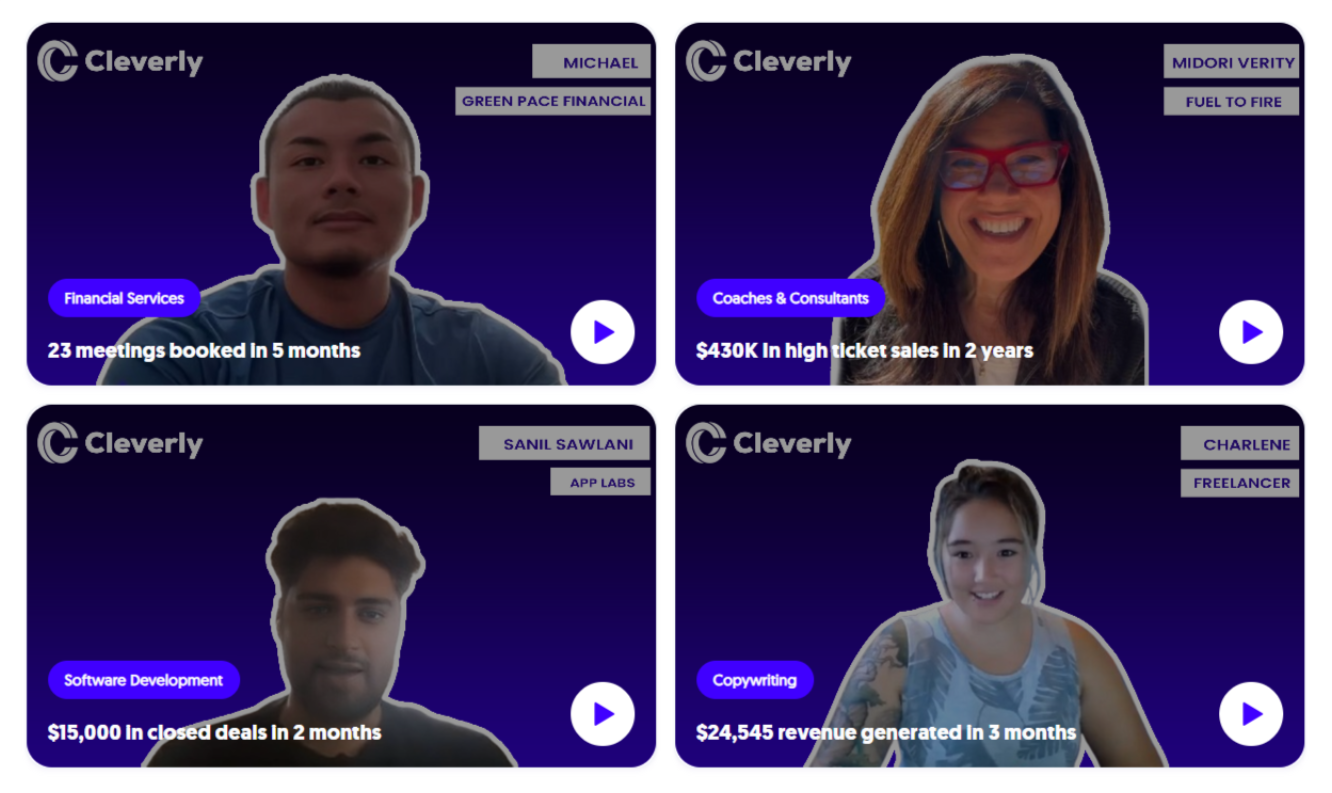
If you want a pipeline that runs without you having to manage it, that's exactly what we do.
🚀 Book a FREE consultation today!
Conclusion
Building a scalable lead pipeline is not about working harder. It's about building the right system.
When your pipeline has clear stages, consistent outreach, strong qualification, and solid tracking, growth stops being unpredictable. You know what's coming in, you know what's converting, and you know where to improve.
Companies with structured, multi-channel pipelines consistently outperform those that rely on inbound alone or spray-and-pray outreach. The difference isn't luck. It's process.
Start with the fundamentals. Build for consistency. And if you want to skip the trial and error, we're here to do it for you.
Frequently Asked Questions
Free Resource
How to Scale a Profitable Cold Call System
Get the complete guide — download it instantly now.
Free Ebook
Download the Free Guide
Enter your details to get instant access.
You're all set! 🎉
Your ebook is downloading now.
Click below if the download didn't start automatically.


