

Table of Contents
What Is B2B Inbound Lead Generation?
Why Inbound B2B Leads Convert Better (Trust + Buying Intent)
6 Proven Ways to Increase Your Inbound B2B Leads in 2026
How to Measure the Success of Your Inbound B2B Lead Generation Strategy
How Cleverly Helps B2B Companies Scale Inbound + Outbound Pipeline
Conclusion
Frequently Asked Questions
Modified On :
July 21, 2026
Key Takeaways
- Inbound B2B leads convert faster and at higher rates because they're already searching for solutions.
- SEO-driven content targeting bottom-funnel keywords is your highest-ROI inbound strategy, but it takes 3-6 months to compound.
- LinkedIn personal branding and consistent posting from founders and sales teams drive immediate inbound DMs and demo requests.
- Lead magnets (templates, calculators, checklists) paired with nurture sequences keep prospects engaged until they're ready to buy.
- Outbound and inbound aren't competitors; outbound fills your pipeline today while inbound builds long-term, scalable lead flow.
- Track what matters: organic traffic, MQL-to-SQL conversion, cost per lead, and sales cycle length to optimize your inbound engine.
B2b inbound lead generation isn't what it used to be.Your prospects are smarter, your competitors are louder, and that "build it and they'll come" approach? It stopped working somewhere around 2019.
But here's the good news: inbound B2B leads are still the highest-quality leads you'll ever close. They're actively looking for solutions, they've done their homework, and they're much easier to convert than cold prospects.
The problem isn't that inbound doesn't work anymore. It's that most companies are still playing by outdated rules.
We've spent years testing, breaking, and rebuilding inbound strategies for over 10,000 clients—from startups to companies like Amazon, Google, and Uber.
And we've learned that successful b2b inbound lead generation in 2025 comes down to six core moves that actually move the needle.
No fluff. No theory. Just the framework that's generated $312 million in pipeline revenue for our clients.
Let's dive in.
What Is B2B Inbound Lead Generation?
Inbound B2B leads are prospects who come to you, not the other way around. Like a pull marketing instead of push.
They find your content, click on your ad, or discover your brand through search, and they reach out because they're already interested.
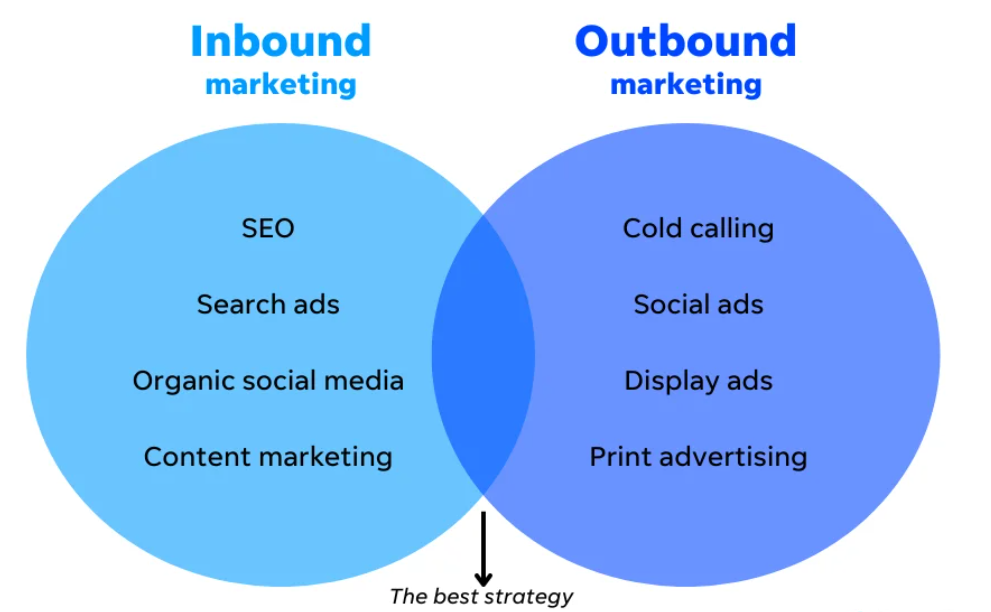
Inbound vs Outbound: The Key Differences
The biggest difference between inbound B2B lead generation and outbound isn't just the channel, it's intent and timing.
- Intent: Inbound leads are actively searching for solutions. They have a problem right now. Outbound prospects might not even know they have a problem yet.
- Timing: With inbound, you're meeting buyers when they're ready to evaluate options. With outbound, you're interrupting them and hoping it's the right moment.
- Buyer Journey: Inbound prospects have usually done some research already. They've read reviews, compared alternatives, maybe even talked to their team. Outbound prospects are starting from scratch.
The Inbound Funnel: How It Actually Works
B2b inbound lead generation follows a simple four-stage lead gen funnel:
- Attract – Get found through SEO, content, ads, or social media.
- Engage – Capture attention with valuable resources, webinars, or tools.
- Convert – Turn visitors into leads through forms, demos, or consultations.
- Nurture – Build trust until they're ready to buy.
Why B2B Inbound Buyers Are Different
B2B buyers don't impulse-buy. They're dealing with longer sales cycles, bigger budgets, and multiple decision-makers.
Your inbound lead might love your product, but they still need to get buy-in from their CFO, their VP, and maybe even the board.
That's why effective B2B inbound marketing tactics focus on education and trust-building, not just quick conversions. You're not just selling to one person, you're equipping them to sell internally.
🔥 Double Your Inbound Pipeline
Cleverly sends qualified, ready-to-talk leads straight to your inbox, so your inbound and outbound both scale faster.
Why Inbound B2B Leads Convert Better (Trust + Buying Intent)
Here's something we've seen across thousands of campaigns: inbound B2B leads close faster and at higher rates than cold outbound prospects. And it's not even close.
Why? Two reasons: trust and intent.
Higher Intent = Shorter Sales Cycles
When someone fills out a form on your site or books a demo after reading your content, they're not just curious—they're actively evaluating solutions. They've already moved past the "do I even need this?" stage.
That head start cuts your sales cycle significantly. While your outbound team is still warming up cold prospects, your inbound leads are already asking about pricing and implementation timelines.
Educational Content Builds Trust Before the First Call
Think about how you buy software. Do you trust the cold email that landed in your inbox, or the in-depth guide you found on Google that actually solved your problem?
Effective B2B inbound marketing tactics work because they lead with value, not a pitch. When prospects consume your content before they ever talk to sales, they already see you as an authority. You're not a stranger interrupting their day—you're the company that helped them understand their problem.
Inbound Amplifies Everything Else
Strong B2B inbound lead generation doesn't exist in a vacuum. It supports your entire go-to-market strategy:
- ABM: Your target accounts research you before outreach even starts.
- Demand gen: Your content creates awareness and educates your market.
- Brand authority: Ranking for key terms positions you as the category leader.
- Search visibility: When buyers search for solutions, you show up first.
The Proof Is in the Behavior
Here's what we've learned actually moves the needle:
- Prospects who engage with 3+ pieces of content before converting are 2-3x more likely to close.
- Companies ranking on page one for buyer-intent keywords see 40%+ more qualified inbound leads.
- Social proof (case studies, testimonials, client logos) can increase conversion rates by 15-20%.
Bottom line: effective B2B inbound marketing tactics work because they meet buyers where they are, with what they need, when they need it.
That's why inbound leads don't just convert better—they convert into better customers.
6 Proven Ways to Increase Your Inbound B2B Leads in 2026
These aren't theories or nice-to-haves. These are the best inbound channels for B2B lead generation that we've seen drive real pipeline in 2025.
Each one works because it meets buyers where they already are, with content that actually helps them.
Let's break down exactly how to execute each strategy.
1) SEO-Driven Content (Blogs, Guides, Comparison Pages)
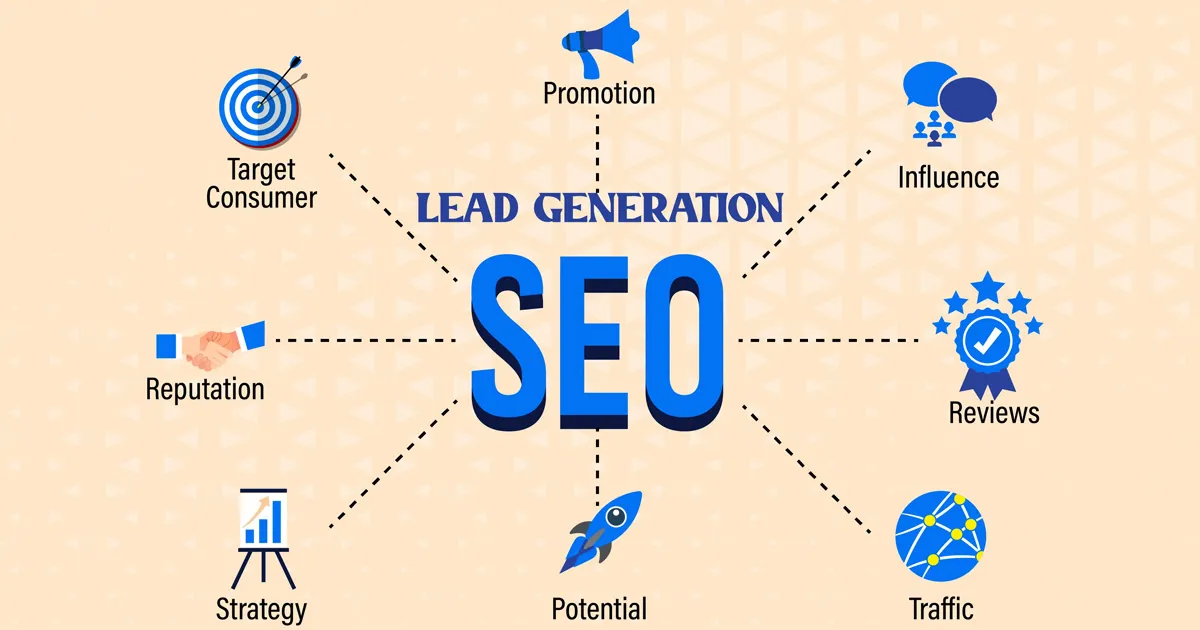
What it is: Creating strategic content that ranks on Google and captures buyers at every stage of their journey—from "I think I have a problem" to "I'm comparing vendors right now."
Why it works: When someone searches "how to generate more B2B leads from LinkedIn" or "Cleverly vs. Expandi," they're showing intent. If your content answers that question better than anyone else's, you're not just getting traffic—you're getting qualified B2B inbound lead generation on autopilot.
How to do it right:
- Bottom-funnel content: Comparison pages ("Tool A vs Tool B"), pricing guides, "best tools for X"
- Middle-funnel content: How-to guides, frameworks, case studies
- Top-funnel content: Thought leadership, industry trends, problem-awareness content
Focus on problem-led topics (what your buyer is struggling with) and keyword-led topics (what they're actually searching). Don't just write—write strategically.
Add conversion layers: Include downloadable templates, checklists, or playbooks within your content. Someone reading a 3,000-word guide is already engaged—give them a reason to share their email.
Tools that help: Ahrefs, SEMrush, Surfer SEO
2) LinkedIn Organic & Personal Branding for Founders + Sales Teams
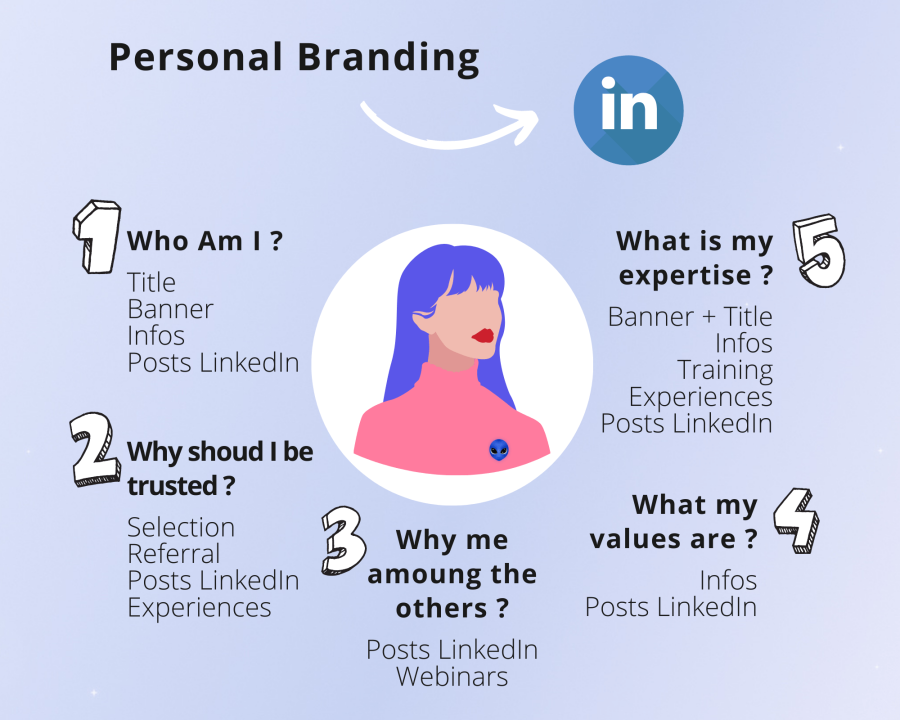
What it is: Building authority and trust through consistent, valuable content on LinkedIn—posted by your founder, execs, and sales team.
Why it works: People don't buy from logos. They buy from people they trust. When your founder shares frameworks, stories, and insights consistently, inbound B2B leads start showing up in DMs asking how to work together.
At Cleverly, we've seen this firsthand, companies that invest in founder-led content on LinkedIn see a direct lift in inbound interest and shorter sales cycles.
How to do it right:
- Post 3-5x per week: Share frameworks, stories, lessons learned, and contrarian takes.
- Use the formula: Hook + Value + CTA (comment, DM, or download).
- Optimize your profile: Make it clear what you do and who you help in the LinkedIn headline.
- Enable your team: When your sales team posts too, you create a "founder brand + employee brand" flywheel that compounds reach.
Pro tip: Pair posts with lead magnets. "Here's our framework—comment 'send it' and I'll DM you the full template." Simple, but it works.
Dive Deeper: We Analyzed 1,000+ LinkedIn Profiles: Here’s What Converts in B2B
3) Webinars, Workshops & Live Training

What it is: Hosting live, educational sessions where you teach something valuable, not just pitch your product.
Why it works: Webinars are one of the highest-intent lead magnets you can offer. Someone who clears their calendar for an hour to learn from you is far more qualified than someone who downloaded a PDF. Plus, you get to build rapport in real-time.
Best formats that convert:
- Live teardowns: "We'll audit your LinkedIn profile live on the call"
- Industry trends: "What's changing in B2B lead gen in 2025"
- Workshops: "How to write cold emails that book meetings"
How to promote:
- Post organically on LinkedIn (multiple times leading up to the event).
- Send to your email list with a clear value prop.
- Partner with complementary brands to co-host and share audiences.
Post-webinar nurture: Don't ghost attendees. Send a recap email with the recording, slides, and a clear next step—whether that's booking a call or downloading a related resource.
Learn More: Lead Nurturing Guide - Proven B2B Strategies to Boost Sales
4) Lead Magnets & Content Offers (Cheat Sheets, Templates, Playbooks)
What it is: High-value, downloadable resources that solve a specific problem in exchange for an email address.
Why it works: Buyers want quick wins. A good lead magnet gives them something they can use today—which builds trust and gets them into your nurture funnel.
Best-performing B2B lead magnets:
- Checklists: "10-point cold email checklist before you hit send"
- ROI calculators: "Calculate your potential pipeline from LinkedIn outreach"
- Templates: Email scripts, outreach workflows, meeting agendas
- Industry reports: Original research or data that positions you as a thought leader
How to distribute:
- Pair lead magnets with high-ranking SEO content ("Download the full template here").
- Run paid ads on LinkedIn or Google Search to promote them.
- Gate strategically—don't gate everything, but do gate your best assets.
5) Email Nurture Sequences & Automated Follow-Up
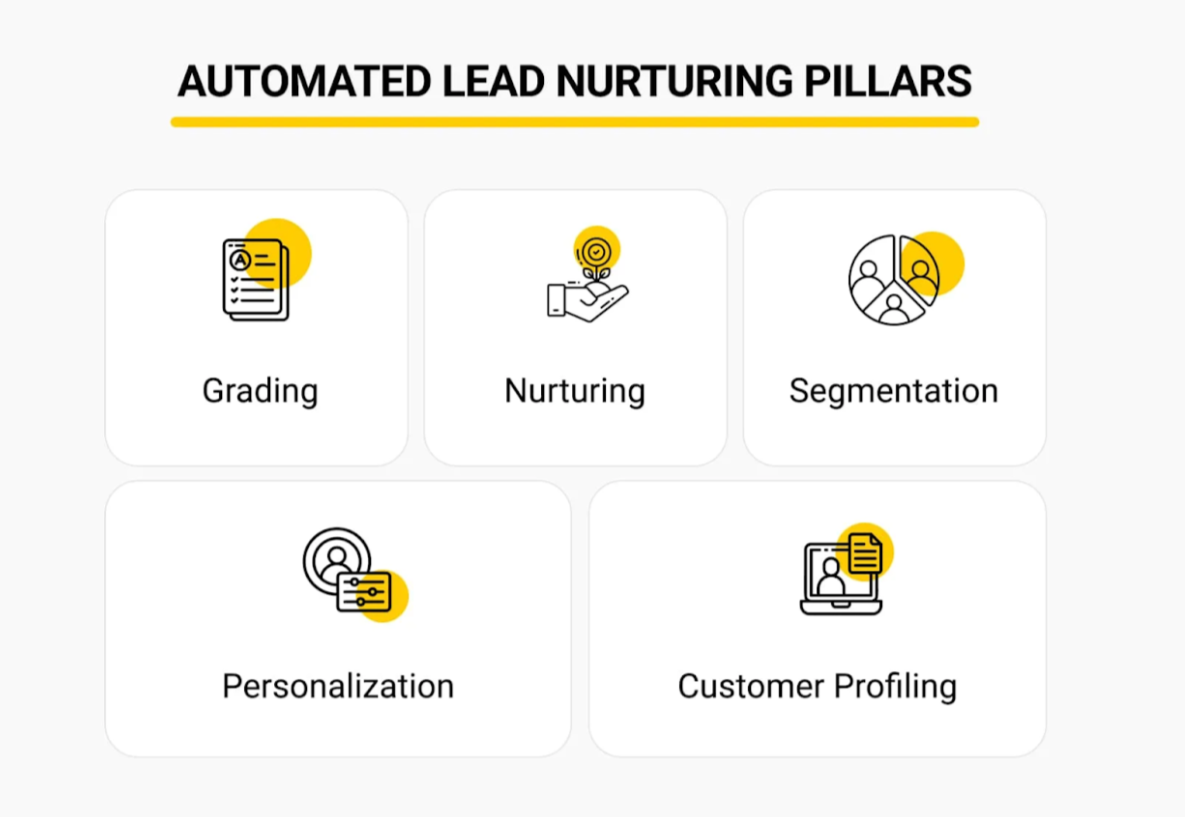
What it is: Automated email sequence that educate, build trust, and move leads toward a buying decision—even when they're not ready yet.
Why it works: Most b2b inbound lead generation efforts fail because they expect immediate conversions. But in reality, 90% of your inbound leads aren't ready to buy today. Nurture sequences keep you top-of-mind until they are.
Classic workflow structure:
- Welcome email: Thank them, deliver what they signed up for.
- Educational emails: Share frameworks, tips, or case studies.
- Social proof: Show results from similar companies.
- Clear CTA: "Ready to talk? Book a call here".
Make it smarter:
- Use personalization (company name, industry, role).
- Segment by behavior (what content they've engaged with).
- Add AI-based lead scoring to flag high-intent prospects for your sales team.
Email sequence software to use: HubSpot, Lemlist, Apollo, Customer.io
6) Paid Ads With High-Value Content Offers (Google, LinkedIn, Meta)
What it is: Running paid campaigns that promote educational content—not just sales pages—to attract qualified leads faster.
Why it works: Paid ads give you instant visibility while your SEO compounds. And when you lead with value (not just a demo request), you attract higher-quality inbound B2B leads who are genuinely interested.
Best campaign types:
- Google Search Ads: Target high-intent keywords like "best B2B lead gen tools" or "how to generate more sales leads".
- LinkedIn Lead Gen Ads: Capture leads without leaving LinkedIn (great for whitepapers, webinars, templates).
- Retargeting funnels: Re-engage people who visited your site but didn't convert.
Pro tip: Send traffic to content-first landing pages—not straight to a sales pitch. Offer a guide, template, or webinar first. Once they're in your ecosystem, nurture them toward a sales conversation.
This is one of the best inbound channels for B2B lead generation when you want to scale quickly while maintaining lead quality.
More to Know: LinkedIn Ad Mistakes That Are Costing You Leads
These six strategies work because they don't interrupt—they attract. And when you combine them, you build a B2B inbound lead generation engine that runs 24/7, bringing you qualified leads while you focus on closing deals.
Inbound Lead Generation for B2B Tech and SaaS Companies
The six strategies above work across B2B. But if you're selling software, there's a layer on top of all of it that most tech and SaaS companies get wrong.
Your buyers aren't just researching. They're evaluating like engineers, even when they're not engineers by title.
Why Tech and SaaS Inbound Isn't Like General B2B
SaaS buyers are some of the most self-sufficient researchers in B2B. By the time most of them fill out a form, they've already built a shortlist, read the docs, and formed an opinion. Recent buyer research puts the number of the evaluation completed before first contact anywhere from 60% to 80%, depending on deal size.
That changes what your content needs to do. It's not enough to attract a visitor once. You need content that matches each stage of a longer, more technical buying cycle: awareness, education, comparison, trial or demo, and purchase.
Miss a stage and you lose the buyer to a competitor who covered it.
Product-Led Growth: Letting the Product Qualify the Lead
The single highest-leverage inbound motion in SaaS right now is product-led growth (PLG). Instead of gating your best content behind a form, you gate almost nothing and let people try the product itself.
Someone who signs up for a free trial or freemium tier and actually gets to a moment of value inside the product is a product-qualified lead (PQL), not just a marketing-qualified lead (MQL). And the difference in quality isn't small. PQLs typically convert to paying customers at 25 to 30%, compared to roughly 13% for MQL-to-SQL conversion. That's a 5 to 6x gap.
The reason is simple. An MQL told you they're interested by downloading something. A PQL showed you they're interested by using your product. Behavior beats intent signals every time.
If you're running a trial or freemium motion already, your job is to define the "activation moment," the specific action inside the product that correlates with someone actually understanding your value. Then treat hitting that moment as your real qualification event, not the signup itself.
Technical Content Is an Inbound Channel Most Companies Ignore
Most B2B content strategies stop at blog posts and case studies. For SaaS, that leaves an entire audience untouched: the technical evaluators who quietly decide whether your product actually works before anyone tells a VP about it.
Developer documentation, API guides, integration tutorials, and engineering blog posts aren't just support material. They're inbound content. A well-written integration guide can rank for exactly the query a technical buyer types when they're deciding if your product fits their stack, and it earns trust that a marketing landing page never will.
If your marketing team has never looked at what your engineering team publishes, that's a gap worth closing. Some of your best inbound traffic might already be showing up on docs pages nobody's optimizing.
Review Sites Still Matter, Just Not the Way They Used To
For years, the advice here was simple: get ranked on G2, Capterra, and TrustRadius "best tools for X" lists, and the inbound traffic follows. That's shifted.
Organic traffic to the major review platforms has dropped sharply over the past two years as buyers move their research into AI chatbots instead of clicking through to review sites directly. But the reviews themselves haven't lost influence. AI answer engines lean heavily on review platforms as source material when they build their responses, so your reviews are still shaping the shortlist. They just don't send you the click anymore.
The practical takeaway: keep investing in review acquisition, but stop treating review sites purely as a traffic channel. Treat them as a trust signal that AI tools and human buyers both pull from when they're deciding who makes the shortlist.
Your Demo Request Page Is Doing More Work Than You Think
If you only optimize one page on your site, make it your demo request page. For SaaS companies, it's consistently the highest-converting inbound landing page you have, and small changes here move the whole funnel.
What actually moves the needle:
- Social proof above the fold: customer logos, a G2 rating, or a one-line case study result
- A clear value proposition: what happens after they book, not just a "request a demo" button
- A low-friction form: name and work email only. Every extra field is a reason to bounce.
Getting this page right can meaningfully lift demo request volume without touching a single other part of your inbound strategy.
🚀 Get Meetings With High-Intent Buyers
We deliver meeting-ready leads from companies like Google, Amazon & PayPal. Pay only for qualified appointments.
How to Measure the Success of Your Inbound B2B Lead Generation Strategy
You can't improve what you don't measure. The difference between b2b inbound lead generation that works and inbound that wastes budget comes down to tracking the right metrics—and actually acting on them.
Here are the numbers that matter and how to track them.
Key Metrics to Track
1️⃣ Organic Traffic - This is your leading indicator. More qualified traffic means more opportunities to convert. But don't just track total visits—look at traffic to your high-intent pages (comparison pages, solution pages, case studies). That's where buyers actually are.
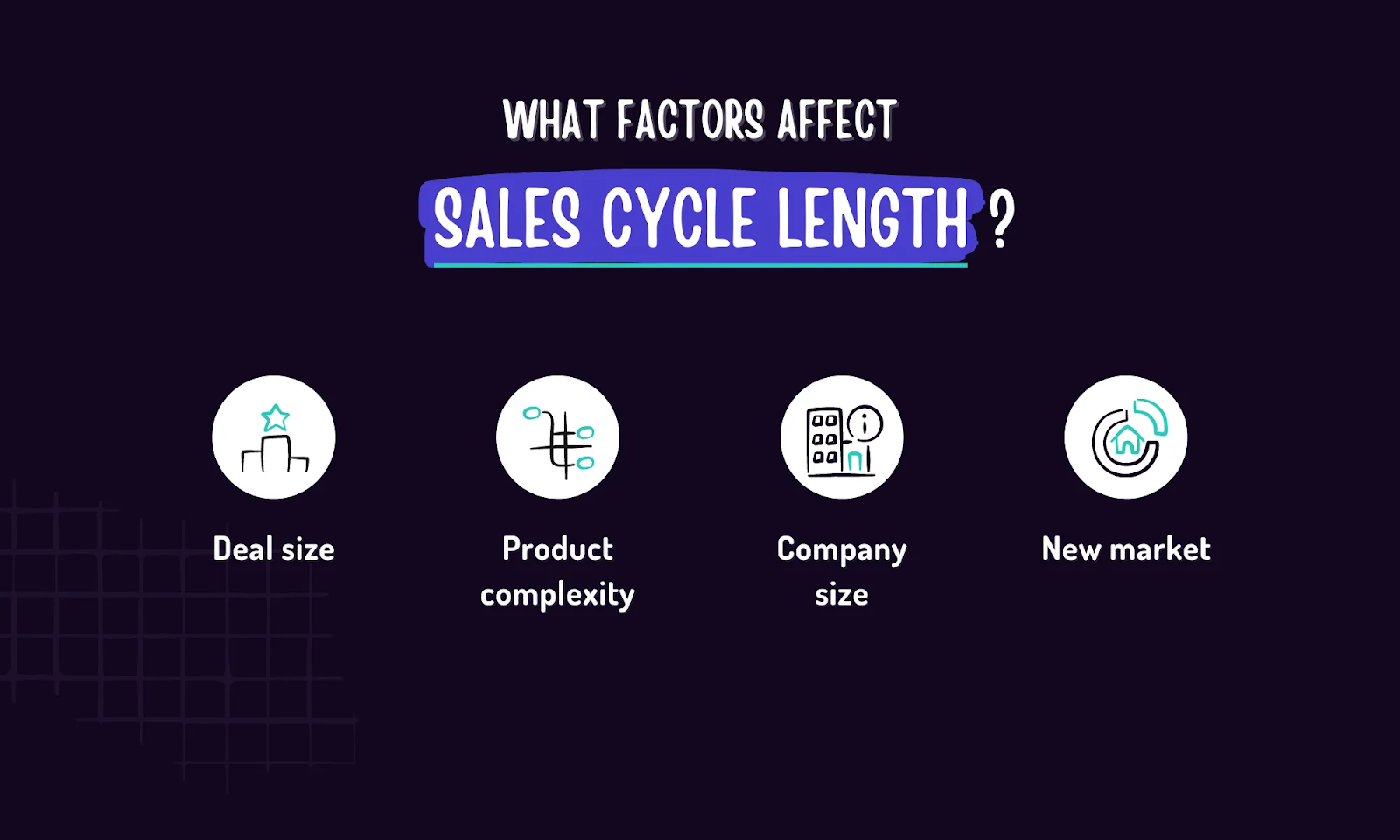
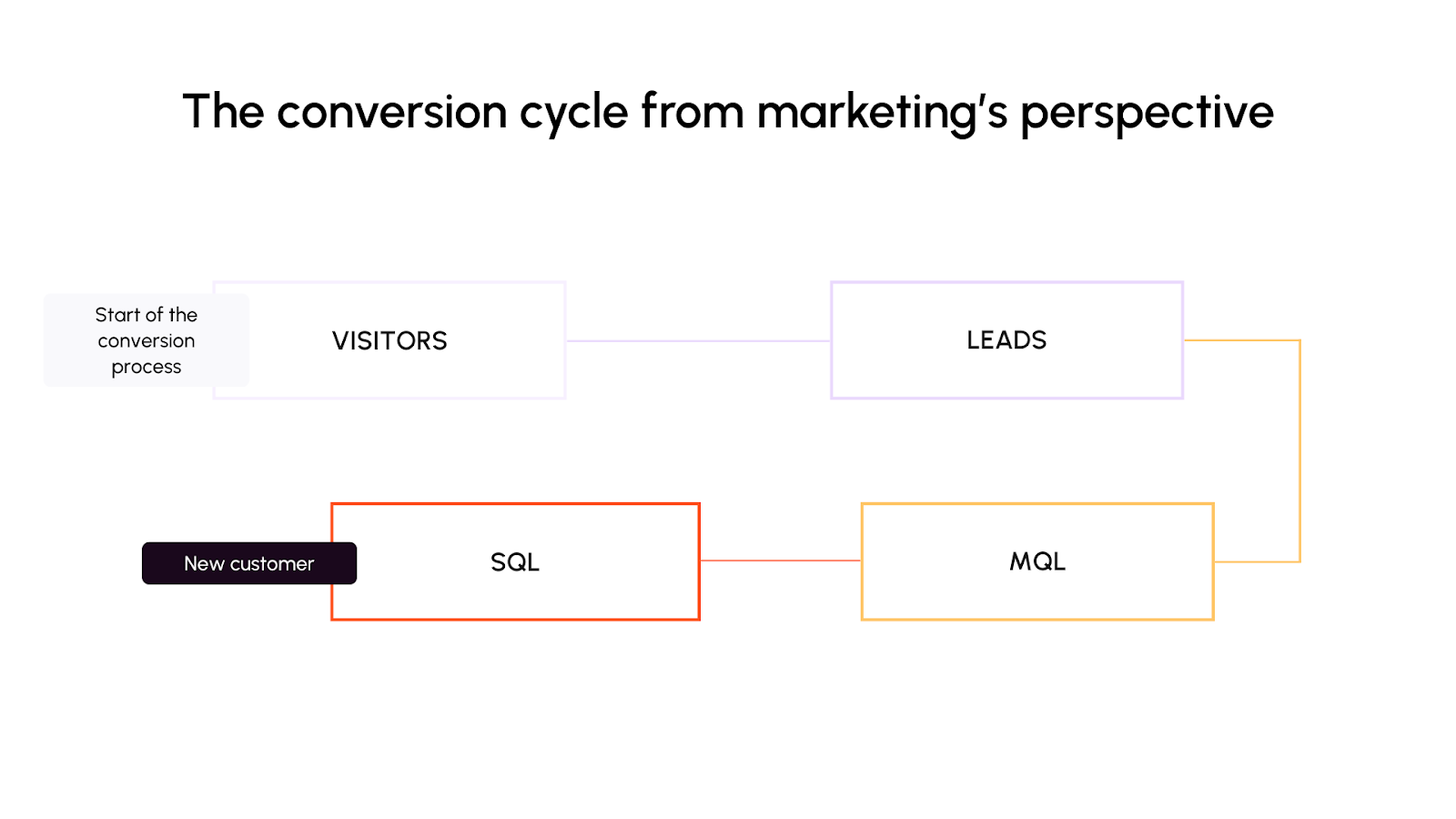
2️⃣ MQL → SQL → Pipeline Velocity - Not all leads are created equal. Track how many marketing qualified leads (MQLs) turn into sales qualified leads (SQLs), and how fast they move through your pipeline. If your inbound B2B leads are taking 6 months to close, something in your nurture or sales process needs fixing.
3️⃣ Cost Per Inbound Lead - Even "free" inbound isn't free—you're paying for tools, content creation, ads, and time. Calculate your total inbound investment divided by leads generated. Compare this to your outbound cost per lead to see where you're getting the best ROI.
4️⃣ Lead-to-Demo Conversion Rate - What percentage of your inbound leads actually book a demo or sales call? If this number is low, your lead magnets might be attracting the wrong people, or your follow-up needs work.
5️⃣ Sales Cycle Length - One of the biggest advantages of B2B inbound lead generation is shorter sales cycles. Track this over time—if your inbound leads are closing faster than outbound, you're doing it right.
Tools to Use
- Google Analytics 4 (GA4): Track traffic, conversions, and user behavior.
- HubSpot: Monitor MQL/SQL progression and attribution.
- Google Search Console: See what keywords are driving organic traffic.
- LinkedIn Analytics: Measure engagement and inbound DMs from content.
The goal isn't just to generate more inbound B2B leads: it's to generate better ones, faster. Track these metrics monthly, adjust what's not working, and double down on what is.
How to Manage and Qualify Inbound Leads Once They Arrive
Generating inbound leads is only half the job. What happens in the minutes and days after someone converts often decides whether that lead turns into pipeline or turns cold.
Speed to Lead: Why Minutes Decide the Deal
Inbound leads go cold faster than outbound ones, and that surprises a lot of teams. The reason is that an inbound lead is actively evaluating multiple options at once. They didn't just think of you. They filled out your form and probably two competitors' forms in the same afternoon.
Research on lead response time backs this up in a big way: contacting a lead within 5 minutes makes you roughly 21 times more likely to qualify them compared to waiting 30 minutes. And 78% of B2B buyers say they buy from whichever company responds first.
Most companies aren't close to that window. The average B2B lead response time still sits around 42 hours.
The fix isn't complicated, it's operational. Route high-intent inbound leads (demo requests, pricing page conversions) to a live rep or an instant-response workflow, and treat every hour of delay as pipeline you're actively losing.
Qualify Against ICP Before You Route to Sales
Not every inbound lead deserves an SDR call, and treating them all the same wastes your team's time and annoys your best prospects with the wrong conversation.
A simple two-step qualification fixes this:
- Automatic ICP scoring at form submission. Company size, industry, and job title can all be captured and scored the moment someone converts.
- A short qualification step for anyone below your ICP threshold. A brief email or discovery form before they hit a rep's calendar.
This protects your SDRs' time for the conversations that matter and keeps your sales team's trust in marketing-sourced leads intact.
MQLs, PQLs, and SQLs Need Different Playbooks
Lumping every inbound lead into one workflow is one of the fastest ways to waste good leads. Each type needs a different response:
Treating an SQL like an MQL means a hot lead sits in a nurture sequence while a competitor picks up the phone. Treating an MQL like an SQL burns a rep's time on someone who isn't ready. Match the response to the signal.
Fix Your Lead Routing Before You Blame Your Lead Gen
A shocking amount of "bad lead quality" is actually a routing problem, not a lead generation problem.
Set up automatic CRM routing rules based on:
- Company size (SMB vs. enterprise reps handle these differently)
- Industry vertical (route to the rep with relevant case studies)
- Geographic territory (time zone and region matter for response speed)
Unrouted or poorly routed inbound leads are one of the most common, and most fixable, causes of pipeline leakage. Before you decide a channel isn't working, check whether the leads it's producing are even reaching the right rep.
Don't Write Off Leads That Went Cold
An inbound lead who didn't convert on the first touch isn't a dead lead. They're a dormant one, and dormant leads are worth more than most teams assume.
Set up a 90-day re-engagement sequence triggered by behavioral signals: a return website visit, a new content download, or a revisit to your pricing page. Industry data on dormant lead recovery suggests as much as 30% of dormant leads can be re-engaged this way, with a meaningful share converting into booked appointments.
That's pipeline sitting in your CRM right now, waiting on a follow-up you haven't sent yet.
How Cleverly Helps B2B Companies Scale Inbound + Outbound Pipeline
Here's something most people miss: outbound and inbound aren't competitors—they're multipliers.
When done right, your outbound efforts directly fuel your inbound engine. And that's exactly what we help companies do at Cleverly.
How Outreach Amplifies Inbound
Every LinkedIn message, cold email, and sales call we make on your behalf increases brand awareness. When prospects see your name multiple times—even if they don't reply immediately—they start searching for you. That search traffic turns into organic inbound leads.
We've seen it happen thousands of times: our outreach starts conversations, those conversations lead to referrals, and suddenly your inbound pipeline gets a lift without changing anything else about your marketing.
Building Consistent Lead Flow
While you're waiting for your SEO to rank and your content to compound, you still need pipeline today. That's where we come in.
🚀 Our LinkedIn outreach and Cold Email Lead Gen: We've helped over 10,000 clients generate leads with companies like Amazon, Google, Uber, PayPal, Slack, and Spotify. The result? $312 million in pipeline revenue and $51.2 million in closed revenue.
🚀 Our Cold Calling System: We place a no-accent appointment setter, train them in 2 weeks, write breakthrough call scripts, and include all the data, tech, and power dialer. You get 10-30 qualified sales calls every month—guaranteed, or we replace the SDR. We've made over 1 million cold calls and set 53,000+ appointments.

Why This Matters
Most of the best agencies for B2B inbound lead generation focus only on SEO and content. We focus on the full picture, combining outbound with inbound to create a lead generation engine that works on day one and compounds over time.
You don't have to choose between inbound and outbound. You just need a system that makes them work together.
Want a predictable pipeline powered by LinkedIn, cold email, and cold calling?
🔥 Book a FREE strategy call with us

Conclusion
B2B inbound lead generation isn't a one-time project, it's a system that compounds over time.
The companies winning in 2026 aren't choosing between inbound or outbound. They're building engines that do both: outbound creates immediate pipeline, while inbound builds long-term authority and trust.
Start with one or two of the strategies we covered—SEO-driven content, LinkedIn personal branding, or high-value lead magnets—and execute them consistently. Track what works, double down, and layer in the rest.
The best time to start building your inbound engine was six months ago. The second best time is today.
Need help scaling your B2B inbound lead generation alongside a proven outbound system? We've helped over 10,000 companies do exactly that. Let's talk.
Frequently Asked Questions
Free Resource
How to Scale a Profitable Cold Call System
Get the complete guide — download it instantly now.
Free Ebook
Download the Free Guide
Enter your details to get instant access.
You're all set! 🎉
Your ebook is downloading now.
Click below if the download didn't start automatically.


