

Table of Contents
What Is a Quality Lead in B2B?
B2B Lead Quality vs. Lead Volume
Core Signals That Define a High-Quality B2B Lead
How to Measure Lead Quality (Not Just Leads Generated)
Lead Quality Across Different B2B Channels
How to Improve Lead Quality Without Killing Pipeline
How Cleverly Helps Companies Generate Higher-Quality B2B Leads
Conclusion
Frequently Asked Questions
Modified On :
April 10, 2026
Key Takeaways
- Quality leads are defined by fit, intent, and timing, not just interest or engagement.
- Measure lead quality through SALs, show rates, and close rates by source, not MQLs alone.
- High lead volume with poor quality burns out sales teams and damages marketing trust.
- B2B lead quality varies by channel, but targeting and messaging matter more than the channel itself.
- Fewer, better leads generate faster revenue than chasing high-volume lead counts.
- Build feedback loops between sales and lead gen to continuously improve lead quality.
We've all been there. Your sales team gets a flood of new leads, everyone's excited, and then reality hits. Half of them never respond. A quarter aren't even the right fit. And maybe one or two actually turn into real conversations.
See, more leads doesn't always mean more revenue.
What actually moves the needle is quality leads. The ones who have real budget, actual authority to buy, and a genuine problem you can solve.
At Cleverly, we've generated over $312 million in pipeline for 10,000+ clients, and we've learned one critical lesson: chasing quantity without quality is just expensive busy work.
The companies winning in B2B lead generation today aren't the ones with the longest lead lists. They're the ones who've figured out what a quality lead actually looks like for their business and built their entire lead gen strategy around finding more of them.
So let's break down what "good lead quality" really means, how to measure it, and most importantly, how to get more of the leads that actually close.
What Is a Quality Lead in B2B?
A quality lead is someone who fits your ideal customer profile, has genuine intent to buy, and is ready to engage now or soon. Not next year. Not maybe someday. Actually ready.
Think of it like this: fit + intent + timing = quality lead.
Fit means they match your ICP. Right company size, right industry, right role.
Intent means they're actively looking for a solution like yours.
And, timing means they have budget allocated and decision-making authority available.
Here's where most teams mess up: they confuse interest with readiness. Someone downloading your white paper shows interest. Someone asking about pricing, implementation timelines, and booking a demo? That's readiness.
Why B2B Lead Quality Is Context-Specific
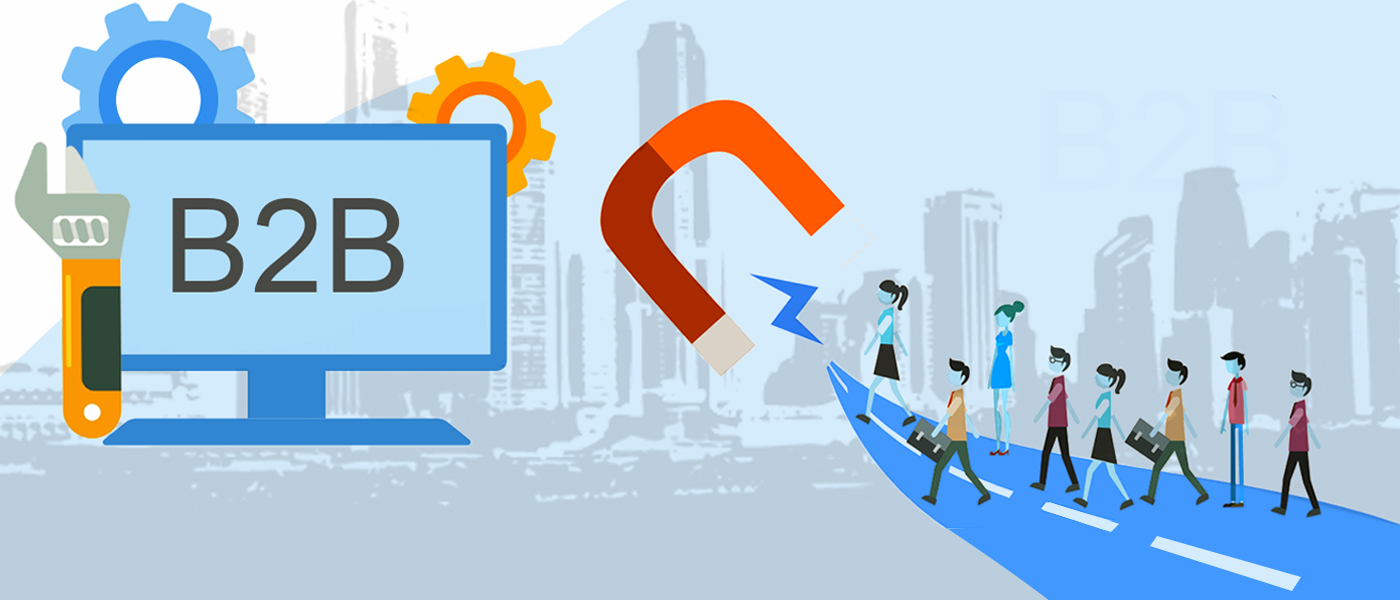
A quality lead for a $5K software tool looks completely different from one for a $500K enterprise contract. Your sales cycle matters too. If you're selling to Fortune 500 companies with 9-month cycles, "ready to buy" means something very different than a 2-week SMB deal.
Example time:
✅ Good lead: VP of Sales at a 200-person tech company, actively searching for outbound solutions, mentioned budget is approved, wants to talk this week.
❎ Bad lead: Junior marketing coordinator who clicked an ad, no authority to purchase, just "exploring options" with no timeline or budget.
See the difference? Both are technically leads. Only one is worth your sales team's time.
Learn the Difference: Prospect vs Lead
🚀 No MQLs. Just Meetings.
From $397/mo LinkedIn outreach to pay-per-meeting email and 10–30 guaranteed calls/month, we focus on conversations sales can close.
B2B Lead Quality vs. Lead Volume
Let's talk about the trap most B2B teams fall into: chasing numbers.
Your marketing dashboard shows 500 new leads this month. Looks great in the report, right? Then your sales team wastes 80 hours calling people who were never going to buy. That's when B2B lead quality becomes everyone's problem.
Why High Volume Breaks Sales Trust
Nothing kills sales and marketing alignment faster than bad leads. When your SDRs keep getting "leads" who've never heard of your company, aren't decision-makers, or have zero budget, they stop trusting marketing entirely. We've seen it happen at hundreds of companies.
The math is brutal:
- Poor B2B lead quality = wasted SDR hours
- Wasted hours = burned out team
- Burned out team = high turnover
- High turnover = lost revenue and constant retraining
One of our clients was generating 300 leads per month but closing maybe 2 deals. After we helped them focus on quality lead generation, they dropped to 80 leads per month but started closing 12 deals. Same sales team. Better leads.
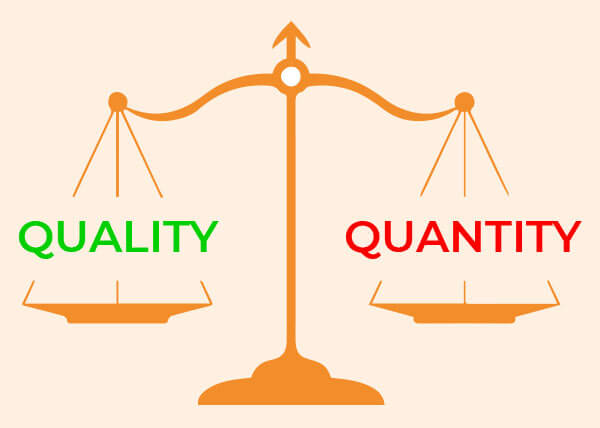
When Volume Matters vs. When Quality Matters
Here's the reality: if you're selling a $50/month product with instant activation, sure, volume can work. Throw enough at the wall and something sticks.
But if you're selling B2B with any complexity, longer sales cycles, or deals above $5K, B2B lead quality wins every time. Your sales team can only handle so many conversations. Make them count.
Most B2B teams don't need 500 leads. They need 50 leads who actually want to buy.
Also Check: How To Generate 30+ Leads On Linkedin Without Spamming People
Core Signals That Define a High-Quality B2B Lead
Not all quality leads look the same, but they all share certain signals. Here's what we look for when evaluating lead quality at Cleverly.
Firmographic Fit
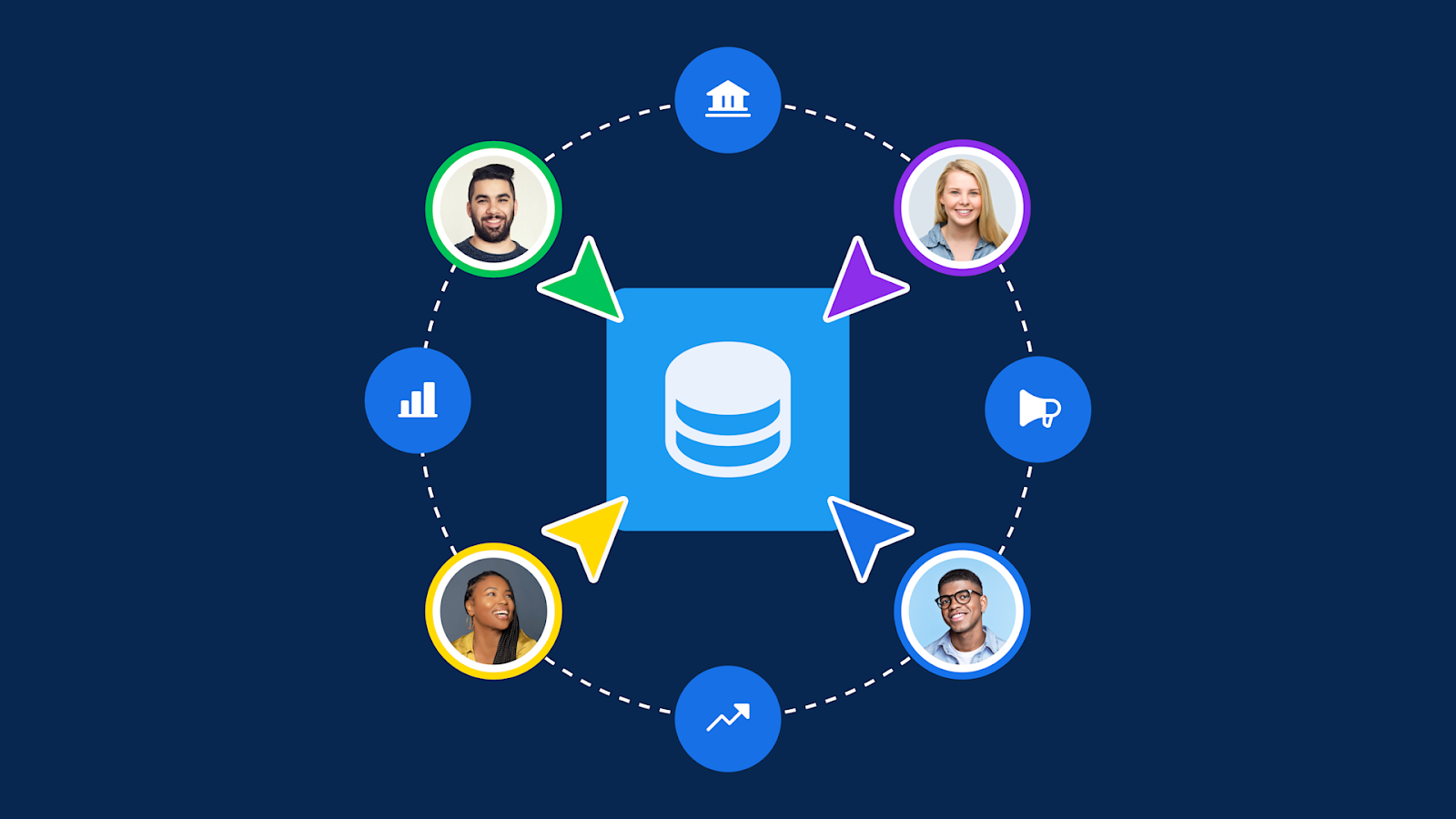
Does this company actually match your ICP? We're talking:
- Industry: Are you built for SaaS companies but talking to manufacturing? That's a mismatch.
- Company size: If you serve 50-500 employee companies, a 5-person startup or 10,000-person enterprise probably isn't your quality lead.
- Geography: Can you actually serve them? Time zones, regulations, and market presence matter.
Role & Decision Power
This is huge. A quality lead has either decision-making authority or direct influence on the buying process.
🟩 Green flags: VP, Director, Head of, Founder, Owner
🟨 Yellow flags: Manager (depends on company size and deal size)
🟥 Red flags: Coordinator, Specialist, Intern
If they can't sign off or heavily influence the decision, you're adding months to your sales cycle.
Pain Relevance

Do they have the problem you solve? Sounds obvious, but we see this all the time. Someone might fit your firmographic profile perfectly but have zero need for what you offer.
A quality lead is actively experiencing the pain point your product addresses. They're not hypothetically interested. They're currently struggling.
Buying Intent Signals
This is where you separate tire-kickers from real buyers:
- Reply quality: Are they asking specific questions about implementation, pricing, or timelines?
- Engagement level: One-word replies or detailed responses with follow-up questions?
- Urgency: Do they mention deadlines, current pain points, or reasons they need to move fast?
At Cleverly, when someone responds with "What's your pricing and how quickly can we get started?" we know that's a quality lead. When they say "just browsing," we know it's not.
Timing & Budget Alignment
The final piece: can they actually buy right now?
- Budget allocated: Do they have money set aside for this type of solution?
- Decision timeline: Are they looking to decide this quarter or "maybe next year"?
- Current contracts: Are they locked into a competitor for another 18 months?
A lead can check every other box, but if the timing isn't right, they're not a quality lead yet. They're a future opportunity.
Know What Is: Cross-Channel Lead Generation
🔥 Quality Leads, Defined by Sales
Cleverly delivers meeting-ready leads across LinkedIn, cold email, and cold calling—based on real buyer conversations.
How to Measure Lead Quality (Not Just Leads Generated)
If you're only tracking MQLs, you're not actually measuring quality. You're just counting clicks and form fills.
How to measure lead quality comes down to tracking what happens after someone becomes a lead. Because that's where the truth lives.
Why MQLs Alone Are Misleading
Marketing Qualified Leads sound official, but they're often just people who hit arbitrary point thresholds. Downloaded three resources? MQL. Visited pricing twice? MQL.
None of that tells you if they'll actually buy. We've seen companies with 90% MQL rates and 2% close rates. The metrics looked great until sales got involved.
Metrics That Actually Indicate Quality
If you want to know how to measure lead quality, track these instead:
- Reply Quality Not just "did they respond" but "what did they say?" A thoughtful reply with specific questions about your service beats a generic "tell me more" every time.
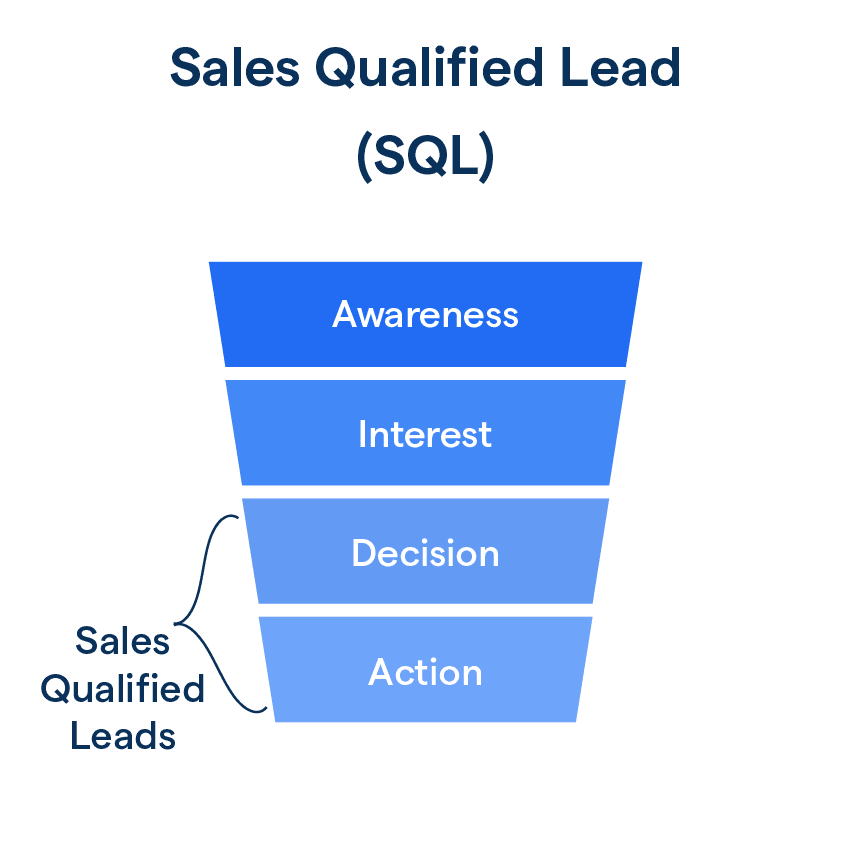
- Sales-Accepted Leads (SALs) How many leads does your sales team actually want to work? If marketing sends 100 MQLs but sales only accepts 20, you've got a quality problem.
- Meeting Show Rate Booked meetings mean nothing if nobody shows up. At Cleverly, we track show rates religiously because it's a direct indicator of real interest. Our clients average 70%+ show rates because we focus on quality lead generation from the start.
- Opportunity Creation Rate What percentage of leads turn into real opportunities in your CRM? This tells you if people are actually qualified to buy or just browsing.
- Close Rate by Source This is the ultimate test. Break down close rates by channel. You might find that LinkedIn generates half the volume of paid ads but closes at 3x the rate. That's how to measure lead quality in action.
Align Sales + Marketing on "What Good Looks Like"

None of this works if sales and marketing define quality differently. Sit down together and answer:
- What does a perfect lead look like for us?
- What disqualifies someone immediately?
- What questions should a qualified lead be asking?
- What timeline indicates real buying intent?
We do this exercise with every client. Once everyone agrees on what a quality lead actually is, everything else gets easier.
Explore: Sales and Marketing Alignment Explained for Modern B2B Teams
Lead Quality Across Different B2B Channels
Not all channels produce the same quality lead generation. But here's what most teams get wrong: they blame the channel when the real issue is targeting and messaging.
Let's break down what quality lead generation looks like across each major B2B channel.
LinkedIn Outreach
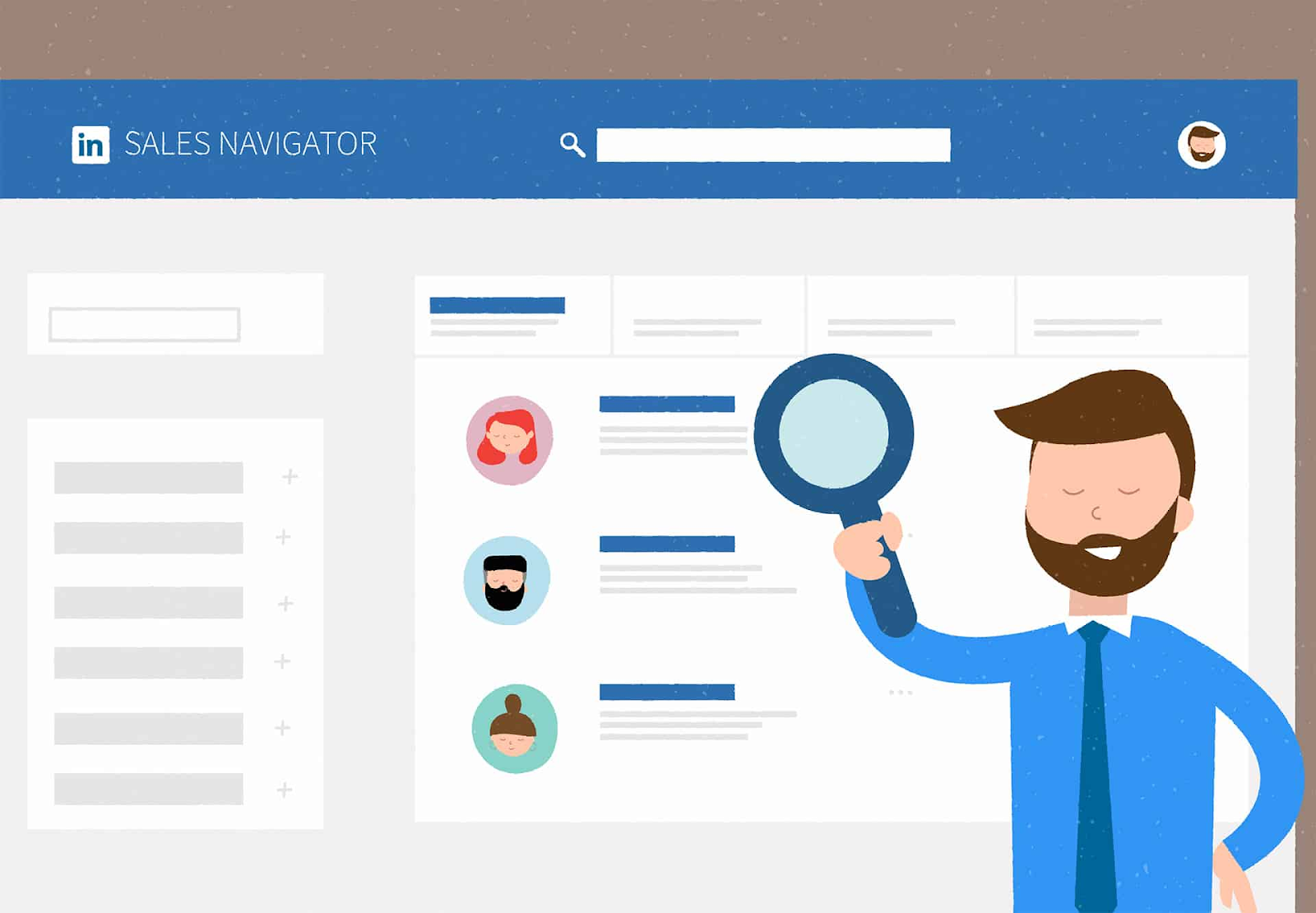
High-quality leads: Decision-makers who engage with personalized messages, ask specific questions, and respond within days. At Cleverly, we've generated $312 million in pipeline through LinkedIn outreach because we target the right people with relevant messaging.
Low-quality leads: Random connection requests accepted by people who never intended to buy. They connected out of politeness, not interest.
The difference? Precise targeting and messaging that speaks to actual pain points.
Here’s More: Best Practices for LinkedIn Lead Generation
Cold Email
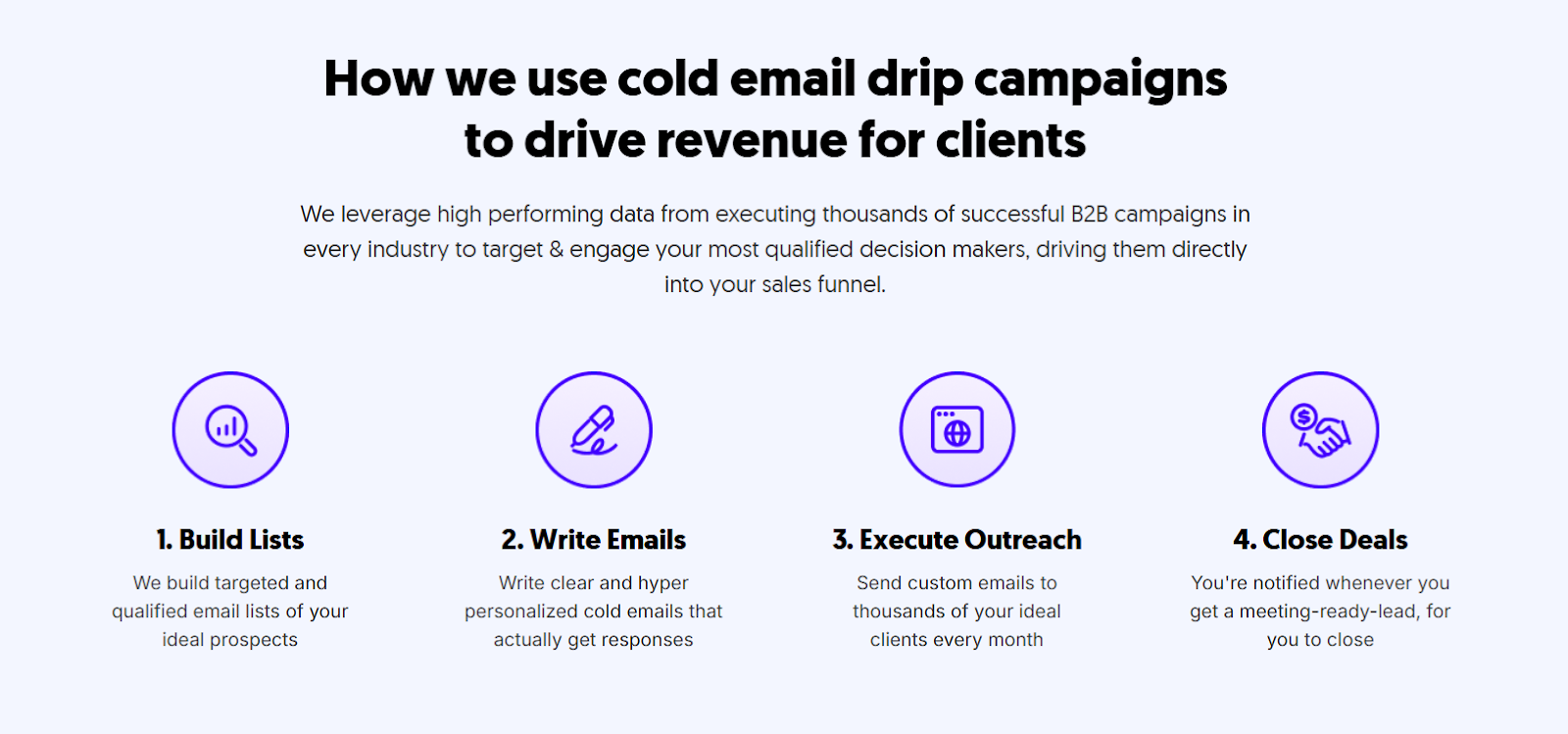
High-quality leads: Recipients who reply with real questions about pricing, implementation, or next steps. They're responding because your email hit on a problem they're actively trying to solve.
Low-quality leads: "Not interested" or "remove me" replies, or worse, people who never opted in to receive B2B outreach in the first place.
With our cold email service, we only charge clients for meeting-ready leads we deliver. Why? Because we've built quality lead generation into the model itself.
Read More: Cold Email Blueprint to Generate Leads
Cold Calling
High-quality leads: Prospects who stay on the call, ask questions, and agree to next steps. They have time to talk because they see potential value.
Low-quality leads: Gatekeepers who immediately shut you down, wrong contacts, or people who pick up but have zero interest or authority.
Our $5M cold calling system books 10-30 qualified sales calls monthly because we train SDRs to identify quality fast and focus there.
Ultimate Comparison: LinkedIn vs Cold Email vs Cold Calling
Referrals & Warm Intros
High-quality leads: Someone vouched for you to a peer who actually needs your solution. Trust is pre-built and sales cycles compress.
Low-quality leads: "Do me a favor and take this meeting" intros where there's no real fit or interest. Just obligation.
Referrals typically produce the highest quality lead generation, but you can't scale them alone.
The Real Quality Driver: Targeting + Messaging
Here's the truth: LinkedIn, email, and calling can all produce terrible leads if you're targeting wrong or sending generic messages.
We've seen companies blame "cold email doesn't work" when really, they were:
- Targeting the wrong job titles
- Sending templates that didn't address real pain
- Reaching out to people with zero buying power
Quality lead generation happens when you combine the right channel with the right targeting and messaging. Pick your channel based on where your ICP actually pays attention, then obsess over who you're reaching and what you're saying.
More to Learn: Proven Cold Calling Tips to Book More Meetings
How to Improve Lead Quality Without Killing Pipeline
The fear is real: tighten your criteria too much and leads dry up. But here's how to improve lead quality without tanking your pipeline.
Tighten Your ICP and Exclusion Criteria
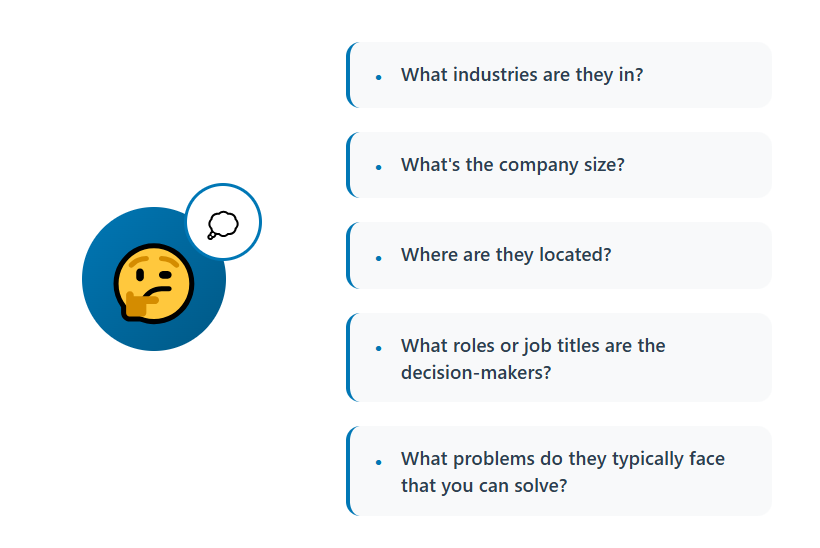
Get specific about who you're targeting and who you're actively avoiding. If companies under 50 employees never close, stop reaching out to them. If certain industries consistently ghost you, exclude them.
How to improve lead quality starts with saying no to the wrong people before they enter your funnel.
Make Your Messaging Relevant
Generic templates kill quality. "I noticed your company" doesn't work when you send it to 500 people.
Reference specific pain points for their role or industry. At Cleverly, our LinkedIn campaigns starting at $397/mo focus on personalized messaging that speaks to real challenges, not spray-and-pray volume.
Pre-Qualify Through Better Questions
Don't hide qualification behind long forms. Ask the right questions upfront:
- What's your current biggest challenge with [problem area]?
- What's your timeline for making a decision?
- Who else is involved in this purchase?
Real buyers answer these willingly. Tire-kickers bounce.
Align SDR Goals With Quality, Not Activity
Stop rewarding your team for hitting 100 dials or 200 emails sent. Start rewarding SALs, meetings that show, and opportunities created.
When SDRs get paid for quality outcomes, they naturally focus on better prospects.
Build Feedback Loops Between Sales and Lead Gen
Weekly sync-ups matter. Sales should tell you:
- Which leads were great and why
- Which leads wasted their time
- What signals indicate quality in real conversations
Use that intel to refine targeting. This is how to improve lead quality continuously, not just once.
How Cleverly Helps Companies Generate Higher-Quality B2B Leads
Most lead generation agencies chase volume. We chase quality.
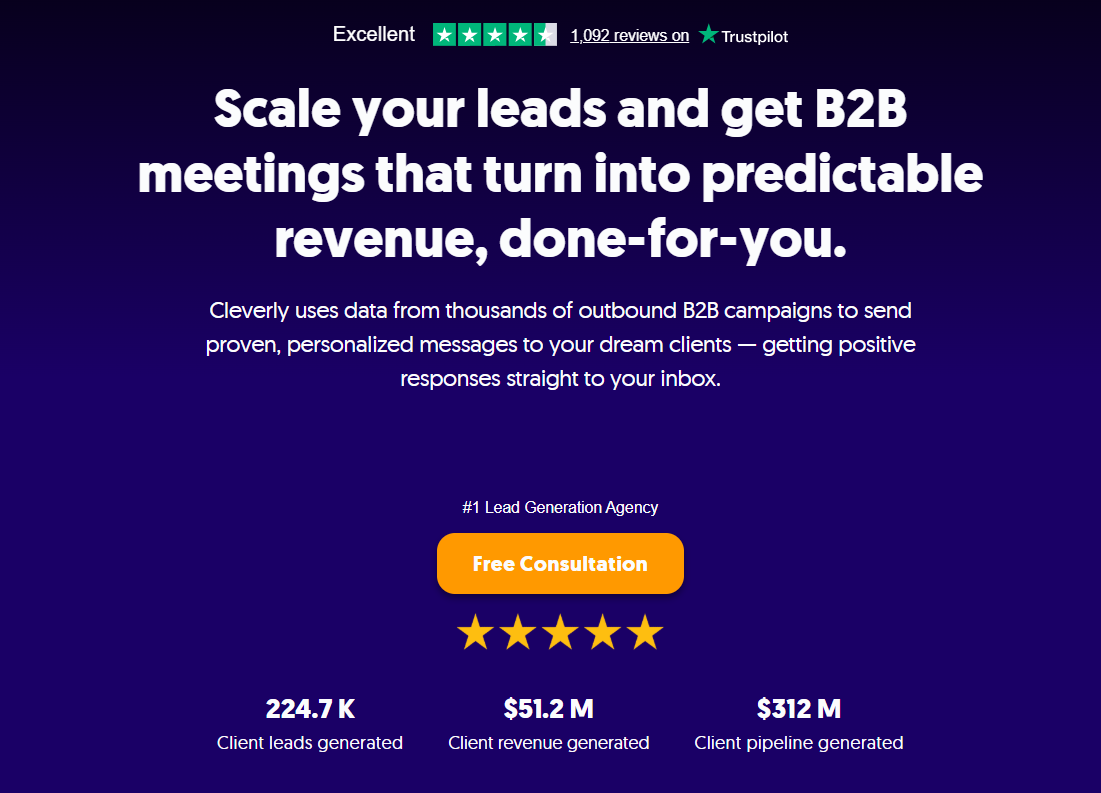
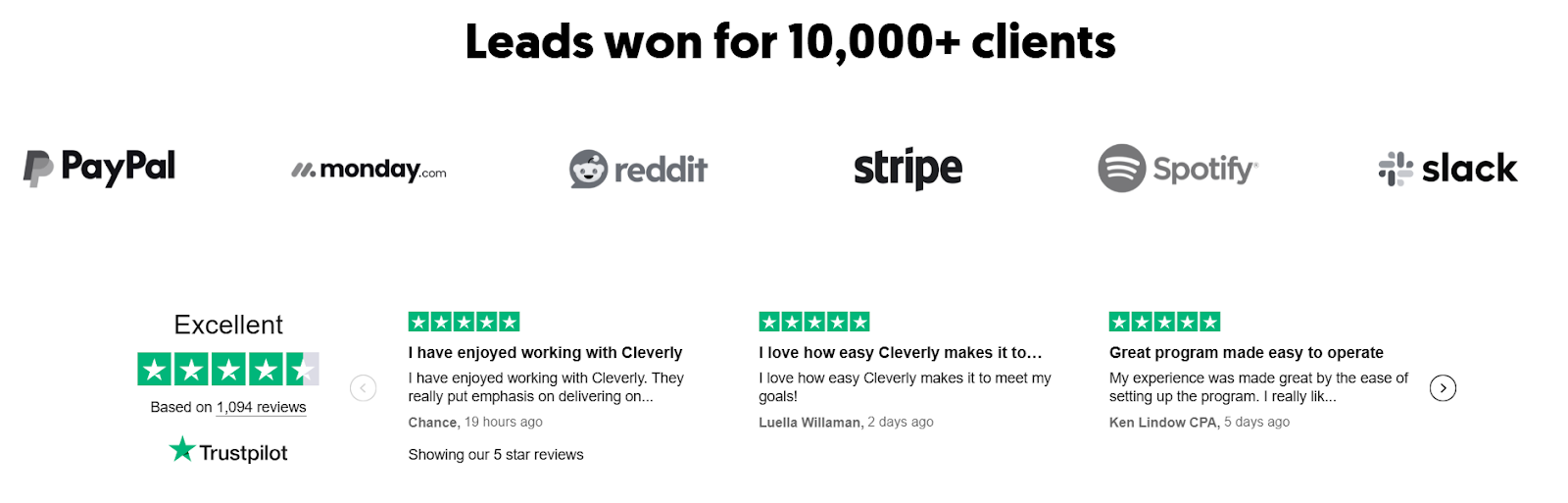
At Cleverly, we've helped 10,000+ clients generate $312 million in pipeline and $51.2 million in closed revenue. Companies like Amazon, Google, Uber, PayPal, and Spotify trust us because we don't just fill your pipeline with names. We fill it with people who actually want to buy.
Three Ways We Deliver Quality Leads
📢 LinkedIn Outreach (Starting at $397/mo): Personalized campaigns targeting decision-makers in your ICP. No generic templates. No spray-and-pray. Just relevant messaging that gets real conversations started.
📢 Cold Email (Pay Only for Meeting-Ready Leads): You read that right. We only charge for leads we send you that are ready to meet. No fluff. No "just browsing" replies. Meeting-ready or it's free.
📢 Our $5M Cold Calling System: We place a trained, no-accent appointment setter on your team, write breakthrough scripts, provide all the tech and data, and guarantee 10-30 qualified sales calls every month. If we don't hit it, we replace your SDR. All at half the cost of in-housing.
We've made over 1 million cold calls and set 53,000+ appointments because we built our entire system around one thing: quality lead generation that actually converts.

Why Companies Choose Cleverly as Their Lead Generation Agency
Simple. We align our success with yours. When you close deals from our leads, we win. When leads waste your time, we don't.
If you're tired of working leads that go nowhere, let's talk about filling your pipeline with people who are actually ready to buy.
🚀 Book a FREE Consultation
Conclusion
Here's what we know after generating hundreds of millions in pipeline: quality leads beat high volume every single time.
A quality lead comes down to three things: fit, intent, and timing. They match your ICP, they have a real problem you can solve, and they're ready to buy now or soon.
But quality lead generation isn't a one-time fix. It's a system. You need the right targeting, relevant messaging, proper qualification, and constant feedback loops between sales and marketing.
The bottom line? Fewer, better leads create faster revenue than volume ever will.
Stop chasing lead counts. Start chasing leads that close. Your sales team and your revenue will thank you.
Frequently Asked Questions
Free Resource
How to Scale a Profitable Cold Call System
Get the complete guide — download it instantly now.
Free Ebook
Download the Free Guide
Enter your details to get instant access.
You're all set! 🎉
Your ebook is downloading now.
Click below if the download didn't start automatically.


