Table of Contents
The "I've Seen This Name Before" Effect
Why the First Touch Almost Never Works
How Buyers Actually Experience Outreach (Not How We Track It)
Multi-Touch Outreach vs Single-Channel Outreach
What Multi-Touch Outreach Actually Looks Like in Practice
Multi-Channel vs Omnichannel Outreach (Important Distinction)
Why B2B Multi-Touch Campaigns Create Replies (Not Just Opens)
How Cleverly Designs Multi-Touch Outreach That Feels Natural
Conclusion
Frequently Asked Questions
Modified On :
September 9, 2026
Key Takeaways
- Multi-touch outreach uses several coordinated interactions to build recognition before asking for a response.
- Email, LinkedIn, and phone should support one conversation rather than operate as separate campaigns.
- Every follow-up should add a new reason to respond instead of repeating the original pitch.
- Touch count and spacing should reflect the audience, offer, sales cycle, and level of buyer intent.
- Shared CRM context prevents prospects from receiving disconnected or contradictory messages across channels.
Most B2B prospects do not reply to the first message. They may be busy, unsure whether the offer is relevant, or simply not familiar enough with the sender to start a conversation.
Multi-touch outreach solves this by coordinating several relevant interactions across email, LinkedIn, and phone. Each touch adds context or introduces a different reason to respond instead of repeating the same pitch.
A coordinated cross-channel lead generation strategy helps each interaction support the same buyer conversation.
This guide explains how multi-touch outreach works, how it differs from random multi-channel activity, and how to build a B2B sales cadence that stays persistent without becoming repetitive or pushy.
The "I've Seen This Name Before" Effect
Buyers don't reply to strangers. They reply to familiar senders.
You've probably experienced this yourself. Someone reaches out cold, and you ignore it. Then you see their name again. Maybe in your LinkedIn notifications. Maybe another email.
Suddenly, they don't feel like a random stranger anymore. You're more likely to open, read, or even respond.
That's the core of any multi touch marketing strategy: familiarity lowers resistance.
What familiarity creates (even before interest kicks in):
- Recognition – "I've seen this name before"
- Safety – "They're not just blasting everyone"
- Curiosity – "What do they actually want?"
This effect happens subconsciously. Your prospect isn't actively thinking, "Oh, I should reply to this person because I've seen them twice." Their brain just registers you as less risky. Less random. More worth engaging with.
Modern inboxes amplify this behavior even more. With spam filters, AI sorting, and inbox overload, buyers have learned to ignore anything that feels like a one-off blast. But when they see your name show up consistently across multi channel outreach, it signals intent. It signals you're real. And that makes all the difference.
The takeaway? Multi touch attribution isn't about being loud. It's about being present, consistently, until you stop feeling like a stranger.
Also Check: What is Multithreading in Sales
🔁 Familiarity Closes Deals
Cleverly executes LinkedIn outreach, pay-per-meeting cold email, and guaranteed cold calling in sync, so buyers see your name more than once before they reply.
Why the First Touch Almost Never Works
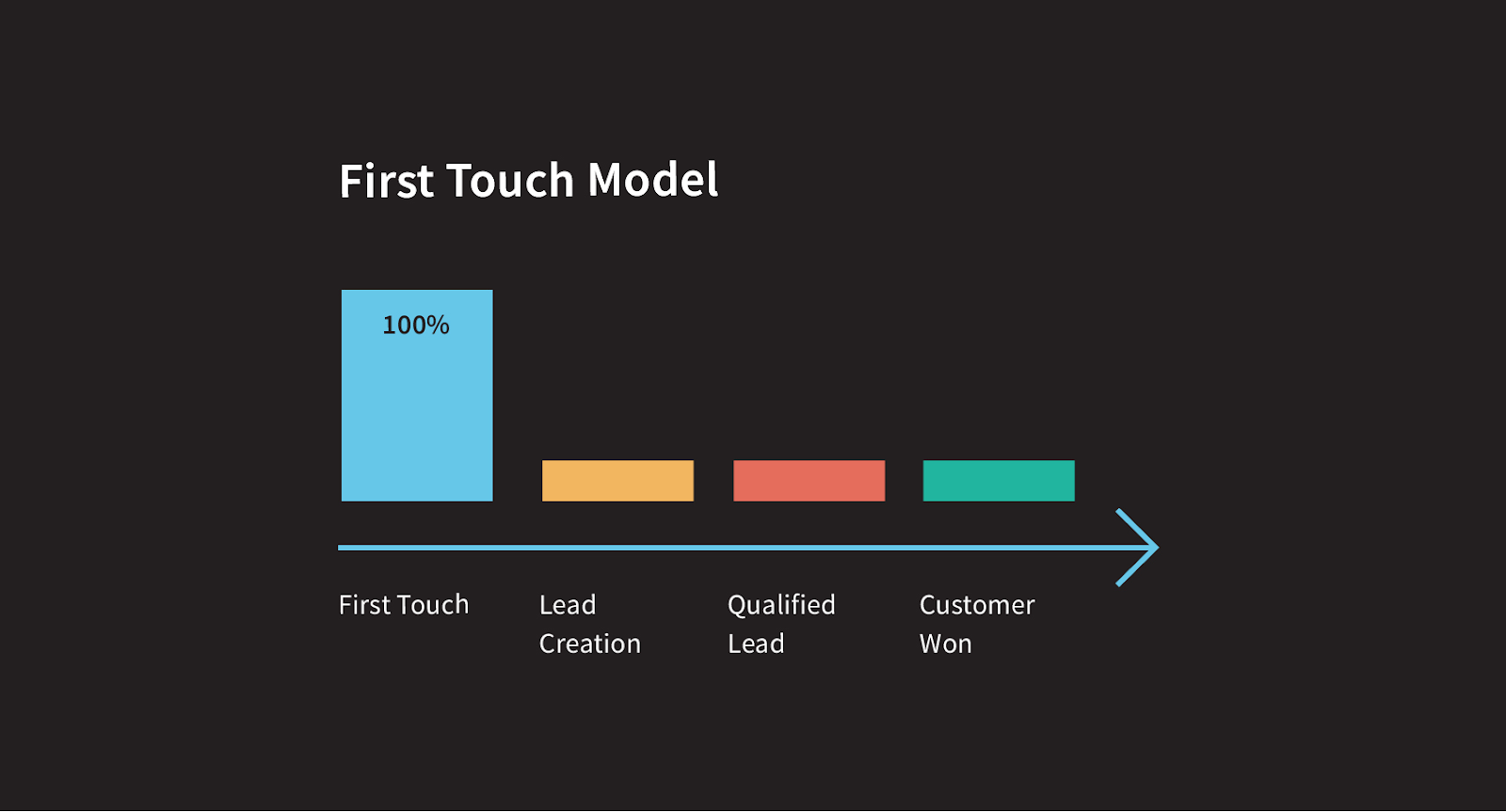
The first touch attribution is usually ignored, not rejected.
That's an important distinction. Your prospect didn't read your message and think, "No thanks." They probably didn't read it at all. Or they skimmed it between meetings, forgot about it, and moved on with their day.
Here's what's actually happening when you send that first cold message:
- Buyers are busy – They're juggling calls, emails, Slack notifications, and internal fires.
- They're context-switching constantly – Your email competes with 50 other priorities.
- They're risk-averse – Replying to a stranger takes mental energy they don't have right now.
You don't exist in their mental framework yet. There's no category for you. No reason to prioritize you. So they don't.
Silence doesn't mean failure in multi-touch outreach. It means you haven't built enough recognition yet. And that's exactly what the next few touches are for.
This is where most teams give up too early. They send one email, maybe two, and assume the lead is dead. But the reality? Your prospect might not even be ready to engage until touch three, four, or five. Not because your messaging was bad, but because familiarity takes time.
A strong multi-touch outreach strategy accounts for this. It doesn't treat the first message as the closer. It treats it as the introduction, knowing the real work happens in the follow-up.
Tools to Explore: Best Lead Scoring Tools for B2B Sales Teams
How Buyers Actually Experience Outreach (Not How We Track It)
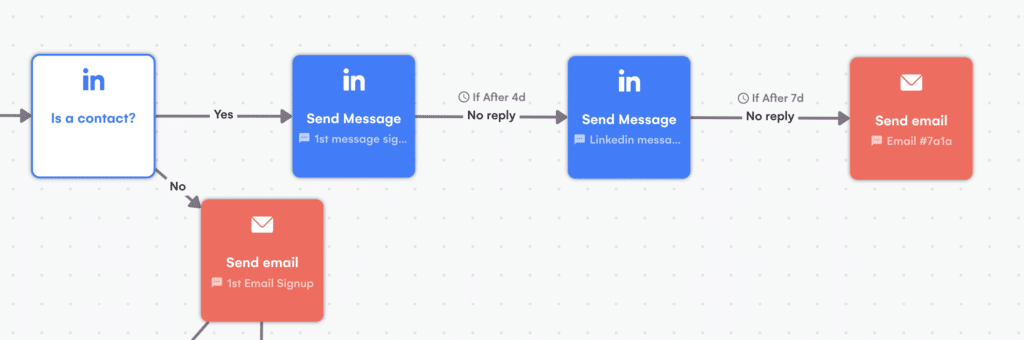
Here's how a real buyer journey actually plays out:
✅ Touch 1: Cold email lands. They're in back-to-back meetings. Ignored.
✅ Touch 2: You view their LinkedIn profile. They get the notification. "Huh. Someone's checking me out." They glance at your profile but don't engage.
✅ Touch 3: Second email arrives. This time, they notice. "Oh, this person again." Still no reply, but now they're aware.
✅ Touch 4: LinkedIn connection request or InMail. Now it clicks. "I've seen this name before." They accept. Maybe they reply.
That's multi channel outreach in action. But here's the thing: your CRM doesn't track it that way.
Most attribution tools will tell you "Email 2 got the reply." But that's not the full story. The reply didn't happen because of email two. It happened because of the cumulative exposure across LinkedIn and email. The buyer didn't experience your outreach as separate steps. They experienced it as repeated exposure to your name, your brand, your message.
Outreach doesn't land as steps. It lands as familiarity.
Attribution tools can't capture recognition. They can't measure the subconscious moment when your name stops feeling random. They only see the final click. The reply. The conversion. But the real work happened in the touches before that.
This is why multi channel outreach beats single-channel every time. You're not just increasing your odds of getting seen. You're building a mental presence that makes replying feel natural, not risky.
Replies are cumulative, not causal. And the sooner you design your outreach around that reality, the better your results will be.
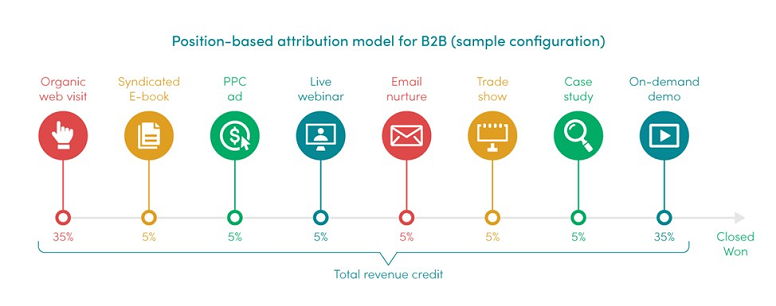
Because the final reply may follow several earlier interactions, teams should understand how multi-touch attribution assigns influence across the buyer journey.
Understand More: Build a High-Converting Lead Generation Funnel
🚀 More Touchpoints. More Meetings.
10,000+ companies use Cleverly to turn coordinated outreach across LinkedIn, email, and phone into consistent, sales-ready conversations.
Multi-Touch Outreach vs Single-Channel Outreach
Single-channel outreach assumes one message can do the job. Multi-touch outreach assumes trust needs repetition.
A quick comparison:
Single-channel outreach is transactional. It asks for a decision immediately. Multi-touch outreach is strategic. It earns attention first, then asks for the conversation.
That's why the best B2B multi touch campaigns don't rely on one perfect message. They rely on consistent, coordinated presence across channels until replying feels like the natural next step.
The right channel mix often starts with understanding the strengths of LinkedIn lead generation versus cold email.
What Multi-Touch Outreach Actually Looks Like in Practice
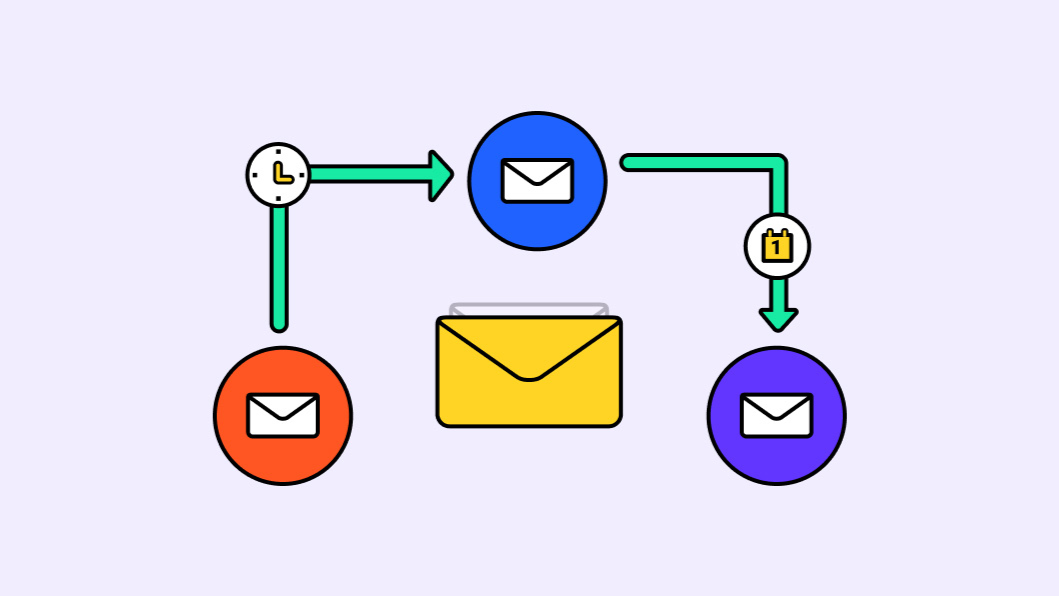
Multi-touch outreach doesn't mean spamming every channel at once. It's about outreach sequencing, not volume.
The goal isn't to hit your prospect from all directions on the same day. It's to show up consistently, in a logical order, so each touch builds on the last. Done right, it feels natural. Done wrong, it feels desperate.
Here's what smart outreach sequencing looks like:
✅ Touch 1: Light LinkedIn touch – View their profile or engage with a post. No ask. Just awareness.
✅ Touch 2: Contextual email – Short, relevant message tied to their role or company. Still no hard pitch.
✅ Touch 3: Follow-up that references familiarity – "I reached out last week about [topic]. Thought this might be relevant based on what you're working on."
✅ Touch 4: LinkedIn connection or InMail – Now you're on their radar. The connection feels earned, not random.
✅ Touch 5: Final email – Simple, direct. "Still interested in chatting about this?"
Why spacing and order matter more than message length
If you send three emails in three days, you look pushy. If you send one email and one LinkedIn message on the same day, it feels coordinated (in a bad way). But if you space touches across 7-10 days and vary the channel, it feels natural.
Your prospect doesn't experience outreach sequencing as a campaign. They experience it as a person showing up consistently with something relevant. And that's the whole point.
The best sequences aren't clever. They're patient. They let familiarity do the heavy lifting so your final ask doesn't feel cold anymore.
How Many Touches Should a B2B Outreach Sequence Have?
There is no universal number that works for every B2B campaign. A short sales cycle with a simple offer may need fewer touches, while an enterprise sale involving several stakeholders usually requires a longer sequence.
Start with a focused sequence across email, LinkedIn, and phone. Review positive replies, meeting bookings, unsubscribe requests, and objections to determine whether the sequence should be extended or shortened.
Each touch should serve a different purpose:
- Introduce the problem or opportunity
- Add a relevant insight
- Share proof from a similar company
- Address a likely concern
- Ask a direct qualifying question
- Close the sequence politely
Stop the sequence when the prospect replies, opts out, becomes an active opportunity, or clearly indicates that the timing is wrong. More touches do not improve a campaign when the targeting or message is weak.
For channel-specific messaging, use a clear LinkedIn outreach process rather than copying the same email into a connection message.
Some Tools that Help: Best Email Sequence Software
Multi-Channel vs Omnichannel Outreach (Important Distinction)
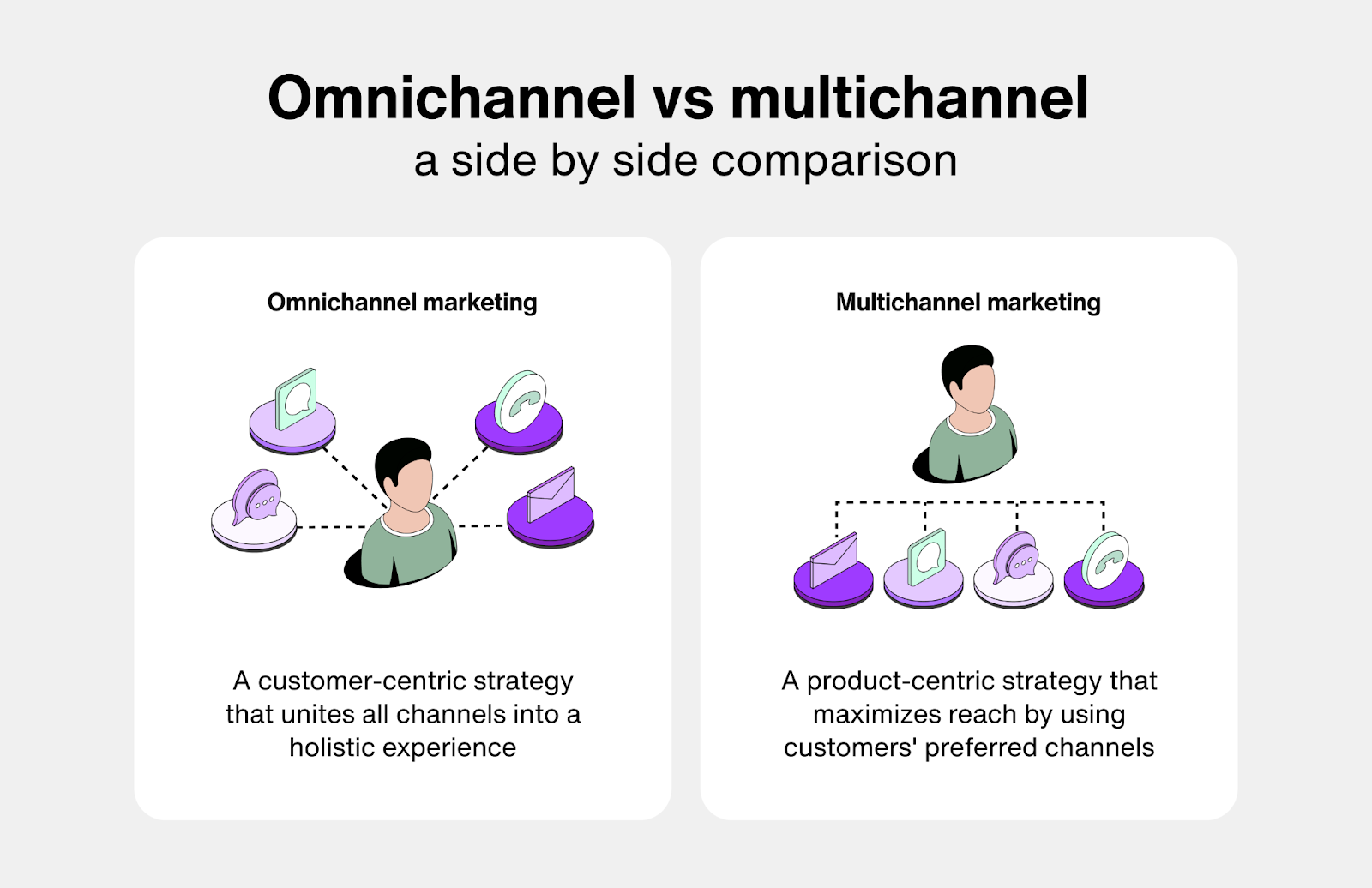
Not all multi channel outreach is created equal. There's a big difference between using multiple channels and coordinating them intentionally.
The breakdown:
More details: Omnichannel vs Multichannel Marketing Explained (With Examples)
Why uncoordinated outreach feels noisy
If you send a LinkedIn InMail, a cold email, and a cold call all in the same week with no connection between them, your prospect notices. And not in a good way. It feels like you're throwing everything at the wall to see what sticks.
That's multi-channel without strategy.
Orchestration turns touches into recognition
An omnichannel outreach strategy is different. It's intentional. Your LinkedIn profile view happens first so they see your name. Your email references a mutual connection or recent company news. Your follow-up acknowledges the earlier touch without being annoying about it.
Each channel reinforces the others. Your prospect doesn't feel bombarded. They feel like you've done your homework and you're showing up with purpose.
Outreach orchestration is what separates teams that get replies from teams that get ignored. It's not about being everywhere. It's about being present in the right order, at the right pace, so familiarity builds naturally.
That's the power of a true omnichannel outreach strategy. It doesn't just increase touches. It increases trust.
How to Keep Outreach Context Consistent Across Channels
Prospects lose interest when an email, LinkedIn message, and phone call feel like unrelated first contacts. Every channel should reflect what has already happened.
Before the next touch, the rep should be able to see:
- Which messages the prospect received
- Which links or resources were shared
- Whether the prospect accepted a LinkedIn request
- Previous replies, objections, or questions
- Calls completed and voicemails left
- The next scheduled action
Reference previous interactions only when it helps the prospect. A LinkedIn message can briefly mention the email topic, while a call can focus on the same business problem without repeating the entire message.
Use one CRM record for each prospect and pause automated steps as soon as a human conversation begins. This keeps the experience coordinated and prevents the prospect from receiving an automated follow-up after already replying elsewhere.
Read More: B2B Omnichannel Customer Journey: Stages, Maps, and Tactics That Close Deals
Why B2B Multi-Touch Campaigns Create Replies (Not Just Opens)
Repetition builds trust before intent. That's the secret behind why B2B multi touch campaigns actually work.
Most outreach strategies focus on getting opens. But opens don't matter if no one replies. And here's the reality: buyers don't reply because your subject line was clever. They reply when two things align:
- The sender feels familiar – "I've seen this name before"
- The message feels timely – "This is actually relevant right now"
B2B multi touch campaigns create both. Each touch adds a layer of recognition. By the time your prospect is ready to engage, you're not a stranger anymore. You're someone they've heard from. Someone who's been consistent. Someone who feels safe to respond to.
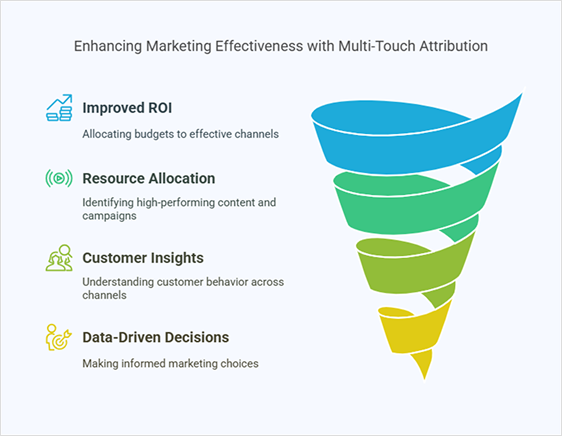
Multi-touch campaigns create permission to respond
A single cold email asks for a decision immediately. But a sequence of touches over time gives your prospect space to engage when they're ready. It removes the pressure. It signals that you're not going anywhere, so they can reply on their terms.
Why replies often say things like:
- "Saw your message earlier"
- "Meant to reply before"
- "Good timing, actually"
These responses prove the point. Your prospect didn't ignore you because they weren't interested. They ignored you because the timing wasn't right yet. But because you stayed present across multiple touches, you were top of mind when the timing shifted.
That's why B2B multi touch campaigns don't just increase reply rates. They increase quality replies. The kind that turn into real conversations, not one-off responses that go nowhere.
How Cleverly Designs Multi-Touch Outreach That Feels Natural
At Cleverly, we don't design outreach around delivery. We design it around recognition.
How we approach multi-touch outreach for our clients:
LinkedIn + Email Working Together:
- LinkedIn touches build awareness first
- Email follows with context, not cold pitches
- Each channel reinforces the other naturally
Familiarity Before the Ask:
- We don't rush the reply
- Early touches focus on presence, not pressure
- By touch three or four, your name feels familiar
Sequencing Over Saturation:
- Strategic spacing across 7-10 days
- No same-day multi-channel blasts
- Each touch has a purpose in the sequence
No Single Message Is Treated as "The Closer". We focus on replies, conversations, and pipeline impact
Results speak for themselves: $312M in pipeline generated for 10,000+ clients including Amazon, Google, and Uber
As a B2B lead generation agency, we've learned one thing: if replies only come after multiple touches, your outreach should be designed that way.
💜 LinkedIn lead gen starting at just $397/mo
💜 Cold email lead gen where you only pay for meeting-ready leads
💜 Cold calling with guaranteed appointments or we replace your SDR
Want outreach that feels natural and gets replies? That's what we do.
Let’s talk!

Conclusion
Multi-touch outreach works when every interaction adds context. The objective is not to appear everywhere at once. It is to give the right prospect several relevant opportunities to recognize the sender, understand the offer, and respond.
Coordinate email, LinkedIn, and phone around one buyer problem. Change the purpose of each touch, retain the prospect’s interaction history, and stop automation when a real conversation begins.
Start with a focused sequence, review how prospects respond, and adjust the channel mix, spacing, and message angles from campaign data. That produces a more consistent buyer experience without adding unnecessary outreach volume.
Frequently Asked Questions
Free Resource
How to Scale a Profitable Cold Call System
Get the complete guide — download it instantly now.
Free Ebook
Download the Free Guide
Enter your details to get instant access.
You're all set! 🎉
Your ebook is downloading now.
Click below if the download didn't start automatically.