Table of Contents
What Is an Ideal Customer Profile?
Why an Ideal Customer Profile Is Critical for B2B Sales & Lead Generation
Core Components of a High-Converting Ideal Customer Profile
How to Create an Ideal Customer Profile (Step-by-Step)
Ideal Customer Profile Template (Simple & Practical)
Common Mistakes When Defining an Ideal Customer Profile
How Cleverly Helps Companies Build & Activate the Right ICP
Conclusion
Frequently Asked Questions
Modified On :
April 10, 2026
Key Takeaways
- Your ideal customer profile defines the companies you should target, not the individuals within them.
- A strong ICP includes firmographics, technographics, pain points, buying triggers, and deal profitability metrics.
- Start by analyzing your best customers, then validate with real sales data, not assumptions.
- ICP and buyer personas work together: ICP selects accounts, personas shape your messaging.
- Review and update your ICP quarterly as your product evolves and market conditions change.
- The tighter your ICP, the higher your reply rates, close rates, and overall pipeline quality.
We've all been there. Your sales team is burning through leads like there's no tomorrow, but the pipeline stays painfully empty.
Why? Because you're talking to everyone instead of the right people.
Ideal customer profile isn't just another marketing buzzword. It's the difference between wasting your budget on cold prospects and booking qualified calls with decision-makers who actually want what you're selling.
In this guide, we're breaking down everything you need to know about building an ideal customer profile that actually drives revenue. Actionable steps that help you focus your efforts on prospects who convert.
Let's get into it.
What Is an Ideal Customer Profile?
An ideal customer profile is a detailed description of the type of company that gets the most value from your product or service.
Notice we said company, not person. That's the key difference.
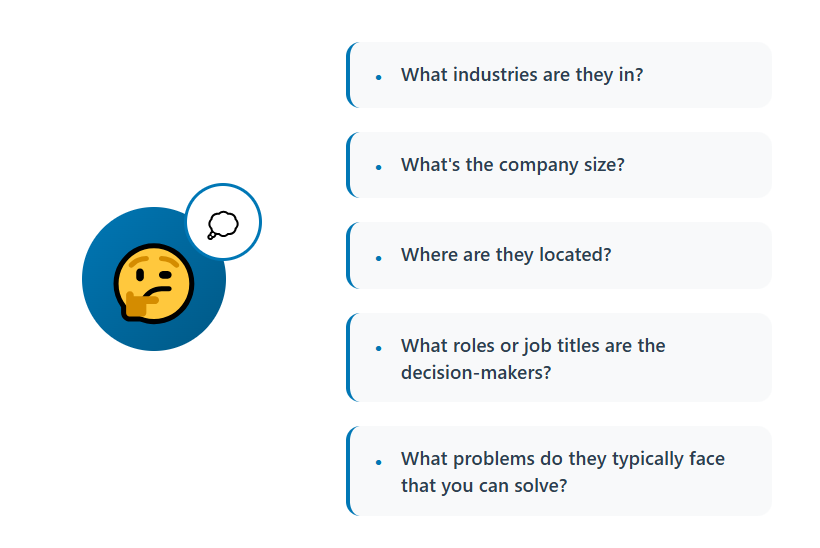
Your ICP focuses on firmographic data like industry, company size, revenue, location, and tech stack. It's the blueprint that tells your sales team which organizations to pursue and which ones to skip.
What ICP Is NOT
We see teams confuse this all the time, so let's set the record straight:
❎ ICP is not a buyer persona. Buyer personas describe individual people (job titles, pain points, goals). Your ICP describes the business itself.
❎ ICP is not a lead list. A lead list is tactical. Your ICP is strategic. It's the criteria you use to build that list in the first place.
Why Your ICP Actually Matters
Here's what happens when you nail your ideal customer profile:
- Sales efficiency skyrockets. Your team stops wasting time on deals that were never going to close.
- CAC drops. You're spending money reaching companies that actually convert, not everyone with a pulse.
- Close rates improve. When you target the right fit, objections decrease and deal velocity increases.
Weak vs Strong ICP: A Quick Example
Weak ICP: "B2B companies that need more leads"
Strong ICP: "B2B SaaS companies with 50-200 employees, $5M-$50M ARR, selling to enterprise clients, currently using outbound sales, located in North America"
See the difference? The strong ICP gives your sales and marketing teams actual criteria to work with. No guessing, no wasted effort.
When you know exactly what is an ideal customer profile and how to use it, everything else in your go-to-market strategy falls into place.
Check These Tools: Best GTM Tools to Accelerate Your Growth
🔥 ICPs That Actually Convert
Cleverly builds and targets ICPs across LinkedIn, cold email, and calling—so every outreach hits real buyers. Starting $397/mo.
Ideal Customer Profile vs Buyer Persona
If you're running a B2B ideal customer profile strategy, you need both ICP and buyer personas. But they serve completely different purposes.
Here's the breakdown: Your ICP tells you which companies to target. Your buyer persona tells you which people inside those companies to reach and how to talk to them.
ICP = Company Fit | Persona = Individual Behavior
Your B2B ideal customer profile answers questions like:
- What size company should we target?
- Which industries convert best?
- What's their revenue range?
- What technology do they use?
Your buyer persona answers:
- Who makes the buying decision?
- What keeps them up at night?
- How do they prefer to communicate?
- What objections will they raise?
When to Use Each in Your GTM Strategy
Use your ICP first. Before you reach out to anyone, filter your target list by company criteria. This ensures you're only spending resources on businesses that fit your sweet spot.
Use personas second. Once you've identified the right companies, your buyer personas guide your messaging, channel selection, and sales approach for specific decision-makers.

How Both Work Together
In outbound campaigns (like the LinkedIn and cold email outreach we run at Cleverly), your ICP determines your target account list. Your personas shape the messaging we craft for CEOs vs. Sales Directors vs. Marketing Managers.
In inbound, your ICP guides your content strategy and ad targeting. Your personas inform the actual content, CTAs, and nurture sequences.
Quick Comparison
Also Check: Prospect vs Lead - Real Difference
Why an Ideal Customer Profile Is Critical for B2B Sales & Lead Generation
Here's what we've learned after making 1M+ cold calls and sending millions of LinkedIn messages: teams without clear B2B sales ideal customer profile criteria waste 60-70% of their outreach efforts on the wrong prospects.
That's not just inefficient. It's expensive.
When you build your sales process around a tight ICP, everything improves. Let's break down exactly how.
Higher Reply Rates in Cold Outreach
When your messaging hits companies that actually match your B2B sales ideal customer profile criteria, response rates jump. Why? Because you're solving real problems for businesses that have those problems.
Generic spray-and-pray outreach gets ignored. Targeted outreach based on solid ICP research gets replies. We see this in our LinkedIn and cold email campaigns every single day. The tighter the ICP, the better the engagement.
Better Qualification and Fewer Wasted Demos
Nothing kills SDR morale faster than booking demos with unqualified leads. When your team targets companies outside your ICP, you get:
- No-shows
- Budget objections that should've been caught earlier
- Prospects who aren't decision-makers
- Deals that drag on forever and never close
Nail your ICP criteria upfront, and your calendar fills with qualified conversations, not tire-kickers.
More Tools: Best AI Lead Qualification Tools for Faster B2B Conversions
Improved SDR Productivity and Pipeline Quality

Your SDRs only have so many hours in a day. When they're working from a clean ICP-based target list, they spend time on accounts that actually convert.
The result:
- More meetings booked per SDR
- Higher meeting-to-opportunity conversion rates
- Cleaner pipeline with real revenue potential
- Less burnout from chasing dead ends
Faster Deal Cycles and Higher LTV
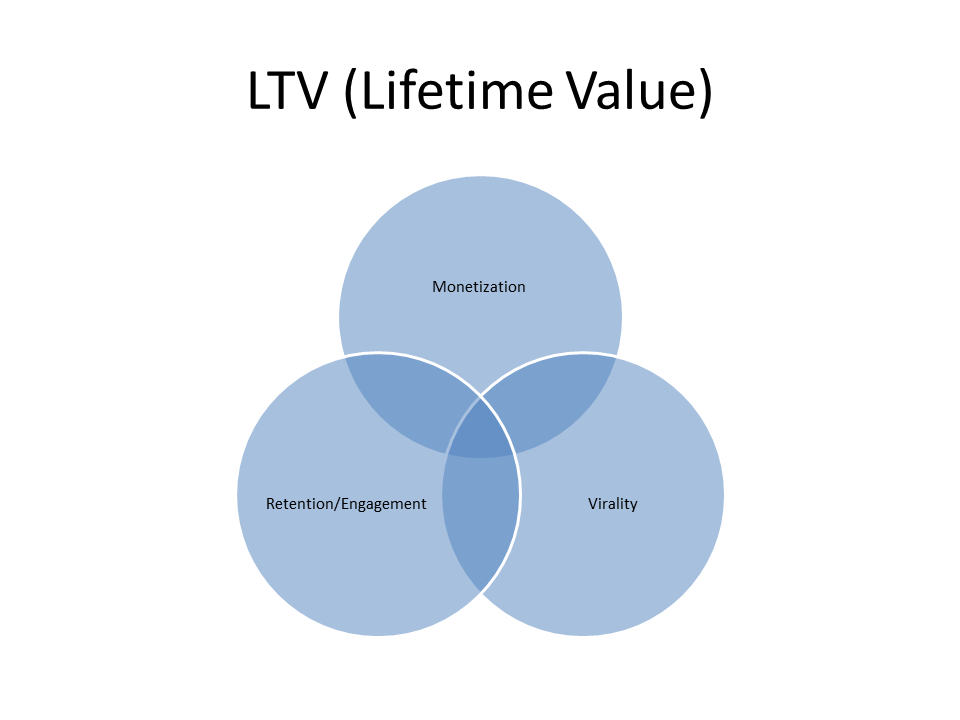
Companies that fit your B2B sales ideal customer profile criteria close faster. They understand the problem, they have the budget, and they see the value immediately.
Plus, they stick around longer. When you sell to the right fit, churn drops and customer lifetime value goes up. It's not rocket science, but most B2B teams overlook it.
At Cleverly, we've helped generate $312M in pipeline revenue by focusing on exactly this: targeting the right accounts with the right message.
Whether it's our cold calling system booking 10-30 qualified appointments per month or our LinkedIn outreach starting at just $397/mo, everything starts with knowing your ICP inside and out.
🚀 From ICP to Booked Meetings
We turn ICPs into meeting-ready leads using data-driven targeting. You only pay when qualified buyers show up.
Core Components of a High-Converting Ideal Customer Profile
Building an effective ICP isn't guesswork. There are specific data points that separate ideal customer profile examples that actually work from ones that collect dust in a Google Doc.
Let's break down the exact components you need to include.
Firmographics

This is your foundation. Firmographics are the basic business characteristics that define your target companies:
- Industry: Which verticals get the most value from your solution?
- Company size: How many employees? (e.g., 50-500, 500-2000)
- Revenue: What's their annual revenue range?
- Location: Geographic focus (North America, EMEA, specific cities)
- Company structure: Private, public, venture-backed?
Example: B2B SaaS companies, 100-500 employees, $10M-$100M ARR, headquartered in the US.
Technographics
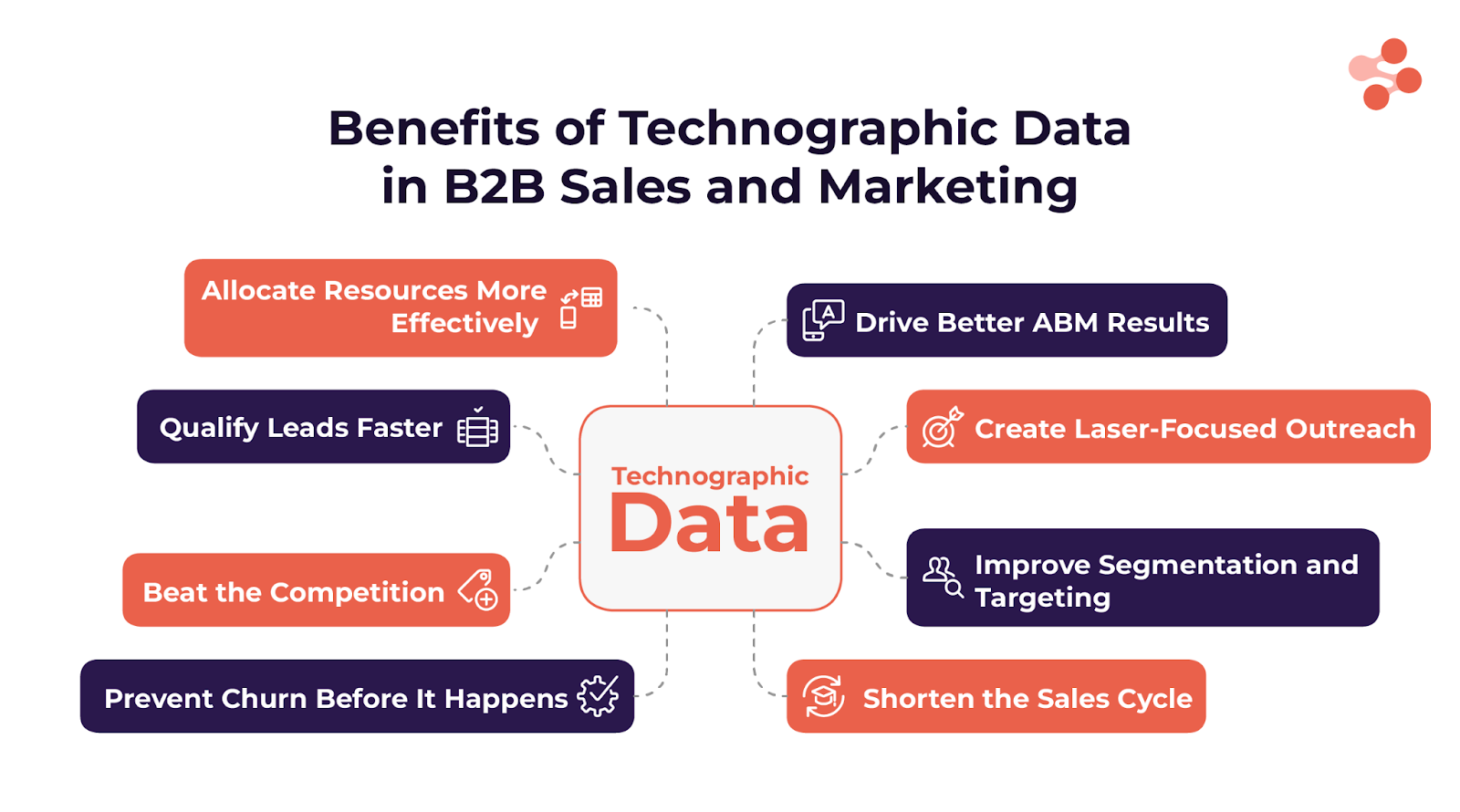
What technology does your ideal customer already use? This tells you if they're sophisticated enough for your solution and gives you conversation starters.
- CRM system (Salesforce, HubSpot)
- Marketing automation tools
- Sales engagement platforms
- Communication tools (Slack, Teams)
Example: Uses Salesforce, has marketing automation, no current sales engagement tool.
Buying Triggers
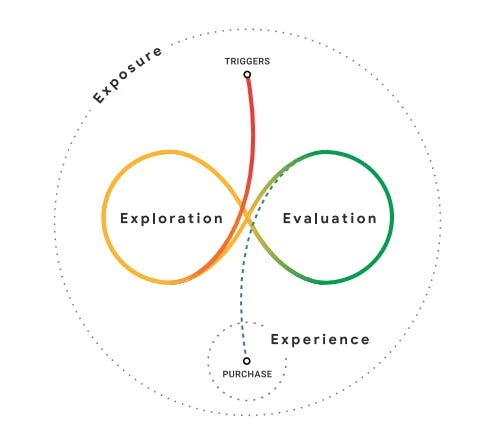
These are signals that a company is ready to buy right now:
- Recent funding round
- Rapid headcount growth
- New executive hires (VP Sales, CRO)
- Geographic expansion
- Product launches
- Competitor mentions or switches
Timing matters. The best ideal customer profile examples include triggers that indicate buying intent.
Pain Points & Challenges

What specific problems does your ideal customer face? Get granular:
- Struggling with outbound response rates
- Sales team missing quota
- Long sales cycles
- High customer acquisition costs
- Manual processes slowing growth
The more specific your pain points, the better your messaging resonates.
Budget and Buying Authority Signals
Can they actually afford your solution, and who signs the checks?
- Typical budget range for your category
- Decision-maker titles (CEO, VP Sales, Head of Growth)
- Buying committee structure
- Procurement process complexity
Example: $50K-$200K annual budget, decision made by VP Sales with CEO approval.
Deal Size and Sales Cycle Fit
Your ICP should match your sales model:
- Average deal size: Does it justify your sales effort?
- Expected sales cycle: 30 days? 90 days? 6 months?
- Contract length: Monthly, annual, multi-year?
If your average deal is $10K but your sales cycle is 6 months, that's a problem. Your ICP needs to support profitable unit economics.
When you combine all these components, you get ideal customer profile examples that actually drive results. Not theory, real targeting criteria your team can execute against whether they're running cold calls through our $5M system or launching LinkedIn campaigns that start at $397/mo.
Learn More: B2B Sales KPIs Every Revenue Team Should Track
How to Create an Ideal Customer Profile (Step-by-Step)
Ready to build your ICP? Here's exactly how to create an ideal customer profile that your sales team can actually use.
Step 1: Analyze Your Best Customers
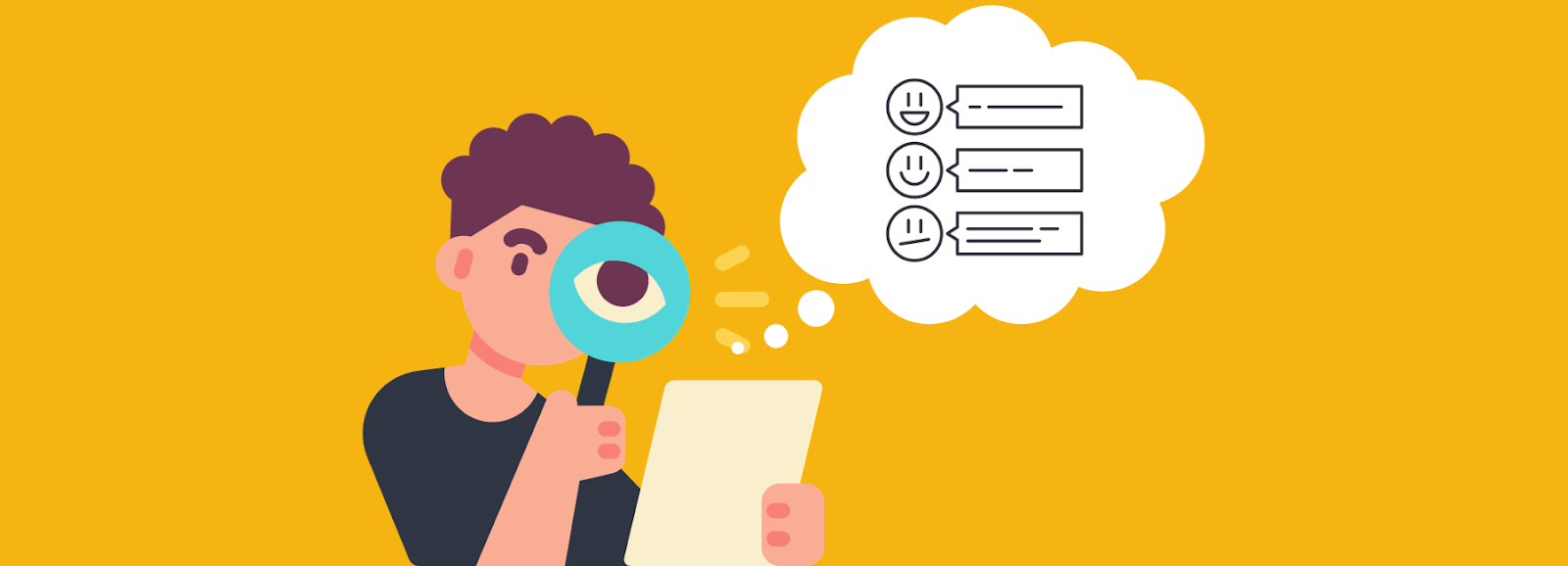
Start with your closed-won deals from the last 12 months. Don't look at all your customers. Focus on the best ones: highest LTV, fastest close times, lowest churn.
What to look for:
- Company size patterns (do your best deals come from 100-500 employee companies?)
- Industry clusters (are 70% of your top clients in SaaS or healthcare?)
- Use cases (how are they actually using your product?)
- Geographic trends
Pull this data from your CRM. The patterns will jump out once you line up 20-30 of your best accounts side by side.
Step 2: Identify Common Pain Points
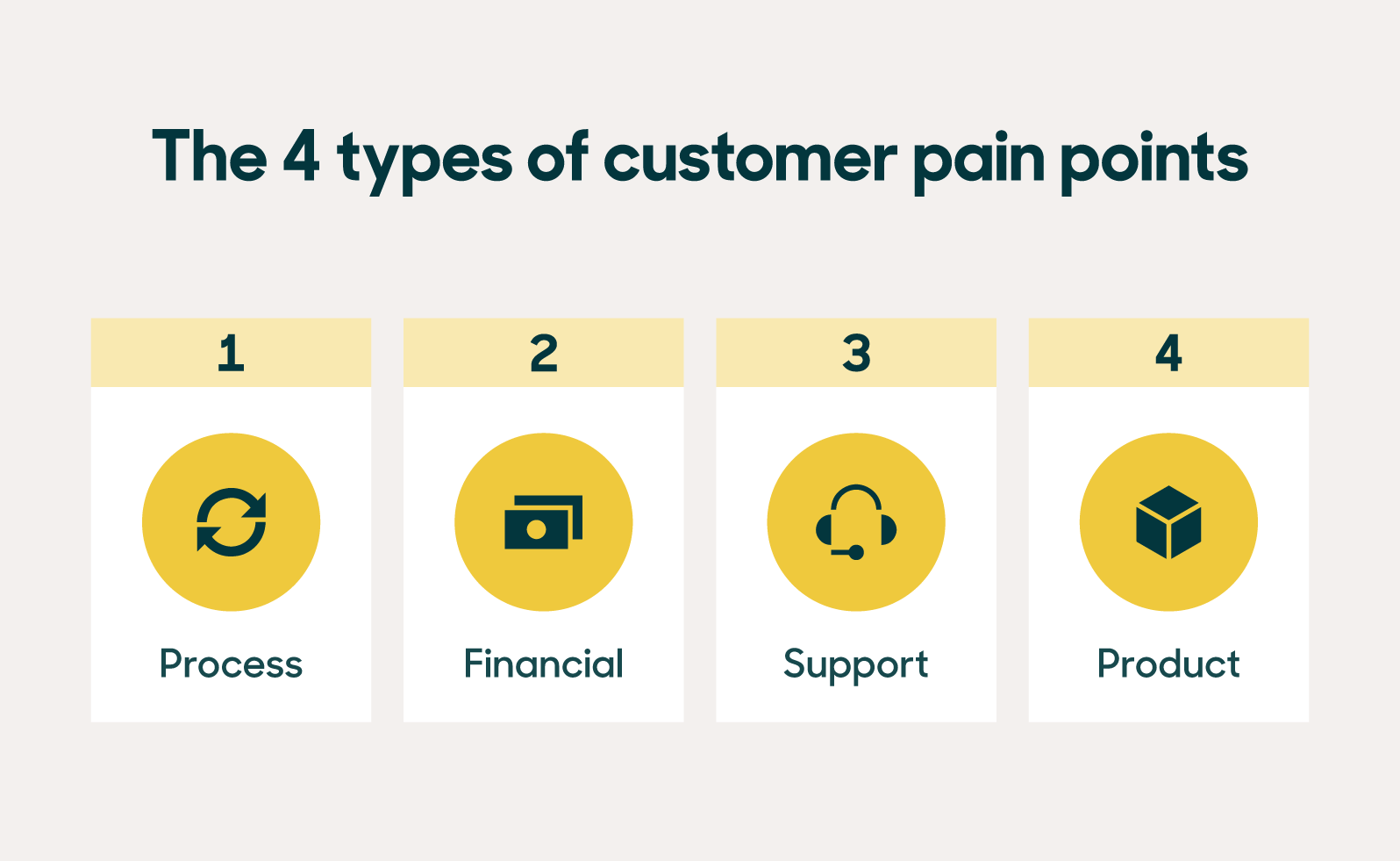
Now dig deeper. What problems were these companies actively trying to solve when they bought from you?
Key difference: Active problems vs. nice-to-haves.
Your best customers weren't casually browsing. They had urgent pain:
- Sales team consistently missing quota
- Outbound campaigns getting zero replies
- SDRs wasting time on unqualified leads
- Need to scale pipeline fast
Document the exact language they used. This becomes your messaging foundation when you're learning how to create an ideal customer profile that converts.
Step 3: Define Buying Triggers
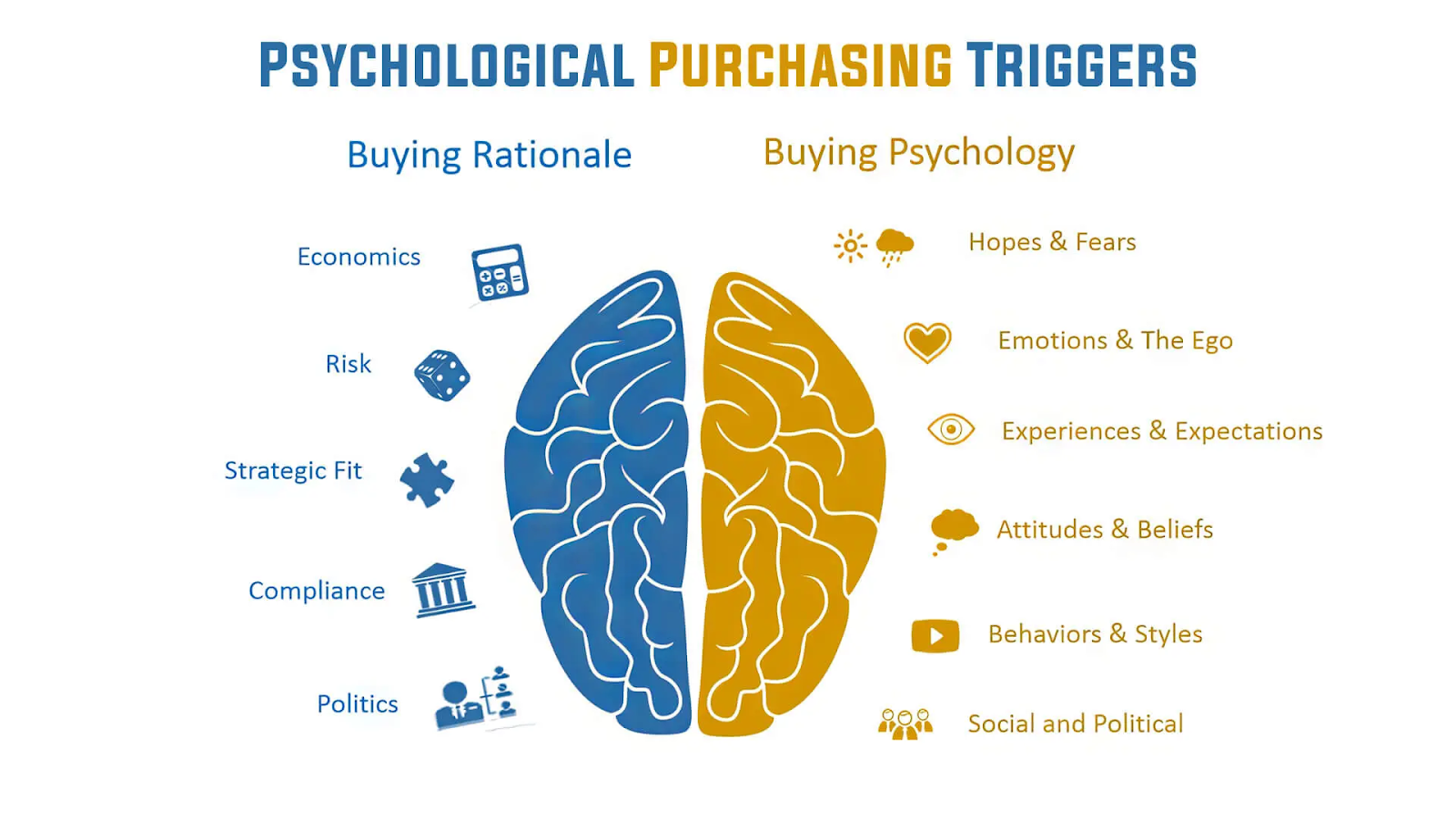
What events pushed these companies into buying mode? Buying triggers are gold for prospecting because they tell you when to reach out.
Common B2B buying triggers:
- Just hired a VP of Sales or CRO
- Raised a funding round
- Expanding to new markets
- Building or scaling an SDR team
- Switching from another tool or agency
- Posted a job listing for sales roles
At Cleverly, we see the best results when companies are actively hiring SDRs or launching outbound for the first time. That's when our cold calling system and LinkedIn outreach hit hardest.
Step 4: Map Deal Economics

Your ICP needs to make financial sense. Run the numbers on your best customers:
- Average deal size: What's the typical contract value?
- Time to close: How long from first touch to signed deal?
- Retention: Do they stick around for years or churn in months?
- Expansion potential: Do they upsell or stay flat?
If your $5K deals take 6 months to close, that's a problem. If your $50K deals close in 30 days and expand to $100K, that's your ICP.
Be ruthless here. Some customers might seem "good enough" but kill your unit economics.
Step 5: Validate With Sales & Data
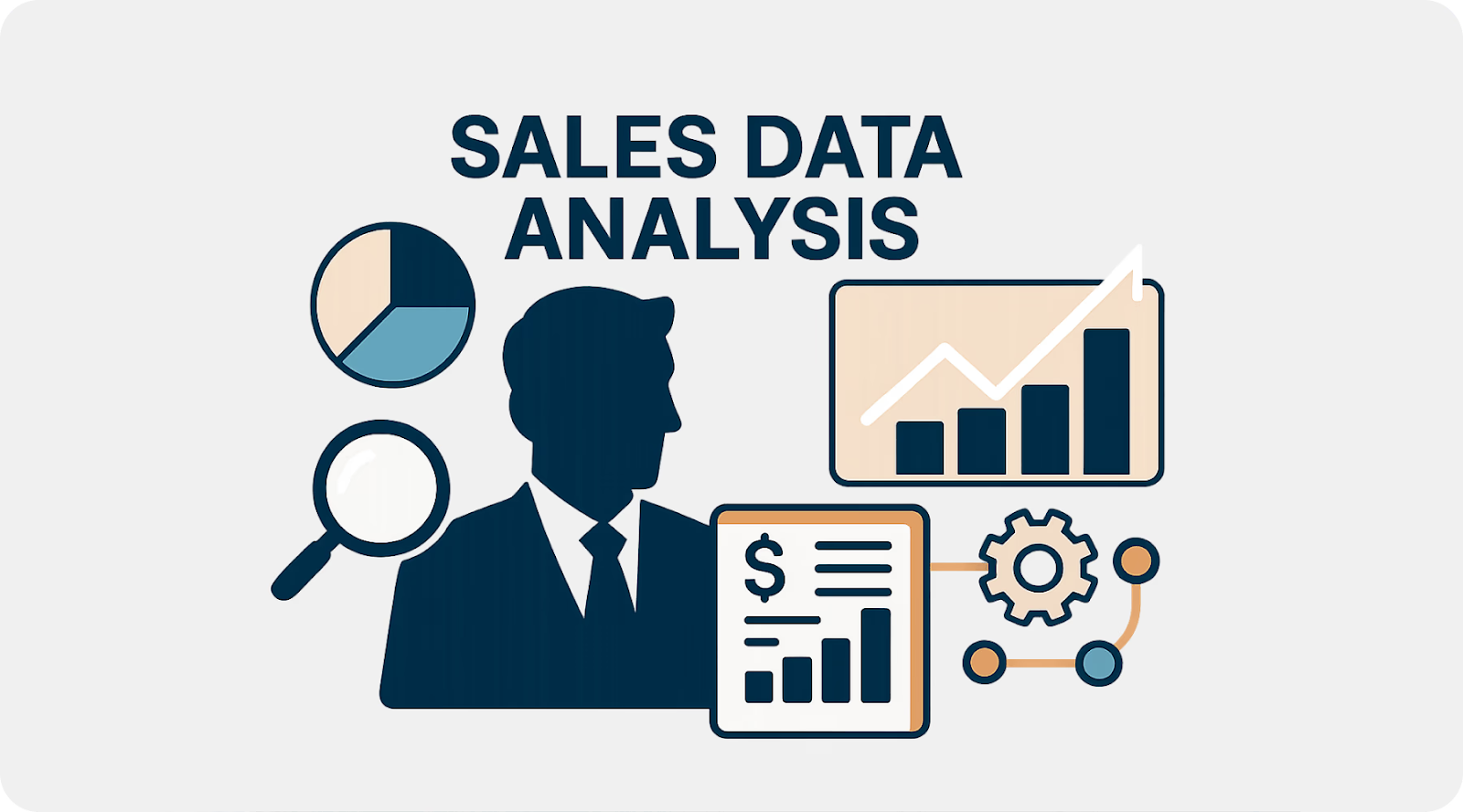
This is where most teams mess up. They build an ICP in a vacuum and wonder why it doesn't work.
Get input from:
- SDRs (who's actually responding and taking meetings?)
- AEs (which deals close smoothly vs. drag on forever?)
- Customer success (who stays vs. churns?)
Cross-reference everything against your CRM data. Remove assumptions. Keep only what the evidence supports.
If your SDRs say "enterprise takes forever and ghosts us," but your data shows enterprise deals have 2x LTV, you've got a process problem, not an ICP problem.
Once you validate, you've got a bulletproof ICP. Now your team knows exactly how to create an ideal customer profile and more importantly, how to use it to fill your pipeline with qualified opportunities.
Dive Deeper Into: How to Measure Sales Success
Ideal Customer Profile Template (Simple & Practical)
Here's a clean, actionable ideal customer profile template you can use right now. No overcomplicated spreadsheets. Just fill in the blanks based on your best customer data.

How to Use This Template
Print this ideal customer profile template or drop it into a Google Doc. Fill it out with your sales team during a working session. Reference actual closed-won deals, not assumptions.
Once complete, share it with everyone touching leads: SDRs, AEs, marketing, and any lead gen partners you work with.
At Cleverly, this template guides every cold call we make, every LinkedIn message we send, and every email campaign we launch.
When your entire team operates from the same ICP, your pipeline quality improves overnight. Whether you're running outbound in-house or working with a lead generation agency like us, this template keeps everyone focused on the accounts that actually convert.
Common Mistakes When Defining an Ideal Customer Profile
Even experienced B2B teams mess up their ideal customer profile. Here are the mistakes that kill outbound performance and how to avoid them.
❌ Making Your ICP Too Broad
"We sell to B2B companies" isn't an ideal customer profile. It's a cop-out. The broader your ICP, the weaker your targeting and messaging become.
✅ Fix it: Get specific. Narrow down by industry, size, and revenue until you can clearly say "this company fits, that one doesn't."
❌ Using Assumptions Instead of Data
Your gut feeling about who should buy doesn't matter. What matters is who actually buys, stays, and expands.
✅ Fix it: Pull your CRM data. Analyze closed-won deals from the last year. Let the numbers tell you who your ICP is.
❌ Ignoring Deal Profitability
Just because a company buys doesn't mean they should be in your ICP. If they take 9 months to close, churn in 6 months, and cost more to support than they're worth, they're not ideal.
✅ Fix it: Factor in deal size, sales cycle length, retention rates, and customer acquisition cost. Your ICP should be profitable, not just possible.
❌ Confusing ICP With Buyer Persona
We covered this earlier, but it's worth repeating because teams constantly mix these up. Your ideal customer profile describes companies. Buyer personas describe people.
✅ Fix it: Build your ICP first (company-level). Then create personas for the individuals you'll talk to within those companies.
❌ Never Revisiting or Updating Your ICP
Your market shifts. Your product evolves. Your ICP from two years ago might not work today.
✅ Fix it: Review your ICP quarterly. As you close more deals and gather more data, refine your criteria. The best ICPs are living documents, not set-it-and-forget-it templates.
Avoid these mistakes, and your ideal customer profile becomes a revenue-generating asset instead of another ignored framework sitting in your sales deck.
How Cleverly Helps Companies Build & Activate the Right ICP
Building an ICP is one thing. Actually filling your pipeline with those exact accounts? That's where most teams struggle.
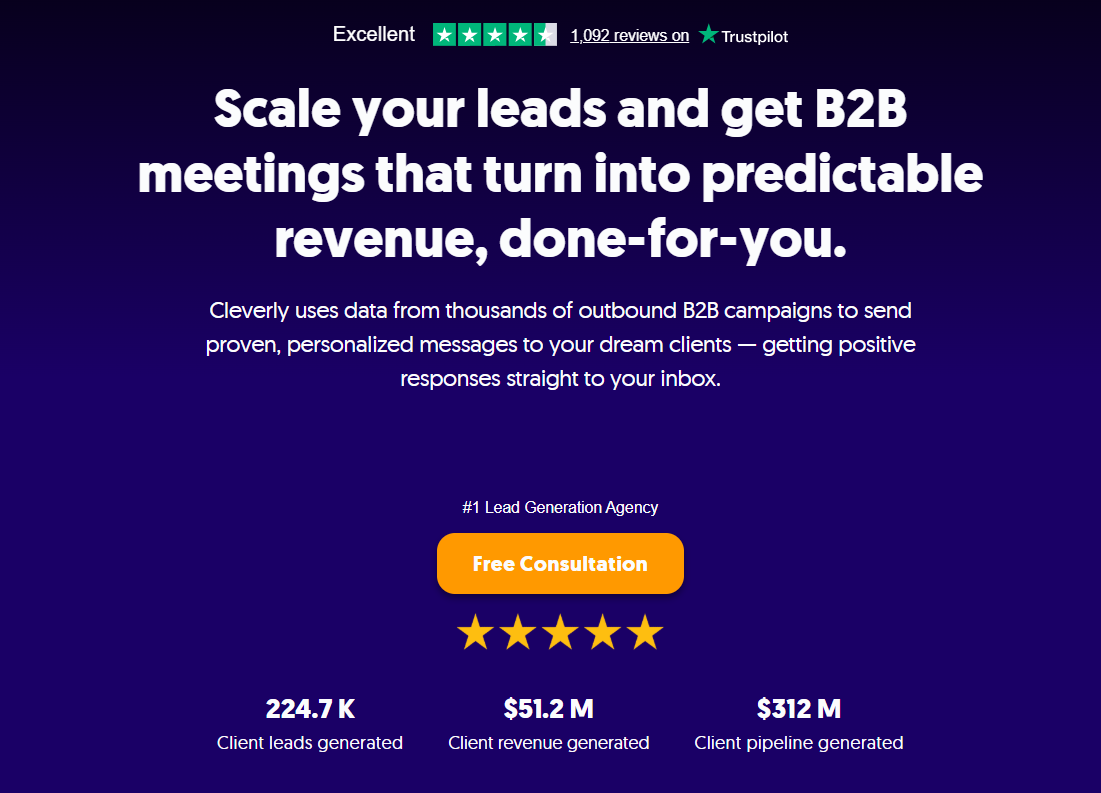
As a lead generation agency that's generated $312M in pipeline revenue for 10,000+ clients, we don't just help you define your ICP. We help you activate it across the channels that matter most.
LinkedIn Lead Generation
Our LinkedIn outreach system targets your ICP with precision. We craft personalized messaging that speaks directly to your ideal accounts and consistently books qualified meetings. Starting at just $397/mo, we handle everything from profile optimization to reply management.
The result? Companies like Amazon, Google, Uber, PayPal, and Spotify trust us to reach their ideal customers on LinkedIn.
Cold Email Lead Generation
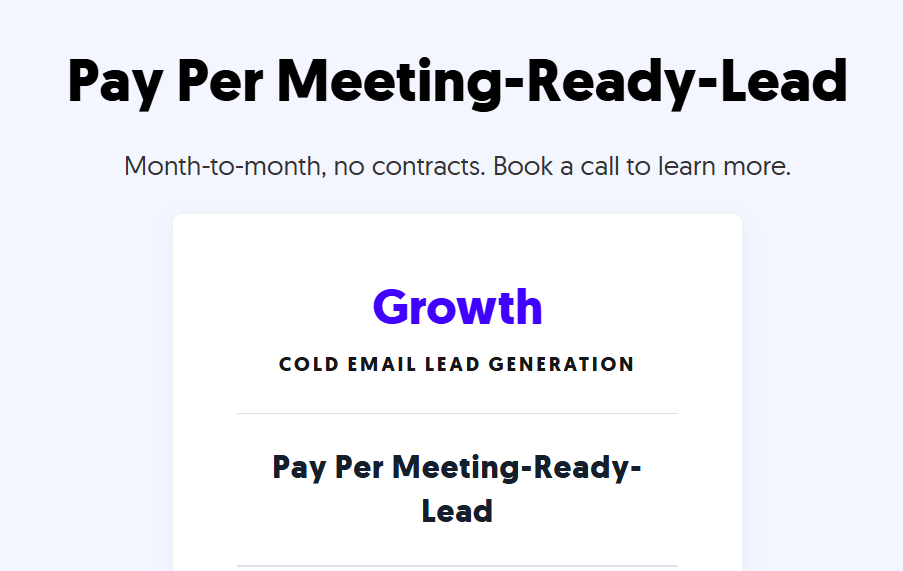
With our cold email service, you only pay for meeting-ready leads we send you. No wasted budget on unqualified responses. We build targeted lists based on your ICP criteria, write conversion-optimized sequences, and deliver booked appointments.
Zero risk. Pure performance.
Cold Calling That Converts
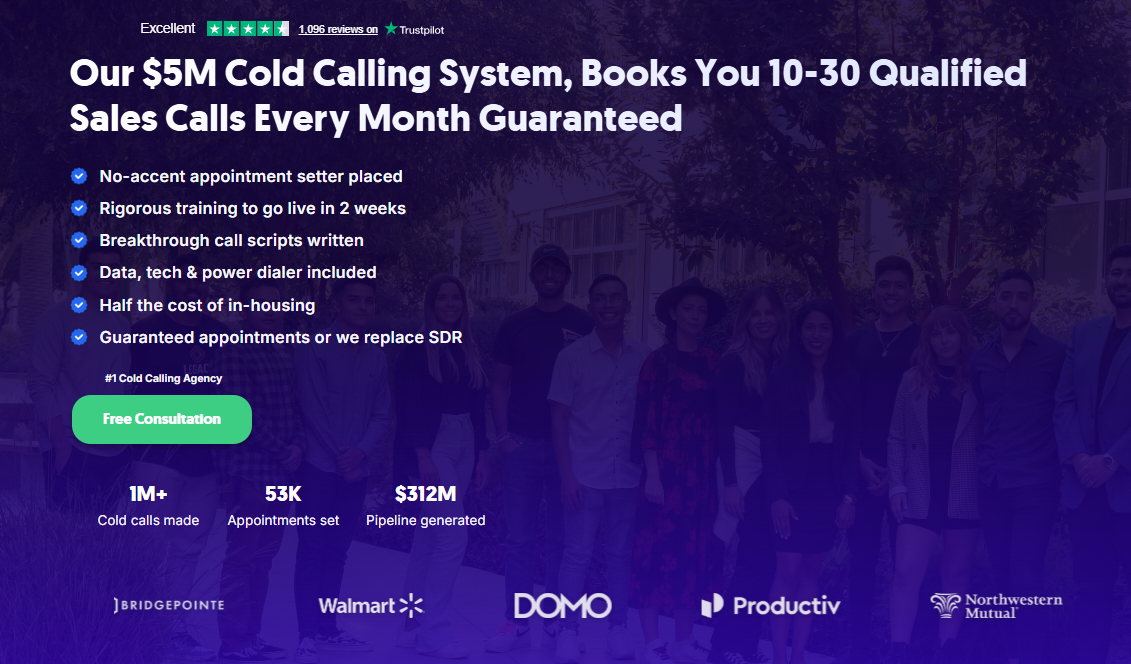
Our $5M cold calling system books 10-30 qualified sales calls every month, guaranteed. Here's what you get:
- No-accent appointment setter placed on your team
- Rigorous training to go live in 2 weeks
- Breakthrough call scripts written for your ICP
- Data, tech, and power dialer included
- Half the cost of building in-house
- Guaranteed appointments or we replace your SDR
We've made 1M+ cold calls and set 53K appointments because we know how to reach your ICP when they're ready to buy.
Whether you need one channel or all three, Cleverly takes your ideal customer profile from a document to a pipeline-generating machine. We're not just a lead generation agency. We're your outbound growth partner.
🔥 Ready to activate your ICP? Let's fill your calendar with the right conversations.
Conclusion
Your ideal customer profile isn't just another sales document. It's the foundation of everything that drives scalable B2B growth.
When you nail your ICP, everything improves. Better leads. Better conversations. Better close rates. Better revenue.
But here's the thing: your ICP isn't static. Markets shift, products evolve, and new buying signals emerge. The teams that win are the ones that revisit and refine their ideal customer profile as they learn and grow.
So take what you've learned here, build your ICP, and put it to work. Whether you're running outbound in-house or partnering with a lead generation agency like Cleverly, your ICP is what separates wasted effort from predictable pipeline.
Now go fill your calendar with the right accounts.
Frequently Asked Questions
Free Resource
How to Scale a Profitable Cold Call System
Get the complete guide — download it instantly now.
Free Ebook
Download the Free Guide
Enter your details to get instant access.
You're all set! 🎉
Your ebook is downloading now.
Click below if the download didn't start automatically.