

Table of Contents
How to Evaluate Lead Generation Channels for B2B
12 Best Lead Generation Channels for B2B
Lead Generation Channels Compared by Use Case
How High-Performing B2B Teams Combine Lead Generation Channels
How Cleverly Helps B2B Companies Choose and Execute the Right Channels
Conclusion
Frequently Asked Questions
Modified On :
April 10, 2026
Key Takeaways
- More lead generation channels doesn't equal better results. Focus beats fragmentation.
- Match channels to your deal size and timeline. High-ACV needs LinkedIn and calling, large TAMs need email scale.
- Outbound generates immediate pipeline. Inbound builds long-term compounding growth.
- Every channel has a different context. Your LinkedIn message can't be your cold email.
- Start with 2-3 core channels that work, then layer in long-term plays once you have a predictable pipeline.
Many B2B companies think more lead generation channels equals more pipeline. So they spread their budget across LinkedIn ads, SEO, paid search, events, podcasts, and whatever else their competitors are doing.
The result? Mediocre performance everywhere and no idea what's actually working.
Best B2B lead generation channels for your company depend entirely on your deal size, total addressable market, and how fast you need results.
A SaaS startup selling $500/month subscriptions needs completely different channels than an enterprise software company closing $100K deals.
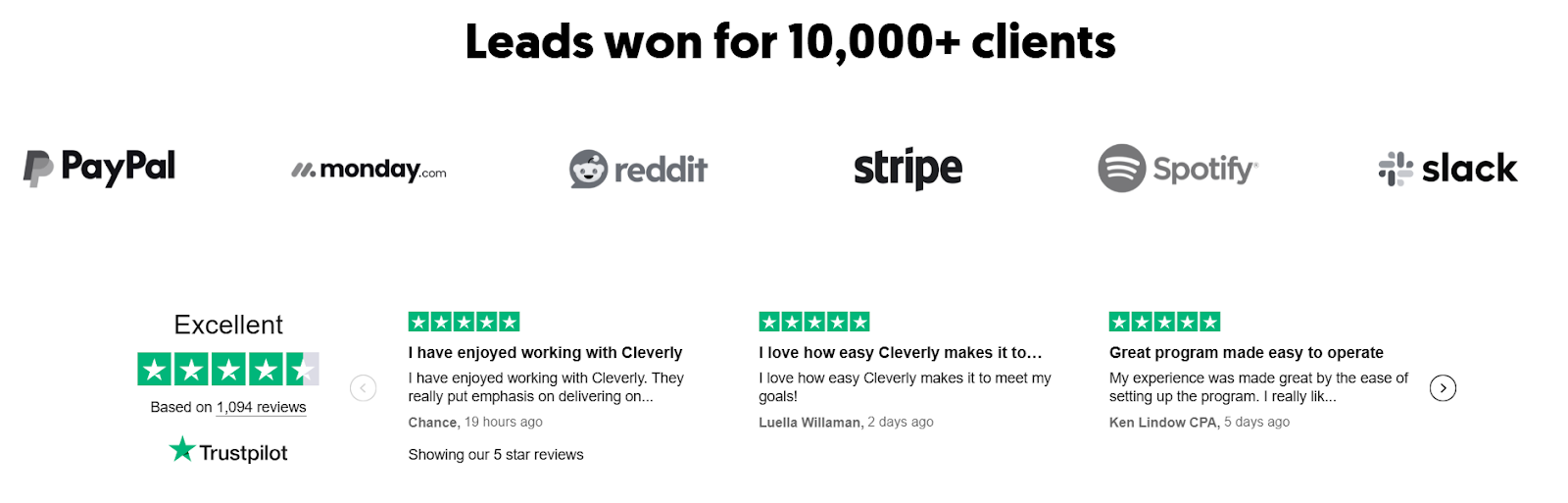
We've run over 1 million cold calls and helped 10,000+ B2B companies generate $312 million in pipeline. What we've learned is that channels for lead generation don't fail because they're bad. They fail because teams pick them for the wrong reasons, at the wrong time, with the wrong expectations.
In this guide, we're breaking down 12 proven B2B lead generation channels that actually work, when to use each one, and how to know which ones deserve your focus right now.
How to Evaluate Lead Generation Channels for B2B
Not all B2B lead generation channels are created equal. Before you commit budget and resources, you need to understand what you're actually optimizing for.
Here's what matters when evaluating any channel:
Lead Quality vs Lead Volume
Some channels give you 500 leads a month that never convert. Others give you 20 leads that turn into real pipeline. We'd take the 20 every time. Lead quality beats quantity when your sales team has limited capacity and your deal size justifies focusing on the right accounts.
Time to First Meeting
How long until you're sitting across from a buyer? Cold outreach can book meetings in 2-3 weeks. SEO might take 6-12 months before you see consistent results. If you need pipeline now, time to first meeting matters more than long-term potential.
Cost Predictability

Can you predict what you'll spend to generate a meeting? With cold calling or LinkedIn outreach, costs are fixed and predictable. With paid ads, your CPL can double overnight if competition increases or algorithms change.
Scalability vs Saturation
Every channel has a ceiling. You can only send so many cold emails before hitting spam filters. You can only target so many decision makers on LinkedIn before exhausting your TAM. Understanding saturation points helps you plan your next move before performance drops.
Sales Effort Required Post-Lead

A demo request from your website is sales-ready. A whitepaper download needs 6 nurture emails and 3 follow-up calls. Factor in how much work your sales team has to do after the lead comes in. The "cheaper" channel often costs more when you calculate total sales effort.
The best B2B marketing channels for lead generation align with your deal size, sales cycle, and how your buyers actually make decisions. Let's break down which channels work for what.
Also Check: How to Build a High-Converting Lead Generation Funnel
🚀 One System. Three Proven Channels.
Cleverly runs LinkedIn outreach, pay-per-meeting cold email, and guaranteed cold calling to deliver sales-ready meetings - done for you.
12 Best Lead Generation Channels for B2B
Here are the best B2B marketing channels for lead generation, broken down by who they work for, why they work, and when they fail.
1. LinkedIn Outbound (Profiles + Messaging)
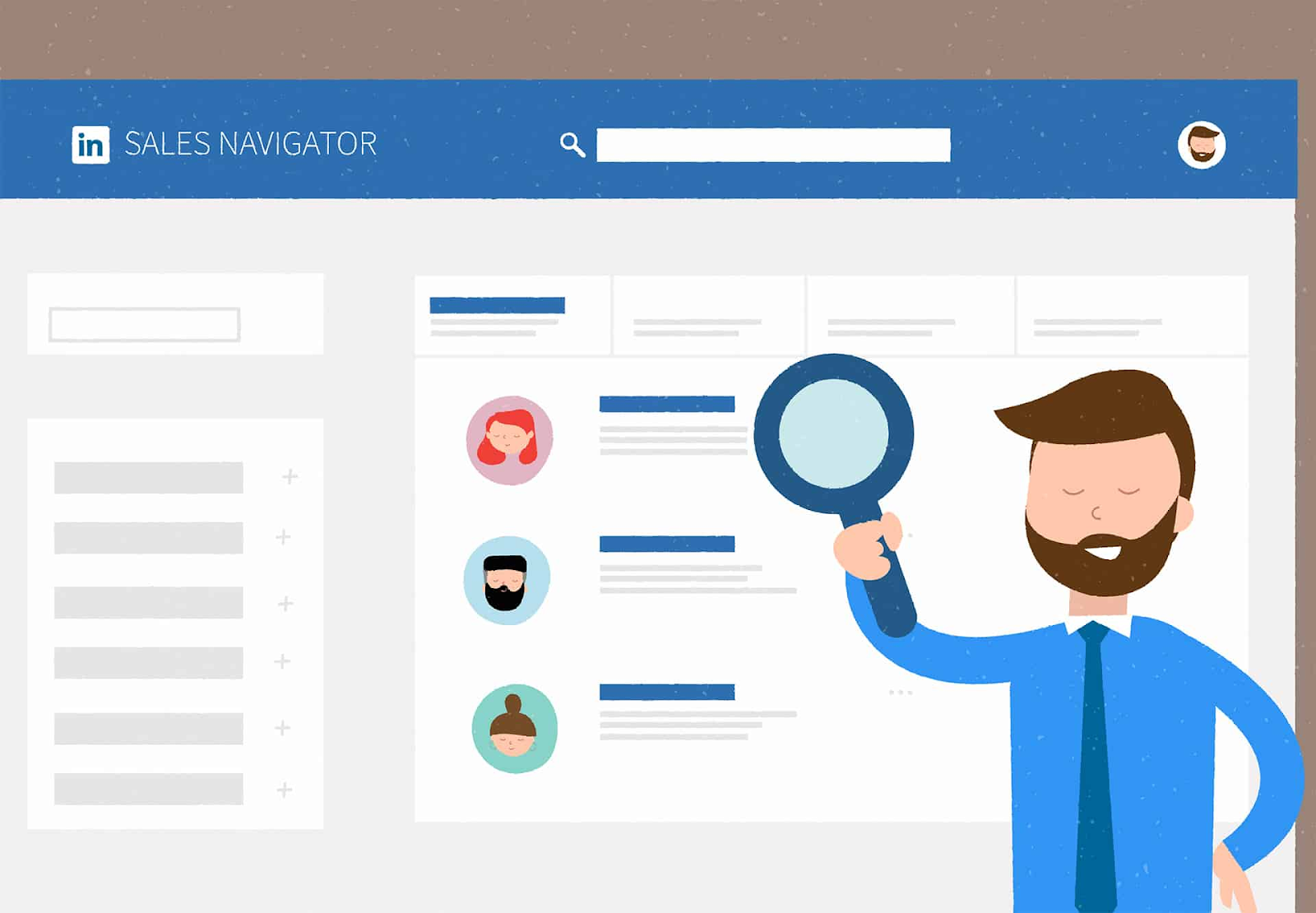
Who it's best for: High-ticket B2B offers ($10K+ ACV) targeting specific job titles or industries.
Why it works: LinkedIn outbound is relationship-driven. You're not just sending messages. You're building trust through optimized profiles, relevant content, and personalized outreach. Decision makers actually check your profile before responding, which means credibility compounds over time.
Limitations: Scale is capped. You can't send 10,000 connection requests a month without getting flagged. Volume is limited by LinkedIn's activity restrictions and the quality of your targeting.
When it fails: When you treat it like email. Generic spray-and-pray messaging gets ignored. If your offer doesn't justify the 1-to-1 sales motion, LinkedIn outbound won't be efficient.
At Cleverly, we've generated $312 million in pipeline using LinkedIn outreach for 10,000+ B2B clients. Our LinkedIn services start at just $397/month because we've built systems that handle everything from profile optimization to meeting-ready lead delivery.
Know More: Why Done-for-You LinkedIn Lead Generation Delivers Faster ROI
2. Cold Email Outreach
Who it's best for: Companies with large TAMs who need to reach hundreds or thousands of prospects quickly.
Why it works: Cold email is the fastest B2B lead generation channel to scale. You can reach 5,000 prospects in a week if your infrastructure is dialed in. When paired with a strong offer and tight targeting, response rates of 5-10% are realistic.
Limitations: Email deliverability is fragile. One spam complaint, one blacklisted domain, or poor sender reputation can kill your entire campaign. You need multiple domains, proper warmup, and constant monitoring.
When it fails: When infrastructure isn't managed correctly or when your messaging is too salesy. Cold email only works if you're landing in the inbox and offering something relevant.
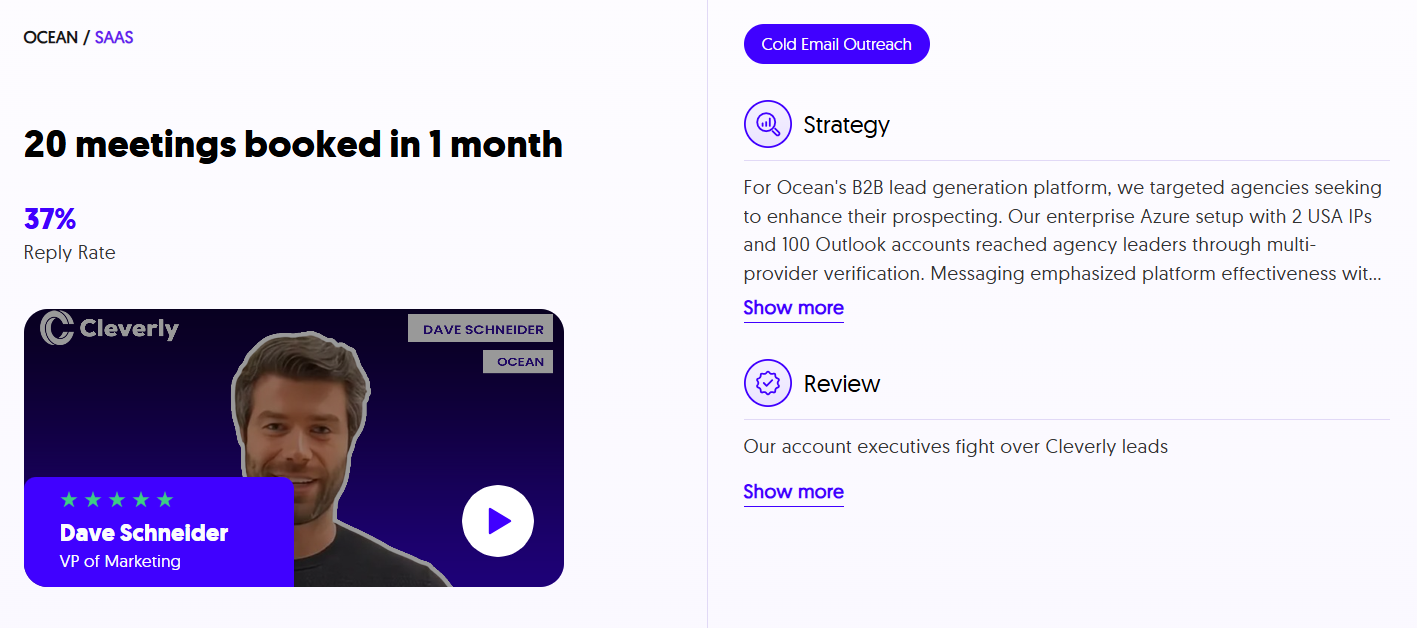
With Cleverly's cold email services, you only pay for meeting-ready leads we send you. No wasted spend on unqualified clicks or tire-kickers.
3. Cold Calling
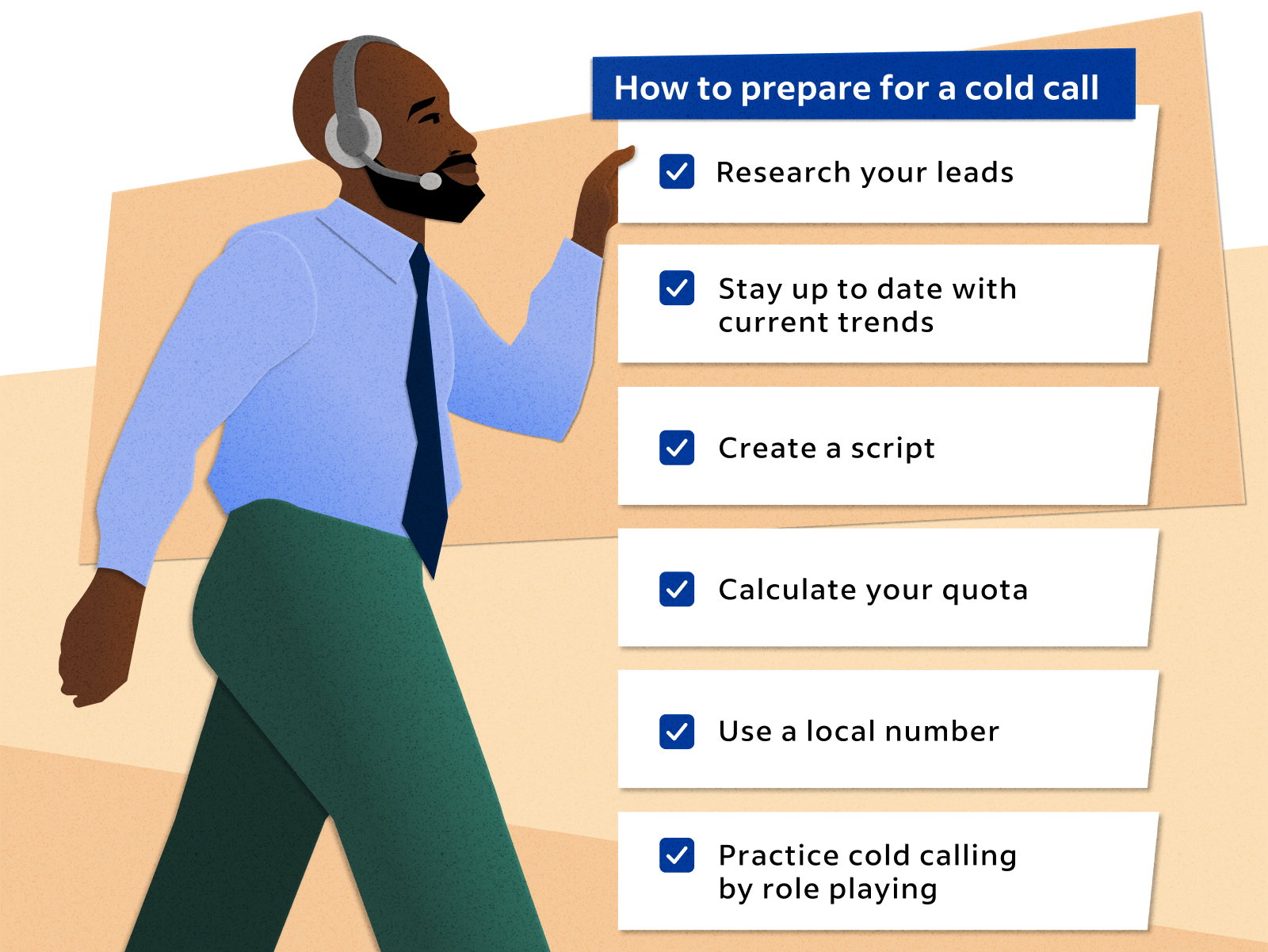
Who it's best for: B2B companies with clear appointment-setting motions and deal sizes that justify the cost per conversation.
Why it works: Cold calling has the highest meeting conversion rates of any outbound channel when executed well. You're having real conversations with decision makers, handling objections live, and booking meetings on the spot. No waiting for email replies or LinkedIn acceptance.
Limitations: It's expensive. Quality SDRs are hard to find and harder to train. You need strong data, proven scripts, and consistent execution.
When it fails: When your data is bad, your calling scripts are weak, or your reps aren't trained. Cold calling is the most direct lead generation channel, but it's also the most unforgiving.
Our $5M cold calling system places no-accent appointment setters, writes breakthrough scripts, and guarantees 10-30 qualified sales calls every month. We've made over 1 million cold calls and set 53,000 appointments. If we don't deliver, we replace your SDR.
4. Content Marketing (Inbound)
Who it's best for: B2B companies with 6-12 month timelines willing to invest in long-term trust and brand authority.
Why it works: Content marketing captures demand by solving your ICP's pain points before they're ready to buy. When done right, it builds compounding organic traffic and positions you as the expert in your space.
Limitations: Slow ramp-up. You won't see meaningful pipeline for months. SEO takes time, and content needs consistent production and distribution to work.
When it fails: When companies expect immediate results or create content that's too generic. If your content doesn't address specific buyer pain points or rank for the right keywords, it won't drive qualified leads.
5. Paid Search (High-Intent Keywords)
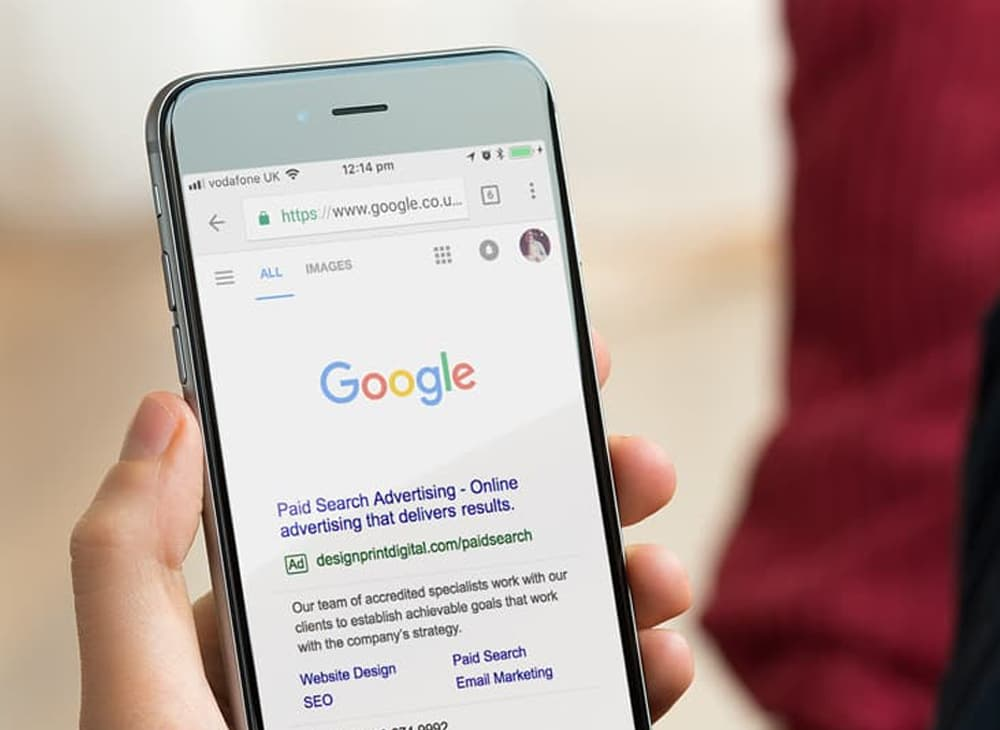
Who it's best for: B2B companies targeting buyers actively searching for solutions right now.
Why it works: Paid search captures high-intent demand. Someone searching "enterprise CRM software" or "B2B lead generation agency" is already in-market. You're not creating demand, you're intercepting it.
Limitations: Limited volume depending on search demand in your niche. CPCs in competitive B2B spaces can hit $50-150 per click. If your keywords don't have search volume, paid search won't scale.
When it fails: When your landing pages don't convert or when you're targeting broad keywords that attract tire-kickers. Paid search works best alongside outbound, not as a standalone channel.
6. Paid Social (LinkedIn Ads)
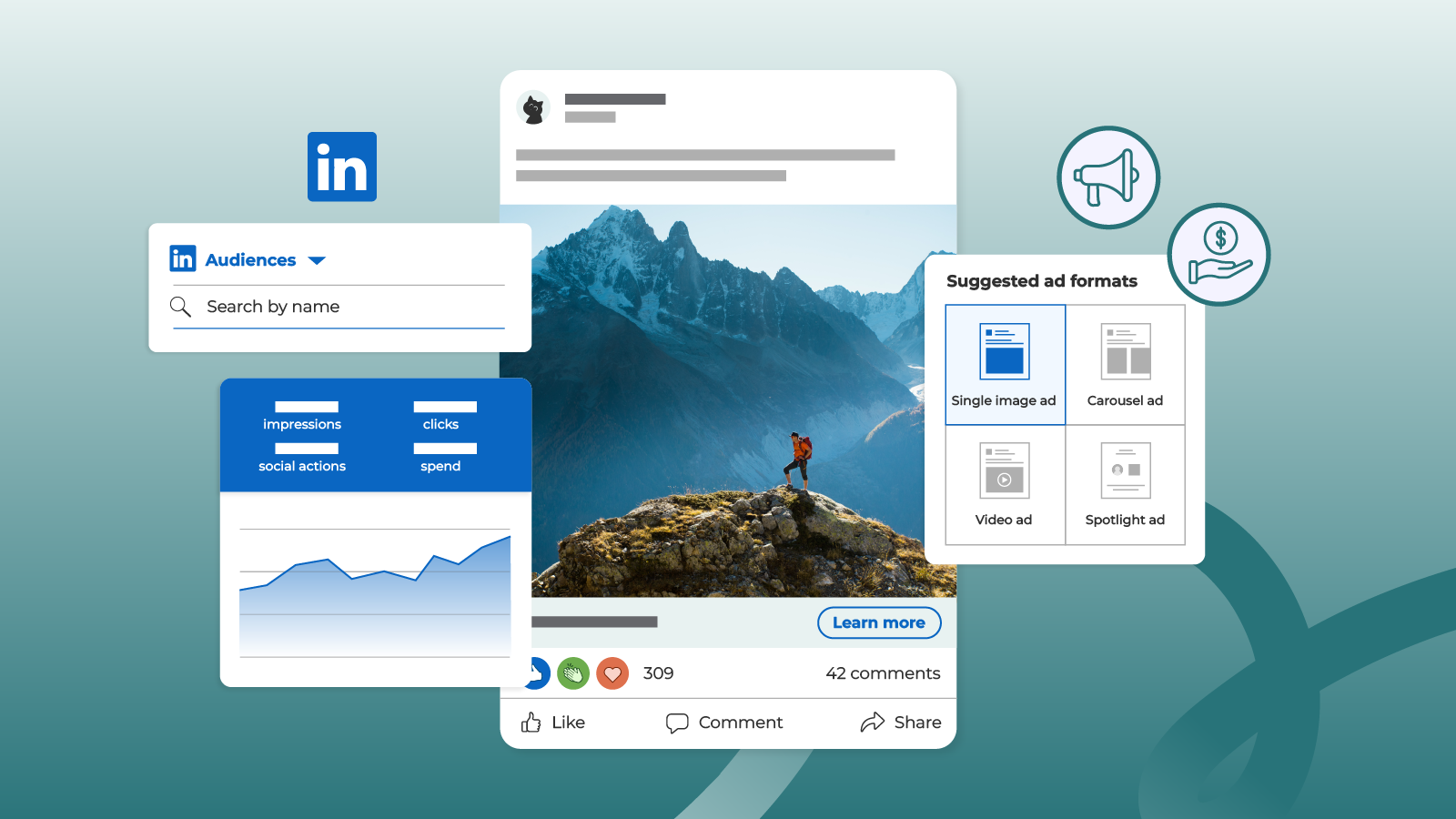
Who it's best for: Companies running awareness campaigns or retargeting warm audiences.
Why it works: LinkedIn ads let you target decision makers by job title, company size, and industry. They're strong for building brand awareness and staying top-of-mind with prospects who aren't ready to buy yet.
Limitations: Expensive for direct lead gen. CPL can easily hit $100-300 depending on your targeting and offer. Cold LinkedIn ads rarely convert well on their own.
When it fails: When used as the only lead generation channel without outbound follow-up. LinkedIn ads work best when paired with cold outreach to nurture and convert the people who engaged with your ads.
Learn More: How to Advertise on LinkedIn to Generate Unlimited Leads
7. Referrals & Partner Channels
Who it's best for: Established B2B companies with happy customers and strategic partner networks.
Why it works: Referrals are the highest trust leads you can get. When a current customer or trusted partner vouches for you, conversion rates skyrocket.
Limitations: Hard to scale predictably. You can't force referrals, and even with strong incentives, volume is inconsistent month to month.
When it fails: When companies rely on referrals as their primary growth engine. Referrals amplify your success but can't replace systematic B2B lead generation channels.
Explore: Perfect B2B Sales Strategy to Close More Deals (Proven Methods)
8. Events & Conferences

Who it's best for: Enterprise B2B companies selling high-ticket, relationship-heavy deals.
Why it works: Events are high-touch and face-to-face. You're building real relationships with decision makers, accelerating deals that might take months over email or phone.
Limitations: Expensive and time-bound. Booth costs, travel, and time investment add up fast. You're limited to a few events per year.
When it fails: When used for volume lead gen. Events are best for deal acceleration and strategic relationship building, not filling your funnel with hundreds of leads.
9. Communities & Slack Groups
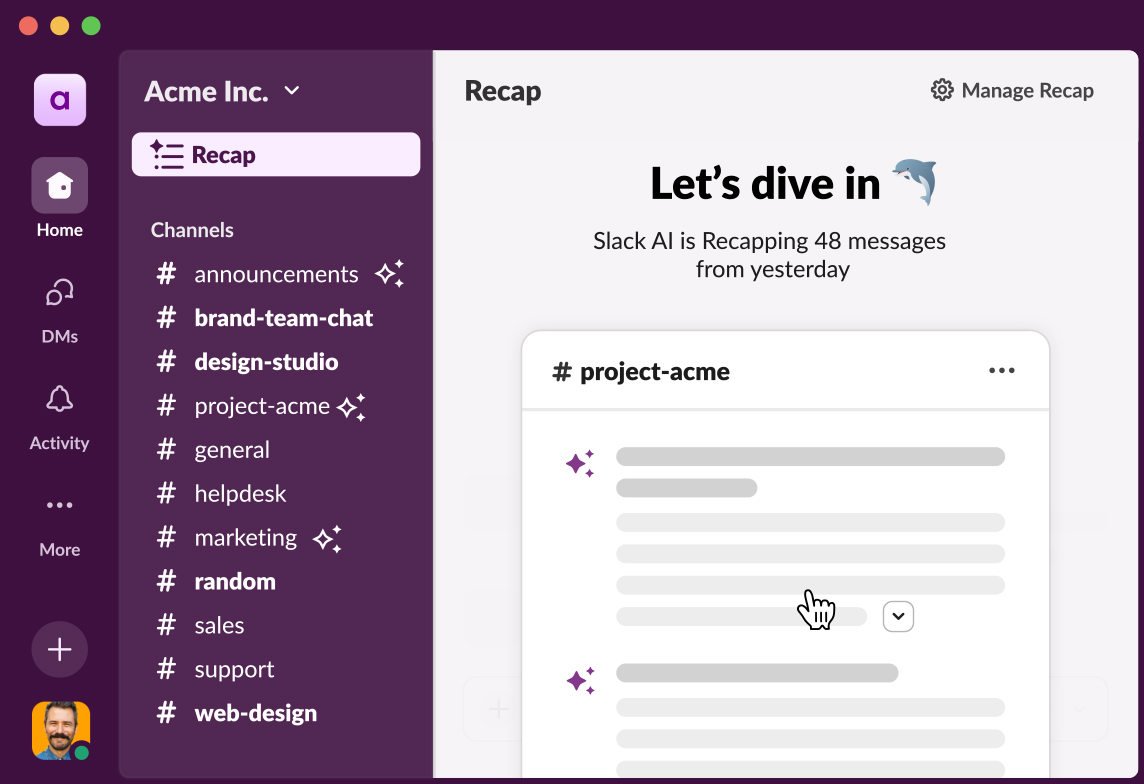
Who it's best for: B2B companies targeting specific niches where community engagement matters (marketers, developers, ops teams).
Why it works: Communities are trust-first environments. You're providing value, answering questions, and building credibility before ever pitching. Leads that come from communities are pre-qualified and warm.
Limitations: Slow conversion. You need to genuinely participate for months before seeing pipeline. This isn't a direct sales channel.
When it fails: When you show up just to sell. Communities sniff out self-promotion instantly. If you're not adding real value, you'll get ignored or banned.
10. Account-Based Marketing (ABM)
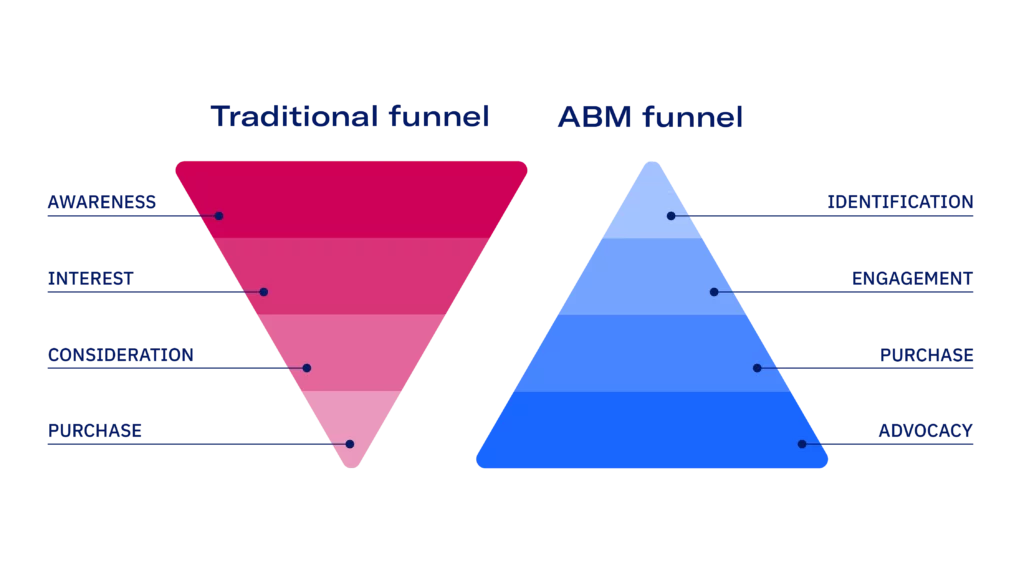
Who it's best for: B2B companies with high ACVs ($50K+) targeting a defined list of 100-500 accounts.
Why it works: ABM is precision over volume. You're coordinating sales and marketing efforts to surround target accounts with personalized content, ads, and outreach. When executed well, conversion rates are significantly higher than broad campaigns.
Limitations: Requires tight sales and marketing alignment. Long sales cycles mean you won't see immediate ROI. ABM only works if your ACV justifies the investment per account.
When it fails: When companies try ABM without the infrastructure or when targeting too many accounts. ABM is not scalable mass outreach. It's focused, strategic, and resource-intensive.
Tools that Help: Best Account-Based Marketing Tools
11. Marketplaces & Review Platforms
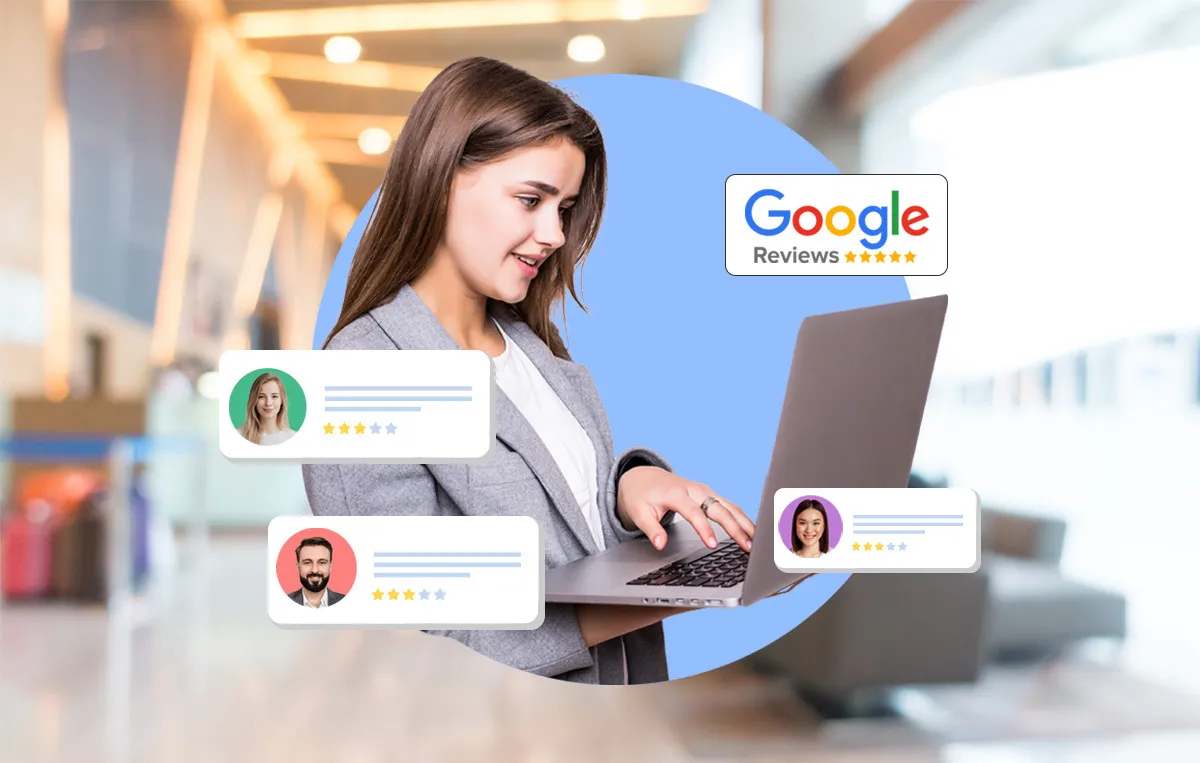
Who it's best for: B2B SaaS companies where buyers actively research and compare solutions (G2, Capterra, Clutch).
Why it works: Marketplaces capture buyer-intent leads. People browsing G2 for "sales engagement platforms" are actively evaluating options. You're meeting them where they're already researching.
Limitations: Limited control over volume. You're dependent on organic traffic to the platform and how well you rank against competitors. Competitive positioning and reviews matter more than anything.
When it fails: When you have poor reviews or incomplete listings. Marketplaces amplify reputation, good or bad. If your profile isn't optimized, you'll lose to competitors.
12. Website Conversion Optimization
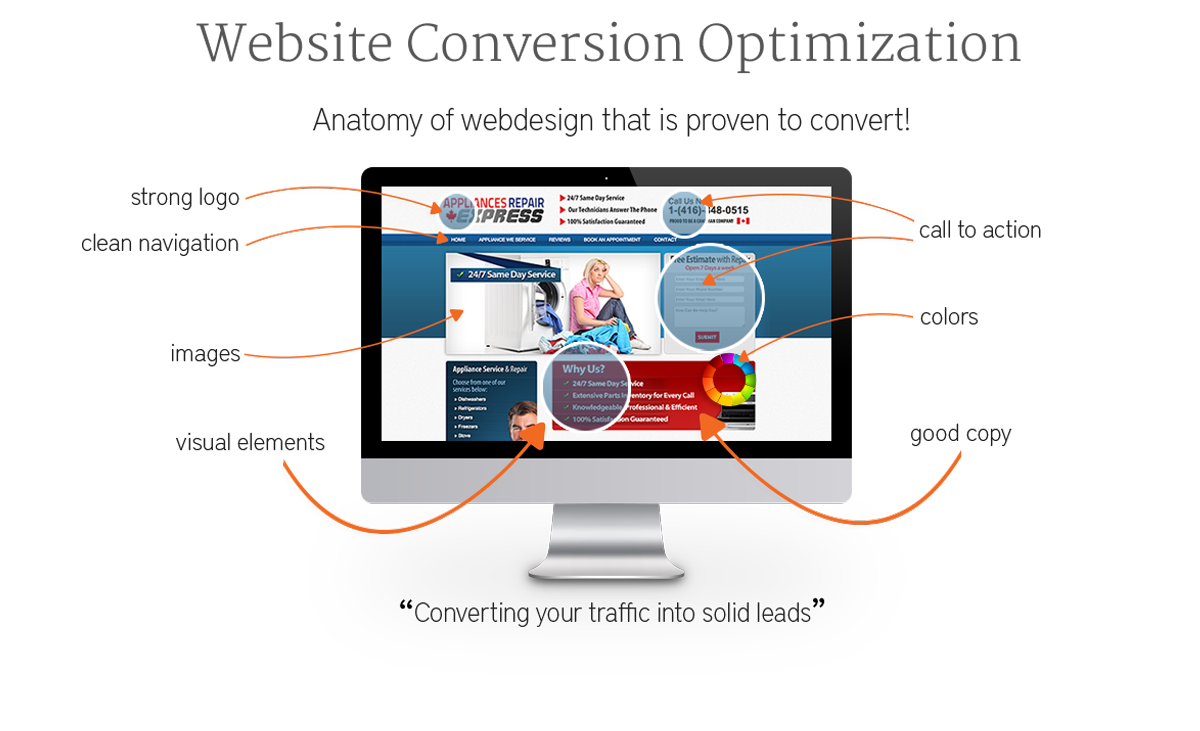
Who it's best for: Every B2B company running any other lead generation channel.
Why it works: CRO doesn't generate demand, but it multiplies the ROI of every channel driving traffic to your site. Better CTAs, clearer messaging, and optimized forms turn more visitors into leads without spending more on acquisition.
Limitations: You need traffic first. If no one's visiting your site, there's nothing to optimize. CRO improves existing performance but doesn't create new demand.
When it fails: When companies obsess over button colors and ignore the fundamentals. If your offer isn't compelling or your messaging doesn't resonate, a new homepage design won't fix it.
Explore More: How to Build a Winning Cross-Channel Lead Generation Strategy
Lead Generation Channels Compared by Use Case
Choosing the top sales channels for generating B2B leads depends on where you are as a company, what you're selling, and how fast you need results.
Best Channels for Startups vs Scale-Ups

Startups (0-10 customers): You need meetings fast and can't afford to wait 6 months for SEO or content to pay off. Cold email, cold calling, and LinkedIn outbound are your best bets. These channels for lead generation get you in front of decision makers quickly with predictable costs.
Focus on direct outreach where you control the message, targeting, and follow-up. You need feedback loops and real conversations to refine your positioning.
Scale-ups (10-100+ customers): You have proof of concept and need scalable pipeline. Layer in paid search to capture high-intent demand, start building content for long-term inbound, and use referrals to amplify what's already working.
Your outbound motion should still be the foundation, but now you're adding channels that compound over time. Don't abandon what got you here just because you have budget for "brand awareness."
Best Channels for Enterprise Sales
Enterprise deals require relationship building, trust, and multiple touchpoints. Here's what works:
- Account-Based Marketing: Coordinate sales and marketing to surround your target accounts with personalized outreach, retargeting ads, and custom content.
- LinkedIn outbound: Decision makers at enterprise companies actually engage on LinkedIn. Profile credibility and warm intros matter more than volume.
- Events and conferences: Face-to-face relationship building accelerates deals that would take months over email. Enterprise buyers want to meet the team before signing six-figure contracts.
- Cold calling: Yes, even for enterprise. A well-researched call to the right executive can shortcut months of email back-and-forth.
The top sales channels for generating B2B leads in enterprise aren't about flooding the funnel. They're about precision, persistence, and proving you understand their business.
Best Channels for Fast Pipeline vs Long-Term Growth

Need pipeline in the next 30-60 days?
Cold outreach wins every time. LinkedIn messaging, cold email, and cold calling can book meetings within 2-3 weeks if your targeting and messaging are dialed in. Paid search works too if there's existing demand for your solution.
These channels give you control. You're not waiting for algorithms, organic rankings, or word-of-mouth to kick in.
Building for 6-12 months out?
Content marketing, SEO, community engagement, and partnerships are your long-term plays. They take time to ramp but create compounding returns. A blog post ranking for high-intent keywords can drive qualified leads for years.
The best strategy? Run fast channels now to generate immediate pipeline while layering in long-term channels that reduce your reliance on paid acquisition over time.
Why Multi-Channel ≠ Same Message Everywhere
Where B2B teams screw up - they pick 5 B2B lead generation channels and blast the same message across all of them.
Your LinkedIn message can't be your cold email. Your cold call script can't be your paid ad copy. Every channel has different context, intent, and expectations.
- LinkedIn: Relationship-driven, profile credibility matters, messages should feel personal and relevant.
- Cold email: Volume play, subject lines need to grab attention in a crowded inbox, body copy should be concise and offer-focused.
- Cold calling: Live conversation, objection handling happens in real time, tone and delivery matter as much as the script.
- Paid search: High-intent, people are actively searching for a solution, your landing page needs to match their search query exactly.
Multi-channel works when each channel plays to its strengths. Forcing the same playbook everywhere dilutes your message and wastes budget.
At Cleverly, we don't spray the same outreach across LinkedIn, email, and calls. We build channel-specific strategies based on your ICP, offer, and what's actually working in your market right now.
Compare: Omnichannel vs Multichannel Marketing Explained (With Examples)
📈 Turn Channels Into Pipeline
10,000+ companies trust Cleverly to convert LinkedIn, email, and phone into predictable meetings and $312M+ in pipeline.
How High-Performing B2B Teams Combine Lead Generation Channels
Either going all-in on one channel or try to run ten at once. Both approaches fail.
Why Single-Channel Dependence Fails
Relying on one lead generation channel is risky. Algorithm changes kill your paid ads. Spam filters destroy your cold email. LinkedIn restricts your account. Market saturation caps your volume.
The best teams diversify without diluting focus. You need 2-3 core channels that feed consistent pipeline, not 10 channels running at 20% capacity.
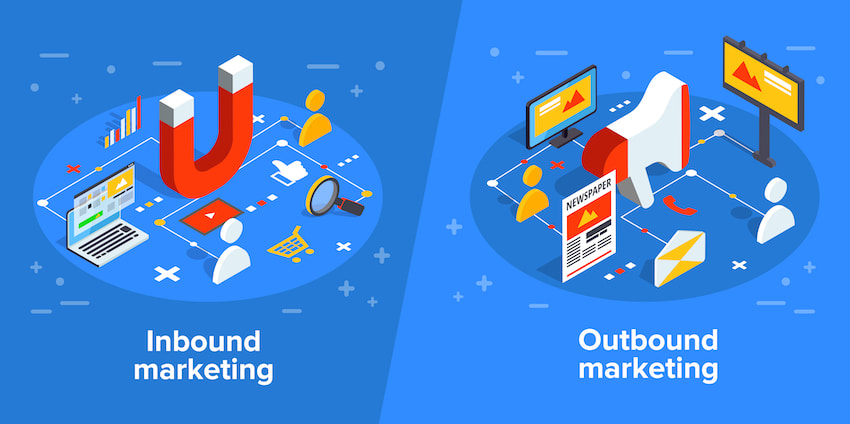
Outbound + Inbound Pairing Logic
The play that works: use outbound to generate immediate pipeline and inbound to reduce acquisition costs over time.
Cold outreach (LinkedIn, email, calling) gets you meetings now. Content and SEO build trust and capture demand you'd otherwise miss. Paid search intercepts high-intent buyers already searching for solutions.
Outbound controls your pipeline. Inbound amplifies it. Together, they cover both sides of the funnel.
Role of Nurturing vs Direct Response
Not every lead generation channel should drive immediate meetings. Some channels nurture, some convert.
- Direct response channels: Cold calling, cold email, LinkedIn outbound, paid search. Goal is meetings booked, not brand awareness.
- Nurture channels: Content marketing, LinkedIn ads, communities, events. Goal is trust and top-of-mind presence for when buyers are ready.
Mixing these up kills performance. Don't judge your content strategy by meetings booked this month. Don't let your cold calling team focus on "building relationships" instead of setting appointments.
Channel Sequencing, Not Channel Stacking
High-performing teams sequence lead generation channels based on what they need right now.
- Month 1-3: Launch cold outreach to validate messaging and generate immediate pipeline. Test what resonates before scaling spend.
- Month 4-6: Layer in paid search to capture existing demand. Start building content for long-term inbound.
- Month 6-12: Add retargeting, ABM, or events to accelerate deals already in pipeline. Double down on what's working.
Channel stacking is running everything at once and hoping something works. Channel sequencing is deliberate, data-driven, and designed to compound results over time.
Learn: How to Measure Sales Success
How Cleverly Helps B2B Companies Choose and Execute the Right Channels
We’ve seen many B2B lead generation agencies try to do everything. We focus on what actually drives meetings for your business.
We Don't Spray Across All Channels
- We recommend channels based on your ICP, ACV, and TAM
- High-ticket deals ($50K+)? LinkedIn and cold calling
- Large TAM and need speed? Cold email scales faster
- We only execute what matches your sales motion
Done-For-You Execution
LinkedIn Lead Generation ($397/month)
- Optimized profiles that build credibility
- Personalized outreach tested across 10,000+ campaigns
- Meeting-ready leads delivered
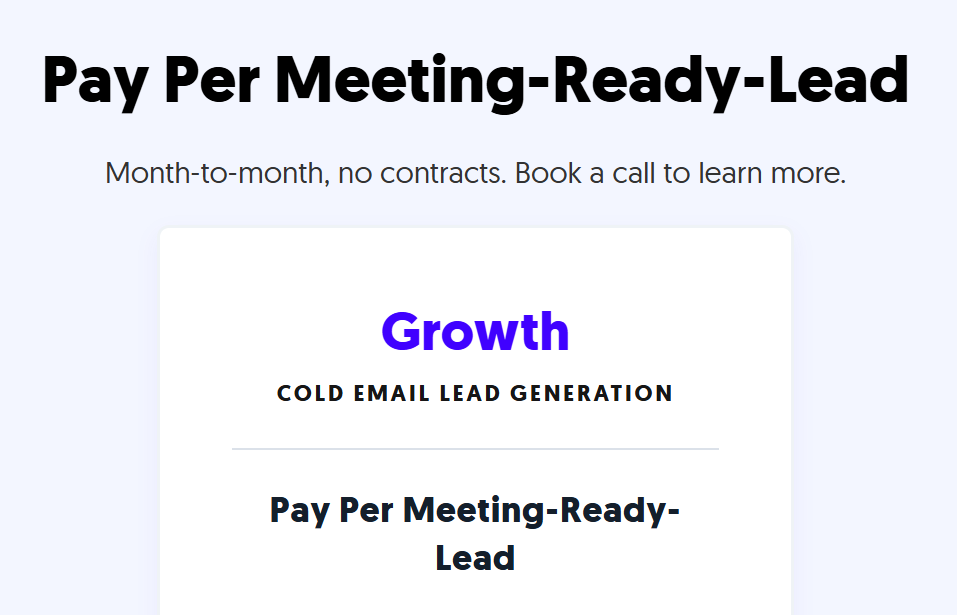
Cold Email (Pay-Per-Meeting-Ready-Lead)
- Full infrastructure and deliverability management
- You only pay for qualified leads we send
Cold Calling (Guaranteed Appointments)
- No-accent SDRs trained in 2 weeks
- Breakthrough scripts and full tech stack included
- 10-30 qualified calls monthly or we replace your SDR
Meetings Booked, Not Vanity Metrics
✅ Every lead is vetted and meeting-ready
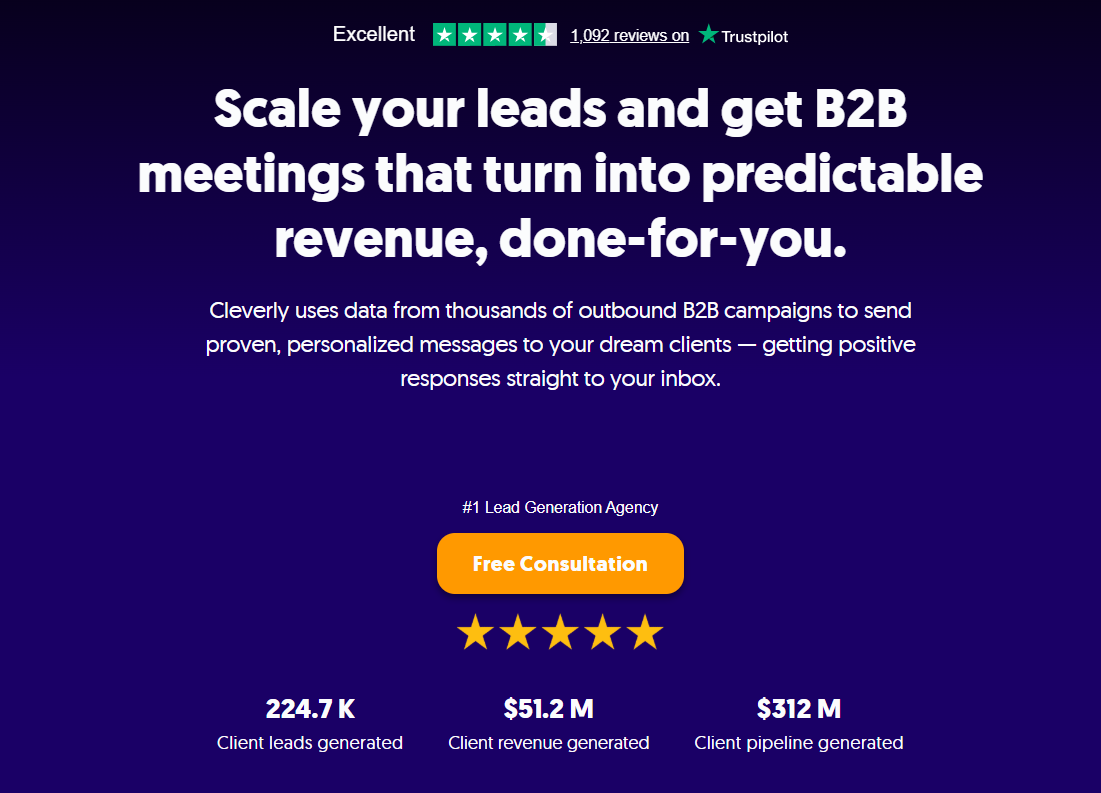
✅ $312M pipeline generated, $51.2M closed
✅ 53K appointments set across 10,000+ clients
Ready to stop guessing and start booking meetings?
Talk to Cleverly and we'll show you which lead generation channels will actually work for your business!
Conclusion
The best lead generation channels aren't the ones everyone else is using. They're the ones that match your deal size, sales motion, and timeline.
Stop chasing every shiny channel and start focusing on what actually books meetings.
Pick 2-3 B2B lead generation channels that align with your ICP, execute them well, and layer in long-term plays once you have a predictable pipeline.
If you need help choosing and executing the right channels, Cleverly's here to help. We've generated $312M in pipeline for B2B companies by focusing on what works, not what's trendy.
Frequently Asked Questions
Free Resource
How to Scale a Profitable Cold Call System
Get the complete guide — download it instantly now.
Free Ebook
Download the Free Guide
Enter your details to get instant access.
You're all set! 🎉
Your ebook is downloading now.
Click below if the download didn't start automatically.


