Table of Contents
What Is a B2B Sales Strategy?
Essential Components of a Successful B2B Sales Strategy
Step-by-Step Framework to Build Your B2B Sales Strategy
Proven B2B Sales Strategies That Actually Work in 2026
Best Tools to Improve and Scale Your B2B Sales Strategy
Mistakes to Avoid When Building Your B2B Sales Strategy
How Cleverly Helps You Build a High-Converting B2B Sales System
Frequently Asked Questions
Modified On :
December 12, 2025
Key Takeaways
- A winning B2B sales strategy requires tight ICP targeting, multi-channel outreach, and persistent follow-up (8-12 touches minimum).
- Focus on relevance over volume—500 highly targeted prospects beat 10,000 generic cold contacts every time.
- Multi-channel outreach (LinkedIn + email + calls) dramatically outperforms single-channel strategies.
- Use qualification frameworks like BANT or MEDDIC early to avoid wasting time on prospects who'll never buy.
- Most B2B deals close after 5-12 touchpoints, so build systematic nurture sequences instead of giving up after 2-3 attempts.
- Sales enablement content (case studies, ROI calculators, testimonials) shortens sales cycles and increases close rates significantly.
Want us to be REALLY honest? Most B2B sales strategies fail because they're built on outdated playbooks from 2015.
Cold calling scripts that sound robotic. LinkedIn messages that scream "copy-paste." Email sequences that land straight in spam. We've seen it all, and frankly, your prospects have too.
See, closing more B2B deals in 2025 and beyond isn't about working harder. It's about working smarter with a B2B sales strategy that actually connects with decision-makers where they are - LinkedIn, email, and phone.
We've helped over 10,000 clients generate $312 million in pipeline revenue by ditching the fluff and focusing on what actually works. No theory. No guesswork. Just proven methods that book qualified meetings and close deals.
Ready to build a sales strategy that doesn't waste your time? Let's break it down.
What Is a B2B Sales Strategy?
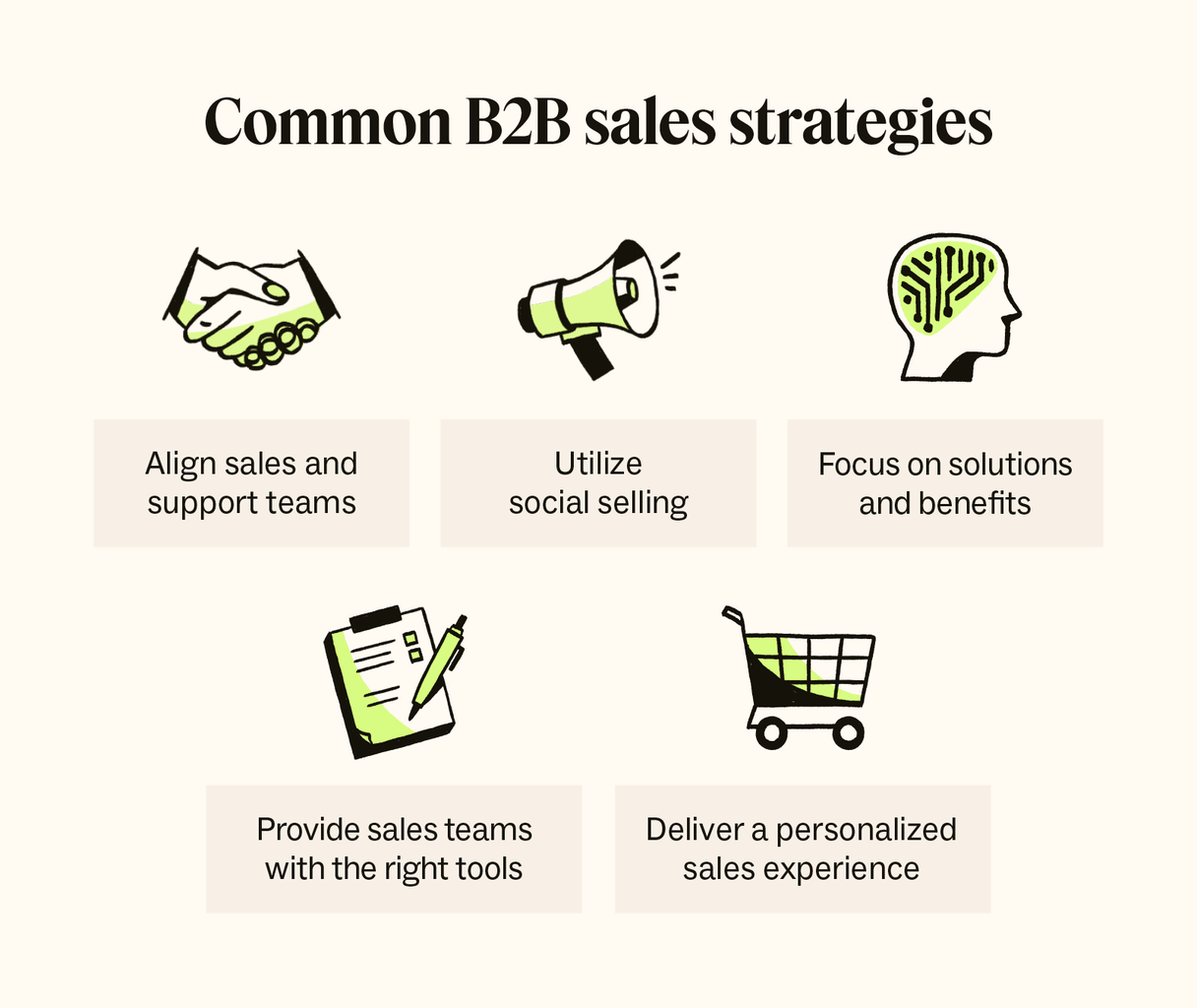
A B2B sales strategy is your game plan for turning cold prospects into paying customers. Simple as that.
It's not just about sending a few LinkedIn messages or making cold calls. It's the complete roadmap that guides how you identify the right buyers, reach them consistently, and move them through your sales process until they sign the contract.
Here are the core components of effective B2B sales strategies:
- ICP (Ideal Customer Profile) - Who you're selling to. Get this wrong, and everything else falls apart.
- Outreach channels - LinkedIn, cold email, cold calling, or a mix. Where your buyers actually pay attention.
- Messaging - What you say and how you say it. Generic pitches get ignored. Personalized value gets responses.
- Sales funnel - The journey from first contact to closed deal. Every stage needs a clear next step.
- Nurturing process - Following up without being annoying. Most deals happen after the 5th touchpoint.
- Closing tactics - How you handle objections and get prospects to commit.
Strategy vs. Tactics: Why the Order Matters
Here's where most teams mess up—they jump straight into tactics without a strategic foundation.
Tactics are what you do (sending 50 LinkedIn messages, running email sequences, booking discovery calls). Strategy is why and how you do it—your targeting, positioning, and systematic approach.
Think of it this way: tactics without strategy is like driving fast with no destination. You'll burn through your budget, exhaust your sales team, and wonder why nothing's working.
Get your B2B sales strategy foundation right first. Then your tactics actually amplify results instead of wasting time.
Learn More: Ways To Increase Your Inbound B2B Leads (Proven Framework)
🔥 Multiply Your B2B Pipeline
Cleverly runs LinkedIn outreach, cold email, and cold calling to deliver ready-to-talk, qualified leads—so your team focuses on closing, not chasing.
Essential Components of a Successful B2B Sales Strategy
Want to know the real strategies to increase B2B sales? It's not about one magic trick. It's about getting multiple components working together like a well-oiled machine.
ICP Clarity
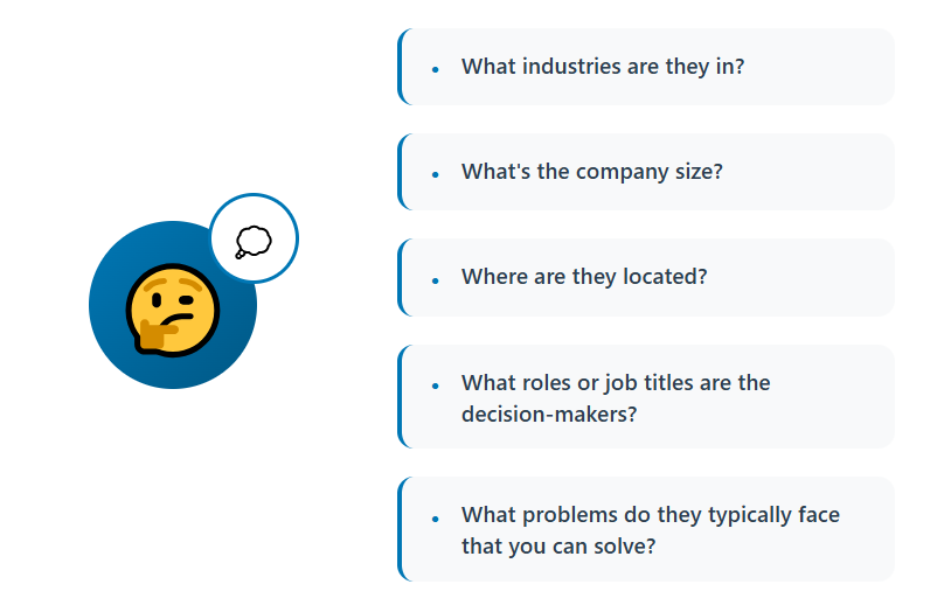
You can't sell to everyone, so stop trying. Your Ideal Customer Profile should be so specific that you can picture exactly who you're calling.
We're talking industry, company size, revenue range, tech stack, pain points, and decision-maker titles. The tighter your ICP, the higher your conversion rates. Period.
Buyer Intent + Segmentation
Not all leads are created equal. Someone actively searching for solutions right now needs a different approach than someone just exploring options.
Segment your prospects based on:
- Engagement level - Are they opening emails? Visiting your site? Downloading content?
- Buying stage - Problem-aware, solution-aware, or ready to buy?
- Company signals - Funding rounds, new hires, tech changes, expansion plans
This is one of the smartest strategies to increase B2B sales because you're prioritizing prospects who are actually ready to talk.
Omnichannel Sales Enablement
Your prospects aren't sitting on one platform waiting for you. They're on LinkedIn during lunch, checking email in the morning, and answering calls between meetings.
Hit them where they are:
- LinkedIn outreach for visibility and social proof.
- Cold email for detailed value propositions.
- Cold calling for immediate conversations.
The companies winning right now? They're using all three channels in sync, not just picking one and hoping for the best.
Also Check: How to Build a Winning Cross-Channel Lead Generation Strategy
Personalization & Messaging Framework
"Hi [First Name], I hope this message finds you well..." is dead. Delete it.
Your messaging framework should speak directly to your prospect's world. Reference their industry challenges, recent company news, or specific pain points you solve.
But here's the key: personalization at scale. You need templates that feel custom without taking 30 minutes per message.
Qualification Frameworks
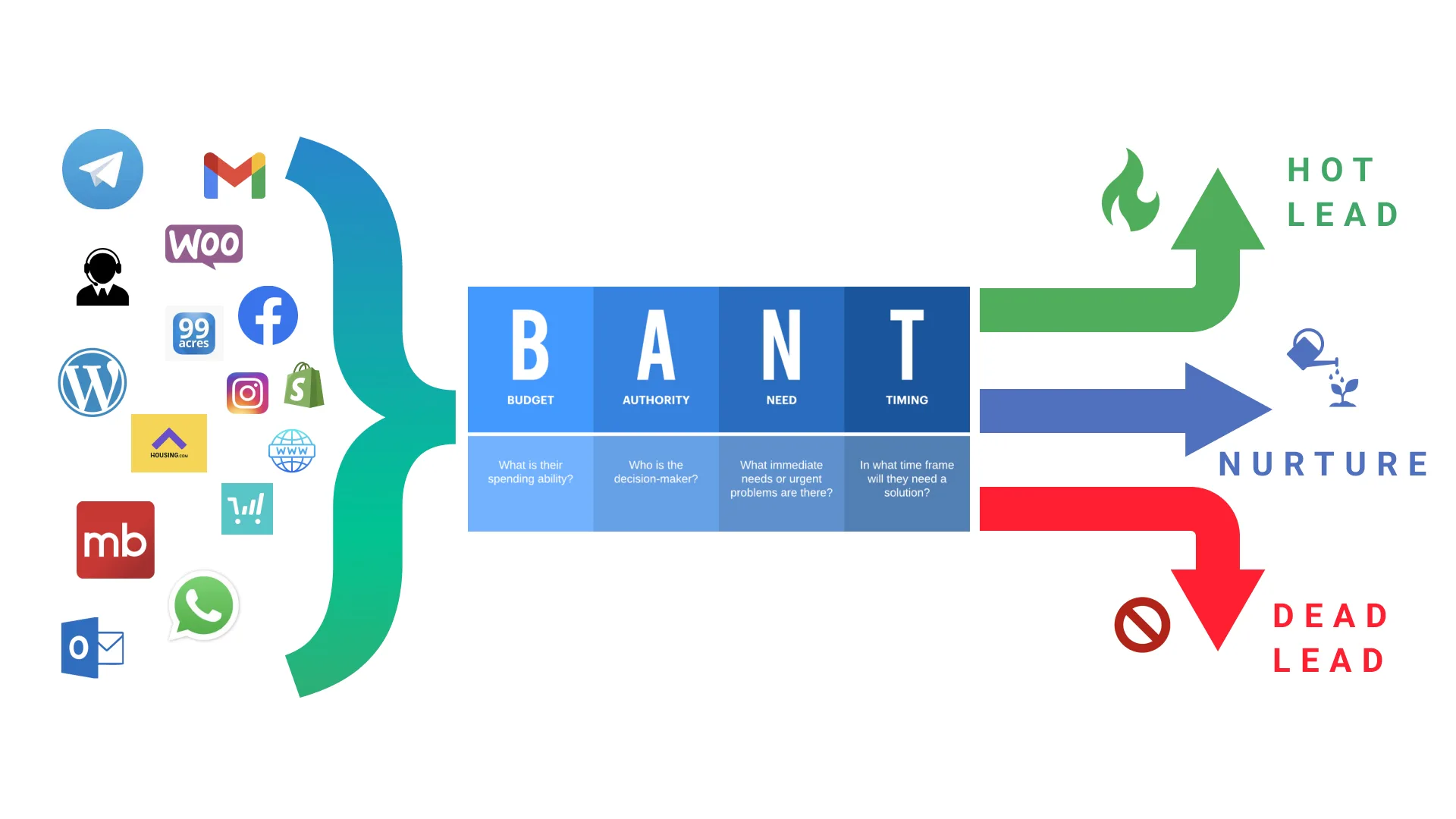
Stop wasting time on tire-kickers. Use frameworks like BANT (Budget, Authority, Need, Timeline) or MEDDIC to quickly identify if a prospect is worth pursuing.
Ask the hard questions early:
- Do they have budget allocated?
- Are you talking to the decision-maker?
- Is there an actual problem to solve?
- What's their timeline for implementing?
Sales Enablement Content
Your sales team needs ammunition—case studies, ROI calculators, comparison sheets, demo videos, and one-pagers they can send at every stage of the conversation.
Good content shortens sales cycles because it answers objections before prospects even ask them.
Multithreading the Deal
Single-threaded deals die. Always connect with multiple stakeholders within the target account—the end user, the manager, the budget holder, and the technical evaluator.
If your champion leaves or goes silent, you've got backup connections to keep the deal moving forward.
Complete Guide: Multithreading in Sales
Measurement, Optimization, and Scaling
You can't improve what you don't measure. Track your key metrics ruthlessly:
- Response rates by channel
- Meeting-to-opportunity conversion
- Average deal size and sales cycle length
- Win rates by ICP segment
Then double down on what's working and cut what's not. The best strategies to increase B2B sales are the ones you continuously refine based on real data, not gut feelings.
Step-by-Step Framework to Build Your B2B Sales Strategy
Building a winning B2B SaaS sales strategy isn't rocket science, but it does require a clear process. Here's the exact framework we use to help clients close more deals consistently.
Step 1 — Define Your Ideal Customer Profile and Decision Makers
Start here or waste months chasing the wrong prospects.
Sit down with your sales and customer success teams. Look at your best customers—the ones who bought fast, paid on time, and stayed long-term. What do they have in common?
Build your ICP around:
- Company size and revenue
- Industry and vertical
- Tech stack they're already using
- Growth stage (startup, scale-up, enterprise)
- Geographic location
Then identify the actual decision-makers. For a B2B SaaS sales strategy, you're usually targeting VPs, directors, or C-level executives who control budget and can say "yes" without ten approval layers.
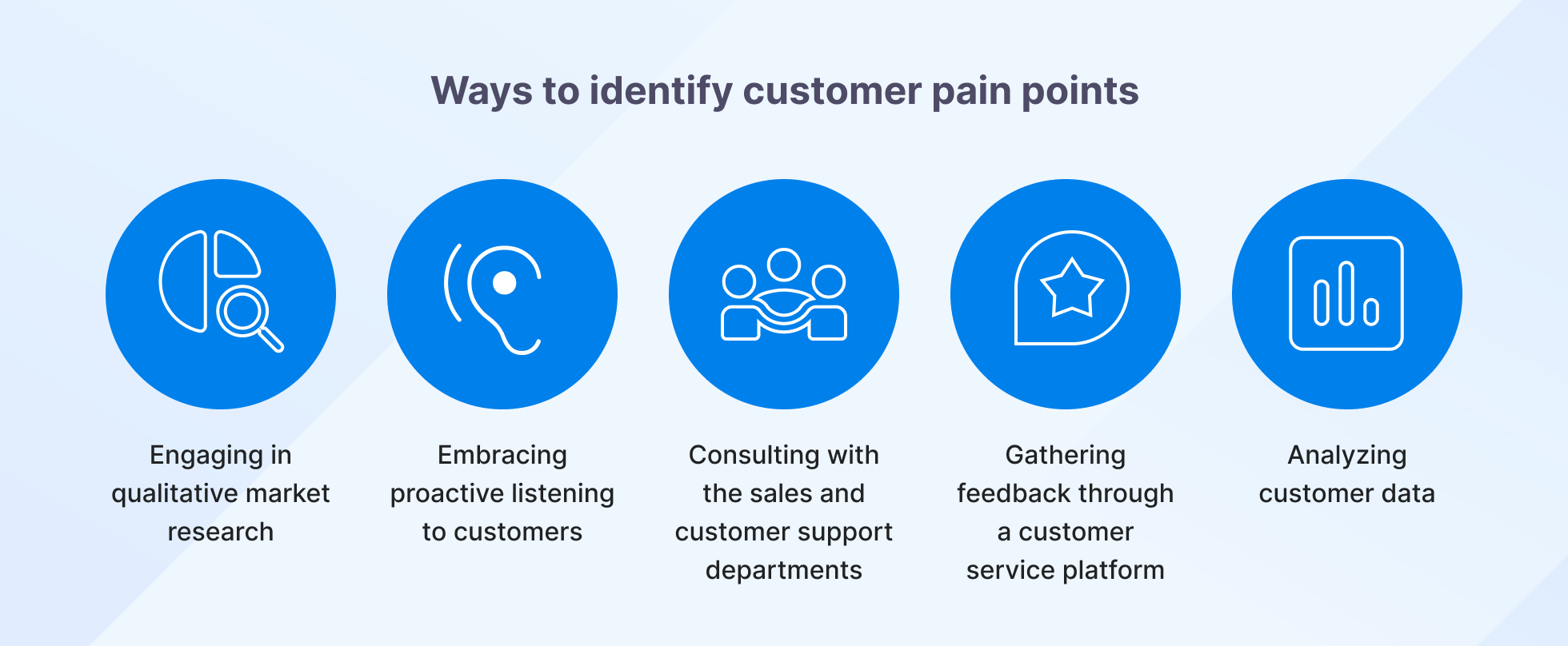
Step 2 — Craft Messaging Around Pain Points and ROI
Nobody cares about your features. They care about their problems and whether you can fix them profitably.
Your messaging should answer three questions instantly:
- What specific problem are you solving?
- Why should they care right now?
- What's the ROI or outcome they'll get?
Ditch the corporate jargon. Write like you're explaining your solution to a colleague over coffee. Use their language, their pain points, and real numbers whenever possible.
Example: Instead of "We provide enterprise-grade workflow optimization," try "We help sales teams book 30% more meetings without hiring more SDRs."
Step 3 — Build an Omnichannel Outreach Engine
Here's where your B2B SaaS sales strategy comes to life. You need to show up everywhere your prospects are paying attention.
- LinkedIn outreach - Connect with decision-makers, engage with their content, send personalized messages that reference their actual world.
- Cold email sequences - 5-7 touch campaigns with value in every message. No "just checking in" garbage.
- Cold calling - Yes, it still works. Especially for high-ticket B2B deals where you need real conversations.
The magic happens when all three channels work together. Your prospect sees your LinkedIn message, gets your email the next day, and then you call to tie it all together. That's how you cut through the noise.
Might Help: Best Email Sequence Software to Use
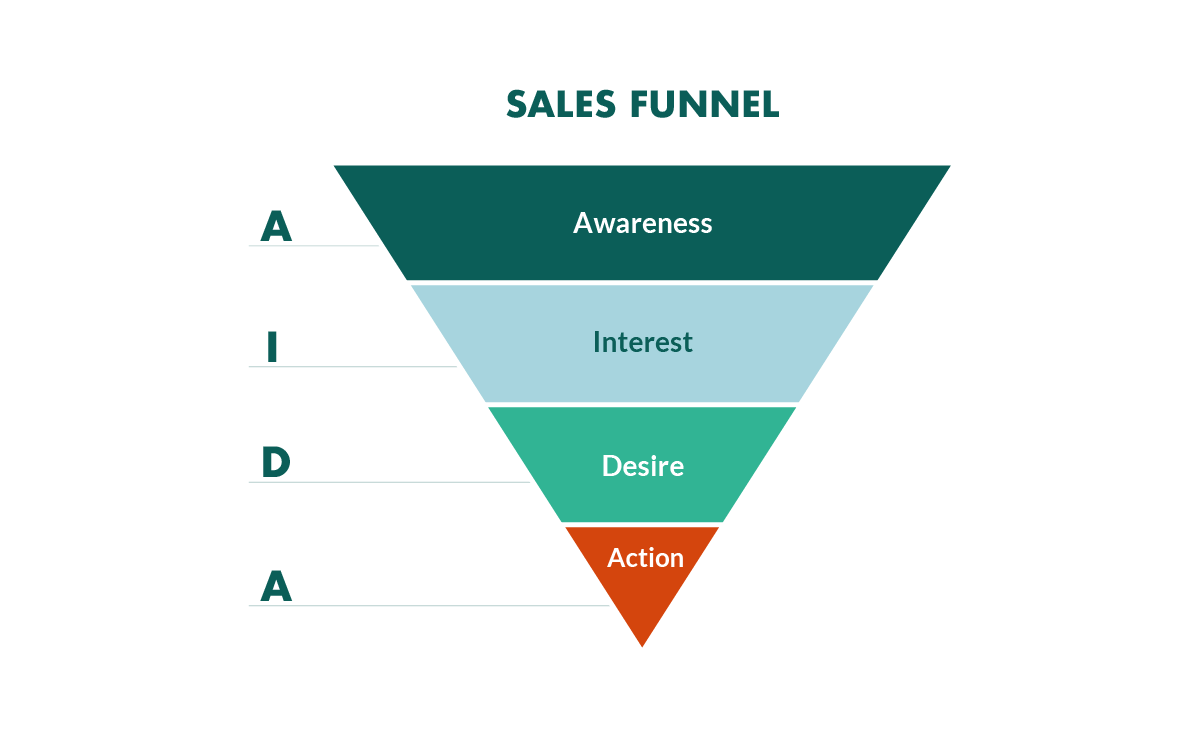
Step 4 — Create a Value-Driven Sales Funnel
Map out every stage from cold outreach to closed deal. Each stage should have a clear goal and next action.
Your funnel might look like:
- Awareness - Initial outreach, first touchpoint
- Interest - Prospect responds or engages
- Evaluation - Discovery call scheduled
- Consideration - Demo completed, proposal sent
- Decision - Negotiation and closing
- Retention - Onboarding and success
Don't just set it and forget it. Look at where prospects drop off and fix those leaks. If people ghost after demos, your demo needs work. If proposals don't convert, your pricing or positioning is off.
Step 5 — Use Sales Enablement Content to Build Trust
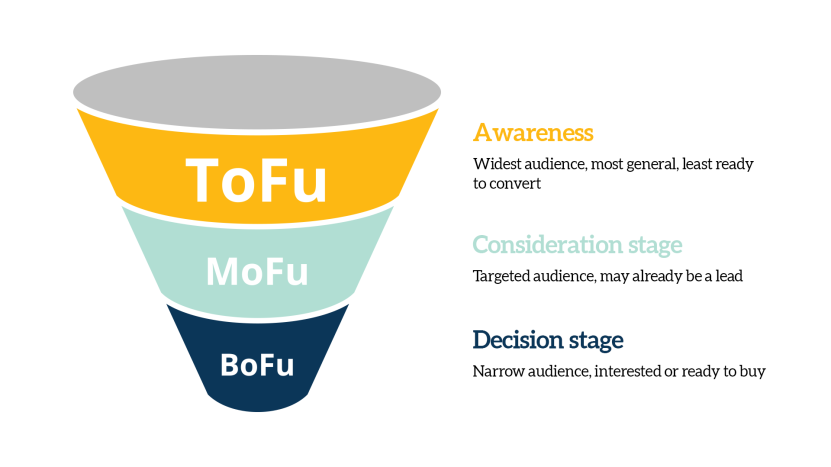
Prospects don't buy from strangers. They buy from companies they trust—and great content builds that trust fast.
Create content for every stage:
- Top of funnel - Blog posts, LinkedIn content, industry insights
- Mid funnel - Case studies, comparison guides, ROI calculators
- Bottom funnel - Customer testimonials, security docs, implementation timelines
Your sales team should be able to send the perfect resource at the perfect time without scrambling to create it from scratch.
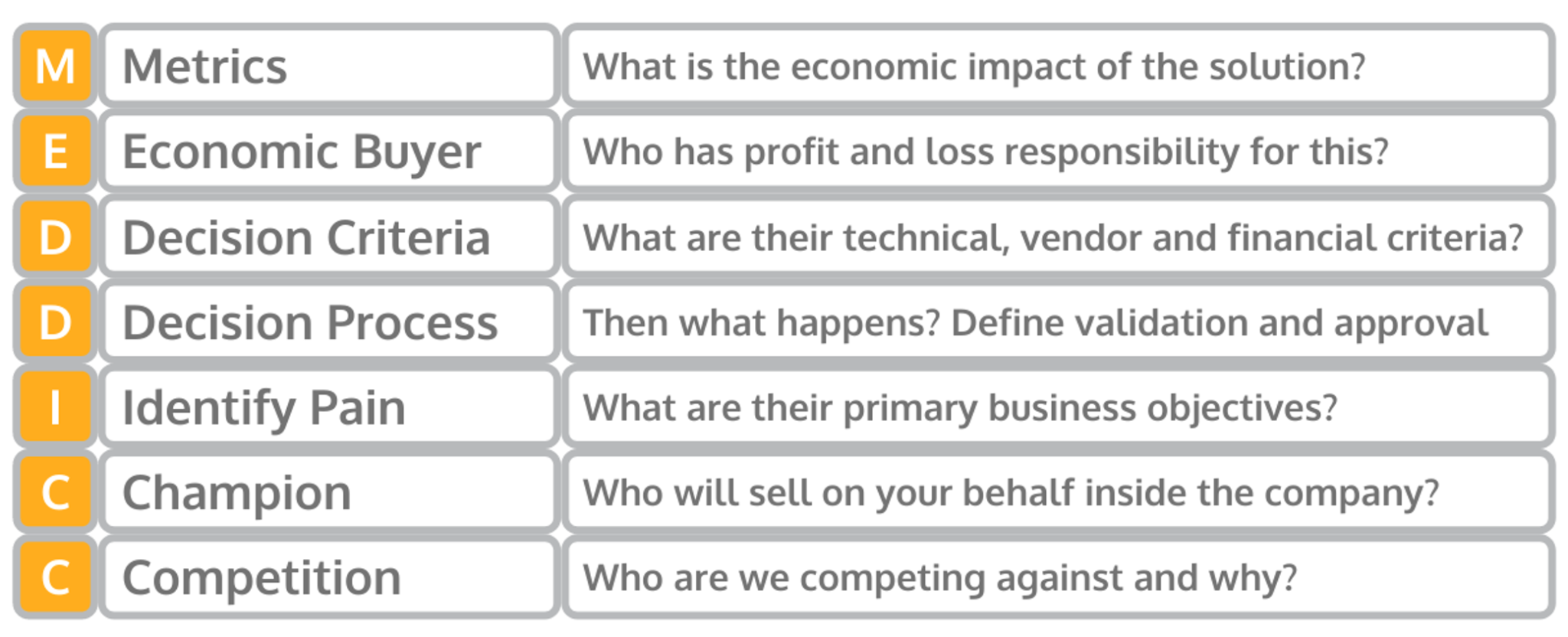
Step 6 — Qualify Leads With the Right Framework (MEDDIC/BANT/CHAMP)
Not every lead deserves the same attention. Use a qualification framework to separate real opportunities from time-wasters.
BANT is the classic:
- Budget - Can they afford you?
- Authority - Are you talking to the decision-maker?
- Need - Do they actually have the problem you solve?
- Timeline - When are they planning to buy?
MEDDIC goes deeper for complex B2B SaaS deals:
- Metrics - What success metrics matter to them?
- Economic Buyer - Who controls the budget?
- Decision Criteria - What are they evaluating you against?
- Decision Process - How do they make buying decisions?
- Identify Pain - What's the urgent problem?
- Champion - Who's selling internally for you?
Pick one framework and use it consistently. Your close rates will jump because you'll stop chasing dead ends.
Step 7 — Execute Effective Discovery and Demo Calls
This is where most B2B SaaS sales strategies fall apart. Sales reps talk too much and listen too little.
In discovery calls:
- Ask open-ended questions about their current process.
- Dig into what's not working and why it matters.
- Uncover the cost of doing nothing.
- Identify all stakeholders involved in the decision.
In demo calls:
- Customize the demo to show exactly what they care about.
- Skip features they don't need.
- Tie every capability back to their specific pain points.
- End with clear next steps and timeline.
The best demos feel less like presentations and more like collaborative problem-solving sessions.
Step 8 — Multithread and Nurture Stakeholders Until Close
Single-threaded deals die when your champion goes on vacation or switches jobs.
Connect with multiple people in the organization:
- The end users who'll use your product daily.
- The manager who needs to approve it.
- The executive who controls the budget.
- The technical team who'll evaluate security and integration.
Keep everyone engaged with relevant content, check-ins, and value. Don't just spam them—share insights they actually care about.
Step 9 — Implement Retention, Upsell & Expansion Systems
Closing the deal isn't the finish line. Your B2B SaaS sales strategy should include what happens after the contract is signed.
Focus on:
- Smooth onboarding - Get them to value fast
- Regular check-ins - Stay close to customer success metrics
- Usage monitoring - Spot risks before they churn
- Expansion opportunities - When's the right time to upsell?
It's 5-10x cheaper to expand existing accounts than acquire new ones. Plus, happy customers become your best referral source.
Build these nine steps into your process, and you'll have a B2B SaaS sales strategy that actually scales.
Also Check: How To Actually Get B2B Clients With Cold Email
🚀 Guaranteed Meetings. Zero Guesswork.
From targeted LinkedIn campaigns to high-volume email and our $5M cold calling system, Cleverly fills your calendar with decision-maker meetings you only pay for.
Proven B2B Sales Strategies That Actually Work in 2026
The B2B sales strategies that crushed it five years ago? Most of them are dead weight now.
Buyers are smarter, more skeptical, and honestly, exhausted from generic outreach. They've seen every templated LinkedIn message, ignored thousands of "quick question" emails, and hung up on countless robotic cold callers.
So what's working right now? The strategies that treat prospects like actual humans with real problems to solve—not just names on a list.
We're talking about combining the right data, the right channels, and the right message at the right time. It's about being helpful before you're salesy. Building trust before asking for meetings. And using technology to work smarter, not just faster.
Here are ten B2B sales strategies we've seen consistently drive results across thousands of campaigns:
1. Account-Based Selling (ABS Approach)
Stop spray-and-pray outreach. Start treating high-value accounts like actual targets worth your time and resources.
Account-Based Selling means picking 50-100 dream accounts and going deep instead of wide. You research the company, identify multiple decision-makers, understand their challenges, and orchestrate a coordinated campaign across your entire team.
Here's what it looks like in action:
- Your marketing team runs targeted ads to everyone at that company.
- Your SDRs reach out on LinkedIn with hyper-personalized messages.
- Your AEs send custom emails referencing their specific business challenges.
- You send relevant content and case studies that match their industry.
It takes more effort upfront, but your close rates skyrocket because you're not just another vendor—you're the solution they've been looking for.

2. Personalization Using First-Party and Intent Data
Generic outreach is noise. Personalized outreach based on actual behavior? That's signal.
Use first-party data (what prospects do on your website, which emails they open, what content they download) and third-party intent data (what they're researching, which competitors they're checking out) to time your outreach perfectly.
Example: If someone from your target account visits your pricing page three times and downloads a case study, that's your cue to reach out right now—not in two weeks when your sequence says so.
This is one of the smartest B2B sales strategies because you're engaging people when they're already thinking about solutions like yours.
3. Social Selling + LinkedIn Thought Leadership
Your prospects are on LinkedIn every day. Are you building credibility there, or are you invisible?
Social selling isn't about pitching in DMs. It's about creating a personal brand and establishing yourself and your company as trusted experts before you ever reach out.
The play:
- Share valuable insights about your industry.
- Comment thoughtfully on your prospects' posts.
- Post case studies and customer wins.
- Engage with content from target accounts.
When you finally send that connection request or message, you're not a stranger anymore. You're someone they've seen adding value to their feed. That changes everything.
Dive Deeper: LinkedIn Personal Branding - How to Build Authority & Attract Opportunities
4. Multi-Channel Outbound (LinkedIn + Email + Calls)
Single-channel outreach is leaving money on the table. Period.
Your prospects aren't sitting on one platform waiting for you to reach them. They check LinkedIn during breaks, scan email in the morning, and answer calls between meetings.
The winning combination:
- Day 1: LinkedIn connection request with personalized note
- Day 3: First value-driven email
- Day 5: LinkedIn message if they accepted your request
- Day 7: Cold call
- Day 10: Follow-up email with case study
- Day 14: Final LinkedIn message before moving on
Each channel reinforces the others. They see your name three different ways, which builds familiarity and trust faster than any single touchpoint could.
At Cleverly, we've helped clients generate over $312 million in pipeline by combining LinkedIn outreach, cold email, and cold calling into coordinated campaigns. It's not about picking one channel—it's about orchestrating all three.
5. Leverage Customer Proof and Use-Case Selling
People don't believe what you say about yourself. They believe what your customers say about you.
Use-case selling means showing prospects exactly how companies like theirs solved the same problems they're facing right now.
Make it easy for your sales team:
- Create industry-specific case studies
- Film customer testimonial videos
- Build a library of before/after examples
- Develop ROI calculators with real customer data
When you can say "Here's how we helped a company your size reduce churn by 40%," that's infinitely more powerful than "Our platform is really great."
6. Warm Pipeline Using Retargeting and CRM Automation
Not everyone's ready to buy right now. That's fine—stay top of mind until they are.
Set up retargeting ads to people who visited your site but didn't convert. Use CRM automation to send helpful content every few weeks to prospects who went cold.
The goal isn't to be annoying. It's to be present when they're finally ready to make a decision. Most B2B deals take 3-6 months from first contact to close. Automated lead nurturing keeps you in the conversation without manual work.
7. AI-Assisted Outreach and Smart Lead Prioritization
AI isn't replacing sales reps—it's making good reps 10x more efficient.
Use AI tools to:
- Write personalized email variations at scale.
- Analyze which message types get the best response rates.
- Score leads based on engagement and fit.
- Prioritize your outbound list by who's most likely to convert.
Your reps stop wasting time on low-probability prospects and focus energy on the deals they can actually close. That's how you scale B2B sales strategies without just throwing more headcount at the problem.
Learn: Smart Ways to Use AI for B2B Lead Generation
8. Improve Demo Experience with Guided Selling Techniques
Standard product demos are boring. Guided selling demos are game-changers.
Instead of walking through every feature, you customize the demo to show exactly what the prospect cares about. You ask questions throughout, handle objections in real-time, and collaboratively explore how your solution fits their world.
Try this approach:
- Start by confirming their goals and pain points.
- Show only the features that matter to them.
- Ask "How would this work in your current process?"
- End with a clear next step and timeline.
People remember demos that felt like conversations, not presentations.
9. Lead Scoring to Prioritize High-Intent Prospects
Your sales team has limited time. Make sure they're spending it on prospects who are actually ready to buy.
Build a lead scoring model that assigns points based on:
- Job title and company size (fit score)
- Website visits and content downloads (engagement score)
- Email opens and reply rates (interest score)
- Intent data and competitive research (buying stage score)
Hot leads get immediate attention. Warm leads go into nurture sequences. Cold leads get deprioritized or disqualified entirely.
This is one of the most underrated B2B sales strategies—it's not sexy, but it dramatically improves conversion rates by focusing effort where it matters.
10. Build Sales Enablement Assets (Case Studies, ROI Calculators, Templates)
Your sales team shouldn't be creating materials from scratch for every deal.
Give them a complete arsenal:
- Case studies for every major industry and use case.
- One-pagers that explain your value in 60 seconds.
- ROI calculators that quantify the business impact.
- Comparison sheets that position you against competitors.
- Email templates for every stage of the lead gen funnel.
- Battle cards with objection handling scripts.
When your team has the right content at their fingertips, sales cycles shrink and close rates climb. Simple as that.
Best Tools to Improve and Scale Your B2B Sales Strategy
The right tools don't just make your team faster—they make your entire B2B sales strategy smarter and more predictable.
But here's the catch: too many tools create chaos. You need a focused tech stack that actually works together, not 47 different platforms that don't talk to each other.
Here are the essential categories and the tools that consistently deliver results.
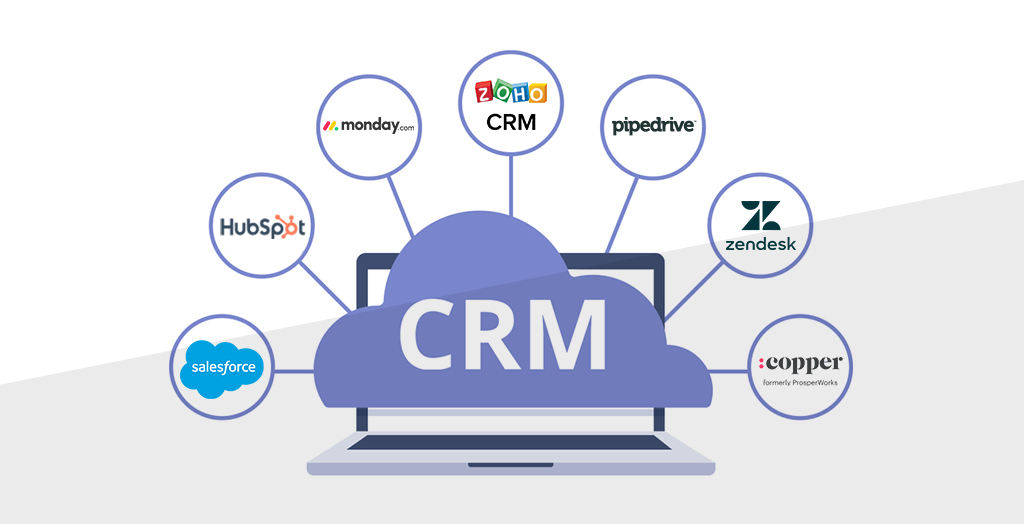
CRM: HubSpot, Salesforce
Your CRM is the foundation of everything. It's where deals live, data flows, and your team stays aligned.
- HubSpot is perfect if you want something intuitive that doesn't require a PhD to set up. Great for small to mid-size teams who need to move fast without heavy customization.
- Salesforce is the heavyweight champion for enterprise teams with complex sales processes. It's incredibly powerful but requires more setup time and often a dedicated admin.
Pick one and use it religiously. A CRM only works if your team actually updates it. No exceptions.
Outreach Automation: Apollo, Salesloft, Outreach.io
Manual outreach doesn't scale. These platforms let you run multi-channel sequences across email, LinkedIn, and calls while keeping everything personalized.
- Apollo gives you prospecting data and outreach automation in one platform. Solid choice if you're bootstrapped and need an all-in-one solution.
- Salesloft and Outreach.io are built for larger sales teams that need advanced analytics, A/B testing, and deep integrations with your CRM.
The goal? Your SDRs can engage 100+ prospects per day without sacrificing quality. That's how you scale your B2B sales strategy without just hiring more people.
Check: Best Cold Email Software (Tested & Compared)
Intent Data: ZoomInfo, Bombora
Wouldn't it be nice to know which companies are actively researching solutions like yours right now?
- ZoomInfo gives you contact data plus intent signals showing which accounts are in-market. You can see when prospects are visiting competitor sites, reading industry content, or researching specific keywords.
- Bombora specializes in B2B intent data across thousands of websites. They track what topics your target accounts are consuming and alert you when buying signals spike.
This data transforms your outreach from "hope they're interested" to "we know they're actively looking." Game-changer for timing and prioritization.
Proposal + Closing Tools: PandaDoc, DocuSign
Deals die in the closing process when contracts take forever or get lost in email chains.
- PandaDoc lets you create, send, and track proposals and contracts. You can see when prospects open them, how long they spend on each section, and which parts they're sharing with stakeholders.
- DocuSign is the gold standard for electronic signatures. Fast, secure, legally binding. No more printing, signing, scanning nonsense that adds days to your sales cycle.
Both tools integrate with your CRM so signed contracts automatically update deal stages. Less admin work, faster closes.
Conversation Intelligence: Gong, Lavender
You can't improve what you don't measure—and these tools measure everything happening in your sales conversations.
- Gong records, transcribes, and analyzes your sales calls. It shows you which talk tracks work, where reps are losing deals, and which questions prospects ask most often. It's like having a sales coach listening to every call and giving you the exact feedback you need.
- Lavender is your email assistant. It analyzes your outbound emails in real-time and scores them on personalization, tone, readability, and deliverability. It even suggests improvements before you hit send.
These tools turn your entire team into better communicators without adding more training meetings to everyone's calendar.
The right tools amplify your B2B sales strategy—but only if you actually use them. Start with the essentials (CRM, outreach automation, and conversation intelligence), then add more as you scale.
Mistakes to Avoid When Building Your B2B Sales Strategy
We've seen thousands of B2B sales strategies fail, and honestly, most failures come down to the same handful of mistakes.
The good news? They're all avoidable if you know what to watch for.
❌ Focusing on Volume Instead of Relevance
Sending 10,000 generic messages won't beat sending 500 highly relevant ones. Ever.
Too many teams get obsessed with activity metrics—messages sent, calls made, email deliverability—without looking at what actually matters: responses, meetings booked, deals closed.
Here's the truth: One qualified meeting from a perfectly targeted prospect is worth more than 100 replies from tire-kickers who'll never buy.
Tighten your ICP. Cut your list in half if you need to. Focus on quality over quantity, and your conversion rates will thank you.
❌ Relying on a Single Outreach Channel
If your entire B2B sales strategy lives on LinkedIn or email alone, you're leaving 70% of potential pipeline on the table.
Prospects don't live on one platform. They check LinkedIn during coffee breaks, scan emails in the morning, and actually answer their phone when they're not in meetings.
Single-channel strategies fail because:
- You're only visible to prospects in one place.
- If that channel gets saturated or changes algorithms, you're done.
- You can't build familiarity through multiple touchpoints.
Multi-channel isn't just smarter—it's essential. LinkedIn, cold email, and cold calling working together will always outperform any single channel alone.
❌ No Lead Scoring or Qualification Process
Treating every lead equally means wasting time on people who were never going to buy.
Without lead scoring, your sales team spends equal energy on a Fortune 500 prospect ready to buy and a college student just browsing. That's insane.
Build a simple scoring system:
- High fit + high engagement = prioritize immediately
- High fit + low engagement = nurture sequence
- Low fit + any engagement = disqualify or pass to marketing
Your reps should know within 5 minutes whether a lead is worth pursuing. If they don't, you need a qualification framework yesterday.
❌ Not Following Up Enough (Most Deals Close After 5–12 Touches)
Here's a stat that should terrify you: 44% of sales reps give up after one follow-up. One.
Meanwhile, 80% of sales require five follow-ups or more to close. Most B2B sales strategies fail simply because teams give up too early.
The breakdown:
- 2% of sales happen on the first contact
- 3% on the second
- 5% on the third
- 10% on the fourth
- 80% happen between the 5th and 12th contact
If you're not following up at least 8-10 times across multiple channels over several weeks, you're walking away from deals that were actually winnable.
❌ Lack of Sales Enablement Content
Your sales team shouldn't be creating case studies, one-pagers, and ROI calculators from scratch for every single deal.
When reps don't have ready-made content, three things happen:
- Sales cycles drag on because prospects can't get answers quickly.
- Deals stall because there's nothing to share with other stakeholders.
- Your team wastes hours recreating the same materials over and over.
Build a content library that covers:
- Industry-specific case studies
- Objection-handling one-pagers
- ROI calculators and comparison charts
- Customer testimonial videos
- Security and compliance documentation
Good enablement content shortens sales cycles and increases close rates. It's that simple.
❌ Treating Every Lead the Same
A prospect requesting a demo isn't the same as someone who downloaded an ebook six months ago. A VP at a target account isn't the same as a junior analyst at a random company.
Yet we see teams blast the same generic sequence to everyone in their database and wonder why conversion rates are terrible.
Segment your approach based on:
- Where they are in the buying journey
- Their level of engagement with your brand
- Their role and decision-making authority
- Company fit and deal size potential
High-intent prospects from ideal accounts should get white-glove treatment. Everyone else goes into automated nurture until they show real buying signals.
The bottom line? These mistakes are easy to make but even easier to avoid once you know what to look for. Fix these gaps in your B2B sales strategy, and you'll immediately see better results without changing anything else.
How Cleverly Helps You Build a High-Converting B2B Sales System
Look, you can build all of this yourself, or you can let a B2B lead generation agency that's already done it 10,000+ times handle it for you.
At Cleverly, we don't just give you theory. We build and run your entire outbound engine across LinkedIn, cold email, and cold calling so you can focus on closing deals, not figuring out outreach.
LinkedIn + Cold Email Lead Generation
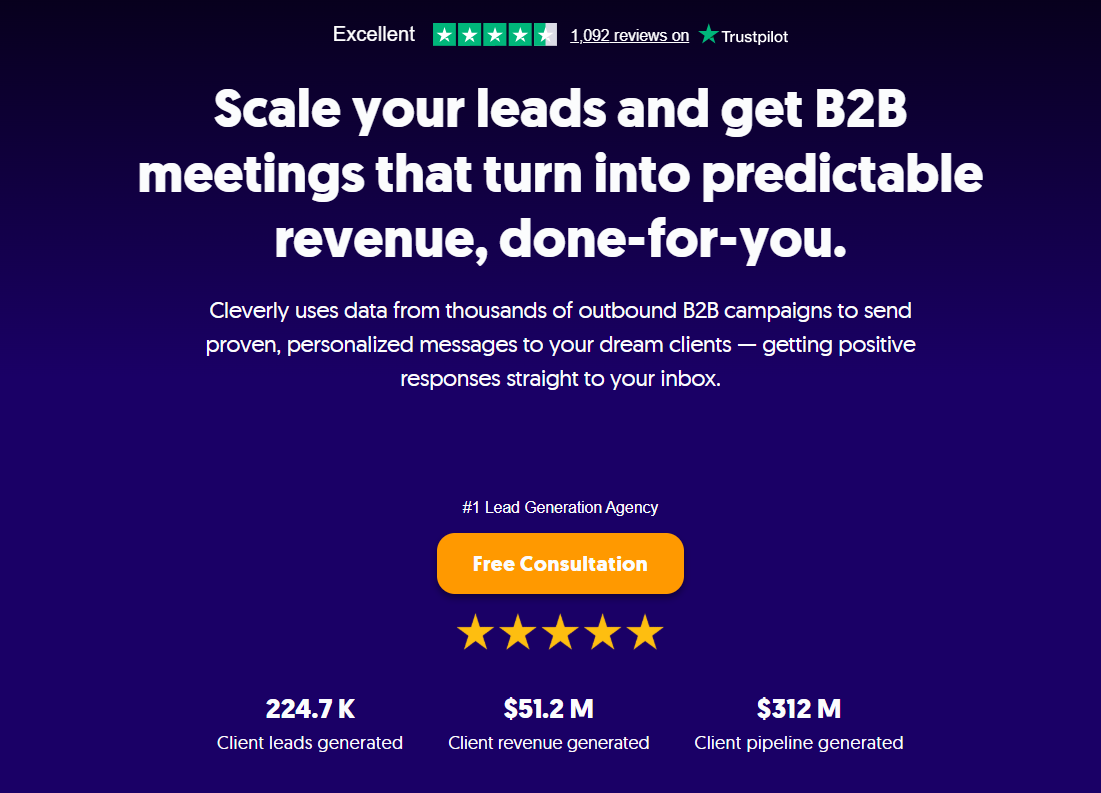
We've generated $312 million in pipeline revenue and $51.2 million in closed revenue for clients like Amazon, Google, Uber, PayPal, Slack, and Spotify.
Here's what you get:
- Custom campaigns built around your ICP and messaging.
- Multi-channel sequences across LinkedIn and email.
- Professional copywriting that actually gets responses.
- You only pay for meeting-ready leads we send you (cold email).
- LinkedIn services starting at just $397/month.
No guesswork. No wasted budget on unqualified leads. Just qualified prospects showing up on your calendar.
Our $5M Cold Calling System
Want 10-30 qualified sales calls every month? Guaranteed?
We handle everything:
- No-accent appointment setters placed on your team.
- Rigorous training to go live in 2 weeks.
- Breakthrough call scripts written specifically for your offer.
- Data, tech, and power dialer all included.
- Half the cost of building this in-house.
- Guaranteed appointments or we replace your SDR.
We've made 1 million+ cold calls, set 53,000+ appointments, and generated $312 million in pipeline using this exact system.
You get the meetings. We handle everything else.
Ready to scale your pipeline without scaling your headcount? Let's talk!
Frequently Asked Questions
Free Resource
How to Scale a Profitable Cold Call System
Get the complete guide — download it instantly now.
Free Ebook
Download the Free Guide
Enter your details to get instant access.
You're all set! 🎉
Your ebook is downloading now.
Click below if the download didn't start automatically.