

Table of Contents
What Is B2B Lead Generation (And Why Most Teams Get It Wrong)?
Outbound B2B Lead Generation Ideas
Inbound B2B Lead Generation Ideas
Hybrid & Technology-Driven B2B Lead Generation Ideas
How to Choose the Right B2B Lead Generation Ideas for Your Business
How Cleverly Helps B2B Companies Generate Qualified Leads — Without Building It All In-House
Conclusion
Frequently Asked Questions
Modified On :
April 15, 2026
Key Takeaways
- Generating quality leads is the top challenge. Marketing leads never convert to sales, pointing to a qualification and strategy problem, not an effort problem.
- Outbound remains the fastest path to pipeline, but only when paired with the right data, channel, and messaging — generic blasts no longer get through.
- Multichannel sequences combining email, LinkedIn, and calls achieve 40%+ reply rates vs. 8–12% for single-channel email — the channel mix is the multiplier.
- Inbound tactics like SEO and gated content build long-term pipeline at a fraction of the cost of outbound — but take 6–12 months to compound.
- The highest-performing B2B lead generation teams in 2026 build systems, not campaigns — clean data, repeatable processes, and continuous iteration beat one-off tactics every time.
Volume doesn’t fix bad targeting, but most B2B teams act like it does.
61% of marketers say generating quality leads is their top challenge, yet 79% of marketing leads never convert to sales due to poor nurturing and qualification. That gap between activity and outcome is where most B2B lead generation strategies quietly break down.
What's changed in 2026 is the buyer. 58% of B2B buyers now prefer to engage with sales reps only after conducting their own research online — meaning your outreach either lands in context or it lands in the trash.
This guide covers 25 proven B2B lead generation ideas across outbound, inbound, and hybrid channels — organised by approach and backed by real agency data.
Whether you're a founder trying to build your first pipeline or a sales manager trying to scale what's working, there's something here you can do this week.
What Is B2B Lead Generation (And Why Most Teams Get It Wrong)?
B2B lead generation is the systematic process of identifying, attracting, and converting potential business buyers into qualified prospects — people who fit your ICP and have a reason to buy what you sell.
The key difference from B2C? B2B involves longer sales cycles, higher deal complexity, and an average of 6–8 stakeholders involved in purchasing decisions. You're not convincing one person to click buy. You're earning trust across a buying committee — often over months.
The most common mistake teams make is chasing raw lead volume instead of qualified pipeline.
500 ideal-fit accounts with a 20% SQL conversion rate will outperform 10,000 poorly targeted contacts at 1% — every single time. More contacts is not the answer. Better targeting is.
The shift that matters in 2026:
- From passively waiting for inbound to actively identifying in-market buyers.
- From single-channel blasting to coordinated multichannel sequences.
- From vanity metrics (impressions, opens) to pipeline metrics (SQLs, booked meetings).
Getting this right starts with understanding which lead generation ideas for B2B actually match how your buyers research and make decisions.
👀 Steal What’s Working (Without Doing It Yourself)
$312M pipeline generated across outbound channels. We build, run, and scale your lead gen—you just close.
Outbound B2B Lead Generation Ideas
Outbound remains the fastest way to build a pipeline when executed with the right data, messaging, and channel mix. These are the ideas delivering real results in 2026.
1) LinkedIn Outreach to Decision-Makers
LinkedIn is cited as 277% more effective than Facebook and X combined for B2B lead generation, and it's easy to see why — it's the only platform where your ICP is actively thinking about work when they're scrolling.
What works in 2026: Authentic engagement with a prospect's content before sending a connection request, followed by value-led messaging sequences — not immediate pitches. The sequence matters more than the message.
Best for: Hyper-targeted ICPs, high-ticket solutions, and founder-led sales where trust drives conversion. LinkedIn's 500 connection request limit per month forces the discipline of niche focus and strong positioning — which is actually a feature, not a bug.
2) Cold Email Outreach at Scale

Cold email is still the fastest channel for reaching a large qualified audience when your TAM is sizable and your offer is proven. The problem isn't the channel — it's how most teams execute it.
What works in 2026: Hyper-targeted lists of 100–200 ideal prospects, personalised first lines, emails under 120 words, and 4–7 touch sequences spaced 3–4 days apart. The average cold email response rate sits at 5.1% across industries — but teams with tight targeting, verified cold email lists, and strong personalisation consistently outperform that benchmark.
What kills cold email: Buying cheap lists, skipping domain warmup, ignoring bounce rates, and treating it as a set-and-forget tool. The technical foundation (SPF, DKIM, DMARC, warmup) is non-negotiable before any copy matters.
3) Cold Calling for Direct Appointment Setting
Cold calling is still the fastest channel for direct qualification and meeting booking — when done with strong data and skilled SDRs. It's not dead. It's just overused by teams with bad lists and no training.
What works in 2026: Pairing cold calls with prior email or LinkedIn touchpoints to warm the prospect before the call arrives. A call that follows a LinkedIn connection request and an email isn't cold — it's the third touch in a coordinated sequence.
Cold calling works best for decision-makers unreachable via email or LinkedIn — blue-collar buyers, local business owners, or operationally-focused roles that don't live in their inbox. It's the highest-effort channel, so reserve it for high-value deals where speed of qualification justifies the investment.
4) Multichannel Outbound Sequences (Email + LinkedIn + Call)
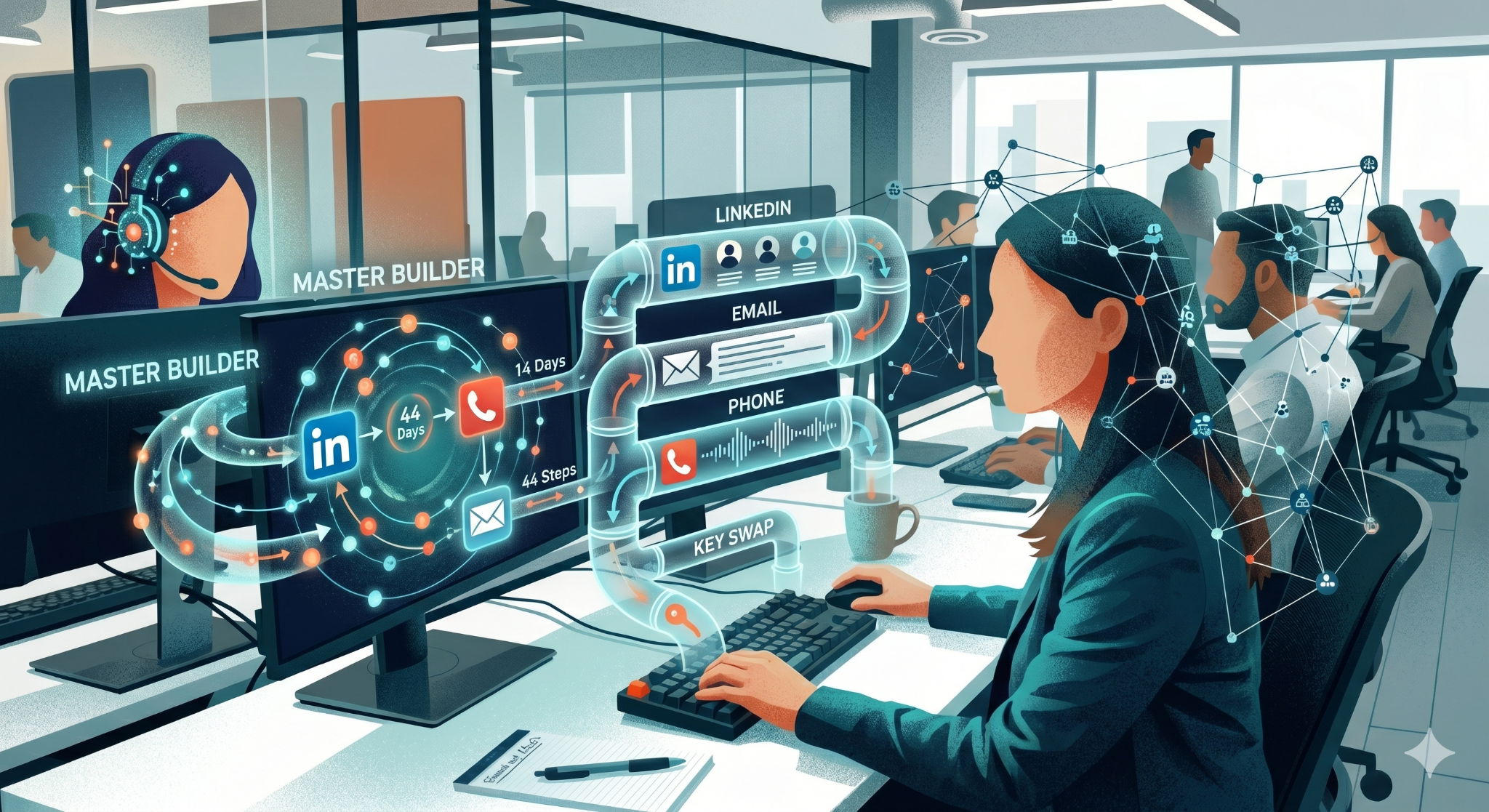
This is the highest-performing outbound approach in 2026, and it's not particularly close. Intent-driven, multichannel outreach generates 40% shorter sales cycles and 3x more qualified opportunities compared to single-channel approaches.
How to sequence it:
- LinkedIn engagement first (comment on a post, view profile)
- Personalised email — day 2
- Follow-up email — day 5
- LinkedIn message — day 8
- Call — day 11
Each touchpoint adds new value. It doesn't repeat the same ask in a different format. The goal is to feel like a relevant peer, not a persistent salesperson.
5) Account-Based Marketing (ABM) Outreach
ABM flips the standard outbound model. Instead of casting wide, you define a precise list of high-value accounts and coordinate outreach across every stakeholder in the buying committee.
Why it works in 2026: AI-driven lead scoring has increased the accuracy of lead qualification by 40%, making account selection sharper and faster. You're no longer guessing which accounts are in-market — the data tells you.
Best for: Enterprise deals, long sales cycles, and high-LTV solutions where the investment in account-level personalisation pays off. When a single closed deal justifies months of coordinated outreach, ABM math works in your favour.
6) Intent Data-Driven Outreach
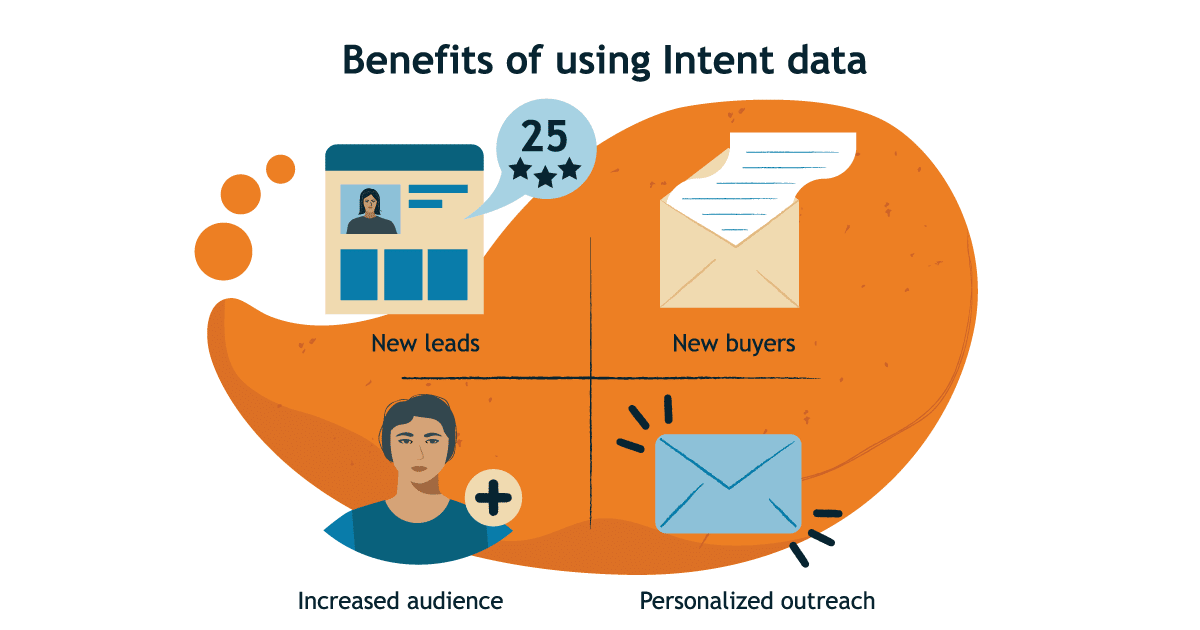
Intent data identifies companies actively researching solutions like yours — giving you the ability to reach buyers at exactly the right moment instead of interrupting them before they care.
Two types to know:
- First-party intent: Your website visitors, content downloads, page views — signals from people who've already found you.
- Third-party intent: Tracked across the broader web via platforms like Bombora, G2 Buyer Intent, and Apollo intent signals.
62% of marketers state that using intent data significantly improves lead quality and conversion rates. The practical advantage is simple: you're reaching buyers when they're already looking, not pitching into the void.
7) Personalised Video Outreach
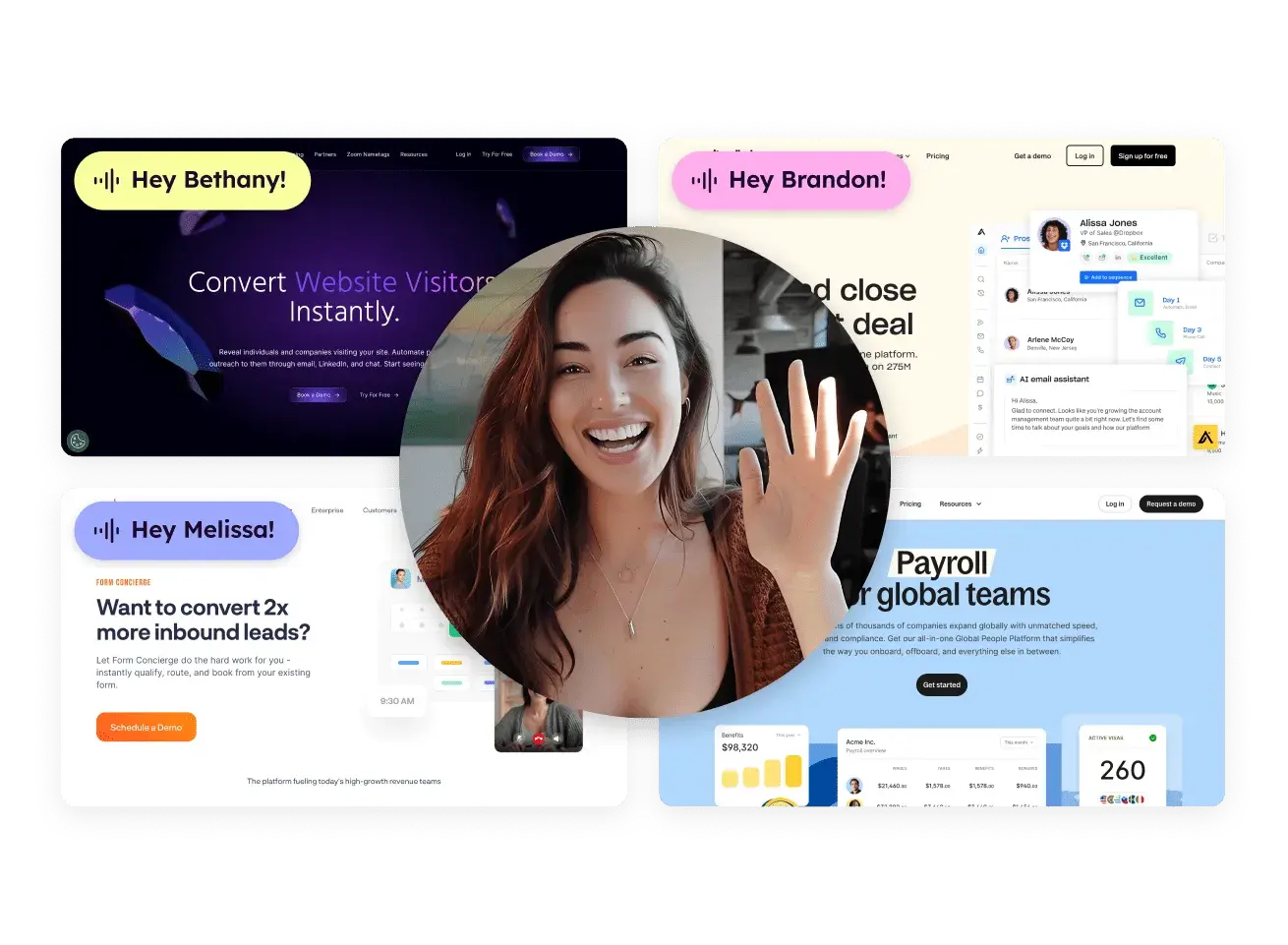
A 60–90 second personalised video sent via LinkedIn DM or email stands out in any crowded inbox. It's not scalable at mass volume — but for your top 50 target accounts, it's one of the highest-converting touches available.
What to include: Reference the prospect's company, a specific pain point you noticed, and one clear next step. Keep it under 90 seconds. Use tools like Loom or Vidyard.
Use personalised video as a follow-up touchpoint in a multichannel sequence — not a cold opener. It hits hardest once the prospect already knows who you are.
8) Event & Conference Follow-Up Outreach
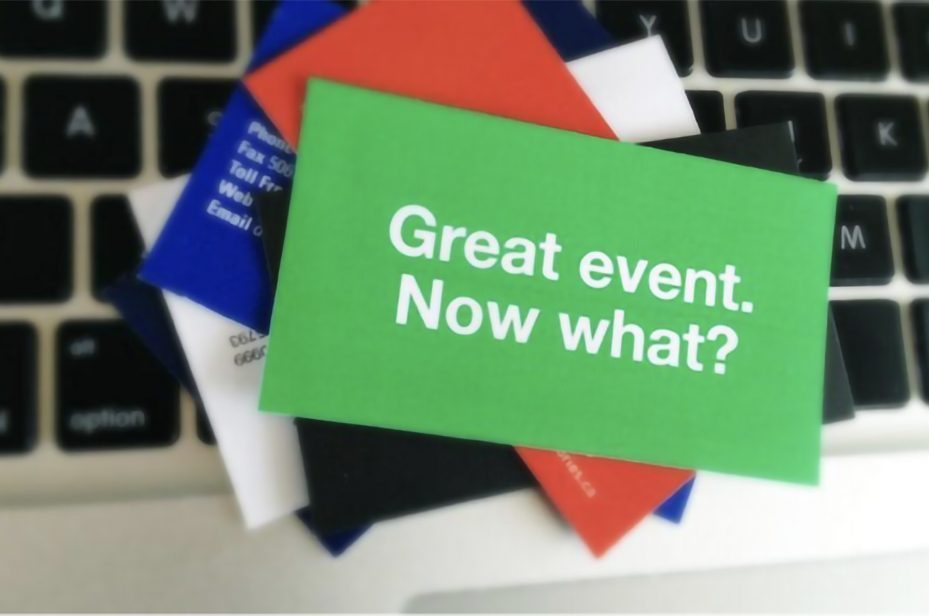
Attendee lists from industry events are pre-warmed, high-intent lead sources — significantly better than cold prospect lists. The challenge is that most teams waste them with generic post-event blasts.
What actually works: Pre-book meetings before the event starts. Train booth staff to qualify on the spot. Follow up within 48 hours with outreach that specifically references a conversation, the event, or a shared session. Timeliness is everything here — the follow-up window closes fast.
9) Partner & Referral-Based Lead Generation
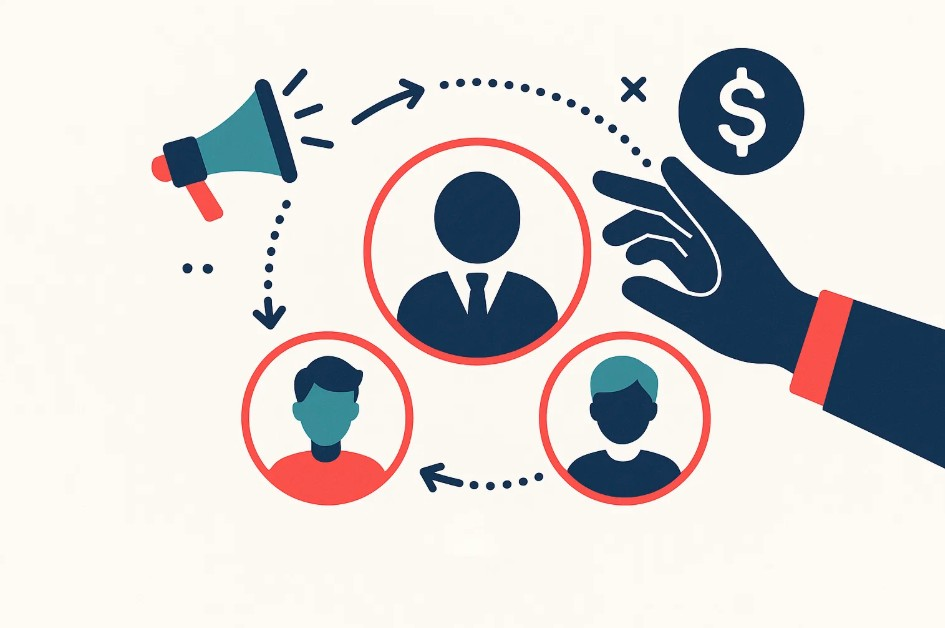
Referral leads close at higher rates and shorter cycles than any outbound channel — because trust is already established. The problem is most companies treat referrals as a nice-to-have rather than a managed system.
How to build it intentionally:
- Identify non-competing partners serving your exact ICP
- Create a formal referral process with tracking and incentives
- Host joint webinars or co-marketing campaigns to generate shared pipeline
A strong partner network generates leads on an ongoing basis with minimal effort once the relationships are in place. Lower volume, but the highest close rates of any lead source.
Inbound B2B Lead Generation Ideas
Inbound tactics build long-term pipeline by attracting buyers who are already researching solutions. Slower to start, but highly cost-efficient at scale — and the leads are warmer when they arrive.
10) SEO-Driven Content Marketing
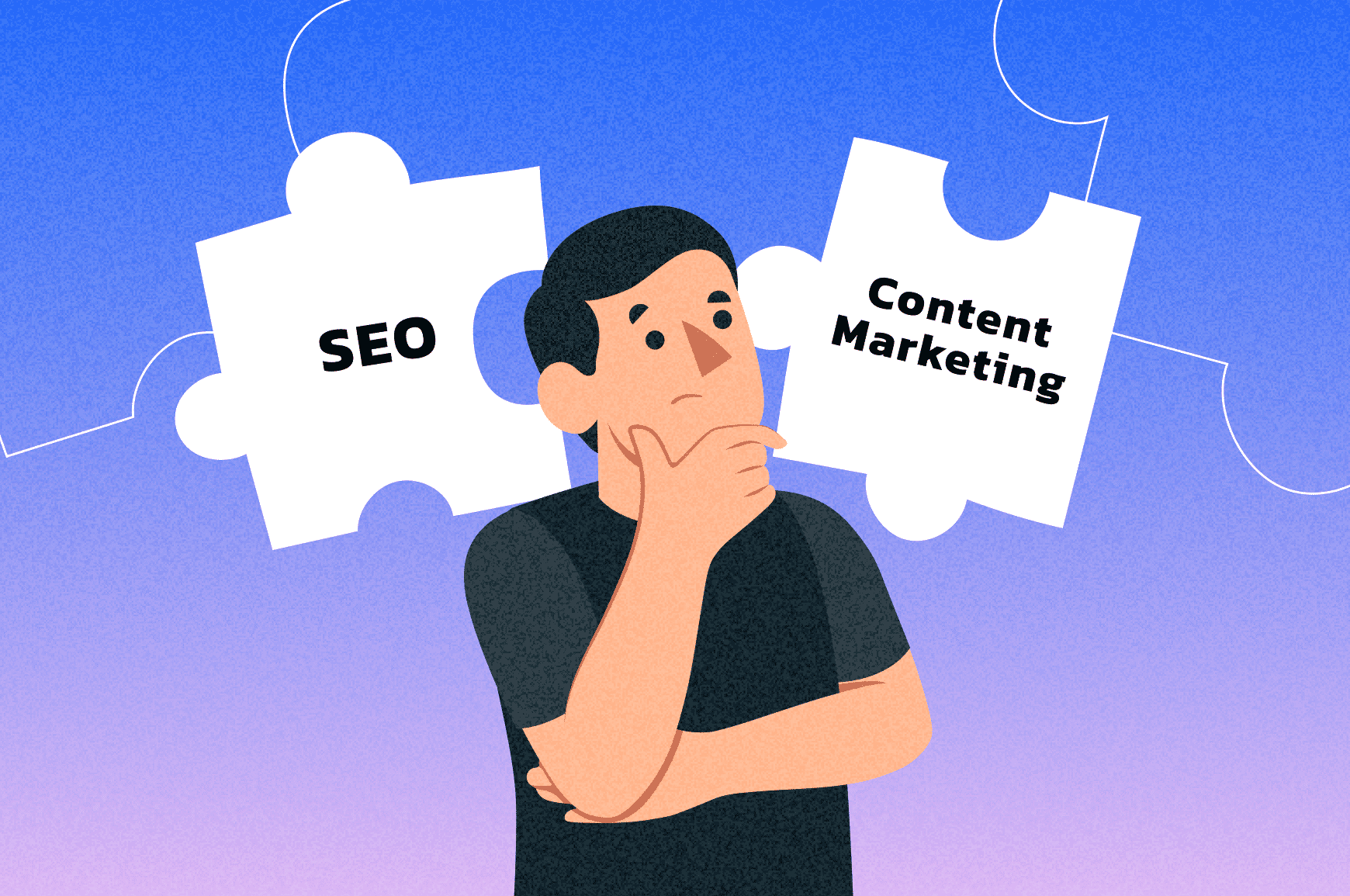
Content that doesn't match what buyers are actually searching during their research phase doesn't generate pipeline — it generates pageviews that go nowhere.
What works in 2026: Bottom-of-funnel content — comparison pages, "best X for Y" guides, alternative pages — that captures buyers when they're close to a decision. 72% of B2B buyers say blog posts are the most valuable format at early stages of the buyer's journey, and the teams winning search are producing specific, data-backed, use-case content — not AI-generated summaries of what everyone else already said.
Key shift: AI-generated content has flooded the SERP. Original data, expert POVs, and proprietary insights are what differentiate high-ranking pages now.
11) Gated Content & Lead Magnets
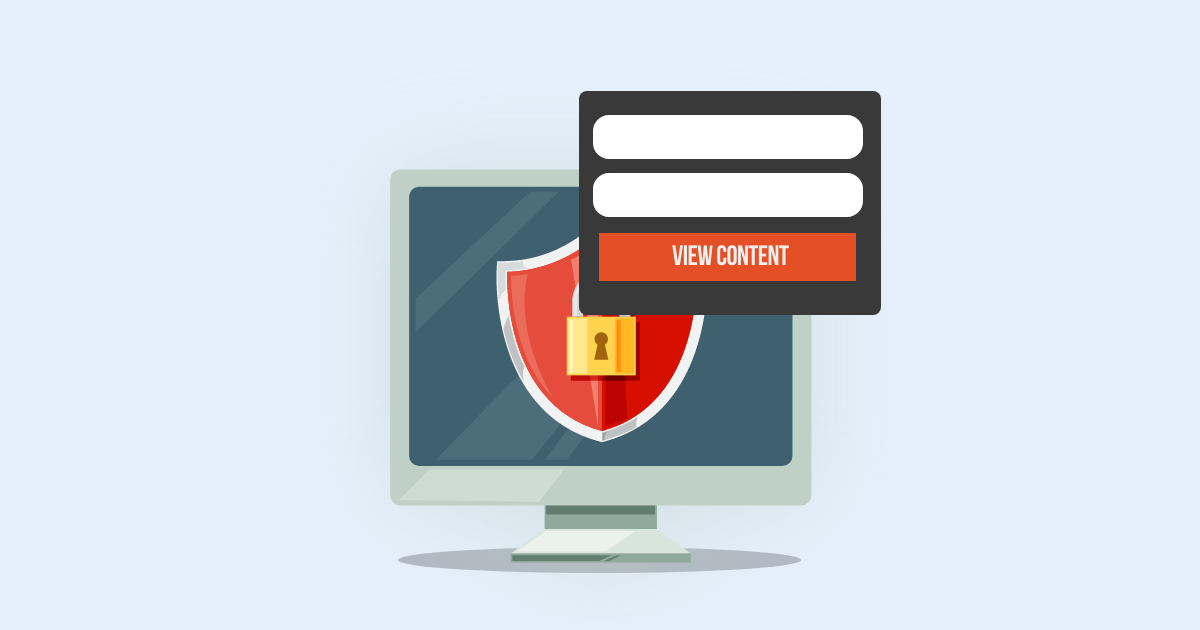
High-value gated assets — research reports, ROI calculators, templates, playbooks — convert anonymous website traffic into identifiable, qualified leads.
What works in 2026: Gating assets that solve a specific, immediate problem for a defined ICP. Not generic industry content. Not a PDF your team threw together in an afternoon.
Upgrade your gate with qualifying questions — company size, role, current challenge — to score leads at the point of download. Then track engagement inside the asset, not just downloads. A lead who spent 12 minutes inside your ROI calculator is not the same as someone who downloaded and never opened it.
12) Webinars & Virtual Events

Webinars generate high-intent leads because attendees self-qualify by investing time. 78% of B2B marketers say webinars work best for middle-funnel lead generation.
Three formats that work:
- Use-case webinars featuring real client results (conversion-focused)
- Industry trends webinars (thought leadership, TOFU)
- Product demo webinars (bottom-of-funnel, close to decision)
Co-hosting with a complementary partner doubles your audience without doubling the effort. Most importantly — have a structured follow-up sequence ready to deploy within 24 hours of the event. That's where most post-webinar pipelines get lost.
13) SEO-Optimised Landing Pages for High-Intent Keywords
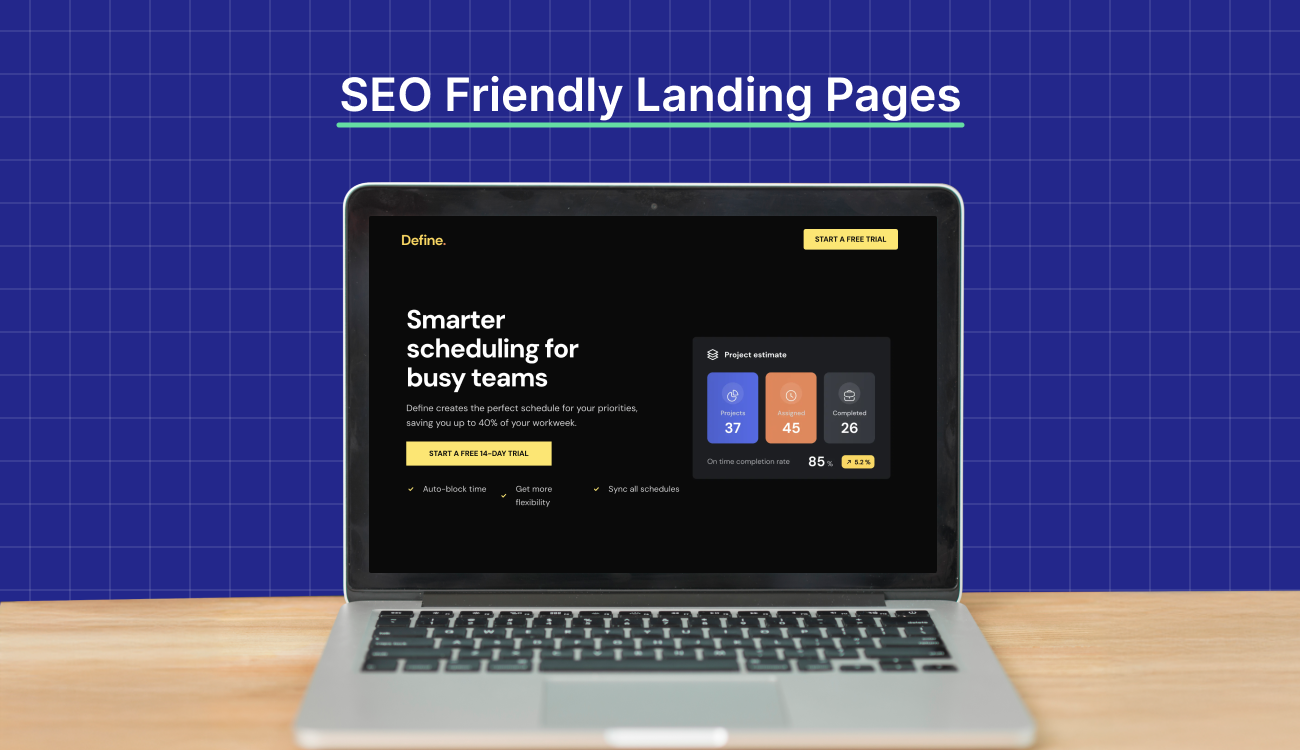
Dedicated landing pages targeting high-intent keywords — "best [solution] for [industry]", "[competitor] alternative" — capture buyers who are close to a decision and actively comparing options.
These are different from blog posts. Landing pages are built to convert, not educate. The winning formula in 2026: strong keyword targeting combined with case study snippets, G2/Trustpilot ratings, and a low-friction CTA (demo, free audit, strategy call) above the fold.
14) Free Tools & Interactive Content
Free calculators, assessments, and diagnostic tools attract highly relevant visitors and convert them into leads by delivering immediate value. 82% of B2B buyers prefer interactive content like quizzes, assessments, and ROI calculators, and interactive tools generate roughly 2x more conversions than passive content.
Best practice: Gate the results behind an email capture. The visitor gets value — you get a qualified lead with built-in intent data. An ROI calculator that shows a prospect their potential return is one of the highest-converting lead magnets in B2B.
15) Review Site & G2/Trustpilot Presence
B2B buyers research vendors on G2, Capterra, and Trustpilot before making decisions. A strong review profile generates inbound leads on autopilot — no ad spend required.
What to optimise: Complete profile, verified reviews, responses to negative feedback, and current feature listings. Systematically request reviews at peak satisfaction moments — successful onboarding, a positive outcome, a renewal. Buyers trust peer reviews over anything you produce yourself.
16) LinkedIn Organic Content & Thought Leadership
Decision-makers who have engaged with your content before receiving outreach convert at significantly higher rates than cold prospects. Warm beats cold — every time.
What performs in 2026: Founder-led content, specific and contrarian takes, behind-the-scenes data posts, and client results. Not industry reposts. Not generic tips. LinkedIn is deeply embedded in B2B lead generation workflows, with nearly three-quarters of marketers using it at least weekly.
Use content engagement signals — likes, comments, profile views — to identify warm prospects and trigger personalised connection requests. That's the content-to-outreach flywheel.
17) Podcast & Video Content for Brand Authority
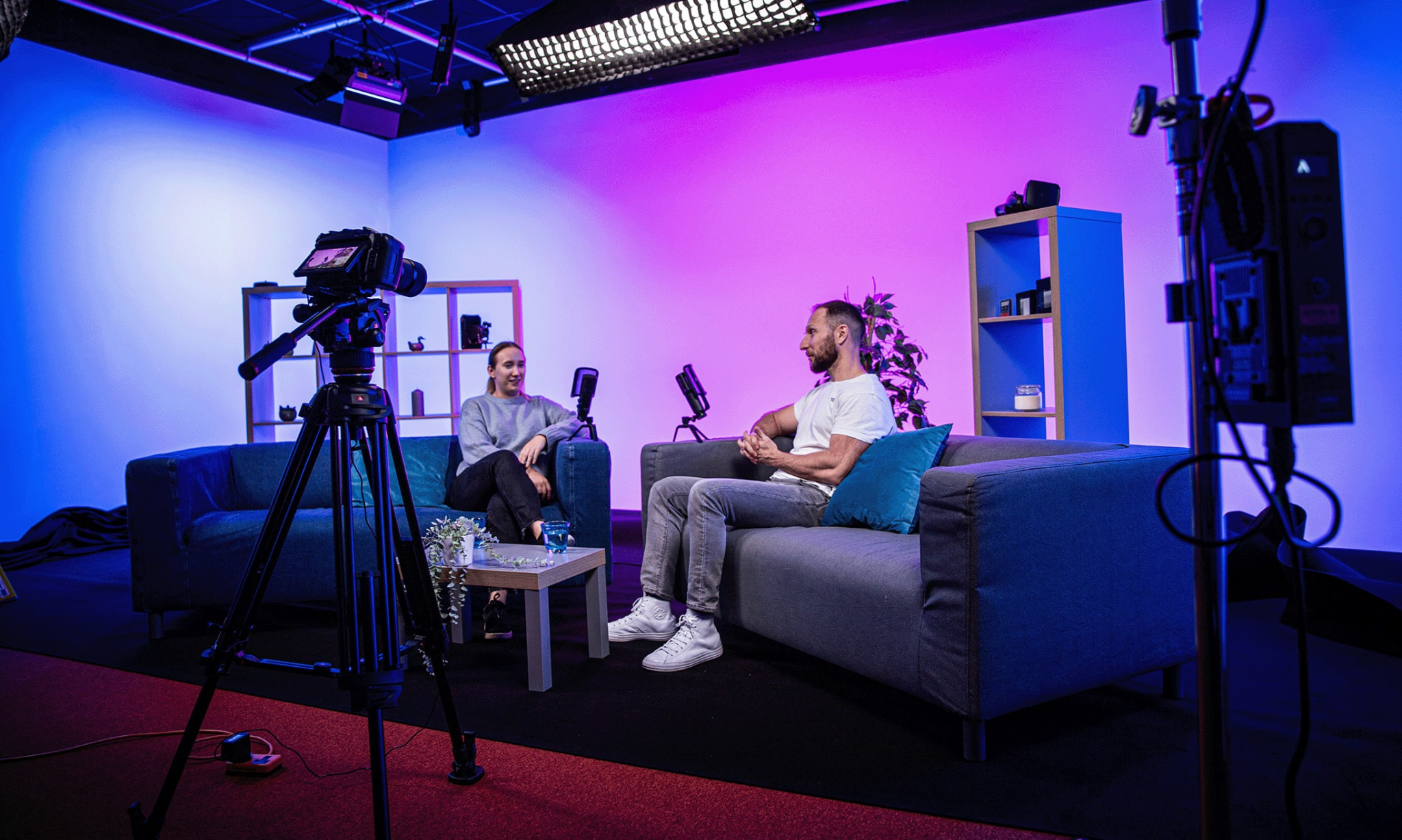
88% of marketers report that videos help them bring in new opportunities, while 84% say the format directly increases sales. Decision-makers consume it during research phases — which means it's warming prospects before your outreach ever arrives.
Host or guest on industry podcasts to build trust with a pre-qualified, self-selected audience. Repurpose each recording into clips, quote cards, and short-form posts to extend reach across channels. Prospects who've heard your perspective before receiving a connection request respond at measurably higher rates.
🚀 Ideas Are Easy. Pipeline Isn’t.
We execute LinkedIn, cold email & cold calling—end to end. You get qualified meetings. We do the work.
Hybrid & Technology-Driven B2B Lead Generation Ideas
These tactics combine inbound signals with outbound action. The highest-performing lead generation B2B ideas in 2026 bridge that gap — turning passive interest into active pipeline.
18) Website Visitor Identification
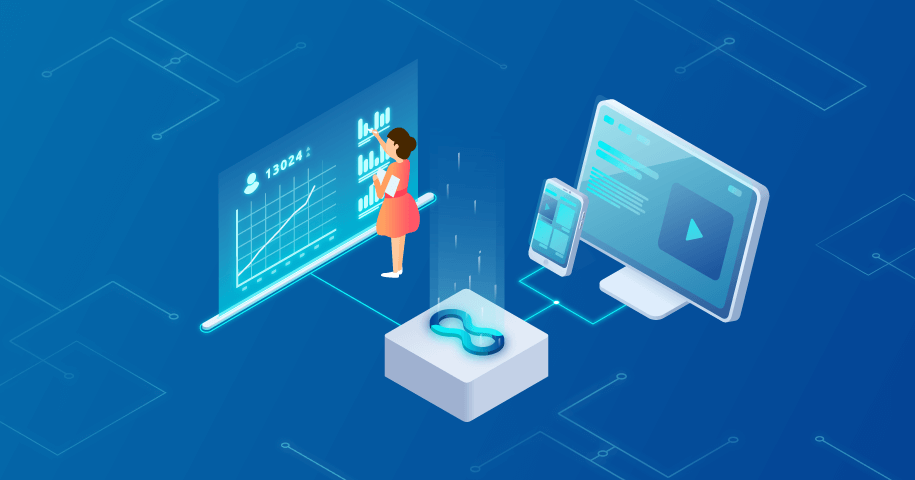
Only 2% of B2B website visitors fill out a contact form. The other 98% leave without a trace.
Website visitor identification tools — Leadinfo, Leadfeeder, Clearbit Reveal, RB2B — reveal which companies are browsing your site, which pages they viewed, and how long they spent. That's a warm, intent-rich outreach list generated from traffic you're already paying for.
How to action it: Push identified companies into your CRM or Slack in real time, then route to your SDR team for same-day personalised outreach. The faster the follow-up after a high-intent visit, the higher the conversion rate.
19) AI-Powered Prospect Research & Personalisation
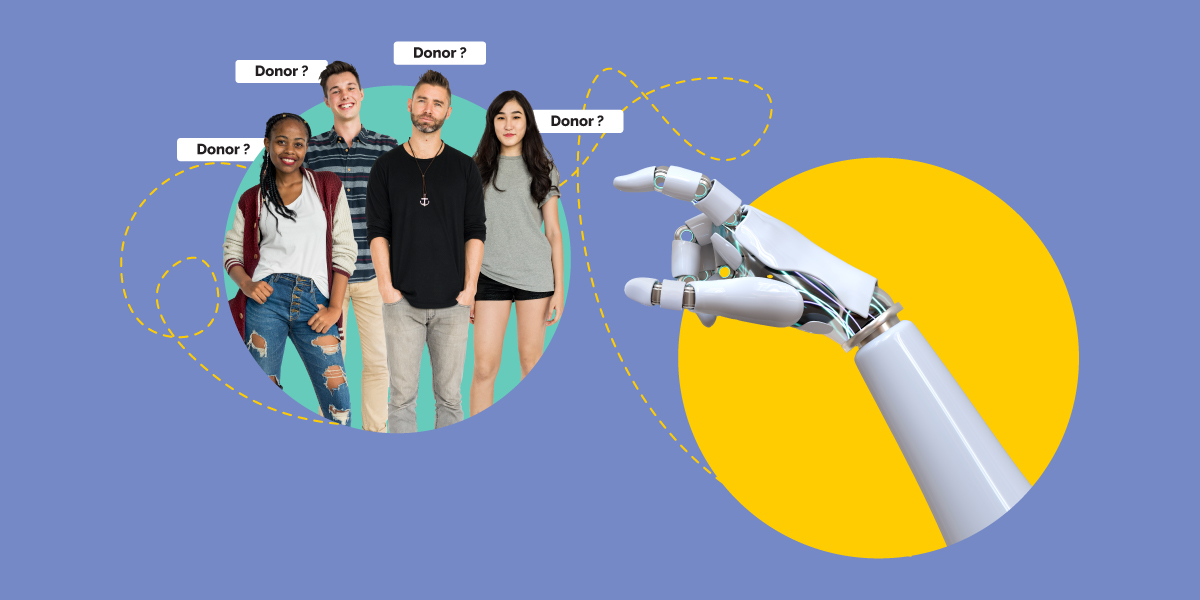
AI tools now analyse company news, hiring patterns, tech stack, and social activity to identify ideal prospects and surface the most relevant personalisation angle — at scale.
What this enables: Hyper-personalised first lines without the manual research time per contact. A company posting multiple DevOps job listings signals scaling infrastructure — relevant for any SaaS tool in that space.
Key principle: Use AI to identify the right signal, then have a human write the message. 67% of B2B companies now use AI to analyze customer behavior and predict buying intent, but fully AI-generated outreach is easy to detect and easy to ignore.
20) Lead Scoring with Enrichment Data
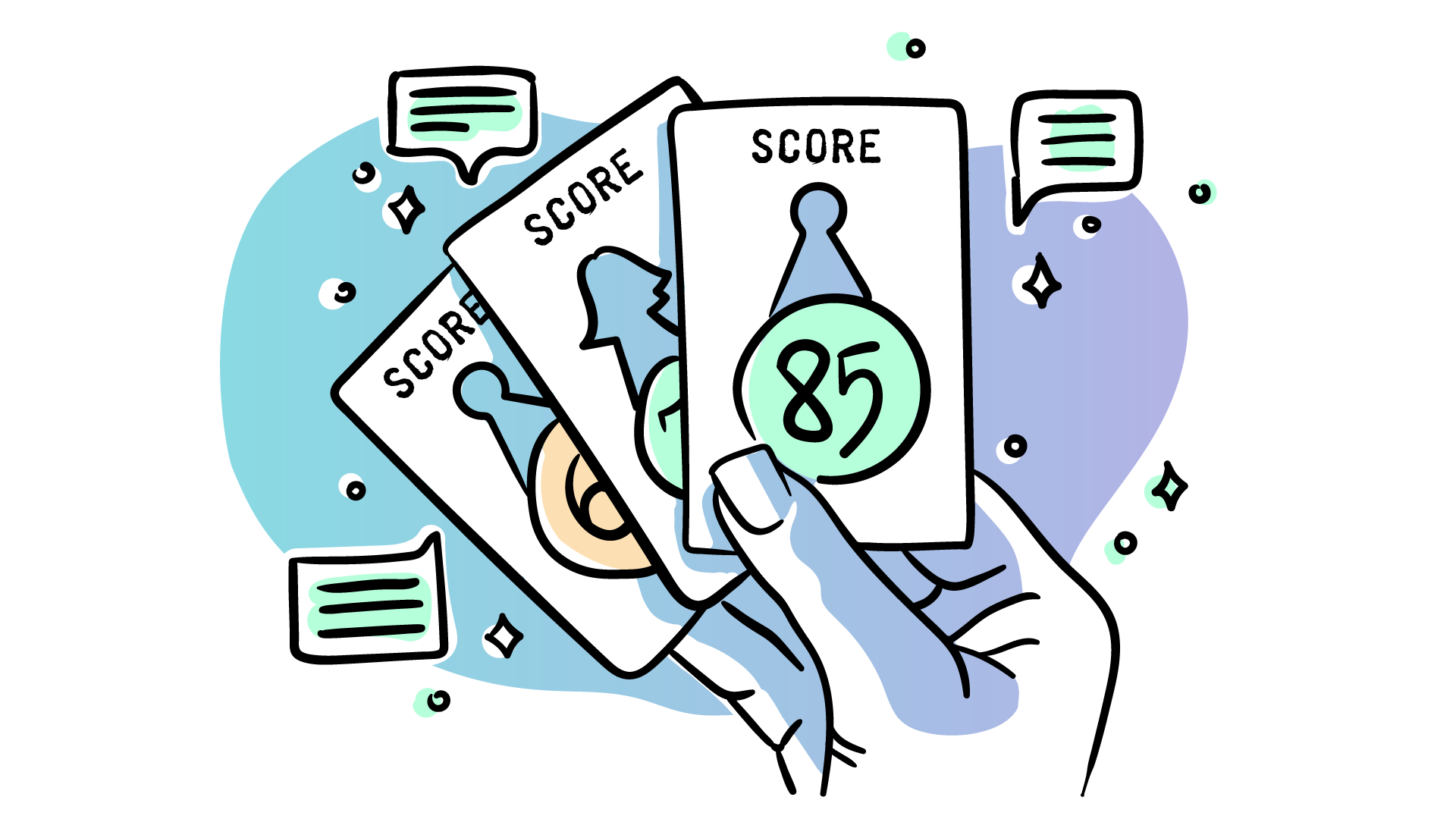
Lead scoring assigns priority based on two factors: fit (does this match the ICP?) and engagement (have they opened emails, visited key pages, downloaded content?).
The mistake most teams make: Scoring based on engagement alone. A highly engaged lead that doesn't fit the ICP is still a bad lead — and sending it to sales wastes everyone's time.
Practical setup: Define your top 5 ICP criteria, assign points to each, then layer engagement signals on top. SDRs should only work leads above a defined score threshold. This alone can dramatically improve the quality of meetings your team is having.
21) Retargeting Campaigns (LinkedIn & Google)
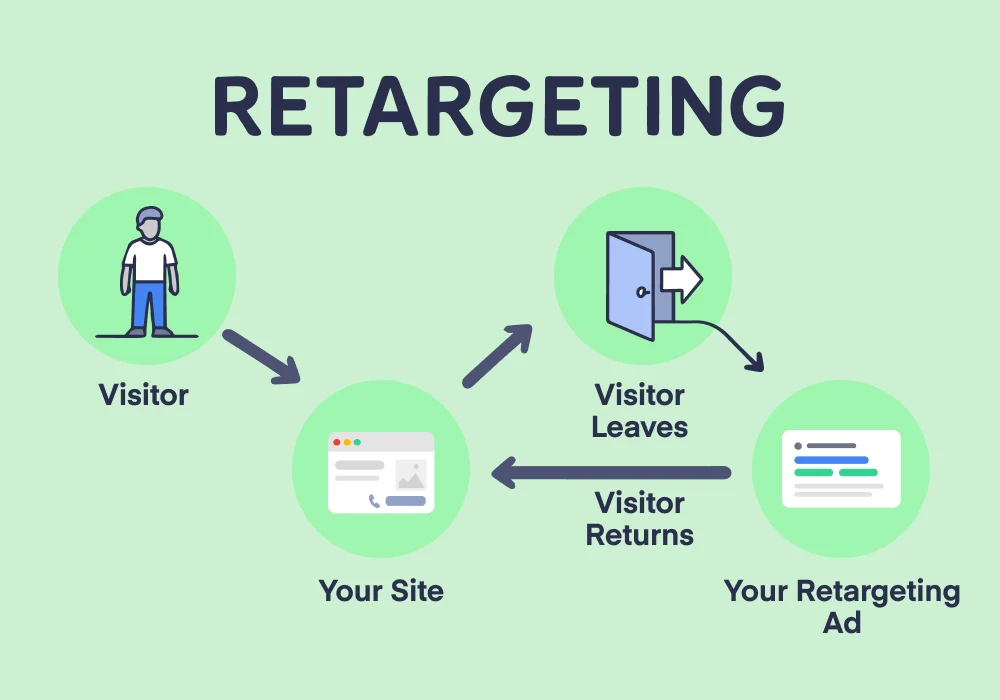
Retargeting keeps your brand in front of prospects who've already shown interest — without requiring them to raise their hand again. Most B2B buyers require multiple touchpoints before making a decision, and retargeting automates several of those at very low cost.
LinkedIn retargeting: Build audiences from website visitors, video viewers, and lead gen form openers. Serve them case studies, social proof, and demo CTAs.
Google retargeting: Display ads that follow prospects across the web after they visit high-intent pages — pricing, solutions, comparison pages. Best used as a supporting layer alongside outbound, not a standalone strategy.
22) AI Chatbots for 24/7 Lead Capture
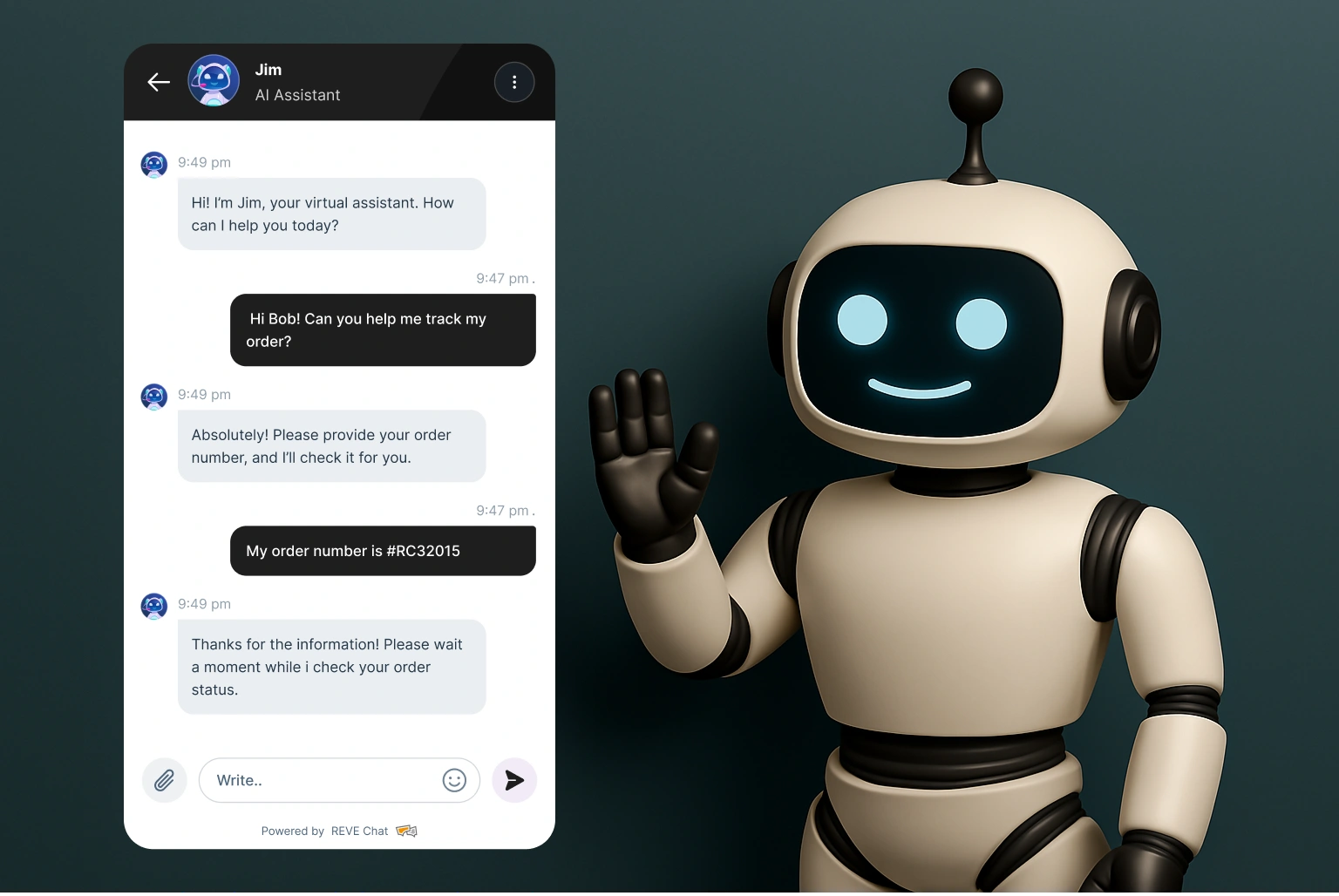
AI chatbots engage website visitors around the clock, answer qualifying questions, and capture lead details — acting as an always-on SDR on your highest-traffic pages.
Best placement: Homepage, pricing page, and high-intent landing pages where visitors are closest to a decision. Configure ICP-qualifying questions (company size, role, challenge), instant demo booking, and routing logic to send hot leads directly to sales.
2026 upgrade: Train your chatbot on your full content library so it can answer specific product and use-case questions. It becomes a micro search engine for your prospects — and a lead capture machine running 24/7.
23) Cold Email Infrastructure as a Lead Gen Asset
Most teams treat cold email as a tactic. The highest-performing teams treat it as a managed infrastructure asset.
What this means in practice: Dedicated sending domains, systematic warmup, verified lists refreshed regularly, A/B tested sequences, and email deliverability monitoring as an ongoing discipline — not a setup you do once and forget.
The compounding return is real: a well-maintained cold email infrastructure improves deliverability over time, lowering cost-per-meeting as campaigns scale. The best copy in the world won't save a campaign running on broken infrastructure.
24) Community-Led Lead Generation
Building or participating in communities — Slack groups, LinkedIn groups, industry forums — puts your brand in front of a highly targeted, self-selected audience that has already opted into the topic.
How to generate leads from communities: Contribute genuine value consistently — answer questions, share original data, facilitate discussions — before making any ask. Community-led warm leads convert at higher rates than cold outreach because trust is established through repeated exposure.
Long-term play: build your own community around a specific niche. The brand authority and lead flow compound significantly over 12–18 months. Low volume early, very high quality at scale.
25) Strategic Use of First-Party Data for Ongoing Lead Nurture
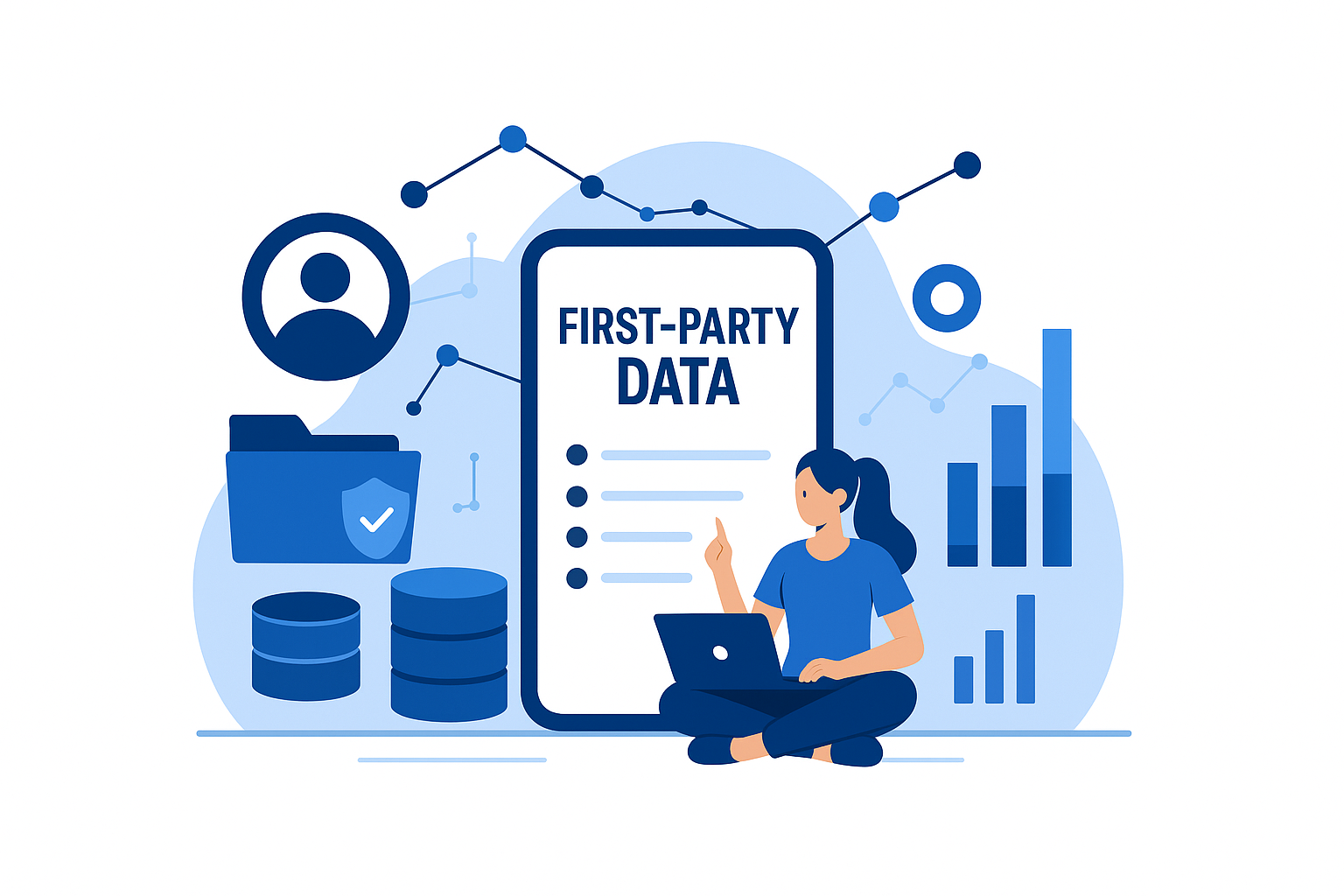
Third-party cookies are disappearing. First-party data collection has become the leading response to data privacy challenges, and it's the most valuable lead gen asset a B2B company can build in 2026.
How to use it: Segment contacts by behaviour and ICP fit, then run targeted nurture sequences that deliver relevant content at each stage of the buying journey. Your competitors don't have access to your first-party data — that's the compounding advantage.
Practical starting point: Install visitor identification on your website, gate high-value content, and ensure every event, webinar, and outbound campaign feeds contacts back into a structured CRM with engagement tracking.
How to Choose the Right B2B Lead Generation Ideas for Your Business
Not every idea on this list is right for every business. The best strategy depends on TAM, deal size, sales cycle length, internal resources, and how your buyers actually research.
A simple decision framework:
- Small TAM + high LTV → LinkedIn outreach and ABM
- Large TAM + proven offer → Cold email at scale
- Hard-to-reach roles → Cold calling
- Strong website traffic → Visitor identification + retargeting
- Strong content library → SEO + gated assets + nurture
The biggest mistake is launching 5+ tactics simultaneously before any one is optimised. Start with 2–3 that match your buyer's research behaviour. Test systematically. Expand once results are consistent.
What separates top-performing B2B lead generation teams isn't budget — it's repeatability. Clean data, documented processes, and continuous iteration beat one-off campaign launches every time.
How Cleverly Helps B2B Companies Generate Qualified Leads — Without Building It All In-House
Executing even 3–4 of the ideas on this list well requires expertise across data sourcing, copywriting, deliverability, channel management, and ongoing optimisation. Most in-house teams can't do all of this simultaneously — and the ones who try often spread themselves thin enough that none of it performs.
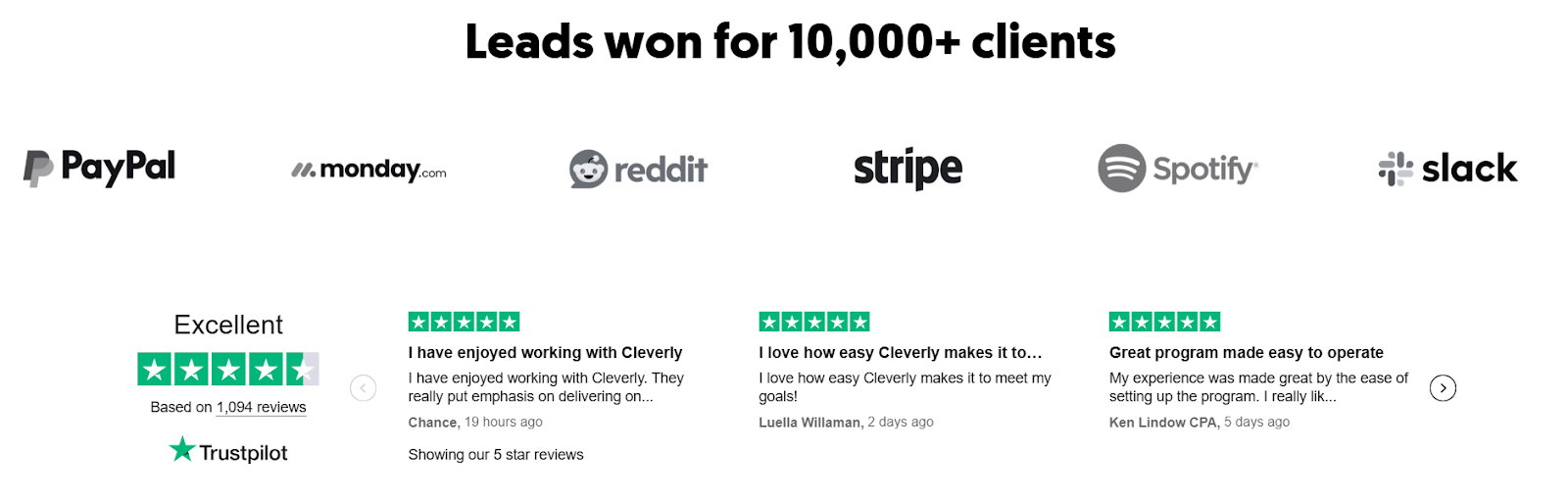
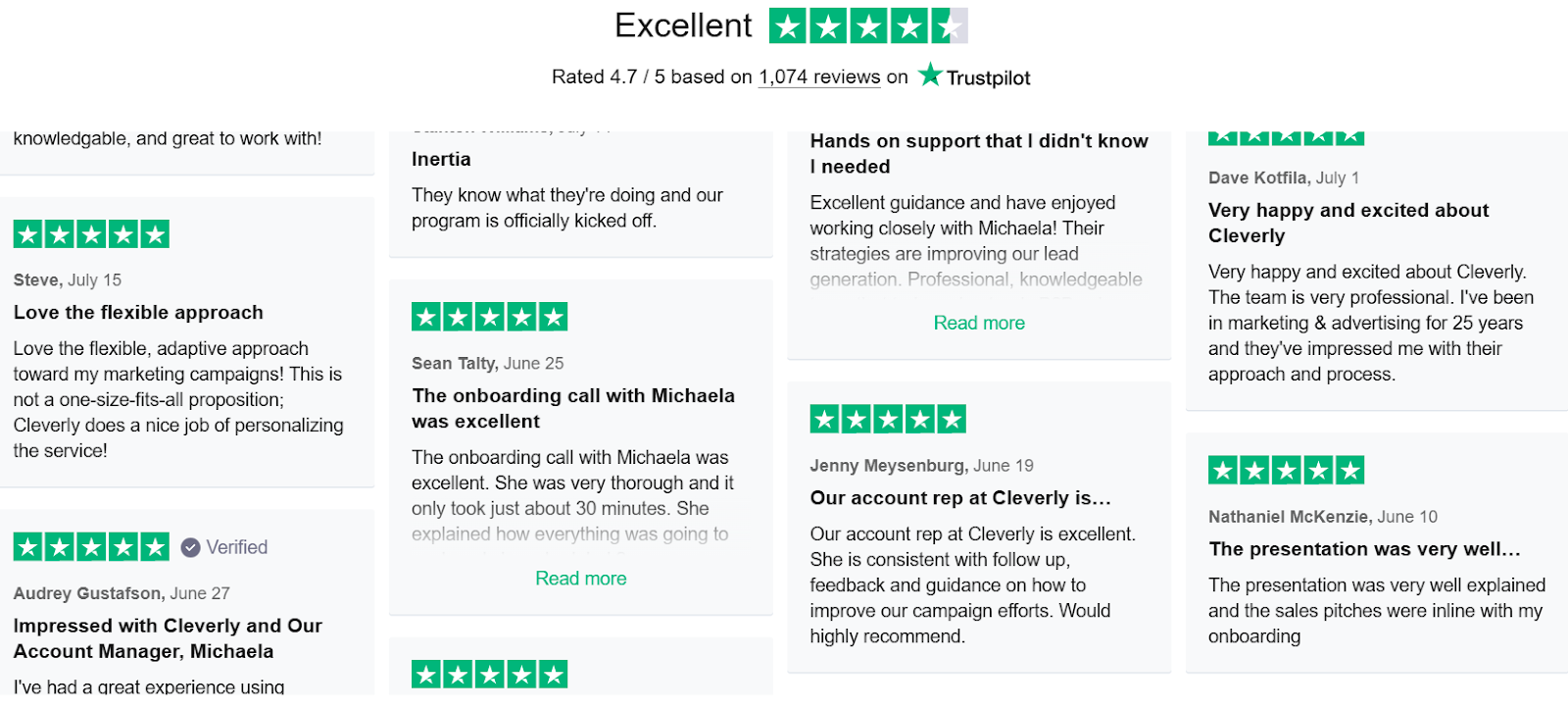
That's where Cleverly comes in. We're the highest-rated, 100% done-for-you B2B lead generation agency — trusted by 10,000+ companies including teams at Amazon, Google, Uber, Slack, and Spotify. We've generated $312M in pipeline across thousands of outbound campaigns.
What we handle end-to-end:
- LinkedIn Outreach — Starting at $397/mo. We handle ICP targeting, messaging, and outreach so your team wakes up to warm replies and booked meetings.
- Cold Email Outreach — Pay-per-performance model. Multi-source verified lists, tested sequences, full deliverability management. You only pay for meeting-ready leads we deliver.
- Cold Calling — Our $5M system books 10–30 qualified sales calls per month. Dedicated no-accent SDR, trained and live in 2 weeks. Guaranteed appointments or we replace the rep.
The difference between Cleverly and running these channels yourself isn't just the tools — it's the team operating them at a professional level, day in and day out. We focus on qualified meetings, not vanity metrics.
📞 Want a done-for-you B2B lead generation system built around your ICP and goals? Book a free strategy call with Cleverly.
Conclusion
B2B lead generation in 2026 isn't about doing more — it's about doing the right things with the right data for the right audience.
The 25 ideas in this guide cover every stage of the funnel and every major channel. But the most effective strategies combine outbound precision with inbound authority — and the teams winning consistently are ones with the clearest ICP, the cleanest data, and the most disciplined execution.
Pick 2–3 ideas that match how your buyers actually research. Build the infrastructure. Test what works. Then scale it.
Frequently Asked Questions
Free Resource
How to Scale a Profitable Cold Call System
Get the complete guide — download it instantly now.
Free Ebook
Download the Free Guide
Enter your details to get instant access.
You're all set! 🎉
Your ebook is downloading now.
Click below if the download didn't start automatically.


