Table of Contents
What Does "Increasing the Sales Pipeline" Really Mean?
Why Most B2B Sales Pipelines Plateau
Core Levers That Actually Increase a B2B Sales Pipeline
9 Proven Ways to Increase Your B2B Sales Pipeline
Sales Activities That Directly Impact Pipeline Growth
How to Measure Whether Your Sales Pipeline Is Actually Growing
How Cleverly Helps B2B Teams Increase Their Sales Pipeline
Conclusion
Frequently Asked Questions
Modified On :
July 26, 2026
Key Takeaways
- Increase sales pipeline through consistent systems, not random bursts of activity or one-time campaigns.
- Tighten your ICP and target accounts with clear buying triggers to improve pipeline quality over quantity.
- Use multichannel outreach (LinkedIn, email, calling) together because prospects respond on different platforms at different times.
- Focus 60% of outreach time on follow-ups since 80% of conversions happen after the 5th touch.
- Track pipeline coverage ratio, qualified opportunities added monthly, and deal velocity to measure real growth.
- Re-engage dormant opportunities from 6-12 months ago for 15-25% conversion rates with warm audiences.
Your sales team closed three deals last month. This month? One. Next month? Who knows.
If your B2B sales pipeline feels like a rollercoaster, you're not alone. Most B2B teams we work with face the same problem: they're chasing leads, but the pipeline stays unpredictable.
The truth is, more leads don't automatically mean a healthier pipeline.
We've seen companies generate thousands of contacts and still struggle to hit quota. Why? Because they're collecting names, not building a system that consistently fills their pipeline with qualified opportunities.
The difference between a struggling pipeline and a thriving one isn't effort. It's structure.
Random outreach bursts, scattered LinkedIn activity, and inconsistent follow-ups won't increase sales pipeline in a predictable way. You need repeatable methods that feed your pipeline every single week, not just when someone remembers to prospect.
We've helped over 10,000 B2B companies build consistent pipeline growth, and the pattern is clear: the teams that scale aren't working harder. They're working smarter with proven systems.
Let's walk through nine ways to increase your B2B sales pipeline that actually work, backed by real results and designed to give you predictable growth.
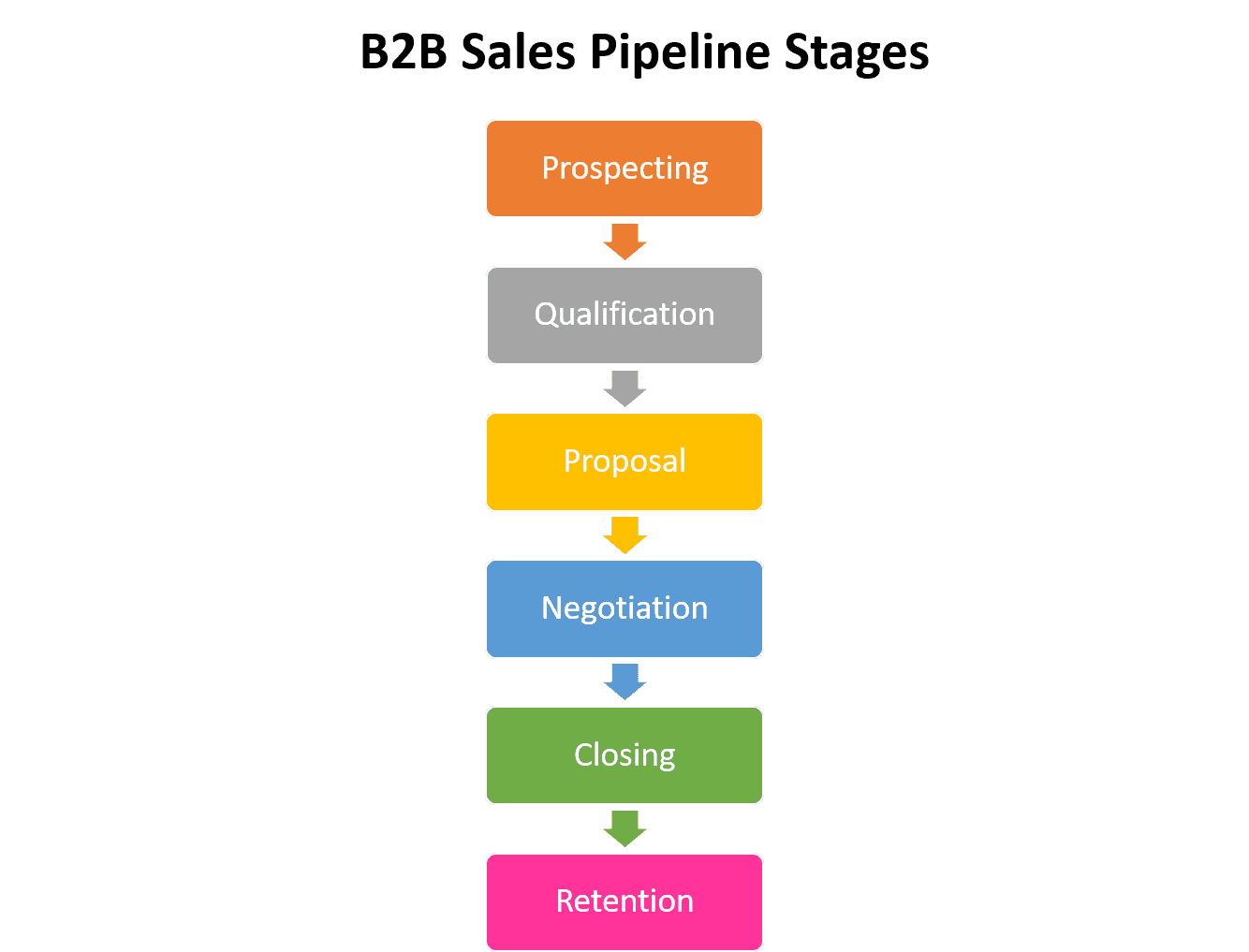
What Does "Increasing the Sales Pipeline" Really Mean?
Before we dive into tactics, let's get clear on what we're actually trying to build here.
Your sales pipeline isn't your lead list. It's not your closed revenue either. Your pipeline is the collection of active opportunities moving through your sales process, often tracked in CRM platforms like HubSpot. Think of it as the bridge between initial interest and signed contracts.
Here's where most teams get confused:
- Leads are potential contacts who might be interested.
- Pipeline is qualified opportunities actively being worked.
- Revenue is what hits your bank account after deals close.
When we talk about how to increase sales pipeline, we're focused on that middle layer. More qualified opportunities that your sales team can actually work and close.
Leading vs Lagging Indicators
Pipeline growth is a leading indicator. It tells you what's coming before it shows up in your revenue reports. If your pipeline is healthy today, your revenue will be healthy in 30, 60, or 90 days, depending on your sales cycle.
Revenue is a lagging indicator. By the time it drops, the damage was done weeks or months ago when your pipeline went thin.
This is why smart B2B teams obsess over pipeline metrics. They want to see problems coming and fix them before they hurt the bottom line.
Pipeline Growth Isn't About Short-Term Spikes
What doesn't work: running a two-week LinkedIn blitz, adding 50 prospects to your pipeline, then going dark for a month.
Real activities to increase sales pipeline are consistent and repeatable. You're building a system that adds qualified opportunities every single week, not just when you panic about quota.
At Cleverly, our clients don't see random pipeline spikes. They see steady, predictable growth because the outreach never stops, the follow-ups stay consistent, and the qualified conversations keep flowing.
When your pipeline is healthy and predictable, everything else gets easier.
Your forecasting becomes accurate. Your revenue stabilizes. Your team stops stressing about where next month's deals will come from.
That's what we're building toward with these nine methods.
Tools that Help: Best Sales Pipeline Management Software
🚀 Predictable Pipeline, Guaranteed
From 3$97/mo LinkedIn outreach to pay-per-meeting email and 10–30 guaranteed calls/month, we build pipelines sales teams can actually close.
Why Most B2B Sales Pipelines Plateau
We've analyzed thousands of B2B sales operations, and pipeline plateaus almost always come down to five fixable problems.
You're Relying Too Heavily on One Channel
If 80% of your pipeline comes from LinkedIn, what happens when response rates dip? If you're betting everything on cold email and deliverability drops, your pipeline crashes.
Single-channel dependence is risky. The best ways to increase B2B sales pipeline involve diversifying your outreach.
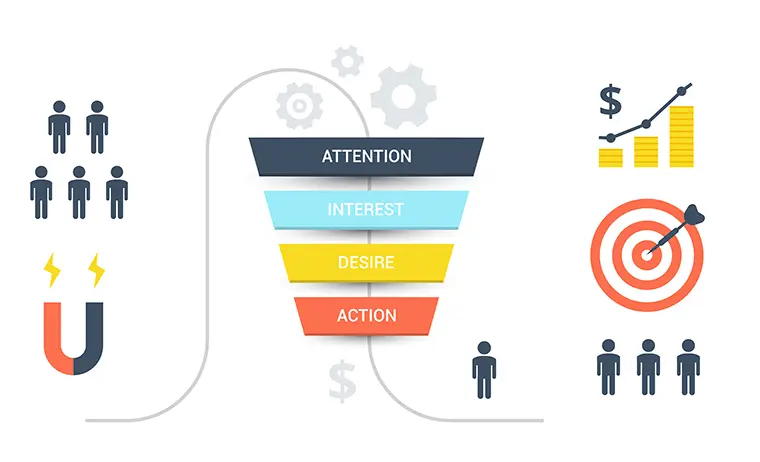
Your ICP Isn't Actually Clear
"We sell to B2B companies" isn't an ideal customer profile . Neither is "mid-market SaaS."
Vague targeting means your team wastes time on conversations that never convert. You need specific criteria: company size, tech stack, growth stage, current pain points. The tighter your ICP, the higher your pipeline quality.
At Cleverly, we spend serious time with clients defining exactly who they should talk to. It's not sexy work, but it's the difference between 100 conversations with 2 qualified opportunities and 30 conversations with 15.
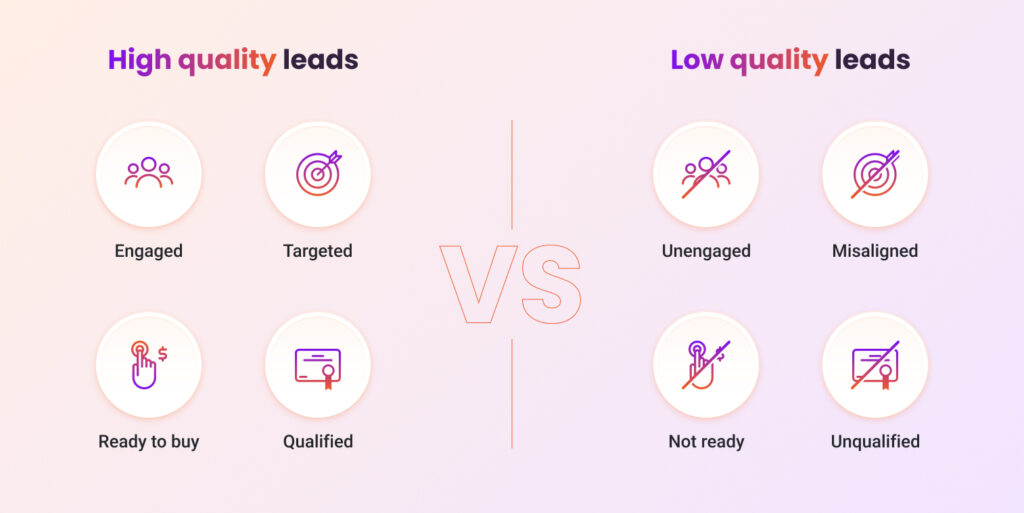
Low-Quality Leads Are Clogging Your Pipeline
Not every conversation belongs in your pipeline. If your SDRs are booking meetings with anyone who says yes, your sales team drowns in unqualified calls while real opportunities get ignored.
Pipeline health isn't about volume. It's about quality. We focus obsessively on meeting-ready leads, prospects who actually match your ICP and have genuine interest. That's why our clients close deals faster.
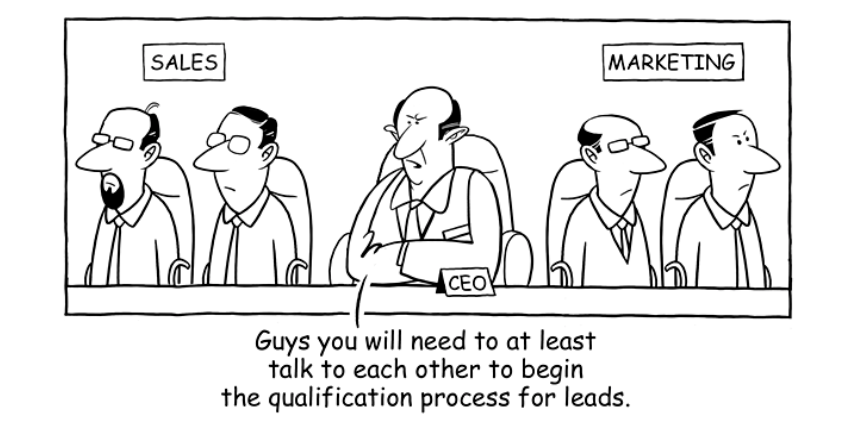
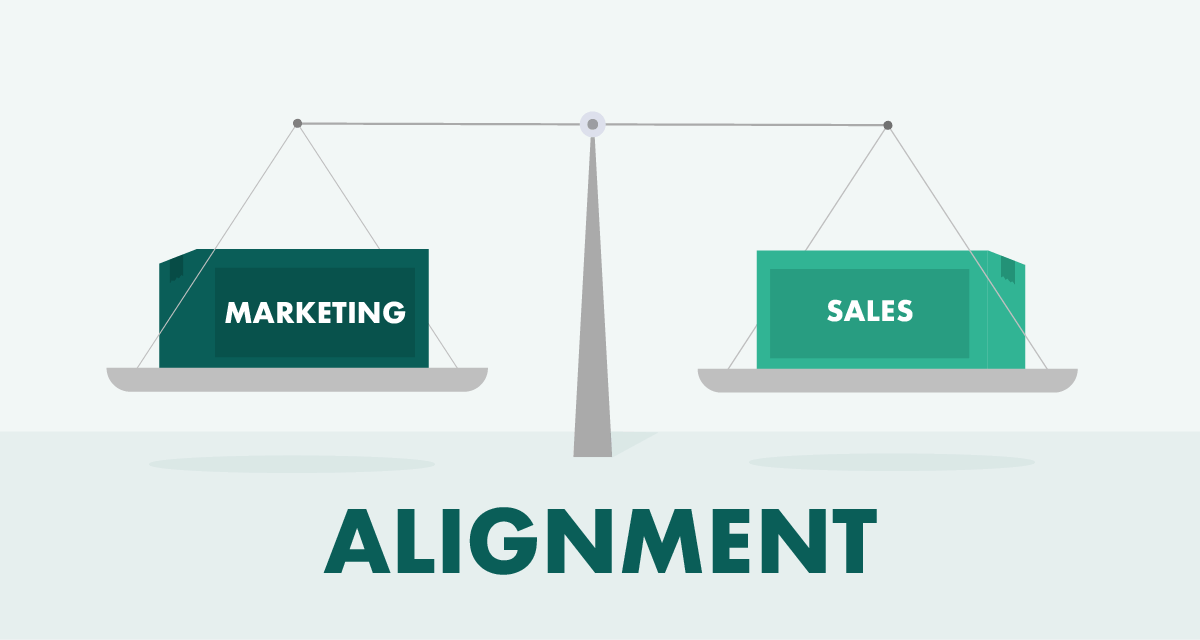
Marketing, SDRs, and Sales Aren't Aligned
Marketing generates leads. SDRs qualify them. Sales closes them. Sounds simple, right?
But we see this breakdown constantly:
- Marketing passes over leads that aren't ready.
- SDRs book meetings that don't match sales criteria.
- Sales complains about lead quality while SDRs complain about follow-up speed.
When there’s no marketing and sales alignment and when these teams don't speak the same language or share the same goals, your pipeline suffers. You need unified definitions, shared metrics, and regular communication.
Follow-Up Is Inconsistent or Non-Existent
A painful stat: 80% of sales require five follow-up touches, but most reps give up after two.
Inconsistent follow-up is a silent pipeline killer. A prospect shows interest, your rep reaches out once or twice, then moves on. That opportunity disappears, not because they weren't qualified, but because you didn't stay consistent.
The companies that consistently increase sales pipeline don't rely on individual rep discipline. They build systems that automate follow-up, track engagement, and ensure no opportunity falls through the cracks.
The good news? Every one of these problems is fixable with the right approach. Let's get into the nine methods that actually work.
Check This: Call Templates for Lead Follow-Up That Convert Leads Into Meetings
Core Levers That Actually Increase a B2B Sales Pipeline
Before we jump into specific methods, you need to understand the five levers that drive real pipeline growth. These aren't tactics. They're the fundamental mechanics that make every tactic work.
Volume of Qualified Conversations

Notice we said qualified, not just volume.
You can book 100 meetings this month, but if only 5 match your ICP, you've wasted everyone's time. The activities to increase sales pipeline that actually work focus on lead quality first, then scale the quantity.
We've seen companies 3x their pipeline without adding more meetings. They just got better at who they were talking to.
More Tools: Best AI Lead Qualification Tools
Channel Diversification (Not Channel Hopping)
There's a difference between smart diversification and desperate channel hopping.
Smart diversification means running LinkedIn outreach, cold email, and cold calling simultaneously with dedicated resources and consistent execution. Each channel reinforces the others.
Channel hopping means trying LinkedIn for a month, giving up, switching to cold email for three weeks, then abandoning that too.
The B2B buyers you want to reach aren't sitting on just one platform. They check LinkedIn, scan their inbox, and answer their phones. Multi-channel outreach increases your odds of breaking through when they're actually paying attention.
Learn What Is: Multithreading in Sales (Complete Guide to Closing More Deals)
Offer Clarity and Differentiation
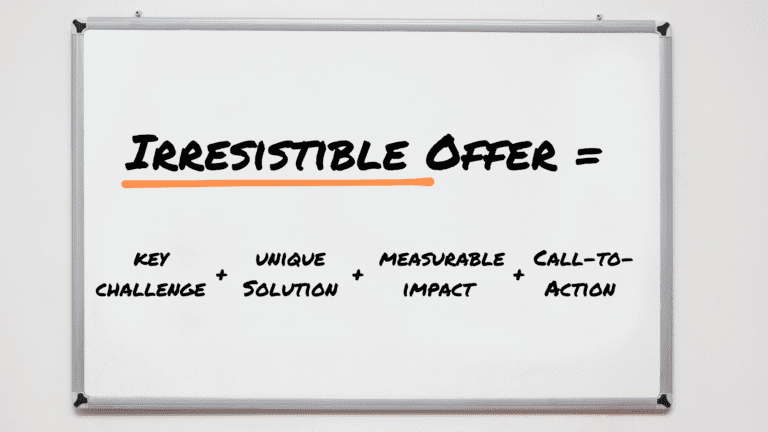
If your pitch sounds like everyone else's, why would a prospect choose you?
"We help B2B companies grow" isn't compelling. "We book 10-30 qualified sales calls every month using our $5M cold calling system" is specific and different.
Clear, differentiated value propositions convert better. Your prospects need to understand exactly what you do, who it's for, and why it matters within 10 seconds of reading your message or hearing your pitch.
Speed-to-Lead and Response Handling

Here's what kills pipelines: a hot lead comes in, and your team waits 24 hours to respond.
Speed matters because interested prospects are talking to multiple vendors. The first company to respond professionally often wins the opportunity.
You need systems that route leads instantly and ensure someone qualified responds fast. Manual processes can't keep up. Automated lead routing, instant notifications, and clear response protocols are non-negotiable for serious pipeline growth.
Consistent Follow-Up and Nurturing
This is where most pipeline growth dies.
A prospect says "not right now" and disappears from your system forever. Or your rep follows up twice, gets no response, and moves on. You just lost an opportunity that might have closed six months later.
The companies that consistently increase sales pipeline build email nurture sequences that stay top-of-mind without being annoying. They track engagement, know when prospects re-engage, and have systems that trigger follow-ups automatically.
Master these five levers, and the nine methods we're about to cover will deliver exponential results. Ignore them, and even the best tactics will fall flat.
🔥 Scale Your Pipeline The Right Way
Cleverly drives pipeline using LinkedIn outreach, cold email, and cold calling - delivering meeting-ready leads sales teams can close.
9 Proven Ways to Increase Your B2B Sales Pipeline
Let's break down the exact ways to increase B2B sales pipeline that we've seen work across thousands of clients.
1. Sharpen Your ICP and Buying Triggers
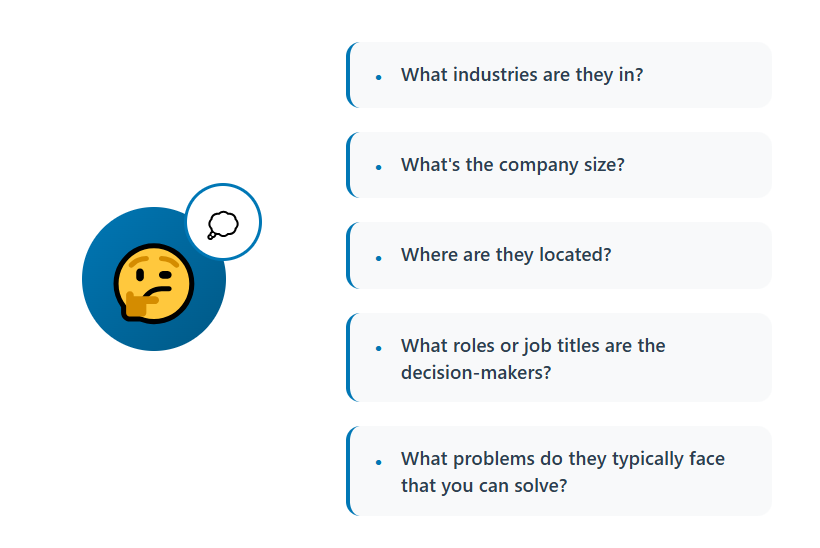
What it means: Stop going after everyone and get laser-focused on your ideal customer profile.
Your ICP should include:
- Company size and revenue range
- Industry and sub-verticals
- Tech stack they use
- Current pain points or challenges
- Buying signals (funding rounds, new hires, leadership changes)
Why it works: When Cleverly clients tighten their ICP, they typically see 40-60% fewer conversations but 2-3x more qualified pipeline. You're not wasting time on prospects who'll never buy.
Quick win: Review your last 20 closed deals. What do those companies have in common? Build your targeting around those patterns.
2. Increase Outbound Volume Without Sacrificing Quality
What it means: Send more outreach, but keep it personalized and relevant.
This isn't about blasting 10,000 generic emails. It's about finding the balance between scale and personalization. Use templates with customizable elements, research key accounts, and reference specific triggers.
Why it works: More qualified touchpoints = more pipeline opportunities. We've helped clients go from 200 to 2,000 monthly outreach touches while maintaining 8-12% positive response rates.
Quick win: Batch your research. Spend one hour identifying 50 high-fit accounts, then personalize your first line for each. Your reply rates will stay strong even as volume increases.
Compare: Inbound vs Outbound Lead Generation
3. Improve Reply-to-Meeting Conversion Rates
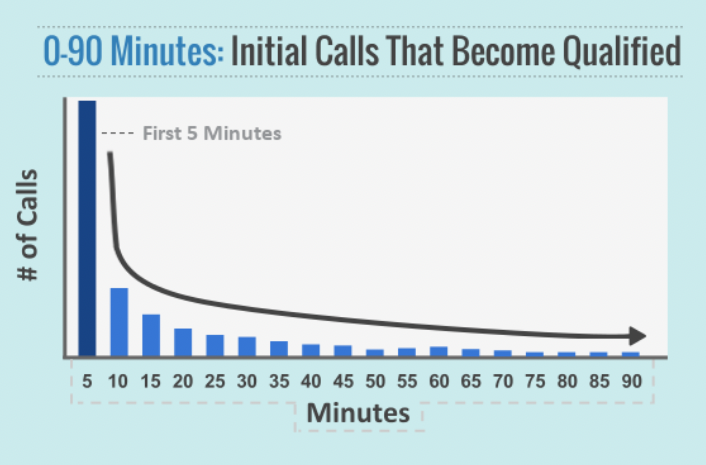
What it means: Getting replies is great, but turning those replies into booked meetings is where pipeline actually grows.
Common conversion killers:
- Slow response times (waiting hours or days to reply)
- Asking too many qualifying questions upfront
- Making it hard to book time (no calendar link)
- Unclear next steps in your response
Why it works: If you're getting 50 replies per month and booking 10 meetings, improving conversion to 20 meetings doubles your pipeline without any additional outreach.
Quick win: Add a calendar link to every reply. Make booking a meeting the easiest possible next step. We've seen this single change increase conversions by 30-40%.
4. Add LinkedIn as a Relationship-Led Pipeline Channel
What it means: Use LinkedIn for warm, relationship-building outreach that opens doors cold email can't.
How to do it right:
- Send personalized connection requests (no pitch)
- Engage with their content before reaching out
- Lead with value, not a sales pitch
- Use voice notes or video messages for key accounts
Why it works: LinkedIn response rates average 3-5x higher than cold email because the platform is built for professional networking. Decision-makers actually expect outreach here.
At Cleverly, our LinkedIn lead generation service has helped clients book thousands of qualified meetings. We start at just $397/month and handle everything from profile optimization to personalized messaging sequences. Our clients see consistent pipeline growth because we focus on starting real conversations, not spamming inboxes.
Quick win: Identify 20 dream accounts and spend 10 minutes per week engaging with their LinkedIn content before sending a connection request.
Read More: Generate 30+ Leads On Linkedin Without Spamming People
5. Use Cold Email for Scalable Pipeline Creation
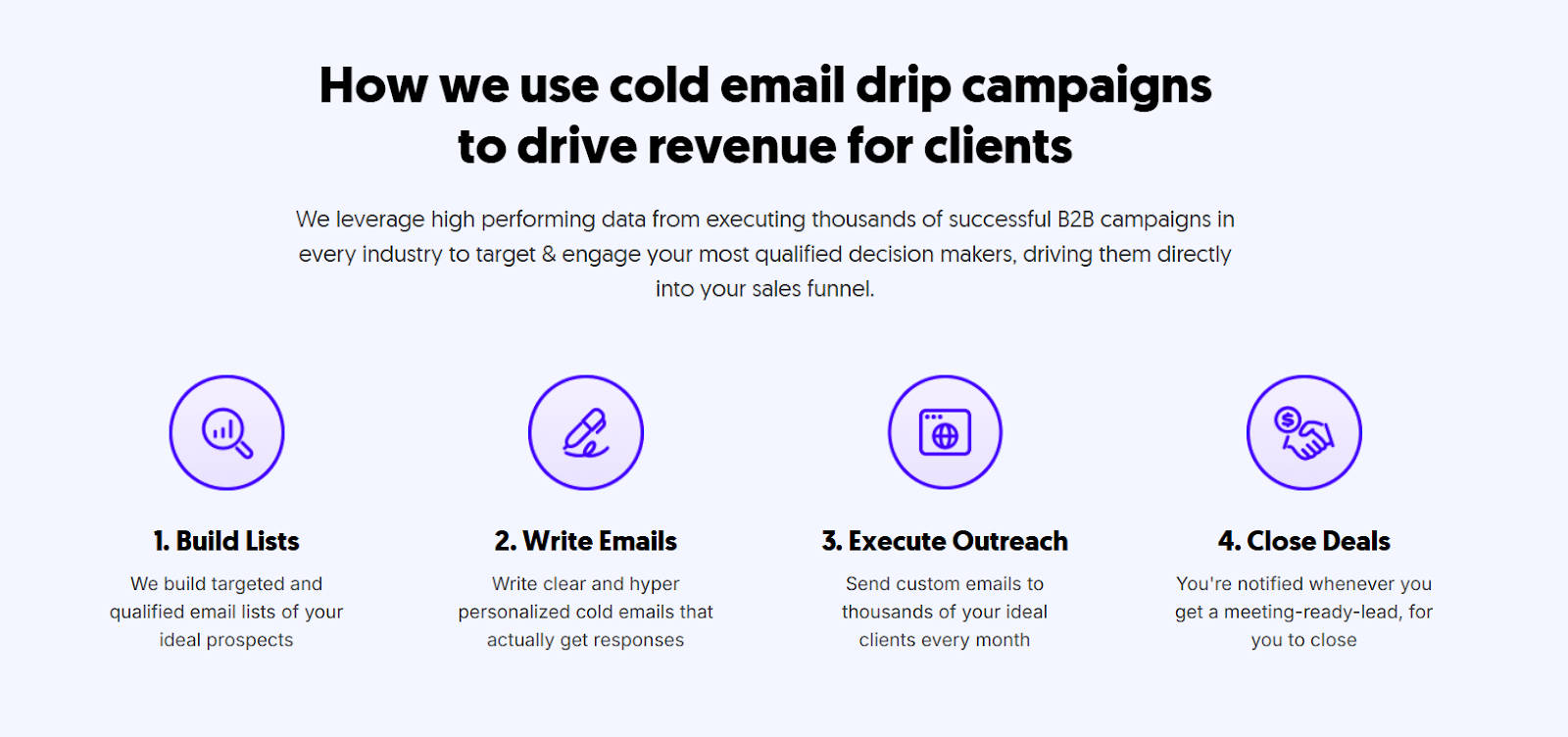
What it means: Build a systematic cold email program that reaches hundreds of qualified prospects per week.
The foundation:
- Clean, verified email lists
- Compelling subject lines (5-7 words max)
- Short, benefit-focused messages (75-125 words)
- Clear call-to-action
- Automated follow-up sequences
Why it works: Cold email is the most scalable channel for consistent pipeline growth. Once your system works, you can reach thousands of ideal prospects monthly.
With Cleverly's cold email lead generation, you only pay for meeting-ready leads we send you. No wasted budget on unqualified contacts. We've generated $312 million in pipeline revenue for over 10,000 clients because we obsess over quality and targeting.
Quick win: Test 3 different subject lines with your next campaign. Even a 2% improvement in open rates can add 10-15 more pipeline opportunities per month.
6. Leverage Cold Calling for Faster Pipeline Acceleration
What it means: Pick up the phone and have real conversations with decision-makers.
Cold calling gets a bad reputation, but it's still one of the fastest activities to increase sales pipeline. Why? Because you get immediate feedback, handle objections in real-time, and book meetings on the spot.
What makes it work:
- Calling the right people (back to that ICP)
- Using strong scripts that open conversations, not pitches
- Training SDRs to listen and adapt
- Consistent daily activity (50-100 dials per rep)
At Cleverly, we've built a $5M cold calling system that books clients 10-30 qualified sales calls every month, guaranteed. We place trained, no-accent appointment setters who go live in just 2 weeks. You get the data, tech, power dialer, and breakthrough scripts all included at half the cost of in-housing. We've made over 1 million cold calls and set 53,000+ appointments that turned into real pipeline.
Quick win: Block 2 hours daily for cold calling. Treat it like a meeting you can't miss. Consistency beats perfection.
7. Re-Engage Dormant and Lost Opportunities

What it means: Go back to prospects who went cold 3, 6, or 12 months ago.
Your CRM is full of pipeline gold you've already paid to acquire. People who said "not now" six months ago might be ready today. Deals that stalled might have new budget.
How to do it:
- Segment by time since last contact
- Lead with something new (product update, case study, relevant insight)
- Acknowledge the gap ("I know it's been a few months...")
- Make it easy to re-engage
Why it works: These prospects already know you. The relationship exists. Re-engagement campaigns regularly convert at 15-25%, which is 3-5x higher than cold outreach.
Quick win: Pull everyone who said "maybe later" in Q3 of last year. Send a short, friendly check-in email this week.
Know More: Ways to Re-Engage Lost Leads (Templates & Email Sequences)
8. Align Sales and Messaging with Buyer Intent Stages
What it means: Say different things to prospects at different stages of their buying journey.
The stages:
- Awareness: They know they have a problem.
- Consideration: They're evaluating solutions.
- Decision: They're comparing vendors.
Your messaging should match where they are. Someone in awareness needs education. Someone in decision needs proof and differentiation.
Why it works: Generic pitches miss the mark. When you speak to where prospects actually are in their journey, conversion rates jump 40-60%.
Quick win: Create three message templates: one for early-stage prospects, one for active evaluators, and one for decision-ready buyers. Train your team to identify which stage each prospect is in.
9. Build a Follow-Up and Nurture System for Warm Leads
What it means: Create automated sequences that keep you top-of-mind without manual effort.
Most pipeline die from neglect, not rejection. Prospects get busy, priorities shift, or timing isn't right. A solid automated lead nurture system keeps the door open until they're ready.
What to include:
- Automated email sequences (every 2-4 weeks)
- Valuable content (case studies, industry insights, relevant news)
- Check-in touches from your SDR team
- Re-engagement triggers based on website visits or email opens
Why it works: Companies with mature nurture systems convert 50% more leads into pipeline over 12 months compared to those that follow up once and quit.
Quick win: Build a simple 6-email nurture sequence for prospects who said "not now." Send value every 3 weeks. Watch conversions climb.
These nine methods work, but they work best together. The companies seeing the biggest pipeline growth aren't picking one or two tactics. They're building systems across multiple channels with consistent execution.
That's exactly how we approach pipeline growth at Cleverly.
Learn More: B2B Lead Scoring Explained
Sales Activities That Directly Impact Pipeline Growth
Let's get tactical. These are the specific activities to increase sales pipeline that should be happening every single day on your team.
Daily Outreach Benchmarks That Actually Matter
Here's what high-performing SDR teams do daily:
- 50-80 personalized emails sent
- 40-60 cold calls made
- 20-30 LinkedIn connection requests or messages
- 15-20 follow-ups on existing conversations
Notice these aren't huge numbers. You don't need 200 calls per day. You need consistent, quality activity across multiple channels.
What moves the needle: An SDR doing 50 calls, 50 emails, and 20 LinkedIn touches daily will generate 3-5 qualified meetings per week. Scale that across a team of 5 SDRs, and you're adding 60-100 pipeline opportunities monthly.
The teams that struggle? They're inconsistent. They do 100 touches one day, then 10 the next. Pipeline growth requires rhythm, not bursts.
Pipeline-Focused Activities vs Vanity Tasks
Not all SDR activity creates pipeline. Here's the difference:
Pipeline-focused activities:
- Reaching out to ICP-fit accounts
- Booking qualified meetings
- Following up on warm leads
- Re-engaging stalled opportunities
Vanity tasks that feel productive but don't move pipeline:
- Updating CRM fields for hours
- Researching accounts without reaching out
- Attending internal meetings about meetings
- Perfecting email templates instead of sending them
We see this all the time. SDRs spend 60% of their day on admin work and wonder why pipeline stays flat. Protect your team's time for actual outreach.
At Cleverly, our SDRs are laser-focused on pipeline-generating activities. We handle the data, tech, and systems so they can spend 80% of their time in actual conversations with your ideal customers.
Follow-Ups Outperform First-Touch Outreach
Here's a truth that will change how you think about pipeline: your best pipeline opportunities are sitting in follow-up, not in new outreach.
The data backs this up:
- 2% of sales happen on the first contact
- 80% of sales require 5+ follow-up touches
- Yet 44% of salespeople give up after one follow-up
Translation: Most of your team's time should be following up on existing conversations, not just starting new ones.
A strong daily routine looks like this:
- 60% of time on follow-ups
- 40% of time on new outreach
When you flip that ratio, response rates climb, meetings increase, and pipeline grows predictably.
The Power of Multichannel Sequencing
Single-channel outreach is leaving pipeline on the table.
Here's what multichannel sequencing looks like in practice:
Day 1: Send personalized email
Day 3: LinkedIn connection request
Day 5: Cold call
Day 8: Follow-up email referencing the call
Day 12: LinkedIn message if connected
Day 16: Final email with case study
Why this works: You're meeting prospects where they are. Some people never check LinkedIn but read every email. Others ignore emails but accept calls. Multichannel coverage increases your chances of breaking through by 3-4x.
The result? Consistent pipeline growth week after week, not random spikes followed by dry spells.
Pipeline growth isn't about working harder. It's about focusing your team's energy on the right activities, in the right sequence, with the right consistency.
How to Measure Whether Your Sales Pipeline Is Actually Growing
You can't increase sales pipeline if you're not tracking the right metrics. Here's what actually matters.
Pipeline Value vs Pipeline Coverage Ratio
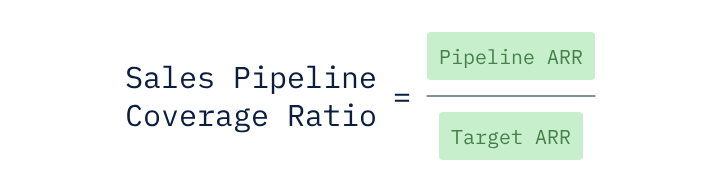
Pipeline coverage is how much pipeline you have compared to your revenue target.
If your quarterly goal is $500K and you have $1M in pipeline, you have 2x coverage. Most healthy B2B teams aim for 3-4x coverage because not every deal closes.
Track this monthly. If coverage is dropping, your pipeline isn't keeping pace with your goals.
Number of Qualified Opportunities Added Per Month
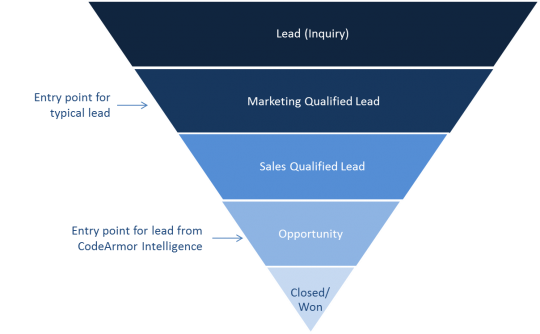
This is your leading indicator. How many new qualified opportunities entered your pipeline last month?
What qualifies as "qualified"? They match your ICP, have budget, have authority, and expressed genuine interest.
Aim for consistency here. Adding 40 opportunities one month and 5 the next means your system is broken. You want steady, predictable additions every single month.
Conversion Rate from Conversation to Meeting
You're having conversations (replies, calls answered, LinkedIn responses). How many turn into booked meetings?
Healthy benchmarks:
- Email replies to meetings: 25-40%
- LinkedIn conversations to meetings: 30-50%
- Cold calls answered to meetings: 15-25%
If your rates are lower, you've got a qualification or messaging problem. Fix this before scaling outreach.
Pipeline Velocity and Deal Aging
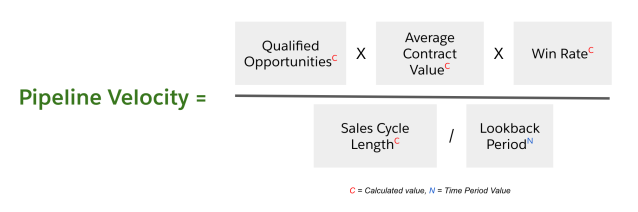
Pipeline velocity measures how fast deals move through your stages. The faster, the healthier.
Deal aging shows how long opportunities sit in each stage. If deals are stuck in "demo scheduled" for 45 days, something's wrong.
Track average days in pipeline by stage:
- Discovery: 7-14 days
- Demo/Presentation: 14-21 days
- Proposal: 14-30 days
- Negotiation: 7-14 days
Deals aging past these benchmarks need immediate attention or should be moved to nurture.
The bottom line: If these four metrics are trending up and staying consistent, your pipeline is growing healthily. If they're bouncing around or declining, you need to fix your system before scaling.
How Cleverly Helps B2B Teams Increase Their Sales Pipeline
We’re not just promising you leads. We’re delivering a qualified pipeline that actually converts.
We don't hand you a list of contacts and disappear. We run your entire outbound engine so your sales team can focus on closing deals, not chasing cold prospects.
Our system-first approach combines three channels working together:
- LinkedIn lead gen that builds relationships and opens doors (starting at just $397/mo).
- Cold email campaigns where you only pay for meeting-ready leads we deliver.
- Cold calling with trained SDRs who book 10-30 qualified sales calls every month, guaranteed.
We've helped over 10,000 clients generate $312 million in pipeline revenue and $51.2 million in closed revenue. Companies like Amazon, Google, Uber, PayPal, Slack, and Spotify trust us to feed their pipeline consistently.

What makes us different: We focus on qualified conversations, not vanity metrics. No fluff meetings. No tire-kickers. Just prospects who match your ICP, have real interest, and are ready to talk business.
Our cold calling system includes everything: no-accent appointment setters trained in 2 weeks, breakthrough scripts, data, tech, power dialer, and it's half the cost of building this in-house. We've made over 1 million cold calls and set 53,000+ appointments that turned into real revenue.
We're not a lead vendor. We're your long-term pipeline partner.

Ready to stop chasing leads and start building a predictable pipeline?
Book a strategy call with Cleverly!
Conclusion
Increasing sales pipeline isn't about hacks or lucky months. It's about building systems that consistently deliver qualified conversations.
The formula: tight ICP + multiple channels + relentless follow-up + the right metrics.
Strong offers on the correct channels beat clever tactics every time. The B2B teams winning today have predictable sales engines that feed pipeline week after week, no dry spells.
Your pipeline doesn't have to be a rollercoaster. Build the system, stay consistent, and watch it grow.
Pick one method from this guide and implement it this week. Your future pipeline will thank you.
Frequently Asked Questions
Free Resource
How to Scale a Profitable Cold Call System
Get the complete guide — download it instantly now.
Free Ebook
Download the Free Guide
Enter your details to get instant access.
You're all set! 🎉
Your ebook is downloading now.
Click below if the download didn't start automatically.