Table of Contents
What Is Account Based Experience (ABX)?
Why Account Based Experience Matters in Modern B2B
ABM vs ABX — What's the Real Difference?
Core Pillars of a Strong Account Based Experience Strategy
How to Build an Account Based Experience Strategy (Step-by-Step)
Channels That Power Account Based Experience
How Cleverly Supports Account Based Experience for B2B Teams
Conclusion
Frequently Asked Questions
Modified On :
June 9, 2026
Key Takeaways
- Account based experience treats high-value accounts as individual markets, not leads in a funnel.
- ABX aligns your entire revenue team (marketing, sales, CS) around the same target accounts and messaging.
- Focus on buying committees, not individual contacts. B2B deals involve 6-10 decision makers.
- Coordinate outreach across LinkedIn, email, and phone so every touchpoint reinforces the same message.
- Measure success at the account level: engagement, deal velocity, and pipeline progression matter more than lead volume.
- ABX continues post-sale through onboarding, adoption, and expansion—not just until the contract signs
Account based experience isn't just another marketing framework. It's how B2B teams are finally breaking through the noise and turning high-value accounts into actual revenue.
We've seen it firsthand: companies that treat their best prospects like individual markets, not random leads in a funnel, close bigger deals faster. The difference? ABX aligns your entire go-to-market motion around the accounts that matter most, from first touch to closed-won.
If you're tired of spray-and-pray tactics that waste budget on unqualified contacts, this guide breaks down exactly how account based experience works and how to build it into your growth strategy.
No fluff, just the framework that's driving real pipeline for B2B teams right now.
What Is Account Based Experience (ABX)?
ABX account based experience is a go-to-market strategy that treats high-value accounts as markets of one. Instead of pushing generic campaigns, you design every touchpoint around the specific needs, challenges, and buying journey of each target account.
Here's what makes ABX different from traditional marketing:
ABX focuses on the full buyer journey, not just lead capture. You're orchestrating experiences across every stage:
- First awareness through LinkedIn or cold outreach
- Discovery calls that address account-specific pain points
- Demos tailored to their tech stack and use case
- Follow-up sequences mapped to their decision timeline
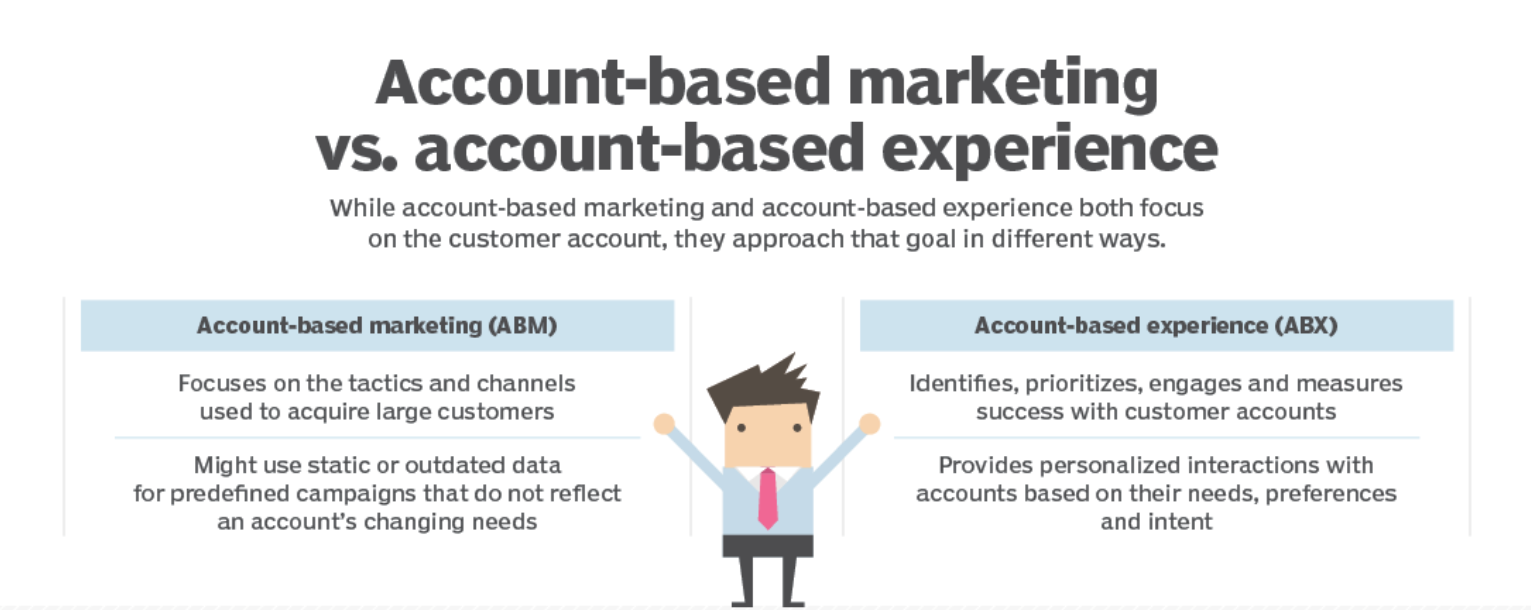
ABM vs ABX: What's the Difference?
Most B2B teams know ABM (Account-Based Marketing). ABX account based experience takes it further:
- ABM = marketing-led campaigns targeting key accounts
- ABX = full revenue team alignment (marketing, sales, CS) around account experience
ABM runs ads and sends emails. ABX coordinates how every team touches that account from first contact through renewal.
Why ABX Is Revenue-Focused, Not Channel-Focused
Traditional lead gen asks: "How many MQLs did this campaign generate?"
Account based experience asks: "Are we moving our target accounts closer to a decision?"
You're not optimizing for channel metrics. You're optimizing for account progression. That means:
- Sales and marketing work from the same account list
- Outreach timing matches the buyer's actual research phase
- Every interaction (cold email, LinkedIn message, demo, proposal) reinforces a consistent message
The Core Principle: Every Interaction Shapes Perception
In ABX account based experience, there are no throwaway touches. A generic LinkedIn connection request damages the relationship. A cold email that ignores their industry creates friction.
Your target accounts are forming opinions about you with every interaction. ABX makes sure those opinions move them toward "yes, let's talk" instead of "unsubscribe."
Learn More: How to Use LinkedIn for Account-Based Marketing
🎯 ABX in Action — Across Every Channel
Cleverly executes ABX using LinkedIn outreach, pay-per-meeting cold email, and guaranteed cold calling to engage every stakeholder in your target accounts.
Why Account Based Experience Matters in Modern B2B
Account based experience benefits show up where traditional lead gen falls short: complex B2B sales with multiple decision makers.
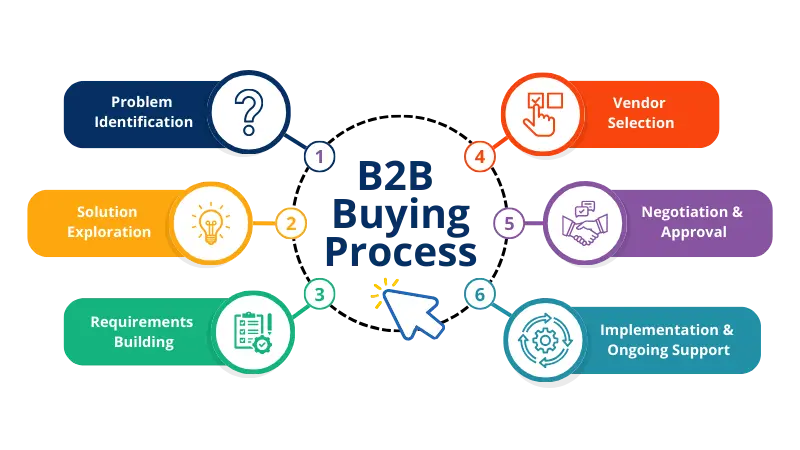
B2B Buying Is Non-Linear and Committee-Driven
Your prospects aren't following a neat funnel anymore. They're:
- Researching on their own before talking to sales
- Looping in procurement, IT, finance, and end users
- Jumping between awareness and decision stages
A single champion can't close the deal. You need buy-in from 6-10 people per account. That's why one-size-fits-all campaigns don't work.
Buyers Interact With Multiple Teams Before Converting
Here's what actually happens in a deal cycle:
- Marketing runs ads and sends nurture emails
- SDRs reach out on LinkedIn and cold email
- AEs run discovery and demos
- Customer success handles onboarding and expansion
If these teams aren't aligned, your account gets mixed messages. Marketing promises one thing. Sales pitches another. The experience feels disjointed, and trust breaks down.
ABX Creates Consistency Across Your Revenue Team
Account based experience solves this by unifying everyone around the same account strategy:
- Marketing knows which accounts sales is actively working
- Sales sees what content marketing shared with each contact
- CS understands the original pain points that closed the deal
You're not running parallel campaigns. You're orchestrating one cohesive experience per account.
The Real Account Based Experience Benefits
When you implement ABX correctly, here's what changes:
Higher engagement across target accounts - Personalized outreach gets 3-5x better response rates than generic blasts. When you reference their specific challenges, people actually reply.
Better deal velocity - Deals close faster when every touchpoint reinforces the same message and moves the account forward. No confusion, no backtracking.
Stronger trust and long-term relationships - Buyers remember how you treated them during the sales process. Thoughtful, consistent experiences build trust that lasts beyond the contract signature.
Improved retention and expansion - ABX doesn't stop at closed-won. The same account focus that won the deal helps you spot expansion opportunities and reduce churn. You're already mapping the account, so upsells feel natural instead of forced.
At Cleverly, we've seen this firsthand with clients running account based experience motions. The companies booking 10-30 qualified calls per month aren't casting wide nets. They're targeting the right accounts with the right message at the right time across LinkedIn, email, and phone.
ABM vs ABX — What's the Real Difference?
Most B2B teams started with ABM. Now they're realizing it's not enough. The account based experience approach takes what ABM started and extends it across your entire revenue operation.
Here's the breakdown:
Campaign Personalization vs Journey Personalization
ABM personalizes the message. You might run LinkedIn ads targeting VP of Sales at tech companies, then send tailored emails about their pain points.
The account based experience approach personalizes the entire journey:
- Your LinkedIn outreach references their recent funding round
- Your sales demo focuses on their specific tech stack
- Your follow-up addresses objections their CFO raised
- Your CS team knows the original use case when onboarding
Every team is working from the same account intelligence.
Lead-Centric Metrics vs Account-Centric Outcomes
ABM asks: "How many leads did we generate from target accounts?"
ABX asks: "Are we progressing our target accounts toward revenue?"
The difference matters:
- ABM celebrates booking 5 meetings from one account.
- ABX tracks whether those meetings involve the right buying committee members and move the deal forward.
You're optimizing for account health, not activity volume.
Why Teams Are Shifting From ABM to ABX
The account based experience approach is gaining traction because:
ABM creates handoff friction. Marketing generates interest, then tosses the account to sales. Sales doesn't know what marketing promised. The account notices.
Buyer expectations have changed. Your prospects expect you to know their business. Generic outreach, even if "personalized," feels lazy. They want consistent, relevant experiences.
Revenue teams need alignment When everyone works toward the same account outcomes instead of individual department goals, deals close faster and customers stick around longer.
At Cleverly, our LinkedIn, cold email, and cold calling services are built to support the account based experience approach. We don't just book meetings. We help you map outreach to specific buying roles within your target accounts, so every conversation moves the relationship forward.
🚀 Turn Target Accounts Into Pipeline
10,000+ companies trust Cleverly to convert ABX strategy into sales-ready meetings across LinkedIn, email, and phone—not vanity engagement.
Core Pillars of a Strong Account Based Experience Strategy
Building effective account-based experience strategies requires more than good intent. You need structure, alignment, and a system that scales across your target accounts.
Here are the six pillars that make ABX work:
1. Deep ICP and Account Segmentation
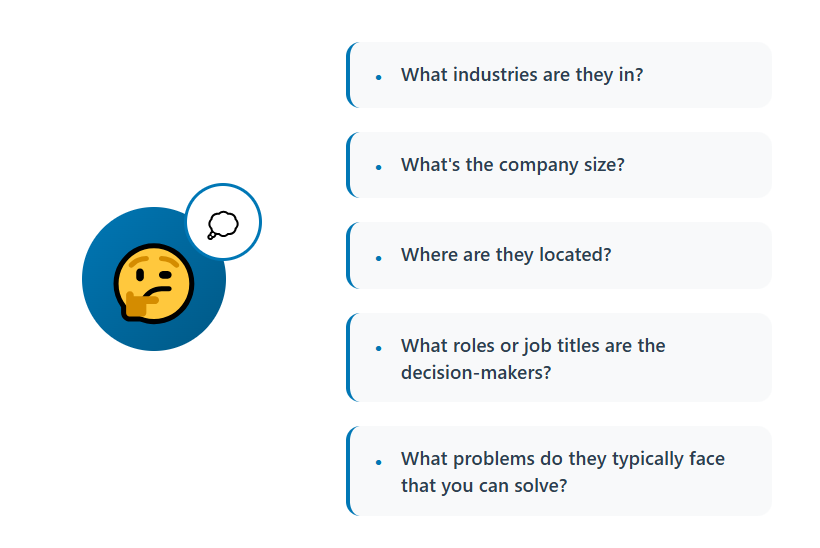
Not every account deserves the ABX treatment. Start by defining your Ideal Customer Profile:
- What industries convert best?
- What company size has the budget and need?
- Which accounts have the highest lifetime value?
Segment your target accounts into tiers:
- Tier 1: Highest value, full ABX orchestration
- Tier 2: Strong fit, scaled personalization
- Tier 3: Good fit, standard outreach
Your account-based experience strategies should focus most resources on Tier 1. These are the accounts worth customizing every touchpoint for.
2. Multi-Stakeholder Mapping Within Each Account

B2B deals involve 6-10 decision makers. Your strategy needs to reach all of them:
- Identify the economic buyer (signs the contract)
- Map the champion (sells internally for you)
- Include technical evaluators (IT, security, ops)
- Don't ignore end users (they influence adoption)
Each stakeholder cares about different outcomes. Your CFO contact wants ROI proof. Your VP of Sales wants faster ramp time. Map who matters and what they need to hear.
3. Personalized Messaging by Role and Stage
Generic outreach kills ABX before it starts. Your messaging should reflect:
By role:
- C-suite gets business impact and strategic outcomes
- Directors get efficiency gains and team performance
- Managers get day-to-day workflow improvements
By stage:
- Early awareness: education and insight, not pitches
- Active evaluation: proof points and differentiation
- Decision stage: ROI clarity and risk reduction
We've seen this work at Cleverly across thousands of outreach campaigns. The LinkedIn messages and cold emails that book meetings speak directly to what each role cares about right now.
4. Cross-Channel Orchestration
Account-based experience strategies don't live in one channel. You're coordinating touches across:
- LinkedIn connection requests and InMail
- Cold email sequences mapped to account research
- Sales calls timed to recent engagement signals
- Content (case studies, guides) shared at decision points
The key: these channels reinforce each other instead of competing. Your prospect sees your LinkedIn message, then gets an email referencing the same pain point, then hops on a call where your AE continues that conversation.
5. Sales, Marketing, and Customer Success Alignment
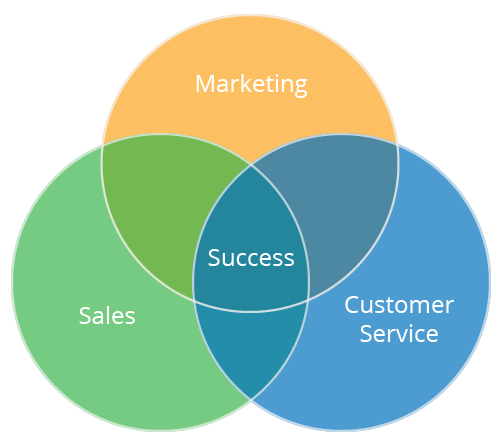
This is where most ABX strategies break down. Your teams need:
- Shared account lists - Marketing and sales work the same target accounts. No surprises, no wasted effort.
- Unified account plans - Everyone knows the buying committee, key objections, and next steps for each account.
- Regular sync meetings - Weekly alignment on which accounts are heating up, cooling down, or need different approaches.
- Handoff protocols - When an account moves from marketing to sales to CS, context transfers with it. No one asks the prospect to repeat their story.
6. Feedback Loops and Continuous Optimization
Your account-based experience strategies should improve over time:
- What messaging gets responses vs what gets ignored?
- Which accounts are engaging but not converting (and why)?
- What objections keep appearing across similar accounts?
- Where are deals stalling in the pipeline?
Build feedback loops:
- SDRs report what's working in cold outreach
- AEs share common objections from discovery calls
- CS flags expansion signals and churn risks
Use this intelligence to refine your ICP, adjust messaging, and improve coordination.
At Cleverly, these pillars guide how we execute LinkedIn outreach, cold email, and cold calling for our clients. We're not running isolated campaigns. We're helping you build multi-touch, multi-channel engagement that maps to real buying committees and moves accounts through their journey.
Know More About: Sales-Ready Leads in B2B
How to Build an Account Based Experience Strategy (Step-by-Step)
Ready to implement account based experience marketing? Here's the exact framework we use with B2B teams to go from concept to execution.
Step 1: Identify and Prioritize High-Value Target Accounts
Start with data, not guesses:
- Pull your best customers from the last 12-24 months
- Identify common traits (industry, size, tech stack, growth stage)
- Build your ICP from actual revenue data
Then create your target account list:
- Use firmographic filters (revenue, employee count, location)
- Layer in intent signals (hiring, funding, tech adoption)
- Score accounts by fit and opportunity size
Aim for 50-200 accounts depending on your team size. Quality over quantity matters here.
Step 2: Research Buying Committees and Decision Roles
For each target account, map the people who matter:
- Use LinkedIn Sales Navigator to identify key roles.
- Track job titles: CRO, VP Sales, Director of Ops, etc.
- Note who recently joined (they're often open to new solutions).
- Identify your potential champion vs economic buyer.
Build a contact matrix per account:
- Who holds budget authority?
- Who evaluates solutions technically?
- Who will use your product daily?
- Who influences the final decision?
Your account based experience marketing needs to reach all of them, not just one contact.
Step 3: Map the Full Account Journey (Pre-Sale → Post-Sale)
Think beyond the deal close. Map every stage:
Pre-sale:
- Awareness: How do they first hear about you?
- Consideration: What content helps them evaluate options?
- Decision: What proof do they need to commit?
Post-sale:
- Onboarding: How do you ensure quick wins?
- Adoption: What drives ongoing usage?
- Expansion: When do upsell conversations happen?
Your ABX strategy should have plays for each stage. What happens when an account goes quiet for 30 days? What triggers an expansion conversation?
Step 4: Align Sales and Marketing Messaging
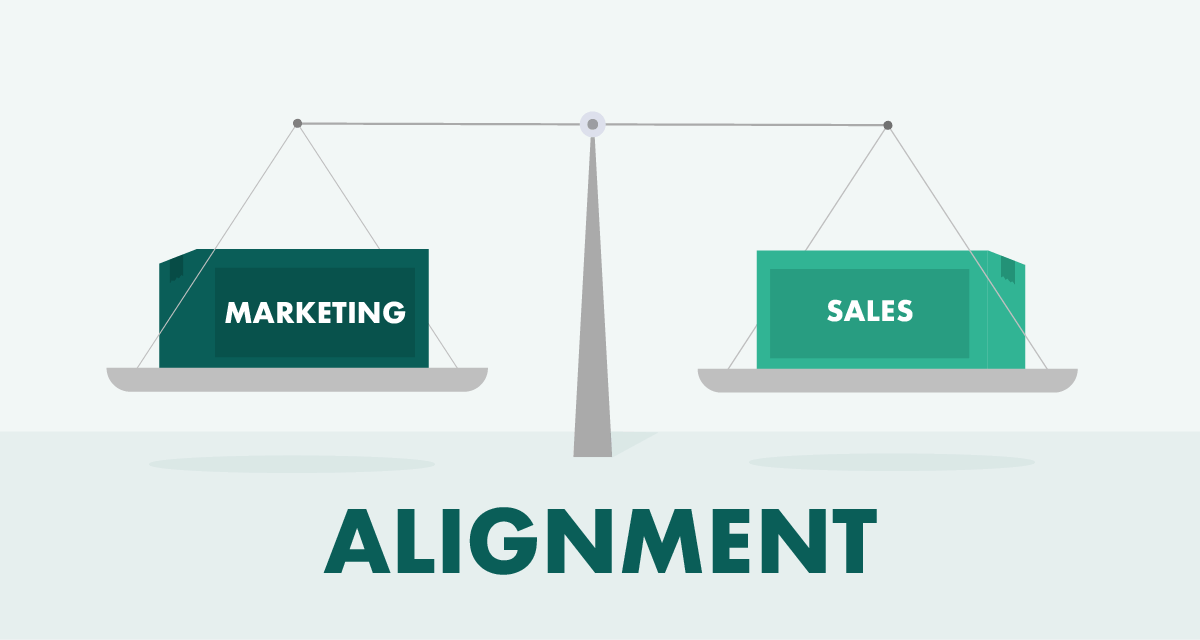
This is where most strategies fall apart. Get everyone on the same page:
- Create shared messaging docs by persona and pain point
- Agree on value propositions before launching outreach
- Document objection handling so responses stay consistent
Weekly alignment meetings help:
- Marketing shares which accounts are engaging with content
- Sales reports what messaging is landing in conversations
- Both teams adjust based on what's actually working
At Cleverly, this alignment is built into how we execute LinkedIn and cold email campaigns. We're not running blind outreach. We're working with your sales team to make sure every message supports active deals.
Step 5: Deliver Personalized Outreach and Content
Now execute your account based experience marketing:
LinkedIn outreach:
- Connection requests mentioning account-specific context
- InMails referencing recent company news or challenges
- Content shares that speak to their industry pain points
Cold email:
- Subject lines tied to their business priorities
- Body copy addressing role-specific outcomes
- CTAs focused on value exchange, not demos
Sales calls:
- Discovery questions tailored to their tech stack
- Demos showing use cases matching their workflow
- Follow-ups addressing their buying committee concerns
Personalization isn't just using their name. It's showing you understand their specific situation.
Step 6: Coordinate Follow-Ups Across Channels
Your follow-up cadence should feel coordinated, not random:
- Day 1: LinkedIn connection request
- Day 3: Cold email if no LinkedIn response
- Day 7: LinkedIn follow-up message
- Day 10: Cold email #2 with different angle
- Day 14: Phone call if high-priority account
- Day 21: Final touchpoint with case study or insight
The channels work together. Your prospect might ignore LinkedIn but respond to email. Or they might see both and realize you're serious about helping them.
We structure our clients' campaigns at Cleverly this way. Multi-touch sequences across LinkedIn, email, and phone that feel intentional, not spammy. The result: 10-30 qualified calls per month from accounts that actually fit your ICP.
Step 7: Measure Engagement and Pipeline Impact at the Account Level
Stop tracking individual lead metrics. Start tracking account progress:
Engagement metrics:
- How many contacts per account are responding?
- Which accounts are visiting your website repeatedly?
- What content is each account consuming?
Pipeline metrics:
- Account-to-opportunity conversion rate
- Average deal size by account tier
- Time from first touch to closed-won
- Win rate by account segment
Post-sale metrics:
- Onboarding completion rate
- Product adoption across buying committee
- Expansion revenue per account
- Retention by account tier
Review these weekly with your revenue team. Double down on what's moving accounts forward. Cut what's not working.
Account based experience marketing isn't set-and-forget. It's continuous optimization based on real account behavior and pipeline outcomes.
Channels That Power Account Based Experience
Account based experience marketing doesn't rely on one magic channel. It's about orchestrating the right mix to meet your target accounts where they make decisions.
Here's how each channel fits into your ABX strategy:
LinkedIn Outreach and Social Selling
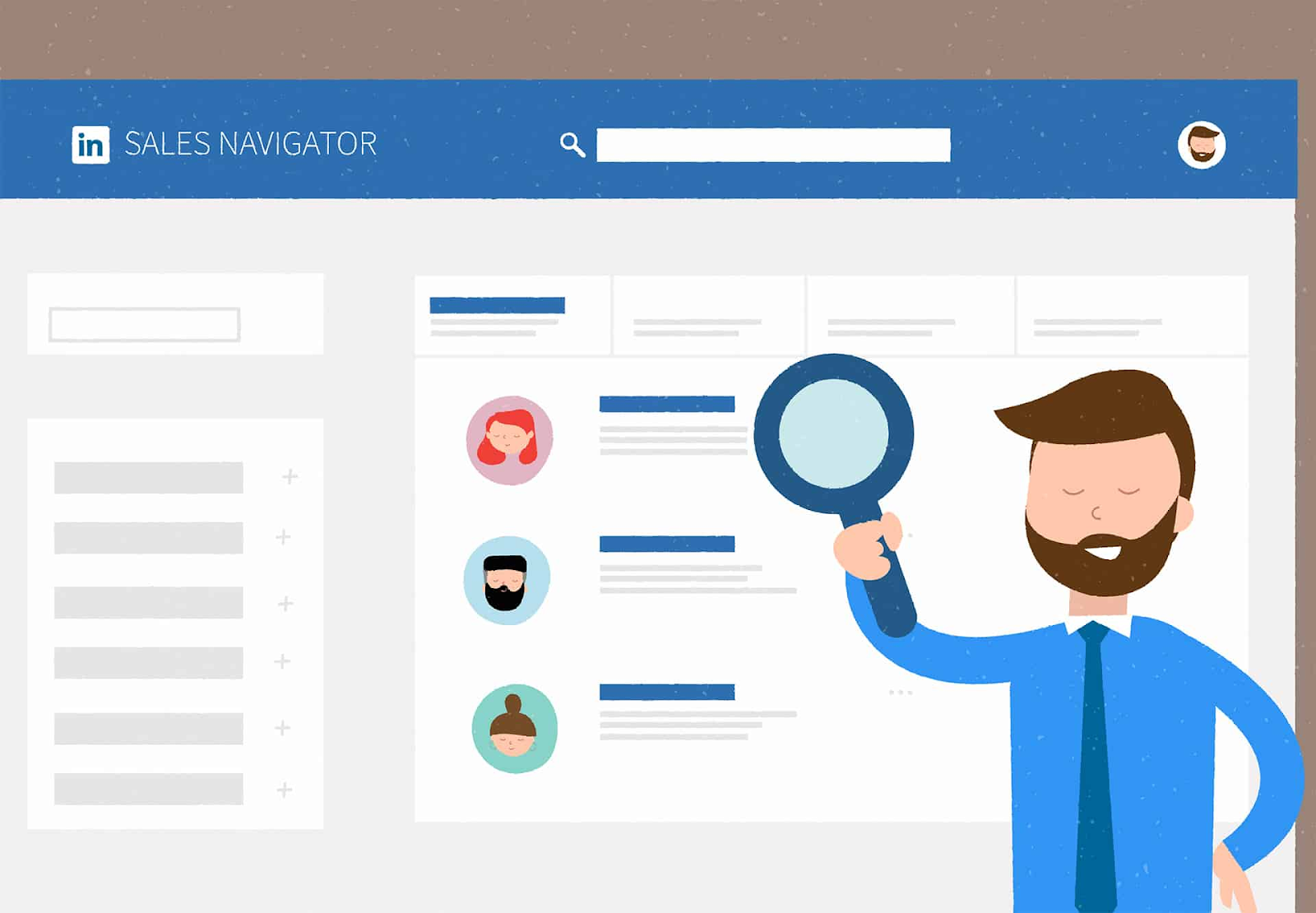
LinkedIn is where B2B buying happens. Your target accounts are:
- Researching solutions before reaching out to vendors
- Checking your team's profiles and content
- Engaging with industry insights and peer recommendations
Use LinkedIn for:
- Connection requests that reference account-specific context
- Thoughtful comments on prospect posts (not pitches)
- InMails tied to recent company news or role changes
- Content shares that solve problems they're actively facing
LinkedIn works because it feels professional, not intrusive. When done right, you're starting conversations, not interrupting them.
At Cleverly, our LinkedIn lead gen services start at $397/month and focus on booking meetings with the exact buying roles you need. We map outreach to account priorities, not random titles.
Cold Email With Role-Based Personalization
Email still drives pipeline when it's relevant. The key: your message needs to speak to what each role cares about.
For executives:
- Business outcomes and strategic impact
- ROI and competitive positioning
- Short, direct value propositions
For managers and directors:
- Efficiency gains and team performance
- How you solve their daily operational challenges
- Proof from similar companies in their space
For technical evaluators:
- Integration capabilities and security
- Implementation timeline and support
- Technical specs that matter to their stack
Cold email works in account based experience marketing when it's part of a sequence, not a one-off blast. Touch 1 educates. Touch 2 provides proof. Touch 3 offers a specific next step.
With Cleverly's cold email services, you only pay for meeting-ready leads we send you. No wasted spend on unqualified contacts.
Sales Calls and Account-Specific Demos
This is where deals actually move. Your calls should reflect everything you know about the account:
- Reference their tech stack in discovery
- Show use cases matching their industry
- Address objections their buying committee will raise
- Tie outcomes to their specific business goals
Generic demos kill momentum. Account-specific demos prove you understand their world.
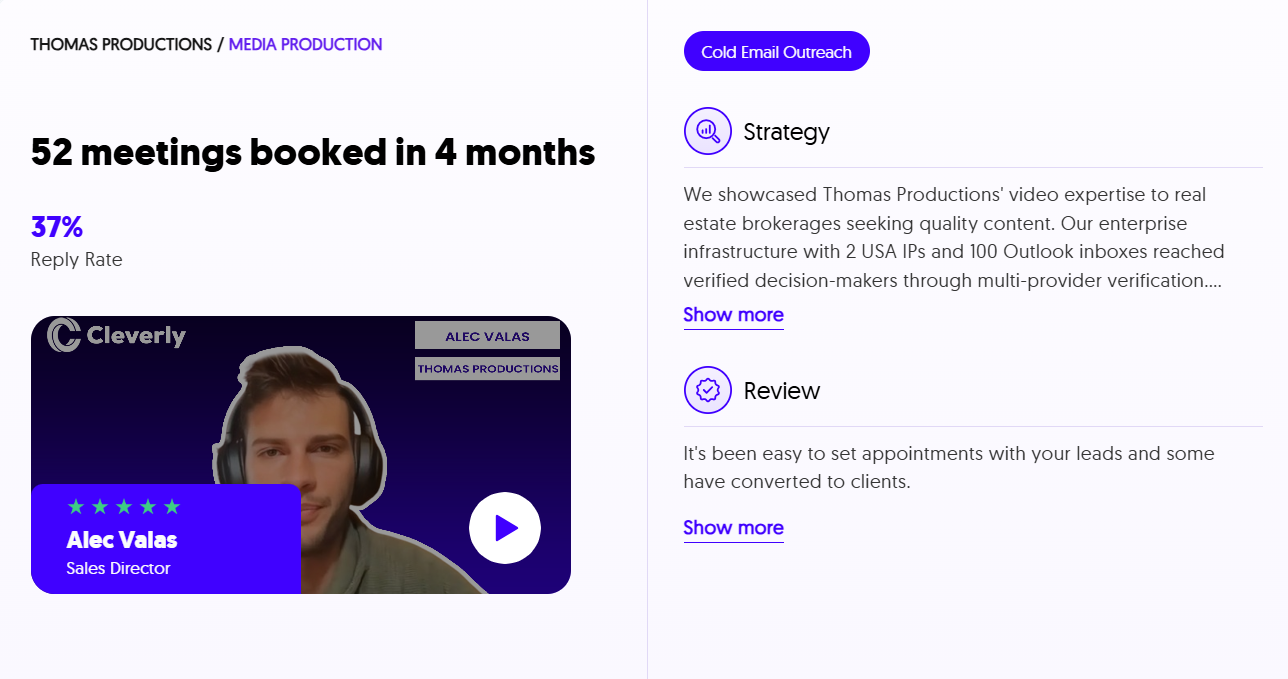
Our cold calling system at Cleverly books 10-30 qualified sales calls every month, guaranteed. We train no-accent appointment setters, write breakthrough scripts, and include all the tech and data you need. It's half the cost of in-housing an SDR team.
Content Experiences
Strategic content supports the buying journey without requiring a sales conversation:
- Case studies from their industry showing real results
- Comparison guides that position you against alternatives
- ROI calculators tailored to their use case
- Video walkthroughs of features they care about
Share this content at the right stage:
- Early awareness: educational insights and trend reports
- Active evaluation: proof points and differentiation content
- Decision stage: implementation guides and onboarding previews
Content in account based experience marketing isn't about driving traffic. It's about moving specific accounts closer to decisions.
Retargeting and Paid Ads (Supporting Role)
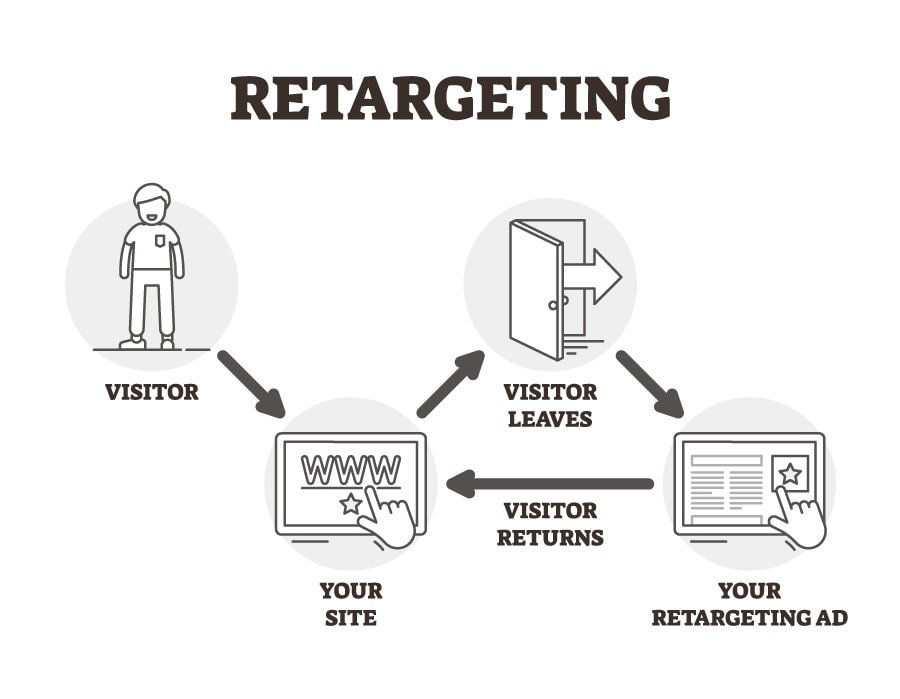
Paid ads don't drive ABX. They support it:
- Retarget website visitors from target accounts
- Run LinkedIn ads to specific companies and job titles
- Stay visible while sales works the relationship
Ads remind your accounts you exist. They don't replace personalized outreach.
Use ads to:
- Reinforce messaging your sales team is sharing
- Promote content that addresses common objections
- Build familiarity before your SDR reaches out
Think of ads as air cover, not the main offense.
Why Consistency Matters More Than Channel Count
Here's the mistake most teams make: they try to be everywhere at once. A better approach is to pick 2-3 channels and execute them well.
Consistency beats coverage because:
- Your target accounts need multiple touches to respond (7-13 on average)
- Mixed messages across channels create confusion
- Deep execution on fewer channels outperforms shallow efforts everywhere
If you're running LinkedIn and cold email, make sure:
- The messaging aligns across both
- Your follow-up cadence is coordinated
- You're tracking engagement at the account level, not by channel
The channel mix matters less than the strategy behind it. Pick channels where your buyers make decisions, personalize every touchpoint, and stay consistent until the account converts.
How Cleverly Supports Account Based Experience for B2B Teams
Most B2B lead generation agencies run campaigns. We execute ABX motions.
We don't blast your ICP and hope for meetings. We build coordinated outreach across LinkedIn, cold email, and phone that treats your target accounts like the high-value opportunities they are.
How Cleverly Fits Your ABX Strategy:
Account-level targeting We work from your ideal account list, map buying committees, and prioritize outreach based on real opportunity size.
Multi-stakeholder outreach Your champion, economic buyer, and technical evaluators get different messages mapped to what they care about. LinkedIn, email, and phone work together, not in silos.
Conversations over vanity metrics Our pricing proves it:
- LinkedIn outreach from $397/month
- Cold email: pay only for meeting-ready leads
- Cold calling: 10-30 qualified appointments monthly, guaranteed

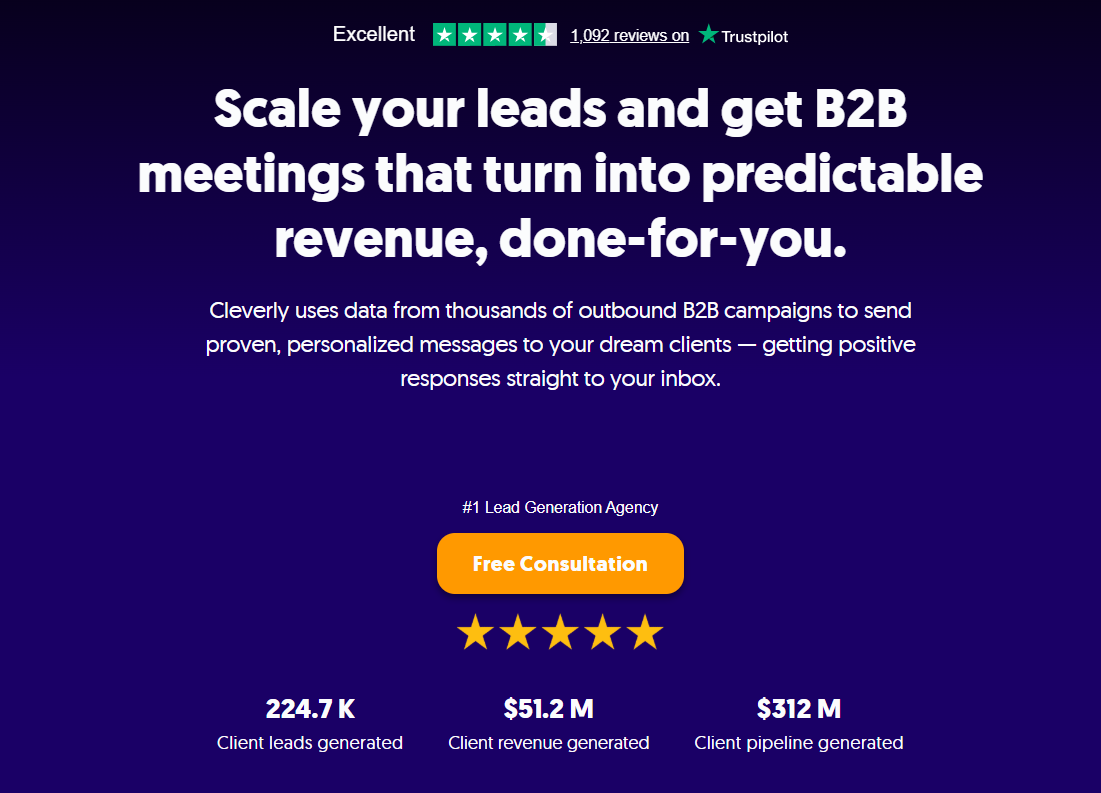
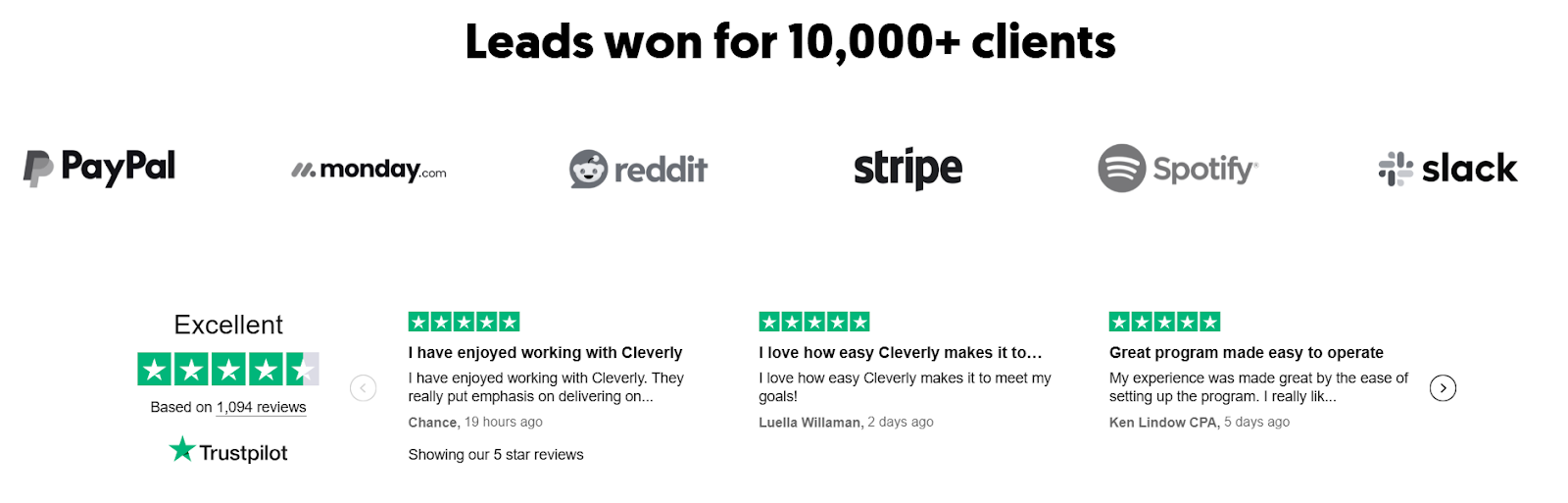
Built for pipeline, not just meetings We've generated $312M in pipeline for 10,000+ clients including Amazon, Google, Uber, and PayPal. Our system keeps accounts engaged through long sales cycles and spots expansion opportunities post-close.
Everything launches in two weeks. No-accent setters, breakthrough scripts, data and tech included. Half the cost of in-housing.
Ready to turn target accounts into revenue?
Book a strategy call and see how we'd execute ABX for your ICP.
Conclusion
Account based experience isn't a nice-to-have anymore. It's how B2B teams are winning deals in a world where buying committees expect personalized, consistent engagement at every stage.
The shift from lead volume to account quality changes everything:
- Your messaging gets sharper
- Your deals close faster
- Your customers stick around longer
Start with your highest-value accounts. Map the buying committee. Coordinate outreach across LinkedIn, email, and phone. Measure progress at the account level, not the lead level.
ABX takes work, but the payoff is real: bigger deals, shorter cycles, and pipeline that actually converts.
Stop chasing random leads. Start building relationships with accounts that matter.
Frequently Asked Questions
Free Resource
How to Scale a Profitable Cold Call System
Get the complete guide — download it instantly now.
Free Ebook
Download the Free Guide
Enter your details to get instant access.
You're all set! 🎉
Your ebook is downloading now.
Click below if the download didn't start automatically.