Table of Contents
Why Appointment Setting Fails for Most B2B Teams
Core Appointment Setting Best Practices (That Actually Work)
AI Appointment Setting Best Practices
Metrics That Actually Matter in Appointment Setting
Common Appointment Setting Mistakes to Avoid
How Cleverly Applies Appointment Setting Best Practices for B2B Teams
Conclusion
Frequently Asked Questions
Modified On :
July 13, 2026
Key Takeaways
- Appointment setting best practices prioritize qualified conversations over meeting volume to drive actual pipeline growth.
- Start with precise ICP targeting and qualify prospects before booking to protect your sales team's time.
- Use multi-channel coordination (LinkedIn, email, calling) instead of relying on a single outreach method.
- AI enhances research, personalization, and timing but humans must handle qualification and relationship building.
- Track metrics that matter like show-up rates and opportunity conversion, not just meetings booked.
- Treat appointment setting as a long-term system with sales alignment and feedback loops, not a short-term tactic.
Getting prospects on your sales team's calendar shouldn't feel like pulling teeth. Yet most B2B companies struggle with appointment setting best practices that actually convert outreach into qualified meetings.
We've helped over 10,000 clients book appointments with decision-makers at Amazon, Google, Uber, and thousands of other companies.
The difference between teams that consistently fill their pipeline and those that don't? A systematic approach to appointment setting.
This guide walks through the best practices for B2B appointment setting that turn cold outreach into warm conversations. No fluff, just what works in 2026.
What Is B2B Appointment Setting?
B2B appointment setting is the process of scheduling qualified sales meetings between your team and potential customers. It's not just booking calendar slots. It's about getting the right people in the room at the right time.
Here's how appointment setting differs from related activities:
Appointment Setting vs Lead Generation vs Sales Qualification
These activities overlap, but they're not the same thing. A B2B lead generation agency might generate 500 leads. An appointment setter books meetings with 50 of them. Your sales team qualifies 20 as real opportunities.
What Makes an Appointment "Qualified"?
A qualified appointment means:
- The prospect matches your ICP (right company size, industry, role)
- They understand what the meeting is about
- They have a legitimate business need or pain point
- They're the decision-maker or can influence the decision
- They actually show up (not just book and ghost)
Quality Over Quantity
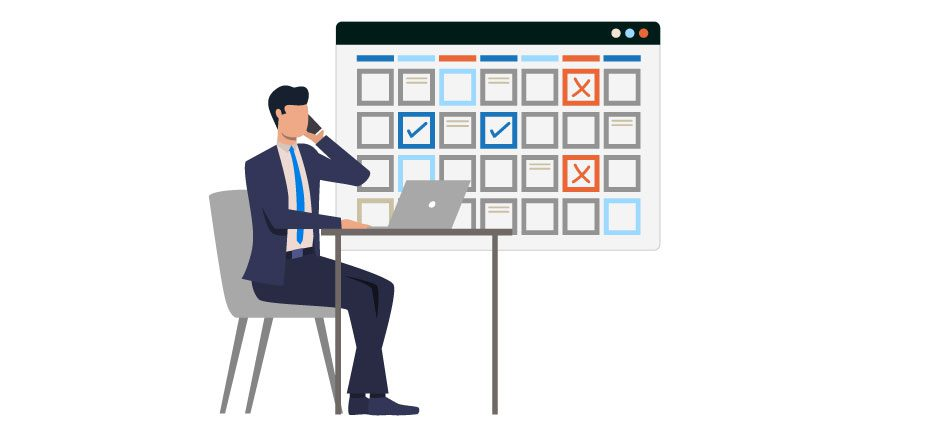
We've seen companies celebrate 100 booked meetings only to close zero deals. Why? Because those meetings weren't qualified.
When you focus on best practices for B2B appointment setting, you might book fewer meetings, but your show-up rates improve, your sales cycle shortens, and your close rates go up.
One qualified conversation beats ten tire-kicker calls every time.
Know More: How Much Does It Really Cost to Book a Sales Meeting?
📅 Meetings Your Sales Team Can Close
Cleverly books sales-ready appointments using LinkedIn outreach, pay-per-meeting cold email, and guaranteed cold calling—done for you.
Why Appointment Setting Fails for Most B2B Teams
Most B2B appointment setting efforts don't fail because of effort. They fail because of approach. Here are the most common mistakes we see:
Over-Reliance on Scripts and Generic Messaging
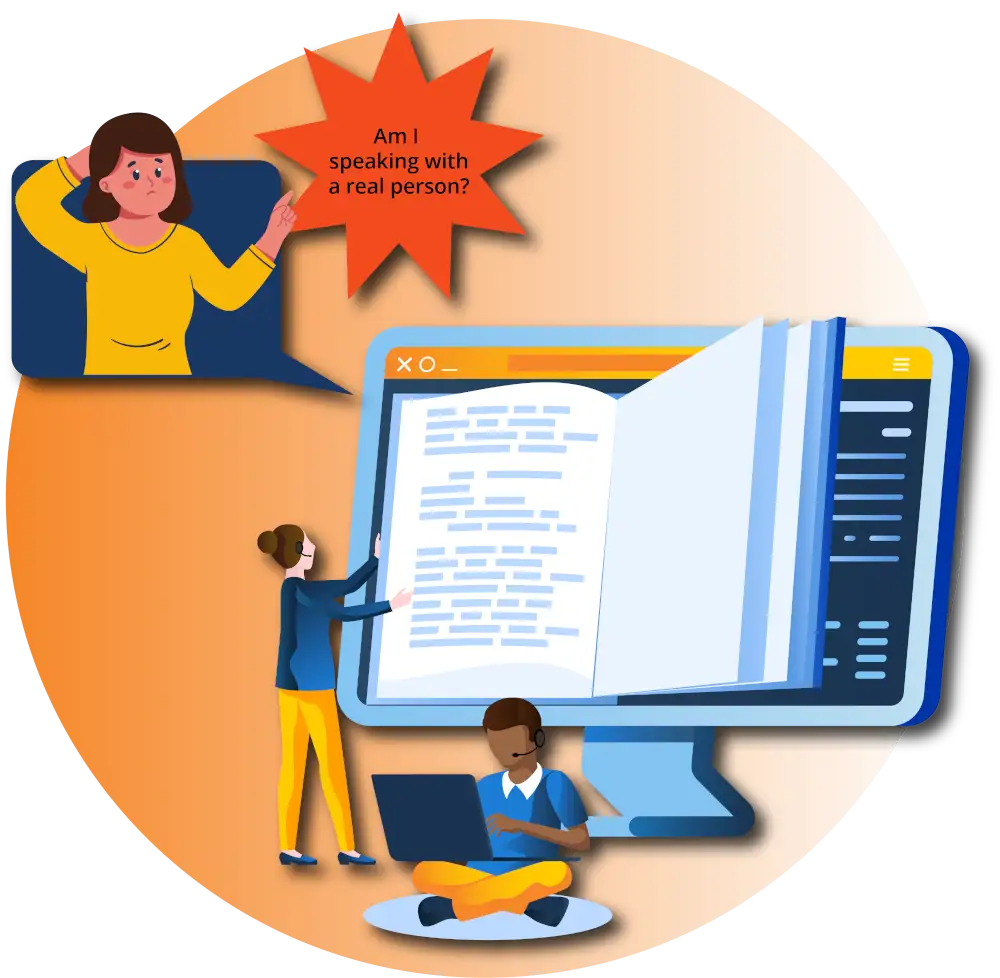
Your prospects can smell a templated pitch from a mile away. Teams that copy-paste the same message to everyone get ignored. Personalization isn't optional anymore. It's the baseline.
Even with scripts, your team needs to adapt based on:
- Industry-specific pain points
- Company size and stage
- Recent company news or changes
- The prospect's actual role and responsibilities
Poor ICP and Targeting
Reaching out to everyone who might buy is a recipe for wasted time. We've worked with clients who were targeting companies with 10 employees when their product only made sense for 500+ employee organizations.
Weak targeting means:
- Low response rates from the start
- Meetings with people who can't afford your solution
- Sales team frustration with unqualified appointments
- Burned lists and damaged sender reputation
Channel Mismatch
Relying on only one channel is leaving money on the table. Some prospects respond to LinkedIn. Others prefer email. Many need a phone call to commit.
The problem with single-channel approaches:
- You miss prospects who don't use that channel actively.
- You can't create the multi-touch sequences that actually work.
- Your message lacks reinforcement across platforms.
Misalignment Between SDRs and Closers
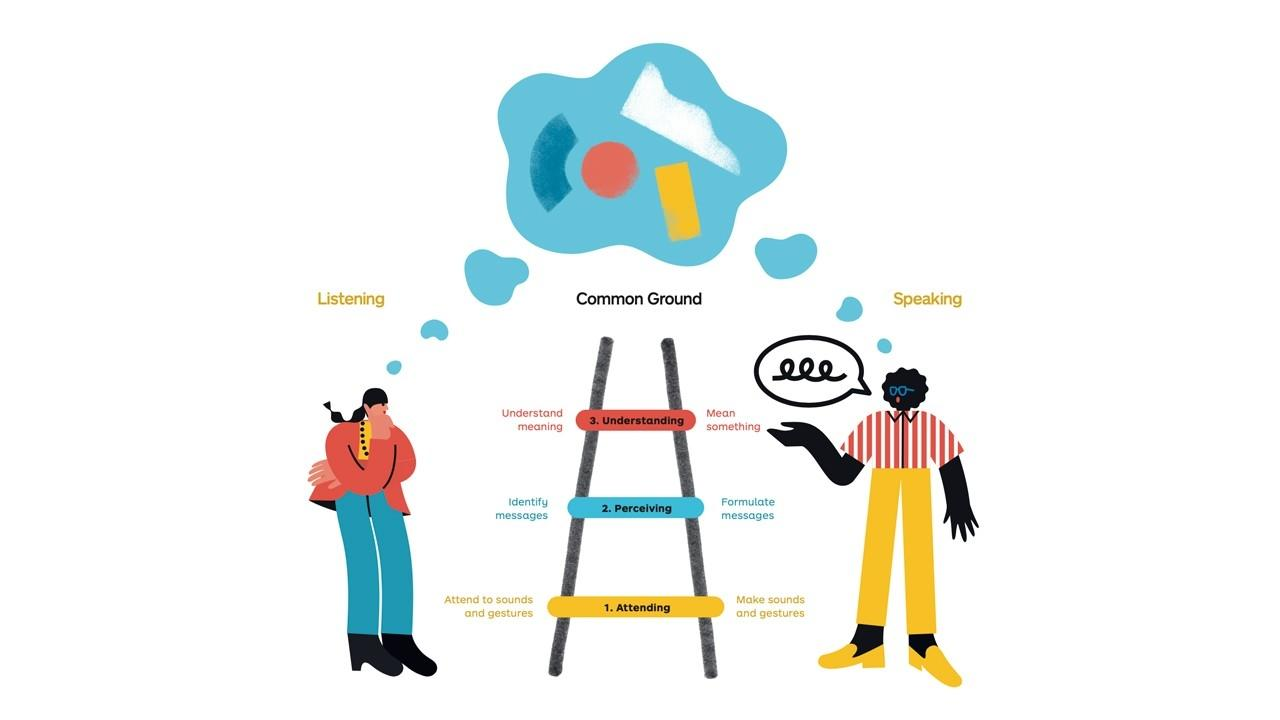
Your appointment setters book meetings. Your closers complain the leads are garbage. Sound familiar?
This happens when:
- SDRs are measured only on meeting volume
- There's no shared definition of "qualified"
- Closers don't give feedback on appointment quality
- Handoff process is unclear or broken
Measuring Success by Meetings Booked Instead of Outcomes
Vanity metrics kill appointment setting programs. Booking 50 meetings sounds impressive until you realize 40 were no-shows and the other 10 weren't qualified.
B2B appointment setting best practices focus on tracking:
- Show-up rate (should be 70%+)
- Meeting-to-opportunity conversion
- Opportunity-to-close rate
- Cost per qualified opportunity, not just cost per meeting
When you optimize for the wrong metric, you get the wrong results.
More on This: How to Measure Sales Success - Metrics That Actually Matter
Core Appointment Setting Best Practices (That Actually Work)
These aren't theories from a textbook. These are appointment setting best practices we've tested across 10,000+ clients and millions of outreach touches. They work because they're based on what actually gets prospects to show up and engage.
1. Start With a Clear ICP and Buying Persona
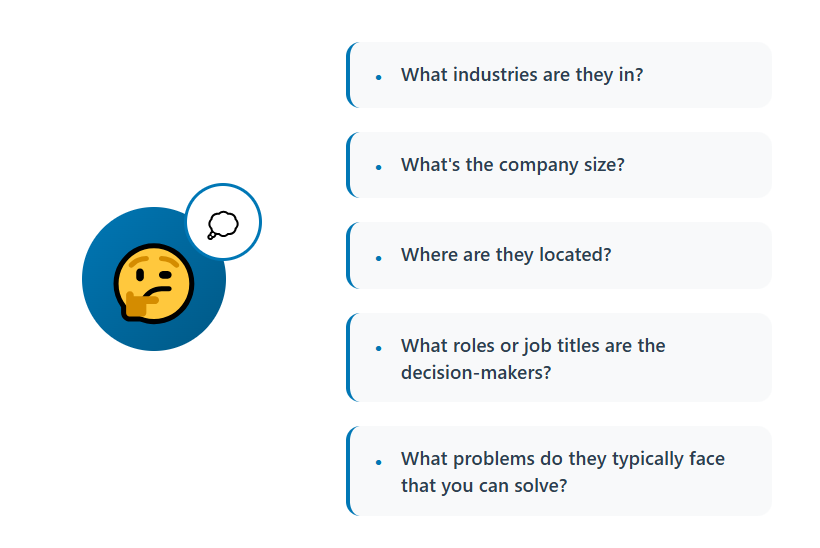
Before you send a single message, know exactly who you're targeting.
Role Clarity Over Company Lists
Don't just target "VPs at tech companies." Get specific. VP of Sales Operations at B2B SaaS companies with 100-500 employees is a real ICP. The first one is a guess.
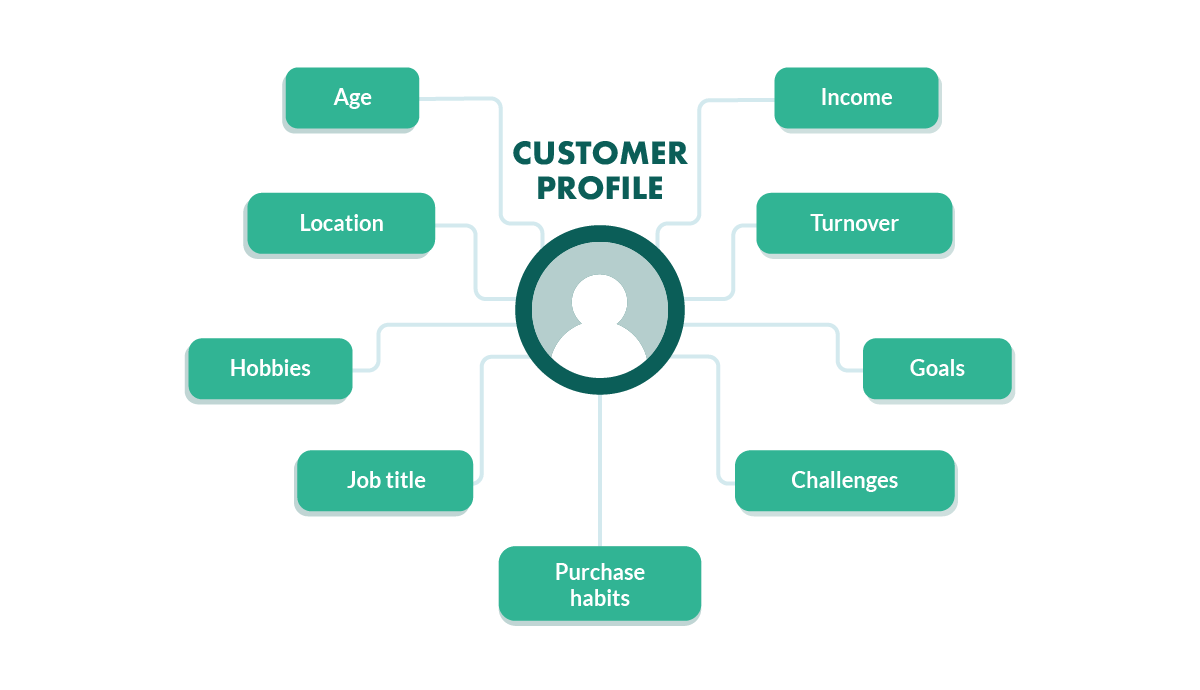
Your ideal customer profile should define:
- Exact job titles and departments
- Company size, industry, and revenue range
- Geographic location (if relevant)
- Tech stack or current solutions they use
Deal Size and Sales Cycle Alignment
If your average deal is $50K and takes 6 months to close, you can't afford to chase $5K opportunities with 2-week sales cycles. Your appointment setting needs to filter for prospects who match your deal economics.
Avoiding "Anyone Who Might Be Interested"
Broad targeting kills conversion rates. We've seen teams cut their target list by 70% and double their appointment rate because they focused on the right 30%.
Also Check: How to Build High-Converting B2B Buyer Personas That Drive Revenue
2. Use the Right Channel Mix (Not Just One)
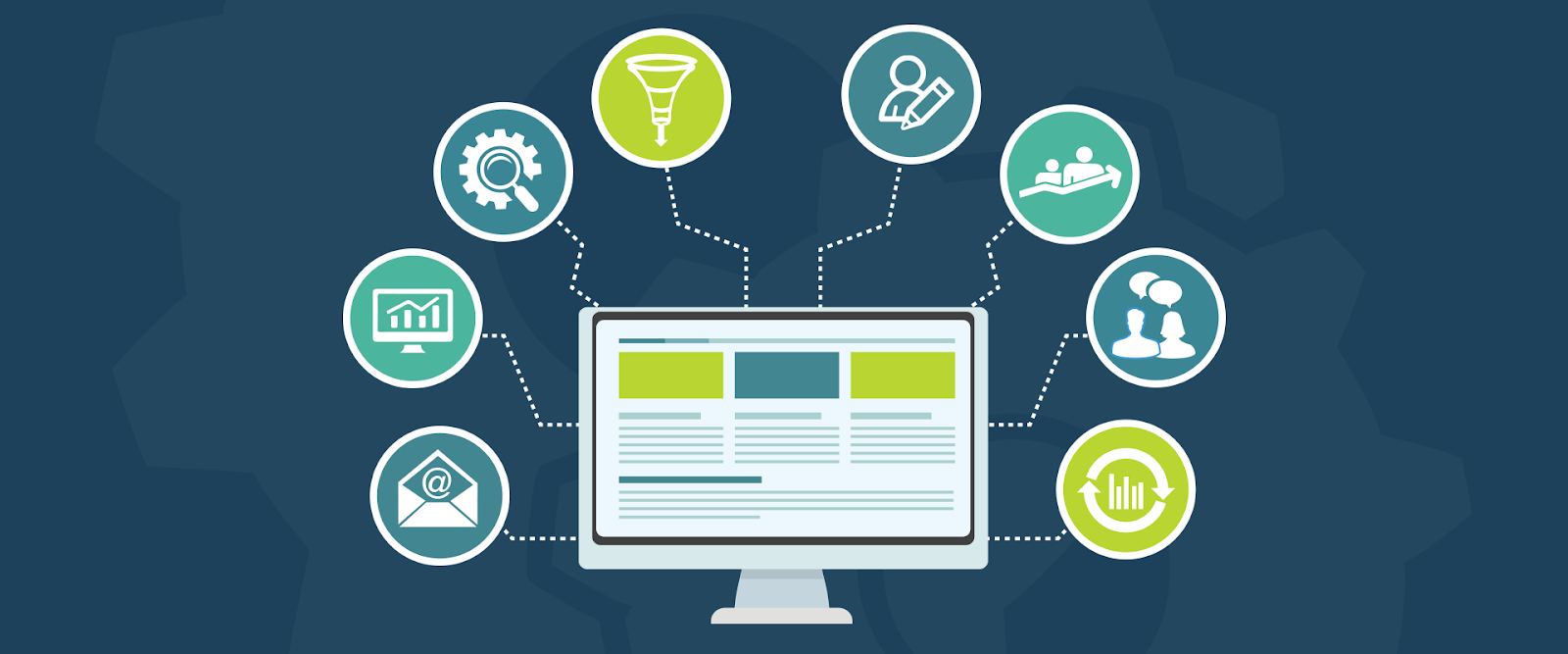
Single-channel outreach is leaving qualified appointments on the table.
LinkedIn for Trust and Context
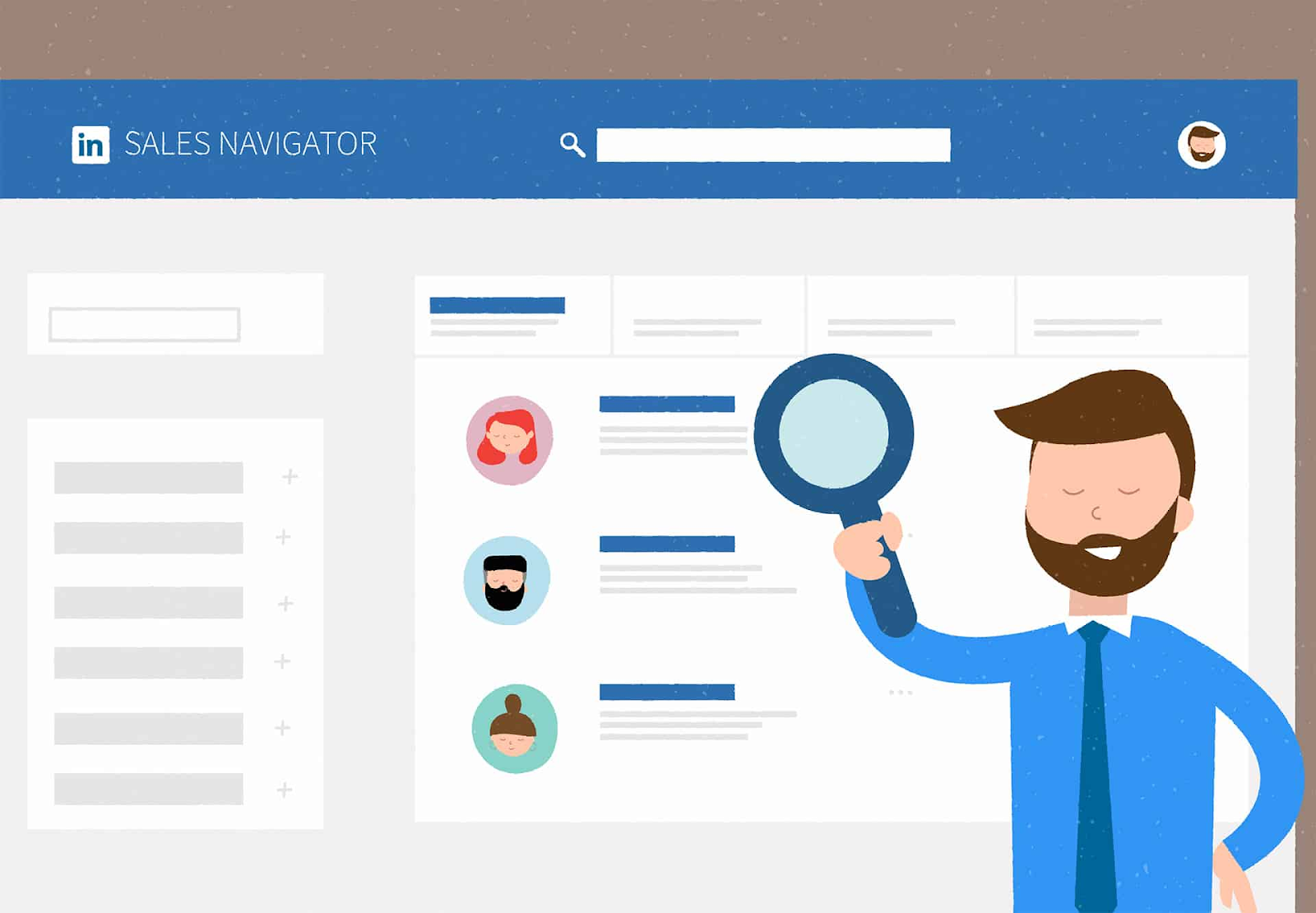
LinkedIn builds credibility before the ask. Profile views, connection requests, and engaging with content warm up prospects. It's especially effective for reaching executives who ignore cold emails.
Check: How To Generate 30+ Leads On Linkedin Without Spamming People
Email for Scale and Follow-Up

Cold email lets you reach hundreds of prospects with personalized messages. It's your workhorse channel for consistent pipeline input. Our cold email services help clients generate meeting-ready leads at scale.
Check: Best Cold Email Blueprint to Generate Leads
Cold calling for Speed and Clarification
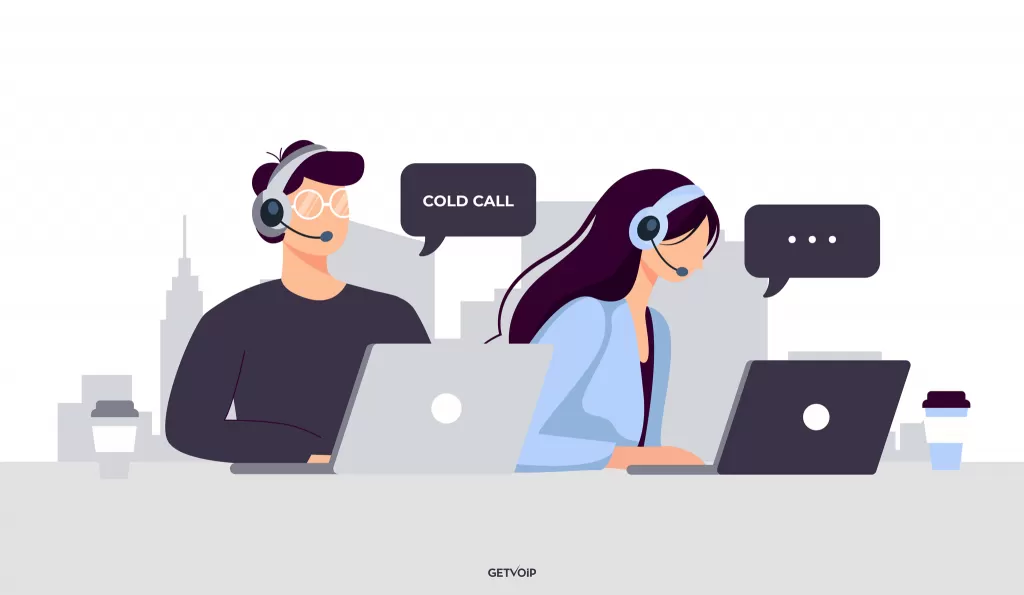
Phone calls cut through noise fast. When someone needs more context or is on the fence, a conversation moves things forward faster than three more emails. Our cold calling system books 10-30 qualified calls monthly with guaranteed appointments.
Check: 10+ Proven Cold Calling Tips to Book More Meetings
Why Channel Sequencing Matters More Than Channel Count
It's not about hitting prospects everywhere at once. It's about strategic sequencing:
- LinkedIn connection → profile engagement → personalized message
- Email sequence with 3-5 touches over 2 weeks
- Phone call after email engagement or as a parallel track
Multi-channel creates message reinforcement. Prospects see your name on LinkedIn, then in their inbox, then hear your voice. That repetition builds familiarity.
Compare In-Detail: LinkedIn vs Cold Email vs Cold Calling
3. Personalize for Relevance, Not Flattery
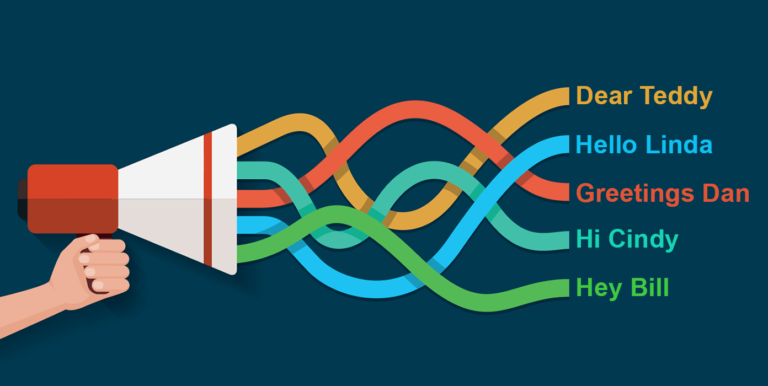
Personalization Tied to Business Pain, Not Trivia
"I saw you went to Michigan, Go Blue!" means nothing for appointment setting. "I noticed your team is hiring 5 SDRs, curious how you're planning to ramp them" shows you understand their business.
Relevant personalization mentions:
- Recent funding, acquisitions, or leadership changes
- Job postings that signal pain points
- Industry trends affecting their company
- Specific challenges their role typically faces
Account-Level vs Individual-Level Personalization
Account-level personalization (company news, industry shifts) scales better than individual research. Save deep individual personalization for high-value accounts.
For mid-market outreach, account-level insights hit 80% of the impact with 20% of the research time.
When Light Personalization Outperforms Heavy Research
Spending 20 minutes researching each prospect doesn't guarantee better results. We've tested this extensively. A well-crafted message with light personalization (company + role-based pain) often outperforms heavily researched custom messages.
Why? Because volume matters. Better to send 50 solid personalized messages than 10 perfectly researched ones.
4. Lead With Value, Not a Meeting Ask
Framing the Conversation, Not the Calendar
Don't open with "Do you have 15 minutes for a quick call?" Start with why they should care. Share an insight, ask about a challenge, or reference a mutual problem.
The meeting becomes a natural next step, not the entire point of your message.
Curiosity-Based Openers

Questions that make prospects think work better than pitches:
- "How are you currently handling [specific challenge]?"
- "What's your take on [industry trend]?"
- "Are you seeing [common problem] with your current setup?"
These openers get responses. Responses lead to conversations. Conversations lead to meetings.
Why "15-Minute Call" Language Fails
Everyone knows a "quick 15-minute call" never stays 15 minutes. It signals you're trying to get your foot in the door, not actually help them.
Instead, be direct: "Worth a conversation to see if we can help with [specific outcome]?" Prospects respect honesty.
Check These: Best Cold Call Opening Lines to Nail the First 15 Seconds (With Examples)
5. Qualify Before You Book
Budget, Authority, Need, Timing (Light Qualification)
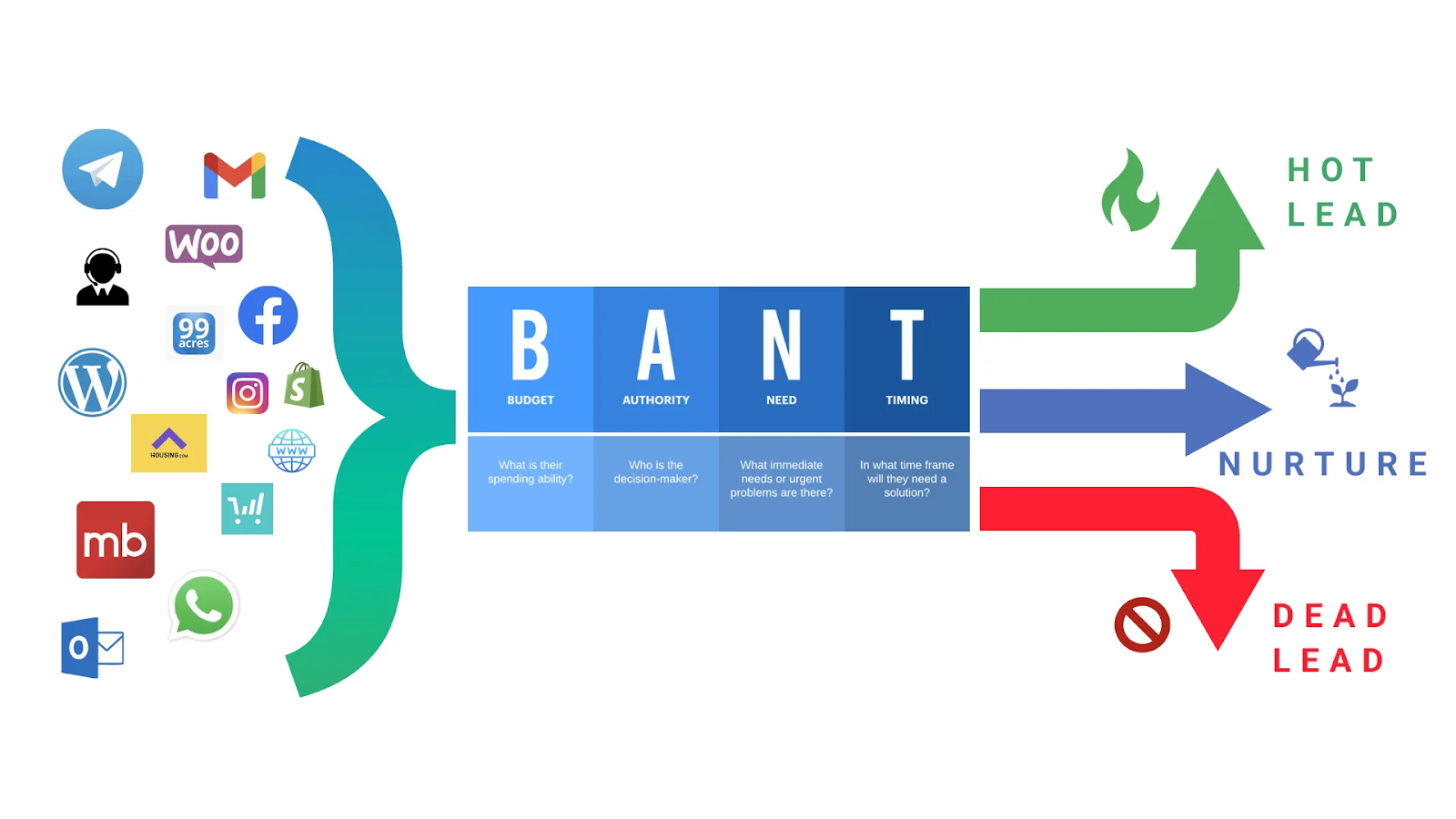
You don't need full BANT qualification before booking. But you need enough to know the meeting won't be a waste of time.
Ask lightweight lead qualifying questions:
- "What does your current process for [X] look like?"
- "Is this something you're actively looking to improve this quarter?"
- "Who else typically weighs in on decisions like this?"
Their answers tell you if they're worth your sales team's time.
Tools that Help: Best AI Lead Qualification Tools for Faster B2B Conversions
Avoiding Calendar Spam
Booking everyone who responds might boost your meeting count. It'll also tank your team's morale when half the appointments are unqualified or no-shows.
Protecting your sales team's calendar is part of appointment setting best practices.
Protecting the Sales Team's Time
Your closers should be talking to people who can buy, not tire-kickers who "just want to learn more." Every unqualified meeting is a qualified opportunity they didn't take.
We focus on qualified conversations, not just calendar fills. That's why our clients see actual pipeline growth, not just meeting activity.
6. Align Appointment Setting With the Sales Process

Clear Handoff Between Appointment Setter and Closer
The moment between booking and the actual meeting is where deals die. Your SDR or appointment setter needs to hand off context, not just a calendar invite.
Essential handoff elements:
- Why the prospect agreed to meet
- Key pain points mentioned
- Qualification notes (budget signals, timeline, authority)
- Any objections or concerns raised
Context Sharing and Notes
Your closer shouldn't walk into a meeting blind. They need to know what was promised, what resonated, and what questions came up during the booking conversation.
A good handoff takes 2 minutes and doubles meeting effectiveness.
Why Poor Handoffs Kill Conversion Rates
We've seen companies with 80% show rates convert only 10% to opportunities. The problem? The closer didn't know what the prospect was expecting.
Poor handoffs create:
- Confused prospects who feel misled
- Wasted discovery time re-asking basic questions
- Lower trust and credibility
- Longer sales cycles
When appointment setters and closers operate as one system, conversion rates improve across the board.
At Cleverly, our B2B lead generation agency coordinates LinkedIn, cold email, and cold calling so every handoff is clean and every meeting is positioned for success.
🚀 Stop Chasing. Start Meeting Buyers.
Trusted by 10,000+ companies, Cleverly delivers qualified meetings across LinkedIn, email, and phone, generating $312M+ in pipeline.
AI Appointment Setting Best Practices
AI is changing how appointment setting works, but it's not replacing the human element. Here's how to use AI appointment setting best practices without losing what actually converts prospects.
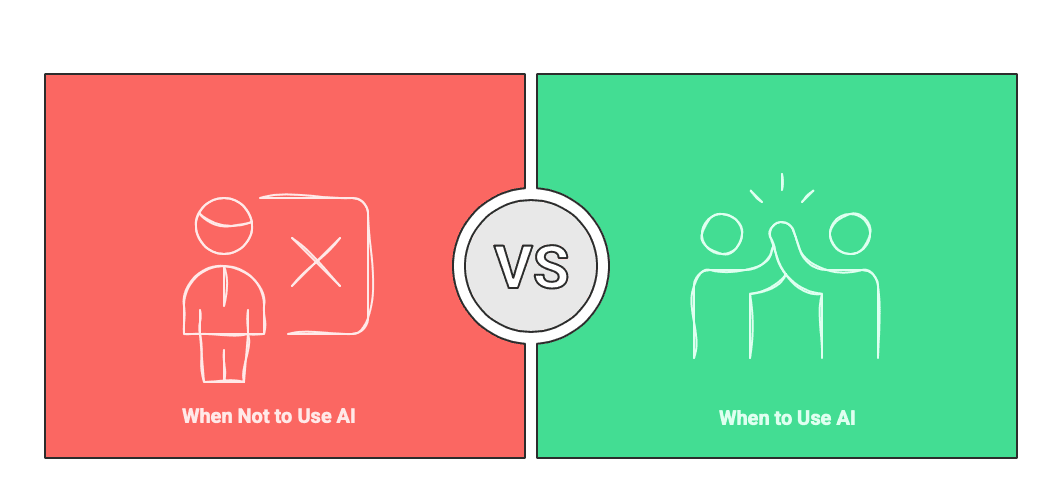
Where AI Helps
1. Lead Research and Enrichment
AI tools can pull company data, recent news, job changes, and tech stack information in seconds. What used to take 10 minutes per prospect now takes 10 seconds.
Use AI to:
- Enrich lead lists with firmographic data
- Identify trigger events (funding, hiring, expansion)
- Surface relevant company news and insights
- Find mutual connections or warm intro paths
2. Message Drafts and Variations
AI can generate personalized message variations at scale. Feed it your ICP, value prop, and prospect data, and it'll create customized openers faster than any human could.
This is especially useful for:
- A/B testing different messaging angles
- Adapting templates to specific industries
- Creating follow-up sequences
- Localizing messages for different markets
3. Follow-Up Timing
AI analyzes engagement patterns to determine optimal send times, follow-up intervals, and sequence length. It learns when your prospects are most likely to respond and adjusts accordingly.
Smart timing features:
- Send time optimization by recipient behavior
- Automatic follow-up scheduling based on engagement
- Cadence adjustments for different prospect segments
- Response likelihood scoring
Where AI Should Not Replace Humans
1. Qualification Judgment
AI can't read between the lines. When a prospect says "send me information," a human knows if that's genuine interest or a polite brush-off. When someone mentions budget constraints, a human can probe whether that's a real blocker or a negotiation tactic.
Qualification requires context, intuition, and conversation skills AI doesn't have.
2. Objection Handling
Real objections need real responses. "We're already working with someone" or "Not the right time" require nuanced handling. AI-generated responses feel robotic because they are.
Your appointment setter needs to:
- Dig deeper into what the objection really means
- Pivot the conversation based on tone and context
- Build credibility through authentic dialogue
- Know when to push and when to back off
3. Relationship Building
Trust doesn't come from perfectly optimized messages. It comes from genuine conversations. AI can't build rapport, read emotional cues, or adapt in real time the way a skilled appointment setter can.
This is especially true on calls. Our cold calling system uses trained appointment setters, not bots, because relationships close deals.
Best Practice: AI as an Assist Layer, Not the Owner

The winning approach? Use AI to handle the repetitive, data-heavy work so your team focuses on the human parts that actually book meetings.
At Cleverly, we use AI to enhance our LinkedIn and cold email outreach, but every qualified appointment comes from human judgment and genuine engagement. That's why AI appointment setting best practices mean using technology as a multiplier, not a replacement.
When you combine AI efficiency with human expertise, you get the best of both worlds: scale without sacrificing quality.
Metrics That Actually Matter in Appointment Setting
Many teams celebrate meetings booked while their pipeline stays empty. Here are the metrics that actually tell you if your B2B appointment setting best practices are working.
Meetings Booked vs Meetings Held

Booking 50 meetings sounds great until 20 people don't show up. What matters is how many conversations actually happen.
Track both numbers separately:
- Meetings booked: Total appointments scheduled
- Meetings held: Appointments where the prospect actually showed up
The gap between these two reveals your qualification quality. A 30% no-show rate means you're booking the wrong people or setting wrong expectations.
Show-Up Rate

Your show-up rate should be 70% or higher. Anything below 60% signals problems with targeting, messaging, or how you're setting the appointment.
Low show-up rates usually mean:
- Prospects weren't actually qualified
- They didn't understand what the meeting was about
- Too much time passed between booking and the call
- Your follow-up and reminder process is weak
We see clients improve show-up rates by 20-30% just by tightening qualification and improving pre-meeting communication.
Opportunity Conversion Rate
This is the metric that actually matters. What percentage of held meetings turn into qualified opportunities?
Calculate it: (Opportunities created / Meetings held) x 100
If you're holding 40 meetings and only 4 become opportunities, your 10% conversion rate tells you something is broken. Either your targeting is off or your sales process needs work.
Good B2B appointment setting best practices produce 25-40% opportunity conversion rates.
Pipeline Influenced, Not Just Created
Don't just measure how many opportunities your appointment setting creates. Track how those opportunities move through your pipeline.
Ask:
- What's the average deal size from these appointments?
- How long is the sales cycle?
- What's the win rate compared to other lead sources?
- What's the actual revenue generated, not projected?
An appointment setting program that books 100 meetings but closes 2 deals is worse than one that books 30 meetings and closes 8.
Important Distinction: Sales Forecasting vs Pipeline Management
Why Vanity Metrics Mislead Teams
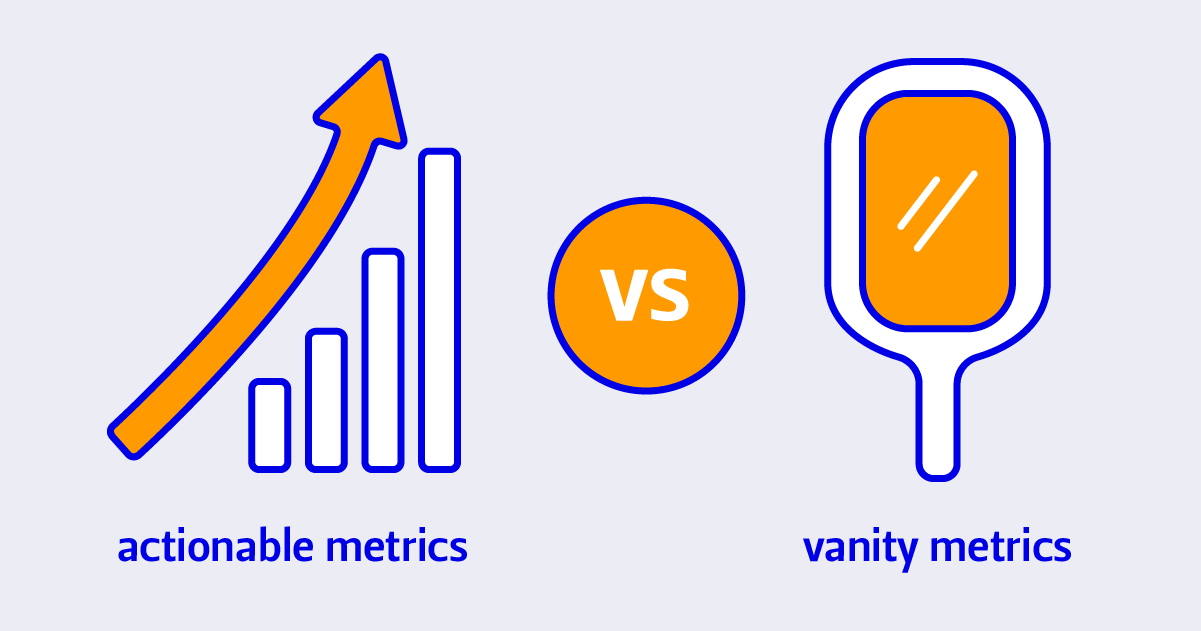
Vanity metrics make you feel productive without moving revenue:
- Total outreach volume: Sending 10,000 emails means nothing if 50 get responses
- Meeting booked count: See above on show-up rates
- Response rate: A 5% response rate is worthless if none convert to opportunities
- Cost per meeting: Cheap meetings that don't close aren't a win
These numbers look good in reports but don't pay the bills.
What to Track Instead
Focus on metrics tied to revenue:
- Show-up rate (70%+ target)
- Opportunity conversion rate (25-40% target)
- Cost per qualified opportunity
- Average deal size from appointments
- Win rate by lead source
- Time to close from first appointment
When you optimize for these, your appointment setting becomes a predictable pipeline engine instead of a vanity numbers game.
We track the entire funnel from outreach to closed revenue because that's what actually matters for your business. Our clients see $312 million in pipeline generated precisely because we focus on qualified conversations, not calendar fills.
Common Appointment Setting Mistakes to Avoid
Even teams with good intentions make predictable mistakes that tank their results. Here are the traps that kill appointment setting best practices and how to avoid them.
❌ Chasing Volume Over Fit
More meetings don't equal more revenue. We've worked with companies booking 80 appointments a month with 5% close rates and others booking 20 appointments with 30% close rates. Guess which one hit their revenue targets?
The volume trap looks like:
- Reaching out to anyone remotely close to your ICP
- Lowering qualification standards to hit meeting quotas
- Celebrating 100 booked meetings without checking who they're with
- Measuring SDR performance purely on activity numbers
Quality targeting might cut your meeting count in half, but it'll double your pipeline.
❌ Booking Unqualified Meetings
When your appointment setters are measured only on meetings booked, they'll book anyone who says yes. This creates a nightmare for your sales team.
Signs you're booking unqualified meetings:
- Show-up rates below 60%
- Sales team complaining about lead quality
- Most meetings end in "send me information"
- Prospects surprised by what the meeting is actually about
The fix is simple but not easy: qualify before you book. Ask basic questions about budget, timeline, and decision-making authority. If the answers don't fit, don't force the meeting.
❌ No Feedback Loop From Sales
Your appointment setters operate in the dark without sales feedback. They keep booking the same type of unqualified prospects because no one tells them what's working.
Create a feedback system where:
- Sales shares which meetings turned into opportunities
- Common objections get documented and addressed
- Qualification criteria get refined based on close rates
- Appointment setters sit in on sales calls occasionally
This closes the loop. Your team learns what "qualified" actually means in practice, not just theory.
❌ Over-Automation
Automation is useful. Over-automation kills relationships.
We see this when:
- Every touchpoint is automated with no human review
- Messages feel robotic because they are
- Follow-ups continue even after prospects opt out
- AI handles conversations that need human judgment
Use automation for scheduling, data entry, and follow-up sequences. Keep humans in the loop for actual conversations, qualification, and relationship building.
❌ Treating Appointment Setting as a Short-Term Tactic
Some companies view appointment setting as a quick fix. Launch a campaign, book some meetings, then move on to the next tactic.
This approach fails because:
- Relationship building takes time
- Your lists get burned with aggressive one-off campaigns
- You never develop institutional knowledge about what works
- Teams don't have time to optimize based on results
Appointment setting best practices require consistency. The companies generating predictable pipeline treat it as an ongoing system, not a short-term experiment.
You need at least 90 days to test and optimize messaging, build brand awareness, develop qualification and train your team on what converts.
At Cleverly, we've helped clients over years, not weeks, because sustainable pipeline growth comes from systematic execution, not one-off campaigns. Our LinkedIn services start at just $397/month and our cold email model charges only for meeting-ready leads because we know long-term partnerships produce better results than quick wins.
Avoid these mistakes and your appointment setting becomes a reliable growth engine instead of a source of frustration.
How Cleverly Applies Appointment Setting Best Practices for B2B Teams
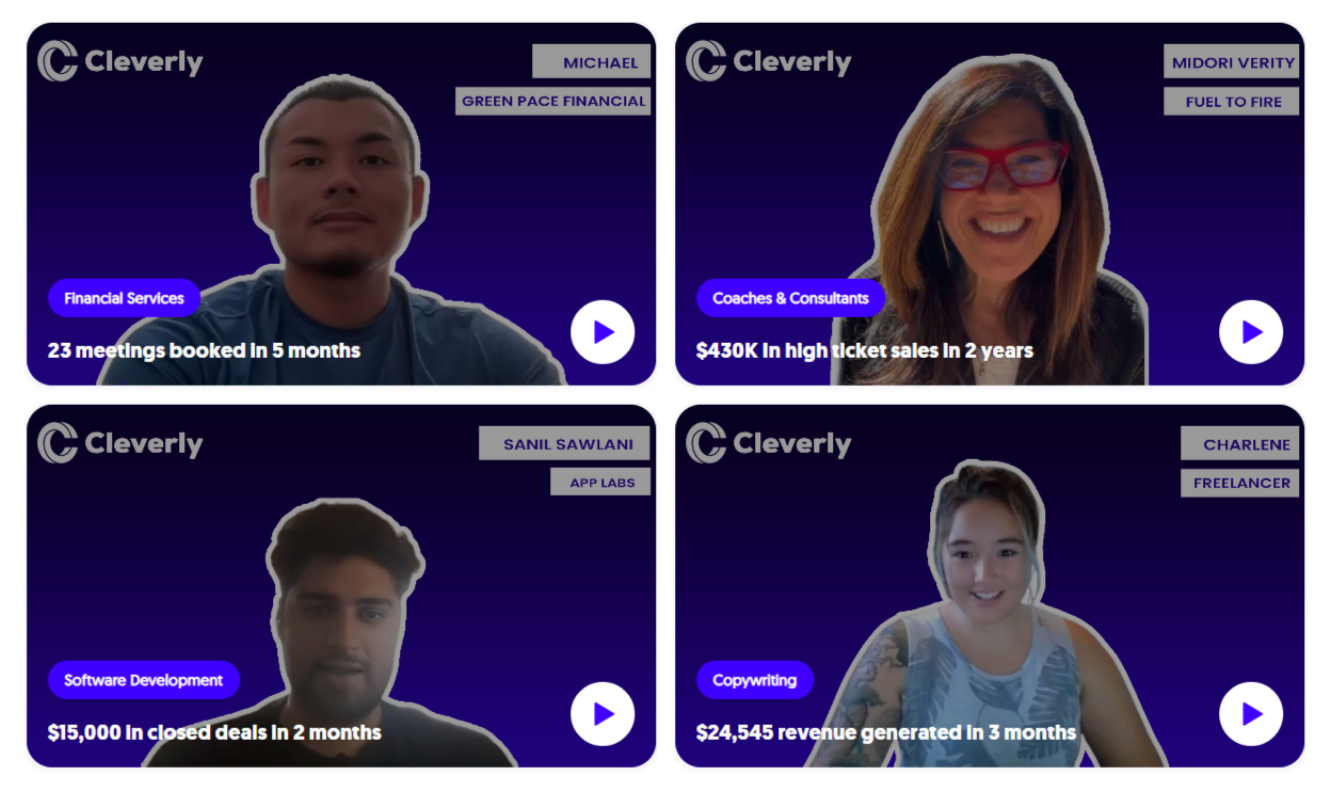
We don't just teach appointment setting best practices. We deliver appointment setting services that put those strategies into action every day for 10,000+ clients.
Pipeline Creation, Not Just Calendar Fills
We treat appointment setting as what it actually is: the engine that feeds your sales pipeline with qualified conversations.
How We Apply These Best Practices
- ICP-Driven Targeting: We target exactly who you should talk to
- Multi-Channel Coordination: LinkedIn outreach builds trust and credibility (starts at $397/month), Cold email delivers scale and personalization (pay only for meeting-ready leads) and Cold calling gets fast decisions with guaranteed appointments (10-30 qualified calls monthly)
- Qualification Before Booking: Result? 70%+ show-up rates and conversations that actually matter.
- Clean Handoffs and Full Transparency: Your sales team gets context, not just calendar invites.
What We Focus On
- Qualified conversations that convert
- Sales alignment from first touch to close
- Predictable pipeline input, not vanity metrics
The Results Speak
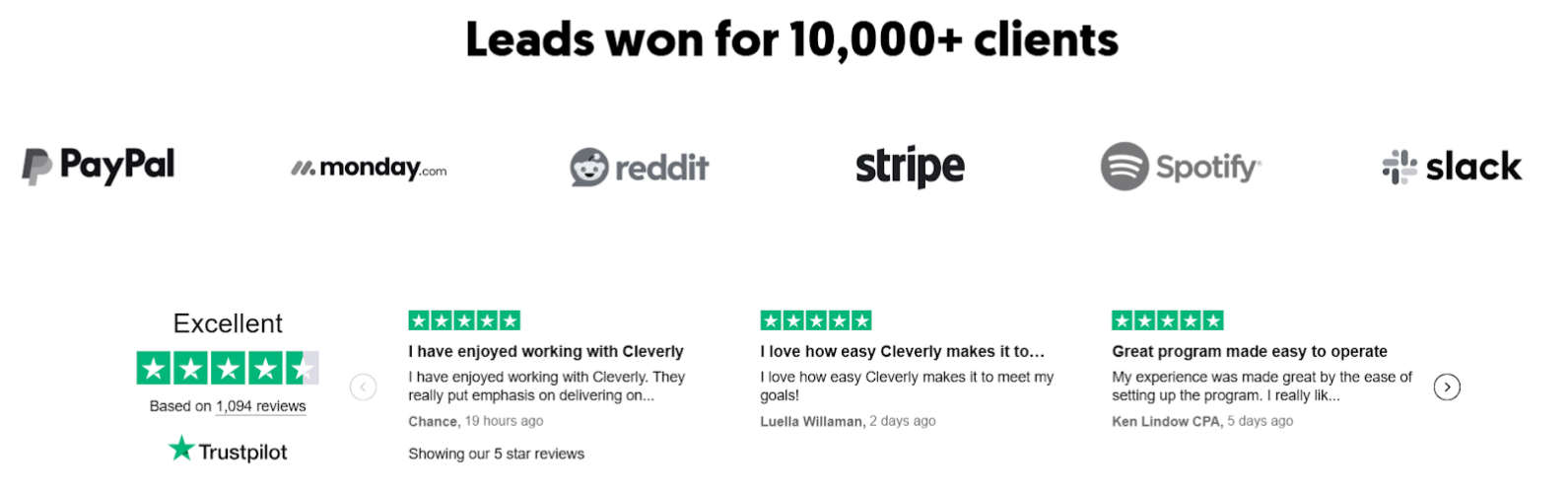
As a B2B lead generation agency, we've delivered:
- $312M in pipeline revenue
- $51.2M in closed revenue
- 53K+ qualified appointments
- Clients like Amazon, Google, Uber, PayPal, Slack, and Spotify
Ready to stop chasing meetings and start filling pipeline?
Let's build your appointment setting system.
Conclusion
Appointment setting best practices aren't about perfect scripts or automation tricks. They're about building a system that consistently puts qualified prospects in front of your sales team.
The fundamentals haven't changed: know your ICP, personalize with relevance, qualify before you book, and align with your sales process. What has changed is how AI and multi-channel coordination can amplify these fundamentals at scale.
But technology only enhances execution. It doesn't replace the human judgment needed for real qualification, objection handling, and relationship building.
When you get appointment setting right, you're not just filling calendars. You're building trust with your target market and creating predictable pipeline growth.
The difference between teams that struggle and teams that scale? They treat appointment setting as a revenue system, not a one-off tactic.
Frequently Asked Questions
Free Resource
How to Scale a Profitable Cold Call System
Get the complete guide — download it instantly now.
Free Ebook
Download the Free Guide
Enter your details to get instant access.
You're all set! 🎉
Your ebook is downloading now.
Click below if the download didn't start automatically.