Table of Contents
What Are Buying Signals in Sales?
Why Buying Signals Matter for B2B Lead Prioritization
Types of Buying Signals You Should Track
Where Buying Signals Come From (And Which Ones Matter Most)
How to Turn Buying Signals Into Lead Priority Scores
Buying Signals vs Lead Scoring — What's the Difference?
How Sales Teams Should Act Once Buying Signals Appear
How Cleverly Uses Buying Signals to Prioritize B2B Leads
Conclusion
Frequently Asked Questions
Modified On :
February 3, 2026
Key Takeaways
- Buying signals are specific actions showing a prospect is actively considering a purchase, not just browsing.
- Stack multiple signals together instead of relying on single actions to identify real intent.
- First-party engagement signals from your own outreach and website outperform generic third-party intent data.
- Speed matters: respond to high-intent signals within hours to beat competitors to the conversation.
- Combine buying signals with ICP fit to prioritize leads that are both ready to buy and a good fit.
- Adjust your messaging based on signal type: educational content for early signals, pricing and case studies for high-intent signals.
Most B2B sales teams waste hours chasing leads that were never going to buy.
They're stuck in endless follow-up loops, sending generic emails to contacts who went cold weeks ago, while actual ready-to-buy prospects slip through the cracks.
The difference between top performing sales teams and everyone else?
They've mastered the art of reading buying signals.
We're not talking about gut feelings or guesswork. We're talking about concrete, observable behaviors that tell you exactly when a lead is moving from "just browsing" to "ready to talk budget."
And in B2B sales, catching these signals early can be the difference between closing a deal in 30 days versus losing it to a competitor who moved faster.
In this guide, we'll show you exactly what buying signals look like, how to spot them in real time, and how to prioritize your outreach so you're always talking to leads when they're most ready to convert.
Let's get into it.
What Are Buying Signals in Sales?
Buying signals are specific actions or behaviors that show a prospect is actively considering a purchase. Think of them as breadcrumbs that lead you to the deal.
But here's where most sales teams get it wrong. They confuse interest with intent.
Interest signals look like this:
- Downloaded a whitepaper
- Visited your pricing page once
- Opened a few emails
- Connected on LinkedIn
Intent signals look like this:
- Requested a demo or pricing quote
- Asked about implementation timelines
- Mentioned budget or decision makers
- Compared your solution to competitors
See the difference? Interest means they're aware of you. Intent means they're ready to buy.
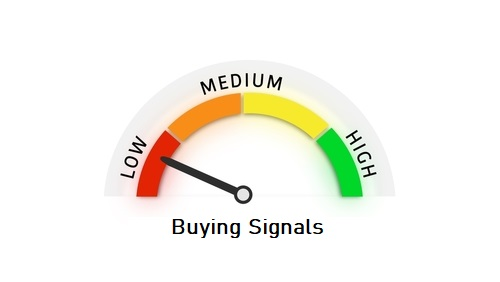
And here's the thing: buying signals don't automatically mean you've got a hot lead. A prospect can show intent but still be 6 months away from a decision.
Or they might be researching for someone else. Or they're gathering quotes just to validate an internal choice they've already made.
In modern B2B sales, buying signals in sales are about timing and context. You need to catch multiple signals, stack them together, and understand where the prospect sits in their buying journey. That's when you know it's time to move fast.
Unlock More: B2B Buying Process - How Buyers Make Decisions Today
🎯 Capture Buying Signals Across Every Channel
Cleverly turns intent signals into meetings using LinkedIn outreach, pay-per-meeting cold email, and guaranteed cold calling. No guessing, just conversations with buyers.
Why Buying Signals Matter for B2B Lead Prioritization
We’ve seen most B2B sales reps treat every lead the same. Big mistake.
When you're not tracking B2B buying signals, you end up spending equal time on someone who downloaded an ebook and someone who just asked about your enterprise pricing.
One of those leads is ready to talk. The other one isn't. Why B2B buying signals change everything:
They kill wasted effort
- Your team stops chasing dead ends.
- You focus energy on leads showing real intent.
- Follow-up becomes strategic, not desperate.
They speed up your sales cycle
- You reach out when prospects are actively looking.
- Speed-to-lead improves because you know who to call first.
- Conversion rates jump when timing matches intent
They're critical in enterprise and mid-market sales
In complex B2B deals, buying committees don't move fast. But when multiple stakeholders start engaging, asking technical questions, or requesting case studies?
That's your window. Miss it, and another vendor swoops in.
They connect marketing and sales
Marketing and sales alignment is crucial everywhere. Marketing generates interest. Sales closes deals. B2B buying signals are the bridge. When marketing spots intent signals like repeat website visits or content downloads, and sales sees engagement signals like email replies or LinkedIn responses, you've got alignment.
That's when pipelines actually convert.
At Cleverly, we've helped generate $312 million in pipeline by combining targeting with real engagement tracking. We don't just send cold outreach. We watch for responses, clicks, and reply patterns, then help clients prioritize who to chase and who to nurture.
Because in B2B, timing isn't everything. It's the only thing.
Learn More: How to Shorten the B2B Sales Cycle Without Discounting
Types of Buying Signals You Should Track
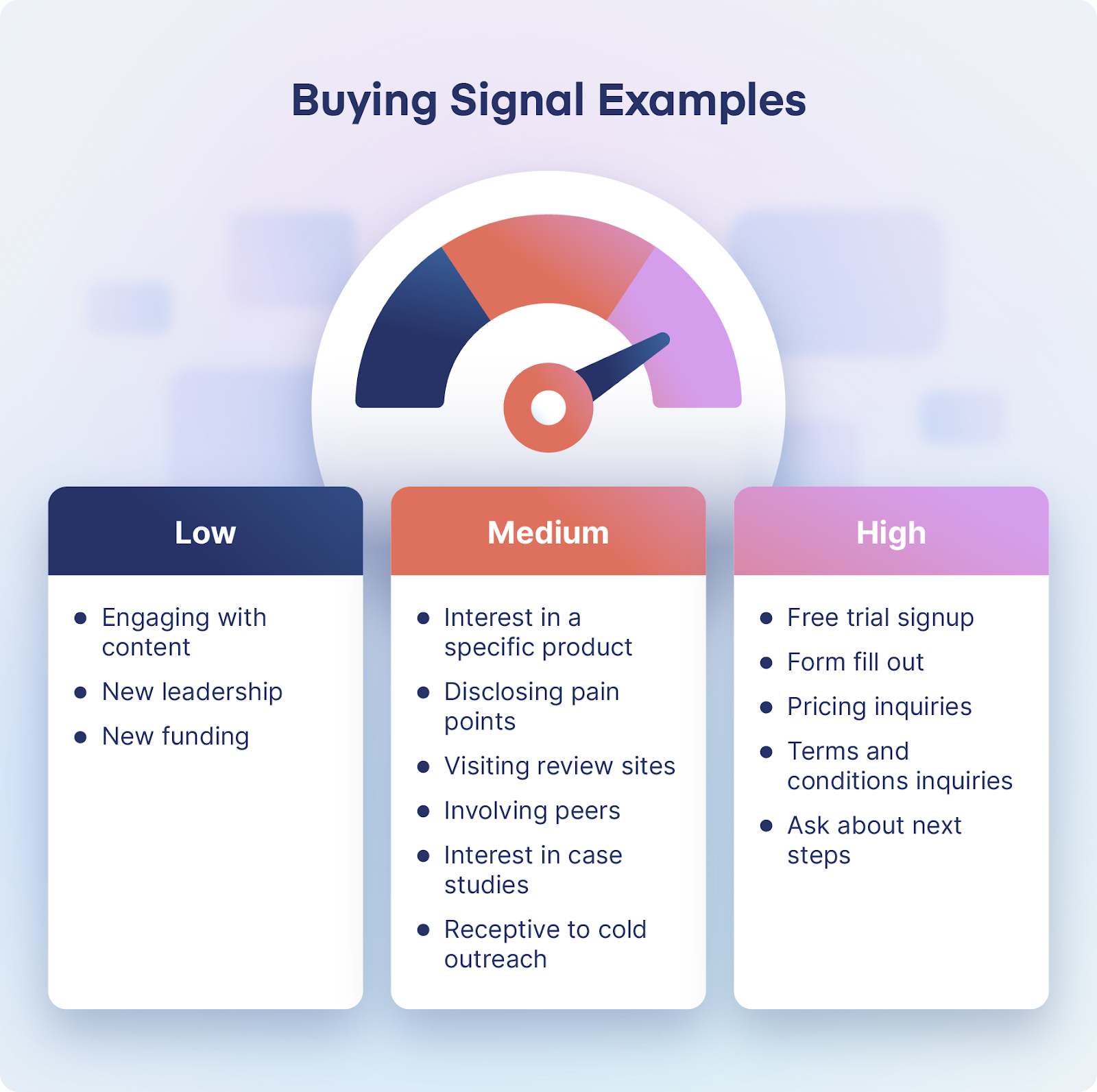
Not all signals are created equal. Some scream "call me now." Others whisper "maybe later." Buying signals examples that actually matter in B2B sales.
Behavioral Signals: What They're Doing
These show engagement level and interest depth:
- Multiple visits to your pricing or product pages
- Spending 5+ minutes on case studies or ROI calculators
- Opening every email in your sequence
- Engaging with your content on LinkedIn repeatedly
- Downloading multiple resources in a short window
Frequency matters here. One visit means curiosity. Five visits in two days means intent.
Intent Signals: What They're Researching
These reveal active evaluation and comparison:
- Searching "[your product] vs [competitor]"
- Reading reviews on G2 or Capterra
- Asking specific questions about implementation
- Requesting demos or detailed pricing breakdowns
- Mentioning timelines like "Q2 rollout" or "end of fiscal year"
When prospects start comparing, they're close to a decision.
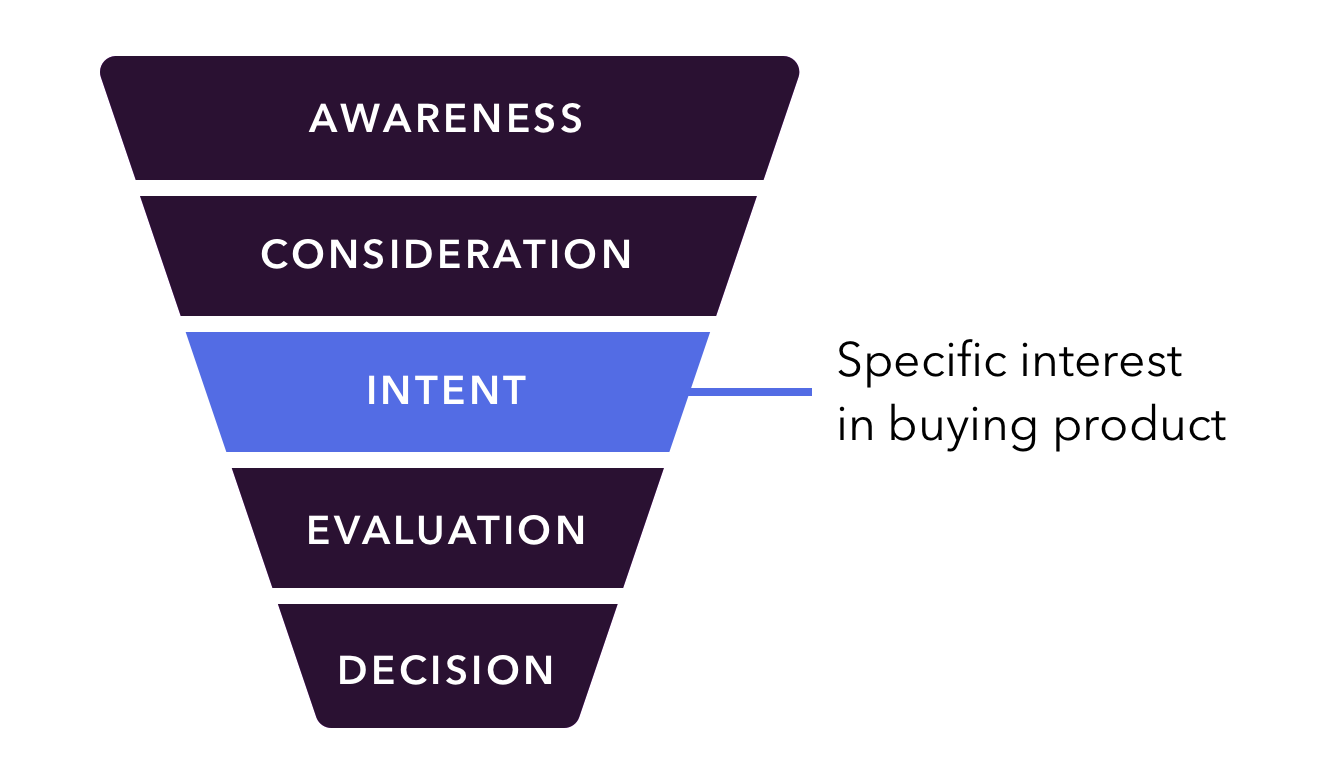
Firmographic and Role-Based Signals
Sometimes who they are matters more than what they do:
- Director-level or above engaging with your content
- Companies that match your ideal customer profile perfectly
- Organizations in high-growth mode (funding rounds, hiring sprees)
- Industries with urgent compliance or regulatory needs
A VP of Sales at a 500-person SaaS company downloading your case study? That's worth immediate follow-up.
Timing Signals: Urgency Indicators
These tell you the buying window is open now:
- "We need this implemented by [specific date]"
- Asking about onboarding timelines
- Mentioning budget approval cycles
- Referencing contract renewals or vendor switches
- Requesting references or security documentation
Signals That Look Good But Usually Aren't
Let's be real. Some buying signals examples are false positives:
- Single email opens (could be accidental)
- One-time website visits from mobile devices
- Generic "tell me more" replies with no follow-through
- Downloads from junior employees with no buying power
- Engagement from competitors doing research
The key? Stack multiple signals together. One signal is noise. Three signals in a week? That's a pattern worth chasing.
Explore: B2B Sales Mistakes That Quietly Kill Revenue (Save Your Business)
🚀 Act on Intent Before Your Competitors Do
While others track signals, Cleverly executes engaging high-intent leads across LinkedIn, email, and phone to book sales-ready meetings at scale.
Where Buying Signals Come From (And Which Ones Matter Most)
Knowing what signals to track is one thing. Knowing where to find them? That's where most teams drop the ball.
Here's where to identify buying signals that actually convert.
Website and Content Engagement
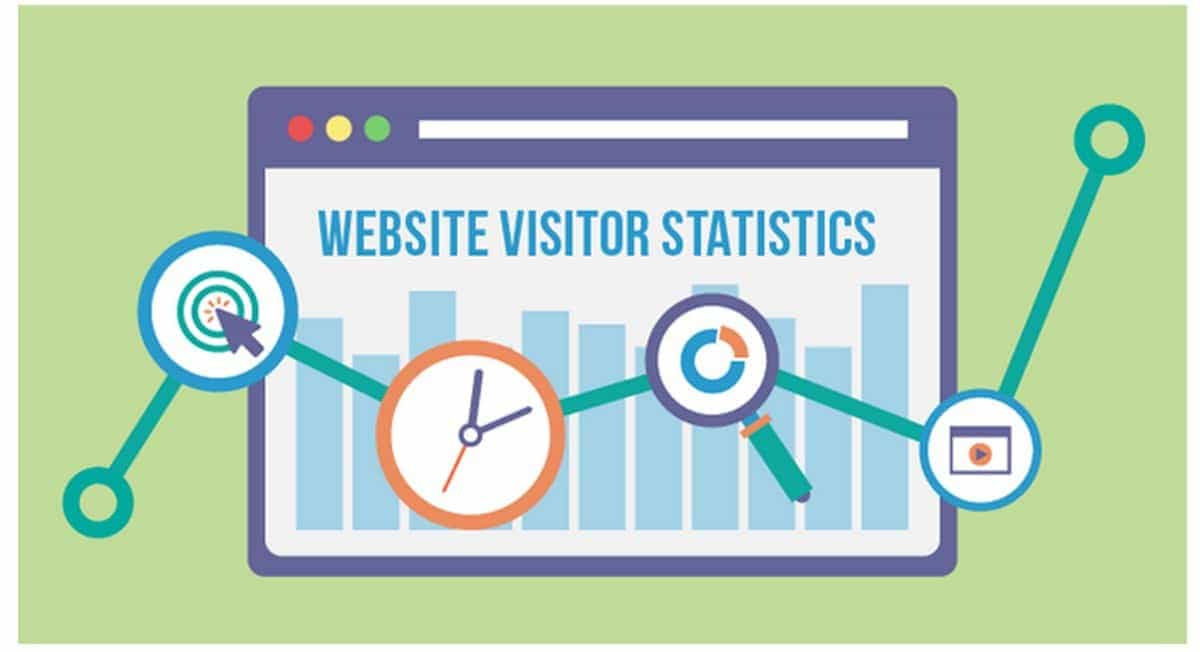
Your website is a goldmine if you're watching:
- Pricing page visits (especially repeat ones)
- Time spent on product or service pages
- Case study downloads from target accounts
- Demo request form views (even if not submitted)
- Return visits within 24-48 hours
Tools like HubSpot, Google Analytics, or Clearbit can track this. The signal gets stronger when the same company IP hits multiple high-intent pages.
LinkedIn and Social Behavior

Social signals show you who's paying attention:
- Liking or commenting on your posts consistently
- Viewing your company page multiple times
- Connecting with multiple people on your team
- Engaging with thought leadership content
- Sharing your posts or tagging colleagues
Outbound Response Signals

Your cold outreach generates the clearest signals:
- Reply rates and response speed
- Question quality ("How does pricing work?" vs "What's your refund policy?")
- Forwarding your email to teammates
- Asking for case studies or references
- Booking meetings without hesitation
This is where our cold email and cold calling services shine. We don't just send messages. We track engagement and help clients identify buying signals in real time so they know exactly who to prioritize.
Third-Party Intent and Data Sources
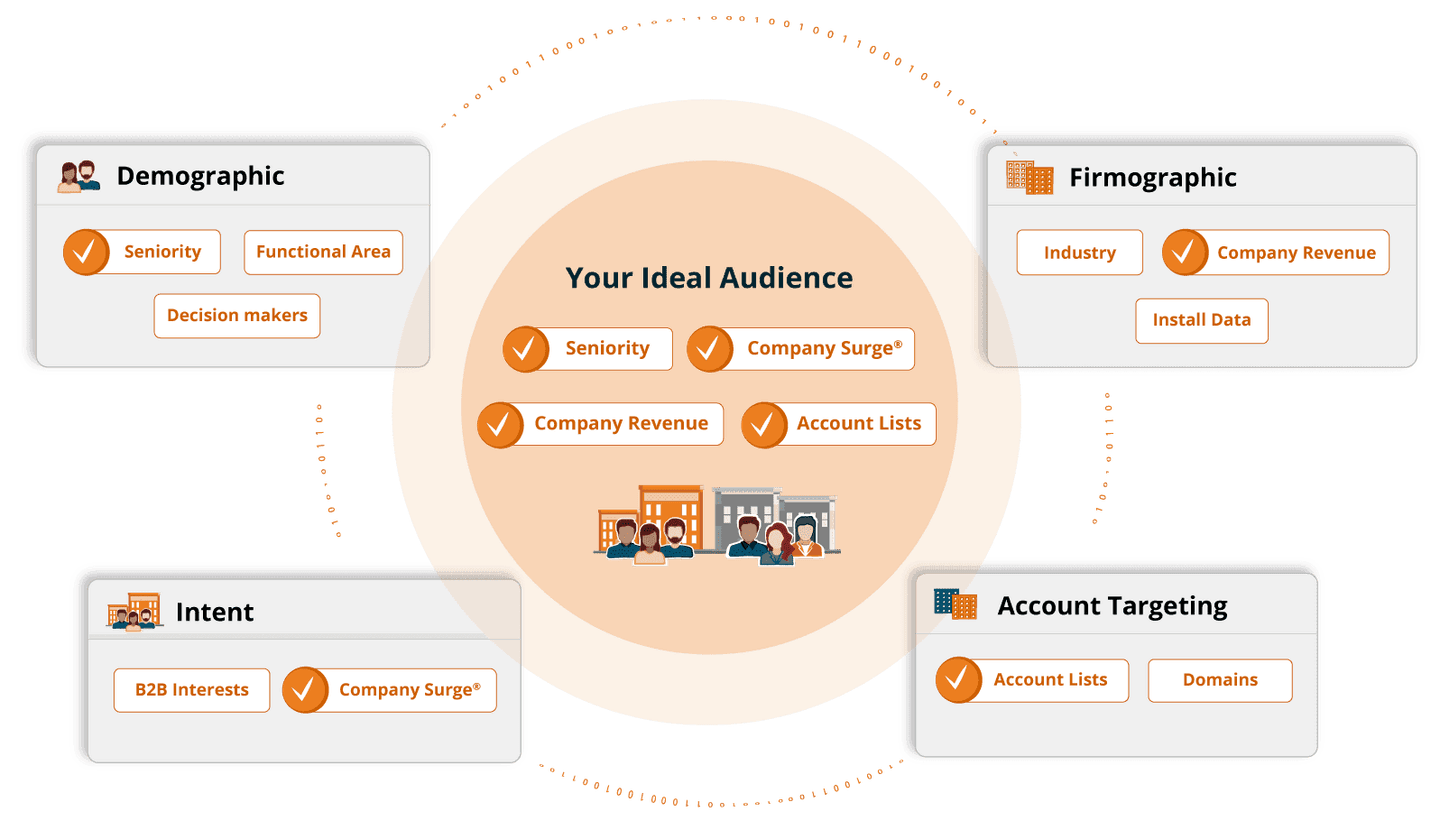
Platforms like Bombora, G2, or 6sense track buying intent:
- Prospects researching competitor solutions
- High search volume for industry keywords
- Active evaluation on review sites
- Technology install signals (what tools they're using)
These signals tell you someone's in-market. But here's the catch.
Why First-Party Signals Outperform Generic Intent Data
Third-party intent data is useful. But it's broad. You know someone in a company is researching. You don't know if it's the decision maker or an intern doing homework.
First-party signals are different:
- They're direct interactions with your brand.
- You know exactly who engaged and when.
- You control the messaging that triggered the response.
- They're cheaper (often free if you're tracking properly).
When you combine first-party engagement from LinkedIn outreach, cold email replies, and website visits, you get a complete picture. That's how you identify buying signals that lead to closed deals, not just conversations.
We've generated over $312 million in pipeline by layering these signals together. Our clients don't waste time on lukewarm leads. They focus on prospects showing real, trackable intent across multiple channels.
Dive Deeper Into: How Much Does It Really Cost to Book a Sales Meeting?
How to Turn Buying Signals Into Lead Priority Scores
Spotting buying signals in sales is step one. Knowing which leads to call first? That's where most teams mess up.
You can't just chase every signal. You need a system that tells you who's ready now versus who's still researching. Here's how to build it.
Why Raw Signals Don't Equal Prioritization
Let's say you've got three leads:
- Lead A: Visited your pricing page once
- Lead B: Replied to your cold email asking about implementation
- Lead C: Downloaded a whitepaper and opened two follow-up emails
Which one do you call first? If you're guessing, you're wasting time.
Raw signals tell you something happened. They don't tell you what it means. That's why you need scoring.
Grouping Signals by Strength and Recency
Not all buying signals in sales carry the same weight. Break them into tiers:
High-value signals (score: 8-10 points)
- Demo requests or pricing inquiries
- Multi-stakeholder engagement
- Questions about timelines or budget
- Replies mentioning pain points
Medium-value signals (score: 4-7 points)
- Multiple website visits in one week
- Email opens and link clicks
- LinkedIn profile views or connection requests
- Content downloads from decision makers
Low-value signals (score: 1-3 points)
- Single email opens
- One-time website visits
- Generic replies like "interesting, tell me more"
Now layer in recency. A demo request from yesterday beats a pricing page visit from three weeks ago. Signals decay fast in B2B. If someone showed intent last month and went quiet, they're not a priority anymore.
Combining Signals with ICP Fit
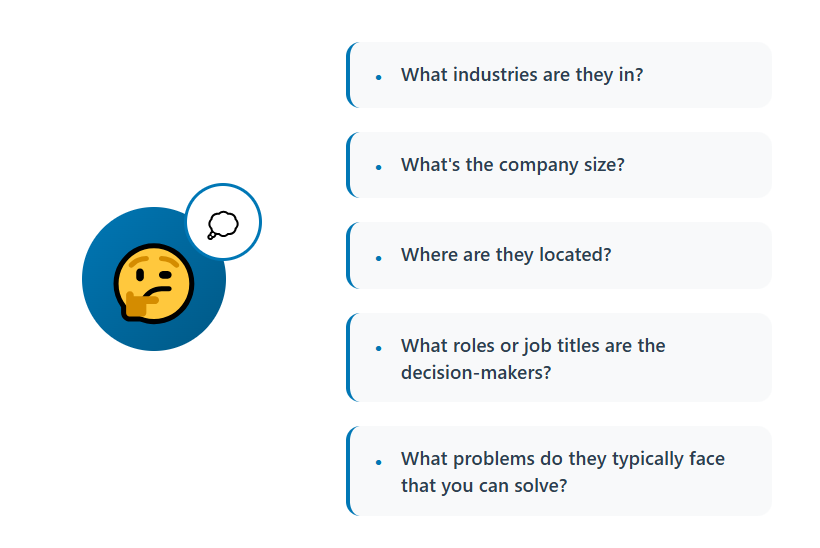
Here's the move that separates good sales teams from great ones: signal strength plus ideal customer profile fit.
A startup founder asking for pricing? Medium priority.
A VP of Sales at a 300-person company in your target industry asking for pricing? High priority.
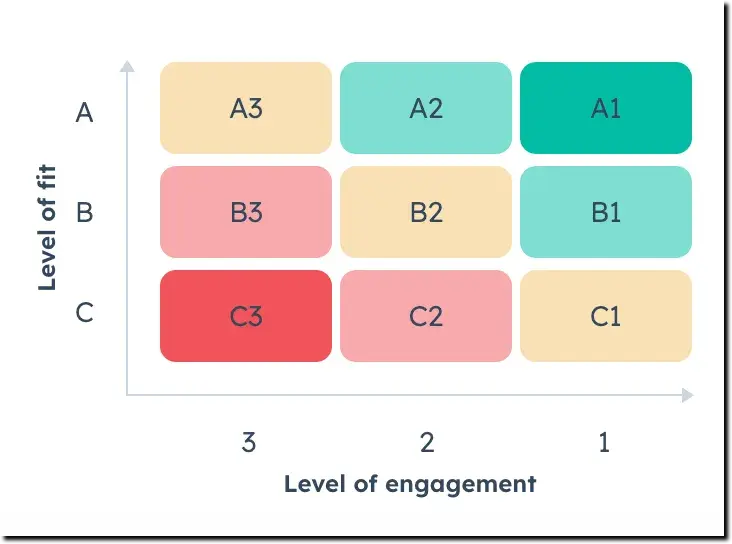
Score leads on two axes:
- Signal strength: What actions did they take?
- ICP match: Do they fit your buyer profile (company size, industry, role, budget)?
Leads that score high on both get immediate follow-up. Leads with strong signals but weak ICP fit? Nurture these leads. Leads with strong ICP fit but weak signals? Stay on their radar.
Avoiding Over-Scoring Based on Single Actions
The biggest mistake? Treating one big signal as a guaranteed win.
Someone requested a demo. Great. But if they're not responding to follow-ups, not engaging elsewhere, and you can't reach the decision maker? That's not a hot lead. That's a tire kicker.
Stack multiple signals:
- Did they engage on LinkedIn and visit your site?
- Did they reply to emails and ask specific questions?
- Are multiple people from their company engaging?
One signal is interesting. Three signals in a week? That's a pattern worth your team's time.
Check This: B2B Sales KPIs Every Revenue Team Should Track
Buying Signals vs Lead Scoring — What's the Difference?
Most sales teams think buying signals and lead scoring are the same thing. They're not. And confusing them costs you deals.
The breakdown:
Static Scoring vs Dynamic Intent
Lead scoring gives you a snapshot. It tells you a prospect looks good on paper. Right company size, right role, opened a few emails. Score: 80/100.
But that score doesn't tell you they just visited your pricing page three times today. Or that they replied to your cold email asking about implementation timelines.
Those are buying signals, and they matter more than a static number.

Why Buying Signals Change Faster Than Scores
Lead scores move slowly. Someone downloads an ebook, gets 10 points. Attends a webinar, gets another 15. Over weeks, their score climbs.
Buying signals move in real time:
- Monday: Prospect visits your site
- Tuesday: They connect on LinkedIn
- Wednesday: They reply asking about your enterprise plan
- Thursday: They request a demo
By Thursday, they're ready to talk. But if your CRM still shows them as a 60-point lead because they haven't hit enough touch points yet? Your team might not prioritize them. And you lose the deal.
How Top Teams Use Both Together
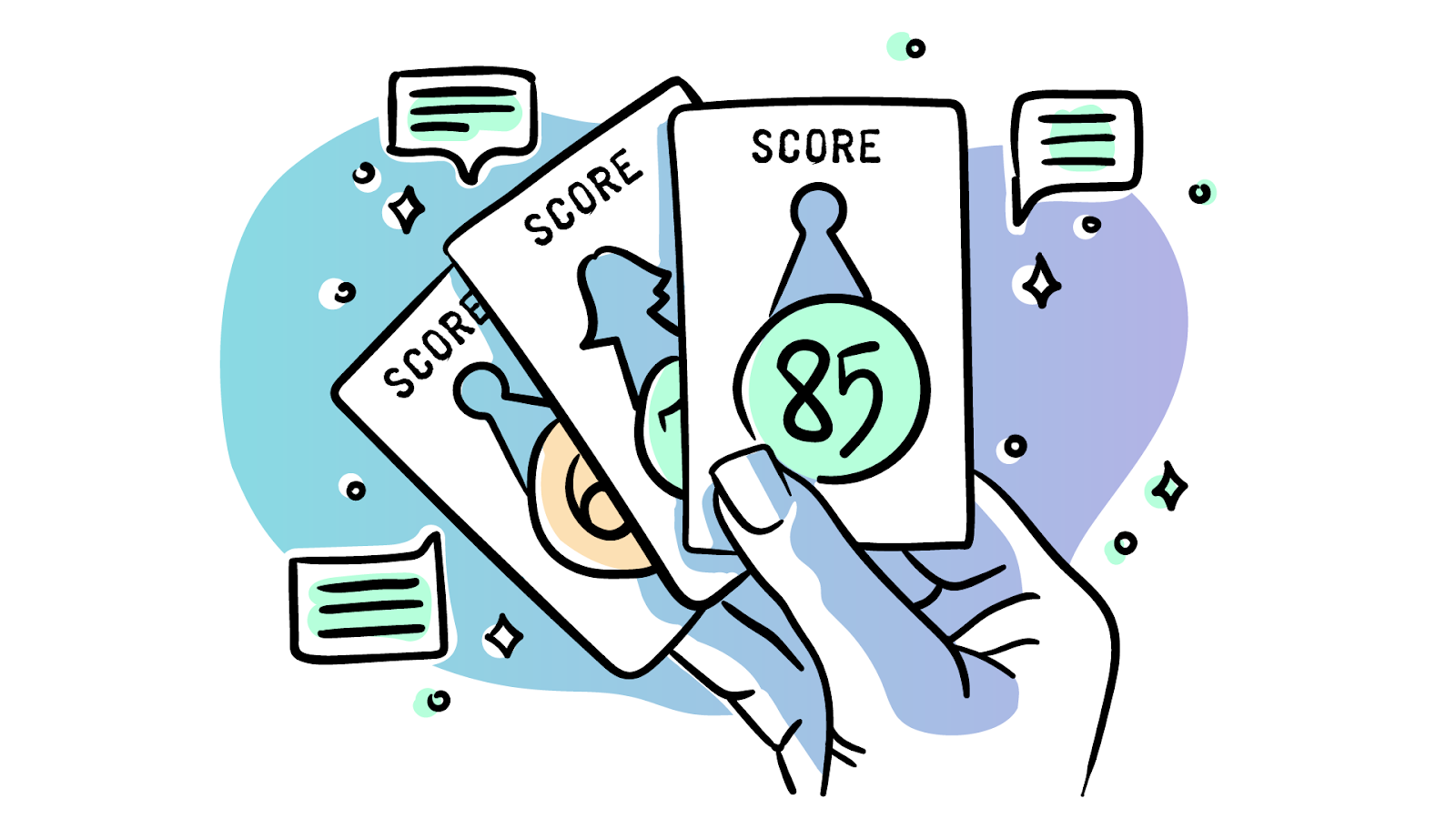
Smart sales teams don't pick one over the other. They layer them:
- Use lead scoring to filter out bad fits: If someone doesn't match your ICP, it doesn't matter how many buying signals they show. They're not converting.
- Use buying signals to prioritize within good fits: Once you've got a list of qualified leads (high lead scores), chase the ones showing active intent first.
- Let signals override scores when urgency is high: A 50-point lead asking "Can we get this implemented by next month?" beats a 90-point lead who hasn't engaged in three weeks.
When Buying Signals Should Override Lead Scores
Here's when you ignore the score and follow the signal:
- A prospect shows multiple high-intent actions in 48 hours
- They mention timelines, budget, or decision makers
- They're engaging across multiple channels (email, LinkedIn, website)
- They ask specific questions about your product or service
Tools that Help: Best Lead Scoring Tools for B2B Sales Teams
How Sales Teams Should Act Once Buying Signals Appear
Spotting buying signals in sales means nothing if you don't act fast. Here's exactly what to do.
Speed-to-Response Expectations

When a prospect shows high intent, you've got hours, not days:
- Demo request or pricing inquiry? Respond within 1 hour
- LinkedIn reply or email engagement? Follow up same day
- Multiple website visits? Reach out within 24 hours
The first rep to respond wins. Period.
How Outreach Should Change When Intent Is High
Stop sending generic sequences. When buying signals in sales appear, your messaging needs to match the urgency:
- Skip the "just checking in" emails
- Reference their specific action ("Saw you checked out our pricing page")
- Lead with value, not a pitch
- Make it stupid-easy to book time (direct calendar link, not back-and-forth)
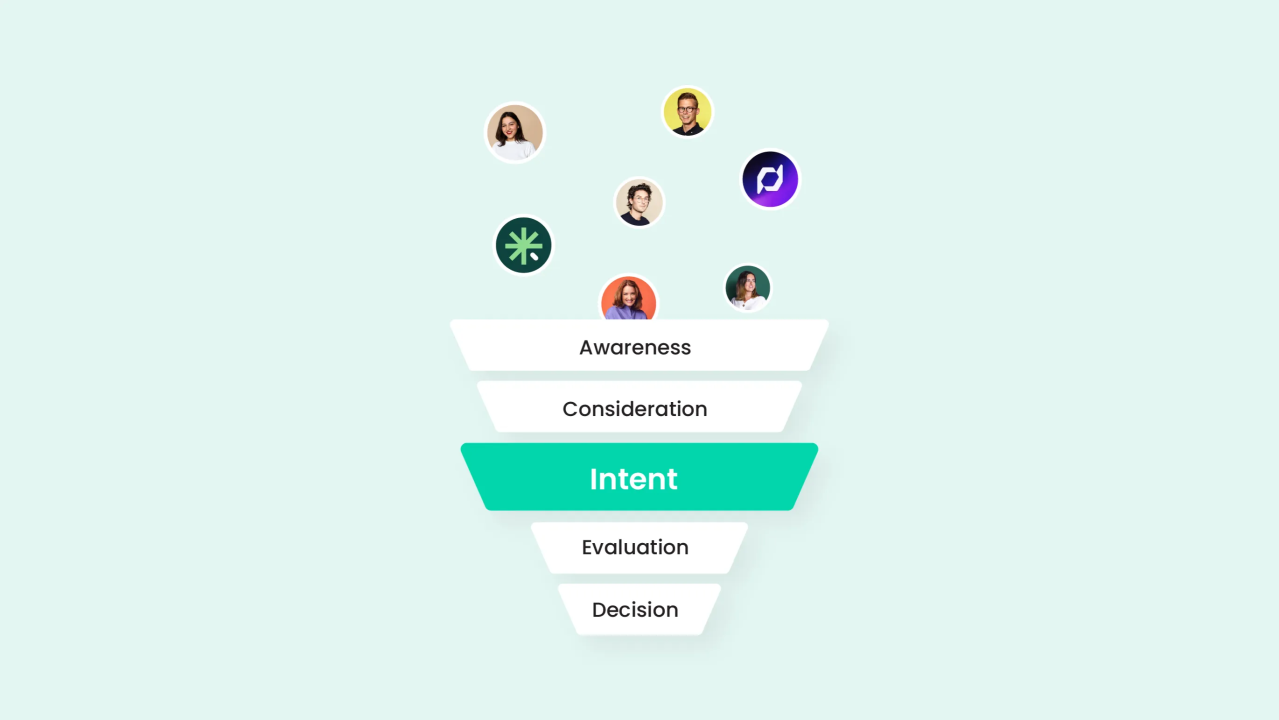
Personalization Based on Signal Type
Different signals need different approaches:
When to Push for a Meeting vs Keep Nurturing
High intent signals (pricing questions, timeline mentions, multi-stakeholder engagement)? Push for the meeting now.
Medium signals (content downloads, email opens, single website visits)? Keep nurturing with helpful content. Don't force it.
How Cleverly Uses Buying Signals to Prioritize B2B Leads
Most B2B lead generation agencies flood your pipeline with names. We fill it with buyers.
Here's the difference: we don't just send outreach and walk away. We track engagement, spot intent, and help your team focus on leads that are actually moving toward a decision.
How we use buying signals:
- ICP targeting + real engagement data: We match your ideal customer profile with live response tracking across LinkedIn, email, and calls.
- Prioritization, not guesswork: When leads reply, ask questions, or engage multiple times, we flag them so your sales team knows who to chase first.
- Messaging that matches buying stage: Educational content for early prospects. Case studies and pricing for high-intent leads. We adjust based on the signals they're showing.
- Execution where it matters most: We've helped 10,000+ clients generate $312 million in pipeline by focusing sales effort on leads showing real B2B buying signals.
Our signal-driven services:
- LinkedIn lead gen starting at $397/month: Outreach with built-in engagement tracking.
- Cold email campaigns: Pay only for meeting-ready leads.
- Cold calling: Our $5M system books 10-30 qualified sales calls monthly, guaranteed, with trained SDRs who catch intent in real time.
We're not a tool. We're your execution and prioritization partner.
Ready to focus on leads that are ready to buy?
Talk to Cleverly and let's turn buying signals into closed deals.
Conclusion
Buying signals don't replace your sales strategy. They sharpen it.
You can't close every lead. But you can focus on the ones showing real intent at the exact moment they're ready to move. That's where modern B2B sales wins.
Here's what matters:
- Volume doesn't beat prioritization: Chasing 100 cold leads loses to calling 10 hot ones showing buying signals.
- Intent without timing is wasted effort: Catching signals early means you're first in line when they're ready to decide.
- Relevance closes deals: Match your message to the signal they're showing, and conversion rates skyrocket.
The teams winning right now aren't working harder. They're working smarter. They're tracking buying signals, stacking them with ICP fit, and moving fast when intent spikes.
Stop guessing who's ready to buy. Start tracking the signals that tell you.
Frequently Asked Questions
Free Resource
How to Scale a Profitable Cold Call System
Get the complete guide — download it instantly now.
Free Ebook
Download the Free Guide
Enter your details to get instant access.
You're all set! 🎉
Your ebook is downloading now.
Click below if the download didn't start automatically.