Modified On :
August 26, 2026
Key Takeaways
- Most revenue loss comes from fixable sales mistakes, not market conditions or competition.
- Targeting the wrong ICP creates long sales cycles, ghosting, and deals that never close.
- Low-quality leads clog pipelines and waste rep time on prospects who'll never convert.
- Poor qualification at the top of the funnel inflates pipeline numbers while closed deals stay flat.
- Generic messaging and inconsistent follow-up extend sales cycles and kill response rates.
- Winning teams fix fundamentals first, then add tools to amplify what already works
We've analyzed thousands of sales mistakes across our client base, and here's what we found: most B2B teams aren't failing because of the economy, competition, or bad timing. They're losing deals because of fixable internal errors they don't even see.
Here's the problem. When revenue drops, sales leaders immediately look outward. They blame the market, tighten budgets, or buy another sales tool.
But the real damage?
It's happening in plain sight. Common sales mistakes like poor follow-up, weak qualification, and misaligned messaging quietly drain millions from your pipeline every quarter.
The truth is, small errors compound fast. A rep who skips discovery loses context. That leads to generic pitches. Generic pitches get ignored. Ignored outreach means no pipeline. No pipeline means missed quota.
One sales mistake ripples through your entire revenue engine.
We've seen companies add CRMs, AI tools, and automation platforms while their fundamentals remain broken. New tools don't fix bad habits. They just make bad habits faster.
If your team is making the same mistakes sales reps make on discovery calls, LinkedIn messages, or email follow-ups, no software will save you.
Let's walk through the specific sales mistakes and how to avoid them. These aren't theory. These are real patterns we've identified after generating $312 million in pipeline for over 10,000 clients.
Fix these, and you'll stop leaving revenue on the table.
Why B2B Sales Mistakes Hurt Revenue More Than You Think
Most lost deals aren't about demand. They're about execution.
When reps miss follow-ups, skip qualification, or send generic pitches, they're not just losing one opportunity. They're creating a cascade of problems that hits your entire revenue operation.
Common sales mistakes don't just kill individual deals. They destroy efficiency. Your team spends hours chasing unqualified leads. They burn through prospect lists without results. They push deals into your forecast that were never real.
This creates three major problems:
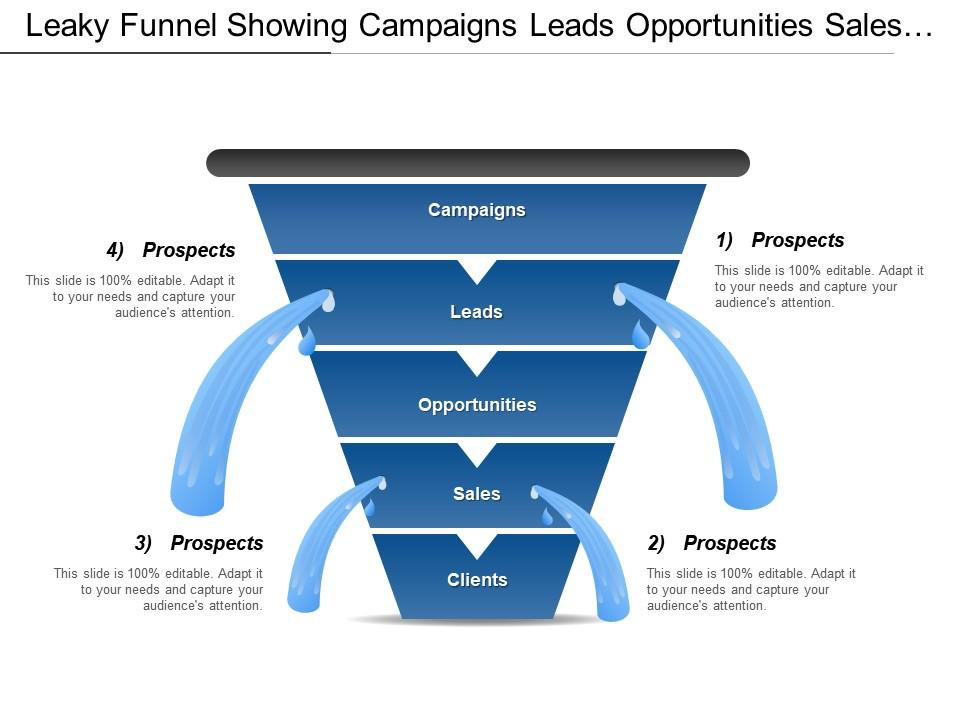
1. Pipeline leakage gets expensive fast.
Every unqualified lead your team chases costs time, tools, and salary. If reps spend 40% of their week on prospects who'll never buy, you're essentially paying full salary for half the output. That bloats your CAC and makes every closed deal more expensive than it should be.
2. Your forecast becomes unreliable.
When sales mistakes let bad deals stay in the pipeline too long, your projections fall apart. Leadership makes hiring decisions, budget commitments, and growth plans based on numbers that won't materialize. Miss forecast twice, and investor confidence drops.
3. Team morale takes a hit.
Reps who consistently lose deals start doubting themselves, even when the real issue is poor process. Low confidence leads to weaker calls, which leads to more losses. It compounds.

Why these patterns persist?
Most companies don't track where deals actually die. They see "lost to competitor" in the CRM, but they don't dig into whether the rep properly qualified budget, asked about decision process, or even identified the real pain point.
Without that visibility, the same common sales mistakes repeat across your entire team, quarter after quarter.
Also Check: Proven & Scalable Methods to Increase Your B2B Sales Pipeline
🚀 Stop Losing Deals Upfront
From $397/mo LinkedIn outreach to pay-per-meeting email and 10–30 guaranteed calls/month, we fix your funnel mistakes that kill revenue.
The Most Common B2B Sales Mistakes Teams Still Make
We've seen the same patterns destroy pipelines across thousands of companies. Here are the sales mistakes and how to avoid them.
Mistake 1: Selling to the Wrong ICP
Chasing anyone who responds creates deals that drag on forever and never close. Wrong-fit prospects ghost you after three calls. They say "let me think about it" and disappear. They hit you with pricing objections because they don't see the value.
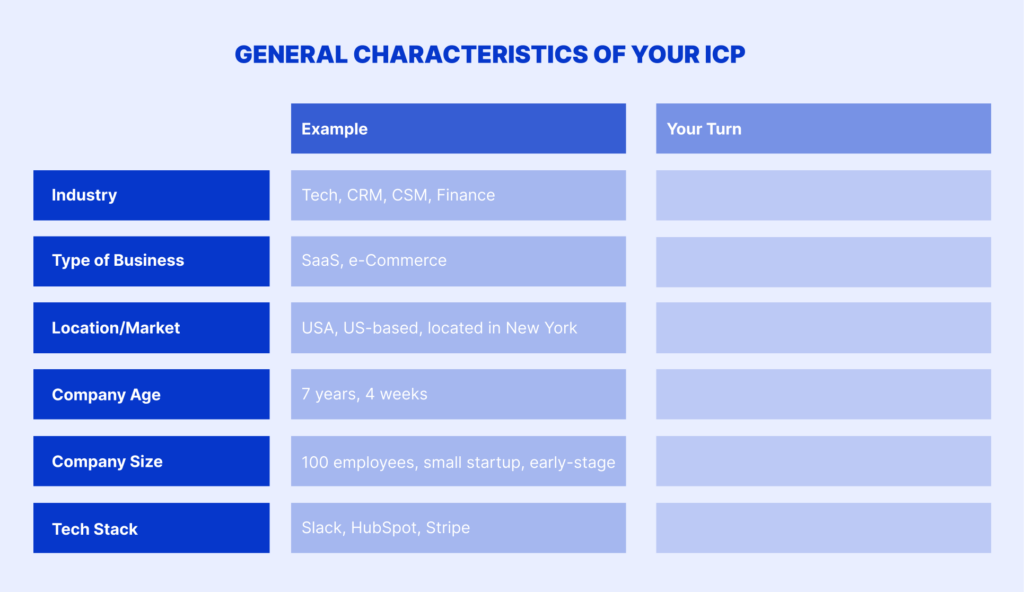
How to avoid it: Define your ICP with specifics. Company size, revenue range, tech stack, pain points. Then actually stick to it. If a lead doesn't match, disqualify early. At Cleverly, our LinkedIn and cold email campaigns target your exact ICP from day one, so your pipeline fills with accounts that actually convert.
Mistake 2: Prioritizing Lead Volume Over Lead Quality
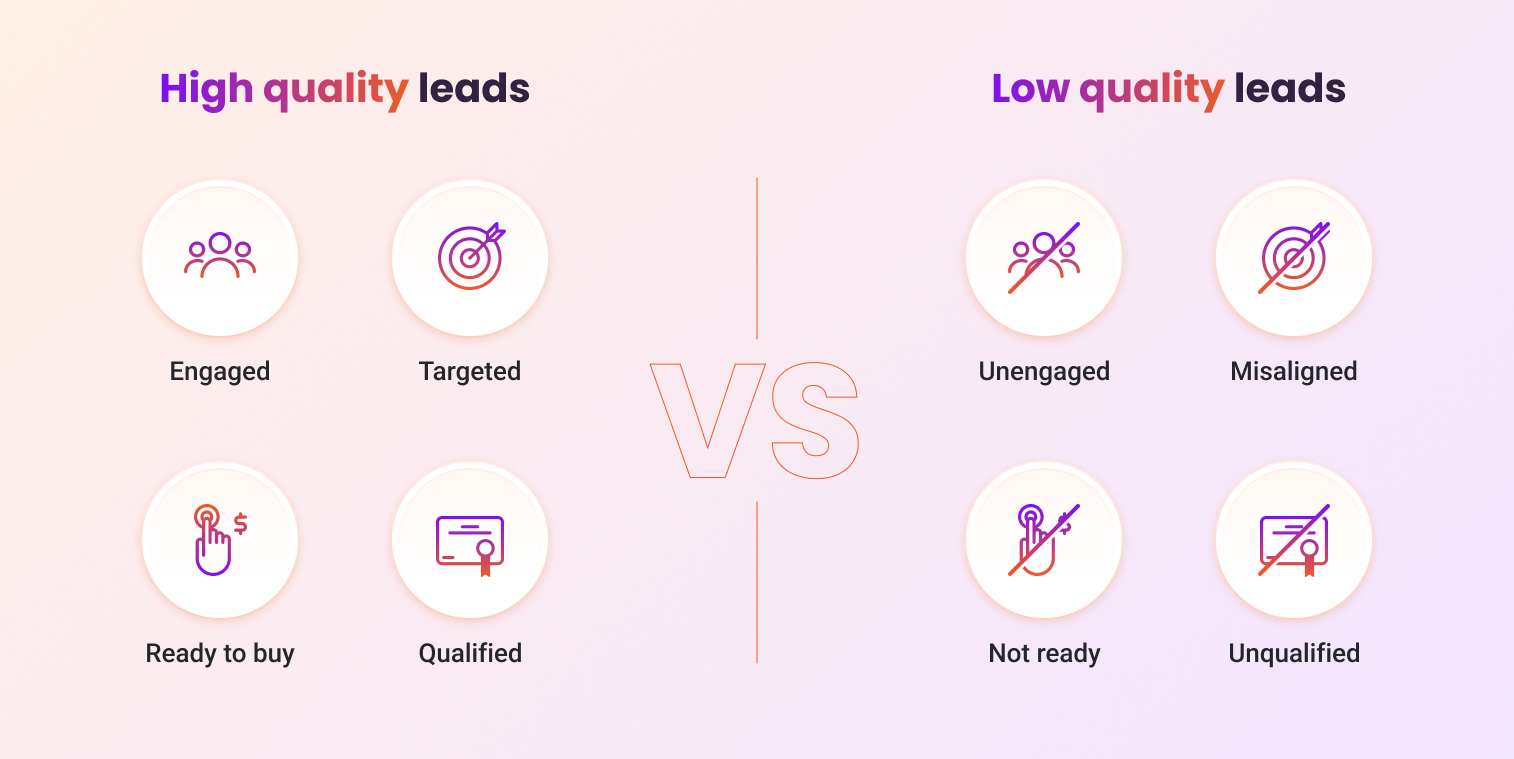
In the debate of lead quality vs lead quantity, one thing is clear - more leads don't equal more revenue. They equal more noise. Low-quality leads clog your pipeline, waste rep time, and make your forecast look healthier than it is.
Symptoms of volume-first thinking:
- Reps spend most of their day on discovery calls that go nowhere
- Pipeline is full but conversion rates stay low
- Sales cycles keep getting longer
How to avoid it: Focus on good quality leads that are meeting-ready, not raw volume. We see this clearly in our cold email service where clients only pay for qualified meetings we book, not for bulk contact lists that never respond.
Bad Contact Data Quietly Sabotages Outreach
Here's a mistake that hides behind good targeting. You've defined your ICP correctly. Your list matches. Your messaging is solid. And your reply rate is still terrible.
The problem isn't who you're calling. It's whether the information you have on them is still true.
B2B contact data decays fast. Industry benchmarks put the rate at roughly 2.1% a month, which compounds to about 22.5% a year, and some providers put phone and title data closer to 25-30% annual decay. Every promotion, job change, or company move quietly breaks a record in your CRM without triggering any alert.
What stale data actually costs you:
- Inflated "reached" numbers. A dialed number or a sent email counts as an attempt in your activity report, even if it hits a disconnected line or a bounced inbox. Your team looks busy. Your pipeline doesn't move.
- Wasted rep hours. Reps chasing outdated titles and dead emails end up doing data cleanup instead of selling. Some estimates put this at over a quarter of a rep's week spent on avoidable data friction.
- Masked root causes. Low response rates get blamed on messaging or timing when the real issue is that the message never reached a real person.
Why this is a different problem than Mistake 1. Selling to the wrong ICP means you're talking to the wrong company. Bad contact data means you're trying to talk to the right company, through a phone number or inbox that no longer belongs to anyone who can buy.
How to avoid it: Treat verification as a recurring task built into your workflow, not a cleanup project you run once a quarter. Re-verify contacts before they enter a new sequence, especially anything sitting in your CRM for more than six months.
Run your list through an email verification tool before every send, and keep an eye on your bounce rate as an early warning signal that your data has started to rot. This is exactly why our cold email campaigns rerun verification right before launch instead of relying on however old the original list is.
Mistake 3: Talking About the Product Too Early
Feature-first selling kills urgency. When you lead with what your product does before understanding what the buyer needs, you sound like every other vendor.
Buyers don't buy capabilities. They buy outcomes. They want to know how you'll fix their specific problem, not hear a 20-minute demo of every feature you built.
How to avoid it: Start with discovery. Ask about their current process, where it breaks, what they've tried. Then connect your solution to their pain. Product details come later.
Mistake 4: Not Reaching Decision-Makers Early
Over-relying on champions gets you stuck. Your contact loves the product, but they can't sign the contract. Deals stall in "internal discussions" for months because you never spoke to the person with authority.
How to avoid it:
- Ask who else needs to be involved in the decision
- Request introductions to the economic buyer early
- If your champion can't connect you upward, it's a red flag
This is one reason our cold calling SDRs are trained to identify and reach decision-makers from the first conversation. No multi-month loops with people who can't buy.
Mistake 5: Weak or Generic Sales Messaging
Sending the same pitch to every prospect tells them you didn't do your homework. Generic messaging gets ignored because it doesn't feel relevant.
What kills response rates:
- Templates with no personalization
- Vague value props that could apply to anyone
- No reference to their industry, role, or actual challenges
How to avoid it: Tailor messaging by buyer persona and pain point. Reference their industry challenges. Show you understand their world. Our breakthrough call scripts and LinkedIn messaging frameworks are built around relevance, not volume blasts.
Talking Too Much and Not Listening Enough
You can write the sharpest, most personalized message on the team and still lose the deal on the call. This is one of the sales mistakes that lose deals in the room, not the inbox.
Gong's most recent analysis of over 300,000 sales calls found the average rep talks 60% of the time and listens 40%. Reps who closed deals talked less than that. Reps who lost deals talked more. Top performers land closer to a 43:57 talk-to-listen split, and the gap between winners and losers isn't subtle: reps talking under roughly 45% of the call close at meaningfully higher rates than reps who talk past 60%.
Why dominating the call backfires. When a rep fills most of the airtime, they're pitching. When a buyer fills most of the airtime, they're revealing what actually matters to them, budget concerns, internal politics, the real reason the last vendor didn't work out. You can't sell to a problem you never heard about.
What good discovery sounds like:
- Ask open-ended questions, then stop talking. "Walk me through how this gets handled today" surfaces more than any close-ended yes/no question.
- Let silence sit. The instinct to fill a pause with more pitch is exactly what pushes talk time in the wrong direction.
- Take real discovery notes. Not just for the CRM. Use what the buyer just told you to shape the next question, the next call, and eventually the proposal itself.
How to avoid it: Record your calls and check your own talk time the same way you'd check a report. Most CRM and dialer platforms already track this. If you're consistently over 55%, the fix usually isn't a new script, it's fewer sentences and more questions.
Our cold calling SDRs are trained specifically on discovery-first frameworks so the first live conversation with a prospect surfaces real buying signals instead of a rehearsed pitch.
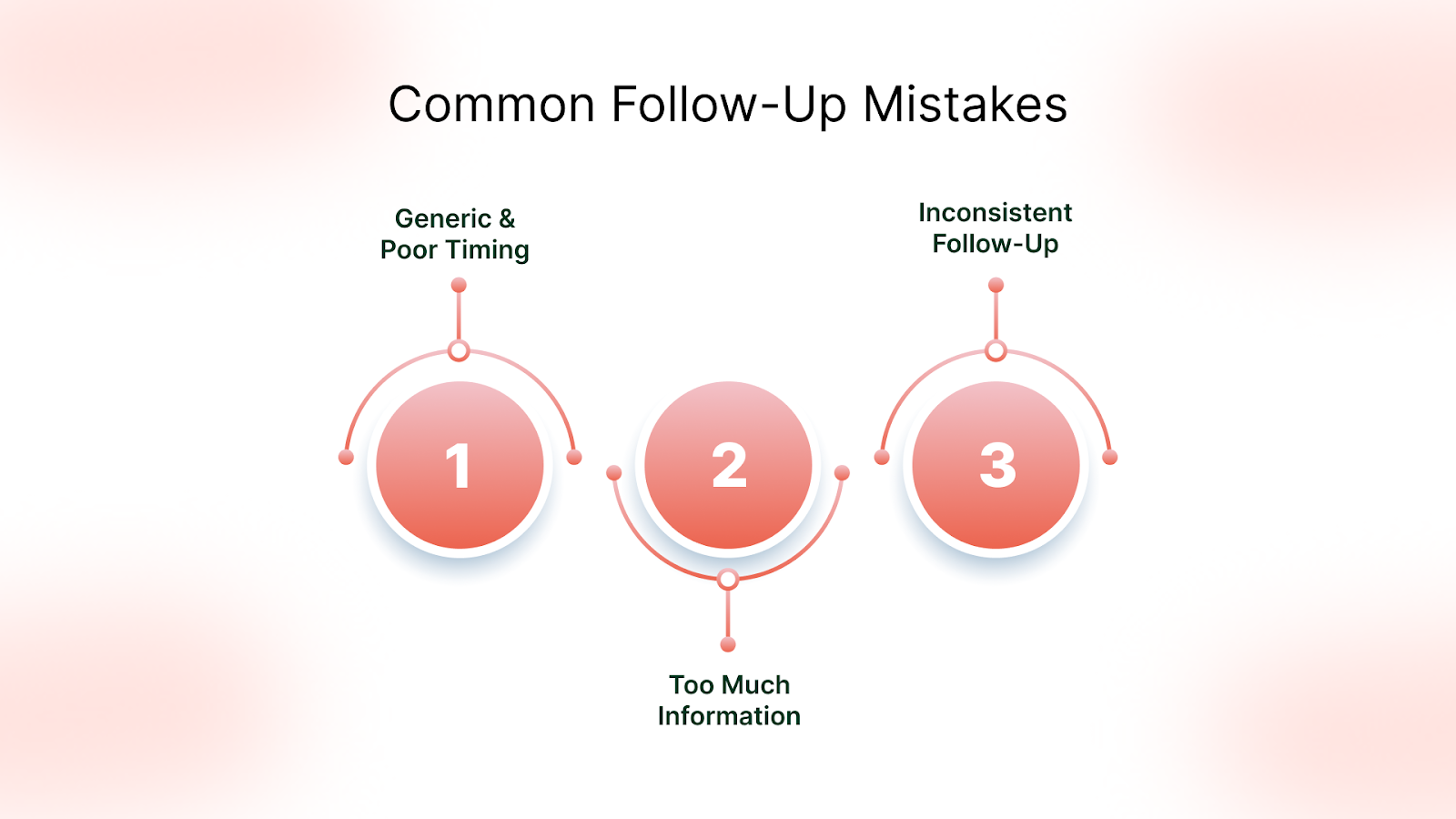
Mistake 6: Inconsistent Follow-Up and Poor Timing
"No response" doesn't mean "not interested." It usually means bad timing or your message got buried. But most reps give up after two attempts.
Inconsistent follow-up extends B2B sales cycles unnecessarily. One rep sends three emails in three days. Another waits three weeks. Prospects fall through the cracks.
How to avoid it:
- Build a consistent cadence (day 1, day 3, day 7, day 14)
- Vary your message angle with each touchpoint
- Track engagement to know when to speed up or slow down
Not Locking In the Next Step Before the Call Ends
You had a good call. The prospect seemed genuinely interested. Then you hang up, send a "great talking today, I'll follow up with some times," and the deal goes quiet for a week.
This is a narrower version of the follow-up problem above, and it's one of the clearest reasons why B2B companies lose deals in a complex sales cycle: the scheduling gap between calls, not the calls themselves.
Why this adds days you don't need to lose. Every "I'll follow up" that isn't backed by a specific time on a specific day turns into an email chain. Five to ten touches later, you've spent a week doing something that should have taken thirty seconds while you were both still on the call.
What to do instead:
- Ask for the next meeting directly, before you hang up. Not "I'll send some times," but "does Thursday at 2pm work, or would Friday morning be better?"
- Share your availability live. Pull up your calendar on screen if you have to. Getting the next touchpoint confirmed in the moment removes an entire round of back-and-forth.
- Treat the close of every call as its own micro-negotiation. The goal isn't just a good conversation, it's a concrete next step both people agreed to before either person left the call.
Research on post-meeting follow-up backs this up: deals where the next step gets locked in immediately, rather than negotiated afterward over email, progress to the next stage at a dramatically higher rate. And teams that automate or tighten this handoff report sales cycles that run meaningfully shorter than teams still relying on manual back-and-forth scheduling.
How to avoid it: Build "confirm the next meeting before you hang up" into your call structure the same way you'd build in a qualification question. If your team is booking appointments manually, pairing your process with scheduling software removes the excuse to punt it to a follow-up email. This is also why our appointment setting process locks in a calendar slot on the call itself instead of leaving it to a promise.
Mistake 7: Treating Outreach Channels as Interchangeable
LinkedIn isn't cold email isn't cold calling. Each channel has different expectations, response patterns, and best practices. Using the same approach everywhere tanks your results.
Why channel strategy matters: LinkedIn works for relationship-building and warm intros. Cold email scales for initial outreach. Cold calling breaks through when prospects go dark. Using all three strategically creates multiple paths into accounts.
How to avoid it: Match your message and approach to the channel. We run separate strategies for LinkedIn lead generation, cold email campaigns, and cold calling because what works on one platform fails on another.
Mistake 8: Poor Qualification at the Top of the Funnel
Passing unready leads to closers wastes everyone's time. If your SDRs aren't filtering for budget, authority, need, and timeline upfront, your AEs spend their days on calls that were never real opportunities.
Bad qualification creates a false pipeline. Your forecast says $500K, but half those deals should've been disqualified weeks ago.
How to avoid it: Set clear qualification criteria. Budget confirmed. Decision process mapped. Timeline defined. Pain point validated. No exceptions. Our appointment setters are rigorously trained on qualification frameworks so only meeting-ready leads hit your calendar.

Tools that Help: Best AI Lead Qualification Tools for Faster B2B Conversions
Mistake 9: Ignoring Sales Data and Feedback Loops
Most teams have no visibility into what's actually working. They don't track open rates, response rates by message variant, or which ICPs convert fastest. So they repeat the same mistakes sales reps make every month.
What you should be measuring:
- Response rates by channel and message type
- Time from first touch to meeting booked
- Conversion rates at each funnel stage
- Win/loss reasons with specifics
How to avoid it: Build feedback loops. Review what's working weekly. Test new approaches. Kill what doesn't convert. With our data and tech infrastructure, clients get full visibility into campaign performance so we can optimize in real time.
Mistake 10: Expecting Tools to Fix Broken Processes
New CRMs, AI tools, and automation platforms don't fix bad fundamentals. They just make bad habits faster and more expensive.
If your messaging is weak, automation sends weak messages at scale. If your ICP targeting is off, better software just fills your pipeline with more wrong-fit leads.
How to avoid it: Fix the process first. Nail your ICP. Write messaging that converts. Build a qualification framework. Train your team. Then add tools to amplify what's already working. Systems matter more than software.
Learn More: How to Measure Sales Success
Sales Software That Actually Helps Reps Avoid Mistakes
Mistake 10 made the case that tools don't fix broken fundamentals. That's still true. But once your ICP, messaging, and qualification are solid, the right software genuinely helps reps avoid repeating the mistakes above, it just has to come second, not first.
Conversation intelligence tools. Platforms that record and analyze sales calls catch exactly the kind of talk-ratio and objection-handling issues covered earlier in this post. Forrester research found that 51% of B2B sales orgs with 10+ reps now use conversation intelligence, and those teams report win rates roughly 18% higher on average, with new rep ramp time cut by about a third when call coaching backs up manager feedback. These tools flag when a rep is talking too much or missing an objection a buyer raised, often before a manager ever listens to the call.
Sales engagement platforms. These handle the cadence problem from Mistake 6 directly: automated, multi-touch sequences across email and LinkedIn that don't rely on a rep remembering to follow up on day 7. Teams running structured automation on their follow-up cadence report cycles running up to 15% shorter than teams managing it manually, simply because fewer prospects fall through the cracks between touches.
CRM alerts for stakeholder engagement. Alerts on email opens, link clicks, and reply activity tell you when a deal is heating up or going cold before your gut does. This matters most for the multi-threading problem in Mistake 4: engagement data shows you which stakeholder actually opened the proposal, not just which one you emailed.
Where this differs from Mistake 10. These categories only pay off after the fundamentals are fixed. A conversation intelligence tool pointed at a broken discovery process just produces detailed reports on a broken discovery process. Fix the process, then let the software make sure it doesn't slip.
How to Avoid These Sales Mistakes Moving Forward
Fixing sales mistakes and how to avoid them isn't about overhauling everything overnight. It's about addressing the fundamentals systematically.
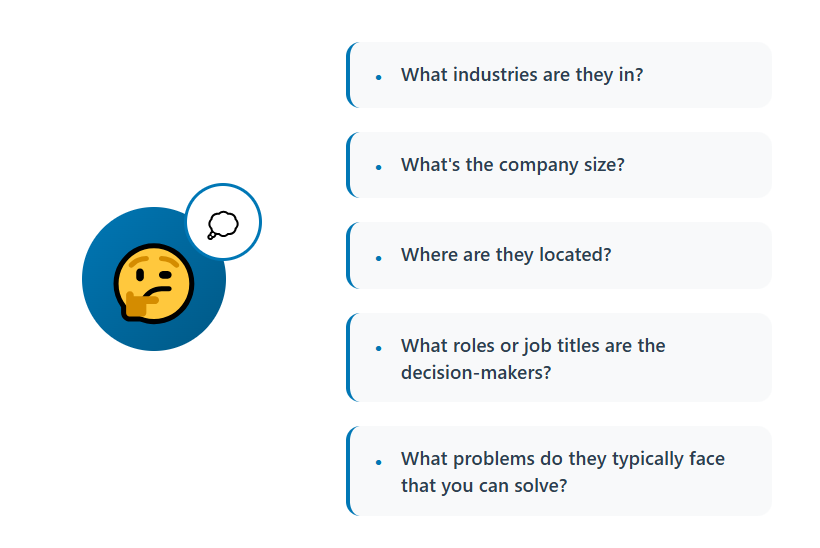
Start with your ICP.
If you're not crystal clear on who converts fastest and stays longest, you'll keep chasing deals that waste time. Define firmographics, pain points, and buying signals. Then filter ruthlessly. Every lead that enters your pipeline should match that profile.
Audit your current pipeline.
Look at deals sitting in stage 3 for 90 days. Check who you're actually talking to versus who can sign contracts. Identify where prospects ghost you most often. Those patterns show you exactly where your process breaks.
Build a repeatable qualification framework.
Your team needs clear criteria for what makes a lead worth pursuing. Budget confirmed, decision-maker identified, timeline defined, pain validated. No exceptions. When everyone qualifies the same way, your forecast becomes reliable.
Test and measure everything.
Track response rates by message type. Monitor conversion rates at each stage. See which follow-up cadences book more meetings. What gets measured gets improved. Without data, you're just guessing.
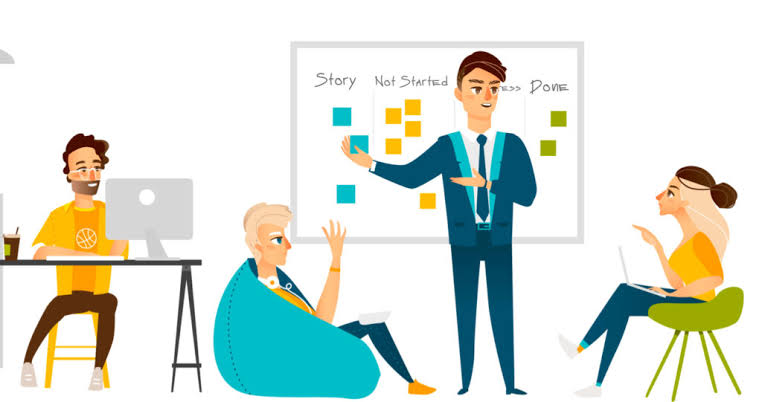
Train your team on execution, not just product.
Most reps know what your product does. They don't know how to run discovery, handle objections, or navigate complex buying committees. Invest in sales skills, not just product knowledge.
Match your approach to the channel.
LinkedIn messaging needs different language than cold email. Cold calling requires different positioning than text-based outreach. Stop using one-size-fits-all campaigns across every platform.
The companies that fix these common sales mistakes don't just see incremental improvement. They compress sales cycles, improve forecast accuracy, and dramatically lower CAC.
Know More: Multithreading in Sales (Complete Guide to Closing More Deals)
🔥 Fix the Real Sales Killers
Cleverly replaces broken prospecting with LinkedIn, cold email, and cold calling leads your sales team can actually close.
How Cleverly Helps Teams Avoid Costly Sales Mistakes
Most B2B teams know they're making sales mistakes. They just don't have the bandwidth to fix them while hitting quota. That's where a lead generation agency like Cleverly comes in.
We've already solved these problems across 10,000+ campaigns that generated $312 million in pipeline. Here's how we help you avoid the costly mistakes killing your revenue:
What we handle so you don't have to:
- Perfect ICP targeting - We filter before outreach starts, so only qualified prospects enter your pipeline.
- Proven messaging frameworks - No generic templates. Every campaign is customized to your buyer's actual pain points.
- Multi-channel execution - LinkedIn, cold email, and cold calling strategies built on what actually converts.
- Consistent follow-up cadences - Tested across thousands of campaigns to maximize response rates.
- Meeting-ready leads only - Our cold email clients only pay for qualified meetings we book, not contact lists.
Our solutions:
✅ LinkedIn lead generation starting at $397/month with decision-maker targeting and response-driven messaging.
✅ Cold email campaigns where you pay only for meeting-ready leads that show up on your calendar.
✅ Cold calling system that books 10-30 qualified calls monthly, guaranteed. Includes trained SDR, breakthrough scripts, data, tech, and power dialer at half the cost of in-housing.
We've helped companies like Amazon, Google, Uber, PayPal, and Spotify stop wasting time on unqualified leads and start closing real deals.
Ready to fill your pipeline with qualified prospects?
🚀 Book a strategy call with Cleverly!

Conclusion
Most revenue loss comes from fixable sales mistakes, not bad markets or tough competition.
The teams that win don't have better tools. They have better fundamentals. They target the right ICP, qualify ruthlessly, and send messaging that actually resonates. They fix problems at the top of the funnel so deals don't fall apart downstream.
Stop letting preventable sales mistakes drain your pipeline. Tighten your targeting. Sharpen your qualification. Match your messaging to what buyers care about.
Your revenue is waiting on the other side of better execution.
Frequently Asked Questions
Free Resource
How to Scale a Profitable Cold Call System
Get the complete guide — download it instantly now.
Free Ebook
Download the Free Guide
Enter your details to get instant access.
You're all set! 🎉
Your ebook is downloading now.
Click below if the download didn't start automatically.