Table of Contents
What Is Cost per Sales Meeting (And Why It Matters More Than CPL)
Average Cost per Sales Meeting in B2B (Realistic Benchmarks)
What Actually Drives the Cost per Sales Meeting
Cost per Sales Meeting by Channel
In-House vs Outsourced Lead Generation — Cost Reality
Hidden Costs That Inflate Your Cost per Sales Meeting
How to Lower Your Cost per Sales Meeting (Without Sacrificing Quality)
How Cleverly Helps Companies Control Cost per Sales Meeting
Conclusion
Frequently Asked Questions
Modified On :
February 2, 2026
Key Takeaways
- Cost per sales meeting is your total lead generation spend divided by qualified meetings booked, not raw leads collected.
- B2B meeting costs range from $150 for low-ticket deals to $1,500+ for enterprise, depending on your ICP and deal size.
- The cheapest meetings rarely convert best because low costs usually mean low-quality, unqualified prospects.
- Hidden costs like no-shows, poor qualification, and wasted sales time often double your real cost to book a sales meeting.
- Tightening your ICP and improving qualification standards lowers meeting costs while increasing pipeline conversion rates.
- Track cost per closed deal, not just meeting costs, to understand your true B2B lead generation cost efficiency.
Let's talk about the real numbers behind filling your pipeline. Everyone wants more sales meetings, but here's the question most sales leaders struggle to answer: what's the actual cost per sales meeting in your business right now?
Most companies have no idea. They're spending on ads, SDRs, agencies, and tech tools, but they can't tell you what one qualified meeting actually costs them.
That's a problem because without knowing your true meeting costs, you can't scale what's working or cut what's bleeding the budget.
We've analyzed thousands of campaigns across LinkedIn, cold email, and cold calling to figure out what companies actually pay to book meetings.
The numbers might surprise you. More importantly, we'll show you how to calculate your own costs and what benchmarks you should be hitting based on your deal size and industry.
What Is Cost per Sales Meeting (And Why It Matters More Than CPL)
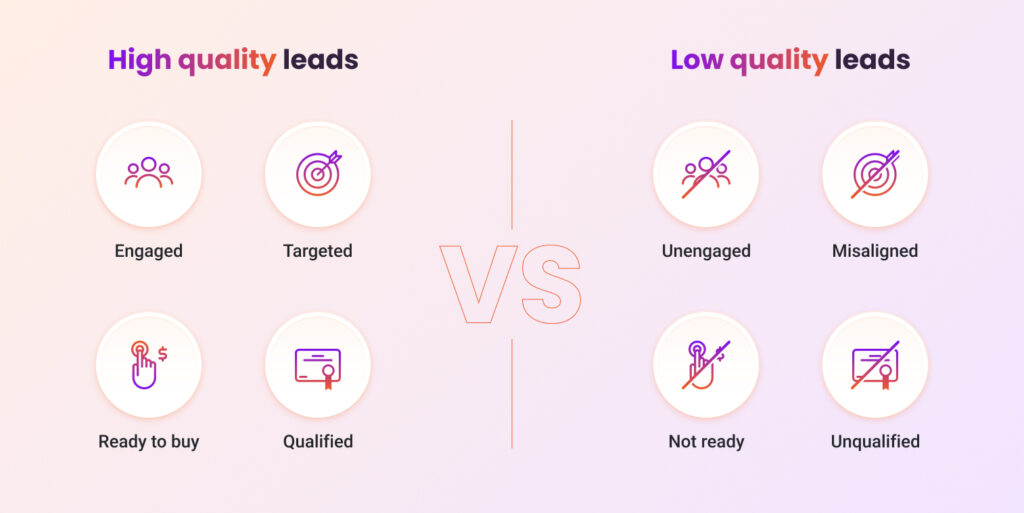
Cost per sales meeting is simple: it's the total amount you spend on lead generation divided by the number of qualified sales meetings you actually book. Not clicks. Not form fills. Not "leads." Just meetings where a real prospect shows up ready to talk business.
Here's where most companies get it wrong. They track cost per lead (CPL) and think they're measuring what matters. But there's a massive gap between these metrics:
- Cost per lead (CPL): What you pay for a contact who downloads something or fills out a form.
- Cost per meeting: What you pay for a booked conversation with a qualified prospect.
- Cost per opportunity: What you pay for a prospect who enters your sales pipeline.
A $50 CPL sounds great until you realize only 5% of those leads turn into meetings. Suddenly your real cost to book a sales meeting is $1,000, not $50.
That's the number that actually predicts your pipeline costs and revenue potential.
Why meetings matter more than leads
Meetings are the closest metric to revenue impact without waiting months for closed deals. A lead might ghost you.
A meeting means someone committed time, showed interest, and is having a real conversation with your sales team.
That's the conversion point where marketing spend turns into pipeline reality.
When you optimize for CPL instead of meeting costs, you end up with inflated ROI reports and a sales team drowning in junk leads.
We've seen companies celebrate low CPLs while their B2B lead generation cost per actual opportunity skyrockets because nobody's qualifying prospects before they hit the calendar.
Also Check: In-House SDR Team vs Lead Generation Agency - Cost & ROI Breakdown
📈 One Partner. Three Channels. Real Results.
10,000+ companies trust Cleverly to generate pipeline using LinkedIn outreach, pay-per-meeting cold email, and guaranteed cold calling. $312M pipeline generated.
Average Cost per Sales Meeting in B2B (Realistic Benchmarks)
So what should you actually expect to pay?
The cost to book a sales meeting in B2B typically ranges anywhere from $150 to $1,500+ depending on who you're targeting and what you're selling.
Here's how it breaks down by deal size:
- Low-ticket B2B ($5K-$20K deals): $150-$400 per meeting
- Mid-market ($20K-$100K deals): $400-$800 per meeting
- High-ticket/Enterprise ($100K+ deals): $800-$1,500+ per meeting
Before you panic at those enterprise numbers, remember that a $1,200 cost per sales meeting makes perfect sense if you're closing $200K deals at 20% win rates. You're paying $6,000 to acquire a $200K customer. That's a 33x return.

Why benchmarks vary so much
Your B2B lead generation cost per meeting depends heavily on your ideal customer profile (ICP). Targeting Fortune 500 CFOs costs more than targeting small business owners because they're harder to reach, get more outreach, and require more touches to book.
Industry matters too. Healthcare and finance typically run 30-50% higher than SaaS lead gen or professional services because of longer buying cycles and compliance considerations.
Enterprise vs SMB cost differences
Enterprise meetings cost 3-5x more than SMB for good reason. Decision-makers are more gatekept, buying committees are larger, and sales cycles are longer.
But enterprise deals close for 10-20x more revenue, so the unit economics still work.
Here's what we've learned from booking thousands of meetings: cheap meetings usually mean cheap prospects.
If a lead generation agency is booking you $75 meetings, they're probably scraping bottom-of-barrel contacts who'll never close.
We've seen companies chase low meeting costs only to realize their close rate tanked because they were talking to unqualified tire-kickers.
Quality costs more upfront but pays back in pipeline that actually converts.

Here’s More: LinkedIn Lead Generation for Enterprise Sales Teams
What Actually Drives the Cost per Sales Meeting
Your B2B lead generation cost per meeting isn't random. It's the result of five specific factors, and understanding them helps you control costs without sacrificing quality.
Target audience complexity
The harder your ICP is to reach, the more you'll pay. Targeting VP+ at Fortune 1000 companies costs significantly more than reaching small business owners.
Why? Senior executives get 50-100+ outreach messages weekly, have assistants filtering their inbox, and require more personalized approaches.
Niche industries like biotech or legal also drive up costs because the available pool is smaller and data is harder to source.
Channel selection matters
Different channels have different cost structures and work rates:
- LinkedIn outreach: $300-$600 per meeting (great for mid-market, decision-maker direct access)
- Cold email: $200-$500 per meeting (scales well, lower cost but needs volume)
- Cold calling: $400-$800 per meeting (highest conversion on qualified contacts, best for enterprise)
We've booked over 53K appointments across all three channels. LinkedIn and cold email work incredibly well for scaling outbound when you're targeting the right personas. Our cold calling system books 10-30 qualified calls monthly because phone conversations qualify faster than email threads.
Compare: LinkedIn vs Cold Email vs Cold Calling - Which Channel Works Best
Offer strength and clarity
A confused prospect doesn't book meetings. Vague value props like "we help you grow" get ignored.
Specific offers tied to pain points book 40-60% more meetings at lower costs because prospects immediately understand what's in it for them.

Data quality makes or breaks campaigns
Bad data kills lead generation pricing efficiency. If 30% of your contact list has wrong emails or dead phone numbers, you're burning budget reaching nobody.
Quality data enrichment tools and verified databases cost more upfront but reduce your effective cost per meeting by 25-40% because you're only paying to reach real people.
Qualification standards
This is where companies sabotage their own metrics. If you count every calendar booking as a "meeting," your costs look great until half those meetings no-show or turn out to be junior employees with no budget.
At Cleverly, we only count meeting-ready leads where prospects are qualified, confirmed, and actually show up. Stricter definitions increase your reported cost per meeting but dramatically improve pipeline quality and close rates.
Tools that Help: Best AI Lead Qualification Tools for Faster B2B Conversions
🚀 Book More Meetings — Without Building an SDR Team
Cleverly runs LinkedIn + cold email + cold calling for you to deliver qualified, sales-ready meetings. Proven systems, predictable pipeline, and lower cost per meeting. Guaranteed.
Cost per Sales Meeting by Channel
Lead generation pricing varies dramatically by channel, and there's no universal "best" option. The right choice depends on your target market, deal size, and how fast you need pipeline.
LinkedIn outreach: Relationship-led, higher-quality conversations
LinkedIn excels at reaching decision-makers directly without gatekeepers. You're starting conversations where prospects are already in a professional mindset, which leads to more qualified discussions.
Meeting costs typically run $300-$600 depending on your ICP. The advantage? You're building relationships, not just blasting messages.
Our LinkedIn campaigns have generated $312M in pipeline for over 10,000 clients because the platform lets you target with surgical precision. Services start at $397/month, making it one of the most cost-effective ways to fill pipeline consistently.
Cold email: Volume-driven, infrastructure-dependent
Email scales like nothing else. Once your infrastructure is set up with proper domains, warming, and email deliverability protocols, you can reach thousands of prospects weekly.
Meeting costs range $200-$500, often lower than other channels because operational costs are minimal.
The catch? Email relies heavily on data quality and technical setup. Poor infrastructure tanks your sender reputation and wastes budget on emails that never reach inboxes.
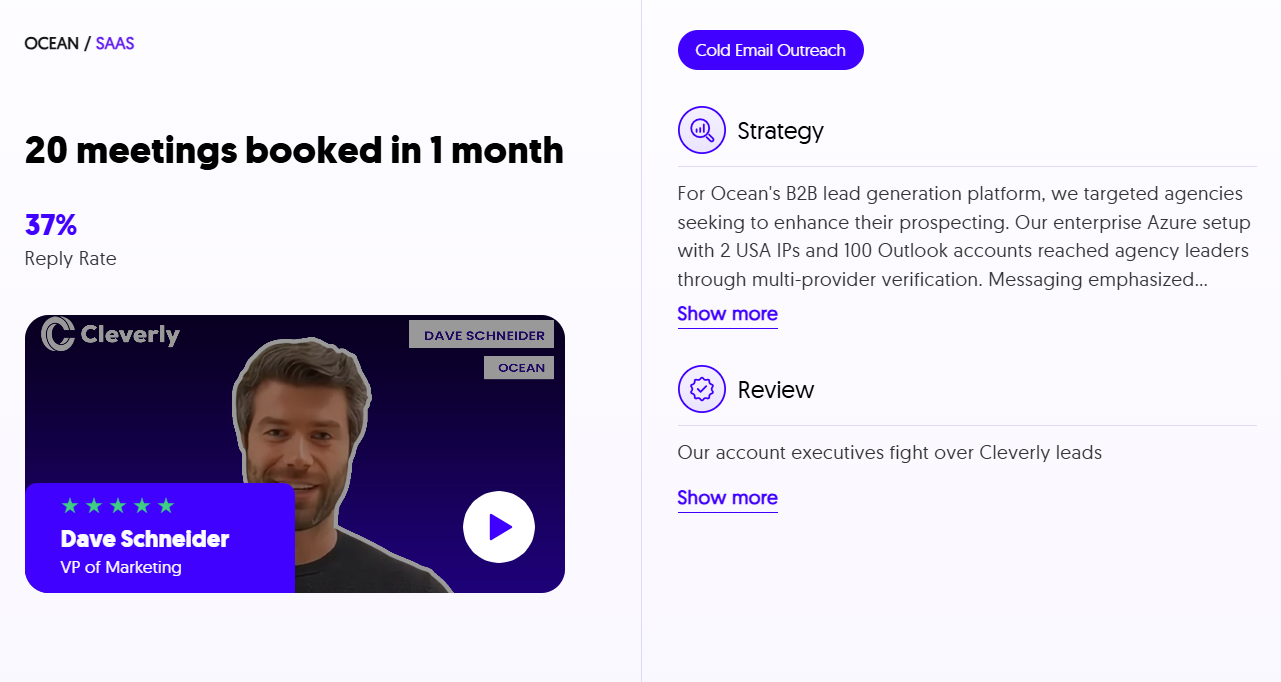
At Cleverly, we only charge for meeting-ready leads we actually book, which eliminates the risk of paying for bad data or technical failures.
Cold calling: Higher meeting volume, higher operational cost
Phone conversations qualify prospects faster than any other channel. You learn in 90 seconds if someone's a fit versus waiting days for email replies.
Meeting costs run $400-$800 because you're paying for SDR time, dialers, and data.
But here's why it works: our $5M cold calling system books 10-30 qualified appointments monthly with guaranteed results.
We've made over 1M cold calls and set 53K appointments because phone cuts through the noise when email and LinkedIn are saturated. It costs more per meeting but converts faster from conversation to close.

Why the "best" channel depends on your business:
- Small TAM (under 5,000 targets)? LinkedIn works best for precise targeting
- Large TAM with clear pain points? Cold email scales meeting volume efficiently
- High ACV deals ($100K+)? Cold calling's personal touch justifies the cost
Need pipeline yesterday? Calling books meetings 3-5x faster than email nurture sequences
Most companies don't need to pick one channel. The smartest lead generation pricing strategies blend channels based on where your ICP actually engages.
Explore Further: Practical Guide for Getting Sales-Ready Leads in B2B
In-House vs Outsourced Lead Generation — Cost Reality
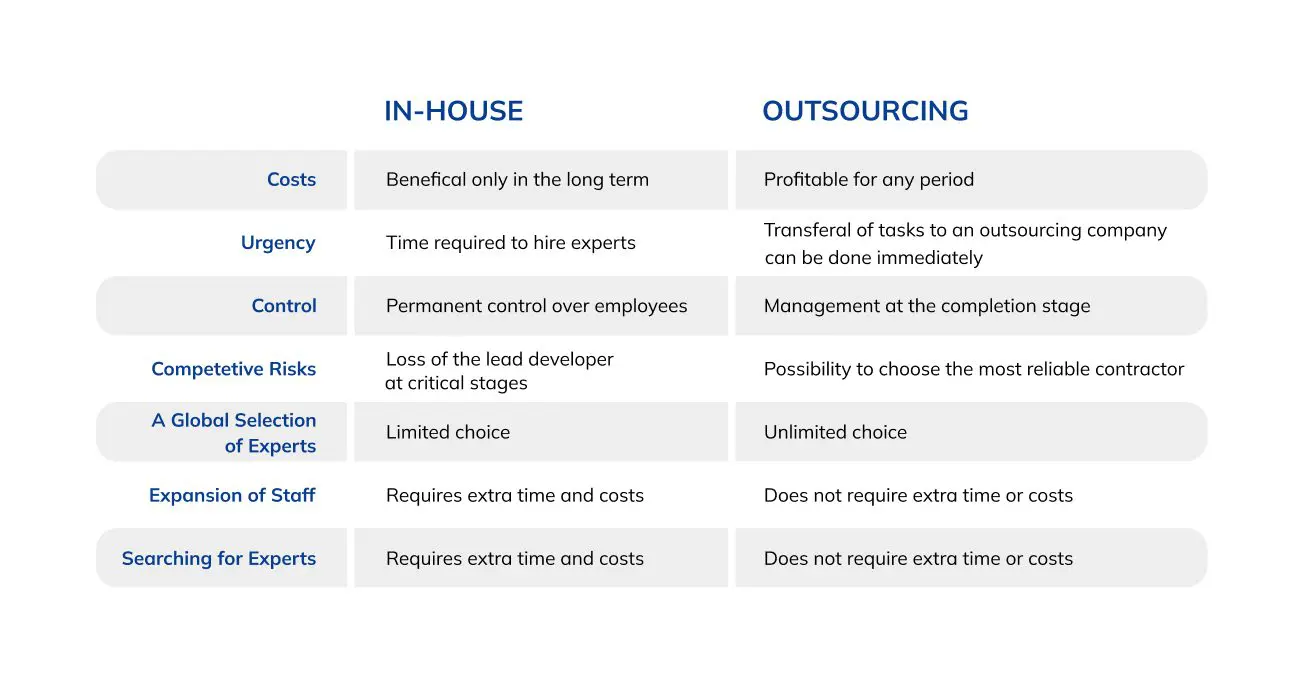
Most companies underestimate what it actually costs to run in-house SDR teams.
Let's break down the real numbers so you can make an informed decision about building internally versus working with a lead generation agency.
True cost of in-house SDR teams:
- Base salary: $50K-$70K per SDR annually
- Benefits and taxes: Add 25-30% ($12K-$21K)
- Tech stack: $3K-$8K per rep/year (CRM, sequencing, data, dialer)
- Manager overhead: $80K-$120K salary split across 5-8 reps
- Ramp time: 3-4 months before productivity, often longer
- Churn and turnover: SDRs average 14-18 month tenure, then you restart
All-in, one productive SDR costs $75K-$100K+ annually. If they book 15-20 meetings monthly at full productivity, you're paying $300-$500+ per meeting.
But here's the hidden cost: most new SDRs don't hit quota for their first quarter, and 30-40% churn within the first year. That ramp time and turnover inflates your real cost per sales meeting significantly.
Predictability vs flexibility tradeoff
In-house gives you control and cultural alignment, but you're locked into fixed costs whether pipeline needs scale up or down.
A lead generation agency gives you flexibility to adjust capacity monthly without severance costs or hiring delays. When you need 50 meetings this quarter and 20 next quarter, agencies adapt instantly.
Why agencies often lower cost per meeting faster
Agencies run thousands of campaigns simultaneously, so they've already tested what works for your ICP. You're not paying for 6 months of trial-and-error learning.
Example: At Cleverly, our cold calling system costs half what in-housing does because we've made over 1M calls and know exactly which scripts, timing, and qualification methods book appointments. You get a trained SDR live in 2 weeks, not 3-4 months.
We've also invested millions in data infrastructure, power dialers, and optimization systems that would cost individual companies $100K+ to build internally. You access that immediately without the capital expense.
👉 When in-house makes sense: If you're doing $50M+ in revenue with complex, highly technical sales processes that require deep product knowledge and 30+ minute qualification calls, in-house SDRs integrated with your sales team often perform better long-term.
👉 When outsourcing makes sense: If you're scaling fast, need predictable pipeline quickly, or don't want to manage SDR hiring and churn, a lead generation agency delivers faster ROI with lower risk. Most companies under $20M in revenue see better unit economics outsourcing because you avoid ramp costs and get instant access to proven systems.
In-depth: In-House SDR Team vs Lead Generation Agency - Cost & ROI Breakdown
Hidden Costs That Inflate Your Cost per Sales Meeting
The number you calculate for cost per sales meeting is only half the story. Hidden inefficiencies often double or triple your real costs without showing up in any report.
Poor qualification and no-shows
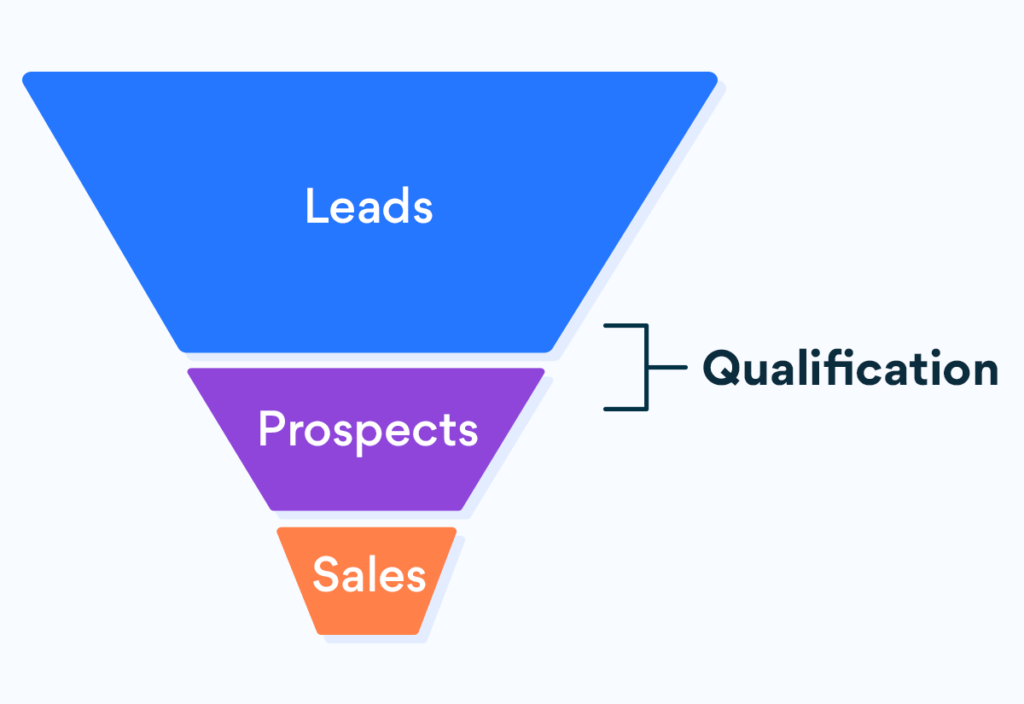
A meeting that doesn't happen isn't a meeting, it's a wasted budget. If 30% of your booked meetings no-show or cancel, your effective cost per sales meeting just increased by 43%.
Even worse are meetings with unqualified prospects who show up but have no budget, authority, or intent. We've seen companies celebrate low meeting costs while their sales team sits through call after call with tire-kickers who were never screened properly.
Strict qualification upfront costs more per booked meeting but saves thousands in wasted sales time. That's why we only count meeting-ready leads where prospects are confirmed, qualified, and actually show up.
Important distinction: Lead Quality vs Quantity
Sales time wasted on low-intent meetings
Your AE's time isn't free. If they're making $120K and spending 40% of their calendar on junk meetings that never convert, you're burning $48K annually in salary alone.
A $400 meeting that takes 30 minutes of prep, 45 minutes on the call, and 15 minutes of follow-up just cost you $500+ in fully loaded time when the prospect ghosts afterward.
Low-quality meetings don't just inflate acquisition costs, they destroy sales productivity and morale.
Bad handoffs between marketing and sales
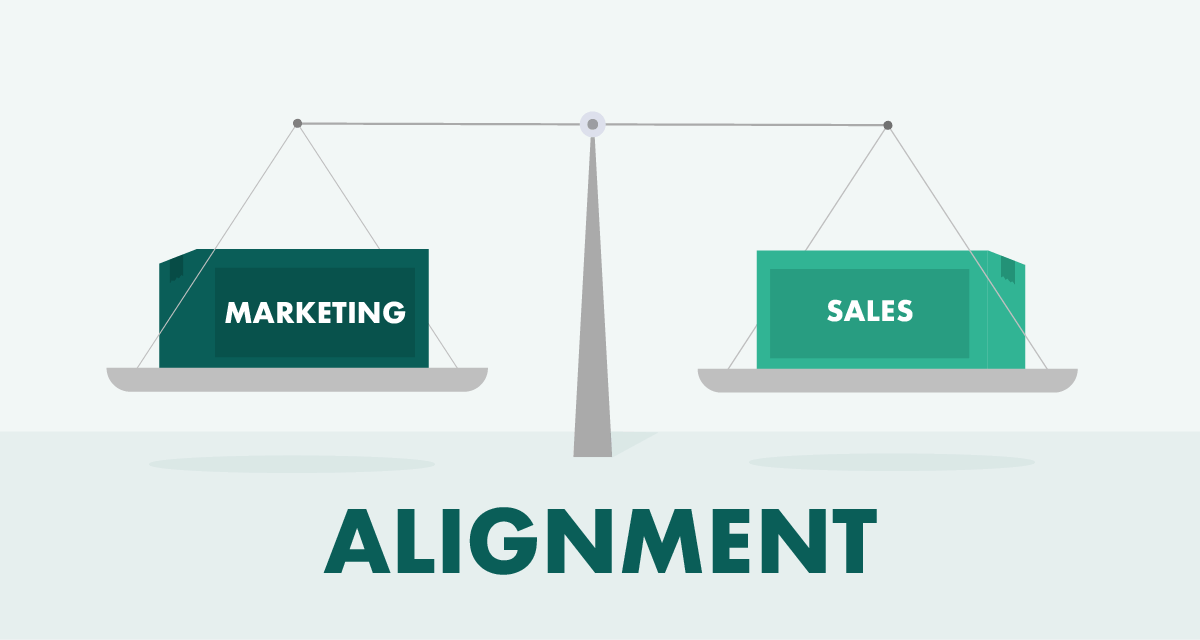
This is where pipeline goes to die. Marketing books a meeting, passes minimal context to sales, and the AE walks into the call blind.
The prospect has to repeat everything, feels deprioritized, and the conversation starts cold despite being a "warm" lead.
Companies with clean handoff processes including meeting notes, qualification details, and prospect research convert 35-50% more first meetings to opportunities.
Bad handoffs waste the money you spent getting the meeting in the first place.
How to Fix: Sales and Marketing Alignment
Weak follow-up and lead nurturing
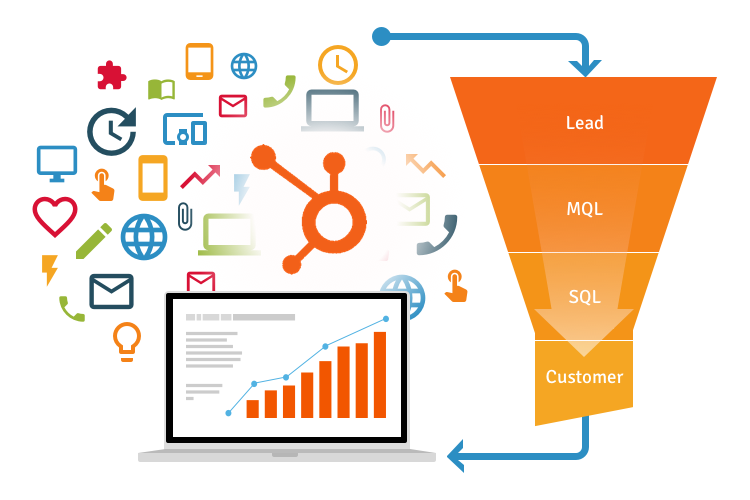
Most prospects don't buy on the first call. If your team books a meeting, hears "not right now," and never follows up strategically, you're letting paid meetings evaporate.
We've tracked companies who paid $600 per meeting but had zero nurture sequences for "not now" prospects. Six months later, those prospects bought from competitors who stayed in touch.
Your real cost per sales meeting should include the infrastructure to convert meetings into pipeline over time, not just the initial booking. Companies that nurture leads effectively see 20-30% of "not ready" meetings convert within 90-180 days, cutting effective acquisition costs dramatically.
How to Lower Your Cost per Sales Meeting (Without Sacrificing Quality)
The goal isn't just reducing your cost to book a sales meeting. It's lowering costs while improving the quality of conversations your sales team has. Here's how to do both.
Tighten your ICP instead of chasing volume
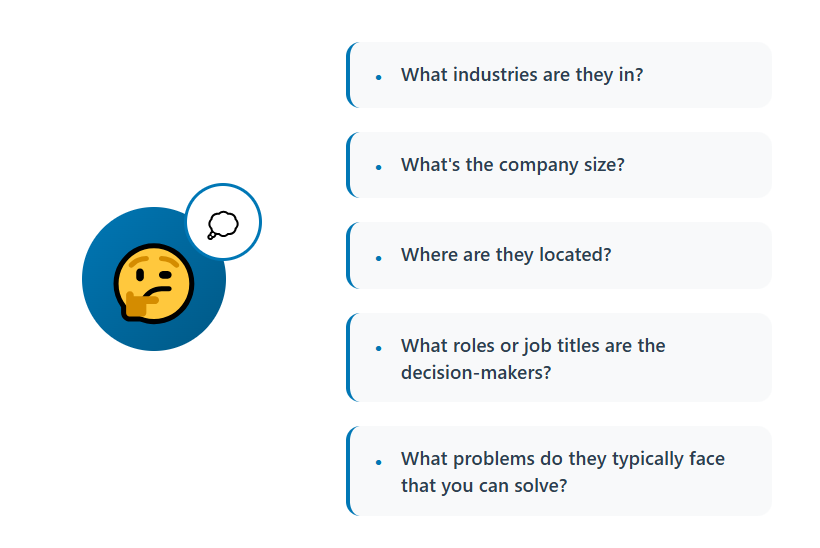
When you broaden targeting to hit cheaper audiences, you book more meetings with worse-fit prospects who never close. Your cost per sales meeting drops but your cost per closed deal skyrockets.
Instead, narrow your ICP ruthlessly. Cut out company sizes, industries, or titles that rarely convert.
Tighter targeting means higher response rates, better qualification, and sales teams that actually want the meetings you're booking.
Improve offer clarity for cold audiences
Vague outreach gets ignored. Specific offers get responses. If your message says "we help companies grow revenue," prospects delete it.
If it says "we book you 15 qualified sales meetings monthly with VP+ decision-makers in your target accounts," they pay attention.
Test your outreach with this question: could a prospect explain your offer to a colleague after reading it once? If not, you're burning budget on confusion.
Clear value props tied to measurable outcomes book 40-60% more meetings at lower costs because prospects immediately understand what they're getting.
Better qualification before booking
This feels counterintuitive but it works: qualify harder and your cost to book a sales meeting actually decreases over time. Why? Because you stop paying for meetings that go nowhere.
Add qualification questions to your booking process. Confirm budget ranges, decision-making authority, and timeline before the calendar invite goes out.
Yes, some prospects will drop off. That's the point. You're filtering out people who would've wasted 45 minutes of your AE's time anyway.
Align sales messaging with outreach messaging

Your outreach promises one thing, then your sales team pitches something completely different on the call. The prospect feels bait-and-switched and checks out mentally.
If your cold email talks about reducing customer churn, your AE better lead with churn solutions, not a generic product demo. Message alignment from first touch to close call improves meeting-to-opportunity conversion by 30-50%, which dramatically lowers your effective cost per closed deal even if meeting costs stay the same.
The companies with the lowest sustainable cost to book a sales meeting aren't cutting corners. They're optimizing every step from targeting to qualification to handoff so each meeting has the highest possible chance of turning into revenue.
Learn: MQL vs SQL - What’s the Difference and How to Approach Each?
How Cleverly Helps Companies Control Cost per Sales Meeting
Most lead generation agencies optimize for volume. We optimize for meetings that actually turn into pipeline.
Here's how we help you control costs without sacrificing quality:
- We focus on qualified sales meetings, not raw leads
- Channel selection based on your ICP and deal size
- Human qualification and response handling
- Clear definitions of what counts as a booked meeting
- Ongoing optimization to reduce wasted spend
Our track record:
- 10,000+ clients served including Amazon, Google, Uber, PayPal
- $312M in pipeline generated, $51.2M closed revenue
- 53K appointments set across 1M+ cold calls
- LinkedIn services from $397/month
- Cold email: pay only for meeting-ready leads
- Cold calling: 10-30 qualified appointments monthly, guaranteed
We're not a "cheap leads" vendor. We're your cost-efficiency partner focused on booking meetings that actually close.
🚀 Let’s talk and create a REAL pipeline for you that drives money on the table!
Conclusion
There's no magic number for cost per sales meeting that works across every business. A $200 meeting might be terrible for enterprise software and incredible for SMB services. What matters is whether your meeting costs align with your deal size, close rates, and revenue goals.
The cheapest meeting is rarely the most profitable. Chasing low costs fills your calendar with unqualified prospects who waste sales time and never convert. Premium pricing often means premium leads who actually close.
Sustainable pipeline growth comes from balancing three things: cost efficiency, quality standards, and conversion optimization .
Know your real cost per sales meeting. Benchmark it against your revenue metrics, not someone else's vanity numbers. Then optimize relentlessly for meetings that convert, not just meetings that look good in a report.
That's how you build a predictable, profitable pipeline at scale.

Frequently Asked Questions
Free Resource
How to Scale a Profitable Cold Call System
Get the complete guide — download it instantly now.
Free Ebook
Download the Free Guide
Enter your details to get instant access.
You're all set! 🎉
Your ebook is downloading now.
Click below if the download didn't start automatically.