Table of Contents
Why Most B2B Pipeline Generation Strategies Fail
7 Pipeline Generation Strategies for Sustainable B2B Growth in 2026
How to Build a Successful Pipeline Generation Strategy: A Step-by-Step Framework
How to Measure Your Pipeline Generation Strategy
How Cleverly Builds Pipeline for B2B Companies Without the Guesswork
Conclusion
Frequently Asked Questions
Modified On :
June 3, 2026
Key Takeaways
- A pipeline generation strategy is a repeatable system — not a one-off campaign — designed to fill your sales pipeline with qualified, stage-ready opportunities.
- The biggest pipeline killers in 2026 aren't bad offers — they're inconsistent execution, vague ICP definitions, and over-relying on a single channel.
- LinkedIn outreach, cold email, cold calling, and intent-based outreach each serve different ICPs — the right mix depends on your deal size, TAM, and sales motion.
- Signal-based pipeline plays now produce 114% higher win rates than volume-based outbound, which means precision matters more than volume.
- Building sustainable B2B pipeline in 2026 means treating outreach as an always-on system, not a quarterly initiative you restart when numbers slip.
Your pipeline isn't inconsistent because your product isn't good. It's inconsistent because your outreach isn't systematic.
As of April 2026, the median pipeline coverage across B2B teams sits at just 3.2x quota — and that gap is widening between teams running structured, always-on outbound systems and teams still stitching together one-off campaigns.
Almost 80% of sales and marketing leaders say AI has positively impacted pipeline generation, yet adoption remains uneven across most organizations.
And while buyers are getting harder to reach, the point of first contact has moved earlier — buyers are now engaging vendors about six to seven weeks sooner than before, which means the window to get in front of them before they've shortlisted competitors is real — but only if you're running outreach consistently.
This guide covers seven proven pipeline generation strategies that B2B sales leaders, RevOps teams, founders, and SDR managers are using right now to build predictable, scalable pipeline.
We'll walk through how each strategy works, what results to benchmark against, and how to build the right mix for your business. No theory. No padding. Just the systems that work.
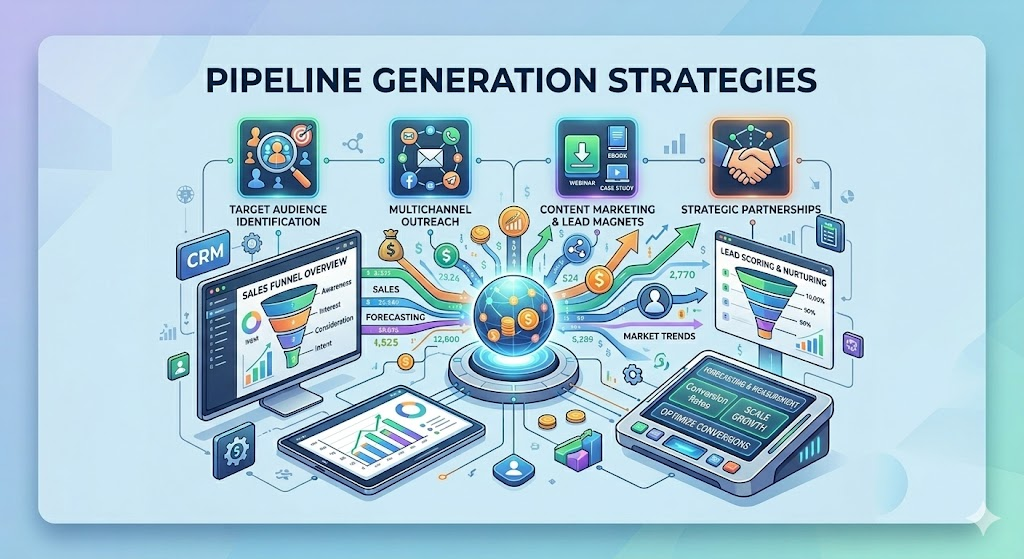
What Is a Pipeline Generation Strategy?
A B2B sales pipeline generation strategy is a deliberate, repeatable system for bringing qualified opportunities into your sales pipeline — consistently, not just when your team needs to hit a quarterly number.
This is different from lead generation, which is primarily a volume play. Pipeline generation is about stage-readiness. You're not just collecting names and emails — you're building relationships with buyers who have a real problem, the budget to solve it, and the authority to make a decision.
Key distinction:
Every effective pipeline generation strategy is built on three pillars:
1. Targeting precision — Knowing exactly who you're going after, what triggers their buying behavior, and why they'd care about what you offer right now.
2. Channel execution — Running the right outbound channels for your audience with proper infrastructure, sequencing, and follow-through.
3. Consistent follow-through — Pipeline doesn't come from one touchpoint. It comes from systems that keep running when motivation drops and inboxes fill up.
The most common trap teams fall into is conflating "we ran some outreach" with "we have a pipeline strategy." One is an activity. The other is a system.
🚀 Pipeline Problems Are Usually Outreach Problems
We build and run your entire outbound engine for you. LinkedIn, cold email & calling—all under one roof.
Why Most B2B Pipeline Generation Strategies Fail
Before getting into what works, it's worth being honest about what breaks most pipeline programs — because the same mistakes repeat across companies of every size.
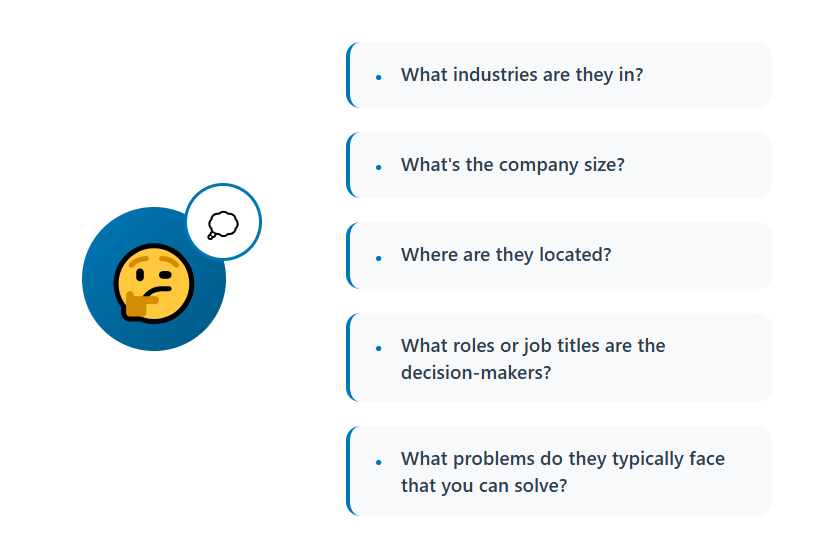
No defined ICP. If your targeting criteria is "companies with 50 to 500 employees in North America," you don't have an ICP — you have a loose filter. Vague targeting leads to generic messaging, low reply rates, and pipeline full of opportunities that never close.
Inconsistent execution. A campaign that runs for 30 days, gets paused, and restarts three months later from zero isn't a strategy — it's a series of failed experiments. Pipeline compounds when outreach is continuous. It stalls when it's treated as a burst activity.
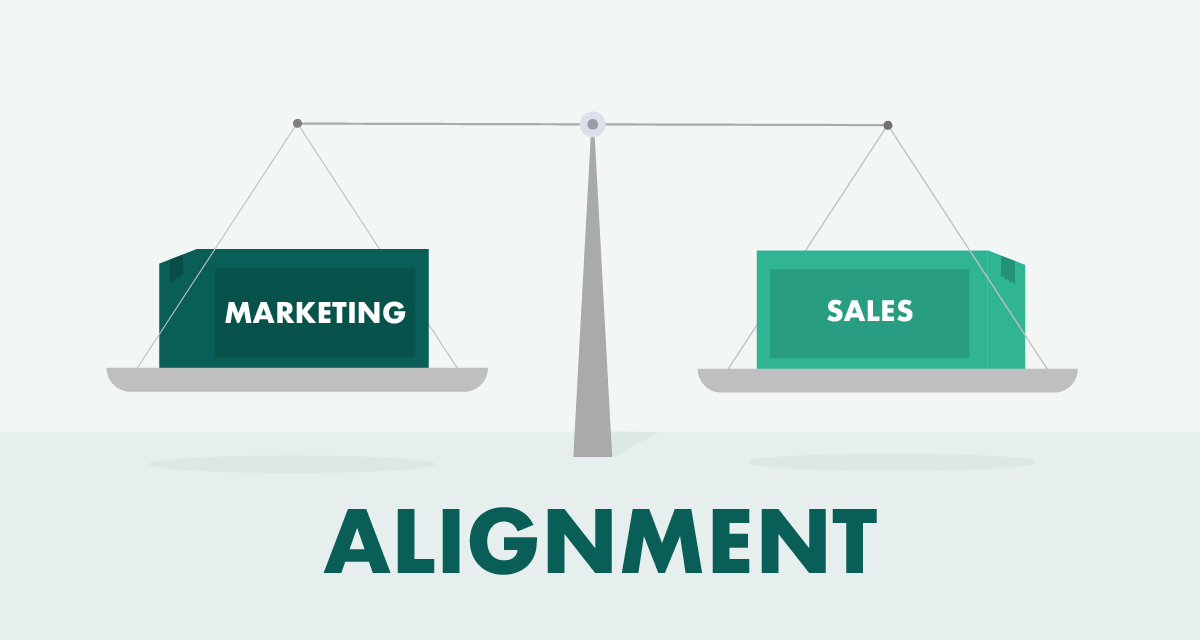
Misaligned sales and marketing. Marketing generates MQLs that sales can't close. Sales complains the leads are bad. Marketing argues the ICP is right. Meanwhile, pipeline sits half-empty. If the criteria for a "good lead" isn't agreed upon before a single message goes out, the program is already broken.
No feedback loop. Sending outreach without measuring what's working and adjusting is just burning budget. The teams that build sustainable pipeline treat every campaign as data, not just outreach.
Treating pipeline as a "when we need it" activity. This is the most expensive mistake. By the time your pipeline looks thin, you're already 60 to 90 days behind. Pipeline generation needs to be always-on — not triggered by a missed quarter.
Single-channel dependence. Teams that rely entirely on inbound, or entirely on cold email, or entirely on LinkedIn, are one algorithm change or inbox filter update away from a pipeline crisis. Diversification isn't optional — it's structural.
7 Pipeline Generation Strategies for Sustainable B2B Growth in 2026
These are not theories. They are proven systems that B2B sales teams are actively using in 2026 to build consistent, scalable B2B sales pipeline.
Strategy 1: LinkedIn Outreach — Relationship-First Pipeline at Scale
LinkedIn remains the highest-trust outbound channel in B2B. The reason is simple: it's the only platform where reaching out to a stranger about business is socially acceptable by design. Nobody feels ambushed by a LinkedIn connection request the way they might by a cold call at 8 AM.
How to make it work in 2026:
The foundation is ICP targeting through Sales Navigator. You're filtering by role, seniority, company size, industry, technology stack, and growth signals like headcount changes, funding rounds, or recent job postings. The goal isn't to build the biggest list — it's to build the most relevant one.
The outreach sequence matters more than most teams realize. A connection request with a message that leads with value (not a pitch) followed by a short, direct follow-up is the framework that produces results. What kills LinkedIn outreach is treating it like a cold email channel — long intros, feature lists, and a calendar link in message one.
LinkedIn connection acceptance rates average around 27%, with reply rates after connection sitting around 11% for well-targeted campaigns. When messaging is specific and relevant to the prospect's actual situation, those numbers climb.
One underused tactic: use LinkedIn content to warm up your ICP before reaching out directly. When your target audience has seen your posts and engaged with your thinking, a connection request from you isn't cold — it's a natural next step.
Best for: High-ticket offers, founder-led sales, niche ICPs, and relationship-driven sales cycles.
Results benchmark: 15–30% connection rates, 5–15% reply rates when targeting is tight and messaging earns the response.
Pro tip: Working within LinkedIn's connection limits isn't a constraint — it's a forcing function for quality. If you need volume at scale, running multiple profiles with proper management gives you reach without the risk of profile restrictions.
Strategy 2: Cold Email Outreach — High-Volume Pipeline at Low Cost
Cold email is still the highest-reach outbound channel available to B2B teams. No platform caps your volume the way LinkedIn does, and with the right infrastructure, you can reach thousands of qualified prospects every month at a fraction of the cost of any other channel.
The catch is that the bar for execution is higher than it's ever been.
Average cold email response rates have declined to around 3.43% in 2026 according to Instantly's benchmark report, largely due to inbox saturation, AI-generated outreach flooding inboxes, and stricter spam filters from Google and Yahoo.
A good response rate right now is anything above 5%. Top campaigns using signal-based targeting and disciplined follow-up sequences regularly hit 10% or higher.
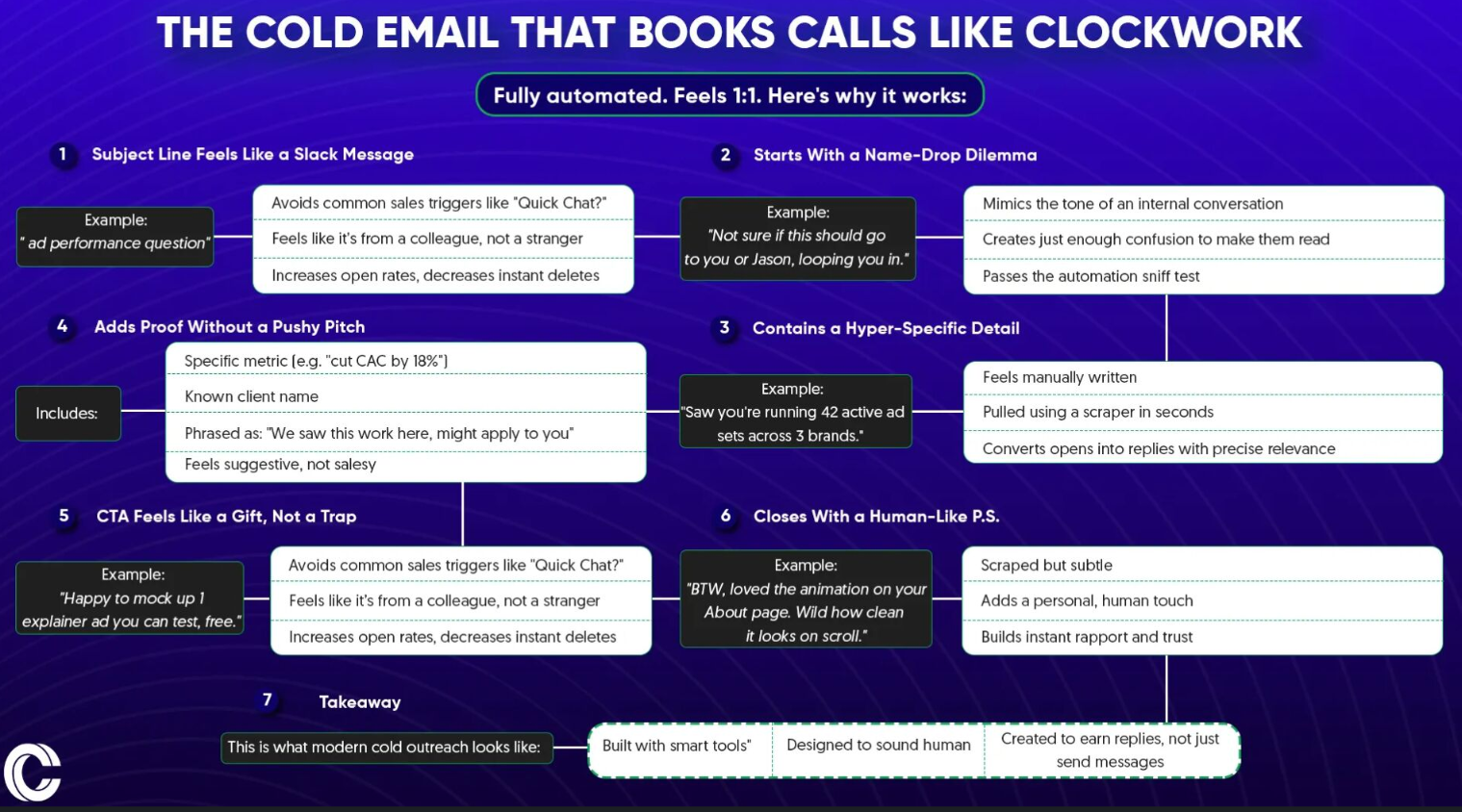
What separates high-performing cold email programs:
List quality. ICP-aligned, verified, enriched contact data is not optional. When 35% of emails bounce, you're not just wasting sends — you're damaging sender reputation, which tanks deliverability for every subsequent campaign.
Email infrastructure. Domain setup, warming, rotation, SPF/DKIM/DMARC authentication, and inbox monitoring are the operational backbone. Skipping this is the fastest way to end up in spam.
Email Copy. Campaigns combining AI with verified intent signals are getting response rates above 8% and even 20% with human verification — but the AI is only useful if the copy doesn't read like it came from a template. Short, specific, value-first emails with one clear CTA consistently outperform long, feature-heavy messages.
Follow-ups. Follow-up emails collectively generate 42% of all campaign replies, yet 48% of reps never send a second message. Your sequence isn't done after email one.
Best for: Large TAMs, proven offers, and ICPs with accessible, verified email addresses.
Results benchmark: 3–8% reply rates, 1–3% positive reply rates on well-built campaigns.
Strategy 3: Cold Calling — Direct Pipeline for Hard-to-Reach Buyers
Cold calling gets dismissed a lot by teams who tried it without the right infrastructure and gave up after two weeks. The reality is that calling is still the most direct way to book a qualified meeting — when it's done right.
The difference between a cold calling program that books meetings and one that burns out your SDRs is almost always execution quality, not channel viability.
Who it works best for:
Industries where decision-makers have low email engagement — manufacturing, logistics, construction, healthcare, financial services. Local business owners. Senior executives whose inbox filters everything out. If your ICP isn't responsive on email or LinkedIn, the phone is often the only path in.
The anatomy of a good cold call:
- Pattern interrupt: Open with something unexpected that forces a real response instead of "not interested."
- Relevance hook: One sentence that explains why you're calling them specifically — tied to their company, role, or a specific trigger.
- Qualifying question: Not a pitch — a question that gets them talking and helps you assess fit fast.
- Soft CTA: A meeting ask that feels natural, not pressured.
Cold calling performs best when it's paired with email and LinkedIn warm-up. When a prospect has already seen your name in their inbox or feed, your call doesn't feel entirely cold — and that shifts the conversation.
Omnichannel outreach combining email, LinkedIn, and phone can boost results by over 287% compared to single-channel outreach. The phone isn't a standalone channel — it's the power move at the end of a multichannel sequence.
What you need to make it work: Clean data, a power dialer, skilled SDRs with real call coaching, script development, and a QA system that catches what's not working before it becomes a habit.
Best for: High-volume meeting goals, fast qualification cycles, and reaching buyers who are invisible on other channels.
Results benchmark: 5–15% connect rates, 10–25% conversion to meeting from connects when paired with warm-up.
Strategy 4: Intent-Based Outreach — Target Buyers Already In Market

The most efficient outreach you can run is outreach to someone who is actively evaluating a solution like yours. Intent data lets you identify those buyers before they fill out a demo form.
What intent signals look like in 2026:
- Job changes — a new VP of Sales just joined a company in your ICP
- Technology installs — a company just adopted a tool that integrates with yours, or just dropped a competitor's tool
- Funding announcements — a company raised a Series B and is ready to invest in growth infrastructure
- Hiring patterns — they're building an SDR team, which means they're about to need outreach infrastructure
- Content consumption — they're reading about problems your product solves
Tools for intent monitoring: ZoomInfo Intent, Bombora, G2 Buyer Intent, LinkedIn Job Alerts, and Clay workflows for combining signals automatically.
The key is triggering outreach at the right moment — within days of the signal, not weeks. A funding announcement is most relevant in the first two to three weeks. A job change is most valuable in the first 90 days, when a new executive is evaluating vendors and open to switching.
Teams using signal-driven pipeline generation see average sales cycles of 54 days versus 88 days for volume-based approaches. The pipeline is not just higher quality — it moves faster.
Common mistake: Treating intent signals as confirmation of purchase intent rather than a reason to start a conversation. Intent means they're in market. It doesn't mean they've chosen you. Your job is to get in front of them while the window is open.
Best for: Teams with well-defined ICPs targeting mid-market and enterprise accounts.
Strategy 5: Account-Based Pipeline Generation (ABM-Lite)
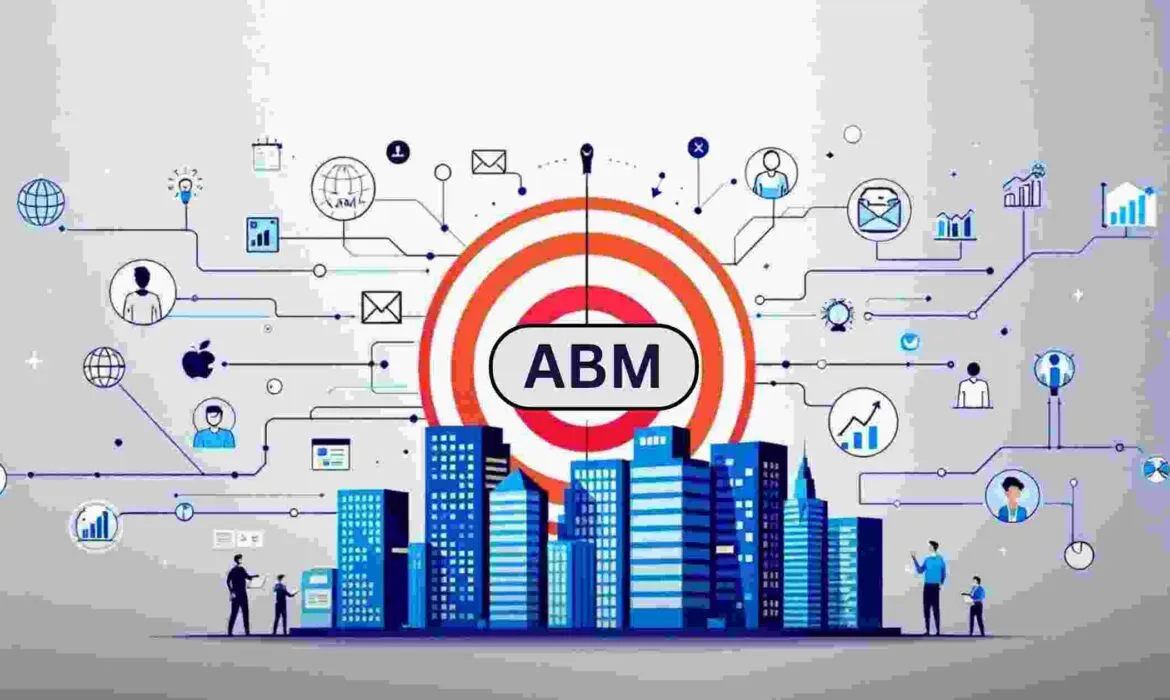
ABM doesn't require a six-figure tech stack or a dedicated ABM team. ABM-lite is the version that growth-stage B2B companies can actually execute with existing resources — and it produces significantly better pipeline quality than broad outbound.
How it works:
Start with a target account list built on ICP firmographics, intent signals, and existing lookalike customers. These are the accounts you want — not a broad segment, but a specific list of companies you've decided to pursue with intention.
Then go multi-threaded. Reach 3–5 contacts at each target account, not just one. Deals don't close with one stakeholder. Reaching the economic buyer, the champion, and the end user simultaneously — with coordinated messaging — is what moves enterprise pipeline forward.
Coordinating touchpoints across an account:
Run LinkedIn outreach, cold email, and calling across the same account on a staggered schedule so multiple contacts receive touches without feeling like they're being carpet-bombed.
The messaging should be account-level personalized — referencing things specific to their company, not just their role — without requiring hours of research per contact. Technology and AI-assisted enrichment handles most of this at scale.
Results benchmark: 2–5x higher conversion rates versus broad outbound when accounts are well-qualified upfront.
Best for: Complex sales with multiple stakeholders, enterprise deal sizes, and sales cycles longer than 60 days.
Strategy 6: Content-Led Demand Generation — Build Pipeline While You Sleep
Every other strategy on this list requires active effort to generate pipeline. Content is the only one that compounds passively. An article that ranks on page one for a high-intent keyword keeps generating pipeline on a Tuesday at 2 AM while your SDRs are asleep.
High-intent content that generates B2B pipeline in 2026:
- Comparison pages ("X vs Y" or "Best alternatives to X")
- "Best tools for [specific use case]" roundups
- Use-case guides targeting specific buyer roles or industries
- ROI calculators tied to your product's core value proposition
- Process guides your ICP searches when they're actively building a function
The goal is to rank for keywords your ICP types in when they're evaluating solutions — not when they're learning about a topic for the first time.
Turning content into pipeline: Every piece needs a CTA that converts traffic into conversations. A free strategy call, a downloadable resource, a demo request — something that moves a reader from passive to active.
One underused play: Publish your best-performing content on LinkedIn to distribute it to your ICP directly. The same article that ranks on Google can generate DMs and connection requests from prospects who find it through your feed.
Best for: Teams with a 6+ month runway and the discipline to invest in assets that compound over time.
Strategy 7: Customer Referrals and Partner Pipeline — The Highest Close-Rate Channel
Referral-sourced pipeline closes faster, at higher average contract values, and with shorter sales cycles than any outbound channel. A prospect who comes in because a trusted peer recommended you has already passed a credibility check that cold outreach can never replicate.
The problem is that most companies treat referrals as something that happens organically — and as a result, they get far fewer than they could.
How to build a systematic referral program:
Three moments generate the most referrals: right after a customer achieves a meaningful result with your product, when you hit a milestone together worth celebrating, and when an NPS survey identifies a strong promoter.
At each of those moments, there should be a structured process for asking — a specific request, a simple handoff mechanism, and a clear incentive where appropriate.
Partner-sourced pipeline works when you build co-sell relationships with vendors who serve the same ICP without directly competing. Adjacent SaaS tools, agencies, and consultants who work with your buyer are all potential pipeline sources. The arrangement can be referral fees, co-marketing content, shared resources, or account mapping — whatever creates mutual value.
Community-led pipeline is the longer play: investing in building or showing up in niche communities where your ICP spends time. Not to pitch — to be visibly helpful. Pipeline from community comes slower but tends to be highly self-qualified.
Best for: Companies with happy existing customers and a defined partner ecosystem to build on.
📈 Stop Chasing Leads. Start Building Predictable Pipeline.
$312M pipeline generated. 10,000+ clients served. We deliver qualified meetings straight to your calendar.
How to Build a Successful Pipeline Generation Strategy: A Step-by-Step Framework
Knowing which strategies work is half the picture. Knowing how to build your system from scratch — without running everything at once and executing none of it well — is what separates companies with consistent pipeline from companies that are always chasing it.
Step 1: Define your ICP with precision
Firmographics are the starting point. Technographics, buying triggers, and disqualifiers are what make targeting actually useful. Know who you're going after, what causes them to start evaluating solutions, and what tells you early in a conversation that they're not a fit.
Step 2: Set pipeline targets tied to revenue goals
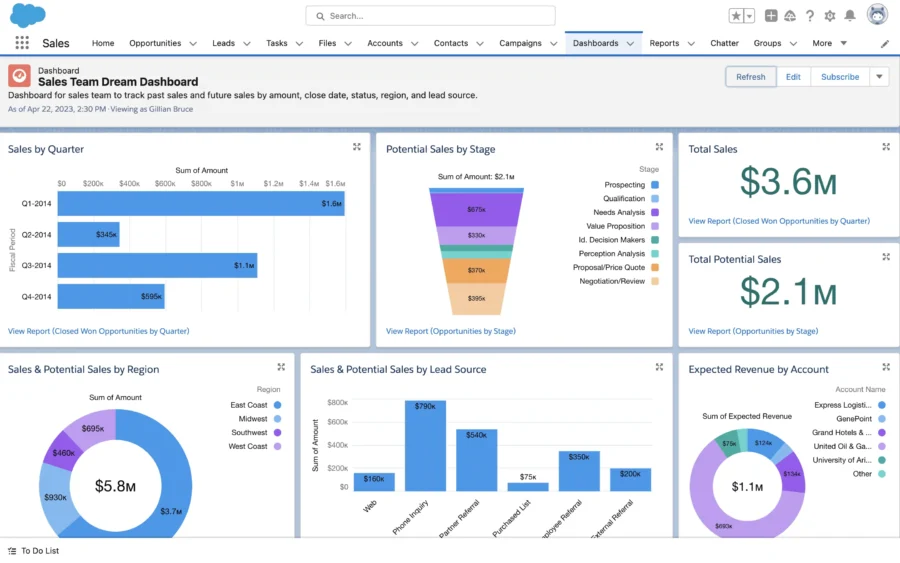
Work backwards. Start with your closed-won revenue target. What win rate tells you how many opportunities you need to create? What conversion rate from meeting to opportunity tells you how many meetings that requires? What outreach volume and channel do you need to hit those meeting targets? This math is non-negotiable — if your pipeline target isn't tied to actual revenue, you're optimizing for activity, not outcomes.
Step 3: Choose 1–2 primary channels based on TAM, deal size, and team capacity
If your TAM is 500 companies, cold email at scale isn't the answer. If your buyers are blue-collar business owners who don't use LinkedIn, cold calling is likely your primary channel. Match channel choice to where your ICP actually spends time and how they prefer to engage.
Step 4: Build your infrastructure
Data, sequences, cadences, tracking, and reporting before you launch outreach. Retrofitting infrastructure after a campaign is already running creates blind spots and makes it impossible to measure what's actually working.
Step 5: Launch, establish baselines, then iterate
Don't optimize campaigns in week one. Let them run long enough to produce statistically meaningful data. Then start making deliberate changes — one variable at a time — and measure the impact.
Step 6: Add channels systematically
Once your first channel is producing consistent, predictable results, add a second. Run the same process. Build depth in each channel before spreading resources thin across all of them.
Step 7: Build feedback loops between sales and marketing
The SDR taking calls knows things about objections and buyer language that the marketer writing copy doesn't. The marketer tracking content performance knows which topics are resonating before they show up in the sales conversation. That information exchange should be structured and regular — not occasional and ad hoc.
The biggest mistake: Running all seven strategies simultaneously with no execution depth on any of them. One channel done well produces more pipeline than seven channels done poorly.
How to Measure Your Pipeline Generation Strategy
Pipeline measurement is where teams either get honest feedback on what's working or get false confidence from metrics that don't actually predict revenue.
The metrics that matter:
Pipeline coverage ratio — how much pipeline you have relative to your quota target. The median across B2B teams right now is 3.2x, with top-quartile programs running at 4.8x. Below 2.5x is a warning sign that shows up as missed quota one to two quarters out.
Meetings booked by channel — this tells you which channels are actually producing qualified conversations, not just activity.
Pipeline created — opportunities opened, not just meetings held. A meeting that never converts to an opportunity isn't pipeline.
Opportunity-to-close rate — if this is low, the problem is often ICP targeting or qualification criteria, not sales execution.
Pipeline velocity — how fast are opportunities moving from created to closed? Stalled pipeline is a signal that either the deal quality is off or the sales process has gaps.
What to stop measuring:
Email open rates are nearly meaningless in 2026 — most reporting tools now count machine-opened emails from preview tools as opens. LinkedIn connection counts tell you about outreach volume, not pipeline quality. These vanity metrics create false confidence and distract from what actually predicts revenue.
Reporting cadence that works:
- Weekly: pipeline review by channel and stage
- Monthly: strategy adjustment based on what's converting and what isn't
- Quarterly: full channel audit and ICP refinement based on closed-won data
How Cleverly Builds Pipeline for B2B Companies Without the Guesswork
Building a pipeline generation strategy in-house sounds straightforward until you're three months in and realize it requires depth in five different areas simultaneously — ICP research, contact data sourcing, copywriting, deliverability infrastructure, and ongoing campaign optimization.
Most sales teams are strong in one or two of those areas. Rarely all five.
That's exactly what we do at Cleverly. We're a fully done-for-you B2B lead generation agency that builds and runs end-to-end outbound pipeline programs across LinkedIn outreach, cold email, and cold calling — so your team can focus on closing deals instead of managing outreach operations.
Our process starts with ICP-based targeting and verified, enriched contact data. We write the sequences, manage the infrastructure, handle reply management, and continuously optimize based on what's producing conversations.
LinkedIn lead generation starts at $397/month. Cold email service operates on a pay-per-lead model — you only pay for meeting-ready leads we actually deliver. Our cold calling system books 10 to 30 qualified sales calls per month with a dedicated appointment setter, and it comes with everything included: data, scripts, tech stack, and power dialer.
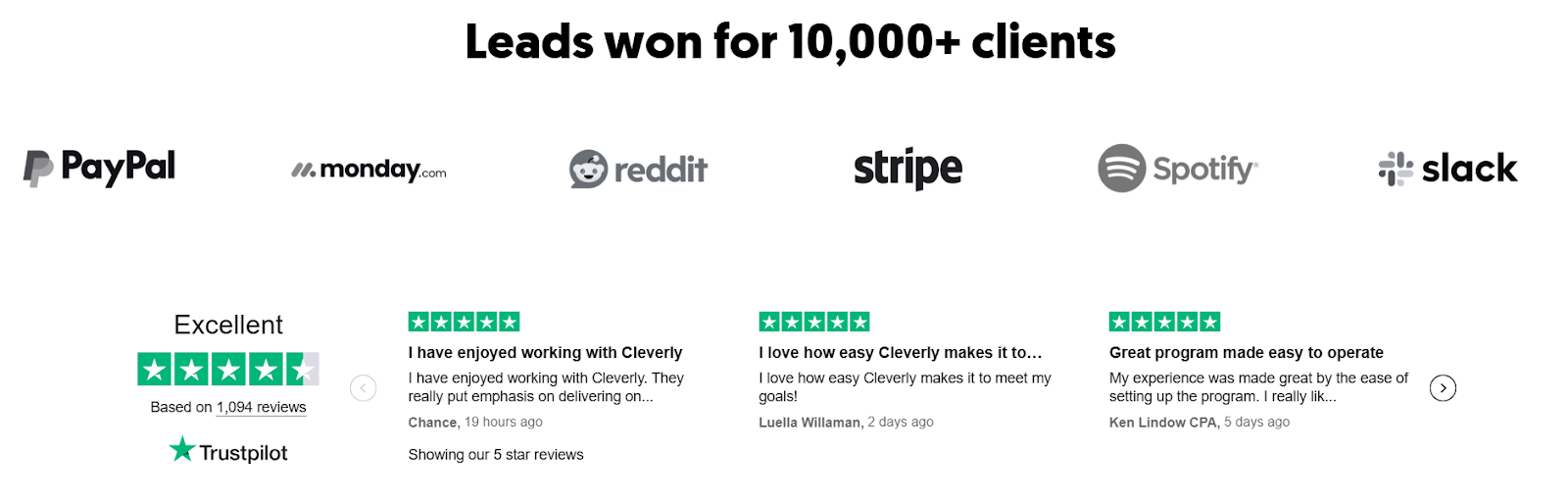
Across 10,000+ clients — including companies like Amazon, Google, Uber, PayPal, Slack, and Spotify — we've generated $312M in pipeline revenue and $51.2M in closed revenue.
The difference between doing this yourself and working with a team that runs these systems daily isn't just time savings. It's the compounding effect of execution quality that comes from running thousands of campaigns and knowing what actually works for your ICP.
Want a pipeline generation system built and run for you? Book a strategy call with Cleverly.
Conclusion
Sustainable B2B pipeline doesn't come from your best campaign. It comes from a system that runs whether your team is motivated, whether the quarter is going well, and whether the last batch of outreach produced anything.
The strategies in this guide work. But they work because they're designed to run consistently — not because they're clever tactics that produce a spike in one month. Start with one channel, build real execution depth, measure ruthlessly, and expand when you have the data to make smart decisions.
The companies building durable pipeline in 2026 are the ones that stopped treating outreach as a reaction to a bad quarter and started treating it as the infrastructure their revenue runs on.
Frequently Asked Questions
Free Resource
How to Scale a Profitable Cold Call System
Get the complete guide — download it instantly now.
Free Ebook
Download the Free Guide
Enter your details to get instant access.
You're all set! 🎉
Your ebook is downloading now.
Click below if the download didn't start automatically.