Table of Contents
What Is Single-Channel Outreach?
Why Single-Channel Outreach Feels Appealing (But Isn't)
The Limitations of Single-Channel Outreach
How Single-Channel Outreach Breaks Attribution
Cold Email–Only and LinkedIn–Only Strategies: Real-World Problems
Why Multi-Touch Outreach Reflects How B2B Buyers Actually Buy
How Cleverly Avoids the Single-Channel Trap in B2B Outreach
Conclusion
Frequently Asked Questions
Modified On :
April 10, 2026
Key Takeaways
- Single channel outreach simplifies reporting but creates blind spots in your attribution data.
- B2B buyers need 8-12 touchpoints across multiple platforms before they trust you enough to respond.
- A cold email only strategy faces inbox saturation, deliverability risks, and declining response rates over time.
- Attribution breaks when you track conversions through one channel but buyers research you across several.
- Multi-touch outreach matches real buyer behavior: email for reach, LinkedIn for credibility, calls for clarity.
- When your outreach strategy mirrors how people actually buy, your attribution problems fix themselves.
We see it all the time. A sales team goes all in on single channel outreach, usually cold email or LinkedIn, then wonders why their attribution reports look like a mess.
The reality? Your multi touch attribution isn't broken. Your outreach strategy is.
When you rely on one channel, you're not just limiting your reach. You're creating blind spots in your data that make it nearly impossible to understand what's actually working.
And in B2B sales, where buyers research you across multiple platforms before ever responding, a single channel marketing strategy is like trying to solve a puzzle with half the pieces missing.
Let's talk about why this happens and what you can do about it.
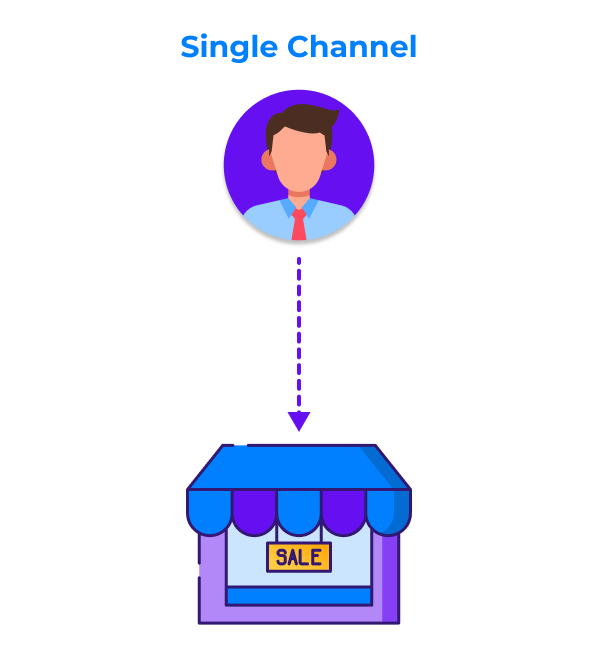
What Is Single-Channel Outreach?
Single channel outreach means relying on just one method to reach your prospects. It's when your entire lead generation effort lives in one place, whether that's email, LinkedIn, or paid ads.
What this typically looks like:
- Cold email only strategy: Sending hundreds of emails a day, hoping inbox placement and reply rates tell the whole story.
- LinkedIn-only outbound: Building your entire pipeline through connection requests and InMails.
- Paid ads as the sole channel: Pouring budget into Google or LinkedIn ads while ignoring direct outreach entirely.
We get why teams default to a single channel marketing strategy. The appeal is real:
✅ It's easier to measure. One channel means one dashboard, one set of metrics, one source of truth for what's working.
✅ It's easier to manage. You train your team on one platform, master one skill set, and avoid the complexity of coordinating across multiple channels.
✅ Lower operational complexity. Fewer tools to manage, simpler workflows, less coordination between team members.
But here's the problem: what feels simple on your end creates a fragmented experience for your buyers. And that's where your attribution starts falling apart.
Important Read: Omnichannel vs Multichannel Marketing Explained (With Examples)
📈 Fix Your Attribution. Fill Your Pipeline.
10,000+ companies trust Cleverly to turn coordinated outreach across LinkedIn, email, and phone into predictable, sales-ready meetings.
Why Single-Channel Outreach Feels Appealing (But Isn't)
Look, we understand the temptation. A one channel marketing approach looks clean on paper. Your dashboards are straightforward, your reports make sense, and you can point to clear numbers when leadership asks what's working.
Here's what makes it so attractive:
- Simpler reporting and attribution. Every lead came from email or LinkedIn. No messy multi-touch journeys to untangle. Just a straight line from outreach to response.
- Cleaner dashboards and KPIs. One set of metrics to track. Open rates, reply rates, conversion rates. Everything fits neatly into a single spreadsheet.
- Easier budget justification. When all your results come from one channel, proving ROI feels straightforward. You spent X on cold email, generated Y pipeline. Done.
- Faster setup and execution. You're not coordinating across platforms or training your team on multiple tools. Pick a channel, build your list, start reaching out.
This simplicity is an illusion in B2B sales. Your buyers aren't living in one channel. They're checking LinkedIn while ignoring their inbox. They're researching your company after seeing your name pop up three different times across three different platforms.
When you optimize for single channel outreach because it's easier to track, you're optimizing for your convenience, not for how people actually buy.
And that's exactly where your attribution model starts breaking down.
The Limitations of Single-Channel Outreach
The limitations of single channel outreach show up fast once you start paying attention. What looked like a simple, measurable strategy quickly reveals its cracks.
Buyers don't respond after one touch.
We've analyzed thousands of B2B deals. The average prospect needs 8-12 touchpoints before they engage. If you're only showing up in their inbox, you're missing 7-11 other chances to connect.
Decision-makers ignore unfamiliar channels.
Some executives live in their inbox. Others never check LinkedIn messages. Senior buyers often screen everything through assistants. When you pick one channel, you're gambling that it's the right one for your specific buyer.
One channel doesn't give you full buyer context.
Email tells you who opened and clicked. LinkedIn shows you profile views. But neither tells you the prospect also visited your pricing page, downloaded your case study, and asked their network about you. You're flying blind on the full picture.
Channel fatigue and saturation hit hard.
Everyone's inbox is flooded with cold emails. LinkedIn InMails are white noise for most executives. When you're competing in one overcrowded channel, your message gets buried no matter how good it is.
Response rates decline over time.
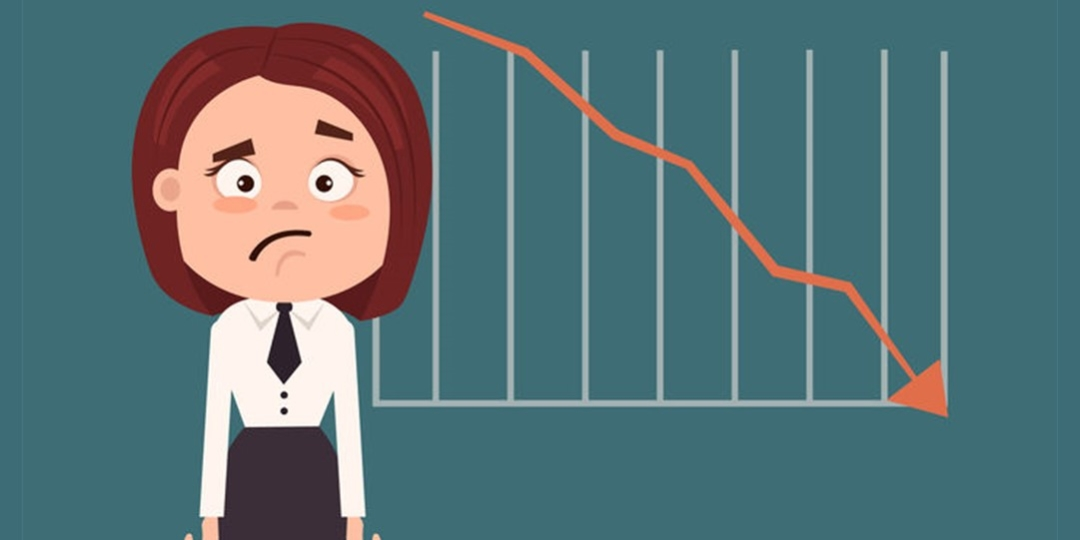
A cold email only strategy might work great for six months. Then deliverability drops. Spam filters tighten. Your once-solid 3% reply rate becomes 1%, then 0.5%. And you have no backup plan because you built everything around one channel.
The real problem? You're not just limiting your reach. You're creating attribution gaps that make it impossible to understand what's actually driving pipeline.
Learn More: B2B Sales Mistakes That Quietly Kill Revenue (Save Your Business)
🔗 One Channel Isn’t Enough
Cleverly runs LinkedIn outreach, pay-per-meeting cold email, and guaranteed cold calling together, so attribution reflects real buying journeys.
How Single-Channel Outreach Breaks Attribution
Here's where the outbound outreach challenges get real. Your attribution model assumes the channel you're tracking caused the conversion. But that's rarely the full story.
Attribution assumes the channel caused the conversion. Your CRM says the lead came from cold email because that's where they replied. So you credit email with the win and double down on sending more emails.
In reality, other touches influenced the decision. That email reply didn't happen in a vacuum. Your prospect saw your company name multiple times before they ever hit send.
Let's look at what actually happens:
- Email reply after LinkedIn profile visit: A prospect ignores your first three emails. Then they see your company mentioned in their feed, check out your LinkedIn profile, and suddenly reply to email number four. Your system credits email. LinkedIn gets zero recognition.
- Meeting booked after multiple exposures: Someone sees your cold email in the morning, gets a LinkedIn connection request at lunch, hears your cold caller leave a voicemail in the afternoon. They book through the calendar link in your email. You think email did all the work. It didn't.
Why last-touch and first-touch models fail here. Last-touch gives all credit to wherever they converted. First-touch gives it all to the initial contact. Both ignore the journey in between. And in B2B sales, the journey is everything.
This leads to terrible decisions:
- Over-investment in one channel: You pour more budget into cold email because "the data says it works," while the real driver was multi-channel exposure you can't see.
- Cutting channels that actually influence deals: LinkedIn outreach shows weak direct attribution, so you kill it. Three months later, your email response rates tank because you stopped building familiarity.
The problem isn't your attribution software. It's that you're trying to measure a multi-channel buyer journey through a single-channel lens. The data will always lie to you.
In-depth Comparison: Cold Email vs LinkedIn Outreach - What Gets Better Results?
Cold Email–Only and LinkedIn–Only Strategies: Real-World Problems
Let's get specific. We've seen hundreds of companies try to build their entire pipeline on one platform. Here's what actually happens.
Cold email only strategy problems
- Inbox saturation: Your prospects get 200+ emails a day. Even a perfectly written message gets lost in the noise. You're not competing with other sales emails. You're competing with everything in their inbox.
- Deliverability risks: Send too many emails, hit a few spam traps, and suddenly your domain reputation tanks. Your messages land in spam folders and you don't even know it's happening until response rates hit zero.
- Low context and trust: An email from someone they've never heard of carries zero weight. There's no face, no credibility signal, no reason to believe you're worth their time.
Here’s More: Cold Email Outreach Best Practices
LinkedIn-only challenges:
- Connection limits: LinkedIn caps you at 100-200 connection requests per week depending on your account. That's your ceiling. No way to scale beyond that without risking account restrictions.
- Slower scale: Even with InMail credits, you're manually navigating profiles, crafting personalized messages, and waiting for responses. It works, but it doesn't move fast enough when you need pipeline now.
- Profile dependency: Your entire strategy lives or dies based on your LinkedIn profile strength. Weak profile? Low acceptance rates. And if LinkedIn changes their algorithm or policies, your whole system breaks overnight.
More on This: Best Practices for LinkedIn Lead Generation
Why neither channel works best in isolation
Cold email builds volume but lacks credibility. LinkedIn builds credibility but lacks volume. Your prospects need both. They need to see your name in their inbox and recognize it from LinkedIn.
They need the convenience of email and the trust signal of a mutual connection.
When you force yourself into one channel, you're accepting the limitations of single channel outreach instead of combining the strengths of multiple touchpoints.
That's not strategy. That's just making things harder than they need to be.
Why Multi-Touch Outreach Reflects How B2B Buyers Actually Buy
B2B buyers don't make decisions based on one message in one place. They need to see you multiple times before they trust you enough to respond.
Buyers need repeated exposure to trust a brand
A single cold email from a stranger doesn't build credibility. But when they see your name in their inbox, notice your profile viewed theirs on LinkedIn, and then get a personalized call, suddenly you're familiar. Familiarity breeds trust. Trust drives responses.
Different channels serve different roles in the buying journey
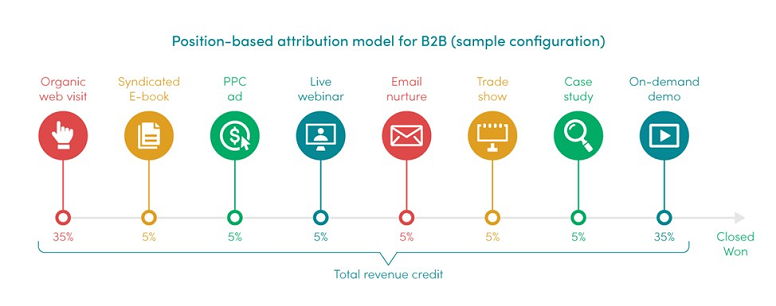
- Email for reach: It's fast, scalable, and gets your message directly into their workflow. Perfect for initial awareness and sharing detailed information.
- LinkedIn for credibility: Profile views and connection requests add a face to your name. It signals you're a real person at a real company, not just another spam bot.
- Calls for clarity: Some questions can't be answered through text. A quick conversation cuts through weeks of back-and-forth messaging and moves deals forward faster.
Each channel has a job to do. When you force single channel outreach, you're asking one channel to do work it wasn't designed for.
Attribution improves when outreach mirrors reality
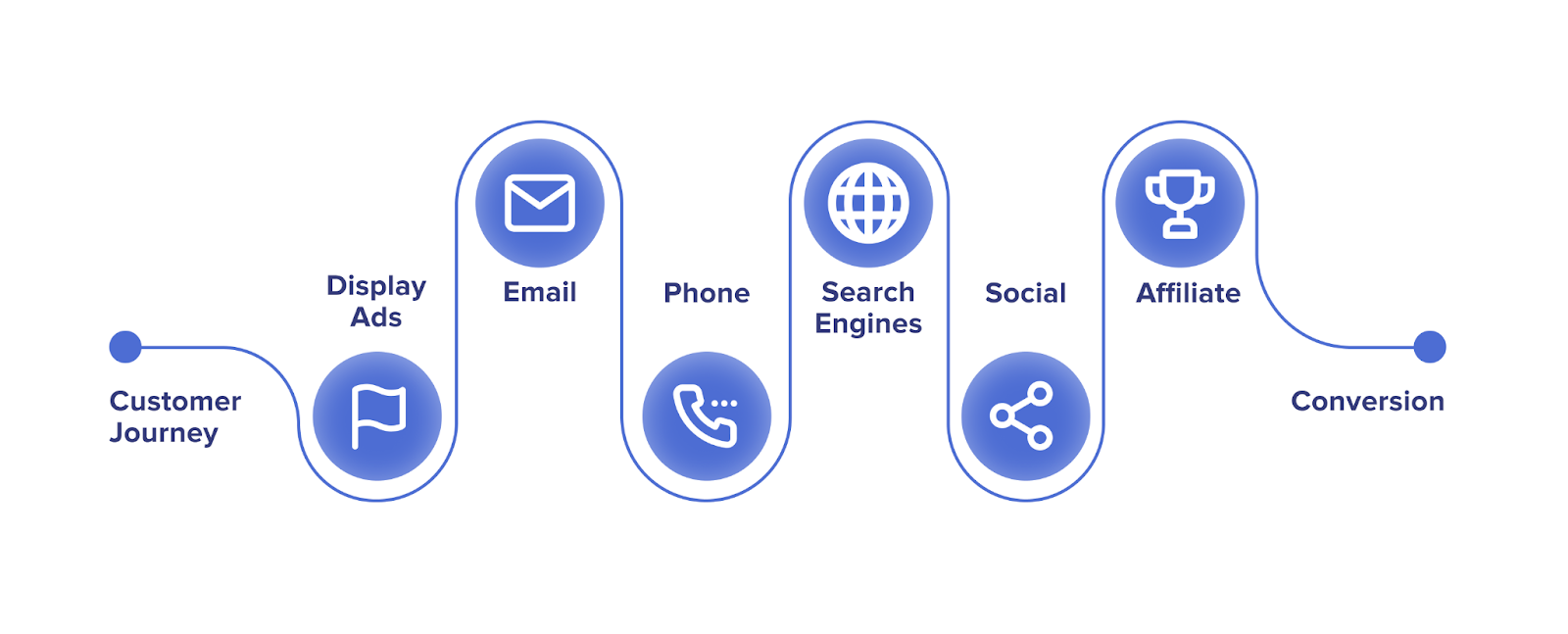
When your strategy matches how buyers actually research and evaluate vendors, your data starts making sense. You stop crediting one channel for conversions that were really driven by multiple exposures. You start seeing which combinations of touchpoints drive the highest quality pipeline.
The companies winning in B2B right now aren't the ones with the best cold email or the strongest LinkedIn game. They're the ones coordinating across channels and meeting buyers wherever they are. That's not more complicated. It's just more honest about how people buy.
How Cleverly Avoids the Single-Channel Trap in B2B Outreach
At Cleverly, we don't pick sides. We built our entire lead generation agency around one principle: buyers respond to coordinated exposure, not single touches.
Here's how we approach outreach:
- LinkedIn, cold email, and calls working together, not competing for credit.
- Every channel plays its role in building familiarity and trust.
- No channel treated as the sole winner in attribution.
What we focus on instead:
- Account-level engagement across all touchpoints
- Conversation quality over channel metrics
- Pipeline outcomes, not which channel "gets credit"
Why this works: Because it matches modern buyer behavior. Your prospects research you across multiple platforms before they respond anywhere. When your outreach reflects that reality, your attribution stops feeling broken.
We've generated $312M in pipeline revenue and $51.2M in closed revenue for 10,000+ clients by refusing to bet everything on one channel.
🚀 Our LinkedIn outreach starts at just $397/month.
🚀 Our cold email services charge only for meeting-ready leads.
🚀 And, our cold calling system guarantees 10-30 qualified appointments every month.
If your attribution feels broken, your outreach model may be the real issue. The data isn't lying. You're just measuring a multi-channel journey through a single-channel lens.
🤝 Let’s fix it!

Conclusion
Single channel outreach makes your dashboards look clean, but it's costing you deals. When you force buyers into one channel, your attribution breaks because you're only seeing part of their journey.
The truth is simple: attribution problems aren't fixed with better software. They're fixed with better outreach strategy.
Modern B2B buyers move across platforms before they ever respond. They see your email, check your LinkedIn, ask their network, visit your website. When your outreach reflects that reality, your attribution naturally starts making sense.
The B2B outreach mistakes we see most often aren't about bad messaging or wrong targeting. They're about companies optimizing for reporting simplicity instead of how people actually buy.
Teams that coordinate across LinkedIn, email, and calls don't just generate more pipeline. They finally understand which touchpoints actually drive conversions. Because when your outreach matches buyer behavior, you stop guessing and start knowing what works.
Your attribution isn't broken. Your approach is. Fix the outreach, and the data fixes itself.
Frequently Asked Questions
Free Resource
How to Scale a Profitable Cold Call System
Get the complete guide — download it instantly now.
Free Ebook
Download the Free Guide
Enter your details to get instant access.
You're all set! 🎉
Your ebook is downloading now.
Click below if the download didn't start automatically.