Table of Contents
What Is Lead Prioritization?
Why Lead Prioritization Matters in B2B Sales
How LinkedIn Signals Help Identify High-Intent Leads
Lead Prioritization Framework for Sales Teams
How Lead Scoring Helps Prioritize Sales Outreach
How to Prioritize Leads and Deals Using CRM Dashboards
Common Mistakes in Lead Prioritization
How to Respond to High-Intent Leads Effectively
How Cleverly Helps Prioritize and Convert High-Intent Leads
Conclusion
Frequently Asked Questions
Modified On :
March 20, 2026
Key Takeaways
- Not all leads are equal. Lead prioritization ensures your sales team focuses on prospects most likely to convert.
- LinkedIn signals like profile views, content engagement, and job changes are strong indicators of buyer intent.
- Combining ICP fit with behavioral data gives you a more accurate sales lead prioritization system.
- Lead scoring removes guesswork by ranking prospects based on both demographic and intent data.
- A CRM dashboard that reflects your priority tiers keeps your entire team aligned and focused on the right deals.
- Responding fast and personally to high-intent leads is what turns prioritization into actual pipeline.
In B2B sales, not every lead deserves the same attention. But most sales teams treat them like they do… and that's where the time gets wasted.
Chasing low-intent prospects kills productivity. The real win is knowing who's actually ready to buy and going after them first.
That's what lead prioritization is all about.
LinkedIn is one of the best tools for spotting buyer intent signals before a prospect even raises their hand.
In this guide, we'll show you how to read those signals, how to prioritize sales leads using a structured system, and how to build a process that actually moves the needle.
What Is Lead Prioritization?
Sales lead prioritization is the process of ranking your leads based on how likely they are to convert so your team spends time where it counts.
It's different from lead generation.
Lead generation is about filling the top of your funnel. Lead prioritization is about figuring out which of those leads are worth pursuing right now.
Without it, your team ends up treating a cold prospect the same as someone who just viewed your LinkedIn profile, engaged with your post, and works at a company in your ICP. That's a costly mistake.
A solid sales lead prioritization system looks at:
- How well the lead fits your Ideal Customer Profile (ICP)
- How they've been behaving (aka intent signals)
- Where they are in the buying journey
Also Check: How to Build High-Converting B2B Buyer Personas That Drive Revenue
💸 Turn LinkedIn Signals Into Sales Calls
We’ve helped 10,000+ clients generate leads from companies like Amazon, Google, and Uber. Start booking qualified meetings with Cleverly from just $397/mo.
Why Lead Prioritization Matters in B2B Sales
Sales teams don't have unlimited time or bandwidth. Every hour spent on the wrong lead is an hour not spent on the right one.
Why prioritizing sales leads should be a core part of your sales process:
- Faster response = higher conversion. Studies show responding to a high-intent lead within 5 minutes increases conversion rates dramatically compared to waiting even an hour.
- Better pipeline quality. When you focus on fit + intent, you stop loading your pipeline with deals that never close.
- Less wasted effort. Your reps stop spinning wheels on leads that were never going to buy.
- Stronger alignment. Sales teams that prioritize leads consistently focus on the same high-value accounts. No more chasing random prospects.
The bottom line is, sales lead prioritization directly impacts how efficiently your team converts pipeline into revenue.

How LinkedIn Signals Help Identify High-Intent Leads
LinkedIn gives you real-time behavioral data on your prospects. If you know what to look for, these signals tell you exactly who's showing interest before you even send a message.
Profile Views from Target Accounts
When someone from a company in your ICP views your LinkedIn profile, that's not a coincidence. It's a warm signal. They looked you up for a reason.
Check your "Who viewed your profile" section regularly. If a VP of Sales or a Director of Marketing from a target account shows up, they move to the top of your outreach list.
Engagement with Your Content
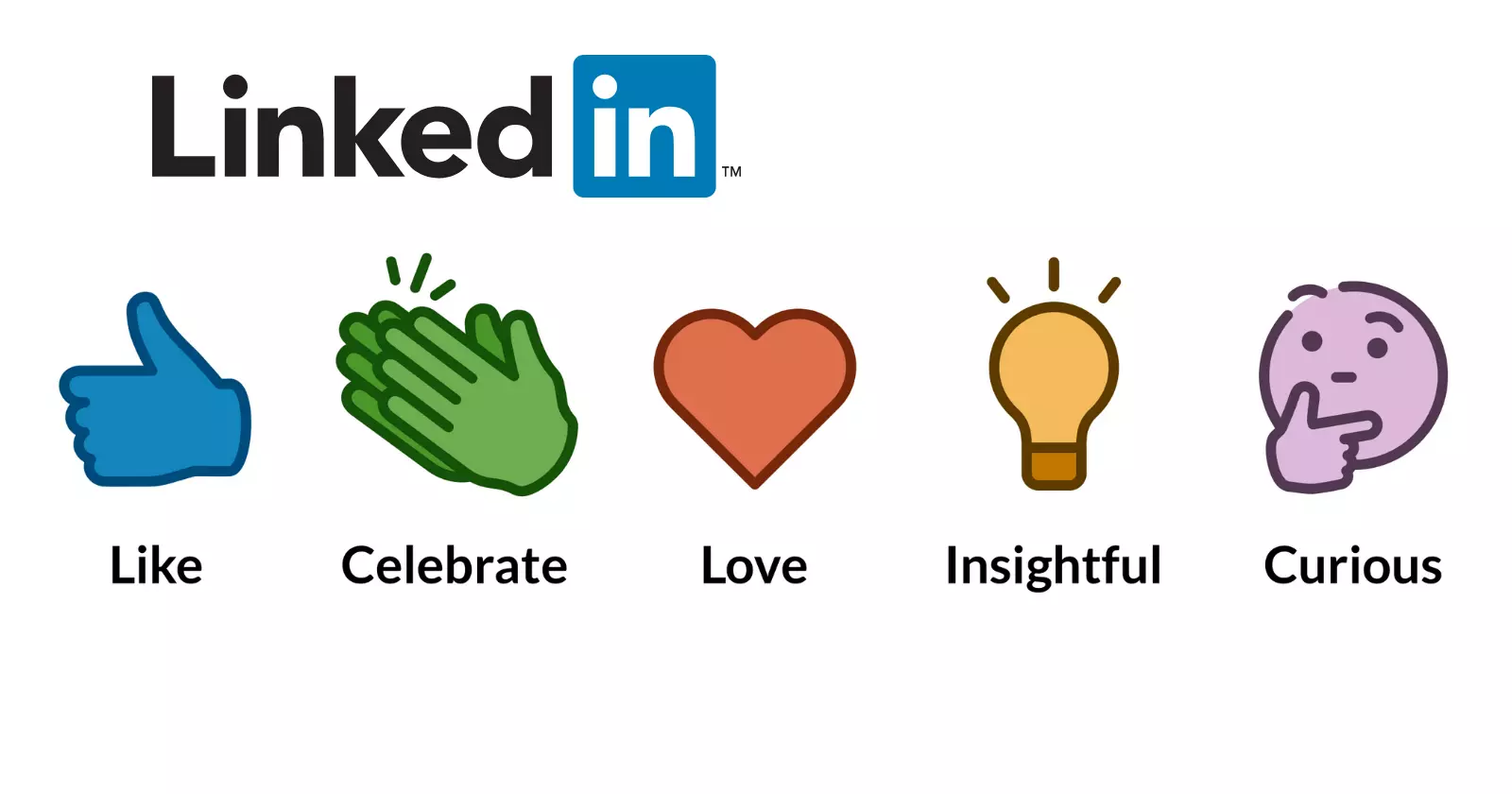
Likes, comments, and shares on your LinkedIn posts are intent signals hiding in plain sight. Someone who comments on your post about lead generation is telling you they care about that topic.
Lead prioritization starts here - segment people who actively engage with your content. They already know who you are. Outreach converts much better when you're not a stranger.
Connection Requests from Decision Makers
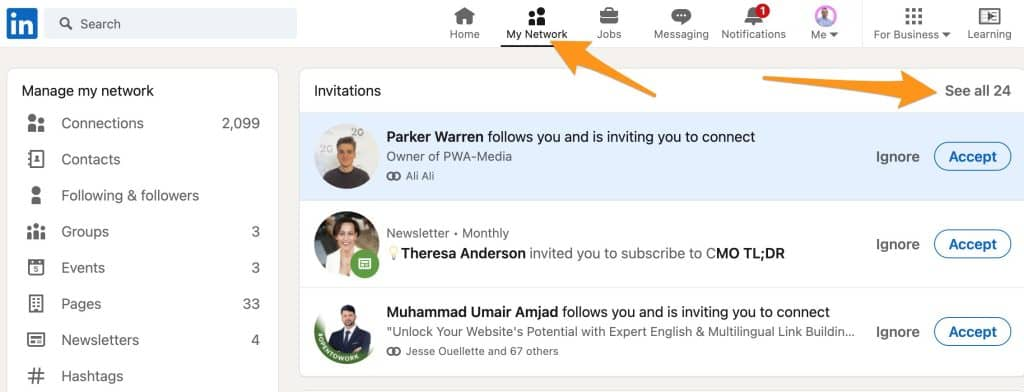
An inbound connection request message from a decision maker at a target account is one of the strongest signals you can get. They initiated. That changes everything about how you approach the conversation.
Don't just accept and move on. Treat this as a high-priority lead and engage right away.
Replies to LinkedIn Messages
If a prospect replies to your outreach even with a "not right now", they're still showing engagement. Log it, nurture it, and keep them on your radar.
A reply means they read your message and thought it was worth responding to.
Job Changes or Hiring Activity
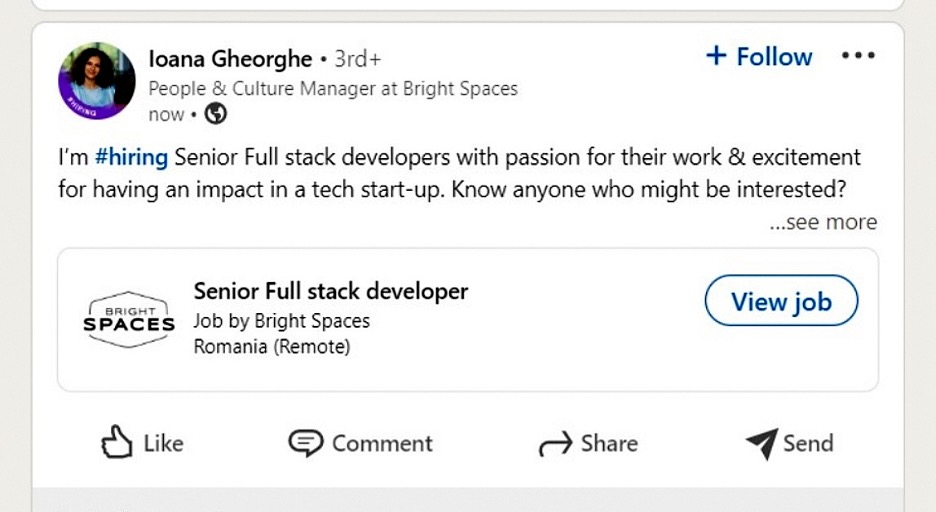
A decision maker who just started a new role is often in buying mode. They're building their stack, evaluating vendors, and trying to make an early impact.
Similarly, if a company is hiring SDRs or sales ops roles, they're likely scaling and that's your window.
Track these signals using LinkedIn Sales Navigator job change alerts or manual monitoring of target accounts.
Read More: How to Generate 30+ Leads On Linkedin Without Spamming People
🤝 Stop Guessing. Start Closing.
$312M in pipeline and $51.2M in closed revenue generated for our clients. Let Cleverly turn LinkedIn signals into real sales opportunities.
Lead Prioritization Framework for Sales Teams
Here's a simple, repeatable system for how to prioritize sales leads using LinkedIn signals and ICP fit.
Step 1: Define Your Ideal Customer Profile (ICP)
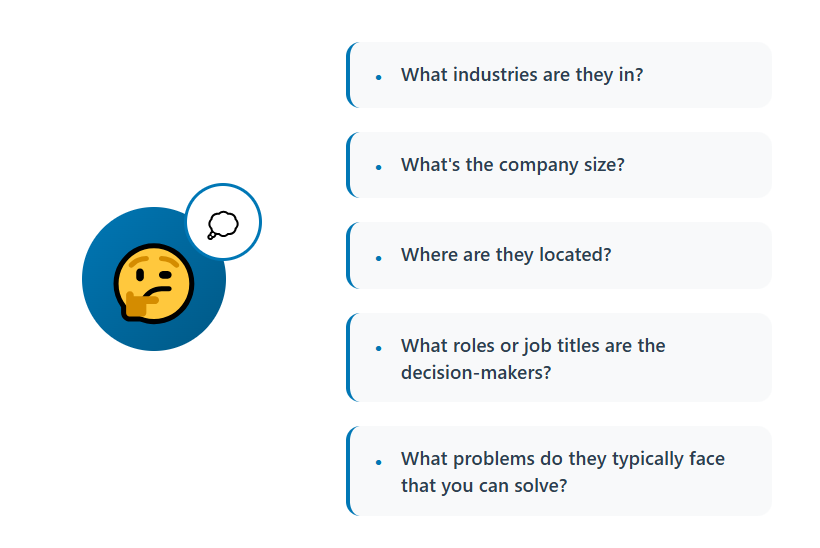
Before you can prioritize, you need to know who you're targeting. Your ICP should include:
- Industry and company size
- Job titles of decision makers
- Geography
- Common pain points your product solves
Anyone outside your ICP goes to the bottom of the list. No matter how active they are on LinkedIn.
Step 2: Assign Lead Scores Based on Fit

Once you've defined your ICP, score leads on how well they match it.
A simple 1–10 scale works. A CFO at a 200-person SaaS company in your target industry might score a 9. A marketing intern at a 10-person startup might score a 2.
Tools that Help: Best Lead Scoring Tools for B2B Sales Teams
Step 3: Identify Behavioral Intent Signals
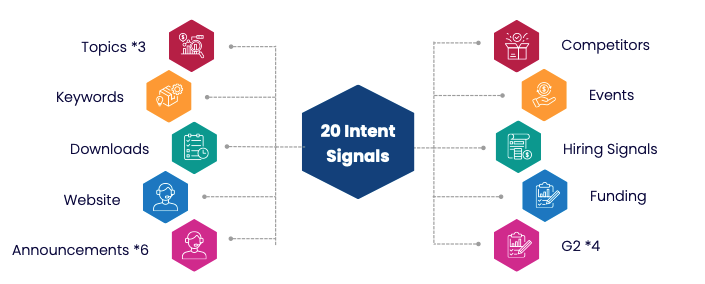
Layer in LinkedIn activity on top of your fit score. Add points for:
- Profile views from their account
- Engagement with your content
- Inbound connection requests
- Replies to outreach
- Job changes or hiring signals
The combination of high fit + high intent = your best leads.
Step 4: Segment Leads by Priority Level
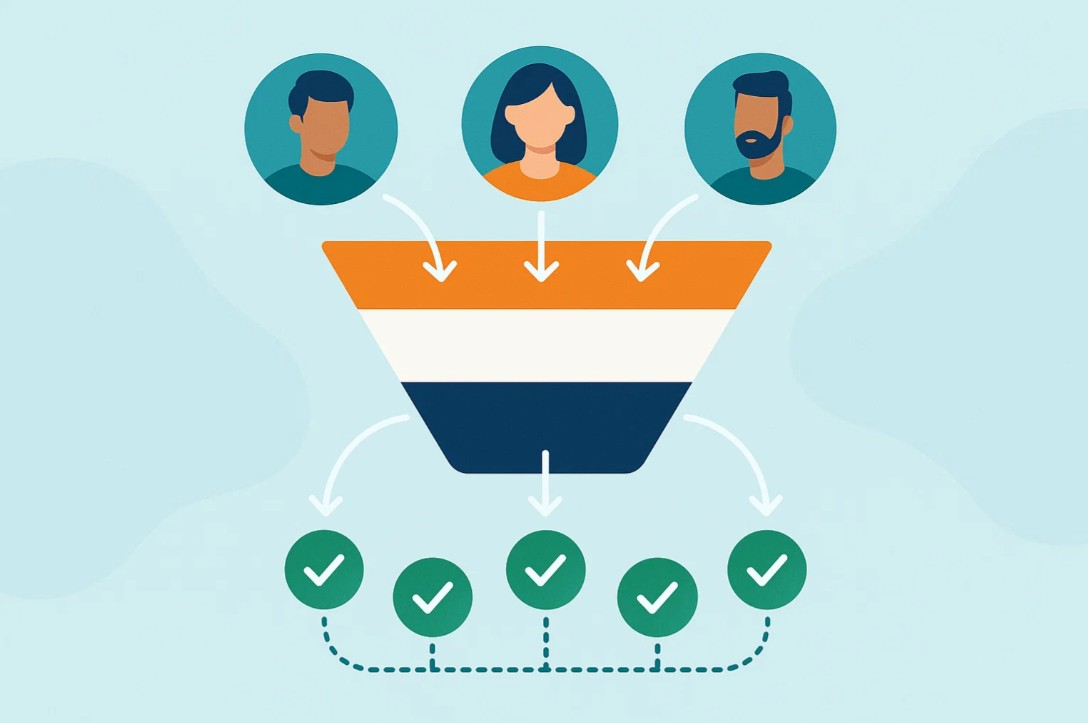
Group your leads into three buckets:
- Hot leads: High ICP fit + strong intent signals. Contact within 24 hours.
- Warm leads: Good ICP fit + some engagement. Nurture with content and follow-ups.
- Cold leads: Low fit or no signals. Deprioritize or put in a long-term drip.
Step 5: Align Outreach Based on Priority

Your outreach strategy should match the lead's priority level. Hot leads get personalized, direct messages referencing their specific signal. Warm leads get value-driven content touches. Cold leads get lighter-weight sequences.
Don't send the same message to everyone. Lead prioritization only works if your outreach reflects it.
Learn More: How to Use LinkedIn to Reduce Churn and Grow Accounts (+ Real Examples)
How Lead Scoring Helps Prioritize Sales Outreach
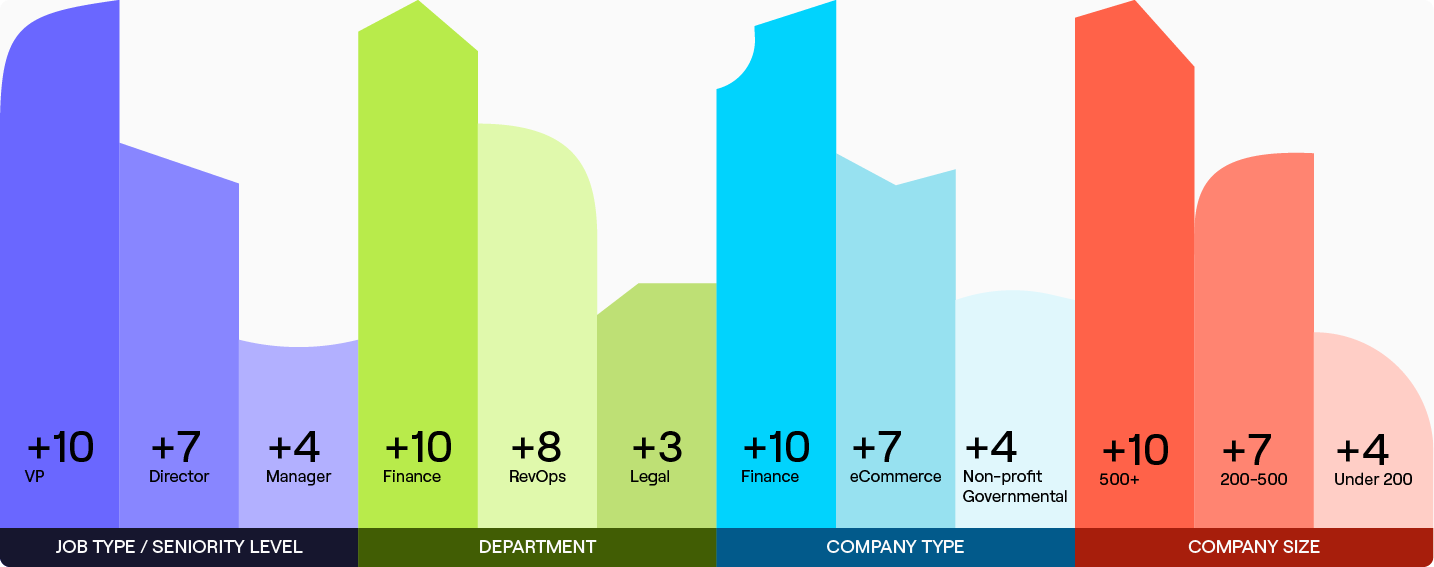
Lead scoring is what makes your prioritization system scalable. Instead of guessing who to contact, you have a data-backed ranking.
Here's how it works:
- Demographic data (company size, industry, job title) tells you if a lead fits your ICP.
- Behavioral data (LinkedIn activity, email opens, website visits) tells you if they're interested.
- Combine both into a score, and you've got a clear picture of who's worth pursuing.
How lead scoring helps prioritize sales outreach is simple: reps always know who to call first. There's no debate. The score tells the story.
This also improves response rates because your team isn't cold-calling a random list — they're reaching out to people who've already shown some level of interest or fit. That context makes every conversation warmer.
How to Prioritize Leads and Deals Using CRM Dashboards
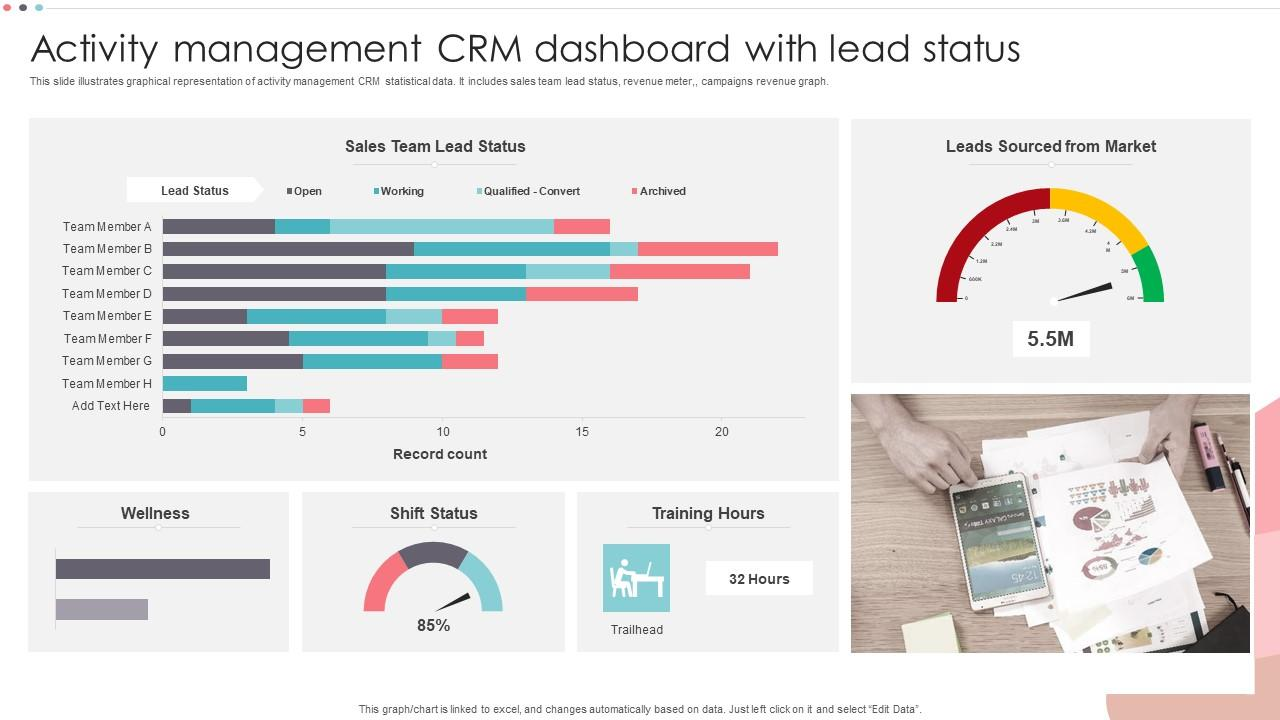
Signals are only useful if you actually act on them. That's where your CRM comes in.
How to prioritize leads and deals with CRM dashboards comes down to building a system where your pipeline reflects your prioritization logic, not just deal size or close date.
Here's what to do:
- Track LinkedIn activity in your CRM.
Log profile views, content engagement, and message replies as activities against each lead record. - Visualize pipeline by priority.
Build a view that segments deals by hot/warm/cold so reps can see at a glance where to focus. - Use filters to surface high-intent leads.
Filter by last activity date, lead score, or engagement level to find who needs attention today. - Set automation rules.
When a lead hits a certain score or takes a specific action, trigger an alert or auto-assign to a rep. - Align the team around the same view.
When everyone's working from the same prioritized pipeline, you avoid duplicated effort and missed follow-ups.
Tools like HubSpot, Salesforce, and Pipedrive all support custom lead scoring fields and priority views. If your CRM doesn't show you who to call first, it's not set up right.
Check These Tools: Best AI Outreach Tools for SDRs (Ranked & Compared)
Common Mistakes in Lead Prioritization
Even teams that know about lead prioritization get this wrong. What to avoid:
❌ Treating all leads equally. Not every name in your pipeline deserves the same energy. Prioritize based on fit and intent, not just volume.
❌ Ignoring intent signals. Demographic data alone isn't enough. A perfect-fit company that shows zero interest is still a cold lead.
❌ Relying only on firmographic data. Company size and industry tell you who to target. Behavior tells you when.
❌ Slow response to hot leads. Waiting days to follow up on a high-intent lead is one of the most common and costly mistakes in B2B sales.
❌ No clear prioritization system. If your team is deciding who to contact based on gut feel, you don't have a process. You have guesswork.
How to Respond to High-Intent Leads Effectively
Once you've identified a high-intent lead, how you respond matters as much as when.
✅ Respond fast. Ideally within a few hours of the signal. Speed signals seriousness.
✅ Personalize your outreach. Reference what they did — "I noticed you viewed my profile" or "Saw you commented on our post about lead gen" goes a long way.
✅ Keep it short. Your first message isn't a pitch. It's an opener. One or two sentences is enough.
✅ Move toward a call quickly. The goal is a conversation, not a back-and-forth thread. Ask for 15 minutes early.
✅ Don't over-sell. High-intent leads are close to raising their hand. You don't need to dump your entire value prop on them. Ask questions. Listen first.
Good lead prioritization without good follow-through is just a spreadsheet exercise. The response is where it converts.
Dive Deeper: Advanced B2B Lead Generation Techniques That Actually Work
How Cleverly Helps Prioritize and Convert High-Intent Leads
We've run thousands of LinkedIn outbound campaigns at Cleverly, and one thing is always true: the teams that win are the ones going after the right people at the right time.
As a LinkedIn lead generation agency, we help you build exactly that kind of system.
What we do:
- ICP-based targeting. We use data from thousands of B2B campaigns to identify and target your highest-fit prospects on LinkedIn — not just anyone with a job title.
- High-intent prospect identification. We track engagement signals and prioritize outreach to the prospects most likely to respond and convert.
- Personalized, multi-touch outreach. Our team writes proven, personalized LinkedIn messages based on what we know works — informed by real campaign data across industries.
- LinkedIn-first engagement strategy. From profile optimization to content strategy to direct outreach, we turn your LinkedIn into a lead-generating system that works around the clock.
- Appointment setting and inbox management. Our response handlers manage your LinkedIn inbox, nurture replies, and get meetings booked directly on your calendar — so you only show up for qualified conversations.
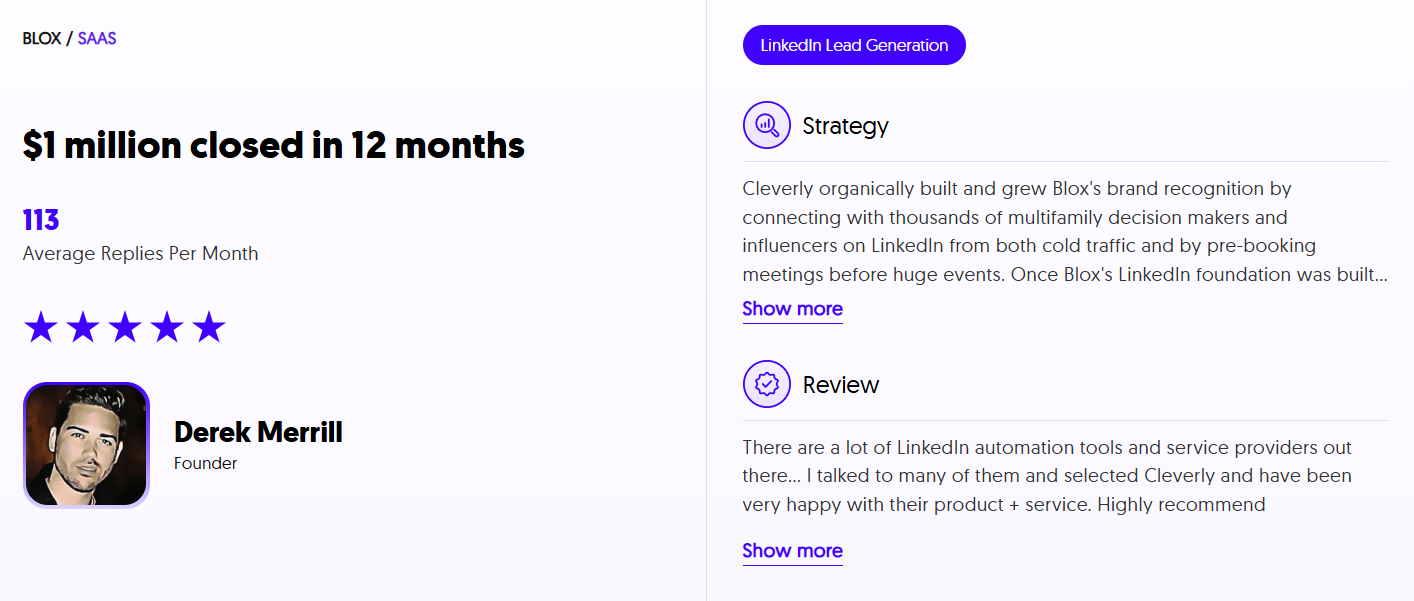
We've helped 10,000+ clients including teams at Amazon, Google, Uber, and PayPal generate $312M+ in pipeline revenue and $51.2M in closed revenue through LinkedIn outreach alone.
And our LinkedIn lead generation services start at just $397/month.
If you're spending time chasing leads that aren't going anywhere, let's fix that.
Work with Cleverly →
Conclusion
Lead prioritization isn't a nice-to-have. It's what separates sales teams that grind without results from ones that consistently hit their numbers.
LinkedIn gives you a real-time window into buyer intent — you just need to know what signals to look for and how to act on them. Combine that with a solid lead scoring system and a CRM that reflects your priorities, and you've got a machine that focuses your team on the deals most likely to close.
Start with your ICP, layer in intent signals, and let the data tell you who to call first.
Frequently Asked Questions
Free Resource
How to Scale a Profitable Cold Call System
Get the complete guide — download it instantly now.
Free Ebook
Download the Free Guide
Enter your details to get instant access.
You're all set! 🎉
Your ebook is downloading now.
Click below if the download didn't start automatically.