Table of Contents
What Is Sales Outreach?
Why Sales Outreach Still Works in 2026
Sales Outreach Plan vs Sales Outreach Strategy
Core Components of a High-Performing Sales Outreach Strategy
How to Build a Sales Outreach Strategy Step by Step
AI in Sales Outreach: Where It Helps (and Where It Doesn't)
Sales Outreach Channels Compared
How Cleverly Helps B2B Teams Execute Sales Outreach at Scale
Conclusion
Frequently Asked Questions
Modified On :
August 26, 2026
Key Takeaways
- Sales outreach works when you target the right people with relevant messaging, not when you blast generic messages at volume.
- A complete system needs both a tactical plan (who, where, how often) and a strategic approach (what to say, why they care).
- Multi-channel outreach (email, LinkedIn, calls) outperforms single-channel campaigns when sequenced correctly.
- Most deals happen after 5+ touchpoints, so persistence with varied messaging angles is critical for conversion.
- AI handles research and drafts at scale, but human judgment and authentic conversations are what actually close deals.
- Track reply rates, meeting bookings, and pipeline religiously because the data shows you exactly where to optimize your system
Your sales outreach for B2B lead generation fails not because you’re not aren't trying hard enough, but because you’re doing more of the wrong things.
We see it all the time: companies blast out hundreds of generic messages using the latest tools, crank up the volume, and wonder why response rates keep dropping.
More outreach doesn't equal better results. What separates teams booking 20+ qualified meetings per month from those struggling to get 2? A system.
Random outreach is like throwing darts blindfolded. You might hit something eventually, but you're burning through your list, damaging your domain reputation, and wasting time your SDRs don't have.
A systemized approach flips this completely. You target the right people, say the right things, follow up at the right times, and actually track what's working.
In this guide, we're breaking down how to build a sales outreach engine that scales without falling apart
Whether you're an SDR looking to hit quota consistently, a sales leader building a team, or a founder trying to crack predictable growth, this is your roadmap to outreach that works.
What Is Sales Outreach?
Sales outreach is the proactive process of initiating contact with potential buyers who haven't engaged with your brand yet. In B2B, this means your team reaches out first through cold calls, emails, LinkedIn messages, or a mix of channels to start conversations with decision-makers at target accounts.
Think of it this way: inbound is when prospects come to you (they download your ebook, attend your webinar, or request a demo). Outbound outreach is when you go to them.
Both matter, but outbound gives you control. You're not waiting around hoping the right prospects find you. You're actively going after the companies and people who fit your ideal customer profile.
Here's why a solid sales outreach strategy still crushes it even in crowded markets:
You control your pipeline.
Relying only on inbound means your pipeline lives or dies by your marketing budget and SEO rankings. Outreach lets you target specific accounts and generate meetings on demand.
Read More Here: Inbound vs Outbound Lead Generation: What Works Best?
You reach buyers before they're actively searching.
Most B2B buyers aren't Googling solutions until they already have a problem they can't ignore. Strategic cold outreach gets you in front of them earlier, sometimes before they even know they need what you're selling.
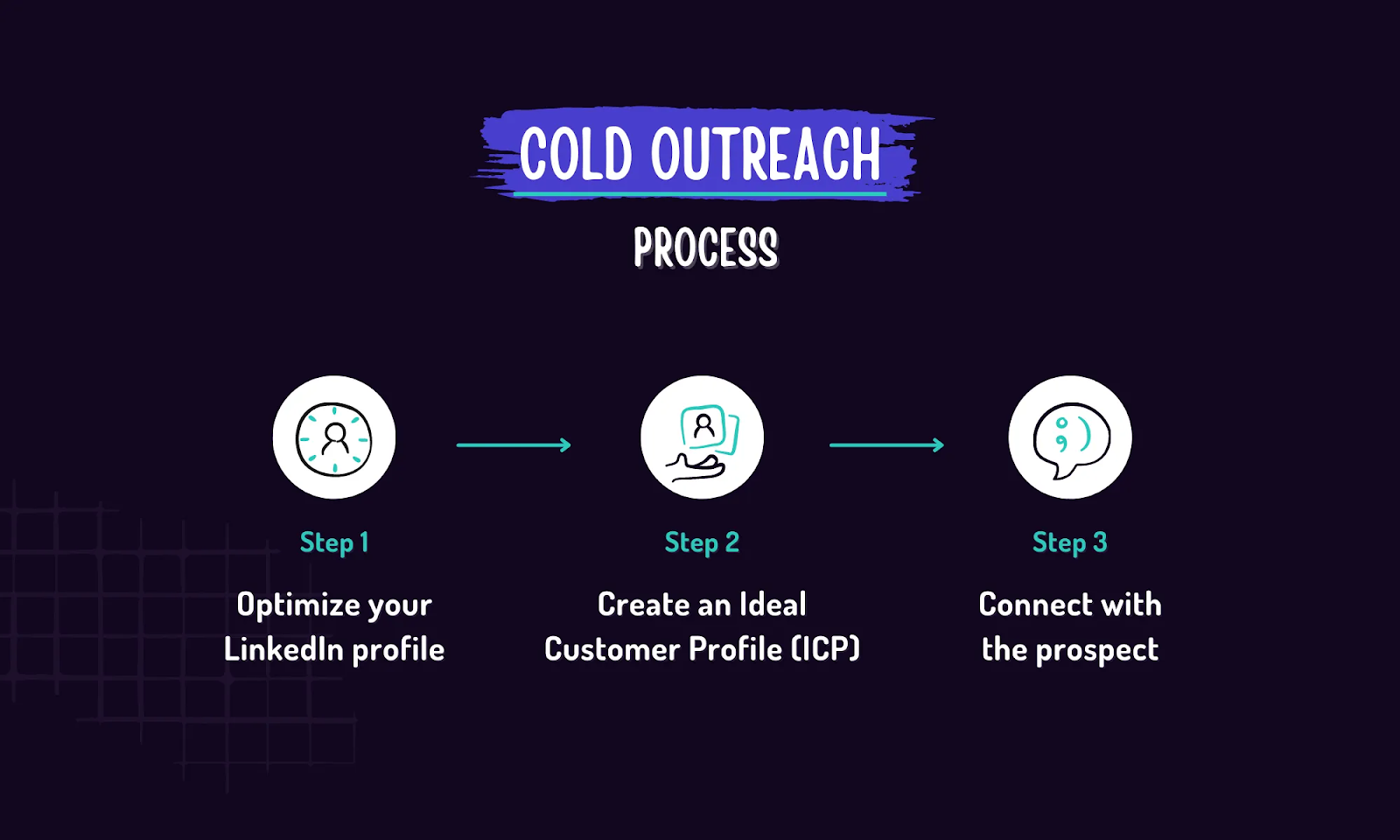
Personalization cuts through the noise.
Yes, everyone's inbox is flooded. But generic spray and pray isn't the same as targeted, researched outreach. When you do your homework and lead with relevance, you stand out instantly.
The companies winning with outbound aren't sending more messages. They're sending smarter ones to the right people at the right time.
That's what separates a random outreach attempt from a sales outreach strategy that actually fills your calendar.
Sales Outreach vs. Lead Generation: What's the Difference
People use these two terms interchangeably, and that's where a lot of strategies go sideways. If you don't know where one ends and the other starts, you end up building a system that only pulls one lever.
Sales outreach is a channel. Lead generation is the program that channel lives inside.
Sales outreach is sequenced, one-to-one contact with a defined target. You pick a person, you reach out to them specifically, you follow up with them specifically, and you track their individual reply. A rep sends message one to a named VP, waits three days, sends message two to that same VP. It's targeted by design, not by accident.
Lead generation is the broader system for filling your pipeline. It includes outreach, but it also covers inbound channels like SEO, paid ads, content, webinars, and referrals. Lead generation asks "how do we get demand into the funnel from every direction." Outreach asks "how do we get this specific person to respond."
Here's why the distinction matters for how you build your system:
Outreach without lead gen means you're only pulling one lever. You're generating meetings through cold contact but ignoring the inbound demand that's already actively searching for what you sell.
Lead gen without outreach means you're waiting. Your pipeline depends entirely on your content ranking, your ad spend converting, or your brand being recognizable enough that the right people find you first.
The teams that scale predictably run both, and they treat outreach as one arm of the larger lead gen body, not a replacement for it. Outreach fills the gap inbound can't touch (the buyers who aren't searching yet). Inbound captures the buyers who are already looking and would rather self-serve their way toward a demo than talk to a rep on day one.
So when someone asks "should we do outreach or lead gen," the honest answer is that outreach is a tactic inside a lead gen strategy, not a competing strategy. Keep that framing straight and the rest of this guide will make a lot more sense.
🔥 Outreach That Prints Meetings
Cleverly runs LinkedIn, cold email, and cold calling together to deliver meeting-ready B2B leads - on autopilot! Let’s get started for your business.
Why Sales Outreach Still Works in 2026
Yes, inboxes are flooded. Yes, prospects are getting hammered with cold calls and LinkedIn requests. But sales outreach isn't dead. Bad outreach is.
Here's what actually matters:
Relevance beats volume every time.
Buyers ignore generic pitches, not personalized ones. When you understand their business, reference a specific trigger (like a funding round or new product launch), and lead with value, they respond.
We've seen this play out across 10,000+ clients. The teams booking meetings aren't sending the most messages. They're sending the right ones.
Learn More: The Perfect B2B Sales Strategy to Close More Deals (Proven Methods)
Differentiation wins.
If your outreach sounds like everyone else's ("I noticed you're hiring..." or "Just checking in..."), you're invisible. But when your offer solves a clear problem and your messaging shows you've done your homework, you cut through instantly.
Poor messaging kills campaigns, not saturation.
Most teams blame low response rates on "inbox fatigue" when the real issue is their copy. Vague subject lines. No clear value prop. Zero personalization. Fix those, and sales outreach works as well today as it did five years ago.
The bottom line: prospects still take meetings. They just don't take meetings with reps who waste their time. Build a system that targets right, personalizes smart, and leads with value, and you'll book calls while your competitors complain about how "cold outreach is dead."
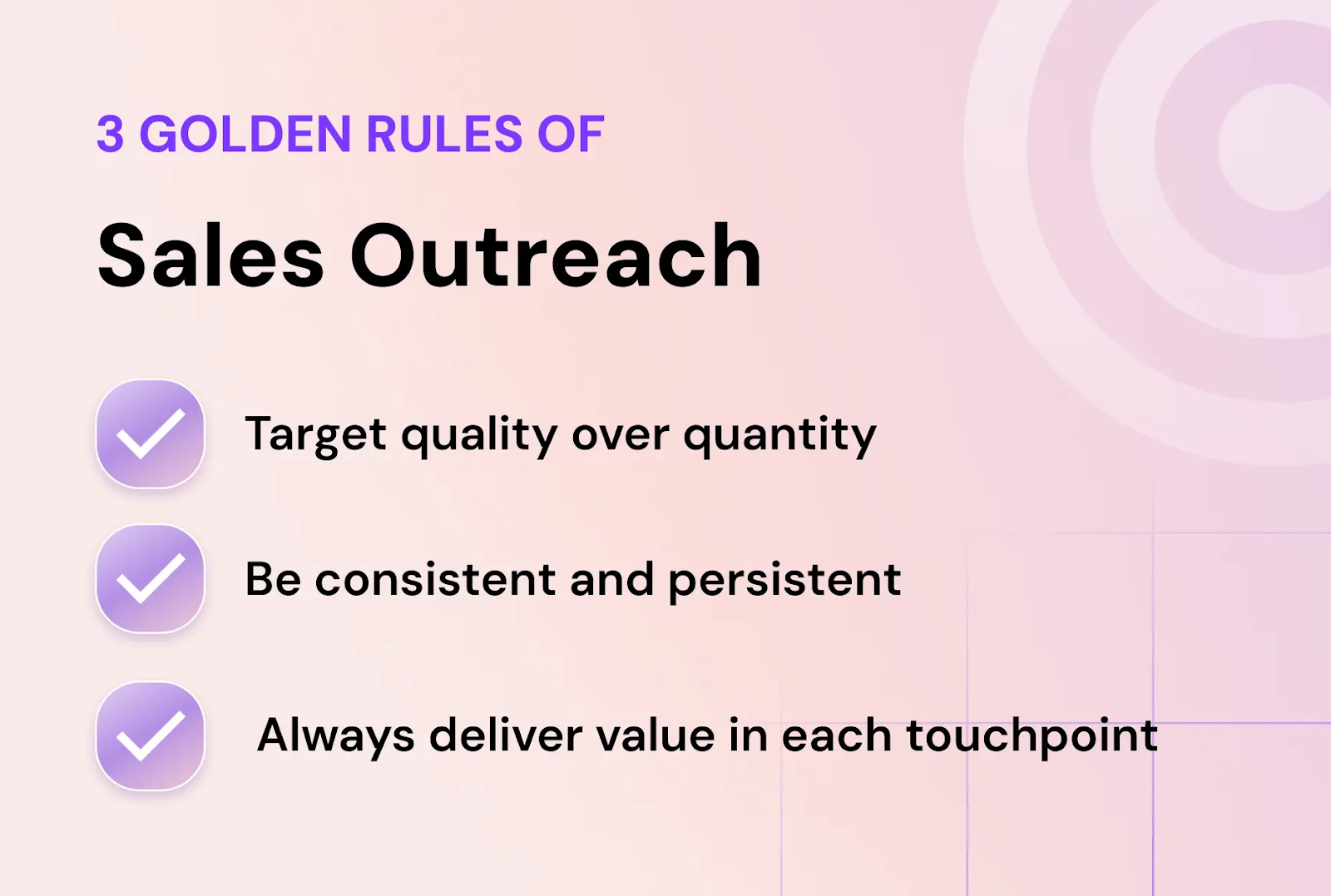
Sales Outreach Plan vs Sales Outreach Strategy
Most teams confuse these two, then wonder why their campaigns fizzle out. A sales outreach plan tells you who to target and how to reach them.
A strategy tells you what to say and why it'll work. You need both.
Your plan answers the tactical questions:
- Who are we targeting? (ICPs, job titles, company size)
- Where are we reaching them? (Email, LinkedIn, calls, direct mail)
- How often are we following up? (Cadence, touchpoint frequency)
- What tools are we using? (CRM, dialers, sequencing software)
Your strategy answers the positioning questions:
- What problem are we solving for this audience?
- Why should they care right now?
- How do we differentiate from competitors?
- What's our messaging sequence across channels?
Quick breakdown:
A plan without strategy is just activity. You'll hit your call numbers and send your emails, but nothing converts.
A strategy without a plan is just ideas. You know what to say, but you're not organized enough to execute consistently.
The teams crushing quota have a tight sales outreach plan that keeps reps productive and a sharp strategy that makes every message count. That combination is what scales.
Also Check: SaaS Sales Funnel - How to Turn Cold Prospects into Paying Customers
🚀 Predictable Pipeline. Zero Guesswork.
We handle targeting, messaging, and execution across channels. You only pay for qualified meetings booked. Ready to start?
Core Components of a High-Performing Sales Outreach Strategy
A strong sales outreach strategy isn't one brilliant cold email or a killer LinkedIn message. It's a system built on four core pieces that work together.
1. ICP and Segmentation
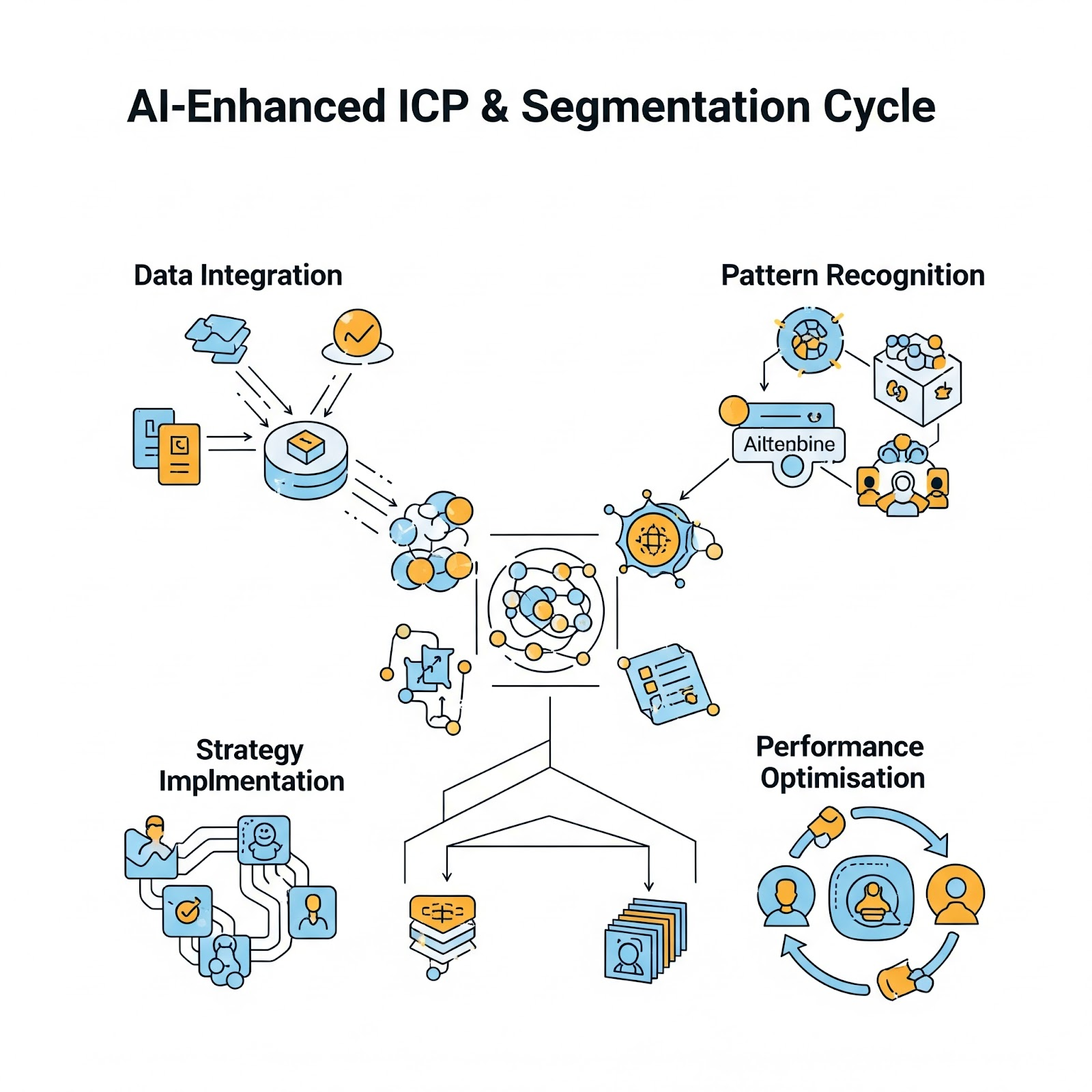
You can't sell to everyone, so stop trying. Nail down your Ideal Customer Profile: company size, industry, tech stack, growth stage, whatever variables actually predict fit. Then segment your list based on pain points or use cases.
Why this matters: a VP of Sales at a 500-person SaaS company has different problems than a founder at a 15-person startup. Generic outreach treats them the same. Smart segmentation lets you customize messaging so it actually resonates.
2. Channel Selection
Pick your channels based on where your buyers actually pay attention, not what's trendy.
- Cold email works for volume and detailed explanations. Great for mid-funnel nurturing and sharing case studies or resources.
- LinkedIn gets you in front of decision-makers without gatekeepers. Perfect for personalized outreach and building relationships before the ask.
- Phone calls cut through digital noise. Best for high-value accounts, time-sensitive offers, or when you need a real conversation fast.
Most successful sales outreach strategies use all three in sequence. Email warms them up, LinkedIn builds familiarity, calls close the conversation.
Compare: LinkedIn vs Cold Email vs Cold Calling
3. Messaging Frameworks and Offers
Your messaging needs three things: a hook that grabs attention, a value prop that's relevant to their situation, and a clear next step.
Skip the feature dumps. Lead with outcomes. "We help SaaS companies book 20+ qualified sales calls per month" beats "We offer multi-channel outreach services" every time.
Your offer should solve a specific problem they're dealing with right now.
4. Follow-Up and Persistence Logic
Most deals happen after the 5th touchpoint, but most reps stop after 2. Your sales outreach strategy needs a follow-up framework that balances persistence with not being annoying.
Here's what works:
- Space out touchpoints (don't email three days in a row)
- Change your angle with each message (new insight, different pain point, fresh case study)
- Mix up channels (email, then LinkedIn, then call)
- Know when to pause and re-engage later
We've seen teams double their response rates just by adding 3-4 more touchpoints to their sequence. Persistence wins, but only when each message adds value.
Get these four components dialed in, and your outreach stops feeling like a grind. It becomes a machine that consistently fills your pipeline.
How to Build a Sales Outreach Strategy Step by Step
Building a sales outreach strategy that actually works doesn't require a huge team or fancy software. It requires clarity and execution. Here's how we break it down:
Step 1: Define Your ICP and Buyer Pain
Start with who you're targeting and what keeps them up at night. Get specific: company size, industry, role, tech stack, growth stage. Then dig into their actual problems.
Ask yourself: What are they struggling with right now? What goals are they trying to hit? What's blocking them? The tighter your ICP, the sharper your messaging. Vague targeting kills conversion before you even hit send.
Step 2: Craft a Cold-Market Offer
Your prospects don't know you yet, so your offer needs to be simple, valuable, and low-risk. Think: free audit, benchmark report, consultation, or trial. Something that gets them to say yes without a huge commitment.
The best cold offers solve an immediate problem or answer a burning question. "See how you stack up against competitors in email deliverability" works better than "Schedule a demo to learn about our platform."
Step 3: Choose the Right Outreach Channels
Pick channels based on where your buyers actually engage, not what you're comfortable with.
- LinkedIn for senior decision-makers who ignore cold email.
- Cold email for volume and detailed value propositions.
- Phone calls for high-intent accounts or urgent conversations.
Most successful teams use a multi-channel approach. We've helped clients generate over $312 million in pipeline by combining LinkedIn outreach with cold email and strategic cold calling. The channel mix matters less than executing each one well.
Step 4: Design Your Sequences and Cadences
Map out your touchpoints across channels over 2-4 weeks. A solid sequence usually includes 6-10 touches:
- Day 1: LinkedIn connection or cold email
- Day 3: Follow-up email with new angle
- Day 7: Phone call attempt
- Day 10: LinkedIn message referencing previous outreach
- Day 14: Final email with case study or social proof
Space them out so you're persistent but not annoying. Change your angle with each message. If the first email talked about saving time, the second should focus on ROI or a different pain point.
Step 5: Track Replies, Meetings, and Pipeline
Your sales outreach strategy is only as good as the data you track. Monitor these metrics religiously:
- Reply rate: Are people responding at all?
- Meeting booking rate: Are replies turning into calls?
- Show rate: Are booked meetings actually happening?
- Pipeline generated: Are meetings turning into opportunities?
If reply rates are low, your targeting or messaging is off. If meetings aren't converting to pipeline, your qualification process needs work. The data tells you exactly where to fix your system.
Build this step by step, test what works, and iterate fast. That's how you go from random outreach to a predictable growth engine.
Qualification Frameworks for Executive-Level Outreach
A booked meeting isn't a qualified meeting. That gap is where SDR and AE relationships break down, and it gets wider the higher up the org chart you're reaching.
BANT and MEDDIC: pick the framework that fits the deal.
BANT (Budget, Authority, Need, Timeline) works fine for straightforward, single-stakeholder deals where the buying process is short. For bigger, more complex sales, MEDDIC gives you more structure: Metrics, Economic buyer, Decision criteria, Decision process, Identify pain, Champion. The extra steps matter once multiple departments have to sign off before anyone says yes.
What changes when the contact is a senior executive vs. a practitioner.
Practitioners will tell you their day-to-day pain in the first conversation. Executives usually won't, and not because they're being difficult. They think in outcomes, not features, and they rarely manage their own calendar, so getting real time with them means your ask already has to look pre-qualified before you send it.
Gartner's research puts the typical B2B buying committee at 6 to 10 stakeholders, and that number keeps climbing on complex deals. When you're reaching an executive, assume there's a group behind them, not a solo decision-maker, and qualify accordingly.
Confirm budget, authority, and timeline before you call it "qualified."
Don't book a meeting on interest alone. A "sure, sounds interesting" from a VP isn't qualification unless you also know whether budget exists this fiscal year, whether they can approve the deal solo or need sign-off elsewhere, and whether there's an actual timeline attached to solving the problem.
Clean handoff criteria between SDR and AE.
Before a meeting goes on an AE's calendar, your SDR should be able to confirm:
- Pain is confirmed, not assumed from the sequence copy that got them to reply
- Budget status is known, even if it's rough
- Decision process is mapped, including who else needs to weigh in
- Timeline is specific, not "sometime this year"
- Notes are in the CRM, not living in the SDR's head
Skip this step and you protect nobody. Your AE wastes time on a call that goes nowhere, and your SDR's numbers look good on paper while pipeline quality quietly falls apart.
AI in Sales Outreach: Where It Helps (and Where It Doesn't)
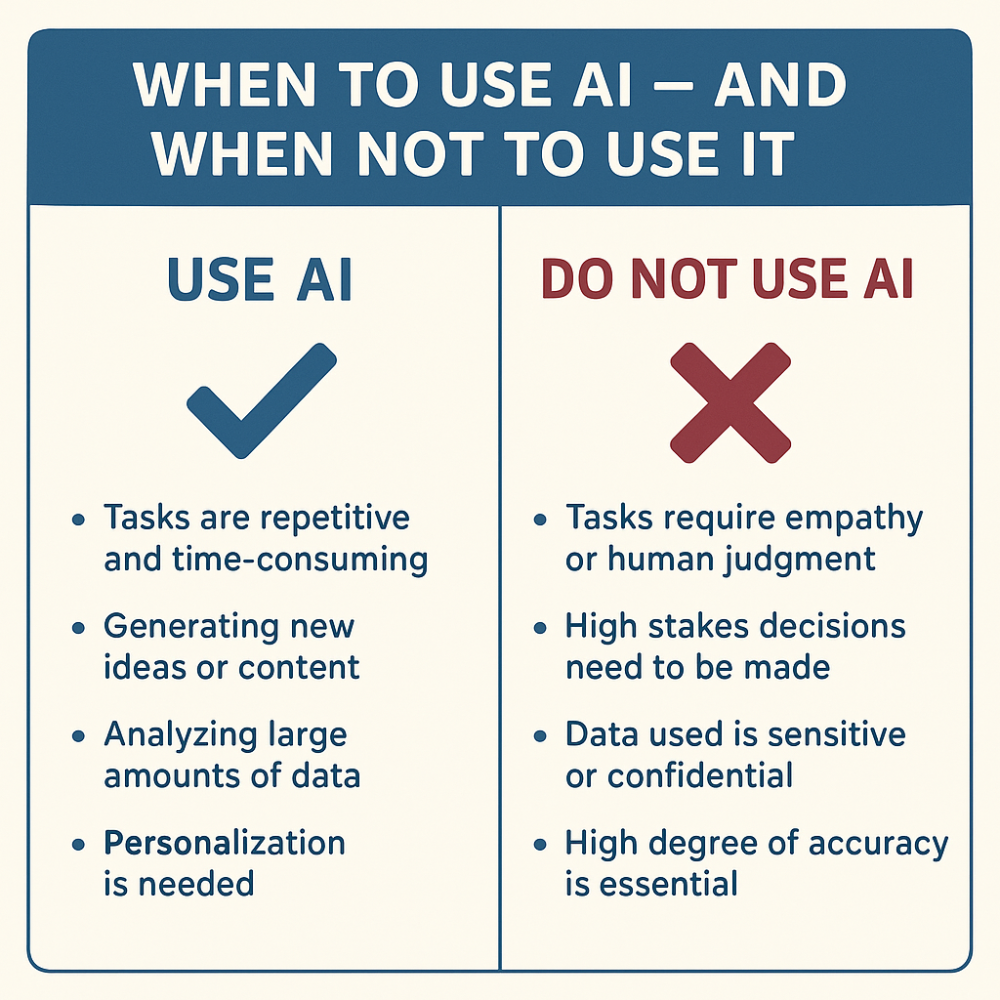
AI sales outreach is everywhere right now. Some teams are using it to 10x their productivity. Others are tanking their reply rates with obvious AI-generated spam.
The difference? Knowing where AI actually helps and where it hurts.
Where AI Crushes It
- Research and lead enrichment.
AI can scan LinkedIn profiles, company websites, and news in seconds. It pulls job changes, funding announcements, tech stack details, anything you'd spend 10 minutes Googling per prospect. That's huge when you're building lists of hundreds of accounts. - Personalization at scale.
Tools can now write custom first lines referencing a prospect's recent post, company milestone, or industry trend. Not perfectly, but good enough to get you 80% there. You tweak the last 20% and send. - Prioritization and scoring.
AI analyzes which prospects are most likely to respond based on engagement signals, firmographic data, and past campaign performance. It helps your reps focus on high-intent accounts instead of burning time on dead ends.
Where AI Falls Apart
- Over-automation kills authenticity.
When your entire sequence is AI-written with zero human touch, prospects smell it instantly. Generic "I saw your recent LinkedIn post" openers that clearly weren't read by a human get ignored or worse, damage your brand. - It can't read the room.
AI doesn't know when a prospect's company just had layoffs or when your timing is off. It can't pivot mid-conversation based on tone. It follows patterns, not context. - It doesn't build relationships.
AI sales outreach can get you in the door, but it won't close the deal. Buyers want to talk to humans who understand their business, not bots running scripts.
The Winning Formula
Use AI to handle the grunt work: list building, research, draft messaging, scheduling.
But let your reps add the human layer: genuine personalization, smart follow-up, real conversations.
At Cleverly, we've booked over 53,000 appointments by combining smart automation with human SDRs who actually know how to have conversations. The AI handles scale. The humans handle trust. That's the balance that works.
Don't let AI write your entire outreach. Use it to make your team faster and smarter, not replaceable.
Check These Tools: LinkedIn AI Tools and Best AI Cold Calling Software
Sales Outreach Tools and Tech Stack
AI gets the headlines, but most of your outreach engine actually runs on less glamorous infrastructure. Growth teams that scale outreach without it falling apart usually have four categories of tools working together, not four tools fighting each other.
CRM: your system of record.
Every touchpoint needs a home. Your CRM tracks who got contacted, on which channel, when, and what they said back. Without it, your SDRs are working off memory and spreadsheets, and your handoffs to AEs turn into guesswork instead of clean data.
Sequencing and engagement platforms for multi-channel cadences.
This is where your cadences actually execute. These platforms schedule your emails, log your LinkedIn touches, and queue your call tasks so a rep isn't manually tracking "day 1, day 3, day 7" in a notebook. Teams running aligned, integrated tech stacks consistently outperform teams running siloed point solutions, largely because reps spend less time switching tools and more time having conversations.
Enrichment tools for filling in missing contact and intent data.
Your list is only as good as the data behind it. Enrichment tools fill the gaps: verified emails, direct dials, recent job changes, funding events, so your reps aren't burning touches on bounced addresses or outdated titles.
Dialers and call-logging tools for the phone channel.
For calls, a dialer that logs outcomes automatically saves your reps from double data entry and gives you accurate connect rates and call volume without anyone manually updating a sheet after every dial.
None of these tools fix bad targeting or weak messaging. What they do is remove the friction between a good strategy and consistent execution, which is exactly what you need once you're ready to compare channels head to head.
Sales Outreach Channels Compared
Choosing the right channel for sales outreach isn't about what's easiest. It's about what works best for your ICP and offer. Here's how the big three stack up:
Subject Lines and Formatting That Avoid Spam Filters
The channel comparison above calls out deliverability as cold email's biggest weakness. Here's how to actually protect it.
Plain-text formatting beats heavy images or colored text.
A polished, designed email signals mass send, and both spam filters and prospects pick up on that instantly. Plain text emails look like messages from a real person, and HubSpot's testing found simpler, plain-text emails consistently outperform HTML-heavy emails across open rates, click-through rates, and conversion. Save the branded templates for newsletters. Cold outreach should read like it came from a colleague, not a campaign.
Subject lines should create curiosity, not sound like clickbait.
The goal of a subject line is one thing: get the email opened. Reference something specific and real (a trigger event, a shared connection, a detail about their role) instead of a generic hook. "Quick question about your SDR ramp time" earns more opens than "Unlock 10x growth," and it doesn't set off the same skepticism.
Avoid spam-trigger words and excessive links.
Words like "free," "guarantee," "act now," and "limited time" still trigger filters in 2026. So do emails packed with multiple links or attachments on a first touch. Keep the first email to one clear ask and, if you need a link, use just one.
A/B test subject lines against reply rate, not just open rate.
Open rate tells you your subject line worked. It doesn't tell you your message did. A subject line that spikes opens but tanks replies usually means you created curiosity without delivering relevance once the email was opened. Test subject lines in pairs, but score the winner by replies and meetings booked, not vanity opens.
Get the format and the subject line right, and the rest of your outreach system actually gets a fair shot at working.
How Cleverly Helps B2B Teams Execute Sales Outreach at Scale
Look, building your own outreach system from scratch is brutal. Hiring SDRs, training them, buying tools, writing scripts, managing deliverability, it's expensive and time-consuming. And even after all that, there's no guarantee it'll work.
That's where we come in.
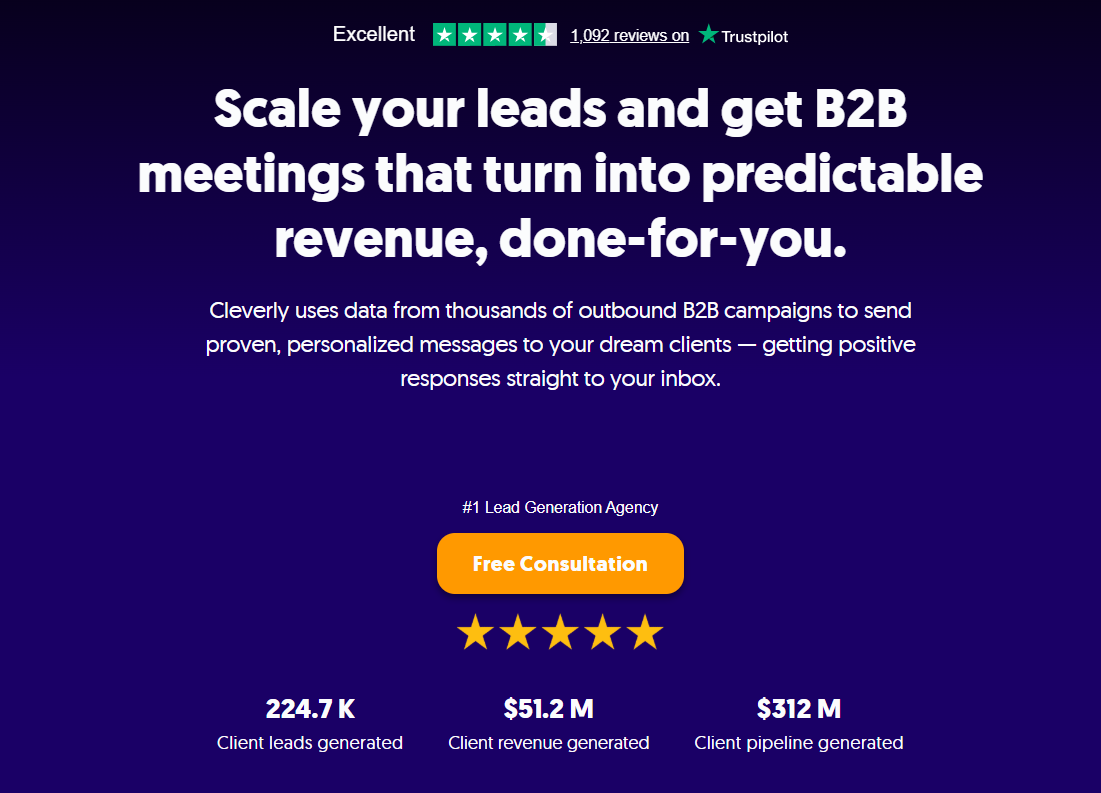
At Cleverly, we've spent years perfecting outreach for over 10,000 clients, including teams at Amazon, Google, Uber, PayPal, Slack, and Spotify.
…We've generated $312 million in pipeline and $51.2 million in closed revenue. We know what works because we've tested everything.
Here's what makes us different as a B2B lead generation agency:
LinkedIn and cold email done for you.
Our LinkedIn services start at just $397/month. We handle targeting, messaging, follow-ups, everything. For cold email lead gen, you only pay for meeting-ready leads we actually send you. No fluff, no tire kickers.
Cold calling that actually books meetings.
Our $5M cold calling system guarantees 10-30 qualified sales calls every month. We place a no-accent appointment setter, train them to go live in 2 weeks, write breakthrough scripts, and include all the data and tech you need.
It's half the cost of in-housing, and if we don't hit the guarantee, we replace your SDR.
We've made over 1 million cold calls and set 53,000+ appointments. We're not guessing. We're executing a proven system that scales.
If you're tired of inconsistent pipeline and want predictable meetings without the headache of building it yourself, let's talk.
🔥 Book a free growth strategy session →

Conclusion
Sales outreach isn't about sending more messages. It's about building a system that targets right, says the right things, and follows up consistently.
Volume doesn't win. Strong offers and sharp execution do. When you know your ICP, lead with real value, and use the right channels at the right time, outreach stops being a grind and starts filling your pipeline predictably.
The best part? Outreach compounds. The more you run your system, the more data you collect, the better your messaging gets, and the more meetings you book. Consistency beats intensity every single time.
Whether you build it in-house or partner with a B2B lead generation agency like Cleverly, the key is getting started and sticking with it. Your pipeline won't fill itself, but a dialed-in outreach engine will do it for you month after month.
Frequently Asked Questions
Free Resource
How to Scale a Profitable Cold Call System
Get the complete guide — download it instantly now.
Free Ebook
Download the Free Guide
Enter your details to get instant access.
You're all set! 🎉
Your ebook is downloading now.
Click below if the download didn't start automatically.