

Table of Contents
What Is Healthcare Lead Generation?
How the Healthcare Buying Process Works
Best Healthcare Lead Generation Strategies That Actually Work
Common Challenges in Healthcare Lead Generation
How Cleverly Helps Healthcare Companies Generate Qualified B2B Leads
Conclusion
Frequently Asked Questions
Modified On :
April 10, 2026
Key Takeaways
- Healthcare lead generation requires targeting multiple stakeholders (clinical, financial, IT, compliance) who all influence purchasing decisions.
- Quality trumps quantity. One conversation with the right hospital CFO is worth more than 100 unqualified contacts.
- Lead with education and insights, not product pitches, to build credibility in a relationship-driven industry.
- Combine LinkedIn outreach, cold email, and cold calling for maximum reach across hard-to-access healthcare decision-makers.
- Expect 6-12 month sales cycles and invest in data accuracy to avoid wasting outreach on outdated contacts.
- Outbound strategies outperform generic inbound in healthcare because you control timing, targeting, and messaging precision.
Healthcare lead generation isn't just another marketing challenge, it's about connecting the right solutions with organizations that can genuinely improve patient outcomes.
Whether you're selling medical devices, healthcare SaaS, or specialized services, the stakes are higher here than in most industries.
Here's what we've learned after helping healthcare companies generate thousands of qualified leads: generic B2B tactics don't cut it. Healthcare buyers face longer sales cycles, multiple stakeholders, strict compliance requirements, and heightened scrutiny on every purchasing decision.
According to recent industry data, 73% of healthcare sales cycles exceed 12-month cycles. That means your lead generation strategy needs to be both persistent and precisely targeted.
We've spent years refining lead generation in healthcare, working with medical device manufacturers, healthtech startups, and healthcare service providers.
The strategies we're sharing aren't theoretical, they're what's actually working right now to book qualified meetings with hospital administrators, practice managers, and healthcare IT decision-makers.
In this guide, we'll walk you through eight proven approaches to generating sales leads in the healthcare industry that respect the unique nature of this market while driving real pipeline growth.
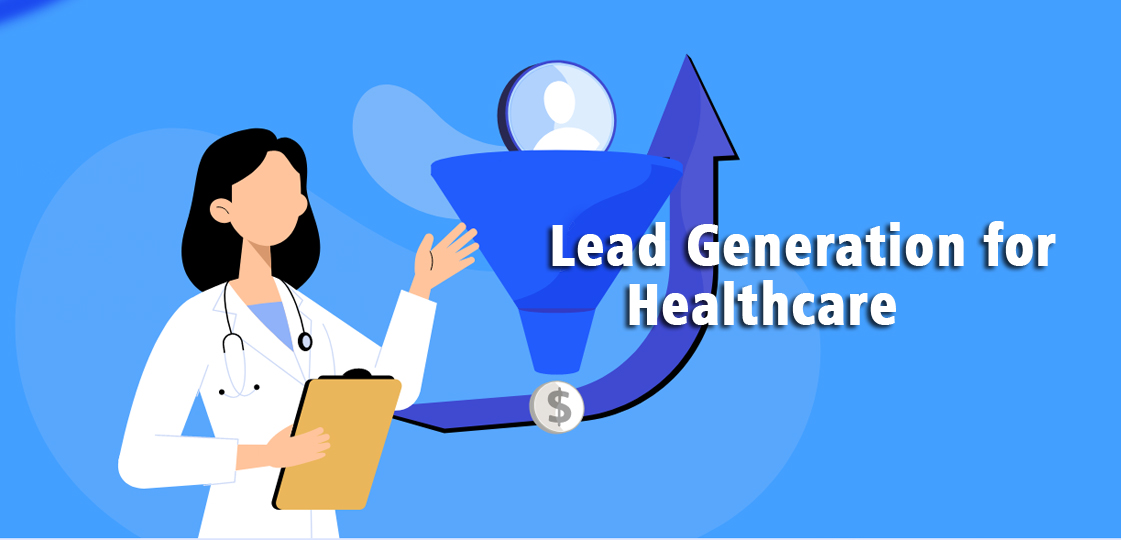
What Is Healthcare Lead Generation?
Lead generation in healthcare is the process of identifying and connecting with potential buyers who need your medical products, technology, or services.
In the B2B healthcare space, this means reaching decision-makers who have both the authority and budget to make purchasing decisions.
Your potential buyers typically fall into these categories:
- Hospital systems and networks – Often require enterprise-level solutions with multi-department buy-in.
- Private practices and clinics – Looking for tools that improve efficiency without disrupting patient care.
- Healthcare payers – Insurance companies and managed care organizations evaluating cost-saving technologies.
- Practice administrators and office managers – The gatekeepers who often control vendor relationships.
- Healthcare IT directors – Technical decision-makers focused on integration and security.
Here's what makes healthcare different: you can't win with volume alone. A list of 10,000 contacts means nothing if they're not HIPAA-compliant, currently in-market, or relevant to your solution.
In this industry, one qualified conversation with the right hospital CFO is worth more than 100 cold prospects. That's why we focus on data accuracy, compliance, and targeted messaging that speaks directly to healthcare pain points, not generic sales pitches that get ignored.
The goal isn't just to generate leads. It's about starting conversations with people who actually need what you're offering and have the means to buy it.
🔥 Book Healthcare Decision-Makers
Cleverly runs LinkedIn, cold email, and cold calling to reach healthcare buyers, delivering qualified, meeting-ready leads you only pay for.
How the Healthcare Buying Process Works
B2B healthcare lead generation requires understanding one critical truth: you're never selling to just one person.
A typical healthcare purchase involves multiple stakeholders, each with their own priorities:
- Clinical staff – Will this improve patient care or outcomes?
- Financial decision-makers – What's the ROI and how does it fit our budget?
- IT departments – Does it integrate with our existing systems securely?
- Compliance officers – Does this meet HIPAA, FDA, or other regulatory requirements?
Each of these people can say no, but usually only a collective yes moves things forward. This is why healthcare sales cycles run 6-12 months on average and sometimes even longer for enterprise deals.
The scrutiny level is also different here.
Healthcare organizations don't impulse buy. They need proof: health care case studies from similar facilities, clinical data, peer recommendations, and clear evidence that your solution actually works. A flashy pitch deck won't cut it.
This is exactly why your outreach can't sound like typical sales messaging. When we run B2B healthcare lead generation campaigns, we lead with education and insight, not product features.
We're opening conversations by addressing real pain points—staffing shortages, reimbursement challenges, patient satisfaction scores, operational inefficiencies.
Think consultative, not promotional.
Your first touch should offer value, demonstrate you understand their world, and position you as someone worth talking to. Save the sales pitch for when they're actually ready to hear it.
Learn More About: B2B Buying Process - How Buyers Make Decisions Today
Best Healthcare Lead Generation Strategies That Actually Work
If you're wondering how to generate leads in healthcare, here's what we've seen work consistently across hundreds of campaigns.
These aren't trendy tactics, they're battle-tested strategies that respect how healthcare buyers actually make decisions.
1) LinkedIn Outreach to Healthcare Decision-Makers
LinkedIn is where healthcare executives actually spend time. We're talking CMOs, hospital administrators, IT directors, and procurement leaders who control seven-figure budgets.
LinkedIn outreach works exceptionally well for niche ICPs and high-ticket solutions. Why? Because you can target with surgical precision—filtering by job title, facility size, specialty, and even recent role changes that signal buying intent.
The key is personalized LinkedIn messaging that references their specific challenges, not generic "hey, can we chat?" requests.
At Cleverly, our LinkedIn campaigns start at just $397/mo and have helped healthcare companies book meetings with decision-makers at major hospital systems nationwide.
Here’s More: How To Generate 30+ Leads On Linkedin Without Spamming People
2) Cold Email Outreach with Compliance-Safe Messaging

Cold email lead generation still works in healthcare (if you do it right). That means education-led messaging, not aggressive product pitches. Lead with insights about regulatory changes, operational benchmarks, or case studies from similar facilities.
This approach scales beautifully across hospitals, labs, diagnostic centers, and provider networks. You can reach hundreds of prospects while maintaining personalization and compliance with CAN-SPAM and healthcare communication standards.
We've found that cold email works best when you're targeting mid-level managers and department heads who aren't drowning in LinkedIn messages but still control budget and vendor relationships.
Also Check: How To Actually Get B2B Clients With Cold Email
3) Account-Based Lead Generation for Enterprise Healthcare
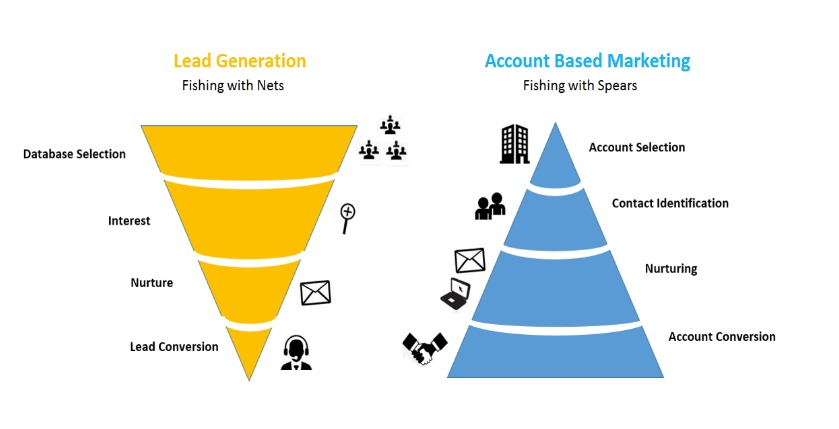
When you're targeting major hospital groups, healthcare chains, or national payer networks, you need an account-based approach.
These organizations have multiple locations, complex hierarchies, and overlapping decision-makers.
Account-based healthcare lead generation means:
- Mapping all stakeholders within a target account (clinical, financial, IT, operations)
- Coordinating outreach across multiple contacts simultaneously
- Customizing messaging based on each person's role and priorities
- Tracking engagement signals across the entire organization
This is higher effort but delivers much better results when deal sizes justify the investment. One closed enterprise account can be worth 50+ mid-market deals.
Related: How to Use LinkedIn for Account-Based Marketing
4) Thought-Leadership Content Used in Outreach
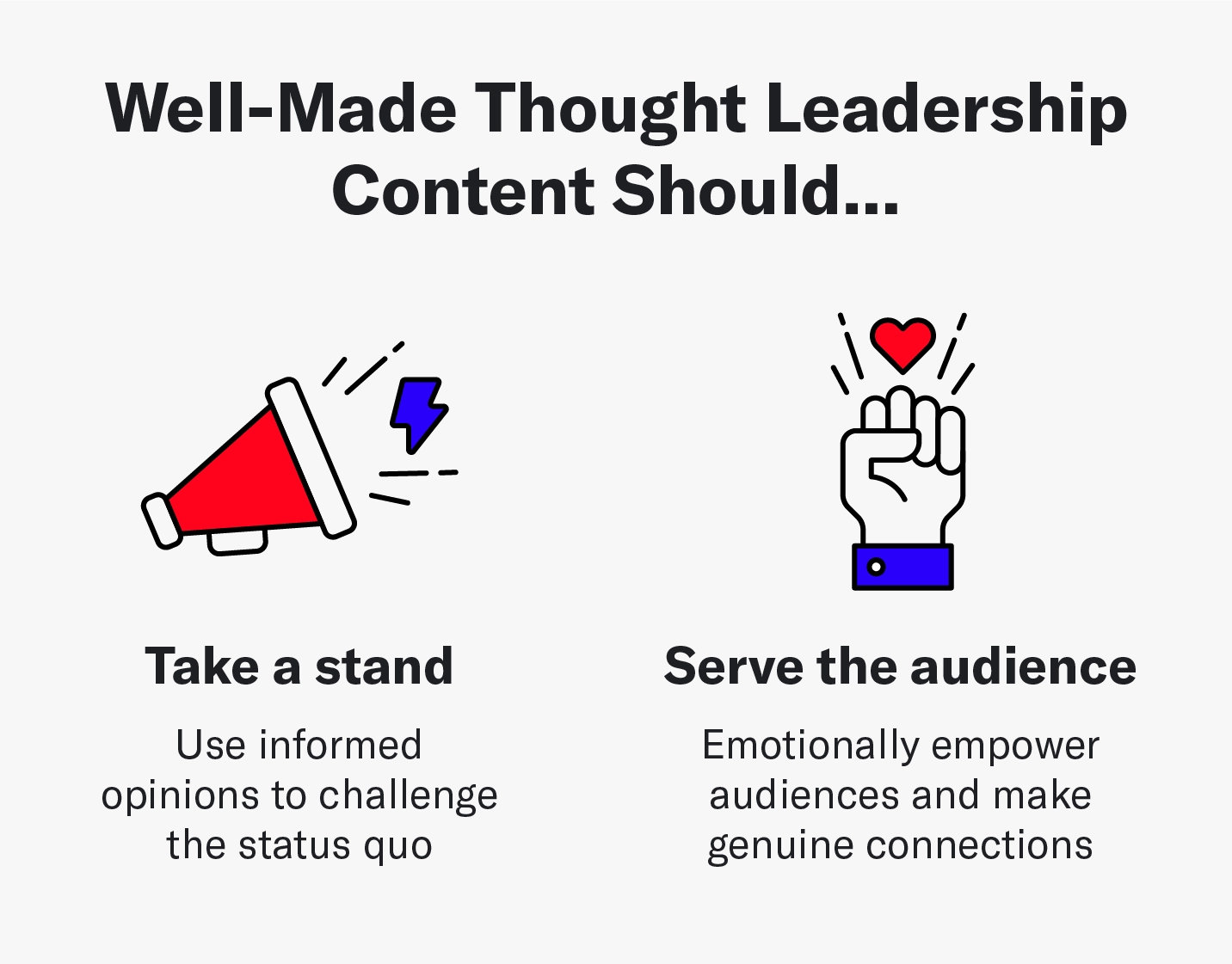
Whitepapers, case studies, regulatory compliance guides, and clinical outcome data aren't just for your website. They're conversation starters.
When you lead outreach with "I thought you'd find this relevant" instead of "Let me tell you about our product," response rates improve dramatically. Healthcare buyers want to learn before they buy—so give them something valuable upfront.
The best content for healthcare outreach:
- Peer-reviewed case studies with measurable outcomes.
- Regulatory change summaries (HIPAA updates, CMS reimbursement shifts).
- Industry benchmark reports they can't find elsewhere.
- Implementation guides that solve real operational headaches.
Use these assets in your first or second touch to establish credibility before asking for a meeting.
Explore Further: LinkedIn Content Creation - Strategy and Tools
5) Cold Calling for High-Intent Healthcare Accounts
Yes, cold calling still works—especially in healthcare where decision-makers often prefer phone conversations over endless email threads.
But here's the thing: cold calling performs best when it's not actually cold. We use it after prospects have engaged with LinkedIn outreach or opened multiple emails.
That warm-up context turns a cold dial into a continuation of an existing conversation.
Our $5M cold calling lead gen system books 10-30 qualified sales calls every month, guaranteed. We place trained, no-accent appointment setters who understand healthcare buying cycles, write breakthrough scripts specific to your solution, and include all the data and tech infrastructure you need.
It's half the cost of building an in-house SDR team, and we've made over 1M+ cold calls that resulted in 53K appointments set and $312M in pipeline generated.
This works especially well for high-ticket medical devices, enterprise SaaS, and facility-level service contracts where a 15-minute discovery call can uncover six-figure opportunities.
This Will Help: Cold Calling Scripts That Actually Work (With Examples)
6) Referral-Based Healthcare Lead Generation
Healthcare is a relationship-driven industry. Physicians talk to other physicians. Hospital administrators attend the same conferences. Purchasing decisions often start with "Who do you use for that?"
Referral-based lead generation delivers lower volume but significantly higher close rates. When a trusted peer recommends your solution, you skip months of credibility-building.
Build systematic referral programs by:
- Incentivizing current customers to make introductions.
- Partnering with complementary vendors who serve the same buyers.
- Joining healthcare purchasing consortiums and group buying organizations.
- Leveraging clinical advisors and key opinion leaders in your network.
One referral from a respected hospital CFO can open doors to an entire regional health system.
7) Event & Webinar Follow-Up Outreach
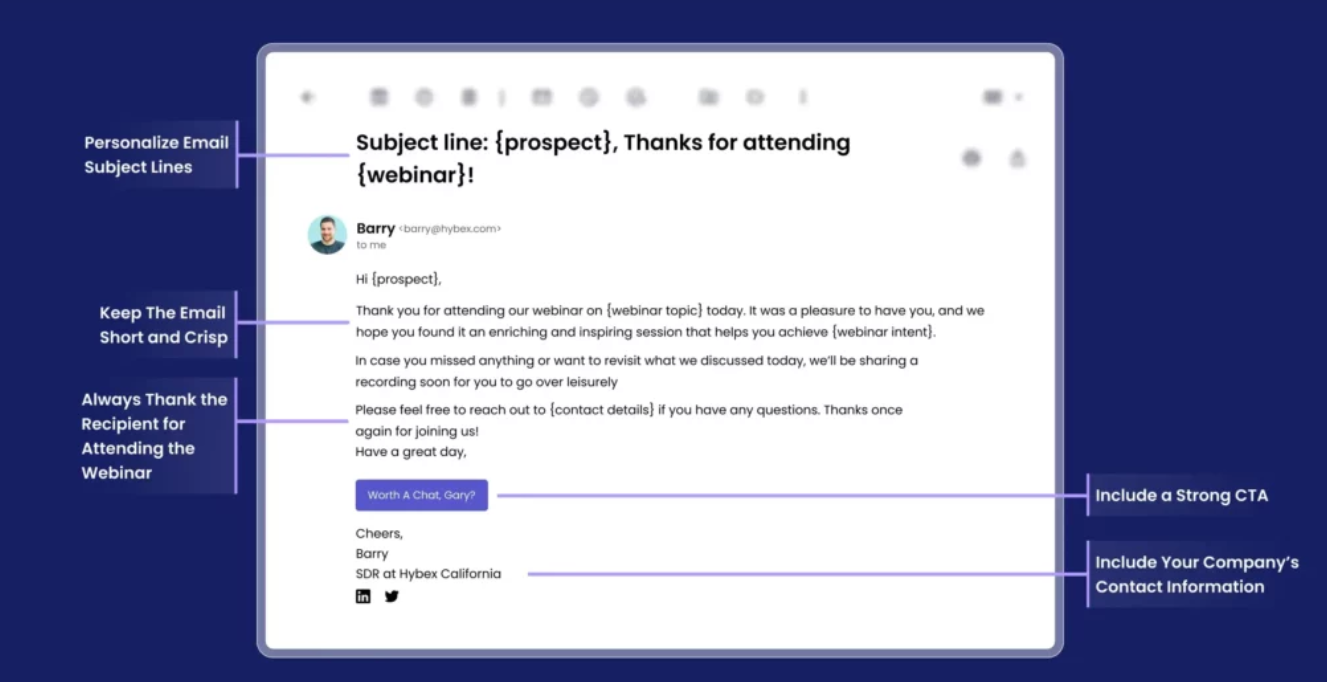
Healthcare conferences like HIMSS, HLTH, and specialty-specific events are goldmines for lead generation—but only if you actually follow up.
Most companies waste these opportunities. They collect business cards, upload them to a CRM, and send one generic email that gets ignored.
Here's what works: Treat event attendees as warm leads who've already shown interest in your category. Reference the specific session they attended, share related content, and suggest a focused conversation about what you discussed at your booth.
Webinar attendees work the same way. They raised their hand by registering—now you have permission to reach out with relevant follow-up. This is a strong mid-funnel acceleration tactic that shortens sales cycles considerably.
Check Out: Call Templates for Lead Follow-Up That Convert Leads Into Meetings
8) Data Enrichment & List Hygiene for Healthcare Leads
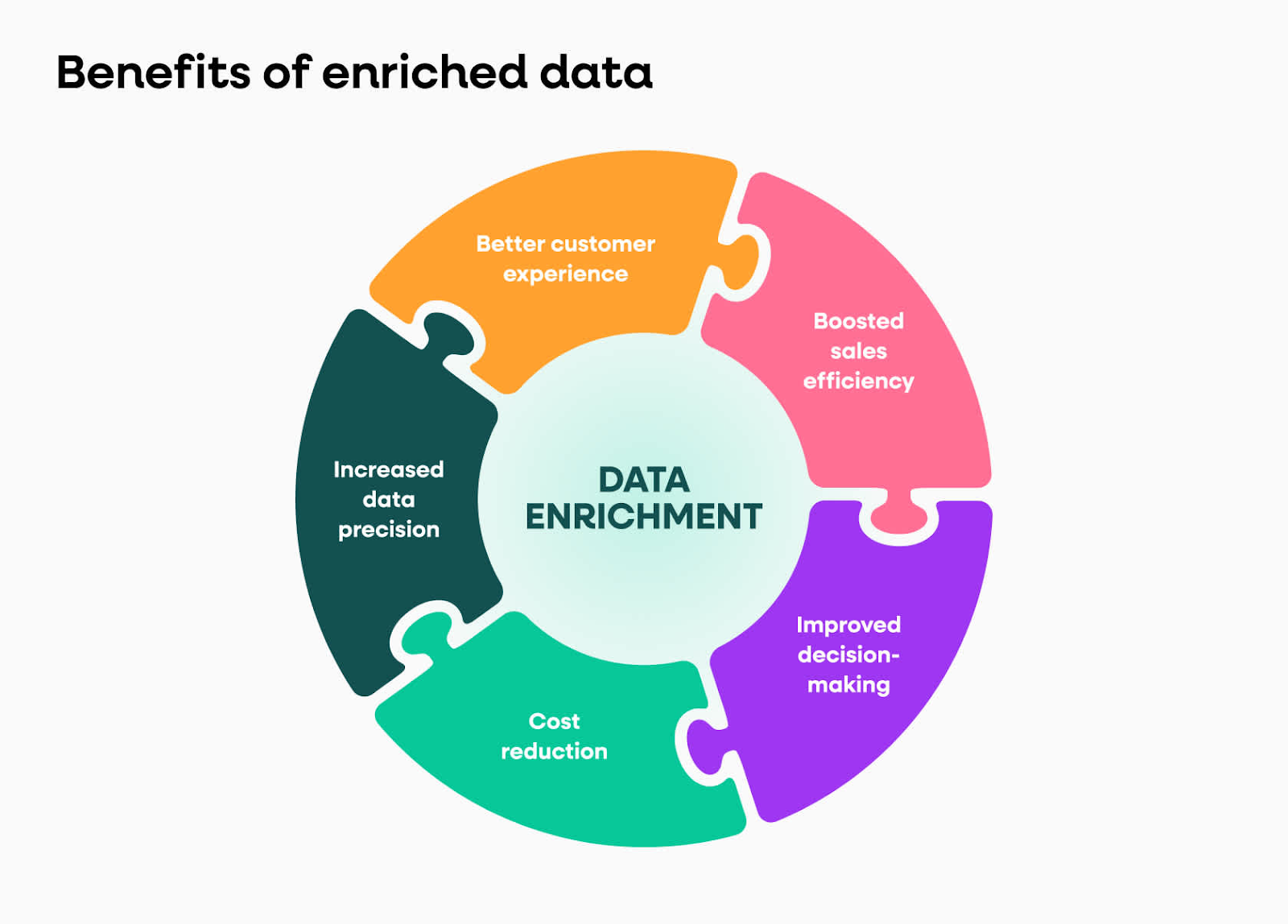
In healthcare, accurate role validation isn't optional—it's everything. Reaching out to someone who left their position six months ago or targeting the wrong department entirely kills your credibility immediately.
Poor data quality wastes budget and damages your brand. Before launching any outreach campaign, invest in:
- Verifying current job titles and employment status
- Confirming direct contact information (not hospital switchboard numbers)
- Validating facility type, bed count, and specialties
- Removing contacts on do-not-contact lists
Data enrichment and clean data improves response rates, reduces bounce rates, and ensures your healthcare lead generation efforts actually reach the people who matter.
We regularly see 30-40% improvement in campaign performance just by cleaning up prospect lists before the first message goes out.
Tools to Explore: Top Data Enrichment Tools to Boost Lead Generation
🚀 $312M Pipeline Generated
Trusted by 10,000+ companies, Cleverly’s compliant, multi-channel outreach helps healthcare teams drive predictable revenue.
Common Challenges in Healthcare Lead Generation
Generating sales leads in the healthcare industry comes with unique obstacles you won't face in other B2B sectors. Here's what makes it harder, and what you need to plan for.
Compliance concerns limit what you can say.
You can't make clinical claims without evidence, can't promise outcomes you can't prove, and must navigate HIPAA considerations in how you handle prospect data. This isn't like SaaS where you can experiment with aggressive messaging.
Decision-makers are genuinely hard to reach.
Hospital administrators manage crises daily. Physicians spend their time with patients, not reviewing sales emails. IT directors are buried in security audits and system upgrades. Getting their attention requires persistence and perfect timing.
Healthcare data goes stale fast.
Turnover in administrative roles is high, contact information changes frequently, and organizational restructuring happens constantly. That "perfect prospect list" you bought six months ago? Probably 30-40% inaccurate by now.
Long nurture cycles test your patience.
A prospect who shows interest in March might not have a budget until the next fiscal year. Committee approvals take months. Pilot programs extend timelines even further. If you're not prepared for 6-12 month sales cycles, you'll burn through the budget before seeing results.
The companies that succeed at generating sales leads in the healthcare industry don't try to force speed. They build systems for consistent outreach, maintain clean data, and stay in front of prospects throughout those extended buying cycles.
We Have More on Our Blog:
- Lead generation for financial advisors
- Lead generation for real estate
- Lead Generation for lawyers
- Lead generation for insurance agents
- Lead generation for architects
How Cleverly Helps Healthcare Companies Generate Qualified B2B Leads
If you're tired of lead generation agencies that promise thousands of contacts but deliver zero qualified conversations, we built Cleverly for you.
We don't do mass marketing or spray-and-pray campaigns. We specialize in outbound healthcare lead generation that actually respects how this industry works, targeting the right people with messaging that opens doors instead of getting ignored.
Here's what we deliver for healthcare companies:
📌 LinkedIn outreach to healthcare decision-makers – Our campaigns target CMOs, hospital administrators, IT directors, and procurement leaders with personalized messaging that references their specific challenges. Starting at just $397/mo, we've helped healthcare companies book meetings with executives at major hospital systems nationwide.
📌 Cold email campaigns built around education and relevance – We lead with insights, case studies, and regulatory updates—not aggressive product pitches. And with our cold email service, you only pay for meeting-ready leads we actually send you.
📌 Cold calling for appointment setting – Our $5M cold calling system places trained, no-accent appointment setters who book 10-30 qualified sales calls every month, guaranteed. We've made 1M+ cold calls, set 53K appointments, and generated $312M in pipeline for clients.
We've worked with 10,000+ clients including companies like Amazon, Google, Uber, PayPal, Slack, and Spotify—resulting in $312 million in pipeline revenue and $51.2 million in closed revenue.
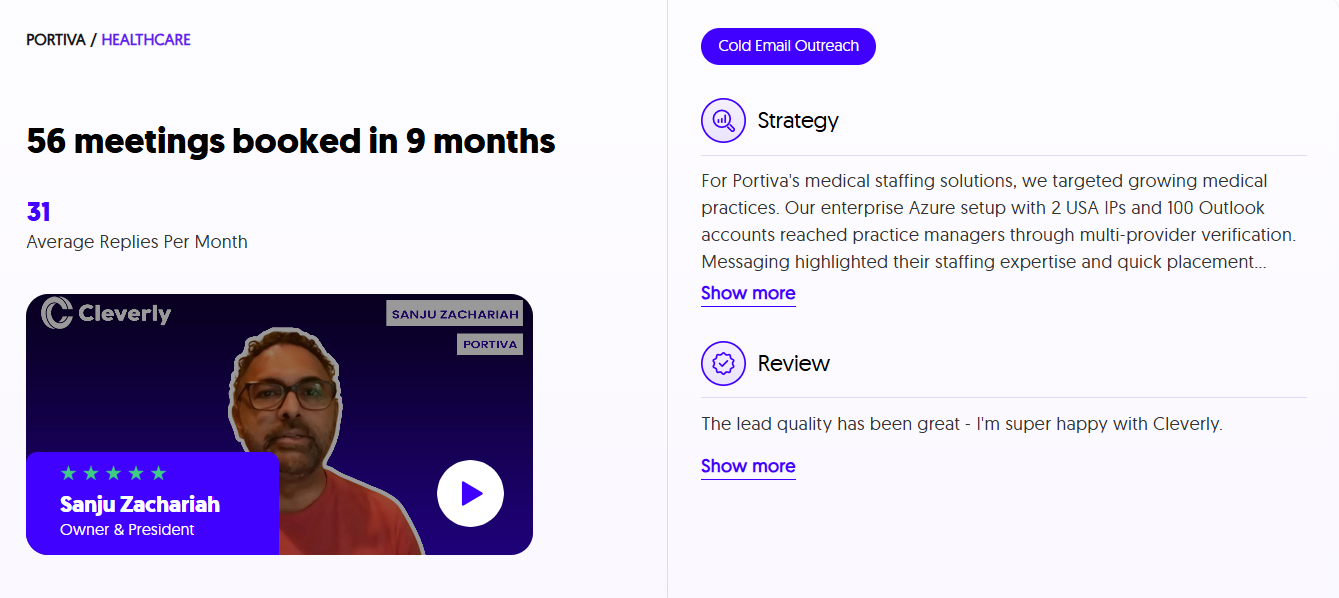
The difference? We focus on quality conversations, not vanity metrics.
No inflated open rates or meaningless engagement stats. Just real meetings with healthcare buyers who have budget, authority, and genuine interest in what you're selling.
🔥 Ready to start? Book a FREE consultation!

Conclusion
More than volume, healthcare lead generation is about precision, patience, and building trust with buyers who take their purchasing decisions seriously.
In regulated industries like healthcare, outbound-led strategies consistently outperform generic inbound tactics.
Why? Because you control who you reach, when you reach them, and how you start the conversation. You're not waiting for leads to find you—you're proactively connecting with the exact decision-makers who need your solution.
Success comes down to three things: relevance (speaking directly to their pain points), timing (staying consistent throughout long sales cycles), and persistent follow-up (because healthcare buyers rarely respond to the first touch).
The healthcare companies winning right now are the ones who understand their buyers, respect the process, and show up with value at every interaction.
If you're ready to generate qualified healthcare leads without the guesswork, we're here to help. Let's talk.
Frequently Asked Questions
Free Resource
How to Scale a Profitable Cold Call System
Get the complete guide — download it instantly now.
Free Ebook
Download the Free Guide
Enter your details to get instant access.
You're all set! 🎉
Your ebook is downloading now.
Click below if the download didn't start automatically.


