

Table of Contents
Why Lead Generation Works Differently for Architecture Firms
Ideal Client Profile (ICP) for Architects — Who Are You Really Targeting?
How to Get Project Leads for Architects
8+ Proven Lead Generation Strategies for Architects
How to Build a Referral System for Your Architecture Firm
Recommended Tools to Generate Architect Leads
Outreach Messaging Templates for Architects
How to Measure Lead Generation Success (Metrics & KPIs)
Common Mistakes Architects Make in Lead Generation
How Cleverly Helps Architects Build a Predictable Lead Pipeline
Conclusion
Frequently Asked Questions
Modified On :
June 29, 2026
Key Takeaways
- Pick a niche. Specialized architects win more high-value projects than generalists trying to serve everyone.
- Combine inbound and outbound, let SEO bring clients to you while cold outreach puts you in front of decision-makers proactively.
- Visuals and case studies sell. Your portfolio needs context, not just pretty pictures; show the problem you solved and the results you delivered.
- Consistency beats intensity. 20 targeted emails per week for six months outperforms 200 emails in one week then radio silence.
- Use a CRM and follow up relentlessly, architecture sales cycles are long; leads go cold because you forgot to check in, not because they weren't interested.
Finding your next high-value architecture project shouldn't feel like waiting for the phone to ring. Yet most firms still rely on referrals, outdated networking tactics, or hoping their portfolio speaks for itself.
Lead generation for architects has completely changed. The firms landing $500K+ commercial projects and luxury residential builds are more strategic about how they find clients.
We've worked on real estate lead generation and the pattern is clear. The ones growing consistently have systems in place. They're not chasing leads, they're attracting them, nurturing them, and converting them at scale.
In this guide, we're breaking down 8+ proven strategies that actually work for lead generation for architects in 2026. Practical approaches you can start implementing this week to fill your pipeline with qualified projects.

Why Lead Generation Works Differently for Architecture Firms
How to generate leads in architecture isn't the same as selling software or consulting services.
Your sales cycle can stretch 6 to 18 months, and project values often hit six or seven figures. That changes everything about your approach.
The high-stakes reality: When someone's hiring an architect, they're not making an impulse decision. They're betting hundreds of thousands (sometimes millions) on your ability to bring their vision to life. This means your lead generation can't rely on aggressive tactics or quick conversions.
Here's what actually moves the needle when you're figuring out how to generate leads in architecture:
Trust and reputation trump everything.
Potential clients will Google you, check your reviews, ask their network, and scrutinize every past project before they ever reach out. Your digital presence needs to back up your expertise at every touchpoint.

Visuals do the heavy lifting.
A paragraph about your design philosophy won't close deals—stunning portfolio images, detailed case studies, and project walkthroughs will. People need to see proof that you can deliver before they trust you with their budget.
Relationships matter more than automation.
Sure, you can automate outreach and follow-ups, but architecture is still a relationship business. The firms winning major projects are the ones balancing smart automation with genuine human connection. You can't bot your way into a $2M commercial build.
Quality over quantity, always.
You don't need 500 leads a month. You need 10 highly qualified prospects who actually have budget, timeline, and decision-making authority. One perfect-fit client is worth more than a hundred tire-kickers.
Explore More: 15+ Real Estate Cold Calling Scripts (Free Templates)
🔥 Get More Project-Ready Leads
We run done-for-you cold email, LinkedIn outreach, and cold calling to bring architects a steady flow of high-quality, ready-to-talk prospects.
Ideal Client Profile (ICP) for Architects — Who Are You Really Targeting?
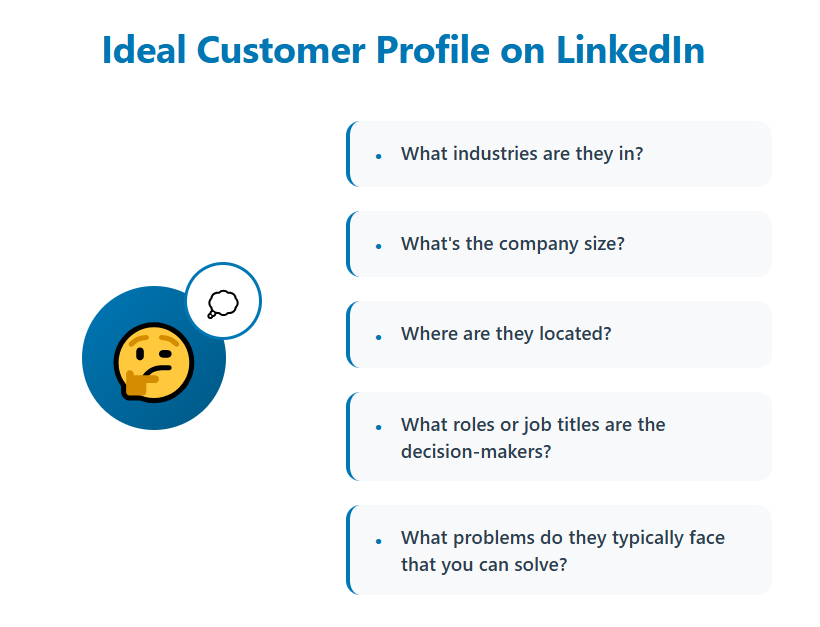
Before you chase architect leads, you need to know exactly who you're chasing.
Trying to be everything to everyone is the fastest way to blend into the background and waste your outreach budget.
The most common client types for architecture firms:
✅ Commercial developers are where the big budgets live—office buildings, retail spaces, mixed-use developments. These projects are high-value but also highly competitive, and decision-makers typically work with architects they already know or who come highly recommended.
✅ Residential clients range from homeowners planning custom builds to luxury developers working on high-end properties. The residential market offers steadier volume, but expect longer relationship-building phases and more emotional decision-making.
✅ Municipal and institutional clients include schools, libraries, government buildings, and healthcare facilities. These architect leads come with structured RFP processes, strict budgets, and longer timelines, but they can provide consistent revenue once you're in the door.
✅ Real estate developers and construction partners are often repeat clients if you deliver. They value speed, budget adherence, and architects who understand the financial side of projects—not just the creative vision.
✅ Interior designers and design-build firms can become referral goldmines. They're working with clients who need architectural services but may not have an architect locked in yet.
The move -
Pick a niche. When you specialize, whether that's sustainable commercial buildings, luxury residential, or adaptive reuse projects, you instantly become more visible and relevant.
Your messaging gets sharper, your portfolio speaks directly to your ideal client, and your outreach becomes 10x easier because you're not generic anymore.
Generic architects compete on price. Specialized architects compete on expertise. Choose your lane, and the right architect leads will find you faster.
Here’s More: Ways To Increase Your Inbound B2B Leads (Proven Framework)
How to Get Project Leads for Architects
"Lead generation" is a broad concept. What most architects actually want are project leads — specific opportunities where a developer, property owner, or institution has a real build or renovation in motion and needs an architect now or soon.
The difference matters because the tactics are different. Generic inbound marketing attracts people who might one day need you. Project lead generation puts you in front of people who are actively planning something.
Here's where architecture project leads actually come from:
Commercial permit filings and building databases
Most municipalities publish building permit applications, construction intent filings, and pre-permit approvals. These are goldmines — they show you exactly which properties are moving toward a build or renovation before the project is publicly announced. Services like ConstructConnect, Dodge Data, and BCI Central aggregate this data so you're not pulling PDFs from every county website manually.
This is genuinely how the firms landing the most commercial work operate: they see the permit filing, do five minutes of research on the owner, and reach out before anyone else knows the project exists.
Developer and GC outreach before bid stage
General contractors know which projects are coming before architects do. When a developer needs an architect, they often ask their preferred GC first. Cultivating relationships with 10–15 active GCs in your market means you get referrals from people who are directly involved in selecting the team. This also gives you informal pipeline intelligence — a GC who mentions they're about to start a commercial warehouse spec is a lead before the RFP is written.
RFP and bid board monitoring
For public and institutional work (schools, government buildings, healthcare), project leads come through formal RFP processes published on state procurement portals, AIA contract portals, and platforms like BidNet or Periscope S2G. These require a fast response and a process for responding to RFPs at scale, but they're consistent pipeline for firms focused on institutional work.
LinkedIn prospecting and direct outreach
LinkedIn's Sales Navigator lets you filter commercial real estate developers, property management companies, and construction firms by geography, company size, and job title. Combined with a personalized connection message referencing a recent project or acquisition, this produces meetings with decision-makers who have active development pipelines. Our LinkedIn lead generation strategies guide walks through the full outreach approach in detail.
Outbound targeting to businesses in growth mode
Businesses planning an office expansion, retail rollout, or warehouse build are pre-qualified project leads — they just don't know they need an architect yet. Target companies in growth mode (recent funding rounds, new hires announcements, lease expirations) with a short cold email or LinkedIn message. You'll be the first architect in the conversation.
🚀 Fill Your Pipeline With Ideal Clients
From outbound targeting to inbound capture, Cleverly delivers meeting-ready project leads. (You only pay for qualified appointments)
8+ Proven Lead Generation Strategies for Architects
Let's get into the actual tactics. These aren't theoretical, they're strategies we've seen architecture firms use to consistently generate qualified leads.
Here's how to generate leads in architecture that actually convert into projects.
1) Local SEO & Google Business Profile Optimization
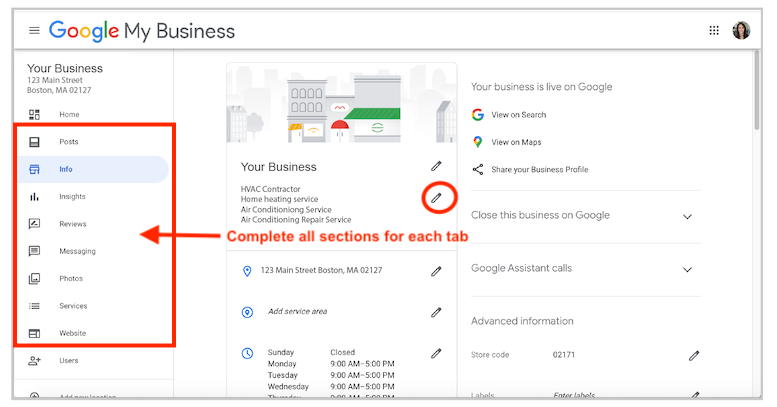
What it is: Getting your firm to show up when someone searches "architect near me" or "commercial architect in [city]" on Google.
Why it works: Most architecture clients start their search locally. When you rank in the local map pack and organic results, you're capturing high-intent prospects who are actively looking for an architect right now.
How to do it:
- Claim and fully optimize your Google Business Profile with accurate NAP (name, address, phone), business hours, services, and high-quality portfolio images.
- Collect and respond to Google reviews from past clients.
- Create location-specific service pages on your website (e.g., "Commercial Architecture in Austin").
- Build local citations on directories like Yelp, Houzz, and industry-specific sites.
Tools to use: Google Business Profile, BrightLocal, Semrush Local
2) Portfolio-Based Website + Project Pages
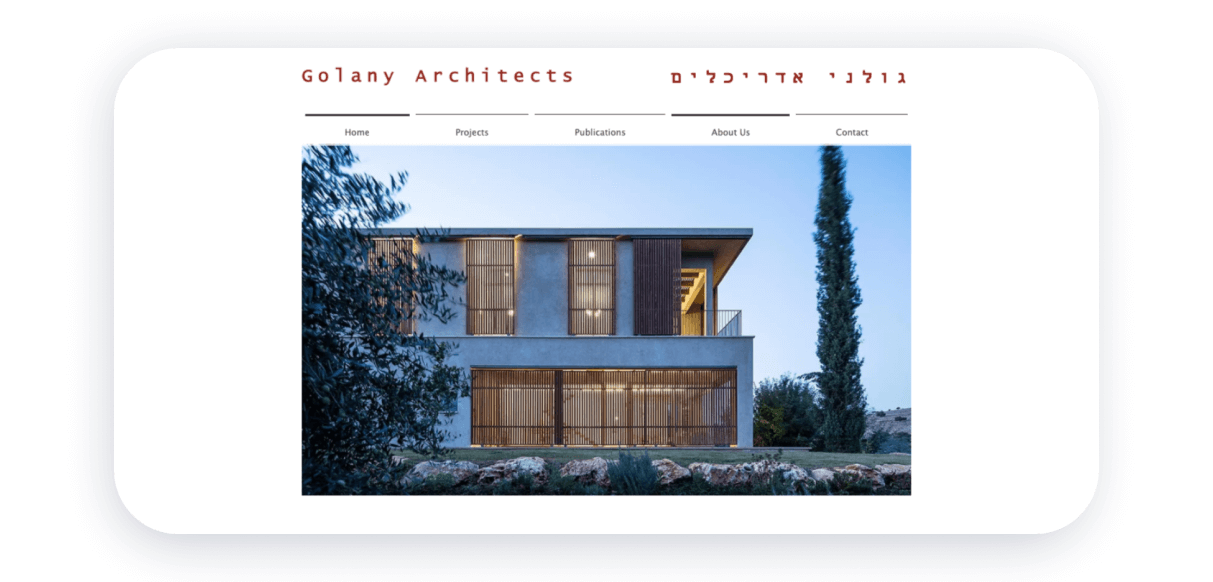
What it is: A website built around showcasing your best work with dedicated pages for each major project.
Why it works: Your portfolio is your proof. When potential clients land on your site, they need to immediately see that you've delivered projects similar to what they envision. Detailed project pages with professional photography, scope descriptions, and client testimonials build instant credibility.
How to do it:
- Create individual case study pages for your top 10-15 projects with before/after photos, challenges overcome, and results delivered.
- Organize projects by type (residential, commercial, institutional) so visitors can quickly find relevant work.
- Include clear CTAs on every project page—"Schedule a Consultation" or "Discuss Your Project".
- Optimize project pages with keywords like "[project type] architect in [location]".
Tools to use: Webflow, WordPress + Elementor, Squarespace
3) Paid Ads Targeting Local Developers & Homeowners

What it is: Running Google Ads and Meta ads targeting property owners, developers, and people searching for architectural services.
Why it works: How to generate leads in architecture often requires getting in front of people before they even know they need you. Paid ads let you target based on location, job title, interests, and search intent—putting your firm directly in front of decision-makers.
How to do it:
- Run Google Search ads targeting keywords like "hire architect [city]" or "commercial architect for office building".
- Use Facebook/Instagram ads with stunning project visuals targeting homeowners in affluent zip codes or property developers.
- Create retargeting campaigns for people who visited your website but didn't convert.
- Test lead magnet ads offering free consultations, design guides, or feasibility assessments.
Tools to use: Google Ads, Meta Ads Manager, LinkedIn Ads
4) LinkedIn Lead Generation for Architecture Firms

LinkedIn is where commercial developers, real estate firms, and institutional procurement managers spend significant time. For architecture firms, it's the highest-ROI social channel — not because of vanity metrics but because your actual buyers are there and reachable.
There are two ways to use LinkedIn for lead generation: content that pulls people toward you, and outreach that puts you directly in front of them.
Content strategy: build authority with the people who hire architects
Post 2–3 times per week with a mix of project showcases (before/after, design rationale, client challenge and outcome), design insights tied to topics your clients care about (zoning changes, sustainability requirements, construction cost trends), and short opinion pieces on where commercial or residential development is heading.
The goal isn't to go viral. The goal is to stay visible to 100–200 decision-makers in your local market so that when they have a project, you're the first name they think of. A developer who has seen your posts about mixed-use design for six months is a warm lead before you ever send a connection request.
Tools: Canva for graphics, Buffer or Hootsuite for scheduling, LinkedIn AI tools to speed up drafting.
Outreach strategy: targeted prospecting to reach developers and owners directly
LinkedIn Sales Navigator lets you filter contacts by job title (Owner, VP Development, Director of Real Estate), company type, location, company size, and industry. For architects, the ideal target lists include:
- Commercial real estate developers in your metro area
- Property management companies with 10+ properties
- General contractors who partner with architecture firms
- Institutional procurement officers (healthcare networks, university systems, government)
Once you have a targeted list, connect with a short, personalized message referencing something specific — a recent project they were involved in, an acquisition, a development they're known for. Follow up with a value-add message (a relevant case study, a local zoning insight, a project timeline benchmark) before asking for a call.
This is what Cleverly's done-for-you LinkedIn lead generation does for architecture firms at scale: identify the right contacts, write the right sequence, and put qualified prospect conversations on your calendar without you managing the outreach day-to-day.
What good looks like: A LinkedIn lead gen system for an architecture firm should produce 5–15 new conversations per month with decision-makers in your target market — at a fraction of the cost of paid ads, and with far better relationship quality.
5) Partnerships with Builders, Real Estate Firms & Interior Designers

What it is: Building formal or informal referral relationships with professionals who serve the same clients but aren't direct competitors.
Why it works: Builders, real estate agents, and interior designers constantly interact with people who need architectural services. A strong referral network means pre-qualified leads coming to you with a warm introduction instead of cold outreach.
How to do it:
- Identify 10-20 local builders, real estate developers, and interior designers whose clients align with your ideal projects.
- Reach out with a simple partnership proposal: "We refer clients to each other when the fit is right".
- Offer to co-host events, share each other's content, or provide mutual testimonials.
- Stay in regular contact—monthly coffee meetings or quarterly check-ins keep you top of mind.
Pro tip: Make referring you dead simple. Give partners a one-pager about your services, your ideal client profile, and a direct booking link.
Learn More: LinkedIn for Real Estate Agents - The Complete Guide to Getting Clients
6) Industry Directories (Architizer, Houzz, Thumbtack, Yelp)
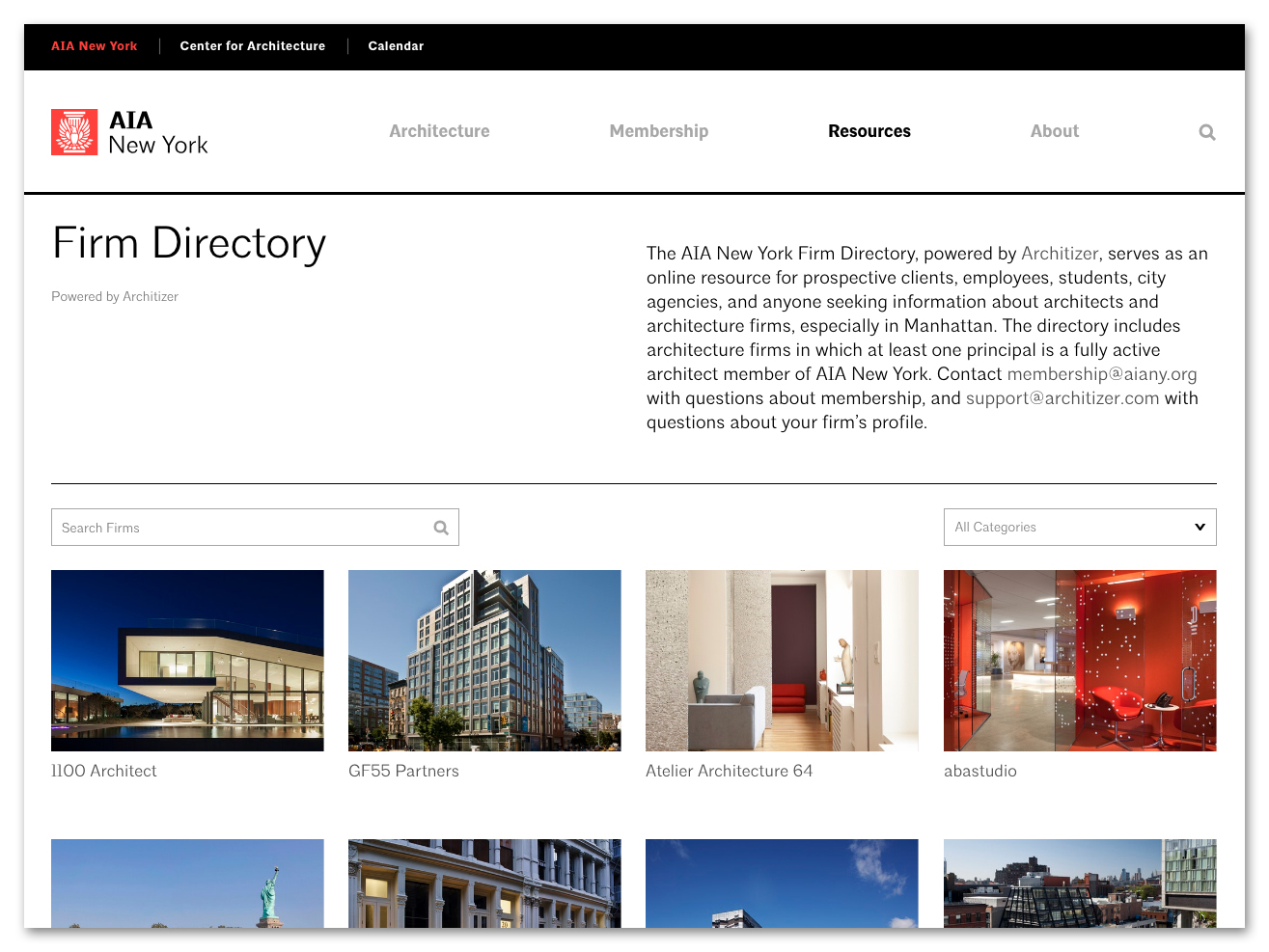
What it is: Listing your firm on architecture-specific and general service directories where potential clients actively search for architects.
Why it works: People use these platforms specifically to find and vet architects. A well-optimized profile with strong reviews and portfolio images can generate consistent inbound leads without ongoing effort.
How to do it:
- Create complete profiles on Architizer, Houzz, Thumbtack, Porch, and Yelp.
- Upload your best portfolio images and detailed project descriptions.
- Actively request reviews from satisfied clients.
- Respond to all reviews (positive and negative) professionally.
- Consider paid placements on platforms where you see traction.
Tools to use: Architizer, Houzz Pro, Thumbtack, Yelp for Business
7) Cold Email Outreach to Property Developers & Businesses
What it is: Sending targeted, personalized emails to commercial developers, property owners, or businesses planning construction or renovation projects.
Why it works: Many high-value clients aren't actively searching for an architect yet—they're in the early planning stages. Writing cold email gets you in the conversation before they even start vetting firms. This is one of the most direct ways to figure out how to generate leads in architecture at scale.
How to do it:
- Build a list of local commercial developers, property management companies, or businesses in growth mode.
- Research each prospect—mention a recent project, acquisition, or expansion in your outreach.
- Keep emails short: who you are, why you're reaching out, one relevant case study, and a soft CTA.
- Follow up 2-3 times if there's no response—persistence separates winners from the ignored.
Example angle: "Hi [Name], saw your firm just acquired the property on Main Street. We recently designed a mixed-use development for [similar project] that maximized ROI while staying under budget. Open to a quick call to discuss your vision?"
At Cleverly, we've helped architecture firms generate qualified leads through precisely this approach—targeted LinkedIn and cold email outreach that puts you in front of decision-makers before your competitors even know the project exists.
Check This Out: Best Cold Email Blueprint to Generate Leads (100% Tested)
8) Outdoor Signage & Local Reputation Marketing

What it is: Placing professional signage at active project sites and leveraging word-of-mouth marketing in your local market.
Why it works: When someone sees a beautiful building going up in their neighborhood, they notice. A well-designed sign with your firm's name and contact info turns every active project into a billboard. Plus, local reputation spreads fast—especially in tight-knit commercial and residential communities.
How to do it:
- Get client permission to place branded signage at every project site during construction.
- Include your firm name, website, and phone number in large, readable text.
- Design signage that reflects your brand quality (cheap signs = cheap perception).
- Encourage clients to share their experience in local groups, neighborhood forums, and social media.
- Partner with local media for project features or "building of the month" stories.
Pro tip: Take professional photos of your signage with the building in progress. Use those images in your marketing to show you're actively working on projects.
9) Cold Calling

What it is: Proactive phone outreach to property developers, commercial real estate firms, construction companies, and businesses planning builds or renovations.
Why it works: Cold calling cuts through the noise. While everyone's inbox is flooded, a well-researched, professionally executed call gets you directly to decision-makers. For high-value architecture projects, a conversation beats an email every time. This is especially effective when you're targeting architect leads in commercial and institutional sectors.
How to do it:
- Build a targeted list of prospects: developers with active projects, businesses planning expansions, or property owners in pre-construction phases.
- Research before you dial—reference their recent acquisitions, projects, or press mentions.
- Lead with value, not a pitch: "I noticed your firm is developing the downtown property. We specialize in maximizing commercial space while staying code-compliant and under budget.".
- Book meetings, don't close deals on the phone—your goal is to get 15-30 minutes on their calendar.
For architecture-specific call frameworks and objection handling, our cold calling scripts guide has plug-and-play openers you can adapt for developer and property owner outreach.
Why most firms don't do it: Cold calling requires training, consistency, and thick skin. Most architecture firms don't have the bandwidth to do it well in-house.
The shortcut: We've built a $5M cold calling system that books architecture firms 10-30 qualified sales calls every month—guaranteed.
We place a no-accent appointment setter, train them in 2 weeks, write breakthrough scripts, and include all the data and tech. It's half the cost of in-housing, and if you don't get appointments, we replace the SDR.
We've made 1M+ cold calls, set 53K appointments, and generated $312M in pipeline. If you want consistent calls with decision-makers without managing a calling team, we handle it end-to-end.
10) Webinars, Live Q&As and Design Workshops
What it is: Hosting free educational sessions where you teach property owners, developers, or homeowners about the design process, zoning regulations, budgeting, or sustainability.
Why it works: Webinars position you as the expert before someone even hires you. When you give value upfront—answering real questions and demonstrating your knowledge—you build trust. Attendees are self-selecting as interested prospects, and you walk away with a list of warm leads.
How to do it:
- Pick a specific, valuable topic: "How to Budget for a Commercial Build" or "Navigating Zoning Laws for Residential Projects".
- Promote the webinar through email, LinkedIn, local real estate groups, and partnerships
- Keep it educational, not salesy—deliver real insights people can use.
- End with a soft CTA: "If you want help with your specific project, let's schedule a consultation".
- Follow up with every attendee within 48 hours.
Tools to use: Zoom, Eventbrite, Luma, LinkedIn Live
These 10 strategies give you multiple paths to consistently generate architect leads. The key is picking 2-3 that fit your firm's strengths and executing them consistently.
How to Build a Referral System for Your Architecture Firm
Most architecture firms get referrals. Very few have a system that makes referrals predictable.
The difference between waiting for word-of-mouth and building a referral engine comes down to three things: who you ask, how you make it easy, and how you stay top of mind between projects.
Who to build referral relationships with
The most productive referral sources for architects aren't always past clients — they're the professionals your clients also work with. A homeowner planning a custom build is also working with a real estate agent, a mortgage broker, an interior designer, and sometimes a landscape architect. A commercial developer is also working with a GC, a property attorney, a commercial lender, and a facilities manager.
Identify 15–20 of these adjacent professionals in your market and approach them with a clear value exchange: "When your client needs an architect, I'd love to be your first call — and I'll do the same for you." This works because you're solving their problem (who do I refer my client to?) not just asking for a favor.
How to make referring you frictionless
The firms that get the most referrals are the easiest to refer. That means:
- A one-page "about us" document a partner can forward: your specialty, past project types, ideal client profile, and a direct booking link
- A dedicated referral intake — either a short intake form or a calendar booking link partners can share
- Prompt follow-through on every referral: confirm receipt within 24 hours, update the referring partner on what happened
Most referral relationships fail not because the partner didn't want to refer — it's because referring was too vague and the architect didn't follow up on what happened.
How to stay top of mind between projects
Referrals go to the architect they thought of first — which means visibility between projects matters. A quarterly email to your referral partners (project updates, local development news, something useful) keeps you present without being pushy. Connecting on LinkedIn and engaging with their posts does the same thing at lower effort.
A simple structure: 10–15 referral partners, a one-pager they can forward, a shared calendar link, and a quarterly touchpoint. That's a referral system. It takes about two hours to set up and compounds over time.
Recommended Tools to Generate Architect Leads
The right tools don't just make lead generation for architects easier—they make it scalable.
Here's what actually works when you're building a system to consistently attract and convert qualified leads.
CRM Tools (Managing Your Pipeline)
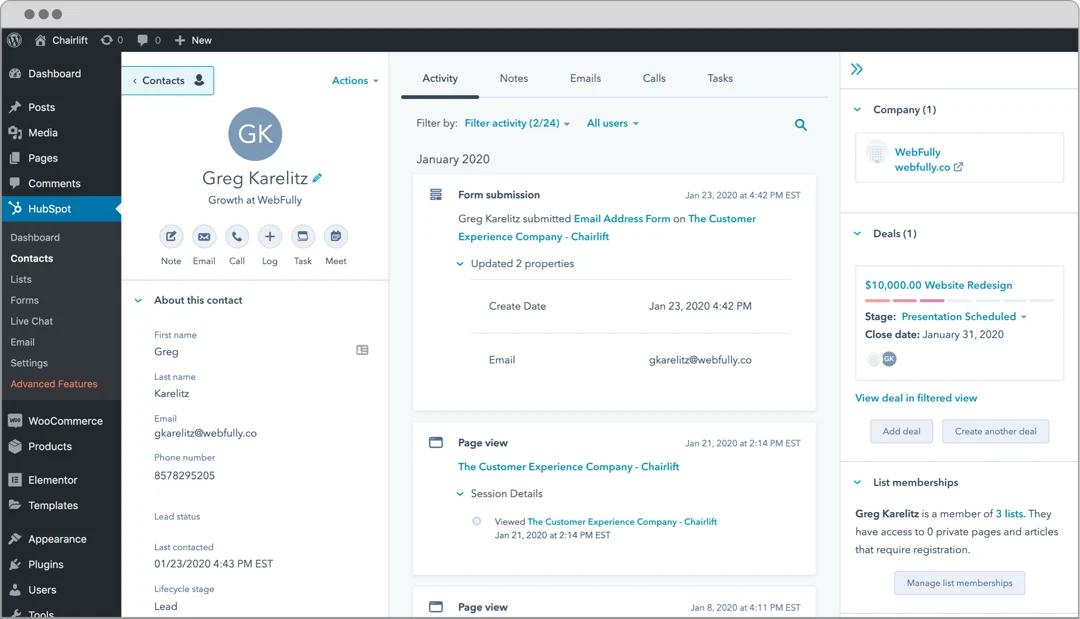
HubSpot – Free tier is solid for small firms. Track leads, automate follow-ups, and see exactly where every prospect is in your pipeline. The visual dashboard keeps your team aligned on who needs outreach and who's ready to close.
Pipedrive – Built specifically for sales pipelines. Simple interface, great for architecture firms that want to track every conversation from first contact to signed contract. Email integration means nothing falls through the cracks.
Why you need this: When you're juggling 20+ prospects at different stages—initial inquiry, proposal sent, awaiting decision—a CRM prevents leads from going cold because someone forgot to follow up.
Email Outreach Tools (Scaling Your Prospecting)

Apollo.io – Database of 250M+ contacts with filters for job title, company size, location, and industry. Find commercial developers, property managers, or construction firms in your area, then launch email sequences directly from the platform.
Lemlist – Personalized cold email at scale. Dynamic images, custom variables, and A/B testing help your outreach actually get opened and replied to. Built-in warmup features protect your sender reputation.
Cleverly's AI outreach engine – When you work with Cleverly for lead generation services for architects, you're not just getting tools—you're getting done-for-you LinkedIn lead gen and cold email campaigns. We handle the list building, message writing, sending, and follow-ups. You just show up for the booked meetings.
Why you need this: Manual outreach doesn't scale. These tools let you reach 100+ qualified prospects per week while keeping messages personalized and professional.
Check More: Top LinkedIn AI Tools to Boost Your Networking & Lead Gen
Proposal & Presentation Tools (Winning the Deal)
Canva – Fast, professional graphics for everything from social posts to one-page project summaries. Thousands of templates mean you're not starting from scratch every time you need a visual.
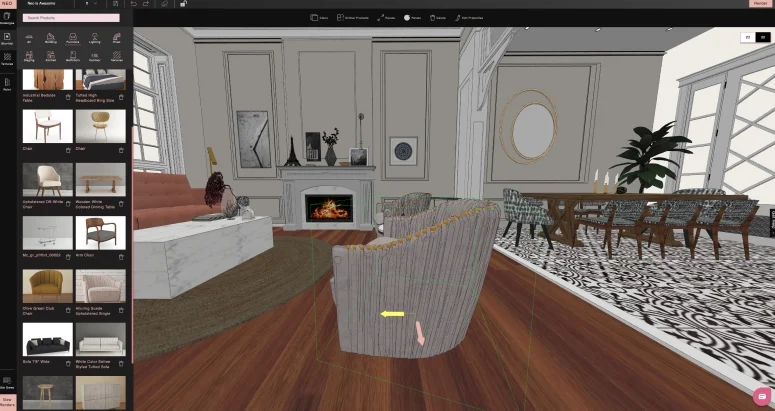
Foyr Neo – 3D visualization and rendering tool that helps you present design concepts in client meetings. Show them what you're proposing, not just tell them.
Why you need this: In architecture, presentation quality directly impacts close rates. These tools help you show up as the polished, professional choice.
SEO & Local Ranking Tools (Getting Found Online)

Surfer SEO – Analyzes top-ranking pages for your target keywords and tells you exactly what to include in your content. Great for optimizing project pages and service pages to rank locally.
Moz Local – Manages your local listings across Google, Yelp, and 50+ other directories. Keeps your NAP (name, address, phone) consistent everywhere, which directly impacts local search rankings.
BrightLocal – Tracks your Google Business Profile performance, monitors reviews, and shows you how you rank for local keywords compared to competitors.
SEMrush – All-in-one SEO platform. Keyword research, backlink analysis, site audits, and competitor tracking. If you're serious about ranking for "architect in [city]," this is your command center.
Why you need this: Local SEO is how potential clients find you when they search. These tools help you rank higher, get more visibility, and capture high-intent leads actively looking for an architect.
The reality: You don't need every tool on this list. Start with a CRM to manage your leads, add one outreach tool to scale prospecting, and pick one SEO tool to improve your local visibility. As you grow, layer in the others based on where you're seeing the best ROI.
Or skip the tool juggling entirely…partner with a B2B lead generation agency like usthat handles the outreach, tech stack, and appointment setting for you.
We've helped 10,000+ clients generate qualified leads, resulting in $312M in pipeline revenue. You focus on closing deals and designing buildings. We handle getting you in the room.
Outreach Messaging Templates for Architects
When you're wondering how do you find architect leads, the answer often comes down to your messaging.
Here are plug-and-play templates that actually get responses. Customize them with your details, but keep the structure—it works.
Cold Email to a Real Estate Developer
Subject: Quick question about [Property/Project Name]
Hi [First Name],
I saw that [Company Name] recently acquired the property at [Address/Location]. Congrats on the deal.
We recently worked with [Similar Developer/Project Type] on a [commercial/mixed-use/residential] project that maximized square footage while staying under budget and ahead of schedule. The project delivered [specific result—e.g., 15% higher ROI than initially projected].
I'm not sure if you've already locked in your architect for [Property Name], but if you're still exploring options, I'd love to share how we approached a similar build.
Open to a 15-minute call next week?
Best,
[Your Name]
[Your Firm]
[Phone & Website]
Why this works: You reference something specific, prove you've done similar work, and ask for a low-commitment conversation—not a sales pitch.
LinkedIn Outreach Message to a Construction Partner
Hi [First Name],
I've been following [Construction Company Name]'s work on [recent project or area]—really impressive execution.
We're an architecture firm specializing in [commercial/residential/institutional] projects, and we've found that partnering with quality builders early in the design phase leads to smoother builds and better outcomes for clients.
We've worked alongside firms like [Builder 1] and [Builder 2] on projects in [location]. Would be great to connect and explore if there's an opportunity to collaborate on future builds.
Are you open to a quick call?
Thanks,
[Your Name]
Why this works: You're leading with collaboration, not competition. Builders appreciate architects who make their jobs easier, and this positions you as that person.
Follow-Up Message for Interested Prospects
Subject: Following up — [Project Type] discussion
Hi [First Name],
Just circling back on our conversation about [specific project or topic discussed]. I know timelines shift, but wanted to make sure this was still on your radar.
Quick recap of what we discussed:
- [Key point 1]
- [Key point 2]
- [Proposed next step]
If the timing isn't right yet, no worries—happy to reconnect in [timeframe]. But if you'd like to move forward, I can get a preliminary proposal over to you by [date].
Let me know what makes sense.
Best,
[Your Name]
Why this works: You're reminding them of the value without being pushy. The "if timing isn't right" gives them an easy out, which ironically makes them more likely to respond.
Post-Webinar Nurturing Email Template
Subject: Thanks for joining — [Webinar Topic]
Hi [First Name],
Thanks for joining our webinar on [topic]. Really glad you found it valuable.
As promised, here's the recording and slides: [Link]
One thing we didn't get to cover in detail was [specific pain point or question that came up]. If that's something you're dealing with on your project, I'm happy to jump on a quick call and walk through how we've helped clients solve it.
Also, if you have any follow-up questions from the session, feel free to reply directly—I read every response.
Looking forward to staying connected.
Best,
[Your Name]
[Your Firm]
[Phone & Calendar Link]
Why this works: You deliver on what you promised (recording + slides), add additional value, and open the door for a one-on-one conversation without being salesy.
📌 Pro tip on how do you find architect leads: Templates get you started, but personalization gets you responses. Always reference something specific about the person or their company—a recent project, a mutual connection, or an industry trend they care about. Generic outreach gets ignored. Relevant outreach gets meetings.
How to Measure Lead Generation Success (Metrics & KPIs)
You can't improve what you don't measure. Here are the metrics that actually matter when evaluating your lead generation for architects—and how to track them without drowning in data.
If you want a framework for structuring that pipeline from first contact to signed contract, our guide to building a lead generation pipeline covers the full stage-by-stage setup.
Lead-to-Call Conversion Rate
- What it is: The percentage of leads that turn into actual sales conversations or discovery calls.
- Why it matters: A high volume of leads means nothing if no one's picking up the phone or responding to your outreach. This metric tells you if your messaging and targeting are working.
- How to track it: Divide the number of calls booked by total leads generated, then multiply by 100.
- What good looks like: For architecture firms, 10-20% is solid. If you're below 5%, your targeting is off or your messaging isn't resonating.
Project Qualification Rate
- What it is: The percentage of leads that meet your criteria—budget, timeline, project scope, and decision-making authority.
- Why it matters: Not all leads are worth pursuing. A qualified lead for architecture means they have a real project, realistic budget, and authority to hire you. Chasing unqualified prospects wastes months of your time.
- How to track it: After your discovery calls, mark each lead as "qualified" or "unqualified" based on your ICP criteria. Calculate the percentage.
- What good looks like: If 50%+ of your calls are qualifying, you're targeting the right people. Below 30% means you need tighter filters on who you're reaching out to.
Cost Per Lead vs Project Value
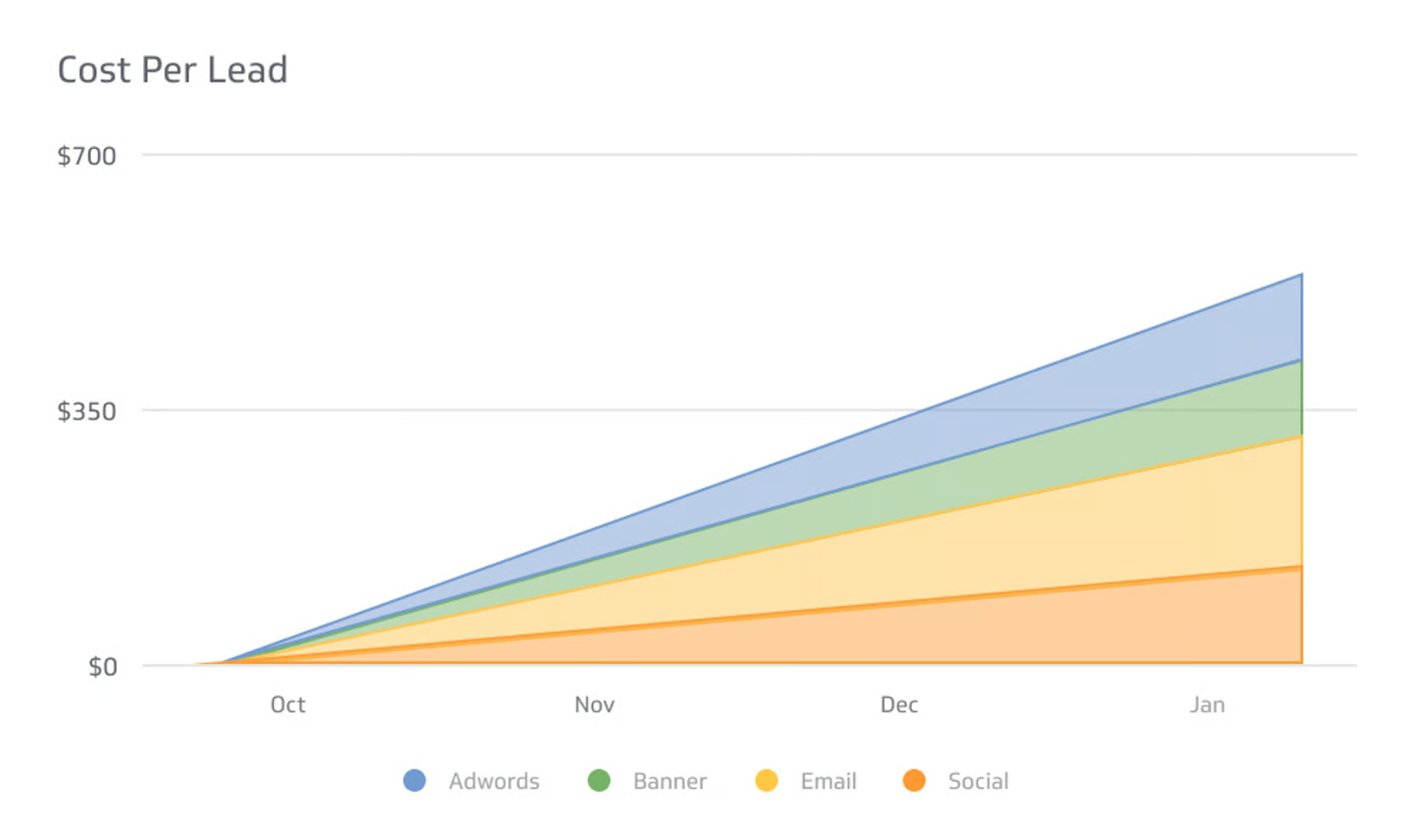
- What it is: How much you're spending to acquire each lead compared to the average value of projects you close.
- Why it matters: If you're spending $500 per lead but closing $300K projects, that's a phenomenal ROI. But if you're spending $200 per lead for $15K residential renovations, the math doesn't work.
- How to track it: Divide your total monthly lead gen spend (ads, tools, services) by the number of leads generated. Compare that to your average project value and close rate.
- What good looks like: Architecture projects are high-ticket. Spending $200-$1,000 per qualified lead is normal and profitable if your average project is six figures. The key is knowing your numbers so you can scale what works.
Sales Cycle Improvement
- What it is: How long it takes from first contact to signed contract—and whether that timeline is shortening.
- Why it matters: Architecture sales cycles are long (6-18 months is common), but you can improve. Faster cycles mean faster cash flow and more projects per year.
- How to track it: Record the date of first contact and the contract signing date for every closed project. Calculate the average, then track it month over month.
- What good looks like: If your average sales cycle was 12 months last year and it's 9 months this year, you're improving your process. Focus on what changed—better qualification, faster proposals, stronger follow-up.
Tool Recommendations for Reporting
- HubSpot (Free or Paid) – Tracks every metric above in one dashboard. See exactly where leads are in your pipeline, what's converting, and what's stalling out.
- Google Analytics + Google Data Studio – Connect your website analytics to visual dashboards. Track lead sources, form submissions, and cost per acquisition in real time.
- Pipedrive – Sales-focused CRM with built-in reporting. Shows you conversion rates, deal velocity, and forecasted revenue at a glance.
- Databox – Pulls data from all your tools (CRM, ads, email, website) into one clean dashboard. Great if you're running multiple lead gen channels and want everything in one place.
Bottom line: If you're spending money and time on lead generation but not tracking these metrics, you're flying blind. Start simple—track lead-to-call conversion and cost per lead. Once those are dialed in, layer in qualification rates and sales cycle data. The firms that measure consistently are the ones that scale predictably.
Common Mistakes Architects Make in Lead Generation
We've seen hundreds of architecture firms struggle with lead generation for architects—not because they lack talent, but because they're making avoidable mistakes.
Here's what's holding most firms back and how to fix it.
❌ Relying Only on Referrals
The mistake: Waiting for past clients or industry contacts to send work your way instead of proactively generating leads.
Why it's a problem: Referrals are great—until they dry up. When your pipeline depends entirely on word-of-mouth, you have zero control over your growth. One slow quarter and you're scrambling to find work.
✅ The fix: Treat referrals as a bonus, not your strategy. Build at least 2-3 active lead generation channels (SEO, cold outreach, partnerships, paid ads) so you're always filling your pipeline regardless of referral flow.
❌ No CRM or Follow-Up System
The mistake: Tracking leads in your email inbox, spreadsheets, or worse—your memory.
Why it's a problem: Architecture sales cycles are long. That interested developer you spoke with in March? If you don't have a system reminding you to follow up in June, they'll hire someone else. Leads go cold not because they weren't interested, but because you didn't stay in touch.
✅ The fix: Implement a CRM (even the free version of HubSpot works). Set automatic reminders for follow-ups. Create a nurture sequence for leads who aren't ready yet. Consistency beats brilliance in long-cycle sales.
❌ Weak Positioning ("We Design Everything")
The mistake: Positioning your firm as generalists who can handle any type of project for any type of client.
Why it's a problem: When you say you do everything, prospects hear "you're not great at anything." Decision-makers want specialists. A commercial developer looking for an office build doesn't care that you also design custom homes—they want someone who lives and breathes commercial architecture.
✅ The fix: Pick a niche and own it. "We design sustainable commercial buildings for tech companies" beats "We're a full-service architecture firm" every single time. You can still take other projects, but your marketing should speak to one specific ideal client.
❌ Not Leveraging Visuals and Storytelling
The mistake: Treating your portfolio as a photo gallery with zero context about the projects, challenges, or results.
Why it's a problem: Beautiful renderings aren't enough. Potential clients want to know: What problem did you solve? What constraints did you work within? What was the outcome? Without that story, your portfolio is just pretty pictures that don't differentiate you from competitors.
✅ The fix: Turn every portfolio piece into a case study. Include the client's challenge, your design approach, specific obstacles you overcame, and measurable results (budget, timeline, ROI, sustainability metrics). Show don't just tell—but tell the story behind what you're showing.
❌ No Outreach Consistency
The mistake: Doing a burst of LinkedIn posts or cold emails for two weeks, seeing no immediate results, then stopping entirely.
Why it's a problem: Lead generation for architects isn't a sprint—it's a long game. One month of outreach might plant seeds that turn into projects six months later. Stopping and starting kills momentum and wastes the initial effort.
✅ The fix: Commit to consistency over intensity. It's better to send 20 personalized emails per week for six months than 200 emails in one week then nothing. Set a realistic schedule you can actually maintain, then protect that time like it's a client meeting.
How Cleverly Helps Architects Build a Predictable Lead Pipeline
Most architecture firms don't have a lead generation problem—they have a time and execution problem. You know outreach works. You just don't have the bandwidth to do it consistently while managing active projects.
That's where we come in.
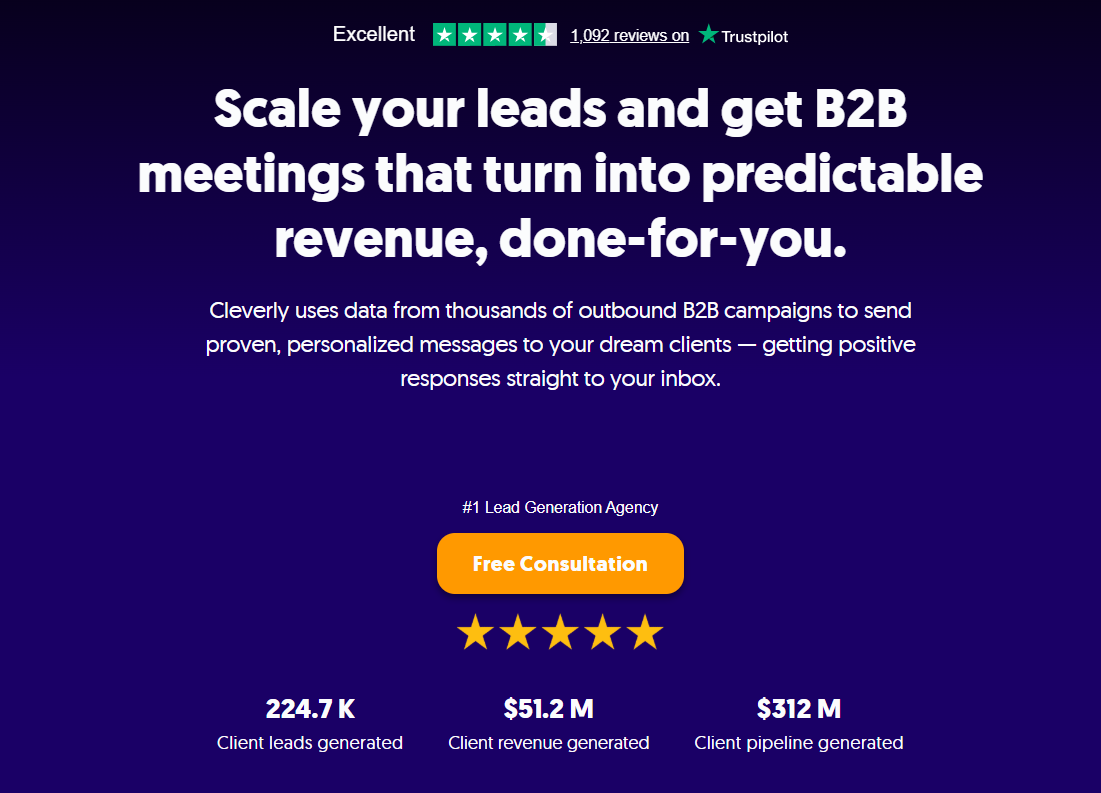
At Cleverly, we're a B2B lead generation agency that's helped over 10,000 clients—including architecture firms—generate qualified leads through done-for-you LinkedIn outreach, cold email campaigns, and cold calling.
We've generated $312 million in pipeline revenue and $51.2 million in closed revenue for clients working with companies like Amazon, Google, Uber, PayPal, and Spotify.
What we do for architecture firms:
- LinkedIn Outreach
- Cold Email Lead Generation.
- Cold Calling That Actually Works
No more feast-or-famine cycles. No more wondering where your next project is coming from. Just consistent, qualified leads landing on your calendar every week while you focus on what you do best—designing incredible buildings.

Ready to build a predictable pipeline?
🔥 Book a FREE consultation

Conclusion
Lead generation for architects doesn't have to be complicated—it just has to be consistent.
We've covered 10+ strategies: local SEO, portfolio optimization, paid ads, LinkedIn content, partnerships, cold email, cold calling, webinars, and more. The firms that win aren't doing all of them—they're picking 2-3 that fit their strengths and executing relentlessly.
The move: Combine inbound and outbound. Let SEO and content bring leads to you while cold outreach puts you in front of high-value prospects who aren't actively searching yet. That's how you fill your pipeline with qualified projects instead of waiting for the phone to ring.
Consistency builds momentum. Momentum fills your pipeline. A full pipeline means you're choosing projects, not chasing them.
Start with one strategy this week. Build the system. Watch your pipeline grow.
And if you want help building that pipeline faster—without the trial and error—we're here!
Frequently Asked Questions
Free Resource
How to Scale a Profitable Cold Call System
Get the complete guide — download it instantly now.

Free Ebook
Download the Free Guide
Enter your details to get instant access.
You're all set! 🎉
Your ebook is downloading now.
Click below if the download didn't start automatically.


