Table of Contents
What Is Account-Based Marketing?
Why LinkedIn Is Ideal for B2B Account-Based Marketing
How Account-Based Marketing on LinkedIn Works
Step-by-Step LinkedIn ABM Strategy
Account-Based Marketing Examples on LinkedIn
Tools That Support LinkedIn Account-Based Marketing
Common Mistakes to Avoid in LinkedIn ABM
How Cleverly Executes LinkedIn Account-Based Marketing at Scale
Conclusion
Frequently Asked Questions
Modified On :
April 10, 2026
Key Takeaways
- Account based marketing on LinkedIn targets specific high-value companies first, then builds personalized campaigns to win them over.
- Map the full buying committee at each account and engage multiple stakeholders, not just one contact.
- LinkedIn's direct access to decision-makers and precise targeting makes it perfect for b2b account based marketing.
- Personalization drives 3-4x higher response rates—generic templates kill ABM campaigns before they start.
- Track account engagement and pipeline influence, not individual lead volume.
- Companies like Genesys and Adobe prove LinkedIn ABM delivers measurable ROI when done right.
Tired of casting a wide net on LinkedIn and hoping the right accounts bite?
Account based marketing on LinkedIn flips that script entirely. Instead of chasing every lead that comes your way, you're laser-focusing on high-value accounts that actually match your ideal customer profile.
We've used LinkedIn to help over 10,000 clients land meetings with decision-makers at Amazon, Google, Uber, and thousands of other companies.
The secret? Treating LinkedIn like your personal ABM playground where you can identify, engage, and convert your dream accounts all in one place.
In this guide, we're breaking down exactly how to run account based marketing on LinkedIn - from building your target account list to crafting messages that actually get responses.
No fluff, just the strategies that have generated $312 million in pipeline revenue for our clients.
Let's dive in.
What Is Account-Based Marketing?
Account based marketing is a strategy where you flip traditional lead generation on its head. Instead of attracting tons of leads and filtering them down, you identify specific high-value accounts first, then build personalized campaigns to win them over.
Think of it this way: traditional lead gen is like throwing a party and inviting everyone in town, hoping the right people show up.
Account based marketing is like sending personalized invitations to exactly the 50 people you want at your party—and making sure every detail is tailored to their preferences.
How ABM Differs from Traditional Lead Generation
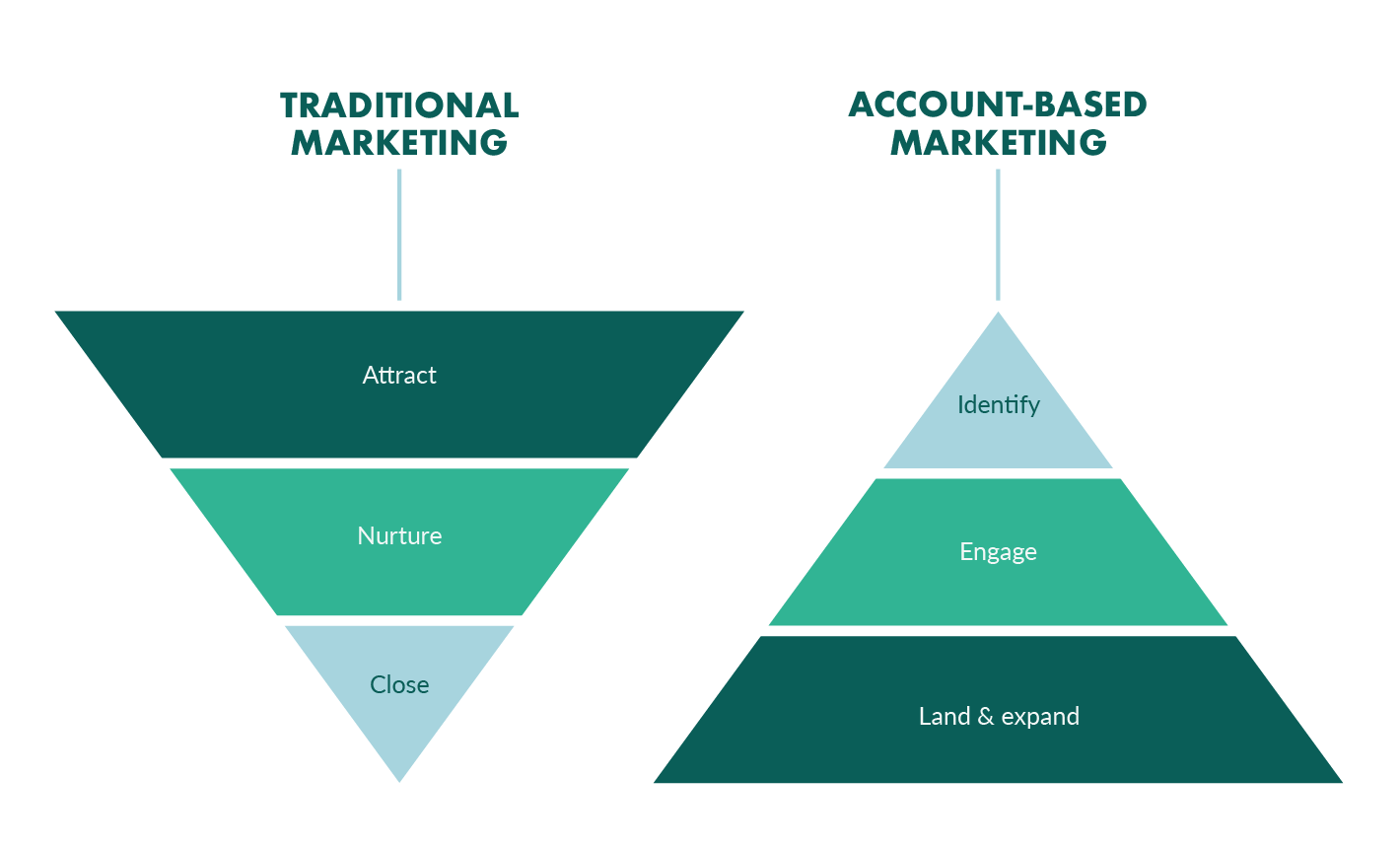
Traditional lead gen casts a wide net. You create generic content, run broad campaigns, and hope qualified cold prospects raise their hands. You're reacting to whoever responds.
ABM does the opposite:
- You choose your targets before launching campaigns.
- Marketing and sales work as one team on the same accounts.
- Every message, asset, and touchpoint is personalized for specific decision-makers.
- Success is measured by account engagement, not just lead volume.
Why ABM Works for High-Value B2B Deals
When you're selling complex solutions with long sales cycles and multiple stakeholders, account based marketing just makes sense. Here's why:
- Higher ROI on your efforts - You're investing time and resources into accounts that actually fit your ideal customer profile, not wasting energy on leads that'll never convert.
- Shorter sales cycles - When you're speaking directly to decision-makers with personalized messaging that addresses their specific pain points, deals move faster.
- Better alignment between teams - Your marketing and sales teams stop pointing fingers and start working together on shared target accounts.
We've seen this play out thousands of times. When clients focus their LinkedIn outreach on 100 carefully selected accounts instead of blasting 10,000 random prospects, their response rates jump and the conversations that follow actually lead somewhere.
Read More Here: How To Generate 30+ Leads On Linkedin Without Spamming People
🔥 ABM on LinkedIn - From $397/mo
Cleverly runs done-for-you LinkedIn ABM campaigns that target decision-makers and book meetings - starting at just $397/month.
Why LinkedIn Is Ideal for B2B Account-Based Marketing
LinkedIn isn't just another social platform, it's where B2B account based marketing actually thrives.
While other channels make you guess who you're reaching, LinkedIn gives you a direct line to the exact people making buying decisions at your target accounts.
Direct Access to Decision-Makers
You can message a VP of Sales at a Fortune 500 company on Monday and have a meeting booked by Friday. No gatekeeper, no switchboard, no "let me transfer you to their assistant."
We've seen our clients book calls with C-suite executives at companies like Google and Uber simply because LinkedIn removes the traditional barriers between you and decision-makers.
When you're running B2B account based marketing, that direct access is everything.
Accurate Firmographic and Role Targeting

LinkedIn's search filters let you get ridiculously specific:
- Company size, industry, and revenue range
- Job titles, seniority levels, and departments
- Geographic location down to the city
- Recent job changes or company growth signals
You're not guessing whether someone fits your ideal customer profile. You can see their exact title, how long they've been in the role, what their company does, and whether they're actually the person who'll sign the contract.
That level of precision is impossible with email lists or cold calling databases.
Relationship-Building Over Transactional Outreach
Account based marketing on LinkedIn works because the platform encourages relationship-building, not just pitching. You can:
- Comment on your LinkedIn prospect's posts to start conversations naturally.
- Share relevant content that positions you as a resource, not a vendor.
- Engage with their company page updates before reaching out.
- Build familiarity over time instead of going straight for the ask.
This approach fits perfectly with ABM strategy. You're not trying to close deals in one cold message—you're warming up relationships with multiple stakeholders at target accounts until the timing is right.
One Platform for Sales and Marketing Alignment
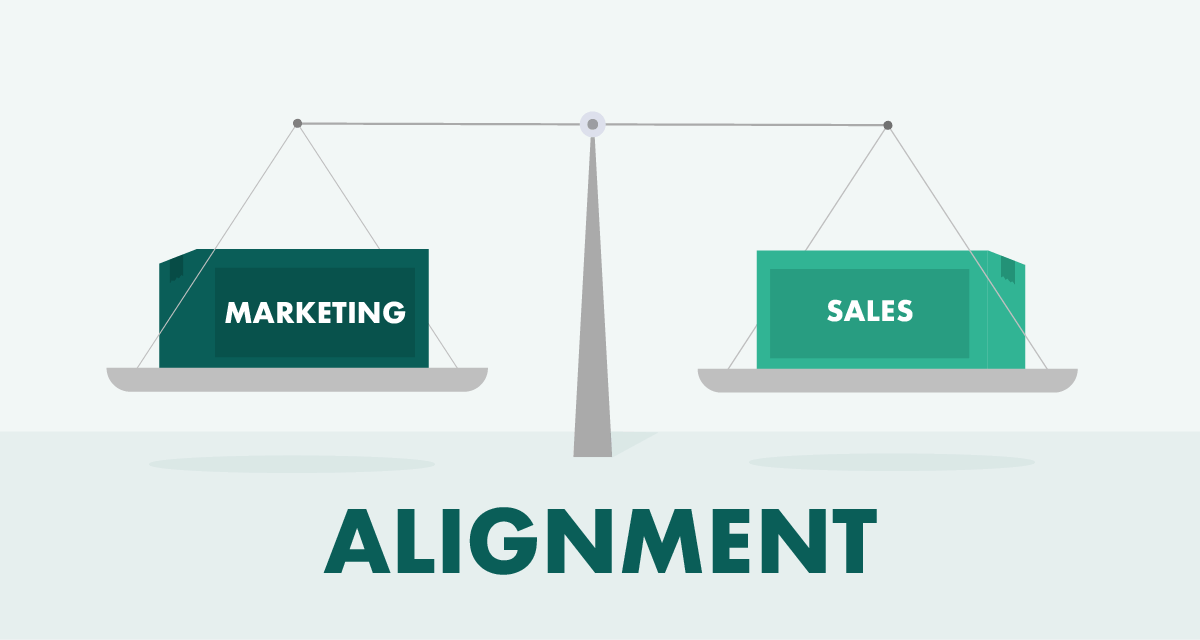
Traditional B2B account based marketing fails when sales and marketing work in silos. LinkedIn solves this problem by putting both teams on the same platform with the same data.
Your marketing team can run targeted content to warm up accounts while your sales team simultaneously builds one-on-one relationships with key contacts.
Everyone sees the same engagement signals, the same conversations, and the same opportunities. No more "did marketing pass this lead yet?" or "why is sales ignoring our MQLs?"
We've helped clients generate over $51.2 million in closed revenue using this exact approach - marketing and sales working together on LinkedIn to surround target accounts from every angle.
Also Check: How to Build a LinkedIn Lead Engine (Without Paying for Ads)
How Account-Based Marketing on LinkedIn Works
Running an account based marketing strategy on LinkedIn isn't complicated, but it does require a different mindset than traditional lead gen funnel.
You're building a focused, coordinated campaign around specific accounts instead of blasting everyone who matches a job title.
Here's how it actually works in practice.
Selecting High-Fit Target Accounts
Start by getting brutally honest about who your best customers are. Look at your current client list and identify patterns:
- What industries close fastest and stick around longest?
- What company size has the budget and pain point that matches your solution?
- Which accounts have multiple product needs you can fill over time?
Build your target account list from there. We typically recommend 50-200 accounts depending on your deal size and sales capacity. Quality over quantity—always.
Use LinkedIn Sales Navigator to filter companies by revenue, employee count, industry, growth signals, and technology usage.
You're looking for accounts that check every box of your ideal customer profile, not just most of them.
Mapping Buying Committees Inside Accounts
Here's where most account based marketing strategy efforts fall apart: people reach out to one person at a target company and call it ABM.
That's not ABM—that's just normal prospecting.
Real ABM means identifying the full buying committee:
- Economic buyer - Who controls the budget and signs contracts?
- Champion - Who'll advocate for your solution internally?
- End users - Who'll actually use what you're selling?
- Technical evaluator - Who needs to approve the implementation?
LinkedIn makes this easy. Once you identify a target account, search for people at that company by relevant job titles.
Map out 3-7 key stakeholders per account who all play different roles in the buying decision.
Personalization at Account and Persona Level
Generic outreach kills ABM before it starts. Your account based marketing strategy needs personalization at two levels:
- Account-level personalization - Reference company-specific details like recent funding rounds, new office openings, product launches, or quarterly earnings. Show you actually researched the company.
- Persona-level personalization - A CFO cares about ROI and cost savings. A VP of Sales cares about quota attainment and team productivity. Your message to each stakeholder should speak their language and address their specific pain points.
We've tested this extensively—personalized messages get 3-4x higher response rates than generic templates, even when reaching out to the same job titles at similar companies.
Explore More: LinkedIn Testimonials Examples That Convert
Coordinating Outreach Across Stakeholders
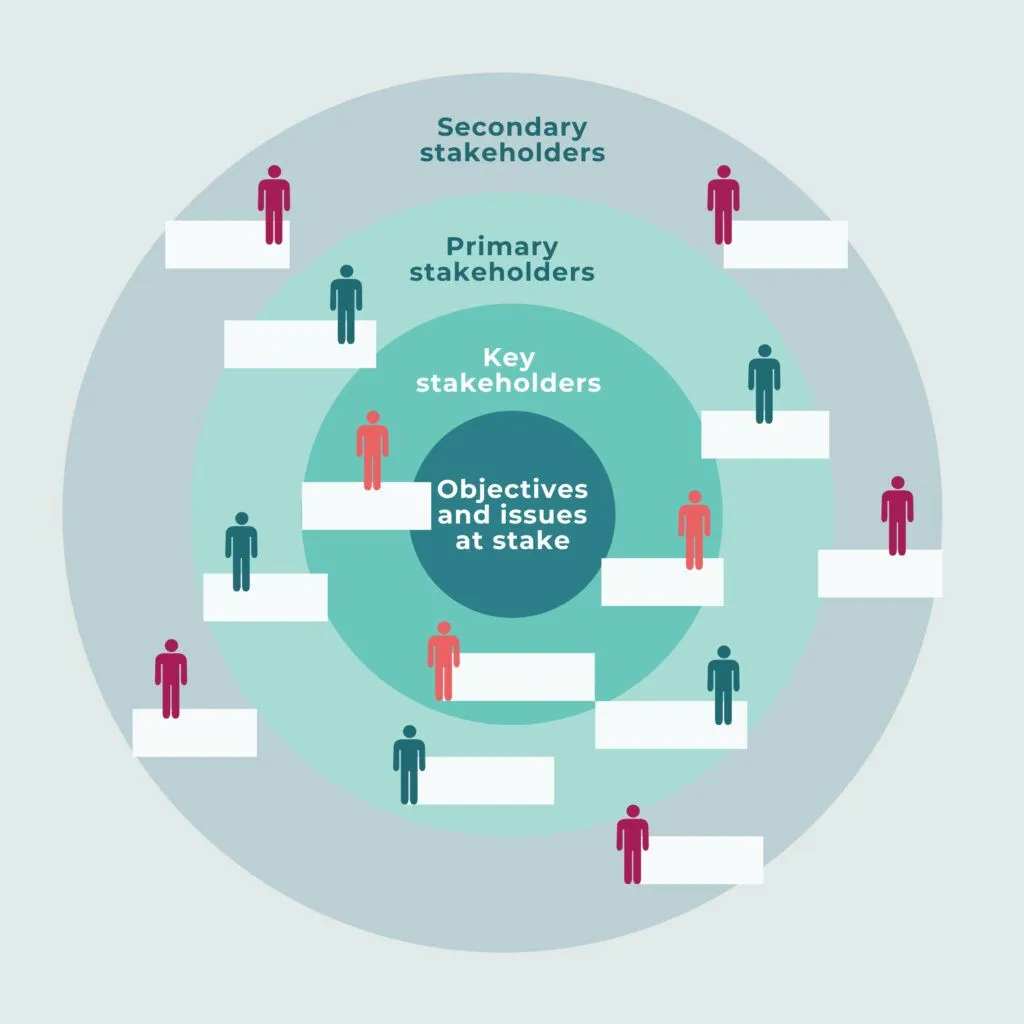
This is where your account based marketing strategy either clicks or falls apart. You can't have three people from your team messaging the same account with different pitches on the same day. You need coordination.
Map out your sequencing:
- Start with mid-level champions who are easier to engage and can introduce you upward.
- Use their responses to inform your approach to economic buyers.
- Time your outreach so stakeholders aren't getting hammered all at once.
- Track every interaction so your team knows who's engaged and who needs follow-up.
At Cleverly, we manage this orchestration for clients because we know exactly when to message each stakeholder, how to reference previous conversations, and when to loop in multiple decision-makers on the same thread.
That coordination has helped us generate $312 million in pipeline revenue across 10,000+ clients—because we're treating each account like a strategic campaign, not a random cold outreach list.
🚀 Turn Target Accounts Into Meetings
We identify, engage, and convert high-value accounts on LinkedIn delivering meeting-ready leads without expensive ABM tools.
Step-by-Step LinkedIn ABM Strategy
Ready to launch account based marketing on LinkedIn? Here's the exact framework we use with clients to turn target accounts into closed deals.
Step 1: Define Your ICP and Build Your Target Account List
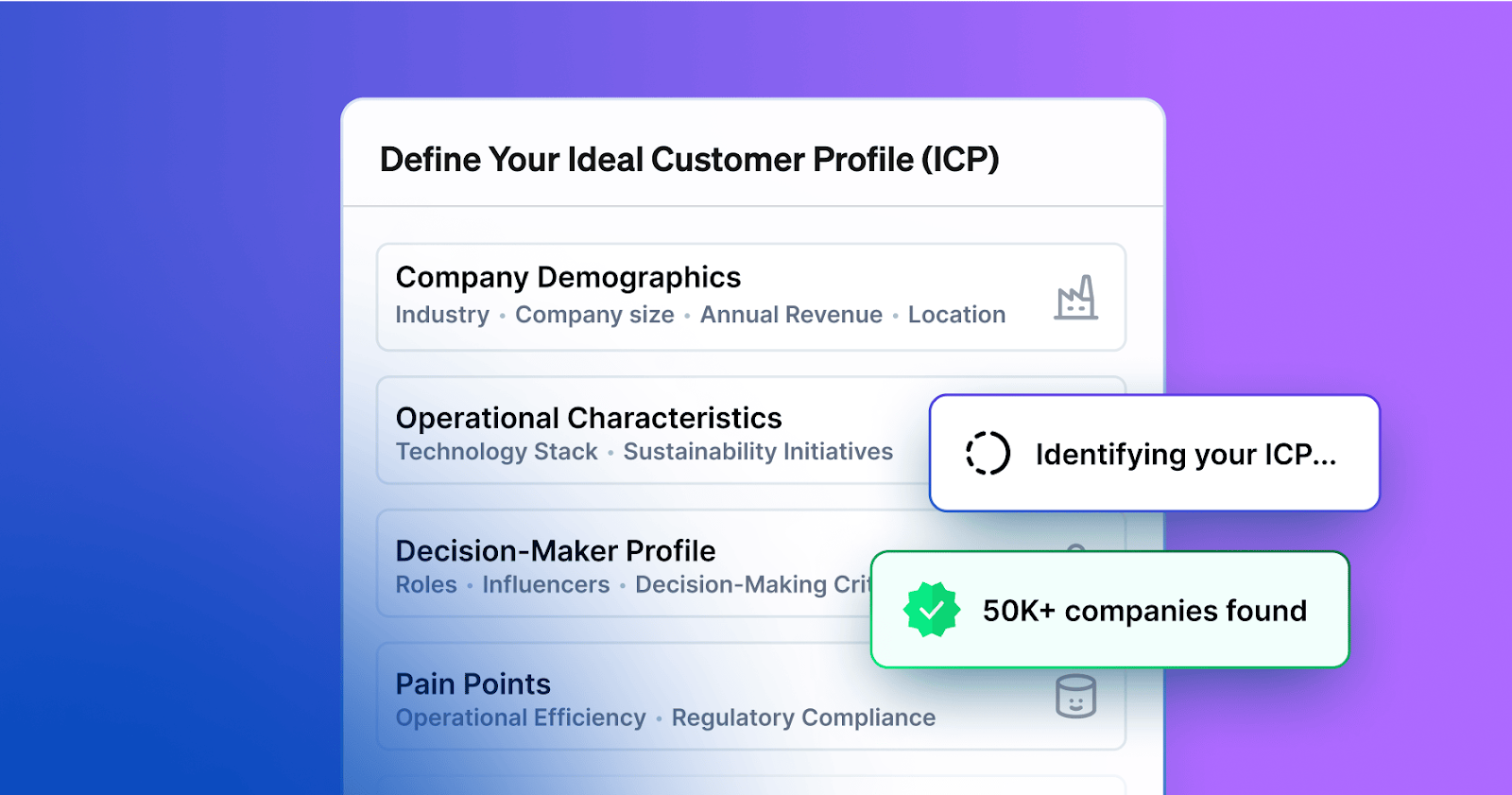
Before you touch LinkedIn, get crystal clear on your Ideal Customer Profile. Ask yourself:
- What's the sweet spot for company size and revenue?
- Which industries see the fastest ROI from your solution?
- What pain points does your product solve best?
- Who are your happiest, longest-lasting customers right now?
Use those answers to build a target account list of 50-200 companies. Use LinkedIn Sales Navigator filters to identify accounts matching your ICP—filter by industry, company size, headcount growth, technology stack, and location.
Export that list. These are your targets. Everything else you do revolves around winning these specific accounts.
Step 2: Identify Decision-Makers and Influencers

Now that you have your target accounts, it's time to map out who actually matters at each company. For account based marketing on LinkedIn, you need to identify:
- The economic buyer - Usually a C-level executive or VP who controls budget and final decisions.
- The champion - Mid-level managers who'll advocate for your solution internally (these are often your best entry point).
- Technical evaluators - IT directors, operations managers, or whoever needs to approve implementation.
- End users - The team members who'll actually use your product daily.
Use LinkedIn's company search to find 3-7 key stakeholders per target account. Look for recent job changes, promotions, or posted content that signals they're actively thinking about problems you solve.
Step 3: Build Personalized LinkedIn Profiles
Your prospects will check your profile before responding. Make sure it's built for account based marketing on LinkedIn, not generic networking:
- LinkedIn Headline - State who you help and what outcome you deliver, not just your job title.
- LinkedIn Summary/About section - Focus on client results and social proof, not your life story.
- Featured section - Add case studies, testimonials, or content relevant to your target accounts.
- Activity - Share insights your prospects care about, comment on industry trends.
Your profile should immediately answer: "Why should I take a meeting with this person?" If prospects from your target accounts can't figure that out in 10 seconds, rewrite it.
Step 4: Run 1:1 and 1:Few Outreach Sequences
This is where account based marketing on LinkedIn gets tactical. You're not sending the same template to 1,000 people. You're running coordinated, personalized sequences to multiple stakeholders at each target account.
For 1:1 outreach:
- Send personalized connection requests mentioning something specific to them or their company.
- Follow up with a message that leads with value, not a pitch.
- Reference mutual connections, shared content, or recent company news.
- Keep it conversational—write like you're messaging a colleague, not giving a sales presentation.
For 1:few campaigns:
- Warm up accounts by engaging with their content before reaching out.
- Coordinate timing so different stakeholders aren't getting messages on the same day.
- Reference previous conversations when reaching out to additional contacts at the same account.
- Use insights from one stakeholder to personalize messages to others.
We've run thousands of these campaigns for clients. The sequence that consistently works: connect, provide value, ask a question that starts a conversation, then book the meeting. Simple, but personalized for each account.
Check Out: 10 High-Converting LinkedIn InMail Templates to Boost Your Outreach Success
Step 5: Track Engagement and Pipeline Influence
Account based marketing on LinkedIn only works if you're measuring what matters. Forget vanity metrics like connection acceptance rates. Track:
- Account engagement - How many stakeholders at each target account have you connected with?
- Response rates - What percentage of personalized messages get replies?
- Meeting conversion - How many conversations turn into booked calls?
- Pipeline influence - Which target accounts entered your pipeline after LinkedIn engagement?
- Deal velocity - Are ABM accounts closing faster than traditional leads?
Use a CRM or spreadsheet to track every interaction at the account level. You should know exactly which accounts are warm, which need more nurturing, and which are ready for a sales conversation.
At Cleverly, we track all of this for clients and adjust strategies in real-time. That's how we've helped generate $312 million in pipeline revenue—we're constantly optimizing based on what's actually moving target accounts through the funnel, not what we think should work.
Account-Based Marketing Examples on LinkedIn
Want to see account based marketing examples that actually worked? Here are real companies that used LinkedIn ABM to generate massive results.
Genesys: 60% More Net New Leads Through Targeted ABM
Genesys, a cloud customer experience platform, needed to break into new markets and cut through B2B tech noise.
Their challenge? Sales and marketing teams working in silos with no shared strategy.
They built an account based marketing program on LinkedIn targeting 10,000 companies, using Account Targeting combined with demographic filters for IT professionals and support personnel—their core buyer personas.
The results:
- 60% of all leads were net new marketing-captured leads.
- 0.43% CTR for IT professionals (above LinkedIn benchmarks).
- 0.47% CTR for support personnel.
- 16% increase in new prospect pipeline.
- 30% year-over-year increase in customer bookings.
The key? LinkedIn gave them precision targeting that third-party publishers couldn't match, plus the ability to reach decision-makers directly without cold calls or gatekeepers.
Adobe: 161% Bigger Deals with Sales and Marketing Alignment
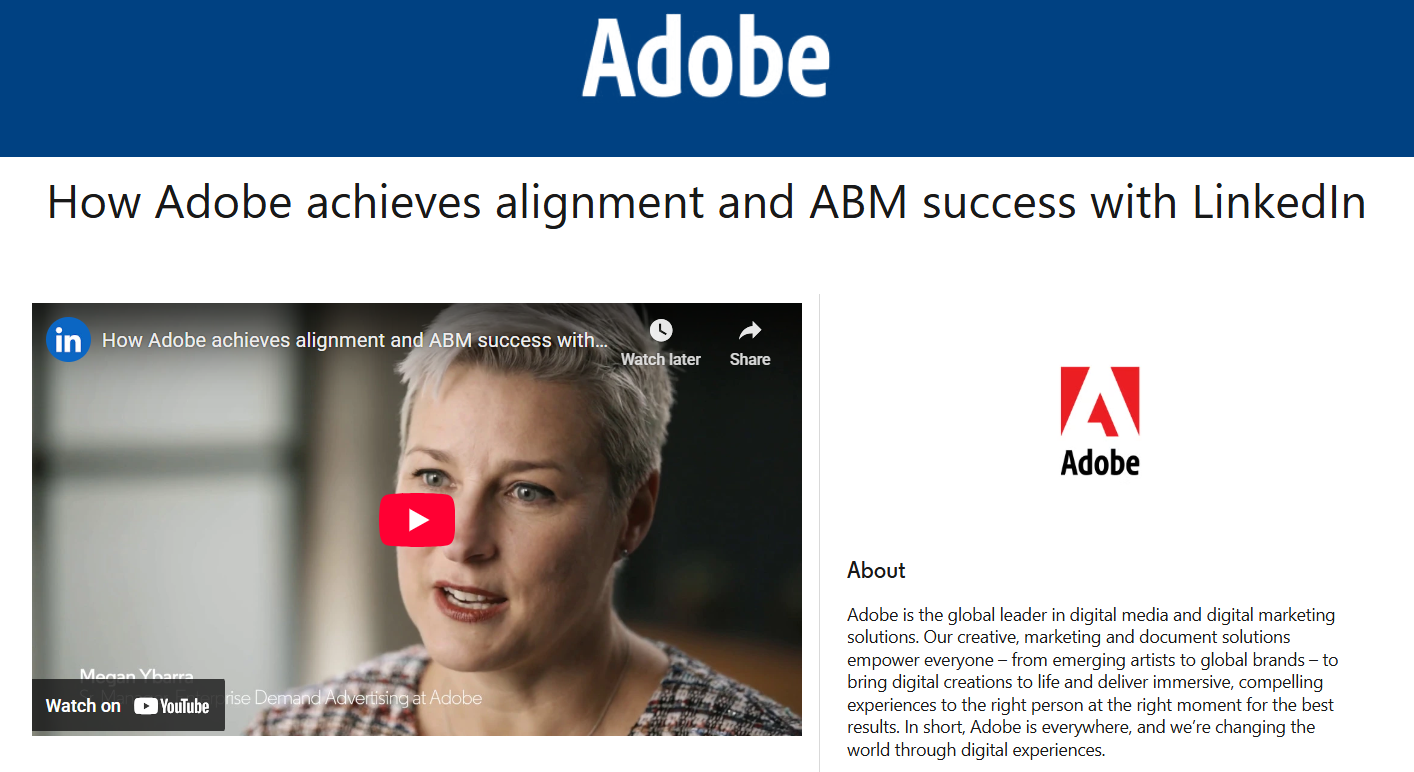
Adobe Experience Cloud faced a familiar problem—marketing and sales teams operating in disconnected silos, creating inefficiencies and wasted budget.
They launched a coordinated ABM strategy on LinkedIn, using Sponsored Content for marketing alongside Sales Navigator for their sales team. Both teams worked from the same target account list, surrounding buying committees with personalized content at every stage.
The results:
- 42% of closed-won deals influenced by LinkedIn marketing.
- 55% of closed-won deals influenced by Sales Navigator.
- Deals influenced by LinkedIn were 161% bigger on average.
Adobe's success came from treating LinkedIn as a shared platform where marketing warms up accounts while sales builds relationships—all visible to both teams in real-time.
TigerConnect: 71% Lower Cost Per Acquisition with ABM
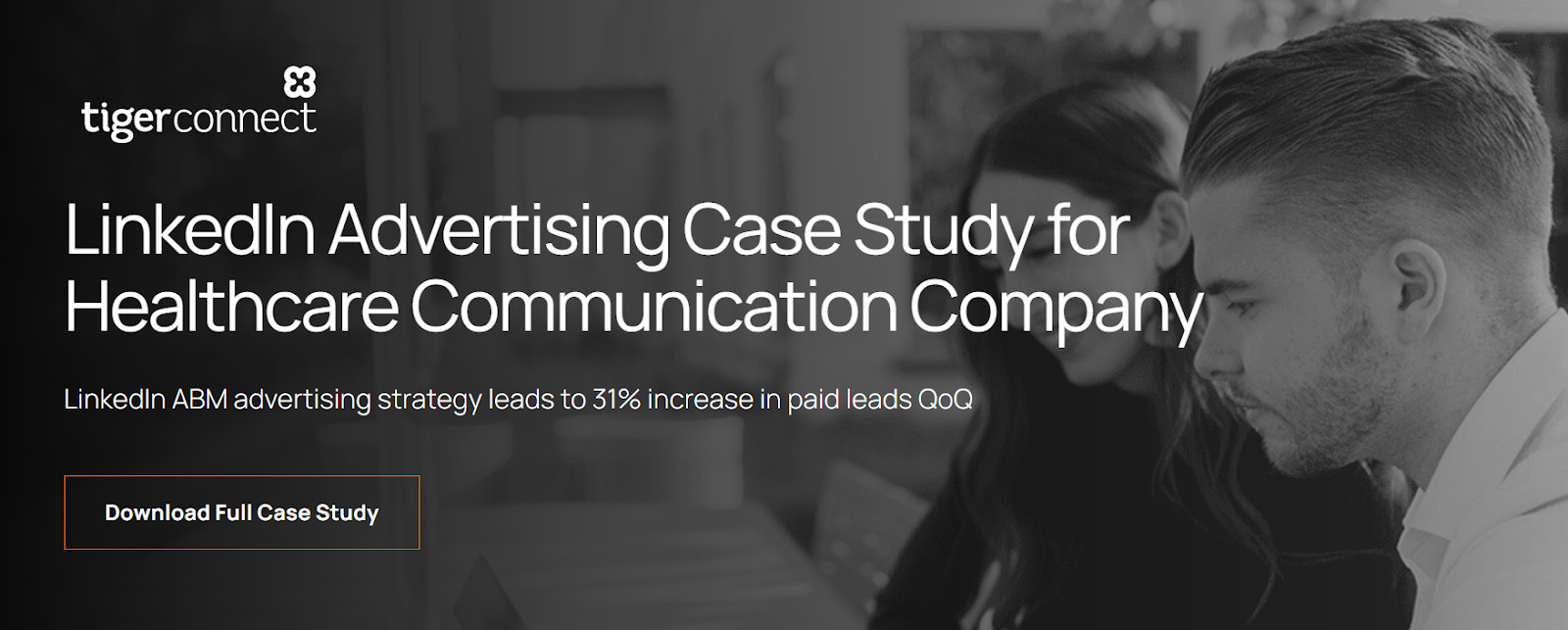
TigerConnect, a healthcare communication platform, was running generic LinkedIn campaigns with minimal results. They shifted to an account-based approach, targeting specific healthcare organizations and decision-makers.
The results:
- 31% increase in paid leads quarter-over-quarter
- 111% increase in overall visits from LinkedIn
- 71% decrease in cost per acquisition
The difference? They stopped trying to reach everyone and started focusing on high-value accounts that actually matched their ideal customer profile.
What These Examples Have in Common
Each of these account based marketing examples shares three critical elements:
- Precise targeting over volume - They identified specific accounts and stakeholders instead of casting wide nets.
- Sales and marketing alignment - Both teams worked together on the same target accounts using LinkedIn as a shared platform.
- Personalized engagement - Every message and piece of content was tailored to specific roles and company challenges.
At Cleverly, we've seen similar results across 10,000+ clients who've used LinkedIn for targeted outreach.
When you focus on the right accounts with personalized messaging, response rates jump and deals close faster. That's the power of account based marketing on LinkedIn.
Tools That Support LinkedIn Account-Based Marketing
Running account based marketing on LinkedIn requires the right tech stack. Here are the tools that make LinkedIn lead generation scalable and measurable.
LinkedIn Sales Navigator for Account Targeting
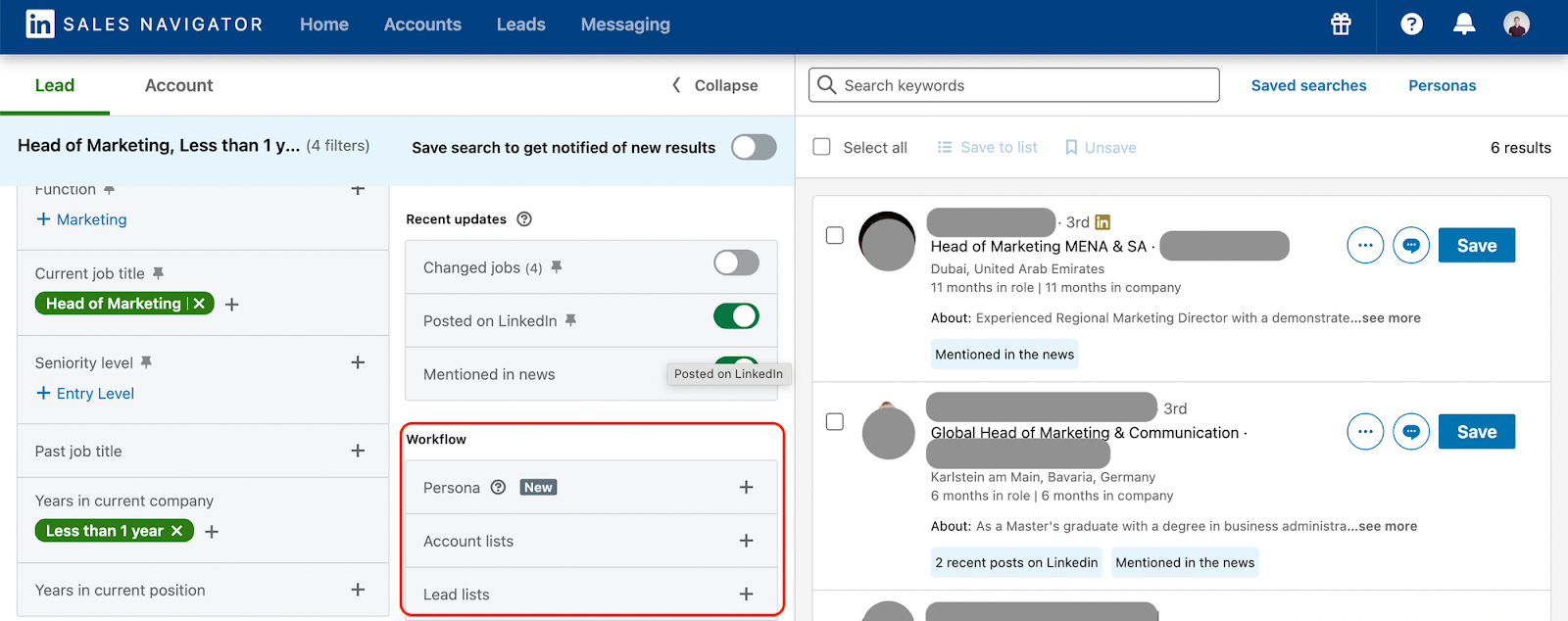
Sales Navigator is your foundation for ABM on LinkedIn. It's not just an upgraded search tool—it's built specifically for targeting and tracking accounts.
What it does:
- Advanced search filters by company size, industry, revenue, technology stack, and growth signals.
- Account lists that let you save and monitor up to 10,000 target companies.
- Lead and account recommendations based on your ideal customer profile.
- Real-time alerts when target accounts post updates, change leadership, or show buying signals.
- TeamLink to see who on your team has connections at target accounts.
Sales Navigator shows you exactly who to reach at your target accounts and when they're most likely to engage. Without it, you're manually searching profiles and missing critical timing signals.
CRM Tools for Account Tracking
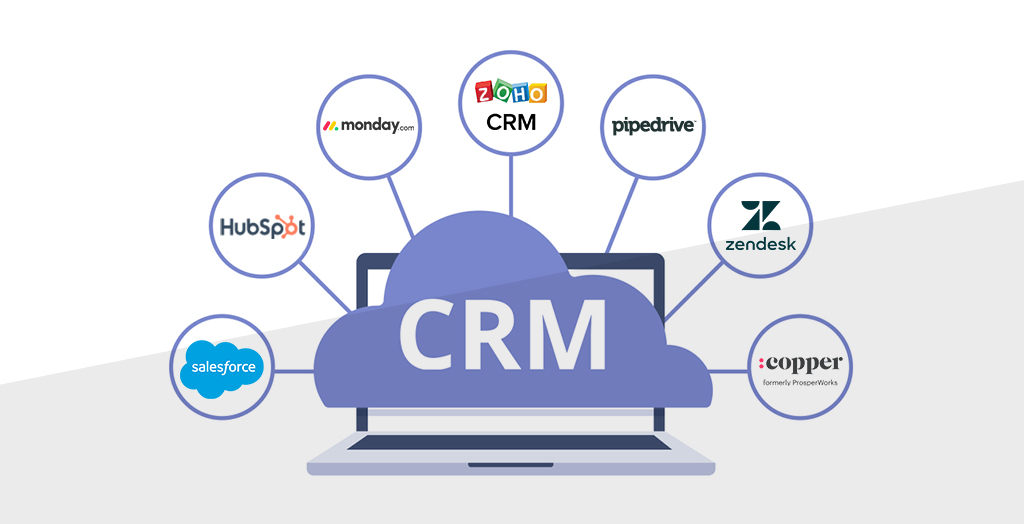
Your CRM is where all the account intelligence lives. It tracks every touchpoint across your target accounts—who you've contacted, what they responded to, where they are in the buying journey.
Essential CRM capabilities for ABM:
- Account-level tracking so you see all stakeholders at a company in one view.
- Activity logging that captures LinkedIn messages, profile views, and content engagement.
- Pipeline attribution showing which accounts moved forward after LinkedIn outreach.
- Integration with LinkedIn so engagement data flows automatically into your CRM.
Popular options include Salesforce, HubSpot, and Pipedrive. The key is making sure your LinkedIn activity syncs to your CRM so marketing and sales have the same account view.
Outreach and Sequencing Tools
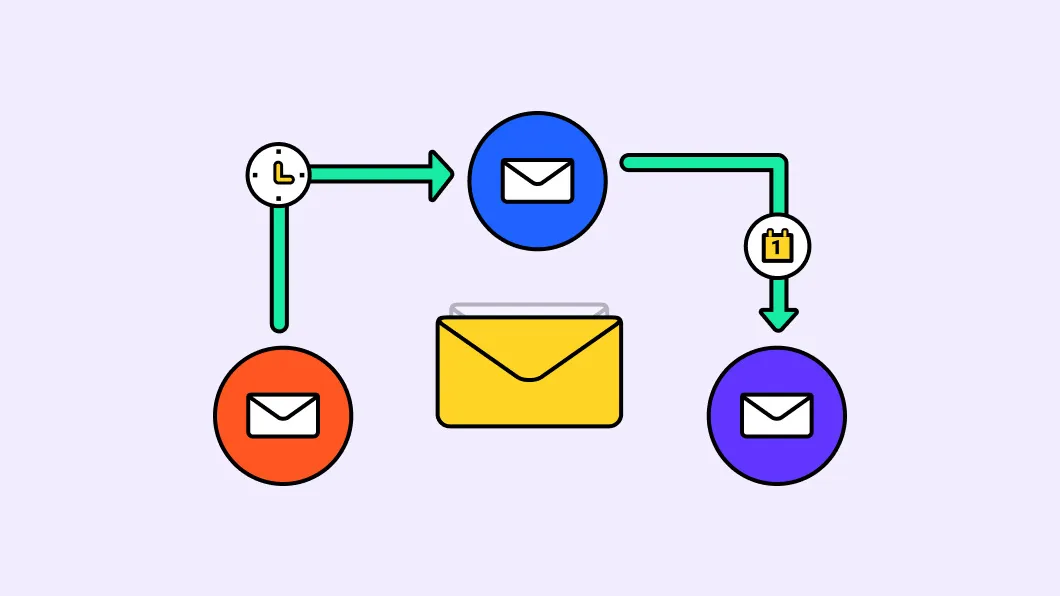
Managing personalized outreach to multiple stakeholders across 50-200 target accounts manually is impossible.
Sequencing tools help you coordinate who gets messaged when, without overwhelming accounts.
What these tools handle:
- Multi-step sequences that follow up automatically if prospects don't respond.
- Personalization at scale using account and contact-level variables.
- Team coordination so multiple reps aren't messaging the same account.
- A/B testing to see which messages drive responses.
We handle this orchestration for clients at Cleverly. Our team manages outreach sequences across target accounts, ensuring the right stakeholders get personalized messages at the right time—which is exactly how we've generated $312 million in pipeline revenue through LinkedIn lead generation.
More Tools to Explore: Best LinkedIn Automation Tools for Lead Generation & Outreach
Analytics for Measuring Account Engagement
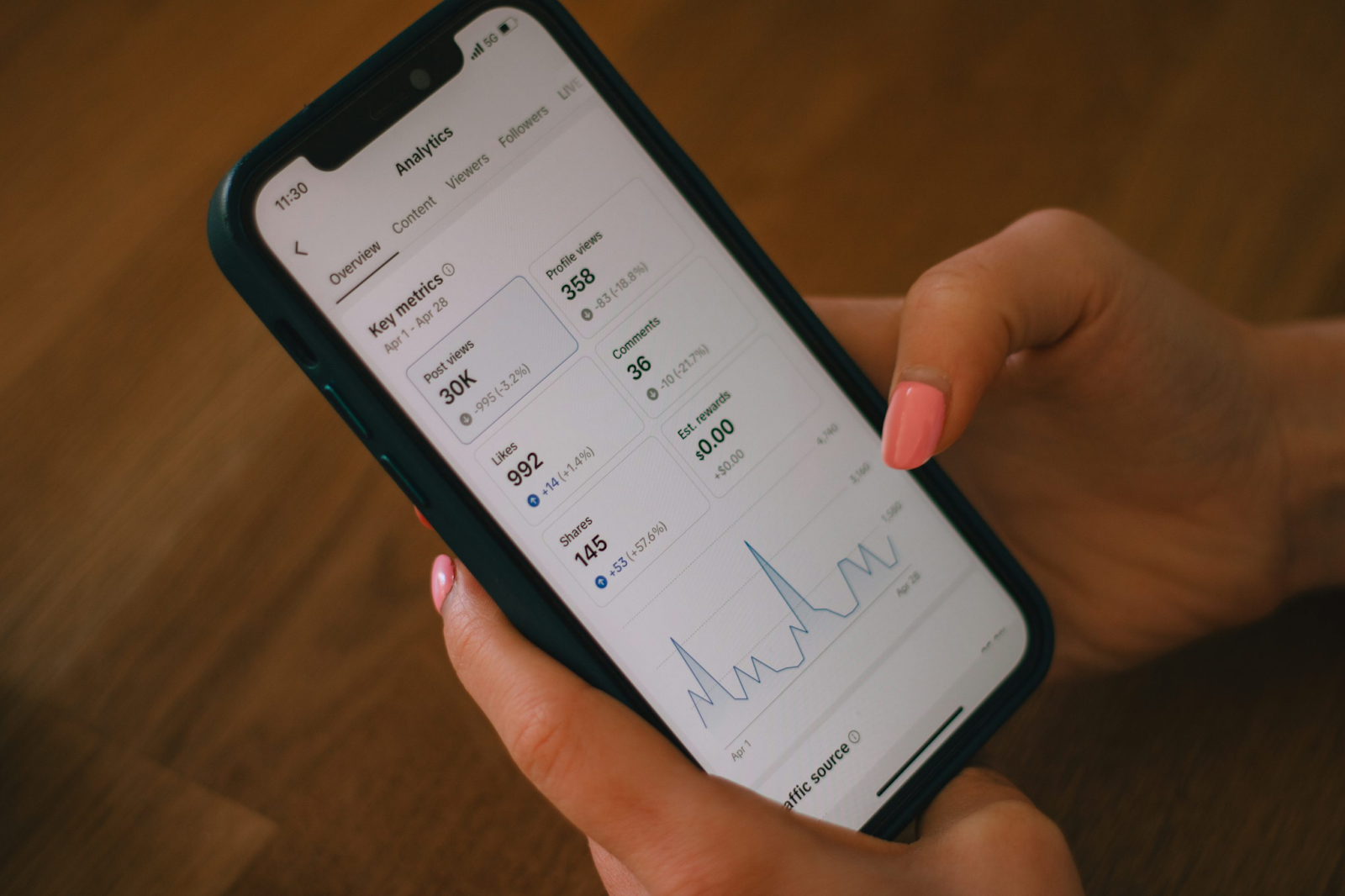
You can't optimize what you don't measure. Analytics tools show you which accounts are engaging, which stakeholders are interested, and where to focus your team's energy.
Key metrics to track:
- Account engagement score showing total activity across all stakeholders.
- Stakeholder-level interactions to identify champions and blockers.
- Content performance by account to see what resonates with different target segments.
- Response rates and meeting conversion by account tier.
- Pipeline influence showing which accounts entered your funnel after LinkedIn engagement.
LinkedIn Campaign Manager provides basic analytics for paid campaigns, but dedicated ABM platforms like Demandbase or 6sense give you deeper account-level insights.
The right tool stack turns B2B LinkedIn lead generation from a manual guessing game into a systematic process. You know exactly which accounts to target, what to say, when to follow up, and whether it's actually working.
Starting at just $397/mo, Cleverly handles the entire LinkedIn lead generation process for you—Sales Navigator research, CRM tracking, personalized outreach sequences, and performance analytics.
We've helped companies like Amazon, Google, Uber, PayPal, and Slack generate qualified leads because we've built the systems that make LinkedIn ABM actually scale.
Common Mistakes to Avoid in LinkedIn ABM
Even with the right strategy, most teams sabotage their account based marketing on LinkedIn by making these avoidable mistakes.
Treating ABM Like Mass Outreach
ABM isn't about blasting 10,000 profiles with the same message. If you're sending identical templates to everyone with a VP title, you're doing mass outreach with an ABM label.
Real ABM means researching each target account, understanding their specific challenges, and crafting messages that reference their company's situation.
When we work with clients at Cleverly, every message is personalized to the account and the individual—that's why our campaigns generate responses while generic blasts get ignored.
Ignoring Multi-Threading Inside Accounts
Reaching out to one person at a target company isn't ABM—it's just normal prospecting with extra steps.
Buying decisions involve 6-10 stakeholders on average. If you only connect with the VP of Sales, you're missing the CFO who controls budget, the operations manager who evaluates implementation, and the end users who influence adoption.
Map out the full buying committee and engage multiple people at different levels. That's how deals actually close.
Over-Automation Without Personalization
Automation is essential for scaling ABM, but not at the expense of relevance. If your "personalized" message is just inserting a first name and company into a template, prospects see right through it.
Use automation for sequencing and follow-ups, but make sure the first touchpoint includes genuine research—recent company news, specific pain points for their industry, or relevant insights about their role.
The response rates prove it works.
Measuring Leads Instead of Account Engagement
Stop counting individual leads. Start tracking account penetration.
In ABM, success isn't "we generated 500 leads this quarter." It's "we're engaging with 8 stakeholders at 45 of our top 50 target accounts."
Track how many decision-makers you've reached per account, how engaged each account is across touchpoints, and which accounts are moving toward a sales conversation.
If you're still reporting on MQLs instead of account engagement, you're measuring the wrong thing.
Avoid these mistakes and your account based marketing on LinkedIn actually starts working.
How Cleverly Executes LinkedIn Account-Based Marketing at Scale
Most companies know they should be running account based marketing on LinkedIn. The problem? It's incredibly time-intensive to do right.
Between researching target accounts, mapping buying committees, crafting personalized messages, coordinating multi-stakeholder outreach, and tracking engagement—ABM quickly becomes a full-time job.
That's exactly where Cleverly comes in.
We Handle the Entire ABM Process for You
As a lead generation agency specializing in LinkedIn, we've built systems that make ABM scalable without losing the personalization that makes it work.
Here's what we do:
- Target account identification
- Buying committee mapping
- Personalized outreach at scale
- Multi-stakeholder coordination
- Real-time optimization

The Results Speak for Themselves
We've helped 10,000+ clients run successful LinkedIn lead generation campaigns, working with companies like Amazon, Google, Uber, PayPal, Slack, and Spotify.
Our LinkedIn ABM approach has generated:
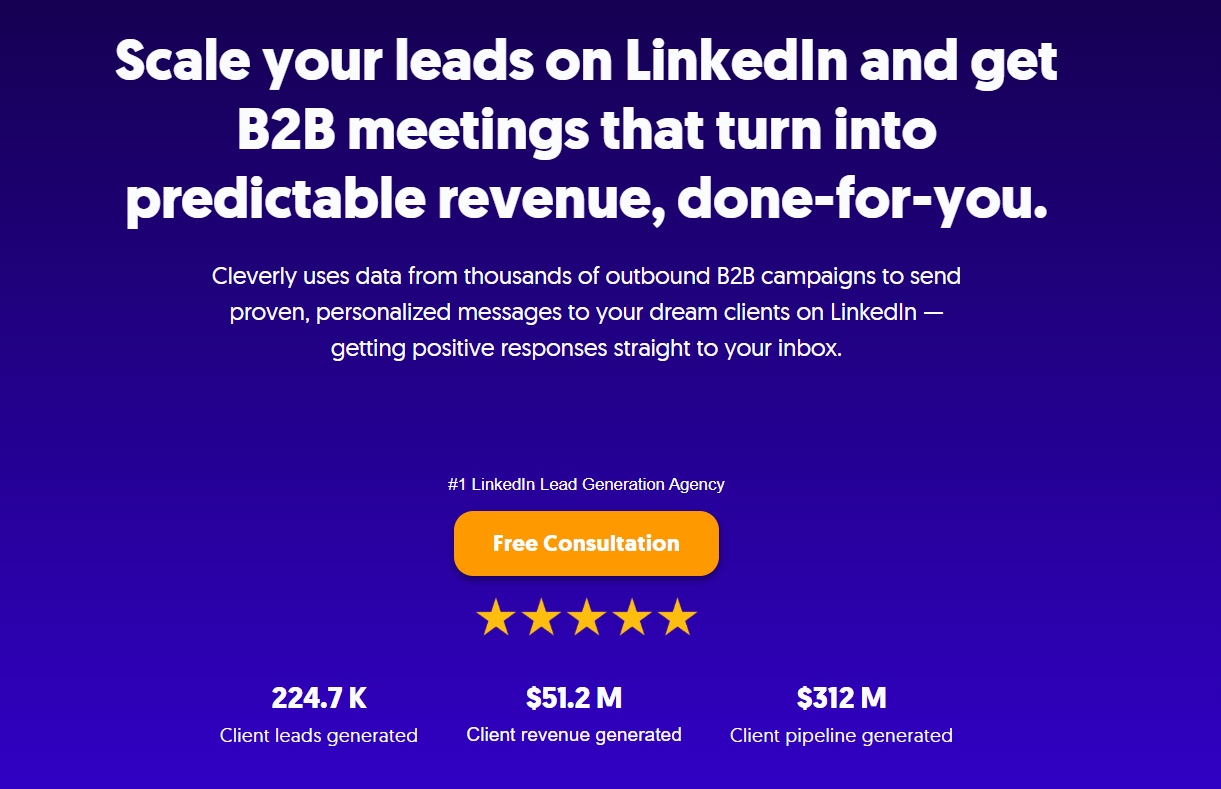
- $312 million in pipeline revenue
- $51.2 million in closed revenue
And we do it all for just $397/mo—a fraction of what it costs to hire an in-house team or build the infrastructure yourself.

Why Work With a Lead Generation Agency?
When you partner with Cleverly, you're not just getting LinkedIn outreach. You're getting a team that understands ABM strategy, knows how to personalize at scale, and has the systems to track account engagement across your entire target list.
We've already figured out what works. You get the results without the trial and error.
Ready to turn your target account list into booked meetings? Let's talk.
🔥 Get started with Cleverly →
Conclusion
Account based marketing on LinkedIn works because it flips the script—you choose your ideal accounts first, then build campaigns around winning them over. No wasted outreach, no unqualified leads, just focused effort on the accounts that actually matter.
The companies seeing results aren't just running generic campaigns. They're mapping buying committees, personalizing every touchpoint, aligning sales and marketing, and tracking engagement at the account level.
If you're ready to stop chasing random leads and start landing your dream accounts, LinkedIn gives you everything you need. The decision-makers are there, the targeting is precise, and the results are measurable.
Start building your target account list today—or let Cleverly handle the entire process for you at $397/mo. Either way, it's time to make LinkedIn work harder for your pipeline.
Frequently Asked Questions
Free Resource
How to Scale a Profitable Cold Call System
Get the complete guide — download it instantly now.
Free Ebook
Download the Free Guide
Enter your details to get instant access.
You're all set! 🎉
Your ebook is downloading now.
Click below if the download didn't start automatically.