

Table of Contents
Why Lead Generation Is Different in the Insurance Industry
Define Your Ideal Client Profile (ICP) Before Prospecting
12 Proven Lead Generation Strategies for Insurance Agents
How to Generate Life Insurance Leads
Outreach Messaging Templates (Copy + Customize)
Best Tools for Insurance Lead Generation
How to Measure ROI and Lead Quality (Insurance KPIs)
Cross-Selling Your Existing Book of Business
Common Mistakes Insurance Agents Make in Lead Generation
How Cleverly Helps Insurance Professionals Build a Predictable Lead Pipeline
Conclusion
Frequently Asked Questions
Modified On :
June 9, 2026
Key Takeaways
- Define your ICP before spending a dollar on outreach. Targeting "anyone who needs insurance" is targeting no one.
- Life insurance leads require a different channel mix than commercial or personal lines. Buying triggers (new baby, mortgage closing, business partnership) matter more than cold volume.
- Most insurance sales happen after 5-8 touchpoints. No follow-up system means you're handing closed deals to whoever follows up one more time.
- Exclusive leads convert at dramatically higher rates than shared leads -- even if the cost per lead is 3-5x higher. The math usually works out.
- Track cost per issued policy, not cost per lead. A $30 lead that never closes is more expensive than a $200 lead that does.
Getting quality clients consistently is the biggest challenge in insurance—and we know it firsthand.
While you're busy managing policies, handling claims, and building relationships, finding time for lead generation for insurance agents often falls to the bottom of your to-do list.
Cold-calling random numbers and hoping for referrals isn't a sustainable growth strategy anymore. The insurance industry has changed, and so have the tactics that actually work.
We've helped thousands of B2B companies -- including insurance agents, brokers, and agencies - in industries from real estate to financial services generate over $312 million in pipeline revenue.
Now, we're breaking down the exact strategies that insurance agents, brokers, and agencies are using right now to book qualified appointments with prospects who actually need coverage.
Whether you're an independent agent looking to grow your book of business or an agency trying to scale your team's output, these 12 proven methods will help you build a predictable pipeline of qualified insurance leads.
Let's get into it.
Why Lead Generation Is Different in the Insurance Industry
Lead generation for insurance isn't like selling software or services—it comes with its own set of challenges that make cookie-cutter marketing tactics fall flat.
First, you're operating in one of the most saturated markets out there. Every prospect has likely been contacted by multiple agents already, which means breaking through the noise requires more than just another sales pitch.
Add strict compliance regulations into the mix, and suddenly you can't just say whatever you want to grab attention.
Trust is everything in insurance. People aren't buying a product they can immediately use, they're buying protection for their future, their family, or their business.
That's a huge decision, and prospects won't sign with someone they don't trust. This means your lead generation for insurance approach needs to establish credibility fast.
Timing matters more than almost any other industry. Someone might not need commercial insurance until they're launching a new business.
A family might not think about life insurance until they have their first child. Your cold outreach could be perfect, but if the timing's off, it won't convert.
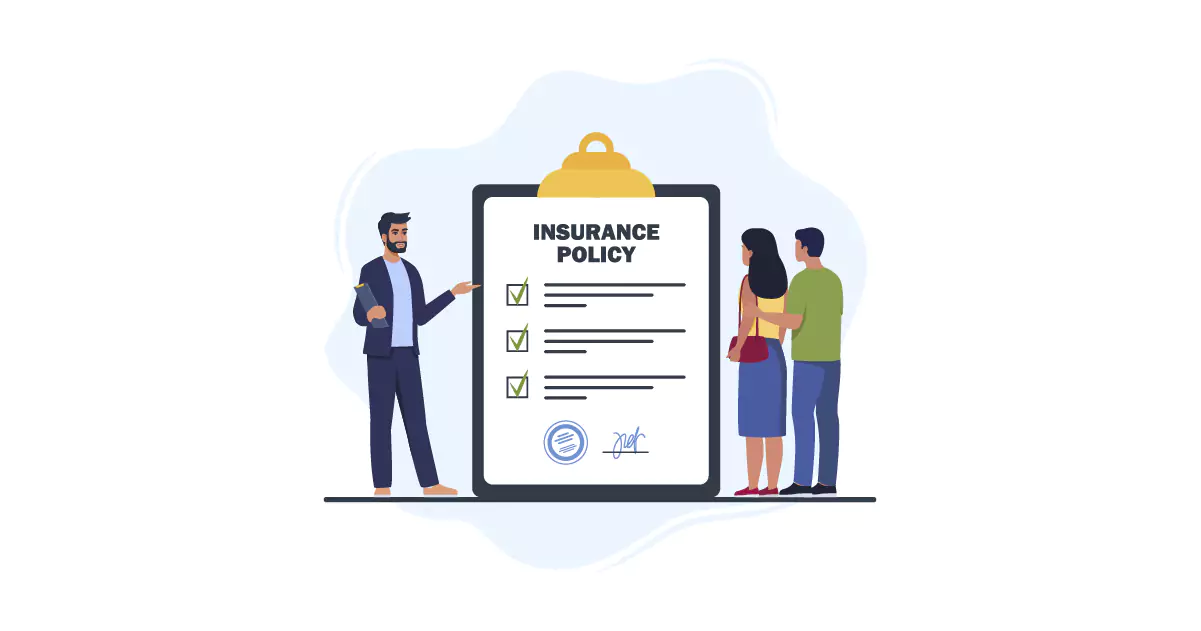
Here's what makes it even trickier:
- Lead intent varies wildly across insurance types
A 25-year-old looking for cheap auto insurance has completely different needs and pain points than a business owner shopping for commercial liability coverage. - The buying journey is longer
Unlike impulse purchases, insurance decisions involve research, comparisons, and often conversations with family or business partners. - Nurturing is non-negotiable
Most insurance leads need 5-8 touchpoints before they're ready to have a real conversation, let alone sign a policy.
If you're treating insurance lead generation the same way you'd generate leads for e-commerce or tech products, you're leaving money on the table.
Also Read: Lead Generation for Lawyers - Top Strategies That Work 100%
🔥 10–30 Qualified Calls Every Month
Cleverly’s $5M Cold Calling System books guaranteed sales calls with zero-accent reps, power dialers, top scripts, and full data—at half the cost of in-house.
Define Your Ideal Client Profile (ICP) Before Prospecting
Before you spend a single dollar or minute on outreach, you need to know exactly who you're targeting.
This is where most agents mess up—they cast a wide net hoping something sticks, then wonder why their conversion rates are terrible.
When you're figuring out how to generate leads for insurance, specificity beats volume every single time.
Start with the industry breakdown.
Are you targeting personal insurance (auto, home, life, health) or corporate policies (commercial liability, workers' comp, professional indemnity)?
These require completely different approaches. A homeowner shopping for better rates responds to different messaging than a CFO looking to reduce their company's risk exposure.
Segmentation directly improves your messaging and conversion rates. When you know exactly who you're talking to, you can speak their language, address their specific pain points, and show up at the right time with the right offer.
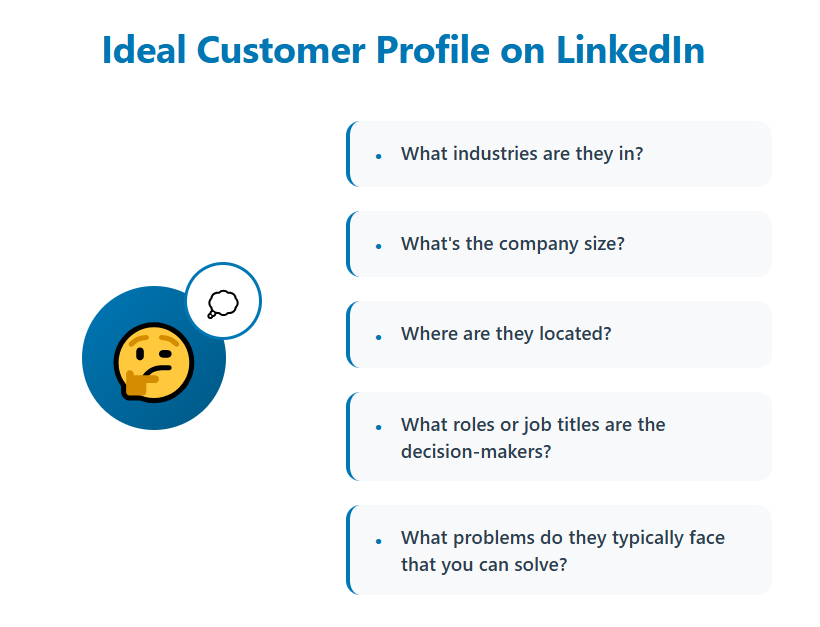
Your ICP should include:
- Demographics for personal insurance - Age range, income bracket, homeownership status, family situation, geographic location.
- Firmographics for commercial insurance - Company size, industry, annual revenue, number of employees, growth stage.
- Buying triggers - Life events (new baby, home purchase, business launch), policy renewals, life changes, regulatory requirements.
- Pain points - Are they overpaying? Underinsured? Dealing with poor service from their current provider?
The more detailed your ICP, the easier it becomes to craft messaging that actually resonates.
Instead of saying "we offer great insurance rates," you can say "we help growing construction companies in Texas reduce their workers' comp premiums by 20-30% while maintaining full coverage."
Pro tip: Create separate ICPs for each insurance vertical you serve. Your ideal life insurance client looks nothing like your ideal commercial property client—so don't treat them the same when you're learning how to generate leads for insurance.
We've seen agents double their appointment-setting rates simply by tightening their ICP and tailoring their outreach accordingly. It's not about working harder; it's about working smarter with the right people.
Also Check: Lead Generation for Accounting Firms
12 Proven Lead Generation Strategies for Insurance Agents
Now let's get into the tactics that actually work. These aren't theoretical lead generation ideas for insurance agents, these are strategies we've seen generate millions in pipeline across thousands of campaigns.
1. Cold Email Outreach
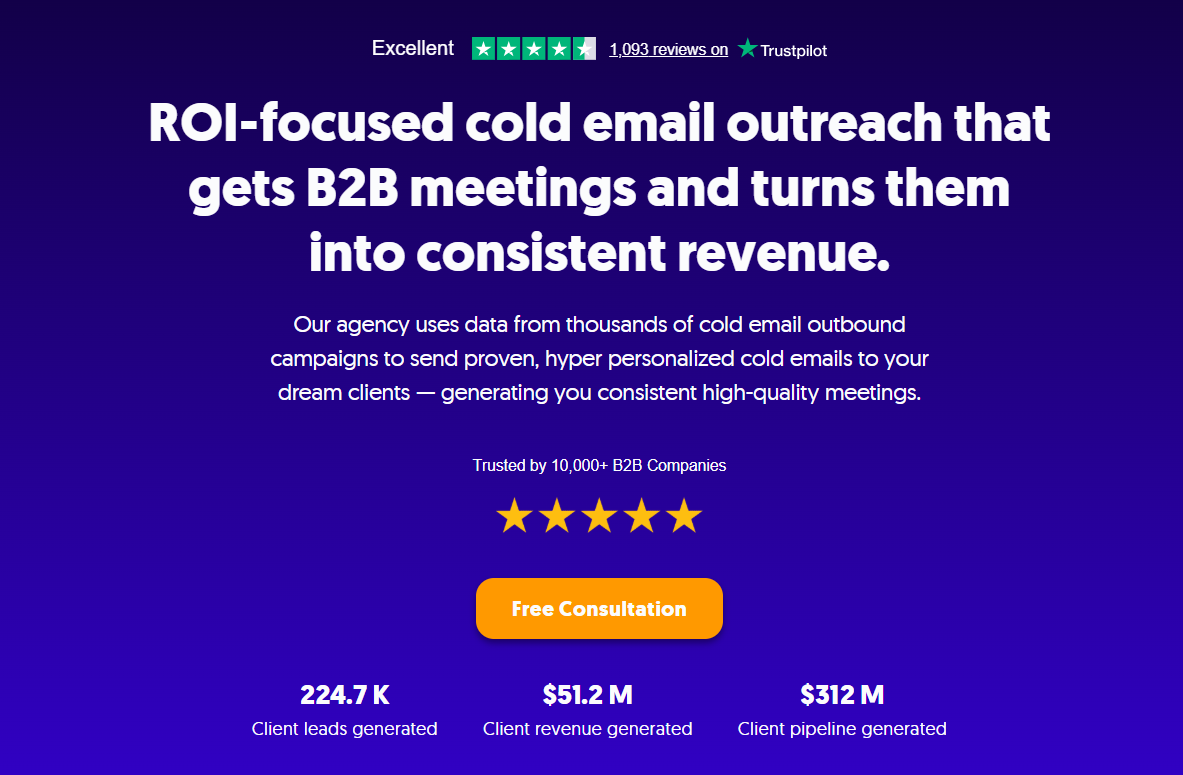
What it is: Targeted email campaigns sent to prospects who fit your ICP, designed to start conversations and book appointments.
Why it works: Email is non-intrusive, scalable, and gives prospects time to digest your message on their own schedule.
When done right, cold email consistently delivers some of the highest ROI in lead generation ideas for insurance agents. You can reach hundreds of qualified prospects daily without the time constraints of phone calls.
Steps to execute:
- Build a clean, verified email list of prospects matching your ICP (use tools like Apollo, ZoomInfo, or Hunter).
- Craft personalized email sequences (3-5 emails) that address specific pain points, not generic "we offer insurance" messages.
- Lead with value—share industry insights, risk assessments, or cost-saving opportunities before pitching.
- Keep emails short (under 150 words), focused on one clear call-to-action.
- Follow up consistently—most responses come from emails 3-5, not email 1.
- Track open rates, reply rates, and booking rates to optimize your messaging.
At Cleverly, we've helped clients generate $312 million in pipeline revenue using targeted outreach strategies. Our approach combines writing personalized cold emails with data-driven optimization to ensure every email counts.
Ultimate Guide: Cold Email Outreach Best Practices
2. Cold Calling Lead Generation
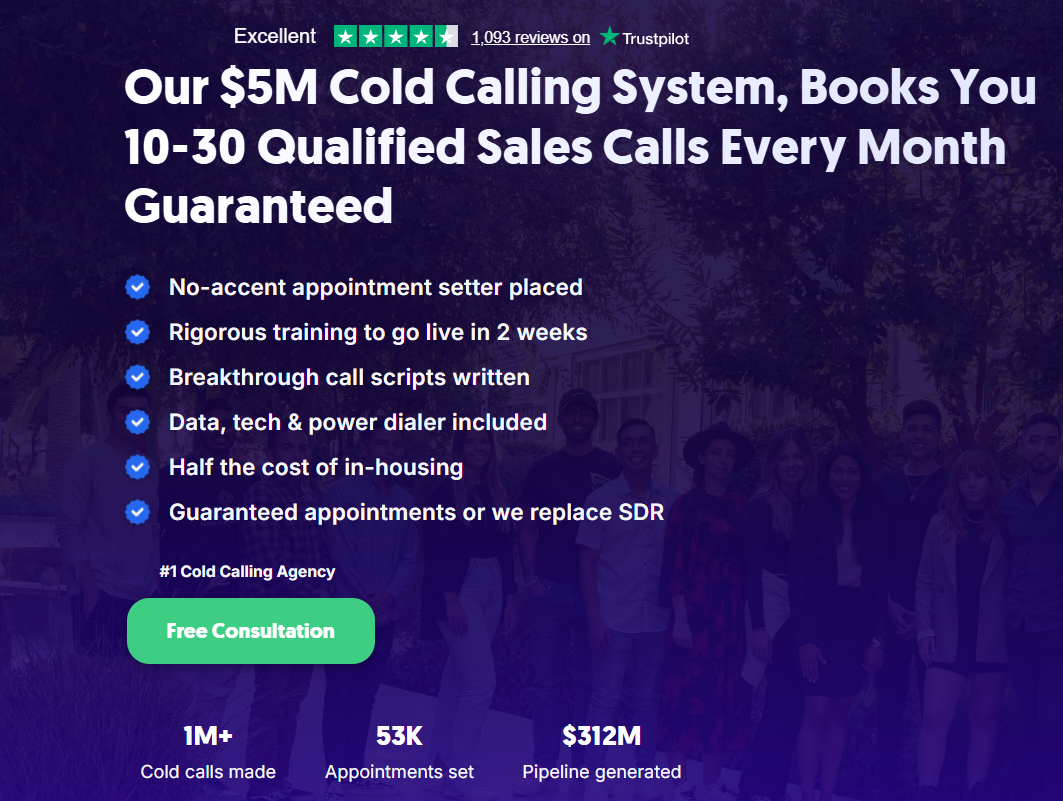
What it is: Direct phone outreach to prospects, using proven cold calling scripts to qualify leads and book appointments on the spot.
Why it works: Nothing beats real-time conversation for building trust quickly. Cold calling lets you handle objections immediately, gauge genuine interest, and book appointments while you have someone's attention.
For high-value policies like commercial insurance, a well-executed cold call can compress a 2-week email nurture sequence into a 10-minute conversation.
Steps to execute:
- Develop scripts tailored to each insurance vertical you serve (commercial, life, health, etc.).
- Include strong call opening hooks that immediately demonstrate value or relevance.
- Prepare call rejection-handling frameworks for common pushbacks ("we already have insurance," "not interested," etc.).
- Block dedicated calling hours daily—consistency matters more than sporadic bursts.
- Use a power cold call dialer to maximize call volume and track metrics.
- Record calls (with permission) to identify what's working and coach improvement.
- Follow up immediately with email summaries after positive conversations.
Our cold calling system has made over 1 million calls and set 53,000 appointments. We've refined scripts, trained appointment setters, and built systems that consistently book 10-30 qualified calls per month for our clients—guaranteed.
Learn the Difference: Cold Calling vs Warm Calling
3. LinkedIn Outreach
What it is: Using LinkedIn to connect with decision-makers, build relationships through valuable content and messaging, then converting conversations into appointments.
Why it works: LinkedIn is where professionals hang out, especially for B2B insurance products. Commercial insurance buyers, business owners, and corporate decision-makers are actively on the platform.
Unlike cold email, LinkedIn allows you to warm up prospects with content before ever sending a LinkedIn message, and connection acceptance rates are significantly higher than cold email open rates.
Steps to execute:
- Optimize your LinkedIn profile to position yourself as an insurance expert (professional headshot, clear headline, results-focused summary).
- Build a targeted list of prospects using LinkedIn Sales Navigator with filters matching your ICP.
- Send personalized connection requests (no sales pitch—just relevant context for why you're connecting).
- Engage with prospects' content before messaging (likes, thoughtful comments) to get on their radar.
- Send value-first messages once connected—industry insights, useful articles, or questions about their business.
- Move conversations off LinkedIn to phone/email after 2-3 touchpoint exchanges.
- Post consistent content (2-3x per week) demonstrating your expertise to nurture passive prospects.
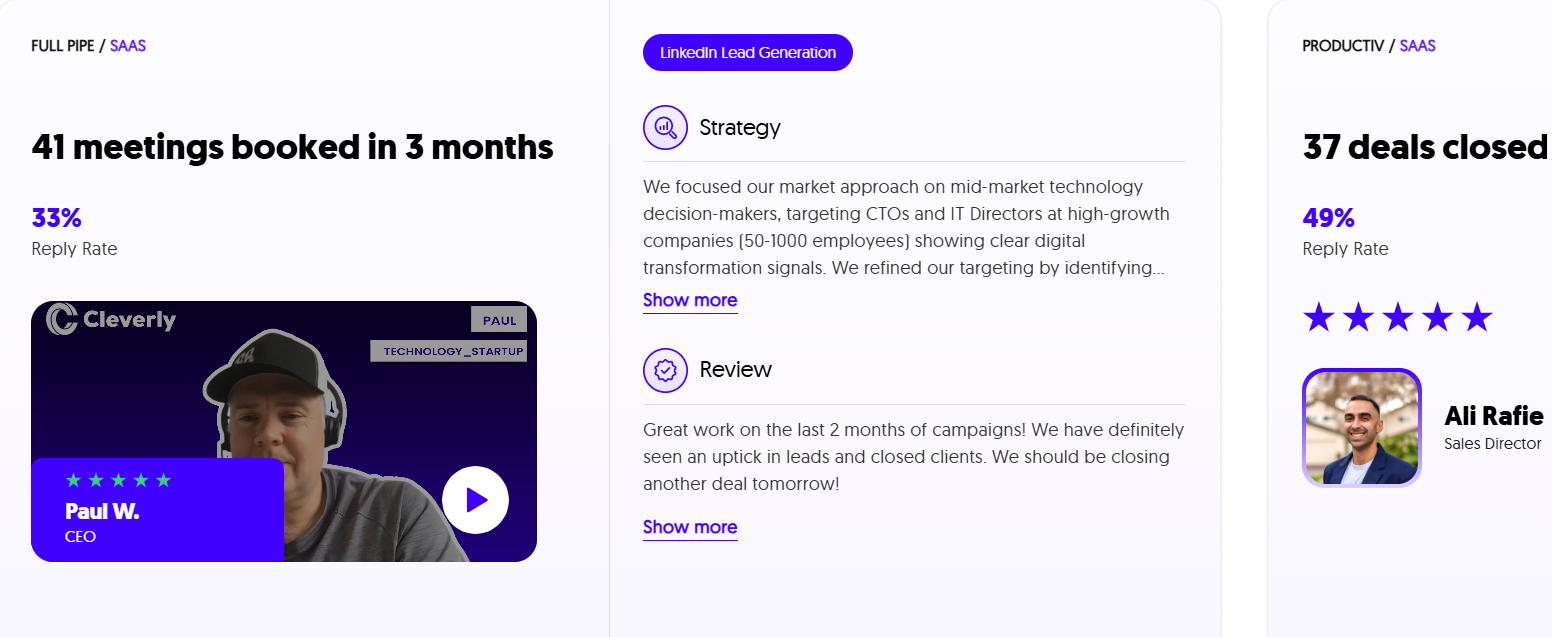
We've helped 10,000+ clients generate leads through LinkedIn outreach, resulting in $51.2 million in closed revenue. The platform works especially well for commercial insurance agents targeting specific industries or company sizes.
Explore: Why Done-for-You LinkedIn Lead Generation Delivers Faster ROI
4. Strategic Referral Programs
What it is: A structured system that incentivizes your existing clients, professional networks, and community contacts to refer qualified prospects to you.
Why it works: People trust recommendations from friends, family, and colleagues far more than any marketing message. Insurance is a trust-based purchase, and a warm referral dramatically shortens the sales cycle. Referred clients also tend to have higher lifetime values and lower churn rates because they come pre-sold on your credibility.
Steps to execute:
- Create a formal referral program with clear incentives (gift cards, premium discounts, charitable donations in their name).
- Ask for referrals at strategic moments—right after closing a policy, after a successful claim experience, or during annual reviews.
- Make it easy by providing referral cards, shareable email or InMail templates, or a simple online form.
- Target specific referral sources: mortgage brokers, real estate agents, accountants, and financial advisors who work with your ideal clients.
- Follow up quickly when you receive a referral and always close the loop with the referrer.
- Track which sources produce the highest-quality referrals and nurture those relationships.
- Consider tiered incentives for multiple referrals to encourage ongoing advocacy.
5. Content Marketing & SEO

What it is: Creating valuable, search-optimized content (blog posts, guides, videos) that attracts prospects actively searching for insurance information and solutions.
Why it works: When someone searches "best commercial liability insurance for restaurants" or "how much life insurance do I need," they're showing active intent.
By ranking for these searches, you capture prospects at the exact moment they're looking for help. Unlike outbound tactics, SEO builds a long-term asset that generates leads on autopilot once you rank.
For a full breakdown of what inbound content actually converts vs. what just generates traffic, see B2B inbound lead generation: what works and what doesn't.
Steps to execute:
- Research keywords your prospects actually search for (use tools like Ahrefs, SEMrush, or Google Keyword Planner).
- Create comprehensive guides answering common insurance questions in your verticals.
- Optimize for local SEO if you serve specific geographic areas ("commercial insurance broker Dallas").
- Include clear calls-to-action in every piece of content (free quote, consultation, risk assessment).
- Build pillar content around major topics, then create supporting articles that link back.
- Publish consistently—aim for 2-4 high-quality pieces monthly.
- Promote content through your email list and social channels to boost initial traffic.
6. Local Community Involvement & Networking

What it is: Active participation in local business groups, chambers of commerce, networking events, and community organizations where your ideal clients gather.
Why it works: Insurance is a relationship business, and face-to-face connections build trust faster than any digital tactic.
Local networking puts you in rooms with decision-makers who need your services, and being visible in your community positions you as the go-to insurance expert. For personal insurance agents, community involvement also taps into geographic clustering—one client often leads to their neighbors, family, and friends.
Steps to execute:
- Join your local Chamber of Commerce and attend monthly meetings regularly.
- Sponsor local sports teams, charity events, or school programs to increase brand visibility.
- Participate in industry-specific associations (construction groups for contractors insurance, restaurant associations for hospitality coverage).
- Host educational workshops on insurance topics (risk management for small businesses, estate planning with life insurance).
- Volunteer for community boards or committees where business owners congregate.
- Bring business cards and have a concise elevator pitch ready, but focus on building genuine relationships first.
- Follow up within 48 hours after meeting someone with a personalized LinkedIn connection or email.
7. Paid Advertising (Google Ads & Facebook/Instagram Ads)
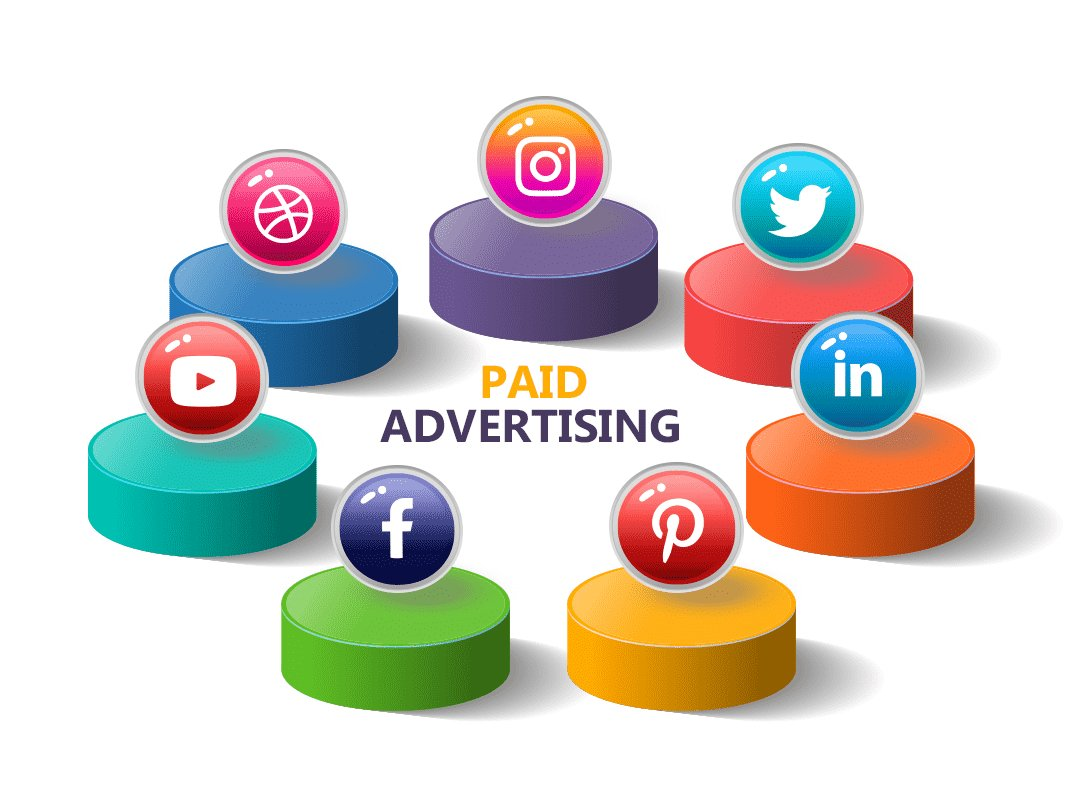
What it is: Running targeted paid ad campaigns on search engines and social media platforms to drive qualified traffic to landing pages designed to capture lead information.
Why it works: Paid ads let you get in front of prospects immediately without waiting for organic rankings or outbound outreach to gain traction.
Google Ads captures high-intent searches, while Facebook/Instagram ads excel at targeting specific demographics and life events (new homeowners, small business owners, parents). You control your budget, targeting, and can test different messages quickly.
Steps to execute:
- Start with Google Search Ads targeting high-intent keywords ("commercial insurance quotes," "life insurance rates").
- Create dedicated landing pages for each campaign with clear value propositions and simple lead capture forms.
- Use Facebook/Instagram ads to target demographics matching your ICP (age, location, interests, life events).
- Test multiple ad variations with different headlines, images, and offers.
- Implement retargeting campaigns to stay in front of people who visited your site but didn't convert.
- Set up conversion tracking to measure cost-per-lead and ROI accurately.
- Start with a focused budget -- $500-$1,500/month for Google Search Ads targeting your highest-intent keywords, and $300-$500/month for retargeting. Optimize for cost per qualified lead before scaling. Most agents see their first qualified inbound leads within the first two weeks of a Google campaign if the landing page and targeting are right.
8. Email Newsletter for Lead Nurturing

What it is: A regular email newsletter sent to prospects and existing clients that provides valuable insurance insights, industry updates, and risk management tips while keeping you top-of-mind.
Why it works: Most insurance prospects aren't ready to buy immediately—they need nurturing over weeks or months.
A consistent newsletter keeps you in their inbox, builds credibility through helpful content, and ensures you're the first person they think of when they're ready to make a decision. It's also an excellent way to generate cross-sell and upsell opportunities with existing clients.
If you want to build this nurture system properly from the start rather than cobbling it together, our automated lead nurturing guide covers the sequence architecture, email timing, and segmentation logic in detail.
Steps to execute:
- Build your email list through website opt-ins, networking events, and content downloads.
- Send newsletters bi-weekly or monthly (consistency matters more than frequency).
- Mix content types: industry news, risk management tips, policy updates, client success stories.
- Include subtle CTAs in each newsletter (free policy review, consultation booking, downloadable guides).
- Segment your list by insurance type or stage in the buying journey for more relevant messaging.
- Use email marketing platforms like Mailchimp, Constant Contact, or HubSpot for automation and tracking.
- Monitor open rates and click-through rates to refine your content strategy.
9. Partnership with Complementary Businesses

What it is: Building strategic relationships with businesses that serve your same target market but aren't competitors—then cross-referring clients to each other.
Why it works: Your ideal clients are already working with other service providers. A real estate agent's home buyers need homeowners insurance.
An accountant's small business clients need commercial coverage. These partnerships create warm introductions instead of cold outreach, and because they come from a trusted advisor, conversion rates skyrocket.
Steps to execute:
- Identify complementary businesses: real estate agents, mortgage brokers, financial advisors, accountants, attorneys, business consultants.
- Reach out with a specific value proposition (how you can help their clients, not just what you want from them).
- Offer to provide value first—guest speak at their client events, co-create content, or offer their clients exclusive benefits.
- Create formal referral agreements with tracking mechanisms so both parties know what's being generated.
- Make referring business to them easy and lucrative so they're motivated to reciprocate.
- Schedule quarterly check-ins with your top referral partners to maintain relationships.
- Consider co-marketing initiatives like joint webinars, shared newsletters, or bundled service packages.
10. Video Marketing & Educational Webinars

What it is: Creating video content and hosting live webinars that educate prospects on insurance topics, address common concerns, and showcase your expertise.
Why it works: Video humanizes you in ways that text can't. Prospects see your face, hear your voice, and assess your trustworthiness before ever meeting you.
Webinars position you as an authority while allowing you to engage with multiple prospects simultaneously. Both formats build trust at scale and generate warm leads who've already consumed your content and want to learn more.
Steps to execute:
- Create short educational videos (2-5 minutes) answering frequently asked questions about insurance.
- Post videos on YouTube, LinkedIn, Facebook, and your website for maximum reach.
- Host monthly webinars on topics relevant to your ICP (risk management for contractors, insurance planning for growing families).
- Promote webinars through email, social media, and paid ads to fill registration slots.
- Include Q&A sessions during webinars to address specific concerns and build rapport.
- Follow up with all webinar attendees within 24 hours with a recording and clear next steps.
- Repurpose webinar content into blog posts, social media clips, and email newsletter content.
Must Read: How B2B Video Marketing Boost LinkedIn Outreach & Lead Generation
11. Reviews & Testimonials Management

What it is: Actively collecting, managing, and promoting positive reviews and testimonials from satisfied clients across Google, social media, and your website.
Why it works: Social proof is critical in insurance because prospects are trusting you with their financial security. Before reaching out or returning your call, prospects are Googling you—and what they find determines whether they engage.
Strong reviews differentiate you from competitors and overcome skepticism faster than any sales pitch. A 4.5+ star rating with dozens of reviews can be the deciding factor that tips a prospect in your favor.
Steps to execute:
- Set up profiles on Google Business, Yelp, Trustpilot, and industry-specific review sites.
- Create a systematic process for requesting reviews after positive interactions (policy closing, claim resolution, annual reviews).
- Make it easy with direct links to your review profiles in follow-up emails.
- Respond professionally to all reviews—thank positive reviewers and address negative feedback constructively.
- Showcase your best testimonials prominently on your website, landing pages, and marketing materials.
- Create case studies from clients who've had exceptional experiences or outcomes.
- Consider video testimonials for even stronger impact—prospects trust seeing and hearing real clients.
Setting Up Your Google Business Profile as a Lead Engine
For agents serving local markets, Google Business Profile (GBP) is one of the most underused free lead generation tools available. When someone searches "insurance agent near me" or "[your city] commercial insurance," Google's local map pack appears above organic results - and GBP determines whether you show up.
The steps that actually matter:
First, claim and fully complete your profile. Add your service areas (not just your office address), upload at least 10 photos of your office and team, and select the most specific insurance-related business category available (Google has expanded these in recent years - look for "Insurance Agency" or product-specific options).
Second, use the Posts feature consistently. GBP lets you publish updates that appear in your search listing. A quick weekly post ("open enrollment checklist for small business owners," "3 signs you're underinsured") signals to Google that your profile is active and improves visibility.
Third, add your services as individual listings. GBP allows you to list specific insurance products - auto, home, life, commercial liability - as separate service offerings. Prospects searching for specific coverage types are more likely to find you.
Fourth, use the Q&A section proactively. Before prospects ask questions, post your own FAQs ("Do you offer free quotes?" "Do you work with first-time homebuyers?") and answer them. This content appears in your listing and reduces friction for prospects who'd otherwise call a competitor.
Finally, GBP is the most efficient place to collect Google reviews. A profile with 50+ reviews at 4.5 stars will consistently outperform a competitor with better organic SEO but fewer social proof signals. Build review requests into your post-sale follow-up process.
12. Host Educational Workshops & Seminars

What it is: Organizing in-person or virtual educational events where you teach prospects about insurance-related topics while positioning yourself as the trusted expert.
Why it works: Workshops create a low-pressure environment where prospects can learn without feeling sold to. By providing genuine value upfront, you build trust and credibility.
Attendees are self-qualifying leads—they're showing up because they're interested in the topic and likely need your services. These events also create natural opportunities for one-on-one conversations and follow-up appointments.
Steps to execute:
- Choose topics that attract your ICP (retirement planning with life insurance, protecting your business from lawsuits, insurance strategies for real estate investors).
- Partner with local libraries, community centers, or business associations for free venue space.
- Promote events through email, social media, local business groups, and partnerships.
- Keep presentations educational, not salesy—focus on teaching valuable strategies and frameworks.
- Provide handouts, worksheets, or guides that attendees can take home.
- Collect contact information at registration and follow up with all attendees within 48 hours.
- Offer free one-on-one policy reviews or consultations to workshop attendees as a next step.
- Record virtual workshops and repurpose them as lead magnets or nurture content
These 12 strategies give you multiple channels to generate qualified insurance leads. The key is picking 3-4 that align with your strengths and ideal clients, then executing them consistently until you see results.
🚀 LinkedIn & Email Leads That Convert
Join 10,000+ clients using Cleverly’s LinkedIn + cold email outreach to book meetings with high-intent insurance buyers from brands like Google, Uber & PayPal.
How to Generate Life Insurance Leads
Life insurance lead generation operates differently than commercial or personal property lines. The purchase isn't triggered by a business need or a regulatory requirement - it's triggered by a life event. That changes everything about when to reach, who to target, and what to say.
Life Insurance Buying Triggers
Before running any outbound campaign for life insurance, know which triggers indicate genuine readiness to buy:
Marriage and new relationships: Couples getting married or moving in together often start thinking about financial protection for the first time. The window is roughly 3-6 months before and after the wedding date.
New baby or pregnancy: First-time parents are the highest-intent life insurance prospects in any market. They're actively searching, they're motivated, and they often have zero existing coverage. Targeting new parents through Facebook ads (life event: "new parent") consistently outperforms generic insurance ad targeting.
Mortgage or home purchase: Lenders don't require life insurance, but many buyers think about it during the process. Real estate agent and mortgage broker referral partnerships are the most efficient way to reach this segment - the referrer has the relationship, you have the product.
Business formation or partnership: Small business owners who sign a partnership agreement need to think about what happens if a partner dies. Key person life insurance and buy-sell agreement funding are specific products this segment needs. LinkedIn outreach to recently incorporated businesses works here.
Approaching middle age (35-45): This demographic starts thinking about life insurance as parents age and kids enter school. Content-led inbound (SEO, YouTube) performs well for this group because they research before they talk to anyone.
Best Channels for Life Insurance Leads
Referral partnerships with financial advisors and estate planners: When someone is doing estate planning, a life insurance conversation is the natural next step. Financial planners who don't sell insurance themselves are often willing to refer clients - you're not competing with them, you're completing the picture for their clients. A formal referral agreement with one active financial advisor can generate 5-15 life insurance leads per month.
Facebook and Instagram ads with life event targeting: Meta's ad platform lets you target people who've recently had a baby, gotten engaged, or bought a home. These audiences are warm - they're already in a life transition mindset. Run ads with a simple hook: "Just had a baby? Here's how much coverage you actually need." Lead to a landing page with a 5-minute quote calculator.
Local employer benefits outreach: Small businesses (10-50 employees) often want to offer group life insurance as a benefits perk but don't know where to start. Cold email and LinkedIn outreach to HR managers and small business owners with "employee benefits" in their profile works better for group life than consumer advertising.
Content marketing around search intent: People searching "how much life insurance do I need" or "term vs whole life" are in active research mode. A single well-optimized guide on this topic can generate steady inbound leads over time without ongoing spend.
Exclusive vs. Shared Life Insurance Leads: What to Know
If you're considering buying life insurance leads from a lead aggregator, understand the model before you spend:
Shared leads are sold to 5-10 agents simultaneously. The prospect gets called by multiple agents at once, which means the conversation starts adversarially - they're annoyed before you introduce yourself. Close rates on shared leads typically run 1-5%.
Exclusive leads are sold to one agent only. You're the first and only call. Close rates typically run 10-20%. Cost per exclusive lead is usually 3-5x higher than shared, but the math almost always favors exclusive when you account for the full cost of your time on low-intent calls.
If you're evaluating a lead vendor, ask specifically: "Are these leads sold exclusively?" If they hedge or say "semi-exclusive," treat it as shared and price accordingly.
The highest-quality life insurance leads are the ones you generate yourself through referrals, content, and targeted outreach - because exclusivity is guaranteed and the lead has context on who you are before you call.
Outreach Messaging Templates (Copy + Customize)
Knowing how to generate leads for insurance is one thing—executing with the right messaging is another. Here are proven templates you can customize and deploy immediately.
Cold Email Pitch for Business Insurance
Subject: Quick question about [Company Name]'s liability coverage
Hi [First Name],
I noticed [Company Name] has been growing fast—congrats on [specific achievement/recent news].
Quick question: Are you confident your current commercial insurance is keeping up with that growth? Most businesses we work with discover they're either overpaying or underinsured as they scale.
We've helped [similar industry] companies in [location] reduce premiums by 15-25% while actually improving coverage. Worth a 15-minute conversation?
Let me know if Thursday or Friday works for a quick call.
[Your Name]
[Your Contact Info]
Warm Follow-Up Email for Undecided Buyers
Subject: Still thinking it over?
Hey [First Name],
I know insurance decisions aren't made overnight—especially when you're comparing multiple options.
Just wanted to check in and see if you had any questions I didn't fully answer during our last conversation. Whether it's about coverage specifics, pricing, or how the claims process works, I'm here to help.
No pressure either way. If the timing's not right, I totally get it. But if you want to move forward or just talk through any concerns, let's find 10 minutes this week.
What does your schedule look like?
[Your Name]
Local Homeowner Outreach Message
Subject: Insurance review for [Neighborhood Name] homeowners
Hi [First Name],
I'm a local insurance agent working with homeowners in [Neighborhood/City], and I'm reaching out because we've been helping neighbors on [Street Name] save an average of $400-800/year on their home and auto bundles.
Most people don't realize they're overpaying until they get a comparison quote. Takes about 5 minutes to run the numbers, and there's zero obligation.
Would you be open to a quick review? I can send over a comparison by [Day] if you're interested.
Either way, happy to answer any insurance questions you might have.
[Your Name]
Local Agent in [City]
[Phone Number]
LinkedIn Connection Message Script
Hi [First Name],
I saw you're [Job Title] at [Company Name]—I work with a lot of [industry] businesses here in [location] and wanted to connect.
I specialize in helping companies like yours [specific benefit: reduce risk, optimize coverage, cut insurance costs], and figured it'd be worth staying in touch.
Looking forward to connecting!
[Your Name]
Follow-Up Message (Send 3-5 days after connection):
Hey [First Name],
Thanks for connecting! I wanted to reach out because I've been working with several [industry] companies dealing with [specific pain point: rising insurance costs, coverage gaps, complicated claims processes].
We recently helped [similar company type] save 20% on their commercial policy while actually improving their coverage. Would it make sense to hop on a quick call and see if we could do something similar for [Company Name]?
I've got time [Day] afternoon or [Day] morning if either works for you.
[Your Name]
📌 Pro tip: The key to making these templates work is personalization. Swap out the bracketed placeholders with specific details about each prospect.
Generic messages get ignored—relevant, timely messages start conversations. That's how to generate leads for insurance that actually convert.
Best Tools for Insurance Lead Generation
The right tech stack can 10x your efficiency when it comes to lead generation for insurance companies.
Here are the tools we've seen insurance agents and agencies use to scale their outreach, nurture leads, and close more policies.
CRM Systems
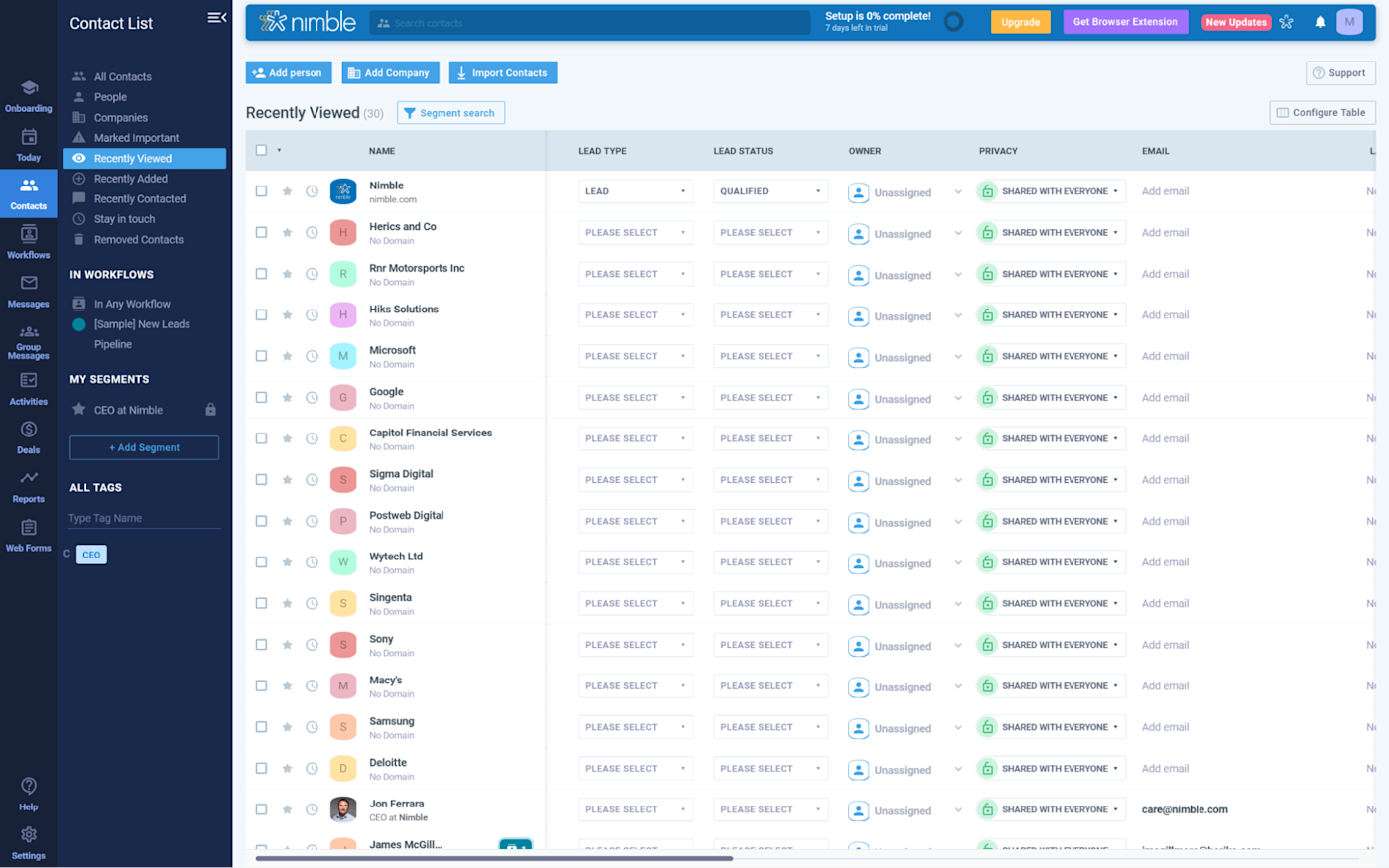
Your CRM is the backbone of your lead generation for insurance companies operation—it's where you track every prospect, conversation, and policy.
- HubSpot - Free tier available, excellent for email tracking and automation, intuitive interface for teams of any size.
- Zoho CRM - Affordable option with strong customization, good for agencies managing multiple insurance verticals.
- AgencyBloc - Purpose-built for insurance agencies, includes commission tracking and policy management alongside lead tracking.
Why it matters: A solid CRM ensures no lead falls through the cracks and gives you visibility into exactly where each prospect is in your pipeline.
Outreach & Prospecting Tools
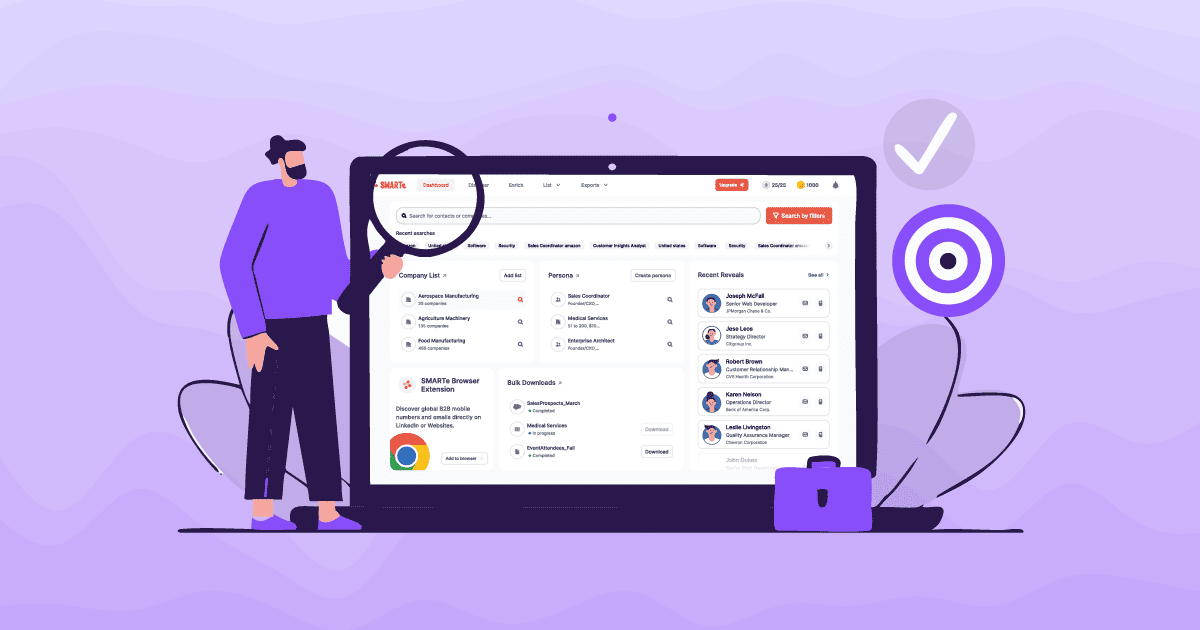
These tools help you find contact information, send personalized emails at scale, and track engagement.
- Apollo.io - Database of 250M+ contacts with email/phone data, built-in sequencing, great for B2B insurance prospecting
- Lemlist - Email outreach with personalization at scale, includes warm-up features to protect deliverability
- Saleshandy - Cold email sequences with strong analytics, affordable pricing for solo agents
Why it matters: Manual outreach doesn't scale. These tools let you reach hundreds of qualified prospects while maintaining personalization that actually gets responses.
Related: Best Prospecting Tools for B2B Sales Teams (Free & Paid)
Automation Platforms

Automation tools connect your different systems and eliminate repetitive tasks so you can focus on conversations, not admin work.
- Zapier - Connects 5,000+ apps to automate workflows (new lead comes in → added to CRM → welcome email sent automatically).
- GoHighLevel - All-in-one platform with CRM, email/SMS automation, and landing pages built specifically for agencies.
- Twilio SMS - Programmable text messaging for appointment reminders, follow-ups, and lead nurturing via SMS
Why it matters: Every hour you spend on manual data entry or follow-up reminders is an hour you're not spending talking to prospects or closing deals.
Here’s More: Best LinkedIn Automation Tools for Lead Generation & Outreach
Call & Verification Tools
Phone outreach remains one of the highest-converting tactics for insurance sales—these tools make calling more efficient.
- JustCall - Cloud phone system with power dialer, call recording, and CRM integrations for seamless logging.
- Aircall - User-friendly interface with analytics, call routing, and team collaboration features.
- NeverBounce / ZeroBounce - Email verification tools that clean your lists before outreach to protect sender reputation
Why it matters: Bad data kills campaigns. Verification tools ensure you're reaching real people, and calling platforms help you have more conversations in less time.
Read More: Best Call Tracking Software to Improve Lead Quality & Close Rates
Advertising & Paid Media Tools
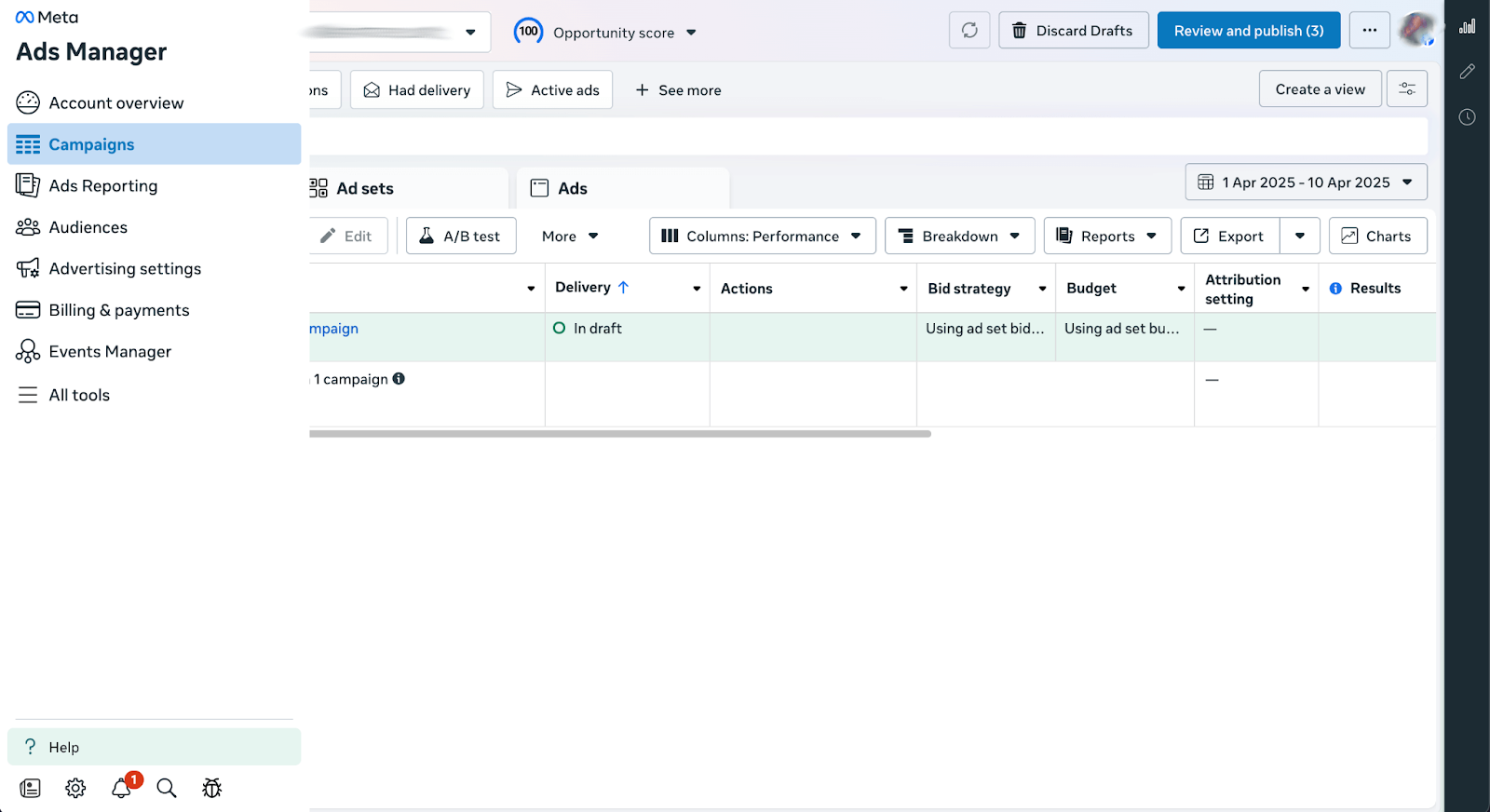
Paid advertising accelerates lead generation for insurance companies by putting your message in front of prospects immediately.
- Meta Ads Manager - Run Facebook and Instagram ads targeting specific demographics, interests, and life events.
- Google Ads - Capture high-intent searches from people actively looking for insurance quotes and information.
- Google Analytics - Track website behavior to understand which campaigns drive the best leads and optimize accordingly.
Why it matters: Organic strategies take time to build momentum. Paid ads give you immediate visibility and lead flow while your other channels scale.
You don't need every tool on this list. Start with a solid CRM, one outreach platform, and basic automation.
As you scale your lead generation for insurance companies, add tools that eliminate your biggest bottlenecks. The goal is spending more time talking to qualified prospects and less time on administrative tasks.
How to Measure ROI and Lead Quality (Insurance KPIs)
Generating leads means nothing if you can't measure what's actually working. The best insurance agents obsess over their numbers—not because they love spreadsheets, but because data tells you exactly where to double down and where to cut losses.
Here are the critical KPIs you need to track to understand your true lead generation ROI.
Conversion Rate to Call
- What it measures: The percentage of leads that actually agree to a phone conversation or meeting.
- Why it matters: This tells you if your messaging and targeting are on point. If you're generating 100 leads but only 5 will talk to you, something's broken in your qualification process or your initial outreach.
- Benchmark: Aim for 15-25% conversion from lead to scheduled call for warm outbound channels (LinkedIn, email). Cold calling conversion varies widely but 5-10% is solid.
- How to improve it: Tighten your ICP, personalize your outreach more, test different messaging angles, and respond to inquiries within 5 minutes—speed matters.
Conversion Rate to Quote
- What it measures: The percentage of conversations that result in you delivering an actual insurance quote.
- Why it matters: Not every call will be qualified, but this metric shows how well you're identifying genuine prospects versus tire-kickers. If you're having tons of calls but rarely sending quotes, you're wasting time on unqualified leads.
- Benchmark: Target 40-60% conversion from call to quote. Lower numbers suggest poor lead quality or weak qualification questions.
- How to improve it: Ask better qualifying questions upfront (budget, timeline, decision-making authority), adjust your targeting to match prospects who actually need coverage now, and handle objections more effectively during discovery calls.
Quote-to-Close Ratio
- What it measures: The percentage of quotes that convert into issued policies.
- Why it matters: This is where the rubber meets the road. You can generate leads and send quotes all day, but if they're not closing, you're not making money. This metric reveals how competitive your pricing is and how strong your closing skills are.
- Benchmark: A healthy quote-to-close ratio for insurance is 20-35%, depending on the insurance type. Commercial policies tend to be lower (more complex decisions), while personal lines like auto can be higher.
- How to improve it: Follow up faster after sending quotes, address objections proactively, offer payment flexibility, demonstrate clear value beyond just price, and stay in touch—most policies aren't closed on the first conversation.
Customer Lifetime Value (LTV)
- What it measures: The total revenue a client generates over their entire relationship with you, including policy renewals, cross-sells, and referrals.
- Why it matters: A client who buys one auto policy and cancels after a year is worth far less than someone who bundles home and auto, renews for 10 years, and refers three friends. Understanding LTV helps you decide how much you can afford to spend acquiring each customer.
- Benchmark: For personal insurance, LTV typically ranges from $2,000-$8,000+. Commercial policies often have higher LTV due to larger premiums and longer relationships.
- How to calculate it: (Average annual premium per client) × (Average retention years) + (Value from cross-sells and referrals).
- How to improve it: Focus on client retention through excellent service, actively cross-sell complementary policies, implement referral programs, and conduct annual reviews to adjust coverage as clients' needs evolve.
Cost Per Qualified Lead vs Cost Per Issued Policy
What it measures: How much you're spending to generate each qualified lead, and more importantly, how much it actually costs to close a policy.
Why it matters: You might be paying $50 per lead, which sounds great—until you realize only 1 in 20 converts, making your true cost per policy $1,000. Understanding both metrics helps you evaluate which channels are actually profitable.
Benchmark:
- Cost per qualified lead: $25-$100 for personal insurance, $100-$300 for commercial insurance
- Cost per issued policy: $200-$500 for personal lines, $500-$1,500 for commercial policies
How to calculate it:
- Cost per lead = (Total marketing spend) ÷ (Number of qualified leads)
- Cost per policy = (Total marketing spend) ÷ (Number of closed policies)
How to improve it: Cut underperforming channels ruthlessly, optimize your best-performing tactics, improve your conversion rates at each stage (fewer leads needed if more convert), and focus on lead quality over quantity.
Putting It All Together
Track these KPIs weekly or monthly in a simple dashboard. Here's what a healthy insurance lead generation funnel might look like:
- 100 leads generated
- 20 schedule calls (20% conversion)
- 12 receive quotes (60% call-to-quote)
- 4 close policies (33% quote-to-close)
- Overall lead-to-close rate: 4%
If your numbers look drastically different, that's your signal to dig in and fix the weakest link in your chain. Most agents waste money trying to generate more leads when the real problem is further down the funnel—poor qualification, slow follow-up, or weak closing skills.
Bottom line: What gets measured gets improved. Start tracking these KPIs today, and you'll know exactly which lead generation for insurance agents strategies deserve more of your budget and which ones need to be killed.
Cross-Selling Your Existing Book of Business
The cheapest insurance lead you'll ever get is someone who already trusts you.
Most agents are so focused on new business acquisition that they systematically underwork their existing client base. The average insurance client holds 1.5 policies with their primary agent. The agents with the highest LTV push that number to 3+ by treating every annual review as a cross-sell conversation.
Annual Review as a Sales Conversation
Annual policy reviews aren't a compliance checkbox - they're the highest-conversion sales call you'll ever have with a client. They're already in a meeting with you, they already trust you, and life has changed in the last 12 months.
Add these questions to every annual review:
- "Have you had any major life changes this year - marriage, kids, new home, new business?"
- "Has your income or net worth changed significantly? Your coverage limits may not reflect that."
- "Are you aware we also handle [type of coverage they don't currently have with you]?"
The third question alone surfaces immediate opportunities. Most clients assume you only do the thing they hired you for.
CRM-Triggered Cross-Sell Prompts
If you're using a CRM, set up automated flags for cross-sell moments:
- Home purchase detected (from conversation notes or triggered by a new homeowners policy): Flag for life insurance and umbrella policy review.
- New commercial client (first policy): Set a 90-day follow-up to discuss workers' comp, professional liability, and cyber insurance.
- Auto + home client without life insurance: Flag for life insurance outreach at the 6-month mark.
- Policy renewal date: 60 days before renewal, trigger a review call that includes a cross-sell question.
You don't need a sophisticated system for this. A simple tag in HubSpot or AgencyBloc and a 2-email nurture sequence works. The key is having the trigger at all -- most agents handle cross-sells only when clients bring it up, which means almost never.
Bundling Discounts as a Conversion Tool
Most carriers offer multi-policy discounts ranging from 5-25%. This is your most concrete cross-sell argument:
"You're currently paying $X for your auto policy. If we move your home insurance here too, you'll qualify for a bundle discount - typically saves clients $300-600 per year while keeping the same coverage."
Clients who save money through bundling have significantly lower churn rates and are more likely to refer. Cross-selling isn't just revenue expansion - it's a retention strategy.
For more on keeping existing clients from slipping away, see customer retention strategies for service businesses
Common Mistakes Insurance Agents Make in Lead Generation
We've worked with thousands of businesses across every industry, and we see insurance agents making the same lead generation mistakes over and over.
The good news? These are all fixable once you know what to look for.
❌ Buying Low-Quality Leads Without Nurturing

The mistake: Agents purchase lead lists from aggregators, blast through them with generic pitches, then complain the leads are garbage when nothing converts.
Why it hurts: Shared leads (where the same prospect is sold to 5-10 agents) create a race to the bottom. Even if you're first to call, the prospect is overwhelmed and defensive. Worse, most agents treat purchased leads as one-and-done opportunities instead of investing in proper nurturing.
The fix: If you're buying leads, commit to a proper follow-up sequence. Better yet, invest that budget into generating your own exclusive leads through targeted outreach, content marketing, or partnerships. Leads you generate yourself are always higher quality than leads someone else is selling to your competitors.
Shared vs. exclusive: the math. Shared leads (sold to 5-10 agents simultaneously) typically close at 1-5%. Exclusive leads close at 10-20% but cost 3-5x more. Run the numbers on your own funnel: if a shared lead costs $30 with a 3% close rate, your cost per closed policy is $1,000. An exclusive lead at $150 with a 12% close rate costs $1,250 per policy - and you wasted far less of your time getting there. For high-premium products like commercial or life insurance, exclusive leads almost always win on ROI.
❌ No Follow-Up Sequences
The mistake: An agent reaches out once, gets no response, and moves on. Or they have one conversation, send a quote, and never follow up.
Why it hurts: Insurance is rarely an impulse purchase. Most prospects need 5-8 touchpoints before they're ready to commit. Without systematic follow-up, you're leaving 70-80% of potential revenue on the table. Your competition isn't better than you—they just follow up more consistently.
A note on speed: Research from InsideSales and the Harvard Business Review has consistently shown that contacting an inbound lead within 5 minutes makes you dramatically more likely to connect than waiting even 30 minutes. In insurance, where inbound leads often come from comparison sites or your website, the prospect is usually still in "active search" mode for less than 15 minutes. If you're not first, you're competing against whoever was.
Build a text or call trigger for any new inbound lead before you build anything else in your follow-up system.
The fix: Build automated follow-up sequences for every stage of your pipeline. If someone doesn't respond to your initial outreach, they should automatically receive 3-4 more touches over 2-3 weeks. After sending a quote, schedule follow-ups at day 2, day 5, and day 10. Use a mix of email, phone, and even SMS to stay on their radar without being annoying.
❌ Generic Messaging Instead of ICP-Specific Messaging

The mistake: Using the same template for everyone—"We offer great insurance rates and excellent service"—regardless of whether you're talking to a restaurant owner, a young family, or a tech startup.
Why it hurts: Generic messages get ignored because they don't speak to specific pain points. A contractor worried about liability coverage doesn't care about the same things as someone shopping for term life insurance. When your message could apply to anyone, it resonates with no one.
The fix: Create separate messaging frameworks for each segment of your ICP. Reference industry-specific risks, use language your prospects actually use, and demonstrate you understand their unique situation. "We help construction companies reduce workers' comp premiums while maintaining full coverage" beats "we offer competitive business insurance" every single time.
❌ No Tracking or Reporting
The mistake: Running multiple lead generation tactics without tracking what's actually working. Agents guess which channels are performing instead of knowing for certain.
Why it hurts: You can't optimize what you don't measure. Without data, you'll keep dumping money into underperforming channels while neglecting your best opportunities. You won't know if your conversion rates are improving or declining until it's too late.
The fix: Set up simple tracking for every channel you use. How many leads came from LinkedIn vs cold email vs referrals? What's the cost per lead for each? Which sources produce the highest close rates? Track this monthly in a spreadsheet or dashboard, then reallocate budget toward what's working. Even basic tracking beats flying blind.
❌ Focusing on Volume Over Quality
The mistake: Chasing hundreds of unqualified leads instead of focusing on fewer, higher-quality prospects who actually match your ICP.
Why it hurts: More leads feels productive, but it's a trap. If you're spending all your time chasing tire-kickers, you have no bandwidth for the serious prospects who would actually buy. Your close rate tanks, your pipeline stays full of garbage, and you burn out from constant rejection.
The fix: Tighten your targeting criteria ruthlessly. It's better to have 20 highly qualified leads who match your ICP perfectly than 200 random contacts who might need insurance someday. Focus on lead quality metrics (quote rate, close rate, LTV) instead of vanity metrics (total leads generated). Quality always beats quantity in insurance sales.
The reality: Most insurance agents aren't failing because they don't work hard enough—they're failing because they're making one or more of these preventable mistakes. Fix these issues, and your conversion rates will improve overnight without generating a single additional lead.
The agents who win aren't necessarily the ones with the biggest budgets or the most leads. They're the ones who execute the fundamentals consistently, track their numbers, and continuously optimize based on what the data tells them.
For the full analysis of why quality always wins over volume in professional services lead gen, see our lead quality vs. quantity breakdown.
How Cleverly Helps Insurance Professionals Build a Predictable Lead Pipeline
Here's the truth: Most insurance agents know what they should be doing for lead generation—they just don't have the time, team, or systems to execute consistently while managing their book of business.
That's exactly where lead generation services like ours come in.
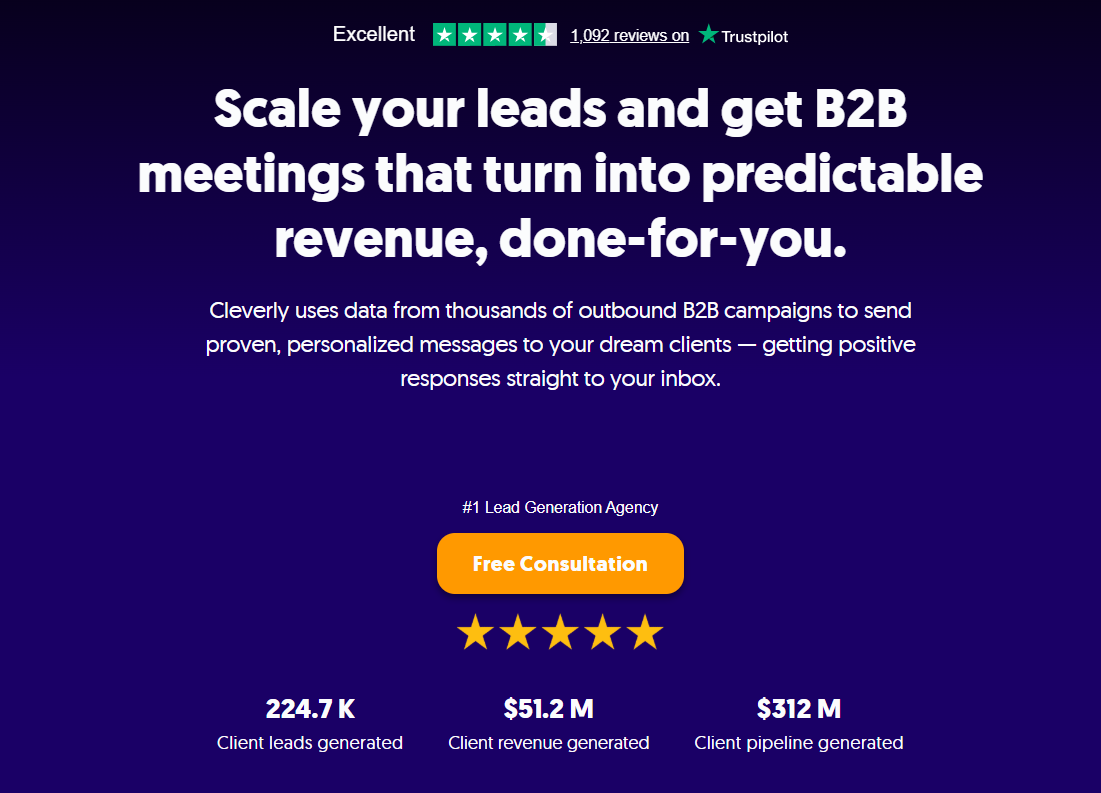
At Cleverly, we've helped 10,000+ clients generate $312 million in pipeline revenue and $51.2 million in closed revenue.
We've worked with major companies like Amazon, Google, Uber, PayPal, and Spotify—and we bring that same systematic approach to insurance agents and agencies looking to scale.
We handle three core channels that drive the highest-quality insurance leads:

The difference? We don't just generate leads and hand you a list. We book qualified appointments directly on your calendar with prospects who've been vetted, warmed up, and are actually ready to have a conversation about their insurance needs.
Whether you're an independent agent looking to grow your book or an agency trying to scale your team's pipeline, we build the outbound engine so you can focus on what you do best—closing deals and serving clients.
Ready to build a predictable lead pipeline? Let's talk!

Conclusion
Lead generation for insurance agents isn't about finding one magic tactic—it's about building a consistent system that brings qualified prospects to your door every single week.
The agents who win combine inbound strategies (SEO, content, referrals) with outbound tactics (cold email, LinkedIn, calling) to create multiple streams of leads. When one channel has a slow month, the others pick up the slack.
Remember: Consistency beats perfection every time. Pick 3-4 strategies from this guide that align with your strengths and ideal clients, execute them relentlessly for 90 days, and track your numbers. Adjust what's not working, double down on what is.
Your next qualified client is out there right now—they just don't know you exist yet. Time to change that.
Frequently Asked Questions
Free Resource
How to Scale a Profitable Cold Call System
Get the complete guide — download it instantly now.

Free Ebook
Download the Free Guide
Enter your details to get instant access.
You're all set! 🎉
Your ebook is downloading now.
Click below if the download didn't start automatically.


