Table of Contents
What Is a Lead Follow-Up Call?
Why Follow-Up Calls Matter in Lead Generation
When Should You Make a Follow-Up Sales Call?
Call Template Framework for Lead Follow-Up
Proven Follow-Up Call Scripts (By Scenario)
How to Personalize Follow-Up Call Scripts at Scale
Common Mistakes in Follow-Up Sales Calls
How Cleverly Drives More Meetings Through Structured Follow-Up Calls
Conclusion
Frequently Asked Questions
Modified On :
January 10, 2026
Key Takeaways
- 80% of sales happen after the fifth follow-up, so persistence beats perfection every time.
- A good call template for lead follow-up re-anchors context, delivers value, and moves the conversation forward in under two minutes.
- Timing matters more than frequency: call 24-48 hours after engagement and space cold follow-ups 5-7 days apart.
- Personalize at scale by referencing prior touchpoints, specific actions, and signals instead of doing deep research on every prospect.
- Avoid sounding apologetic or repeating the same pitch—change your angle and approach with every follow-up attempt.
- Plan for 8-12 touches over 30-45 days mixing calls, emails, and LinkedIn messages to stay persistent without being annoying.
Let’s start with a harsh truth. 92% of salespeople give up after four "no's", but 80% of sales happen after the fifth follow-up.
Most leads don't go cold because they're not interested. They go cold because we let them.
The call template for lead follow-up is your conversion engine. It's what separates teams booking 2 meetings a month from teams booking 20.
We've made over 1 million cold calls and set 53,000+ appointments, and we can tell you this: the money isn't in the first call. It's in the follow-up.
In this guide, we're handing you the exact frameworks, cold call scripts, timing strategies, and best practices we use to turn cold leads into confirmed meetings.
No fluff, just what works.

What Is a Lead Follow-Up Call?
A follow up to sales call is any call you make after initial contact with a prospect. It's not about starting from scratch. It's about continuing a conversation, addressing cold call objections, and moving the deal forward.
The difference:
- Initial cold calls are about sparking interest. You're introducing yourself, your solution, and testing if there's a fit. You're fishing for a bite.
- Follow-up calls are about closing the loop. The prospect already knows who you are. Now you're building on that awareness, answering questions they've had time to think about, and booking the meeting.
When Follow-Ups Should Happen
Timing matters more than most reps think. Here's when follow up to sales call conversations typically happen:
- After initial contact: 24-48 hours if they showed interest but didn't commit.
- Post-voicemail: 2-3 days later to catch them at a different time.
- After email engagement: Within 24 hours if they opened or clicked.
- No response scenarios: 5-7 days between attempts to stay persistent without being annoying.
- Post-meeting request: Same day or next business day to confirm details
The goal isn't just to follow up. It's to follow up when your prospect is most likely to engage. That's where a solid follow up call script becomes your best friend.
Explore Further: Sales Call Structure We Used to Generate $16,000,000+
🔥 Done-For-You Follow-Up Calls
Cleverly’s $5M Cold Calling System uses elite callers and proven scripts to turn leads into 10–30 booked meetings every month.
Why Follow-Up Calls Matter in Lead Generation
If you're doing cold calling lead generation and stopping after one attempt, you're leaving 80% of your pipeline on the table.
What the data shows: only 2% of sales happen on the first call. The rest? They come from follow-ups.
Multiple Touches Win Deals
We've run enough cold calling lead generation campaigns to know this: prospects need repetition before they commit.
Most buying decisions happen between the 5th and 12th touch. That means your follow-up calls aren't pestering. They're necessary.
The average prospect needs 8 touches before they book a meeting. If you're not following up consistently, someone else will.
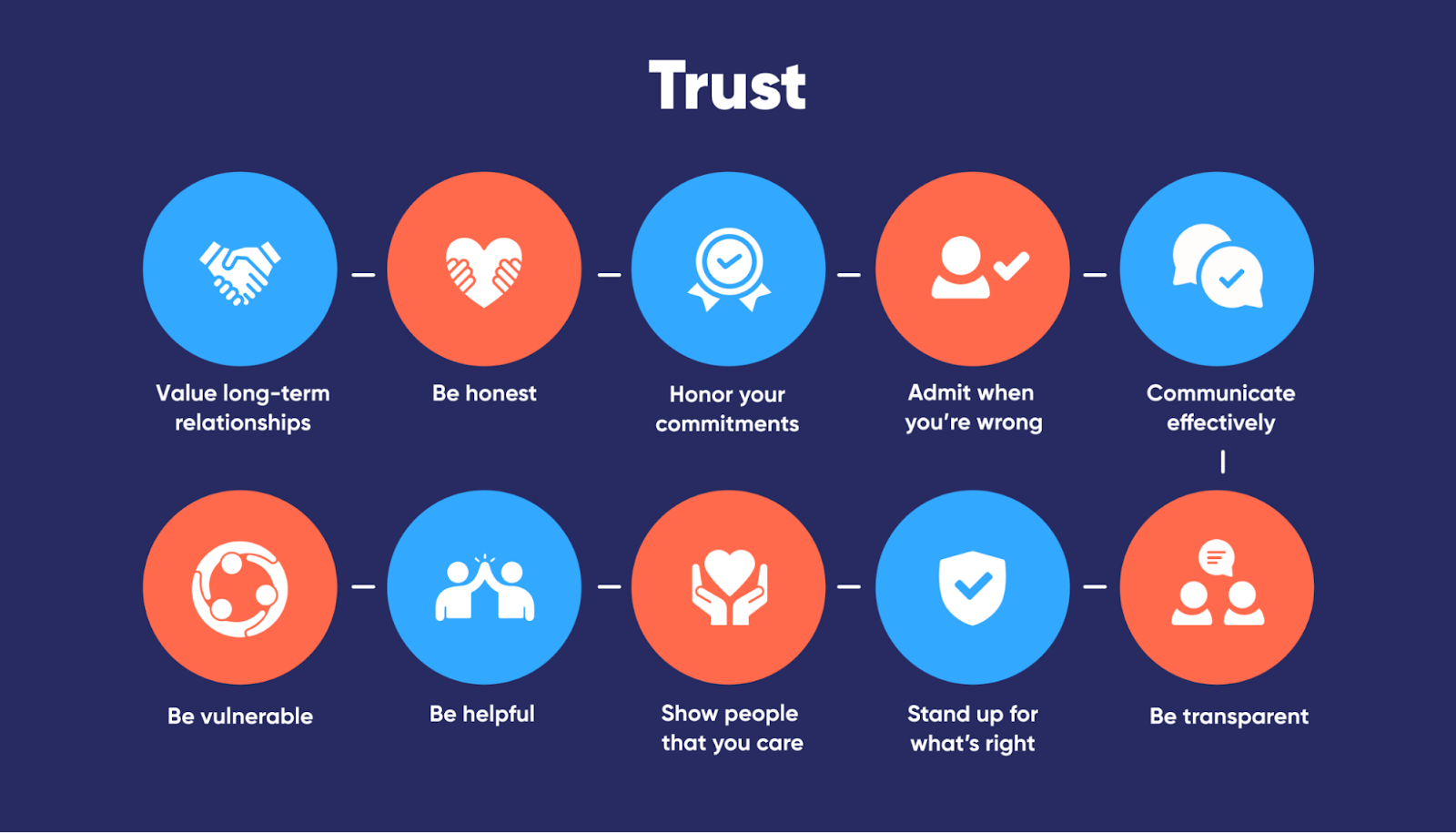
Familiarity Builds Trust
Every follow-up call does two things:
- Reminds them you exist: Out of sight, out of mind is real in sales
- Positions you as persistent: Buyers trust reps who follow through
- Reduces friction: By the third call, you're not a stranger anymore
Think about it. Would you rather buy from someone who called once and disappeared, or someone who stayed on your radar and proved they actually want your business?
Follow-Ups Improve Show Rates and Deal Velocity
Here's where follow-up calls directly impact your bottom line:
- Higher show rates: A confirmation call 24 hours before a meeting reduces no-shows by 40%
- Faster deals: Regular follow-ups keep momentum going and prevent deals from stalling
- Better qualification: Each call gives you more information to assess fit and prioritize your pipeline
At Cleverly, our cold calling lead generation system builds in systematic follow-ups because we know this works. It's why we've generated $312M in pipeline and set over 53,000 appointments. Follow-up isn't optional. It's the system.
When Should You Make a Follow-Up Sales Call?
Timing can make or break your follow up sales call script. Call too soon and you're annoying. Wait too long and they've forgotten you or moved on to a competitor.
Here's exactly when to dial.
After Emails or LinkedIn Messages
- 24-48 hours after an email: If they opened but didn't reply, that's your window. They saw it, they're aware, now give them a reason to engage.
- Same day for LinkedIn engagement: If someone views your profile or reacts to your message, call within 4-6 hours while you're still top of mind.
- 3-5 days after no response: If there's radio silence, your follow-up call becomes the nudge they need to take action.
How Long to Wait Between Follow-Ups
Here's the cadence that works without burning bridges:
- First follow-up: 2-3 business days after initial contact
- Second follow-up: 5-7 days after the first attempt
- Third follow-up: 10-14 days to check in without overwhelming them
- Long-term nurture: Every 3-4 weeks if they're a good fit but not ready yet
The key is spacing. Your follow up sales call script should reference the time gap naturally, like "circling back since we last connected" instead of acting like it's your first conversation.

Signals That Indicate the Right Moment to Call
Don't just follow up blindly. Watch for these triggers:
- Email opens or clicks: They're engaging with your content, strike while it's fresh.
- Website visits: If they're checking out your site, they're doing research. Call within 24 hours.
- Job changes or company news: A new role or funding round is a perfect reason to reconnect.
- End of quarter or fiscal year: Budget conversations happen. Be there when they do.
- Voicemail without callback: They heard you. Now call at a different time of day to actually connect.
The best follow up sales call script is the one delivered at the right moment. Timing isn't luck. It's strategy.
Know More: Best Time to Cold Call (Backed by Data & Research)
🚀 Stop Chasing. Start Booking
We handle follow-ups, dialers, data, and training - delivering meeting-ready calls while you focus on closing.
Call Template Framework for Lead Follow-Up
A good follow up call script doesn't sound like a script. It sounds like you're picking up where you left off.
Here's the framework we use to book meetings without sounding robotic or pushy.
Opening Line That Re-Anchors Context
Start by reminding them why you're calling without making them feel guilty for not responding.
- "Hey [Name], it's [Your Name] from [Company]. We connected last week about [specific topic]. Do you have 60 seconds?"
- "[Name], this is [Your Name]. I left you a message on Tuesday about [pain point]. Wanted to follow up quickly."
The goal is context without pressure. You're not saying "you didn't call me back." You're saying "here's why I'm here."

Here’s More: Best Cold Call Opening Lines to Nail the First 15 Seconds (With Examples)
Value-Based Reason for Calling
Give them a reason to stay on the line. Your follow up call script needs a hook that's about them, not you.
- "I came across [relevant insight] and thought it might help with [their challenge]."
- "We just helped a company in [their industry] solve [specific problem]. Figured it was worth a quick conversation."
- "You mentioned [pain point] last time. I have a couple of ideas that might be useful."
This isn't about pitching again. It's about adding value so they actually want to talk.
Soft CTA to Move the Conversation Forward
Don't ask for the meeting right away. Earn it first.
- "Does [challenge] still top of mind for you?"
- "Would it make sense to spend 15 minutes exploring this?"
- "Are you open to a quick chat this week to see if there's a fit?"
The softer the ask, the easier it is for them to say yes. You're testing interest before you go for the close.
Keep Follow-Ups Short and Conversational
Here's the structure that works:
- 30 seconds: Re-anchor and give your reason for calling.
- 60 seconds: Ask a question or share relevant insight.
- 30 seconds: Propose next step or book the meeting.
That's it. Your follow up call script should feel like a check-in, not a sales pitch. The shorter and more natural it sounds, the better it converts.
We Have More: Proven Cold Calling Tips to Book More Meetings
Proven Follow-Up Call Scripts (By Scenario)
Now, finally call template for lead follow-up scripts we actually use. No corporate jargon. Just real conversations that get meetings booked.
Script After No Response to First Call
"Hey [Name], it's [Your Name] from Cleverly. I called last Thursday but figured I caught you at a bad time. Look, I'll keep this quick. We help [their industry] companies book 10-30 qualified calls a month without hiring in-house. Worth a 15-minute conversation, or should I stop bugging you?"
Why it works: You're acknowledging reality and giving them an out. Most people respect the honesty and stay on the line.
Script After Email Engagement But No Reply
"[Name], this is [Your Name]. I saw you opened my email about [topic] a couple times, so I figured I'd just call instead of filling up your inbox. Real talk, are you actually looking at [solution] right now, or is this more of a 'future conversation' thing?"
Why it works: You're calling out the behavior without being weird about it. It shows you're paying attention and cuts straight to their intent.
Script After LinkedIn Interaction
"Hey [Name], [Your Name] here. I noticed you checked out our LinkedIn profile yesterday. Most people only do that if they're either curious or comparing options. Which one is it for you?"
Why it works: It's direct without being salesy. You're not assuming anything, just opening a real conversation based on their action.
Script for Rescheduling a Missed Meeting
"[Name], it's [Your Name]. We had something scheduled for Tuesday, but it looks like things got crazy on your end. No worries, happens all the time. I've got 15 minutes Thursday at 2pm or Friday at 10am. Which one works better, or should we punt this to next week?"
Why it works: No guilt trip. You're making it easy for them to reschedule by offering options, not asking them to do the work.
Script for Reviving a Cold Lead
"[Name], [Your Name] from Cleverly. We talked about three months ago, and you mentioned [specific pain point]. I'm calling because we just helped [similar company] solve that exact issue, and honestly, I thought of you. Is that still something keeping you up at night, or have you figured it out?"
Why it works: You're bringing context from the original conversation and showing you've been thinking about their problem. It doesn't feel random.
These call templates for lead follow-up scripts work because they sound like something you'd actually say.
Use them as starting points, then adjust based on your industry and what feels natural to you.
Industry Specific: 15+ Real Estate Cold Calling Scripts That Convert
How to Personalize Follow-Up Call Scripts at Scale
The best follow up call script feels custom, even when you're making 50 calls a day. Here's how we do it without spending hours researching every prospect.
Using Prior Touchpoints as Context
Every interaction leaves a trail. Use it.
- Reference the last call: "You mentioned you were evaluating options until Q1. We're in Q1 now, so I figured I'd check in."
- Mention your voicemail: "I left you a message about [topic] last week. Wanted to follow up with something quick."
- Tie back to email: "I sent over that case study on Tuesday. Did you get a chance to look at it, or should I walk you through it real quick?"
This takes 10 seconds but makes your follow up call script feel like a continuation, not a cold restart. You're proving you remember them.
Referencing Specific Actions or Signals
When prospects engage, call it out. It's the easiest personalization hack that actually works.
- Website visit: "I saw someone from [Company] was on our site yesterday checking out [specific page]. Was that you, or someone on your team?"
- Email click: "You clicked the link about [topic] in my email. What caught your attention?"
- LinkedIn activity: "Noticed you commented on a post about [industry trend]. We're seeing the same thing with our clients."
- Company news: "Congrats on the [funding/new hire/expansion]. That usually means you're scaling fast. Is outbound on your radar now?"
These signals tell you when to call and what to say. Your follow up call script becomes instantly relevant because you're reacting to their behavior, not guessing.
Balancing Consistency with Personalization
Here's the truth: you can't deeply personalize every call when you're running volume. But you can build a system that feels personal.
- Use a consistent framework: Same structure every time so you're not reinventing the wheel.
- Swap in custom details: Drop in their name, company, and one specific reference point.
- Keep a notes field: Track what they said in previous calls so you're not asking the same questions twice.
- Sound human, not scripted: Read your follow up call script out loud. If it sounds stiff, rewrite it.
At Cleverly, our SDRs make thousands of calls using the same core structure, but every call feels different because we plug in real context. That's how we've set 53,000+ appointments without sounding like robots.
Personalization at scale isn't about doing more research. It's about using the information you already have smarter.
Common Mistakes in Follow-Up Sales Calls
We've listened to thousands of follow-up calls. Here are the mistakes that kill conversions and how to avoid them.
Sounding Apologetic or Pushy
❌ The mistake: Starting with "Sorry to bother you again" or "Just circling back" or going full aggressive with "I've called you three times, why haven't you responded?"
Both approaches lose deals. Apologizing makes you sound like you don't believe in what you're selling. Being pushy makes prospects want to avoid you.
✅ What to do instead: Be direct and confident. "Hey [Name], [Your Name] from Cleverly. I'm calling because [specific reason]. Do you have a minute?" No apology. No pressure. Just purpose.
Repeating the Same Message
❌ The mistake: Calling back with the exact same pitch you used last time. If it didn't work the first time, why would it work now?
Prospects tune out when they hear the same thing twice. They think you're not paying attention or you don't have anything new to offer.
✅ What to do instead: Change your angle every time. First call talks about their problem. Second call shares a relevant case study. Third call mentions a new insight or industry trend. Give them a reason to keep listening.
Calling Without a Clear Objective
❌ The mistake: Dialing just to "check in" or "see if they had a chance to think about it." These calls go nowhere because you're asking them to do the work.
✅ What to do instead: Every call needs a goal. Book a meeting. Get a specific question answered. Confirm next steps. If you don't know why you're calling, don't call yet. Have something to say or something to ask that moves the deal forward.
Giving Up Too Early
❌ The mistake: Stopping after two or three attempts because you assume they're not interested.
Remember, 80% of sales happen after the fifth follow-up. Most reps quit at four. That's why they're not hitting quota.
✅ What to do instead: Plan for at least 8-12 touches over 30-45 days. Mix calls, emails, and LinkedIn messages. Stay persistent without being annoying by spacing out your attempts and changing your messaging.
At Cleverly, we've booked meetings on the 10th attempt because we didn't give up when most people would. Persistence beats talent when talent quits early.
How Cleverly Drives More Meetings Through Structured Follow-Up Calls
Most companies fail at cold calling lead generation because they don't have a system for follow-up. They make the first call, maybe send an email, then wonder why nothing happens.
We're a lead generation agency that's made over 1 million cold calls and set 53,000+ appointments because we treat follow-up like a science, not a suggestion.
Our Follow-Up System That Actually Works
When you work with Cleverly, you're not getting random cold calls. You're getting a full cold calling lead generation engine:
- No-accent appointment setters trained on proven follow-up frameworks that convert.
- Breakthrough call scripts built specifically for your industry and tested across thousands of calls.
- Systematic follow-up cadence that hits prospects at the right time with the right message.
- Data and power dialer so your SDR is calling qualified leads, not wasting time on bad fits.
- Guaranteed appointments or we replace your SDR, simple as that.
We've generated $312M in pipeline for companies like Amazon, Google, PayPal, and Spotify. Not because we have magic scripts. Because we follow up relentlessly until meetings get booked.

Ready to Book 10-30 Qualified Calls Every Month?
If you're tired of leads going cold and want a lead generation agency that actually delivers meetings, not just activity, let's talk.
Our system goes live in two weeks, costs half of what it takes to hire in-house, and comes with a guarantee.
🚀 Book a FREE strategy call
Conclusion
Most reps lose deals in the follow-up. Not because their product isn't good. Because they don't have a system.
The call template for lead follow-up you use matters less than the fact that you're actually following up. Structure beats improvisation. Timing beats volume. And consistency beats talent every single time.
Here's what we know after setting 53,000+ appointments: the reps who book the most meetings aren't the smoothest talkers. They're the ones who show up again and again with a plan.
Follow-up isn't about being pushy. It's about being present when your prospect is ready to buy. Build the system, trust the process, and watch your pipeline grow.
Now go make those calls.
Frequently Asked Questions
Free Resource
How to Scale a Profitable Cold Call System
Get the complete guide — download it instantly now.
Free Ebook
Download the Free Guide
Enter your details to get instant access.
You're all set! 🎉
Your ebook is downloading now.
Click below if the download didn't start automatically.