

Table of Contents
What Is a Personal Brand?
Why Building a Personal Brand Matters in 2026 & How to Build One
How to Build a Personal Brand From Scratch (When You Have Zero Audience) & Personal Brand Examples
Common Mistakes to Avoid When Building a Personal Brand
How Cleverly Helps You Build a Personal Brand Faster
Frequently Asked Questions
Modified On :
June 29, 2026
Key Takeaways
- Building a personal brand is about trust and differentiation, not popularity or follower count.
- Pick a narrow niche where demand exceeds competition, be the go-to expert, not another voice in the noise.
- Consistency beats perfection. Three quality posts per week outperform daily mediocre content every time.
- Social proof accelerates trust faster than credentials. Show real results, testimonials, and case studies.
- Start messy and adjust as you go. Action creates clarity, overthinking creates paralysis.
- Monetization follows naturally when you've built authority and trust with the right audience.
Your expertise means nothing if nobody knows who you are.
We've seen it happen countless times — brilliant professionals with incredible skills, sitting on the sidelines while others with half their talent land speaking gigs, consulting deals, and dream job offers.
The difference? A strong personal brand.
The data backs this up. Professionals with active personal brands receive 47% more inbound opportunities than those with dormant profiles.
How to build a personal brand isn't about becoming an influencer or posting motivational quotes at 6 AM. It's about strategically positioning yourself so the right opportunities find you instead of you chasing them.
In this guide, we're breaking down exactly how we've helped thousands of professionals turn their expertise into authority — the same strategies that generated $312 million in pipeline revenue for our clients.
Let's get into it.
What Is a Personal Brand?
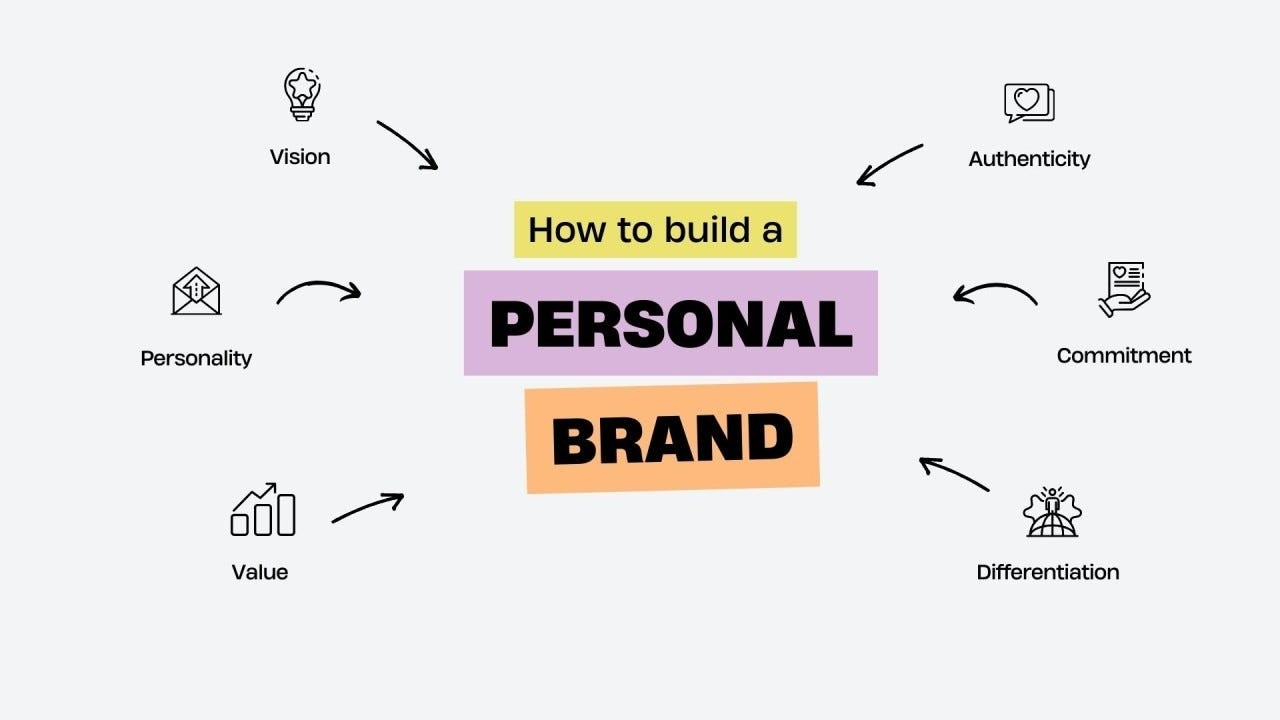
Simply put, it's the reputation you deliberately build around your name. It's what people think of when they hear your name, see your content, or consider you for an opportunity.
See, building a personal brand isn't about getting famous or racking up followers. It's about becoming the person people trust and remember when they need what you offer. Think less "viral celebrity" and more "go-to expert in my field."
Personal brand ≠ popularity. Personal brand = trust + differentiation.
You don't need a million followers to have a powerful personal brand. You need the right people to know exactly what you stand for and why you're different from everyone else doing similar work.
Personal Brand Examples
Strong personal brands exist at every level:
- Industry experts like Neil Patel (SEO and digital marketing authority)
- Niche educators like Ali Abdaal (productivity and learning strategies)
- Executive thought leaders like Satya Nadella (leadership and innovation)
- Service professionals like divorce attorneys or real estate agents who dominate their local market
Notice the pattern? Each person owns a specific space in people's minds.
The One-Liner Exercise
Before you do anything else, answer this: "What do you want to be known for?"
Not what you do, what you want to be known for. That's your North Star for everything that follows in how to create a personal brand that actually works.
Explore More: Ways To Increase Your Inbound B2B Leads (Proven Framework)
🔥 Grow Your Personal Brand Like None Other
Cleverly builds your authority with done-for-you LinkedIn content, outreach, and audience growth, so clients come to YOU.
Why Building a Personal Brand Matters in 2026 & How to Build One
The attention economy has fundamentally shifted. People don't trust ads anymore—they trust people. They follow expertise, not logos.
Building a personal brand isn't optional in 2026. It's how deals get done. We've watched personal brands consistently outperform corporate brands on trust, engagement, and conversions.
Why? Because humans buy from humans, not faceless companies.
The Real Benefits
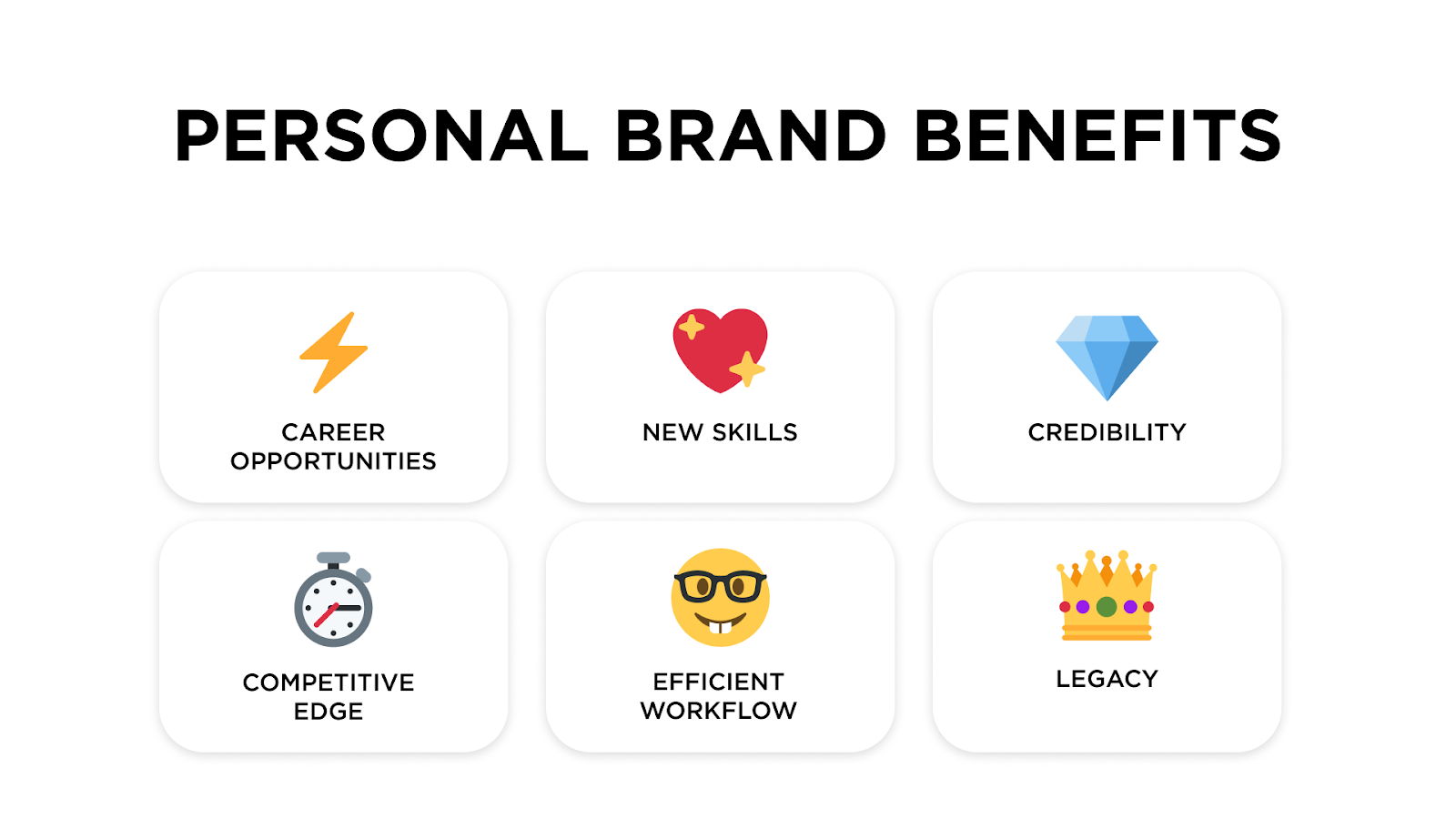
When you nail your personal branding strategy, here's what happens:
- Inbound leads start reaching out to you (instead of you chasing them).
- Higher pricing power because you're not competing on price anymore.
- Networking access to people who were previously unreachable.
- Career optionality with opportunities you didn't even apply for.
- Product launches that convert because you've already built trust.
Now let's break down exactly how to create a personal brand that delivers these results.
Step 1 — Identify Your Niche & Positioning
The biggest mistake? Trying to be everything to everyone. The riches are in the niches.
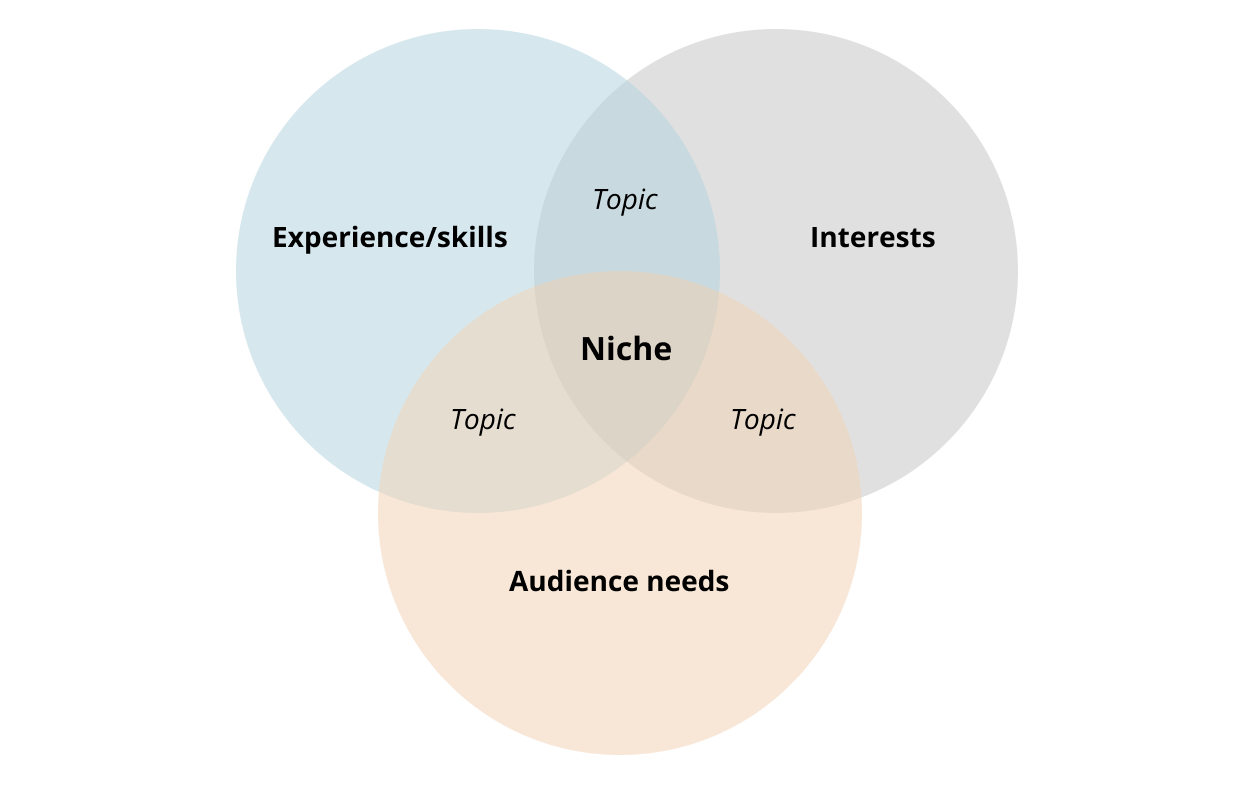
Pick a niche where demand > competition. You want to be a big fish in a small pond, not invisible in the ocean.
Use this framework to find your sweet spot:
- Passion (what you genuinely enjoy talking about)
- Credibility (what you have experience or results in)
- Demand (what people actually need help with)
Then crystallize it with this positioning statement: "I help [X] do [Y] through [Z]."
Example: "I help B2B sales teams book 20+ qualified meetings per month through LinkedIn outreach."
That's clear. That's specific. That's how you position yourself as the authority in a specific category, not just another voice in the noise.
Step 2 — Clarify Your Core Message & Story
People don't connect with credentials—they connect with stories.
The Transformation Story Framework is your secret weapon for building trust:
- Where you were (your struggle or starting point)
- What you learned (the insight or method you discovered)
- Results you achieved (the transformation)
- How you help others (your current mission)
This isn't about being vulnerable for likes. It's about showing people you've walked the path they're on.
Your messaging pillars should consistently hit three notes:
- Expertise (you know what you're talking about)
- Relationship (you understand their problems)
- Proof (you've delivered real results)
Step 3 — Create High-Converting Content That Builds Authority
Content isn't about posting daily quotes. It's about demonstrating expertise in a way that makes people think, "This person gets it."
Types of content that work:
- Educational (how-tos, frameworks, breakdowns)
- Inspirational (lessons learned, transformation stories)
- Experiential (behind-the-scenes, real-time learnings)
- Proof-driven (case studies, results, testimonials)
The repurposing method: Create one solid piece of content, then adapt it across multiple formats and platforms. One LinkedIn post becomes a Twitter thread, a YouTube short, an email newsletter, and a carousel. Work smarter, not harder.
Posting cadence: Consistency beats perfection. Three quality posts per week on your main platform will outperform daily mediocre content.
Natural CTAs that convert:
- "Want help with this? DM me 'strategy' and let's talk."
- "I break down strategies like this every week—follow for more."
- "Dealing with this challenge? Here's what we'd recommend..."
No cringe. No "link in bio." Just helpful next steps.
Step 4 — Choose the Right Platforms for Growth
You don't need to be everywhere. You need to be where your audience actually is.
Platform breakdown:
- LinkedIn: The winner for B2B, authority building, and inbound leads. If you're selling to businesses, this is non-negotiable.
- X (Twitter): Best for quick ideas, real-time conversations, and fast networking with other builders and thought leaders.
- YouTube: Long-form expertise that ranks in search forever. High trust-building potential. Takes more effort but compounds over time.
- TikTok / Instagram Reels / YouTube Shorts: Massive reach potential with viral hooks. Great for top-of-funnel awareness.
- Podcasting: Builds deeper trust through long-form conversations. Opens doors to partnerships and collaborations.
Multi-platform strategy without burnout: Pick one primary platform where you create original content. Repurpose that content for 2-3 secondary platforms. That's it.
Also Check: How to Generate 30+ Leads On Linkedin Without Spamming People
Step 5 — Build Proof: Show Results, Testimonials & Credibility Signals
Trust accelerates when people see evidence. Social proof is how you shortcut the "Can I trust this person?" question.
Proof formats that work:
- Screenshots of client results or testimonials
- Before/after transformations
- Case studies with specific numbers
- Press mentions or features
- Speaking engagements or panel appearances
- Collaborations with recognized names
Starting from zero? Offer free strategy sessions in exchange for testimonials. Document your own results. Share client wins (with permission). Proof compounds faster than you think.
Step 6 — Grow Your Network & Audience with Collaboration
Your network is your net worth. But growing it isn't about collecting connections—it's about building real relationships.
Collaboration strategies:
- Guest appearances on podcasts or webinars
- Podcast swaps with peers in adjacent niches
- Co-created content with complementary experts
- Joint ventures or partnership campaigns
The commenting strategy: Spend 15 minutes daily engaging thoughtfully on posts from your target audience and industry leaders. Not "Great post!" comments—actual insights that add value. This puts you on their radar.
Remember: Community > follower count. 1,000 engaged people who trust you beats 100,000 strangers every time.
Step 7 — Monetize Your Personal Brand
A personal brand without revenue is just a hobby. Here are the proven monetization paths:
- Consulting: Sell your expertise directly to clients who need your specific knowledge.
- Courses: Package your methodology into a scalable digital product.
- Events & speaking: Get paid to share your expertise on stage or virtually.
- Coaching: One-on-one or group programs for hands-on transformation.
- Digital products: Templates, guides, toolkits that solve specific problems.
- Done-for-you services: Deliver results directly for clients (this is our model at Cleverly).
- Partnerships & sponsorships: Align with brands that serve your audience.
The key? Start with one monetization model, prove it works, then expand.
Step 8 — Scale Your Personal Brand With Systems, Processes & Team
You can't scale on hustle alone. Eventually, you need systems.
Automation tools to implement:
- Content scheduling platforms (Buffer, Hootsuite, Later)
- Email nurturing sequences (ConvertKit, ActiveCampaign)
- Analytics dashboards to track what's working
- CRM systems to manage inbound leads
Build your content engine: Create templates, frameworks, and SOPs for your content creation process. When you can systematically produce quality content, growth becomes predictable.
What to outsource:
- Content editing and design
- Video editing and thumbnail creation
- Community management and DM responses
- Outreach and partnership coordination
- Content repurposing across platforms
Your job is to create the core ideas and show up as the face of the brand. Everything else can (and should) be delegated as you grow.
How to Build a Personal Brand From Scratch (When You Have Zero Audience)
Before we get into the framework, let's address the thing nobody talks about.
Every person with a strong personal brand today started with zero followers, zero proof, and zero confidence that anyone would care what they had to say. The only difference between them and everyone who never started is that they posted anyway.
If you're reading this thinking "this is great, but it doesn't apply to me yet because I don't have an audience" — this section is for you.
The cold-start problem is real, but it's not a blocker
The hardest part of building a personal brand isn't the strategy. It's overcoming the feeling that you need to already be someone before you start putting yourself out there. You don't. Your audience grows because you show up, not before.
What to post when you have nothing to show yet
You don't need a case study or a client win to publish your first post. You have three things that are genuinely valuable right now:
- Your learning journey. What are you figuring out in your field? Document it in real time. "Here's what I tried this week, what worked, and what didn't" is more compelling than most polished thought leadership.
- Your professional observations. What do you notice in your industry that most people don't talk about? What assumptions does everyone accept that you're quietly skeptical of?
- Your reactions to common advice. Even a measured "I think this popular take is missing something" creates more engagement than pure agreement.
None of this requires credentials you don't have yet. It requires honesty and a point of view.
The borrow-authority strategy
If you have zero followers, the fastest way to get your thinking in front of the right people is to show up in conversations they're already having. Comment substantively on posts from established voices in your niche. Not "great post!" — actual additions to the conversation that show you've thought about the subject.
The person who wrote the post sees your name. Their followers see your name. You've built a tiny amount of credibility with people who matter, and you didn't need a platform to do it.
Your first 30 posts: don't try to build a brand
This sounds counterintuitive, but it's the most practical advice for getting started. Don't approach your first 30 pieces of content as brand-building exercises. Approach them as voice-finding exercises. Post 30 times on whatever feels most natural to say, then go back and look at which ones landed and why. That pattern is your brand — it emerged from real data, not a strategy session.
The one non-negotiable from day one
Start an email list before you think you need one. Even a simple setup on ConvertKit or Beehiiv with 50 subscribers you've earned beats 5,000 social followers you've rented. Social platforms change their algorithms, throttle reach, and occasionally ban accounts. An email list is an asset you own. The best time to start it is before anyone is watching.
Personal Brand Examples to Learn From
Let's look at real personal brand examples that turned expertise into serious revenue. We're not here to copy them—we're here to extract the strategies you can adapt.
1. Alex Hormozi — Business Growth & Scaling
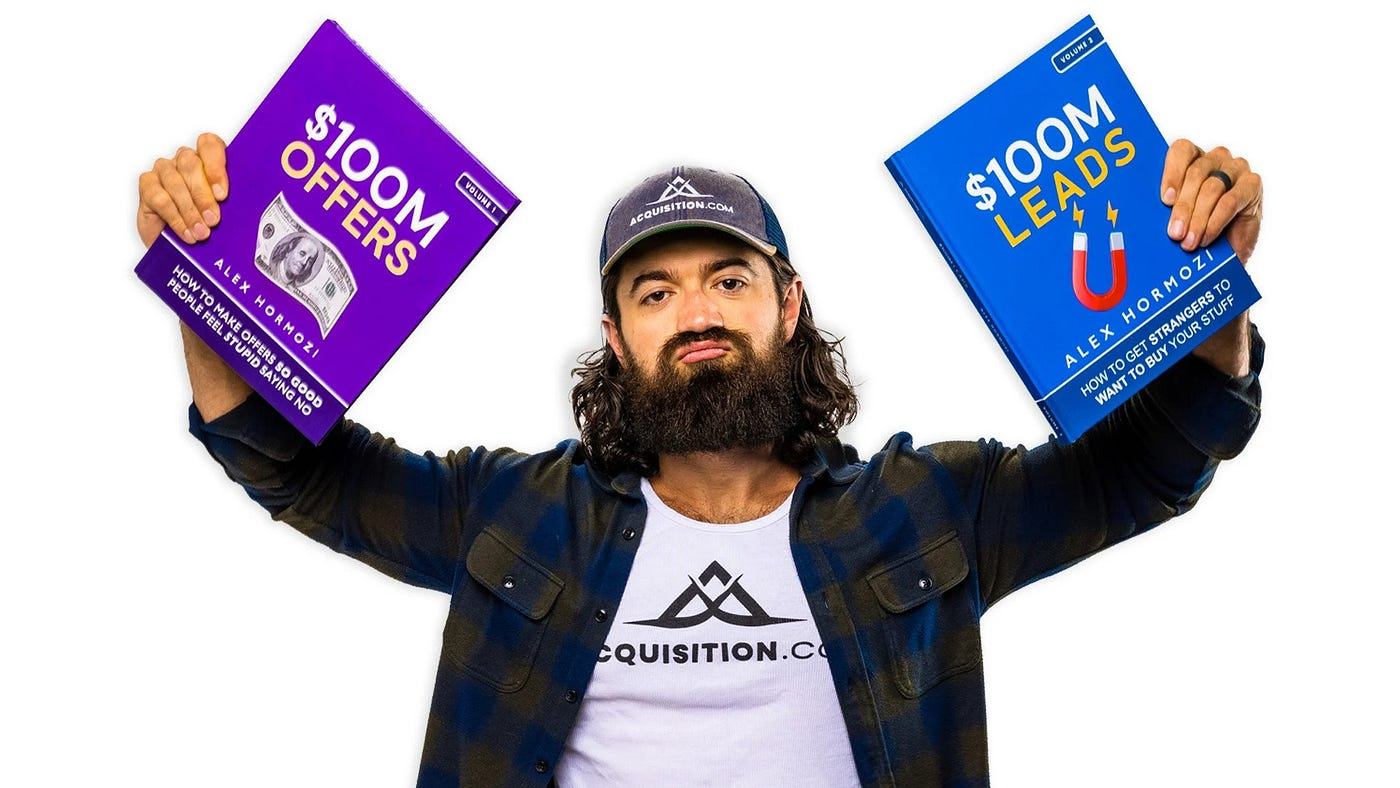
Positioning: "I show you how to make more money with your business—no BS, just what actually works."
Content style: Direct, no-fluff education packed with frameworks. Heavy use of whiteboard breakdowns and real numbers from his own businesses ($100M+ portfolio). He shares actual P&Ls, deal structures, and behind-the-scenes decision-making.
Platform strategy: Started with YouTube long-form content, expanded to Instagram Reels and TikTok for reach, uses Twitter for quick insights. Everything drives to his books and courses.
Monetization model: Books (lead magnets), high-ticket masterminds, software (Skool), equity partnerships in portfolio companies.
Lesson to replicate: Share your actual numbers and frameworks openly. Transparency builds trust faster than polish. Use one platform for depth (YouTube) and others for distribution (short-form).
2. Sahil Bloom — Career & Life Advice
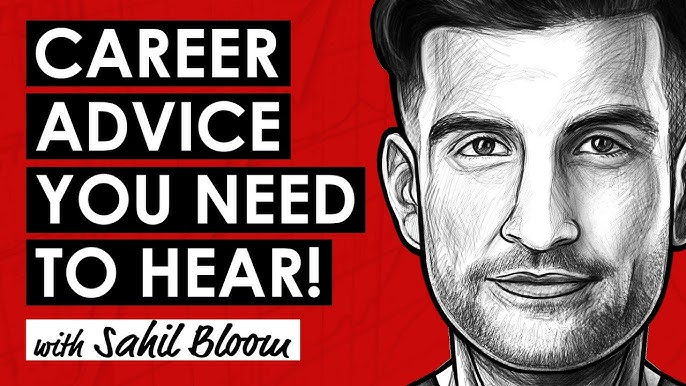
Positioning: "I help ambitious professionals build better careers and lives through timeless frameworks."
Content style: Storytelling mixed with actionable frameworks. Every post follows a pattern: hook with a story or question, teach a mental model, give practical application. Clean, visual threads on Twitter.
Platform strategy: Twitter as primary (daily threads), LinkedIn for professional audience, newsletter for deeper content and monetization. Cross-posts best performers.
Monetization model: Newsletter sponsorships, speaking engagements, angel investing, course on personal branding.
Lesson to replicate: Master one content format (for Sahil, it's the educational thread). Make complex ideas simple. Build an email list early—it's your owned asset.
3. Justin Welsh — Solopreneur & Creator Economy
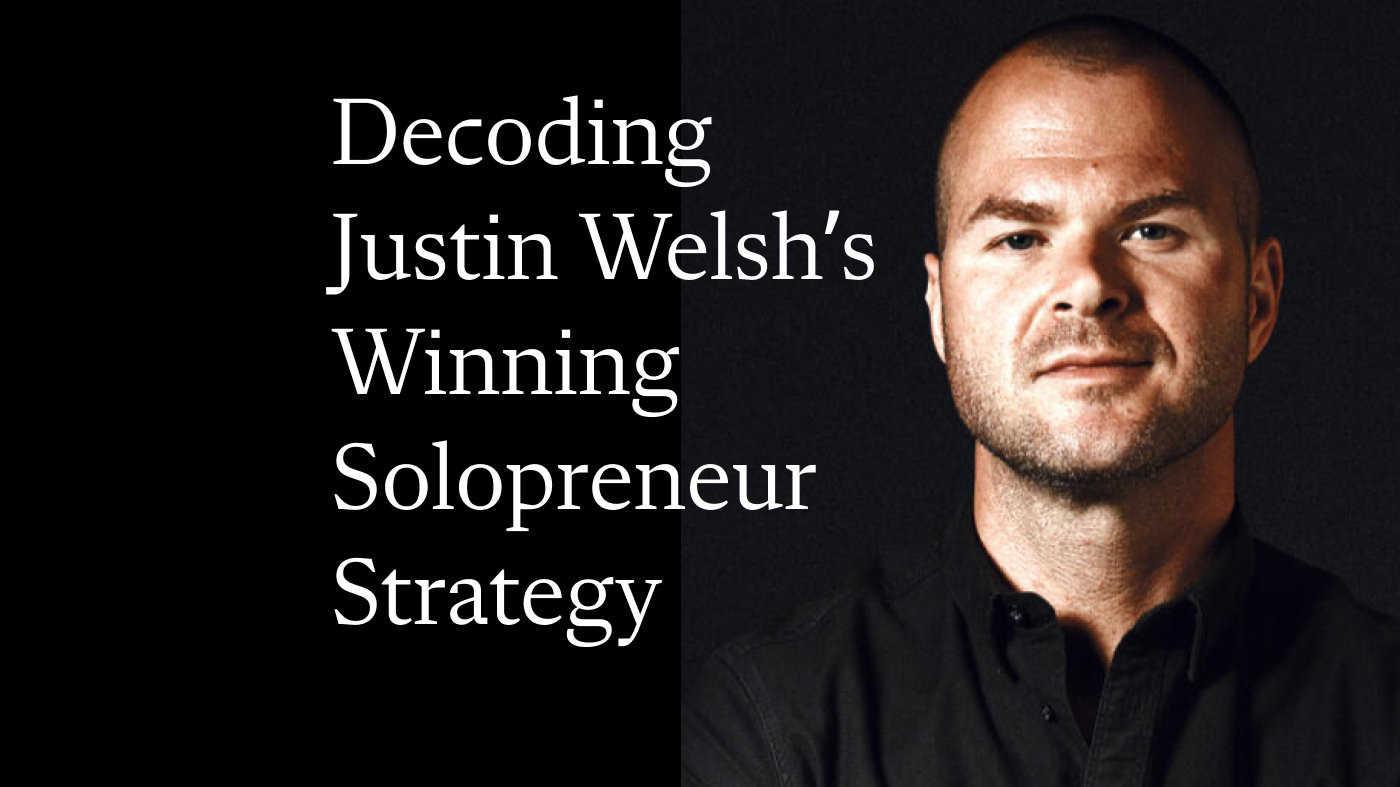
Positioning: "I teach you how to build a one-person business that generates serious income without burning out."
Content style: Tactical breakdowns of what's working in his business right now. Revenue screenshots, system walkthroughs, honest failures. Very "here's exactly what I did" energy.
Platform strategy: LinkedIn primary (3-4 posts/week), Twitter secondary, email newsletter as the monetization engine. Everything is designed to grow his email list.
Monetization model: Digital courses ($1M+ from two courses), templates and guides, community membership, newsletter sponsorships. Zero employees, pure leverage.
Lesson to replicate: Document your journey in public. Show the backend of your business. Create digital products that solve one painful problem really well. You don't need a team to hit 7 figures.
4. Lenny Rachitsky — Product Management

Positioning: "The most trusted resource for product managers who want to level up."
Content style: Long-form, deeply researched content. Interviews with PMs from top companies, tactical frameworks, data-driven insights. Quality over quantity—one newsletter per week.
Platform strategy: Newsletter-first strategy (Substack with 500K+ subscribers), LinkedIn for distribution, Twitter for quick takes and engagement.
Monetization model: Paid newsletter subscriptions ($20M+ annual run rate), job board, courses, workshops, podcast sponsorships.
Lesson to replicate: Go deep in a specific niche. Become the resource, not a resource. Interview the best people in your space—it builds your credibility and theirs. Newsletter > social media for monetization.
5. Codie Sanchez — Business Acquisitions
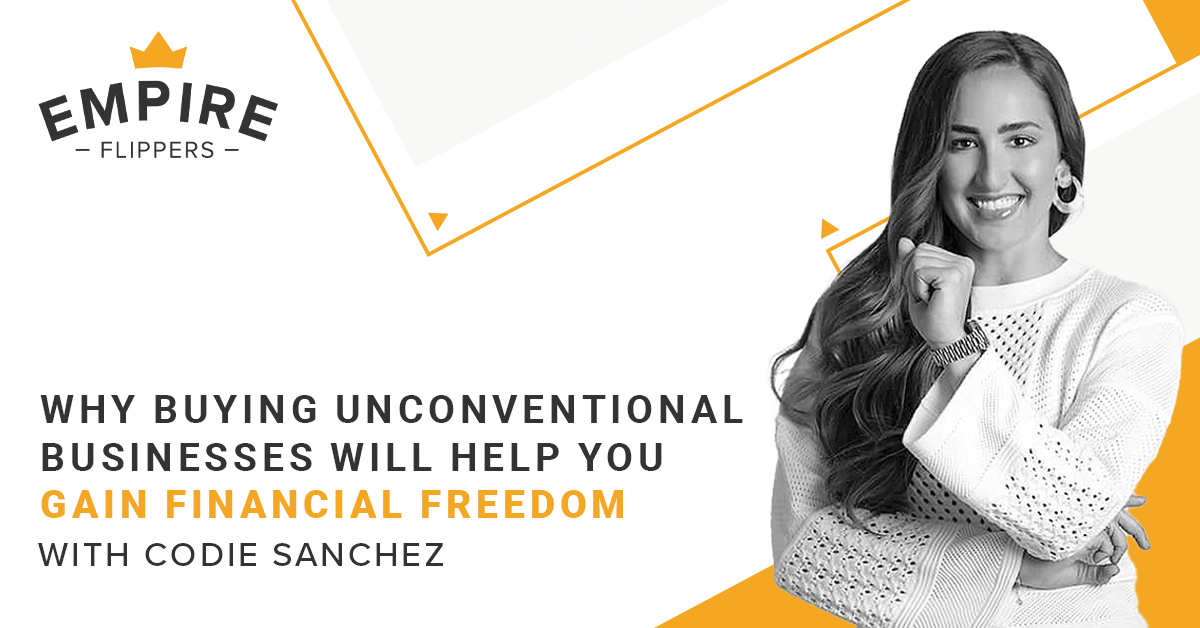
Positioning: "I teach you how to buy small, boring businesses that print cash."
Content style: Contrarian takes on wealth-building. Breaks down specific deals, shares acquisition strategies, challenges conventional career advice. High energy, bold statements.
Platform strategy: YouTube for long-form deal breakdowns, Twitter for hot takes and engagement, LinkedIn for B2B credibility, Instagram for lifestyle/reach.
Monetization model: Consulting, masterminds, course on business acquisitions, media company (Contrarian Thinking), deal flow partnerships.
Lesson to replicate: Take a contrarian angle in your positioning. Don't be afraid to challenge industry norms—that's what gets attention. Use multiple platforms but maintain consistent messaging.
Key Patterns Across All Examples
Notice what these personal brand examples have in common:
- Crystal clear positioning (you know exactly what they help with)
- Proof-driven content (real numbers, real results, real experience)
- One primary platform mastered before expanding
- Email list as core asset (owned audience, not rented)
- Monetization that scales (courses, communities, consulting—not just 1:1 time)
You don't need to be them. But you can apply their strategies to your niche, your expertise, and your audience. That's how you build a personal brand that actually generates revenue.
Learn More: LinkedIn Personal Branding - How to Build Authority & Attract Opportunities
Personal Branding on Social Media: Platform-by-Platform Strategy for 2026
LinkedIn is where most B2B professionals should anchor their personal brand. But it's not the only platform that matters — and how you use each platform is very different.
Here's what's actually working by platform in 2026.
LinkedIn — the B2B non-negotiable
Post Tuesday through Thursday, 8-10 AM in your audience's timezone for maximum reach. Keep post bodies free of external links (put URLs in the first comment instead). Lead with text posts for consistency, carousels for reach, and video for trust. Native content outperforms everything — reposts, shares, and external links all get suppressed relative to original posts.
One underused tactic: turn your best-performing text posts into carousels. The same idea, reformatted as a document upload, typically reaches a wider audience and generates more saves.
X (Twitter) — for building a voice quickly
X rewards volume and speed in a way LinkedIn doesn't. Short-form opinions published daily build voice recognition. Weekly threads build authority in a specific niche. The best growth tactic on X is replying thoughtfully to accounts ten times your size — their followers scroll the replies, and a sharp comment puts your name and thinking in front of a relevant audience with no follower requirement.
The goal on X isn't to go viral. It's to become a recognized name in a specific niche conversation. That happens through consistency and genuine engagement, not posting and ghosting.
YouTube — for long-term compounding authority
YouTube is a search engine first and a social platform second. Videos you publish today will surface in search results for years. One video per week, published consistently, outperforms four videos in one month and then nothing — the algorithm rewards creator reliability just as much as viewer interest.
Face-to-camera tutorials compound over time in a way carousels and text posts don't. Production quality matters less than you think. Strong titles and timestamps matter more than almost anything else.
Your newsletter — the only platform you actually own
This applies regardless of which social platforms you use. Your email list is the only audience you have genuine ownership of. Social platforms change their algorithms, reduce organic reach, and occasionally remove accounts. Your newsletter subscribers go with you everywhere.
Start before you think you're ready. A weekly email to 200 engaged people who actually open it and act on it will outperform 10,000 passive social followers for conversions, partnerships, and product launches. Substack and ConvertKit are the most common starting points.
The 2026 content reality across every platform
Algorithm reach is declining on every major platform for promotional and low-value content. The formats that consistently outperform are educational (teaches something genuinely useful), opinionated (takes a real position), and specific (addresses a narrow problem in depth rather than a broad topic superficially).
This is true whether you're posting on LinkedIn, publishing on X, recording for YouTube, or writing a newsletter. The medium changes. The principle doesn't.
🚀 Turn Your Profile Into a Lead Engine
We optimize your brand, run outreach, and book meetings with your ideal clients. Starting at just $397/mo.
Common Mistakes to Avoid When Building a Personal Brand
We've seen thousands of professionals try to build personal brands. Most fail because of the same avoidable mistakes. Here's what not to do.
❌ Posting Random Content Without Direction
The biggest killer? No clear strategy. You post about marketing on Monday, productivity on Wednesday, and your weekend hobbies on Friday.
The problem: Your audience has no idea what you stand for. You're just noise.
✅ The fix: Every piece of content should ladder up to your positioning. Ask yourself: "Does this reinforce what I want to be known for?" If not, don't post it. Building a personal brand requires focused repetition, not random variety.
❌ Inconsistency & Missing CTAs
You post three times one week, then disappear for a month. Or you create great content but never tell people what to do next.
The problem: Algorithms punish inconsistency. And even when you do show up, people don't know how to work with you because you never ask.
The fix: Pick a realistic posting schedule (even 2x/week works) and stick to it. And every few posts, include a natural call-to-action: "DM me if you're dealing with this," or "Drop a comment if you want the template," or "Follow for more breakdowns like this."
Consistency compounds. CTAs convert.
❌ Copying Others Instead of Differentiating
You see someone crushing it with carousel posts, so you make carousels. They post LinkedIn content like threads etc, so you do too. Same topics, same style, same everything.
The problem: You're building their brand, not yours. People can already follow the original—why would they follow the knockoff?
✅ The fix: Study successful personal brand examples, but don't copy them. Extract the strategy (storytelling, frameworks, consistency), then apply your unique angle, experience, and voice. Your differentiation isn't just what you talk about—it's how you talk about it and who you are.
❌ No Audience Nurturing or Follow-Up
Someone comments on your post, DMs you a question, or downloads your lead magnet... and then crickets. You got the attention but never converted it into a relationship.
The problem: Attention without lead nurturing is wasted. You're leaving money and relationships on the table.
✅ The fix: Reply to comments within the first hour (boosts engagement and builds connection). Answer DMs thoughtfully—even if it's just to say "thanks for reaching out, here's how I can help." Set up email sequences for lead magnets. How to build a personal brand that converts is about what happens after they notice you, not just getting noticed.
❌ Overthinking Brand Identity Instead of Taking Action
You spend three months designing the perfect logo, agonizing over brand colors, and wordsmithing your bio. Meanwhile, you haven't posted a single piece of content.
The problem: Perfection is procrastination in disguise. Your brand isn't built in Canva—it's built through consistent action and real interactions.
✅ The fix: Start messy. Your first 50 posts won't be perfect, and that's fine. Your positioning will evolve as you go. Test, learn, adjust. Action creates clarity. Overthinking creates paralysis.
Reid Hoffman said it best: "If you're not embarrassed by the first version of your product, you've launched too late." Same applies to your personal brand.
The Bottom Line?
Building a personal brand isn't about perfection. It's about clarity, consistency, and genuine connection. Avoid these mistakes, focus on what actually moves the needle, and you'll be miles ahead of 95% of people trying to do the same thing.
How Cleverly Helps You Build a Personal Brand Faster
Strategy matters, execution creates results.
You can have the perfect personal branding strategy mapped out, but if you're stuck doing all the manual outreach, content creation, and follow-ups yourself, growth crawls.
That's where we come in.
What We Do Differently
At Cleverly, we've helped over 10,000 clients—including teams at Amazon, Google, Uber, PayPal, Slack, and Spotify—generate leads and build authority.
…That's $312 million in pipeline revenue and $51.2 million in closed revenue.
Here's how we accelerate your personal brand:
- Done-for-you LinkedIn lead gen — We connect you with the right buyers, partners, and influencers in your space. No spray-and-pray. Strategic targeting that builds your network with people who actually matter.
- Ghostwriting for thought leadership — Want to post consistently but don't have the time? We'll handle your LinkedIn content so you stay top-of-mind without the content creation grind.
- Messaging strategy + positioning support — We help you nail your positioning and craft messaging that converts. Because clarity drives action.

The Result?
Consistent inbound leads. Authority positioning that opens doors. Audience growth that compounds. All while you focus on what you do best—delivering results for your clients.
Want help accelerating your personal brand growth?
Book a free strategy call and let's build your inbound engine together.

Frequently Asked Questions
Free Resource
How to Scale a Profitable Cold Call System
Get the complete guide — download it instantly now.
Free Ebook
Download the Free Guide
Enter your details to get instant access.
You're all set! 🎉
Your ebook is downloading now.
Click below if the download didn't start automatically.


