

Table of Contents
What Is the Dream 100 Strategy?
The Origin of the Dream 100 Strategy: Chet Holmes Explained
Why the Dream 100 Strategy Works for B2B Outreach in 2026
How to Build Your Dream 100 List
How to Execute the Dream 100 Strategy for B2B Outreach
How Long Does the Dream 100 Strategy Take to Work?
Common Mistakes When Running a Dream 100 Strategy
How Cleverly Runs Dream 100 Outreach for B2B Teams
Conclusion
Frequently Asked Questions
Modified On :
June 5, 2026
Key Takeaways
- The dream 100 strategy is a focused, account-based outreach approach where you identify your 100 highest-value potential buyers and pursue them with consistent, personalized touchpoints until they convert.
- Chet Holmes created this methodology while managing sales for Charlie Munger's portfolio — and used it to close the biggest deal his industry had ever seen, starting from four months of zero responses.
- Building your Dream 100 list requires more than ICP matching — it demands stakeholder mapping, intent signals, and contact-level enrichment across every target account.
- Dream 100 outreach works best as a multi-channel system: LinkedIn, cold email, phone, and direct mail working together over a sustained cadence.
- Consistency is the entire point — most teams quit in week three. The compounding effect of Dream 100 only kicks in if you stay the course.
Spray-and-pray outreach has a serious cost. You burn your domain, exhaust your SDRs, and fill your pipeline with low-fit leads that churn fast or never close at all. The volume game feels productive until you look at the numbers.
73% of B2B buyers actively avoid suppliers who send irrelevant outreach — and that number keeps climbing. Meanwhile, the average B2B purchase now involves 13 stakeholders, with nearly 89% of buying decisions crossing multiple departments. Generic outreach aimed at one contact per account doesn't stand a chance.
That's why the dream 100 strategy still holds up decades after Chet Holmes first introduced it. Instead of blasting a 10,000-contact list and hoping something sticks, you pick your 100 best-fit buyers, map every stakeholder, and pursue them with relentless, intelligent consistency across every channel.
At Cleverly, we've used this framework ourselves — and we've watched hundreds of clients use it to land accounts they'd been chasing for years.
This guide breaks down exactly how it works, how to build your list, and how to execute it across LinkedIn, cold email, and cold calling in 2026.
What Is the Dream 100 Strategy?
The chet holmes dream 100 strategy explained simply: identify the 100 accounts that represent your absolute best potential buyers, then pursue them — consistently, across multiple channels — until they buy.
It's not a cold outreach blast. It's not a drip sequence you set and forget. It's a long-game, account-focused campaign designed to make your brand impossible to ignore for the people most likely to write you a check.
The core insight behind it is simple but easy to overlook: in almost every B2B market, a small percentage of buyers drive the vast majority of revenue.
The Dream 100 forces you to identify exactly who those buyers are before you start outreach — and then stay in front of them long enough for timing to work in your favor.
Why 100? It's a number that forces real prioritization. It's small enough that you can personalize every touchpoint, big enough that your pipeline stays healthy even with natural drop-off. And it's finite — which means your team actually executes instead of endlessly "building the list."
The core operating principle: if you can't get in today, you'll be there when they're ready — because you never stopped showing up.
🎯 Your Dream Clients Won’t Reach Out First
We help you systematically engage high-value accounts at scale. LinkedIn, cold email & calling — fully done for you.
The Origin of the Dream 100 Strategy: Chet Holmes Explained
Chet Holmes didn't create this framework in a conference room. He developed it while working as a sales manager for one of Charlie Munger's portfolio companies, trying to figure out why most outreach produced nothing while a small number of accounts drove almost all revenue.
His data insight was the unlock. Out of roughly 2,200 potential advertisers in his market, only 167 companies accounted for 95% of all advertising spend. The rest were noise.
So Chet stopped chasing everyone. He focused exclusively on those 167 accounts — his Dream 100. His approach was simple and physical: send each one a personalized "lumpy mail" package every two weeks, then follow up by phone twice a month.
For four months, nothing happened. Zero responses. Every instinct said to stop.
Month five produced the biggest advertising deal the industry had ever seen. Over the following five months, 28 more deals closed.
The lesson wasn't about the mail or the calls. It was about the compounding effect of consistent, relevant contact with the right people. The best buyers are busy, not uninterested. They need to see you enough times — in enough formats — before you become real to them.
Chet's daughter Amanda Holmes has carried this work forward through Chet Holmes International, modernizing the methodology for digital channels while keeping the original discipline intact: prioritize ruthlessly, pursue relentlessly, and trust the timeline.
Why the Dream 100 Strategy Works for B2B Outreach in 2026
The outreach environment has changed dramatically. Inboxes are more crowded. LinkedIn connection acceptance rates have dropped. Decision-makers are harder to reach and more skeptical of generic pitches.
But those dynamics actually make the dream 100 marketing strategy more powerful, not less.
When everyone else is sending templated sequences to 5,000 contacts, showing up consistently with relevant, personalized outreach to 100 accounts makes you stand out by default. The contrast is doing your work for you.
A typical buying committee for a complex B2B solution consists of six to ten decision-makers, each armed with four to five pieces of independently gathered information. That means one contact at one account isn't a strategy — it's a gamble.
The Dream 100 forces you to map the full committee and engage multiple stakeholders over time, which is exactly how enterprise deals actually close.
There's also a compounding effect that's hard to quantify until you see it in practice. Every LinkedIn touchpoint, every email, every follow-up call builds familiarity. By the time a Dream 100 account is actively evaluating a solution, your brand is already in their head.
You're not cold — you're familiar. And familiar wins.
This is also why quality over quantity has become the dominant philosophy in B2B lead generation. The teams landing the biggest accounts in 2026 aren't the ones sending the most emails. They're the ones showing up consistently, with relevance, to the accounts they actually want to win.
🚀 Targeting the Right 100 Companies Changes Everything
We identify, contact, and book meetings with your ideal prospects. You focus on closing deals while we fill the pipeline.
How to Build Your Dream 100 List
Most teams skip this step or rush it. A weak list produces weak results — no matter how good your outreach is. Here's how we build it.
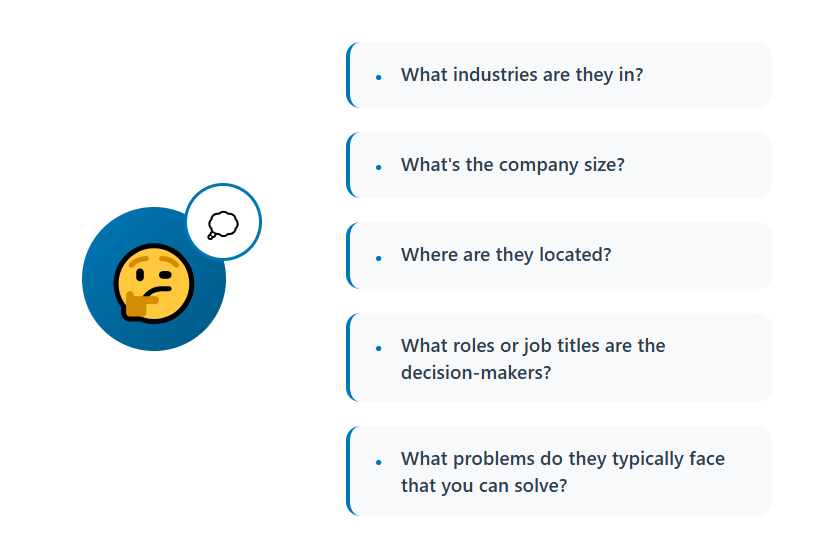
Step 1: Define Your ICP With Precision
Go beyond job title and industry. You need firmographics (company size, revenue range, growth stage), technographics (the tools they're already using), and behavioral signals (hiring patterns, recent funding, leadership changes). The tighter your ICP, the stronger your list.
Step 2: Identify Your Highest-Value Accounts
Your Dream 100 isn't just companies that fit the ICP — it's the ones that represent your best opportunity. Think largest expected deal size, strongest product-market fit, best retention profile based on existing customers, and fastest path to revenue. If a company fits the ICP but has a 24-month buying cycle, they might belong on a different list.
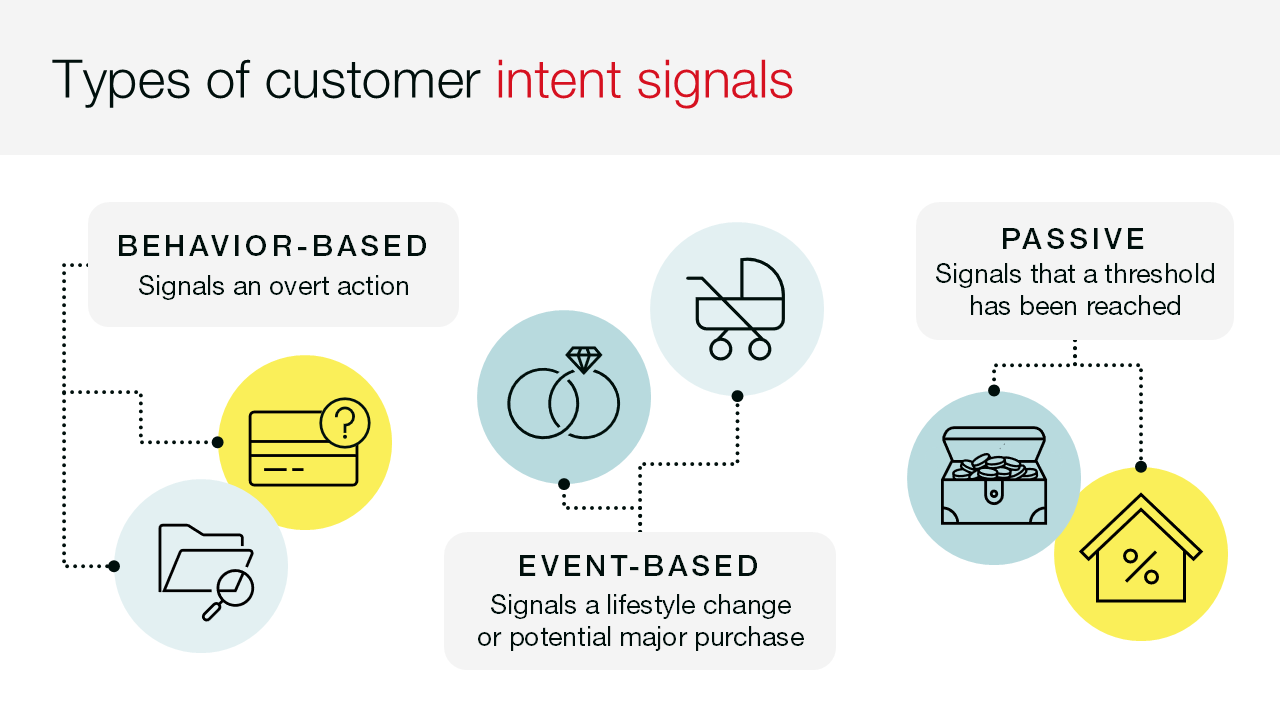
Step 3: Layer In Intent Signals
Accounts that are actively researching solutions, expanding headcount in your target department, or recently funded are meaningfully more likely to convert in a reasonable timeframe. Intent data turns a good list into a great one.
Step 4: Map Stakeholders at Each Account
For each of your 100 accounts, identify the economic buyer, champion, technical evaluator, and key influencers. This is where most teams get lazy — they target one contact per company and wonder why deals stall. Map the full committee before you start outreach.
Step 5: Qualify and Prioritize
Rank your 100 accounts by likelihood to buy and strategic value. Your top 25 get your most aggressive, personalized outreach. Your next 25 get a full cadence. The remaining 50 stay warm. Not every account deserves the same level of effort in month one.
Step 6: Build Your Contact Database
Verified emails, LinkedIn profiles, direct dials, and company context for every contact at every account. Tools that make this possible: LinkedIn Sales Navigator for prospecting, Apollo.io or ZoomInfo for contact data, Bombora for intent signals, and Clay for enrichment workflows that pull everything together.
How to Execute the Dream 100 Strategy for B2B Outreach
Building the list is the easy part. Execution is where most teams fall apart. They treat their Dream 100 like a standard cold outreach campaign — same templates, same cadence, same follow-up logic. That's not Dream 100. That's just a renamed blast.
Real dream 100 strategy execution means sustained, multi-channel personalization over time. Here's how each channel fits.
Channel 1: LinkedIn Outreach
LinkedIn is your warmth layer. Before you ever send a cold message, your Dream 100 accounts should be seeing your name.
Start by following the key stakeholders at each target account. Engage with their content thoughtfully — a specific comment on a post they wrote is worth more than ten connection requests. When you do reach out, make your connection request reference something real: a post they published, a company milestone, a shared challenge.
Once connected, lead with value. Share a relevant insight, a benchmark they'd care about, a piece of content that connects to something happening in their world. The ask comes later — after you've established that you're worth their time.
LinkedIn content compounds this effect. When your prospects see your posts regularly, by the time you reach out directly, you're not a stranger. You're someone they've been reading. That changes everything about how the conversation starts.
Channel 2: Cold Email Outreach
For Dream 100 accounts, generic sequences don't exist. Every email should feel like it was written specifically for that company — because it should be.
Open with something real: a recent hire in their growth team, a product launch they announced, a challenge common to their specific stage or industry. Not "I saw you work at [Company]." Something that signals you actually did your homework.
Your sequence structure should lead with value before it asks for anything. A relevant case study, a benchmark report, a specific insight from your experience working with similar companies. The soft ask — a quick call, a reaction to something you shared — comes after you've given them a reason to trust your judgment.
Personalization beyond first name increases reply rates by 340%. That stat alone should end the debate about whether hyper-personalized sequences are worth the extra time for your highest-priority accounts.
Channel 3: Cold Calling
For high-value Dream 100 accounts, a well-timed call can be the tipping point that converts weeks of digital engagement into a live conversation.
Timing matters more than script. If a prospect opened your email three times in the last 24 hours, that's your window. If they just visited your website, that's your window. Data-driven call timing — using email open signals, LinkedIn activity, or website visitor tracking — dramatically improves your connect and conversion rates.
When you do get them on the phone, lead with relevance. Reference the email you sent, the content you shared, or something specific about their business. Not a pitch. A bridge — from the touchpoints they've already experienced to a real conversation about whether there's a fit.

Channel 4: Direct Mail and Gifting (The Original Dream 100 Touch)
This is how Chet Holmes did it. Physical, tangible outreach in a world of digital noise. And it's making a serious comeback.
Personalized gifting and direct mail stand out precisely because no one else is doing them. A thoughtful gift — a book relevant to their industry, a handwritten note, something that signals you actually know who they are — creates a memorability that no email can replicate.
Tools like Sendoso and Reachdesk make this scalable. Handwrytten handles handwritten notes at volume. We've seen a single gifting touchpoint unlock conversations that months of email couldn't.
Reserve physical outreach for your top-tier Dream 100 accounts. The ROI is there, but so is the cost — so spend it where it matters most.
Building a Multi-Touch Cadence Across All Channels
No single channel wins Dream 100. The strategy works through compounding touchpoints across every channel your prospects use.
A practical 8-week cadence might look like this:
Track every touchpoint in your CRM. Without visibility into where each Dream 100 account stands in the engagement cycle, you'll lose continuity — and continuity is the whole game.
How Long Does the Dream 100 Strategy Take to Work?
Chet Holmes' original results started in month five. That's not a coincidence — it's a feature.
The Dream 100 is a long-game strategy. In modern B2B, depending on deal size and sales cycle complexity, you're typically looking at 60 to 180 days from first touch to first meaningful conversation. For enterprise accounts, it can be longer.
The number one reason Dream 100 campaigns fail isn't bad targeting or weak copy — it's giving up too early. Teams run a three-week sequence, get no responses, and pivot to a new approach. They never give the compounding effect time to develop.
The way to manage this psychologically is to shift your early-stage metrics. In the first 60 days, don't track meetings booked — track touchpoints per account per month. Are you showing up consistently across channels? Are you increasing familiarity and staying top of mind? Those leading indicators tell you if the campaign is working long before the calendar bookings appear.
The payoff is real when it comes. Dream 100 accounts that convert don't just close — they come in with higher deal values, lower churn rates, and stronger referral potential. Because you weren't the vendor who cold-blasted them. You were the team that showed up consistently and earned their attention over time.
Common Mistakes When Running a Dream 100 Strategy
A few patterns we see repeatedly from teams that try this and get frustrated:
❌ Treating Dream 100 like a broadcast campaign. You can't automate your way through this at scale. The personalization is the point. If your Dream 100 outreach looks like your 5,000-contact cold email campaign, it's not a Dream 100 campaign.
❌ Quitting after two or three weeks. This is the most common one. Results don't come in week two. They come in month three or five. If you stop before then, you've done all the hard work of list-building for nothing.
❌ Only targeting one stakeholder per account. Nearly 89% of buying decisions cross multiple departments. If you're only emailing the VP of Sales and ignoring the CFO, the RevOps lead, and the operations director, you're missing most of the decision-making committee.
❌ Ignoring champions and influencers. The economic buyer signs the contract, but the champion closes the deal internally. Build relationships at multiple levels.
❌ Not tracking touchpoints. If you don't have a clear record of what you've sent, when, and through which channel, your follow-ups will feel random — and your team will lose track of where each account stands.
❌ Confusing persistence with pestering. There's a line between consistent value-led contact and repetitive pressure. Every touchpoint should give the prospect something — a relevant insight, a useful resource, a specific observation about their business. If you're just following up to follow up, you've crossed that line.
❌ Not refreshing the list. Review your Dream 100 quarterly. Priorities shift. New accounts emerge. Companies that weren't ready six months ago might be actively evaluating now. The list should stay current.
How Cleverly Runs Dream 100 Outreach for B2B Teams
The dream 100 strategy is powerful in theory. The part that breaks down in practice is execution — specifically, maintaining consistency across 100 accounts, multiple stakeholders, three or four channels, and an 8 to 16 week timeline while running everything else your team is responsible for.
That's where we come in. At Cleverly, we've built a structured approach to Dream 100 execution that covers every stage: ICP definition, account prioritization, stakeholder mapping, channel-by-channel cadence design, and performance tracking — all done for you.
👉 Our LinkedIn outreach service handles the personalization and follow-up across your Dream 100 accounts at a level that's genuinely hard to replicate in-house.
👉 Our cold email lead gen system builds hyper-personalized sequences with deliverability infrastructure, reply management, and data sourcing already handled.
👉 And our cold calling system pairs trained appointment setters with your Dream 100 list to convert warm digital engagement into live conversations.
We've helped 10,000+ B2B companies generate qualified pipeline — working with teams at Amazon, Google, Uber, Slack, Spotify, and hundreds of fast-growing companies across every B2B category.
LinkedIn lead generation starts at $397/month. Cold email is performance-based — you only pay for meetings that show up.
If your pipeline feels inconsistent, the Dream 100 is usually the fix. And if you want it executed properly from day one, that's what we're here for.
🔥 Book a Free Consultation!
Conclusion
The dream 100 strategy has been around for decades because it's grounded in a truth that doesn't change: the best buyers are worth pursuing with patience and precision.
In 2026, with inboxes more crowded and buying committees more complex than ever, the teams winning the biggest accounts aren't the ones sending the most messages. They're the ones who identified the right 100 accounts, mapped every stakeholder, and showed up consistently across the right channels — long enough for timing and trust to do their job.
Build your list with intention. Map the committee. Execute across LinkedIn, cold email, phone, and direct mail. Track every touchpoint. And trust the process. The compounding effect of Dream 100 is real — but only for the teams that stay in long enough to see it work.
Frequently Asked Questions
Free Resource
How to Scale a Profitable Cold Call System
Get the complete guide — download it instantly now.
Free Ebook
Download the Free Guide
Enter your details to get instant access.
You're all set! 🎉
Your ebook is downloading now.
Click below if the download didn't start automatically.


