Table of Contents
What Is a B2B Email Drip Campaign?
Why Drip Campaigns Matter in B2B Lead Generation
Core Elements of a High-Performing B2B Email Drip Campaign
Best B2B Email Drip Campaign Structures (By Use Case)
B2B Email Drip Campaign Examples You Can Learn From
How to Set Up a B2B Email Drip Campaign Step-by-Step
Measuring the Success of a B2B Email Drip Campaign
How Cleverly Builds Drip Campaigns That Drive Real Conversations
Frequently Asked Questions
Modified On :
January 8, 2026
Key Takeaways
- B2B email drip campaigns work because buyers need multiple touchpoints before they're ready to respond or book a meeting.
- Structure your sequences with one clear goal and logical progression of value, not random follow-ups.
- Reply rate and meetings booked matter more than open rates or vanity metrics.
- Space emails 2-4 days apart for cold outreach, 5-7 days for nurture sequences.
- Match your drip structure to where prospects are: cold outreach, re-engagement, post-demo, or warm nurture.
- Stop or refresh campaigns when reply rates drop below 3% consistently
Sending one cold email and hoping for a reply? That rarely works in B2B. Decision-makers are busy, inboxes are crowded, and your first email usually gets lost in the noise.
That's where a B2B email drip campaign changes the game. Instead of one shot in the dark, you're building familiarity over multiple touchpoints.
Each email adds value, builds trust, and keeps you top of mind until your prospect is ready to respond.
The difference - random follow-ups feel pushy and scattered. A structured B2B email drip campaign feels intentional. You're not just checking in, you're delivering a sequence designed to guide prospects from cold to conversation.
The result? Higher reply rates, more meetings, and better quality leads.
At Cleverly, we've seen this approach generate $312 million in pipeline revenue across 10,000+ clients because email drip campaign best practices work when executed right.
Let's break down exactly how to build one that converts.
What Is a B2B Email Drip Campaign?
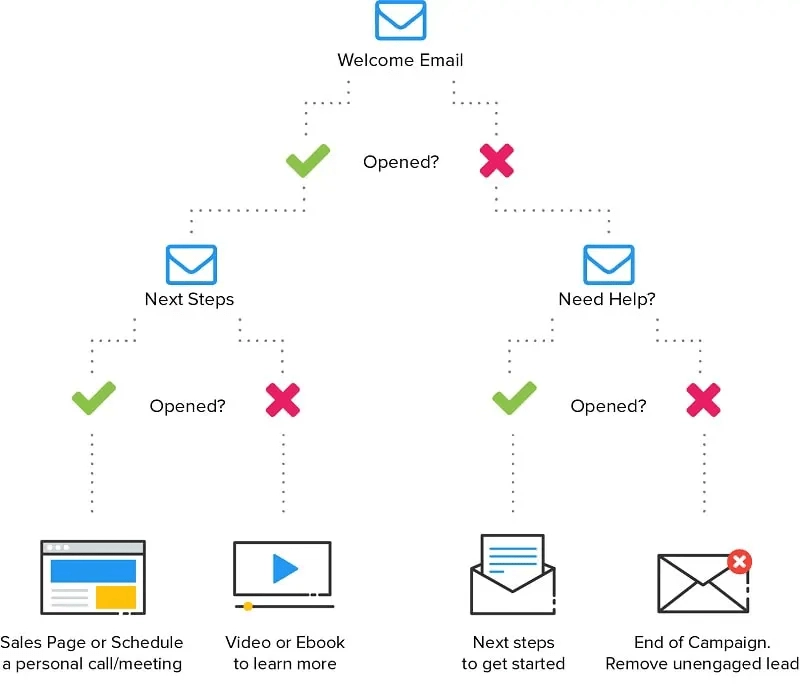
A B2B email drip campaign is a series of pre-written emails sent automatically over time to move cold email prospects closer to a conversation.
Like planting seeds and watering them consistently until they grow into opportunities.
Here's what makes drip campaigns different from other email strategies:
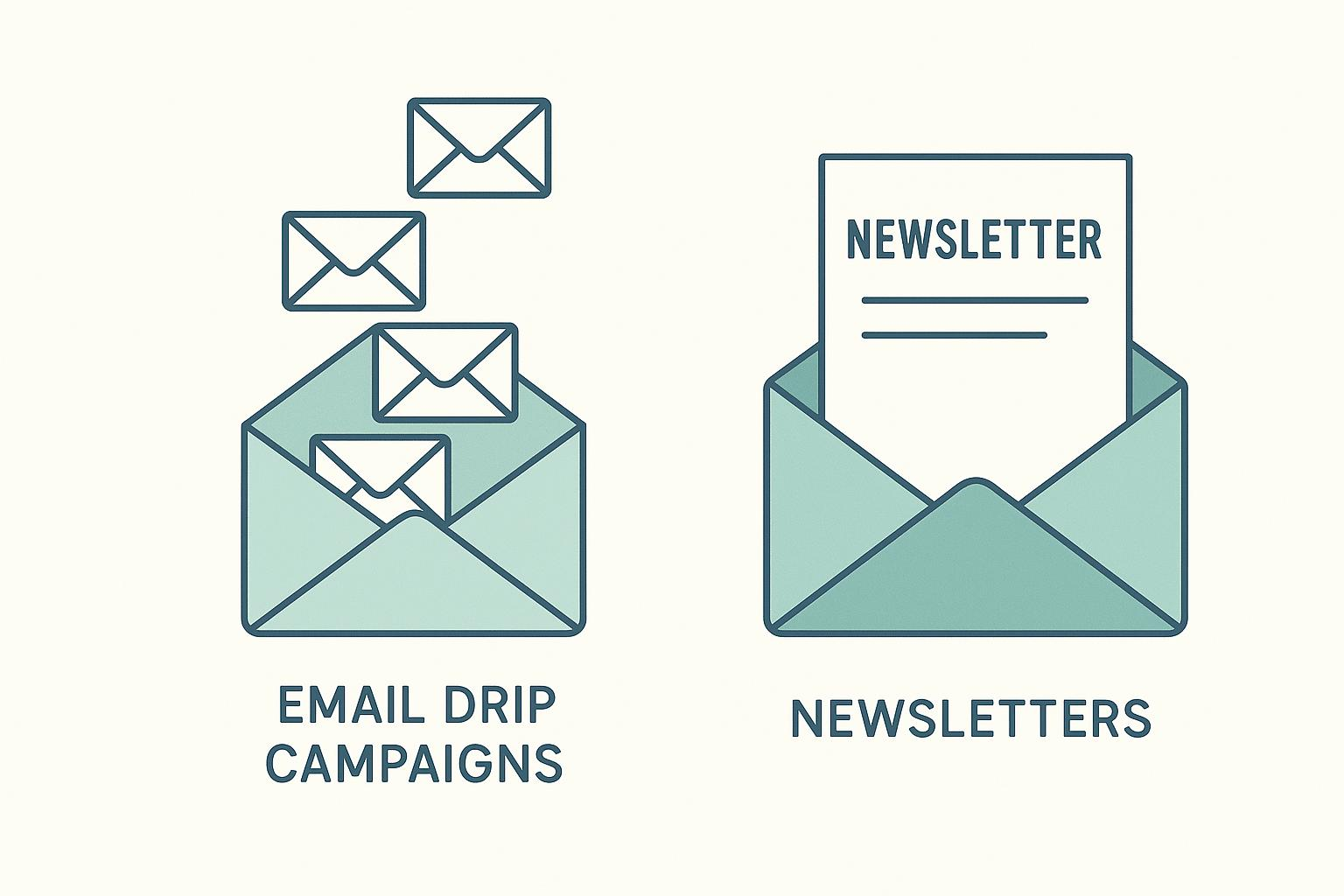
👉 Drip campaigns vs newsletters: Newsletters go to everyone at once with general updates. Drip campaigns are targeted sequences triggered by specific actions or timelines, personalized to where each prospect is in their journey.
👉 Drip campaigns vs marketing automation: Marketing automation is the broader toolset. Drip campaigns are one specific tactic within that toolset, focused on consistent outreach over days or weeks.
Where drip campaigns shine:
- Outbound prospecting: You're reaching cold leads who don't know you yet. A cold email drip campaign warms them up through multiple touchpoints instead of relying on one email.
- Lead nurturing: Prospects showed interest but aren't ready to buy. Drip sequences keep you visible until timing aligns.
- Longer sales cycles: B2B deals take time. When you're selling to enterprises or complex solutions, drip campaigns maintain momentum between initial contact and decision-making.
We use B2B email drip campaigns at Cleverly because B2B buyers need multiple touches before they're ready to talk. One email might get ignored. Seven emails, each adding value? That gets meetings booked.
Explore More: Perfect B2B Sales Strategy to Close More Deals (Proven Methods)
🚀 Replies → Meetings → Revenue
We handle copy, sequencing, deliverability, and follow-ups so your drip campaigns drive real sales conversations, not opens. Pay only when we send you leads.
Why Drip Campaigns Matter in B2B Lead Generation
B2B buyers almost never respond to your first email. They're not ignoring you because your offer is bad. They're busy, priorities shift, and timing matters more than most people realize.
This is precisely why cold email lead generation through drip campaigns works so well. You're not banking on perfect timing with one email. You're creating multiple opportunities to connect when your prospect is actually ready to engage.
Three things that make drip campaigns effective:
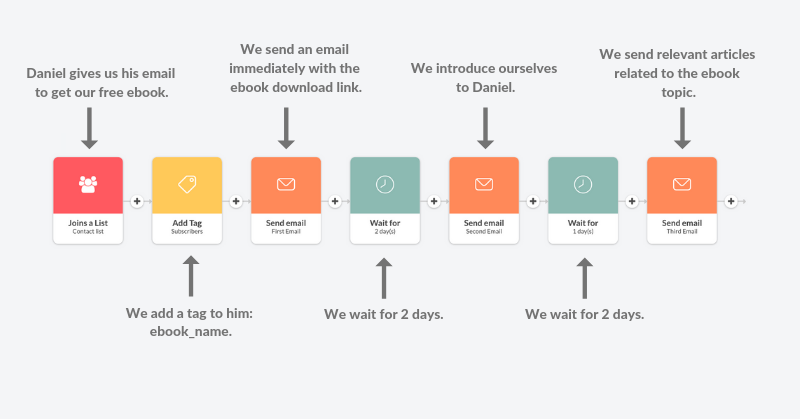
- Timing: Your first email might land during a budget freeze. Your fourth email might hit right when they're evaluating solutions. You can't control timing, but you can stay present until it aligns.
- Repetition builds familiarity: Prospects need to see your name multiple times before they trust you enough to reply. Drip campaigns turn "who is this?" into "I've seen them before."
- Relevance compounds: Each email in your sequence adds context. You're not repeating yourself, you're layering value until something clicks.
The impact on your pipeline:
When we run B2B lead generation campaigns at Cleverly, drip sequences consistently deliver 3-5x more replies than single emails.
More replies mean more meetings. More meetings mean predictable pipeline growth instead of hoping leads fall into your lap.
What that looks like at scale: we've generated $51.2 million in closed revenue for clients because structured drip campaigns create consistency. You know exactly how many emails go out, how many replies come back, and how many turn into qualified meetings.
Bottom line? Drip campaigns turn cold email lead generation from a guessing game into a repeatable system.
Here’s More: Cold Email Copywriting Guide
B2B Email Drip Campaign vs Cold Email Blast
At its core, a cold email drip campaign treats prospects like humans who need multiple touches and value over time. Cold blasts treat them like numbers and hope something sticks.
We've seen the difference firsthand at Cleverly, where structured drips consistently outperform blasts in both reply quality and meetings booked.
Explore Further: 13+ Sample Emails to Approach New Clients (Proven Templates + Tips)
🔥 Drip Campaigns That Book Meetings
Cleverly builds and runs B2B email drips that turn cold prospects into meeting-ready leads. You only pay per qualified meeting.
Core Elements of a High-Performing B2B Email Drip Campaign
Building a drip campaign that actually converts comes down to structure. Here are the email drip campaign best practices we follow at Cleverly to turn cold prospects into booked meetings.
Start with a clear ICP and segmentation
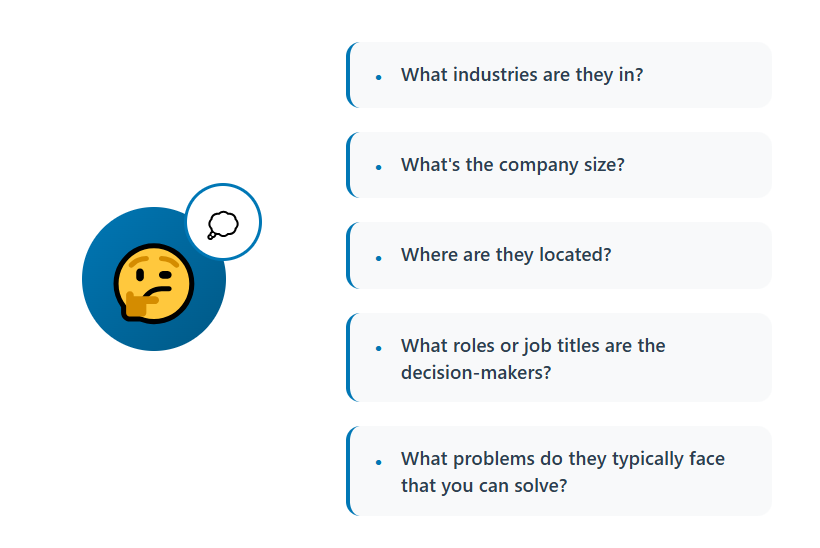
You can't drip effectively if you're targeting everyone. Define your ideal customer profile first: industry, company size, role, pain points. Then segment your list so each sequence speaks directly to that specific audience. A CFO at a SaaS company has different priorities than an operations director in manufacturing. Your drip should reflect that.
One core message per sequence
Don't try to solve every problem in one campaign. Pick one value proposition and build your entire sequence around it. If you're helping companies book more sales meetings, every email should reinforce that outcome. Jumping between different pitches confuses prospects and dilutes your message.
Logical progression of value
Each email should build on the last one. Email 1 introduces the problem. Email 2 shows why it matters. Email 3 offers proof it's solvable. Email 4 makes the ask. This is one of the most important email drip campaign best practices because random emails feel disjointed. Sequential value feels intentional.
Consistent CTA throughout
Every email should have one clear call to action, and it should be the same across your sequence: book a meeting, reply with interest, grab a time on your calendar. Don't ask for a demo in email 1, a case study download in email 2, and a call in email 3. Pick one goal and drive toward it consistently.
Proper spacing between emails
Timing matters. Send emails too close together and you feel pushy. Space them too far apart and prospects forget you. We typically recommend 2-4 days between emails in a B2B email drip campaign. Longer sales cycles can stretch to 5-7 days. Test what works for your audience, but consistency beats randomness every time.
Get these elements right and your drip campaign becomes a system that reliably turns cold leads into conversations.
Dive Deeper: How to Actually Get B2B Clients With Cold Email
Best B2B Email Drip Campaign Structures (By Use Case)
Not all drip campaigns should follow the same structure. The best B2B email drip campaigns match the sequence to where your prospect is in their journey.
Here's how to structure your drips based on what you're trying to accomplish.
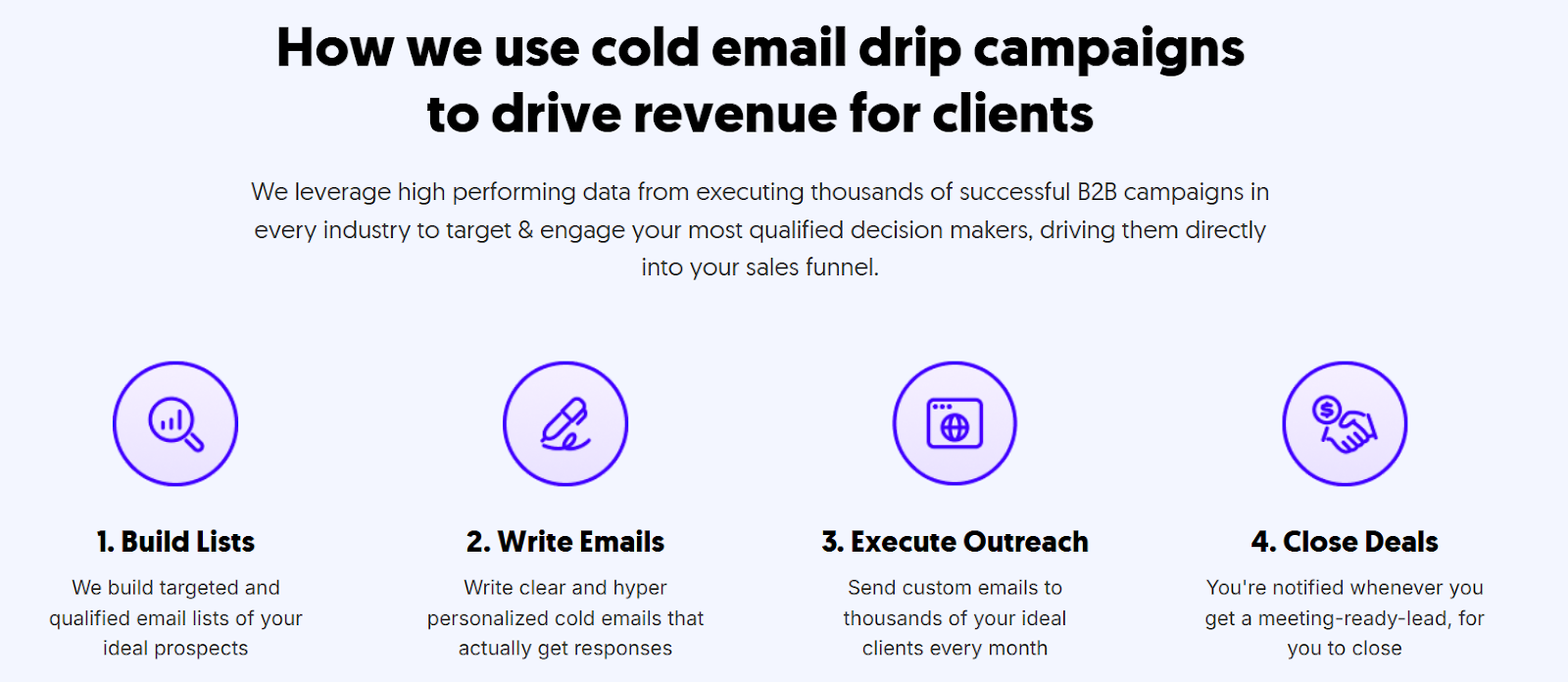
Cold Outreach Drip Campaign
This is your bread and butter for B2B lead generation. You're reaching someone who doesn't know you exist yet.
Structure:
- Email 1 - Awareness: Introduce yourself and the problem you solve. Keep it short and relevant to their role.
- Email 2 - Value: Show how you've solved this problem for similar companies. Focus on outcomes, not features.
- Email 3 - Social Proof: Share a quick case study, client win, or recognizable brand you've worked with.
- Email 4 - Direct Follow-Up: Simple ask. "Does this make sense for your team?" or "Worth a quick call?"
- Email 5-7 - Persistence: Change the angle slightly. Different pain point, new stat, softer tone. Stay visible without repeating yourself.
This structure works because it builds trust before asking for anything. At Cleverly, this is how we've generated meeting-ready leads for 10,000+ clients.
Re-Engagement Drip Campaign
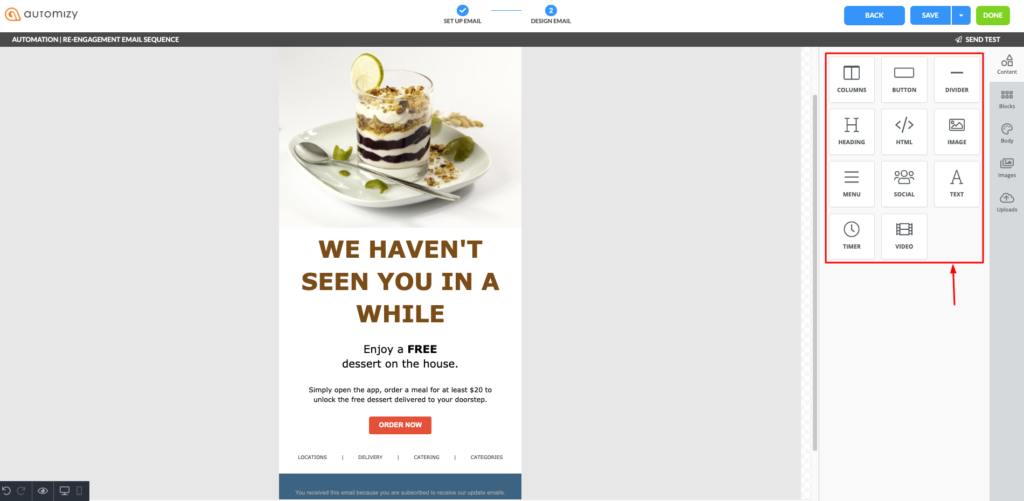
Prospects went cold after initial interest. This drip brings them back without being annoying.
Structure:
- Email 1 - Reminder: "We spoke a few weeks ago about [specific topic]. Still relevant?"
- Email 2 - New Angle: Share something fresh. New feature, recent result, industry insight they'd care about.
- Email 3 - Soft Breakup: "Seems like timing isn't right. Should I close your file?" This often gets replies because it removes pressure.
Lead re-engagement drips are some of the best B2B email drip campaigns for salvaging deals that stalled. They work because you're giving prospects permission to say no, which paradoxically gets more yeses.
Demo or Meeting Follow-Up Drip
They took the meeting. Now you need to keep momentum going until they decide.
Structure:
- Email 1 - Recap: Summarize what you discussed, confirm next steps, attach any promised resources.
- Email 2 - Objection Handling: Address the concern they mentioned. "You asked about implementation time. Here's how we handle that."
- Email 3 - Next Step: Clear CTA. "Ready to move forward?" or "Want to loop in your team?"
Post-demo drips keep deals moving. Don't assume interested prospects will follow up on their own. Guide them.
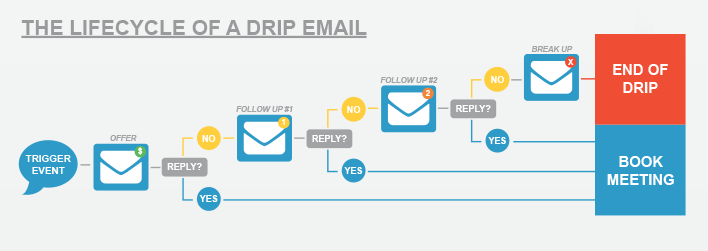
Warm Lead Nurture Drip
They're interested but not ready to buy yet. This drip keeps you top of mind until timing aligns.
Structure:
- Email 1 - Education: Share helpful content related to their challenge. Blog post, framework, quick tip.
- Email 2 - Relevance: Tie your solution back to something specific about their business or industry.
- Email 3 - Timing-Based CTA: "When you're ready to tackle this, let's talk." No pressure, just availability.
Warm lead nurturing is critical for longer B2B sales cycles. These best B2B email drip campaigns stay helpful without being pushy, so when prospects are ready, you're the first call they make.
The key across all these structures? Match your sequence to where the prospect actually is, not where you want them to be.
Tools that Help: Top Email Warm-Up Tools to Improve Deliverability
B2B Email Drip Campaign Examples You Can Learn From
The best B2B email drip campaigns share one thing in common: they're structured around what the prospect needs at each stage.
Here are five real examples that show different drip strategies in action.
1. Netflix's Win-Back Campaign
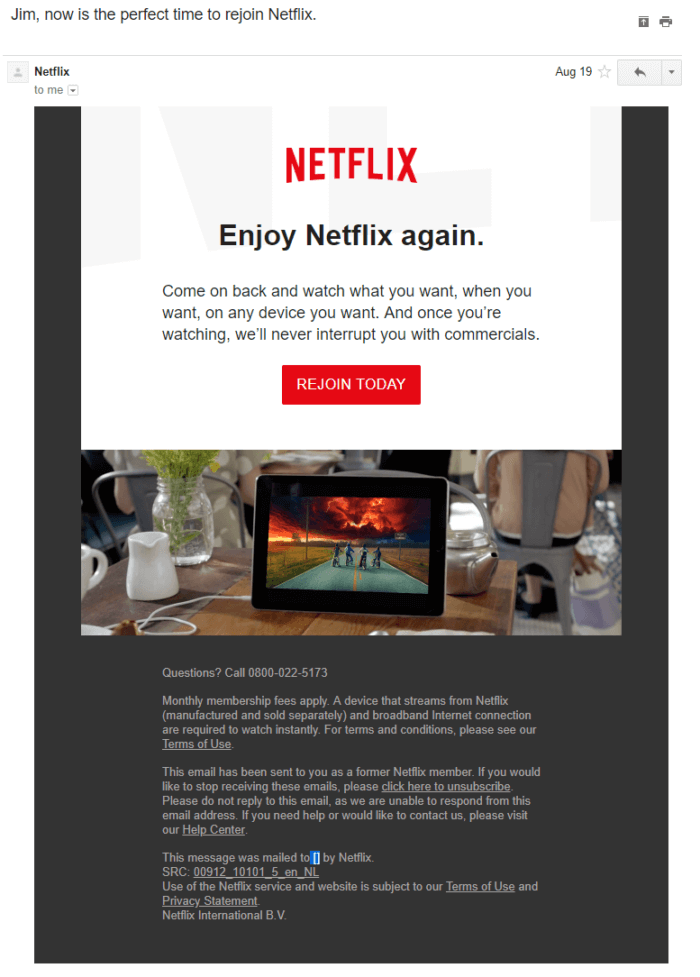
Netflix knows lost subscribers are expensive. Their win-back drip starts simple: a bright CTA asking customers to return. But the real strategy happens over the next three months.
Netflix sends a series of emails showcasing new shows and movies the customer is missing, personalized to their viewing history. Each email reinforces what they loved about Netflix before they left.
The final email ties it all together with a clear path to restart their subscription. The lesson? Remind prospects why they cared in the first place, then make coming back easy.
2. Dollar Shave Club's Cross-Sell Sequence
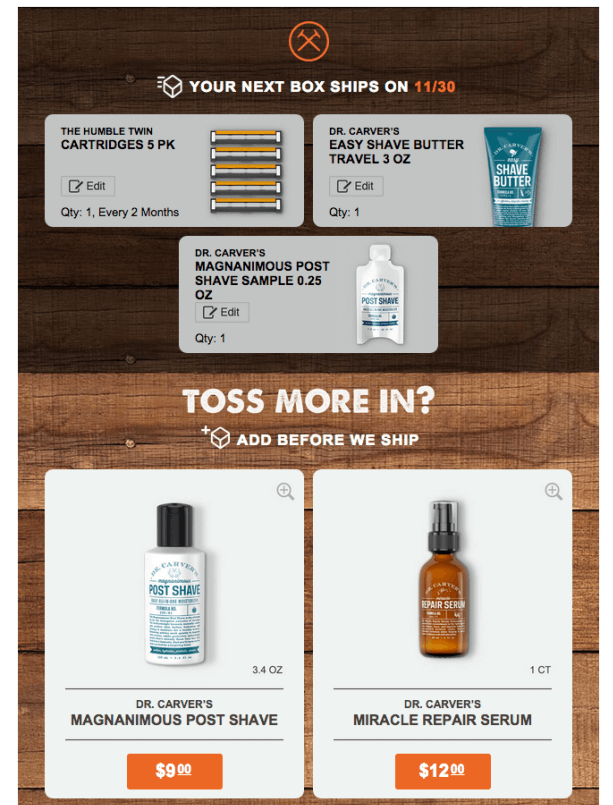
After a customer places an order, Dollar Shave Club sends a drip that recaps what they bought, then suggests complementary products that fit naturally with their purchase.
No aggressive selling, just helpful recommendations. The key here is timing and relevance. They're not pushing random items. They're showing products that actually enhance what the customer already wanted.
This works in B2B too: after a prospect shows interest, your drip should suggest next logical steps, not unrelated offers.
3. Kenneth Cole's Cart Abandonment Drip
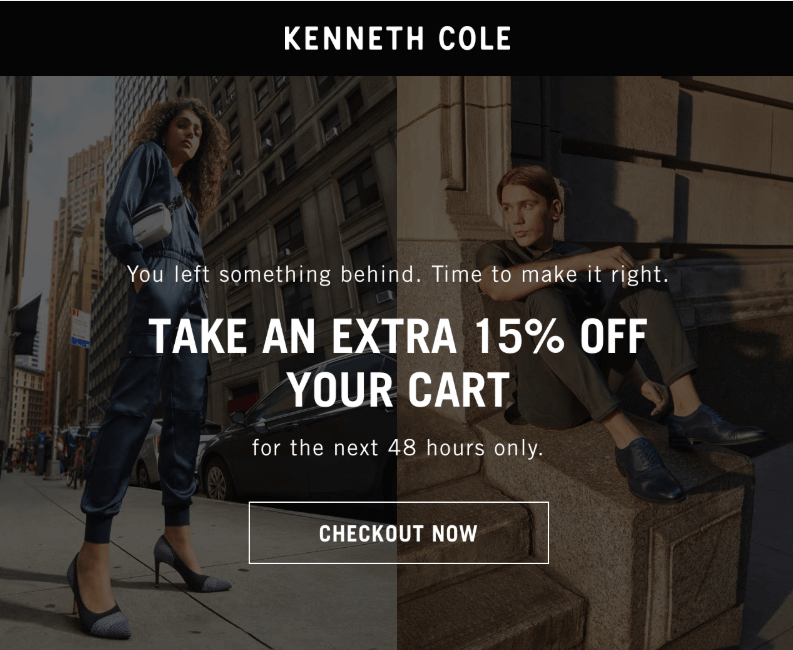
Someone adds items to their cart but doesn't buy. Kenneth Cole sends an email with 15% off, valid for 48 hours to create urgency. If that doesn't convert them, a second email arrives with 20% off. The escalation is deliberate.
Each email increases the incentive while keeping the message focused on completing the purchase.
For B2B email drip campaign examples, this translates to following up with progressively stronger value propositions when prospects don't respond.
4. Tone It Up's 21-Day Challenge Drip
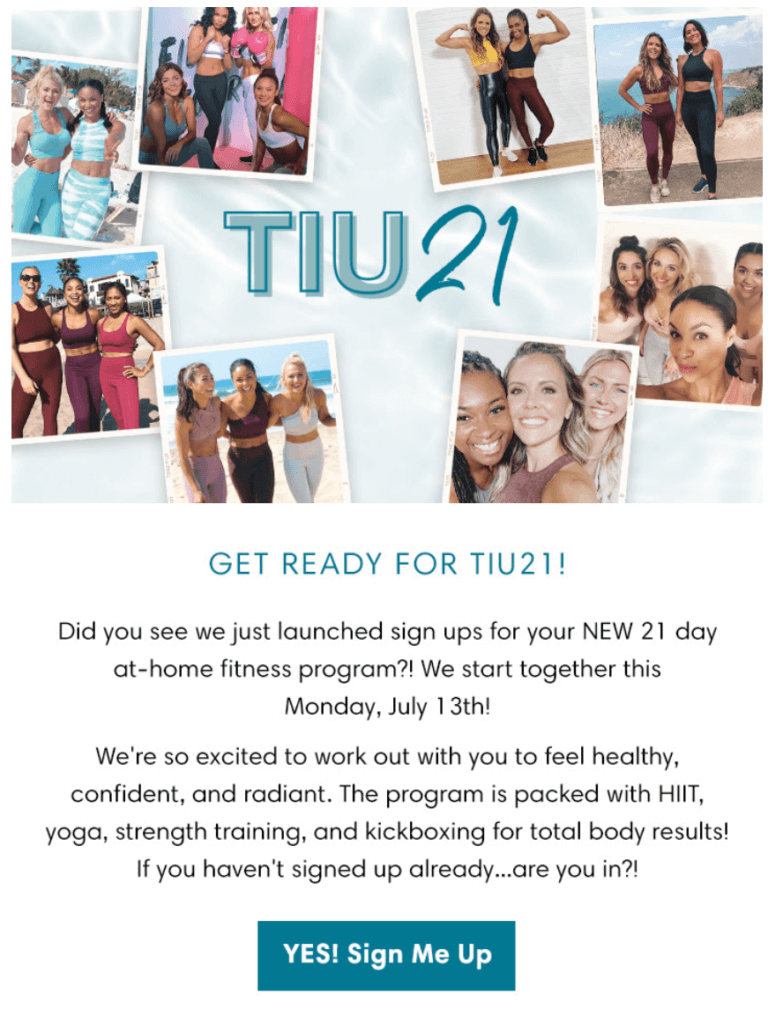
Tone It Up promotes a fitness challenge through a drip campaign that delivers workout schedules, recipes, and motivational tips over 21 days.
The emails don't stop if you don't sign up immediately. They keep showing value, highlighting benefits, and integrating social proof to build momentum.
The takeaway for B2B? Educational drips that deliver consistent value nurture leads even when they're not ready to buy yet. Stay helpful and visible until timing aligns.
5. SkinnyDip's Re-Engagement Campaign

When customers stop visiting their site, SkinnyDip sends a re-engagement drip asking if they're still interested and offering a discount to bring them back.
The message is simple: "We miss you, here's a reason to return." Re-engagement drips work because they acknowledge the relationship stalled and give prospects an easy reason to restart the conversation.
In B2B, this might look like checking in with cold leads and offering fresh value to reopen the door.
These B2B email drip campaign examples show that structure matters more than creativity. Match your sequence to your goal, deliver value at every step, and guide prospects toward one clear action.
How to Set Up a B2B Email Drip Campaign Step-by-Step
Setting up a drip campaign isn't complicated, but skipping steps kills your results. Here's exactly how to set up a drip email campaign that actually generates meetings.
Step 1: Define your ICP and verify list quality
Start with who you're targeting. Get specific: company size, industry, job title, geography, pain points.
Then audit your list.
Bad data means wasted emails and damaged sender reputation. Verify emails that are valid, contacts are current, and prospects actually match your ICP.
At Cleverly, we obsess over list quality because even the best drip campaign fails if you're reaching the wrong people or bouncing on bad addresses.
Step 2: Choose one clear campaign goal
What does success look like? Are you trying to get a reply, book a meeting, or qualify interest?
Pick one.
Your entire email sequence should drive toward that single outcome. Mixing goals (reply in email 1, download in email 2, meeting in email 3) confuses prospects and dilutes your message.
We focus on booking meetings because that's what moves deals forward.
Step 3: Write message angles before writing copy
Don't start writing emails yet. Map out your angles first. What's the hook for email 1? The value prop for email 2? The proof point for email 3?
Outline the progression so each email builds logically on the last. This is critical for how to set up a drip email campaign that feels cohesive instead of random.
Once your angles are clear, writing the actual copy becomes easier.
Step 4: Set timing and send windows
Decide how many days between emails. We typically use 2-4 day gaps for active outreach, 5-7 days for longer nurture sequences.
Also set send windows based on when your prospects are most likely to engage.
B2B emails perform best Tuesday through Thursday, between 8-10 AM or 1-3 PM in the prospect's timezone. Avoid Mondays (inbox overload) and Fridays (weekend mode).
Step 5: Track replies, not just opens
Email open rates don't book meetings. Replies do. Set up tracking focused on response rate, meeting conversion rate, and lead quality.
If you're getting opens but no replies, your message isn't compelling. If you're getting replies but no meetings, your qualification is off.
Measure what actually matters: conversations started and meetings booked.
Following these steps is how to set up a drip email campaign that turns cold prospects into pipeline. We've used this exact process to help clients generate $312 million in pipeline revenue because the fundamentals work when executed correctly.
Measuring the Success of a B2B Email Drip Campaign
You can't improve what you don't measure. Here's how to evaluate whether your B2B email drip campaign is actually working or just burning through your list.
Reply rate matters more than open rate
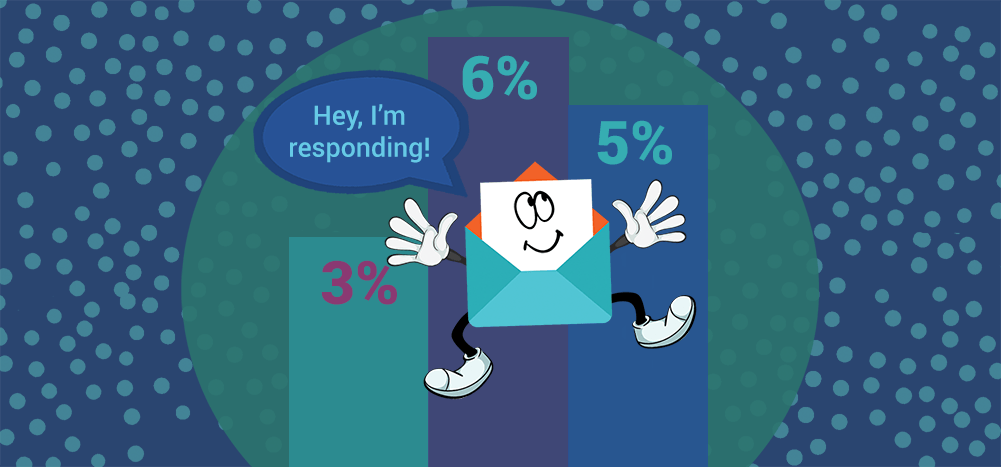
Opens tell you someone saw your subject line. Replies tell you they cared enough to respond. Focus on reply rate as your primary metric.
A 5-10% reply rate on cold outreach is solid. Anything above 15% means you've nailed messaging and targeting.
If your open rate is high but reply rate is low, your subject lines are working but your email content isn't compelling enough to act on.
Measure positive reply quality

Not all replies are equal. "Not interested" is a reply, but it doesn't move your pipeline forward.
Track positive replies separately: questions, interest signals, requests for more info, meeting confirmations.
This tells you if your B2B email drip campaign is attracting the right prospects or just generating noise.
Meetings booked is the metric that matters most

Replies are good. Meetings are better. Track how many replies convert to actual booked meetings.
If you're getting lots of positive replies but few meetings, your follow-up or qualification process needs work.
We've generated $51.2 million in closed revenue for clients by optimizing for meetings booked, not just conversations started.
Track time-to-response
How long does it take prospects to reply? If most responses come after email 1 or 2, you might not need a 7-email sequence. If replies spike at email 5 or 6, you know persistence pays off.
Time-to-response data helps you optimize sequence length and pacing. Some industries respond fast, others need more touches. Let the data guide your structure.
Know when to stop or refresh a campaign
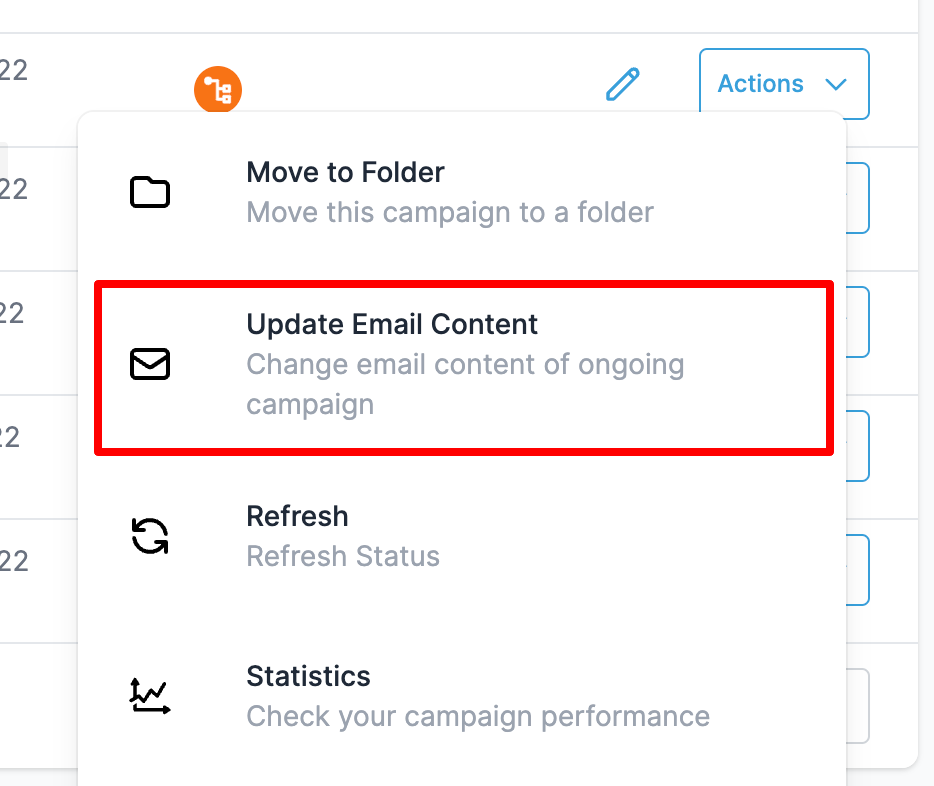
If your reply rate drops below 3% and stays there, something's broken. Either your targeting is off, your messaging isn't resonating, or your list is burned out.
Pause the campaign. Refresh your angles, test new value props, or switch to a different segment. Don't keep sending emails that aren't working.
We regularly audit campaigns at Cleverly because even successful sequences eventually need updates as markets shift and prospects evolve.
Measuring the right metrics turns your B2B email drip campaign from guesswork into a predictable system for generating qualified pipeline.
How Cleverly Builds Drip Campaigns That Drive Real Conversations
Most agencies sell you templates and hope something sticks. We don't work that way.
At Cleverly, we've built cold email lead generation lead gen systems that generated $312 million in pipeline revenue and $51.2 million in closed revenue for over 10,000 clients, including Amazon, Google, Uber, PayPal, Slack, and Spotify.

What makes us different:
- We design drip campaigns around your ICP, not generic templates that get ignored.
- Our team manually builds and segments lists so you're reaching the right prospects.
- Every sequence is optimized for replies and meetings, not vanity metrics like opens.
- We continuously test and refine based on real conversation data.
- You focus on closing deals while we handle the entire outreach execution.
Here's the game changer: You only pay for meeting-ready leads we send you. No wasted budget on unqualified responses or conversations that go nowhere.
If your drip campaigns aren't starting conversations, Cleverly helps fix that.
🚀 Book a strategy call

Frequently Asked Questions
Free Resource
How to Scale a Profitable Cold Call System
Get the complete guide — download it instantly now.
Free Ebook
Download the Free Guide
Enter your details to get instant access.
You're all set! 🎉
Your ebook is downloading now.
Click below if the download didn't start automatically.