Table of Contents
What Is Target Account Selling?
Why Targeted Account Selling Works in B2B
The Target Account Selling Methodology
How to Build a Target Account Selling Plan
Target Account Selling Template (Practical Example)
Common Mistakes in Target Account Selling
Target Account Selling vs Traditional Prospecting
How Cleverly Supports Target Account Selling Execution
Conclusion
Frequently Asked Questions
Modified On :
October 8, 2026
Key Takeaways
- Target account selling focuses on a pre-selected list of high-fit accounts instead of broad prospecting.
- A strong target account selling methodology covers account identification, stakeholder mapping, research, and multi-touch outreach.
- B2B deals involve multiple decision-makers, making personalized, stakeholder-level engagement essential.
- A clear target account selling plan turns strategy into a repeatable, trackable process.
- Multi-channel outreach across email, LinkedIn, and calls outperforms single-channel approaches every time.
- Precision targeting consistently delivers higher conversion rates and better pipeline quality than volume-based selling.
Broad prospecting used to work. You'd build a big list, send mass outreach, and hope a few deals stuck.
That approach doesn't cut it anymore, especially in B2B where buyers are more selective and deal cycles are longer.
Target account selling flips that model. Instead of chasing volume, you focus your time and energy on a shortlist of high-fit accounts that actually match your ideal customer profile.
In this guide, we cover what target account selling is and why it works, the core target account selling methodology, a step-by-step target account selling plan and a practical target account selling template you can use right away.
What Is Target Account Selling?
Target account selling is a B2B sales strategy where your team focuses exclusively on a pre-selected list of high-value accounts, rather than prospecting broadly and hoping for the best.
Instead of reactive outreach, you proactively identify the accounts most likely to buy, research them thoroughly, and engage each one with tailored messaging across multiple touchpoints.
How it compares to other approaches:
The key difference with targeted account selling is that your sales team drives it. You're not waiting for inbound interest. You're going directly to the accounts that fit, with the right message, at the right time.
This works especially well for high-ticket B2B sales where a single closed deal can justify weeks of focused effort.
Also Check: B2B Sales KPIs Every Revenue Team Should Track
🎯 Land the Accounts That Actually Matter
Cleverly executes target account outreach using LinkedIn, pay-per-meeting cold email, and guaranteed cold calling - engaging every key stakeholder.
Why Targeted Account Selling Works in B2B
B2B buying is complicated. Most high-value purchases involve multiple stakeholders, long decision timelines, and a lot of internal back-and-forth. Generic outreach doesn't survive that process.
Here's why targeted account selling is built for it:
- Multi-stakeholder buying committees. The average B2B deal involves 6 to 10 decision-makers. You need to reach and influence more than one person.
- Long sales cycles. High-value deals take time. Staying relevant across a months-long process requires consistent, personalized engagement.
- High deal values. When contract values are large, you can afford to invest real effort per account. The ROI math works.
- Personalization drives trust. Decision-makers ignore generic outreach. Relevant, account-specific messaging gets responses.
- Higher conversion rates. Focused outreach to pre-qualified accounts converts at a much higher rate than broad prospecting lists.
The bottom line: when the stakes are high, precision beats volume.
Here’s More: B2B Sales Mistakes That Quietly Kill Revenue (Save Your Business)
The Target Account Selling Methodology
The target account selling methodology is built around focused, research-backed engagement. It's the opposite of volume-based selling where you send the same message to thousands of contacts and see what sticks.
Six core pillars:
1. Ideal Account Identification
You start by defining exactly what a great-fit account looks like. Industry, company size, revenue, tech stack, growth signals. Then you build a focused list based on those criteria, not a massive one.
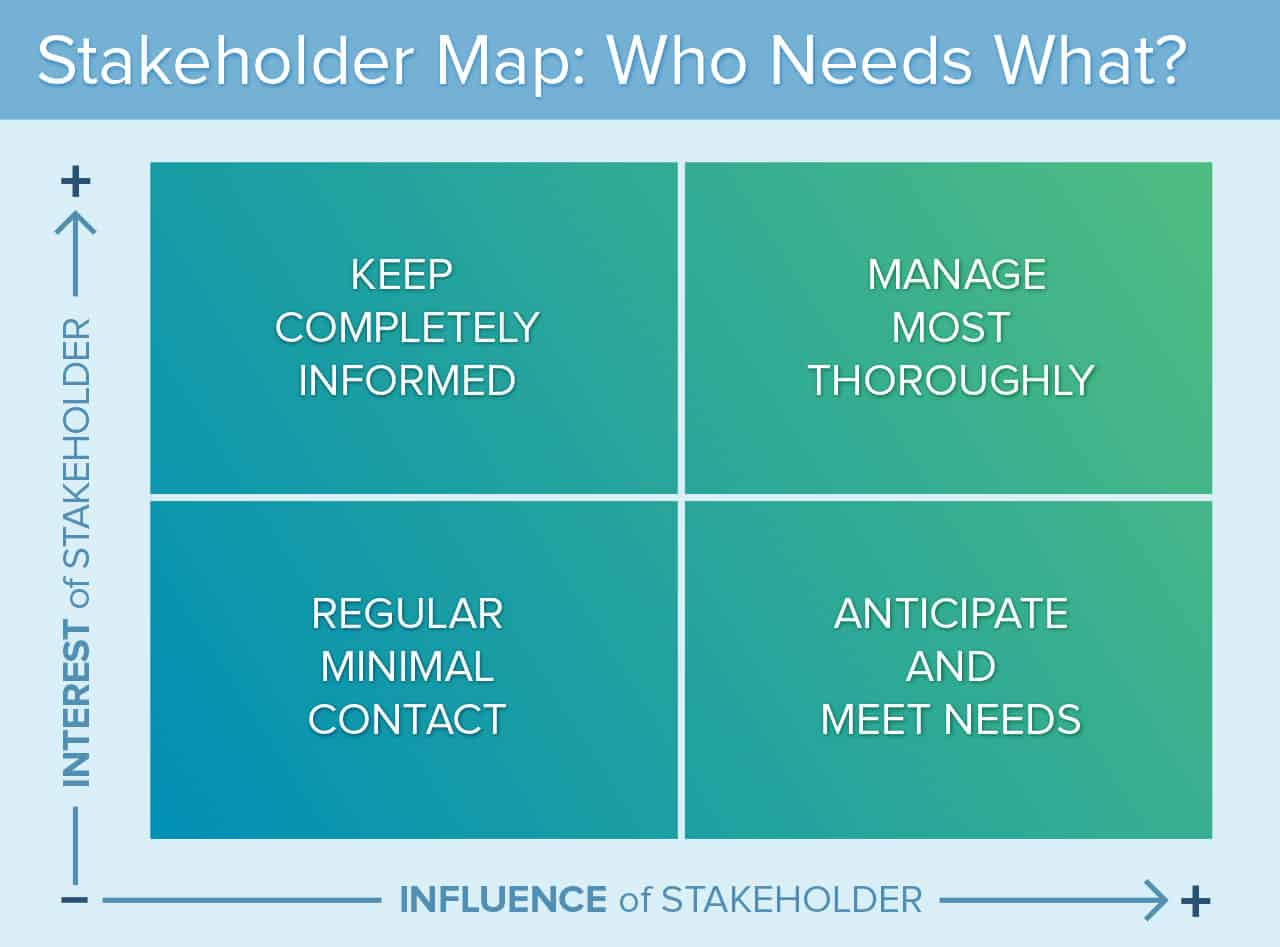
2. Stakeholder Mapping
Every target account has multiple people involved in a purchase decision. You identify who they are, what their role is, and what they care about before you reach out.
3. Account Research
This is where you dig in. What are the company's current priorities? What challenges are they likely facing? What does their competitive landscape look like? Good research is what makes personalization possible.
4. Personalized Outreach Strategy
You build messaging for each account and each stakeholder, not one generic pitch. The outreach should speak to their specific situation, not your product features.
5. Multi-Touch Engagement
No single message closes a high-value deal. Multi touch outreach is the way. You engage across LinkedIn, email, and phone, in a sequenced, coordinated way that builds familiarity and trust over time.
6. Long-Term Relationship Nurture
Some accounts won't be ready to buy immediately. You stay in their orbit with relevant touches, insights, and follow-ups until the timing is right.
This methodology works because it treats every account like an individual opportunity, not a number on a list.
Explore Further: Selling vs Sales - What’s the Real Difference (And Why It Matters in B2B)?
🚀 From Target List to $312M+ in Pipeline
10,000+ companies trust Cleverly to turn account-based strategy into sales-ready meetings across LinkedIn, email, and phone.
How to Build a Target Account Selling Plan
Here's a practical target account selling plan you can follow, step by step.
Step 1: Define Your Ideal Target Accounts
Get specific about what a great-fit account looks like. Consider:
- Industry and sub-vertical
- Revenue size or employee count
- Technology stack they use
- Business model and strategic fit
- Buying signals like recent funding, hiring, or expansion
Keep your initial list tight. 25 to 100 accounts is a manageable starting point depending on your deal size.
Step 2: Identify Key Stakeholders
For each account, map out:
- Economic buyer — the person who controls budget and signs off
- Technical buyer — evaluates fit and feasibility
- Influencers — internal champions who shape the decision
Don't just find the highest-ranking person. Find the right people.
Step 3: Conduct Deep Account Research
Before you write a single message, research each account. Look at:
- Recent company news or announcements
- LinkedIn activity from key stakeholders
- Their current tools and tech stack
- Pain points specific to their industry or growth stage
This research is what separates a generic cold message from one that actually gets a reply.

Step 4: Develop Personalized Messaging
Write messaging that speaks to each stakeholder's role and concerns. An economic buyer cares about ROI and risk. A technical buyer cares about integration and implementation. Your message should reflect that.
Keep it short, specific, and focused on their situation, not your pitch.
Step 5: Execute Multi-Touch Outreach
Run a coordinated sequence across multiple channels:
- Email — direct, personalized, easy to respond to
- LinkedIn — connection requests, profile views, and messages
- Calls — especially effective after a warm digital interaction
- Warm introductions — when you have a shared connection, use it
Spacing matters. Don't flood them in day one. Spread your touches over 2 to 4 weeks.
Read More: Why Single-Channel Outreach Is Breaking Your Attribution Model
Step 6: Track Engagement and Optimize
Monitor what's working at the account level:
- Who opened and clicked your emails?
- Which stakeholders are engaging on LinkedIn?
- Which messaging angles are getting replies?
Use that data to adjust your approach per account and improve your overall plan.
Target Account Selling Template (Practical Example)
Use this target account selling template to organize your execution for each account.
Account Overview
Stakeholder Map
Messaging Angle
- Core value proposition: [What problem you solve for this account specifically]
- Key differentiators: [Why you over alternatives]
- Relevant case study: [Similar company, similar result]
Outreach Plan
Success Metrics
- Meetings booked
- Email and LinkedIn engagement rate
- Opportunities created from this account
- Pipeline value generated
Common Mistakes in Target Account Selling

Even strong target account selling strategies break down when execution is off. Here are the most common mistakes to avoid:
❌ Targeting too many accounts. When your list is too long, the quality of your research and personalization drops. Focus wins.
❌ Poor stakeholder mapping. Reaching only one contact per account is a common failure point. Buying decisions are rarely made by one person.
❌ Generic messaging. If your outreach could be sent to anyone, it'll resonate with no one. Personalization isn't optional here.
❌ Single-channel outreach. Relying only on email or only on LinkedIn limits your chances. Multi-touch works better.
❌ Lack of follow-up. Most responses happen after the third or fourth touch. Stopping after one message leaves deals on the table.
❌ No sales and marketing alignment. When sales and marketing aren't synced on target accounts, messaging is inconsistent and effort is duplicated.
Target Account Selling vs Traditional Prospecting
How Cleverly Supports Target Account Selling Execution
Executing a target account selling strategy well requires more than a good plan. It requires consistent, high-quality outreach at the top of the funnel, and that's exactly where most teams struggle.
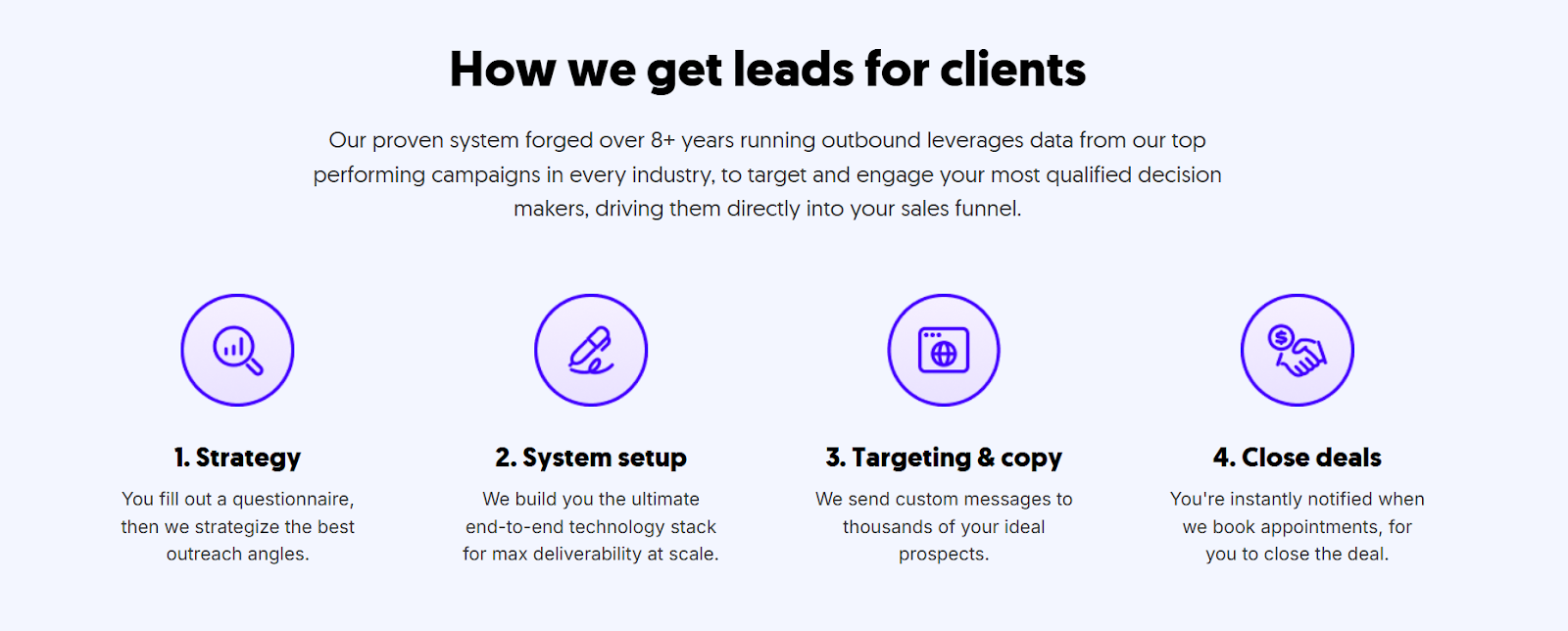
At Cleverly, we're a B2B lead generation agency that handles the execution layer so your team can stay focused on closing. Here's how we support targeted account strategies:
- ICP-first targeting — We build prospect lists based on your exact ideal customer profile, not generic filters.
- Stakeholder-level outreach — We reach the right people inside each target account, not just the highest-ranking contact we can find.
- Multi-touch sequencing — We run coordinated outreach across LinkedIn, cold email, and cold calling to build familiarity with each account.
- Data-driven personalization — Messaging is tailored to each account's industry, pain points, and priorities.
Our services cover every channel you need:
1️⃣ LinkedIn Lead Generation — We've helped 10,000+ clients generate leads with companies like Amazon, Google, Uber, PayPal, Slack, and Spotify, resulting in $312M in pipeline revenue and $51.2M in closed revenue. Plans start at just $397/month.
2️⃣ Cold Email Lead Generation — You only pay for meeting-ready leads we send you. No retainer risk.
3️⃣ Cold Calling — Our $5M cold calling system books 10 to 30 qualified sales calls every month, guaranteed. We place a no-accent appointment setter, provide breakthrough call scripts, and include data, tech, and a power dialer at half the cost of in-housing. 1M+ cold calls made. 53K appointments set. $312M in pipeline generated.
High-value accounts need structured, multi-touch engagement, not mass outreach. That's what we build for you.
🚀 Get started today!

Conclusion
Target account selling is about precision. You pick the right accounts, research them properly, and engage them consistently across multiple channels.
It's not the fastest approach, but for high-value B2B deals, it's the most effective one. When you combine a solid target account selling methodology with a clear plan and the right outreach tools, you stop wasting effort on poor-fit leads and start building real pipeline with the accounts that actually matter.
Frequently Asked Questions
Free Resource
How to Scale a Profitable Cold Call System
Get the complete guide — download it instantly now.
Free Ebook
Download the Free Guide
Enter your details to get instant access.
You're all set! 🎉
Your ebook is downloading now.
Click below if the download didn't start automatically.