

Table of Contents
What Is an Outbound SDR?
What Does an Outbound SDR Actually Do?
Outbound SDR Strategy: What Actually Works
Inbound vs Outbound SDR: What's the Difference?
Key Outbound SDR Metrics That Matter
Should You Hire In-House or Use an Outbound SDR Agency?
How Cleverly Operates as an Outbound SDR Agency
Conclusion
Frequently Asked Questions
Modified On :
September 28, 2026
Key Takeaways
- Outbound SDRs proactively generate pipeline by reaching cold prospects through coordinated email, LinkedIn, and calling sequences.
- Multi-touch outreach across channels consistently outperforms single-channel strategies in booking qualified meetings.
- Track revenue metrics like meetings booked and pipeline created, not just activity metrics like emails sent.
- Personalization at scale and tight ICP targeting matter more than high-volume generic outreach.
- Inbound SDRs qualify warm leads while outbound SDRs create new demand from scratch.
- AI tools enhance SDR productivity but can't replace human relationship building and qualification skills
The outbound SDR role isn't what it used to be.
Gone are the days of spray-and-pray cold calls and generic email blasts. Today's outbound SDR teams are strategic, data-driven, and armed with technology that makes prospecting smarter, not harder.
If you're building or scaling an outbound sales motion, you need more than hustle. You need a system that consistently fills your pipeline with qualified meetings while your sales team focuses on closing deals.
At Cleverly, we've generated over $312 million in pipeline revenue for 10,000+ clients using proven outbound SDR strategies across LinkedIn, cold email, and cold calling.
This guide breaks down everything we've learned about building an outbound engine that actually works in 2026.
Let's get into it.
What Is an Outbound SDR?
An outbound SDR (Sales Development Representative) is a sales professional who proactively reaches out to potential customers who haven't expressed interest in your product yet.
Their core job is simple: start conversations with the right people and book qualified meetings for account executives to close.
Think of them as your pipeline builders. While account executives focus on demos and closing deals, outbound SDRs focus entirely on the top of your funnel, identifying prospects, crafting personalized outreach, and generating new business opportunities from scratch.
SDR vs Account Executive
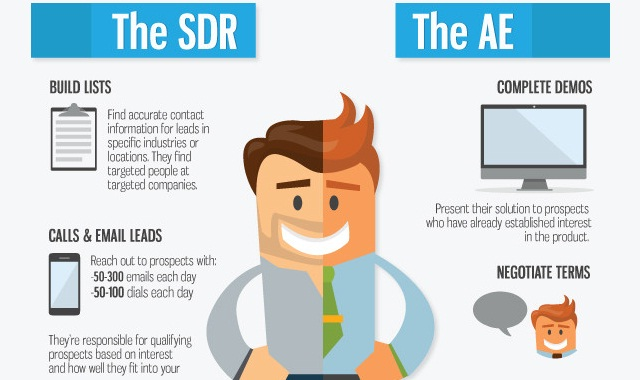
The split is straightforward. SDRs qualify leads and book meetings. Account executives take those meetings, run demos, handle negotiations, and close deals. This division lets each role specialize and perform better.
Inbound SDR vs Outbound SDR
Here's where it gets specific:
- Inbound SDRs respond to leads who've already raised their hand (downloaded an ebook, filled out a form, requested a demo).
- Outbound SDRs go after cold prospects using research, targeting, and multi-touch outreach sequences.
What is outbound SDR work in practice? It's proactive hunting, not reactive responding.
Channels Outbound SDRs Use
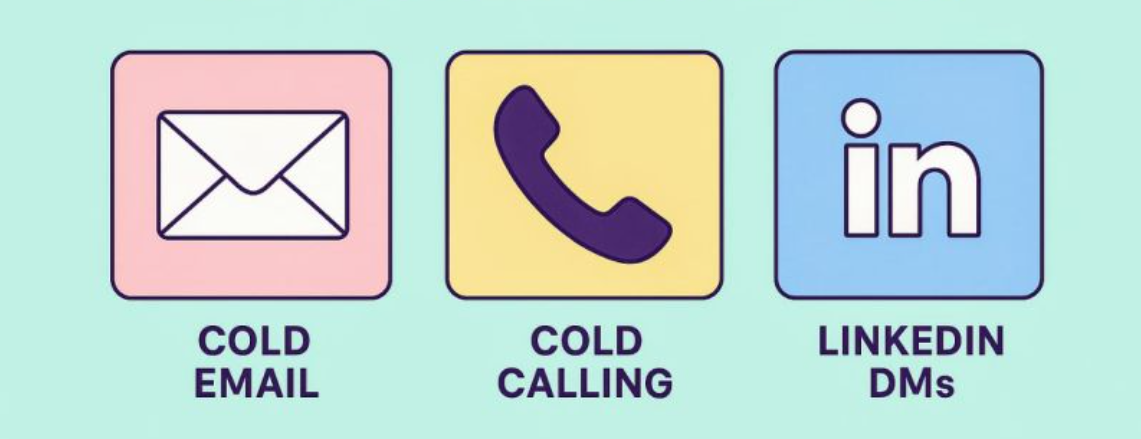
Most outbound SDR teams rely on three core channels:
- Cold email: Personalized sequences that cut through inbox noise
- LinkedIn outreach: Direct messages and connection requests to decision makers
- Cold calling: Phone conversations that build rapport and qualify fit quickly
The best outbound teams don't pick one channel. They coordinate all three in multi-touch sequences that increase response rates and meeting bookings.
Detailed Comparison: LinkedIn vs Cold Email vs Cold Calling
At Cleverly, we've seen this coordinated approach generate significantly more pipeline than single-channel outreach alone.
Why does this matter? Because your revenue growth depends on pipeline creation. Outbound SDRs control how many qualified opportunities enter your sales process each month, making them essential for predictable, scalable B2B growth.
📞 10–30 Qualified Meetings Per Month
Skip hiring, training, and churn. Cleverly’s proven system has generated $312M+ in pipeline across LinkedIn, email, and phone.
What Does an Outbound SDR Actually Do?
The outbound SDR role goes way beyond sending cold emails. It's a structured process that turns strangers into qualified meetings. Here's what a high-performing outbound SDR actually does every day.
Prospect Research and ICP Targeting
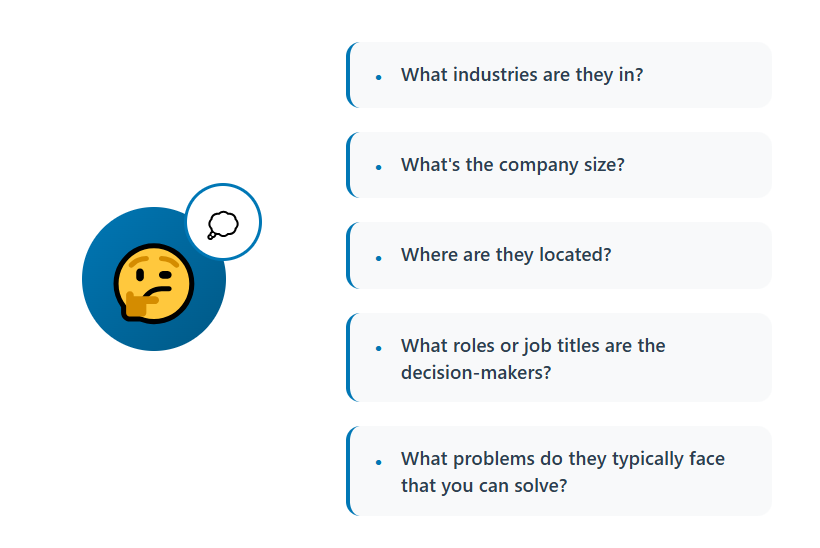
Before any outreach happens, outbound SDRs identify who to contact. They build lists based on your Ideal Customer Profile (ICP), filtering by company size, industry, revenue, tech stack, job titles, and buying signals. The goal is to reach people who actually need what you're selling, not just anyone with a pulse.
List Building and Enrichment
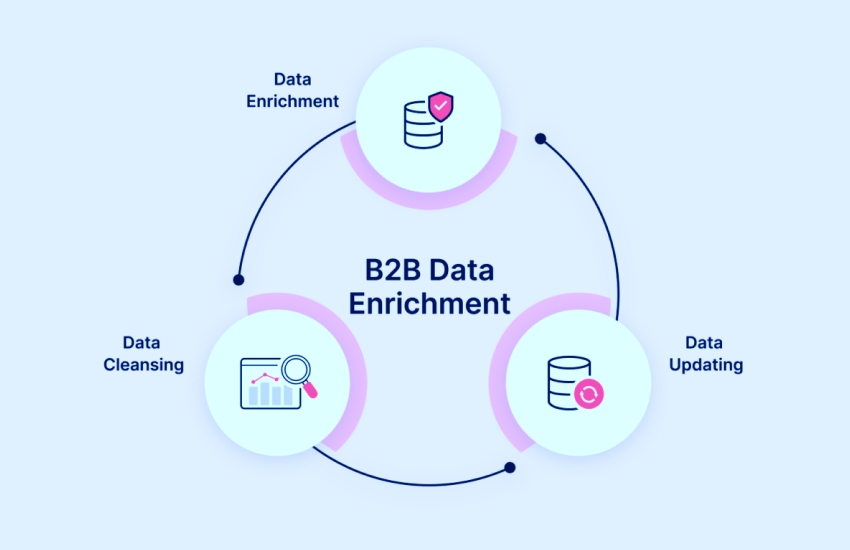
Once targets are identified, SDRs gather contact information like verified emails, phone numbers, and LinkedIn profiles. They enrich data with firmographics, technographics, and intent signals to personalize outreach. Clean, accurate data is the foundation of everything that follows.
Multi-Touch Outreach Sequencing
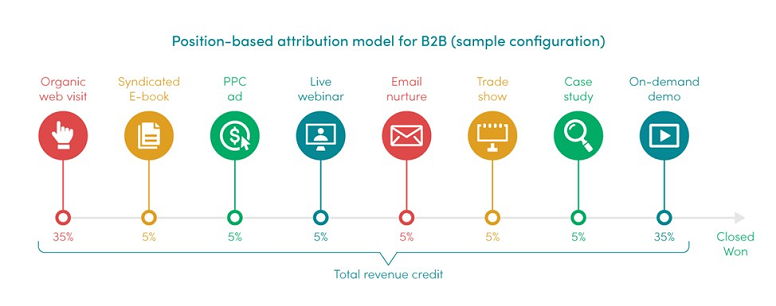
A single touchpoint rarely works. Outbound SDRs run coordinated sequences across multiple channels:
- Day 1: LinkedIn connection request
- Day 3: Personalized email
- Day 7: Follow-up email with case study
- Day 10: Cold call
- Day 14: LinkedIn message
This multi-touch outreach approach keeps your brand visible and increases response rates without being pushy.
Objection Handling and Follow-Ups
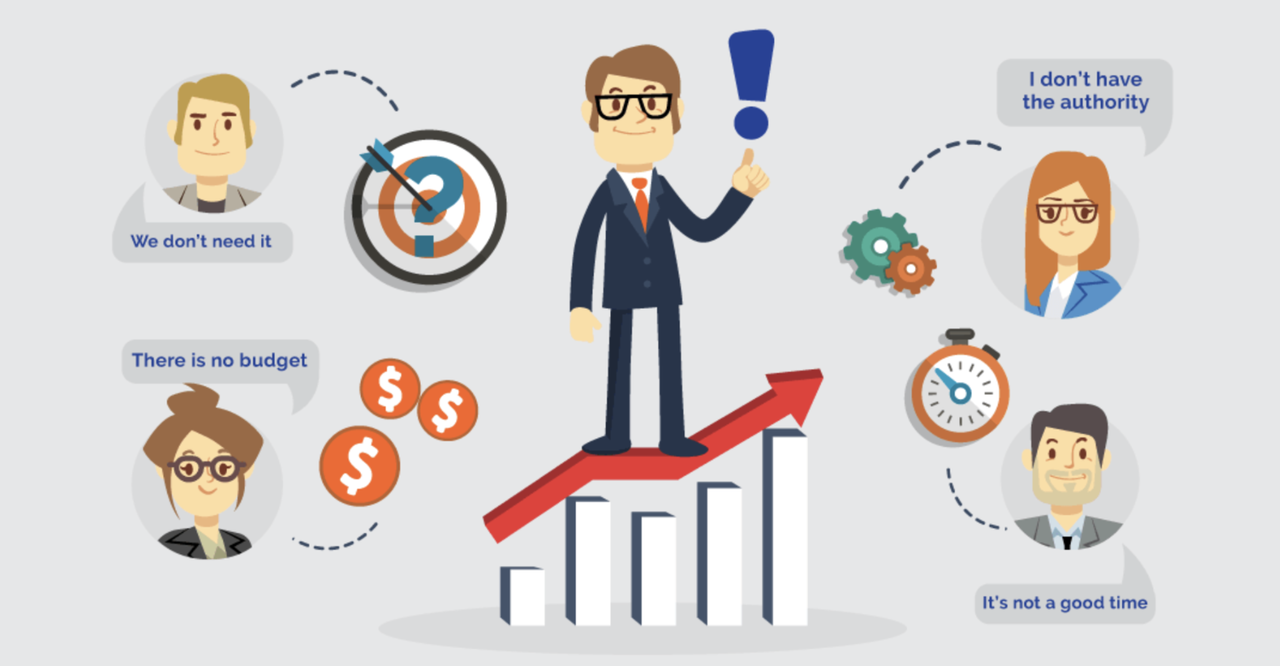
Not every prospect responds positively right away. SDRs handle common objections (wrong timing, budget concerns, need to think about it) and keep conversations moving forward. They follow up persistently but professionally, knowing that most deals happen after the fifth touchpoint.
Qualification Before Booking Meetings

Outbound SDRs don't just book any meeting. They qualify prospects using frameworks like BANT (Budget, Authority, Need, Timeline) to ensure the lead is actually sales-ready. This protects your account executives from wasting time on unqualified calls.
Tools that Help: Best AI Lead Qualification Tools for Faster B2B Conversions
CRM Updates and Reporting
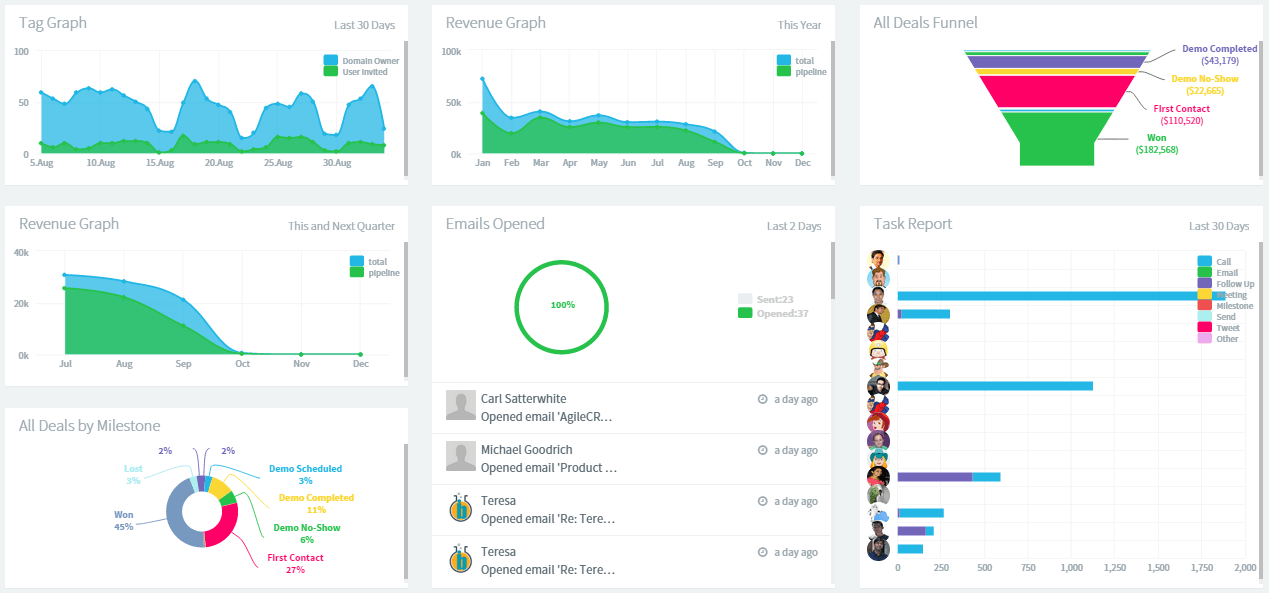
Every interaction gets logged. SDRs track emails sent, calls made, responses received, objections heard, and meetings booked. This data feeds into pipeline reporting and helps leadership understand what's working and where to optimize.
At Cleverly, our outbound SDR teams handle all of this for you, from ICP targeting to qualified meeting delivery, so your internal sales team can focus purely on closing revenue.
Outbound SDR Strategy: What Actually Works
A strong SDR outbound strategy isn't about blasting thousands of prospects and hoping something sticks. It's about precision, consistency, and coordination across channels.
What separates high-performing outbound teams from the rest:
ICP-First Targeting
Everything starts with knowing exactly who you're going after. Your SDR outbound strategy should be built around a clearly defined Ideal Customer Profile. This means targeting specific company sizes, industries, revenue ranges, technologies used, and pain points your product solves. Narrow targeting always outperforms broad spray-and-pray approaches.
Account-Based Outbound Approach
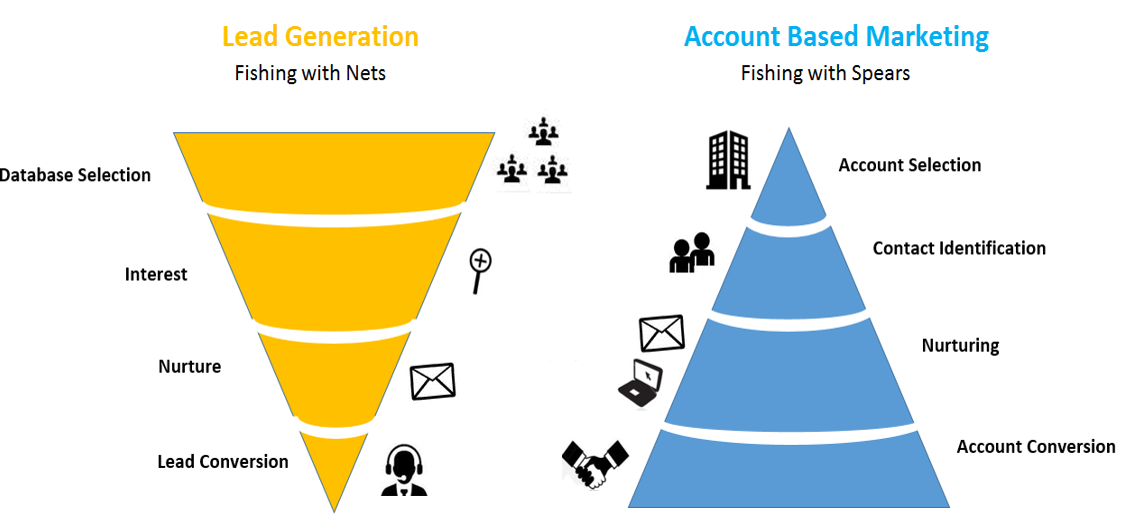
Instead of treating every prospect as an individual lead, modern SDR outbound strategy focuses on accounts. You identify target companies, then reach out to multiple stakeholders within each account (VP of Sales, Director of Marketing, Head of Operations). This increases your chances of getting into the conversation and builds momentum within the buying committee.
Tools that Help: Best Account-Based Marketing Tools
Multi-Touch Sequencing (Email + LinkedIn + Calls)
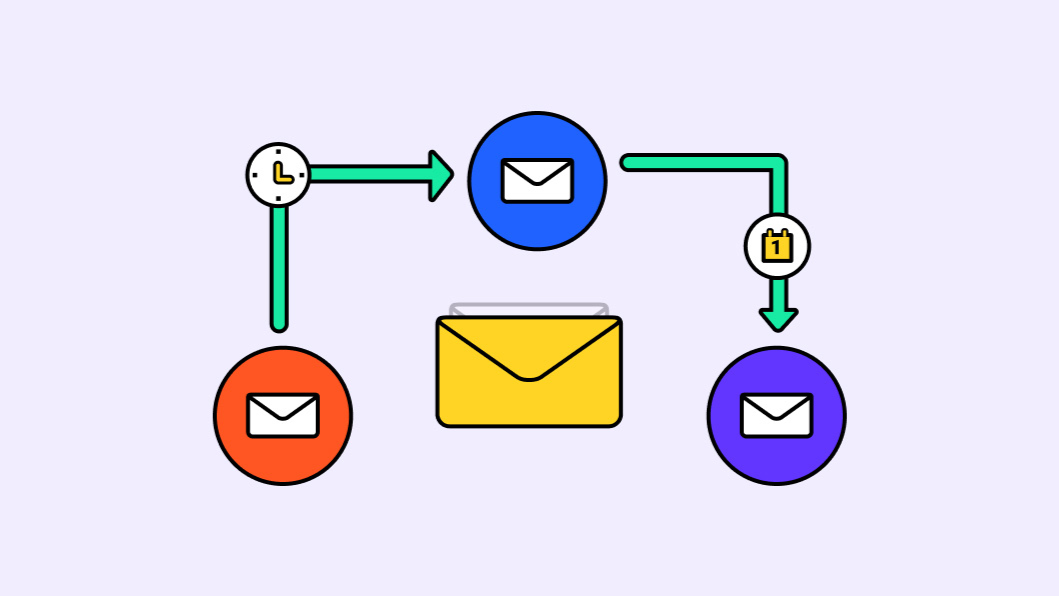
Single-channel outreach is dead. The best SDR outbound strategy coordinates touchpoints across:
- Cold email for detailed value propositions
- LinkedIn for social proof and relationship building
- Cold calling for real-time conversations and objection handling
A typical sequence might include 8-12 touchpoints over 3-4 weeks, mixing channels strategically to stay top of mind without overwhelming prospects.
Personalization at Scale

Generic templates don't work anymore. Your SDR outbound strategy needs personalization, but doing it manually for hundreds of prospects isn't realistic. The solution is personalization at scale using:
- Company-specific pain points
- Recent news or funding announcements
- Relevant case studies from similar companies
- Mutual connections or shared experiences
At Cleverly, we've perfected this balance, delivering personalized outreach that feels one-to-one even when running at volume.
Consistent Follow-Up Cadence
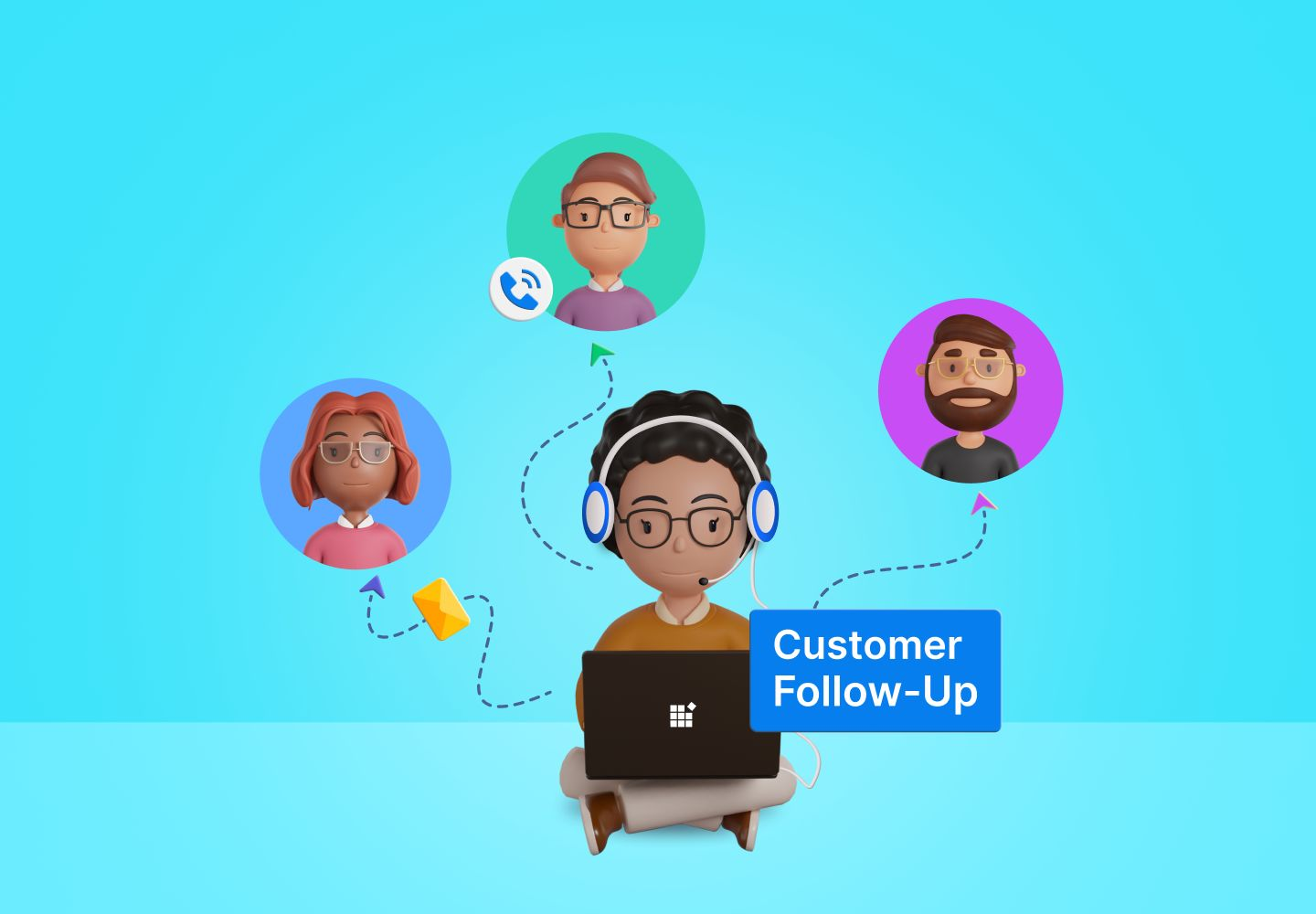
Most deals don't happen on the first touch. A solid SDR outbound strategy includes persistent follow-up:
- 60% of prospects say no four times before saying yes.
- 80% of sales require five follow-ups after initial contact.
- Only 2% of sales happen on the first interaction.
Your SDRs need a system that ensures no prospect falls through the cracks while respecting boundaries.
Using Content as a Follow-Up Nudge, Not Just Cold Outreach
Not every follow-up needs to be a "just checking in" email. Once a prospect goes quiet, a relevant piece of content can restart the conversation without adding pressure.
A case study from a similar company gives the prospect a reason to respond that isn't about your calendar. A webinar invite works the same way: it's a lower-pressure ask than "do you have 15 minutes," and it gives prospects who aren't ready to buy yet a reason to stay engaged.
This works because content re-opens a conversation on the prospect's terms instead of yours. Data from more than 7.5 million cold emails shows that steps two through six of a sequence produce the majority of replies, while the first email alone accounts for well under half. Prospects who don't respond to touch one aren't gone. They often just need a different kind of nudge.
A few ways to use this in practice:
- Send a case study from a similar company or industry after 2-3 unanswered touches.
- Invite quiet prospects to a relevant webinar instead of asking for a meeting directly.
- Reference a recent blog post or resource that speaks to a pain point you've already raised.
The key is coordinating this with your existing cadence, not bolting it on as an extra touch. Swap one of your planned "checking in" emails for a content-based one instead of adding a thirteenth touchpoint to an already busy sequence.
Alignment with Sales Team

Your SDR outbound strategy falls apart without tight SDR and AE alignment. This means:
- Weekly pipeline reviews
- Shared definitions of qualified leads
- Feedback loops on meeting quality
- Coordinated messaging and positioning
When SDRs and account executives work as one team with shared goals, pipeline quality improves and conversion rates go up.
Explore More: Buying Signals Explained - How to Spot High-Intent B2B Leads Faster
🚀 Your Outbound SDR Team—Done For You
Cleverly replaces in-house guesswork with LinkedIn outreach, pay-per-meeting cold email, and guaranteed cold calling that books sales-ready meetings.
Inbound vs Outbound SDR: What's the Difference?
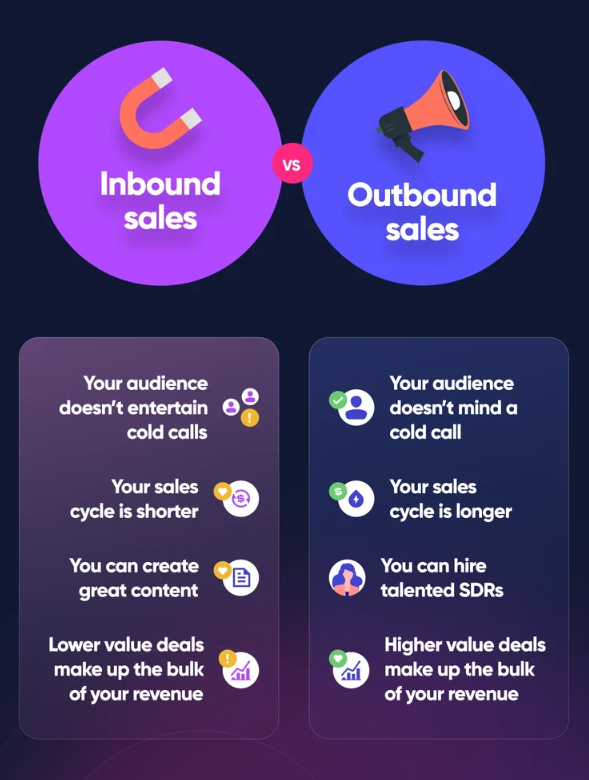
The inbound vs outbound SDR debate isn't about which is better. It's about understanding how each role functions so you can build the right team for your growth goals.
Inbound SDR
Inbound SDRs respond to leads who've already shown interest. These prospects downloaded a whitepaper, requested a demo, attended a webinar, or filled out a contact form. The inbound SDR's job is to qualify these leads quickly and book meetings while interest is hot.
Their focus is on:
- Speed to contact (responding within minutes)
- Lead qualification using BANT or similar frameworks
- Nurturing warm leads through the funnel
Outbound SDR
Outbound SDRs don't wait for leads to come in. They proactively identify target accounts, research decision makers, and initiate cold outreach across email, LinkedIn, and phone. They create demand from scratch by reaching people who've never heard of your company.
Their focus is on:
- Prospecting and list building
- Multi-touch cold outreach sequences
- Generating new pipeline opportunities
Inbound vs Outbound SDR: Side-by-Side Comparison
Key Outbound SDR Metrics That Matter
Tracking the right outbound SDR metrics is the difference between a team that looks busy and a team that actually drives revenue. Here's what to measure:
✅ Activity Metrics (The Starting Point)
- Emails sent: Volume matters, but only if targeting is tight
- Calls made: Dials per day show effort, not results
- LinkedIn connections sent: Outreach activity across channels
These outbound SDR metrics show effort, but they don't show impact. Activity without outcomes is just noise.
✅ Engagement Metrics (What's Working)
- Reply rate: Percentage of prospects who respond (good is 5-10%+)
- Positive reply rate: Replies that show genuine interest (aim for 2-5%)
- Connection acceptance rate: LinkedIn connections accepted (30-40% is solid)
These outbound SDR metrics tell you if your messaging resonates and your targeting is accurate.
✅ Revenue Metrics (What Actually Matters)
- Meetings booked: Qualified calls scheduled with decision makers
- Show-up rate: Percentage of booked meetings that actually happen (70%+ is healthy)
- Opportunity conversion rate: Meetings that turn into pipeline opportunities
- Pipeline created: Total dollar value of opportunities generated by outbound
These are the outbound SDR metrics your leadership and board care about. Everything else is just supporting data.
Why Activity Metrics Alone Are Misleading
An SDR can send 500 emails a day and book zero meetings. Another can send 50 highly targeted emails and book five qualified calls. Volume without strategy is wasted effort.
The best outbound SDR metrics track the full funnel: activity, engagement, and revenue impact.
At Cleverly, we focus on the metrics that matter most to your bottom line: meetings booked, show-up rates, and pipeline created. Because at the end of the day, your CFO doesn't care how many emails you sent. They care how much revenue you generated.
Outbound SDR Tools & Tech Stack
Great outbound strategy runs on great infrastructure. The best SDR outbound strategy in the world falls apart if your team is manually copying contact info between spreadsheets and dialing numbers one at a time. Here's the tech stack that separates modern outbound SDR teams from the ones still working the old way.
Sales Engagement Platforms for Sequencing and Cadence
A sales engagement platform is the command center for your outbound SDR outbound software stack. It's where sequences live: which email goes out on day 1, which LinkedIn touch follows on day 3, which call gets scheduled on day 7. Without one, cadences get built (and broken) inside someone's head.
Sales engagement technology has moved from nice-to-have to standard equipment. Around three-quarters of sales teams already use some form of sales engagement technology, and adopters report meaningful gains in sales productivity and revenue growth as a result.
The best platforms in this category:
- Automate multi-channel sequencing so reps don't have to remember what's due next
- Sync activity data back to the CRM in real time
- Surface reply and engagement data at the sequence and step level
- Let managers build and edit cadences without engineering support
Outbound SDR Tools & Tech Stack
Great outbound strategy runs on great infrastructure. The best SDR outbound strategy in the world falls apart if your team is manually copying contact info between spreadsheets and dialing numbers one at a time. Here's the tech stack that separates modern outbound SDR teams from the ones still working the old way, broken down by category.
Sales Engagement Platforms for Sequencing and Cadence
A sales engagement platform is the command center for your outbound SDR outbound software stack. It's where sequences live: which email goes out on day 1, which LinkedIn touch follows on day 3, which call gets scheduled on day 7. Without one, cadences get built (and broken) inside someone's head.
Sales engagement technology has moved from nice-to-have to standard equipment. Around three-quarters of sales teams already use some form of it, and adopters report meaningful gains in sales productivity and revenue as a result.
Platforms worth evaluating:
- Outreach.io: The category leader for structured, task-driven multi-channel sequencing at scale.
- Salesloft: Strong CRM sync and forecasting tools, popular with enterprise sales orgs.
- Apollo.io: Combines a contact database with sequencing, a lower-cost entry point for smaller teams.
- Klenty: Lightweight sequencing with solid multi-channel cadence support at a mid-market price point.
- HubSpot Sales Hub: Best if you're already living inside HubSpot CRM and want fewer tools to manage
Related: Klenty Reviews: Features, Pricing, and Alternatives
Power Dialers and Calling Apps for Outreach Volume
Manual dialing wastes time between calls looking up numbers, dialing, and waiting for pickup or voicemail. A power dialer removes that dead time by queuing calls automatically, so reps spend their day talking instead of clicking.
This matters because connect rates are tight right now. Most B2B SDR teams doing manual dialing land somewhere in the 5% to 8% connect rate range. A power dialer doesn't fix targeting or messaging on its own, but it multiplies the number of live conversations a rep can have in a day, which compounds every metric downstream.
Calling tools worth a look:
- Aircall: Cloud calling built for sales teams, with strong real-time coaching features layered in.
- JustCall: AI-powered dialer with built-in call scoring and CRM sync.
- Kixie: Power dialer known for fast setup and reliable auto-dialing at volume.
- Nooks: Parallel dialer built specifically for outbound SDR teams, pairs dialing with AI coaching.
- Orum: AI-assisted parallel dialer that filters out voicemails and gatekeepers before connecting a rep
Related: Best Sales Call Coaching Software for SDR Teams
B2B Data and Enrichment Tools for Accurate Targeting
Outbound is only as good as the list behind it. Data and enrichment tools verify emails and phone numbers, append firmographic and technographic details, and surface intent signals like hiring activity, funding rounds, and tech stack changes. This is what turns a name on a spreadsheet into a real, sales-ready prospect.
Data providers to consider:
- ZoomInfo: The largest B2B contact and intent database, strong for enterprise targeting.
- Cognism: Known for verified mobile numbers and strong EU/UK coverage.
- Clay: Enrichment and workflow automation in one, popular for building custom scoring logic.
- Apollo.io: Built-in database that doubles as a budget-friendly enrichment layer.
- Lusha: Fast, lightweight contact lookups, a common pick for smaller SDR teams
Compare: Cognism vs ZoomInfo: The Honest 2026 Comparison
AI SDR Tools That Automate Personalization and Follow-Up at Scale
AI SDR tools handle the repetitive parts of outbound: drafting first-pass personalization, triggering follow-ups on schedule, and flagging replies that need a human response. Nearly half of B2B sales teams now report having deployed some form of AI SDR technology, according to G2's 2026 AI in B2B Marketing report.
Names showing up most often in this category:
- 11x (Alice): Autonomous outbound agent that researches, writes, and sends at full-cycle volume.
- Artisan (Ava): Similar full-cycle automation, bundles its own contact database and email warmup.
- AiSDR: Positioned as a more transparent, lower-commitment entry point into AI SDR automation.
- Regie.ai: Works more like a copilot for human SDRs than a replacement, strong for teams that want to keep reps in the loop.
Used well, these tools free up SDR time for the conversations that actually require a human: objection handling, qualification, and building real rapport. Used poorly, they just produce generic outreach at higher volume, which is a big part of why reply rates are sliding industry-wide.
Tools that Help: Best AI BDR Tools for Scaling Outbound Efforts
What to Look for in an Outbound Platform (Including RevOps Reporting)
Picking sdr outbound software gets confusing fast because most tools are strong in one area and weak in another. Here's what actually matters when you're evaluating options:
Execution features
- Multi-channel sequencing (email, LinkedIn, calls) in one workflow.
- Automated task queues so reps always know the next best action.
- A/B testing at the sequence and template level.
Reporting depth for RevOps
This is where a lot of teams get burned. A platform can run great sequences and still leave your RevOps team blind. What should i look for in an outbound platform that supports both sdr execution and revops reporting comes down to one question: can it show stage-level conversion, not just activity counts?
Look for:
- Pipeline attribution back to the specific sequence, channel, and rep.
- Stage-level conversion (contact to reply, reply to meeting, meeting to opportunity).
- Cohort reporting by campaign, not just by rep.
Related: Pipeline Coverage Ratio: How Much Pipeline Does Your Sales Team Need?
CRM integration quality
A platform with a shaky CRM sync creates more manual work, not less. Test the integration before you buy: does activity sync in real time or on a delay? Does it write back to the right fields? Does it handle custom objects? Outreach, Salesloft, and HubSpot Sales Hub tend to lead here since CRM sync is core to their architecture, not bolted on.
Why execution-only tools create reporting blind spots later
Plenty of tools are excellent at getting messages out the door and terrible at explaining what happened after. Six months in, teams that chose on execution alone often find themselves exporting CSVs into a spreadsheet just to answer "which sequence actually drives pipeline." Evaluate both sides upfront, or you'll be migrating platforms within a year.
Real-Time Call Coaching and Conversation Intelligence
Sdr outbound software increasingly includes conversation intelligence, and it's changed how sales managers coach. These tools transcribe calls live, track mentions of competitors or objections, and can prompt reps in real time when a common objection comes up.
Platforms leading this category:
- Gong: The best-known conversation intelligence platform, strong analytics across the full revenue org.
- Chorus (by ZoomInfo): Similar call analysis, tightly integrated with ZoomInfo's data layer.
- Aircall: Pairs real-time coaching prompts directly into the dialer itself, useful for smaller teams that don't want a separate tool.
- Mindtickle: Leans more into structured coaching and rep readiness scoring than raw call analytics.
The bigger win is often after the call, not during it. Reviewing recorded calls at scale lets managers spot patterns across dozens of conversations instead of sitting in on a handful. Consistent, immediate feedback from call reviews can cut new rep ramp time by as much as 45%.
This directly reduces the burden on sales managers. Instead of listening to full recordings to find coachable moments, managers can jump straight to flagged objection-handling clips and run focused coaching sessions instead of open-ended reviews.
Should You Hire In-House or Use an Outbound SDR Agency?
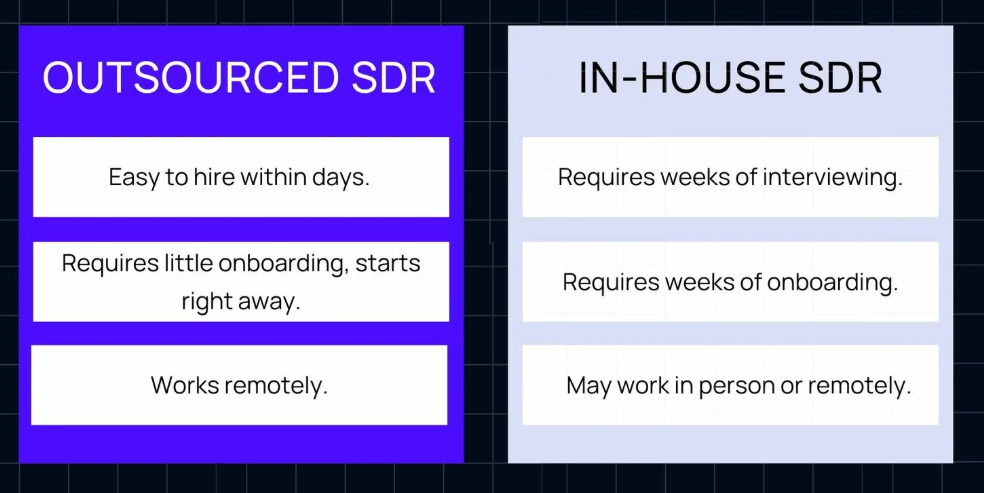
The outbound SDR agency vs in-house debate comes down to speed, cost, and operational bandwidth. Both models work, but they fit different business situations.
When In-House Makes Sense
Building an internal outbound team works best when you have:
- Long-term scaling plans: You're committed to outbound for years and want full control.
- Strong sales management: You have experienced sales leaders who can hire, train, and manage SDRs.
- Established processes: Your ICP is clear, messaging is tested, and you have proven sequences.
- Budget for infrastructure: CRM, sales engagement platforms, data providers, and dialers are already in place.
In-house gives you control and brand immersion, but it requires serious upfront investment and management attention.
When an Outbound SDR Agency Makes Sense
Partnering with an outbound SDR agency works better when you need:
- Faster launch: Agencies can start generating pipeline in weeks, not months.
- Limited hiring capacity: Recruiting, training, and retaining SDRs is time-consuming and expensive.
- Proven expertise: Agencies bring tested frameworks, scripts, and multi-channel strategies that already work.
- Lower risk: No hiring mistakes, no ramp time losses, no infrastructure buildout.
An outbound SDR agency like Cleverly operates as your outsourced SDR team, handling everything from ICP targeting to qualified meeting delivery.
Cost, Ramp Time, and Scalability Considerations
In-House SDR
- Cost: $60K-$80K salary + benefits + tools + management overhead
- Ramp time: 3-6 months to full productivity
- Scalability: Hire and train each new rep individually
Outbound SDR Agency
- Cost: Typically lower than fully loaded in-house cost
- Ramp time: 2-3 weeks to launch campaigns
- Scalability: Add capacity instantly without hiring headaches
The right choice depends on where you are. If you need pipeline now and don't want the operational burden of building a team from scratch, an outbound SDR agency is your fastest path to revenue.
Learn More: How Much Does It Really Cost to Book a Sales Meeting?
How Cleverly Operates as an Outbound SDR Agency
Most companies don't need another headcount. They need qualified meetings showing up on their calendar every week.
That's exactly what we do.
Cleverly functions as your fully outsourced outbound SDR team. We handle the heavy lifting so your sales team can focus on what they do best: closing deals.
How We Support Your Outbound Motion
- ICP targeting: We identify and research your ideal accounts
- LinkedIn + cold email + cold calling coordination: Multi-touch sequences across all three channels
- Personalized outreach at scale: Messages that feel one-to-one, delivered at volume
- Qualified meeting booking: Only sales-ready conversations hit your calendar
What You Get
- Consistent pipeline creation month after month.
- Predictable meeting flow (10-30+ qualified appointments guaranteed with our cold calling system).
- Full sales alignment with transparent reporting and CRM integration.
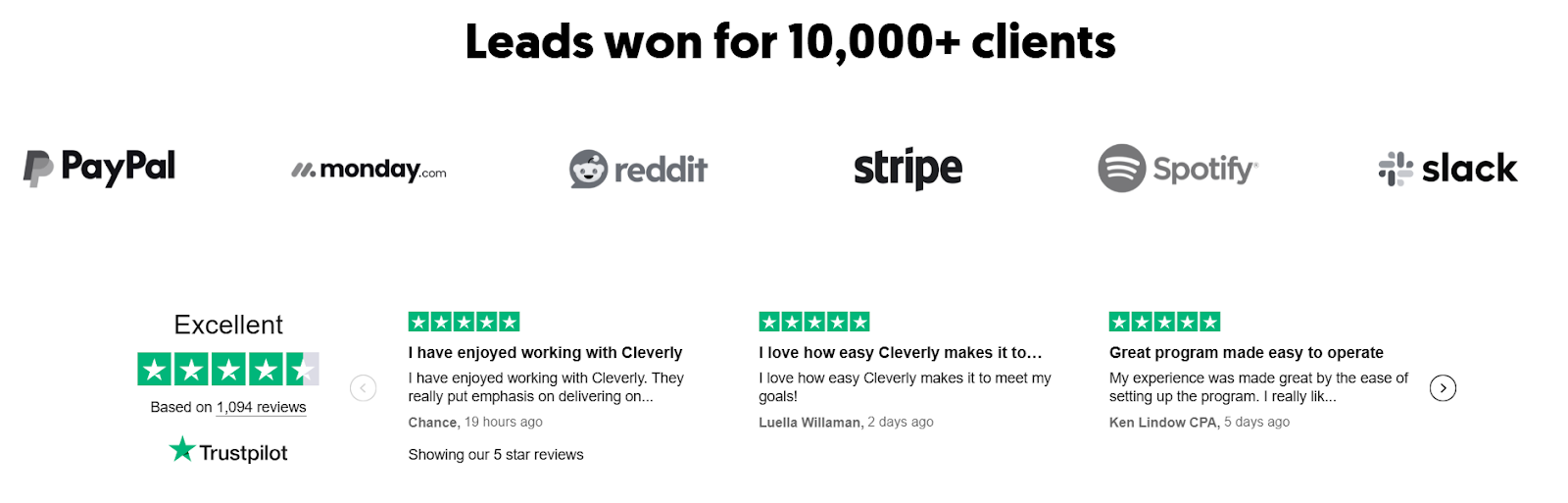
Our Track Record
- 10,000+ clients served
- $312M in pipeline generated
- $51.2M in closed revenue
- 1M+ cold calls made, 53K appointments set
Pricing That Makes Sense:
- LinkedIn lead gen starts at $397/month.
- Cold email: pay only for meeting-ready leads.
- Cold calling: guaranteed appointments at half the cost of hiring in-house.

Looking for a scalable outbound SDR team without hiring internally?
🚀 Book a strategy call with Cleverly
Conclusion
Outbound SDRs are your pipeline engine. When done right, they create predictable, scalable growth that doesn't depend on marketing budgets or hoping the right leads find you.
But here's what separates winning outbound teams from the rest:
- Strategy beats volume every time: Targeted ICP lists and smart sequencing outperform spray-and-pray activity.
- Multi-touch coordination works: LinkedIn, email, and calls working together generate more meetings than any single channel alone.
- AI enhances, humans close: Tools make your SDRs faster and smarter, but relationships still require real conversations.
- Choose your model wisely: In-house gives you control. Agencies give you speed, expertise, and results without the hiring headaches..
Whether you build internally or partner with an outbound SDR agency like Cleverly, the goal stays the same: fill your calendar with qualified meetings and let your closers do what they do best.
Ready to scale your outbound motion? We've already done the hard work for 10,000+ companies. Let's build your pipeline together.
Frequently Asked Questions
Free Resource
How to Scale a Profitable Cold Call System
Get the complete guide — download it instantly now.
Free Ebook
Download the Free Guide
Enter your details to get instant access.
You're all set! 🎉
Your ebook is downloading now.
Click below if the download didn't start automatically.


