Table of Contents
Instantly vs Apollo: The 60-Second Verdict (If You're in a Hurry)
What Is Instantly.ai and What Is It Built For?
What Is Apollo.io and What Is It Built For?
Instantly vs Apollo: Feature-by-Feature Breakdown (+ Verdict)
Instantly vs Apollo Pricing: What Does Each Tool Actually Cost?
Instantly vs Apollo: Side-by-Side Comparison Table
Which Tool Should You Choose? (Scenario-Based Decision Guide)
How Cleverly Runs Cold Email Without the Tool Management Overhead
Conclusion
Frequently Asked Questions
Modified On :
April 14, 2026
Key Takeaways
- Instantly.ai is built for high-volume cold email at scale — flat-fee pricing, unlimited inboxes, and best-in-class deliverability infrastructure make it the top pick for agencies and email-first teams.
- Apollo.io is an all-in-one sales intelligence platform — its 275M+ contact database, multichannel sequences, and native CRM workflows make it stronger for revenue teams running full outbound motions.
- The instantly vs apollo debate has no universal winner — the right tool depends entirely on your outreach model, team size, and whether email is your only channel or one of many.
- Apollo's per-seat pricing scales expensively as your team grows; Instantly's flat-fee model is significantly more cost-effective for agencies managing multiple clients.
- You can run both tools together — Apollo for data sourcing and intent filtering, Instantly for high-deliverability email execution — and that stack outperforms either tool alone.
- If managing tool infrastructure isn't something your team has the bandwidth for, a done-for-you service handles everything the tools require but won't do themselves.
Picking the wrong outreach tool doesn't just cost you money — it costs you pipeline.
Most buyers make the same mistake: they evaluate Instantly vs Apollo based on brand recognition, a colleague's recommendation, or whichever tool came up first in a Google search. They sign up, spend weeks configuring the platform, and then realize it wasn't built for how they actually sell.
The reality: both Instantly and Apollo are legitimate tools. But they solve fundamentally different problems. And almost every comparison article on the SERP skips that nuance because the author is using the comparison to pitch their own product.
This guide doesn't do that. We're going to break down both platforms honestly — features, pricing, real-world performance, and the scenarios where each one genuinely wins. By the end, you'll know exactly which tool fits your workflow.
This is for SDRs, founders, sales managers, and cold email agencies evaluating their stack in 2026.
Instantly vs Apollo: The 60-Second Verdict (If You're in a Hurry)
If you need a quick answer before diving into the full breakdown, here it is.
Instantly wins if you run high-volume cold email campaigns, need flat-fee pricing that doesn't compound with headcount, manage outreach across multiple clients, or treat inbox placement as your #1 priority.
Apollo wins if you need prospecting data, multichannel sequences (email + LinkedIn + calling), native CRM workflow management, and intent signals all inside one platform.
Instantly.ai vs Apollo.io Head-to-head snapshot:
Neither tool is a clear winner across every dimension. That's the honest answer. But hold on…let the rest of this guide explain why and help you choose better.
📩 Tools Don’t Book Meetings. We Do.
Skip the learning curve—get meeting-ready leads delivered to you. You only pay for qualified calls we book.
What Is Instantly.ai and What Is It Built For?
Instantly.ai started as a cold email automation platform and has grown into a broader sales engagement suite — but email is still what it does best.
The product is built around a simple premise: you should be able to send at scale without worrying about email deliverability destroying your domains or landing you in spam.
So basically, Instantly AI is a cold email outreach and sales engagement platform built specifically for automating and scaling outbound email outreach, combining automated email sequences, a built-in B2B lead database, unlimited email account connections, deliverability tools, and an AI-powered CRM.
Who uses it: Solo founders doing their own prospecting, SDR teams scaling outbound volume, and agencies running campaigns across multiple client accounts.
Key differentiators:
- Unlimited sending accounts across all paid plans — no extra cost per inbox.
- Built-in warmup network with millions of real accounts.
- Flat-fee pricing per workspace (not per seat).
- Subsequences that branch based on prospect behavior.
- AI Copilot for sequence writing and inbox management.
What Instantly is NOT: It's not a full-stack sales intelligence platform. There's no native LinkedIn outreach workflow, no built-in cold calling, and no robust intent data layer. If your outbound motion involves anything beyond email, you'll need additional tools.
What Is Apollo.io and What Is It Built For?
Apollo.io is positioned as an all-in-one sales intelligence and engagement platform. The pitch is simple: instead of juggling a separate data provider, sequencer, dialer, and CRM, you get everything in one place.
Apollo.io offers four plans: Free, Basic ($49/user/month annual), Professional ($79/user/month annual), and Organization ($119/user/month annual), and positions itself as a platform that combines a massive contact database with tools for email sequencing, cold calling, intent data, and basic CRM functionality.
Who uses it: Revenue teams, SDR managers, and outbound-led companies that need prospecting data and outreach sequencing in one workflow.
Key differentiators:
- 275M+ contacts searchable across 65+ filters including intent signals and technographic data.
- Native multichannel sequences combining email, LinkedIn touchpoints, and calling tasks.
- Built-in dialer (Professional and above) with call recording.
- AI assistant that executes outbound workflows via natural language prompts.
- CRM pipeline tracking, deal management, and native integrations with Salesforce and HubSpot.
What Apollo is NOT: It's not purpose-built for cold email deliverability at scale. Warmup and inbox management require more manual attention compared to Instantly, and the shared sending infrastructure introduces deliverability risk that email-focused platforms handle more cleanly.
📈 🚀 Cold Email That Actually Converts
From targeting to copy to sending—we handle it all. More replies. More meetings. Zero busywork.
Instantly vs Apollo: Feature-by-Feature Breakdown (+ Verdict)
Same category. Very different strengths. Here's where each tool wins — and where it falls short.
Lead Database & Data Quality
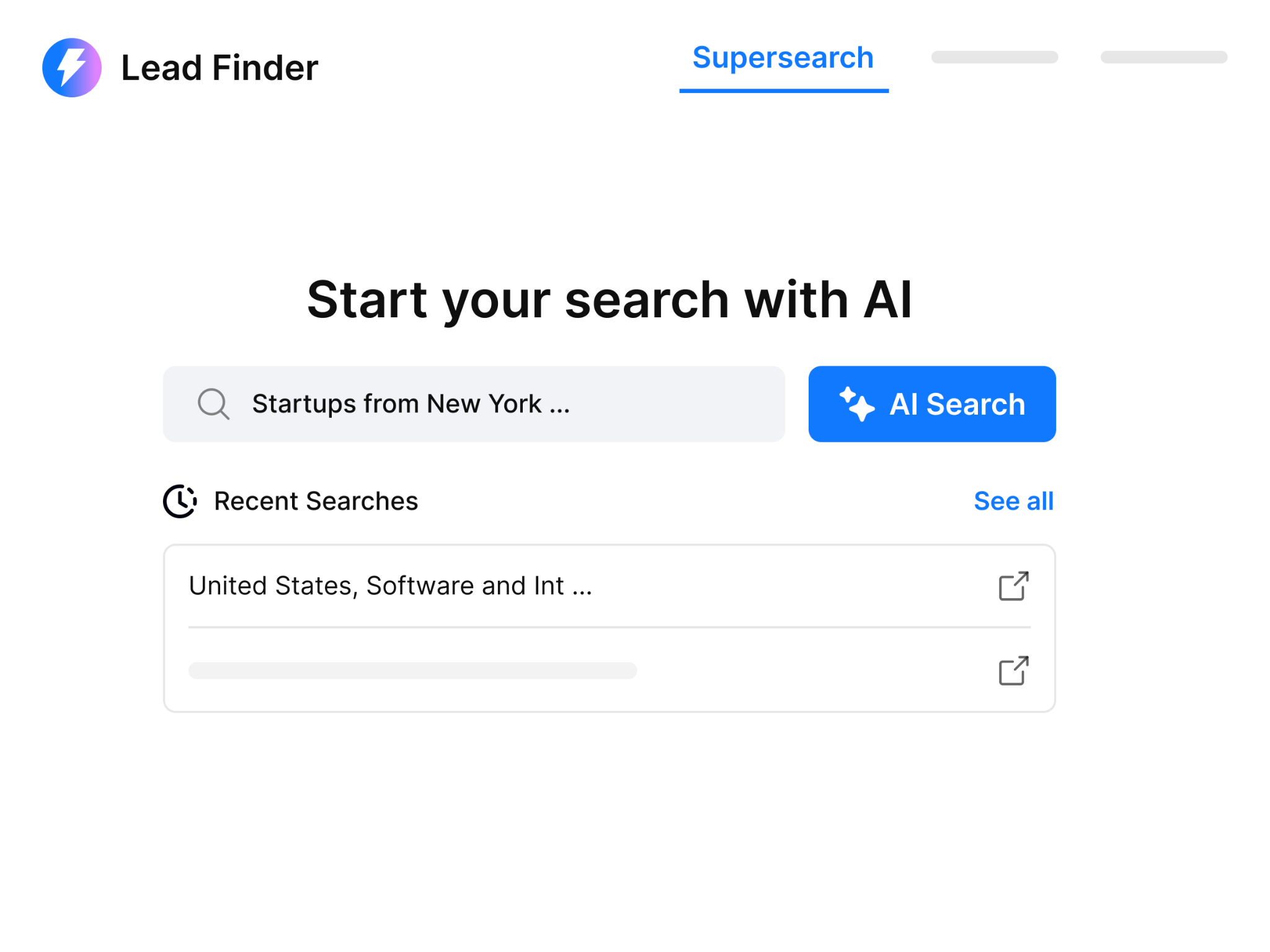
Instantly's SuperSearch pulls from a 450M+ contact database built via waterfall enrichment — it chains multiple data providers to find verified contact information when one source doesn't have it. The breadth is impressive, but the data depth is shallower than Apollo's structured intelligence layer.
Apollo's 275M+ contact database comes with 65+ search filters, buyer intent signals sourced from content consumption behavior, technographic data, and org chart information. You can slice by funding stage, technologies used, recent hiring signals, and job change activity — all within the platform.
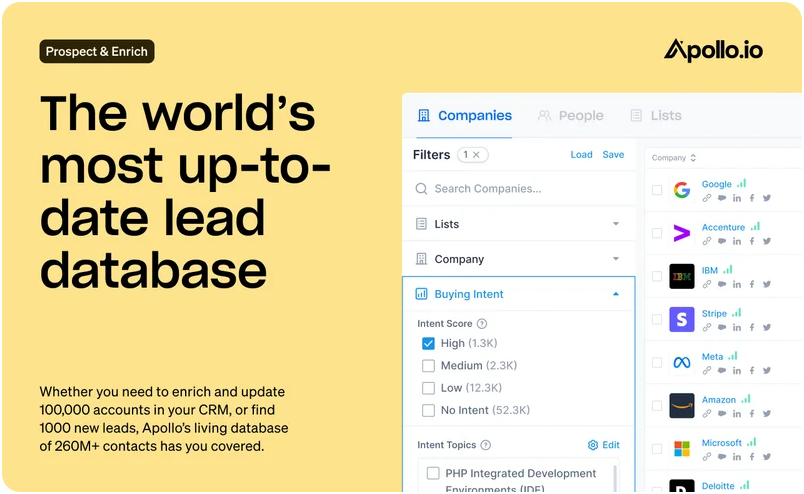
The key difference: Apollo's data is more structured and intent-enriched. Instantly relies on third-party waterfall enrichment for breadth, which works well for volume but doesn't give you the same buying-signal layer Apollo provides.
📢 Verdict: Apollo wins on data depth and intent signals. Instantly wins on raw contact volume via multi-source enrichment.
Email Deliverability & Warmup
This is Instantly's biggest advantage, and it's not subtle.
Instantly charges a flat monthly fee per workspace with unlimited sending accounts, includes automated warmup on all plans, unlimited inbox placement tests, blacklist monitoring, and SISR on its Light Speed plan to rotate away from underperforming IPs.
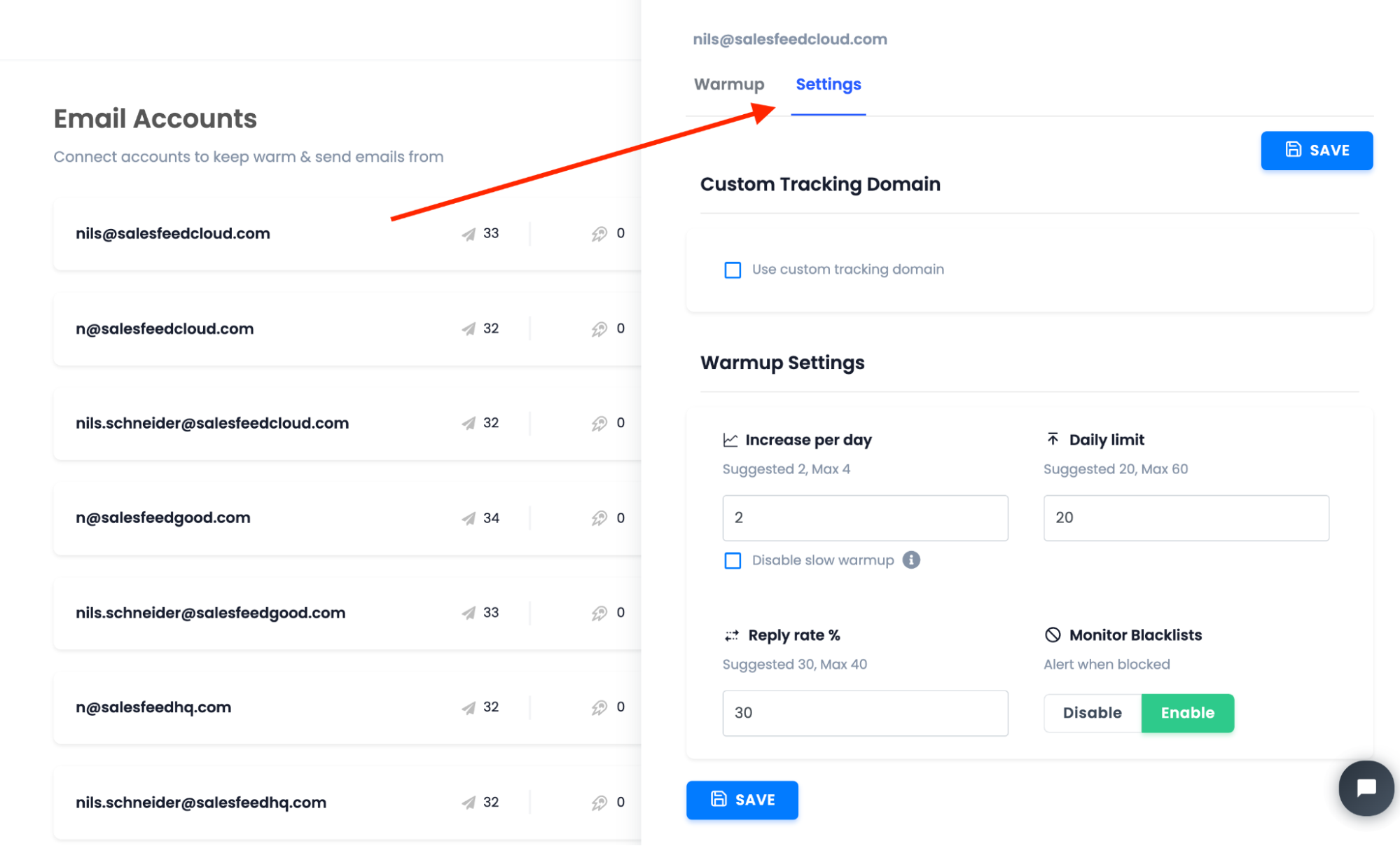
Apollo has deliverability tools, but they're not the core product. The platform runs on shared sending infrastructure — your emails go out alongside thousands of other Apollo users. If other senders on that infrastructure have poor list hygiene, it creates risk that flows into your campaigns. Apollo added built-in email warmup in recent updates, but it requires more hands-on management than Instantly's set-and-forget approach.
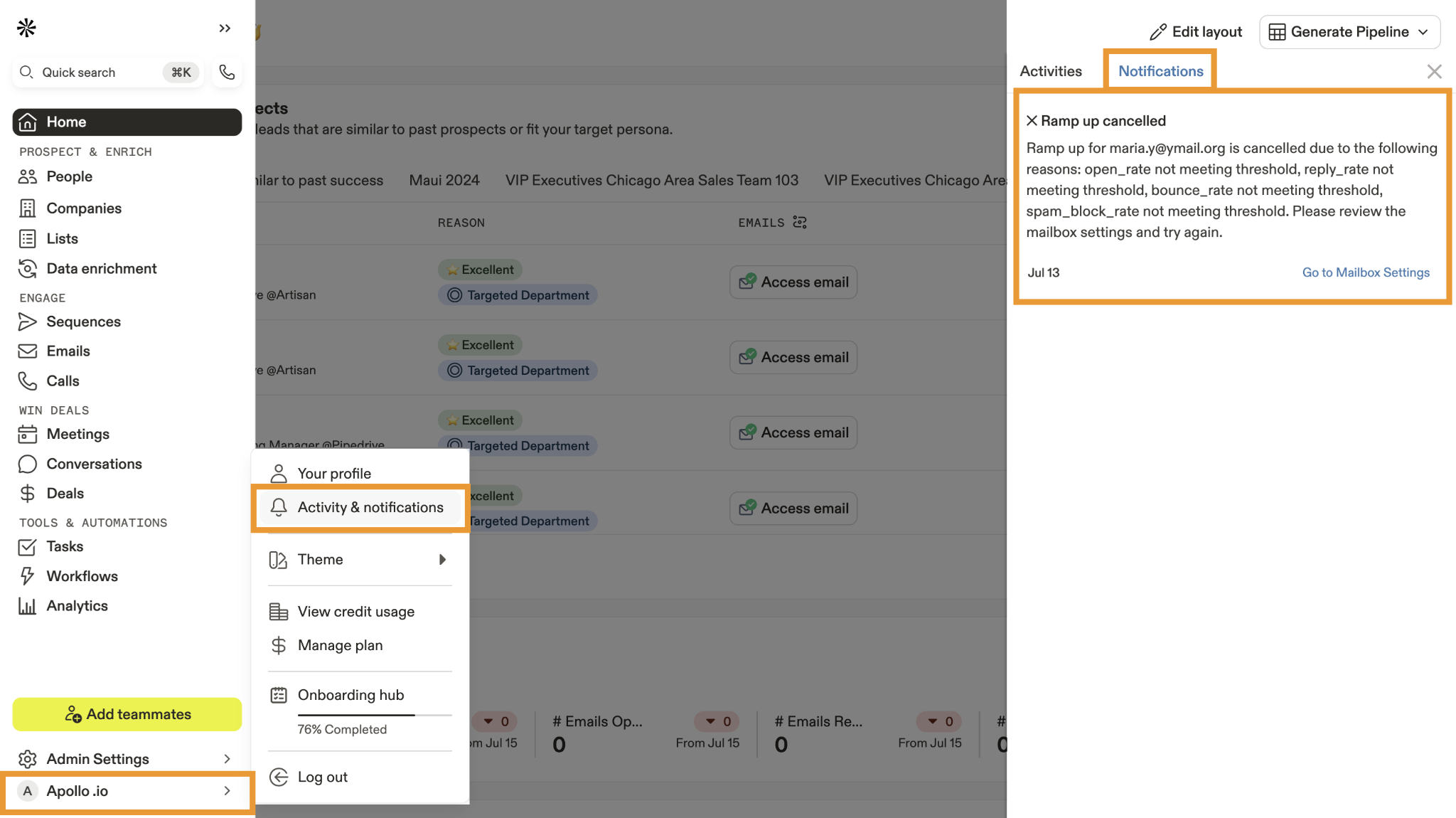
One important caveat: Instantly's warmup scores don't always translate to real inbox placement. High warmup numbers are a signal, not a guarantee — always validate with actual inbox placement tests before going live.
📢 Verdict: Instantly wins decisively on email deliverability infrastructure.
Multichannel Outreach (Email, LinkedIn, Calling)
Apollo runs native multichannel sequences — you can build a single workflow that includes email steps, LinkedIn connection requests or messages, and cold call tasks, all tracked in one place. For SDR teams running multi-touch outbound, that unified view is genuinely valuable.
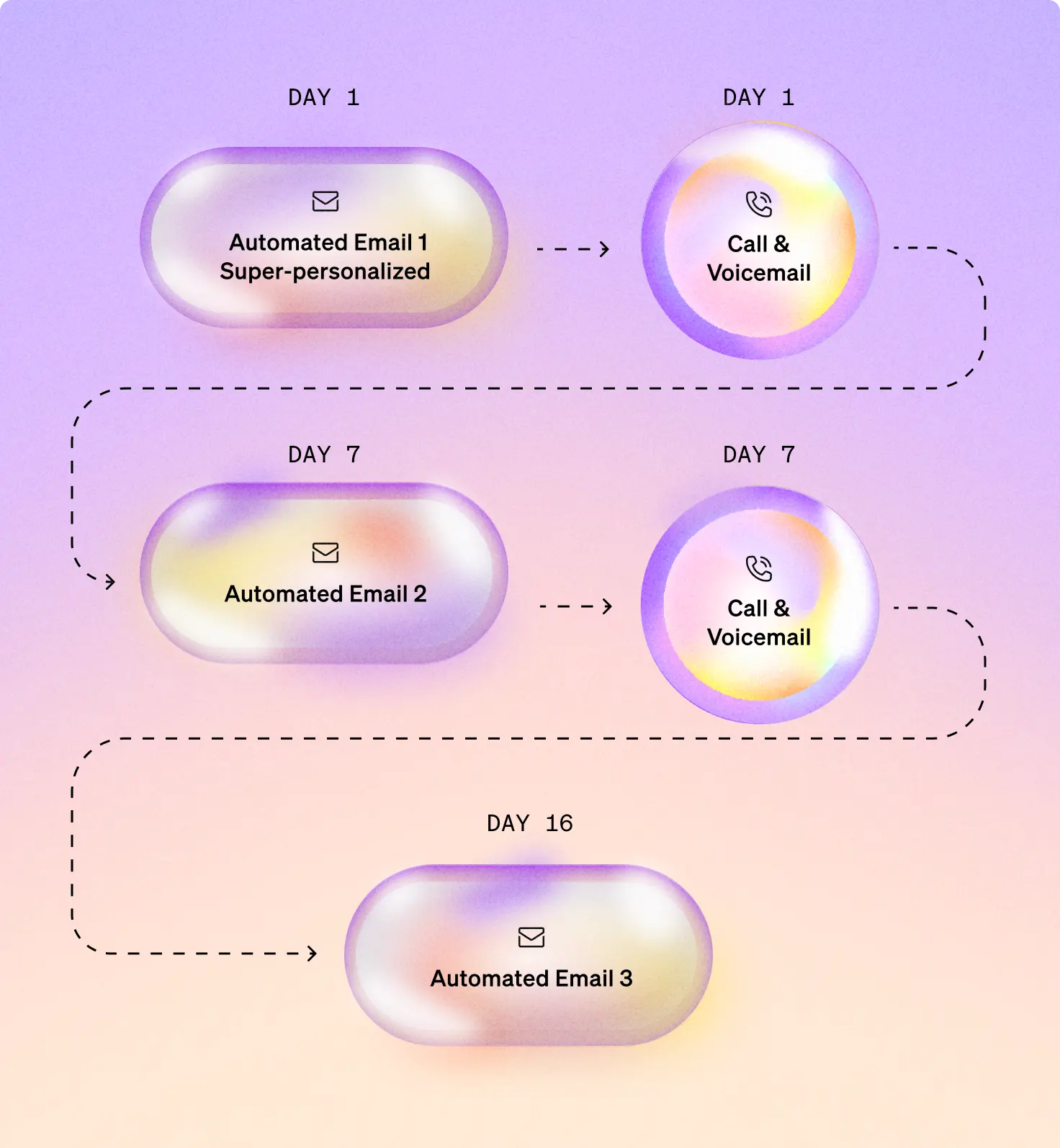
Instantly is email only by design. No native LinkedIn workflow, no calling integration. If your outreach motion requires more than email, Instantly either needs to be paired with other tools or isn't the right primary platform.
📢 Verdict: Apollo wins unanimously here. Instantly is email-first by design, and that's a meaningful limitation for teams running multichannel outbound.
Sequence Builder & Automation
Both platforms have solid sequence builders, but with different strengths.
Instantly: Multi-step sequences with conditional subsequences — branches that fire automatically based on whether a prospect opened, clicked, or didn't reply. This is a genuine differentiator. The AI Copilot generates sequence copy directly inside the campaign builder, and spintax support lets you introduce controlled variation across sends to reduce repetition flags.
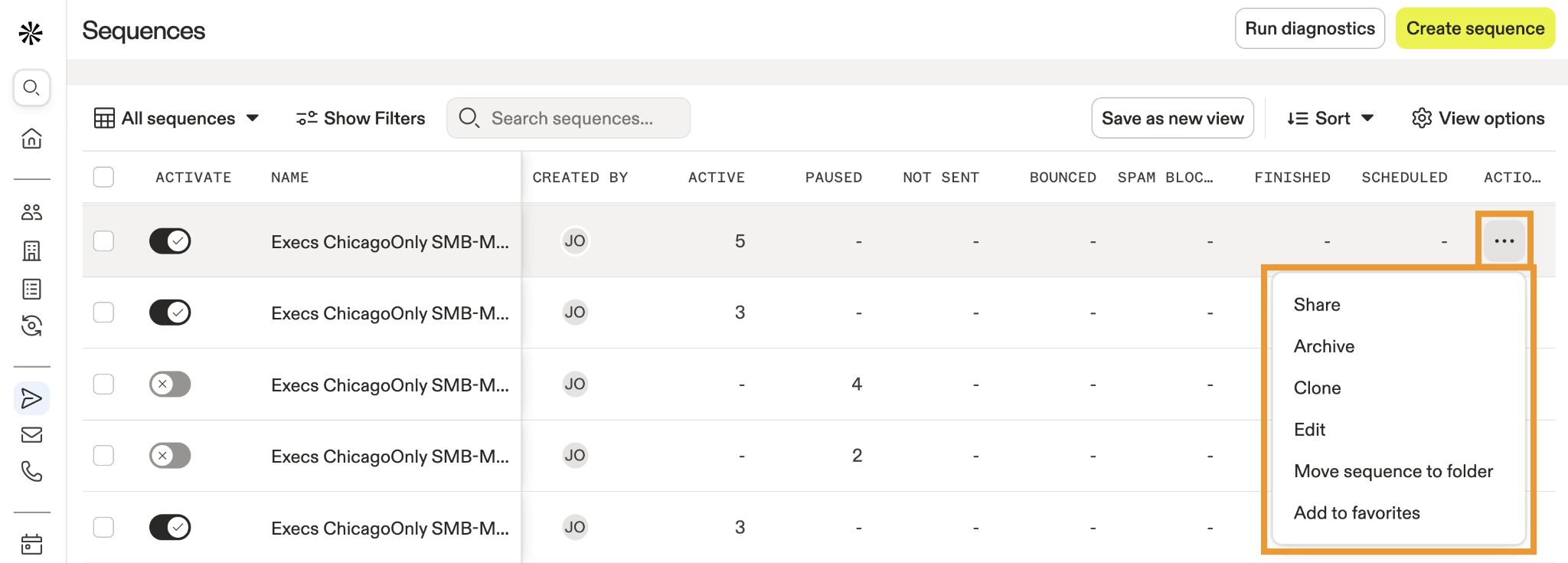
Apollo: Multi-step workflows that include both email and non-email tasks, built-in A/B testing for subject lines and body copy, and rule-based branching. The advantage is that email tasks live alongside LinkedIn and call tasks in the same builder.
📢 Verdict: Roughly tied for pure email sequences. Apollo wins when non-email touchpoints are part of the workflow.
AI Features (2026 Update)
Both tools have shipped significant AI upgrades in the past 12 months — and most comparison articles haven't caught up.
Instantly's AI features are email-execution focused: the AI Copilot writes personalization variables and full sequences inside the campaign builder, the AI Inbox Manager auto-handles positive replies and moves interested prospects toward booking, AI Custom Reply Labels categorize incoming responses by intent, and the AI Sales Agent can execute end-to-end outreach from domain to booked meeting with minimal human input.
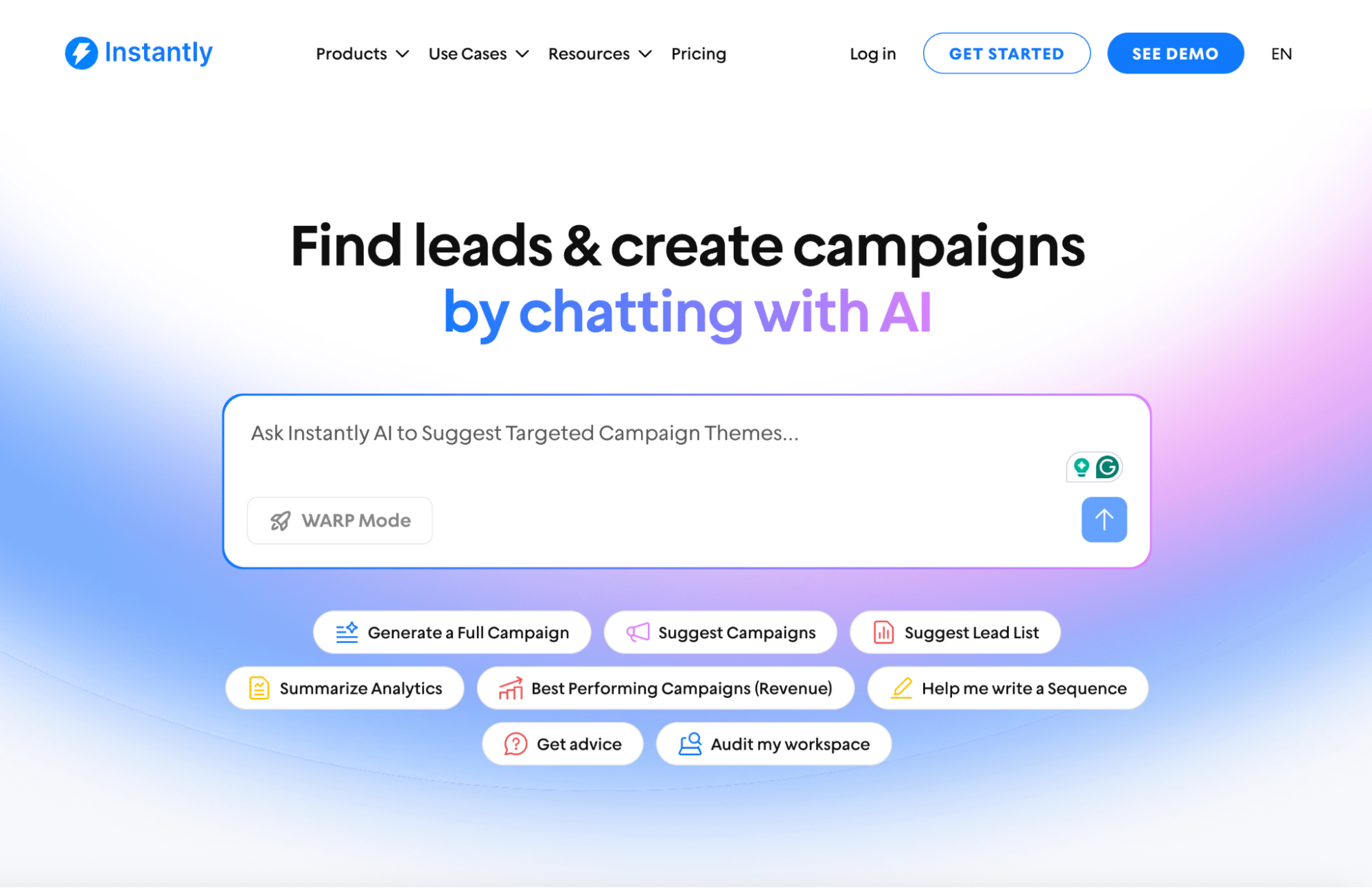
Apollo's AI features are prospecting and intelligence focused: AI-powered prospect recommendations surface high-fit accounts based on intent signals, the AI email composer drafts outreach based on contact data, AI workflow automation executes sequences via natural language prompts, and pre-meeting AI prep notes pull together context before calls.
📢 Verdict: Instantly leads on email-specific AI execution (warmup, reply management, inbox automation). Apollo leads on AI-driven prospecting and intent signal surfacing.
CRM & Integrations
Apollo has meaningful CRM functionality built in — deal pipeline tracking, activity logging, task routing, call logging, and contact history. For early-stage teams without an existing CRM, it can serve as a lightweight replacement. For teams with Salesforce or HubSpot, it syncs natively with both, along with Outreach and SalesLoft.
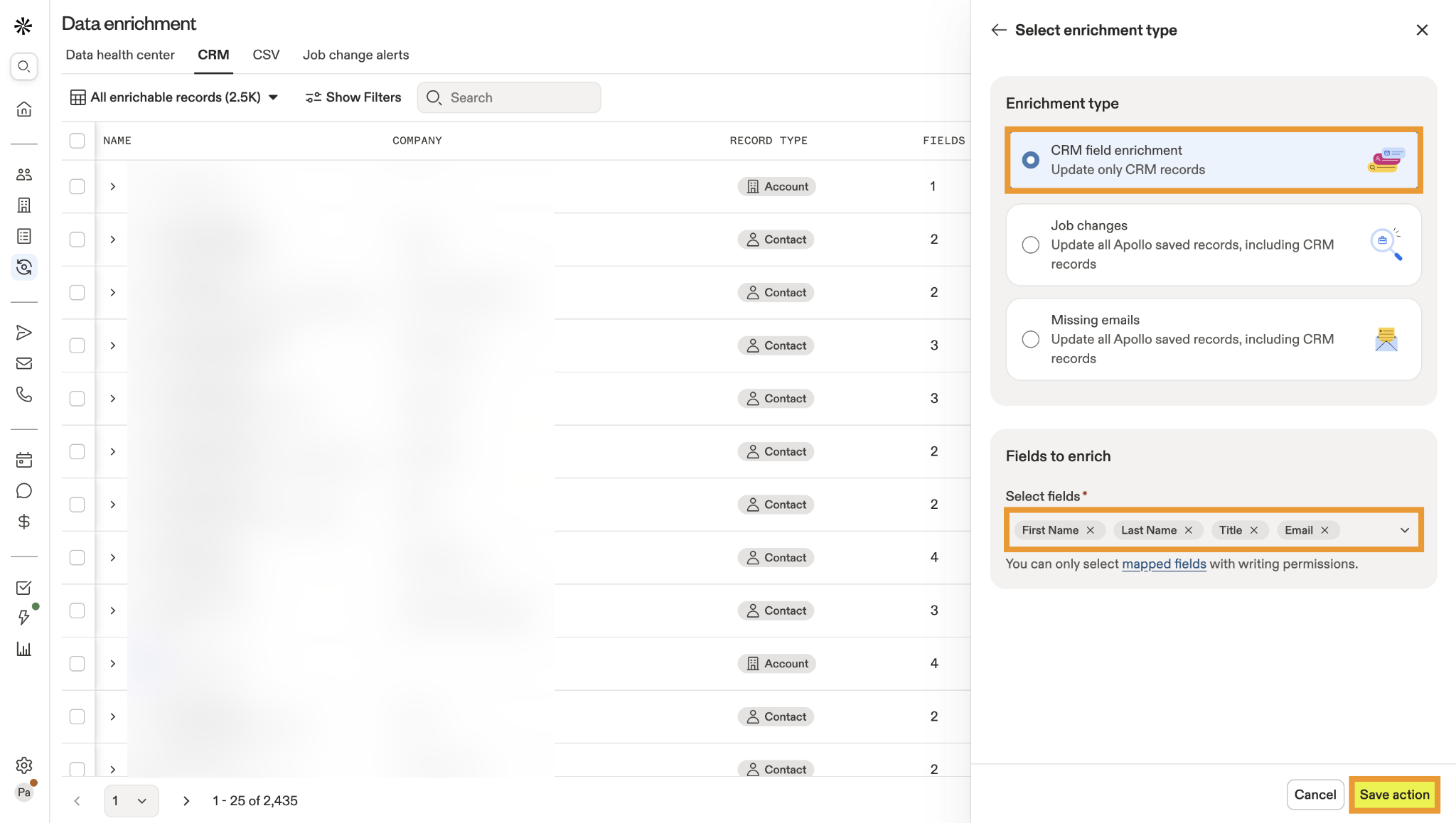
Instantly's CRM is a separate paid add-on starting at $47/month — it's useful for solo founders who want basic deal tracking without paying for a standalone CRM, but it's not a primary feature of the platform. Native integrations with HubSpot, Salesforce, and Pipedrive are included in the core product.
📢 Verdict: Apollo wins on CRM depth. Instantly's CRM is a convenient add-on, not a core differentiator.
Analytics & Reporting
Instantly's dashboard is clean and email-focused — campaign-level analytics covering opens, clicks, replies, bounce rates, and account health. Inbox placement testing is built in, and the reporting is well-suited to client-facing agency reporting.
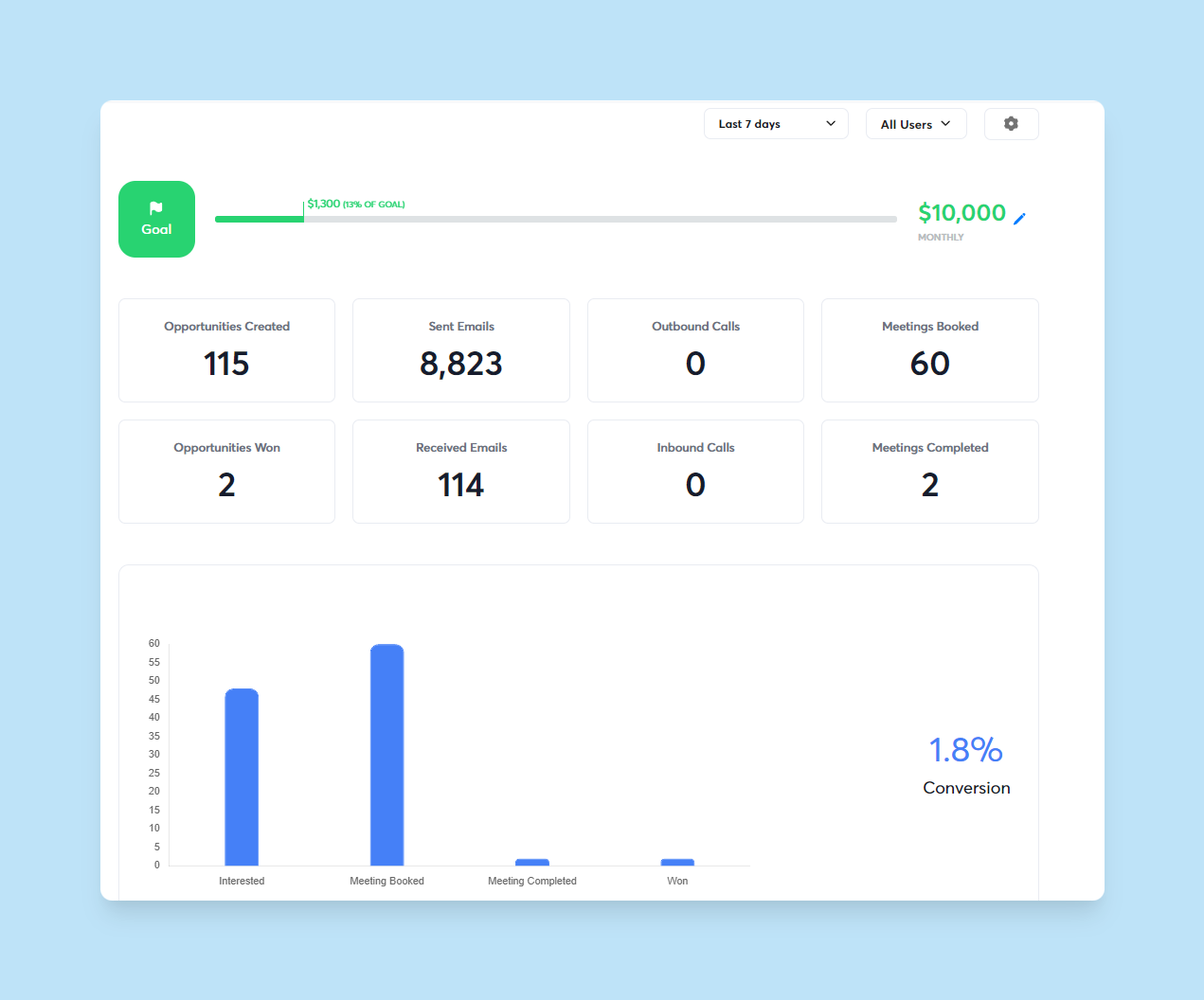
Apollo's reporting covers the full multichannel funnel — email performance, sequence drop-off, call activity, team-level metrics, and deal analytics. Custom reporting is available on the Organization plan; lower tiers get standard dashboards without the ability to build custom views.
📢 Verdict: Instantly's reporting is cleaner for email-only teams. Apollo's is more comprehensive for multichannel orgs, especially with larger SDR teams.
Instantly vs Apollo Pricing: What Does Each Tool Actually Cost?
Here's where the comparison gets practical. The pricing models are fundamentally different — and that difference matters more than the sticker price.
Instantly Pricing Breakdown
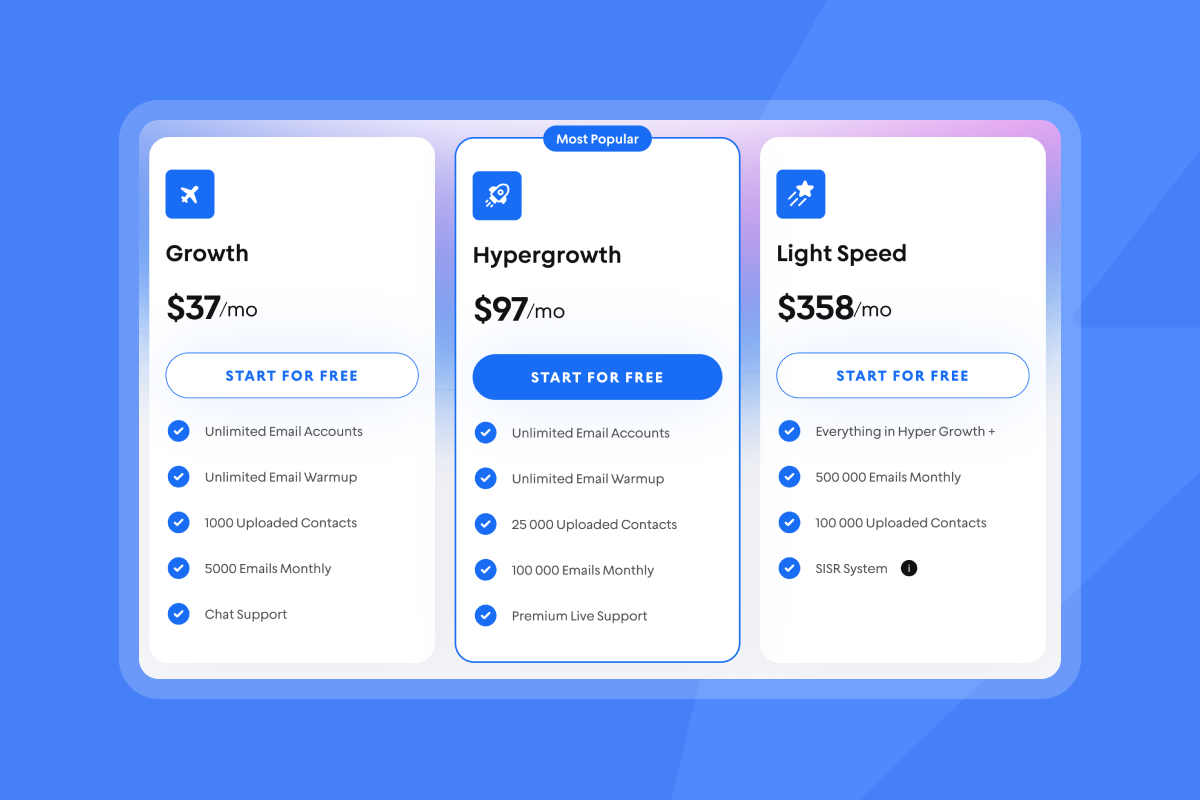
Instantly separates pricing into three product categories: Email Outreach, Lead Generation, and CRM. The Growth plan is $47/month and includes unlimited email accounts, unlimited warmup, 1,000 contacts, and 5,000 emails per month.
The core Outreach plans:
- Growth — $47/mo (or ~$37.60/mo annually): Unlimited email accounts, unlimited warmup, 1,000 contacts, 5,000 emails/mo. No A/Z testing.
- Hypergrowth — $97/mo (or ~$77.60/mo annually): 25,000 active contacts, 100,000 emails/mo, A/Z testing, subsequences, Slack + webhook integrations.
- Light Speed — $358/mo (or ~$286/mo annually): High-volume sending with SISR (dedicated IP rotation), designed for agencies sending 100K+ emails/month.
The add-ons that stack:
- Lead database (SuperSearch): $47–$97/mo depending on volume
- CRM: $47–$97/mo
- Inbox Placement Testing: additional add-on
- Website Visitor ID: $97–$358/mo
Instantly's pricing starts at $47/mo but real costs often hit $150–400/mo — the advertised starting price doesn't tell the full story, because most users need credits, email accounts, and domains, pushing real costs significantly higher.
Agency reality: Each client requires a separate workspace. If you're managing five clients, you're paying the workspace fee five times. That compounds fast at scale.
Apollo Pricing Breakdown
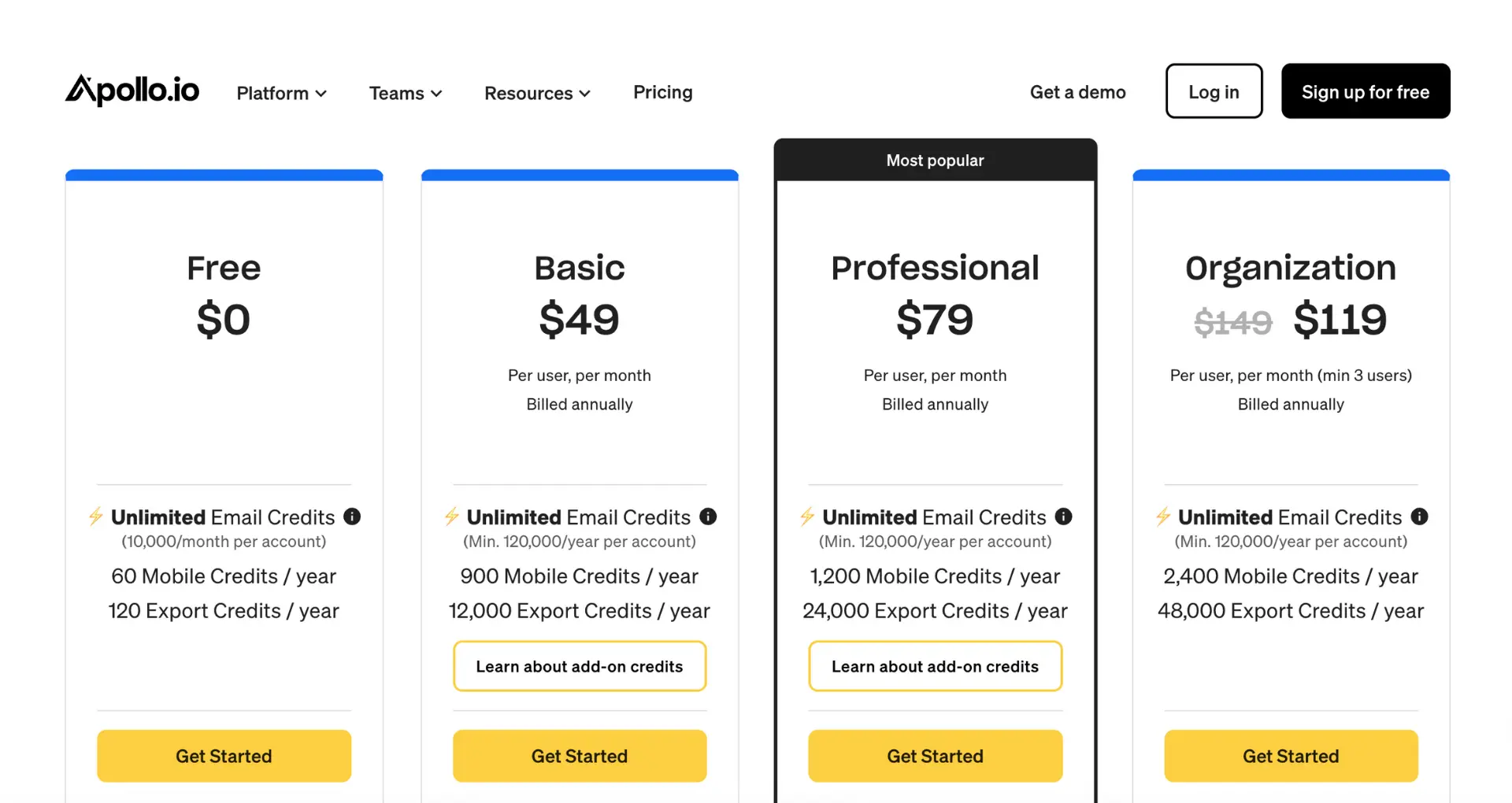
Apollo.io offers four plans: Free, Basic ($49/user/month annual), Professional ($79/user/month annual), and Organization ($119/user/month annual), with monthly billing adding 15–25% to each tier.
- Free — $0: Full database access, 5 mobile credits, 10 export credits/month, 2 active sequences
- Basic — $49/user/mo (annual): Advanced filters, CRM integrations, 1,000 email credits/mo
- Professional — $79/user/mo (annual): US dialer, call recording, parallel dialer, A/B testing, advanced analytics
- Organization — $119/user/mo (annual, 3-seat minimum): International dialer, custom reporting, SSO, advanced security
The hidden cost layer: Apollo bases its pricing on a credit-based system — emails cost 1 credit each, mobile number lookups cost 8 credits each, and credits expire at the end of each billing cycle with no rollover or refund.
Once credits run out, overage credits cost $0.20 each with a 250-credit minimum purchase — those costs accumulate quickly for high-volume prospecting teams.
Instantly vs Apollo - Real-Cost Scenario Comparison
The conclusion: Instantly is cheaper for agencies and solo senders running high email volume. Apollo gets expensive as team headcount grows, and the credit-based model adds budget unpredictability that flat-fee tools don't have.
Instantly vs Apollo: Side-by-Side Comparison Table
Which Tool Should You Choose? (Scenario-Based Decision Guide)
Choose Instantly if:
✅ Cold email is your primary (or only) outbound channel
✅ You run outreach for multiple clients and need flat-fee pricing
✅ Inbox placement and domain health are your #1 operational concern
✅ You're an agency that can't afford per-seat costs compounding across headcount
✅ You need unlimited inboxes without paying more as you add sending accounts
Choose Apollo if:
✅ Your SDR team runs multichannel sequences — email, LinkedIn, and calling in one workflow
✅ You need strong prospecting data with intent signals to prioritize who to contact first
✅ CRM-level pipeline management needs to live in the same platform as your outreach
✅ Your team has 3+ SDRs and needs team-level reporting and shared sequences
✅ You're willing to manage data accuracy gaps with list verification before sending
Use both together if:

This is the approach almost no comparison article covers — and it's often the highest-performing option.
Use Apollo to source contacts — its intent data and 65+ search filters make it excellent for building a targeted, prioritized list of accounts showing buying signals.
Then pipe those leads into Instantly for the actual outreach — Instantly's deliverability infrastructure, warmup network, and inbox rotation will protect your sender reputation better than Apollo's shared infrastructure.
The Apollo-to-Instantly stack separates data intelligence from sending execution. Each tool does what it's actually built for. The result is better list quality and better inbox placement — which is what drives meetings.
Neither is a fit if:
You want fully managed outreach without building and running the infrastructure yourself. Both tools assume you have the in-house expertise to operate them — copy, deliverability, list building, sequence optimization, and ongoing testing. That's a significant operational burden most teams underestimate before signing up.
How Cleverly Runs Cold Email Without the Tool Management Overhead
One part of the instantly vs apollo comparison that no one talks about: picking the right tool is only half the problem. The harder half is operating it well.
Both Instantly and Apollo are platforms. They give you infrastructure and sequences, but they don't give you expertise.
Running cold email profitably requires clean list building, verified data, well-tested copy, proper domain and inbox setup, ongoing deliverability monitoring, and reply management — all at the same time, consistently.
That's not a setup task. It's an ongoing operation.
That's exactly what Cleverly's cold email outreach handles end-to-end.
We build the targeted list, write hyper-personalized sequences, set up and manage your entire sending infrastructure, monitor inbox health, and handle reply management — so your team shows up to qualified meetings rather than configuring warmup schedules.
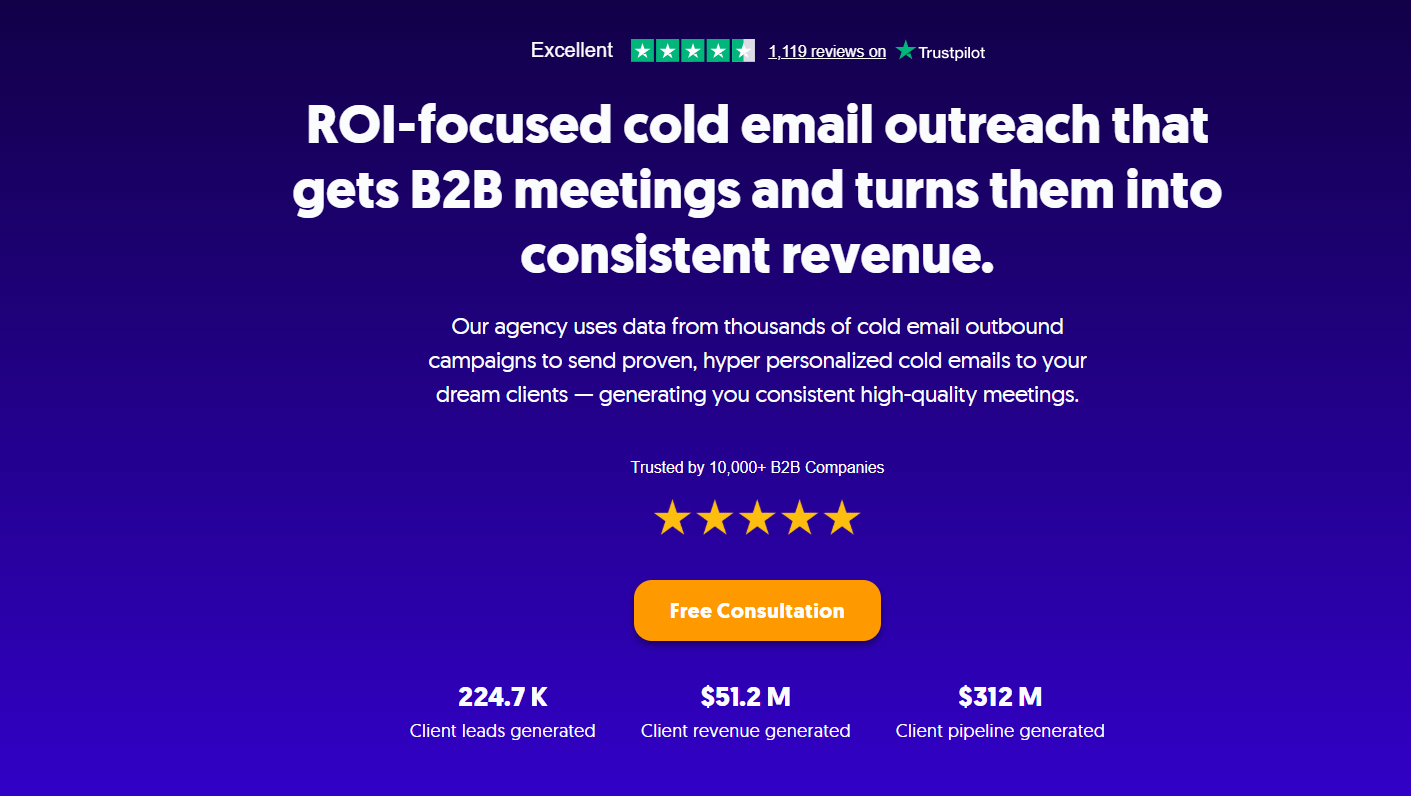
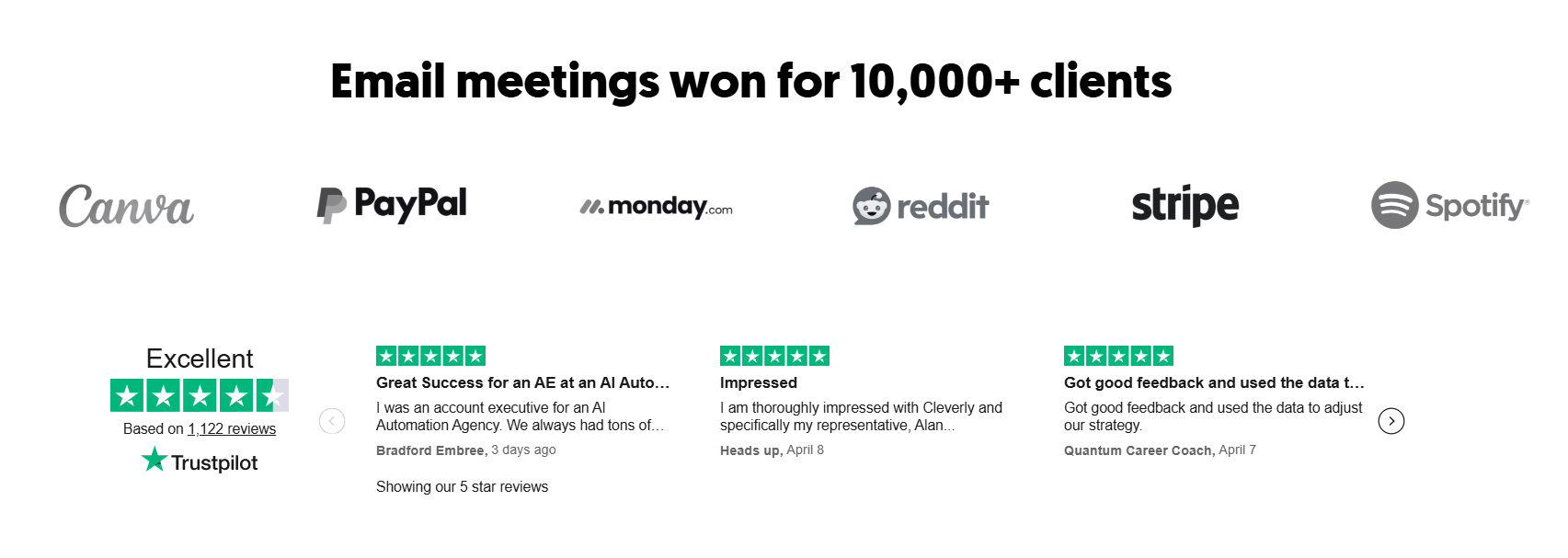
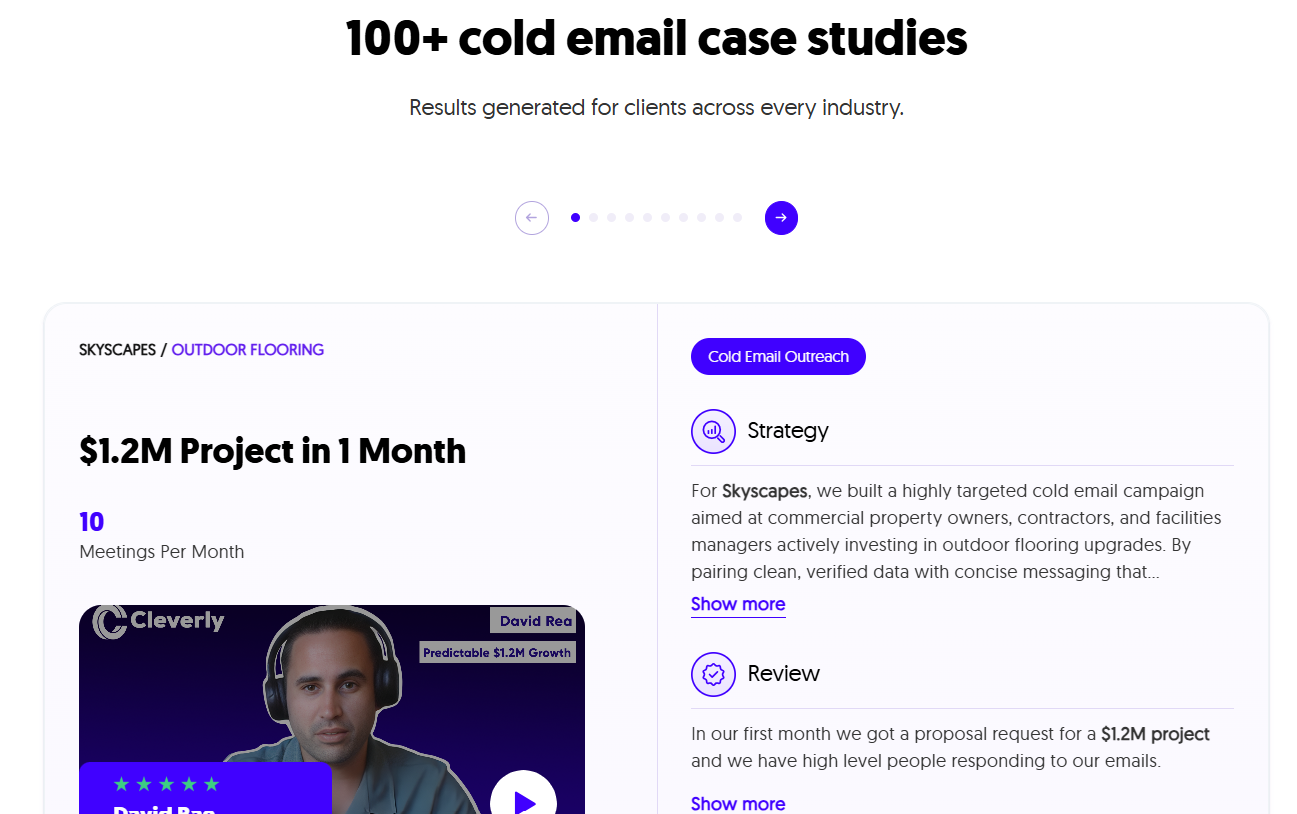
We've run thousands of cold email campaigns for 10,000+ B2B companies, generating $312M in pipeline and $51.2M in closed revenue. The difference between Cleverly and running Apollo or Instantly yourself isn't just the tool — it's the team operating it at a professional level.
Our cold email model is performance-based. Month-to-month, no contracts.
Not sure which tool fits your outreach goals — or whether to run it in-house at all? Book a strategy call with Cleverly and we'll show you exactly how we'd approach your outbound.
Conclusion
There's no universal winner in the instantly.ai vs apollo.io debate. There's only the right tool for your specific situation.
Instantly is purpose-built for cold email at scale — if deliverability, unlimited inboxes, and agency-friendly pricing are your priorities, it's the stronger choice. Apollo is purpose-built for full-stack sales outreach — if you need prospecting data, multichannel sequences, and CRM workflows in one place, it earns its cost.
The fastest path to a bad decision is picking the tool with more features instead of the one that fits your actual workflow.
If you want a simple frame: Pick Instantly if email is your channel. Pick Apollo if email is one of your channels. Consider both together if you want the best of each. Consider a managed service if the tool itself isn't the bottleneck — expertise is.
Frequently Asked Questions
Free Resource
How to Scale a Profitable Cold Call System
Get the complete guide — download it instantly now.

Free Ebook
Download the Free Guide
Enter your details to get instant access.
You're all set! 🎉
Your ebook is downloading now.
Click below if the download didn't start automatically.