Table of Contents
What Is an AI Agent for Sales?
How Do AI Sales Agents Work?
Types of AI Sales Agents
Why B2B Teams Are Adopting Data-Driven AI Agents for Sales
What to Look for in the Best AI Sales Agents
10 Best AI Sales Agents for B2B Teams in 2026
How AI Sales Agents Are Reshaping B2B Lead Generation
Common Mistakes When Deploying AI Agents for Sales
How Cleverly Uses AI-Powered B2B Lead Generation to Deliver Qualified Meetings
Conclusion
Frequently Asked Questions
Modified On :
August 18, 2026
Key Takeaways
- An AI agent for sales is an autonomous system that executes multi-step outreach tasks without step-by-step human input — not a chatbot, not a copilot.
- AI sales agents ingest CRM data, intent signals, and firmographic context to identify, engage, and qualify prospects at a scale no human SDR can match.
- There are six distinct types of sales AI agents — from prospecting and outreach agents to forecasting and coaching agents — and each solves a different bottleneck.
- The best AI powered sales agents combine autonomy with human handoff logic — they don't replace your closers, they make sure your closers always have someone worth talking to.
- Deploying AI agents on dirty data or without a defined ICP is the most common reason teams see weak results — infrastructure and targeting come before automation.
- B2B lead generation still requires nuance, relationship context, and strategic judgment — the teams winning in 2026 pair AI capabilities with human-guided outbound execution.
Less than 30% of a B2B rep’s day is actually spent selling. The data backs it up.
According to Salesforce's report, sales reps spend only 28% of their week on actual selling activities — the rest is eaten by manual prospecting, data entry, follow-up sequencing, and CRM hygiene. That's a broken system, and every sales leader knows it.
AI agents for sales are built to fix exactly this. In fact many reports suggest that by 2028, 60% of B2B sales work will be executed with AI assistance — a number that would have sounded absurd three years ago.
But the real problem is most teams confuse an AI sales agent with a chatbot, a sequence tool, or a basic automation workflow. They're not the same thing. Not even close.
This guide breaks down exactly what AI sales agents are, how they actually work, the six types worth knowing, what separates the good ones from the hype, and the 10 best tools in 2026 for B2B teams.
If you're a founder, SDR manager, or revenue leader evaluating your stack, you're in the right place.

What Is an AI Agent for Sales?
An AI sales agent is an autonomous software system that perceives data, makes decisions, and executes sales tasks without needing step-by-step human instructions.
That's the key word: “autonomous”.
It's not reactive like a chatbot, which waits for a prompt and responds with a scripted answer. It's not assistive like a copilot, which surfaces suggestions for a human to act on. And it's not rule-based like a traditional automation tool, which follows a fixed linear sequence you pre-programmed.
An AI sales agent is agentic — it can set a goal, chain together multiple actions to achieve it, adapt based on new inputs, and self-correct when something doesn't work.
Think of it this way: a traditional automation tool follows a recipe. An AI agent for sales is the chef who reads the menu, sources the ingredients, preps the kitchen, and adjusts on the fly when something's out of stock.
In practical terms, an AI sales agent works like a tireless SDR that runs 24/7, never misses a follow-up, learns from every interaction, and scales without headcount.
The difference is that it's executing real tasks — finding accounts, writing personalized emails, sending them, monitoring replies, qualifying responses, updating your CRM — not just nudging a human to do those things.
🤖 AI Tools Don’t Close Deals. We Do.
Skip the setup, tools, and guesswork. We run LinkedIn, cold email & cold calling—100% done-for-you.
How Do AI Sales Agents Work?
Understanding how AI powered sales agents function under the hood helps you evaluate them honestly — and deploy them more effectively.
Here's what a typical AI sales agent is actually doing when it runs an outbound workflow:
Step 1 — Data Ingestion
The agent pulls from CRM records, third-party enrichment sources, intent signal platforms, and firmographic databases to build context on target accounts.
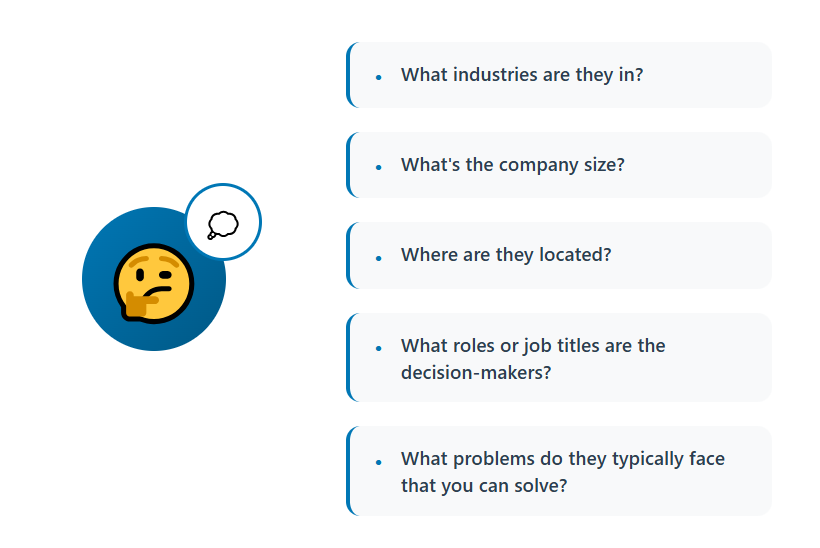
Step 2 — ICP Matching and Prioritization
Using that data, it identifies which accounts match your ideal customer profile, scores them by fit and intent, and prioritizes the highest-signal targets.
Step 3 — Personalized Outreach Drafting
The agent uses an LLM layer to generate personalized messaging grounded in real account context — company news, tech stack, hiring patterns, industry signals — not generic mail-merge variables.
Step 4 — Multi-Channel Send Execution
It sends the first touchpoint across your chosen channel — email, LinkedIn, or phone — then monitors engagement signals like opens, clicks, and replies.
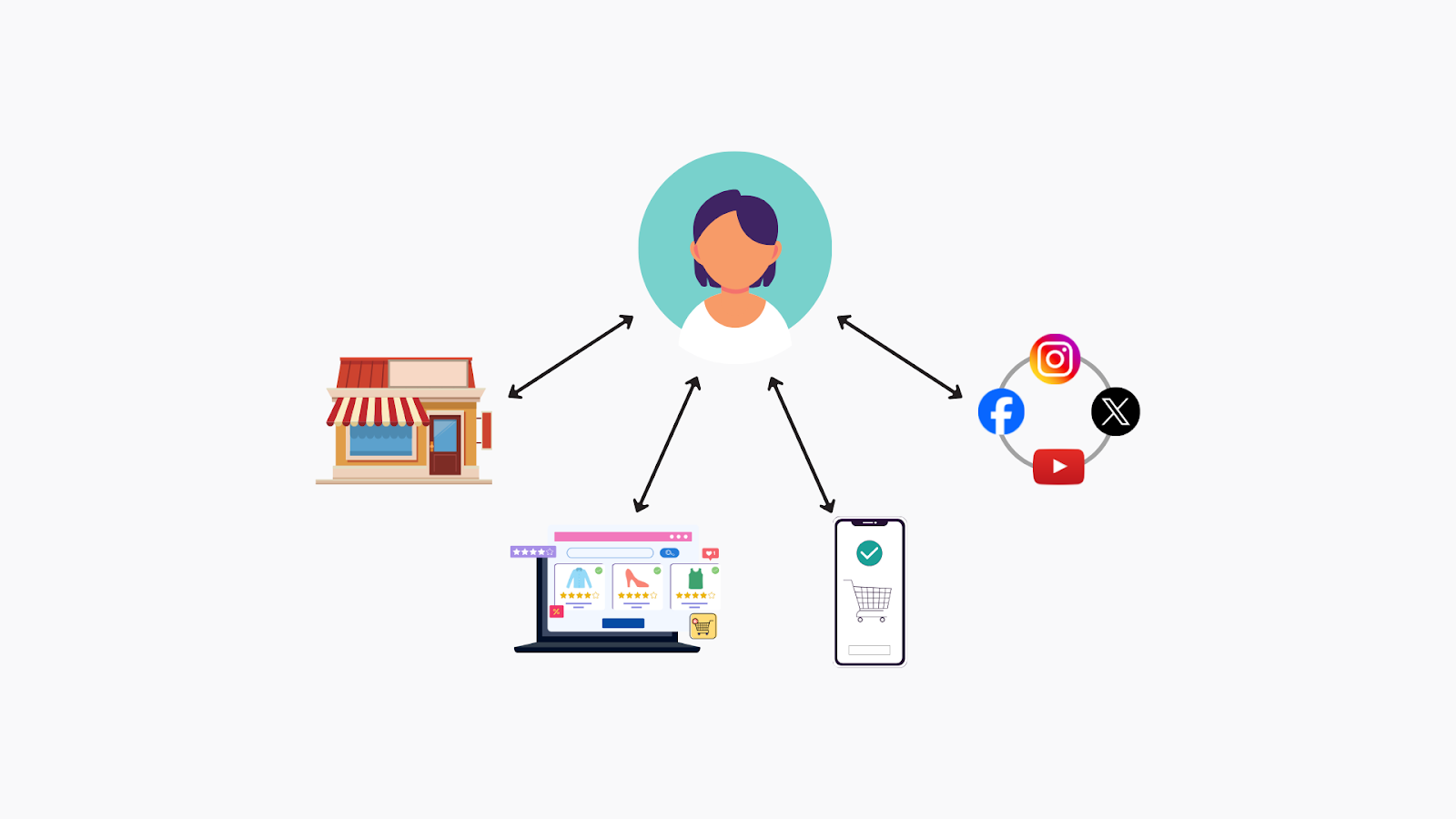
Step 5 — Behavioral Trigger Follow-Up
Based on how a prospect engages (or doesn't), the agent triggers the appropriate next touchpoint — a follow-up, a different angle, or a pause — without waiting for a human to notice.
Step 6 — Response Qualification
When a reply comes in, the agent assesses intent, qualifies the lead against your criteria, and either continues the conversation or escalates to a human rep.
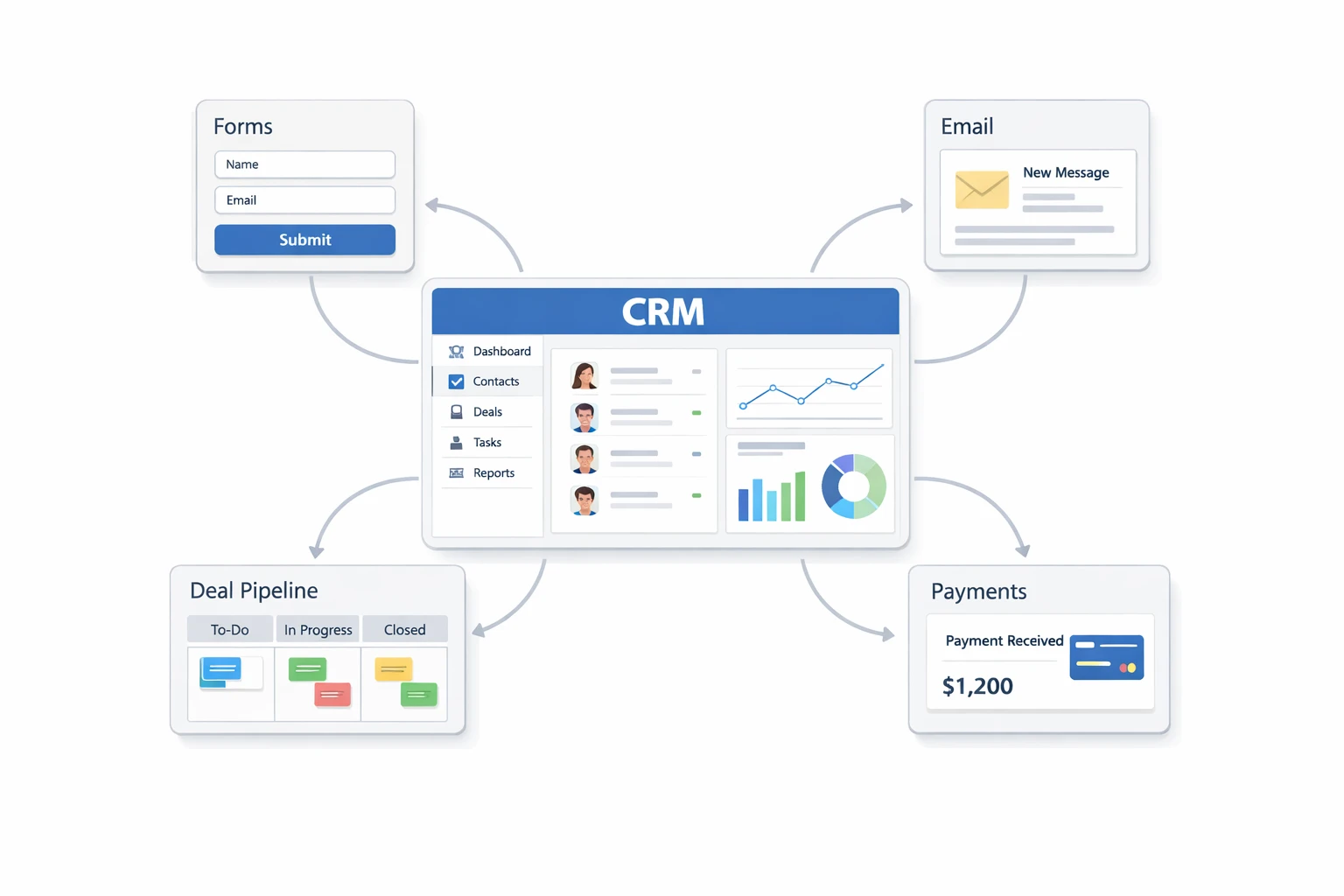
Step 7 — CRM Auto-Update
After every interaction, the agent logs activity, updates contact records, and keeps your pipeline data current — no manual entry required.
The intelligence layer powering all of this is a combination of large language models (LLMs) for language and reasoning, machine learning for pattern recognition, and real-time data feeds for signal quality.
Most enterprise-grade tools offer a human-in-the-loop model — where a human reviews and approves key decisions before the agent acts — alongside fully autonomous modes for lower-risk steps like data enrichment and initial outreach.
Types of AI Sales Agents
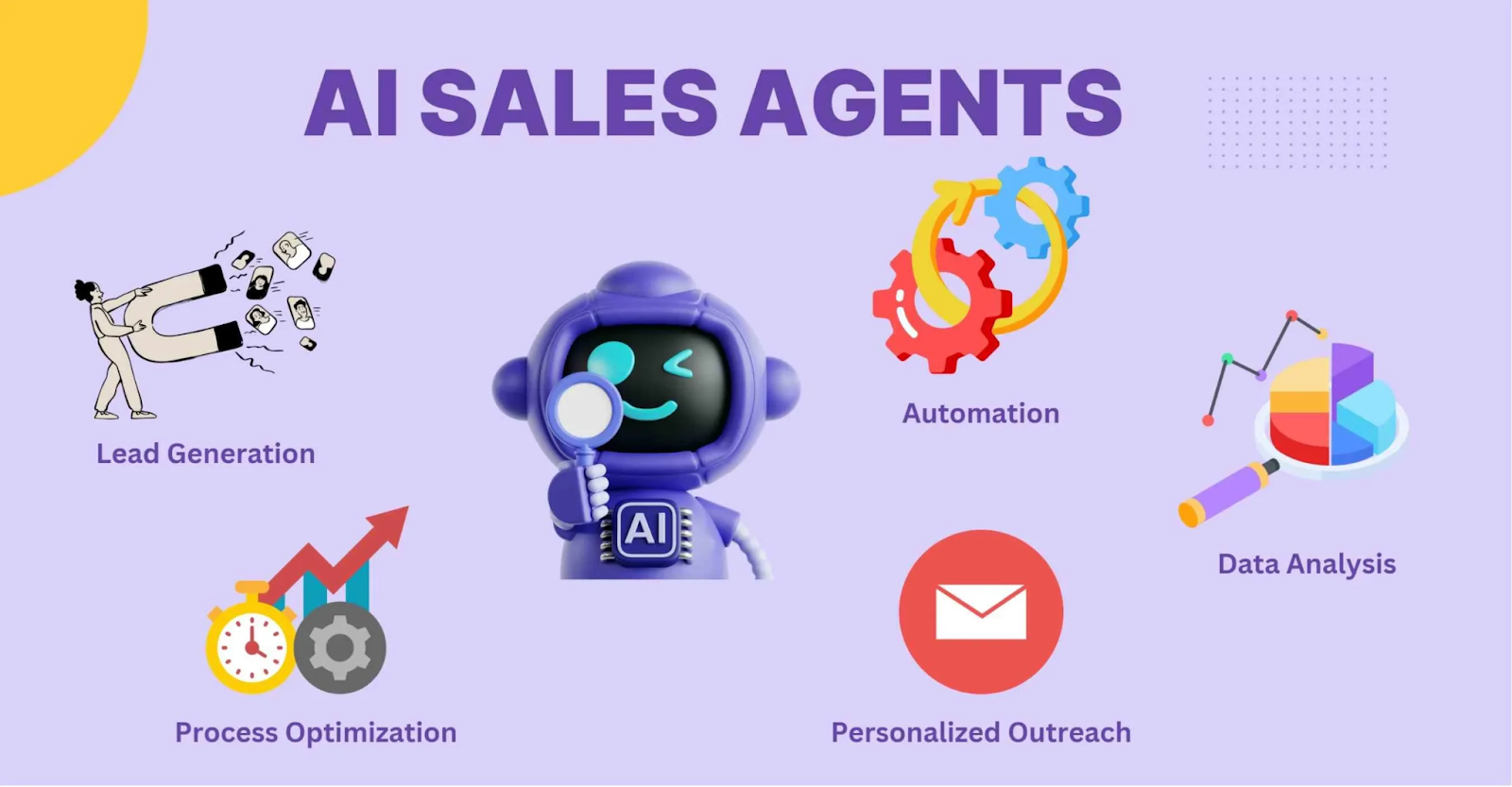
Not all sales AI agents do the same job. There are six core types worth understanding — and the right combination depends on where your biggest bottleneck actually sits.
🔍 Prospecting & Lead Generation Agents
These agents autonomously find, enrich, and qualify new leads that match your ICP. They pull from multiple data sources, apply scoring logic, and hand a clean, prioritized list to your outreach system — without a human building it manually.
📧 Outreach & Sequencing Agents
These handle multi-channel, personalized campaign execution. They write context-aware emails, schedule LinkedIn touchpoints, trigger follow-ups based on behavior, and manage the full sequence lifecycle across hundreds of prospects simultaneously.
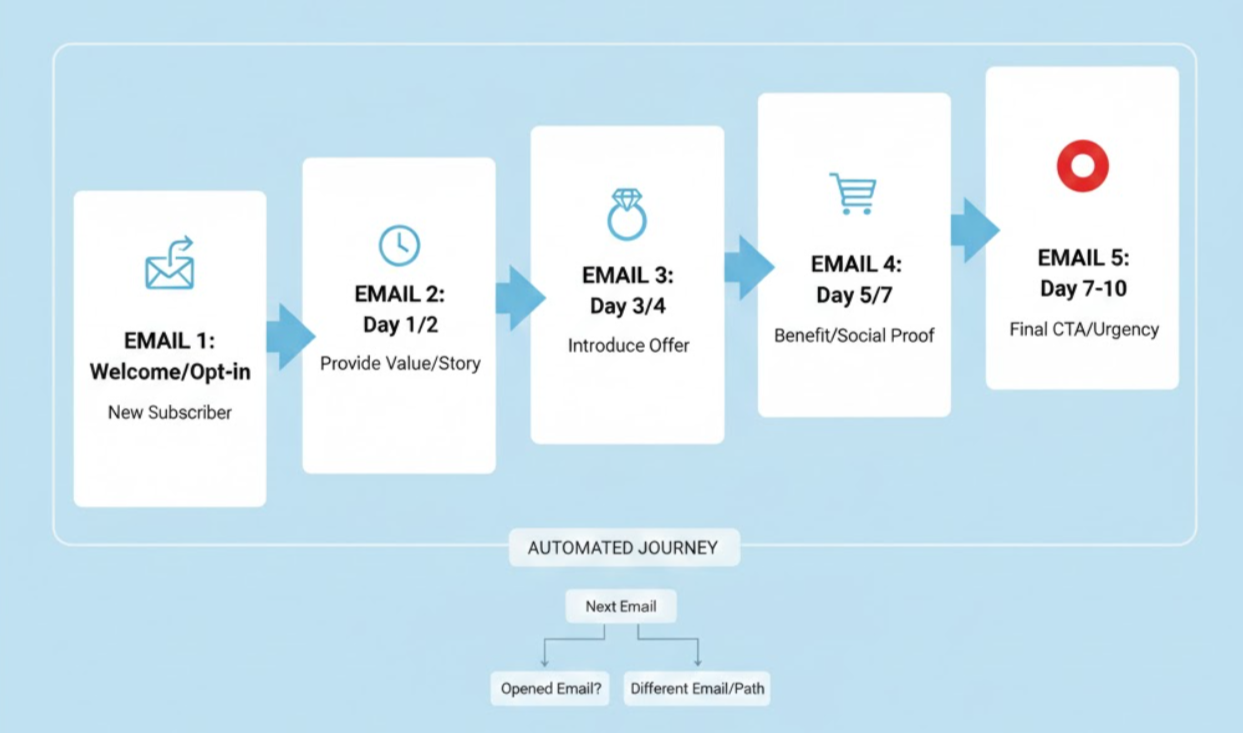
💬 Inbound Response Agents
These qualify inbound inquiries in real time — 24/7. When a prospect fills out a form or sends a message, an inbound agent responds immediately, asks qualifying questions, and either books a meeting or routes the lead to the right rep.
🗂️ CRM & Data Management Agents
These keep your pipeline data clean and current. They auto-log calls and emails, update contact records, flag stale opportunities, and sync data across tools — eliminating the manual admin that kills rep productivity.
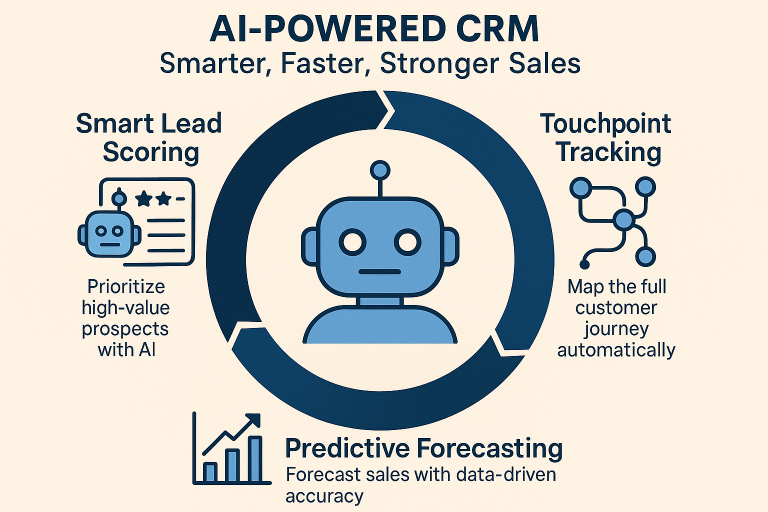
🎙️ Sales Coaching & Call Analysis Agents
These analyze call recordings to surface objection patterns, coaching opportunities, and winning behaviors. Reps get specific feedback after every call; managers get aggregate insights across the team.
📊 Forecasting & Pipeline Intelligence Agents
These predict deal outcomes based on activity signals and historical patterns, flag at-risk opportunities before they slip, and give revenue leaders a cleaner view of what's actually going to close.
For most B2B outbound teams, the highest-leverage agents are the first two — prospecting and outreach — because that's where the most time gets wasted and where AI can act at the highest volume.
🚀 Skip the Tool Stack. Start Booking Meetings.
$312M pipeline generated across outbound channels. We bring the leads, replies, and calls—you close.
Why B2B Teams Are Adopting Data-Driven AI Agents for Sales
The shift toward data-driven AI agents for B2B sales isn't just a technology trend. It's a response to a real math problem.
A human SDR can realistically prospect and contact 30 to 50 accounts per day when you factor in research, personalization, follow-up, and CRM updates. An AI agent processing the same workflow can handle thousands — with consistent quality and zero ramp time.

Personalization at scale is the other big unlock. The old approach was either high-volume and generic (mail-merge templates) or high-quality and slow (true 1:1 personalization). AI sales agents eliminate that trade-off by grounding every message in a real enriched context — technographics, hiring signals, funding rounds, competitor mentions — at a pace no human team can replicate.
Speed matters too. When a high-intent signal fires — a prospect visits your pricing page, a key hire changes roles, a target company announces funding — an AI agent can respond in seconds. Human reps responding hours later are working with stale intent.
The pipeline data quality improvement is underrated. When agents auto-update CRM records after every interaction, you eliminate the stale data and missing fields that corrupt forecasting and make pipeline reviews painful.
McKinsey Reports estimates that AI in sales can reduce customer acquisition costs by up to 60% while increasing leads generated by more than 50%. Those aren't incremental gains — they change what's possible for a lean B2B team.
What to Look for in the Best AI Sales Agents
There's a lot of noise in this space right now. Here's how to cut through it and evaluate the best AI sales agents on what actually matters.
✅ Autonomy level
Can it execute multi-step workflows without constant human prompting? Or does it still require a human to approve every action? Know where it sits on the autonomy spectrum before you buy.
✅ Data integration
Does it connect natively to your CRM, data enrichment tools, and intent signal sources? An AI agent is only as good as the data it's working with.
✅ Personalization depth
Does it use real account-level context — news, tech stack, hiring trends — or is it just filling in name and company variables? The difference in reply rates is significant.
✅ Multi-channel capability
Can it execute across email, LinkedIn, and phone — or is it single-channel only? B2B outreach in 2026 requires multi-touch.
✅ Lead handoff logic
How does it decide when to escalate to a human rep? The criteria and timing of that handoff directly impact conversion rates.
✅ Compliance and data privacy
Is it GDPR, CCPA, and CAN-SPAM compliant? Does it handle opt-outs automatically? This is non-negotiable, especially for European markets.
✅ Reporting and visibility
Can you see what the agent is doing, why it made a decision, and what results it's producing? You need full transparency to optimize.
✅ Ease of deployment
How long does setup take? What technical resources does it require? The best tools for most B2B teams are the ones that can be running in days, not months.
10 Best AI Sales Agents for B2B Teams in 2026
This list covers the best AI sales agents for boosting revenue in B2B — evaluated on autonomy level, data quality, personalization depth, channel coverage, and real-world fit.
Each tool solves a different part of the outbound problem, so match the tool to your actual bottleneck.
1) Artisan (Ava) — Best for Fully Autonomous AI SDR
Artisan's Ava is one of the most talked-about AI sales agent platforms in the market right now — and for good reason. It's built as an end-to-end autonomous SDR that handles the entire outbound workflow without requiring human input at each step.
Ava finds leads from a database of 300M+ contacts, enriches them, writes personalized emails grounded in that enrichment, sends outreach, follows up, and books meetings — all on autopilot.
Standout Features:
- End-to-end autonomous prospecting, enrichment, and outreach execution.
- Personalized email copy generated from real account data — not templates.
- Multi-channel support across email and LinkedIn.
- Continuous learning loop that improves performance based on reply signals.
Best For: B2B teams that want to replace or augment SDR headcount with a fully autonomous outbound agent.
Pricing: Enterprise-focused, custom pricing based on scope and volume. Contact Artisan directly for a quote.
Pros: True end-to-end autonomy; strong personalization depth; reduces SDR headcount costs significantly.
Cons: Less control over individual messaging decisions; works best with a well-defined ICP already in place.
2) Apollo.io — Best for AI-Assisted Prospecting + Outreach at Scale
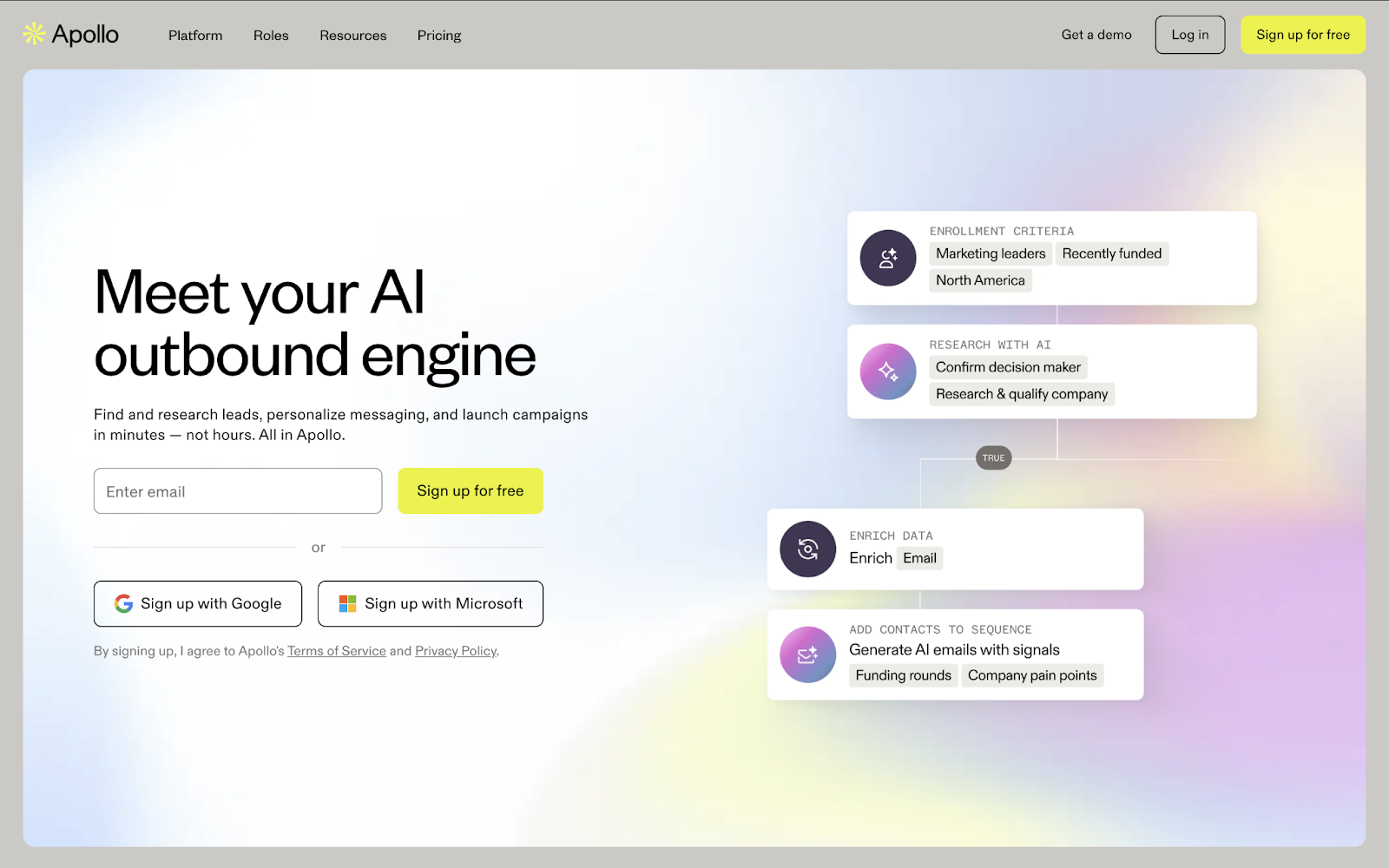
Apollo.io is the go-to platform for B2B teams that want prospecting and outreach in one consolidated system. With a 275M+ contact database, native email sequencing, intent data, a built-in dialer, and a full AI assistant launched in early 2026, it covers more of the outbound workflow than almost any other single tool.
The AI assistant can now execute agentic workflows from natural language prompts — "find VP-level contacts at Series B SaaS companies and draft a 3-step sequence" — and do it without manual setup for each step.
Standout Features:
- 275M+ contacts searchable across 65+ filters.
- Built-in email sequences with A/B testing.
- Intent data and buying signals on all paid plans.
- AI assistant that executes outbound workflows autonomously.
- CRM integrations with Salesforce, HubSpot, and more.
Best For: SDR teams that want prospecting and outreach in one platform without stitching together multiple tools.
Pricing: Free plan available. Paid plans start at $49/user/month (Basic), $79/user/month (Professional), $119/user/month (Organization), billed annually.
Pros: Massive database; all-in-one platform; strong AI roadmap velocity; best free tier in the category.
Cons: Data accuracy varies by geography; shared sending infrastructure; credit system complexity can surprise buyers.
3) Salesforce Agentforce — Best for Enterprise Sales Teams on Salesforce
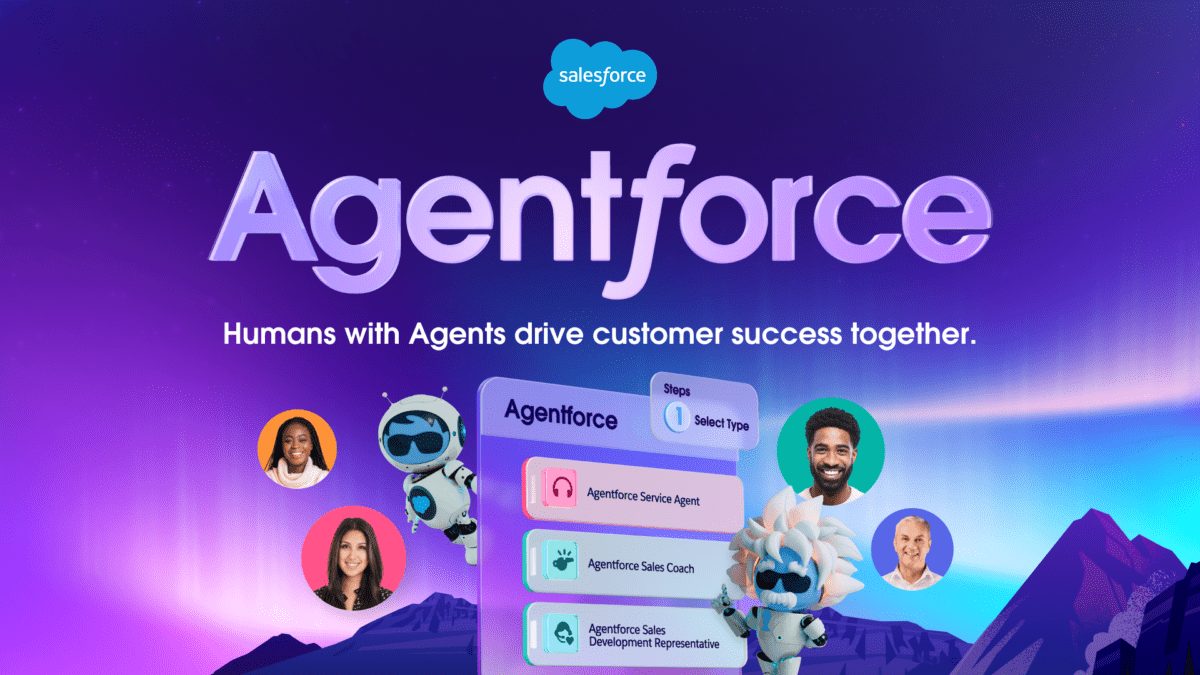
Salesforce Agentforce is the most enterprise-grade AI agent for sales on this list. It's built natively into the Salesforce platform, meaning it operates directly within your existing CRM data, workflows, and permissions structure.
Agentforce supports multi-agent orchestration — multiple specialized agents working in parallel on different parts of the pipeline — and can be customized through Salesforce's existing low-code tools. If your revenue team is already Salesforce-native, Agentforce is the most natural extension.
Standout Features:
- Native Salesforce CRM integration — no sync or migration required.
- Multi-agent orchestration for complex pipeline workflows.
- Customizable agent behavior through Salesforce Flow and Einstein.
- Full visibility into agent actions within existing Salesforce dashboards.
Best For: Large enterprise revenue teams with existing Salesforce infrastructure and complex pipeline management needs.
Pricing: Agentforce pricing is add-on based within Salesforce contracts. Generally requires an existing Salesforce Sales Cloud subscription. Contact Salesforce for current enterprise pricing.
Pros: Deepest CRM integration available; enterprise-grade security and compliance; customizable at scale.
Cons: Not practical without existing Salesforce infrastructure; implementation complexity is high; significant cost.
4) 11x.ai (Alice) — Best for Autonomous Pipeline Generation
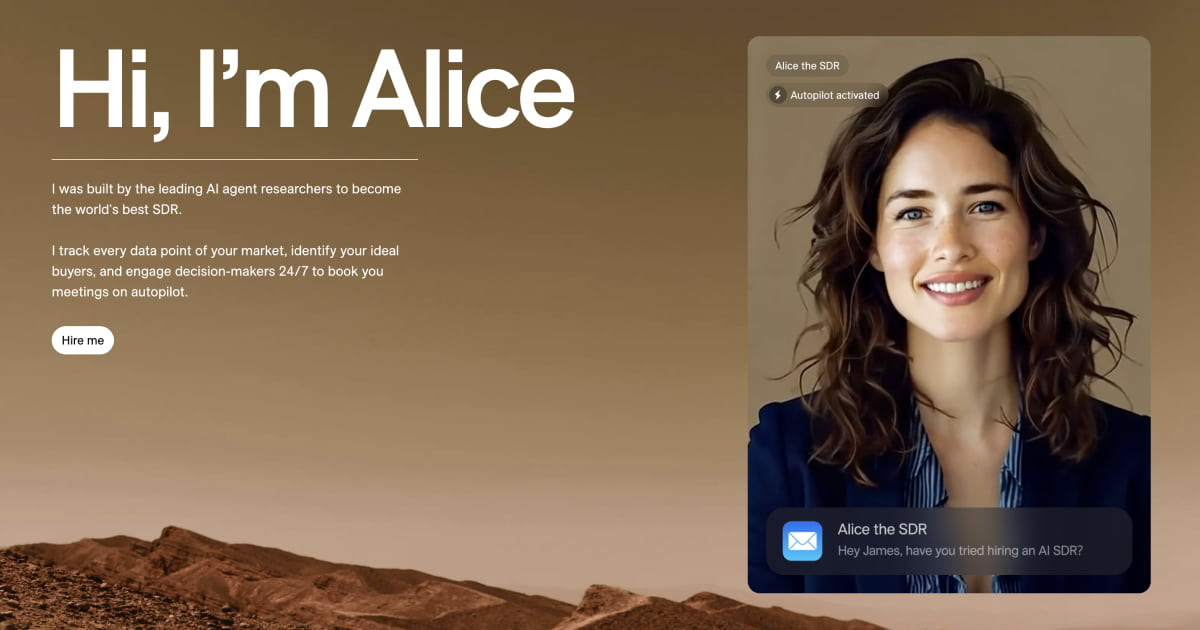
11x.ai's Alice is positioned as a fully autonomous outbound SDR agent that prospects, personalizes, and books meetings without requiring human input at each step. The core pitch is straightforward: Alice replaces the execution layer of your SDR function so your human reps can focus entirely on closing.
Alice draws on real-time data enrichment, crafts personalized outreach, executes multi-channel sequences, and handles follow-up until a reply comes in — at which point it routes the qualified lead to a human.
Standout Features:
- Fully autonomous prospecting and outreach with no manual setup per contact.
- Real-time data enrichment powering personalized messaging.
- Multi-channel sequencing across email and LinkedIn.
- Qualified lead handoff to human reps with full context.
Best For: Scale-stage B2B teams that want to replace or significantly augment SDR headcount with an AI agent that runs 24/7.
Pricing: Enterprise pricing, custom based on volume and scope. Contact 11x.ai for current rates.
Pros: Truly autonomous execution; strong personalization; purpose-built for SDR replacement use cases.
Cons: Less transparency into individual agent decisions; works best with a tightly defined ICP and offer.
5) Creatio — Best for AI Sales Agents Built Into a Unified CRM
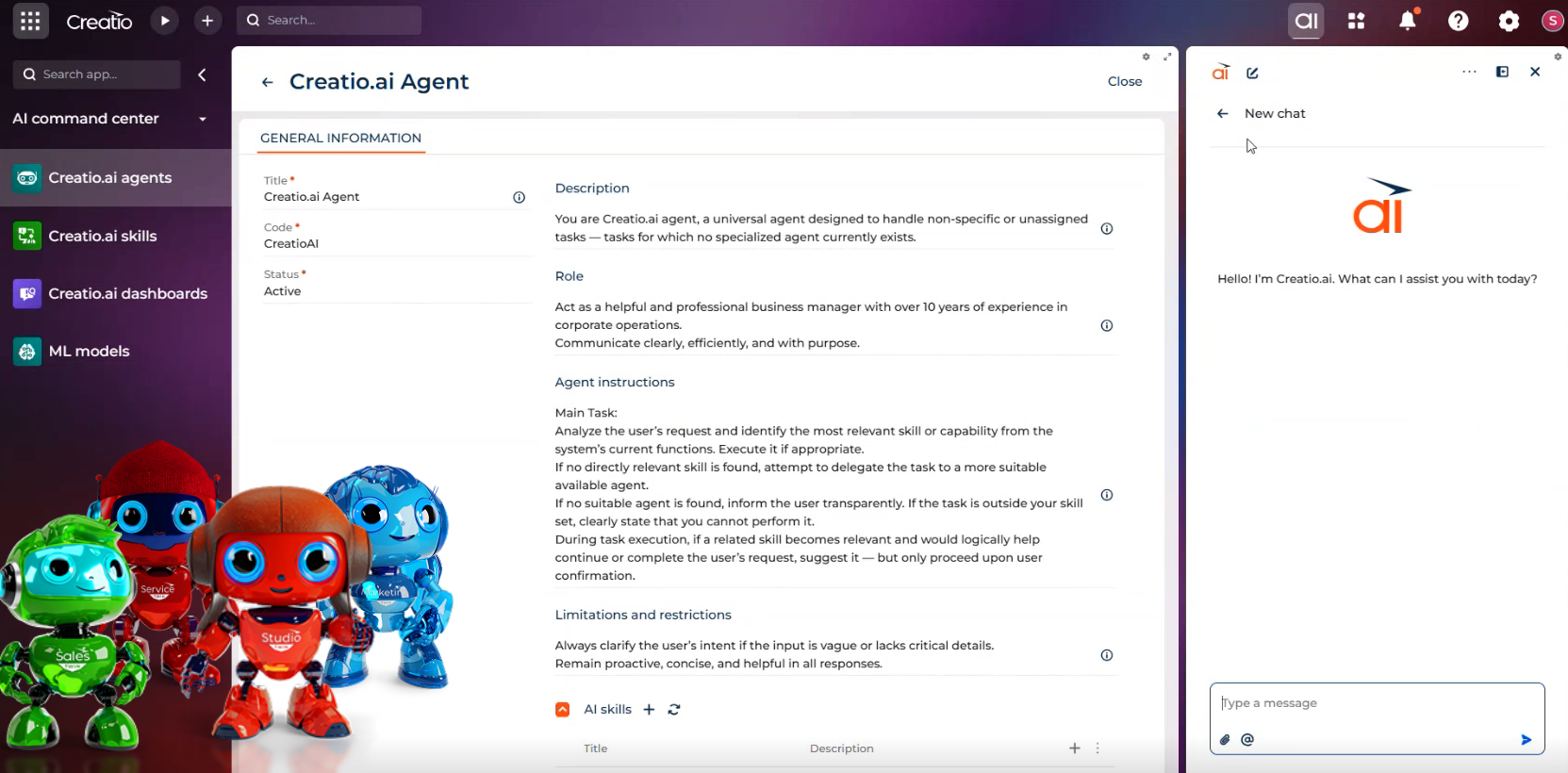
Creatio takes a different approach from most tools on this list: instead of a standalone prospecting or outreach platform, it builds sales AI agents directly into the CRM where a rep's pipeline, forecasts, and customer history already live. Rather than exporting data to a separate tool, agents for meeting prep, lead scoring, and next-best-action recommendations act on the same records the sales team is already working in.
Teams can also build their own custom agents through a no-code Agent Builder — for account research, follow-up drafting, or forecasting — without needing an engineering team, and set the exact level of autonomy each agent has over a workflow.
Standout Features:
- Native sales agents for meeting prep, lead scoring, and next-best-action recommendations, built directly into the CRM data model
- No-code Agent Builder to create custom AI agents for account research, follow-ups, or forecasting
- Full sales pipeline and forecasting tools running alongside the agents, not a separate bolted-on module
- Human-in-the-loop controls to set the exact level of autonomy for each agent
- Unlimited plan removes per-seat and per-agent pricing caps as usage grows
Best For: B2B revenue teams that want AI sales agents built into the same CRM where their pipeline, forecasting, and customer data already live, rather than a standalone prospecting tool.
Pricing: Growth plan starts at $40/user/month for the core platform, Enterprise at $75/user/month, and Unlimited is available at custom pricing. Creatio Sales is $15/user/month on top of the core platform.
Pros: Sales agents act on existing pipeline and customer data instead of a separate database; the no-code builder lets teams create custom agents without engineering support; the Unlimited plan avoids the per-seat cost creep common across this category.
Cons: Not built for cold outbound prospecting the way dedicated tools like Apollo or Instantly are; best suited to teams that want AI embedded in their CRM rather than a standalone point solution for list building and sequencing.
6) Clay — Best for Data-Driven AI Enrichment + Outreach Workflows
Clay is different from the other tools on this list. It's not an autonomous outbound agent out of the box — it's a data enrichment and workflow builder that the most sophisticated B2B outbound teams use to power their AI messaging with real account context.
Clay pulls from 75+ enrichment sources in a waterfall model — if one source doesn't have the data, it automatically tries the next. That enriched context feeds directly into AI-generated personalized messaging. The result is outreach that's grounded in real, account-specific information rather than generic signals.
Standout Features:
- Waterfall enrichment from 75+ data sources in a single workflow.
- AI message generation powered by enriched firmographic and intent data.
- Flexible workflow builder for custom prospecting and outreach logic.
- Integrates with virtually every major sequencing and CRM tool.
Best For: Ops-savvy B2B teams that want full control over their enrichment and personalization logic — and the data quality to back up high-converting outreach.
Pricing: Free plan available. Paid plans start at $149/month (Starter), scaling up based on credits and usage. Explorer plan at $349/month, Pro at $800/month.
Pros: Unmatched enrichment depth; highly flexible; AI messaging quality is significantly better than template-based tools.
Cons: Steeper learning curve than plug-and-play tools; requires ops expertise to build effective workflows; not a sending platform itself.
7) Cognism — Best for Compliant B2B Data in EMEA and Global Markets
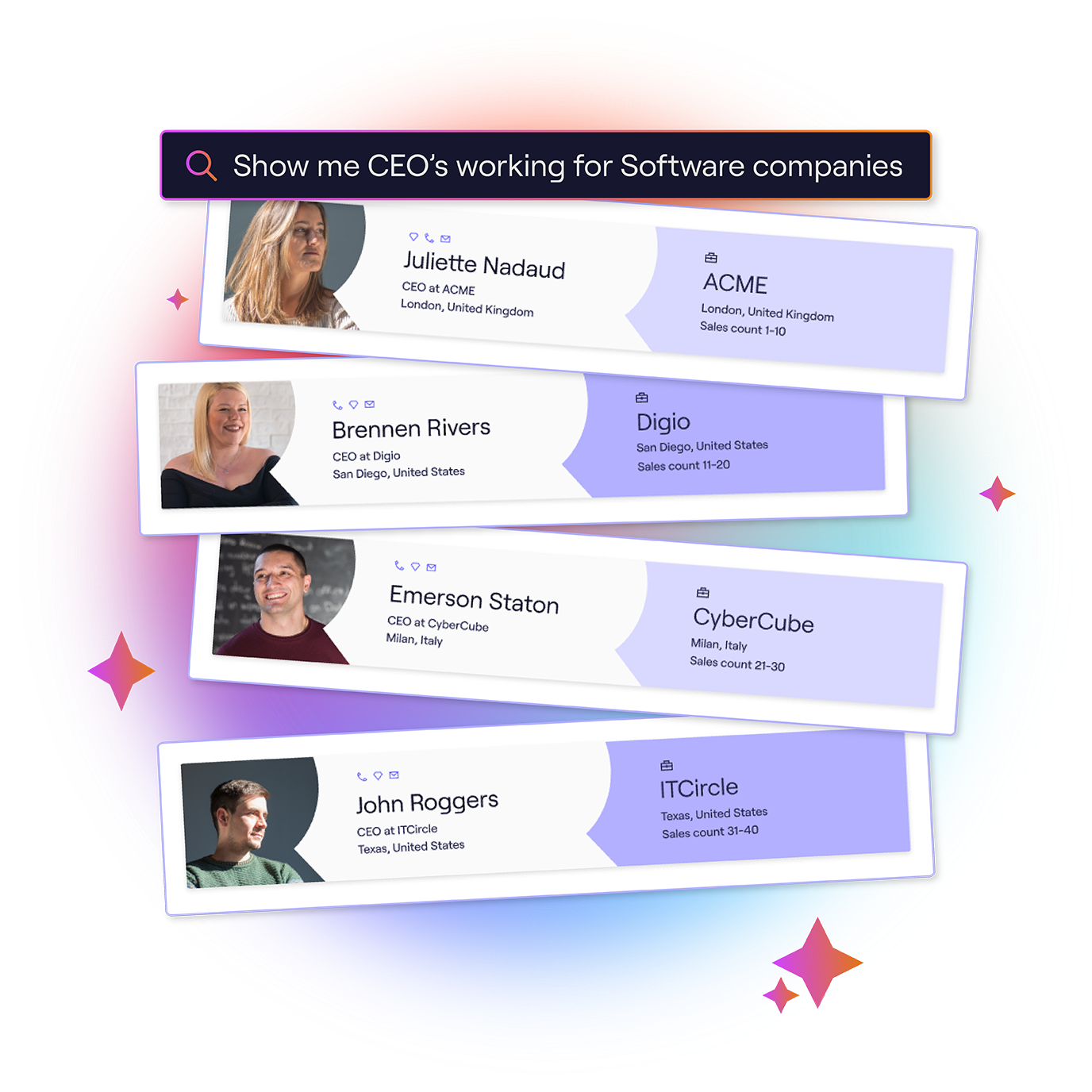
If your team is prospecting into European markets or regulated industries, Cognism is the most important tool on this list to know. It combines a verified B2B contact database with phone-verified mobile numbers, GDPR-compliant data handling, and intent signals — specifically built for teams where compliance isn't optional.
Cognism's Diamond Data feature phone-verifies mobile numbers before adding them to the database, which significantly improves cold calling connect rates compared to platforms that rely on automated data scraping alone.
Standout Features:
- Phone-verified mobile numbers through Diamond Data verification.
- GDPR, CCPA, and global compliance built into the data supply chain.
- Intent signals and buying trigger alerts for prioritized outreach.
- Strong EMEA data coverage where Apollo and ZoomInfo fall short.
Best For: B2B teams selling into European markets, financial services, healthcare, or any regulated sector where data compliance is non-negotiable.
Pricing: Custom pricing based on seat count and data access. Contact Cognism directly. Generally enterprise-tier investment, starting around $15,000+/year for most use cases.
Pros: Best GDPR-compliant data in the market; phone verification adds real call connect rate advantage; strong EMEA coverage.
Cons: Significant cost compared to Apollo or Instantly; primarily a data layer — you still need a separate sequencing tool.
8) Outreach.io — Best for AI-Powered Sales Execution at Enterprise Scale
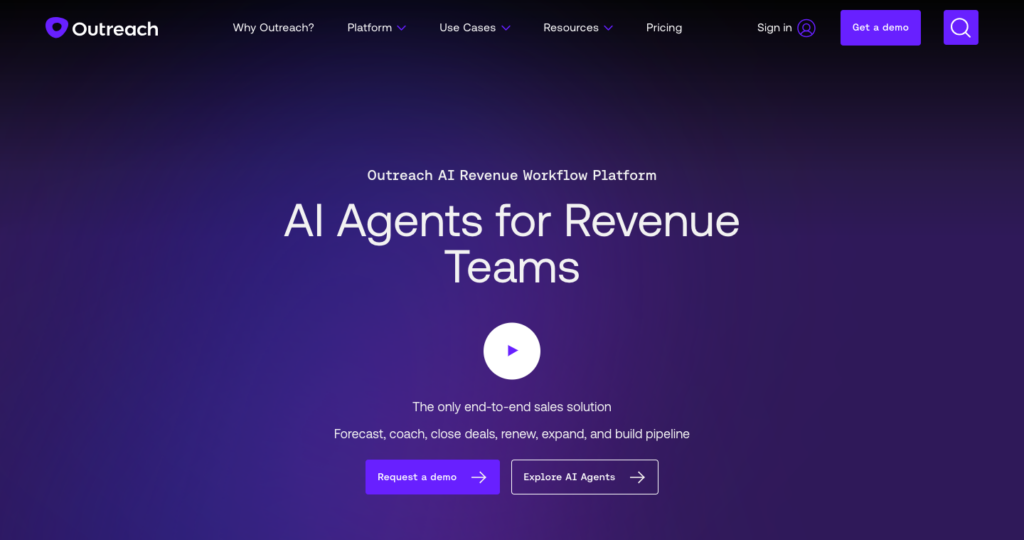
Outreach.io has been one of the dominant platforms in enterprise sales engagement for years, and its AI investments in 2025-2026 have strengthened that position. It's built for large outbound SDR teams that need workflow automation, rep coaching, deal intelligence, and forecasting in a single platform.
The AI layer in Outreach surfaces sequence optimization recommendations, flags at-risk deals, analyzes call recordings for coaching insights, and helps managers get a clearer view of pipeline health without manual reporting.
Standout Features:
- AI-powered sequence optimization based on engagement patterns.
- Deal intelligence and at-risk opportunity flagging.
- Call analysis with coaching insights for rep development.
- Advanced forecasting with AI-assisted pipeline accuracy.
- CRM integrations with Salesforce, HubSpot, and major enterprise tools.
Best For: Large B2B outbound teams that need a comprehensive sales execution platform with strong AI capabilities across outreach, coaching, and forecasting.
Pricing: Enterprise pricing, typically starting at $100+/user/month with minimum seat requirements. Custom contracts for enterprise. Contact Outreach for current pricing.
Pros: Best-in-class workflow automation for enterprise teams; strong AI coaching features; deep CRM integrations.
Cons: Significant cost and complexity; overkill for small teams; implementation and onboarding takes time.
9) Salesloft — Best for AI-Driven Pipeline Management and Rep Coaching
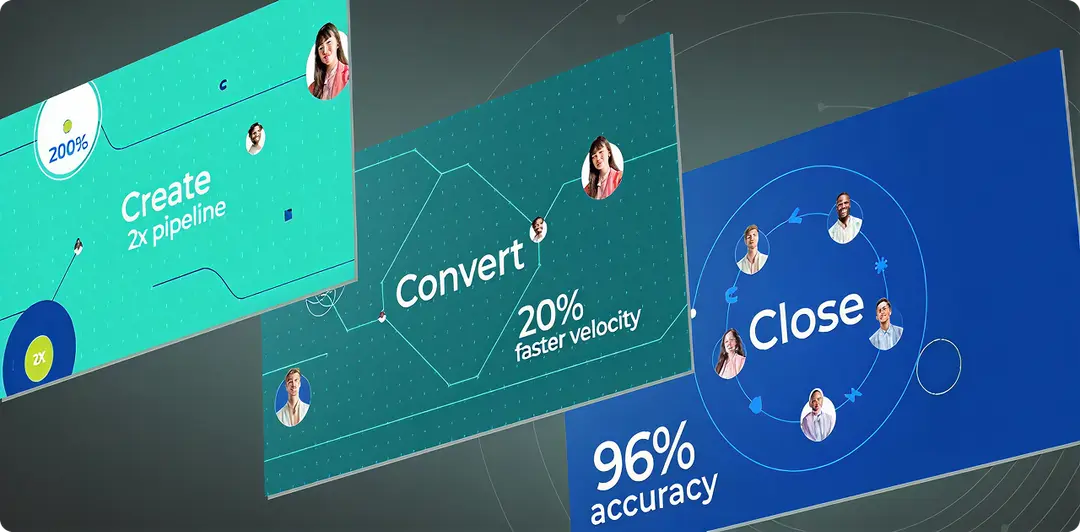
Salesloft competes directly with Outreach but has carved out a strong differentiation with its Rhythm feature — an AI signal-to-action engine that prioritizes rep tasks based on real-time buying signals. Instead of a static to-do list, Rhythm surfaces the highest-priority action for each rep at any given moment based on what buyers are actually doing.
The call analysis and deal insights capabilities are strong, making Salesloft particularly effective for revenue teams focused on improving pipeline quality and rep performance simultaneously.
Standout Features:
- Rhythm AI engine for signal-based task prioritization.
- Deal insights with AI-powered risk flagging and opportunity scoring.
- Conversation intelligence with call analysis and rep coaching.
- Pipeline analytics and revenue forecasting.
Best For: Revenue teams that want to improve both pipeline quality and rep performance through AI-driven coaching and signal-based workflow management.
Pricing: Enterprise pricing, custom based on seat count and plan. Generally comparable to Outreach — contact Salesloft for current rates.
Pros: Rhythm is genuinely differentiated; strong coaching features; good for managing reps across large teams.
Cons: Like Outreach, it's enterprise-priced and complex; smaller teams may not need the full feature set.
10) Instantly.ai — Best for High-Volume Cold Email Automation
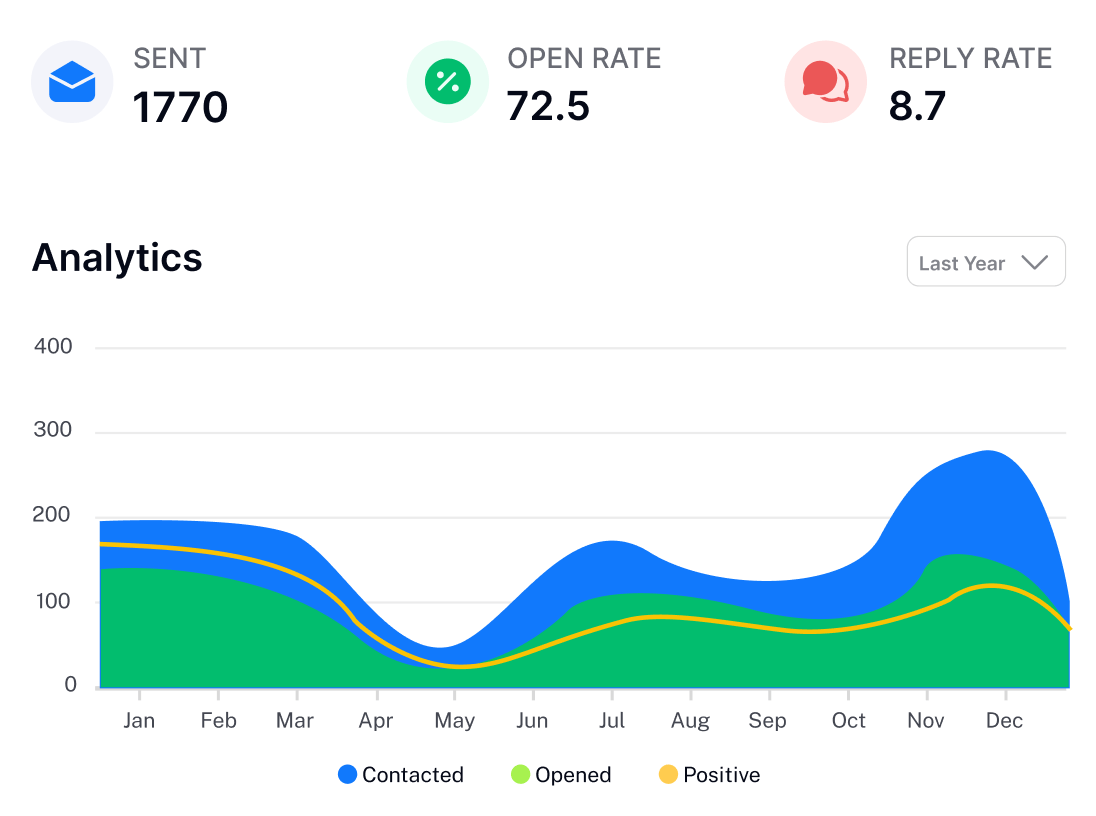
Instantly.ai is the go-to platform for teams running large-scale cold email campaigns. Its core value proposition is simple: unlimited sending accounts, built-in inbox warmup, inbox rotation, and an AI sequence generator — at a flat monthly price that doesn't compound with team size.
For founders, SDRs, and agencies running cold email as a primary channel, Instantly's flat-fee model is significantly more cost-effective than per-seat platforms once you're past a handful of inboxes.
Standout Features:
- Unlimited sending accounts and email warmup across all paid plans.
- AI sequence generator for automated copy creation.
- Inbox rotation across multiple domains to protect deliverability.
- Centralized Unibox for managing all replies across accounts.
- Detailed deliverability analytics and sending health monitoring.
Best For: Founders, solo SDRs, and cold email agencies running high-volume campaigns who want flat-fee pricing and strong deliverability controls.
Pricing: Growth plan at $37/month, Hypergrowth at $97/month, Light Speed at $358/month (all billed annually). Flat-fee regardless of team size or number of inboxes.
Pros: Best flat-fee pricing model in the category; unlimited inboxes and warmup; excellent deliverability infrastructure.
Cons: No built-in contact database — you source leads separately; no dialer or LinkedIn automation; primarily single-channel.
11) Persana AI — Best for Signal-Based Outbound Timing
Persana AI takes a different approach to B2B AI sales agent workflows — rather than maximizing volume, it focuses on maximizing timing. The platform monitors real-time buying signals like job changes, new hires, funding announcements, and technology changes to surface the exact right moment to reach a prospect.
When a VP of Sales you've been targeting just moved to a new company — that's a signal. Persana catches it automatically and triggers personalized outreach built around that context. It's signal-based outbound rather than volume-based outbound.
Standout Features:
- Real-time job change alerts and hiring signal monitoring.
- Funding trigger detection for account prioritization.
- AI-generated personalized outreach grounded in signal context.
- Waterfall enrichment across multiple data sources.
- CRM integration for automatic signal-to-action workflows.
Best For: B2B teams running signal-based outbound strategies that prioritize timing and relevance — particularly effective for high-ACV deals where reaching someone at the right moment matters more than contact volume.
Pricing: Starts at $85/month (Starter), $165/month (Growth), custom enterprise pricing. Credits-based model for enrichment and signals.
Pros: Best signal detection capabilities in the market; highly relevant personalization; strong timing advantage for enterprise outbound.
Cons: Works best as a complement to a broader outbound stack rather than a standalone solution; learning curve on signal prioritization logic.
How AI Sales Agents Are Reshaping B2B Lead Generation
The old model of B2B lead generation was built around human SDRs doing repetitive, time-consuming tasks that ate up most of their day.
List building. Research. Copy personalization. Sequence management. CRM updates. That's where the hours went — not in conversations.
B2B AI sales agents are replacing that entire execution layer. The shift isn't from humans to AI — it's from humans doing low-leverage administrative work to humans focusing on the high-judgment, relationship-driven activities that actually close deals.
The full B2B lead gen stack now looks like this: AI agents handle data enrichment, ICP targeting, outreach execution, and initial qualification. Human reps handle complex objections, relationship building, and closing. Each does what it's actually good at.
What this means for pipeline efficiency is concrete. More qualified conversations per rep per week. Less wasted outreach on low-fit contacts. Faster response to high-intent signals. And CRM data that's actually accurate because agents are updating it in real time after every interaction.
The human SDR's role is evolving — not disappearing. The best SDRs in 2026 are the ones who know how to set up, monitor, and optimize AI agent workflows while focusing their own time on the conversations that require real human judgment.
Common Mistakes When Deploying AI Agents for Sales
Even the best AI agent for sales will underperform if deployed wrong. These are the mistakes that show up most consistently.
❌ Deploying agents on dirty or unverified data
Garbage in, garbage out. AI agents can't fix a bad list — they just execute against it faster. Verify and enrich your data before any agent touches it.
❌ Running agents without a defined ICP
If you haven't clearly defined who you're targeting and why, an AI agent will prospect broadly and generate low-quality conversations. ICP clarity comes before agent deployment, not after.
❌ Removing human oversight too early
Letting an agent run fully autonomous before validating output quality is how you burn contacts, domains, and sender reputation simultaneously. Human review in the early stages isn't optional — it's how you catch what's not working before it compounds.
❌ Using generic AI copy instead of context-grounded messaging
AI-generated emails that don't reference real account data are easy to spot and easy to ignore. The personalization has to be real. Surface specific signals, news, or context — not just name and company.
❌ Ignoring compliance requirements
GDPR opt-out handling, CAN-SPAM unsubscribe mechanics, and CCPA data rights aren't optional. Agents operating without compliance guardrails create legal exposure that no pipeline number justifies.
❌ Treating AI agents as a silver bullet
AI agents are a force multiplier, not a strategy. If your ICP is unclear, your offer is weak, or your sales process is broken, an AI agent will scale those problems faster than you can fix them.
How Cleverly Uses AI-Powered B2B Lead Generation to Deliver Qualified Meetings
The honest truth about AI sales agents: the best ones still need a strong foundation to work from — clean data, sharp ICP targeting, and messaging built around real buyer context.
That's exactly where most in-house deployments stall.
At Cleverly, we've built our entire outbound system on the same principles that make B2B AI sales agent workflows effective — but with a human-guided layer that handles the strategic judgment calls AI tools still can't make consistently.
Multi-source data enrichment. ICP-aligned list building. Tested, context-driven messaging frameworks. All of it optimized before a single touchpoint goes out.
What that looks like in practice:
- We build verified, ICP-matched prospect lists using multi-source enrichment — not a single database.
- We write personalized outreach grounded in real account context, not templates.
- We execute across LinkedIn outreach, cold email, and cold calling based on where your buyers actually are.
- We A/B test and optimize continuously so performance compounds over time.
We've helped 10,000+ B2B companies generate $312M in pipeline and set 53,000+ appointments — without our clients managing a single AI tool or outbound system themselves.
🔥 Book a strategy call with Cleverly and see what a fully managed B2B outbound system looks like for your pipeline.
Conclusion
AI agents for sales aren't replacing B2B sales teams. They're removing the manual bottlenecks that slow them down and cap their output. The best results in 2026 come from pairing AI agent capabilities with a well-defined ICP, clean verified data, and a clear human handoff process for the moments that require real judgment.
Whether you deploy an AI sales agent in-house or partner with a team that handles the execution for you, the foundation is always the same: right data, right message, right timing. Get those three things right, and the pipeline follows.
Frequently Asked Questions
Free Resource
How to Scale a Profitable Cold Call System
Get the complete guide — download it instantly now.
Free Ebook
Download the Free Guide
Enter your details to get instant access.
You're all set! 🎉
Your ebook is downloading now.
Click below if the download didn't start automatically.