Table of Contents
Why Most B2B Website Traffic Never Converts
Step 1 — Identify Who Is Actually Visiting Your Website
Step 2 — Fix Your Website Conversion Foundation
Step 3 — Create Lead Capture Mechanisms That Actually Work
Step 4 — Convert Anonymous Blog Traffic Into Leads
Step 5 — Get More Leads From Existing Website Traffic Without More Spend
Step 6 — Qualify and Route Leads Before They Go Cold
Step 7 — Build a Retargeting System for Traffic That Doesn't Convert on First Visit
How Cleverly Helps B2B Companies Turn Traffic Intent Into Qualified Pipeline
Conclusion
Modified On :
May 7, 2026
Key Takeaways
- Websites convert only around 2% of traffic. The other 98% leaves without a trace, making conversion optimization more valuable than driving more traffic.
- Anonymous visitors are your biggest blind spot: reverse IP and visitor identification tools can turn unknown account-level traffic into qualified outreach targets.
- High-converting B2B sites match page content to buyer intent — blog readers want education, pricing page visitors need reassurance, and your CTAs should reflect that difference.
- Speed-to-lead is the single strongest conversion lever after the form fill — leads contacted within 5 minutes are up to 100x more likely to qualify than those reached after 30 minutes.
- Blog traffic is your highest-volume, lowest-converting source — inline CTAs, content upgrades, and smart internal linking can turn readers into a pipeline without spending more on ads.
- Combining on-site conversion optimization with proactive outbound is how the best B2B teams build predictable, scalable pipelines.
You're getting traffic. Maybe decent traffic. But your pipeline doesn't reflect it — and you're not sure why.
It's not because your product isn't good. The problem is structural.
Average B2B funnels convert 2.3% of website visitors to leads, 31% of leads to MQLs, and just 13% of MQLs to SQLs — so every stage of the funnel that leaks costs you compounding pipeline. The average B2B lead response time is 42 hours, and 55% of companies take five or more days to respond — by which point, the lead has moved on.
This guide is for B2B marketing and sales teams, SDRs, founders, and growth leaders who want to fix that.
We'll walk through every step: identifying who's on your site, fixing your conversion foundation, building lead capture that works, turning blog traffic into pipeline, re-engaging visitors who don't convert, and getting leads into your sales team before they go cold.
Why Most B2B Website Traffic Never Converts
Before you fix anything, you need to understand why converting website visitors into leads is so hard in the first place.
You're Attracting the Wrong Traffic
Not all traffic is created equal. If your content ranks for broad informational queries, you're pulling in researchers, students, competitors, and people who'll never buy — not buyers. Traffic that doesn't match your ICP can't convert no matter what you do to your CTA.
Most Visitors Are Anonymous
The majority of B2B traffic never identifies itself. Visitors browse, read, and leave without filling out a form. You get a session count. You don't get a name, a company, or a signal you can act on.
Forms, CTAs, and Page Structure Create Friction
Long forms on top-of-funnel pages scare people off. Generic "Contact Us" buttons on blog posts don't match where the reader is in their journey. And when visitors have to click three times to find your pricing page, most of them don't bother.
No Clear Next Step
A visitor reads your entire service page. They're interested. And then… nothing happens. No CTA that matches their intent, no chat prompt, no easy path to a demo. They leave and probably don't come back.
Slow Follow-Up Kills Warm Leads
Even when visitors do convert — fill out a form, request a demo — the follow-up often comes too late. Responding to a lead within 5 minutes increases conversion rates by up to 100x compared to a 30-minute delay, yet most businesses average 42+ hours. That gap is pipeline walking out the door.
📈 More Visitors ≠ More Revenue
$312M pipeline generated across outbound channels. We handle prospecting → outreach → booking—you close.
Step 1 — Identify Who Is Actually Visiting Your Website
What most teams miss is converting anonymous traffic into leads doesn't always require a form fill. The first step is simply knowing who's there.
When someone from a target account visits your pricing page three times in a week, that's a buying signal. But if you can't see it, you can't act on it.
How Reverse IP Lookup and Visitor Identification Work
Visitor identification tools use reverse IP lookup to match incoming sessions to company-level data. Instead of just seeing "247 visitors this week," you see "Acme Corp visited your pricing page twice, your case studies page once, and spent 4 minutes on your solutions page."
What that reveals in practice:
- Company name, industry, size, and location
- Pages visited and visit frequency
- Time spent on high-intent pages (pricing, solutions, demo)
- Return visit patterns that signal active evaluation
Account-Level vs. Individual-Level Identification
Account-level identification tells you which companies are visiting — this is reliable and widely available today. Individual-level de-anonymization (identifying the actual person) is still emerging; tools like Apollo's website visitor tracking have this in closed beta as of early 2026.
For most teams, account-level data is enough to trigger a targeted outreach sequence to the right persona at that company.
Tools Worth Knowing
Leadfeeder, Leadinfo, ZoomInfo WebSights, and Clearbit Reveal all operate in this space. Each surfaces identified account-level visitor data and integrates with your CRM to trigger follow-up.
The key: filter by ICP fit before acting. Not every identified visitor is worth pursuing. Focus on companies that match your target firmographics — the rest is noise.
Step 2 — Fix Your Website Conversion Foundation
Getting traffic means nothing if your site's structure is working against you. Before you add more CTAs or content, fix the foundation.
Match Page Content to Buyer Intent
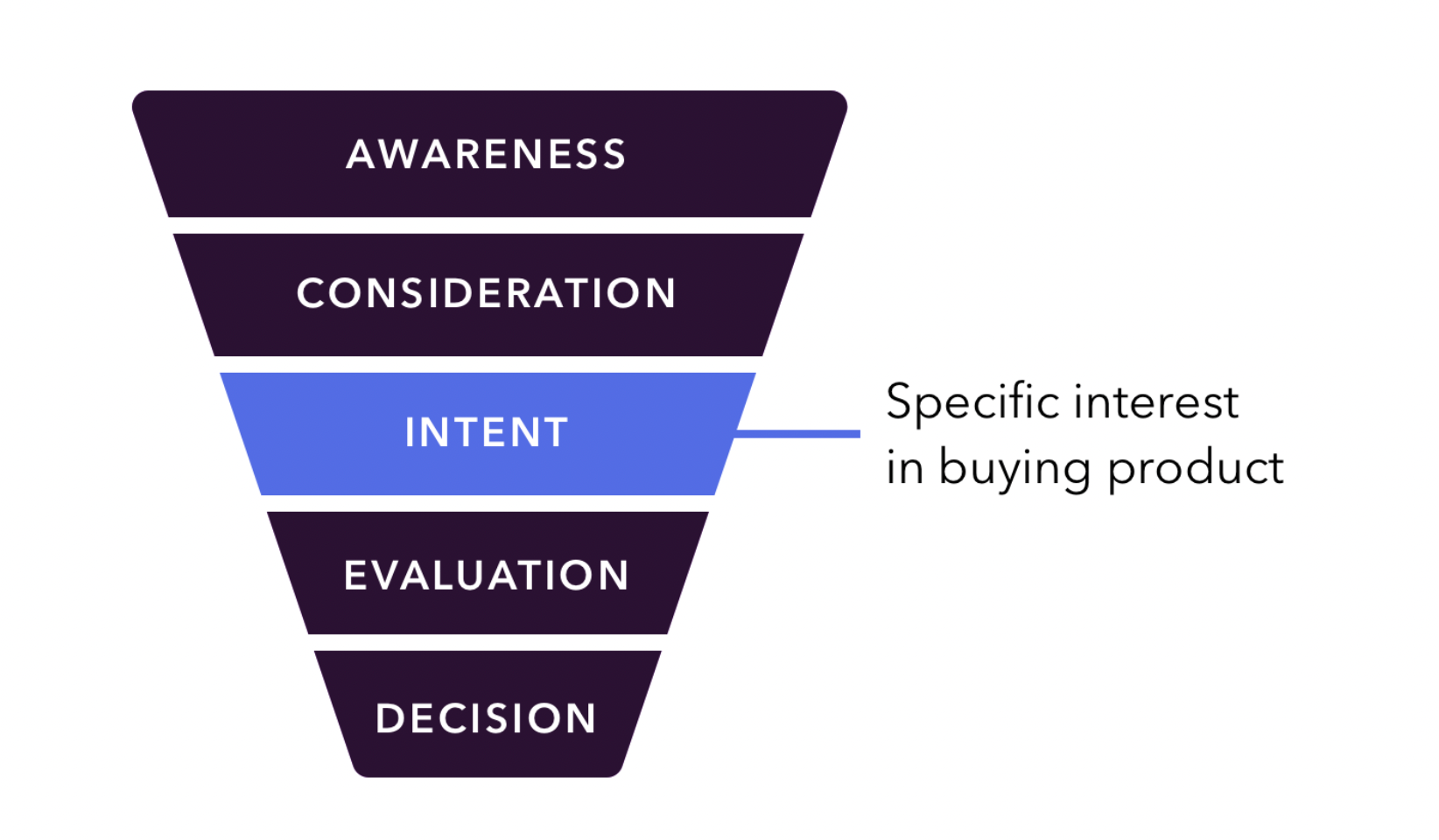
A blog reader is in education mode. A pricing page visitor is evaluating. A demo page visitor is ready to act. Your page content — and your CTA — needs to match where that visitor actually is.
A blog post that ends with "Contact Us" is mismatched. A blog post that ends with "Download the guide on this exact topic" or "See how we do this for clients like you" is aligned with intent.
Simplify Navigation and Structure
Your site structure should mirror the buyer's journey: awareness → solution → decision. If it takes more than two clicks to get from a blog post to a relevant service page or a demo request, you're losing people in the middle.
Remove friction on high-intent pages specifically. Pricing pages, demo request pages, and contact pages should have minimal distractions — no excess navigation, no sidebars pulling attention away.
Mobile Optimization Is Non-Negotiable
B2B research on mobile is increasing year over year. Buyers are reading your content on their phones during commutes and between meetings. 88% of users won't return to a site with poor usability — and in B2B, that's a deal you'll never know you lost.

Page Speed as a Conversion Lever
A 1-second improvement in page load time can increase B2B conversions by 7%. Before any redesign, run your highest-traffic pages through Google PageSpeed Insights and fix the obvious technical drag.
🚀 Traffic Is Useless Without Pipeline
We turn cold prospects into booked meetings via LinkedIn, email & calls. Done-for-you. No guesswork. Just results.
Step 3 — Create Lead Capture Mechanisms That Actually Work
High-Converting CTAs
Generic CTAs are a conversion killer. "Contact Us" is not a compelling ask. Intent-specific CTAs that speak to where the visitor is in their journey convert dramatically better.
Strong B2B CTAs by page type:
- Blog posts: "Download the playbook on this topic" / "See how [Company Type] does this"
- Solution pages: "Book a 20-min strategy call" / "See the case study"
- Pricing pages: "Talk to someone about pricing" / "Start with a free audit"
Placement matters too. Put your primary CTA above the fold, embed a secondary one mid-page, and use an exit-intent CTA to catch visitors before they leave.
Lead Capture Forms
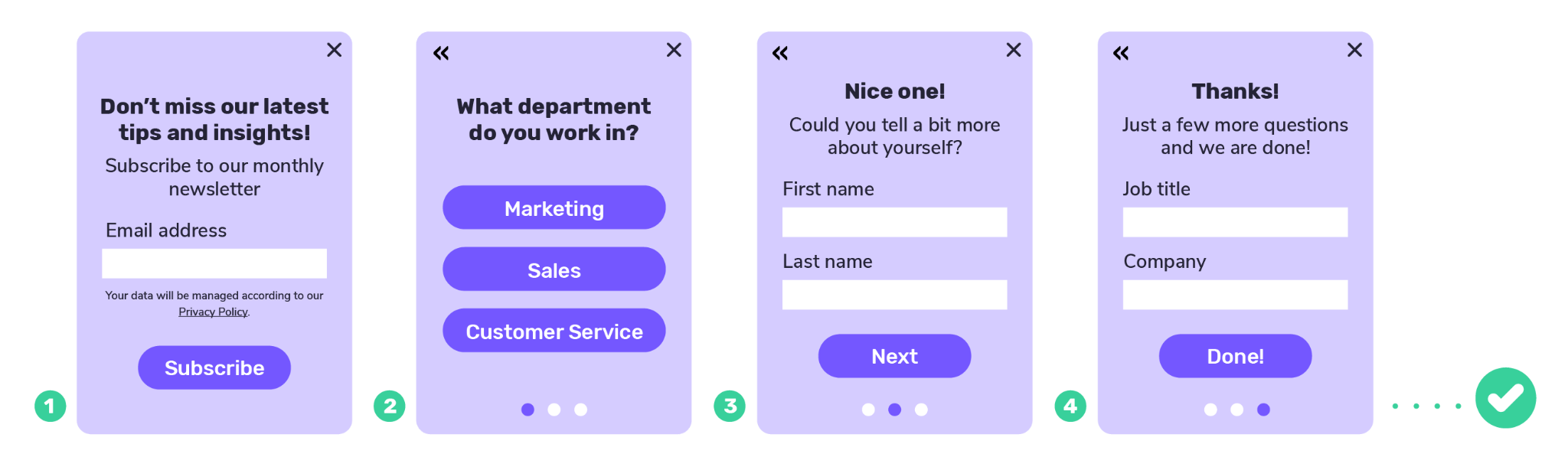
Keep forms short on top-of-funnel pages. A name, email, and company name is enough to start a conversation. Asking for budget and timeline on a blog content download is too much — you'll kill completion rates.
For high-intent pages like demo requests, add 1–2 qualifying questions that prepare your sales team: company size, biggest current challenge, timeline to decide. Progressive profiling lets you ask different questions on return visits, building a richer lead profile over time without frontloading friction.
Research shows that up to 74% of form visitors abandon before completing — meaning intelligent forms that capture partial submissions can recover a significant portion of those lost leads.
Gated Content and Lead Magnets
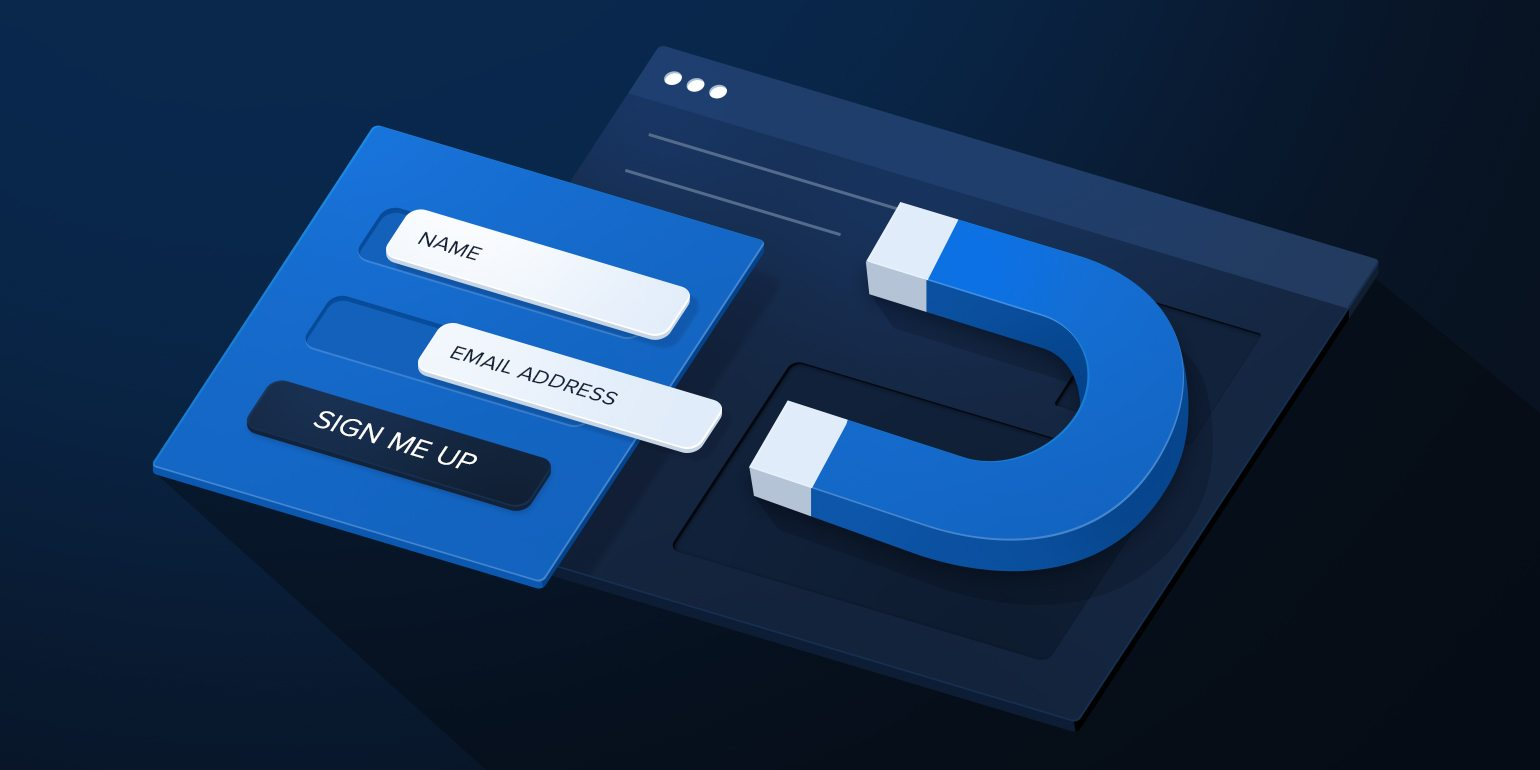
Whitepapers, frameworks, templates, and detailed case studies earn a contact detail exchange. The resource has to be genuinely worth it — not a thinly veiled sales pitch — or visitors will bounce without converting.
Build audience-specific lead magnets. A guide written for a VP of Sales converts better than one written for "B2B professionals." Landing pages for gated content should be stripped of exit navigation: one page, one purpose, one CTA.
Live Chat and Conversational Tools
Real-time chat on pricing and demo pages can capture intent at the exact moment a buyer is evaluating. Chatbots handle qualification outside business hours and can route conversations to the right sales rep instantly based on answers to qualifying questions.
Step 4 — Convert Anonymous Blog Traffic Into Leads
Why Blog Traffic Is Tricky
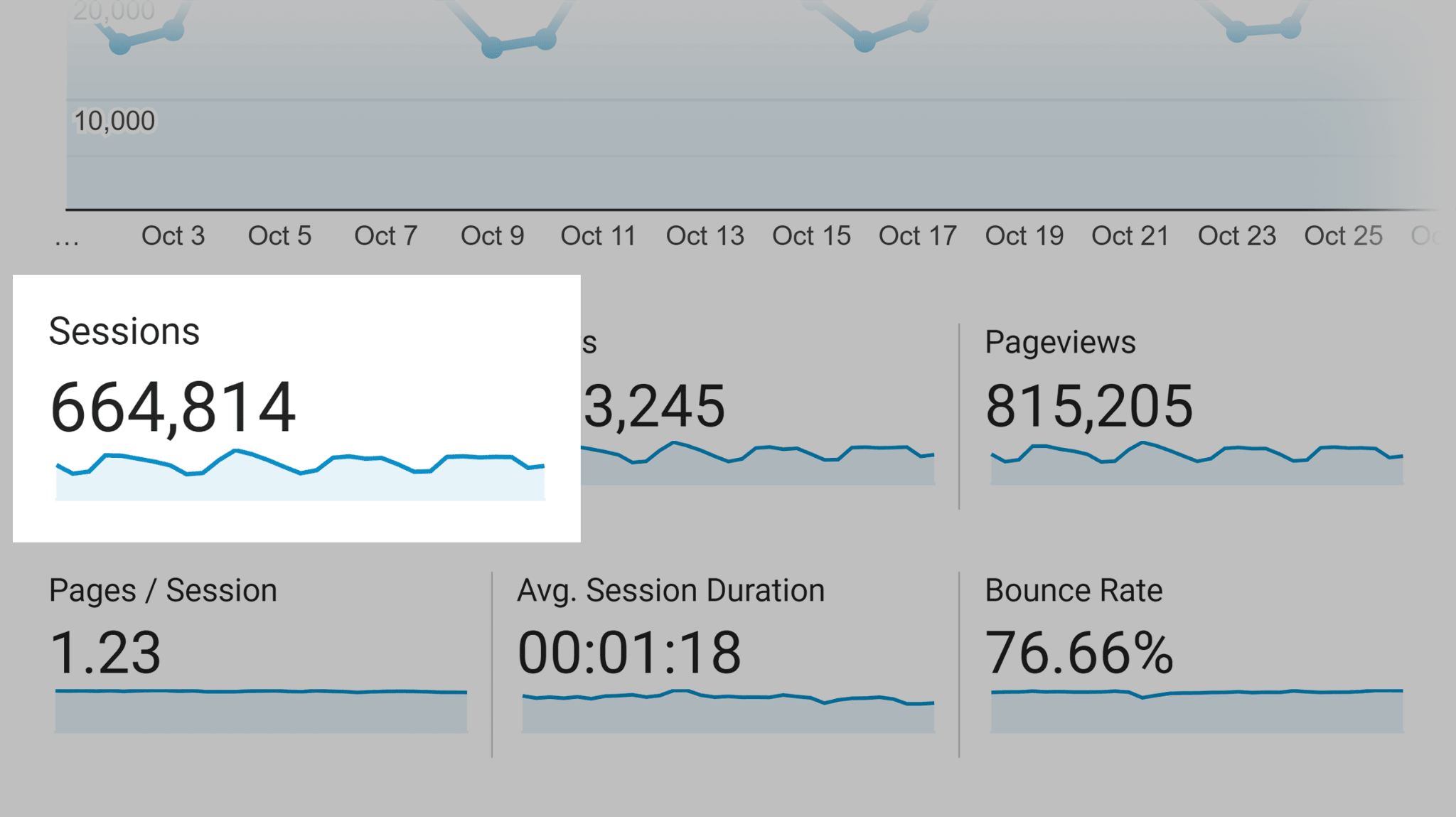
Blog traffic is often your highest-volume source — and your lowest-converting. Readers come for information, not to buy. That's fine. But it doesn't mean you can't move them toward a conversion.
The key is matching your conversion mechanism to where the reader is: early-stage, education mode, not yet ready to talk to sales.
Inline CTAs Within Blog Content
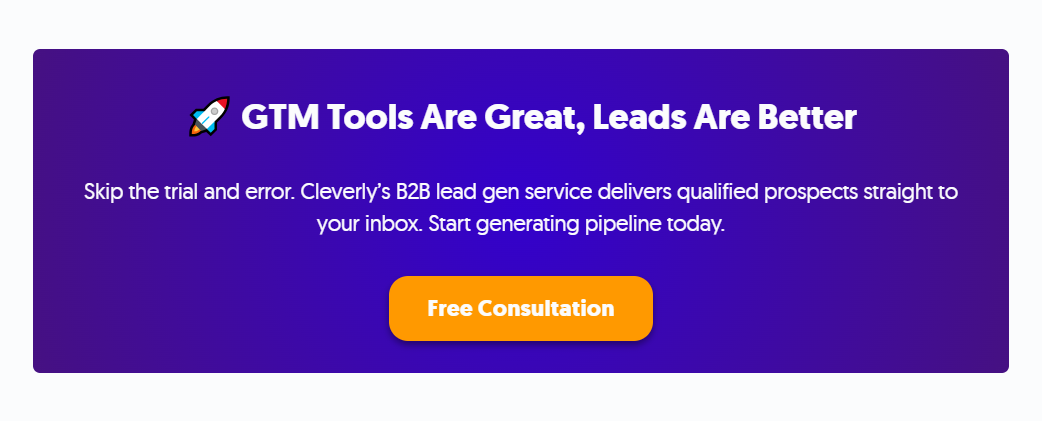
Don't wait until the end of a post to place your CTA. Embed topic-relevant CTAs mid-article, tied to the exact thing the reader is learning about. If a post is about getting more leads from your blog traffic, a mid-article CTA offering a content audit or a conversion checklist is perfectly aligned.
Example: Inline CTA in GTM tools blog -
Content Upgrades
A content upgrade is a downloadable resource directly related to the blog post the visitor is reading. A post about LinkedIn outreach offers a LinkedIn message template pack. A post about cold email offers a subject line swipe file.
These consistently outperform generic newsletter popups because they're specific and immediately useful. Readers are already engaged — the upgrade gives them a reason to raise their hand.
Internal Linking to High-Converting Pages
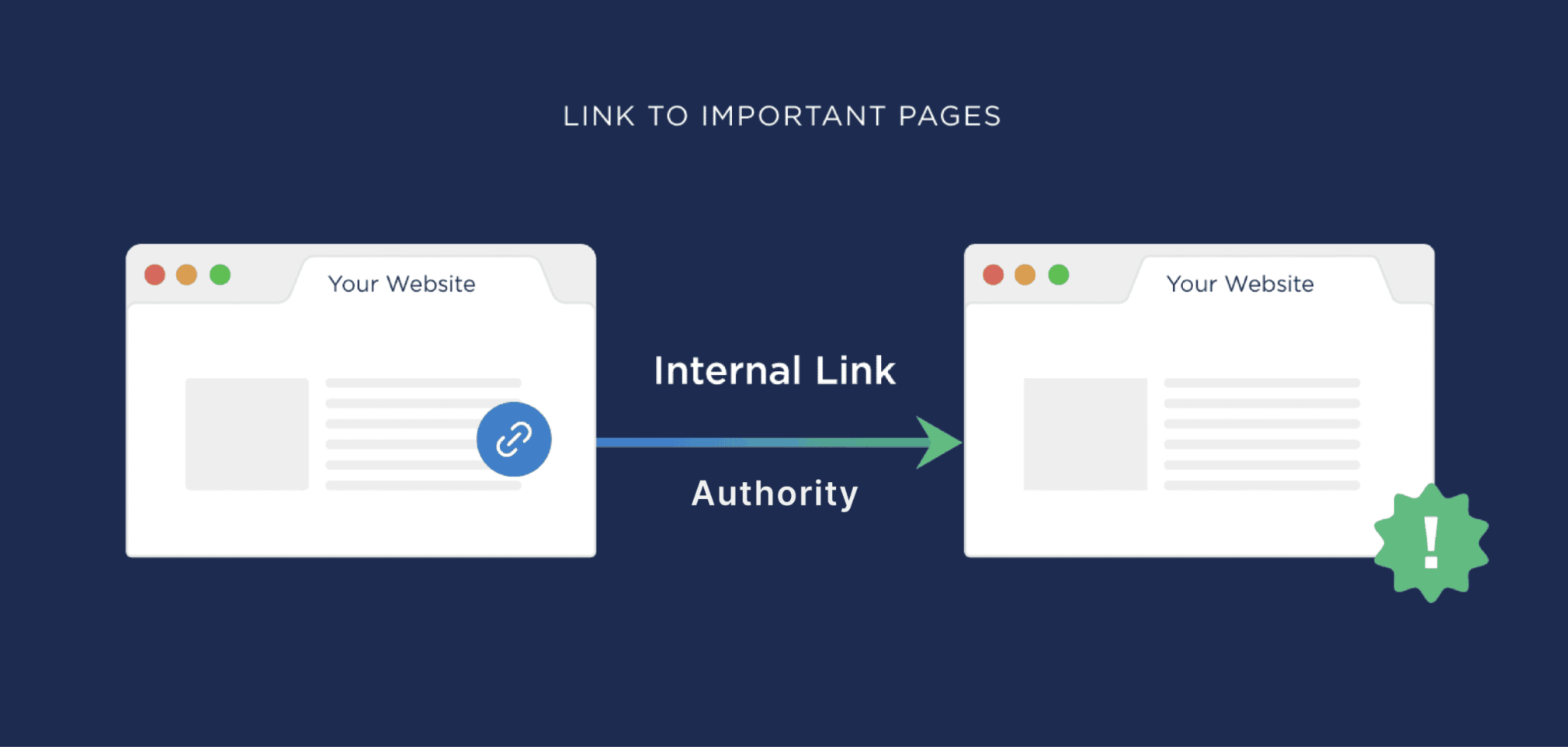
Blog posts shouldn't be dead ends. Every post should include 2–3 links to related service pages, case studies, or high-intent content that moves the reader down the funnel. A visitor who lands on a blog post about cold outreach and clicks through to a case study page is dramatically warmer than someone who just read and left.
Exit-Intent and Email Opt-Ins
Exit-intent popups triggered when a reader moves toward closing the tab can recover a meaningful percentage of blog bounces. Pair that with email newsletter opt-ins embedded within content — not just in the sidebar — and you're building a warm audience you can nurture into pipeline over time.
Step 5 — Get More Leads From Existing Website Traffic Without More Spend
Optimize Before You Spend More on Acquisition
A 1-point lift in B2B website conversion can cut CAC by 15–25% — making conversion rate optimization one of the highest-ROI moves a B2B team can make. Before you spend another dollar on ads or content, audit what's already happening.
Start with your highest-traffic pages. That's where conversion gains compound fastest. A 1% improvement on a page with 5,000 monthly visitors produces more pipeline than a complete redesign of a page with 200 visitors.
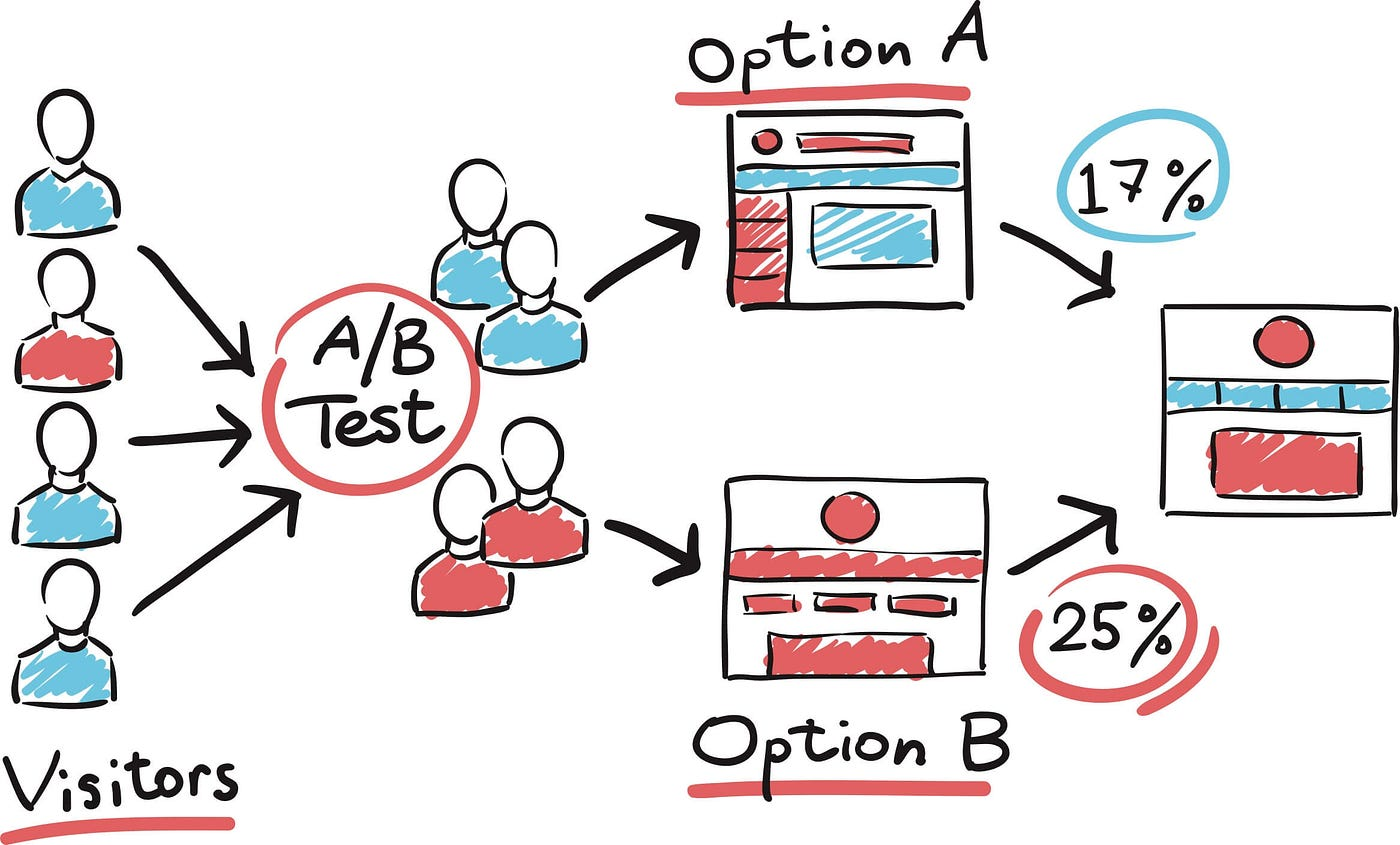
A/B Test the Right Variables
Test one element at a time so you know what's actually moving the needle:
- Headline copy (different pain point angles)
- CTA text and button color
- Form length (3 fields vs. 5 fields)
- Hero image or video vs. no image
- Social proof placement (above vs. below the fold)
Even small changes produce measurable lifts. The teams that outperform consistently are the ones running continuous experiments — not one-time redesigns.
Heatmaps and Session Recordings
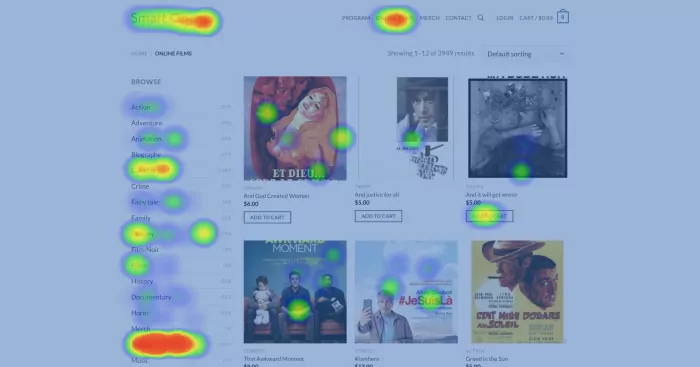
Tools like Hotjar and Microsoft Clarity show you exactly where visitors are clicking, scrolling, and dropping off. A heatmap might reveal that 80% of visitors never scroll past your hero section — meaning your CTA at the bottom of the page is essentially invisible.
Session recordings show real user behavior. Watching recordings of visitors who didn't convert is often more useful than any analytics dashboard.
Re-Engage Return Visitors
Return visitors are warmer than first-time visitors — they've already decided your site is worth a second look. Use dynamic content or intent-based messaging to personalize what they see based on pages they've previously visited.
A visitor who came back to your pricing page for the third time this month doesn't need a generic homepage banner. They need a specific offer or a prompt to talk to someone.
Step 6 — Qualify and Route Leads Before They Go Cold
Speed-to-Lead Is Everything
Leads reached within 5 minutes are 21 times more likely to turn into customers compared to those contacted after half an hour. The window is genuinely that narrow. Once a buyer submits a form, their intent is at its peak — and it decays fast.
Over 63% of businesses didn't respond at all when tested in a 2024 study across 1,000+ companies, with an average response time of over 29 hours. If you respond in under an hour, you're already outperforming most of your competition.

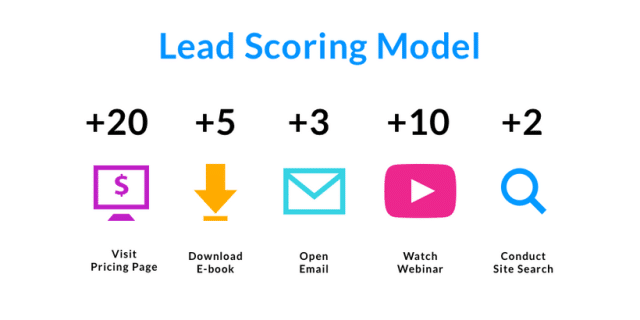
Lead Scoring to Prioritize Follow-Up
Not every form fill deserves the same urgency. Use firmographic and behavioral data to score leads before they hit your sales team:
- Firmographics: company size, industry, revenue, geography (ICP fit)
- Behavioral signals: pages visited, time on site, return visits, content downloaded
- Engagement: email opens, demo page views, pricing page activity
High scores get immediate outreach. Lower scores go into a nurture sequence. This keeps your reps focused on the conversations most likely to convert.
Routing Logic That Matches ICP Criteria
Automatically assign leads to the right rep based on territory, vertical, or deal size — the moment the form is submitted. Manual assignment creates delays that kill conversion. If your CRM isn't routing automatically, fix that before anything else.
What to Do With High-Intent Visitors Who Haven't Filled Out a Form
This is where visitor identification (Step 1) comes back. A company that visited your pricing page four times this week hasn't converted — but they're showing intent. Use their identified account data to trigger a targeted outreach sequence to the right persona at that company through LinkedIn or cold email.
Step 7 — Build a Retargeting System for Traffic That Doesn't Convert on First Visit
Most B2B Buyers Need Multiple Touchpoints
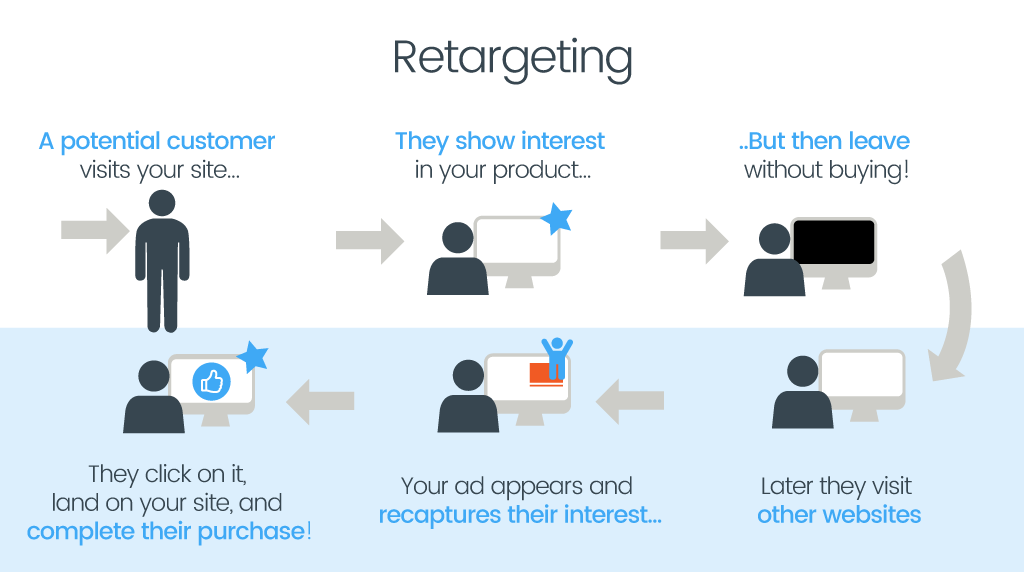
A first-time visitor to your website is rarely ready to buy. B2B decisions involve multiple stakeholders, long evaluation cycles, and a lot of research before any hand is raised. Retargeting bridges the gap between that first visit and the eventual conversion.

Segment Your Retargeting Audiences
Not all website traffic should be retargeted the same way. Split your audiences based on the pages they visited:
- Pricing page visitors: high intent — show them a direct offer or a demo request ad
- Blog readers: lower intent — show them a content upgrade, a case study, or a relevant guide
- Solution page visitors: mid-funnel — show them testimonials, case studies, or a comparison piece
ICP-fit visitors get budget. Low-fit visitors get excluded. Retargeting budget spent on non-buyers is wasted spend.
LinkedIn Retargeting for Decision-Maker Audiences
LinkedIn's retargeting capabilities let you serve ads specifically to decision-makers who've already visited your site — by job title, seniority, industry, and company size. This is uniquely powerful for B2B because you're re-engaging real buyers in a professional context, not just hoping the same person sees a banner ad.
Google Display for Account-Level Visitors
Use visitor identification data to build custom audiences in Google Ads based on the companies you've identified visiting your site. Target those companies' employees with display ads as they browse the web — keeping your brand in front of the buying committee while they're still evaluating.
Personalize Retargeting Creatives by Page Visited
Generic retargeting banners underperform. A visitor who spent 6 minutes on your pricing page and then left should see a different ad than someone who read a blog post and bounced in 45 seconds. Match the creative to the intent signal the visitor already showed you.
How Cleverly Helps B2B Companies Turn Traffic Intent Into Qualified Pipeline
B2B companies have more traffic intent than they realize. Buyers are visiting their site, reading their content, and checking their pricing page — they're just not converting at the rates that move the needle.
On-site conversion optimization helps. But it's inherently reactive — you're waiting for the right buyers to find you. Cleverly's approach to B2B lead generation goes the other direction: ICP-based targeting, verified lead lists, and proactive outbound that complements what your website is already attracting.
What that looks like in practice:
- We build targeted prospect lists using multiple data sources with manual verification — so outreach hits the right people, not just the right job titles.
- We run fully managed LinkedIn outreach, cold email campaigns, and cold calling aligned to your ICP and messaging — across whichever channels actually reach your buyers.
- We deliver meeting-ready leads directly to your sales team. You show up to qualified conversations. We handle everything before that.
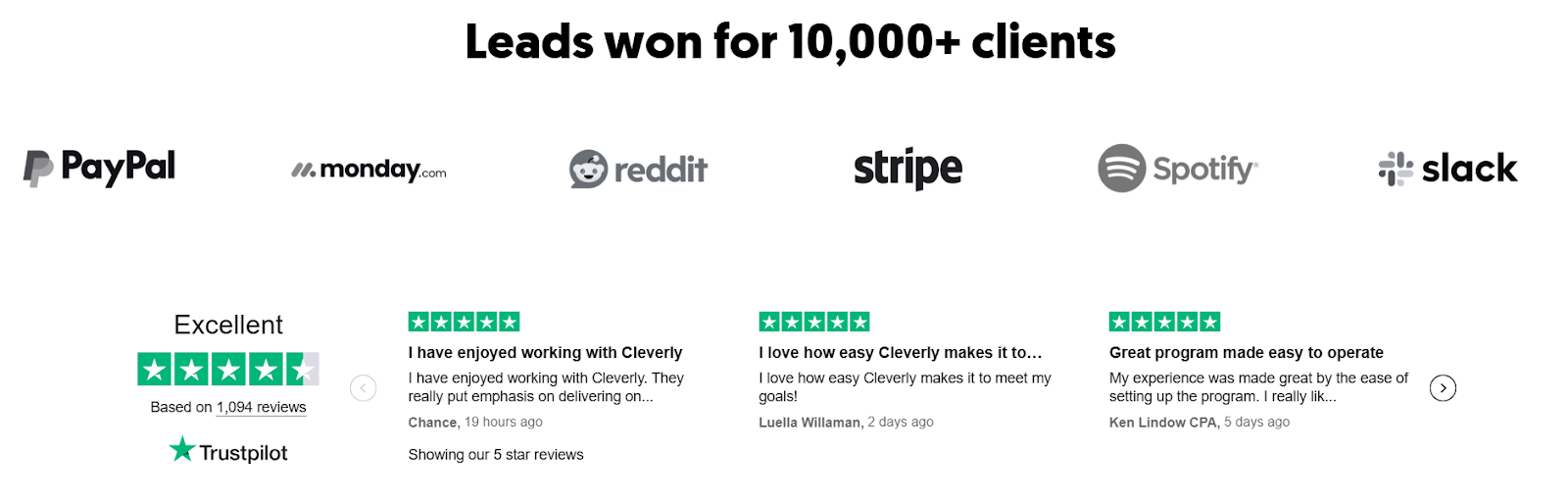
The result is a complete pipeline engine that doesn't depend on hoping your website traffic converts. We've helped 10,000+ B2B companies generate $312M in pipeline and set 53,000+ appointments — with our cold calling system booking 10–30 qualified sales calls per month, guaranteed.
Want a B2B lead generation system that doesn't rely on hoping your traffic converts? Book a strategy call with Cleverly.
Conclusion
Converting B2B website traffic isn't a one-time project. It's an ongoing system — identification, optimization, capture, qualification, and follow-up all working together.
The biggest wins almost always come from fixing what's already broken before spending more on acquisition. A 1% improvement in conversion rate on existing traffic compounds faster than doubling your ad spend on a leaky funnel.
Fix the foundation. Build the capture mechanisms. Act fast on the leads you get. And run proactive outbound in parallel so you're not entirely dependent on inbound to fill your pipeline.
Frequently Asked Questions
Free Resource
How to Scale a Profitable Cold Call System
Get the complete guide — download it instantly now.
Free Ebook
Download the Free Guide
Enter your details to get instant access.
You're all set! 🎉
Your ebook is downloading now.
Click below if the download didn't start automatically.