Table of Contents
What Are GTM Tools (and Why They Matter in 2026)?
Key Criteria for Choosing GTM Tools in 2026
10+ Best GTM Tools for Growth in 2026
How These Tools Fit into a B2B GTM Strategy
GTM Automation in B2B: What It Actually Covers
Building Your GTM Stack by Company Stage
Power Your GTM Strategy with Cleverly
Conclusion
Frequently Asked Questions
Modified On :
July 21, 2026
Key Takeaways
- The right GTM tools simplify execution and accelerate growth, not complicate it.
- Each tool fits a specific stage of your B2B go to market strategy - from targeting to conversion.
- Integrating data, outreach, and analytics platforms gives your GTM team full visibility on ROI.
- AI-driven personalization and automation will define the best go to market platforms in 2026.
- GTM automation tools handle lead routing, enrichment, and outreach triggers - freeing your team to focus on deals that are ready to close.
- Champion tracking tools like UserGems surface warm pipeline the moment a buyer who already knows your product lands at a new company.
Go-to-market has never been more complex. From aligning sales and marketing to tracking customer data across multiple platforms, the moving pieces keep piling up.
That’s why choosing the right GTM tools matters, because more than managing the chaos, the right tool helps you simplify it.
Think of it this way: a solid go to market strategy gets you on the right path, but the right tool is what keeps you moving fast and steady.
The best teams in 2025 aren’t just relying on people and processes for B2B lead generation, they’re leaning on go to market platforms that automate the heavy lifting, connect data silos, and make decision-making faster.
In this list, we’ll walk through 11 expert-curated go to market tools that actually accelerate growth instead of slowing you down.
What Are GTM Tools (and Why They Matter in 2026)?
When we talk about go to market tools, we mean platforms that help companies plan, execute, and scale how they reach customers.
These tools go beyond simple software, they connect the dots between sales, marketing, and customer success.
At their core, go to market tools usually include features like:
- Outreach automation (emails, LinkedIn, or ads at scale)
- Behavior tracking (monitoring how prospects engage with your content or product)
- Data alignment (keeping sales and marketing on the same page)
- Reporting and insights (so you know what’s working and what’s not)
In 2025, the importance of using these tools is less about having the latest shiny software and more about using them purposefully with your go to market strategy.
A tool should:
- Fit naturally into your workflow, not complicate it
- Support your B2B go to market strategy by making prospecting, nurturing, and closing smoother
- Give you clarity instead of drowning you in data
Put simply: Your go to market platforms should act like a co-pilot, helping you move faster, stay focused, and execute the best go-to-market strategies for automation software or any other industry you’re in.
👀 Discover More: BEST Marketing Attribution Software in 2025 (We Use #1 Personally)
🚀 GTM Tools Are Great, Leads Are Better
Skip the trial and error. Cleverly’s B2B lead gen service delivers qualified prospects straight to your inbox. Start generating pipeline today.
Key Criteria for Choosing GTM Tools in 2026
Not every platform will be the right fit. The best GTM tools in 2025 are the ones that match your company’s stage, your go to market strategy, and the way your team already works.
Before investing, here are the key things to look for:
Strategic alignment with your GTM stage
A startup launching its first product has very different needs than a mature company expanding globally. Choose go to market tools that match where you are, whether it’s building awareness, scaling cold outreach, or optimizing conversions.
Native integrations across your stack
The best go to market platforms connect easily with your CRM, ad accounts, and analytics tools. That way, data flows automatically, and teams aren’t stuck exporting spreadsheets or juggling multiple dashboards.
AI-powered automation and insights
In 2025, automation isn’t just about sending bulk emails, it’s about personalization at scale. Look for, say, LinkedIn tools with AI features that can segment audiences, predict behavior, and surface insights that drive faster decisions.
Clarity of ROI measurement
Your B2B go to market strategy depends on knowing what works. Choose tools that show pipeline attribution, deal flow, and revenue impact clearly, so you can double down on what’s actually moving the needle.
Ease of use and scalability
A tool is only valuable if your team uses it. Look for platforms with simple interfaces that can grow with your business, without needing a dozen add-ons or heavy developer support.
When you evaluate GTM tools with these criteria, you’ll avoid shiny-object syndrome and invest in software that actually accelerates growth.
10+ Best GTM Tools for Growth in 2026
Finding the right GTM tools can be overwhelming with so many platforms promising growth.
Below, we’ve curated 11 expert-approved tools that B2B teams are using to accelerate pipeline velocity, improve conversion rates, and power smarter go to market strategies.
Each tool is mapped to specific GTM stages so you can see where it fits in your growth plan.
1. Apollo
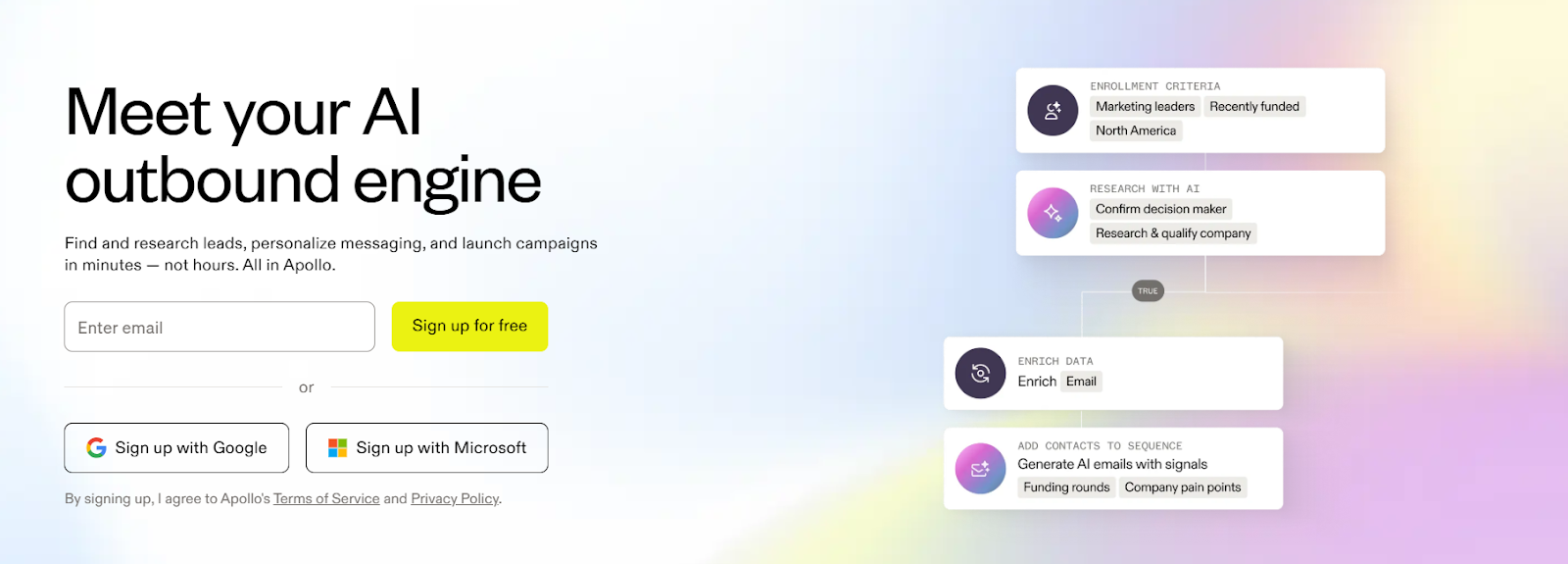
Apollo is a go to market platform built for B2B sales and marketing teams that want to prospect, engage, and convert leads more efficiently.
It combines a large B2B database of contacts & companies, outreach automation, email sequencing, data enrichment, call assistance, and deal-management tools all in one place.
Because of its breadth, Apollo is often used as a central piece in a go to market strategy—especially when you need automation + accurate data + alignment across teams.
It’s especially powerful for teams that are doing outbound sales: you can find ideal customers, enrich contact & firmographic data, run multichannel campaigns (cold email lead generation, cold calls system), track behavior (opens, clicks, engagement), and feed that data into your CRM.
Apollo also uses AI to help with outreach and insights, which is increasingly useful in 2025, given how fast things move.
🤝 Best for
- Small to mid-sized B2B sales or revenue teams wanting to streamline outbound prospecting.
- Companies building or refining their B2B go to market strategy who need a platform that can scale from early outreach up to managing deals.
- Teams that want to consolidate many go to market tools into fewer systems (database + outreach + workflow + insights).
🔥 Top features
- Large, up-to-date contact / company database (200M+ contacts, millions of companies) for prospecting.
- Multi-channel outreach including email sequencing, calls, meeting scheduling, follow-ups.
- Data enrichment & behavior tracking (opens, clicks, job-changes, “intent” topics) so you know how prospects engage.
- AI tools: assistance for writing outreach, insights from calls, predictive scoring / filters.
- Integrations with CRMs and other tools so you can align sales, marketing, revenue ops without manual transfers.
💸 Pricing
- Free plan
- Basic - $49/user/month (if billed annually) or $59/month billed monthly
- Professional - $79/user/month (annual billing) or $99/user/month (monthly)
- Organization- $119/user/month (annual) or $149 (monthly)
2. Cognism
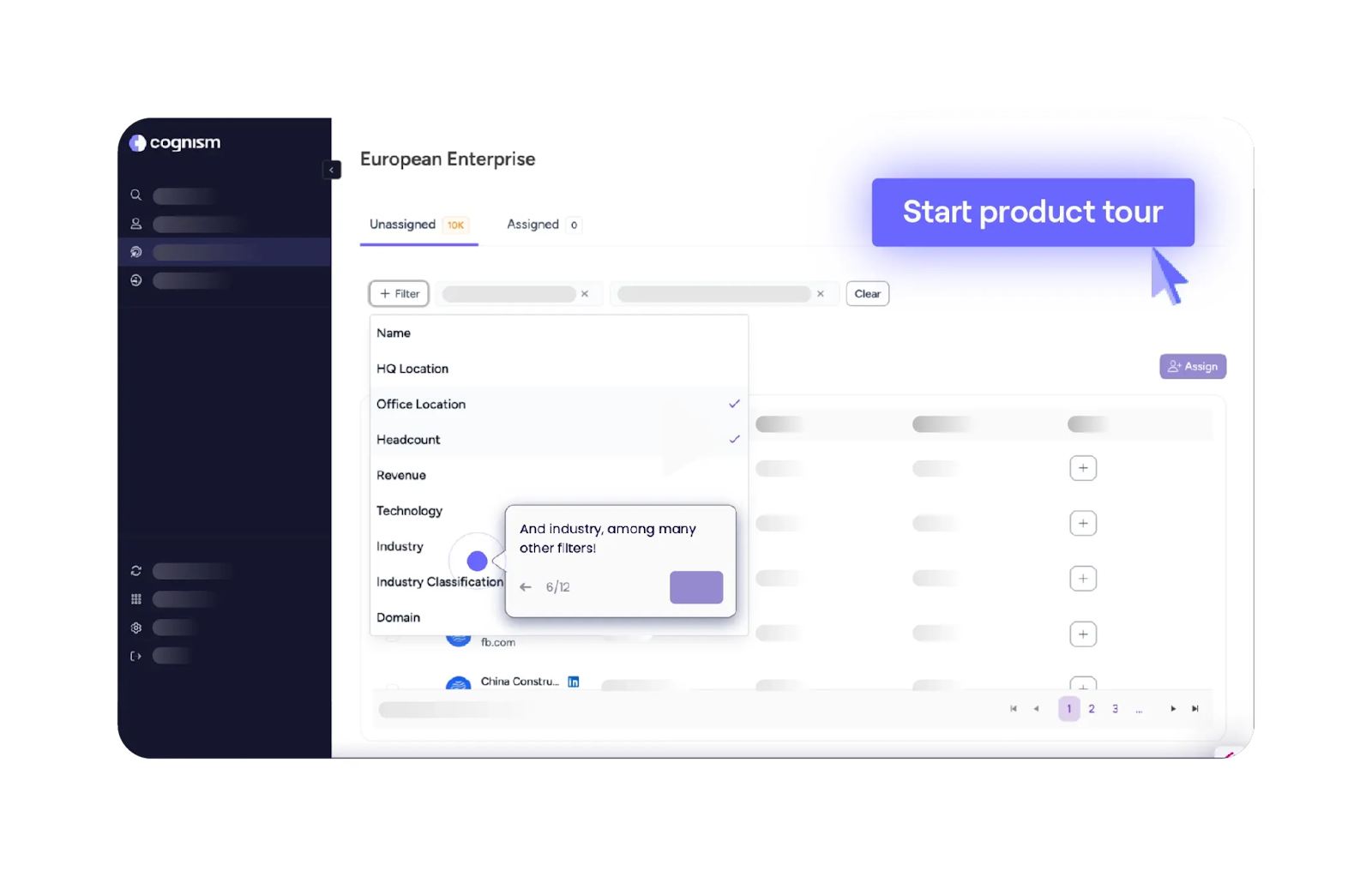
Cognism is a go to market tool focused on high-quality B2B contact data, intent signals, and compliance. It blends powerful cold prospecting data (emails, firmographics, phone-verified mobile numbers) with advanced features like intent tracking, AI-based segmentation, enrichment, and integrations.
Because of its strong emphasis on data accuracy and regulatory compliance, Cognism is particularly useful for companies doing global outbound, especially in EMEA, or who rely heavily on phone-based outreach.
Cognism isn’t just a contact database, it supports behavior tracking (trigger events, buying signals), enrichment (updating old data), and alignment with CRMs and go to market automation workflows.
🤝 Best for
- Larger B2B teams (sales, marketing, SDR/BDR) who need accurate contact / mobile number data and want strong compliance (GDPR, etc.).
- Companies where phone outreach or multichannel contact (phone + email + intent) matter a lot.
- Businesses executing a b2b go to market strategy that depends on behavior/intent signals plus clean, verified data.
🔥 Top features
- Diamond Data: Phone-verified mobile numbers with high accuracy, which improves connection rates for calls/texts.
- Intent / Trigger Events: Signals from third parties (e.g. Bombora) on what topics or behaviors show buying interest.
- Data Enrichment & Maintenance: Ability to refresh outdated contact / company data; firmographics, technographics, real-time updates.
- Integrations: Strong integration with CRMs and sales tools (Salesforce, HubSpot, etc.), plus browser extensions.
- Compliance & Global Coverage: GDPR, SOC2, etc.; broad regional data (EMEA, US, etc.), and features such as “do not call” screening.
💸 Pricing
They don’t have a fix pricing. Annual costs can range from approximately $1,500 for small Platinum tier users to $25,000 or more for enterprise-level Diamond tier users
3. Demandbase
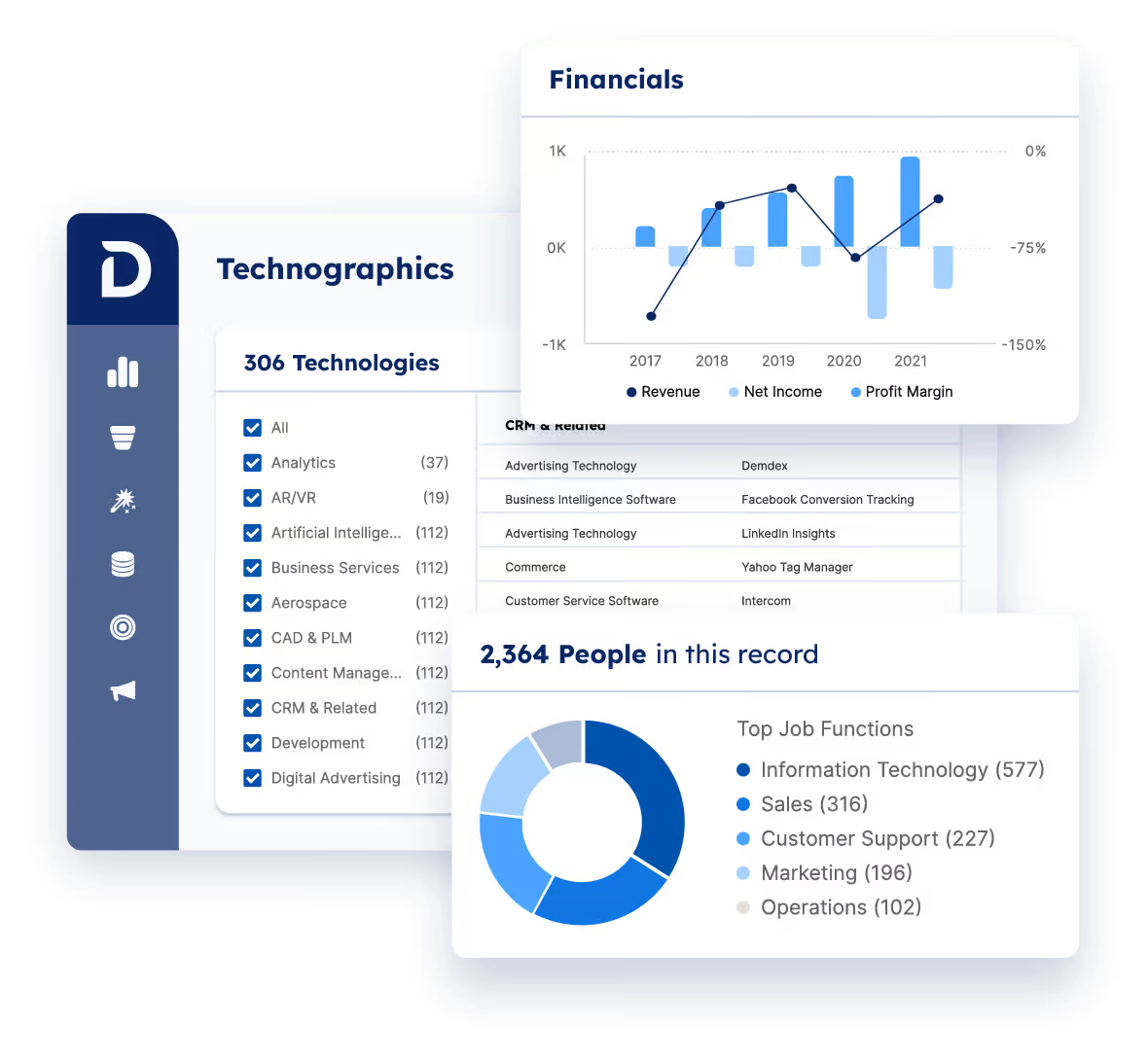
Demandbase is a powerful go to market platform built for B2B teams that want to execute account-based marketing (ABM), unified data strategies, and AI-driven pipeline growth.
It helps you find and engage whole buying groups (not just single contacts), track intent signals, personalize messages for outreach, and align marketing & sales around shared data and workflows.
Demandbase’s pitch is that it unifies first-, second-, and third-party data, automates next best actions across channels, and gives visibility into what accounts are likely to convert — all of which help in scaling a go to market strategy efficiently.
🤝 Best for
- Mid-to-large B2B companies implementing or refining an account-based go to market strategy.
- Teams that need strong alignment between sales, marketing, and revenue operations.
- Enterprises that want deep intent data, buying group tracking, and the ability to act (ads, outreach, personalization) from one unified platform.
🔥 Top features
- Pipeline AI: Ranks and surfaces which accounts are most likely to convert, based on behavior, intent, firmographic & technographic data.
- Buying Group & Intent Signals: See which personas and roles in accounts are engaging, and when. Helps you adapt your outreach to multiple stakeholders.
- Unified Data & Integrations: Combines your own data (CRM, website, etc.) with external data sources; works with many analytics / automation tools and ad platforms.
- Orchestration & Automation: Automated plays that trigger based on intent and behavior; alignment of marketing & sales workflows.
- Ad & ABM-powered Advertising: B2B-targeted ads and personalized experiences for target accounts.
💸 Pricing
Pricing is custom / quote-based depending on company size, number of users, data needs (intent, buying group coverage, etc.).
4. Clay
Clay is a go to market platform built for teams that want to enrich data, automate outreach prep, and maintain up-to-date prospect information — without turning into a full engineering project, especially when executing a b2b saas gtm strategy.
Instead of being just a CRM or just a data provider, Clay sits in between. It pulls from many enrichment sources, tracks intent and signals (job changes, mentions, etc.), lets you build workflows (Audiences, Sequencer, Signals), and syncs with other tools in your stack.
What makes Clay useful for a go to market strategy is that it cuts down manual legwork for SDRs and ops folks: things like cleaning up stale leads, enriching missing fields, drafting personalized outreach messages, and triggering actions when signals are detected.
🤝 Best for
- Mid-sized to large B2B companies with dedicated RevOps, SDR, or GTM Ops teams who want to scale outbound and personalize at volume.
- Teams that already use a CRM and email/sequencing tool, and want to add a layer for data enrichment + workflow orchestration.
- Companies focused on executing a B2B go to market strategy that requires clean data, automation, personalization, and aligning the outreach process with real time signals.
🔥 Top features
- Access to 150+ data providers for enrichment, so if one source is missing info, others fill in gaps.
- Signals & intent detection (job changes, mentions, etc.), so you can act when prospects show movement.
- AI agents / “Claygent” for doing research: reading webpages, analyzing PDFs or Google searches to pull relevant contact or company details.
- Workflow & sequencing tools: you can build “Audiences,” run “Sequencers,” conditionally trigger actions, sync with CRM, integrate via HTTP APIs or webhooks.
- Flexible workflow logic, credit system, and ability to roll over unused credits (up to certain limits) so you don’t always lose what you didn’t use.
💸 Pricing
- Free plan available: gives 100 monthly credits plus limited searches & access.
- Starter: ~$134/month (if billed annually) or ~$149/month billed monthly — includes more credits, people & company searches, basic enrichment & phone number enrichment.
- Explorer: $314/month annually, $349/month monthly — more credits, ability to integrate via HTTP API & webhooks, etc.
- Pro: $720/month (annual billing) or $800/month (monthly) — much higher credit limits, CRM integrations.
- Enterprise: Custom pricing; contact for quote.
5. PartnerStack
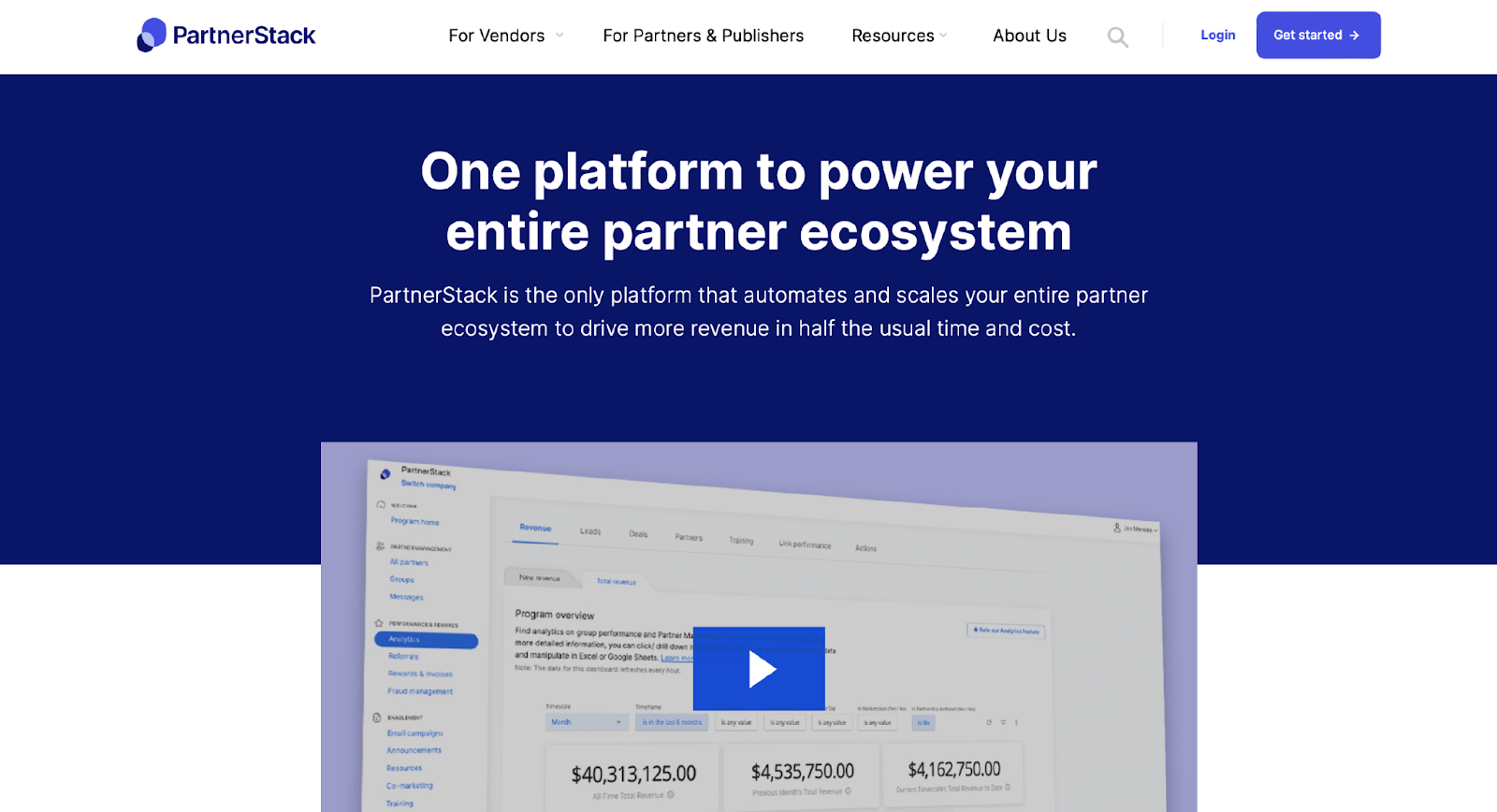
PartnerStack is a go to market platform focused on building and scaling partner ecosystems- affiliates, referrals, ambassadors, and resellers.
It helps companies run partner-led growth by handling partner onboarding, commission payouts, partner and partner group management, tracking and attribution, and partner marketplace exposure.
Because of its partner-network marketplace, it not only lets you manage your own partners, but also connects you to active partners who might already be promoting other SaaS products.
🤝 Best for
- B2B SaaS companies that want to boost growth via partnerships rather than just direct outreach or ads.
- Teams running or planning a go to market strategy that includes referrals, reseller channels, and affiliates.
- Businesses that want a unified go to market tool to manage commission flows, partner attribution, onboarding, and performance tracking.
🔥 Top features
- Partner recruitment & marketplace: Access to large network(s) of active partners; ability to promote your program and discover partners.
- Automated partner payouts & commissions: Automatic calculation, partner self-serve withdrawals, single invoice for vendor side.
- Onboarding & activation workflows: Custom partner onboarding journeys; content & training for different partner types.
- Tracking, attribution & analytics: Real-time dashboards, metrics for clicks/signups/leads/revenue; two-way sync with CRMs.
- Flexible partner types & channels: Support for affiliates, referral partners, resellers, influencers, etc.
💸 Pricing
- PartnerStack doesn’t publish full fixed pricing for all customers; most plans are custom quote-based depending on business size, needed partner volume, modules, etc.
6. Pebbles Ai
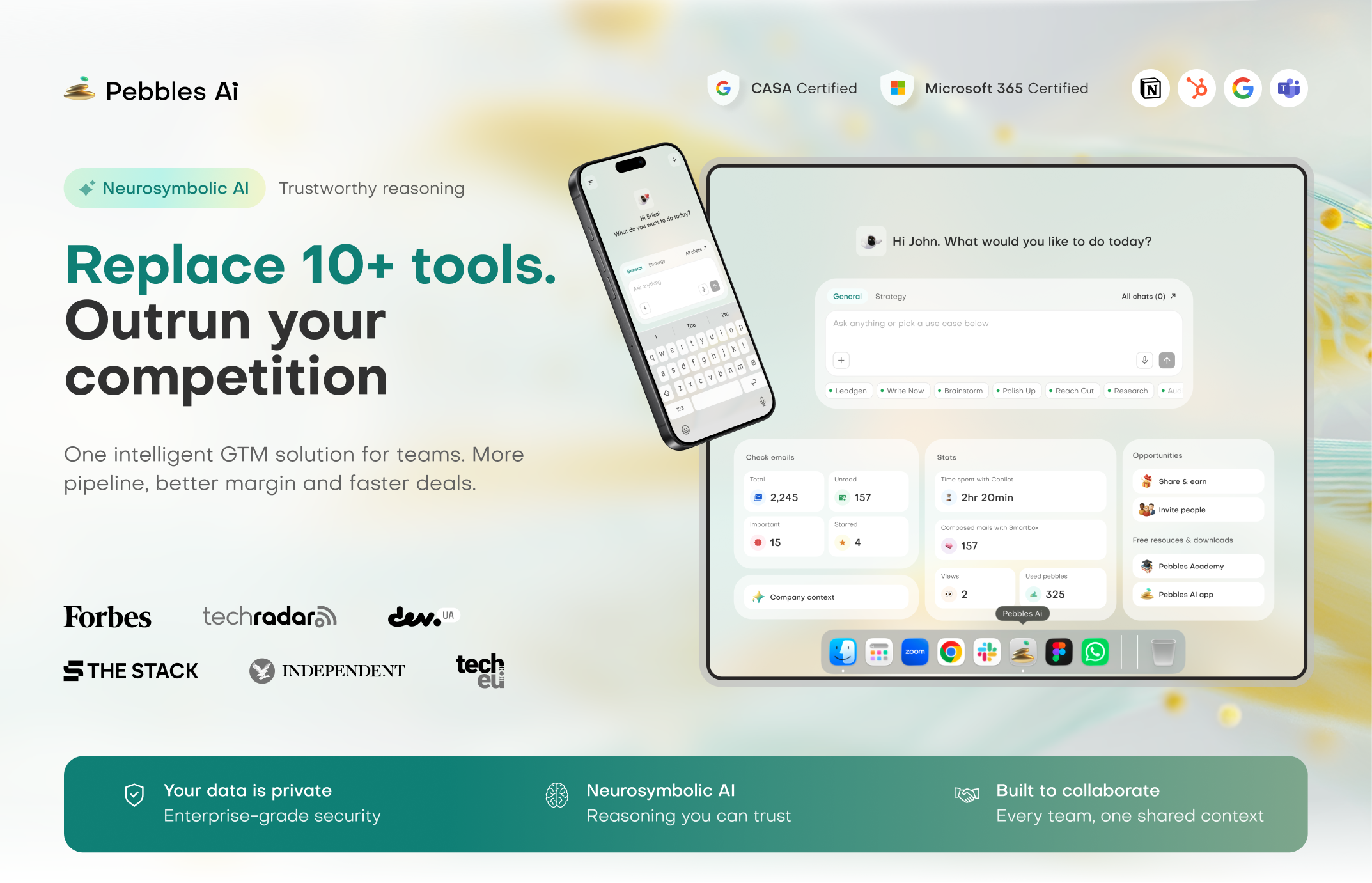
Most GTM stacks fail not because the tools are weak, but because they don't talk to each other – marketing in one platform, sales in another, RevOps in a third, and execution slowed by the gaps.
Pebbles Ai eliminates those gaps. It's the world's first AI operating system for B2B teams, bringing together strategy, marketing, and sales in one shared space where the whole go-to-market motion actually runs – not just gets planned. Rather than replacing your data, outreach, or analytics tools, it sits above them as the connective layer, with expert AI assistants that turn market intelligence into campaign-ready workflows and analytics that show leaders exactly where deals stall.
🤝 Best for
- B2B teams whose bottleneck is alignment and execution speed, not a lack of tools.
- Founders and revenue leaders who want strategy, marketing, and sales on one shared plan.
- Companies that own point tools and need an orchestration layer to make them work as one motion
🔥 Top features
- AI Assistants: Strategy and marketing assistants that turn market intelligence into campaign-ready workflows – so teams execute up to 9x faster
- Cross-Team Operating System: One space where leadership, marketing, and sales plan, run, and review GTM work together
- Team Productivity Analytics: Real-time visibility into output and OKR progress, for up to 3x higher team performance
- Tactical Outreach: Neuromarketing-driven email and LinkedIn campaigns built to lift engagement and conversion
💸 Pricing
Custom / quote-based, depending on team size and scope. Includes onboarding and system training.
7. Salesforce
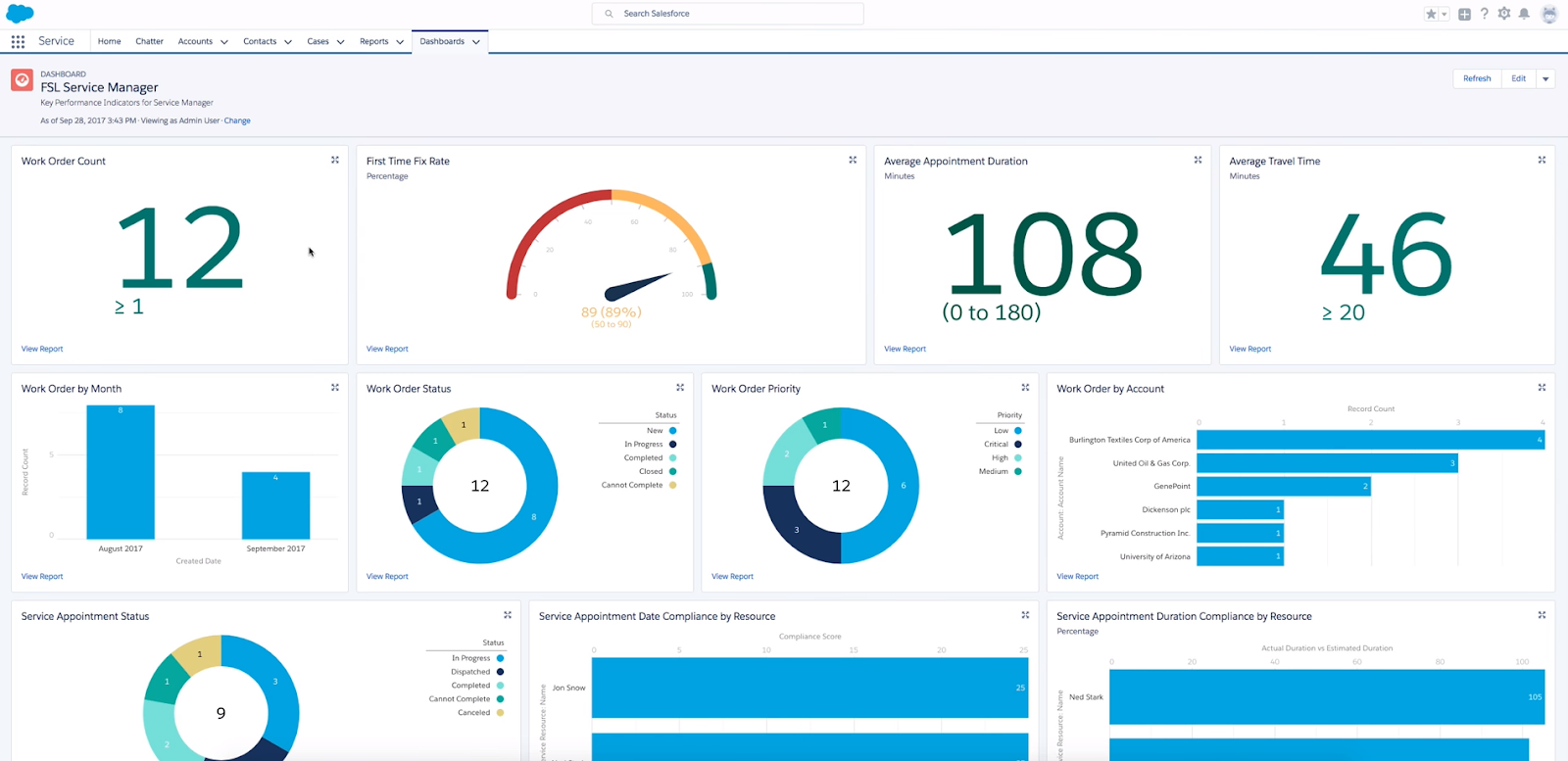
Salesforce is a comprehensive go to market platform that combines CRM, sales automation, service management, analytics, and AI capabilities. It's widely used across B2B and B2C organizations to centralize customer data, streamline workflows, and drive revenue growth.
Salesforce's modular approach allows businesses to tailor their setup to specific needs, whether it's sales, service, marketing, or a combination thereof.
For teams executing a go to market strategy, Salesforce offers robust tools for lead and opportunity management, forecasting, and collaboration.
Its integration with Slack and Tableau enhances team communication and data visualization, aligning well with modern sales and marketing workflows.
🤝 Best for
- Mid‑to‑large B2B companies seeking an all‑in‑one go to market platform.
- Teams that require advanced CRM features, AI capabilities, and extensive customization.
- Organizations aiming to align sales, service, and marketing efforts under a unified system.
🔥 Top features
- Sales Cloud: Comprehensive tools for lead and opportunity management, forecasting, and pipeline tracking.
- Service Cloud: Omnichannel support, case management, and knowledge base integration.
- Marketing Cloud: Email marketing, social media engagement, and customer journey mapping.
- Slack Integration: Enhanced team collaboration and communication.
- Tableau Analytics: Advanced data visualization and reporting capabilities.
- Agentforce AI: Generative AI tools for sales and service automation.
💸 Pricing
Salesforce offers various editions tailored to different business needs:
- Starter Suite: $25 USD/user/month – Ideal for small businesses seeking essential CRM functionalities.
- Pro Suite: $100 USD/user/month – Includes advanced customization and automation tools.
- Enterprise: $175 USD/user/month – Offers advanced pipeline management and forecasting features.
- Unlimited: $350 USD/user/month – Provides the most comprehensive set of features, including full customization and support.
- Agentforce 1 Sales: $550 USD/user/month – Includes unmetered AI usage, advanced analytics, and full integration capabilities.
Note: Prices are based on annual billing and may vary based on specific requirements and configurations.
8. Userpilot
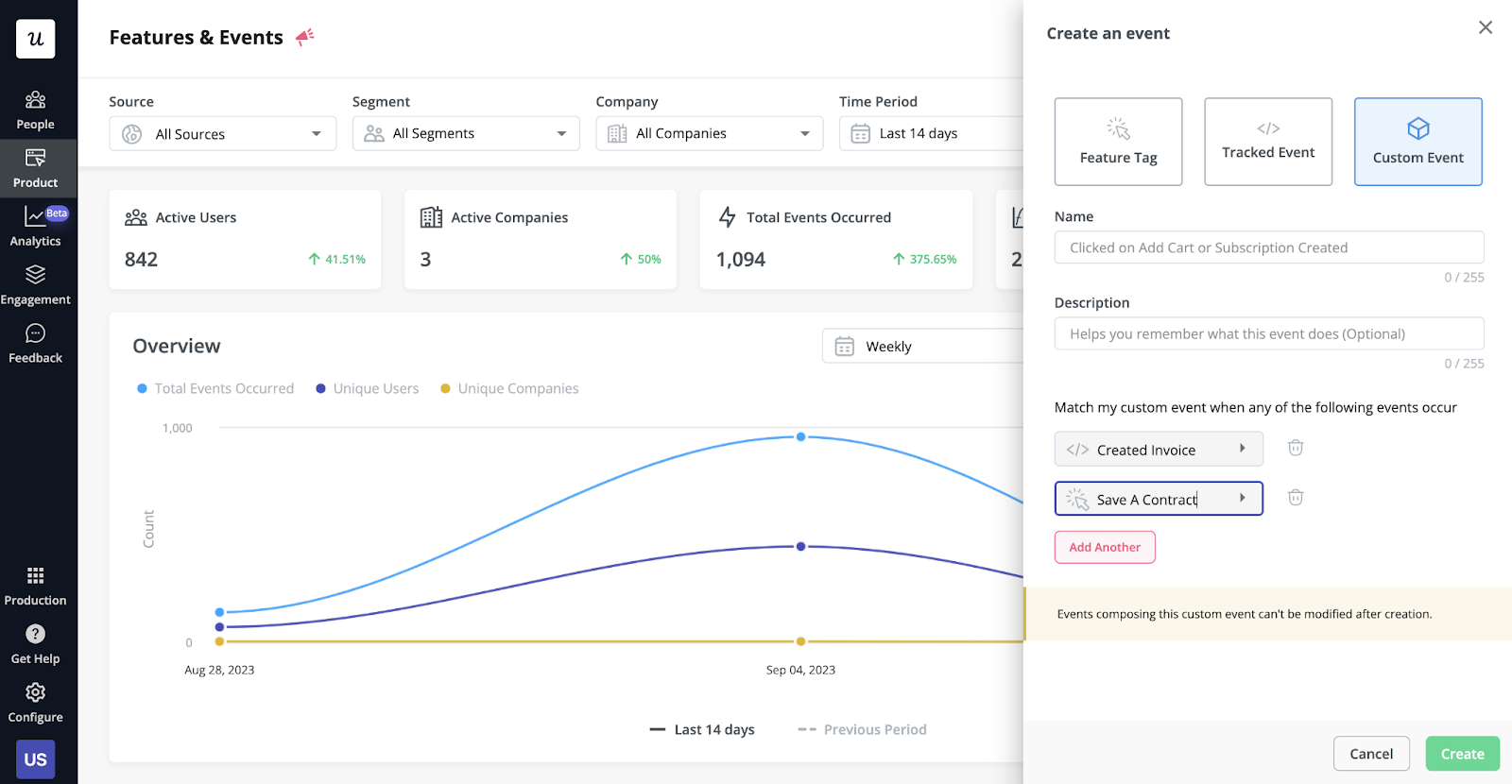
Userpilot is a go to market tool designed to enhance user onboarding, feature adoption, and overall product engagement. It enables product teams to create personalized, in-app experiences without the need for coding.
With features like interactive walkthroughs, tooltips, modals, and checklists, Userpilot helps guide users through your product, ensuring they realize its full value.
Additionally, its behavioral analytics provide insights into user interactions, allowing teams to optimize the user journey effectively.
🤝 Best for
- SaaS companies aiming to improve user onboarding and feature adoption.
- Product teams seeking to enhance user engagement through personalized in-app experiences.
- Teams looking for a no-code solution to create and manage user flows and interactions.
🔥 Top features
- No-code flow builder: Create interactive walkthroughs, tooltips, and checklists without writing any code.
- User segmentation: Deliver personalized experiences based on user attributes and behaviors.
- Behavioral analytics: Track and analyze user interactions to identify areas for improvement.
- In-app messaging: Engage users with targeted messages and announcements.
- Mobile support: Extend onboarding and engagement strategies to mobile applications.
💸 Pricing
Userpilot offers three pricing tiers:
- Starter: From $299/month (billed annually) – Includes up to 2,000 Monthly Active Users (MAUs), in-app user engagement, user segmentation, usage trend analysis, and NPS surveys.
- Growth: From $799/month (billed annually) – Adds advanced product analytics, event autocapture, resource center, advanced in-app surveys, email engagement, and unlimited session replays. Mobile engagement is available as an add-on.
- Enterprise: Custom pricing – Includes all Growth features plus premium integrations, bulk data export/import, data warehouse sync, custom roles & permissions, SAML SSO, activity logs, and custom contracts & SLAs.
9. Gong
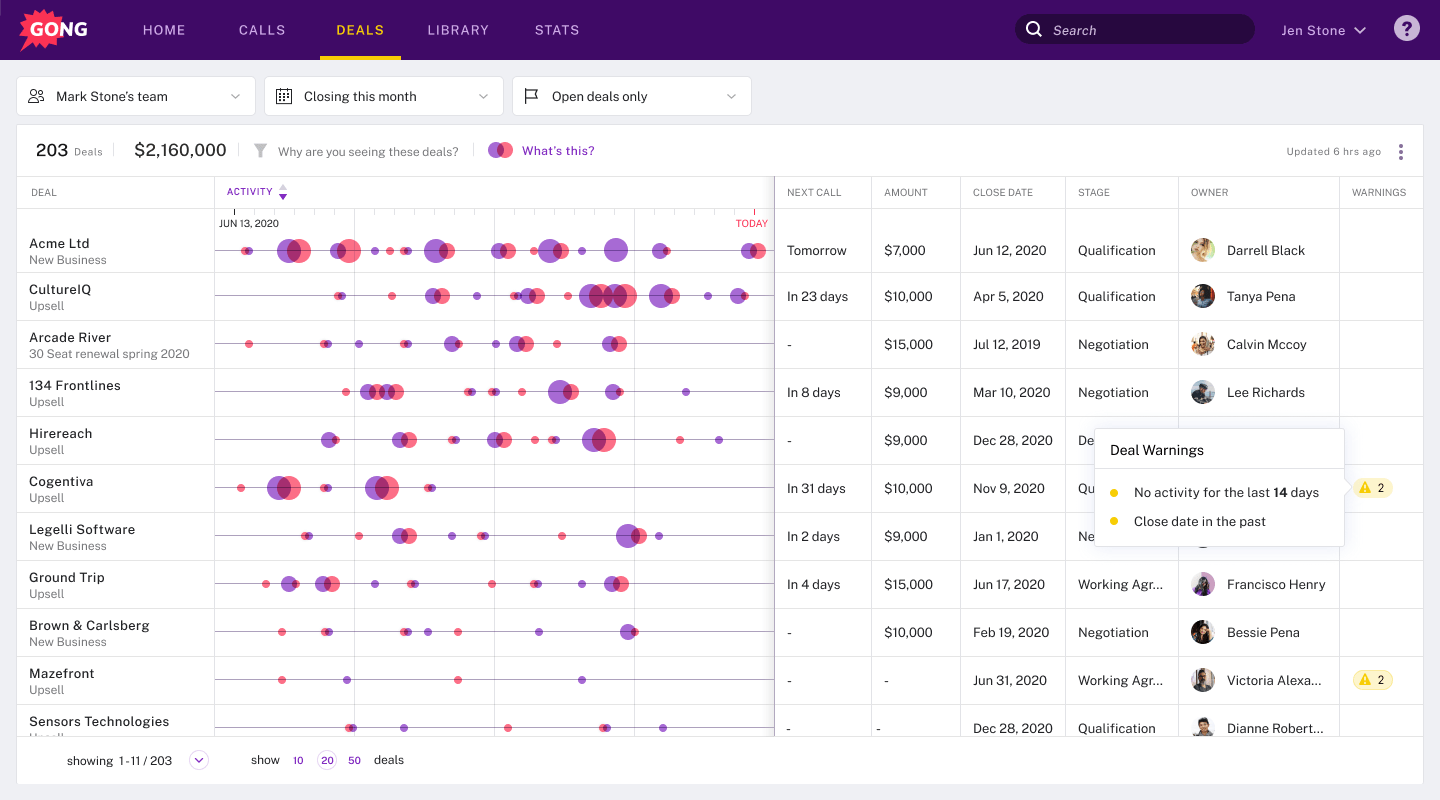
Gong is a go to market platform that leverages AI to analyze customer interactions across calls, emails, and meetings.
By capturing and transcribing these conversations, Gong provides sales teams with actionable insights into deal health, buyer sentiment, and team performance. This enables more accurate forecasting, improved sales coaching, and better alignment across revenue teams.
For teams executing a go to market strategy, Gong offers a data-driven approach to understand what’s working in sales conversations and what isn’t. It helps identify patterns that lead to successful outcomes, allowing teams to replicate best practices and avoid common pitfalls.
🤝 Best for
- B2B sales teams aiming to improve win rates and reduce sales cycles.
- Organizations seeking to enhance sales coaching and team alignment.
- Companies looking for a data-driven approach to sales forecasting and pipeline management.
🔥 Top features
- Conversation Intelligence: Analyzes sales calls and meetings to extract key insights and trends.
- Sales Forecasting: Provides AI-driven forecasts based on real-time data.
- Deal Intelligence: Identifies risks and opportunities within the sales pipeline.
- Sales Coaching: Offers actionable feedback to improve sales rep performance.
- Integrations: Seamlessly integrates with CRM systems and other sales tools.
💸 Pricing
Gong's pricing is customized based on the specific needs of your team. It includes:
- Per-user licensing: Pricing varies depending on the number of users.
- Platform fee: Based on the number of users supported.
- Integration support: Free integration with your existing tech stack.
10. UserGems

UserGems is a signal-based outbound platform built around one straightforward insight: your warmest leads are often former champions who just changed jobs.
When someone who advocated for your product at a previous company lands at a new one, they already understand your value, trust your brand, and know the problem you solve. The sales cycle on a re-engaged champion is a fraction of cold outreach. UserGems automates the detection of that moment and gets your team in front of them before competitors even notice the job change happened.
Beyond job changes, the platform tracks promotions, new hires at target accounts, and funding rounds — giving your revenue team a live signal feed to prioritize instead of a static contact list.
Its AI agent, Gem-E, drafts personalized outreach triggered by each signal and routes it directly into your CRM or sequencing tool, so reps don't need to build campaigns from scratch for every alert.
🤝 Best for
- B2B revenue teams running account-based programs who want warm pipeline without manually monitoring LinkedIn for job updates.
- Companies with a strong installed base or alumni network — any team where previous champions represent a high-conversion outbound segment.
- SDR teams that need a systematic signal-based play to run alongside cold prospecting.
🔥 Top features
- Automated champion tracking: detects job changes, promotions, and new hires across your contact database and target account list.
- Gem-E AI agent drafts personalized outreach for each signal, tuned to the specific trigger (job move vs. promotion vs. funding).
- Pre-built outbound plays for warm signals, ready to activate without custom sequence builds.
- Native CRM and sales engagement sync with Salesforce and HubSpot.
- GDPR, CCPA, and SOC II compliant.
💸 Pricing
UserGems offers custom pricing with a pipeline guarantee. Contact their sales team for a quote.
11. HockeyStack

If your team has ever argued about which campaigns actually drove a deal — and ended the meeting without a real answer — HockeyStack exists to end that argument.
It's a GTM AI platform that unifies every touchpoint across your buyer journey — marketing campaigns, sales interactions, product usage, and intent signals — into a single source of truth. From there, its AI analysts, Odin and Nova, answer attribution questions in plain English. Ask "which campaigns influenced enterprise deals last quarter?" and you get an actual answer with visual breakdowns, not another SQL query to run yourself.
For B2B teams managing complex go-to-market motions with multiple channels and long sales cycles, this is the tool that finally tells you what's working across the full funnel.
Nova also goes further: it scores accounts and generates personalized outreach based on attribution data, which is one of the few AI-driven workflows in this category that actually operates in production rather than on demo slides.
🤝 Best for
- Revenue teams running multi-channel B2B GTM motions where attribution across ads, content, outbound, and product signals is unclear.
- Organizations where marketing and sales are arguing over credit for pipeline — HockeyStack gives them shared, unified data to work from.
- Growth-stage and enterprise companies that need AI-assisted insight without a dedicated data team to run queries.
🔥 Top features
- Unified GTM data foundation connecting CRM, advertising, website analytics, and product usage.
- Odin AI analyst: answers attribution and performance questions in plain English with visual output.
- Nova AI agent: scores accounts and drafts personalized outreach from attribution insights.
- End-to-end buyer journey tracking from first touch to closed-won.
- Warehouse-native architecture — works with Snowflake and BigQuery directly.
💸 Pricing
HockeyStack does not publish pricing publicly. Typical entry point is $20,000+ annually for mid-market teams. Book a demo for a custom quote.
📈 Accelerate Growth With Real Opportunities
The right tools help, but our done-for-you outreach turns strategy into booked meetings and revenue. Book your free consultation now.
How These Tools Fit into a B2B GTM Strategy
A successful B2B go to market strategy isn’t just about having great people, it’s about using the right tools at each stage of your growth process.
The best GTM tools work together like a connected ecosystem, where each platform supports a specific part of your go-to-market motion, from identifying the right buyers to converting them into customers.
Here’s how the stages usually flow:
- Targeting: Tools like Cognism help you find and validate high-intent leads through accurate B2B data and firmographics.
- Outreach: Cleverly’s LinkedIn automation tool automates outreach and email campaigns to help you connect with decision-makers faster.
- Activation: Tools like Userpilot or PartnerStack make onboarding and partner engagement seamless, ensuring users see value quickly.
- Conversion: Insight-driven tools such as Gong and Demandbase track buyer behavior, analyze sales calls, and help your team close deals with better timing and context.
A sample go to market stack might look like this:
👉 Cleverly (outreach) → Cognism (data) → Clay (enrichment + automation) → UserGems (champion signals) → Gong (conversation intelligence) → HockeyStack (attribution)
When these go to market tools are integrated properly, the outcomes are clear:
- Better targeting: You reach prospects who actually fit your ICP.
- Faster pipeline velocity: Automation and AI reduce manual tasks and shorten sales cycles.
- Clear ROI visibility: With data flowing across platforms, you can finally measure what’s working in your go to market strategy, and what’s not.
In 2025, the most effective B2B go to market strategies won’t rely on a single tool, but on a carefully curated stack that aligns with your growth stage, sales process, and revenue goals.
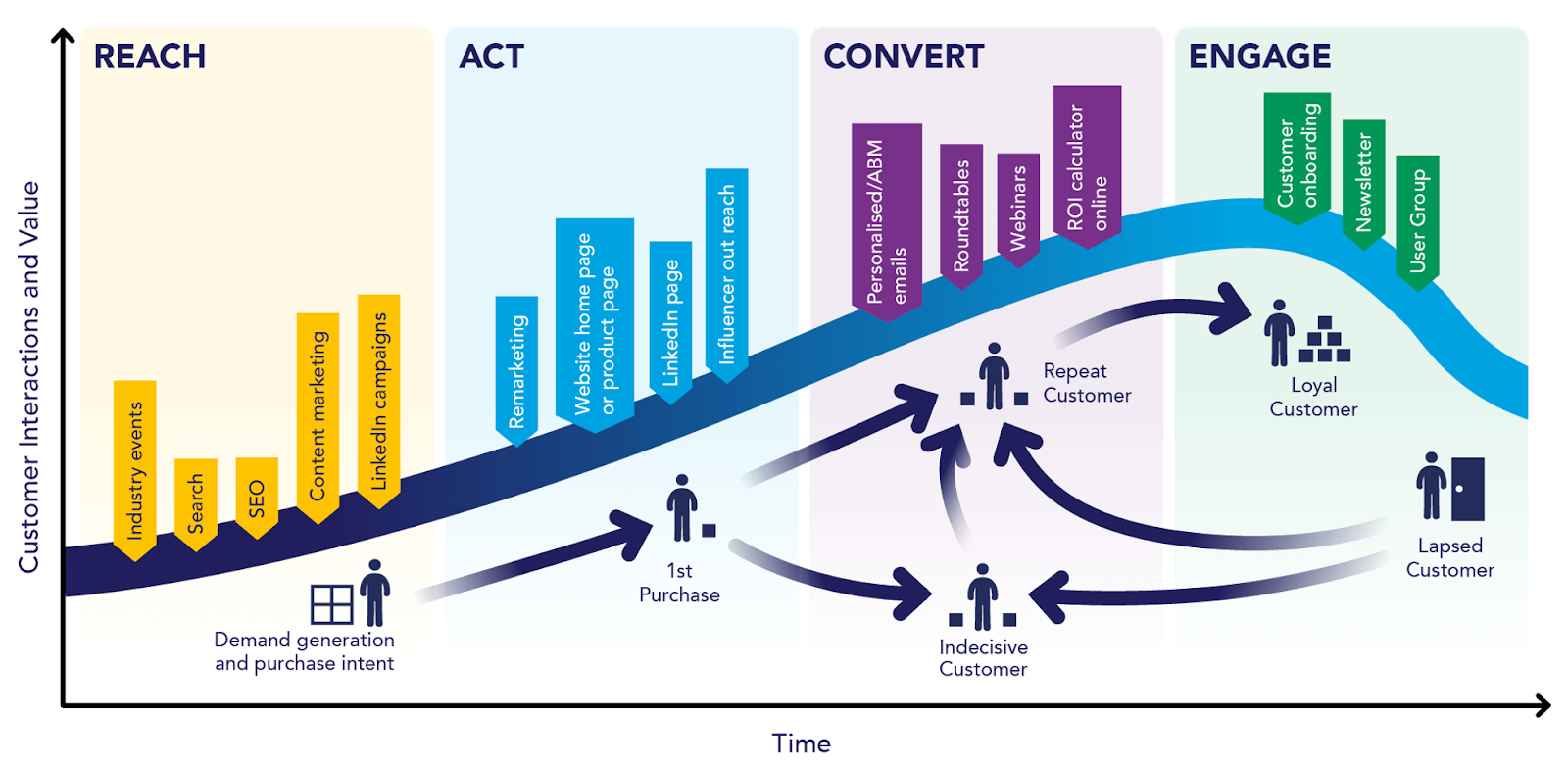
GTM Automation in B2B: What It Actually Covers
GTM automation gets used as a catch-all term, so it's worth being precise about what it means in practice — and which tools in this list actually handle it.
At its core, GTM automation is about removing the manual handoffs that slow down pipeline. That includes:
Data enrichment and routing — instead of a rep manually looking up a new inbound lead, building a list from scratch, or copying data between tools, automation handles it. Clay is the most flexible tool in this category: it pulls from 150+ data providers, enriches contacts automatically, and routes records to the right sequence or CRM stage without human intervention.
Signal-based outreach — instead of prospecting cold, automation triggers outreach when a specific event occurs: a job change, a funding announcement, a new hire at a target account. UserGems is built for exactly this. The trigger fires, the AI drafts the message, and the rep reviews before sending — the research and drafting happen automatically.
Attribution and reporting — instead of pulling data from five different dashboards to understand what's driving pipeline, tools like HockeyStack unify that data automatically and surface answers on demand. No manual data pulls, no waiting on your analytics team.
Outbound sequencing — Apollo automates multi-touch email and call sequences, so your SDRs aren't manually following up on every prospect - see how cold email outreach sequences plug into this motion. Cognism feeds it the verified contacts needed to run those sequences at scale.
The best GTM automation setups don't try to automate everything. They identify the three or four tasks that eat the most rep time — enrichment, routing, follow-up cadences, and reporting — and use targeted tools to handle those specifically.
A practical starting point for most B2B teams: use Apollo or Cognism for outbound execution, layer in Clay for enrichment and workflow orchestration, and add HockeyStack once you're running enough pipeline to need multi-touch attribution.
Building Your GTM Stack by Company Stage
Not every tool on this list makes sense at every company size. Here's how to think about sequencing your B2B GTM stack based on where you are:
Seed to Series A: Start with outbound and data
At this stage, your primary job is finding out who actually buys from you and why. You don't need six tools — you need one outbound engine and one data source.
Start with Apollo (it has a free tier) for prospecting and outreach sequences. Add Clay once you're running enough volume that enrichment quality and workflow customization become bottlenecks. Keep everything feeding into a CRM — HubSpot at this stage, Salesforce once the team grows.
Series B to C: Add attribution and signal-based plays
Once you're running outbound at scale and managing inbound volume, two gaps usually appear: you don't know what's actually driving pipeline, and you're missing warm signals.
This is when HockeyStack earns its price — you now have enough multi-channel activity that unified attribution tells you something meaningful. UserGems becomes worth deploying once you have an installed base big enough to generate a consistent stream of champion job-change signals.
Demandbase or 6sense make sense here if you're running an account-based motion — and they work best when your reps are already running their deals through solid sales pipeline management software.
Once you're running outbound at scale and managing inbound volume, two gaps usually appear — and fixing the first one requires real sales and marketing alignment.
Enterprise: Add conversation intelligence and partner channels
At this stage, Gong pays for itself through coaching and deal risk visibility alone. PartnerStack becomes relevant if your motion includes resellers, affiliates, or co-sell partners — which it usually does at enterprise scale.
Userpilot belongs here too if you're a product-led company where onboarding and in-app activation are part of the GTM motion.
One principle worth holding regardless of stage: every tool you add should replace manual work, not just add another dashboard to check. Before buying, identify exactly which rep task or decision gets faster — and by how much.
Before buying, identify exactly which rep task or decision gets faster — the metrics in how to measure sales success give you a baseline to measure the impact against.
Power Your GTM Strategy with Cleverly
The tools you choose matter — but how you execute determines whether your B2B go-to-market strategy actually generates pipeline. That’s where Cleverly comes in.
Cleverly isn’t just another software company, we’re a done-for-you LinkedIn lead generation service that brings your GTM plan to life.
Our approach blends data, messaging, outreach, and optimization under one roof to help B2B companies consistently generate qualified leads.
Here’s how Cleverly supports each stage of your go to market strategy:
- 🎯 Targeting: We help you identify and segment your ideal customer profile (ICP) with precision—so your outreach focuses only on high-fit prospects.
- 💬 Outreach: Using our in-house LinkedIn automation tool, we run multi-channel campaigns across LinkedIn, cold email, and cold calls, engaging decision-makers where they’re most active.
- ⚙️ Optimization: Our team continuously A/B tests your messaging, tracks open and response rates, and fine-tunes campaigns for better conversion.
- 📈 Growth: As your campaigns scale, we help you maintain lead quality and build predictable pipeline velocity.
The result? More meetings booked, shorter sales cycles, and higher ROI, without adding more workload to your team.
👉 Reach your ideal customers with Cleverly’s done-for-you services. Let’s turn your GTM strategy into measurable growth.
Conclusion
Choosing the right GTM tools can be the difference between a strategy that stalls and one that scales fast.
The right stack helps you target smarter, automate efficiently, and measure every step of your growth journey. But tools alone aren’t enough—consistent execution is what truly drives results.
At Cleverly, we’ve helped 10,000+ clients generate qualified leads and book meetings with companies like Amazon, Google, Uber, PayPal, Slack, Spotify, and many more.
Our campaigns have driven $312 million in pipeline revenue and $51.2 million in closed revenue through done-for-you LinkedIn outreach and data-backed optimization.
If you’re ready to take your B2B go to market strategy from planning to predictable growth, let’s get started!

Frequently Asked Questions
Free Resource
How to Scale a Profitable Cold Call System
Get the complete guide — download it instantly now.
Free Ebook
Download the Free Guide
Enter your details to get instant access.
You're all set! 🎉
Your ebook is downloading now.
Click below if the download didn't start automatically.