

Table of Contents
What Is an Appointment Funnel?
The 5 Core Stages of a High-Converting Appointment Funnel
8 Proven Tactics to Build an Appointment Funnel That Converts
Appointment Funnel Template (Simple Framework You Can Use)
Why Most Appointment Funnels Fail
How Cleverly Builds High-Converting Appointment Funnels
Conclusion
Frequently Asked Questions
Modified On :
July 13, 2026
Key Takeaways
- An appointment funnel is not the same as a marketing or sales funnel, it's built specifically to convert prospects into booked meetings.
- Narrow ICP targeting leads to better reply rates and more relevant conversations.
- Multi-touch outreach across email, LinkedIn, and phone builds the familiarity needed to get a response.
- Light qualification before booking protects your closer's calendar and improves pipeline quality.
- Tracking conversion at every funnel stage shows you exactly where leads drop off, not just how many meetings got booked.
- Structure beats activity. A well-built appointment setting funnel creates consistent, predictable pipeline growth.
Most B2B teams aren't running an appointment funnel. They're sending scattered outreach and hoping meetings show up on the calendar.
That's not a funnel. That's guesswork.
Booking meetings consistently takes structure. An appointment funnel is not the same as a marketing funnel or a sales funnel. It's designed for one thing: moving a prospect from first touch to a booked, confirmed meeting. Without it, meetings feel random, pipelines stall, and growth stays unpredictable.
Here's how to build one that actually works in 2026.
What Is an Appointment Funnel?
An appointment setting funnel is a structured sequence of steps that takes a cold prospect and converts them into a booked meeting with your sales team.
It's worth separating the three types of funnels people often confuse:
- Marketing funnel — focused on awareness, content, and lead capture.
- Sales funnel — focused on moving leads through stages to a closed deal.
- Appointment funnel — focused entirely on generating a qualified, booked conversation.
The core goal is simple: first touch to booked meeting, with as little friction and as few leaks as possible.
Unlike a marketing funnel, an appointment setting funnel doesn't optimize for clicks or impressions. It optimizes for conversations. The meeting is the conversion, not the purchase.
Also Check: Appointment Setting Best Practices (Practical Guide)
🎯 Build the Funnel. We Fill It.
Cleverly powers your funnel with LinkedIn outreach, pay-per-meeting cold email, and guaranteed cold calling—delivering sales-ready appointments.
The 5 Core Stages of a High-Converting Appointment Funnel
Every effective funnel for appointment setting runs through five stages. A leak at any one of them directly reduces meeting volume.
Stage 1: Targeting & ICP Definition
You define exactly who you're reaching out to. Industry, company size, title, pain point. No clarity here means wasted outreach everywhere else.
Stage 2: Outreach & First Touch
You make contact. LinkedIn message, cold email, or cold call. The goal isn't to sell. It's to spark curiosity.
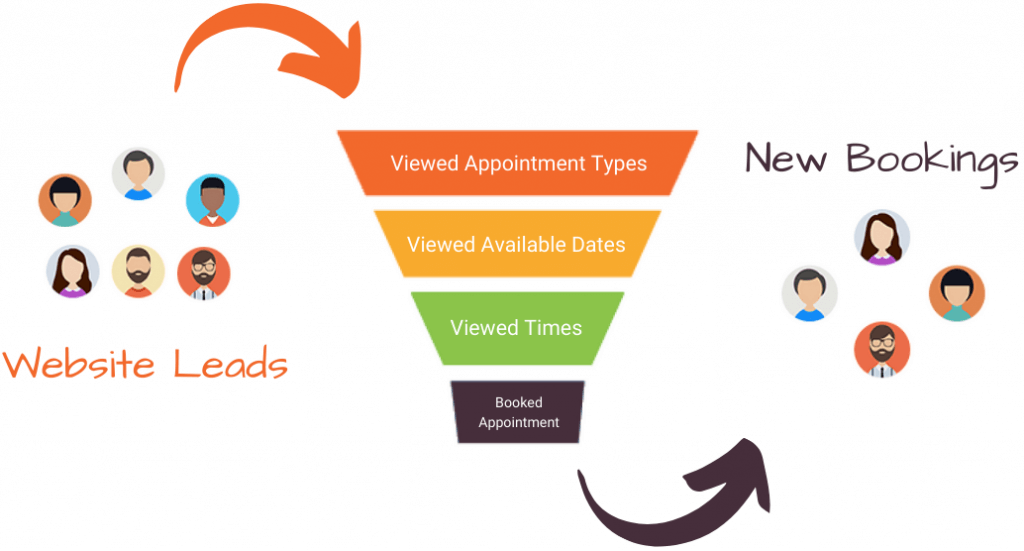
Stage 3: Follow-Up & Familiarity
Most prospects don't reply to the first touch. Structured follow-ups build familiarity over time. Familiarity drives replies.
Stage 4: Qualification
Lead qualification is a crucial part. Before booking, you confirm the prospect is actually a fit. Budget, authority, need, and timeline. This protects your closer's time.
Stage 5: Booking & Confirmation
A smooth calendar experience, a confirmation email, and a reminder sequence. This reduces no-shows significantly.
Skip or rush any of these stages and your funnel leaks. More outreach won't fix a broken stage. Structure will.
Know More: LinkedIn Outreach that Books Meetings
8 Proven Tactics to Build an Appointment Funnel That Converts
Follow these steps to build an effective appointment funnel that converts and sends qualified leads your way.
1. Define a Narrow, High-Intent ICP
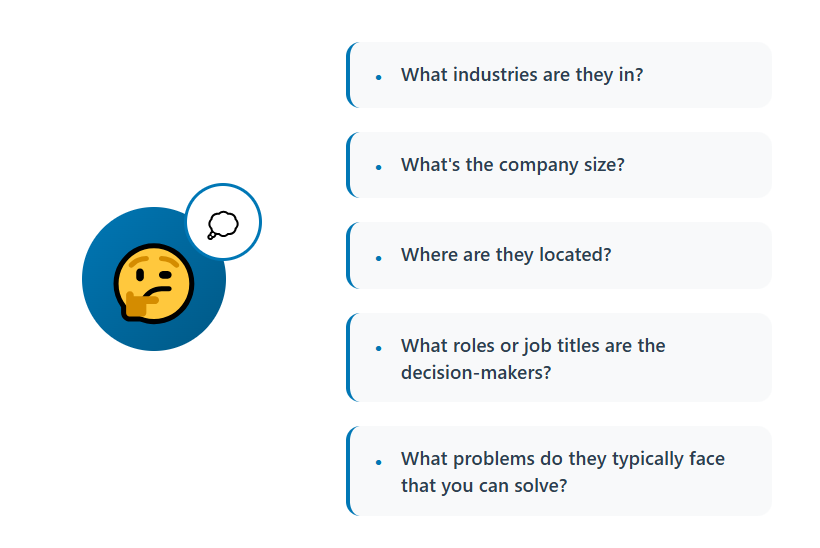
Broad targeting kills appointment funnels fast. Make a clear ideal customer profile.
- Pick a specific industry, company size, and job title
- Identify a real pain point they're actively dealing with
- Build your messaging around that pain
Narrow targeting improves reply rates because the message feels personal and relevant, not generic.
2. Use Multi-Touch Outreach (Not Single Channel)
One channel is not enough in 2026. Multi touch outreach is the way forward.
- Cold email + LinkedIn + cold calling works together
- Seeing your name across multiple channels builds familiarity
- Familiarity increases the likelihood of a reply
If you're only emailing, you're invisible to a big chunk of your market.
3. Sequence for Recognition, Not Pressure
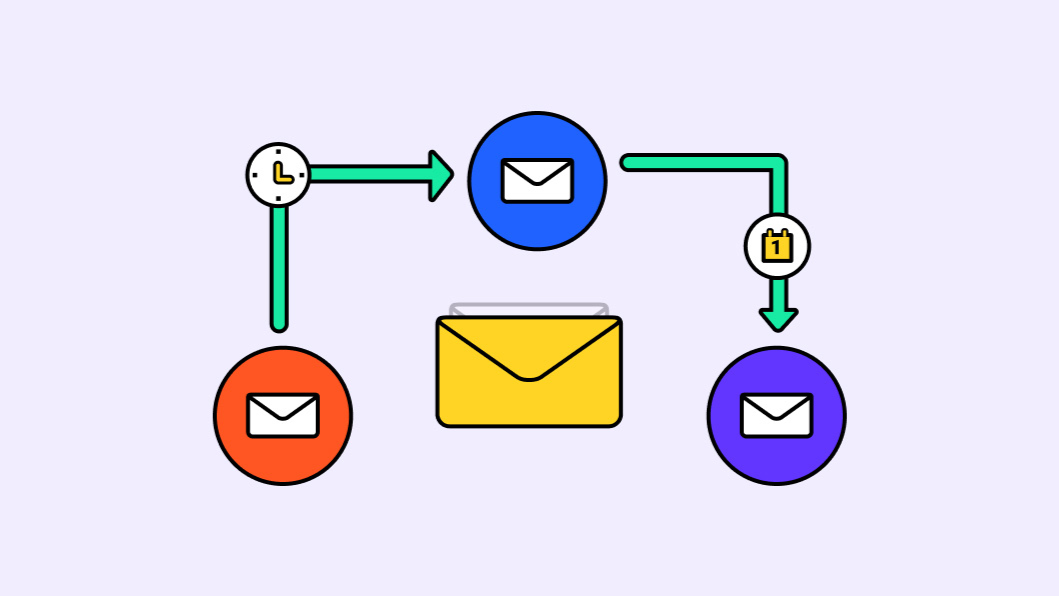
Your outreach sequence should feel like a natural progression:
- First touch — introduce yourself, create awareness
- Second touch — reinforce your message, build familiarity
- Third touch — open a clear opportunity for them to respond
Don't push for a meeting on touch one. That comes across as pressure, not value.
4. Lead With Value Before Asking for Time
Nobody wants to give their calendar to a stranger.
- Lead with a relevant insight, stat, or pain point observation
- Make them curious before you make an ask
- Avoid pushing a calendar link in your opening message
Curiosity-driven messaging opens doors. Pitching on the first touch closes them.
5. Add Light Qualification Before Booking

Not every interested prospect is a good fit.
- Ask 2 to 3 quick qualifying questions before sending a calendar link.
- Check for budget awareness, decision-making authority, and timeline.
- Filter out bad fits early so your closers spend time on real opportunities.
Qualification is how you protect pipeline quality, not just meeting volume.
6. Optimize Your Calendar & Confirmation Flow
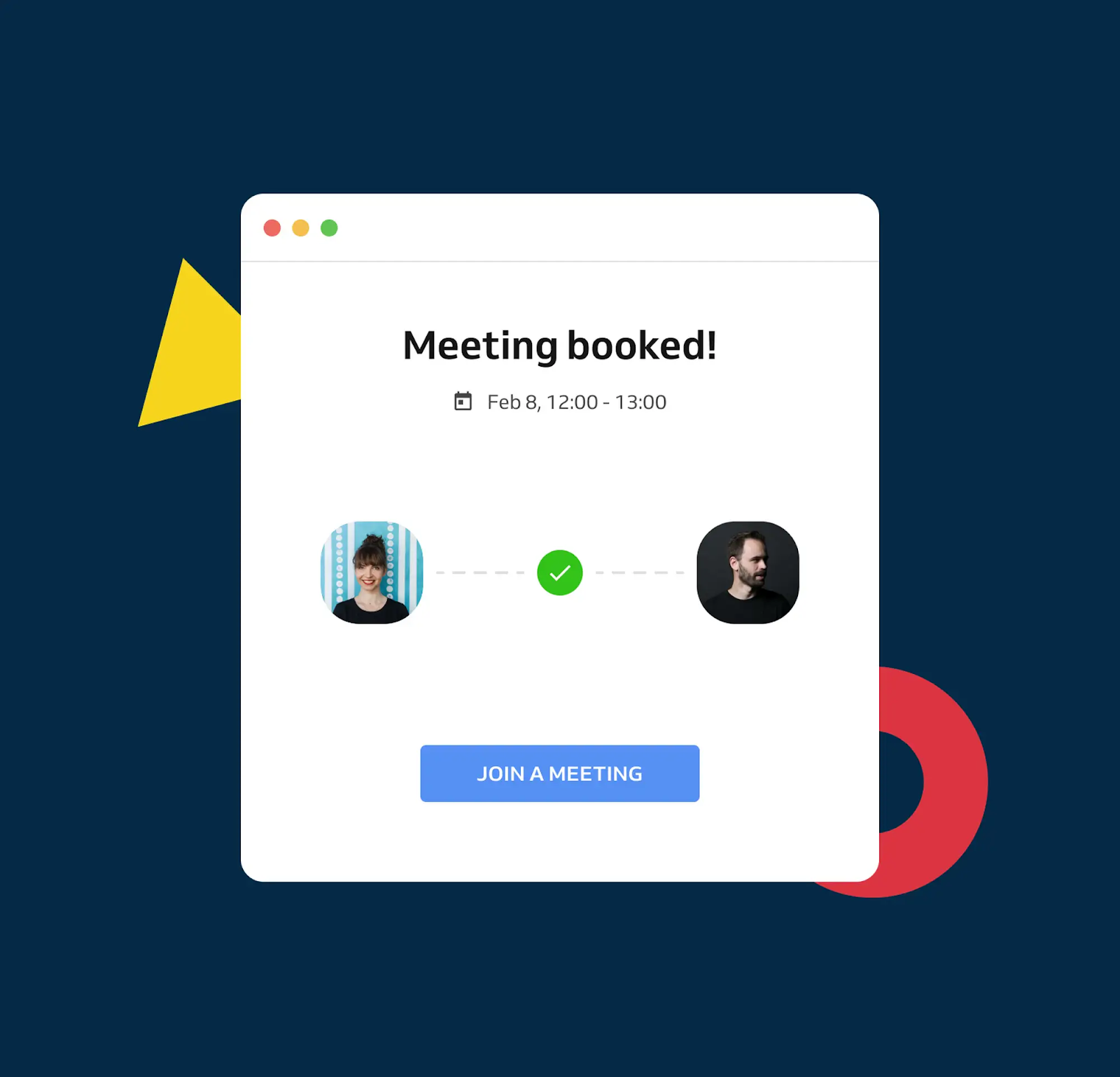
A booked meeting that doesn't show is a wasted meeting.
- Use a simple, frictionless booking tool (Calendly, HubSpot Meetings, etc.).
- Send a confirmation email immediately after booking.
- Add 1 to 2 reminder messages before the meeting.
This alone can reduce no-shows by 30% or more.
7. Track Funnel Conversion at Every Stage
Activity is not the same as conversion. Track the full funnel:
- Contacted → Replied
- Replied → Positive response
- Positive → Booked
- Booked → Showed up
If you're only tracking meetings booked, you're missing where the real leaks are. Each stage ratio tells you exactly what to fix.
8. Create Feedback Loops Between Setters & Closers
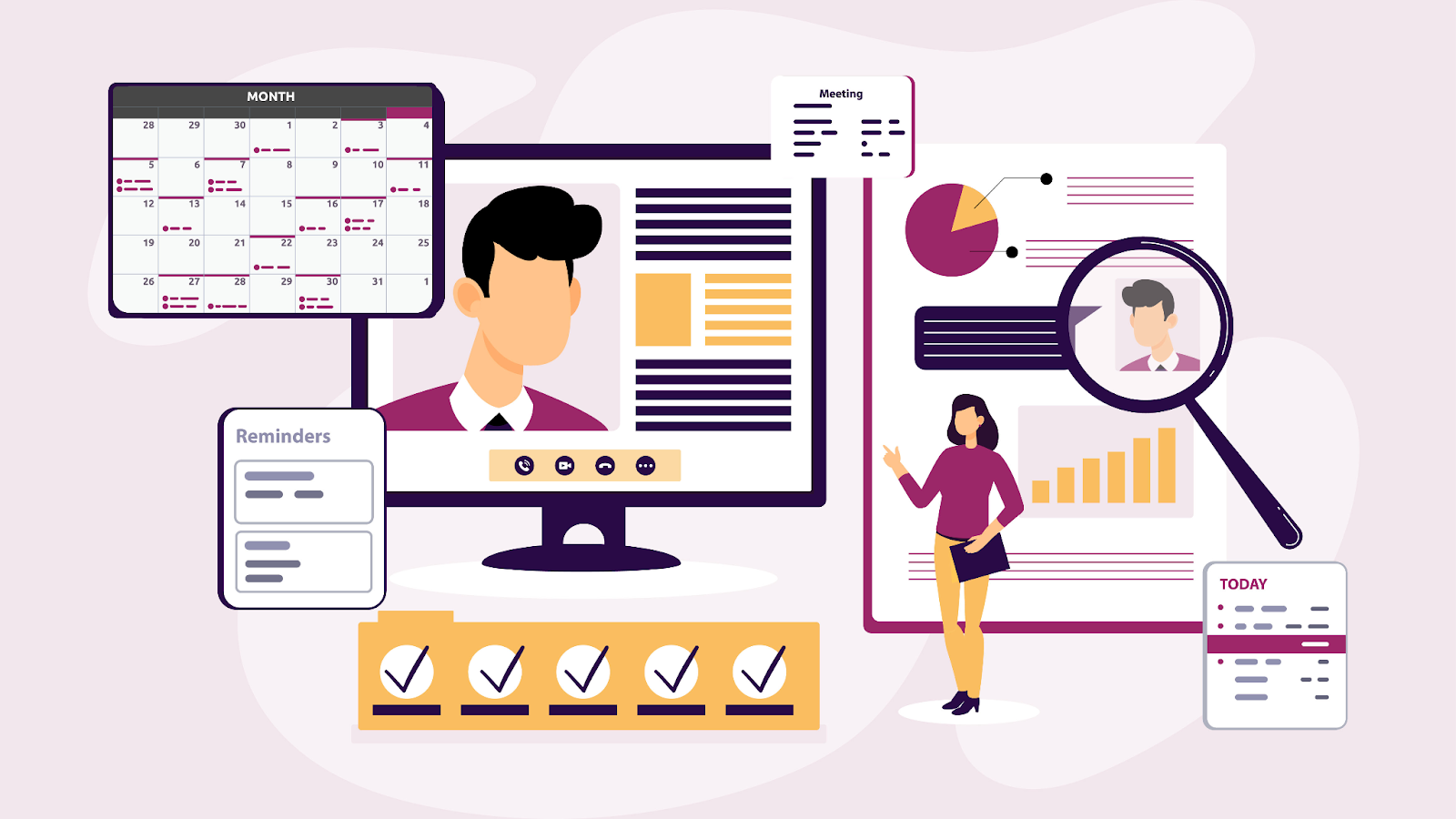
Your appointment setters and closers need to talk regularly.
- Closers know which meetings were actually qualified.
- That feedback improves ICP targeting over time.
- It also sharpens the qualification criteria setters use.
Better feedback loops mean better meetings, not just more of them.
Read More: B2B Appointment Setting Services - A Complete Guide for Revenue Teams
🚀 Predictable Meetings. Predictable Revenue.
10,000+ companies trust Cleverly to turn outreach across LinkedIn, email, and phone into qualified meetings and $312M+ in pipeline.
Appointment Funnel Template (Simple Framework You Can Use)
Here's a simple appointment funnel template you can plug into your process right now:
Stage 1: ICP List
- Define industry, company size, job title, and pain point.
- Build or source a verified contact list.
Stage 2: Multi-Touch Outreach Sequence
- Touch 1: Cold email or LinkedIn connection request with a short, value-led message
- Touch 2: Follow-up on a second channel (call or LinkedIn message) referencing touch 1
- Touch 3: Final follow-up with a clear, low-friction ask
Stage 3: Qualification Criteria
- 2 to 3 pre-booking questions
- Minimum: budget awareness, decision-making authority, relevant pain point
Stage 4: Calendar Booking Workflow
- Send a direct booking link after qualification
- Confirm with a calendar invite + confirmation email
Stage 5: Reminder & Show-Up Optimization
- Reminder 24 hours before
- Reminder 1 hour before
- Optional: a quick "looking forward to connecting" message from the setter
This appointment funnel template works across LinkedIn outreach, cold email, and cold calling. Adjust the channels based on your ICP.
Example Appointment Funnel Template (B2B SaaS Example)
To make this concrete, here’s how an appointment funnel might look for a B2B SaaS company selling workflow automation software to operations leaders.
Stage 1: ICP List
Target Audience:
- Industry: Logistics & Supply Chain
- Company size: 50–500 employees
- Job titles: Head of Operations, Operations Manager, COO
- Pain point: Manual processes causing delays and inefficiencies
List Source:
- LinkedIn Sales Navigator filters
- Verified business email database
- Company website cross-verification
Stage 2: Multi-Touch Outreach Sequence
Touch 1 – Cold Email (Value-Led, No Hard Ask)
Subject: Quick question about ops workflows
Hi {{First Name}},
Noticed you're leading operations at {{Company}}.
Many logistics teams we speak with are still managing key workflows manually across spreadsheets — which slows reporting and creates bottlenecks.
Curious — is workflow automation something you're actively exploring this quarter?
Best,
{{Name}}
Touch 2 – LinkedIn Follow-Up (Soft Familiarity)
Connection message (if not connected yet):
Hi {{First Name}},
Just sent a quick note via email regarding workflow optimization for logistics teams — thought I’d connect here as well.
Or, if already connected:
Hi {{First Name}},
Following up on my email from earlier this week — happy to share a quick example of how other logistics teams reduced reporting time by 30%.
Touch 3 – Final Follow-Up (Low-Friction Ask)
Hi {{First Name}},
Totally understand if timing isn’t right.
If workflow automation is even slightly on your radar this year, would it make sense to spend 15 minutes exploring whether this is relevant for {{Company}}?
If not, I’m happy to close the loop.
Best,
{{Name}}
Stage 3: Qualification Criteria
Before booking, confirm:
- Are you currently evaluating workflow improvements?
- Are you involved in decisions around process tools?
- Is this a priority in the next 3–6 months?
Only proceed to booking if:
- There is an active pain point.
- The contact has decision influence.
- Timing is realistic.
Stage 4: Calendar Booking Workflow
After qualification:
“Great — I’ll send over a quick booking link so you can choose a time that works.”
• Send direct scheduling link
• Include brief agenda:
- Current process review
- Automation gaps
- Next steps
Confirmation email includes:
- Meeting objective
- Time zone clarity
- Expected duration
- Relevant case study (optional)
Stage 5: Reminder & Show-Up Optimization
24 hours before: “Looking forward to tomorrow’s conversation — let me know if anything changes.”
1 hour before: “Excited to connect shortly.”
Optional: Short LinkedIn message reinforcing familiarity.
Explore More: B2B Sales Mistakes That Quietly Kill Revenue (Save Your Business)
Why Most Appointment Funnels Fail

Most appointment setting funnels don't fail because the product is bad. They fail because the process is broken.
Here's what we see most often:
- No defined ICP — messaging lands wrong because targeting is too broad.
- Single-channel outreach — missing prospects who don't respond to one channel.
- Over-automation — sequences that feel robotic and get ignored.
- No follow-up — stopping after one or two touches, where most replies actually come from.
- No qualification standards — closers waste time on meetings that were never a fit.
- Tracking only "meetings booked" — no visibility into where the funnel actually leaks.
If any of these sound familiar, the fix isn't more volume. It's a better structure.
How Cleverly Builds High-Converting Appointment Funnels
Cleverly is the highest-rated B2B appointment setting agency, and we operate as a fully done-for-you partner.
We don't just run outreach. We build and manage structured appointment funnels from start to finish.
How we approach funnel design for our clients:
- ICP-first targeting — we get specific on who we're reaching before we write a single message.
- LinkedIn + cold email coordination — our LinkedIn lead gen and cold email channels work together so prospects see you in multiple places.
- Sequenced outreach — every touch is intentional and timed to build familiarity, not pressure.
- Qualification before booking — we make sure your closers only get on calls with people who are actually worth their time.
- Funnel conversion reporting — we track every stage so you know exactly where leads are moving and where they're dropping off.
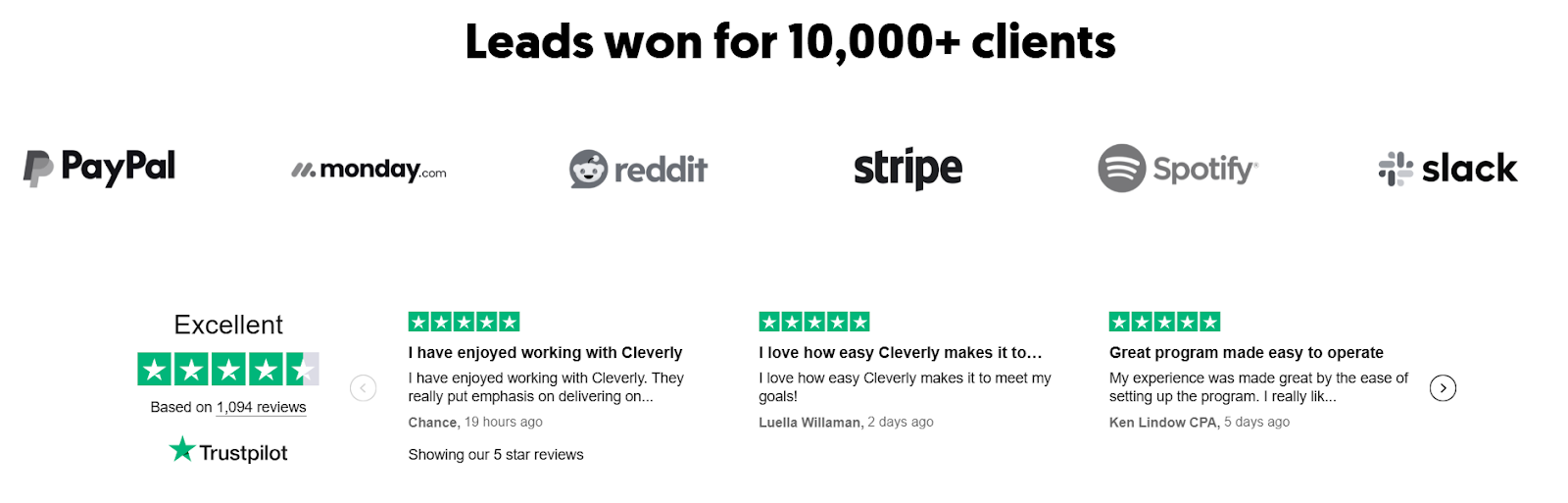
We've helped 10,000+ clients generate $312M in pipeline revenue across companies like Amazon, Google, Uber, PayPal, Slack, and Spotify.
Our focus is always pipeline quality, not calendar volume. Filling a calendar with bad meetings doesn't grow your business. Filling it with the right ones does.
We also run a proven cold calling system that books 10 to 30 qualified sales calls every month, guaranteed. We place a trained, no-accent appointment setter, write your call scripts, handle all the data and tech, and include a power dialer. If your SDR doesn't perform, we replace them.
LinkedIn lead gen starts at just $397/month, and with cold email you only pay for meeting-ready leads we actually send you.
If your appointment funnel feels unpredictable, it may be time to build it systematically.
Let’s talk?

Conclusion
An appointment funnel creates predictability. Without one, you're relying on luck.
A few things to keep in mind: multi-touch outreach gets more replies than single-channel efforts, qualification protects your conversion rates downstream and small improvements at each funnel stage compound into real pipeline growth
Structure beats activity every time. Build the funnel right and the meetings follow.
Frequently Asked Questions
Free Resource
How to Scale a Profitable Cold Call System
Get the complete guide — download it instantly now.
Free Ebook
Download the Free Guide
Enter your details to get instant access.
You're all set! 🎉
Your ebook is downloading now.
Click below if the download didn't start automatically.


