Table of Contents
What Is a SaaS Sales Funnel?
SaaS Sales Funnel Models (Sales-Led vs Product-Led)
SaaS Sales Funnel Stages Explained
Tools to Support and Automate Your SaaS Sales Funnel
SaaS Sales Funnel Metrics That Actually Matter
Common Mistakes to Avoid When Building a SaaS Sales Funnel
How Cleverly Helps SaaS Companies Generate Qualified Leads & Shorten Their Sales Funnel
Conclusion
Frequently Asked Questions
Modified On :
September 3, 2026
Key Takeaways
- SaaS funnels don't end at close. Activation, retention, and expansion drive real revenue, not just contract signatures.
- NRR, CAC:LTV, and trial-to-activation matter more than vanity numbers like traffic or signups.
- Sales-led for enterprise complexity, product-led for simplicity, hybrid for scale.
- One activated user beats ten unqualified trials every time.
- Fast follow-up, tight onboarding, and proactive multi-threading compress sales cycles and boost conversions.
- You can't fix what you don't track; benchmark yourself against industry standards and iterate relentlessly.
The thing about a SaaS sales funnel is that it doesn't work like selling cars or consulting services.
Traditional sales? You close the deal, shake hands, invoice sent. Done.
SaaS? That's just the beginning. Your customer hasn't even proven they'll stick around yet. They need to activate, adopt, expand, and renew. The real revenue comes months (or years) later.
That's why most B2B SaaS sales funnel strategies fail. Founders copy what worked for traditional B2B, slap "free trial" on top, and wonder why conversion rates tank and churn skyrockets.
The reality: SaaS funnels are non-linear, subscription-driven, and built for long-term customer value — not one-time transactions.
You're not optimizing for a signature. You're optimizing for activation, engagement, expansion, and retention.
In this guide, we're breaking down exactly how to build a sales funnel for SaaS that actually converts cold prospects into paying customers (and keeps them). We'll cover:
- SaaS-specific funnel stages (and why they're different)
- PLG vs sales-led models (and when to use each)
- Metrics that matter (not vanity numbers)
- Real execution tactics you can implement this week
No fluff. No generic advice. Just what works for SaaS in 2026. Let's build a funnel that actually scales.
What Is a SaaS Sales Funnel?
A SaaS sales funnel is the entire customer journey from first awareness to activation, retention, and expansion — optimized specifically for subscription revenue growth.
Why SaaS Funnels Are Different
In SaaS, you're not optimizing for a single sale. You're building for:
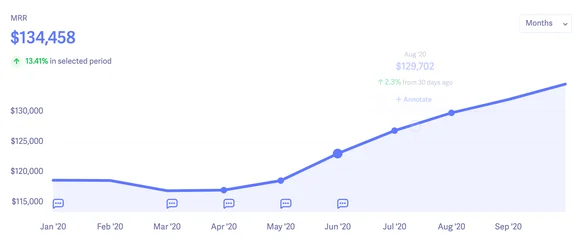
- MRR growth — Monthly recurring revenue that compounds over time.
- Product activation — Getting users to actually use (and need) your product.
- Churn prevention — Keeping customers subscribed month after month.
- Account expansion — Upselling and cross-selling existing customers.
That last point matters more than most founders realize. In a healthy B2B SaaS sales funnel, 30-40% of new revenue comes from existing customers upgrading, not new logos.
It's a Revenue System, Not Just a Pipeline
Think of your funnel as a machine with multiple gears:
✅ Acquisition gets prospects in the door.
✅ Activation gets them using the product.
✅ Retention keeps them paying.
✅ Expansion grows their account value.
If any gear breaks, the whole system underperforms. You can't just focus on closing deals and ignore what happens after signup.
We've helped over 10,000 companies (including SaaS) build predictable pipeline through targeted cold outreach. And, it is clear - when your funnel's working, every stage feeds the next. When it's broken, you're just burning cash on leads that churn.
Also Check: The Perfect B2B Sales Strategy to Close More Deals (Proven Methods)
SaaS Marketing Funnel vs. Sales Funnel — What's the Difference
People use "marketing funnel" and "sales funnel" like they're interchangeable. They're not, and mixing them up is exactly why marketing and sales teams end up arguing about lead quality.
A SaaS marketing funnel tracks aggregate performance. It's about volume moving through content, ads, and organic search: how many people saw your blog post, how many downloaded your ROI calculator, how many hit your pricing page. Marketing owns awareness through consideration, and success is measured across a whole population of prospects, not any one person.
A SaaS sales funnel tracks individuals. Once a lead is qualified, sales owns them as a named account moving through specific stages: demo booked, evaluation, proposal, closed-won. You're not asking "how many people converted this month," you're asking "where is this specific deal stuck, and why."
Where the two connect: the MQL handoff. Marketing nurtures a lead until it hits a scoring threshold (content engagement, firmographic fit, intent signals), then hands it to sales as a marketing-qualified lead. From that point, it's the sales funnel's job to move that person to close. Cross-industry MQL-to-SQL conversion sits around 13% on average, with wide variance by channel, so the handoff point is worth measuring on its own instead of assuming it just works.
Where they diverge: marketing funnels don't care about individual deal size, and sales funnels don't care about aggregate content performance. A marketer optimizing blog conversion rate and a rep working a $40K enterprise deal are solving completely different problems, even though both show up on the same dashboard.
Why searchers mean one when they say the other: most people typing "saas sales funnel" into Google are actually asking a marketing funnel question. They want to know how content, ads, and SEO move strangers toward a demo request. That's a marketing funnel question wearing a sales funnel's name. Get this wrong internally and expect messy reporting. Marketing claims credit for pipeline it only touched at the top, sales gets blamed for "bad leads" that were never actually sales-ready, and nobody's aligned on where one funnel ends and the other begins.
Sales Funnel vs. Sales Pipeline for SaaS — Are They the Same?
Once you've separated marketing funnel from sales funnel, there's a second mix-up waiting: funnel vs. pipeline.
A sales funnel measures conversion rates across a population. It answers "what percentage of leads make it from demo to close?" It's a ratio. It tells you where you're leaking, not which specific deal is at risk.
A sales pipeline tracks individual deals with dollar values attached. It's not a percentage, it's a list. Deal A is worth $18K and sitting in Proposal. Deal B is worth $6K and stuck in Evaluation for 40 days. Your CRM view is a pipeline, even when people call it a "funnel view."
Why SaaS teams blur the two: most CRMs, including HubSpot and Salesforce, display pipeline data in a funnel-shaped visualization. So reps say "funnel" when they mean "pipeline," and nobody corrects them because the interface reinforces the confusion. In casual conversation, this is harmless.
When the distinction actually matters:
- Forecasting needs pipeline data. You can't forecast revenue off a conversion percentage; you need actual deal values, close dates, and stage probability. Sales forecasting and pipeline management solve different problems for exactly this reason.
- Conversion analysis needs funnel data. If you want to know whether your demo-to-close rate improved this quarter, dollar values don't matter, the ratio does.
If your VP of Sales asks "what's in the pipeline" and your team hands over a funnel chart with percentages and no dollar amounts, that's the moment this distinction stops being academic.
🔥Turn Cold Traffic Into Demos
Cleverly runs targeted cold email, LinkedIn, and calling campaigns to send SaaS teams demo-ready, decision-maker leads.
SaaS Sales Funnel Models (Sales-Led vs Product-Led)
Not all SaaS sales funnel models look the same. Your ideal approach depends on deal size, product complexity, and who's buying.
Let's break down the three main models and when each one actually works.
Sales-Led SaaS Funnel (Demo → Close)
This is the classic enterprise approach. High-touch, human-driven, demo-heavy.
How it works:
- Prospects book a demo or discovery call
- Sales team qualifies and walks them through the product
- Multiple touchpoints (demos, proposals, negotiations)
- Contract signed, onboarding begins
Best for:
- Complex products that need explanation (data infrastructure, enterprise security)
- High ACV deals ($10K+ annual contracts)
- Multiple stakeholders involved in buying decisions
- Custom implementations or integrations required
If you're selling to enterprises with 6-month sales cycles, a sales-led B2B SaaS sales funnel is your move.
We've seen clients generating $50K+ deals through strategic cold calling and LinkedIn outreach to decision-makers.
Product-Led SaaS Funnel (Trial/Freemium → Activation)
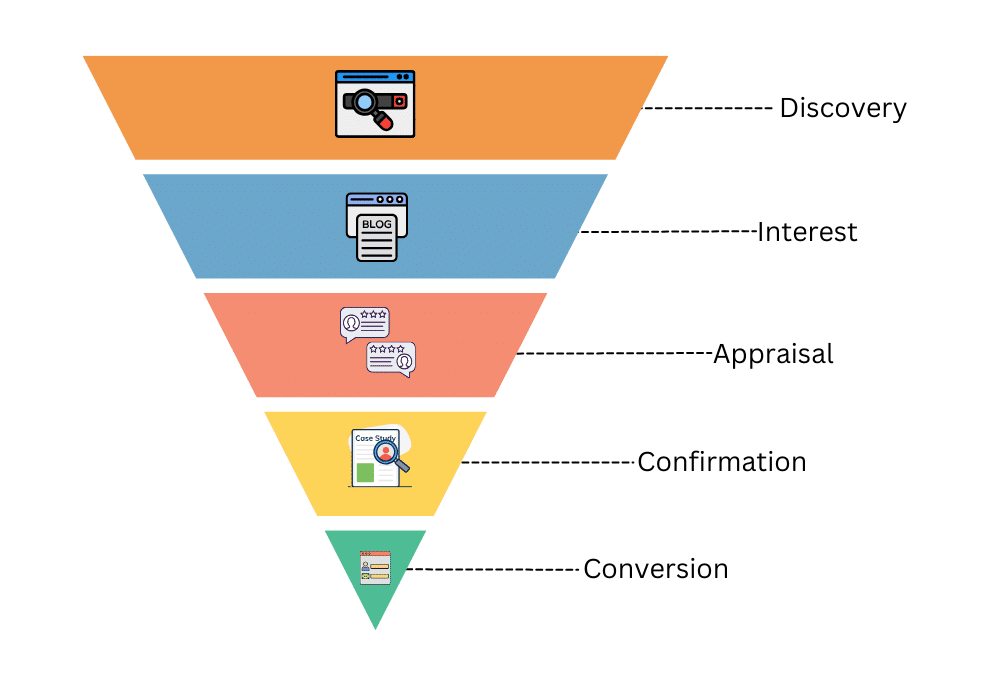
Let the product sell itself. Users sign up, experience value, then convert.
How it works:
- Self-serve signup (free trial or freemium tier)
- Users activate and experience core value independently
- In-app prompts drive upgrades to paid plans
- Low/no human touch until expansion opportunities
Best for:
- Simple, intuitive products (project management, design tools)
- Low price points ($10-$100/month starting plans)
- Individual users or small teams as buyers
- Viral or network-effect products (Slack, Notion)
Product-led works when your product is the best salesperson. But here's the catch — most PLG companies still need outbound for enterprise deals.
Hybrid SaaS Funnel (PLG + Outbound)
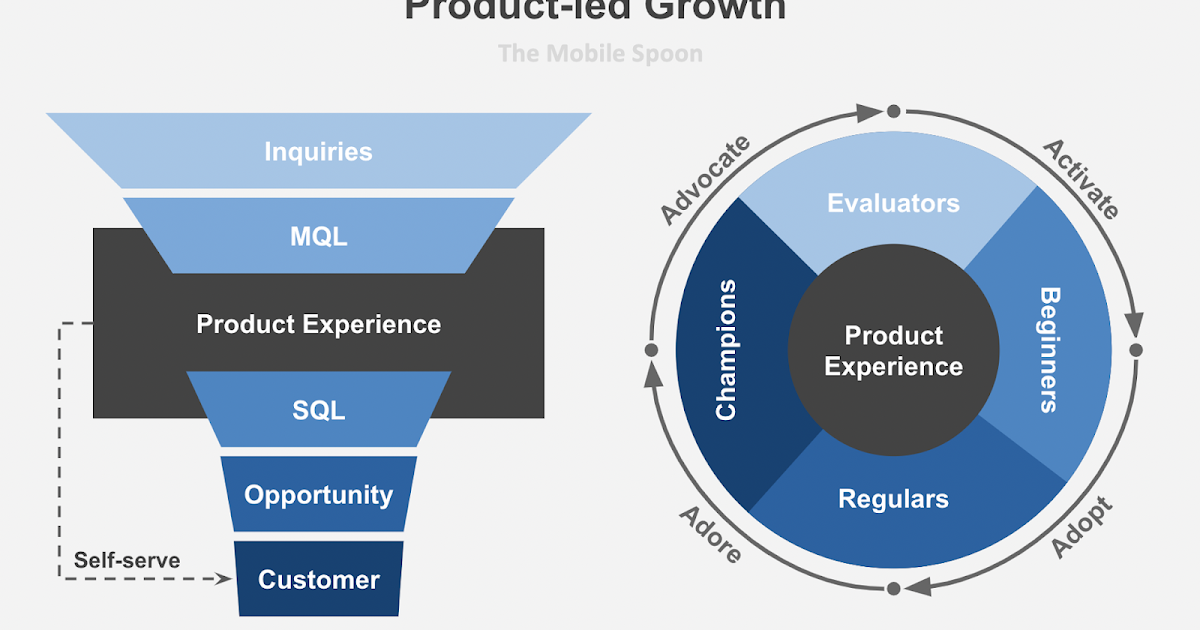
The best of both worlds. Let small customers self-serve while hunting bigger fish with sales.
How it works:
- Free tier or trial captures SMB and individual users
- Sales team targets enterprise accounts with outbound
- Product usage data triggers sales outreach to high-intent users
- Expansion revenue comes from both self-serve upgrades and sales-led upsells
Best for:
- Growing SaaS companies scaling from SMB to enterprise
- Products with clear value at multiple tiers (Zoom, HubSpot, Calendly)
- Teams wanting predictable pipeline without abandoning PLG momentum
Most modern SaaS companies are moving toward hybrid. You get product virality for volume and sales muscle for deal size.
Bottom line: Choose based on your ACV and product complexity. Enterprise deals need sales-led. Simple tools under $100/month can go product-led. Everything in between? Hybrid wins.
Running Separate Funnels for Multi-Product SaaS Companies
Everything above assumes one product, one funnel. That breaks the moment you're selling more than one thing.
One funnel works fine for a single-product SaaS company. The moment you add a second product, a premium tier with a completely different buyer, or an add-on sold to existing customers, a single funnel starts hiding more than it reveals.
Why one funnel breaks down: your core platform might sell to a VP of Ops on a 60-day sales-led cycle, while your add-on analytics module sells to a data lead who self-serves through a free trial in under a week. Blend those into one funnel and your average sales cycle, close rate, and CAC all become meaningless composites. You'll optimize for the wrong thing because the numbers are lying to you by averaging together two completely different buying behaviors. This is where saas sales funnel management actually gets hard, not at the individual stage level, but at the "how many funnels am I running" level.
Different products need different buyer journeys. A platform sale needs multi-threading, security review, and procurement. An add-on sold to someone already inside your product needs almost none of that; they already trust you, and the friction should be closer to a one-click upgrade than a full evaluation cycle.
Preventing lead crossover: tag every lead at capture with which product or tier generated the interest, and keep that tag through the entire funnel, not just at the top. Without it, a prospect who downloaded your add-on's comparison guide gets credited to your platform funnel, and your attribution data quietly becomes useless. This matters even more once you're running paid campaigns per product line; you need to know which funnel actually produced the pipeline.
Keeping teams aligned: run separate funnel reviews for each product line, but keep one shared view of account-level activity. If a rep working the platform deal doesn't know the same account already has an open conversation about the add-on, or vice versa, you'll have two people emailing the same buyer with conflicting messages. Multi-threading works within a funnel; it falls apart between funnels that don't talk to each other.
Bottom line: running parallel funnels isn't overhead for its own sake. It's the only way to keep your conversion data honest once your product line grows past one thing.
Learn More: Ways to Re-Engage Lost Leads (Templates & Email Sequences)
SaaS Sales Funnel Stages Explained
Here's where most SaaS founders get it wrong — they think the funnel ends at "closed-won."
In reality, the SaaS sales funnel stages extend way past the contract signature. Let's walk through all eight stages with real tactics, KPIs, and examples you can steal.
Stage 1 — Awareness (Problem-Aware SaaS Buyers)
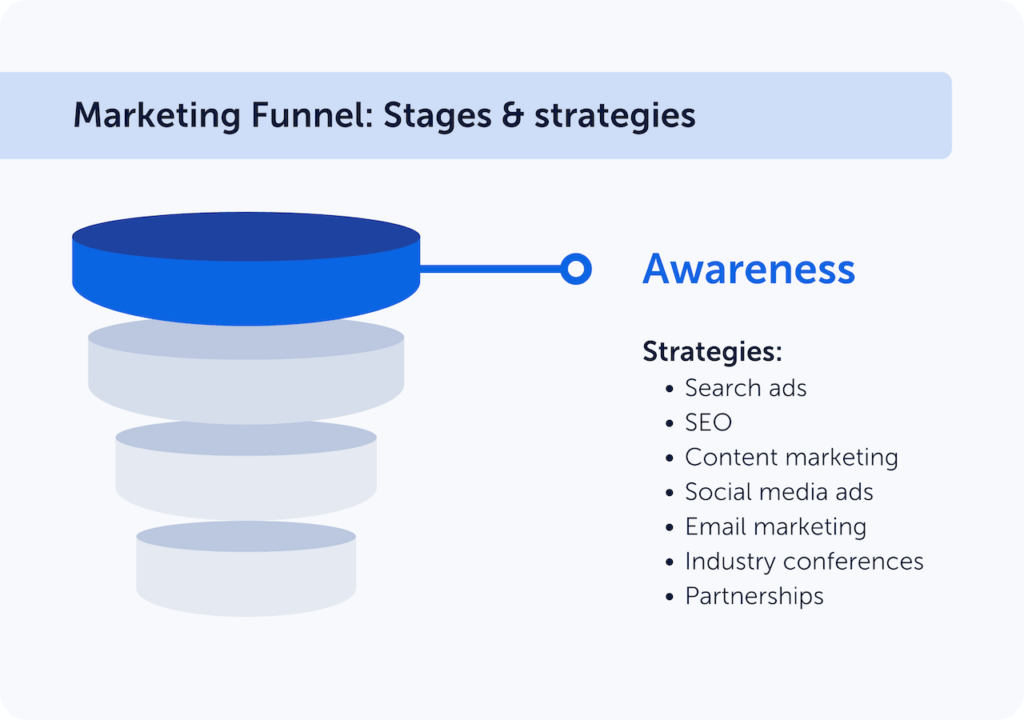
This is where prospects realize they have a problem your product solves. They're not searching for your solution yet — they're looking for answers.
How to win here:
- SEO content targeting problem-based keywords ("how to reduce customer churn," "best way to automate sales outreach").
- Outbound prospecting via cold email, LinkedIn, and cold calling to decision-makers.
- Paid ads on Google and LinkedIn targeting job titles + pain points.
- Thought leadership (founder-led content, podcasts, LinkedIn posts).
Key focus: ICP alignment and use-case matching. Don't chase everyone. Target companies that fit your ideal customer profile with messaging that speaks directly to their specific use case.
Track: Website traffic, ICP-qualified leads, brand search volume
Stage 2 — Lead Capture (Trials, Demos, Content)
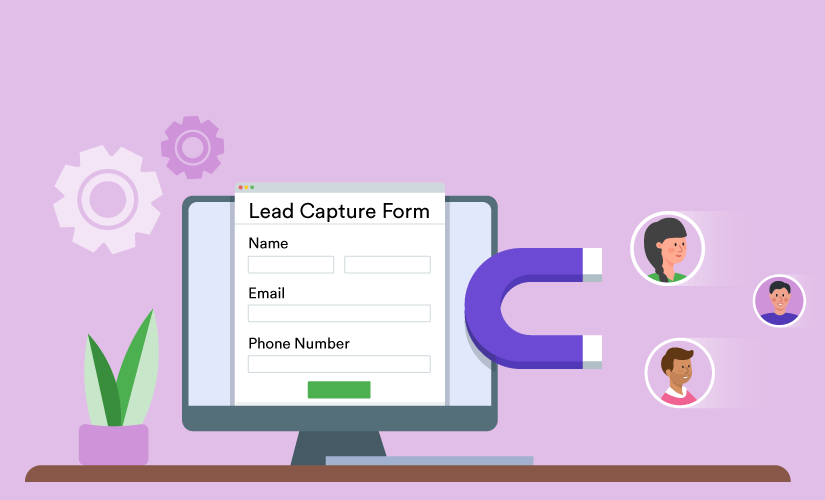
Now they know you exist. Time to get them into your ecosystem.
Your options:
- Free trial — Best for simple products with fast time-to-value (think Loom, Grammarly).
- Demo request — Best for complex products needing explanation (think Salesforce, Gong).
- Gated assets — Comparison guides, templates, calculators that capture emails.
The tradeoff: Trials generate volume but lower intent. Demos generate fewer leads but higher intent. Most B2B SaaS sales funnel strategies use both — trials for SMB, demos for enterprise.
Pro tip: Gate your best assets (competitor comparison sheets, ROI calculators, implementation checklists) behind demo bookings, not just email forms.
Track: Trial signups, demo bookings, MQL → SQL conversion rate
Stage 3 — Evaluation (Internal Buy-In)
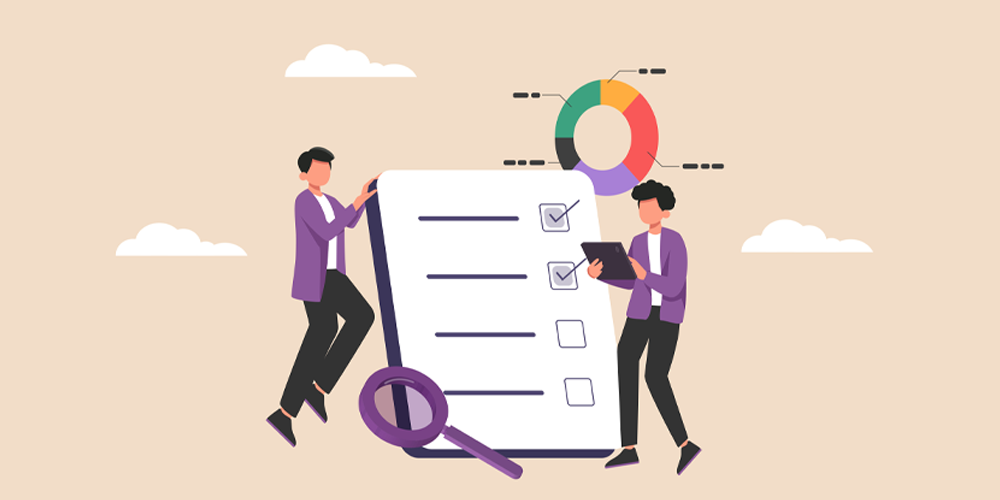
Congratulations, they're interested. Now comes the hard part — getting internal buy-in from their team.
What prospects are thinking:
- "Does this integrate with our existing stack?"
- "Is this secure enough for our compliance requirements?"
- "Can we prove ROI to our CFO?"
- "What if it doesn't work?"
How to win:
Multi-thread the account. Don't just sell to one champion. Get access to IT, finance, end-users — anyone with veto power. Use LinkedIn Sales Navigator to map the org chart.
Proactively address objections:
- Security questionnaires ready to go
- Integration documentation front and center
- ROI calculator showing payback period
- Case studies from similar companies
This is where deals stall out. Most SaaS companies lose deals in evaluation because they're talking to one person while three others have concerns.
Track: Stakeholder engagement, objection response time, evaluation duration
Stage 4 — Demo & Proof

They're evaluating you against competitors. Your demo needs to be flawless.
What works:
- Personalized demos — Not generic walkthroughs. Show their data, their use case, their pain points solved. Record a Loom showing exactly how they'd use your product.
- Comparison pages — Build "/vs-competitor" landing pages addressing why you're better. Be honest about tradeoffs. Prospects are comparing anyway — control the narrative.
Proof points:
- Customer logos in their industry
- G2 reviews filtered by company size
- Video testimonials from similar roles
If you're competing against Salesforce, don't pretend you're cheaper and more feature-rich and easier. Pick your angle and own it.
Track: Demo-to-proposal rate, competitive win rate, time in demo stage
Stage 5 — Decision & Close
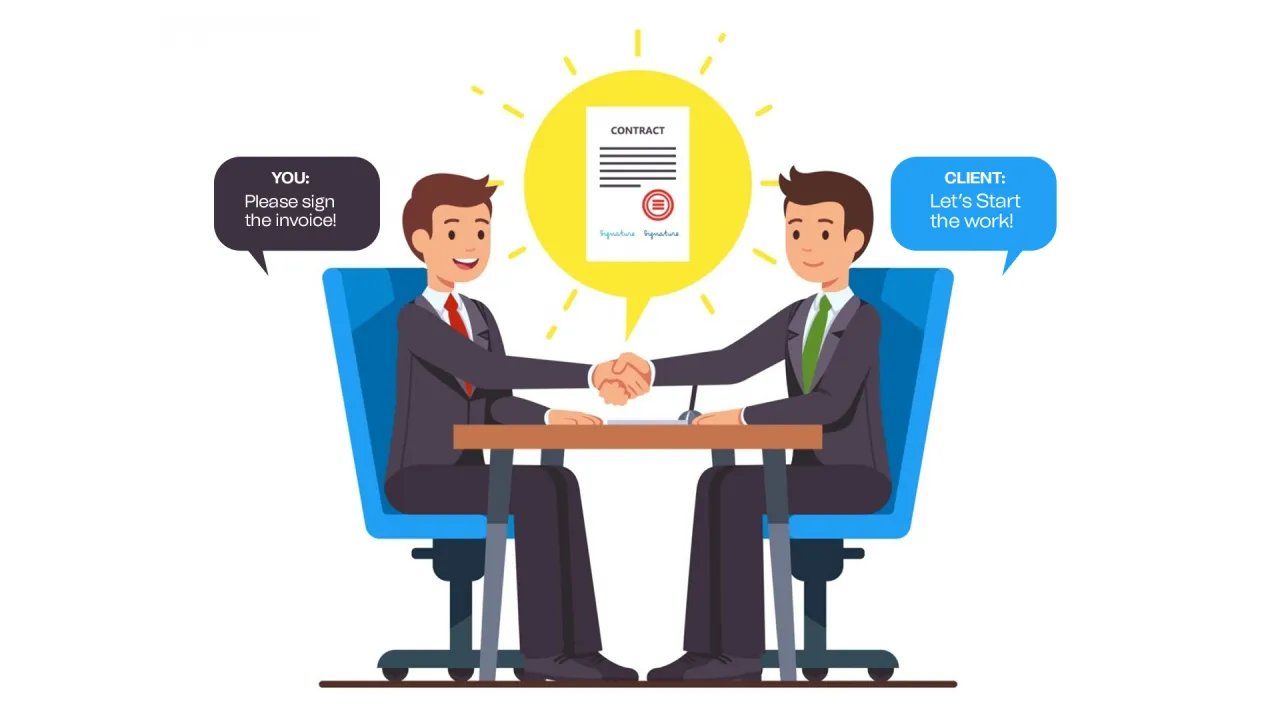
The final push. Procurement, legal, pricing negotiations.
Common blockers:
- Pricing doesn't fit their budget model
- Contract terms need legal review
- Procurement process moves at glacial speed
- Champion changed jobs (yes, this happens)
Fast-close levers:
- Discount structure: Offer annual pre-pay discount, not random price cuts. Protects margin while incentivizing commitment.
- Flexible contracts: Monthly for SMB, annual for enterprise. Some SaaS companies offer quarterly for mid-market.
- Procurement shortcuts: Have standard MSAs, security docs, and vendor forms ready. The faster you move paper, the faster you close.
- Executive alignment: If it's a big deal, get your VP Sales or founder on a call with their executive sponsor. Peer-to-peer trust closes deals.
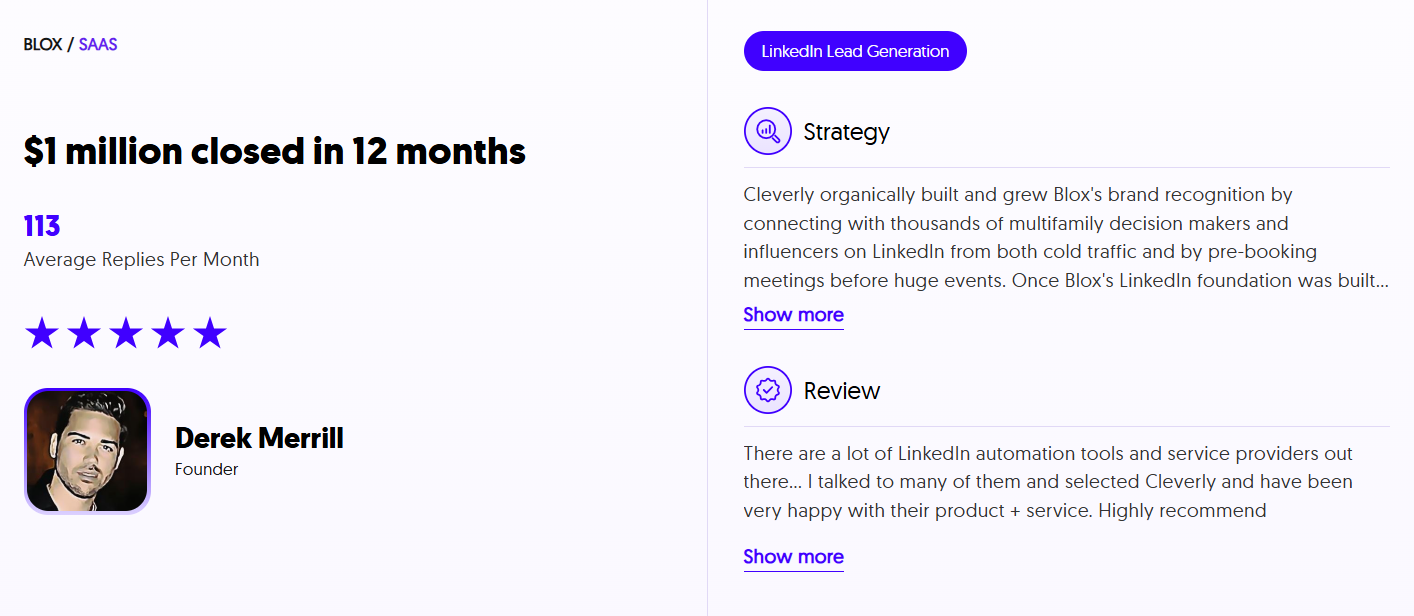
We've seen SaaS clients $1 million closed in 12 months through our cold calling system, but the ones who close fast have their contract process dialed in. Speed matters.
Track: Close rate, average deal size, sales cycle length
Stage 6 — Activation
They signed. Money hit your bank account. Now the real work starts.
Activation = first meaningful value delivered. For Slack, it's sending 2,000 team messages. For Calendly, it's booking 5 meetings. For your product, what's the "aha moment"?
How to nail activation:
- Onboarding sequences that guide users to that first-value milestone
- Implementation support (for complex products, assign a CSM immediately)
- Time-to-value (TTV) tracking — measure days from signup to activation
The faster users activate, the lower your churn. Companies with <7 day activation see 40% higher retention than those taking 30+ days.
Common mistake: Treating activation like a checklist ("complete your profile!"). Nobody cares. Focus on value delivery, not profile completion rates.
Track: Activation rate, time-to-value, feature adoption
Reducing Signup and Onboarding Friction at the UX Level
Everything in Stage 6 so far is about the onboarding sequence itself: the emails, the milestones, the CSM outreach. But a lot of activation is lost before any of that even kicks in, at the signup form and the checkout page.
Minimize form fields at signup. Every field you ask for beyond email and password is a chance for someone to close the tab. Checkout usability research from Baymard Institute has found that the average checkout flow displays around 23 form elements when the realistic minimum is closer to 12 to 14, and fixing that kind of friction alone can lift conversion by more than 30%. Signup forms follow the same pattern. Ask for a company name and job title later, inside the product, once someone's already invested.
Use low-friction upgrade prompts inside the product, not outside it. If someone hits a usage limit or wants a gated feature, the upgrade prompt should be one click from where they're standing, not a redirect to a pricing page they have to re-read from scratch. The best product-led SaaS companies let users upgrade in the same flow where they hit the wall.
Treat checkout page simplicity as its own conversion lever, separate from onboarding. A clean checkout page with minimal fields, visible pricing, and no surprise charges at the last step is a UX problem, not a marketing problem. Even a great onboarding sequence can't recover someone who abandoned at a confusing payment form.
Where design-level fixes fit: they don't replace the onboarding sequences already covered above, they clear the path so more people actually reach them. Fixing form friction gets more users into your onboarding flow. Fixing the onboarding flow gets more of those users to activation. These two levers show up in different saas funnel metrics (signup completion vs. trial-to-activation), and you need both. Neither one substitutes for the other.
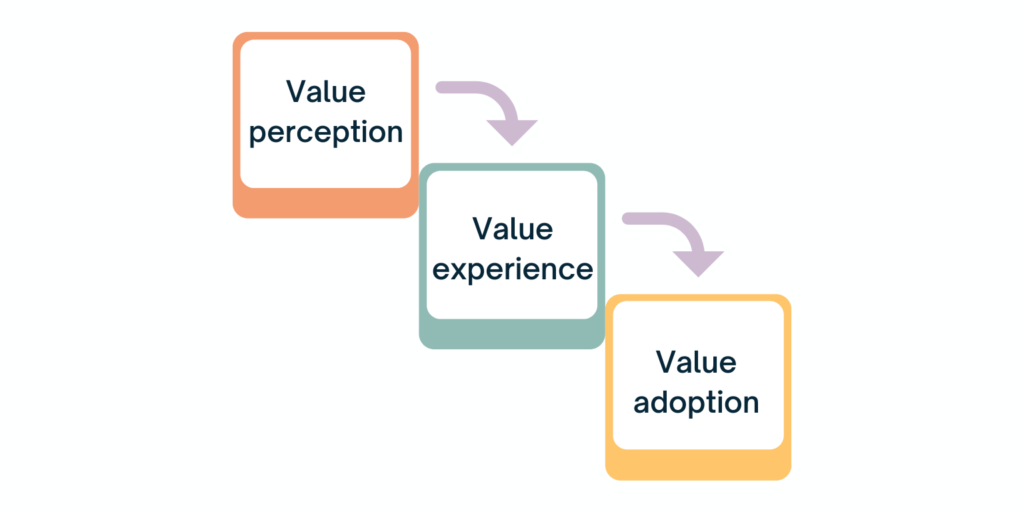
Stage 7 — Adoption & Retention
They're activated. Now keep them using the product so they never cancel.
Retention drivers:
- Usage-based engagement — The more they use your product, the stickier it becomes. Monitor DAU/MAU ratios and trigger interventions when usage drops.
- Customer success handoff — Sales shouldn't ghost after close. Smooth handoff to CS with context on their goals, use case, and stakeholders.
- Proactive check-ins — Don't wait for renewal conversations. Quarterly business reviews (QBRs) keep you top-of-mind and uncover expansion opportunities early.
In a healthy sales funnel for SaaS, retention is where you build real wealth. A 5% improvement in retention can increase customer lifetime value by 25-95%.
Track: Net retention rate (NRR), churn rate, product usage metrics, NPS
Stage 8 — Expansion & Advocacy
Your happiest customers are your best growth engine.
Expansion plays:
- Upsells — Move them from Starter to Pro to Enterprise tiers.
- Cross-sells — Add complementary products (HubSpot's playbook).
- Seat expansion — More users = more revenue (Slack, Zoom model).
Advocacy plays:
- Referrals — Incentivize customers to introduce you to peers.
- Case studies — Document their wins, use in sales process.
- Reviews — Get G2/Capterra reviews to boost SEO and trust.
Pro move: Create a formal advocacy program. Give your best customers early access to features, invite them to advisory boards, feature them in content. They'll sell for you.
Track: Expansion revenue, referral pipeline, review count, customer advocacy engagement
The reality: Most SaaS companies obsess over stages 1-5 and ignore 6-8. That's backwards. Activation, retention, and expansion determine whether your SaaS sales funnel stages actually generate profit or just burn CAC dollars.
Master all eight stages, and you've built a revenue machine that compounds.
Check More: Multithreading in Sales - Complete Guide to Closing More Deals
🚀 Predictable SaaS Pipeline, Guaranteed
From cold outreach to booked demos, Cleverly delivers qualified SaaS meetings you only pay for—no wasted spend, just growth.
Tools to Support and Automate Your SaaS Sales Funnel
Building a high-performing sales funnel for SaaS means stacking the right tools at every stage. Here's what actually works in 2026.
CRM Platforms (Pipeline + Contact Management)
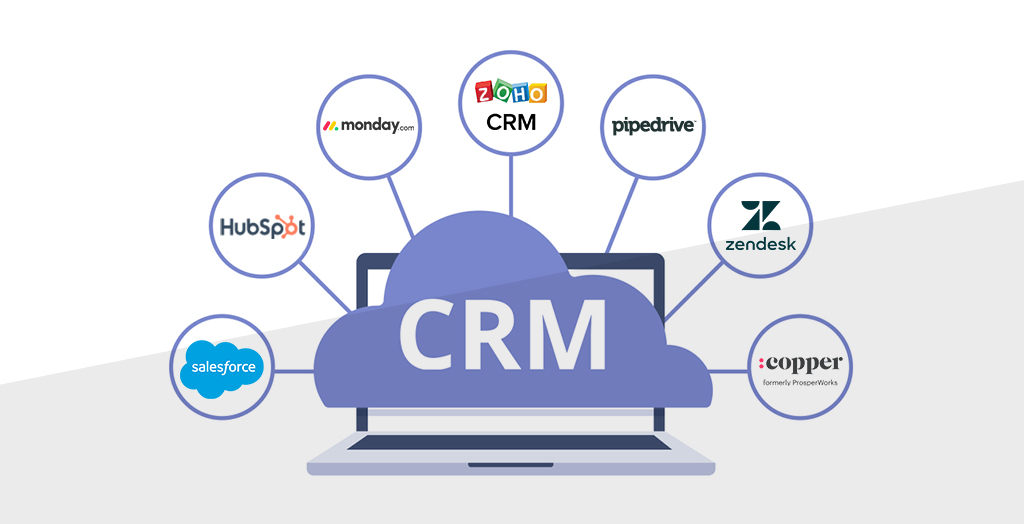
Your CRM is the foundation. Everything else plugs into it.
- HubSpot — Best for startups and mid-market SaaS. Clean UI, built-in marketing automation, free tier to start. Perfect if you're scaling from 0 to $10M ARR.
- Salesforce — Best for enterprise and complex revenue operations. Infinitely customizable, handles multiple business units, integrates with everything. Overkill for early-stage companies.
Lead Generation & Prospecting
Finding the right leads is where most SaaS sales funnel strategies break.
- Apollo — Find leads, enrich data, run outbound sequences all in one platform. Great for SDR teams running multi-channel prospecting.
- Clay — AI-powered enrichment and personalization at scale. Pull data from 50+ sources, build custom workflows, personalize outreach automatically.
At Cleverly, we handle the prospecting for you — our lead generation agency places trained cold callers, writes breakthrough cold calling scripts, and books 10-30 qualified appointments monthly, guaranteed. No more hunting for leads yourself.
Read More: Smart Ways to Use AI for B2B Lead Generation
Sales Engagement & Outreach Automation

Once you have leads, you need systematic follow-up.
- Salesloft — SDR automation with analytics. Track email opens, call outcomes, sequence performance across your entire team.
- Outreach.io — Cadence management plus call and email tracking. Best for teams running complex, multi-touch outreach campaigns.
Here’s More: What is Automated Lead Nurturing and How Does it Work?
Email Nurturing & Lifecycle Automation
Not everyone's ready to buy today. Stay top-of-mind without manual effort.
- Customer.io — Event-based SaaS lifecycle messaging. Trigger emails based on product usage, subscription changes, or inactivity.
- ActiveCampaign — Automated drip campaigns with powerful segmentation. Great for nurturing trial users toward conversion.
Check Our Lead Nurturing Guide
Demo Booking & Qualification Tools
Speed matters. Get prospects on your calendar instantly.
- Chili Piper — Instant scheduling with smart lead routing. Qualify and book in one step, route to the right rep automatically.
- Calendly — Fast, simple meeting scheduling. Perfect for self-serve booking without complexity.
More Tools: Best AI Lead Qualification Tools for Faster B2B Conversions
Product Demo & Activation Tools
Show, don't just tell.
- Navattic — Interactive, self-guided product demos. Let prospects explore your product before talking to sales.
- Demostack — Personalized live demo environments for sales teams. No more "sorry, let me refresh that" during demos.
Onboarding & Customer Retention Tools
Get users activated fast and keep them engaged.
- Pendo — In-app onboarding, analytics, and user journey tracking. See exactly where users drop off and guide them to value.
- Userpilot — No-code onboarding flows, NPS surveys, and activation tracking. Launch personalized experiences without engineering time.
Analytics, Attribution & Revenue Intelligence
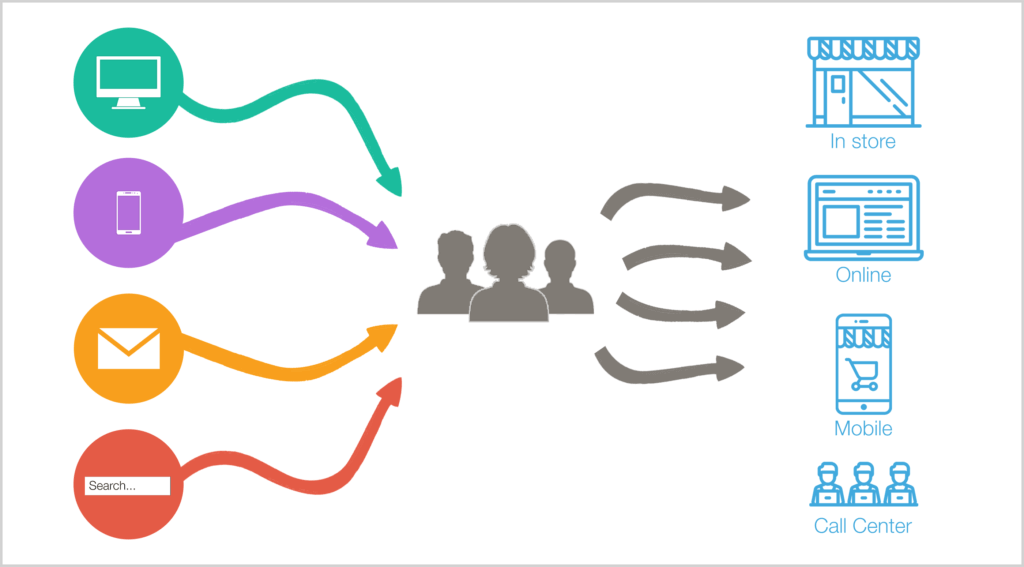
Measure what matters in your B2B SaaS sales funnel.
- Dreamdata — SaaS multi-touch attribution and pipeline clarity. See which channels actually drive revenue, not just leads.
- Gong — Conversation intelligence for sales teams. Record calls, surface objections, coach reps based on what actually wins deals.
More Here: BEST Marketing Attribution Software (We Use #1 Personally)
The stack isn't the strategy. Tools amplify execution, they don't replace it. We've seen SaaS companies with $50K/year tool stacks generate zero pipeline because they're targeting the wrong people.
Start with fundamentals: right ICP, right message, right channels. Then layer in tools to scale what's working.
SaaS Sales Funnel Metrics That Actually Matter
Vanity metrics kill SaaS companies. Traffic, signups, demo requests — none of it matters if you're not tracking the SaaS sales funnel metrics that actually predict revenue.
Here's what to measure at every stage, with real benchmarks so you know if you're winning or bleeding cash.
Trial → Activation Rate
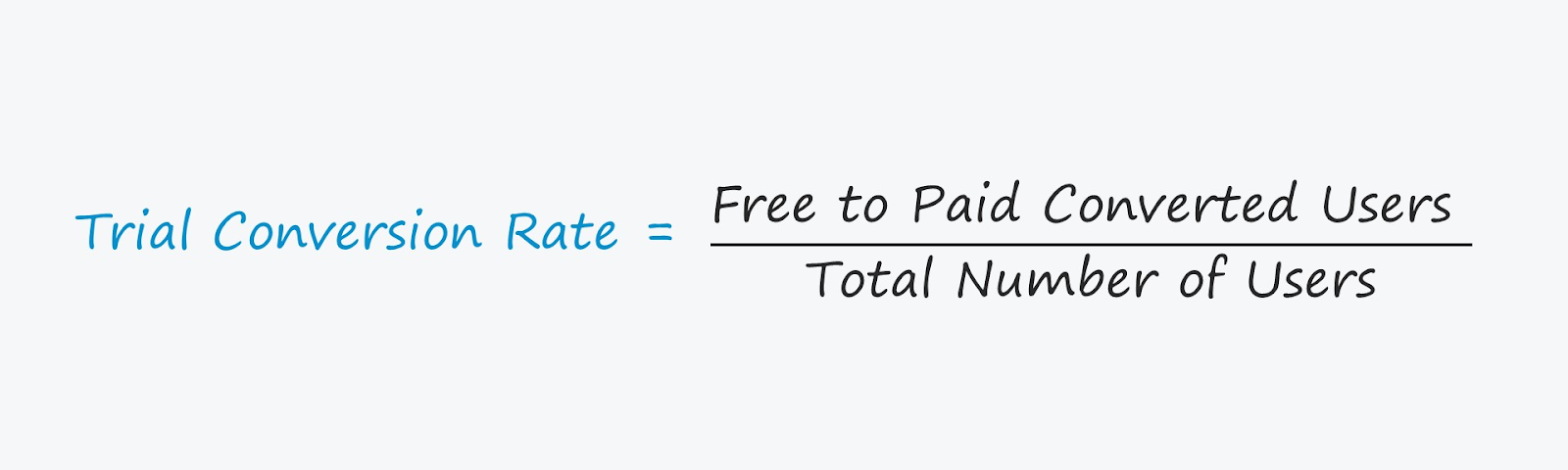
What it measures: Percentage of trial users who reach your "aha moment" and experience core product value.
Why it matters: Trials that don't activate always churn. This metric predicts your retention before you even get to paid conversion.
Benchmarks:
- SMB SaaS: 40-60% activation rate
- Enterprise SaaS: 60-80% activation rate (higher because sales-qualified leads have more intent)
Red flag: If you're below 30%, your onboarding is broken or you're attracting the wrong users.
Demo → Close Rate
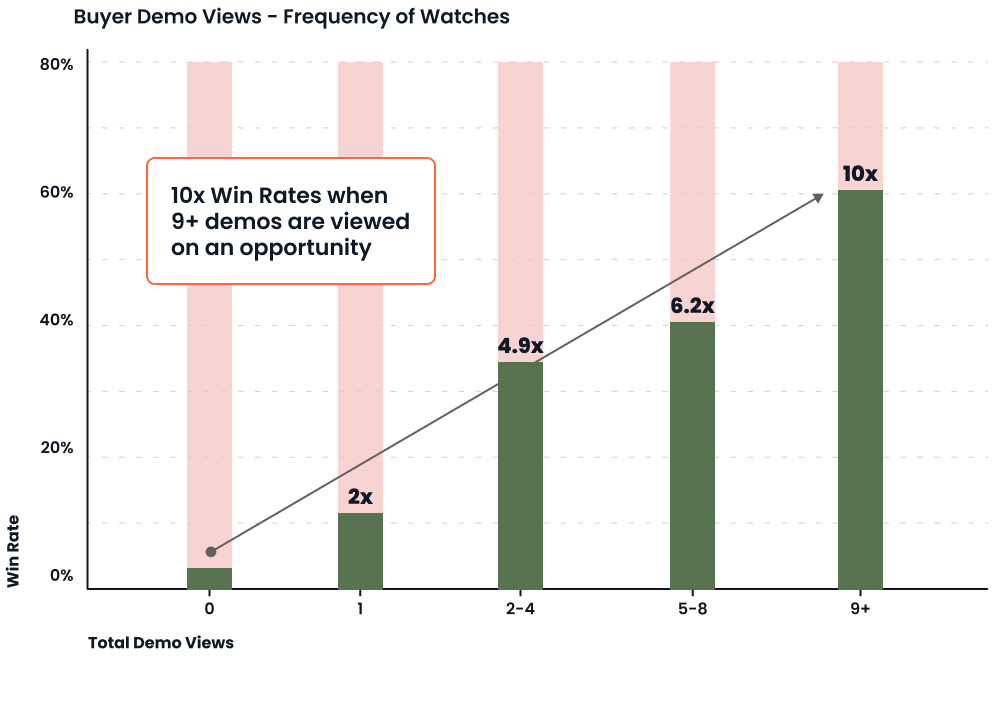
What it measures: Percentage of demos that turn into closed-won deals.
Why it matters: This is your sales team's efficiency metric. Low demo-to-close means poor qualification, weak demos, or misaligned targeting.
Benchmarks:
- SMB SaaS: 15-25% close rate
- Enterprise SaaS: 20-30% close rate (fewer demos, higher intent, longer sales cycles)
Pro tip: Track by lead source. If outbound demos close at 30% but inbound closes at 10%, you know where to invest. Our cold calling system consistently delivers higher-intent demos because we pre-qualify before booking.
CAC:LTV Ratio
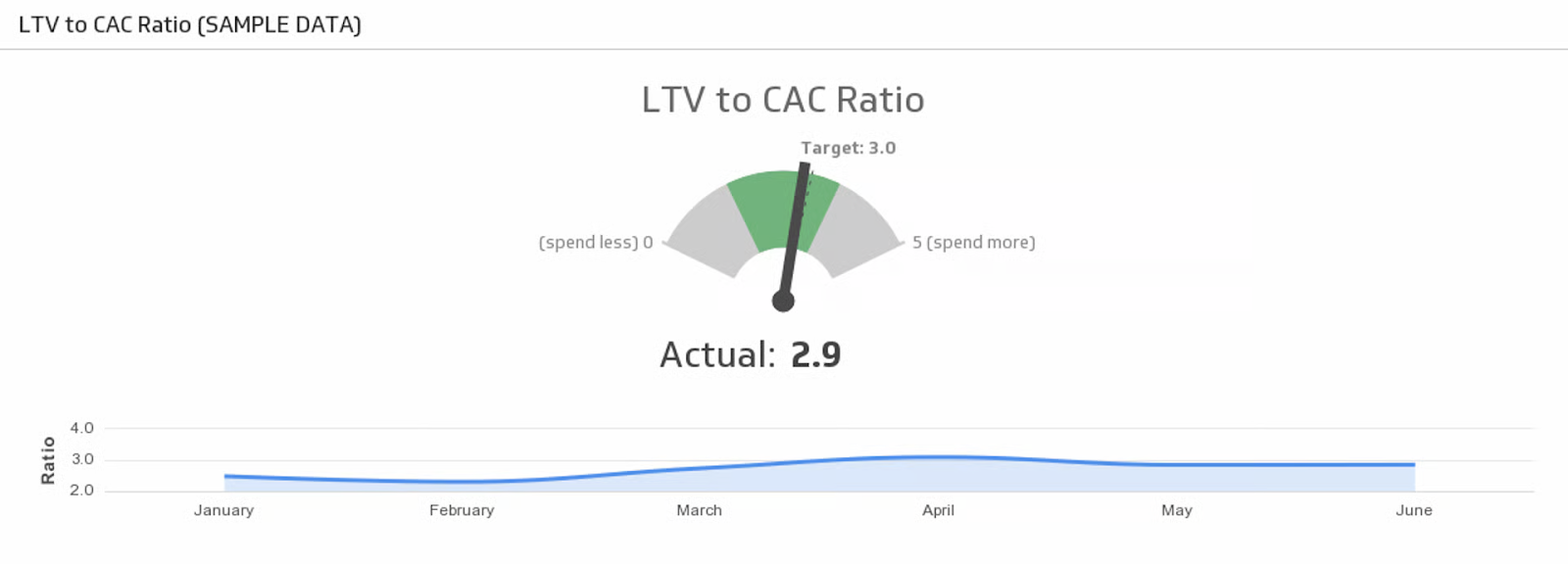
What it measures: Customer Acquisition Cost divided by Customer Lifetime Value. The ultimate profitability metric for your B2B SaaS sales funnel.
Why it matters: You need to make back at least 3x what you spend to acquire customers, or you're burning money.
Formula:
- CAC = Total sales + marketing spend ÷ number of new customers
- LTV = Average revenue per account × gross margin % × average customer lifespan
Benchmarks:
- Healthy SaaS: 3:1 LTV:CAC ratio or better
- Growth-stage acceptable: 2:1 (burning cash to scale, but need clear path to 3:1)
- Danger zone: Below 2:1 means unit economics don't work
Reality check: Most early-stage SaaS companies don't hit 3:1 immediately. But if you're 18+ months in and still below 2:1, you have a pricing, retention, or targeting problem.
Net Revenue Retention (NRR)
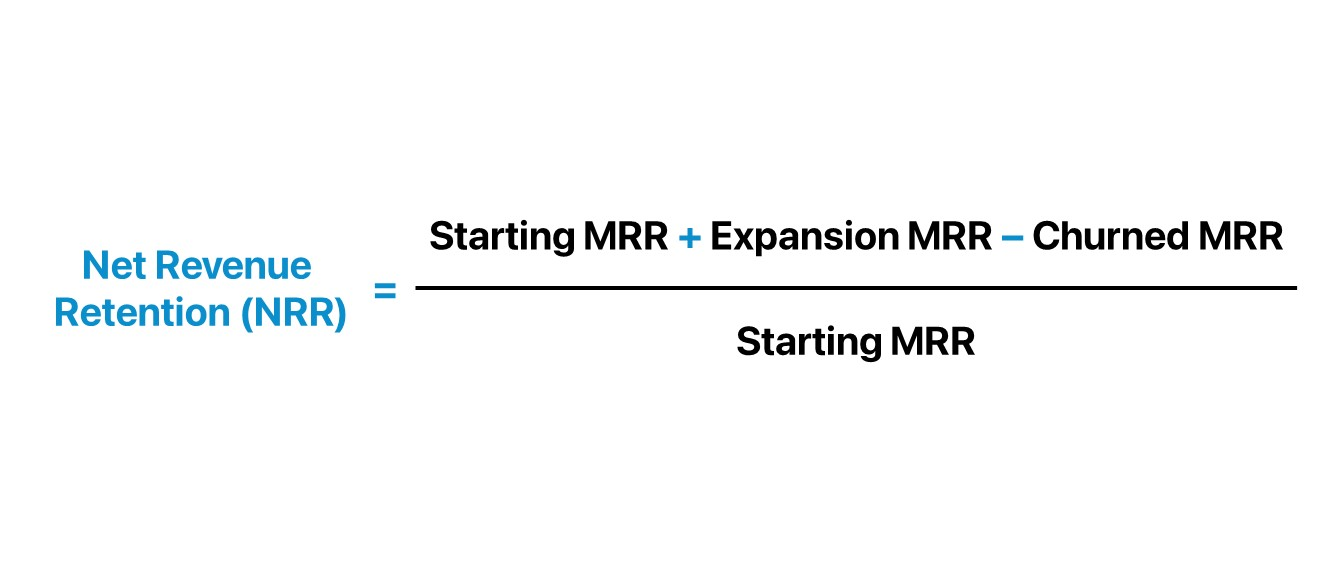
What it measures: Revenue retained from existing customers after accounting for churn, downgrades, and expansions.
Why it matters: This is the single best predictor of SaaS success. Companies with 120%+ NRR can grow even with zero new customer acquisition.
Formula: NRR = (Starting MRR + Expansion - Churn - Downgrades) ÷ Starting MRR × 100
Benchmarks:
- World-class SaaS: 120%+ NRR (revenue grows from existing customers alone)
- Healthy SaaS: 100-120% NRR
- Needs work: 90-100% NRR
- Broken: Below 90% NRR (churn is killing you)
The math: If you start with $100K MRR from existing customers and end the year at $120K (after churn and expansions), your NRR is 120%.
Enterprise SaaS typically has higher NRR because larger contracts expand over time. SMB SaaS battles more churn but can win with volume.
Pipeline Velocity
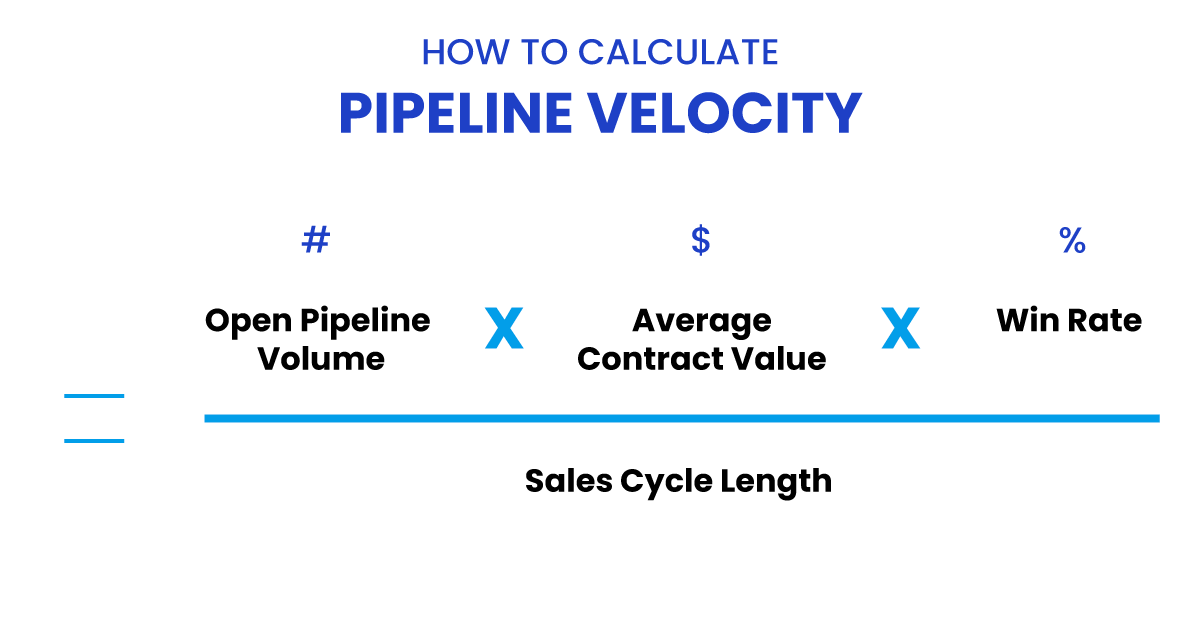
What it measures: How fast deals move through your sales funnel for SaaS from qualified lead to closed-won.
Why it matters: Faster pipeline = more efficient revenue generation. Slow velocity means deals are stalling, objections aren't getting addressed, or your sales process is broken.
Formula: Pipeline Velocity = (Number of opportunities × Average deal size × Win rate) ÷ Sales cycle length
Benchmarks:
- SMB SaaS: 30-60 day sales cycles
- Mid-market SaaS: 60-90 day sales cycles
- Enterprise SaaS: 90-180+ day sales cycles
How to improve it: Tighten qualification (fewer bad-fit leads), speed up internal approvals, and multi-thread accounts to avoid single-point-of-failure blockers.
We've helped SaaS companies accelerate pipeline velocity by filling their calendar with pre-qualified, meeting-ready leads. When you're talking to the right buyers from day one, cycles compress naturally.
Lead-to-Customer Conversion Rate
What it measures: Percentage of leads that become paying customers across your entire funnel.
Why it matters: This tells you if your entire SaaS sales funnel is working — from top of funnel awareness to closed deal.
Benchmarks:
- SMB SaaS (product-led): 2-5% of trial signups convert to paid.
- SMB SaaS (sales-led): 10-20% of demos convert to customers.
- Enterprise SaaS: 15-25% of qualified opportunities close.
Insight: If your lead-to-customer rate is low but demo-to-close is strong, you have a lead quality problem, not a sales problem. Fix targeting before hiring more reps.
Time to Payback CAC
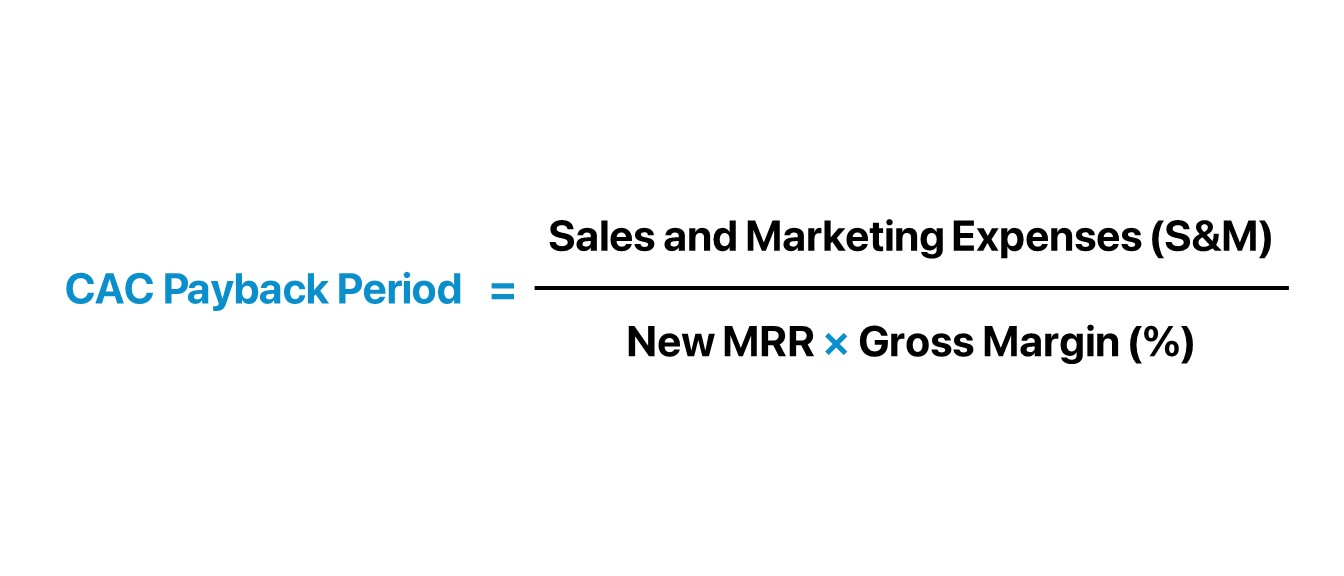
What it measures: How many months it takes to recover what you spent acquiring a customer.
Why it matters: Cash flow. The faster you recover CAC, the faster you can reinvest in growth.
Formula: CAC Payback = CAC ÷ (Monthly recurring revenue per customer × Gross margin %)
Benchmarks:
- Healthy SaaS: 12 months or less
- Acceptable: 12-18 months
- Concerning: 18+ months (you're financing customer acquisition for too long)
Enterprise SaaS typically has longer payback periods because of higher CAC, but also higher LTV. SMB SaaS needs faster payback because retention is lower.
Benchmarks Summary: SMB vs Enterprise SaaS
Track metrics that predict revenue, not activity. Most SaaS teams drown in dashboards but can't answer basic questions like "What's our NRR?" or "How long does CAC payback take?"
Focus on these six SaaS sales funnel metrics, benchmark yourself honestly, and fix what's broken before scaling what's bleeding.
Uncover: How to Build a High-Converting Lead Generation Funnel
Common Mistakes to Avoid When Building a SaaS Sales Funnel
We've worked with over 10,000 SaaS companies. Here are the mistakes that kill SaaS sales funnel performance every single time — and how to avoid them.
❌ Treating SaaS Like Transactional Sales
The mistake: Celebrating closed deals like the job's done. Popping champagne at contract signature.
Why it fails: In SaaS, closing the deal is just the starting line. If customers don't activate, adopt, and renew, you didn't build revenue — you rented it temporarily.
Traditional B2B sellers optimize for close rates. SaaS companies need to optimize for lifetime value. That signature means nothing if they churn in month two.
✅ The fix: Measure success by 12-month retention and expansion revenue, not just deals closed. Align sales comp with activation milestones, not just bookings.
❌ Optimizing for Leads, Not Activation
The mistake: Obsessing over lead volume. Running ads to hit MQL targets. Celebrating "1,000 trial signups this month!"
Why it fails: Unactivated users are just noise in your CRM. If 1,000 people sign up but only 100 activate, you didn't generate 1,000 opportunities — you wasted budget on 900 dead ends.
Too many B2B SaaS sales funnel strategies prioritize quantity over quality at the top, then wonder why conversion rates tank downstream.
✅ The fix: Track trial-to-activation rate and lead-to-customer conversion as your North Star metrics. Cut lead sources that drive signups but terrible activation. Quality > volume, always.
❌ Generic Outbound Messaging
The mistake: Copy-paste cold emails. "Hi [First Name], I noticed your company and thought you'd be interested in [Product]."
Why it fails: Decision-makers get 50+ pitches per week. Generic outreach gets ignored or deleted in seconds.
We've made over 1 million cold calls for SaaS companies. Here's what we learned: personalization isn't optional anymore. You need account-specific context, pain point research, and messaging that proves you understand their business.
✅ The fix:
- Research accounts before reaching out (recent funding, tech stack, job postings).
- Lead with their problem, not your product.
- Reference specific use cases relevant to their industry.
- Use multi-channel sequencing (email + LinkedIn + calls).
Our approach works because we write custom scripts for every client and train SDRs on your specific value prop. When prospects hear relevance instead of spray-and-pray pitches, booking rates skyrocket.
❌ Weak Post-Demo Follow-Up
The mistake: Sending a generic "Thanks for your time" email after demos, then waiting for prospects to respond.
Why it fails: Deals die in silence. If you're not actively driving the conversation forward, competitors are. Or worse, the prospect just ghosts and the deal sits in "Evaluation" purgatory for months.
Most sales funnels for SaaS strategies lose 60% of deals between demo and close simply because reps don't follow up strategically.
✅ The fix:
- Send personalized recap videos (Loom) within 2 hours of demo.
- Include custom ROI breakdown based on their specific numbers.
- Multi-thread: connect with other stakeholders they mentioned.
- Set clear next steps with calendar invites, not vague "let's chat next week".
- Follow up 3-5 times across email, LinkedIn, and calls.
Deals close when you control momentum. Weak follow-up kills pipeline velocity.
❌ No PLG + Sales Alignment
The mistake: Running product-led growth and sales-led motions in silos. Marketing owns freemium users, sales owns enterprise deals, and nobody talks to each other.
Why it fails: Your best expansion opportunities are hiding in product usage data. Power users in free plans are your warmest enterprise leads, but sales has no visibility. Meanwhile, enterprise prospects request trials and get zero human touch.
Misalignment means leaving money on the table at both ends of your SaaS sales funnel stages.
✅ The fix:
- Build usage-based lead scoring (trigger sales outreach when free users hit power-user thresholds).
- Give sales access to product analytics so they know who's engaged.
- Create "white glove trial" tracks for enterprise prospects.
- Align on definitions: when does a PQL become an SQL?
Hybrid funnels win when product and sales teams operate as one revenue engine, not separate departments.
❌ Flying Blind on Metrics
The mistake: Running your funnel on gut feel. No clear visibility into conversion rates, CAC payback, or pipeline velocity.
Why it fails: You can't optimize what you don't measure. Most SaaS founders can tell you traffic and signups, but ask about NRR or CAC:LTV ratio and they go silent.
Without data, you're guessing which channels work, which stages leak, and where to invest next. That's not strategy — that's hope.
✅ The fix:
- Track the six core SaaS sales funnel metrics: trial-to-activation, demo-to-close, CAC:LTV, NRR, pipeline velocity, and lead-to-customer rate
- Build weekly pipeline reviews with your team (what's moving, what's stuck, why)
- Use attribution tools to understand which channels actually drive closed revenue.
- Benchmark against industry standards (don't just track — know if your numbers are good or bad).
At Cleverly, we track every appointment we book, every show rate, and every qualified lead. Our clients know exactly what they're getting because we measure everything. If you're not doing the same across your entire funnel, you're flying blind.
The pattern: These mistakes share one thing — they treat SaaS funnels like traditional sales. Optimize for short-term metrics, ignore activation and retention, and assume the job ends at contract signature.
Fix these six issues and your B2B SaaS sales funnel transforms from a leaky bucket into a compounding revenue machine.
How Cleverly Helps SaaS Companies Generate Qualified Leads & Shorten Their Sales Funnel
Most SaaS teams have the tools — CRMs, automation platforms, expensive tech stacks — but they're still struggling to fill their pipeline with qualified decision-makers.
You don't have a software problem. You have a system problem.
That's where Cleverly comes in. We're not just another lead generation agency — we're your outsourced revenue engine built specifically for B2B SaaS.
What We Deliver
Our $5M Cold Calling System:
- No-accent appointment setters placed and trained in 2 weeks
- Breakthrough call scripts written specifically for your SaaS product
- Data, tech stack, and power dialer included
- Half the cost of building an in-house SDR team
- Guaranteed 10-30 qualified sales calls every month — or we replace your SDR
LinkedIn + Cold Email Lead Gen:
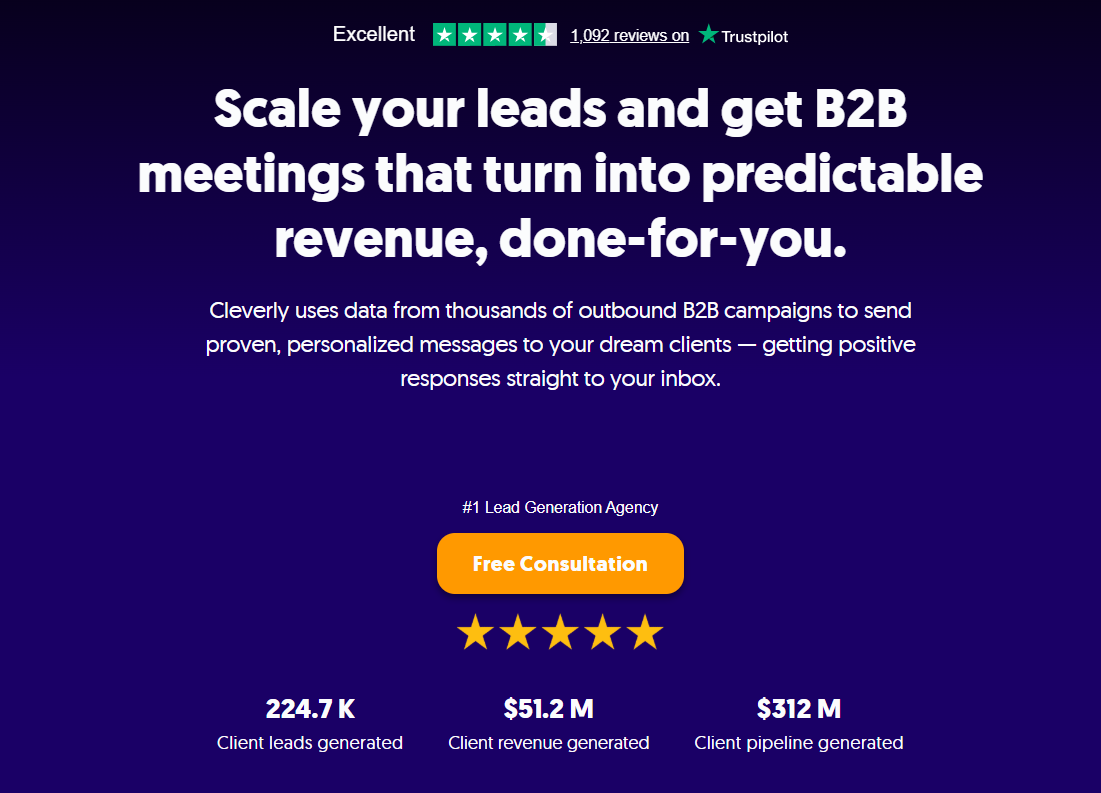
- We've generated $312 million in pipeline revenue and $51.2 million in closed revenue for 10,000+ SaaS clients.
- Working with companies like Amazon, Google, Uber, PayPal, Slack, and Spotify.
- LinkedIn services start at just $397/month.
- Cold email lead gen? You only pay for meeting-ready leads we deliver.
The Result?
✅ Predictable demos booked with decision-makers who actually have budget and authority.
✅ Shorter sales cycles because we pre-qualify before booking (no more tire-kickers wasting your reps' time).
✅ Consistent pipeline growth that compounds month after month — not feast-or-famine lead gen.

Stop Guessing. Start Growing.
If your SaaS sales funnel has the stages, tools, and metrics dialed in but you're still starving for qualified pipeline, we solve that.
Want more demo-ready leads flowing into your funnel every single month?
🔥 Book a free SaaS growth strategy session →

Conclusion
Building a successful SaaS sales funnel isn't about copying what worked for traditional B2B. It's about understanding that SaaS growth lives in three places: activation, retention, and expansion — not just closed deals.
The funnels that win in 2026? They're the ones where outbound prospecting, product experience, and messaging actually align. Where sales and product teams speak the same language. Where metrics drive decisions, not gut feelings.
You can have the best product in your category, but if you can't consistently fill your pipeline with qualified buyers and keep them activated after signup, you're just burning CAC.
Get the fundamentals right: target the right ICP, nail your messaging, optimize every stage from awareness to advocacy, and measure what matters. Then layer in the right tools and systems to scale what's working.
Your B2B SaaS sales funnel should be a revenue machine that compounds over time — not a leaky bucket you're constantly trying to patch.
Now go build one that actually works.
Frequently Asked Questions
Free Resource
How to Scale a Profitable Cold Call System
Get the complete guide — download it instantly now.
Free Ebook
Download the Free Guide
Enter your details to get instant access.
You're all set! 🎉
Your ebook is downloading now.
Click below if the download didn't start automatically.