Table of Contents
Why LinkedIn Works for Enterprise Lead Generation
How Enterprise LinkedIn Outbound Differs from SMB Outreach
Defining an Enterprise ICP for LinkedIn Lead Generation
Building an Enterprise Account List on LinkedIn
The LinkedIn Outbound Framework for Enterprise Sales Teams
LinkedIn vs Cold Email for Enterprise Lead Generation
Enterprise LinkedIn Lead Generation Metrics to Track
Common Enterprise LinkedIn Outbound Mistakes
How Cleverly Supports Enterprise LinkedIn Outbound at Scale
Conclusion
Frequently Asked Questions
Modified On :
September 22, 2026
Key Takeaways
- Enterprise lead generation on LinkedIn starts with selecting high-fit accounts before identifying individual contacts.
- Map economic buyers, technical evaluators, champions, users, finance, security, and procurement rather than relying on one contact.
- Use account signals such as leadership changes, hiring, expansion, and content engagement to prioritize outreach timing.
- Measure account engagement, qualified meetings, opportunities, pipeline, and deal progression instead of connection volume alone.
- Coordinate LinkedIn with email and CRM activity so every stakeholder receives relevant, consistent communication.
Enterprise lead generation on LinkedIn requires a different operating model from standard prospecting. Instead of contacting a broad list of individual leads, enterprise sales teams select high-value accounts, identify the people involved in each buying decision, and build several relationships over a longer period.
That difference matters because enterprise purchases rarely depend on one contact. Economic buyers, technical evaluators, end users, security teams, finance, legal, and procurement may all influence whether a deal moves forward.
LinkedIn helps sales teams research those stakeholders, monitor account changes, identify warm paths, and add professional context before direct outreach begins. It is most effective when used as part of an account-based sales process, not as another high-volume messaging channel.
Cleverly has managed LinkedIn campaigns across different B2B industries, audiences, and sales cycles. This guide explains how to define an enterprise ICP, build account lists, map buying committees, run multithreaded outreach, and connect LinkedIn activity to qualified pipeline.
Why LinkedIn Works for Enterprise Lead Generation
Enterprise sales teams use LinkedIn because it combines professional identity, account data, relationship context, and buyer activity in one environment. Sellers can research companies, identify decision-makers, follow role changes, discover mutual connections, and monitor activity before making contact.
LinkedIn Sales Navigator’s enterprise offering is designed to make buying committees, account intelligence, relationship paths, and sales activity more visible across large sales organizations.
LinkedIn reports that enterprise sellers using Sales Navigator achieved an average 4.9 times lift in decision-maker connections, a 29% lift in sales opportunities, and a 45% lift in deal size. These figures come from LinkedIn’s platform data and should be presented as reported outcomes, not universal guarantees.
Trust builds faster on LinkedIn.
When prospects see your profile, they're not just reading a cold pitch. They're seeing your credentials, mutual connections, shared group memberships, and content you've published. Email gives you 3 seconds to prove credibility. LinkedIn gives you context before you even send the first message.
Social proximity shortens sales cycles.
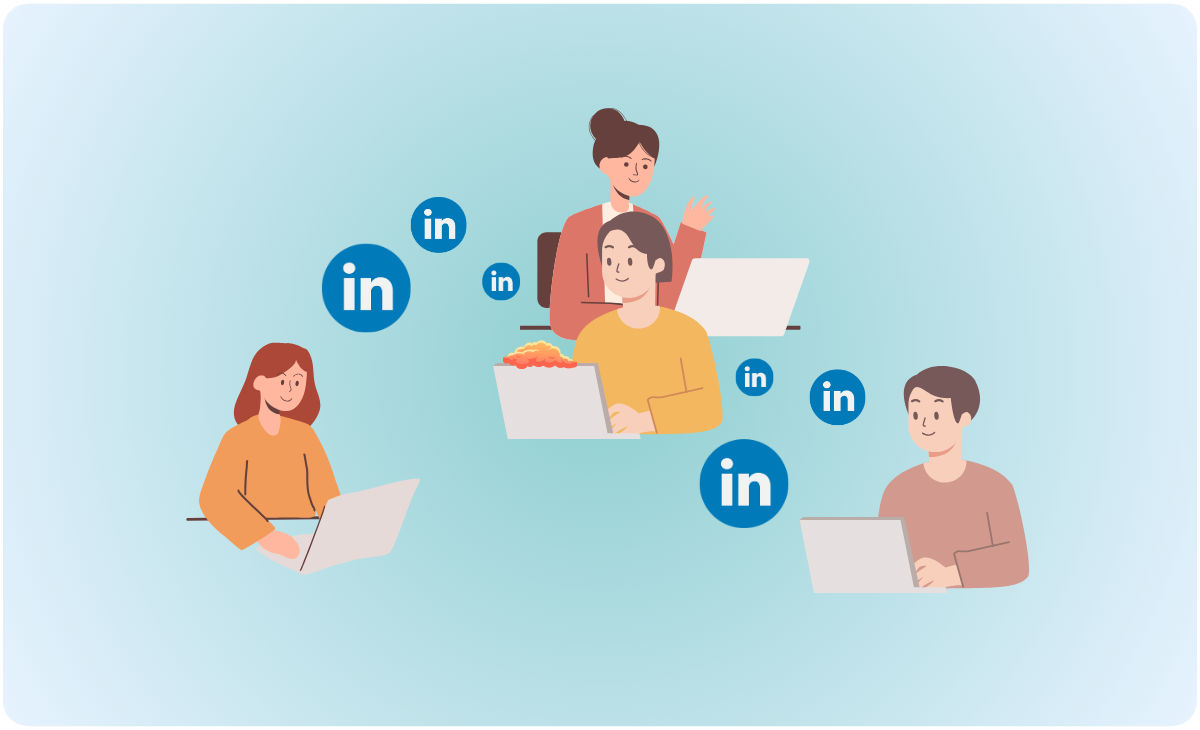
Enterprise deals involve 6-11 stakeholders on average. When you connect with one decision-maker on LinkedIn, you immediately see their network: the CFO they report to, the Director of Operations they work with, the VP who signs off on budget. You're not starting from scratch with each new contact. You're leveraging visible relationships.
Visibility compounds over time.
Every post you publish, every comment you leave, every profile view registers in your prospect's feed. By the time you send that connection request, they've already seen your name 4-5 times. That's not possible with enterprise lead generation through cold email alone.
Complex deals need warm touches.
Six and seven-figure contracts don't close after one conversation. They require months of nurturing, multiple touchpoints, and consistent presence. LinkedIn lets you stay visible throughout that journey without being pushy. Your content appears in their feed. Your profile shows up when they research solutions. You're building familiarity while they're still in research mode.
At Cleverly, we've seen this play out across thousands of enterprise campaigns. The deals that close fastest almost always start with LinkedIn engagement, not a cold email. The platform gives you permission to build relationships before you ask for the meeting.
See More: How To Generate 30+ Leads On Linkedin Without Spamming People
🔥 Enterprise Leads — Done For You
Cleverly runs LinkedIn outreach built for enterprise sales—targeting CXOs and buying committees. Plans start at $397/mo.
How Enterprise LinkedIn Outbound Differs from SMB Outreach
If you're running the same LinkedIn lead gen playbook for enterprise accounts that you use for small businesses, you're leaving millions on the table.
Enterprise lead generation operates on a completely different timeline and decision-making structure. Here's what changes when you move upmarket:
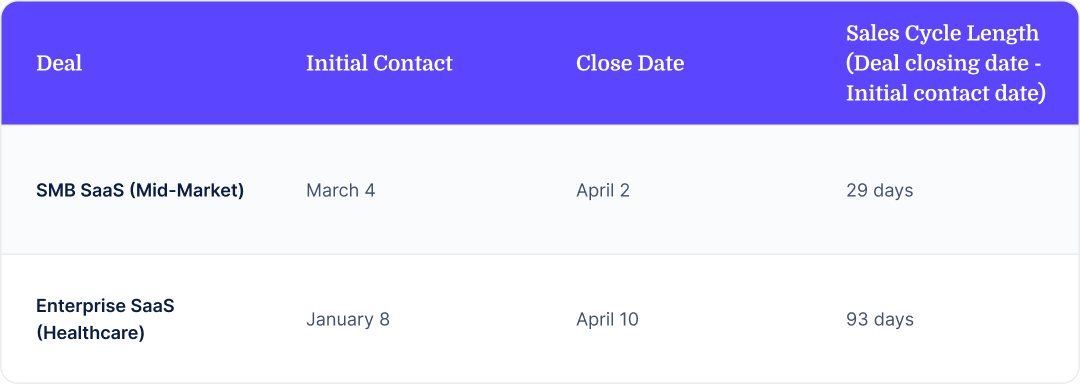
Deal cycles stretch across quarters, not weeks.
SMB deals close in 30-45 days. Enterprise deals take 6-12 months minimum. Your LinkedIn outreach can't be a one-and-done message. You need a sequence that maintains engagement over months, with content that educates rather than pressures. One connection request and two follow-ups won't cut it.
You're selling to committees, not individuals.
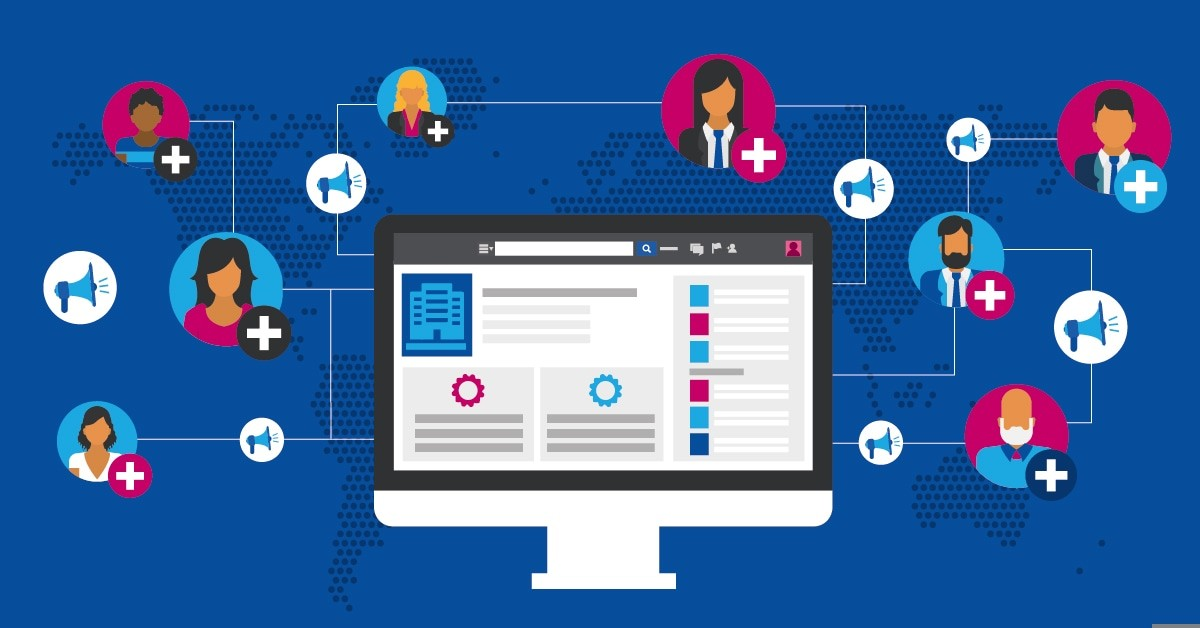
Small businesses might have one decision-maker. Enterprise accounts have procurement teams, legal reviews, IT security approvals, and executive sign-offs. Your LinkedIn outbound for enterprise strategy needs to map the entire buying committee, not just connect with the VP who responded first. We typically identify 4-7 key stakeholders per target account and build relationships with each one simultaneously.
Relevance becomes non-negotiable.
Send a generic pitch to an SMB prospect and you might still book a meeting. Send that same message to an enterprise VP and you're instantly ignored. Enterprise buyers expect you to understand their industry, their specific challenges, and how your solution fits their existing tech stack. Your research needs to show. Your LinkedIn messaging needs to reference their recent initiatives, press releases, or LinkedIn activity.
Timing matters more than volume.
Blasting 1,000 connection requests might work for lower-ticket deals. For enterprise, you're better off targeting 50 perfect-fit accounts and waiting for the right moment to engage. Budget cycles, leadership changes, new funding rounds, these are your triggers. LinkedIn gives you real-time signals when accounts enter buying mode.
The companies we've helped generate over $312 million in pipeline revenue understand this distinction. They treat enterprise LinkedIn outreach like account-based marketing, not spray-and-pray prospecting. Fewer targets, deeper research, longer nurture sequences.
Defining an Enterprise ICP for LinkedIn Lead Generation
An enterprise ICP should identify which accounts can buy, implement, and gain measurable value from your offer. Company headcount and revenue are useful filters, but they do not prove that an account has the problem, urgency, budget, or operating conditions required for a successful deal.
Score enterprise accounts using:
- Industry and business model
- Company size and relevant department size
- Geographic and serviceability requirements
- Current technology and integration requirements
- Regulatory or security requirements
- Business initiatives connected to the offer
- Evidence of budget, urgency, or organizational change
- Similarity to customers that already produce strong retention and revenue
Here's how to generate enterprise linkedin leads that actually convert into pipeline:
Start with firmographic precision.
Your filters should include:
- Company size: 1,000-10,000+ employees (depending on your solution's fit)
- Annual revenue: $100M+ for true enterprise plays
- Geographic regions: Where you can actually deliver and support
- Industry verticals: The 3-5 sectors where you've closed similar deals
- Technology stack: Companies already using complementary tools
Generic targeting gets generic results. If you sell marketing automation, don't just target "Director of Marketing at Fortune 500 companies." Target Directors of Marketing at Fortune 500 SaaS companies using Salesforce who posted about scaling challenges in the last 90 days.

Map the entire buying committee, not just one role.
Enterprise deals die when you only connect with one stakeholder. Your ICP should identify:
- Economic buyer (VP/C-level who controls budget)
- Technical buyer (Director/Manager who evaluates functionality)
- End users (Teams who'll actually use your product)
- Influencers (Consultants, advisors, or internal champions)
We typically build relationships with 4-6 people per target account. When one goes dark, you have three others keeping the conversation alive.
Look for account maturity signals that indicate buying intent.
The best enterprise targets show signs of growth, change, or pain:
- Recent funding rounds (Series B+ companies scaling fast)
- New executive hires (New CMO = new budget priorities)
- Office expansions or acquisitions (Infrastructure needs spike)
- Press releases about new initiatives (They're investing in change)
LinkedIn makes these signals visible. Use them. A company that just raised $50M and hired a new CRO is infinitely more valuable than a stable enterprise with no change on the horizon.
Common ICP mistakes that destroy reply rates
- Targeting companies too small for your pricing. If your ACV is $100K, don't waste time on 500-person companies. They don't have the budget or stakeholder complexity you need.
- Ignoring tech stack compatibility. Reaching out to companies using a competing platform without a clear migration story just creates friction.
- Chasing logos instead of fit. Yes, landing Google looks great. But if they're not in your sweet spot industry or use case, you're burning months on a deal that won't close.
Your ICP targeting determines everything downstream. Nail this, and your reply rates jump 3-4x.
How-to: Build High-Converting B2B Buyer Personas That Drive Revenue
🚀 $312M Pipeline Generated
Trusted by 10,000+ companies, Cleverly turns LinkedIn conversations into enterprise-ready meetings that sales teams can actually close.
Building an Enterprise Account List on LinkedIn
Set account volume according to research capacity, stakeholder coverage, sales capacity, and expected contract value. A strategic seller handling a small group of complex accounts may need a shorter list, while a larger enterprise SDR team can support broader coverage.
Before increasing account volume, confirm that the team can:
- Research the account’s priorities and relevant business signals
- Map the people involved in the buying process
- Write messages for distinct roles
- Coordinate activity across representatives
- Record every interaction in the CRM
- Follow up over the full evaluation period
Account quality deteriorates when list growth exceeds the team’s ability to research, personalize, and follow up.
Enterprise outbound requires an account-first approach. You're not collecting random VPs. You're selecting specific companies worth six or seven figures, then mapping every decision-maker inside them.
Account-first vs lead-first: The difference that matters.
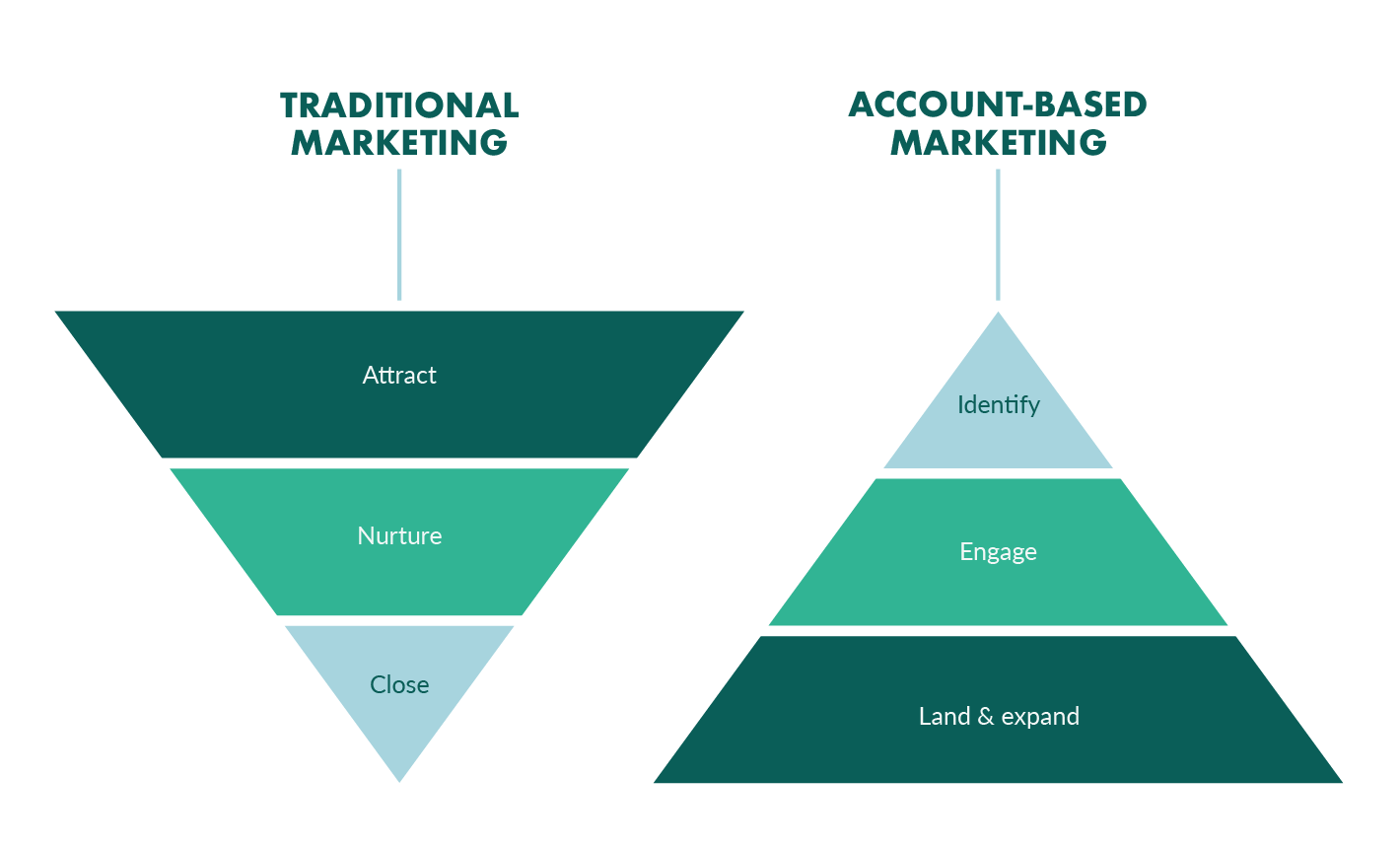
Lead-first LinkedIn prospecting treats every contact as independent. You message 1,000 Directors of IT and hope 20 respond. Account-first flips that logic.
You identify 100 dream accounts, research each one deeply, and connect with multiple stakeholders per company. When one person doesn't respond, four others are already in your pipeline at the same account.
Tools that Help: Best Account-Based Marketing Tools
Target 50-150 accounts maximum per quarter.
Yes, that sounds small. But here's the math that actually works:
- 100 target accounts
- 6 stakeholders per account = 600 total contacts
- Multi-touch sequences over 8-12 weeks
- Personalized research and messaging for each thread
Try doing that for 1,000 accounts and your quality collapses. Enterprise buyers smell generic outreach instantly. Fewer accounts with deeper engagement always wins.
Map 5-10 stakeholders per enterprise account

Your list should include:
- C-suite economic buyer (final budget authority)
- VP-level champion (day-to-day project owner)
- Director-level users (teams evaluating functionality)
- IT/Security stakeholders (technical gatekeepers for large contracts)
- Procurement/Finance (contract and vendor approval)
Use LinkedIn's org charts, mutual connections, and employee search to build this map. When you reach out to the VP of Sales, you should already know who their CRO is, which Director reports to them, and who handles their tech stack.
Top enterprise sales teams prioritize accounts using trigger-based scoring:
- Tier 1 (Engage immediately): Recent funding, new executive hires, press about expansion or new initiatives. These accounts are in motion. Strike while budget conversations are active.
- Tier 2 (Nurture with content): Perfect fit companies with no immediate triggers. Connect, share valuable content, wait for their buying window to open.
- Tier 3 (Monitor only): Great logos but wrong timing. Track them quarterly for signal changes. Don't waste active outreach cycles on accounts that aren't ready.
The companies we've helped generate over $51.2 million in closed revenue focus their LinkedIn outreach on 20-30 Tier 1 accounts at any given time. They'd rather dominate 20 conversations than get ignored by 2,000 prospects.
Quality beats quantity every single time in LinkedIn outbound for enterprise.
Know More: B2B Lead Scoring Explained - Models, Examples, and Automation
The LinkedIn Outbound Framework for Enterprise Sales Teams
LinkedIn outbound for enterprise isn't about clever opening lines. It's about systematic relationship-building across multiple stakeholders over weeks or months.
Here's the framework that actually books meetings with six and seven-figure accounts.
Step 1: Warm Entry Through Connection Requests
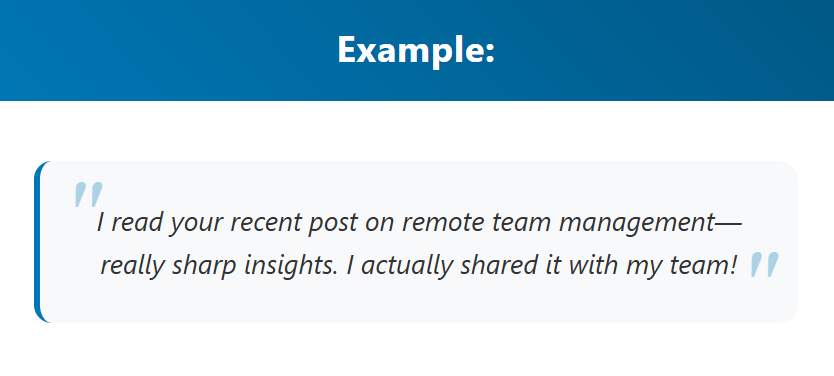
Pitching in your connection request kills acceptance rates. Enterprise buyers ignore anything that smells like sales before they've accepted your connection.
What actually improves acceptance rates:
- Mentioning a mutual connection or shared group membership
- Referencing something specific from their recent LinkedIn activity (post, article, job change)
- Leading with a relevant industry insight, not your product
- Keeping the request under 200 characters with zero sales language
The purpose of the connection request is to establish a relevant path to conversation. Acceptance matters, but it should not come at the cost of misleading intent or weak-fit connections.
Step 2: Conversation-Led Messaging
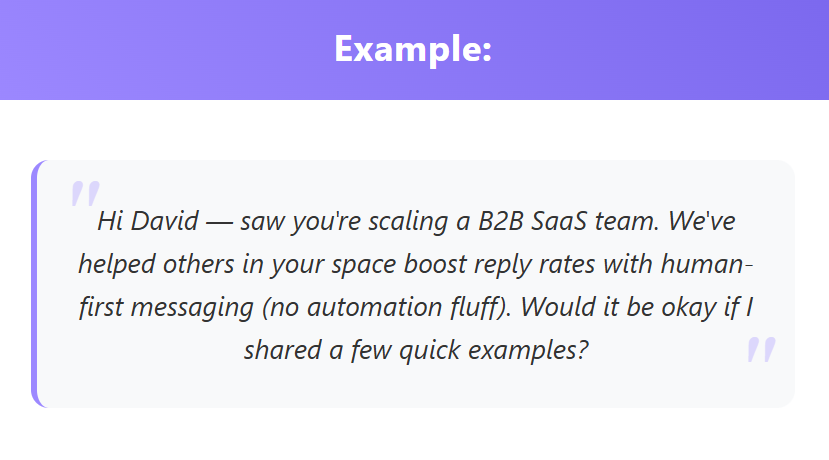
Once connected, don't immediately pitch. Enterprise buyers talk to 15 vendors per quarter. Stand out by starting actual conversations.
Open with context, not offers. Reference why you connected. Mention the post they published, the challenge their company announced, or the initiative you saw in their press release.
Ask insight-driven questions enterprise buyers actually respond to:
- "How are you currently handling [specific challenge their role faces]?"
- "What's your team's biggest priority around [their recent initiative]?"
- "We've seen companies in [their industry] struggle with [specific problem]. Is that on your radar?"
A focused question can make replying easier when it reflects a real priority connected to the prospect’s role. Avoid generic discovery questions that could be sent to any executive in the same industry.
Step 3: Multi-Threading the Account
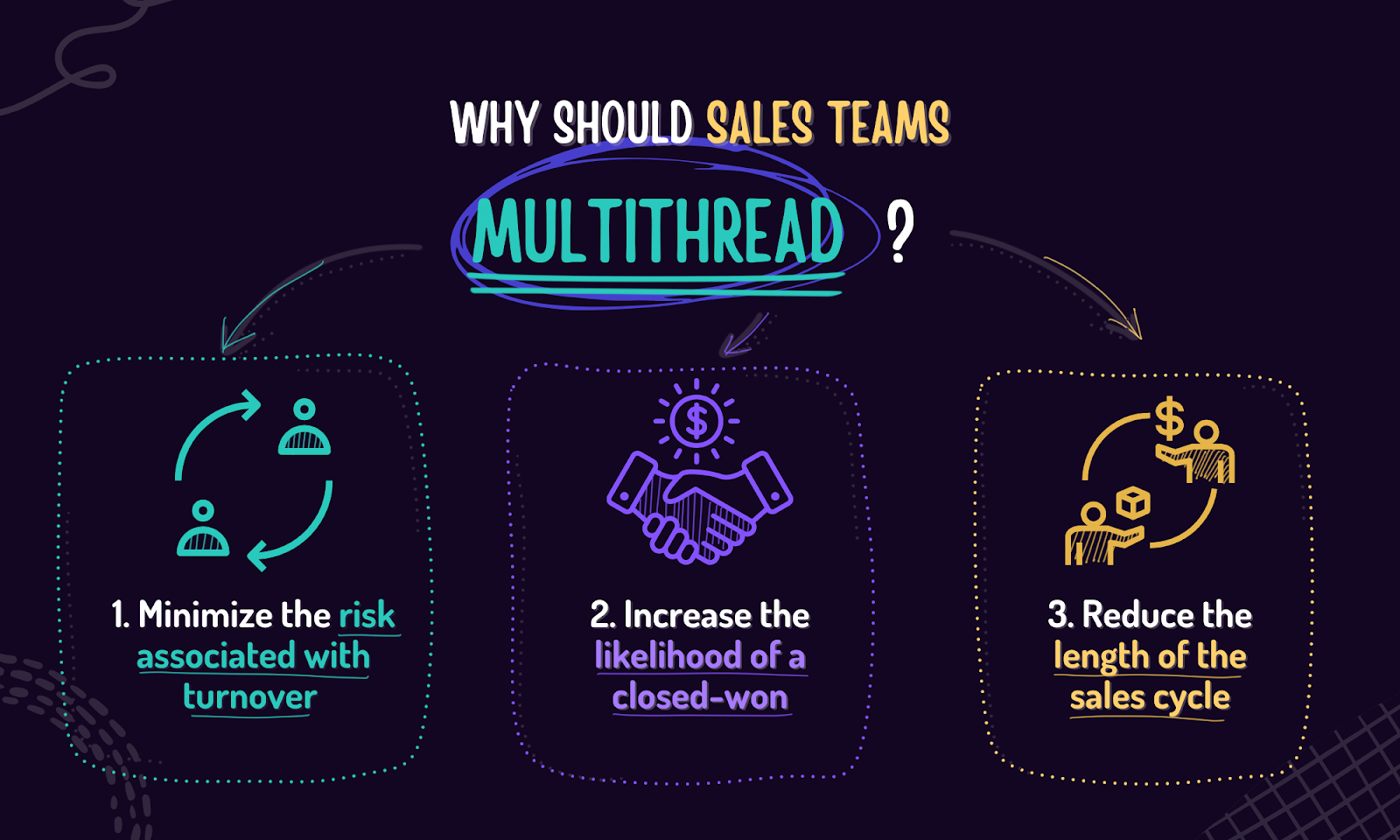
One stakeholder going dark shouldn't kill the entire deal. Reach out to 4-6 people per account, but coordinate your approach.
Don't sound repetitive across contacts. If you message the VP about ROI challenges, message the Director about implementation logistics. Tailor every thread to that person's role and pain points.
Coordinate timing across stakeholders. Connect with end users first, then move up to decision-makers. When you reach the CFO, you can reference conversations already happening with their team. Social proof builds inside the account.
Learn About: Multithreading in Sales
Step 4: Nurturing Before the Ask
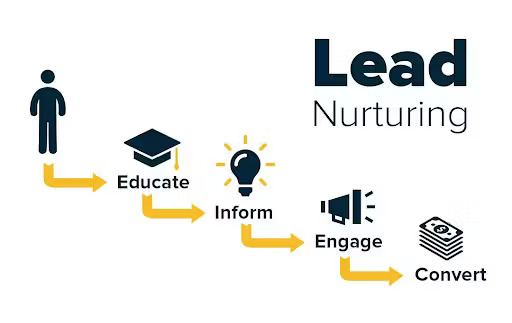
Enterprise deals require patience. Don't ask for a meeting after two messages.
When to wait: If they're engaging with your content, responding to questions, or asking follow-ups, keep the conversation going. Build credibility first.
When to move forward: Once they've acknowledged the problem you solve and shown interest in solutions, that's your window.
Use relevance over persistence. Sending "just checking in" messages every week annoys enterprise buyers. Share a case study relevant to their industry. Drop a piece of content that addresses their stated challenge. Give value between asks.
Our LinkedIn InMail message sequences for enterprise accounts run 8-12 touches over 6-8 weeks. We're building relationships, not chasing responses.
Step 5: Transitioning to Enterprise Meetings

The meeting request matters as much as everything before it.
Position meetings as strategic conversations, not demos. Say "I'd like to explore how companies like [similar logo] are approaching [their challenge]" instead of "Can I show you our platform?"
Avoid the product demo too early mistake. Enterprise buyers don't want to see features in the first call. They want to know you understand their business, their challenges, and how similar companies solved comparable problems. Discovery comes before demos. Always.
The companies we've helped generate $312 million in pipeline revenue follow this exact framework. It's slower than SMB outreach. But it closes bigger deals with higher win rates.
Also Check: Best Practices for LinkedIn Lead Generation
LinkedIn vs Cold Email for Enterprise Lead Generation
Response and meeting rates vary according to account fit, sender reputation, audience seniority, offer strength, data quality, and message relevance. Avoid treating one acceptance or reply-rate range as a universal enterprise benchmark.
Compare the channels using qualified outcomes:
- Target accounts reached
- Buying-group members engaged
- Positive conversations
- Qualified meetings held
- Opportunities created
- Pipeline generated
- Cost per qualified opportunity
- Progression through security, legal, and procurement stages
LinkedIn is useful for professional context, stakeholder research, account monitoring, and relationship development. Email provides more space for detailed communication and does not require a connection to be accepted first. Enterprise teams often use both channels within one coordinated account plan.
In-depth Comparison: LinkedIn Lead Generation vs Cold Email
Enterprise LinkedIn Lead Generation Metrics to Track
Most teams measure LinkedIn outbound for enterprise all wrong. They obsess over reply rates and connection volume while ignoring the metrics that actually predict pipeline.
Here's what matters when you're targeting six and seven-figure deals:
Track acceptance rate by account tier and buying role
Acceptance rate can indicate whether the audience recognizes the sender and finds the connection relevant. Compare performance by account tier, seniority, persona, campaign, and sender rather than relying on one target percentage.
A low rate may point to weak account fit, unclear profile positioning, poor timing, or a connection note that asks for too much too soon.
Measure movement from conversation to qualified meeting
A reply is not automatically a sales opportunity. Track how many conversations produce confirmed business relevance, access to the right stakeholders, and an agreed next step.
Review:
- Positive conversations by account
- Qualified meetings booked
- Qualified meetings held
- Accounts with several stakeholders engaged
- Opportunities created
- Pipeline influenced
- Deals progressing to evaluation, security, legal, or procurement
Account-level engagement beats lead-level metrics.
Stop counting individual replies. Start tracking accounts where you've engaged multiple stakeholders. An account with 3 active conversations across different roles is 10x more valuable than 10 accounts with single-thread replies that went nowhere.
Measure these account-level signals:
- Accounts with 2+ stakeholders engaged
- Accounts where contacts are viewing your profile or engaging with content
- Accounts moving from initial reply to substantive back-and-forth conversation
- Accounts where one stakeholder introduced you to another internally
Why reply rate alone is a misleading KPI.
A 40% reply rate sounds great until you realize those replies are "not interested" or "circle back in six months." Enterprise linkedin lead generation requires qualified engagement, not just responses.
Better metrics to track alongside reply rate:
- Positive reply rate (responses expressing interest, asking questions, or continuing dialogue)
- Multi-message threads (conversations lasting 3+ exchanges)
- Meeting book rate from initial outreach (the metric that actually impacts revenue)
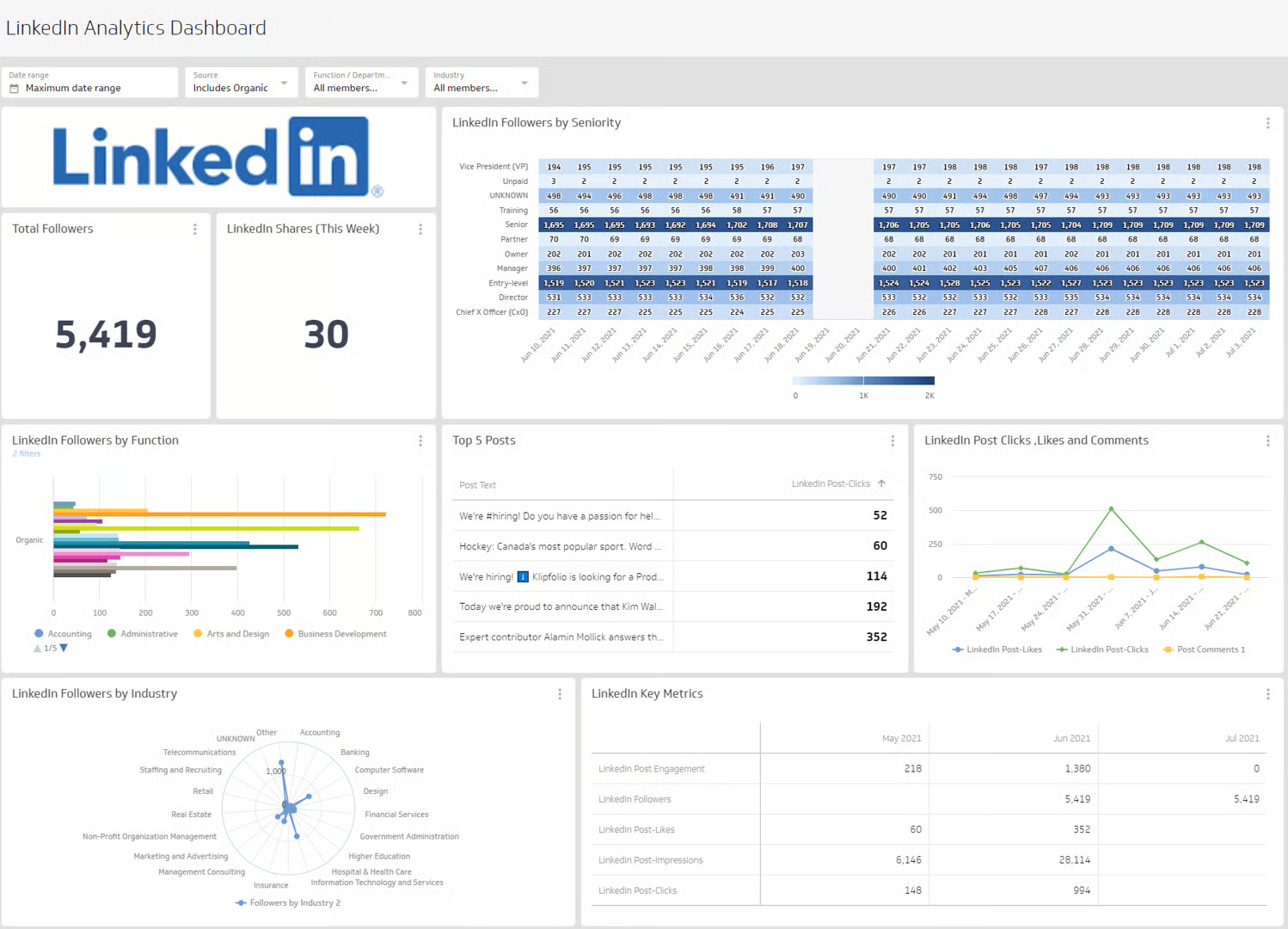
Pipeline metrics that connect LinkedIn activity to revenue.
Your leadership doesn't care about connection requests. They care about pipeline generated. Track:
- SQLs sourced from LinkedIn by account and rep
- Pipeline dollar value originated from LinkedIn outreach
- LinkedIn-sourced deals in each stage of your sales cycle
- Average deal size from LinkedIn vs other channels
If your LinkedIn outbound for enterprise dashboard doesn't show account-level engagement and pipeline contribution, you're measuring activity instead of outcomes.
Common Enterprise LinkedIn Outbound Mistakes
Even experienced sales teams sabotage their LinkedIn for enterprise campaigns with these avoidable mistakes:
❌ Treating enterprise like mid-market.
You can't run the same playbook. Enterprise buyers expect deeper research, longer nurture cycles, and strategic conversations. Sending three messages over two weeks and giving up destroys your chances. Enterprise deals take months, not days.
❌ Over-automation and generic messaging.
Tools that auto-personalize with merge tags feel robotic to enterprise buyers. They've seen a thousand "[First Name], I noticed [Company] is growing fast" messages. If your outreach could apply to 500 other prospects, you've already lost. Real personalization references specific initiatives, recent posts, or clear pain points tied to their role.
❌ Single-threaded outreach.
Connecting with only one person per account is the fastest way to kill enterprise deals. That VP goes on vacation, changes jobs, or deprioritizes your solution and your entire opportunity dies. Always multi-thread. Engage 4-6 stakeholders per account so when one thread goes cold, others keep the deal alive.
❌ Asking for meetings before value is established.
Enterprise buyers don't take calls with strangers. Requesting a meeting in your second message when you haven't demonstrated understanding of their business or shared anything valuable earns instant rejection. Build credibility first. Share insights. Ask diagnostic questions. Prove you're worth 30 minutes of their time.
We've helped thousands of clients avoid these mistakes in enterprise lead generation campaigns. The teams who fix these issues see 3-5x higher meeting rates within weeks.
Small adjustments, massive impact.
How Cleverly Supports Enterprise LinkedIn Outbound at Scale
Running LinkedIn lead generation for enterprise accounts requires strategy, research, and consistent execution across hundreds of stakeholders. Most sales teams don't have the bandwidth to do it right while closing deals.
We handle it for you.
What you get with Cleverly:
- Done-for-you enterprise outreach – We run your entire LinkedIn campaign from research to booking.
- Account-based targeting – We map 5-10 stakeholders per enterprise account and engage them strategically.
- Zero automation, all human – Real conversations written by people who understand enterprise sales.
- Pre-qualified meetings only – We confirm fit, budget, and timeline before anything hits your calendar.
- Pipeline metrics that matter – Track accounts engaged, meetings booked, and revenue generated.
The results speak loud: We've helped 10,000+ clients generate $312 million in pipeline revenue and $51.2 million in closed revenue working with companies like Amazon, Google, Uber, PayPal, Slack, and Spotify.
Price start at just $397/month. Straight and simple.

Stop chasing enterprise prospects. Start closing them.
🚀 Let's build your custom LinkedIn outbound program today.
Conclusion
Enterprise lead generation on LinkedIn works best as an account-based sales process. Select the right companies, map the buying group, monitor meaningful account changes, and engage several relevant stakeholders with role-specific context.
The objective is not to collect the most connections or replies. It is to create enough informed relationships inside each account to support discovery, evaluation, internal consensus, and opportunity progression.
Keep LinkedIn activity connected to CRM data and revenue outcomes. When account selection, stakeholder coverage, messaging, and follow-up are measured together, LinkedIn becomes a more accountable part of the enterprise sales pipeline.
Frequently Asked Questions
Free Resource
How to Scale a Profitable Cold Call System
Get the complete guide — download it instantly now.
Free Ebook
Download the Free Guide
Enter your details to get instant access.
You're all set! 🎉
Your ebook is downloading now.
Click below if the download didn't start automatically.