Table of Contents
Why Cold Email Is Still a Top Channel for B2B SaaS
How SaaS Cold Email Differs From Generic B2B Outreach
Real Cold Email Reply Rate Benchmarks for B2B SaaS
Core Elements of a High-Performing SaaS Cold Email Strategy
Step-by-Step SaaS Cold Email Strategy Framework
Common SaaS Cold Email Mistakes That Kill Campaigns
SaaS Cold Email Examples That Drive Replies
SaaS Cold Email by Vertical: What Changes When You Sell into a Niche Market
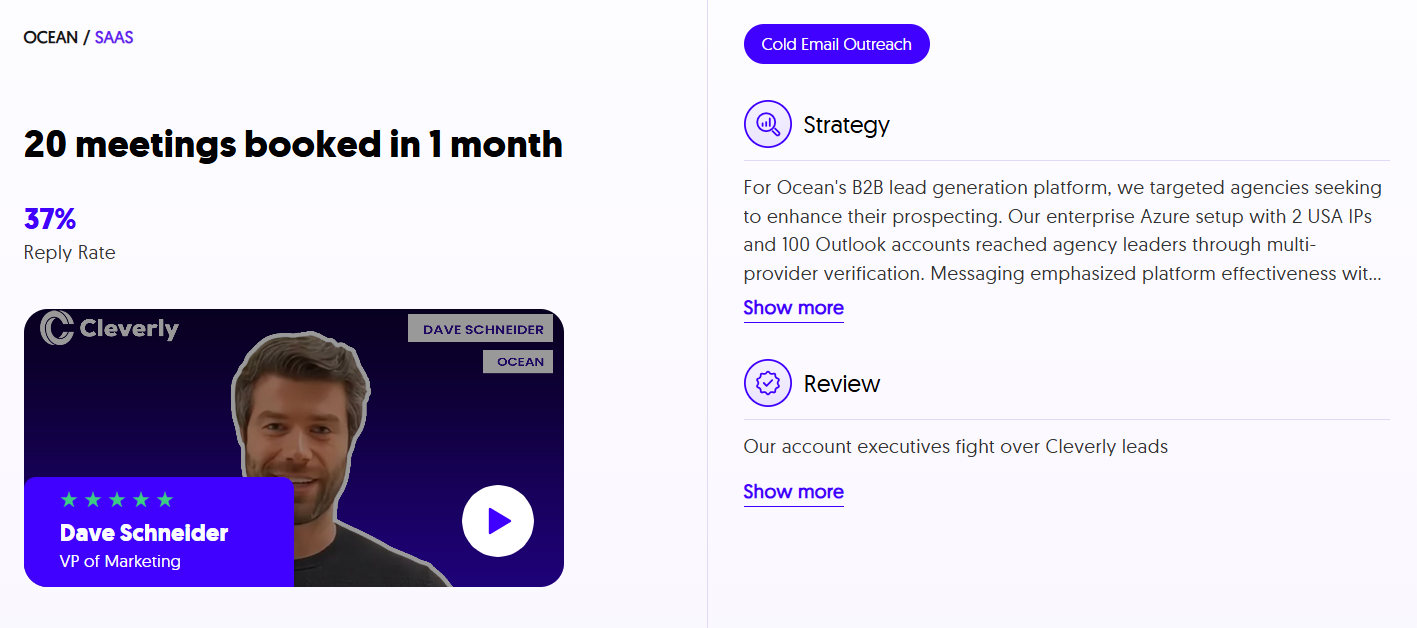
How Cleverly Helps SaaS Companies Book More Meetings With Cold Email Outreach
Conclusion
Frequently Asked Questions
Modified On :
October 12, 2026
Key Takeaways
- Cold email strategy for SaaS requires ICP precision, not mass volume, narrow targeting beats broad outreach every time.
- Industry-average positive reply rates run 3-9% for B2B SaaS cold email; well-run campaigns with strong ICP clarity and deliverability hit 8-12%.
- Build 3-5 email sequences with value-first offers like audits or benchmarks instead of jumping straight to demo requests.
- Protect deliverability from day one with proper domain setup, warm-up periods, and controlled sending volumes.
- Personalize what matters: reference pain points, tech stack, and business challenges, not just company names.
- Measure and iterate weekly on open rates, reply rates, and meeting conversions to continuously improve performance.
Cold email isn't dead. It's just done badly.
While your inbox is drowning in generic pitches, cold email strategy for SaaS companies that actually convert is rarer than ever.
The problem? Most teams confuse volume with strategy and wonder why their reply rates tank.
In 2026, B2B SaaS cold email works when you treat it like a science, not a numbers game.
We've helped 10,000+ SaaS companies generate meeting-ready leads with Fortune 500 clients, and the data is clear: the right approach still delivers 8-15% reply rates while bad tactics get you blacklisted.
This guide breaks down what actually works. Real benchmarks. Proven cold email strategies for SaaS companies. And the execution framework that separates spam from pipeline.
Let's get into it.
Why Cold Email Is Still a Top Channel for B2B SaaS
Cold email B2B SaaS campaigns outperform most channels when you're selling to a defined audience with real buying intent. Here's why it still works in 2026.
Cold email vs other channels
While paid ads burn budget on unqualified clicks and SEO takes 6-12 months to gain traction, cold email for B2B SaaS lets you reach decision-makers directly. LinkedIn outreach gets you in front of the right people, but connection limits and platform restrictions slow you down. Cold email? You control the message, the timing, and the economics.
When cold email makes the most sense
Cold email works best when your Total Addressable Market (TAM) is defined, your Average Contract Value (ACV) justifies the effort (typically $5K+ annually), and you have crystal-clear ICP clarity. If you know exactly who buys your product and why, cold email becomes your most predictable lead source.
Where it fits in your GTM motion
Modern SaaS email marketing strategy uses cold email as the top-of-funnel engine that feeds your entire pipeline. It works alongside content, product-led growth, and partnerships, but it's often the fastest way to book qualified meetings.
At Cleverly, we've seen SaaS companies scale from zero to consistent pipeline in 30-45 days with the right cold email approach.
The key? Treating it as a strategic channel, not a spray-and-pray tactic.
🔥 Cold Emails That Hit Benchmarks
Cleverly runs SaaS cold email campaigns built to beat reply-rate benchmarks, and delivers meeting-ready leads you only pay for.
How SaaS Cold Email Differs From Generic B2B Outreach
SaaS cold email isn't just B2B outreach with a software spin. The buying process is fundamentally different, and your email strategy needs to reflect that.
You're dealing with longer sales cycles and multiple decision makers.
A manufacturing company might buy a service after one sales call. A SaaS deal? You're looking at 3-6 month sales cycles with input from end users, IT, finance, and C-suite.
Your cold email needs to open the door wide enough for all of them to walk through.
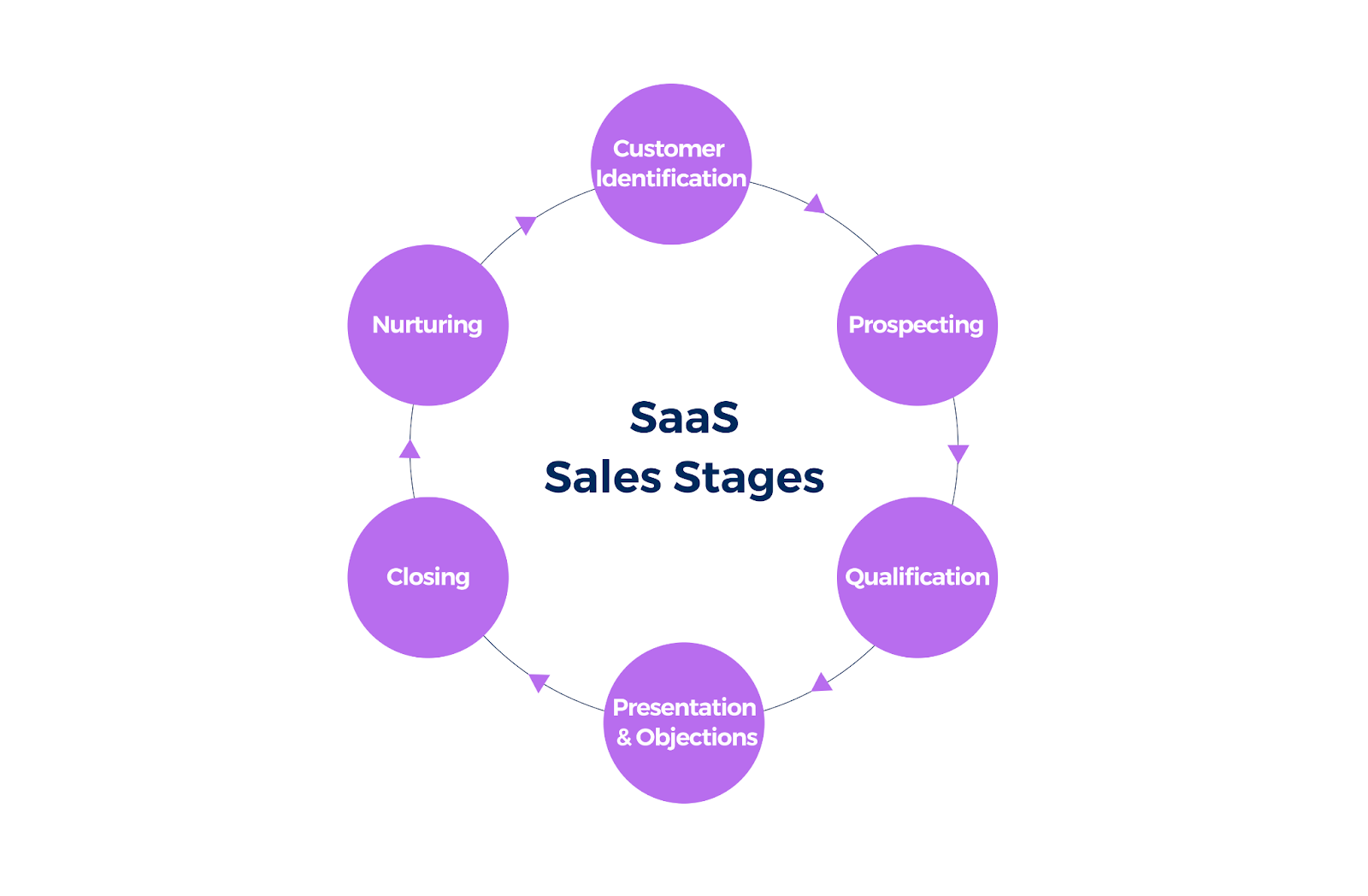
You're selling a workflow change, not a one-time transaction.
When someone buys your SaaS product, they're committing to changing how their team works. That's a bigger ask than purchasing a service.
Your cold email blueprint for SaaS has to acknowledge this friction upfront and make the transition feel manageable, not overwhelming.
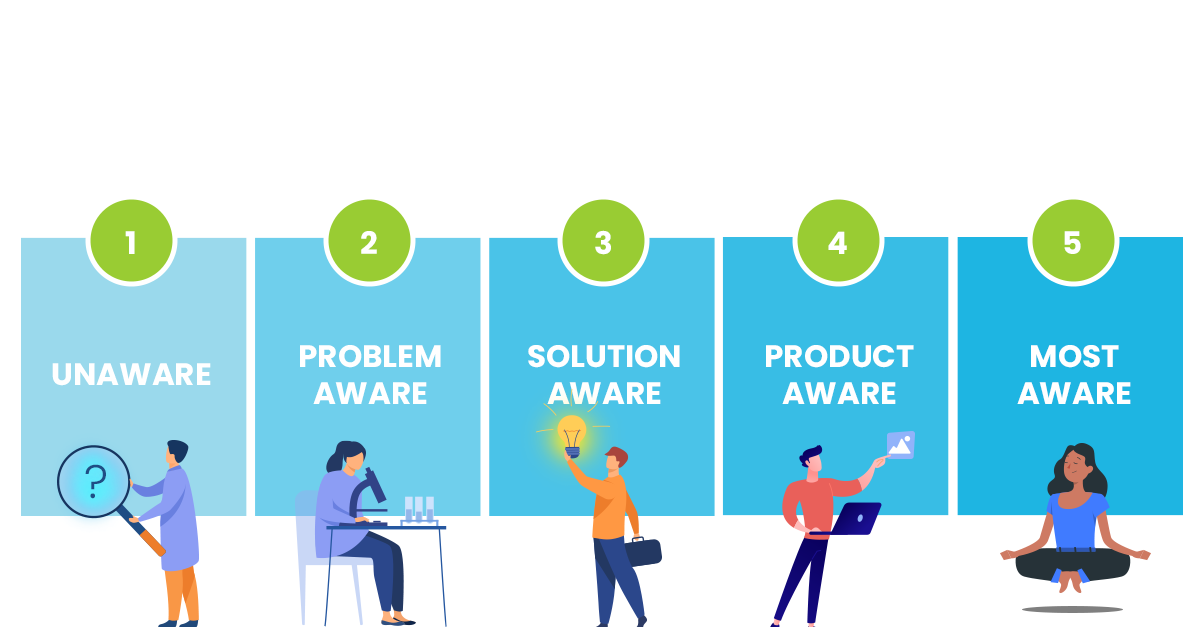
Problem awareness beats solution pitching every time.
Most prospects don't wake up thinking "I need new sales automation software." They wake up frustrated that their team is manually updating spreadsheets.
Your email should spotlight the problem they're living with daily, then position your solution as the logical fix. Lead with pain, not features.
Personalization depth matters exponentially more.
Generic B2B outreach might get away with "Hey [FirstName], I help companies like [Company] with [vague benefit]."
For SaaS? You need to reference their specific tech stack, workflow bottlenecks, or competitive positioning. We've seen reply rates double when emails demonstrate you actually understand their business, not just their industry.
The companies getting B2B SaaS cold email right treat it like consultative selling, not mass blasting. You're starting a conversation about change management, not hawking software.
Understand More: SaaS Sales Funnel - How to Turn Cold Prospects into Paying Customers
Real Cold Email Reply Rate Benchmarks for B2B SaaS
Let's cut through the noise. Here's what actual cold email strategy for SaaS campaigns are delivering in 2026, based on data from thousands of outbound programs we've run at Cleverly.
Average B2B SaaS cold email benchmarks:
- Open rates: 20-40% (anything below 25% signals deliverability issues)
- Positive reply rates: 3% - 9% (responses showing genuine interest, not unsubscribes)
- Meeting booking rates: 1-3% of total emails sent (the metric that actually matters)
These numbers assume clean data, proper email infrastructure, and personalized messaging. Send generic blasts to scraped lists? Cut those numbers in half.
How benchmarks shift by segment:
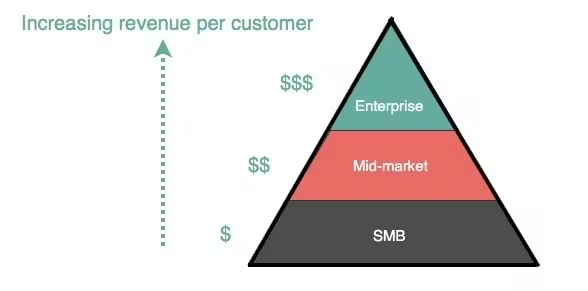
- SMB SaaS (sub-$50K ACV): Higher reply rates (10-18%) but lower meeting quality. Decision makers respond faster but churn risk is higher.
- Mid-market SaaS ($50K-$250K ACV): The sweet spot. Reply rates of 8-12% with stronger meeting-to-close ratios. Multiple stakeholders mean longer cycles but better fit.
- Enterprise SaaS ($250K+ ACV): Lower reply rates (5-10%) but each meeting carries massive pipeline value. Expect longer nurture sequences and multi-threading.
- Founder-led outreach consistently outperforms SDR-led by 30-50% in reply rates. Prospects respond to authority and skin in the game. But founders can't scale forever, which is where trained SDRs with strong coaching come in.
- Vertical SaaS (restaurant, legal, HR tech, etc.): Reply rates run slightly lower than horizontal SaaS (4-8%) because operators are time-constrained and evaluate tools differently than desk-based executives. Compensate with tighter segmentation, shorter emails, and phone follow-ups as a standard part of your sequence.
What's "good" vs "great" in 2026:
- Good: 8% positive reply rate, 1.5% meeting rate
- Great: 12%+ positive reply rate, 2.5%+ meeting rate
Anything above 15% positive replies? You've either nailed product-market fit, have an incredibly tight ICP, or your offer is uniquely compelling.
Why your numbers might differ:
Your SaaS cold email benchmarks depend on three variables. First, your ICP specificity. Targeting "VP of Sales at tech companies" is too broad. "VP of Sales at 50-200 person B2B SaaS companies using Salesforce with SDR teams" gets better results.
Second, your offer strength. A free audit beats a demo request. Third, your list quality. Verified, enriched contacts outperform scraped LinkedIn data every time.
🚀 Replies Are Nice. Meetings Pay.
We handle copy, deliverability, targeting, and follow-ups, so your cold emails turn benchmarks into booked sales calls.
Core Elements of a High-Performing SaaS Cold Email Strategy
Most cold email strategies for SaaS companies fail before the first email even sends. They skip the foundation and jump straight to copywriting. Here's what actually needs to be in place.
ICP precision and segmentation
You can't sell to everyone, so stop emailing everyone. Define your ideal customer profile down to the job title, company size, tech stack, and revenue range. Then segment further. A CFO at a 20-person startup has different pain points than a CFO at a 500-person scale-up. Your messaging should reflect that.
We've seen reply rates jump 40% when companies move from broad industry targeting to hyper-specific segments. "Marketing leaders" is lazy. "Growth marketing managers at Series A SaaS companies struggling with attribution" gets meetings.
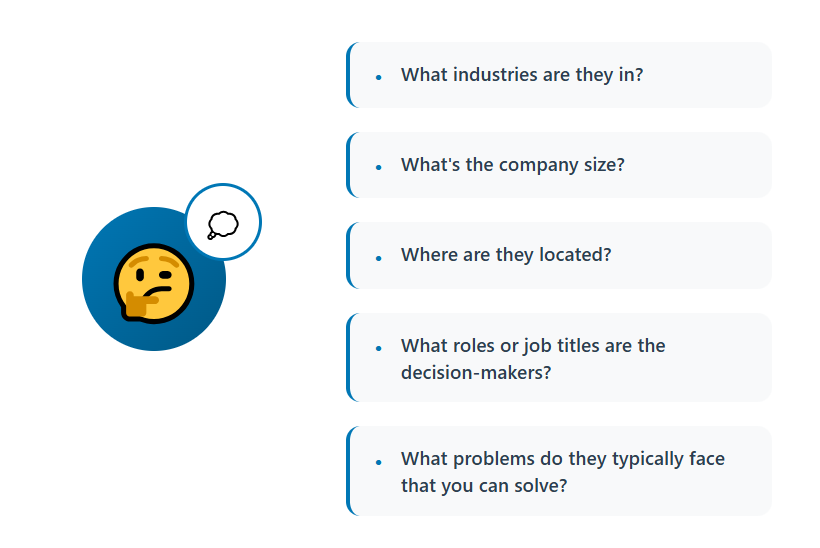
Offer clarity: what problem you solve and for whom
Your prospect should understand your value proposition in five seconds. Not what your software does. What problem it fixes and who it's built for. "We help RevOps teams at mid-market SaaS companies eliminate data silos between sales and marketing" beats "We're an all-in-one platform for go-to-market teams."
Vague offers get ignored. Specific offers get replies.
List quality over list size
Sending to 10,000 contacts sounds impressive until your reply rate is 2% and half are spam complaints. A clean list for cold email of 500 verified decision makers will outperform a scraped list of 5,000 every single time.
Quality signals to prioritize:
- Verified work emails (not catch-alls or info@ addresses)
- Recent job changes (new hires are more open to evaluating tools)
- Buying signals (recent funding, hiring sprees, tech stack changes)
- Enriched data (LinkedIn activity, company news, tech usage)
At Cleverly, we spend more time building the right list than writing the email. Bad data kills even the best copy.
Sequence design vs single-email mindset
One email rarely closes a deal. A well-structured email sequence nurtures the relationship. Your cold email strategy for SaaS should include 4-7 touchpoints spaced 3-5 days apart, each adding value without repeating yourself.
Sequence structure that works:
- Email 1: Problem-focused opener
- Email 2: Social proof or case study
- Email 3: Different angle on the same pain point
- Email 4: Soft breakup with a question
- Email 5-7: Long-term nurture with relevant content
Single emails get lost. Sequences build familiarity.
Deliverability as a strategic pillar, not a technical afterthought
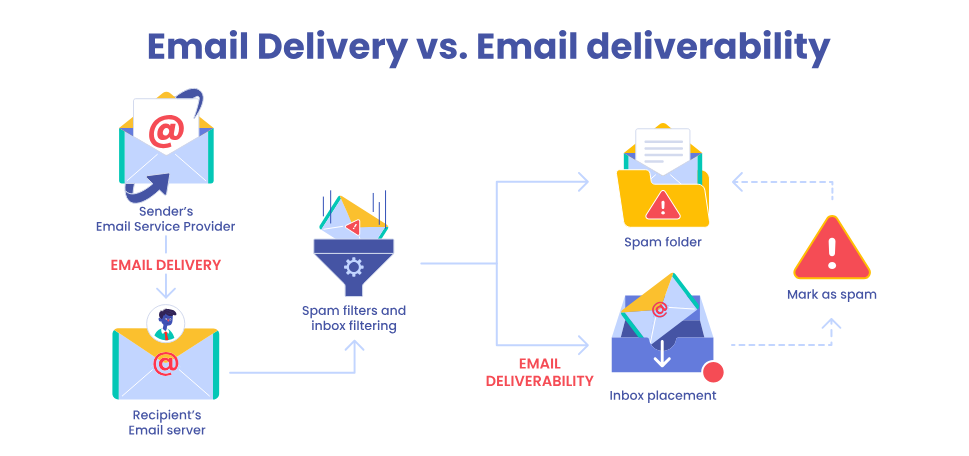
Your emails can't convert if they never reach the inbox. SaaS email marketing strategy in 2026 requires treating email deliverability like a core KPI, not an IT problem.
Non-negotiables for inbox placement:
- Domain warm-up before sending at volume.
- SPF, DKIM, and DMARC authentication properly configured.
- Sending limits that match your domain age and reputation.
- Engagement monitoring to catch spam traps and bounces early.
We've watched campaigns with killer copy fail because they ignored deliverability. Get your infrastructure right first, then optimize messaging.
These five elements aren't optional. They're the difference between cold email strategies for SaaS companies that fill pipelines and campaigns that waste budget.
Step-by-Step SaaS Cold Email Strategy Framework
Here's the exact cold email strategy for SaaS framework we use at Cleverly to help clients book qualified meetings, not just send emails into the void.
Step 1: Define a Narrow, Revenue-Driven ICP
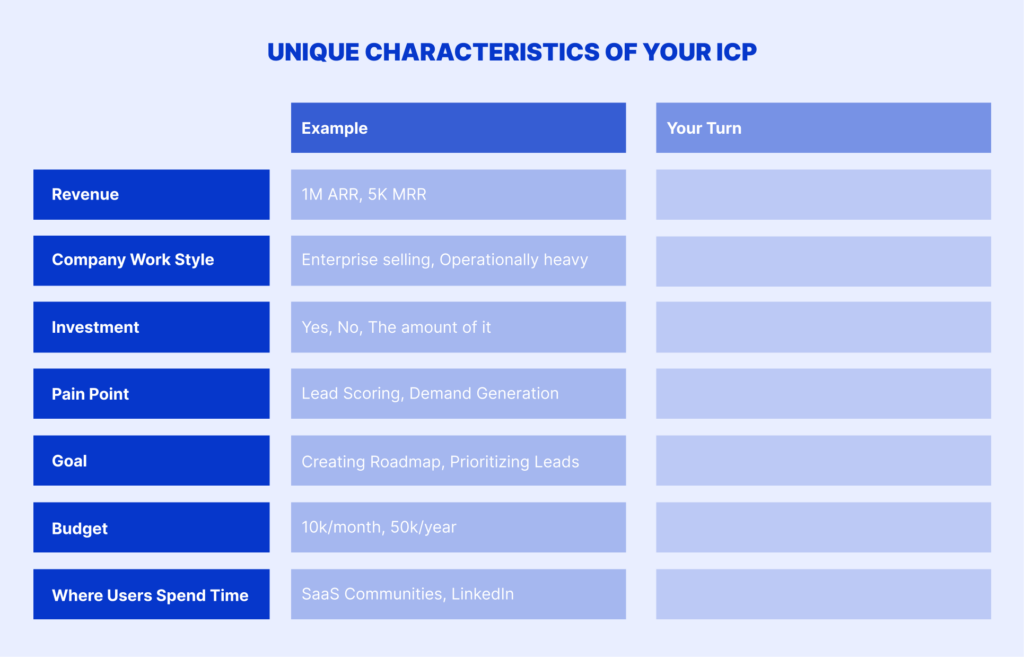
Start with the accounts that actually close and generate revenue, then work backward. Your ICP isn't who could use your product. It's who buys fast, stays long, and expands.
Build your ICP using three layers:
- Firmographics: Company size, revenue range, industry, location, funding stage. Example: 50-500 employees, $10M-$100M revenue, B2B SaaS, Series A-C.
- Technographics: What tools they already use. If your product integrates with Salesforce, target companies using Salesforce. If you replace HubSpot, target teams outgrowing HubSpot's limitations.
- Trigger-based targeting: Recent events that create urgency. New funding rounds, leadership changes, rapid hiring, product launches, or competitive losses all signal readiness to buy.
Avoid the "horizontal SaaS" trap. Saying "we help all sales teams" makes you forgettable. Saying "we help outbound sales teams at mid-market SaaS companies using Salesloft" makes you relevant. Narrow wins.
Step 2: Build a Cold Offer That Works for Cold Traffic
Your homepage demo CTA doesn't work in cold email. Prospects don't know you yet. They need a lower-friction entry point.
Audit offers outperform demo requests. Instead of "Book a demo," try "We'll audit your current sales process and show you three bottlenecks costing you deals." You're giving value before asking for time.
Low-friction CTAs that convert:
- Free workflow audit or gap analysis
- Benchmarking report (how they compare to peers)
- Quick diagnostic call (15 mins, not 30-45)
- Access to a resource in exchange for a conversation
The goal? Make saying yes easier than saying no. Your SaaS cold email should lead with help, not a sales pitch.
Step 3: Create a Short, Value-First Email Sequence
Long sequences kill response rates. Prospects lose interest after email five, and your domain reputation tanks from over-sending.
Why 3-5 emails outperform longer sequences: Each email should standalone. If someone reads email three without seeing one or two, it should still make sense and offer value. Anything beyond five emails feels like spam.
Sequence structure that works:
- Email 1: Problem-aware opener (3-4 sentences max)
- Email 2: Different angle or case study (2-3 days later)
- Email 3: Value-add resource or insight (3 days later)
- Email 4: Soft breakup or pattern interrupt (4-5 days later)
- Email 5 (optional): Long-term nurture check-in (7-10 days later)
Timing matters. Send emails Tuesday-Thursday between 8-10 AM or 1-3 PM in their timezone. Avoid Mondays (inbox overload) and Fridays (weekend mindset).
Step 4: Personalization That Actually Scales
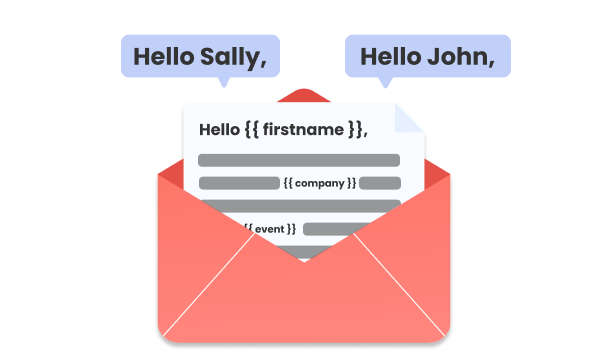
Light personalization works for top-of-funnel volume. Use company name, industry, recent news, or mutual connections. It shows you did five seconds of research.
Deep personalization works for high-value accounts. Reference their tech stack, specific pain points from job postings, LinkedIn content they've shared, or competitive intel. Reserve this for enterprise deals or strategic accounts.
Video personalization for high-value accounts.** Short personalized videos (60-90 seconds recorded via Loom or Vidyard) consistently generate 3-5X higher reply rates compared to text-only emails when used for enterprise or strategic accounts.
The format forces the sender to actually research the prospect — and the prospect can tell the difference. Record a video that opens on the prospect's website or LinkedIn profile, references something specific to their situation, and ends with a single clear ask.
Reserve this for your top 20% of accounts where deal value justifies the extra 5 minutes per prospect.
What to personalize beyond first name:
- Recent company news (funding, acquisition, leadership change)
- Specific tools they use (pulled from technographic data)
- Pain points mentioned in job descriptions or LinkedIn posts
- Mutual connections or shared experiences
- Industry-specific challenges (regulatory changes, market shifts)
At Cleverly, we use a tiered approach. Top 20% of accounts get deep personalization. The rest get smart light touches that still feel human.
Step 5: Protect Deliverability From Day One
Your cold email strategy for SaaS dies if your emails hit spam. Deliverability isn't optional.
Domain setup and warm-up:
- Use a separate sending domain (mail.yourdomain.com, not yourdomain.com).
- Configure SPF, DKIM, and DMARC records properly.
- Warm up new domains by sending 10-20 emails/day for 2-3 weeks before scaling.
- Use tools like Mailflow or Warmup Inbox to build sender / domain reputation.
Volume control and sending patterns:
- Never send more than 50 emails/day per mailbox in the first month.
- Spread sends throughout the day to mimic human behavior.
- Use multiple mailboxes to scale (5 mailboxes = 250 emails/day safely).
- Monitor bounce rates (keep under 5%) and spam complaints (under 0.1%).
Avoiding spam triggers specific to SaaS outreach:
- Skip words like "free trial," "limited time," "act now"
- Avoid excessive links (one CTA link max per email)
- Keep images out of initial emails
- Use plain text or minimal HTML formatting
- Never buy email lists (instant spam flag)
We've seen entire campaigns collapse because teams ignored deliverability. Protect your infrastructure like it's your product.
Step 6: Measure, Iterate, and Improve Weekly
Campaigns don't optimize themselves. You need to track the right metrics and adjust based on what the data tells you.
Metrics that matter at each stage:
Deliverability stage:
- Bounce rate (should be under 5%)
- Spam complaint rate (under 0.1%)
- Inbox placement rate (aim for 80%+)
Engagement stage:
- Open rate (40-60% is healthy)
- Reply rate (8-15% for positive responses)
- Unsubscribe rate (under 1%)
Conversion stage:
- Meeting booking rate (1-3% of sends)
- Show rate (70%+ of booked meetings)
- Qualified opportunity rate (what actually enters pipeline)
How to diagnose problems:
- Low open rates? Your subject lines are weak, or you have deliverability issues. Test new subjects and check spam folder placement.
- High opens, low replies? Your body copy isn't resonating. Your offer is unclear, or your CTA is too aggressive. Test different angles and softer asks.
- Good replies, low conversions? Your qualification is off, or your follow-up process is broken. Tighten your ICP and improve your response handling.
How to Improve Open Rates When They're Below Benchmark
Open rates below 25% are almost always a subject line or deliverability problem — not a content problem. Diagnose before rewriting.
If the issue is subject lines:
- Test subject lines that ask a question vs. state a fact ("Quick question for you" vs. "How [Company] can reduce churn")
- Try shorter subject lines (under 5 words often outperform longer ones)- Remove anything that reads like marketing copy — urgency words, superlatives, excessive capitalization
- A/B test the sender name: "Sarah from Acme" vs. "Sarah Chen" vs. "Acme Sales" — sender name often matters as much as subject line
If the issue is deliverability (emails landing in spam or promotions):
- Check inbox placement using tools like GlockApps or Mail-Tester before scaling
- Reduce send volume per mailbox and check bounce rate — if it's above 3%, pause and clean the list
- Review your domain authentication (SPF, DKIM, DMARC) — a misconfigured record quietly kills open rates without obvious symptoms
- Switch from HTML templates to plain text for the first email in a sequence — plain text typically gets 15-25% higher inbox placement rates
For a full deliverability audit walkthrough, see how to improve email deliverability — the same steps apply specifically to cold lead campaigns.
Track open rates weekly at the campaign level, not the account level. A subject line that tanks in one segment might outperform in another — don't make changes until you have at least 100 sends of data.
At Cleverly, we review campaign metrics every week and make micro-adjustments. Small tweaks compound. A 2% lift in reply rate across 1,000 emails = 20 more conversations = 5-10 more meetings.
Your SaaS email marketing strategy should be a living system, not a set-it-and-forget-it campaign.
Common SaaS Cold Email Mistakes That Kill Campaigns
Most cold email campaigns fail slowly, not suddenly. The metrics look okay for a few weeks before you realize your meeting rate is stuck at 0.3% and you're burning your domain reputation at the same time. Here's where the failure usually starts.
Sending to a mixed-role list with one message. A VP of Engineering and a VP of Sales at the same company have completely different relationships with your product. When you write an email that "works for both," it resonates with neither. Separate your campaign by role before you write a single word of copy.
Jumping straight to a demo request. A demo is a 30-minute commitment from someone who has never heard of you. The first email should ask for something that costs them 30 seconds — a reply, a yes/no question, a quick reaction. Save the calendar link for the second or third touchpoint after they've shown genuine interest.
Ignoring deliverability until it's already broken. Bounce rates above 4%, sudden drops in open rate, or emails landing in spam are all lagging indicators — by the time you notice them, your domain reputation has already taken a hit. Monitor deliverability signals weekly, not after campaigns end. A weekly inbox placement test with GlockApps is an easy way to catch a drop before it hurts your reply rate.
Stopping follow-ups too early. Most cold email replies come after the third or fourth touchpoint. Teams that stop at two emails are abandoning pipeline before it had a chance to develop. The sequence should run 4-5 touches before you consider a prospect cold — and each follow-up needs to add something new, not repeat your original pitch.
Scaling volume before the system works. If your reply rate is 1.5% and you triple your send volume, you get 3X as many weak replies — and 3X the deliverability damage. Volume amplifies what's already working. Before scaling, nail your ICP, your sequence, and your offer on a controlled list of 300-500 contacts. Then scale.
Writing emails that try to solve too much at once. A first cold email that covers your product's five features, includes two case studies, and ends with three different CTAs gives the recipient nowhere to land. Every email should make one point and ask for one thing. If the email has more than one idea, cut it until it has one.
Every email should make one point and ask for one thing — the principles behind that discipline are covered in depth in our cold email copywriting guide.
SaaS Cold Email Examples That Drive Replies
Templates are dead. Frameworks are forever.
The best SaaS email marketing strategy doesn't rely on copy-paste templates that sound like everyone else's inbox. It uses proven frameworks you can adapt to your ICP, your product, and your prospect's specific situation.
Here are three frameworks that consistently drive replies when executed right.
Framework 1: Problem-Led Email
Lead with the pain point your prospect is living with right now, then position your solution as the logical fix.
Structure:
- Line 1: Call out the specific problem (be exact, not generic)
- Line 2-3: Why this problem matters (cost, time, or competitive risk)
- Line 4: How you solve it (one sentence, outcome-focused)
- CTA: Low-friction next step
Example:
Subject: Your SDRs spending 2+ hours/day on manual data entry?
Hey [Name],
Most sales teams at [company size] lose 10-15 hours per week updating CRM records manually. That's time your reps could spend actually selling.
We help RevOps teams at SaaS companies like [similar company] automate data sync between their sales tools and CRM, cutting admin work by 70%.
Worth a quick 15-minute call to see if this applies to your team?
[Your Name]
Why it works: You're diagnosing a problem they recognize immediately, quantifying the impact, and offering a specific outcome. No fluff.
Framework 2: Trigger-Based Outreach
Hook into a recent event (funding, hire, product launch, competitor news) that signals buying intent or readiness to change.
Structure:
- Line 1: Reference the trigger event
- Line 2: Why this creates urgency or opportunity
- Line 3: How you've helped similar companies in this situation
- CTA: Relevant offer tied to the trigger
Example:
Subject: Congrats on the Series B
Hey [Name],
Saw you just closed $20M in Series B funding. Congrats.
Most SaaS companies scaling post-funding hit a wall when their outbound process can't keep up with pipeline targets. We've helped teams like [similar company] go from 10 to 50 qualified meetings/month without hiring 5 more SDRs.
If scaling outbound is on your roadmap, let's talk. I'll show you exactly how we did it.
[Your Name]
Why it works: The trigger proves you're paying attention. You're tying your solution to a real moment of change in their business, not cold pitching out of nowhere.
Framework 3: Use-Case Specific Email
Speak directly to one persona, one workflow, one pain point. Hyper-relevance beats broad appeal.
Structure:
- Line 1: Call out their role or team
- Line 2: Describe the workflow problem (be detailed)
- Line 3: Show how you solve it for that exact use case
- CTA: Offer a use-case demo or case study
Example:
Subject: For demand gen teams struggling with attribution
Hey [Name],
Most demand gen leaders at mid-market SaaS companies can't prove which channels actually drive pipeline. Marketing gets credit for MQLs, but sales says the leads are junk.
We built [product] specifically for teams like yours to track full-funnel attribution from first touch to closed-won, so you can finally show what's working.
Want to see a quick walkthrough of how [similar company] uses it?
[Your Name]
Why it works: You're speaking their language. The pain point is so specific that if they're dealing with it, they'll reply. If not, they'll ignore it, which saves everyone time.
Why frameworks outperform copy-paste templates
Templates sound like templates. Prospects can smell them from a mile away. Frameworks force you to think about the prospect's actual situation and adapt your message accordingly.
A good framework gives you structure without killing personalization. You're not filling in mad libs. You're applying a proven approach to a specific person with a specific problem.
What to focus on when using these frameworks:
- Specificity over cleverness: "Your SDRs spending 2+ hours/day on data entry" beats "Tired of wasting time on admin work?"
- Outcomes over features: "Cut admin work by 70%" beats "Our platform automates CRM updates"
- One CTA per email: Don't ask for a demo AND a case study AND a reply. Pick one.
- Keep it tight: 50-100 words max. If you can't say it in five sentences, you don't understand your value prop yet.
At Cleverly, we don't use the same email for every prospect. We use frameworks like these and adapt them based on ICP, trigger events, and buying stage.
That's how cold email strategies for SaaS companies scale without sounding robotic.
Test these frameworks. Adjust the language to fit your voice. Watch your reply rates climb.
Also Check: 13+ Sample Emails to Approach New Clients (Proven Templates + Tips)
SaaS Cold Email by Vertical: What Changes When You Sell into a Niche Market
Generic B2B SaaS cold email frameworks work. But when you're selling into a specific vertical — restaurant tech, HR tech, fintech, legal — a few adjustments sharpen your reply rates significantly.
The core strategy stays the same: tight ICP, value-first offer, 3-5 email sequence. What changes is the language, the proof, and the segmentation logic. Here's what that looks like in practice.
Cold Email for Restaurant SaaS Companies
Restaurant SaaS has specific cold outreach characteristics that generic B2B guides don't address. Whether you're selling to restaurant operators, multi-unit groups, or the managers who own their tech stack, three things change your results more than anything else.
Segment by restaurant type and scale, not just company size. A fast-casual chain with 15 locations has a completely different decision-making structure than an independent fine dining owner. "Restaurant" is not an ICP — "multi-unit QSR groups over 10 locations in the US" is.
For segmentation signals to prioritize: location count (single vs. multi-unit), restaurant type (QSR, fast casual, fine dining, ghost kitchen), and tech stack signals (if they're using legacy POS systems, they're likely open to replacing them). Tools like Salesforce Maps or Clay can filter franchise/chain restaurant data at scale.
Lead with operational pain, not software features. Restaurant operators think in shifts, covers, and ticket times — not dashboards and integrations. "Cut 30 minutes off your manager's daily reporting" lands differently than "automated analytics platform." Every SaaS pitch to this vertical should be framed around what it stops your ICP from doing manually.
Match send timing to the restaurant day. Mid-morning (9-11 AM) or mid-afternoon (2-4 PM) reaches managers between service windows. Avoid Monday mornings (prep chaos) and Friday afternoons (weekend rush mode). Tuesday and Wednesday are consistently the highest-response days for restaurant vertical outreach.
Subject lines that work for restaurant SaaS:
- "Quick question about how [Company] handles nightly close reports"
- "[Chain name] — how are you tracking [specific metric] across locations?"
- "30 seconds for a question about your ops stack?"
Reply rate benchmarks specific to restaurant SaaS cold email:
Restaurant SaaS cold email tends to produce slightly lower reply rates than generic B2B SaaS (4-8% positive vs. 8-12%) because decision-makers are time-constrained operators, not desk-bound executives. Meeting booking rates run 1-2%. Compensate with tighter segmentation, shorter emails (aim for under 75 words), and a phone call in your sequence.
Applying This Logic to Other Vertical SaaS Markets
The restaurant SaaS framework applies to any vertical SaaS market:
HR Tech cold email: Lead with compliance risk or headcount-to-HR ratio data. Segment by company size (companies with 100-500 employees and no dedicated HR ops typically have the highest pain). Avoid Friday sends — HR teams often own end-of-week payroll processes.
Fintech / Payments SaaS: Lead with integration compatibility (does it connect to their accounting stack?) and regulatory context. Finance buyers are risk-sensitive — social proof from similar-sized companies carries more weight here than anywhere else.
Legal Tech: Decision-makers are partners or managing directors, not typical C-suite. Response rates are lower (3-6%) but deal values are high. Longer nurture sequences (5-7 touches) and phone follow-ups are standard.
The segmentation principle that holds across all verticals: the more specific your ICP definition, the less clever your email needs to be. A perfectly segmented list of 300 contacts will outperform a generic list of 3,000 every time.
How Cleverly Helps SaaS Companies Book More Meetings With Cold Email Outreach
We build the entire outbound system — ICP, list, copy, deliverability, and reply management. You get qualified meetings on your calendar.
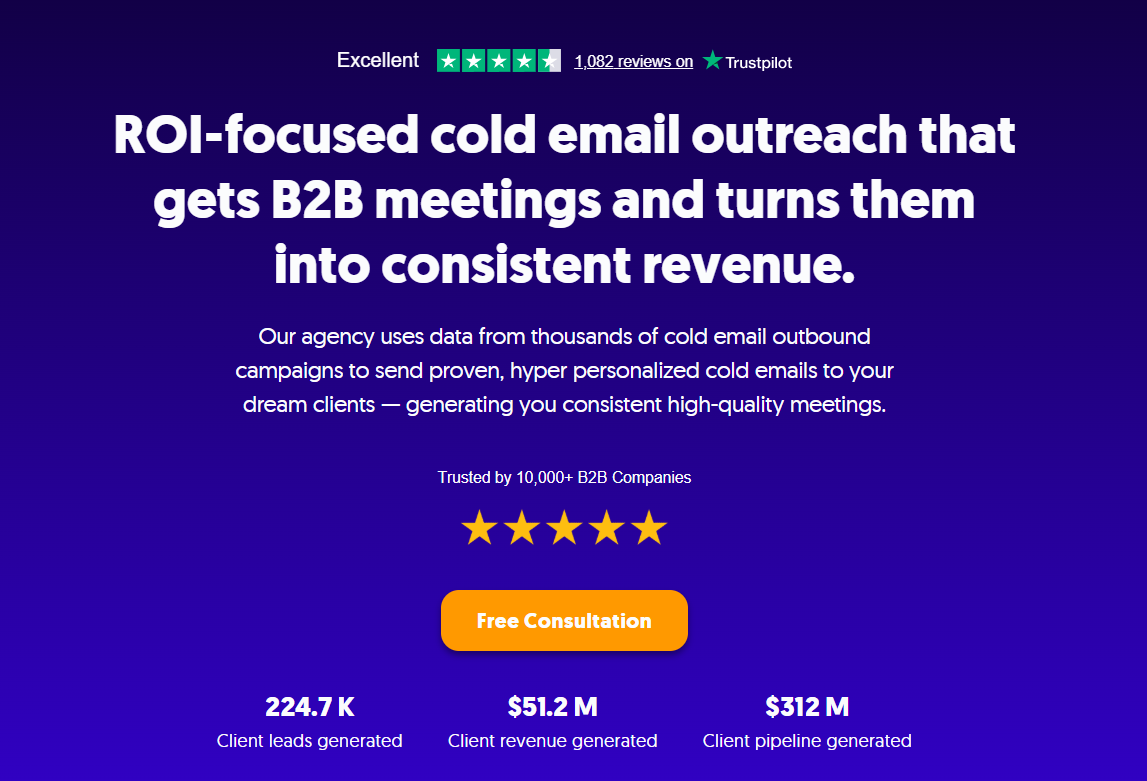
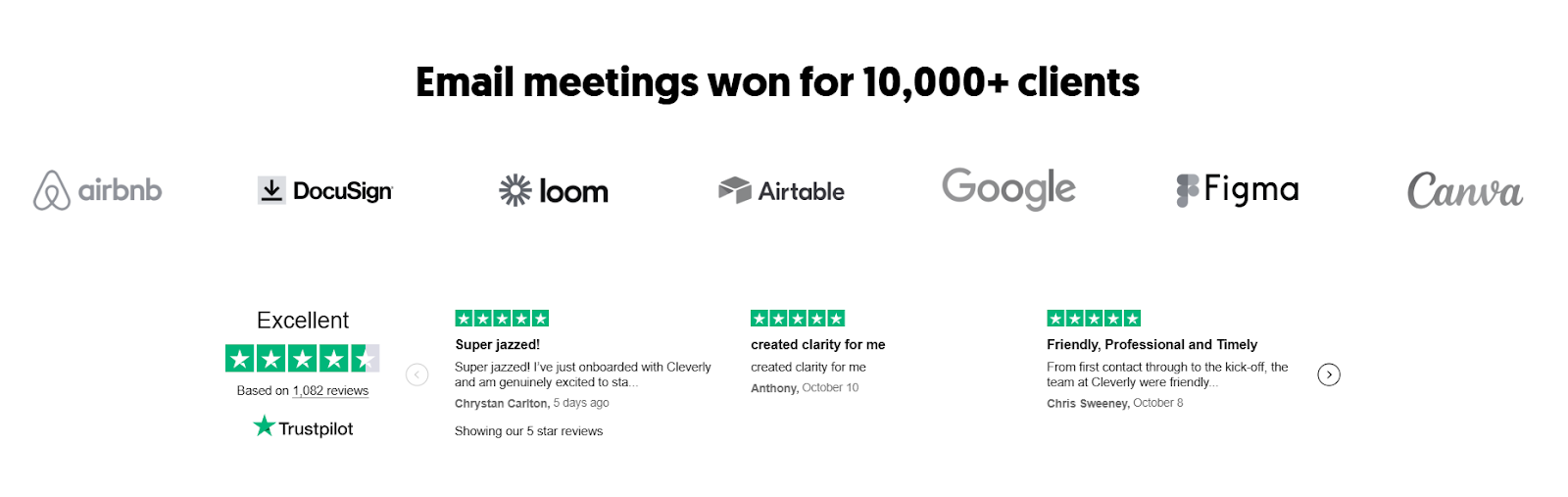
At Cleverly, we've helped over 10,000 clients generate $312 million in pipeline revenue and $51.2 million in closed revenue. Companies like Amazon, Google, Uber, PayPal, Slack, and Spotify trust us to deliver meeting-ready leads, not vanity metrics.
Here's what makes us different as a cold email outreach agency: we handle strategy, ICP research, list building, copywriting, deliverability, and reply management. You get qualified meetings booked directly on your calendar.
We take the risk. You only pay for results.
No fluff. No spam. Just meeting-ready leads.
Your sales team focuses on closing. We focus on filling the pipeline. Whether you're targeting SMB buyers or enterprise decision-makers, we build campaigns that match how SaaS companies actually buy.
Ready to scale your outbound without hiring a team? Let's talk about how we can help you book more qualified meetings with cold email B2B SaaS strategies that actually convert.
🚀 Book a free strategy call with Cleverly →
Conclusion
A winning cold email strategy for SaaS isn't built on hacks or templates. It's built on precision: the right ICP, the right offer, the right message, and the right follow-through.
Benchmarks give you a target, but execution determines results. The SaaS companies filling their pipelines with cold email treat it like a system, not a side project. They test, iterate, and refine every week.
If you're ready to turn cold email into a predictable lead generation channel, the framework is here. Now it's about putting it into action.
Frequently Asked Questions
Free Resource
How to Scale a Profitable Cold Call System
Get the complete guide — download it instantly now.
Free Ebook
Download the Free Guide
Enter your details to get instant access.
You're all set! 🎉
Your ebook is downloading now.
Click below if the download didn't start automatically.