Table of Contents
How LinkedIn Campaigns Are Structured in 2026
What Are the Types of LinkedIn Campaigns?
1. LinkedIn Awareness Campaigns
2. LinkedIn Follower Campaigns
3. LinkedIn Engagement Campaigns
4. LinkedIn Lead Generation Campaigns
5. LinkedIn InMail & Message Campaigns
6. LinkedIn ABM Campaigns
7. LinkedIn Website Traffic & Conversion Campaigns
8. LinkedIn Outreach Campaigns
How to Choose the Right LinkedIn Campaign Type for Your Goals
How Cleverly Runs LinkedIn Lead Generation Campaigns That Actually Convert
Conclusion
Frequently Asked Questions
Modified On :
October 6, 2026
Key Takeaways
- LinkedIn offers 8 distinct campaign approaches — each built for a different goal, audience stage, and budget — and picking the wrong one before you set your strategy is one of the most common (and expensive) mistakes B2B marketers make.
- The two campaign modes — Accelerate (AI-assisted) and Classic (manual control) — determine how much control you hand over to LinkedIn's algorithm before a single ad goes live.
- LinkedIn Lead Gen Forms convert at ~13% compared to 4–6% for standard landing pages — making lead generation campaigns one of the highest-leverage options for B2B demand gen teams.
- ABM campaigns on LinkedIn require sales and marketing alignment to work — running account-targeted ads without coordinating SDR sequencing leaves pipeline on the table.
- Organic LinkedIn outreach campaigns operate entirely outside Campaign Manager — and for high-ACV deals with a small TAM, they often outperform paid formats on cost per meeting.
- The most effective LinkedIn strategies layer multiple campaign types across the funnel: awareness → engagement → lead gen → outreach — not a single format running in isolation.
LinkedIn advertisers pick an ad format before they pick a strategy. They see a Sponsored Content post doing well organically, boost it, and call it a campaign. Or they set up a Lead Gen Form because someone told them it converts well — without stopping to ask what goal that form is actually serving.
That's backwards. And it's why so many LinkedIn campaigns burn the budget without producing a pipeline.
The real question isn't "what ad format should I use?" — it's "what kind of campaign do I need to run?" The format follows the strategy. Not the other way around.
LinkedIn is where B2B ad money is going. Dreamdata's 2026 LinkedIn Ads Benchmarks Report found LinkedIn was the only major platform with a positive return on ad spend in 2025, at 121%, versus 67% for Google Search and 51% for Meta.
There is a catch. The same report puts the average time from a first LinkedIn ad impression to revenue at 281 days. So the channel pays back, but slowly. That is why the campaign type you pick up front matters so much.
This guide breaks down all 8 LinkedIn campaign types — what each one does, when to use it, what formats work best, and how to choose based on your actual business goals. Whether you're a B2B marketer, SDR, demand gen lead, or founder evaluating LinkedIn as a channel, this is the framework you need before you spend another dollar.
How LinkedIn Campaigns Are Structured in 2026
Before you can choose the right campaign type, you need to understand how LinkedIn's Campaign Manager actually works — because LinkedIn updated its terminology in late 2025 and most guides online are still using the old naming.
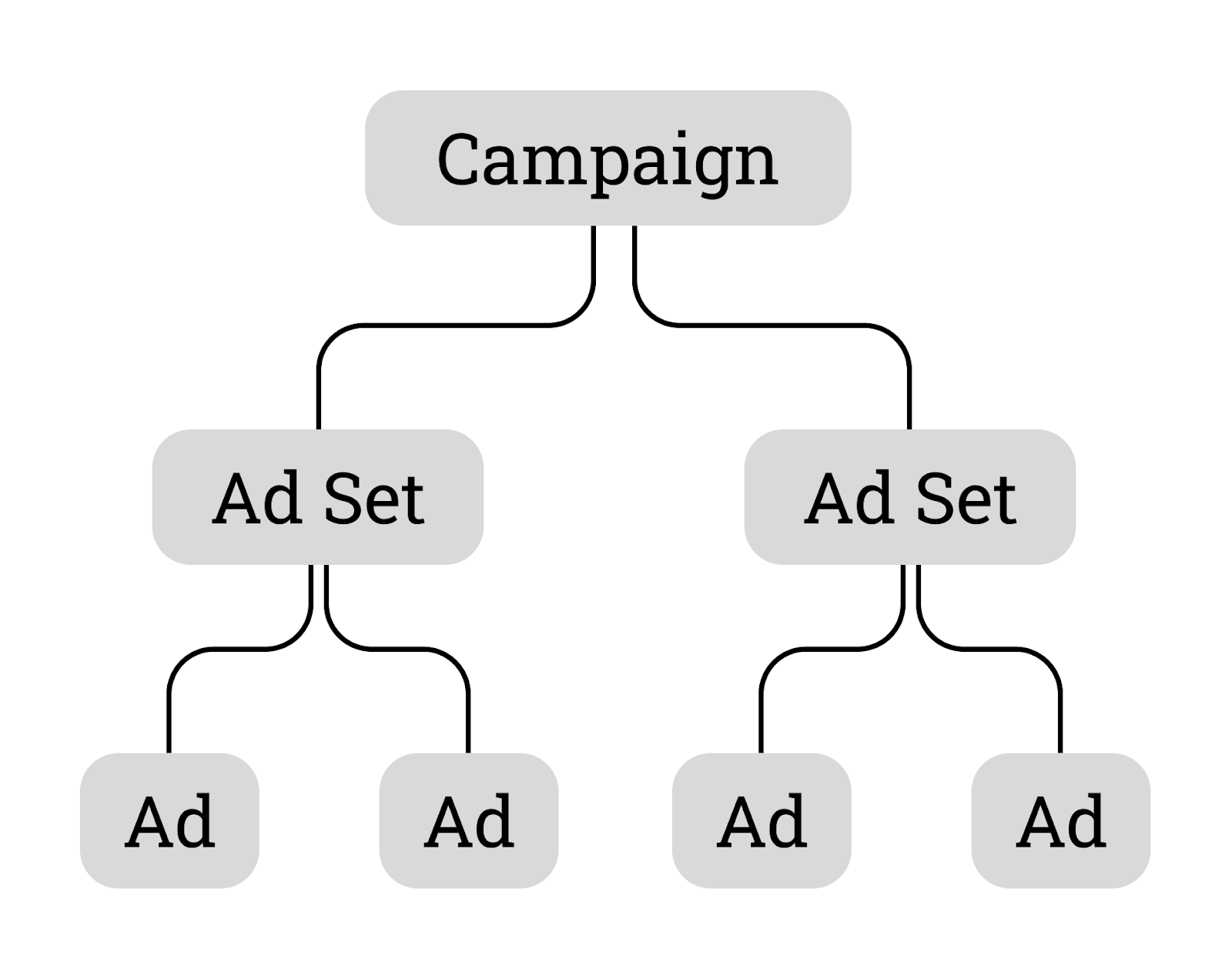
The Updated Three-Layer Structure
LinkedIn's hierarchy now reads: Campaigns → Ad Sets → Ads
Previously this was called Campaign Groups → Campaigns → Ads. If you're following an older tutorial and the labels don't match, that's why. The structure is the same — the names changed.
Accelerate vs. Classic: The First Decision You'll Make
Every LinkedIn campaign now starts with a mode selection — and this choice shapes everything downstream.
👉 Accelerate is LinkedIn's AI-assisted mode. LinkedIn automatically optimizes your audience, bidding strategy, and creative combinations based on your objective. You give it a goal and a budget; it figures out the rest. Accelerate works best when you have a large enough audience (50,000+ members), a clear conversion signal, and you want to minimize hands-on management.
👉 Classic gives you full manual control — targeting filters, bid type, ad formats, scheduling. For B2B campaigns where ICP precision matters (which is most of them), Classic is usually the right call. It takes more setup, but it lets you control exactly who sees your ads and at what cost.
LinkedIn's 7 Objectives and Why They're Permanent
LinkedIn structures campaigns around 7 objectives mapped to the funnel:
- Awareness: Brand Awareness
- Consideration: Website Visits, Engagement, Video Views
- Conversions: Lead Generation, Website Conversions, Job Applicants
The objective you select determines which ad formats are available, how LinkedIn optimizes delivery, and what metrics you'll be measured against.
Critical point: Your campaign objective cannot be changed after launch. If you select Website Visits but later realize you needed Lead Generation, you're starting a new campaign from scratch. Choose deliberately.
LinkedIn Ad Format Specs Cheat Sheet
Bookmark this one. These LinkedIn ad specs cover the four formats you will build most often across LinkedIn ad campaign formats.
Format choice affects cost, not just looks. In Metadata's 2025 benchmark, document ads cost $142 per lead, versus $200 for image ads and $265 for video ads. Test before you assume.
The image, video, and carousel numbers below come from LinkedIn's own spec pages.
Two quick specs tips:
- Vertical single images: The 1:1.91 vertical size gets side borders. LinkedIn recommends 4:5 to avoid them.
- Intro text: Text beyond roughly 150 characters sits behind a "see more" click. Put your point first.
CTA Button Options
You choose from preset buttons. You can't write custom text. On single image and video ads, the options are Apply, Download, View Quote, Learn More, Sign Up, Subscribe, Register, Join, Attend, and Request Demo.
Match the button to the goal:
- Learn More: traffic and top-of-funnel content.
- Download: gated guides and reports.
- Register or Attend: events and webinars.
- Request Demo: bottom-funnel offers.
Carousel and document ads also use LinkedIn's preset buttons. Check the exact options in Campaign Manager for your objective.
Message Ads, Conversation Ads, Event Ads, and Dynamic Ads have their own limits. Specs change, so check LinkedIn's official ads guide before you brief design. Last checked October 2026.
💰 $30K/Month for LinkedIn Ads… Or a Smarter Option?
Skip the $500–$750 cost per booked call. Cleverly’s LinkedIn outreach books qualified meetings starting at just $397/mo.
What Are the Types of LinkedIn Campaigns?
LinkedIn campaigns are best understood by approach — what you're trying to accomplish and where your audience is in the buying journey — not just by ad format. The format is a tool. The campaign type is the strategy.
Here are the 8 campaign approaches covered in this guide:
- Awareness Campaigns
- Follower Campaigns
- Engagement Campaigns
- Lead Generation Campaigns
- InMail & Message Campaigns
- ABM (Account-Based Marketing) Campaigns
- Website Traffic & Conversion Campaigns
- Outreach Campaigns
1. LinkedIn Awareness Campaigns
What This Campaign Type Is Built For
Awareness campaigns have one job: get your brand in front of the right professional audience — repeatedly — so that when they're ready to buy, you're already familiar.
The objective to select here is Brand Awareness, which optimizes for impressions and CPM (cost per thousand impressions) rather than clicks or conversions. LinkedIn's algorithm distributes your ad to maximize the number of unique professionals who see it within your target audience.
Best Ad Formats for Awareness
- Single Image Ads are the most widely used — clean, direct, and fast to produce.
- Video Ads outperform for brand recall. LinkedIn's own data shows video generates 3x the engagement of static content on the platform.
- Thought Leader Ads — boosted posts from an individual executive or employee profile — add a human face to brand presence and tend to feel less like advertising.
- Connected TV (CTV) Ads are worth calling out specifically. Available only in the US and Canada, CTV runs pre-roll and mid-roll placements on streaming platforms like NBC and Paramount — reaching your LinkedIn-targeted audience off the platform entirely. This requires the Brand Awareness objective and is one of LinkedIn's more underused formats for B2B brands with meaningful ad budgets.
When to Run an Awareness Campaign
Use awareness campaigns when entering a new market, launching a product, or building brand presence ahead of a demand gen push. The goal is share of mind — not immediate leads.
CPM benchmarks for LinkedIn awareness campaigns typically range from $25–$45 for B2B audiences, higher than most platforms but reaching a more qualified professional audience.
Common mistakes: running awareness campaigns with conversion objectives (mismatched optimization), and failing to set up retargeting audiences downstream to capture the warm traffic you just paid to build.
🚀 Turn LinkedIn Into a Sales Pipeline Machine
10,000+ companies used Cleverly to generate $312M in pipeline. We handle outreach, replies, and meetings—100% done for you.
2. LinkedIn Follower Campaigns
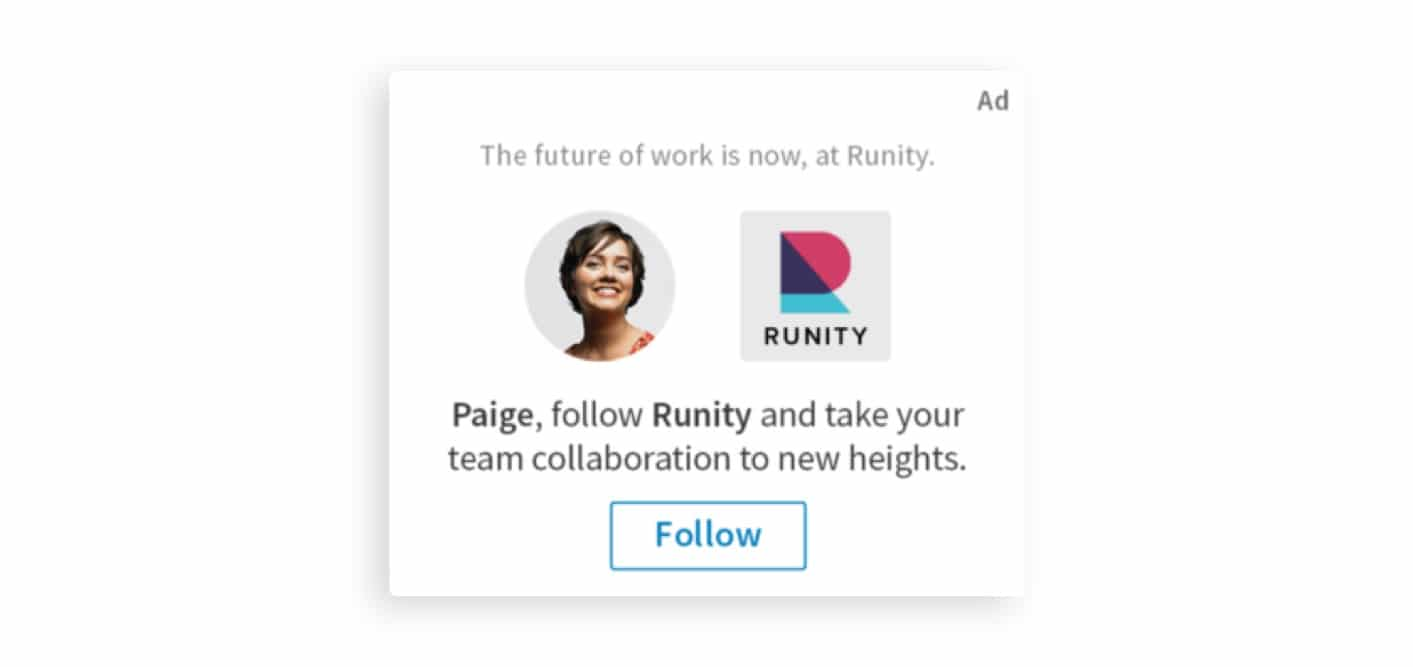
Growing the Right Audience on Your Company Page
Follower campaigns use Follower Ads — a Dynamic Ad type that auto-personalizes each ad with the viewer's own LinkedIn profile photo and name. The creative is generated automatically; you define the audience and the copy.
The objective is typically Brand Awareness or Engagement. LinkedIn shows these ads to professionals who match your targeting criteria but don't yet follow your company page.
When Follower Campaigns Make Sense
This campaign type works best for early-stage brand building — launching a new company page, establishing presence in a new vertical, or supporting an organic content strategy that needs a larger distribution base to work.
Cost is measured by cost-per-follower, which tends to be one of the more affordable LinkedIn campaign types compared to lead gen or traffic objectives.
The Limitation to Know
Follower campaigns don't drive direct pipeline. A new follower isn't a lead. The value is downstream — a larger, relevant follower base means more organic reach for your content, which warms future audiences faster.
Pair follower campaigns with an active organic content calendar. Without consistent content, the followers you acquire have nothing to engage with — and the investment goes to waste.
3. LinkedIn Engagement Campaigns
Building Social Proof and Audience Warmth Before You Ask for Anything
Engagement campaigns are designed to drive interactions — likes, comments, shares, saves, and clicks — that signal genuine interest and build the kind of social proof that makes conversion campaigns work better downstream.
The objective: Engagement. LinkedIn optimizes delivery toward members most likely to interact with your content.
The Formats That Work Best
- Document Ads are among the highest-performing engagement formats on LinkedIn right now. A downloadable PDF, report, or guide keeps the prospect on the platform, encourages saves, and often generates organic shares from viewers who find the content valuable.
- Carousel Ads work similarly — the swipeable format creates dwell time that single static images can't match, and each card is an opportunity to advance a narrative or showcase multiple proof points.
- Thought Leader Ads are worth repeating here. Benchmark CTR for Thought Leader Ads sits at 2.68% — compared to 0.42% for standard single image ads. If you have executives or subject matter experts with an active LinkedIn presence, amplifying their content through Thought Leader Ads is one of the most cost-effective engagement tactics available.
- Event Ads fit naturally into an engagement campaign strategy for webinars, virtual summits, and in-person conferences — driving registrations from a targeted professional audience without requiring a full conversion campaign build.
When to Use Engagement Campaigns
Run engagement campaigns when you're warming up a cold audience that doesn't know your brand yet, when you want to amplify high-performing organic content to a wider relevant audience, or when you're building trust ahead of a lead generation push.
Engagement campaigns are the middle layer in a full-funnel LinkedIn strategy — not the entry point, and not the endpoint.
4. LinkedIn Lead Generation Campaigns
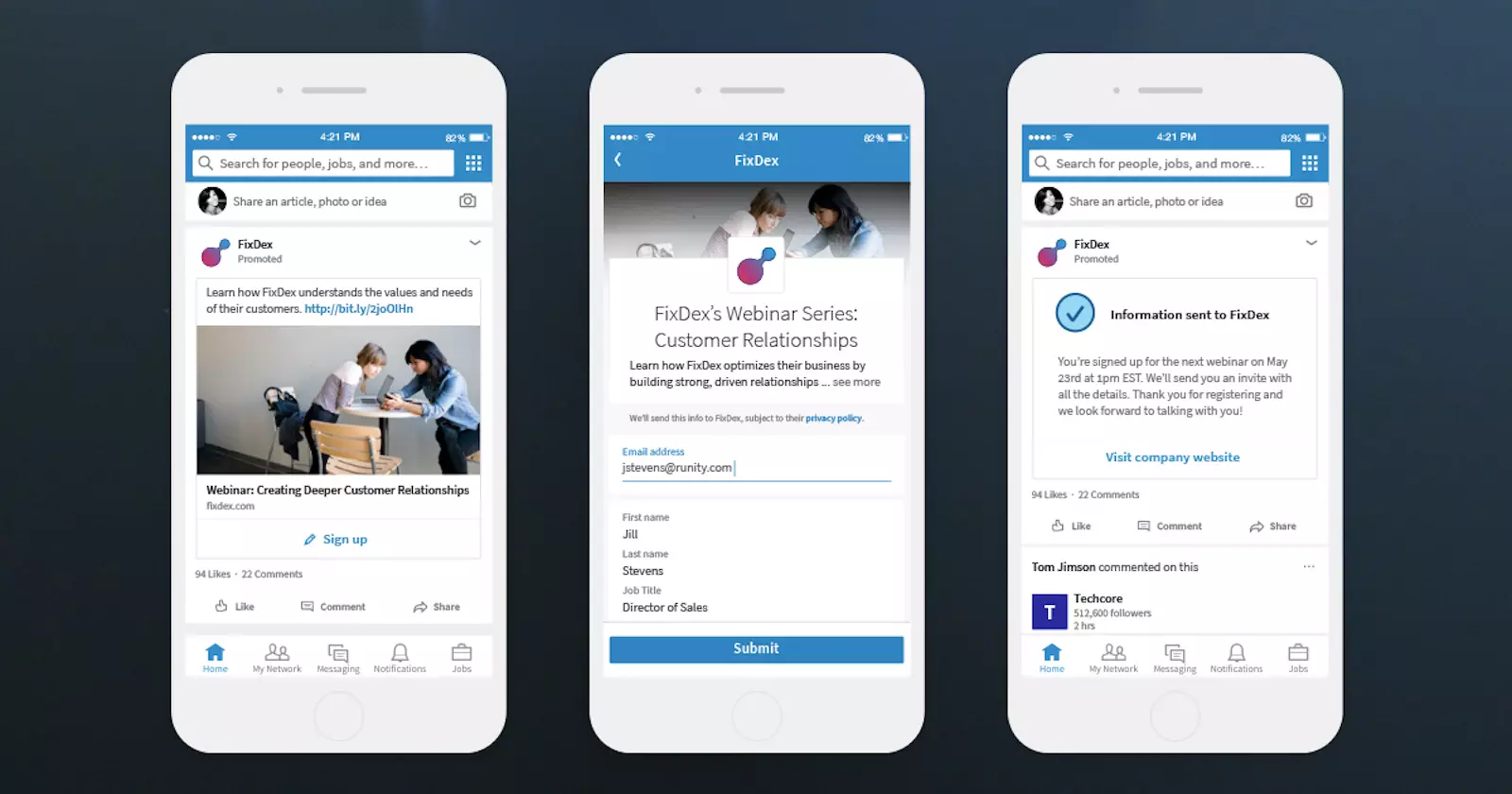
The Highest-Converting Campaign Type for Direct Pipeline
Lead generation campaigns are built around one tool: LinkedIn Lead Gen Forms — pre-filled forms that pull the prospect's profile data (name, job title, company, email, phone) automatically, so they never have to leave LinkedIn to submit.
The friction reduction is significant. Lead Gen Forms convert at ~13% on average, compared to 4–6% for standard external landing pages. For B2B campaigns where every lead costs real money, that gap matters.
Objectives and Best Format Pairings
Select the Lead Generation objective. LinkedIn will optimize delivery toward members most likely to complete your form.
Best formats to pair with Lead Gen Forms:
- Single Image Ads (most common, easiest to test)
- Video Ads (higher intent signals pre-form submission)
- Document Ads (gated content with form gate at the end)
- Carousel Ads (multiple value props before the CTA)
- Message Ads (direct inbox delivery with embedded form)
Qualified Lead Optimization (QLO) — The Advanced Move
Most teams optimize for form fills. The smarter approach is Qualified Lead Optimization (QLO) — feeding CRM-qualified leads back to LinkedIn via the Conversions API (CAPI) so the algorithm learns to find more people who look like your actual pipeline, not just form submitters.
This requires a CAPI integration but meaningfully improves lead quality over time.
Cost Benchmarks and Common Mistakes
CPL for B2B LinkedIn lead gen typically ranges from $50–$200 depending on audience specificity and offer strength. Enterprise audiences with tight ICP targeting tend to run higher.
The mistakes that tank lead gen campaign performance: a weak or generic offer that gives no reason to submit, too many form fields asking for information LinkedIn already knows, and no follow-up sequence after form submission. A lead that doesn't get a timely, relevant follow-up is a lead that goes cold fast.
5. LinkedIn InMail & Message Campaigns
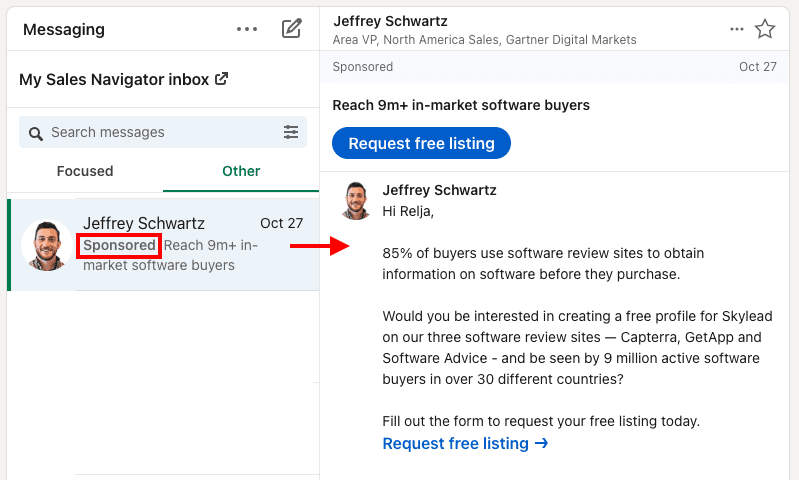
Reaching Decision-Makers Directly in Their Inbox
InMail and message campaigns deliver personalized messages to LinkedIn members' inboxes — not their feed. That's a fundamentally different placement, and for the right use case, it's one of the most direct formats LinkedIn offers.
There are two distinct formats under this campaign type:
- Message Ads (formerly Sponsored InMail) deliver a single CTA message to a targeted inbox. The message appears in the LinkedIn messaging tab and includes a subject line, body copy, and one CTA button.
- Conversation Ads take it further — they're multi-branch, choose-your-own-path sequences where the prospect clicks through different paths based on their interests or role. Think of it as a branching script where each click reveals the next message.
Performance Benchmarks
Open rates for Message Ads run between 35–50% — significantly higher than cold email benchmarks. Cost is charged per send, typically $0.25–$1.50 per message depending on audience targeting.
The 45-day frequency cap is worth understanding: a single LinkedIn member can only receive one Message Ad from a given advertiser every 45 days. This protects user experience but limits how aggressively you can scale.
The GDPR Restriction Every Global Marketer Must Know
Message Ads and Conversation Ads cannot target members in the EU. This is a hard platform restriction due to GDPR compliance. If a meaningful portion of your target audience is based in Europe, you need to plan your campaign mix accordingly — paid message formats simply aren't an option for that segment.
When to Use Message Campaigns
Message campaigns work well for event invitations, high-value outreach to niche decision-makers, personalized offer delivery, and situations where you want to feel more 1:1 than display advertising allows.
Best practices: keep subject lines under 50 characters, make the CTA specific and action-oriented, and send from a human profile — not a brand logo. Recipients engage more with people than with brand handles.
6. LinkedIn ABM Campaigns
Targeting the Exact Companies in Your ICP
ABM campaigns on LinkedIn aren't about reaching the largest audience — they're about reaching the right audience with the precision and frequency required to move specific named accounts through a pipeline.
The mechanics: upload a company list (CSV) to LinkedIn Campaign Manager → LinkedIn matches it against its member database → your ads serve exclusively to employees at those companies, layered against whatever job title or seniority filters you apply.
The Three ABM Tiers
- 1:1 ABM — hyper-personalized campaigns built for 5–20 key named accounts. Each account may get its own ad creative, messaging, and landing experience. This is enterprise deal acceleration.
- 1:Few ABM — tailored messaging for 50–500 accounts grouped by segment (industry, company size, buying stage). Common for mid-market sales motions.
- 1:Many ABM — broader account targeting for 500–5,000 companies. Less personalized, but still more precise than open audience targeting.
Best Formats and Sales Navigator Integration
Single Image, Sponsored Content, Message Ads, and Conversation Ads all work within ABM campaigns. The format matters less than the message relevance — account-targeted audiences need creative that acknowledges their specific context, not generic brand advertising.
If you're running Sales Navigator alongside paid campaigns, you can sync saved account and lead lists directly into Campaign Manager — keeping your ABM targeting consistent across paid and organic outreach.
Measuring ABM Differently
CPL is the wrong KPI for ABM campaigns. The metrics that matter: pipeline coverage (what percentage of your target accounts have entered your pipeline), account engagement rate (are target accounts interacting with your content?), and influenced revenue (what revenue closed touched your ABM campaign?).
The most common ABM mistake: running account-targeted ads without aligning your SDR outreach sequencing. When marketing is hitting an account with ads and sales is cold-calling without any coordination, the experience feels disjointed to the prospect. ABM only works when both motions are running together.
7. LinkedIn Website Traffic & Conversion Campaigns
Driving Qualified Professionals to Your Website
Website traffic and conversion campaigns are the right choice when you want LinkedIn's audience to take an action on your website — not on LinkedIn's platform.
Two distinct objectives live here:
- Website Visits — optimizes for clicks through to your site. Use this when your goal is top-of-funnel traffic, content downloads, or blog readership from a relevant professional audience.
- Website Conversions — optimizes for specific conversion events (form submissions, signups, demo requests) tracked on your site. This requires the LinkedIn Insight Tag installed on your website for conversion tracking.
Conversions API (CAPI) for Accurate Attribution
Post-iOS tracking changes broke a lot of pixel-based attribution. LinkedIn's Conversions API (CAPI) is the server-side solution — it passes conversion data directly from your server to LinkedIn rather than relying on browser cookies. For any team that needs accurate attribution on LinkedIn conversion campaigns, CAPI is no longer optional.
Retargeting: The Most Overlooked Tactic
Website visitors who came from LinkedIn — or who visited specific pages on your site — can be retargeted with matched audience campaigns. This is one of the highest-leverage tactics in LinkedIn advertising and one of the most underused.
Warm traffic converts at significantly higher rates than cold audiences. If you're running awareness or traffic campaigns and not retargeting those visitors downstream, you're leaving conversions on the table.
CPC benchmarks for B2B LinkedIn traffic campaigns typically range from $4–$9, varying by audience specificity and ad relevance scores.
8. LinkedIn Outreach Campaigns
The Campaign Type That Doesn't Live in Campaign Manager
LinkedIn outreach campaigns are fundamentally different from everything covered above — there's no ad budget, no Campaign Manager setup, and no CPM to optimize. This is organic, 1:1 direct outreach: connection requests with personalized notes, direct messages, and Sales Navigator InMail credits.
The reason it belongs in this guide is that for many B2B teams — especially those with high-ACV deals, small TAMs, and founder-led sales motions — organic outreach outperforms paid LinkedIn campaigns on cost per qualified meeting. Often by a significant margin.
What Makes Outreach Campaigns Work
LinkedIn currently caps connection requests at approximately 100–200 per week as of 2026. That limit makes ICP precision non-negotiable. Every connection request sent to the wrong person is a wasted slot.
What separates effective outreach from spray-and-pray:
- A tightly defined ICP with specific filters (title, seniority, company size, industry, geography).
- Personalized first-touch messages that reference something specific — not a template that reads like automation.
- A multi-touch follow-up sequence that adds value at each step rather than just bumping the original ask.
- A clear, low-friction CTA that doesn't ask for too much too soon.
Combining Outreach With Paid Campaigns
The most effective setup isn't paid or organic — it's both, layered strategically. Run awareness and engagement campaigns to warm up your target audience first, then use outreach to initiate direct conversations with prospects who've already seen your content. The difference in response rates when a prospect recognizes your brand before your connection request lands is significant.
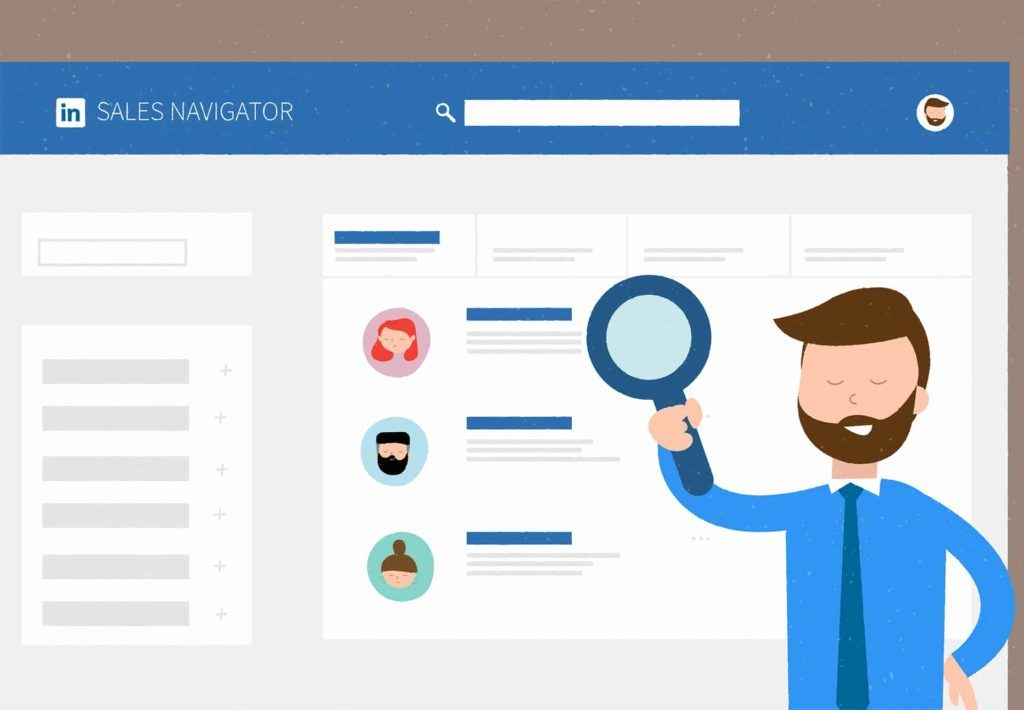
Tools like Sales Navigator support outreach at scale with advanced search filters and saved lead lists. Automation platforms exist in this space but come with real compliance risk — LinkedIn actively detects and restricts accounts using third-party automation tools that violate its terms of service.
How to Choose the Right LinkedIn Campaign Type for Your Goals
The Four Variables That Drive the Decision
Choosing the right campaign type comes down to four factors — and running through all four before you open Campaign Manager will save you significant budget.
1. Funnel stage — Where is your target audience in the buying journey? Cold audiences with no brand awareness need different campaign types than warm prospects who've already engaged with your content.
2. TAM size — How many LinkedIn members match your ICP? Paid campaigns need enough audience volume to work. If your TAM is under 5,000 members on LinkedIn, organic outreach campaigns often make more economic sense than paid.
3. Deal size / ACV — LinkedIn's CPCs are higher than most platforms. The economics need to work. A $50K ACV deal can absorb a $150 CPL; a $2K ACV deal usually can't.
4. Primary goal — Are you building a pipeline now, or building a brand for later? Are you warming a cold market or accelerating late-stage deals? The goal should determine the campaign type — not the other way around.
Decision matrix:
Why Mixing Too Many Campaign Types Without a Strategy Hurts Results
Running awareness, engagement, lead gen, and outreach campaigns simultaneously without a coherent funnel strategy doesn't accelerate results — it dilutes them. Budget gets split across objectives that require different optimization signals, and LinkedIn's algorithm doesn't have enough conversion data in any single campaign to optimize effectively.
The right approach: Start with one campaign type aligned to your primary goal. Measure it against the KPIs that matter for that objective. Once it's performing, layer in a complementary campaign type that serves the next stage of the funnel. Build the machine one piece at a time.
LinkedIn Ad Targeting Options for Every Campaign Type
LinkedIn campaign targeting decides who sees your ad. Get it right and average creative still works. Get it wrong and great creative burns budget.
Metadata's 2026 B2B Paid Media Benchmark puts the median LinkedIn CPM at $63.19 and the median CPC at $9.39, across 138 B2B advertisers. At those prices, a loose audience gets expensive fast.
Every campaign type in this guide uses the same targeting menu. What changes is which options you lean on.
Core Filters: The Foundation of Every Audience
- Job title: Precise, but narrow. The same role has different titles at different companies.
- Job function: Groups people by the work they do, like Marketing, Sales, or IT. It is more stable than titles.
- Seniority: The rank of the role, from Manager to Director to VP to CXO.
- Industry: The industry of the member's company.
- Company size: Employee-count bands. Useful for cutting out companies too small or too large for your offer.
LinkedIn's own targeting guide suggests pairing job function with seniority to reach experienced people in a specific area. That combo is more reliable than stacking five job titles.
One rule matters for how filters combine. Options inside one filter work as "or," and separate filters work as "and." So "Marketing OR Sales" plus "Director OR VP" gives you directors and VPs in either function. Every extra filter shrinks the audience.
LinkedIn's guidance is to aim for an audience of around 50,000 members or more. Matched audiences need at least 300 matched members to serve. If your TAM is small, go back to the TAM, SAM, SOM math before you build.
Skills, Groups, and Interests
These sit one layer below the core filters.
- Member skills: Skills listed on profiles. Useful when titles are messy or new.
- Member groups: Members of specific LinkedIn Groups. Member Groups targeting has been unavailable in the EEA and Switzerland since May 15, 2024.
- Member interests and traits: Built from direct or inferred interests, often based on how members engage with content on LinkedIn. Reach is also limited in the EEA.
Use these to widen a narrow audience, not as your base. Interest data is partly inferred, so expect more noise than you get from job function.
Matched Audiences: Your Data Plus LinkedIn's
Matched audiences let you target people and companies you already know about. There are three types:
- Website retargeting: Reaches people who visited your site. You need the LinkedIn Insight Tag installed. Split audiences by page, such as pricing page visitors versus blog readers.
- Contact list: Upload emails to reach specific people. Lists go stale as people change jobs, so refresh them.
- Company list: Upload a CSV of target companies. LinkedIn needs at least 300 rows to upload, recommends 1,000 or more companies, and matches better when you add the company website or LinkedIn Page URL.
You can layer job function or seniority on top of a company list. That is the setup behind every ABM campaign.
Exclusion Targeting: Stop Paying for the Wrong People
Exclusions are the cheapest way to cut waste. Most teams skip them.
- Existing customers. LinkedIn's tip is to upload your customer list and switch the action from Include to Exclude on prospecting campaigns.
- People who already converted. Website retargeting audiences can also be used to build exclusions.
- Competitors and your own employees. Upload both as company lists and exclude them.
- Accounts already in late-stage deals. They need a different message, not a cold ad.
- Seniority levels that can't buy. Skip junior roles if your buyer is a manager or above.
Check your audience size after each exclusion. Every cut shrinks the pool.
Which Targeting Fits Each Campaign Type
Native targeting has limits, though. Titles are self-reported and lists go stale. That is why at Cleverly we build outreach lists from multiple data sources and verify them before a single message goes out.
Also Check: LinkedIn Ads Master Playbook For 10x ROAS
LinkedIn Campaign Management: How to Optimize Once Live
LinkedIn campaign management is everything that happens after you hit launch. This is where most campaigns are won or lost.
Don't judge too early. Dreamdata's 2026 report puts the average time from a first LinkedIn ad impression to revenue at 281 days. You are managing a long game, so read trends, not single days.
Metrics to Track by Objective
Track the metric that matches the objective. A great CTR means little on an awareness campaign.
Use real benchmarks. Metadata found a median LinkedIn CTR of 0.67% and a median cost per lead of $202. Lead gen forms averaged $193 per lead, versus $346 for landing page campaigns.
CPL alone can mislead. Always ask what those leads became. Our lead generation ROI guide shows how to track that.
A/B Testing Creative, Headlines, and Offers
Test one variable at a time. Otherwise you won't know what moved the result.
- Offer first. A guide versus a benchmark report versus a demo usually moves results more than any design tweak.
- Creative next. Test image versus video versus document.
- Headline and CTA last. Small changes, small gains.
A common LinkedIn best practice is to run two to four ad variations per campaign. Give each test at least a week and enough impressions before you call a winner.
We test copy continuously in our own outreach. The habit carries over to paid.
Spotting Ad Fatigue and Refreshing Creative
Ad fatigue shows up as a pattern. Frequency rises while CTR and engagement fall for two or three weeks in a row. Cost per click usually climbs too.
A general guide is to refresh creative every 4 to 8 weeks, and every 3 to 4 weeks for small ABM audiences, where saturation hits faster.
You don't need a full redesign each time:
- Swap the first line or headline.
- Change the image or the first video frame.
- Rotate in a different format.
- Test a new offer.
Frequency and Audience Overlap Checks
Frequency is how many times the average person saw your ad. Watch it next to CTR. High frequency with steady CTR is fine. Rising frequency with falling CTR is the warning.
Overlap is quieter. If two ad sets chase the same people, you pay twice and the message repeats. Fix it with exclusions:
- Exclude website visitors from cold campaigns.
- Exclude converters from everything but nurture.
- Split ad sets by stage, not by minor filter differences.
Our post on LinkedIn ad mistakes covers more of these traps.
When to Pause, Scale, or Restructure
Paid management is a weekly job. Whatever channel you run, the loop is the same: measure, test, cut, repeat.
How Cleverly Runs LinkedIn Lead Generation Campaigns That Actually Convert
Choosing the right LinkedIn campaign type is step one. But the difference between a campaign that fills a pipeline and one that burns budget comes down to what happens underneath the strategy — the targeting precision, the messaging quality, and the systems behind the outreach.
At Cleverly, we've run LinkedIn lead generation campaigns for 10,000+ B2B companies across every industry and deal size. What we've learned is that most LinkedIn campaigns underperform not because of the wrong campaign type — but because of imprecise ICP targeting, generic messaging that doesn't earn a response, and no follow-up system to capture the interest that does come through.
Our approach is different. Every LinkedIn outreach campaign starts with verified, ICP-matched contact lists built from multiple data sources — not LinkedIn's native targeting alone.
We sequence messaging to match where the prospect is in their buying journey, A/B test copy continuously to find what actually drives replies, and focus our measurement on qualified conversations and booked meetings — not impressions or follower counts.
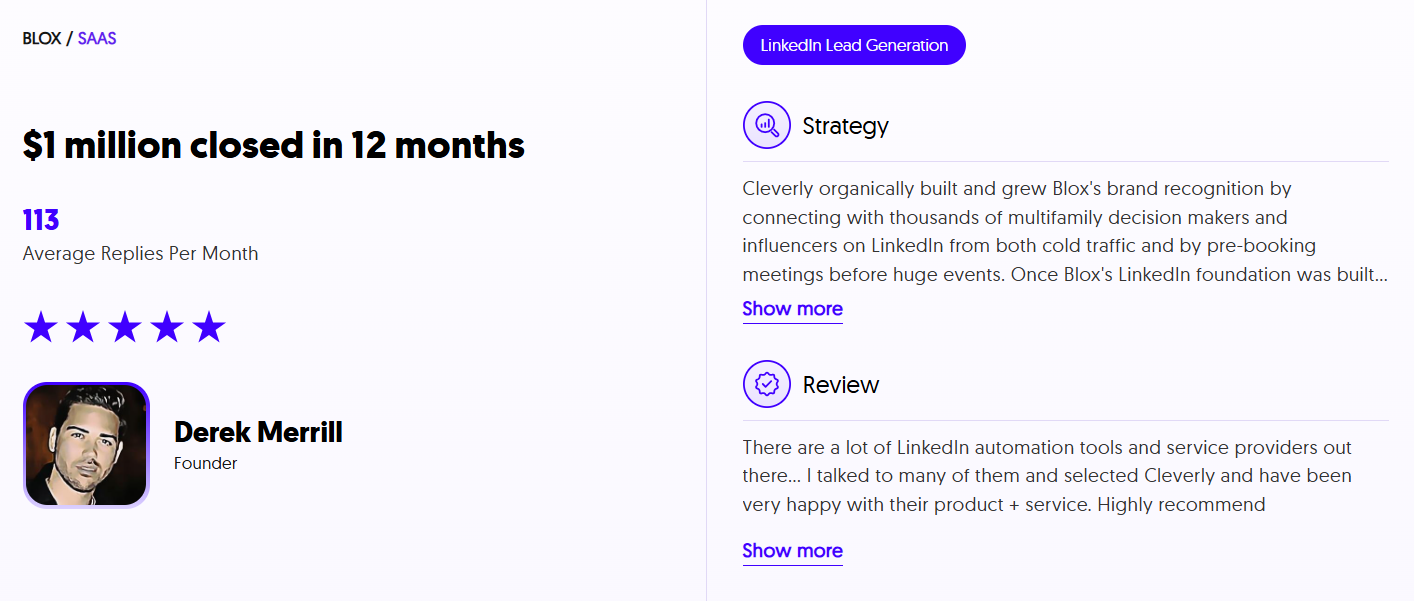
At Cleverly, we run organic LinkedIn outreach which supports the economics too for businesses who cannot afford $500-$700 per lead.
We hand off meeting-ready leads directly to your sales team. 1,000+ five-star reviews across G2, Clutch, and Trustpilot reflect what happens when LinkedIn is operated as a system — not a series of one-off experiments.
🚀 Want a LinkedIn lead generation strategy built around your ICP? Book a free strategy call with Cleverly and we'll show you exactly how we'd approach your outbound.
Conclusion
LinkedIn's 8 campaign types aren't interchangeable — each one is built for a specific goal, audience stage, and sales motion. Treating them as a menu of ad formats to pick from at random is what produces mediocre results and budget waste.
The teams that win on LinkedIn in 2026 are the ones that choose a campaign type before they choose a format, measure against the KPIs that actually correspond to their objective, and build a layered strategy that moves prospects from awareness through to conversation.
Start with one campaign type, align it to a specific goal, and scale what the data tells you is working. The platform rewards intention.
Frequently Asked Questions
Free Resource
How to Scale a Profitable Cold Call System
Get the complete guide — download it instantly now.
Free Ebook
Download the Free Guide
Enter your details to get instant access.
You're all set! 🎉
Your ebook is downloading now.
Click below if the download didn't start automatically.