

Table of Contents
Why Lead Generation Is Different for Consulting Firms
Best Lead Generation Channels for Consulting Firms
How to Design Offers That Convert Consulting Leads
Consulting Lead Generation Examples
How to Choose the Right Lead Gen Mix for Your Consulting Firm
Common Mistakes Consulting Firms Make With Lead Generation
How Cleverly Helps Consulting Firms Build a Predictable Pipeline
Conclusion
Frequently Asked Questions
Modified On :
August 4, 2026
Key Takeaways
- Consulting is a trust sale first. Channels that build credibility before the pitch will always outperform channels built for volume.
- The strongest firms run demand creation (content, referrals, speaking) and demand capture (outreach, diagnostics) side by side, not one instead of the other.
- Open-ended "let's talk" offers create hesitation. Entry offers with a fixed scope and clear price remove the buyer's biggest objection before it comes up.
- Business development has to be a scheduled, recurring activity, not something you do when the pipeline runs dry.
- The right channel mix depends on your deal size and buying committee, not on what worked for a different type of firm.
Consulting doesn't sell like most B2B products do. You're not pitching a feature set. You're asking someone to trust your judgment with a decision that could reshape their business, and that changes everything about how lead generation has to work.
The shift happening right now: 67% of B2B buyers now say they prefer a rep-free buying experience, according to Gartner's latest sales survey. For consulting firms, that means prospects are forming an opinion about your firm long before they ever take a call with you.
If you haven't built credibility through content, referrals, or proof before you reach out, you're starting the conversation already behind.
At the same time, referrals aren't going anywhere. Research consistently shows referrals dominate B2B pipeline, and for professional services and consulting specifically, over 60% of business comes via referral for more than half of all consultants.
This guide covers the channels that actually work for consulting lead generation, how to design offers that convert a skeptical, high-trust buyer, and real examples of what this looks like in practice.
It's built for management, strategy, financial, HR, and boutique consulting firms trying to build a pipeline that doesn't depend on luck.

Why Lead Generation Is Different for Consulting Firms
Most lead gen playbooks are written for products. Consulting doesn't fit that mold, and treating it like a transactional sale is where most firms go wrong.
It's a High-Trust, High-Ticket Sale
A prospect buying software can trial it, cancel it, and move on with minimal risk. A prospect hiring a consulting firm is betting a chunk of budget, internal credibility, and time on your judgment. They're not evaluating features. They're evaluating whether they trust you to be right.
That means your lead generation has to do more than get attention. It has to build credibility before you ever ask for the meeting.
The Sales Cycle Is Long and the Buying Committee Is Real
Consulting engagements rarely close in one call. You're usually navigating multiple stakeholders: the economic buyer, the internal champion, sometimes a procurement or legal reviewer.
Each one weighs risk differently, and your lead gen strategy needs to account for that instead of assuming one persona makes the call.

Proof Matters More Than Creative
A sharp ad or a clever subject line might get a reply for a SaaS company. For consulting, what actually moves the needle is:
- Case studies with specific, named outcomes
- Client logos and references
- A point of view that demonstrates you've solved this exact problem before
Buyers Self-Educate and Avoid Unsolicited Pitches
Cold, generic outreach doesn't just underperform in consulting. It can actively damage your credibility. Buyers research on their own terms, and they notice when a firm hasn't taken the time to understand their specific situation before reaching out.
🎯 Spend More Time Consulting—Less Time Prospecting
Our LinkedIn, cold email, and cold calling campaigns generate 15–30 qualified meetings every month with decision-makers who fit your ideal client profile.
Best Lead Generation Channels for Consulting Firms
None of these channels work in isolation forever. They compound. A firm publishing consistent thought leadership makes its cold outreach land better. A referral partnership makes speaking engagements more valuable. Think of this as a system, not a menu you pick one item from.
Referrals and Alumni or Partner Networks
Referrals aren't a nice-to-have for consulting firms. They're often the primary growth engine. 31% of consultants get 60 to 80% of their business from referrals, and 19% receive 80 to 95% of their business through this channel.
Yet only 8% of consultants cite referrals as the marketing activity they spend the most time developing. That gap is the opportunity.
Formalize it:
- Build a simple referral ask into your client offboarding process.
- Set up reciprocal partnerships with non-competing firms serving the same buyer (a financial consultant partnering with a legal or HR consulting firm, for example).
- Track referral sources the same way you'd track any other pipeline channe.
LinkedIn Thought Leadership Plus Warm Outreach
Publishing a consistent point of view builds trust before the first call ever happens. When you pair that content with targeted, personalized outreach to people already engaging with your posts, you're warming the relationship instead of cold-pitching a stranger.
The mistake most firms make here is publishing sporadically and expecting compounding results. Consistency matters more than volume.
Cold Email to a Hand-Picked Target List
For consulting, cold email works best when it's the opposite of a mass campaign. A short, curated list of 50 to 100 decision-makers who genuinely match your ideal client profile, paired with problem-led messaging and a specific case study, will consistently outperform a broad blast to thousands.
Cold Calling for High-Intent Conversations
Cold calling earns its place when you need to reach decision-makers who don't respond to email or LinkedIn. It works best as a second or third touch, not a first cold contact. Pair it with a prior warm-up (content they've seen, a mutual connection, prior outreach) rather than a completely cold dial.
Speaking, Webinars, and Events
Speaking engagements, roundtables, and webinars put you in front of buyers in a context where you're already positioned as the expert in the room. The lead gen value isn't in the talk itself. It's in what you do afterward. A structured follow-up process for attendees converts significantly better than a generic thank-you email.
Self-Serve Diagnostic Tools and Assessments
A free diagnostic or assessment lets a prospect self-qualify and see value before they ever talk to a salesperson. This captures leads earlier in the journey than a "book a call" CTA, and it gives you a natural, low-friction entry point into a larger conversation.
How to Design Offers That Convert Consulting Leads
Even a great channel strategy fails if your offer creates hesitation. Consulting has a specific version of this problem worth naming directly.
The Leap of Faith Problem
Open-ended engagements ask the prospect to trust you with an undefined scope and an unclear price. That's a big ask for someone who's never worked with you. It's one of the biggest reasons qualified leads stall out before signing.
Fix It With a Clear Entry Point
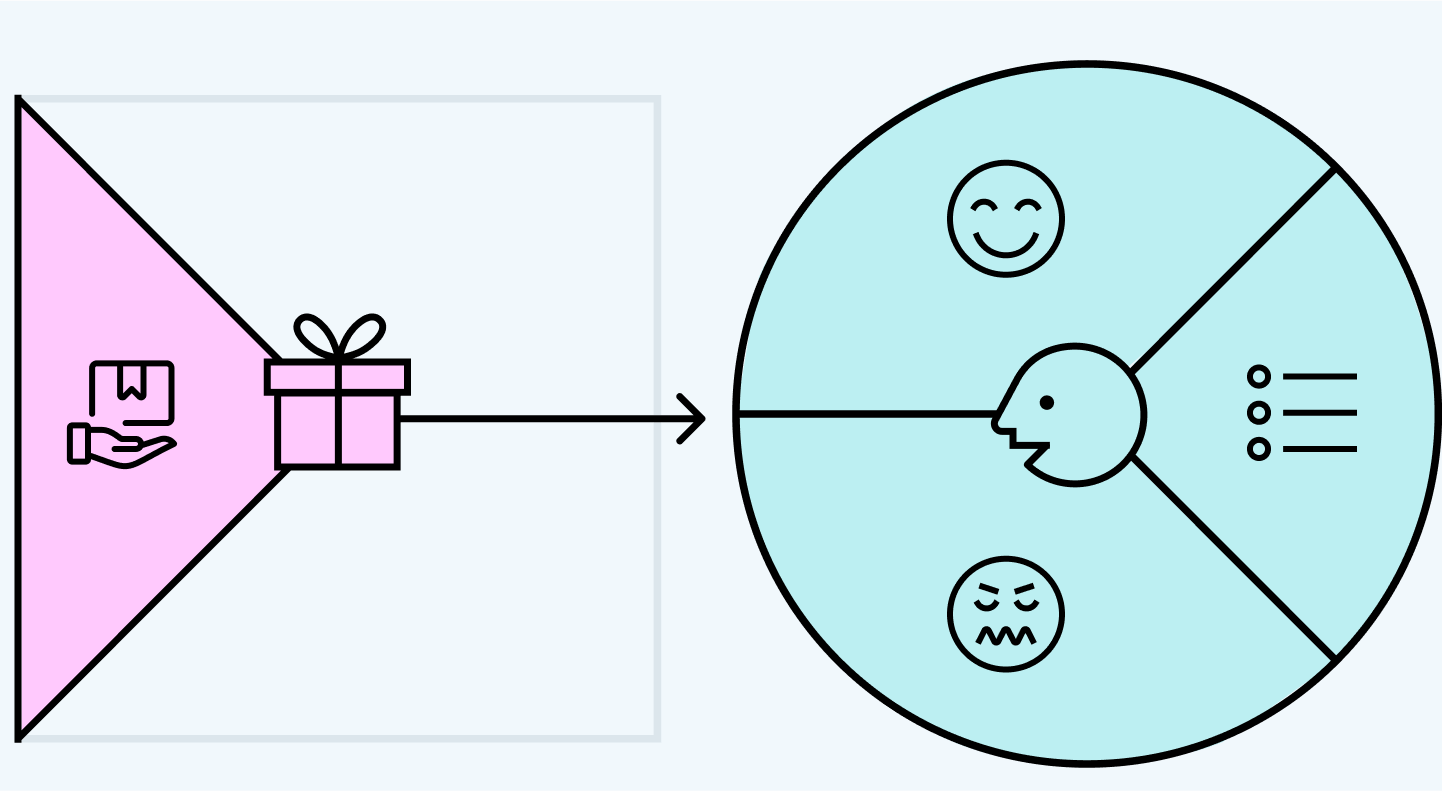
Entry offers with a defined deliverable, a fixed scope, and a transparent price remove that barrier. Instead of "let's discuss your strategy needs," you're offering something concrete the prospect can say yes to without a leap of faith.
Offer models gaining traction heading into 2026:
Make Your Value Proposition Specific
A generic service description doesn't convert. A specific, outcome-based value proposition does. Compare:
- Generic: "We help companies improve their sales strategy."
- Specific: "We help enterprise software companies increase sales 33% in six months."
The second version gives the prospect something concrete to evaluate. It also makes your case studies and proof points do more work for you.
Use Low-Cost Entry Points as a Bridge
An audit, a diagnostic call, or a short assessment gives hesitant leads a way to experience your expertise before committing to a full engagement. This is often the difference between a lead that goes cold and one that converts.
🚀 53,000+ Meetings. $312M+ Pipeline. Proven ROI.
See why 10,000+ businesses trust Cleverly to turn LinkedIn, cold email, and cold calling into predictable revenue.
Consulting Lead Generation Examples
Here's what these channels and offers look like when they're actually combined in a real strategy.
POV Content Plus LinkedIn Outreach
A firm publishes a monthly point-of-view article on a specific industry challenge, shares it on LinkedIn, and then follows up with warm outreach to the people who engaged with the post. The content does the trust-building. The outreach converts that trust into a conversation.
Diagnostic Assessment as a Lead Magnet
A short, self-serve scorecard tied to the firm's specialty captures contact information and delivers a personalized report. The prospect gets immediate value. The firm gets a warm, self-qualified lead instead of a cold name on a list.
Referral Partnership Program
A financial consultant formalizes a partnership with a legal or HR consulting firm serving the same buyer. Instead of an informal, occasional referral, there's a structured referral fee or reciprocal arrangement driving consistent introductions both ways.
Targeted Cold Email Plus Case Study Proof
A curated list of 50 to 100 ideal-fit companies receives a personalized email referencing a specific challenge those companies are likely facing, with a relevant case study attached instead of a generic pitch. The proof point does the convincing, not the offer language.
How to Choose the Right Lead Gen Mix for Your Consulting Firm
There's no universal answer here. The right mix depends on a few specific factors.
Match Channel Mix to Deal Size
High-ACV strategy consulting tends to lean more heavily on referrals and thought leadership, since those buyers move slowly and need deep trust before engaging. Smaller, more transactional engagements can support a more volume-driven outbound approach.
Balance Demand Creation With Demand Capture
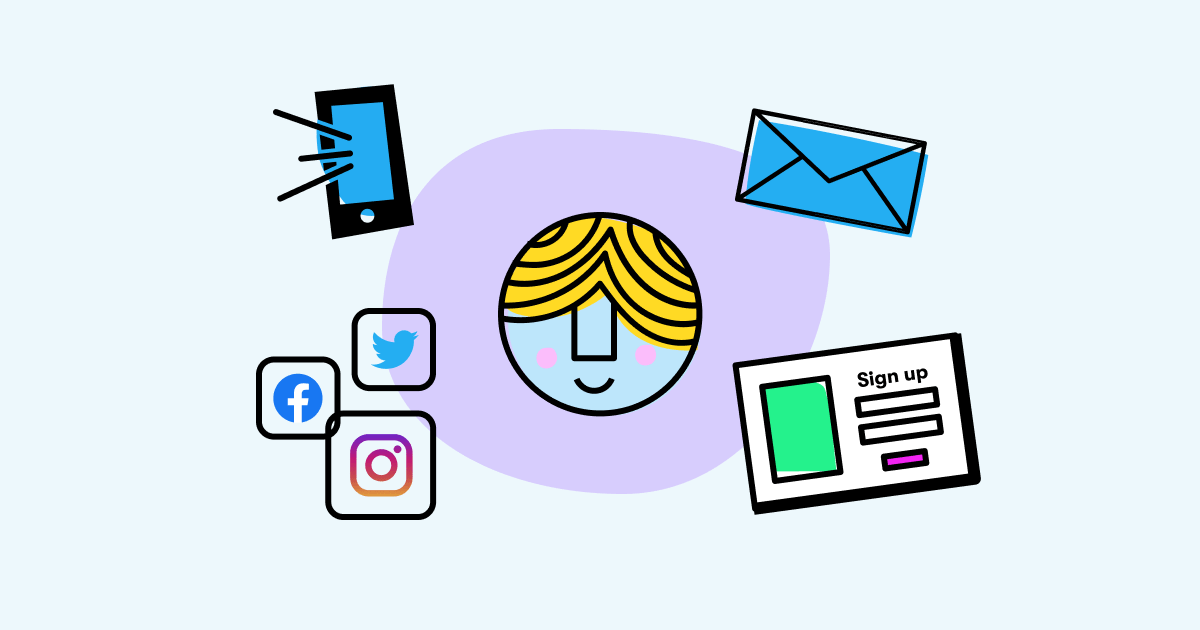
Demand creation (content, thought leadership, speaking) builds the trust that makes everything else work. Demand capture (outbound, diagnostic tools) turns that trust into pipeline. Relying on only one side limits how much you can grow. Firms that rely purely on referrals often hit a ceiling. Firms that rely purely on outbound often struggle with trust and conversion.
Protect Time for Business Development
Business development has to be a scheduled activity, not something squeezed in between client work. Many consultants block specific days each week or month for BD, treating it with the same discipline as billable delivery work.
Track Pipeline by Channel
Track what's actually converting into signed, paid engagements by channel, not just what's generating inquiries. A channel that produces a lot of interest but few signed clients isn't as valuable as it looks on paper.
Common Mistakes Consulting Firms Make With Lead Generation
❌ Treating referrals as passive. Waiting for referrals to happen instead of building a system to generate them consistently.
❌ Sending generic outreach with no proof attached. A pitch without a case study or specific result reads like every other cold email a prospect has ignored.
❌ Offering open-ended engagements with no clear entry point. This creates the leap-of-faith hesitation covered earlier, and it stalls otherwise qualified leads.
❌ Publishing content sporadically. Inconsistent thought leadership doesn't build the compounding trust that a regular cadence does.
❌ Having no follow-up system for warm leads. Attendees from a webinar or speaking engagement go cold fast without a structured follow-up process in place.
How Cleverly Helps Consulting Firms Build a Predictable Pipeline
Most consulting firms have deep expertise but limited bandwidth to run consistent outbound alongside client delivery work. Business development tends to get the leftover hours, which is exactly backward from how it should work.
Cleverly runs done-for-you B2B lead generation combining LinkedIn outreach, cold email, and cold calling, built around a curated, high-fit target list rather than mass-volume blasting. For consulting specifically, that distinction matters. Messaging gets built around your firm's actual expertise and proof points, not a generic outreach template repurposed from a SaaS campaign.
What gets handled end to end: ICP and target list building, personalized multi-channel messaging, response handling, and meeting handoff straight to your calendar.
That's the same operational discipline behind Cleverly's track record of 224.7K leads generated and $312M in client pipeline generated across every B2B industry, including consulting and professional services firms.

This approach works best for consulting firms that want a steady flow of qualified conversations without diverting a partner's or consultant's time into full-time business development.
Want a predictable pipeline without the BD time drain? Book a strategy call with Cleverly!
Conclusion
Consulting lead generation succeeds on trust and proof, not volume or discounting. The firms building real pipeline aren't choosing between referrals and outbound, or between content and cold email.
They're running both sides of the equation together, demand creation building the credibility and demand capture turning that credibility into booked conversations.
Pair that with offers that give prospects a clear, low-risk way to say yes, and business development stops being a reactive scramble every time the pipeline runs dry. It becomes a system you can actually rely on.
Frequently Asked Questions
Free Resource
How to Scale a Profitable Cold Call System
Get the complete guide — download it instantly now.
Free Ebook
Download the Free Guide
Enter your details to get instant access.
You're all set! 🎉
Your ebook is downloading now.
Click below if the download didn't start automatically.


