Table of Contents
What Is a Thank You Email?
When Should You Send a Thank You Email?
How to Write a Thank You Email That Feels Genuine
Thank You Email Subject Line Examples
Best Thank You Email Templates
How Thank You Emails Fit Into Cold Email Outreach
How Cleverly Helps Teams Turn Replies Into Conversations
Conclusion
Frequently Asked Questions
Modified On :
August 4, 2026
Key Takeaways
- A thank you email is a relationship-building tool, not just a courtesy. Use it strategically to stand out and stay top-of-mind.
- Send your thank you email within 24 hours while the conversation is still fresh, ideally same day for high-stakes situations.
- Keep it short (3-5 sentences), personal (reference something specific), and human (write like you're talking to a colleague).
- Your thank you email subject line should be simple and clear. "Thanks for your time" beats clever every time.
- Always send a thank you after meetings, referrals, and replies to cold email outreach, even if the answer was "not interested."
- Include a subtle next step only if it adds value or confirms what was already discussed.
A thank you email might seem like basic manners, but in sales and business development, it's one of your most underused relationship-building tools.
We've analyzed thousands of cold email outreach campaigns at Cleverly, and here's what we've learned: the follow-up thank you often matters more than the initial pitch. It's where trust gets built, conversations stay warm, and deals move forward.
Most people either skip it entirely or send a generic "thanks for your time" that gets ignored.
The difference between a forgettable thank you and one that actually strengthens relationships comes down to three things: timing, personalization, and giving value without asking for anything in return.
In this guide, we'll show you how to write a thank you email that people remember, with real examples you can adapt for any situation.
Whether you're following up after a discovery call, a networking event, or a closed deal, you'll walk away with templates that actually work.

What Is a Thank You Email?
A thank you email is a follow-up message you send after a meeting, call, event, or any business interaction where someone gave you their time or helped move things forward.
At its core, it's acknowledgment. You're saying "I noticed what you did, and I appreciate it." Simple enough.
But here's where most people get it wrong: they treat every thank you email like a courtesy checkbox. Send it, feel good, move on. That's fine for keeping things polite, but it's a missed opportunity.
Courtesy emails vs. strategic follow-ups
The difference comes down to intent and effort:
- Courtesy thank yous are generic. "Thanks for your time today." They're polite but forgettable. You send them because you're supposed to.
- Strategic thank yous add value. They reference specific conversation points, share a relevant resource, or set clear next steps. These emails strengthen relationships and keep deals moving.
When it's expected vs. when it creates advantage
You're expected to send a thank you email after job interviews, introductions, or anytime someone goes out of their way to help you. Not sending one in these situations makes you look careless.
But the real advantage comes when you send one where others don't. After a discovery call where you didn't close. After a prospect says "not right now." After you lose a deal to a competitor. These moments separate average salespeople from the ones who build long-term pipelines.
At Cleverly, we've seen this play out across 10,000+ client campaigns. The reps who master the strategic thank you consistently generate more pipeline because they're staying top-of-mind without being pushy.
Also Check: How to Actually Get B2B Clients With Cold Email
🔥 Emails That Get Replies
Cleverly writes and sends relationship-driven cold emails that turn conversations into meeting-ready leads. You only pay per qualified meeting.
When Should You Send a Thank You Email?
Knowing how to write a thank you email starts with knowing when to send it. Timing and context matter more than the words themselves.
Here are the situations where a thank you email makes the biggest impact:
After a meeting or sales call
This one's non-negotiable. Whether it's a discovery call, product demo, or pricing discussion, send a thank you within 24 hours.
Reference something specific from the conversation and confirm next steps. It shows you were actually listening and keeps momentum going.
After receiving a referral or introduction

Someone put their reputation on the line to connect you with a prospect or partner. A quick thank you email to both the introducer and the new contact shows respect and professionalism.
We see this constantly in cold email outreach campaigns: warm intros convert better when you acknowledge them properly.
After an interview or demo
If you're the one being evaluated (job interview, vendor consideration, partnership review), this is where you separate yourself from everyone else. Most candidates send generic thank yous.
The ones who get hired send emails that reinforce why they're the right fit and address any concerns that came up during the conversation.
After someone replies to cold outreach
This is where most sales reps drop the ball. A prospect takes time to respond to your cold email, even if it's just "not interested right now." Send a no-pressure thank you. No pitch, no ask. Just appreciation for the reply.
A respectful response keeps the relationship open if the prospect’s priorities or timing change later.
Timing best practices:
- Same day is ideal for high-stakes situations like interviews, big deals, or warm introductions. Strike while the conversation is fresh.
- Next morning works for standard follow-ups after calls or meetings. It gives you time to add thoughtful details without looking overeager.
- Avoid waiting more than 48 hours. After that, your thank you email feels like an afterthought, and you've likely lost the momentum from your original interaction.
Related: Best Time to Send Cold Emails (Backed by Data & Research)
How to Write a Thank You Email That Feels Genuine
Most people overthink how to write a thank you email. They add fluff, business jargon, and three paragraphs when two sentences would work better.
Here's our framework for writing thank yous that actually get read and remembered:
Start with a clear subject line
Your thank you email subject line should tell them exactly what the email is about. No tricks, no clickbait.
Good examples:
- "Thanks for the call today"
- "Appreciate your time this morning"
- "Following up from our chat about [specific topic]"
Skip the vague "Quick follow-up" or overly formal "Re: Our Meeting." People scan subject lines in seconds. Make it obvious.
Include a personal reference
This is what separates real gratitude from copy-paste templates. Reference something specific from your conversation: a challenge they mentioned, advice they shared, or even a joke that landed.
"Thanks for walking me through your current lead gen process. The point you made about response rates dropping after three touchpoints was spot on."
That one sentence proves you were present and paying attention. It makes your thank you email feel like it was written for them, not pulled from a thank you email template.
Show gratitude without overdoing it
One genuine "thank you" is enough. Don't grovel. Don't use five different ways to say "I'm grateful." It comes off as desperate or insincere.
Just be direct: "I appreciate you making time for this" or "Thanks for the intro, it's exactly what I needed."
Add a subtle next step (if it makes sense)
Not every thank you email needs an ask, but if there's a logical next step, include it without being pushy.
- "I'll send over that case study we discussed by the end of the week."
- "Let me know if Thursday works for a quick follow-up."
- "No action needed on your end. I'll check back in next month."
The key word here is subtle. You're confirming what was already agreed to or offering something helpful, not sneaking in a new pitch.
Keep it short and human
Three to five sentences is plenty. Write like you're talking to a colleague, not writing a formal business letter. Use contractions. Drop the corporate speak. If you wouldn't say it out loud, don't type it.
People respond to emails that sound like they came from a real person who actually cares about the relationship, not a sales bot checking boxes.
Common Thank-You Email Mistakes
A thank-you email can lose its value when the recipient can see the sales machinery behind it. Before sending, check for these common problems:
- Thanking without being specific: “Thanks for everything” gives the recipient no clue what you valued.
- Turning gratitude into a new pitch: A thank-you email should not introduce an unrelated offer or force a meeting request.
- Repeating “thank you” in every paragraph: One clear expression of appreciation is enough.
- Using the wrong level of formality: Match the tone of the relationship. A note to a close colleague should not read like a legal notice.
- Writing a recap instead of an email: Mention the most useful detail and the agreed next step. Do not transcribe the meeting.
- Sending a visible mass message: If several people deserve recognition, personalize each note or explain why the group is receiving the same message.
- Ignoring the introducer: When someone makes an introduction, thank that person separately rather than only replying to the new contact.
- Using a template without changing the details: A template should provide structure. The final message still needs a real reference to the recipient.
Before sending, remove any sentence that exists only to sound polite. The strongest professional thank-you emails are short because every line has a clear purpose.
Match your opening to the recipient and context using these professional email salutations, then keep the rest of the note in the same register.
How to Say Thank You in a Professional Email
The best way to say thank you in an email is to name the specific action, time, advice, or result you appreciate. “Thanks for your help” is polite. “Thanks for reviewing the proposal before Friday’s deadline” shows that you noticed what the person actually did.
Match the wording to the relationship and situation:
A professional thank-you does not need inflated language. Phrases such as “I am eternally grateful” or “words cannot express my appreciation” can sound misplaced in a routine business exchange. Specificity makes a short message feel more sincere than exaggerated praise.
A Simple Thank-You Email Formula
Use this four-part structure:
- Thank the person for a specific action.
- Mention why it mattered.
- Confirm the next step, if there is one.
- Close without repeating the same sentiment.
Example:
Subject: Thank you for the introduction
Hi Maria,
Thank you for introducing me to Daniel. Your context about his team’s expansion helped us have a much more useful first conversation.
We’re meeting again on Thursday to discuss the project requirements. I’ll keep you posted on how it develops.
Best,
Alex
🚀 From Polite Follow-Ups to Booked Calls
We handle copy, sequencing, and deliverability—so your emails build trust and book real sales meetings.
Thank You Email Subject Line Examples
Your thank you email subject line has one job: get the email opened. That's it.
We've tested thousands of subject lines in cold email outreach campaigns at Cleverly, and the pattern is clear: simple beats clever every time.
Short and professional patterns that work
These work in almost any situation because they're direct and honest:
- Thanks for your time
- Appreciate the call
- Thanks for connecting
- Following up from today
- Great talking with you
- Thanks for the intro
- Appreciate your help
Notice what's missing? No emojis. No "quick question" tricks. No mysterious one-word subjects. Just clear communication about what's inside.
Context-based subject lines
When you need slightly more specificity, add just enough context to jog their memory:
- Thanks for the demo walkthrough
- Appreciate the referral to [name]
- Following up on [topic] discussion
- Thanks for the feedback today
- Great call about [specific challenge]
The context helps if they talked to five people that day. But keep it under 50 characters. Anything longer gets cut off on mobile.
Simple vs. contextual: when to use which
Use simple thank you email subject lines when:
- You spoke recently (same day or next day)
- It's a one-on-one conversation they'll remember
- The relationship is already warm
Add context when:
- It's been a few days since you connected
- They're talking to multiple people about similar topics
- You were introduced through a third party
- You're following up after an event where they met dozens of people
The golden rule: if you have to think hard about your thank you email subject line, you're overthinking it. Pick something clear, hit send, and let the body of your email do the real work.
At Cleverly, we keep our follow-up subject lines conversational and straightforward. It's part of why we've helped clients generate over $312 million in pipeline revenue. People open emails that feel human, not sales-y.
Best Thank You Email Templates
A good thank you email template isn't something you copy-paste word for word. It's a structure you adapt to fit your actual conversation.
Here are five thank you email samples organized by situation. Use them as starting points, not scripts.
👀 Thank You Email After a Meeting
When to use: After any scheduled meeting where you discussed plans, challenges, or next steps.
Subject: Thanks for your time today
Body:
Hi [Name],
Thanks for walking me through your current lead gen setup this morning. The challenge you mentioned about follow-up consistency is something we see a lot.
I'll send over that case study on multi-channel outreach by Thursday like we discussed.
Let me know if anything else comes up in the meantime.
[Your name]
👀 Thank You Email After a Sales Call
When to use: After a discovery call or demo where you're trying to move the deal forward.
Subject: Great call about [specific topic]
Body:
Hey [Name],
Appreciate you making time for the call today. Sounds like improving response rates without adding headcount is the main priority right now.
Based on what you shared, I think our pay-per-qualified-meeting model could be a good fit. No upfront costs, you only pay for leads that are actually ready to talk.
I'll follow up next Tuesday with pricing specifics and a couple of client examples in your industry.
Thanks again.
[Your name]
👀 Thank You Email After a Referral or Introduction
When to use: When someone connects you with a prospect, partner, or valuable contact.
Subject: Thanks for the intro
Body:
Hi [Name],
Just wanted to say thanks for connecting me with [Contact]. Really appreciate you putting your name behind the introduction.
I'll make sure to keep you in the loop on how the conversation goes.
[Your name]
Bonus: Send a separate thank you email to the new contact thanking them for taking the intro. Two thank yous, two relationships strengthened.
👀 Thank You Email After a Job Interview
When to use: Within 24 hours of any job interview or vendor evaluation meeting.
Subject: Thanks for your time today
Body:
Hi [Name],
Thanks for taking the time to talk through the role today. The focus on building scalable outbound systems is exactly what I'm looking for.
After hearing more about the challenges with lead quality, I'm even more confident I can help. Happy to discuss specifics anytime.
Looking forward to next steps.
[Your name]
If the employer has not responded after your thank-you note, send a separate follow-up email after the interview instead of adding pressure to the original message.
👀 Thank You Email After Cold Email Reply
When to use: When a prospect responds to your cold email outreach, even if it's a "not interested."
Subject: Appreciate the reply
Body:
Hey [Name],
Thanks for getting back to me. I know your inbox is probably slammed.
No pressure at all. If anything changes down the road or you want to revisit this, feel free to reach out.
[Your name]
Why this works: Most reps disappear or push harder after a "no." You're doing the opposite. We've seen dozens of these turn into real conversations months later at Cleverly because the prospect remembered someone who actually respected their time.
Quick reminder: These templates for thank you email examples work because they're short, specific, and human. Adapt the details to match your actual conversation, and you'll be ahead of 90% of follow-ups people receive.
Thank You Email to Partners
A partnership thank-you email should acknowledge the partner’s specific contribution, describe the value created together, and reinforce the relationship without sounding like a contract-renewal message in disguise.
Avoid vague statements such as “Thank you for your continued partnership.” That wording is acceptable as an opening, but it needs a detail that could only apply to that partner.
If the relationship is still at the proposal stage, use these partnership request email templates to make the initial approach clear before writing the thank-you follow-up.
Thank You Partnership Email After a Successful Project
When to use: After completing a campaign, event, integration, launch, or client project together.
Subject: Thank you for a strong partnership
Hi [Name],
Thank you for the work your team put into [project or initiative]. Your support with [specific contribution] helped us [specific result or milestone].
I especially appreciated how quickly your team handled [specific challenge]. It kept the project moving when the timeline became tight.
We’ve enjoyed working with you and look forward to building on what we accomplished together.
Best,
[Your name]
Thank You for Your Partnership Email
When to use: To recognize a long-term business relationship, anniversary, renewal, or shared milestone.
Subject: Thank you for your partnership
Hi [Name],
I wanted to thank you and the [Partner Company] team for your partnership over the past [time period].
Together, we’ve [mention a concrete project, result, or milestone]. Your team’s [specific quality or contribution] has made the relationship both productive and easy to manage.
We appreciate the trust you’ve placed in us and look forward to the next phase of our work together.
Best,
[Your name]
Thank You Email to a New Business Partner
When to use: After signing an agreement, completing onboarding, or holding the first planning meeting.
Subject: Looking forward to working together
Hi [Name],
Thank you for choosing to work with us. We appreciate the trust your team has placed in [Company].
Our discussion about [priority or goal] gave us a clear understanding of what success should look like. Our next step is [specific action], which we’ll complete by [date].
We’re looking forward to working with you and the rest of the team.
Best,
[Your name]
Thank You Email After Receiving Partner Support
When to use: When a partner provides an introduction, resource, referral, quick approval, or assistance with a difficult issue.
Subject: Thank you for your support
Hi [Name],
Thank you for helping us with [specific request or issue]. Your quick response allowed us to [specific benefit or outcome].
I know this required extra coordination from your team, and we appreciate the effort.
Please let me know when we can return the favor.
Best,
[Your name]
Partnership Thank-You Email After a Referral
When to use: When a partner recommends your company or introduces a potential customer.
Subject: Thank you for the referral
Hi [Name],
Thank you for introducing us to [Referral Name]. We appreciate you trusting us with the relationship.
I’ve reached out with the context you shared and will make sure the conversation is useful, whether or not there is an immediate fit.
I’ll keep you updated without filling your inbox with every detail.
Best,
[Your name]
Here’s More:10+ High-Converting ChatGPT Prompts for Cold Emails
How Thank You Emails Fit Into Cold Email Outreach
Most cold email outreach sequences focus on the initial pitch and follow-ups. But the thank you is where you actually build trust.
Why thank you emails increase reply-to-meeting conversion:

When someone replies to your cold email, even if it's just "tell me more," most reps immediately jump into a pitch or try to book a meeting. That creates friction.
When a prospect replies, acknowledge the response before moving to the next step. A short thank-you line shows that you read the message and gives your reply a more natural tone.
At Cleverly, this approach has helped generate $312 million in pipeline revenue across 10,000+ clients because it keeps conversations human.
Where they sit in a cold email sequence:
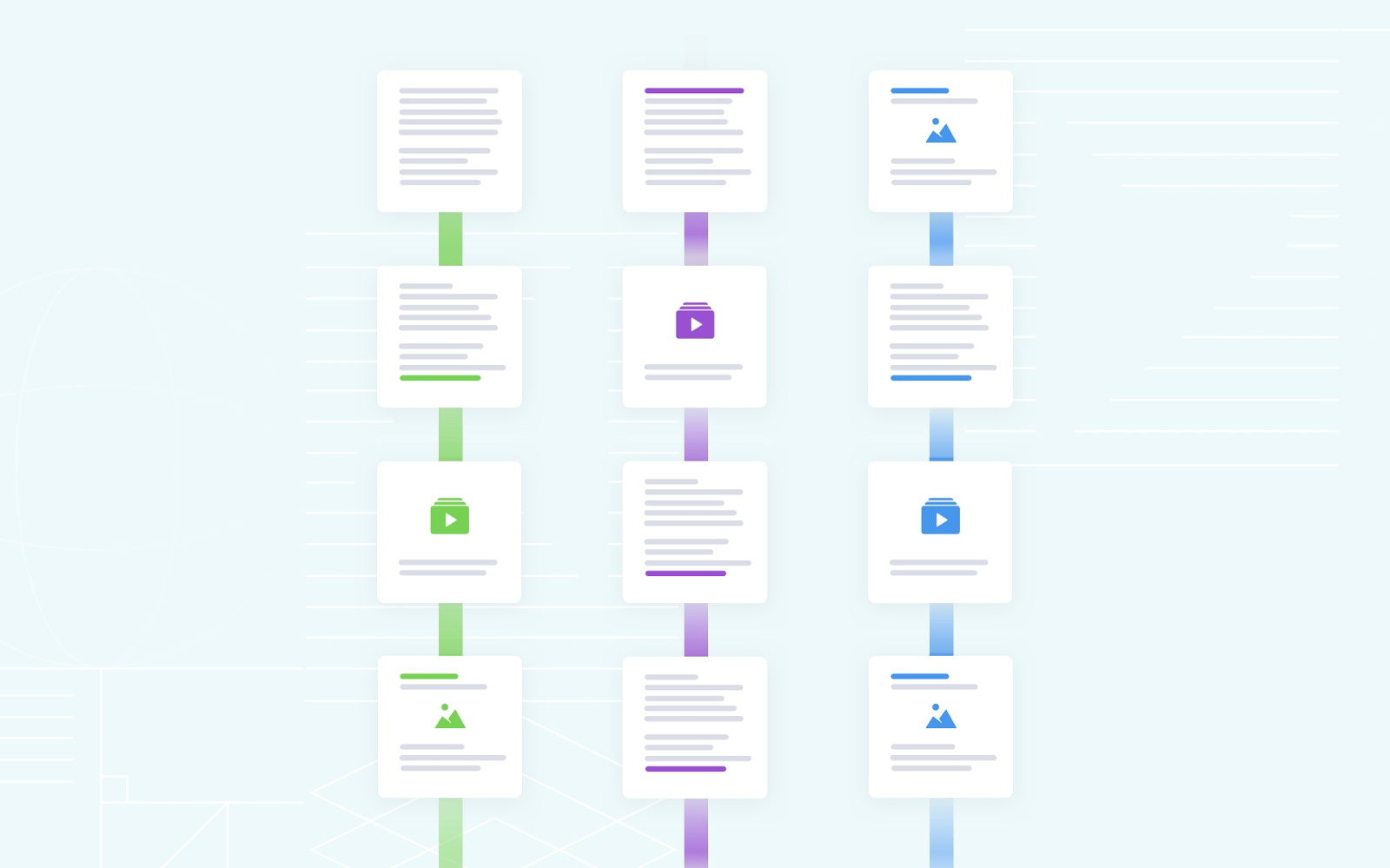
A thank you email isn't a standalone step. It's a bridge. Here's where it fits:
- After initial reply: Someone responds with interest or a question? Thank them before launching into details.
- After a "not now" response: Send a no-pressure thank you and stay on their radar for later.
- After a meeting booked from cold outreach: Confirm the meeting and thank them for making time.
How gratitude builds differentiation in crowded inboxes:
Your prospect is likely sorting through plenty of messages that compete for the same few minutes of attention. Most are pushy, generic, or desperate. A genuine thank you email stands out because it asks for nothing.
It's a pattern interrupt. You're showing appreciation instead of applying pressure. That simple shift changes how people perceive you and makes them more likely to engage when timing is actually right.
In cold email outreach, the reps who master gratitude at the right moments consistently outperform those who only know how to pitch.
A thank-you reply serves a different purpose from a structured cold email follow-up, which should continue the business case when the prospect has not responded.
Learn More: Improve Cold Email Open Rate (Proven Steps + Templates)
How Cleverly Helps Teams Turn Replies Into Conversations
In cold email outreach getting replies is one thing. Turning those replies into actual meetings? That's where most teams fall apart.

At Cleverly, we handle the entire outreach process for you. From the initial cold email to follow-ups to thank you messages, we manage every touchpoint in the conversation.
Our team knows exactly when to show gratitude, when to add value, and when to go for the meeting.
We don't just send emails and hope for the best.
Every reply gets a personalized, context-aware response designed to move the conversation forward. Whether it's a "tell me more," a referral to another decision-maker, or even a soft "not right now," we handle it strategically.
The result? You get meeting-ready leads delivered straight to your calendar. No fluff, no tire-kickers. Just qualified prospects who are actually ready to talk.
And here's what makes us different: you only pay for the meetings we book. Not the emails sent. Not the replies. Just the leads that show up ready to have a real conversation.
We've helped companies like Amazon, Google, Uber, PayPal, and Spotify generate leads through this exact process. That's $312 million in pipeline revenue and $51.2 million in closed revenue across 10,000+ clients.
Your team focuses on closing deals. We focus on filling your pipeline with people who want to talk.
Ready to stop chasing cold leads and start taking qualified meetings?
Let's talk about how Cleverly can build your pipeline

Conclusion
A thank you email takes two minutes to write, but it can change the trajectory of a relationship.
The best ones are timely, personal, and purposeful. They reference real moments from your conversation, show genuine appreciation, and keep momentum going without being pushy.
Most sales reps skip them or treat them like a formality. The ones who get it right use thank you emails as a relationship-building tool that separates them from everyone else in the inbox.
Whether you're following up after a cold reply, a discovery call, or a closed deal, don't underestimate the power of saying thanks the right way. It's one of the simplest ways to strengthen relationships and improve outcomes across your entire sales process.
Now go send that thank you email you've been putting off. Your future pipeline will thank you for it.
Frequently Asked Questions
Free Resource
How to Scale a Profitable Cold Call System
Get the complete guide — download it instantly now.
Free Ebook
Download the Free Guide
Enter your details to get instant access.
You're all set! 🎉
Your ebook is downloading now.
Click below if the download didn't start automatically.