Table of Contents
What Actually Happens at Each Phase
LinkedIn Outreach Benchmarks — Are You On Track?
6 Factors That Determine How Fast You See LinkedIn Prospecting Results
Warning Signs You're Falling Behind Schedule
How to Accelerate Your LinkedIn Lead Generation Timeline
How Cleverly Compresses the LinkedIn Lead Generation Timeline for B2B Companies
The Real Answer to "How Long Does LinkedIn Lead Generation Take?
Frequently Asked Questions
Modified On :
September 3, 2026
Key Takeaways
- First replies and conversations typically appear within the first 2–4 weeks of launching a LinkedIn outreach campaign, but consistent, qualified pipeline takes 3–4 months to build.
- Connection acceptance rate is the most important metric in the first 30 days — it tells you whether your targeting and profile are working before you've invested in full sequences.
- Cleverly clients typically see first conversations within 30 days, first qualified meetings by weeks 4–6, and steady pipeline by month 3 as campaigns get optimized with real data.
- Campaigns gain momentum over time, not overnight — Cleverly's data across 100,000+ launched campaigns shows that results compound significantly between months 3 and 6.
- The biggest reason most LinkedIn campaigns underperform isn't the channel — it's skipping setup, rushing targeting, and abandoning the campaign before the optimization cycle kicks in.
The Expectation Problem With LinkedIn Lead Generation
What actually happens to most teams running LinkedIn outreach for the first time.
Week one: excitement. Week two: watching connection requests trickle in. Week three: "why isn't anyone replying?" Week four: the campaign gets quietly shelved.
That's not a LinkedIn problem. That's a timeline problem.
How long does LinkedIn lead generation take to actually work? The honest answer is: first conversations within 30 days, first qualified meetings within 4–6 weeks, and consistent pipeline by month 3. That's the window most teams never give it.
The teams that win on LinkedIn aren't doing anything dramatically different from the teams that quit. They're just still there in month 3 when the data has been refined, the messaging is dialed in, and the pipeline starts compounding.
This guide breaks down exactly what to expect at each phase — with the specific numbers Cleverly sees across real client campaigns — so you can measure progress accurately, diagnose problems early, and stop leaving qualified meetings on the table.
The LinkedIn Lead Generation Timeline at a Glance
Before getting into the specifics, here's the full LinkedIn lead generation timeline from launch to compounding returns.
The core idea: LinkedIn lead generation is a system you build, not a tap you turn on. The first 60 days are investment. Month 3 is when it becomes predictable. Month 4 and beyond is when it starts compounding.
Teams that restart or pivot after month one reset the clock every single time. The data you collect in months 1–2 is what makes month 3 actually work.
🚀 LinkedIn Outreach Works. Bad Outreach Doesn’t.
We build and run campaigns that generate REAL sales conversations. Done-for-you starting at just $397/mo.
What Actually Happens at Each Phase
Each phase has specific milestones, realistic benchmarks, and warning signs. Knowing what's normal at each stage is the difference between smart optimization and premature panic.
Phase 1 — Weeks 1–2: Setup, Profile Optimization, and Campaign Launch
Nothing goes out in this phase. That's intentional.
This is where the foundation is built: ICP definition, Sales Navigator targeting, LinkedIn profile optimization, and message sequence writing. It's also where most DIY campaigns get into trouble — teams skip or rush setup to start sending faster, then wonder why month one underperforms.
For our clients, this phase includes a kickoff call with your account manager, a questionnaire about your ideal target audience and offer, and a full campaign build before a single message goes out. Campaigns are typically live within one to two weeks of sign-up.
Profile optimization is non-negotiable here. Your profile is the first thing a prospect checks before accepting your connection request.
A weak headline, a generic banner, or a summary written for the algorithm — not the buyer — kills acceptance rate before the message even gets read. A fully optimized profile consistently outperforms a generic one by 15–20 percentage points in connection acceptance rate.
What success looks like here: a clean, verified target list, a tested sequence, and a profile that converts profile visitors into connection acceptances.

Phase 2 — Weeks 2–4: First Connections and Early Signals
This is where outreach begins and the first data starts coming in.
Connection requests go out at safe volume — Cleverly manages this to protect your account from LinkedIn restrictions while building consistent momentum. First connection acceptances start appearing, and by the end of week 4, you have real data to work with.
Benchmarks to watch at this stage:
- Connection acceptance rate: 20–35% for well-targeted outreach in weeks 2–4
- First replies: 5–10% of accepted connections responding to an initial follow-up
- First meetings: Possible but not expected — any meeting in week 3–4 is a bonus, not a baseline
From our own data: clients who launch with industry-specific messaging see meaningfully faster early traction. In one case study from Cleverly's engineering staffing vertical, industry-specific messaging drove 53% higher acceptance rates in the first few weeks compared to generic outreach.
If your acceptance rate is below 15% at this stage, that's a targeting or profile signal — not a reason to increase volume. More outreach on a broken setup accelerates the wrong results.
What success looks like here: consistent acceptance above 25%, a handful of early conversations, and enough signal to identify which message variant is resonating.

Phase 3 — Weeks 4–6: First Qualified Meetings Appear
This is when Cleverly clients typically see their first real meetings.
The pipeline from weeks 2–4 starts converting. Follow-up sequences kick in for non-responders. First genuine conversations emerge — and a portion of those conversations turn into booked calls.
Most of our clients begin seeing positive replies and leads within the first 2–4 weeks. The first qualified meetings typically follow shortly after.
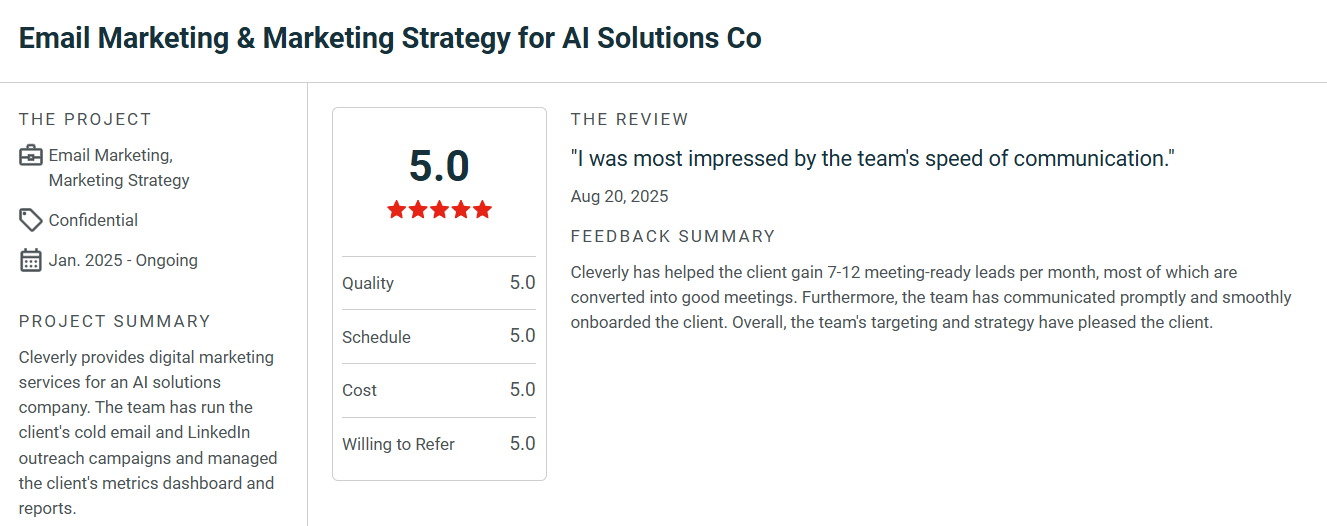
One Cleverly client in the AI solutions space reported receiving 7–12 meeting-ready leads per month once the campaign found its rhythm — and their account manager had the targeting dialed tight enough that they converted most of those leads into actual meetings.
Month two is also the phase where most DIY campaigns quit. Teams have invested 4–6 weeks of effort but haven't yet seen the meeting volume they expected. Cleverly's account managers are specifically focused on this window — running A/B tests, refining targeting, and adjusting messaging before a client ever considers that the channel isn't working.
What success looks like here: 1–3 qualified meetings booked, clear data on which messages and personas are converting, and a growing connection base that will keep compounding.
Phase 4 — Month 3: Optimization Kicks In, Pipeline Becomes Consistent
Month 3 is the inflection point.
You now have 60+ days of real performance data. Cleverly's campaigns gain significant momentum in this window.
What that refinement looks like in practice:
- A/B testing message variants based on what drove the best reply rates in months 1–2
- Adjusting ICP filters based on which titles, company sizes, and industries actually responded
- Refining the offer based on objection patterns that surfaced in early conversations
- Tightening follow-up timing based on response windows seen in the data
Cleverly's average across campaigns: 20–40 new conversations with ideal buyers for every 500 prospects engaged. That's not a projection — that's the number pulled directly from real campaign performance across thousands of clients.
Benchmarks at this stage for a well-dialed campaign:
- Connection acceptance rate: 35–45%
- Reply rate: 15–25%
- Meeting rate from positive replies: 20–30%
- Overall contact-to-meeting: 3–5%
What success looks like here: a predictable meeting cadence, clear ROI visibility, and the first signs that the network itself is starting to work in your favor.
Phase 5 — Months 4–6+: Compounding Returns
This is what most teams never stick around to see.
After month 3, LinkedIn's network effect starts working for you. Your connection base is larger. More prospects are in the follow-up sequence.
Prospects who connected in month 1 but didn't respond are re-engaging after seeing consistent activity on your profile. And if you're pairing outreach with LinkedIn content, month 4 is when authority-driven inbound leads start appearing alongside your outbound results.
The results Cleverly has documented across longer-running campaigns reflect this.
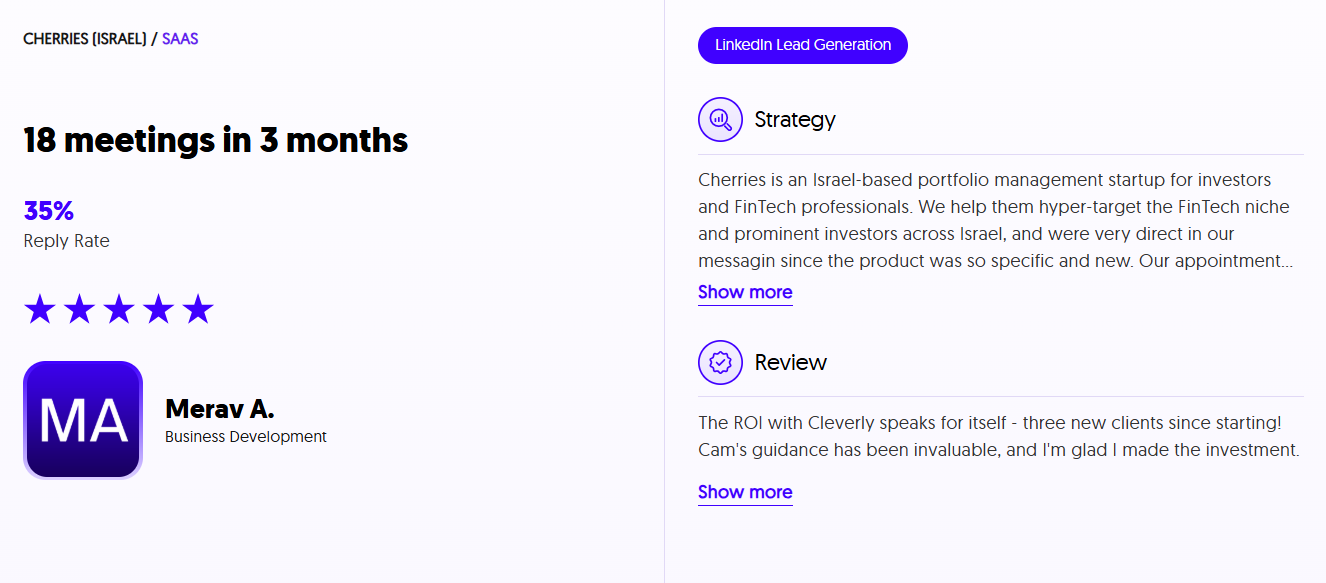
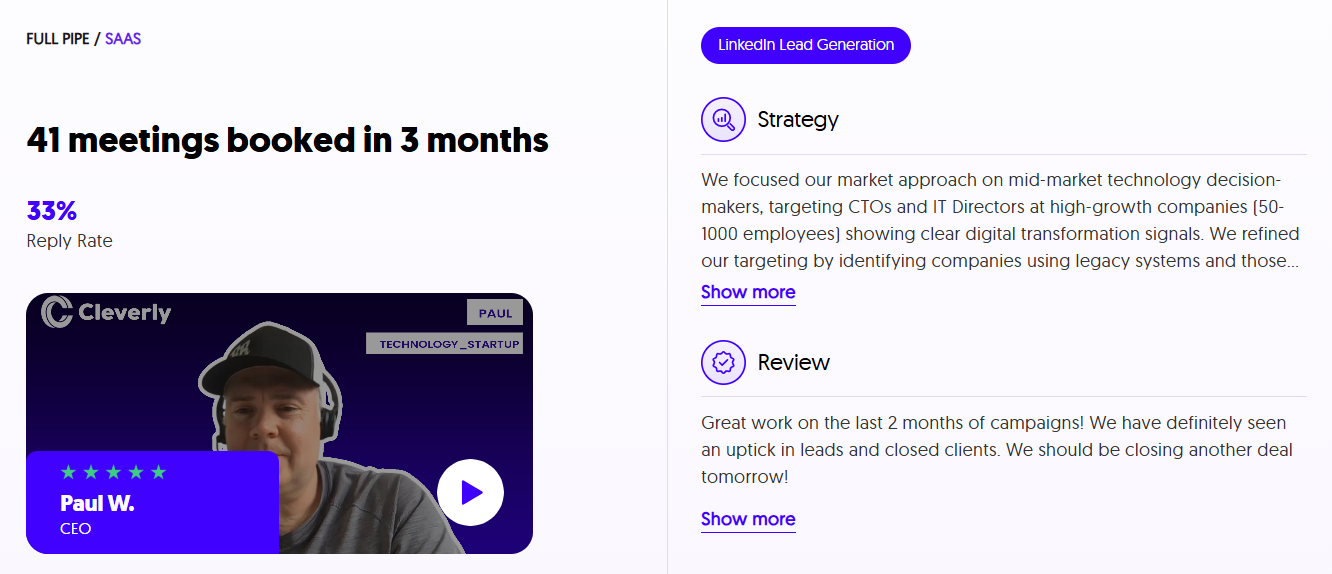
In one case study from a Financial Services client, a campaign that ran consistently for several months ended up closing 7 deals closed in 4 months with a 35% reply rate after the targeting and messaging were refined. The campaign that generated those results didn't look that strong in week four.

The key insight: LinkedIn is the only outbound channel where your asset — your network and your profile — appreciates over time. Every connection you make is a first-degree contact in your network forever. That's a compounding return no other outbound channel offers.
LinkedIn Outreach Benchmarks — Are You On Track?
Use these as directional targets. Your industry, offer, and ICP affect every number.
A few things Cleverly's campaign data consistently reinforces:
The most important metric in the first 30 days is connection acceptance rate. It tells you whether your targeting and profile are working before you've invested in full sequences. If it's low, fix the top of the funnel before optimizing anything else.
The most important metric in months 2–3 is reply rate. It tells you whether your messaging is resonating with the right people. A 10–15% reply rate is workable. Below 5% for 200+ accepted connections means the messaging needs a rewrite, not more volume.
Industry variance matters too. SaaS and technology inboxes are saturated, so reply rates in those verticals skew lower. Recruiting, staffing, and professional services consistently see higher engagement. Benchmark yourself against your vertical, not the global average.
💼 Most Teams Quit Before Pipeline Kicks In
10,000+ clients trusted Cleverly to scale outbound. We handle targeting, outreach & booking—you close.
6 Factors That Determine How Fast You See LinkedIn Prospecting Results
1) ICP Clarity and Targeting Precision
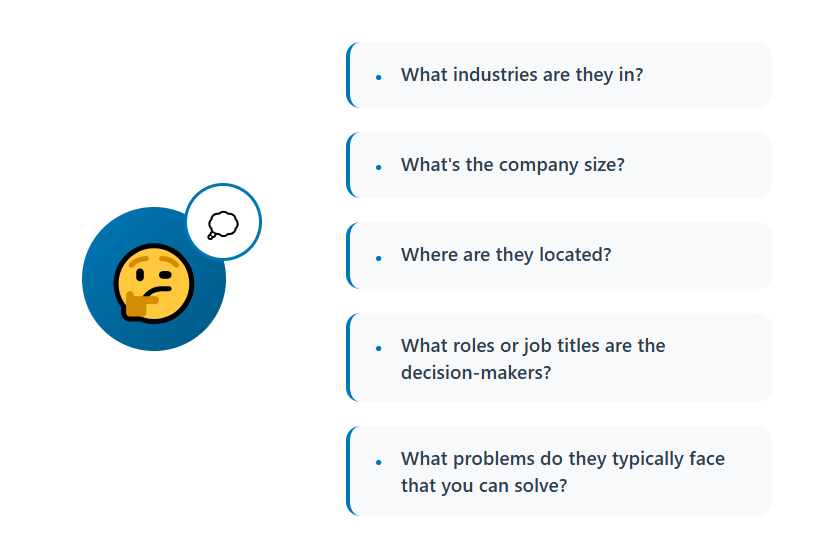
The tighter your ICP definition, the faster results appear. Teams with a clearly defined buyer profile — specific title, company size, industry, and pain point — reach their first meetings significantly faster than those taking a broad "anyone in X industry" approach.
Cleverly builds targeting lists using Sales Navigator's advanced filters, including employee count, growth signals, tech stack indicators, and recent activity.
For one client in an ultra-niche segment — a coach targeting high-earning women executives, a persona with no direct LinkedIn filter — Cleverly used advanced boolean search tactics to get the list 95% qualified before a single message went out.
2) Profile Strength and Credibility
Your LinkedIn profile is a landing page, not a resume. Prospects check it before accepting your connection request. A weak profile directly suppresses acceptance rates and slows every downstream metric.
The fix: a headline that speaks to the buyer's outcome, a banner that signals credibility, and a summary written for the prospect — not the algorithm.
3) Message Quality and Personalization

Generic, templated messages produce 5–8% reply rates. Personalized, relevance-first messages produce 20–30%+. That gap, compounded over a 90-day campaign, is often the difference between a campaign that produces pipeline and one that produces frustration.
Cleverly writes 2–5 follow-up messages per prospect, with each touch delivering specific value. Touch 3 is typically a case study relevant to the prospect's industry. That sequencing structure is a significant driver of why Cleverly campaigns outperform single-touch DIY outreach.
4) Volume and Consistency
Inconsistent outreach — sending 200 requests one week and nothing the next — resets momentum and distorts performance data. Consistent volume at safe limits compounds faster than burst-and-pause patterns.
We manage connection request volume to stay within LinkedIn's safe limits, which protects your account from restrictions while maintaining campaign continuity. This isn't a detail — it's a meaningful operational differentiator. An account restriction mid-campaign can set results back by weeks.
5) Follow-Up Discipline
Most LinkedIn leads don't convert on the first message. Teams with no follow-up system leave 60–70% of potential replies on the table.
Cleverly's multi-touch sequences consistently outperform single-touch outreach for exactly this reason. Each follow-up brings a subset of non-responders back into the conversation. Persistence in months 1–2 directly determines what month 3 looks like.
6) Sales Cycle Length
Even if meetings appear in month 2, longer enterprise sales cycles mean revenue KPIs arrive later. Frame success metrics appropriately: meetings booked is the right 90-day KPI for LinkedIn lead generation.
Revenue is a 6–12 month KPI. Teams that evaluate LinkedIn campaigns on closed revenue at the 60-day mark are measuring the wrong thing at the wrong time.

Warning Signs You're Falling Behind Schedule
🚩 Connection acceptance rate below 15% after 3+ weeks: Fix targeting first, then profile. Not volume. Never volume.
🚩 Reply rate below 5% after 200+ connections accepted: The messaging isn't resonating. Rewrite your opening sequence with a stronger relevance hook and a more specific pain point reference. Vague, fluffy opening lines kill reply rates faster than anything else.
🚩 Zero meetings after 60 days of active outreach: Diagnose in order — targeting, then profile, then messaging, then offer clarity. If all three are solid, the issue is usually offer strength or an ICP that isn't in enough buying pain right now.
🚩 Replies coming in but no meetings booking: Your conversation-to-meeting conversion is broken. The offer isn't clear, the CTA is too aggressive, or you're pitching before you've established enough interest. The goal in early conversations is a real exchange — not an immediate close.
🚩 Gradual decline in acceptance rate over time: LinkedIn may be soft-limiting your account due to high ignore or report rates. Reduce volume, tighten targeting, and add a warm-up period of content engagement before sending requests.
👍 The rule is simple: diagnose before adding volume. More outreach on a broken campaign accelerates the wrong results.
How to Accelerate Your LinkedIn Lead Generation Timeline
A few things that consistently shorten the time from campaign launch to qualified meetings:
✅ Optimize your profile before your first send. A credibility-first profile can cut time-to-first-meeting by two to three weeks. Don't skip this.
✅ Use Sales Navigator for precision targeting. Filters for seniority, company size, growth signals, and recent activity significantly improve ICP match rate and accelerate early traction. Cleverly uses boolean combinations and growth signal filters that go well beyond basic LinkedIn profile lookup and title targeting.
✅ Pair outreach with LinkedIn content. Posting two to three times per week warms your network, increases profile views from prospects, and adds a second conversion path alongside outreach. Prospects who've seen your content are meaningfully more likely to accept your connection request and reply.
✅ Run a multi-touch sequence, not a one-touch request. The difference between a single connection request and a structured 4-message sequence over 14 days is routinely 3–4x the meeting rate. Cleverly sends 2–5 follow-up messages per prospect — each delivering specific value, not just a bump to the top of the inbox.
✅ Engage with prospects' content before connecting. Liking or commenting on a prospect's post before sending a connection request makes your name familiar before the request arrives. It's a small tactic with a consistently meaningful impact on acceptance rate.
How Cleverly Compresses the LinkedIn Lead Generation Timeline for B2B Companies
The biggest timeline killer in DIY LinkedIn lead generation is trial-and-error. Teams spend the first 60–90 days figuring out targeting, rewriting messaging, debugging their profile, and managing outreach volume — while simultaneously trying to run a business or hit quota.
That's the problem we built Cleverly to solve.
We've launched over 100,000 LinkedIn campaigns across every B2B vertical.
The targeting frameworks, messaging structures, and sequencing playbooks that take most teams three months to figure out are deployed from day one on a Cleverly campaign. That compression is what gets clients to their first meetings in weeks 4–6 instead of month 3.
What we handle end-to-end: ICP definition and Sales Navigator targeting built around your best-fit buyers, LinkedIn profile optimization to maximize acceptance rate and credibility, personalized multi-touch message sequences written and A/B tested for your specific offer, consistent outreach execution at safe volume limits, and response handling and meeting handoff to your sales team. The Cleverly dashboard tracks every KPI — connection rate, reply rate, engagement, and meetings — so you always know exactly where the campaign stands.
Our typical client timeline: first conversations within 30 days, first qualified meetings by weeks 4–6, consistent pipeline by month 3. For clients who stick through the optimization cycle, the results compound from there.
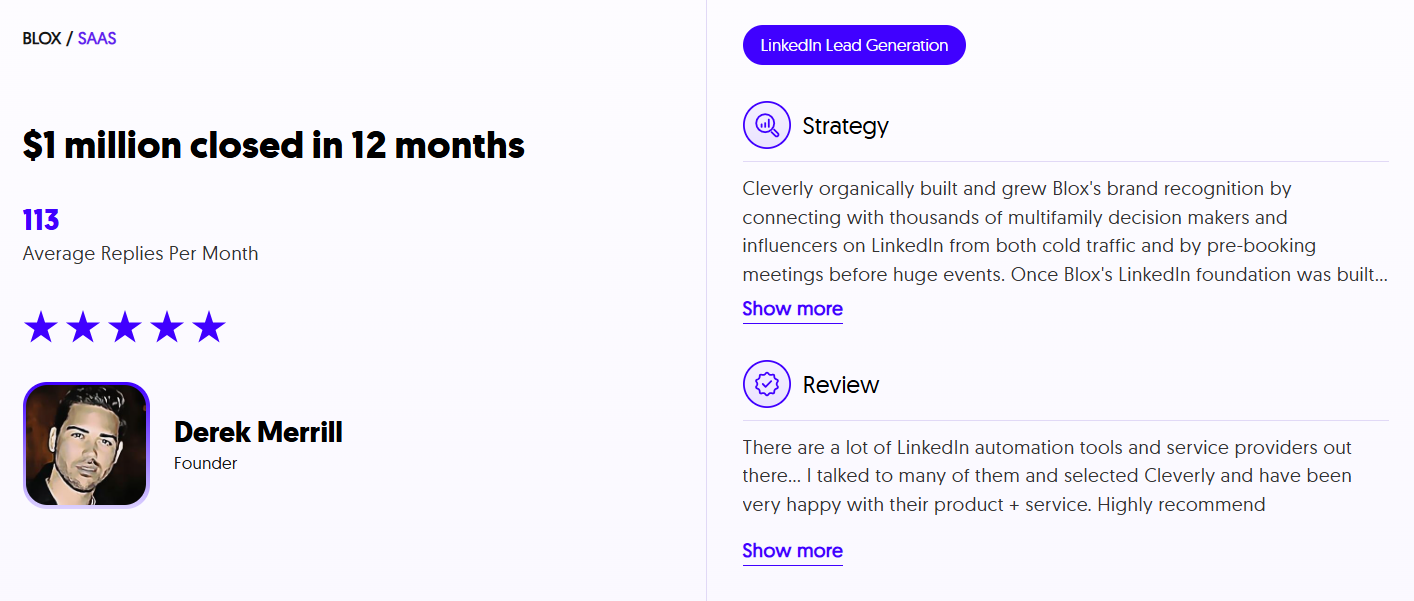
⭐ One of our SaaS clients closed $1M in 12 months with 113 avg replies per month.
Plans start at $397/month, month-to-month, no contracts.
If you want to skip the 90-day learning curve and get qualified LinkedIn meetings faster, book a strategy call with Cleverly.
The Real Answer to "How Long Does LinkedIn Lead Generation Take?
LinkedIn is not a quick-win channel. That's exactly what makes it worth investing in.
The teams willing to stay consistent past month 3 build something no single-campaign outbound channel can match: a growing network of first-degree connections, a profile with real authority, and a system that compounds the longer it runs. Every connection made today is a first-degree contact in your network forever.
The realistic LinkedIn lead generation timeline: first signals in weeks 2–4, first meetings in weeks 4–6, consistent pipeline in month 3, compounding results in months 4–6 and beyond.
The real question isn't how long does LinkedIn lead generation take. It's whether you're set up to run it consistently long enough to see it compound — and whether you're measuring the right things at each stage along the way.
Frequently Asked Questions
Free Resource
How to Scale a Profitable Cold Call System
Get the complete guide — download it instantly now.
Free Ebook
Download the Free Guide
Enter your details to get instant access.
You're all set! 🎉
Your ebook is downloading now.
Click below if the download didn't start automatically.