Table of Contents
What Is Sales Management Software?
Key Features to Look for in Sales Management Tools
10 Best Sales Management Software Tools in 2026
How to Choose the Right Sales Management Software for Your Team
How Cleverly Helps B2B Teams Fill Their Sales Pipeline Without Adding More Software
Conclusion
Frequently Asked Questions
Modified On :
October 13, 2026
Key Takeaways
- Sales management software boosts sales by up to 29%, increases productivity by 34%, and improves forecast accuracy by 42% — making it one of the highest-ROI investments a sales team can make.
- The best tool depends on your motion: enterprise teams need Salesforce, visual pipeline lovers need Pipedrive, and outbound-heavy teams need Apollo or Close.
- Most tool lists rank by popularity — this guide ranks by use case fit, so you find what actually works for your team.
- No software fixes a thin pipeline — pair your sales management stack with a consistent lead generation strategy to see real pipeline velocity.
- AI-powered features like lead scoring, automated follow-ups, and conversation intelligence are now table stakes in 2026, not nice-to-haves.
Your reps are talented. Your offer is solid. So why is revenue still unpredictable?
More often than not, the answer isn't people — it's process. Sales teams are drowning in admin work, missed follow-ups, and pipeline blind spots that the right sales management software can eliminate entirely.
The numbers back it up hard.
CRM and sales management software can boost sales by up to 29%, increase productivity by 34%, and improve forecast accuracy by 42%. And lead conversion rates can increase by up to 300% with a well-utilized CRM.
The problem? Most tool comparison guides rank by popularity, not by use case fit. What works for a 200-person enterprise SDR team looks nothing like what works for a 5-person startup trying to close its first 50 deals.
This guide fixes that. We'll break down what sales management tools actually are, what to look for, and rank the 10 best options in 2026 — by the scenarios where they genuinely win.

What Is Sales Management Software?
Software for sales management is a digital platform that helps sales teams organize, track, and optimize every part of the sales process — from the moment a lead enters the funnel to the moment a deal is closed.
It covers a wide range of functions: lead management, pipeline tracking, activity logging, performance reporting, forecasting, and workflow automation. Think of it as the operating system your sales team runs on.
Where a lot of people get this wrong — modern sales management tools are not just glorified contact databases. They're full-blown revenue systems that include coaching tools, engagement tracking, AI-driven insights, and cross-team collaboration.
The distinction matters in 2026 because the bar has moved. Over 82% of organizations now rely on CRM for sales reporting and automation, and AI has gone from a bonus feature to a core expectation.
If your stack isn't doing more than storing contacts and logging calls, you're leaving a pipeline on the table.
🚀 Tools Don’t Build Pipeline. Execution Does.
We run LinkedIn, cold email & cold calling for you—end to end. You get qualified meetings. We do the heavy lifting.
Key Features to Look for in Sales Management Tools
Not all sales management tools are built the same. Here's what separates platforms that actually move the needle from ones that just add more admin:
✅ Pipeline visibility
A clear, customizable view of deals at every stage — with bottleneck identification baked in, not bolted on.
✅ Lead and contact management
Organized prospect data with full interaction history and relationship context, not just a static spreadsheet in disguise.
✅ Sales activity tracking
Meeting scheduling, call logging, email tracking, and follow-up automation — all in one place, not scattered across five tabs.
✅ Reporting and analytics
Real-time dashboards that surface individual and team performance data. If you can't measure it, you can't manage it.

✅ AI and automation
Lead scoring, automated follow-ups, workflow triggers, and predictive forecasting. In 2026, these aren't premium add-ons — they're expected.
✅ Integrations
Seamless connection with your CRM, marketing tools, dialers, and communication platforms. Your stack should talk to itself.
✅ Mobile access
Cloud-based access so reps can update deals, log notes, and pull prospect info from anywhere. 65% of salespeople using mobile CRM meet their sales quotas, compared to only 22% who don't. CRM.org
✅ Ease of use and scalability
Tools that adapt to your workflow without burying your team in admin. The best sales pipeline management tools get out of the way and let reps sell.
Best Sales Management Software at a Glance - Quick Comparison
Before diving into detailed reviews, here's a quick-reference table to scan all 10 tools side-by-side:
📞 Your CRM Is Empty? That’s the Real Problem.
We fill your pipeline with real prospects across all channels. More leads. More calls. More revenue—done for you.
10 Best Sales Management Software Tools in 2026
This isn't a generic ranking sorted by brand recognition. Every tool below is selected based on verified ratings from G2, Capterra, and TrustRadius — plus real use-case fit for specific team types.
1. Agentforce Sales (formerly Salesforce Sales Cloud) — Best for Enterprise Sales Teams
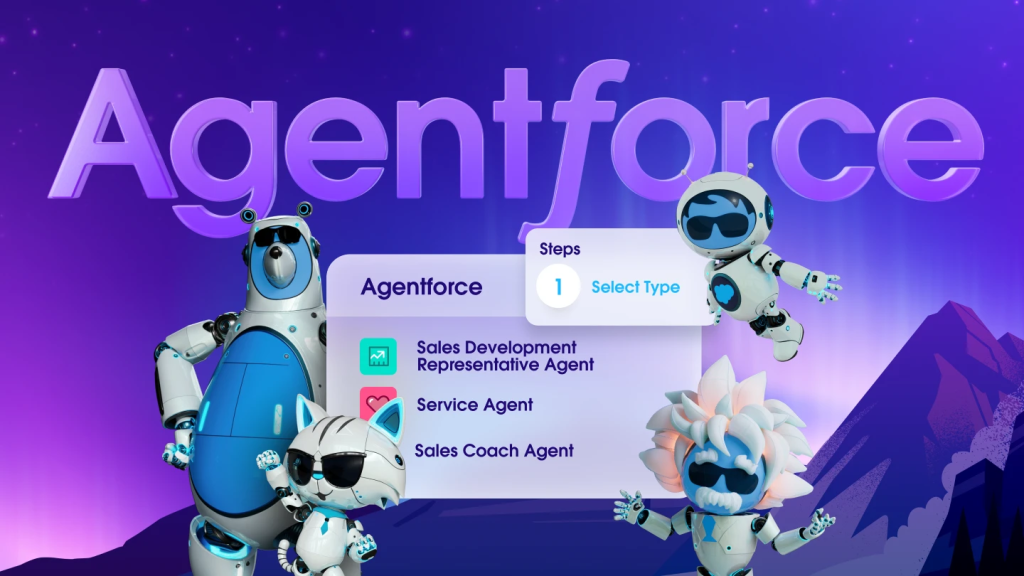
If your sales motion involves large deals, complex territories, and dozens of reps, Agentforce Sales is the benchmark everything else is measured against.
Built on the world's most widely adopted CRM platform, it delivers AI-powered pipeline management, territory management, advanced forecasting, sales cadences, and conversation intelligence — all deeply customizable. The Salesforce ecosystem spans 3,000+ native integrations, which means it slots into almost any existing tech stack.
Standout features: AI-powered deal scoring, territory and quota management, revenue forecasting, Einstein AI recommendations, and sales cadences with built-in coaching tools.
Pricing: Starts at $25/user/month for Starter; enterprise features from $175/user/month.
Best for: Enterprise sales organizations that need deep customization, advanced forecasting, and a platform that scales with organizational complexity.
Limitation: Steep learning curve and significant implementation cost. Not the right call for SMBs or early-stage teams without dedicated rev ops support.
2. HubSpot Sales Hub — Best All-in-One CRM for Growing Teams
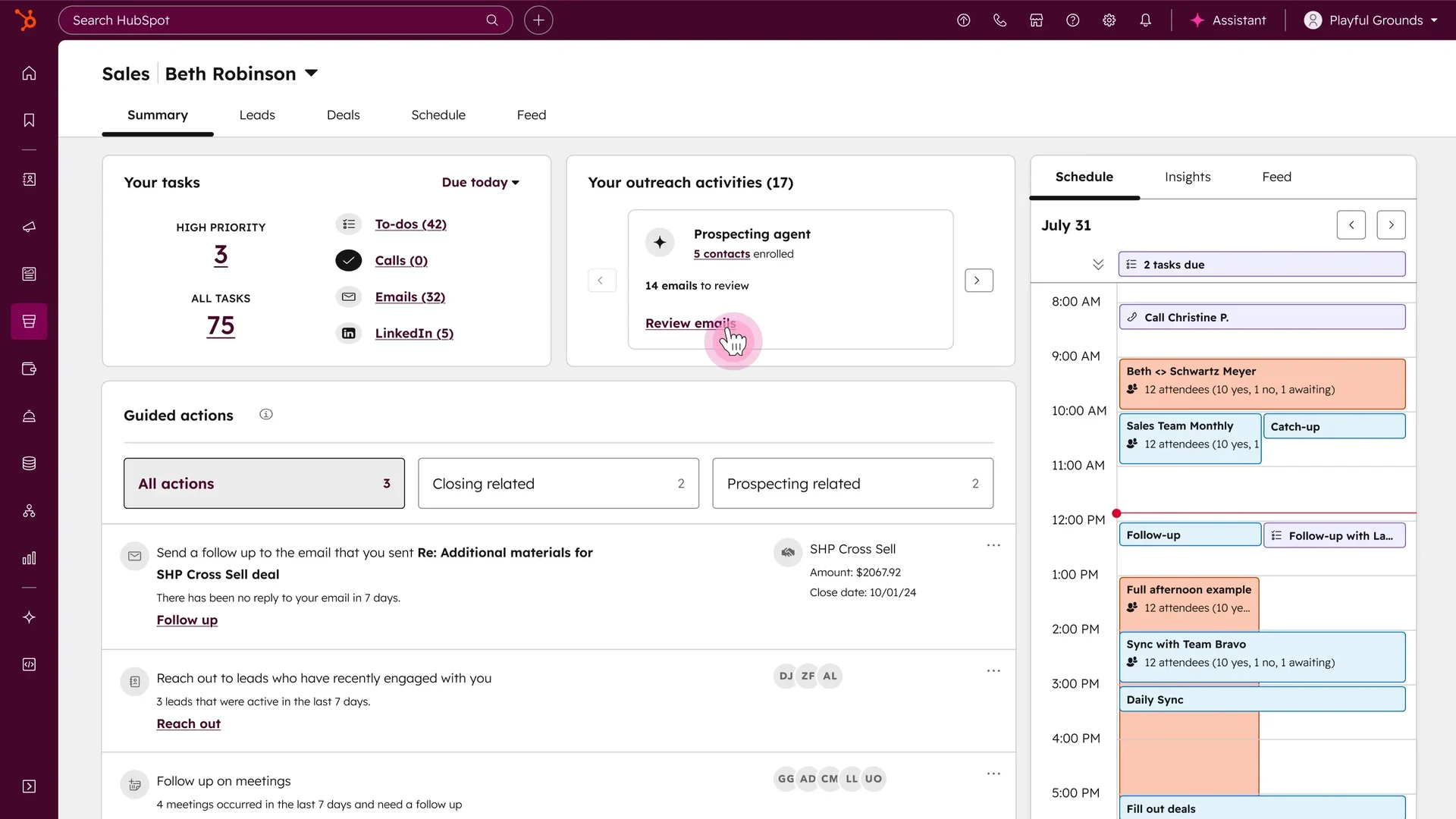
HubSpot Sales Hub wins for teams that want their CRM, sales engagement, and marketing platform to actually talk to each other — out of the box, without an integration consultant.
The 2025-2026 product updates have been aggressive. AI-powered prospecting agents, a guided selling workspace, email sequences, call tracking, meeting scheduling, and conversation intelligence are all now native. The deep HubSpot Marketing Hub integration means sales and marketing teams finally share the same data model — a rare thing in B2B.
Standout features: AI prospecting agents, guided selling workspace, native email sequences, call tracking, revenue attribution reporting, and 1,000+ third-party integrations.
Pricing: Free tier available; paid plans start at $15/user/month. Enterprise pricing scales significantly.
Best for: Mid-sized businesses that want one platform spanning CRM, sales engagement, and marketing — without managing a fragmented stack.
Limitation: Advanced sales performance management tools features are locked behind higher-tier plans. Costs compound quickly for larger teams.
3. Creatio Sales — Best AI CRM for Enterprise Teams Running AI Agents in Sales
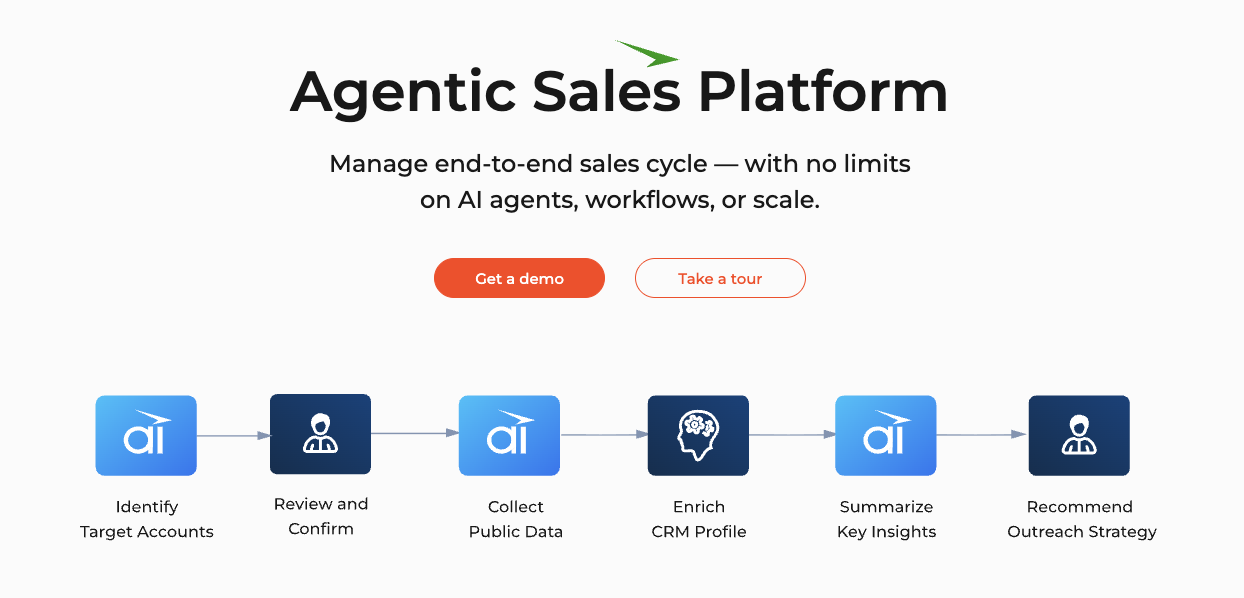
Creatio is a sales CRM that puts AI agents inside the sales cycle, handling account research, data enrichment, lead and opportunity insights, meeting preparation and forecasting on one customer data model shared with marketing and service. Managers get AI-assisted pipeline inspection and forecast commit visibility.
Reps get next best action and next best offer recommendations, while no-code designers let sales ops change workflows and approvals without developers. AI is included in every plan.
Standout features: lead and opportunity insights, AI meeting preparation, next best action and offer recommendations, forecasting and revenue intelligence, and no-code workflow design.
Pricing: Starts at $40/user/month for the platform, plus $15/user/month for Creatio Sales.
Best for: Mid-market and enterprise sales teams that want AI agents working inside their CRM pipeline, with governance and no-code control over every workflow.
Limitation: Built for complex sales processes, so small teams needing only a simple pipeline view will find it more platform than necessary.
4. Pipedrive — Best for Visual Pipeline Management
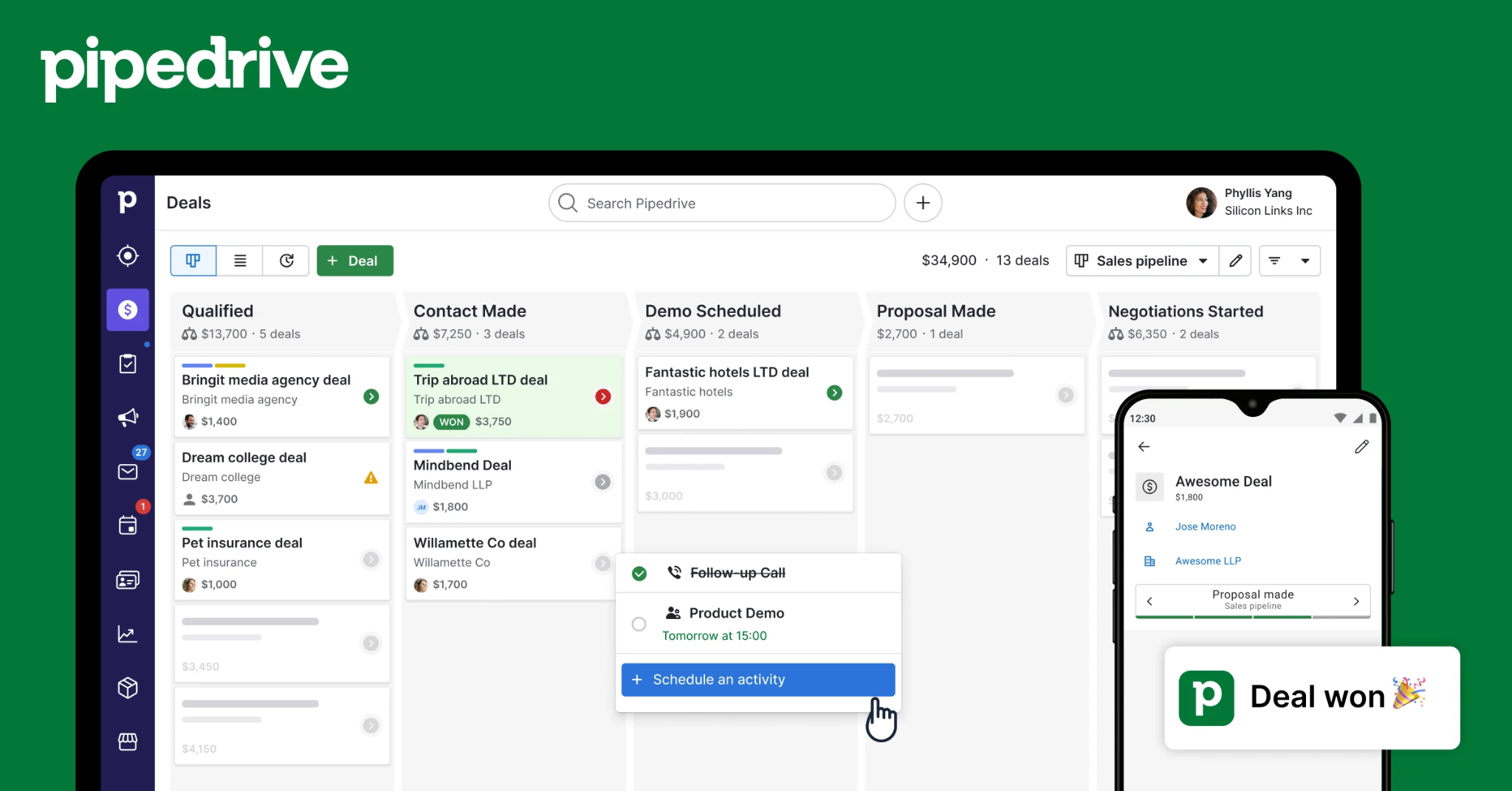
Pipedrive was built by salespeople who were frustrated with complex CRMs. That DNA shows up in everything from the drag-and-drop pipeline interface to the AI-powered next-step suggestions that nudge reps toward the right action without burying them in dashboards.
It's clean, fast, and opinionated — which is exactly what SMB and mid-market teams need. Revenue forecasting, activity reminders, email integration, and a solid mobile app round out a platform that genuinely gets out of the way and lets reps sell.
Standout features: Drag-and-drop visual pipeline, AI next-step suggestions, activity reminders, revenue forecasting, email integration, and 400+ third-party integrations.
Pricing: Starts at $14/user/month; Power plan at $64/user/month.
Best for: SMB and mid-market teams that want visual pipeline control and a fast onboarding experience — without enterprise complexity.
Limitation: Limited marketing automation depth compared to HubSpot. Not the right fit for large enterprise workflows or teams that need deep cross-functional reporting.
5. Gong — Best for Revenue Intelligence and Coaching
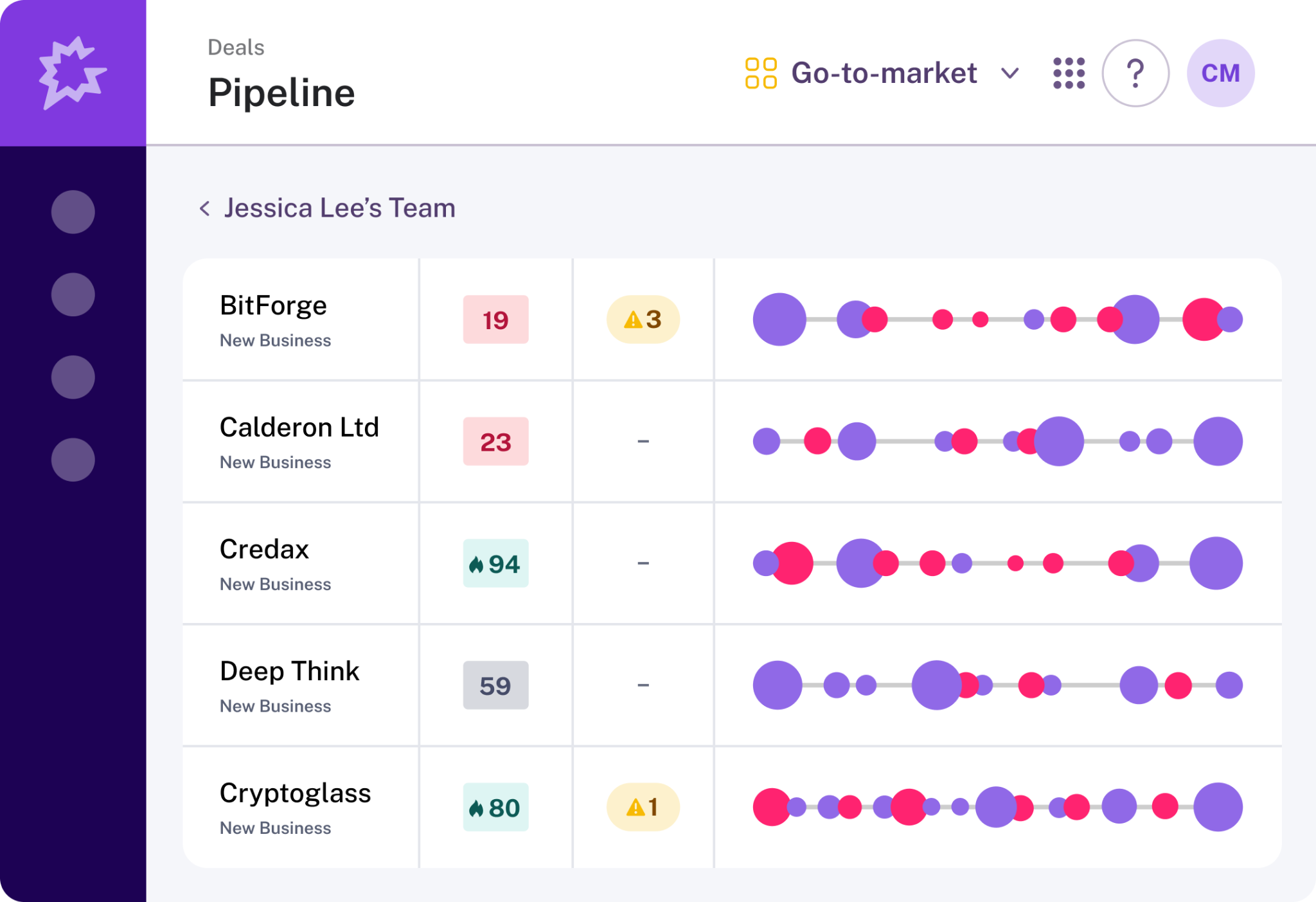
Gong operates in a category it largely created: revenue intelligence. It records, transcribes, and analyzes every sales call, email thread, and customer interaction — then surfaces deal risks, coaching opportunities, and forecast signals that human managers would never catch at scale.
If your reps are doing 50+ calls a week and you need to know why deals are stalling in stage 3, Gong will tell you. It integrates cleanly with Salesforce, HubSpot, Zoom, and major dialers.
Standout features: AI call recording and analysis, deal intelligence, pipeline risk alerts, rep performance coaching, forecast accuracy tools, and competitive intelligence.
Pricing: Contact for pricing — enterprise-focused. Typically significant investment at the team level.
Best for: Revenue teams with established sales processes that need AI-driven coaching and accurate forecasting at scale.
Limitation: Premium price point. Best suited to teams that already have a working sales motion — not a good first tool for early-stage companies still figuring out their ICP.
6. Monday CRM — Best for Teams That Blend Sales and Project Management
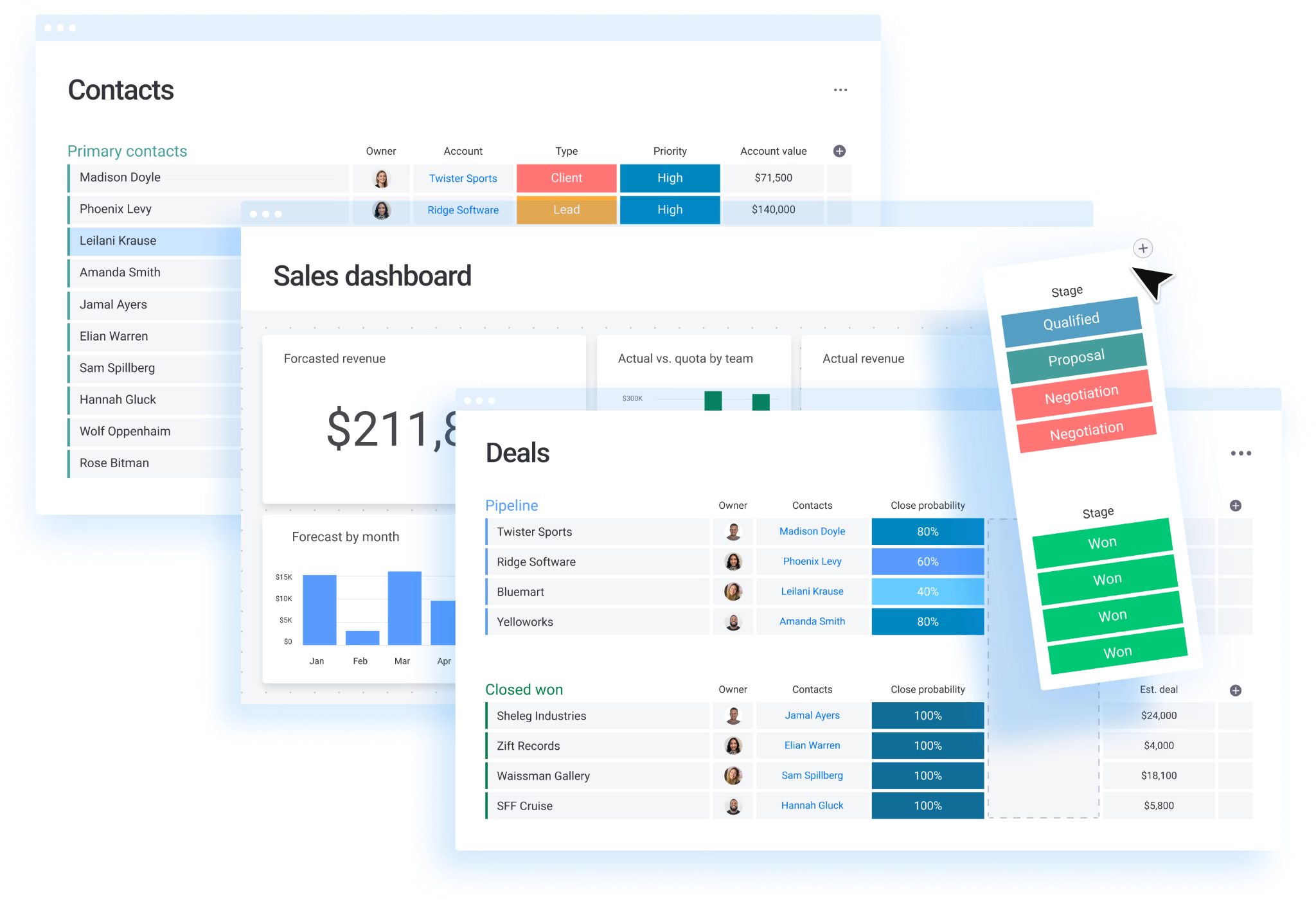
Monday CRM sits at the intersection of sales pipeline management and broader project workflows — and that's exactly where it wins. Built on the monday.com Work OS, it lets sales teams manage deals alongside the marketing, ops, and product work that supports them.
The no-code pipeline builder and automated task assignments make it fast to configure. Cross-functional visibility means when a deal moves to closed-won, the onboarding team can see it immediately.
Standout features: Customizable pipeline stages, automated task assignments, no-code workflow builder, real-time deal tracking, and native connection to the monday.com ecosystem.
Pricing: Starts at $12/seat/month.
Best for: Teams that want visual sales project management software connected to broader organizational workflows — not just a siloed sales tool.
Limitation: Not as deep on pure CRM functionality as Salesforce or HubSpot. Better for ops-heavy teams than pure sales organizations.
7. Close CRM — Best Tool for Managing Sales Engagements at High Volume
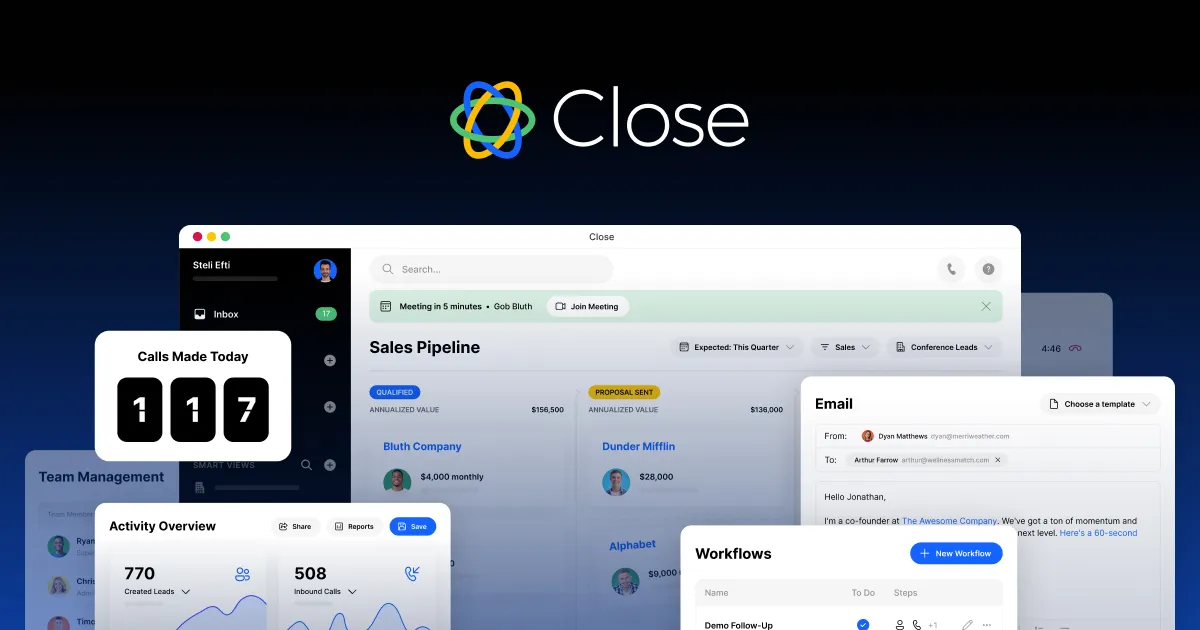
Close CRM is the best tool for managing sales engagements when your team lives on the phone and in the inbox. Native calling, SMS, and email are built directly into the platform — not bolted on via integration — which means reps never have to leave the CRM to run a full outbound sequence.
The built-in power dialer, automated follow-up sequences, and pipeline tracking make it the go-to for inside sales teams doing high-volume outbound. Clean UI, fast setup, and a strong Zapier integration round it out.
Standout features: Native calling + SMS + email in one platform, built-in power dialer, automated follow-up sequences, and pipeline tracking.
Pricing: Starts at $49/user/month.
Best for: Inside sales teams running high-volume outbound with heavy phone and email activity — especially SDR-heavy SMB and startup teams.
Limitation: Not designed for complex enterprise deal structures or long-cycle sales with multiple stakeholders.
8. Zoho CRM — Best Budget-Friendly Option with Wide Customization
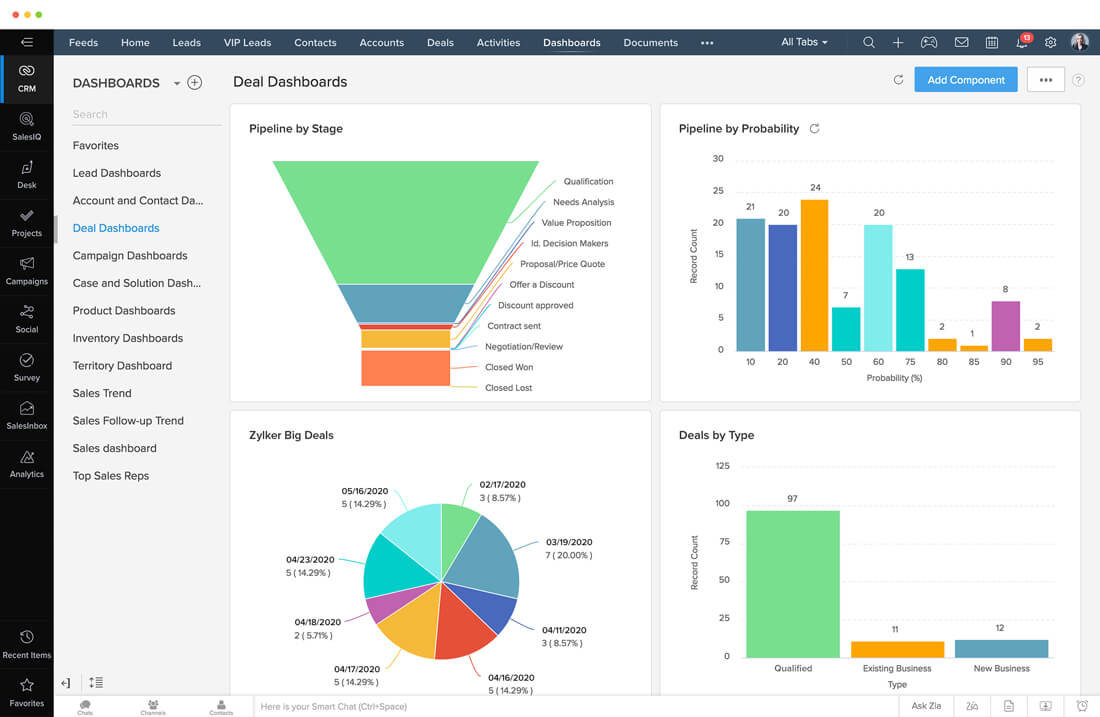
Zoho CRM punches well above its price point. For growing businesses that need omnichannel communication, AI-powered analytics, live sales chat, document signing, workflow automation, and territory management — all without enterprise pricing — Zoho delivers more feature density per dollar than almost anything else on this list.
Zia, Zoho's AI assistant, handles lead scoring, anomaly detection, and predictive analytics. The full Zoho suite integration (Zoho Desk, Zoho Campaigns, Zoho Analytics) creates a unified business OS for teams already in that ecosystem.
Standout features: Omnichannel communication, Zia AI analytics, live sales chat, workflow automation, territory management, and 500+ third-party integrations.
Pricing: Free for up to 3 users; paid plans start at $14/user/month.
Best for: Growing businesses that need a feature-rich software for sales management at a budget-friendly price point with extensive customization.
Limitation: Advanced AI features only available on higher-tier plans. UI can feel complex for new users without prior CRM experience.
9. LinkedIn Sales Navigator — Best for B2B Prospecting and Account-Based Selling
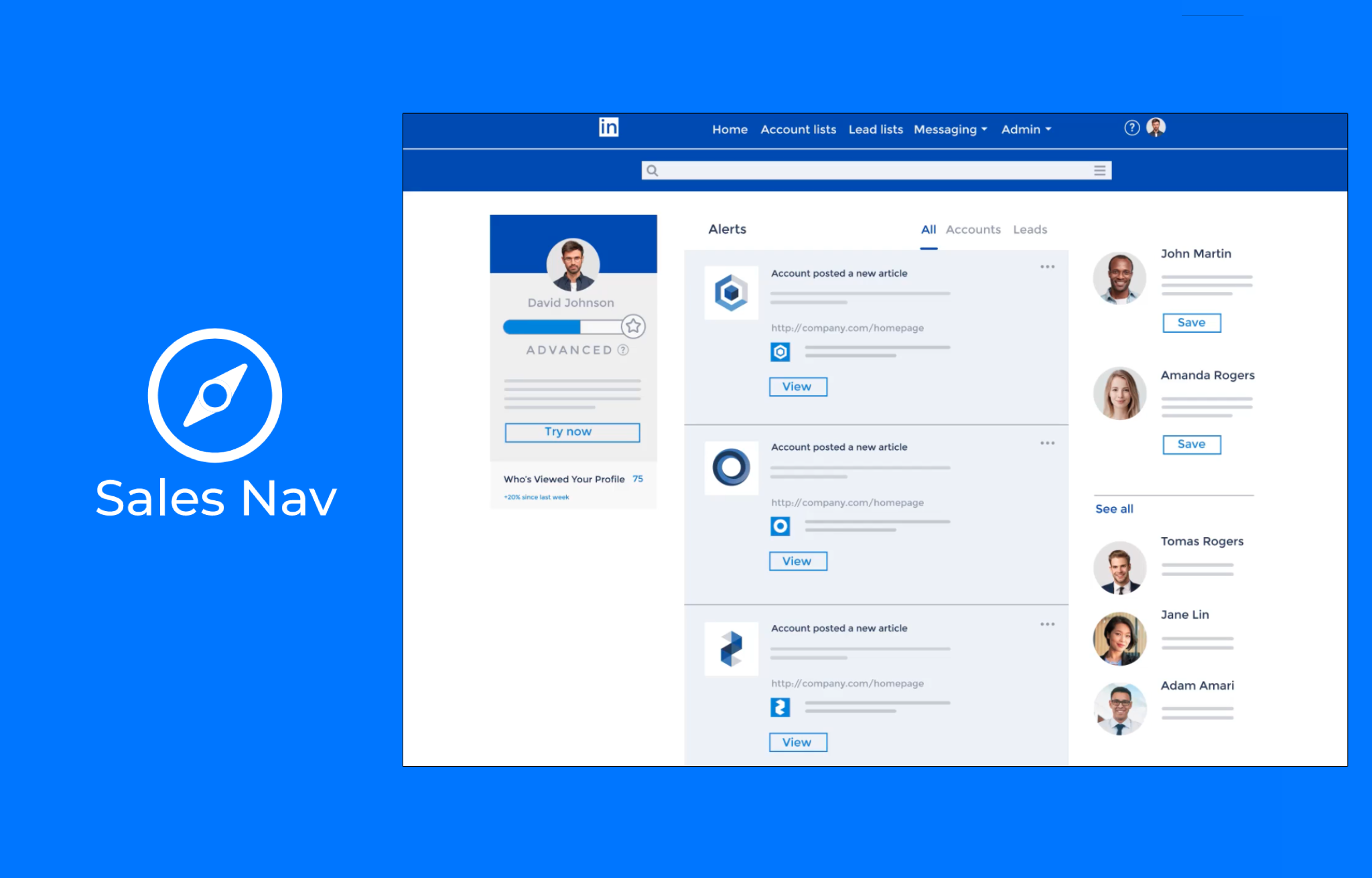
LinkedIn Sales Navigator isn't a CRM — it's the most powerful prospecting layer available for B2B sales teams targeting specific decision-makers. Advanced search filters, real-time prospect activity alerts, TeamLink relationship mapping, and native CRM sync make it the default choice for account-based selling.
For teams targeting VP and C-suite buyers at specific company types, Sales Navigator's signal-based targeting (job changes, company growth, recent posts) creates warm entry points that cold lists never can.
Standout features: Advanced lead and account search filters, real-time prospect updates, TeamLink connections, CRM sync, and InMail messaging.
Pricing: Starts at $99/user/month.
Best for: B2B sales reps and ABM teams targeting high-value decision-makers through a relationship-driven approach.
Limitation: Limited to the LinkedIn ecosystem. Works best as a prospecting layer on top of a broader CRM — not a standalone sales management software solution.
10. Freshsales by Freshworks — Best for SMB Omnichannel Engagement
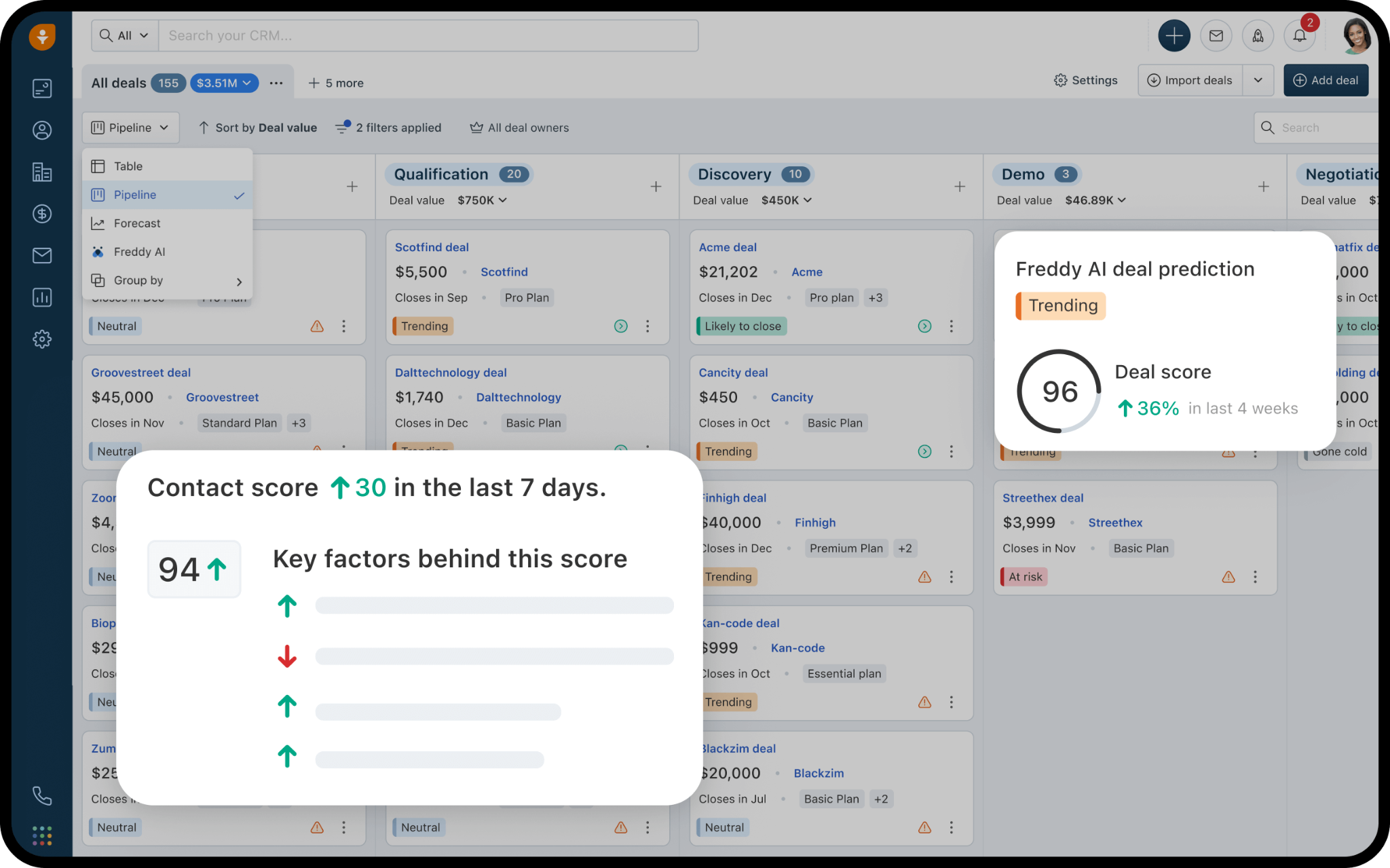
Freshsales hits a sweet spot that's hard to find at this price: AI-powered lead scoring, a visual deal pipeline, omnichannel engagement (email, phone, chat, SMS), auto-profile enrichment, and an activity timeline — all starting at $9/user/month.
Freddy AI, Freshworks' built-in assistant, handles lead scoring, deal predictions, and next-best-action suggestions. For SMB teams that want the intelligence features of an enterprise tool without the enterprise price tag, Freshsales is one of the most underrated picks on this list.
Standout features: Freddy AI lead scoring, visual deal pipeline, omnichannel engagement across email/phone/chat/SMS, auto-profile enrichment, and activity timeline.
Pricing: Free plan available; paid plans start at $9/user/month.
Best for: SMB and mid-market teams wanting visual pipeline management with built-in omnichannel communication in a single affordable platform.
Limitation: Does not generate B2B leads natively. Requires integration with a separate prospecting tool for full outbound capability.
11. Apollo.io — Best for Outbound-Focused Teams
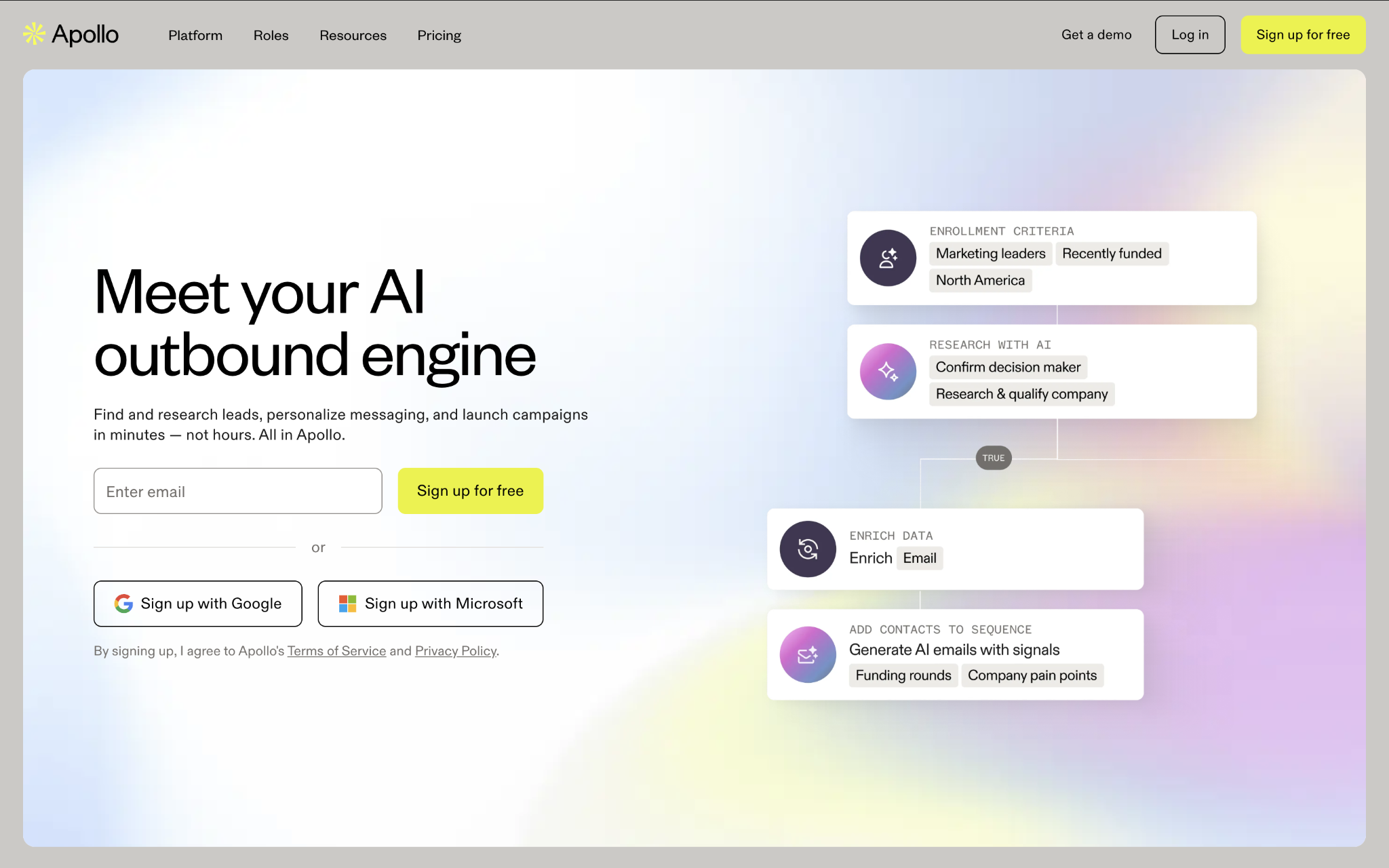
Apollo.io is where prospecting meets pipeline management. With a 275M+ contact database, AI-powered email sequences, buyer intent signals, lead scoring, a built-in dialer, CRM sync, and analytics — all in one platform — it's the most feature-dense option for outbound-first sales teams.
The March 2026 AI Assistant launch added agentic capabilities: tell Apollo what kind of accounts to find and what to say, and it executes the workflow. For solo founders or SDR teams doing US-focused outbound without a massive budget for separate tools, this consolidation is genuinely hard to beat.
Standout features: 275M+ contact database, AI-powered email sequences, intent signals, lead scoring, built-in dialer, CRM sync, and agentic AI assistant.
Pricing: Free tier available; paid plans start at $49/user/month.
Best for: Outbound-focused sales teams that need prospecting, engagement, and pipeline management in one consolidated platform.
Limitation: Data accuracy can vary at scale — especially for international markets. Best used in combination with a dedicated CRM for complex deal management.
How to Choose the Right Sales Management Software for Your Team
There's no universal winner here. The right software for sales management depends on four things: your biggest bottleneck, your team size, your existing stack, and your sales motion.
Start with your biggest bottleneck.
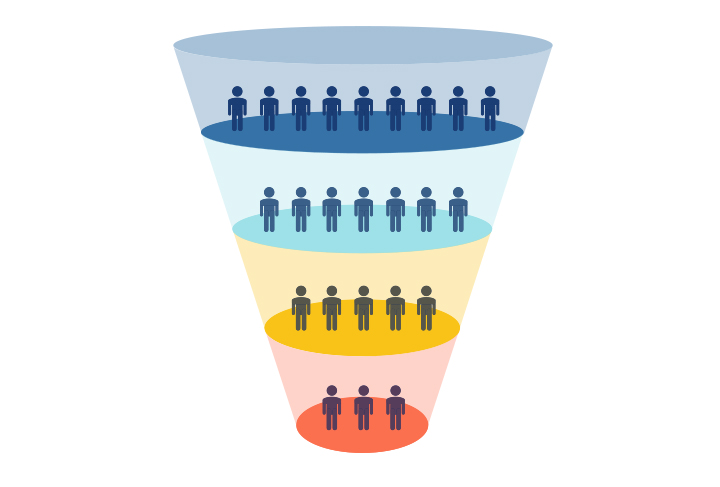
If deals are stalling and you don't know why, you need pipeline visibility — Pipedrive or HubSpot. If reps are spending too much time on admin, you need automation — Zoho or Freshsales. If forecast accuracy is killing your board meetings, you need intelligence — Gong or Salesforce.
Match the tool to your team size.
SMBs benefit most from Pipedrive, Close, or Freshsales. Mid-market teams get the best leverage from HubSpot or Monday CRM. Enterprises need Salesforce or Gong's depth.
Consider your existing tech stack.
The best tool is often the one that integrates cleanly with what you already use — not the one with the most features on a demo slide. A Salesforce shop should look at HubSpot carefully before switching. A monday.com team should start with Monday CRM.
Outbound vs. inbound focus matters.
Outbound-heavy teams need sales engagement tools — Apollo, Close, Sales Navigator. Inbound teams need pipeline and nurturing depth — HubSpot, Zoho.
Always pilot before buying.
Most platforms offer free tiers or trials. Test with a small team on real deals before rolling out company-wide. What looks great in a demo often has friction in practice.
How Cleverly Helps B2B Teams Fill Their Sales Pipeline Without Adding More Software
One thing most sales tool guides skip: sales management software optimizes what's already in your pipeline. None of it helps if the pipeline is thin, stale, or filled with the wrong contacts.
That's where Cleverly comes in.
We're a B2B lead generation agency that builds and runs done-for-you outbound systems — LinkedIn outreach, cold email, and cold calling — so sales teams have a consistent flow of qualified leads entering whatever CRM or pipeline tool they're already using.
Before any outreach goes live, we align on your ICP, build a verified contact list from multiple data sources, write personalized copy, and run multi-channel sequences. Reply management is handled up to the booking handoff — your reps show up to calls, not admin queues.
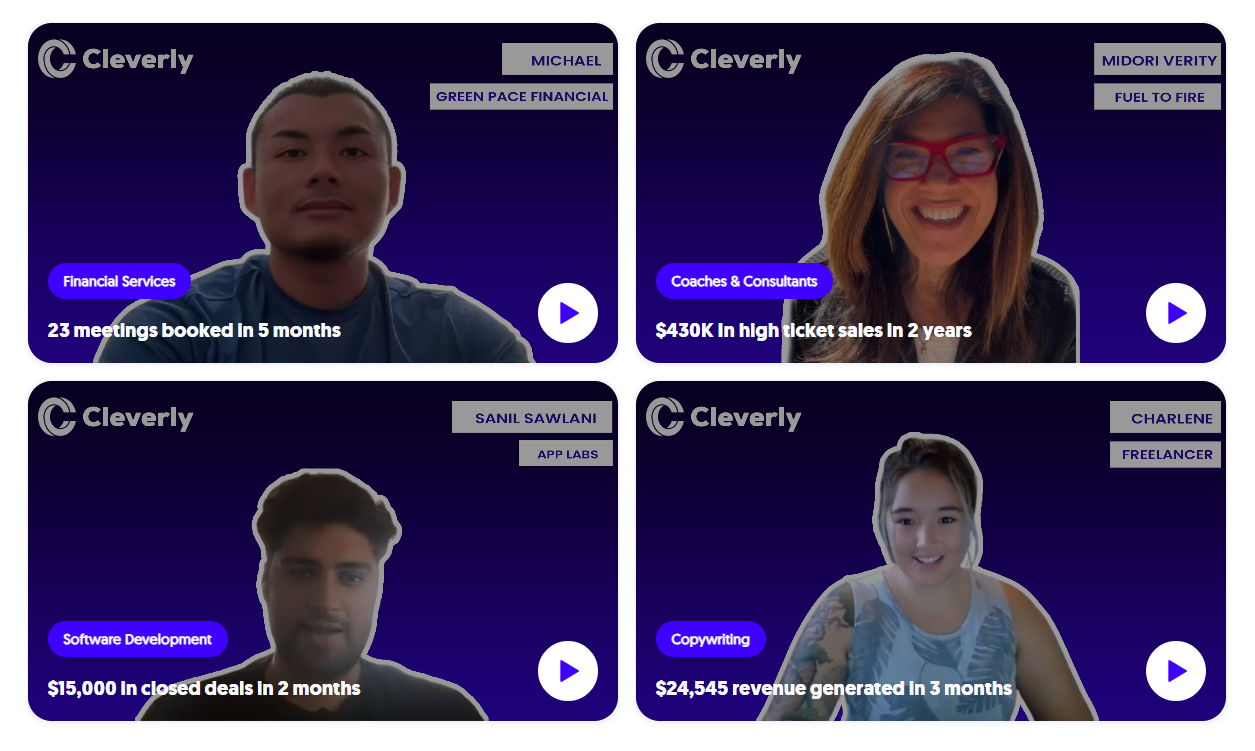
The result is cleaner data in your sales management software, higher pipeline velocity, and more meetings that actually convert. We've generated $312M in pipeline and set 53,000+ appointments for 10,000+ B2B companies across LinkedIn, email, and phone — including teams at Amazon, Google, Uber, and Slack.
Your CRM is only as powerful as the pipeline feeding it. Let's build that pipeline together.
🤝 Book a strategy call with Cleverly
Conclusion
The right sales management software doesn't just organize your team — it multiplies their output by removing friction at every stage of the sales process.
No single tool wins for everyone. Enterprises need Salesforce. Growing teams thrive on HubSpot. Visual pipeline lovers win with Pipedrive. Outbound-first teams get the most from Apollo or Close. Coaching-focused orgs should be on Gong. Start from your biggest bottleneck and work backwards.
But remember — software manages what's already in the pipeline. The fastest path to revenue growth is pairing the right tool with a consistent, high-quality lead generation strategy that keeps that pipeline full.
Frequently Asked Questions
Free Resource
How to Scale a Profitable Cold Call System
Get the complete guide — download it instantly now.
Free Ebook
Download the Free Guide
Enter your details to get instant access.
You're all set! 🎉
Your ebook is downloading now.
Click below if the download didn't start automatically.