Table of Contents
Why B2B Marketing Is Different in 2026
Strategy 1: Account-Based Marketing (ABM)
Strategy 2: Content Marketing and Thought Leadership
Strategy 3: AI-Powered Marketing and Personalization
Strategy 4: SEO and Generative Engine Optimization (GEO)
Strategy 5: LinkedIn Marketing and Social Selling
Strategy 6: Cold Outreach (Email, LinkedIn, and Calling)
Strategy 7: Email Marketing and Nurture Automation
Strategy 8: Paid Media (PPC and LinkedIn Ads)
Strategy 9: Events, Webinars, and Community-Led Growth
Strategy 10: B2B Influencer Marketing and Employee Advocacy
How to Build Your B2B Marketing Strategy for 2026
How Cleverly Helps B2B Companies Generate Pipeline Faster
Conclusion
Frequently Asked Questions
Modified On :
May 28, 2026
Key Takeaways
- 79% of global B2B buyers now use AI tools like ChatGPT, Perplexity, and Google AI Overviews to research solutions — if you're not optimizing for AI-driven discovery, you're already invisible to most buyers before they ever talk to sales.
- Buying committees now average 11.2 stakeholders for deals over $50K, meaning single-channel, single-contact marketing doesn't build pipeline anymore — it builds one relationship out of twelve.
- The fastest path to pipeline in 2026 combines cold outbound (for near-term meetings) with content and SEO (for compounding long-term growth) — both need to run simultaneously, not sequentially.
- Multichannel sequences using 3+ channels deliver 287% more responses than single-channel outreach — the biggest leverage in outbound isn't better copy, it's more coordinated touchpoints.
- The teams winning in 2026 aren't doing more things — they're picking 2–3 strategies, executing with real discipline for 90 days, and measuring pipeline generated, not just clicks and impressions.
B2B buyers have done their homework before you ever get a meeting. 73% of B2B buyers now use AI tools like ChatGPT and Perplexity in their research process, and AI search traffic converts at 14.2% compared to Google organic's 2.8% — a 5.1x advantage.
That's not a trend to watch. That's the current reality your marketing strategy has to be built around.
At the same time, the average B2B purchase now involves 13 internal stakeholders and 9 external participants — and buyers arrive at first contact more informed, more committed to a shortlist, and with less patience for vendor education.
You've got to earn a spot on that shortlist before sales ever enters the picture.
What separates teams that consistently generate pipeline from those that don't? It's not budget. It's not headcount. It's focus.
The companies building real, predictable revenue in 2026 pick two or three strategies, execute them with discipline, and measure what actually matters: meetings booked and pipeline generated.
This guide covers the 10 most effective B2B marketing strategies working right now, how to execute each one, and how to build the right mix for your business — whether you're a founder building from scratch or a demand gen leader trying to optimize a stalled funnel.
Why B2B Marketing Is Different in 2026
B2B marketing strategy trends 2026 look nothing like they did three years ago. Here's what's changed at a structural level — and why it matters for how you build your strategy.
The Buyer Journey Is Now AI-First
Buyers arrive at first contact more informed and with less appetite for early-stage vendor education. They've already used AI to shortlist 3–4 vendors, read comparison content, and formed a preliminary view on pricing.
Your marketing needs to do the heavy lifting in that anonymous research phase — not just at the bottom of the funnel.
This is why Generative Engine Optimization (GEO) has emerged as a real discipline alongside traditional SEO. Getting cited in AI-generated answers is now as valuable as ranking on page one of Google.
Longer Cycles, Bigger Committees
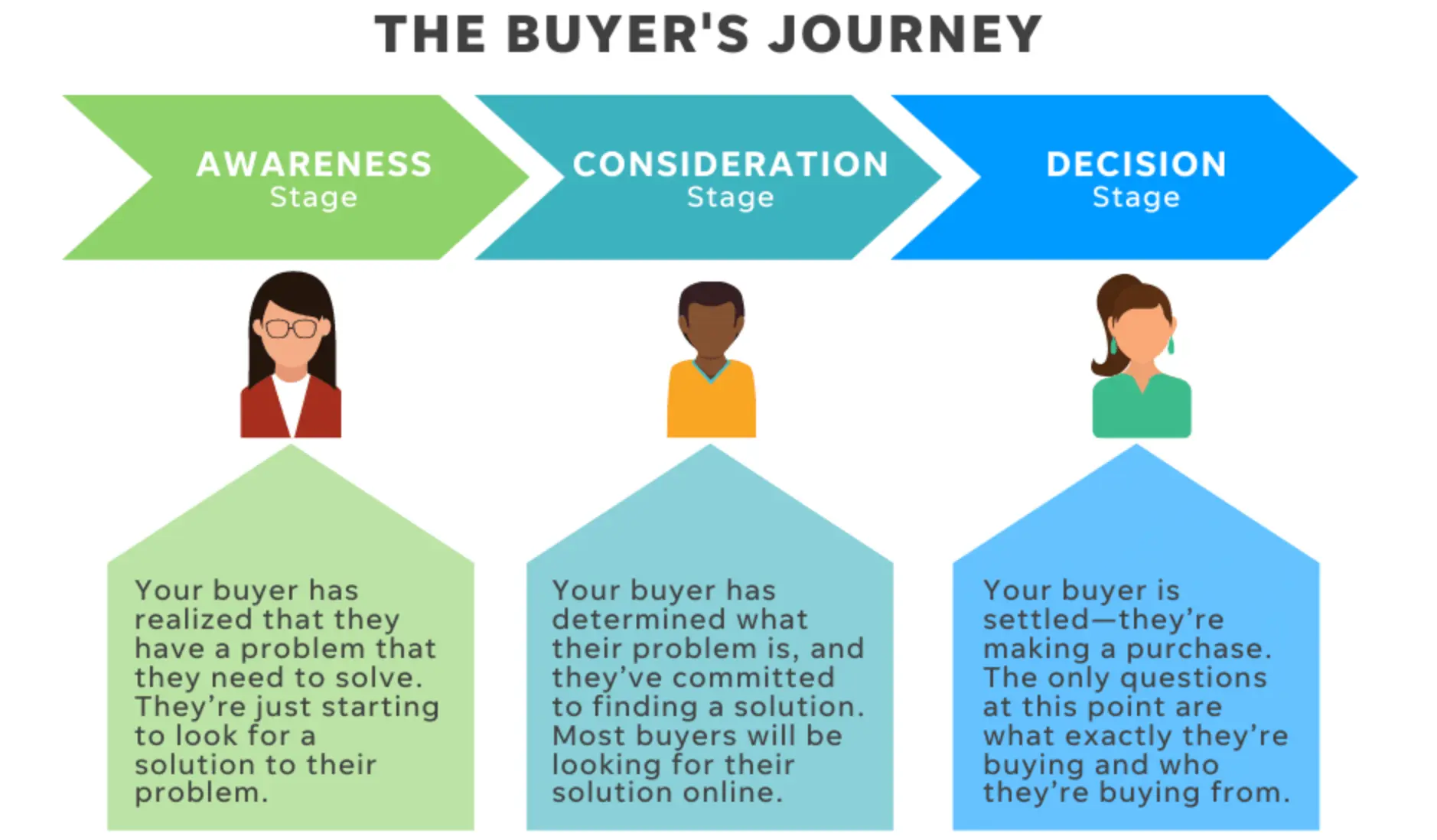
Buying committees that average 11.2 people for mid-market deals push average sales cycles to 121 days — and enterprise deals stretch to 218 days. That's not a problem you can outpitch. You need to influence multiple stakeholders across multiple channels over a long period of time, consistently.
Single-channel marketing — relying purely on outbound, or purely on content, or purely on ads — doesn't hold a buying committee's attention through a 4–6 month cycle. The teams generating the most pipeline are running inbound and outbound simultaneously.
First-Party Data Is the New Targeting Foundation
Third-party cookies are gone. Broad demographic targeting is getting less effective. The teams winning on paid media and ABM in 2026 are building first-party data assets: intent signals, website visitor identification, and behavioral triggers that tell you who's actively in-market right now.
49.7% of organizations plan to increase ABM budgets in 2026, and the shift is happening precisely because first-party intent data finally makes account-level targeting operationally viable at scale.
🚀 Most B2B “Strategies” Don’t Generate Pipeline
We run LinkedIn, cold email & calling campaigns that actually book meetings. Done-for-you outbound from targeting to close-ready calls.
Strategy 1: Account-Based Marketing (ABM)
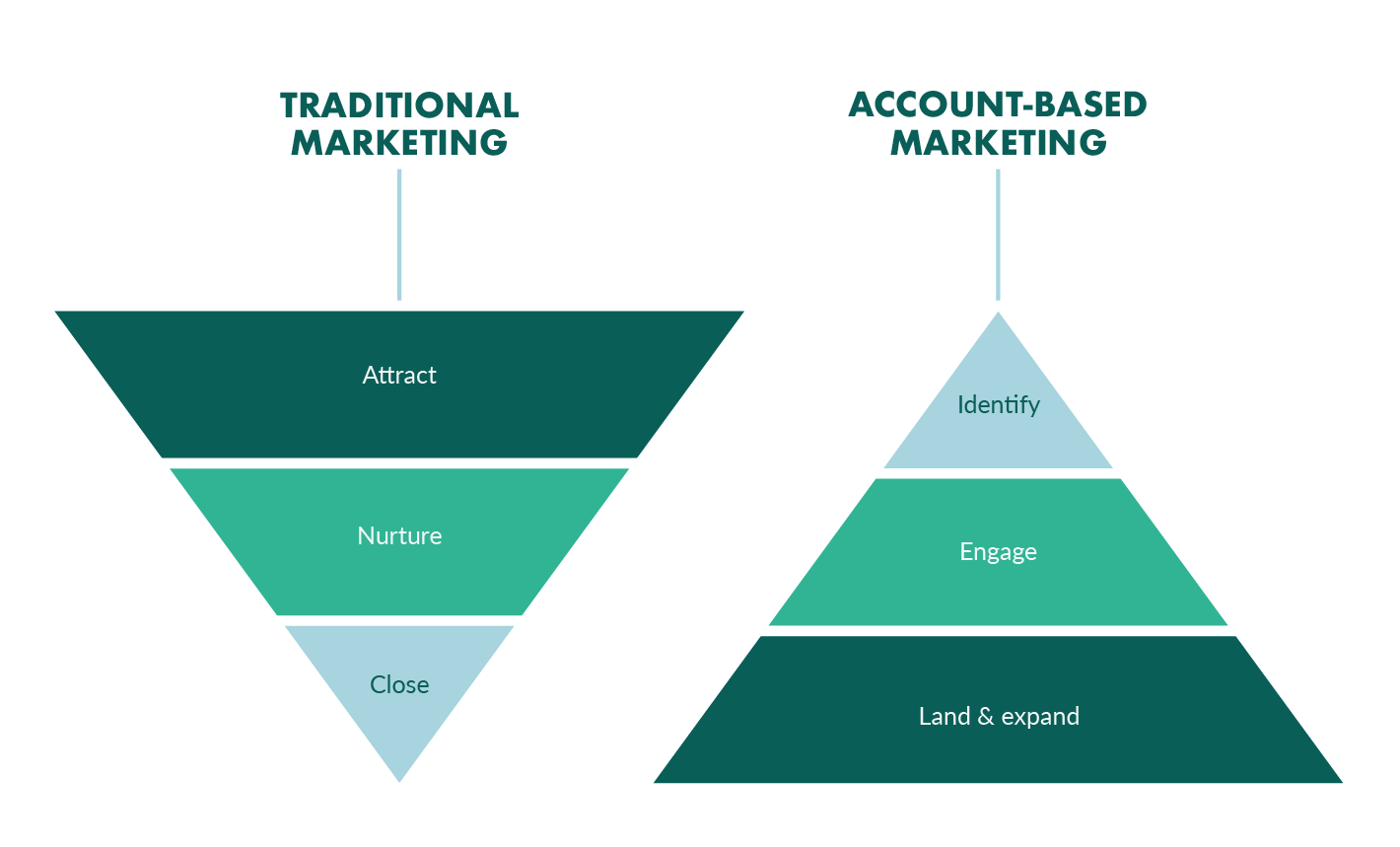
ABM flips traditional demand gen on its head. Instead of generating a wide pool of leads and hoping a few convert, you identify the specific companies you want as customers — and market directly to them.
This is one of the best B2B marketing strategies for 2026, especially for companies with a well-defined ICP and deals over $25K ACV.
Why ABM Works in 2026
The estimated average ROI generated by ABM programs is 137%, and nearly half of respondents say ABM is the highest source of ROI in their entire organization. The reason isn't magic — it's alignment. Marketing and sales are targeting the same accounts, with the same message, across the same channels.
84% of marketers now use AI and intent data to enhance ABM personalization, with predictive models lifting conversion rates by 22%.
That's the 2026 edge: you can now build and execute personalized account-level campaigns at a scale that wasn't operationally possible two years ago.
How to Execute ABM Well
Step 1: Define your target account list. Select accounts by revenue potential, ICP fit, and intent signals — not just company size. Use tools like Bombora, 6sense, or G2 Buyer Intent to identify who is actively researching solutions in your category.
Step 2: Map the buying committee. For each target account, identify 5–10 contacts across the decision-making unit — economic buyer, champion, technical evaluator, end user. You're not targeting a company, you're influencing a committee.
Step 3: Coordinate across channels. Run LinkedIn ads targeting your specific contacts, launch direct outreach sequences, serve personalized content, and where budget allows, deploy direct mail or event invitations for senior decision-makers.
Step 4: Measure account engagement, not just leads. Track account engagement score, pipeline influenced by ABM, and deal velocity vs. non-ABM accounts. Those are the metrics that matter.
📌 Pro tip: ABM doesn't require a massive tech stack to start. A clean target account list, LinkedIn Sales Navigator, a coordinated email + LinkedIn sequence, and a few tailored landing pages can run a viable ABM motion with a small team.
Strategy 2: Content Marketing and Thought Leadership
Content marketing generates 3x more leads than outbound at 62% lower cost — that stat has held steady for years, and it's still true. But the way content works in 2026 has shifted. Publishing generic how-to content doesn't move the needle anymore. The bar for content that actually generates pipeline has gone up significantly.

What's Working in Content Right Now
Long-form guides and original research are the two highest-converting formats in B2B. Marketers publishing original research report 64% higher conversion rates and 61% stronger SEO performance. If you want content that earns backlinks, gets cited in AI answers, and builds brand authority simultaneously — original research is the highest-leverage investment.
Case studies and comparison content perform at the bottom of the funnel. Buyers evaluating 3–4 vendors are actively searching for "X vs. Y" content and customer proof. If your competitors have detailed case studies and you don't, you're losing shortlist slots before sales ever gets involved.
Thought leadership is differentiated by one thing: a clear point of view. Don't just explain what something is. Take a position on what most teams are getting wrong, what the conventional wisdom misses, or what the data actually shows. That's what gets shared, cited, and remembered.
The Repurposing Multiplier
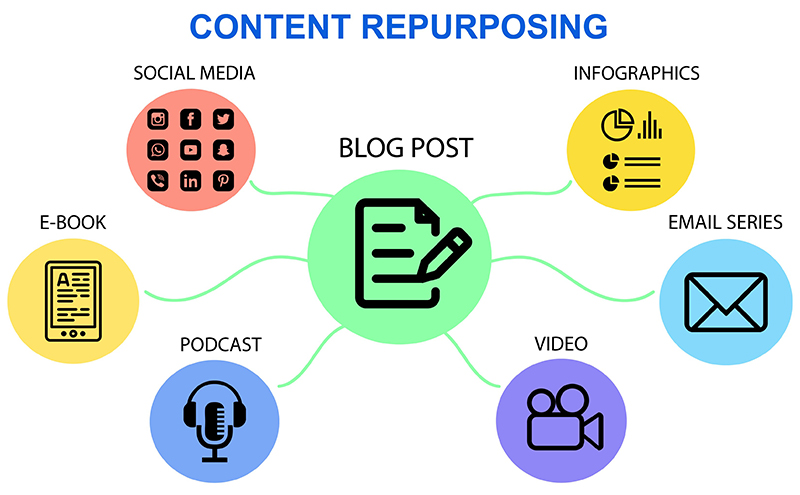
One well-researched piece of content should generate 6–8 derivative assets: a LinkedIn post, a short-form video, an email newsletter, a pull quote for social, a slide deck, and a distribution-ready summary. The creation cost is fixed. The distribution cost compounds with each format.
LinkedIn is the top channel for publishing thought leadership, used by 76% of B2B marketers, and short-form video generates the highest ROI of all content formats in 2025.
Measure content performance by pipeline contribution, not page views. Use UTM tracking in every asset and attribute revenue back to content touchpoints in your CRM.
📈 Traffic Is Great. Revenue Is Better.
$312M pipeline generated across outbound channels. We help B2B teams turn outreach into predictable growth.
Strategy 3: AI-Powered Marketing and Personalization

In 2026, 95% of B2B marketers use AI-powered marketing applications — it's not a differentiator anymore. It's the operating layer. The question isn't whether to use AI. It's how to use it in a way that actually moves pipeline metrics instead of just saving a few hours on copywriting.
AI Use Cases That Drive Real Results
Predictive lead scoring: Modern AI models analyze 100+ behavioral, firmographic, and intent signals to rank leads by conversion probability. Teams using predictive scoring focus outreach on accounts that are actually in-market rather than burning cycles on cold accounts.
Personalization at scale: AI can generate first-line personalization for outbound sequences based on a prospect's recent content, funding news, job changes, or tech stack signals. Personalization beyond first name increases reply rates by 340% — and AI makes that level of personalization operationally viable at volume.
Campaign signal analysis: AI analyzes which email subject lines, ad creatives, and landing page variants are outperforming across segments — and can surface those insights faster than manual A/B testing cycles allow.
Agentic AI workflows: The frontier use case right now is multi-step AI agents that handle research, sequencing, and follow-up autonomously. AI tools already save sales reps 11 to 12 hours per week by automating repetitive tasks.
The best teams use AI to execute decisions faster — not to replace strategic judgment. If your AI-driven campaigns aren't being reviewed and refined by humans with real domain knowledge, you're optimizing for activity, not outcomes.
Strategy 4: SEO and Generative Engine Optimization (GEO)
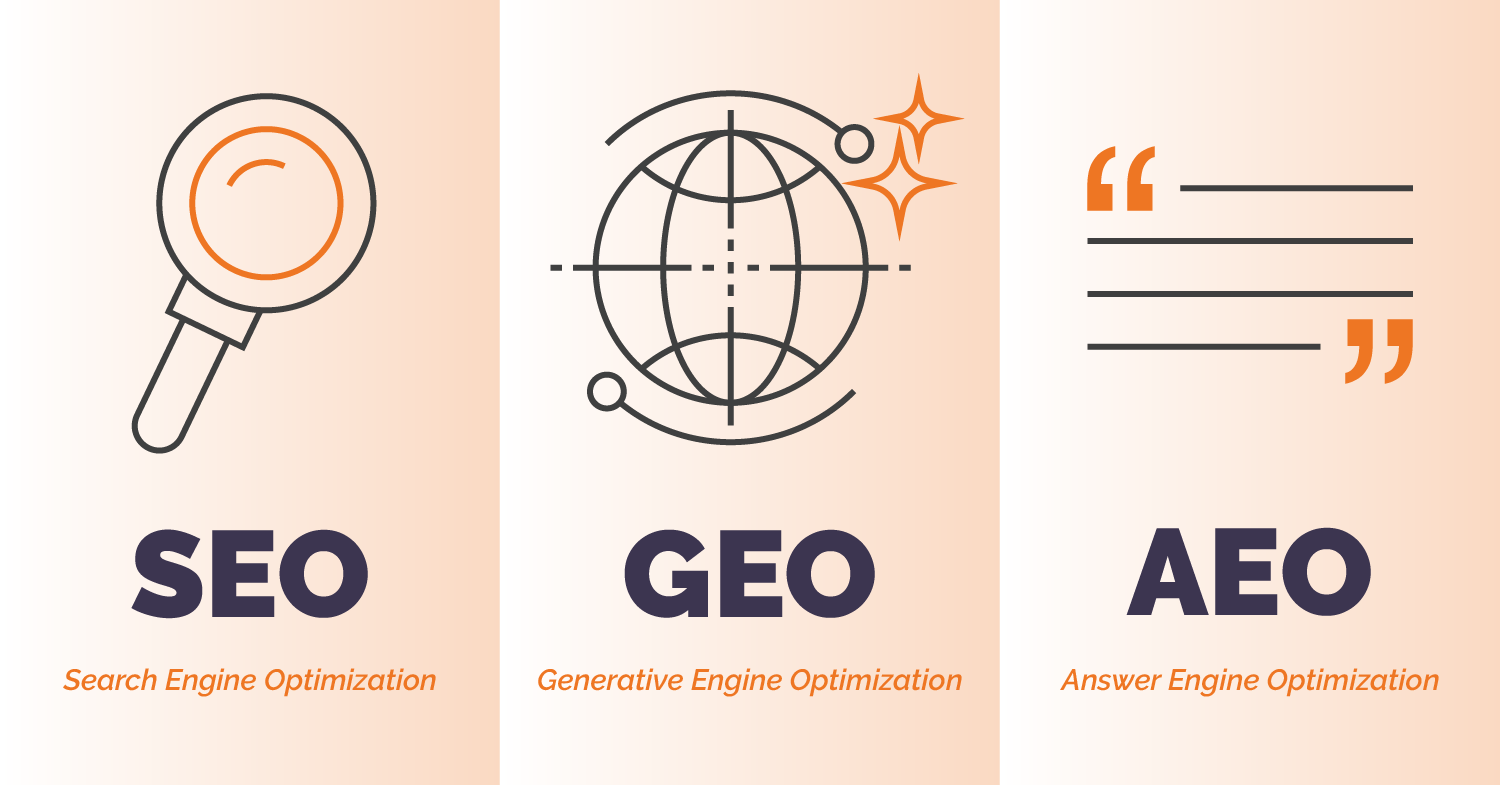
SEO isn't dead — but it's fundamentally different. AI search has replaced traditional SEO as the primary discovery mechanism for 79% of global B2B buyers. That means the goal of B2B marketing strategies for 2026 that involve search isn't just ranking on Google anymore.
It's getting cited in AI-generated answers — and that requires a different approach.
GEO: Optimizing for AI Citation
GEO is the practice of structuring your content so that AI systems like ChatGPT, Perplexity, and Google AI Overviews surface it in responses. The principles:
- Use clear structure. AI systems extract well-structured content more reliably than dense prose. Use clean H2/H3 hierarchies, direct answers at the top of sections, and definition-first writing.
- Include original data and authoritative citations. AI models prefer to cite content with third-party backing. Original research, proprietary data, and sourced statistics make your content far more citation-worthy.
- Answer questions directly. Long-tail, question-based content wins featured snippets and PAA boxes — both of which feed into AI answers.
70% of marketers believe AEO will significantly impact their strategy in 2026, yet only 20% have begun implementing it — meaning there's still a real first-mover window for companies willing to invest in this now.
SEO Still Matters for High-Intent Queries
Commercial-intent searches — product comparisons, alternatives, pricing pages — still drive direct B2B pipeline through organic search. Own these keywords because they convert.
High-intent visitors landing on a well-built comparison page are already in evaluation mode. Give them what they need to put you on the shortlist.
Strategy 5: LinkedIn Marketing and Social Selling
LinkedIn remains the dominant platform for B2B content, used by 96% of marketers for distribution. But most companies are either not using it strategically or using it wrong — posting company news and product updates that nobody engages with.
Organic LinkedIn: Authority Before Outreach
The highest-leverage use of organic LinkedIn isn't broadcasting. It's building enough familiarity with your target audience that when a cold outreach message lands, it converts at a higher rate because they already recognize your name and associate it with credibility.
Founders and sales leaders who post consistently — sharing genuine insight from their work, not repurposed blog content — build warm audiences over time. Connection requests from accounts that already engage with your content convert at meaningfully higher rates than cold connections to a completely unknown profile.
LinkedIn Ads: The Best Targeting in B2B Paid
For paid LinkedIn, the value is precision. You can target by job title, seniority level, company size, industry, and even specific company lists. That targeting makes it the best tool for account-level retargeting — serving sequential ads (brand awareness → case study → offer) to the exact buying committee members you're running outbound to.
Track: LinkedIn SSI score, profile views from target accounts, organic post reach among ICP job titles, and cost-per-lead from LinkedIn Lead Gen Forms.
Strategy 6: Cold Outreach (Email, LinkedIn, and Calling)
If your inbound engine is still being built, outbound is the only way to generate pipeline now. It's not glamorous, but it works — especially when executed as a coordinated multi-channel motion.
Outreach that combines email with LinkedIn and phone in a coordinated omnichannel sequence can boost results by over 287%. Single-channel email campaigns are fighting the hardest battle possible. Multi-channel sequences give you multiple chances to get in front of the same person in different contexts.
Cold Email in 2026
Deliverability first. Cold email response rates have fallen to around 3.43% platform-wide in 2026 — the floor has dropped because everyone is sending. The teams standing out are doing two things: tighter ICP targeting and genuine first-line personalization.
Personalize the first line using account-level signals: recent funding news, a product launch, a piece of content the prospect published, a job posting that signals a strategic shift. That level of relevance gets replies. Generic openers do not.
Deliverability non-negotiables: domain warm-up, sender rotation across multiple inboxes, verified and clean contact lists, and proper SPF/DKIM/DMARC setup. None of this is optional if you want your emails to land in inboxes rather than spam folders.
LinkedIn Outreach
LinkedIn InMail averages 18–25% reply rates, with top campaigns reaching 35–40% — far higher than cold email because the context is different. People expect professional outreach on LinkedIn in a way they don't expect it in their personal inbox.
The playbook: connection request with a short, relevant reason to connect → value-first message after acceptance → soft CTA that asks a question rather than pitching a call. No pitch in the first message. Ever.
Cold Calling
Cold calling works best as a mid-sequence warm touch, not a cold first contact. Use it at touch 3 or 4 after email and LinkedIn have already established some familiarity. A prospect who has seen your name twice before you call is far more likely to engage than someone receiving a completely cold call out of nowhere.
Strategy 7: Email Marketing and Nurture Automation
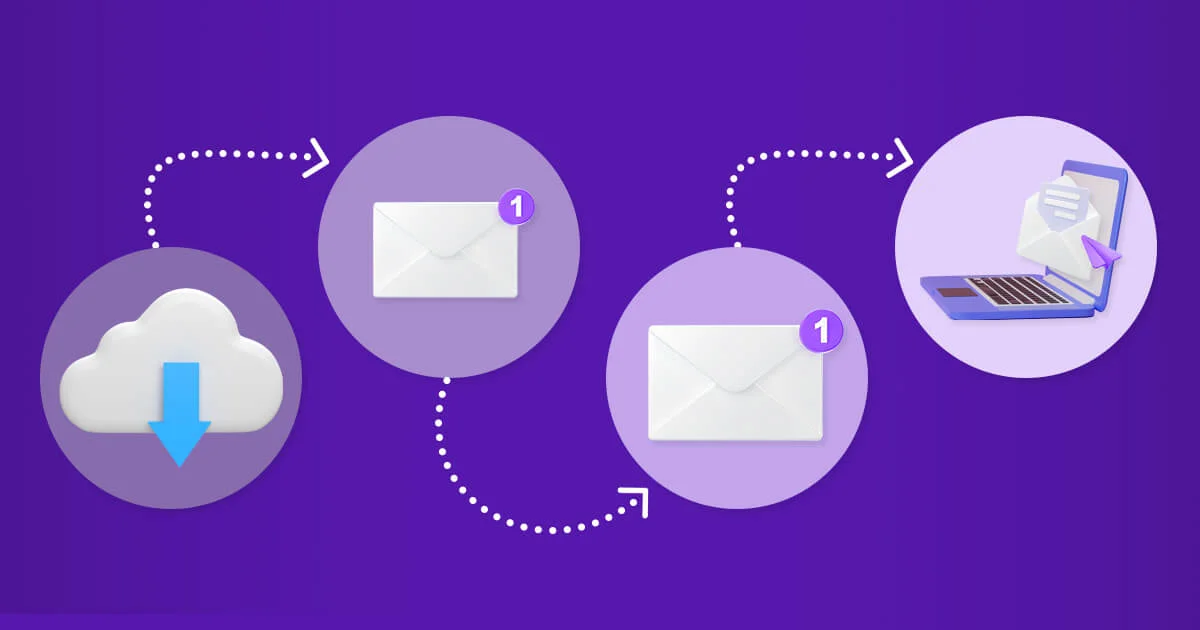
The ROI for email marketing averages $42 for every $1 spent — no other marketing channel consistently comes close on owned media ROI. But that return comes from nurture sequences that move warm prospects through the funnel, not mass blasts to a cold list.
How to Build a High-Performance Nurture System
Hyper-segmentation: Your nurture sequences should vary by ICP tier, industry vertical, funnel stage, and behavioral trigger. A prospect who downloaded a case study should receive a different sequence than someone who visited your pricing page three times. Both are warm — but they're at different stages of the decision.
Trigger-based automation: Map your key behavioral signals to sequence triggers — content downloads, pricing page visits, webinar attendance, free trial sign-ups. Each trigger should launch a sequence designed for that specific intent level.
Sequence structure that converts: Educational content first → social proof → offer → follow-up. Never lead with a pitch. The sequence earns the right to make an offer by delivering value first.
Format note: Plain-text emails consistently outperform heavily designed HTML templates for direct outreach sequences. They feel personal, not broadcast.
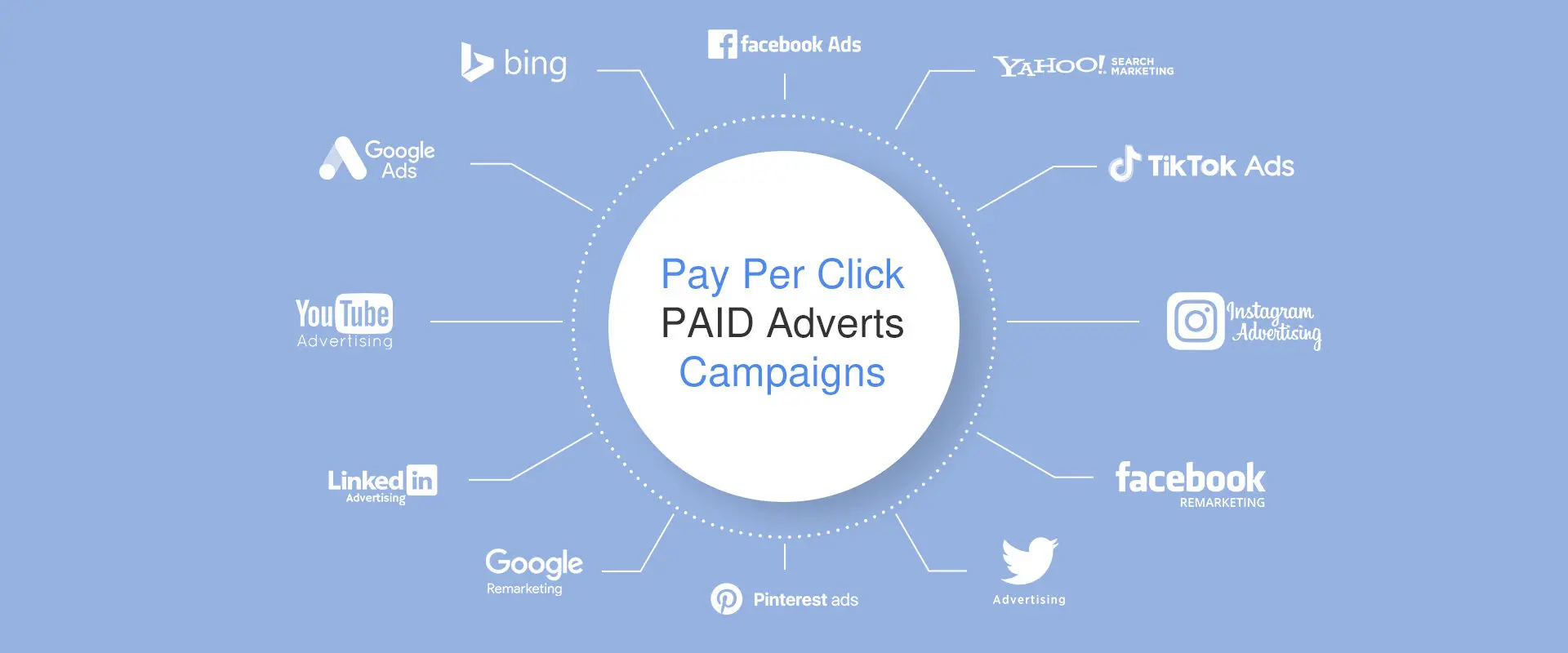
Strategy 8: Paid Media (PPC and LinkedIn Ads)
Paid media doesn't build pipelines — it accelerates pipelines that already exist. The mistake most teams make is using paid to generate cold demand instead of using it to convert warm intent that inbound and outbound have already created.
Where Paid Delivers the Best B2B ROI
Bottom-of-funnel Google PPC: Own commercial-intent keywords — product comparisons, alternative searches, pricing queries. These visitors are already evaluating. You're converting consideration, not creating it.
LinkedIn Ads for ABM retargeting: Serve sequential ads to your target account list — awareness content, then case studies, then a direct offer. This is the paid play that complements outbound sequences most effectively.
Retargeting: Website visitors who haven't converted are warm leads. Retargeting them with relevant content (case study, webinar invite, offer) across LinkedIn and Google Display captures pipeline that would otherwise leak.
Budget rule: Start at $50–100/day per campaign and optimize based on cost-per-MQL data before scaling. Don't let underperforming campaigns run because you're afraid to turn them off.
Strategy 9: Events, Webinars, and Community-Led Growth
Events are back as a serious pipeline channel — and not just because of the post-pandemic rebound. In-person events led B2B results in 2025, cited by 52% of marketers, followed by webinars at 51%. There's a reason senior enterprise deals close faster when there's a dinner or a roundtable in the mix — face-to-face trust is still the fastest path to a signed contract.

The Three-Event Playbook
Webinars: High-intent lead capture with natural self-qualification. Attendees invest 45–60 minutes, which filters for genuine interest. Use the registrant and attendee list as a high-priority outbound sequence trigger immediately after the event.
In-person events: Trade shows are volume plays. Hosted dinners and intimate roundtables are quality plays. For senior decision-makers who won't book a cold meeting, a curated in-person experience is often the easiest way to get in the room.
Community-led growth: Build or sponsor a niche community — a Slack group, LinkedIn group, or industry forum — that your ICP actually participates in. The brand that owns the community owns the warm audience. This is a long-term play, but the compound value of a 2,000-member community of your ICP is extraordinary.
Strategy 10: B2B Influencer Marketing and Employee Advocacy

US influencer marketing spending is projected to grow 15.7% in 2026, and B2B influencer marketing has crossed the mainstream threshold. The playbook here looks different from B2C, but the core mechanism is the same: borrowed trust from a credible voice.
How B2B Influencer Marketing Actually Works
The most effective B2B influencer partnerships aren't with creators who have massive followings. They're with practitioners who have the exact audience you're trying to reach — 10,000 to 50,000 highly engaged followers who are your ICP.
One thoughtful LinkedIn collaboration post from a credible voice in your space will outperform a LinkedIn ad to the same audience at a fraction of the cost.
Campaign formats that work: Co-authored thought leadership, newsletter sponsorships, podcast appearances, and LinkedIn collaborative articles.
Employee advocacy: Your own sales, CS, and product teams posting authentic content from their personal LinkedIn profiles creates a distributed brand presence that no paid budget can replicate. When a prospect researches your company, seeing 12 employees actively posting credible content builds trust before a single sales touchpoint.
How to Build Your B2B Marketing Strategy for 2026
Having 10 strategies listed is useful context. Having a process for choosing the right 2–3 is what actually moves the needle. Here's how to approach it.
Step 1: Define your ICP precisely. Not just "mid-market SaaS" — but company size, vertical, tech stack, trigger events (hiring signals, funding, expansion), and the specific title of your economic buyer. Everything downstream depends on this.
Step 2: Audit what's actually generating pipeline. Pull 90 days of source attribution from your CRM. Identify which channels are driving opportunities, not just leads. Kill or pause what isn't contributing to pipeline.
Step 3: Match strategy to stage and resources. Early stage with no inbound engine yet? Lead with outbound and LinkedIn. Have some inbound traction? Layer in content and GEO. Have a sales team and target accounts defined? Add ABM. Don't copy a competitor's strategy without validating fit for your ICP and sales motion.
Step 4: Set pipeline goals per channel, not just activity goals. Meetings booked, opportunities created, and pipeline generated are the only metrics that matter. Clicks, impressions, and MQLs are inputs, not outcomes.
Step 5: Build your measurement framework before you launch. UTM tracking across every asset, CRM attribution set up correctly, and a revenue reporting cadence established before campaigns go live — not three months after.
The rule of thumb we follow: Run outbound for near-term pipeline. Invest in content, SEO, and GEO for compounding long-term growth. Both need to run simultaneously. One without the other leaves money on the table.
How Cleverly Helps B2B Companies Generate Pipeline Faster
Building a full B2B marketing strategy takes months to gain traction. Content compounds slowly. ABM programs need infrastructure. Most B2B teams — especially those without a large marketing function — need qualified meetings in the calendar while those long-term plays mature.
That's where we come in. At Cleverly, we're a done-for-you B2B lead generation agency that handles the full execution stack: ICP targeting, verified contact list building, personalized outreach sequences, and qualified meeting delivery across LinkedIn, cold email, and cold calling.
We've helped 10,000+ companies — including teams at Amazon, Google, Uber, PayPal, Slack, and Spotify — generate pipeline through outbound, resulting in $312M in pipeline revenue.
Our cold email service operates on a performance model — you only pay for meeting-ready leads we actually deliver. LinkedIn outreach starts at $397/month with no long-term contracts. And for teams that need appointment setting at volume, our cold calling system books 10–30 qualified sales calls per month with a dedicated appointment setter, custom scripts, and full infrastructure included.
The way we think about it: Cleverly fills the top of your pipeline while your inbound engine compounds. Outbound is the fastest path from zero to consistent meetings — and consistent meetings are what build the revenue foundation to invest in everything else.
Want qualified B2B meetings without building the entire outbound machine in-house? Book a strategy call with Cleverly.

Conclusion
There's no single B2B marketing strategy that wins in 2026. The companies building the most predictable pipeline are running outbound for near-term speed and content plus SEO for long-term compounding — simultaneously, not sequentially.
If you're starting fresh or stalled, the fastest move is to pick your highest-leverage 2–3 channels based on your stage, budget, and ICP — and execute consistently for 90 days before drawing conclusions.
AI amplifies every strategy on this list, but it doesn't replace the judgment required to pick the right ones. Start focused, measure pipeline, and expand what works.
Frequently Asked Questions
Free Resource
How to Scale a Profitable Cold Call System
Get the complete guide — download it instantly now.
Free Ebook
Download the Free Guide
Enter your details to get instant access.
You're all set! 🎉
Your ebook is downloading now.
Click below if the download didn't start automatically.