Table of Contents
What Are B2B Marketing Campaigns?
Core Elements of a High-Performing B2B Marketing Campaign
Best B2B Marketing Campaign Examples
How to Create Award-Winning B2B Marketing Campaigns — Common Patterns
10 B2B Marketing Campaign Ideas You Can Launch
How to Build a B2B Marketing Campaign Strategy
Measuring the Success of B2B Marketing Campaigns
How Cleverly Executes B2B Marketing Campaigns That Drive Pipeline
Conclusion
Frequently Asked Questions
Modified On :
March 5, 2026
Key Takeaways
- B2B marketing campaigns work best when they combine awareness, engagement, and conversion in one coordinated effort.
- Single-channel marketing is no longer enough — multi-touch execution across LinkedIn, email, and calling drives real results.
- The strongest B2B marketing campaign strategy starts with a clearly defined ICP before touching any channel.
- Award winning B2B marketing campaigns sell transformation and outcomes, not features or specs.
- Emotional storytelling, niche targeting, and creative positioning are what separate memorable campaigns from forgettable ones.
- Always measure success with pipeline metrics — meetings booked and revenue created, not just impressions
B2B buyers are harder to reach than ever. They ignore ads, skip cold calls, and do most of their research before talking to anyone. Single-channel B2B marketing campaigns don't cut it anymore.
The campaigns that actually work today combine awareness, engagement, and conversion into one coordinated effort.
In this guide, we cover what separates great B2B marketing campaigns from forgettable ones, real examples you can learn from, campaign ideas you can actually launch, and a strategy framework to build your own.
What Are B2B Marketing Campaigns?
A B2B marketing campaign strategy is a structured, time-bound effort designed to achieve a specific business goal, like generating leads, building pipeline, or entering a new market.
This is different from your ongoing marketing activities (social posts, newsletters, blog content). A campaign has a clear start, a defined audience, and measurable goals.
Every strong campaign includes:
- Target audience — who exactly you're reaching?
- Messaging — what you're saying and why it matters to them?
- Channels — where you're showing up?
- Timeline — when things run and in what sequence?
- KPI goals — how you define success?
Without these five things, you don't have a campaign. You have activity.
Learn More: Brand Awareness vs Lead Generation - What Should B2B Companies Prioritize?
🎯 Campaigns Inspire. Outreach Closes.
Cleverly turns strategy into pipeline with LinkedIn outreach, pay-per-meeting cold email, and guaranteed cold calling—fully done for you.
Core Elements of a High-Performing B2B Marketing Campaign
The B2B marketing campaigns that generate real pipeline share a few things in common. Here's what we see working:
1. Clear ICP Targeting
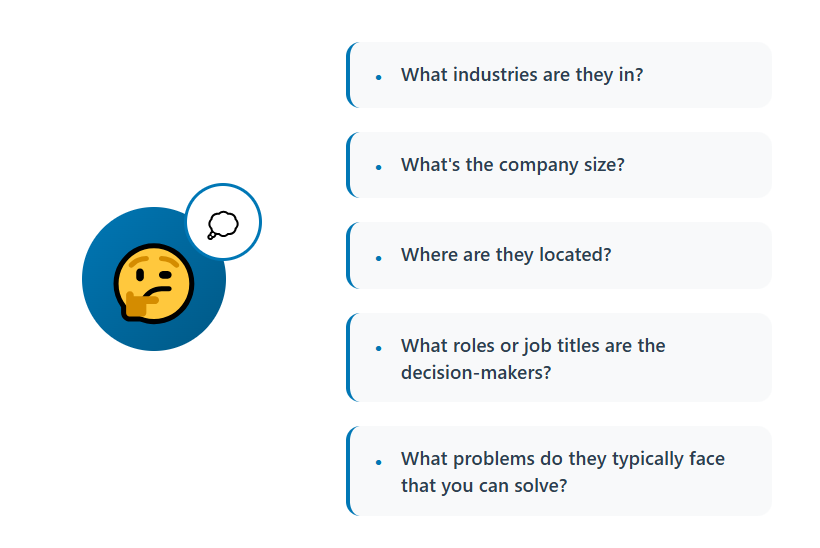
You can't build a great campaign if you don't know exactly who you're targeting. Industry, company size, job title, pain points — get specific before you do anything else.
2. Strong Positioning
What's your angle? Why should your buyer care? The best campaigns lead with a bold POV, not a feature list.
3. Multi-Channel Execution
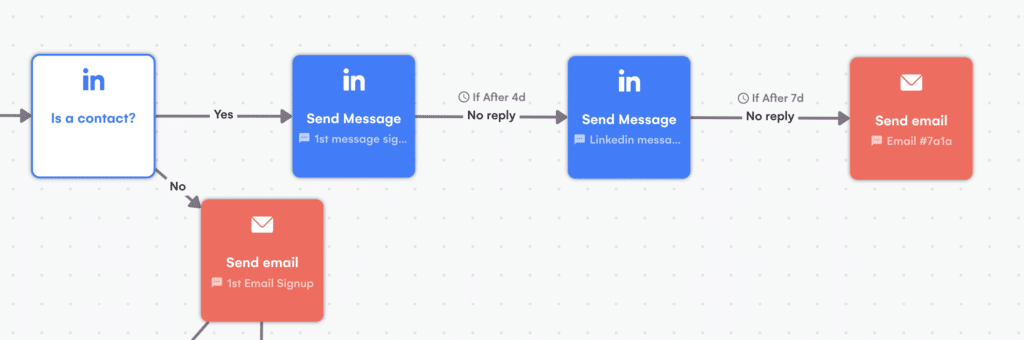
Enterprise buyers need 8-15 touchpoints before they take a meeting. Single channel outreach won't get you there. Multi touch outreach is the key. LinkedIn, email, and calling working together will.
4. Consistent Messaging
Every touchpoint — ads, emails, calls, landing pages — should feel like it's coming from the same playbook. Inconsistency kills trust.
5. Measurable KPIs
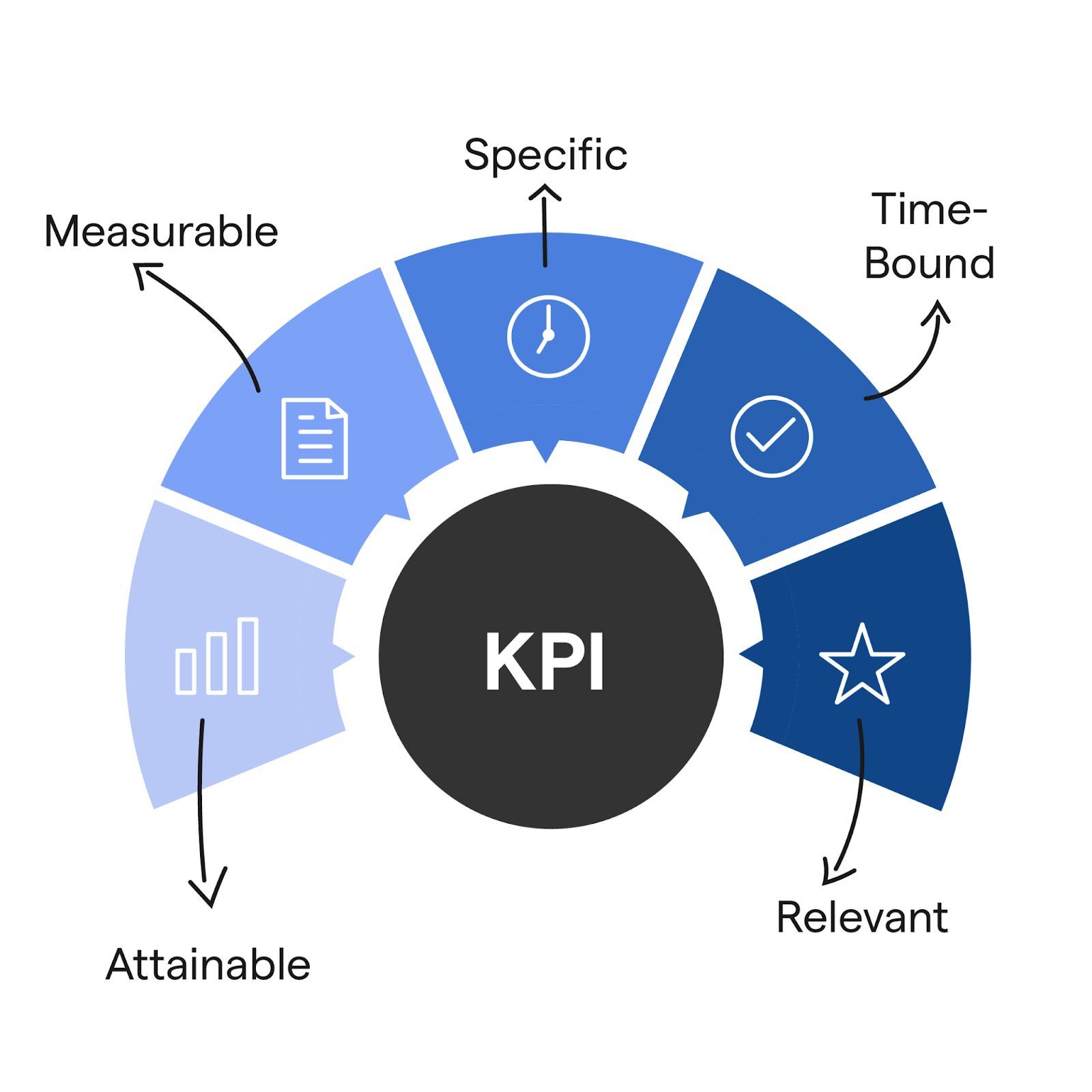
Tie every campaign to revenue metrics. Impressions are nice. Meetings and pipeline are what matter.
6. Follow-Up and Nurture Sequences
Most leads don't convert on the first touch. A structured follow-up sequence that nurtures leads is what separates campaigns that close deals from ones that just generate clicks.
Know More: The Perfect B2B Sales Strategy to Close More Deals (Proven Methods)
Best B2B Marketing Campaign Examples
Here's a breakdown of some of the best B2B marketing campaigns and what actually made them work.
1. Slack – “So Yeah, We Tried Slack”
Slack launched a video series showing chaotic workplace communication transformed by using Slack. Instead of listing features, the campaign dramatized relatable frustrations - lost emails, endless meetings, siloed teams, and showed how Slack simplified collaboration.
Why it worked: It worked because it sold outcomes (clarity, speed, alignment) rather than software. The humor made enterprise tech feel human and shareable.
2. Mailchimp – “Did You Mean Mailchimp?”
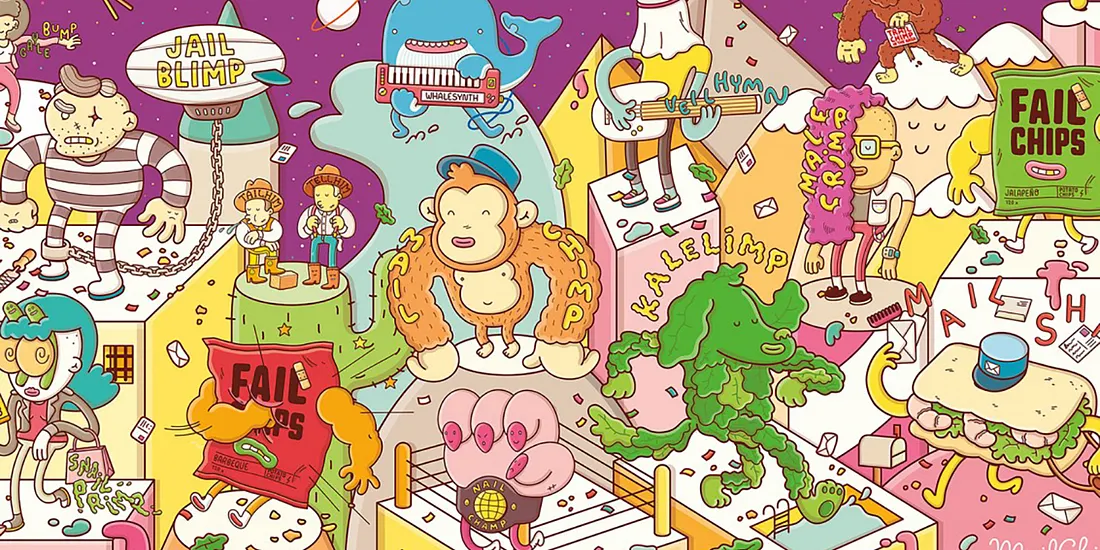
Mailchimp leaned into common mispronunciations of its name (e.g., “MailShrimp,” “KaleLimp”) and turned them into quirky creative executions across video, print, and digital. The product was barely shown. Instead, the campaign built massive brand recall through absurdist creativity.
Why it worked: It worked because B2B buyers are humans first—and memorable branding drives long-term demand.
3. Spotify – “Spreadbeats” (B2B Ads Platform)
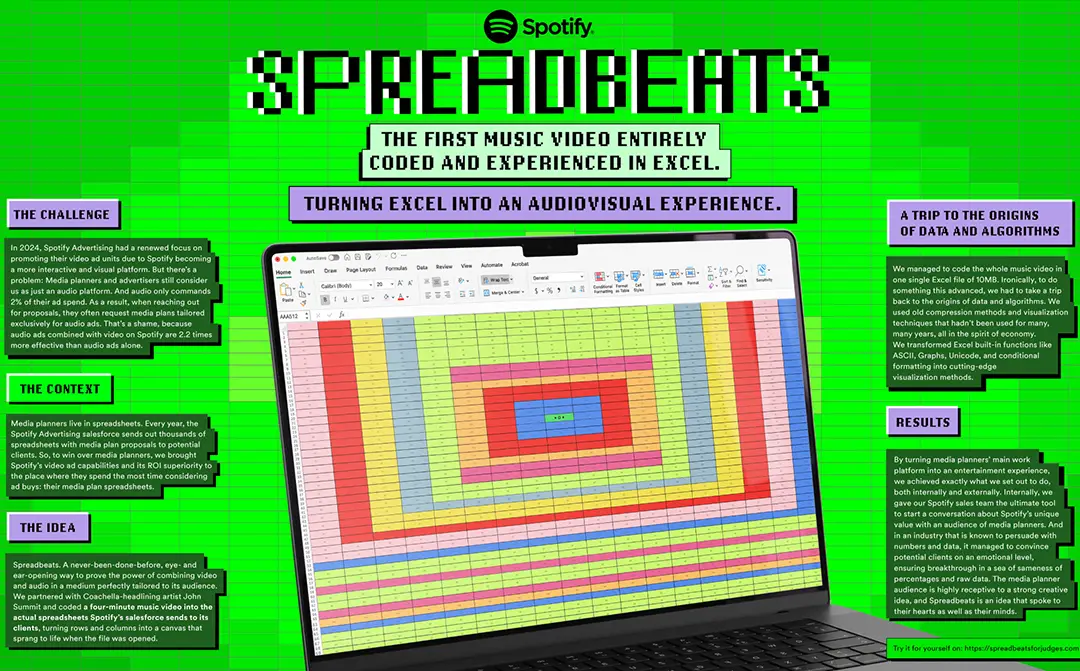
To sell its advertising solutions to media planners, Spotify transformed boring Excel spreadsheets into interactive music experiences. The campaign literally met buyers in their daily workflow (spreadsheets) and demonstrated product value in-context.
Why it worked: It worked because it was insight-driven, showing deep understanding of the audience’s reality.
4. HubSpot – Inbound Marketing Movement
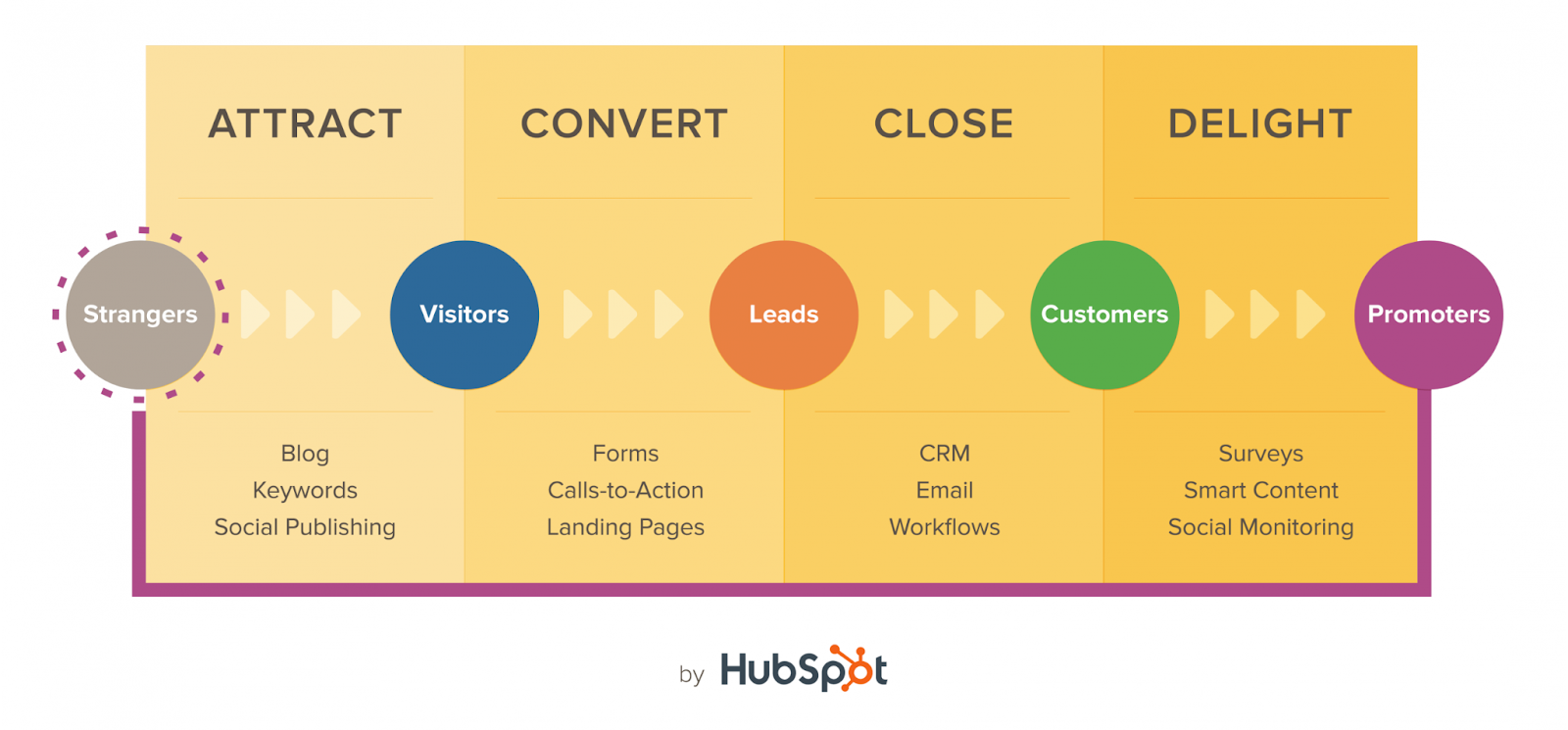
Rather than run traditional ads, HubSpot built an entire educational ecosystem—free courses, blog content, certifications, and events like INBOUND. The campaign wasn’t a one-off; it was a movement positioning HubSpot as the authority in inbound marketing.
Why it worked: It worked because it created demand before capturing it.
Official: https://www.hubspot.com/inbound-marketing
5. Salesforce – “Trailblazer” Campaign

Salesforce spotlighted real customers and community members (“Trailblazers”) who drove innovation using its platform. Through storytelling, events, and digital content, Salesforce turned customers into heroes.
Why it worked: It worked because it focused on identity and belonging, making adoption feel like joining a movement, not buying software.
6. IBM – “Every Second Counts”
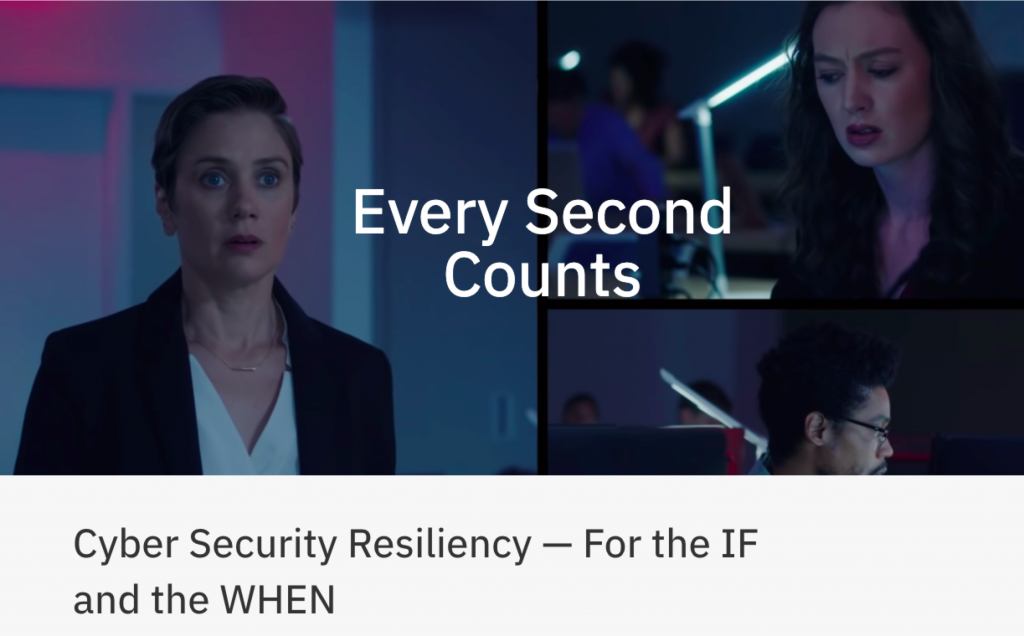
IBM ran a campaign highlighting how AI and enterprise systems save businesses time and money. Through cinematic storytelling and real-world use cases, the campaign made complex enterprise technology understandable.
Why it worked: It worked because it translated abstract innovation into tangible business outcomes.
7. Adobe – “CMO.com”
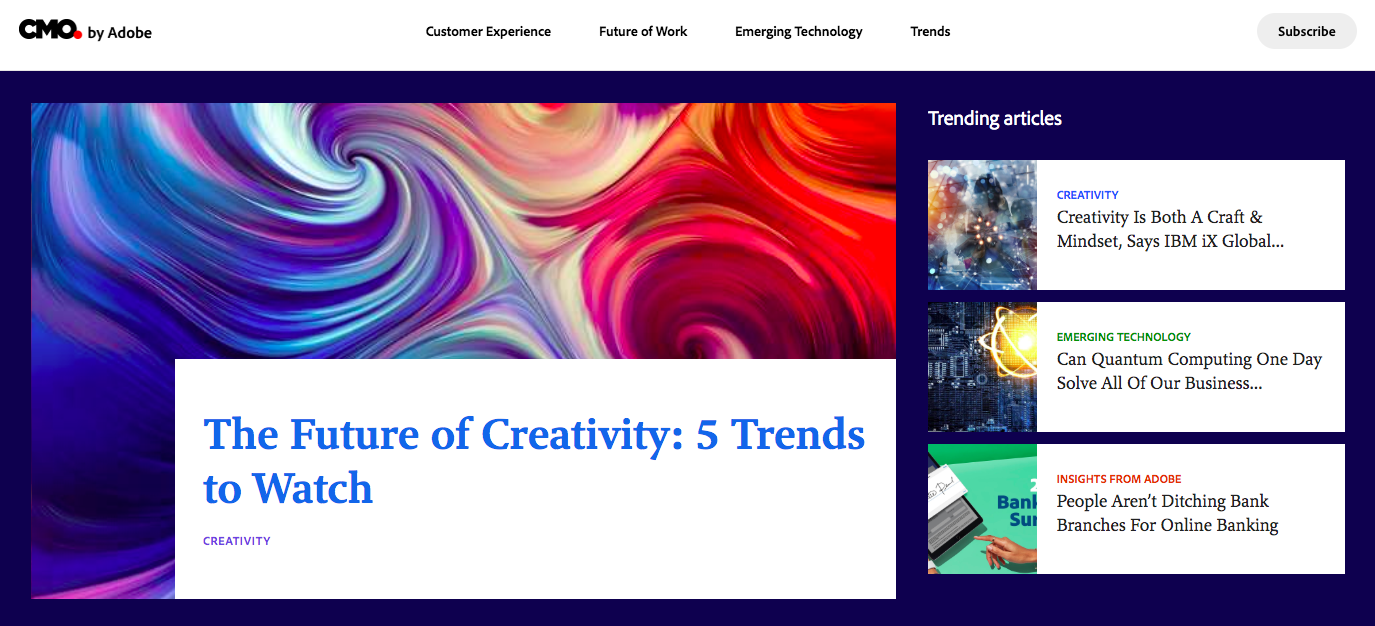
Adobe created CMO.com as a thought leadership hub for marketing executives. Instead of pushing Creative Cloud, Adobe became a publisher of industry insights.
Why it worked: It worked because it positioned Adobe as a strategic partner to decision-makers.
8. LinkedIn – “In It Together”
LinkedIn launched a brand campaign celebrating diverse professionals and shared workplace challenges. Through video storytelling and user-focused narratives, LinkedIn strengthened emotional resonance with its audience.
Why it worked: It worked because it reinforced LinkedIn’s position as a professional community, not just a tool.
9. Dropbox – “Work in Progress”
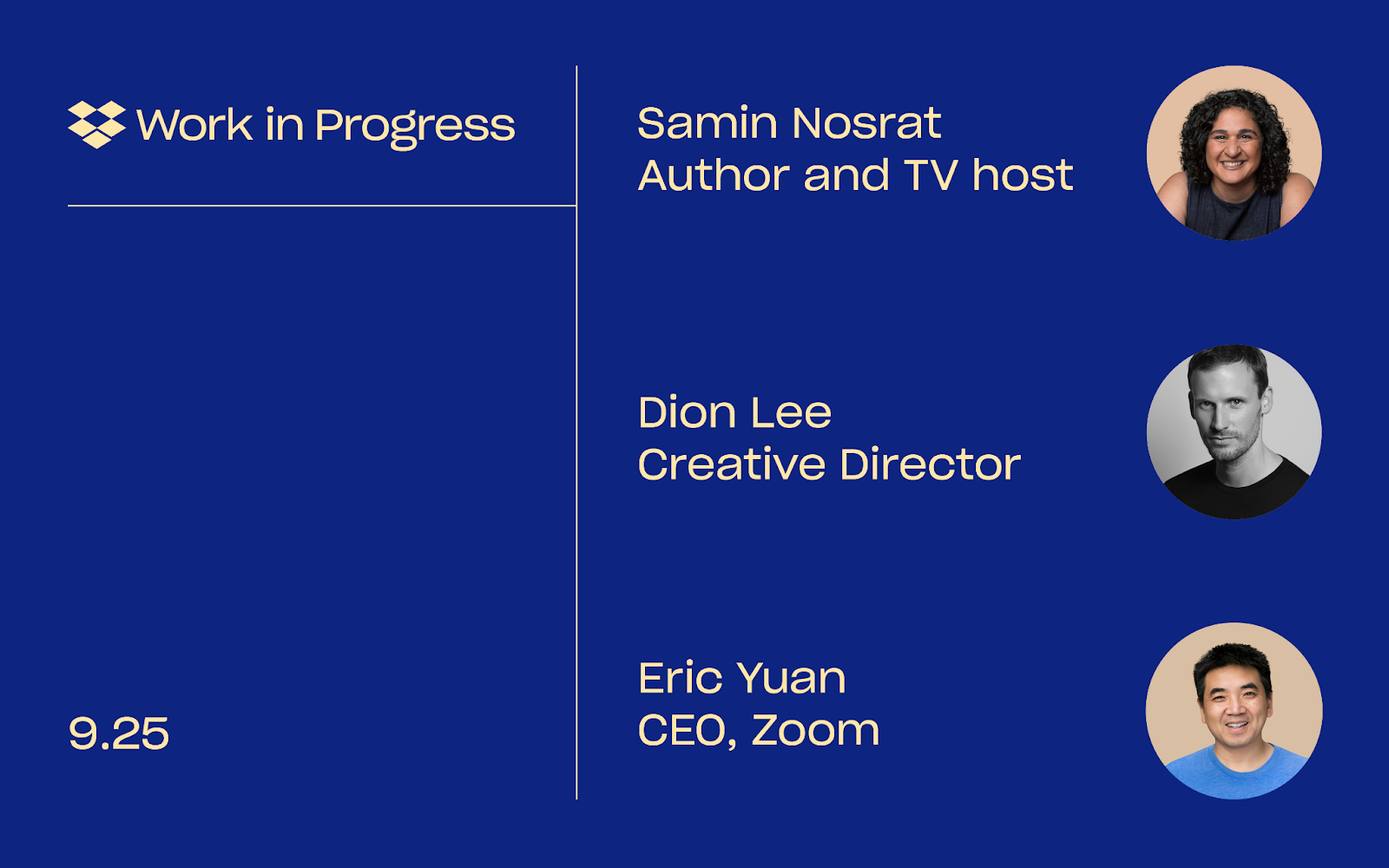
Dropbox featured creative professionals and teams discussing how they collaborate using Dropbox. Rather than highlight storage capacity or features, the campaign focused on creative process and teamwork.
It worked because it aligned the brand with ambition and productivity.
10. Zendesk – Customer Storytelling Series
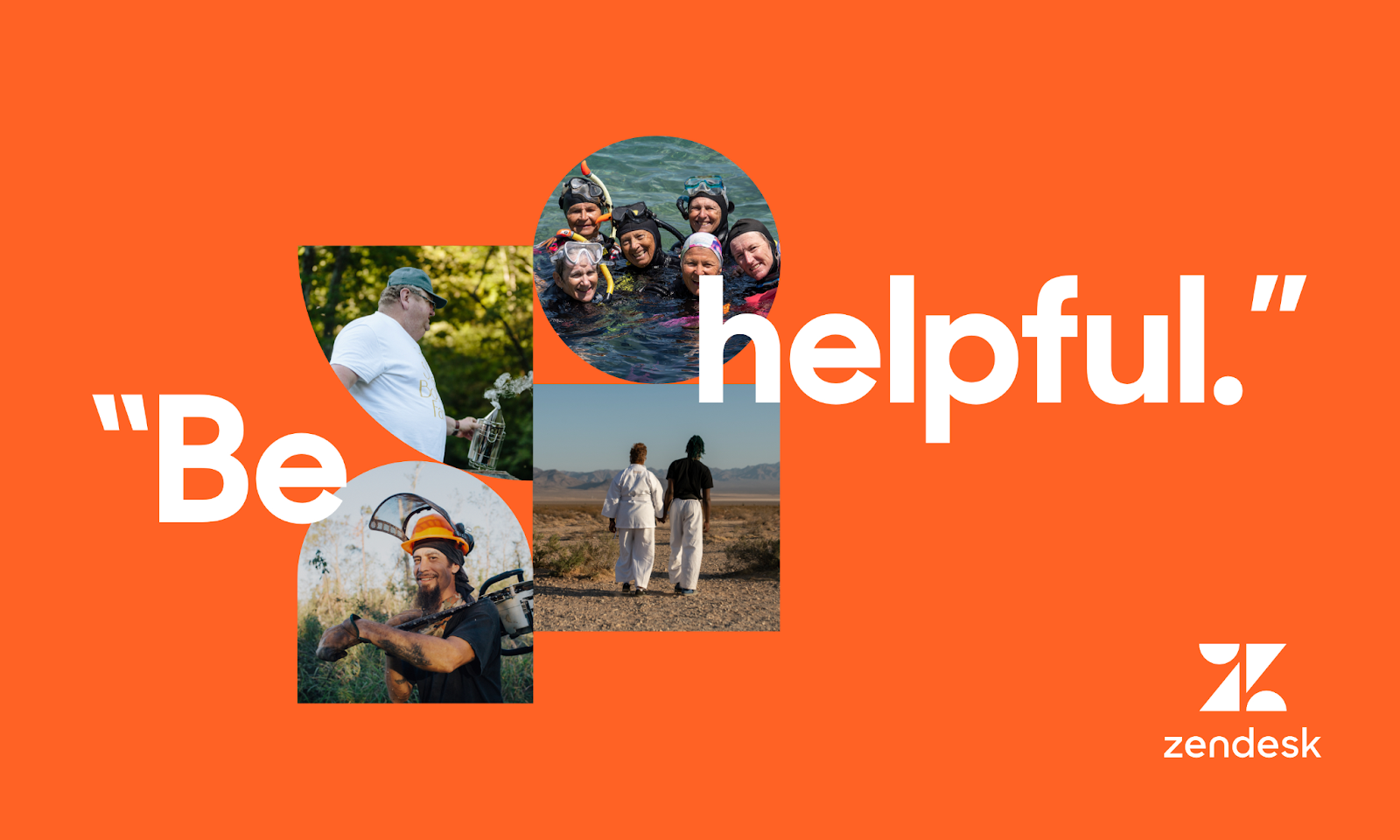
Zendesk invested heavily in high-quality customer case studies and documentary-style content featuring brands like Mailchimp. The campaign showed real business transformation rather than product demos.
It worked because peer validation builds trust faster than brand claims.
🚀 From Strategy to $312M+ Pipeline
10,000+ companies trust Cleverly to convert multi-channel outreach into sales-ready meetings across LinkedIn, email, and phone.
How to Create Award-Winning B2B Marketing Campaigns — Common Patterns
When you look across award winning B2B marketing campaigns, a few patterns keep showing up.
1. Emotional Storytelling (Even in B2B)

What it looked like:
- Salesforce’s “Trailblazer” focused on people, not product.
- Slack showed chaotic workplaces becoming calm and collaborative.
- GE highlighted human impact, not machinery specs.
Why it worked: B2B buyers are still humans making career-defining decisions. Campaigns that connected to identity (innovation leader, forward-thinking CMO, modern team) drove stronger recall and preference than feature-heavy messaging.
👉 Pattern: Sell transformation, not tools.
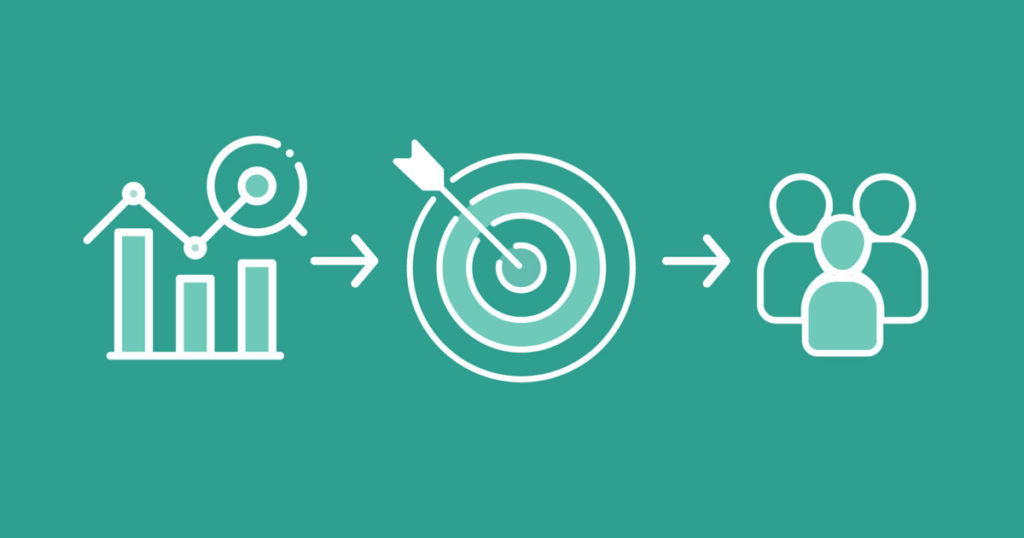
2. Clear Niche Targeting
What it looked like:
- Spotify’s “Spreadbeats” targeted media planners specifically.
- Adobe’s CMO.com targeted senior marketing leaders.
- Cisco’s networking campaign focused on enterprise IT decision-makers.
Why it worked: The best campaigns didn’t say “for businesses.” They spoke directly to a defined persona with insider language and context.
👉 Pattern: Depth over breadth. Precision beats scale-first messaging.
3. Creative Positioning (Category Differentiation)
What it looked like:
- Mailchimp built brand through absurd creativity.
- Workday mocked legacy vendors to position itself as modern.
- HubSpot created and owned the “Inbound Marketing” category.
Why it worked: Strong B2B brands don’t just compete — they reframe the buying conversation.
👉 Pattern: If you can’t win on features, win on framing.
4. Multi-Touch Orchestration
What it looked like:
- HubSpot integrated blogs, certifications, events, and email.
- Salesforce amplified campaigns across Dreamforce, digital, paid, and community.
- IBM used video, digital ads, and enterprise sales enablement together.
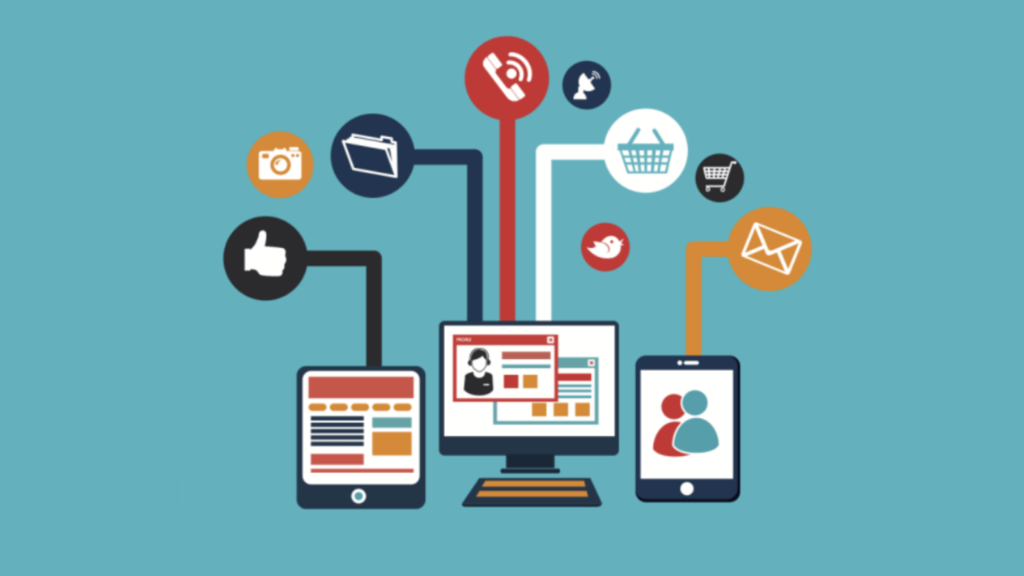
Why it worked: Enterprise buyers require 8–15 touchpoints before serious evaluation. The strongest campaigns weren’t single-channel — they were ecosystems.
👉 Pattern: Brand + content + paid + sales enablement = momentum.
5. Strong Measurement Frameworks
This is often invisible publicly, but it’s critical.
What it likely included:
- Brand lift studies
- Pipeline attribution
- Multi-touch attribution models
- Engagement scoring
- Customer lifetime value tracking
Companies like Salesforce and HubSpot don’t run brand campaigns without tying them to pipeline impact.
👉 Pattern: Creativity was backed by data rigor.
What’s Really Happening Underneath
If we simplify even further, most successful B2B campaigns shared:
- Clear ICP clarity
- A bold POV
- Memorable creative
- Cross-channel amplification
- Revenue alignment
The biggest myth in B2B marketing? That it’s rational and boring.
The biggest truth? The most effective campaigns blended emotion + strategy + distribution discipline.
Read More: Sales and Marketing Alignment Explained for Modern B2B Teams
10 B2B Marketing Campaign Ideas You Can Launch
Looking for B2B marketing campaign ideas you can actually execute? Here are ten worth testing:
- LinkedIn thought leadership series — Post consistently on a niche topic your ICP cares about. Build trust before you pitch.
- Cold email + LinkedIn ABM campaign — Combine email sequences with LinkedIn touchpoints targeting the same account list.
- Industry report release — Publish original data your buyers can't get anywhere else. Great for backlinks and lead capture.
- Webinar funnel campaign — Host a topic-specific webinar, nurture attendees with follow-up sequences, and push to a demo.
- Referral-driven campaign — Give existing customers a reason to introduce you to their network.
- Podcast guest tour campaign — Get in front of your ICP's audience by appearing on podcasts they already listen to.
- Product demo campaign — Run a targeted sequence specifically designed to convert warm prospects into demo bookings.
- Case study spotlight campaign — Build a content series around one strong customer story across email, LinkedIn, and ads.
- Local market expansion campaign — Target a new city or region with geo-specific messaging and outreach.
- Multi-touch outbound awareness campaign — Run LinkedIn + cold email + calling in a coordinated sequence to the same prospect list.
How to Build a B2B Marketing Campaign Strategy
Here's a simple B2B marketing campaign strategy framework that actually maps to revenue.
Step 1: Define Your Campaign Objective
Pick one:
- Awareness (build recognition in a new market)
- Lead generation (fill the top of funnel)
- Pipeline acceleration (move existing leads to close faster)
Step 2: Identify Your ICP
Get specific. Industry, company size, job title, pain points, and buying triggers. The more defined your ICP, the sharper your messaging.
Step 3: Choose Your Channels
Match channels to where your ICP actually spends time. LinkedIn works well for most B2B. Cold email and calling are high-intent when the list is targeted right. Don't spread thin — go deep on 2-3 channels.
Step 4: Develop Your Messaging
Lead with their pain, not your product. What does your buyer lose by not solving this problem? Build your messaging around that.
Step 5: Launch a Multi-Touch Sequence
Map out every touchpoint across every channel. Who sees what, when, and in what order. Think in sequences, not individual messages.
Step 6: Measure and Optimize
Set KPIs before you launch. Review performance weekly. Kill what isn't working early and double down on what is.
Measuring the Success of B2B Marketing Campaigns
Tracking the right metrics is what separates campaigns that just run from B2B marketing campaigns that drive real results.
There are two categories of metrics worth tracking:
✅ Awareness Metrics (top of funnel)
- Impressions and reach
- Engagement rate (likes, comments, shares, clicks)
These tell you if your message is landing. They're not the finish line.
✅ Pipeline Metrics (what actually matters)
- Leads generated
- Cost per lead
- Meetings booked
- Pipeline value created
- ROI
A campaign can have great awareness numbers and zero pipeline impact. Always anchor your reporting to pipeline metrics. That's what tells you if the campaign is actually working.
How Cleverly Executes B2B Marketing Campaigns That Drive Pipeline
We're the highest-rated B2B lead generation agency and we do things a little differently than most.
At Cleverly, every B2B marketing campaign we run is built around one goal: qualified meetings that turn into pipeline. Here's how we approach it:
- ICP-first targeting — We start by defining exactly who you need to reach before touching any channel.
- Multi-touch execution — LinkedIn outreach, cold email, and cold calling working together in coordinated sequences.
- Sales alignment — Every campaign is built to hand off conversations to your sales team, not just generate clicks.
- Measurable revenue impact — We track meetings booked and pipeline created, not vanity metrics.
We've helped 10,000+ clients generate leads with companies like Amazon, Google, Uber, PayPal, Slack, and Spotify — resulting in $312 million in pipeline revenue and $51.2 million in closed revenue.
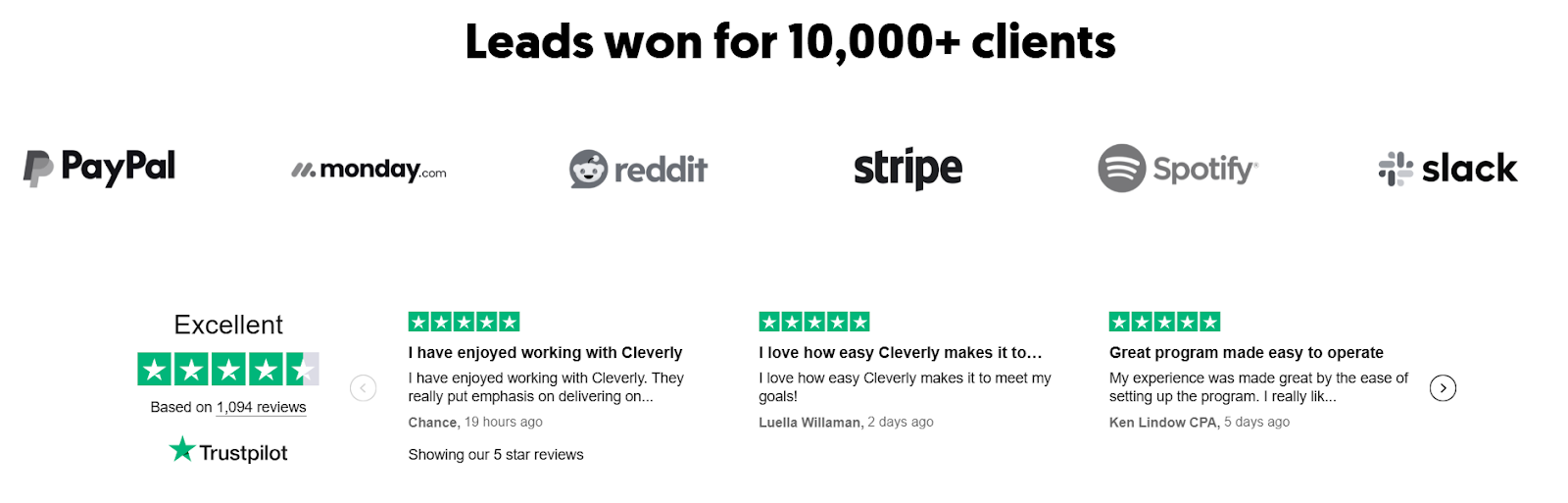
Our LinkedIn lead gen services start at just $397/month. With cold email, you only pay for meeting-ready leads we send you. And with our cold calling service, we guarantee 10-30 qualified sales calls every month — or we replace the SDR. That's 1M+ cold calls made, 53K appointments set, and $312M in pipeline generated.
A strong B2B marketing campaign should create conversations, not just impressions. If yours isn't doing that, let's fix it.
🚀 Get started today!
Conclusion
Great B2B marketing campaigns don't happen by accident. They're built on clear ICP targeting, strong messaging, multi-channel execution, and KPIs that tie back to revenue.
Single-channel tactics will only get you so far. The campaigns that win are the ones that combine awareness with pipeline, creativity with structure, and brand with outbound. Build yours the right way and the results follow.
Frequently Asked Questions
Free Resource
How to Scale a Profitable Cold Call System
Get the complete guide — download it instantly now.
Free Ebook
Download the Free Guide
Enter your details to get instant access.
You're all set! 🎉
Your ebook is downloading now.
Click below if the download didn't start automatically.