

Table of Contents
Why Telecom Lead Generation Is Different in 2026
How to Define Your ICP for Telecom Lead Generation
Top Telecom Lead Generation Strategies in 2026
In-House vs. Outsourced Telecom Lead Generation
How to Qualify Telecom Leads and Improve SQL Conversion
Cleverly: The Best B2B Lead Generation Company for Telecom
Conclusion
Frequently Asked Questions
Modified On :
July 20, 2026
Key Takeaways
- Telecom buying decisions now hinge on cloud, security, and infrastructure fit, not price per line, so your outreach has to speak to technical stakeholders, not just procurement.
- There's no single decision-maker in telecom deals. You're selling to a committee, and single-threaded outreach is the fastest way to stall a deal.
- Timing beats volume. Targeting accounts near contract renewal or mid-infrastructure upgrade will always outperform blasting a generic list.
- Multichannel execution (LinkedIn, email, and calls working together) consistently beats any one channel run in isolation.
- Specialized outbound expertise shortens the ramp time that generic SDRs need to learn telecom's objections, plan structures, and buying triggers.
Ten years ago, telecom sales meant pitching phone lines and bandwidth. That's not the game anymore. Today's telecom buyers are evaluating providers on cloud integration, cybersecurity posture, IoT connectivity, and UCaaS capability.
The product has changed, and so has the buyer.
That shift has made telecom lead generation a lot harder to get right. You're no longer reaching one purchasing manager who cares about cost per line. You're reaching IT leadership, procurement, the C-suite, and sometimes legal, all of whom need convincing on different grounds.
Buying cycles have stretched too. Enterprise telecom deals can take 6 to 18 months from first contact to close, and generic outbound doesn't hold up over that kind of timeline.
Add in a buyer base that's been burned before by dropped SLAs, hidden fees, or bad support, and you've got an audience that's naturally skeptical of cold outreach. Trust has to show up in the first message, not the fifth.
This guide walks through why lead generation for telecoms looks different in 2026, how to build the right ICP, which strategies are actually converting right now, and when it makes sense to bring in outside help.
If you're running sales or marketing at a telecom company, or you're an agency working the telecom vertical, this is written for you.

Why Telecom Lead Generation Is Different in 2026
The Product Sale Became a Consultative Sale
Telecom used to be commoditized. Now buyers are comparing providers on cloud readiness, security certifications, IoT support, and how well a system integrates with what they already run. That's a technical evaluation, not a price comparison, and your messaging needs to reflect it.
You're Selling to a Room, Not a Person
Every telecom deal touches multiple stakeholders. IT leadership cares about uptime and integration. Procurement cares about contract terms. The C-suite cares about cost and risk. Legal gets pulled in on compliance and data handling. There's rarely a single person who can say yes on their own, which means your outreach can't be built around reaching just one contact.
Lead Quality Matters More Than Lead Volume
With sales cycles running 6 to 18 months for enterprise telecom, chasing volume over fit is a waste of everyone's time. A smaller list of well-targeted, high-intent accounts will outperform a massive list of loosely matched ones almost every time.
Trust Is Earned Before the First Reply
Telecom buyers who've dealt with poor service or billing surprises are naturally guarded. Generic, templated outreach reads as one more vendor trying to sell them something they don't need. Relevance and specificity in your first message aren't optional here.
Specialized Knowledge Is a Real Advantage
A generic SDR typically needs 12 to 18 months to build up the objection handling and plan-structure knowledge telecom sales demands. That ramp time is expensive, and it's one of the biggest reasons telecom companies look at specialized outbound partners instead of building from scratch.
Timing Now Drives the Buying Decision
More than ever, telecom purchases get triggered by specific events: a contract renewal window coming up, an infrastructure upgrade already underway, or a new compliance requirement forcing a review. If your outreach doesn't account for timing, you're reaching the right people at the wrong moment.
📞 Fill Your Pipeline With Qualified Telecom Buyers
Our LinkedIn, cold email, and cold calling campaigns generate 15–30 qualified meetings every month with decision-makers.
How to Define Your ICP for Telecom Lead Generation
Getting your ideal customer profile right is the foundation everything else sits on. Get this wrong, and no amount of clever copy or channel strategy will save the campaign.
Key Firmographic and Technographic Filters
Start with the basics, then layer in the details that actually predict fit:
- Firmographic filters: industry vertical (finance, healthcare, manufacturing, retail), company size by headcount and revenue, geography, and number of locations.
- Technographic filters: current telecom provider and contract renewal timing, existing tech stack (cloud platforms, UCaaS tools, CRM), and infrastructure age (on-premise vs. cloud-native).
- Job title targeting: CTO, CIO, VP of IT, Head of Infrastructure, Procurement Director, and CFO for cost-driven conversations.
- Growth signals: recent funding, new office openings, or hiring sprees in IT all point to upcoming infrastructure needs.
Buying Intent Triggers Specific to Telecom
This is where how to generate leads in telecom gets tactical. A few triggers consistently predict a company is close to making a decision:
Intent data tools like Bombora and 6sense can surface accounts actively researching telecom categories before they've issued an RFP or contacted a single vendor, which gives you a real head start.
Mapping the Telecom Buying Committee
Most mid-market and enterprise telecom deals involve somewhere between 4 and 7 people in the buying process. You need to know who they are before you write a single email.
- Technical evaluators (IT): care about compatibility, reliability, and uptime SLAs
- Economic buyers (CFO, procurement): care about total cost of ownership and contract terms
- End users (operations, HR): care about usability and day-to-day support quality
- Champions (CTO, VP IT): the internal advocate who actually drives the decision forward
Pro tip: Your cold email to a CFO should look nothing like your cold email to an IT Director. If you're sending the same message to both, you're leaving conversions on the table.
Top Telecom Lead Generation Strategies in 2026
1. LinkedIn Outreach to Telecom Decision-Makers
LinkedIn remains the highest-value channel for reaching telecom's IT and C-suite buyers. They're active there, and they're reachable in a way cold email alone often isn't.
Use Sales Navigator to filter by title, company size, industry, and growth signals like recent hires or promotions. Keep your connection request personalized and non-salesy, referencing something specific, like a recent expansion or a public tech migration announcement. Then follow a sequence: connection, value message, soft CTA. Don't pitch on message one.
Coordinating a LinkedIn touch with a follow-up email or call amplifies your response rates significantly compared to running LinkedIn alone.
2. Cold Email for Telecom Sales Lead Generation

Cold email is still one of the most scalable channels in telecom sales lead generation, when it's done right.
Personalize based on what you actually know: the prospect's current provider if you can find it, their contract renewal window, or a pain point common to their industry, like legacy infrastructure or rising connectivity costs. Subject lines that reference a specific trigger consistently beat generic ones. "Reducing connectivity costs for 500-person manufacturers" will outperform "B2B telecom solution" every time.
Keep it under 150 words. Telecom decision-makers are senior and busy. Run a 4 to 5 touch sequence over 14 to 21 days, with each follow-up bringing a new angle instead of repeating the first message.
Deliverability isn't optional here. Dedicated sending domains, proper SPF, DKIM, and DMARC authentication, and a real warm-up protocol need to be in place before you send any real volume. Skip this step and your best copy never even reaches the inbox.
3. Cold Calling Telecom Prospects
Telecom's technical complexity makes cold calling genuinely effective. A real conversation clears up more than an async email chain ever will.
Research before every call. Know the prospect's current provider, company size, and likely pain points before you dial. IT leaders can tell a generic script in the first ten seconds. Frame the call around something technical, like an infrastructure review or connectivity audit, rather than a sales pitch, and you'll get past gatekeepers more easily.
If you hit voicemail, keep it under 20 seconds and reference something specific. Don't pitch. Just create enough curiosity that they call back.
Calling works best paired with LinkedIn and email. A prospect who's already seen your name once or twice answers the phone at a noticeably higher rate.
4. Intent Data to Identify In-Market Telecom Buyers
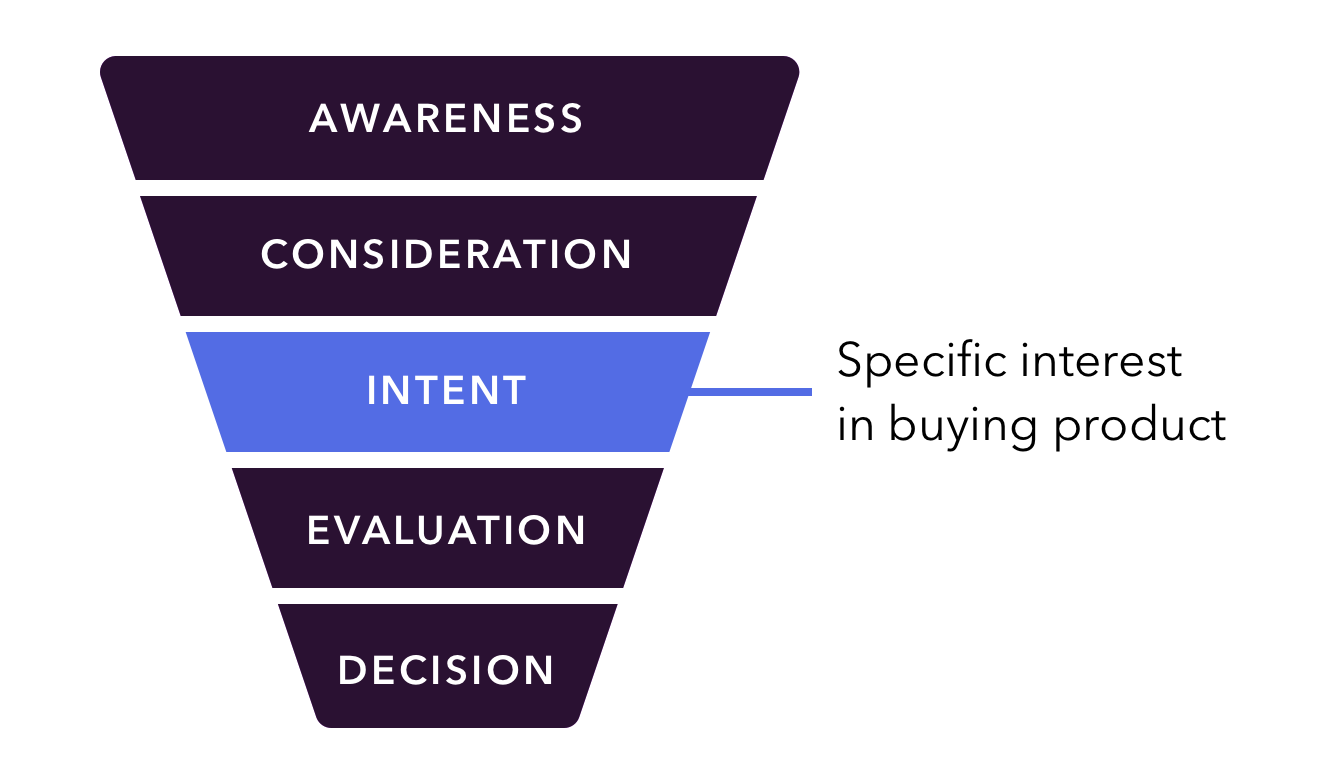
Intent data identifies companies actively researching telecom categories before they ever contact a vendor. Tools like Bombora, 6sense, and G2 Buyer Intent surface accounts showing elevated activity around terms like "VoIP providers," "UCaaS solutions," or "telecom contract renewal."
Layer intent signals on top of your firmographic ICP criteria. Accounts that match your ICP and show active research intent are your highest-priority targets, full stop.
Getting to intent-active accounts before your competitors identify them is arguably the single biggest lever in telecom lead generation right now.
5. Content Marketing and SEO for Inbound Telecom Leads
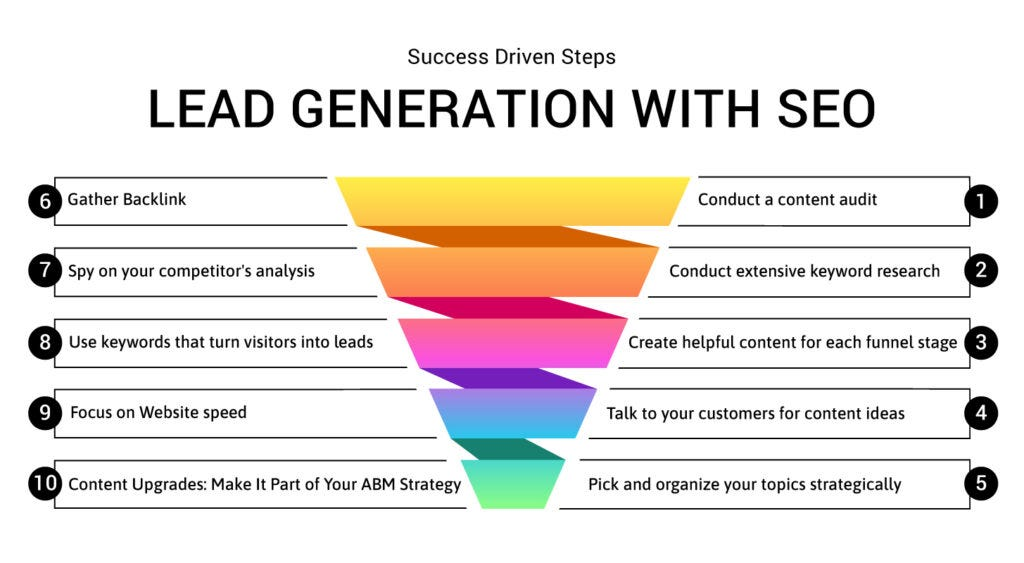
Outbound isn't the whole picture. Target buyer-stage search terms like "best UCaaS providers for healthcare" or "how to switch telecom providers." These carry real commercial intent and measurable search volume.
Case studies convert better than almost any other content format in telecom, especially vertical-specific ones. "How a 500-person manufacturer cut telecom costs by 34%" builds credibility fast with a skeptical audience.
Comparison pages and alternative content also rank well for bottom-funnel intent, since buyers actively comparing providers convert well from organic search.
Gated assets like infrastructure audit templates, RFP checklists, or cost calculators generate form fills from in-market buyers, and they double as strong lead magnets for your cold email program.
6. Referral and Partner Programs

Referral programs can deliver 280% ROI or higher, and referred leads tend to convert faster thanks to the built-in trust. Structure a formal program with real incentives, service credits, discounts, or commissions, for existing customers who introduce new accounts.
Channel partner programs matter too. MSPs, IT consultants, and VARs regularly advise clients on telecom decisions, so building a partner network creates a steady stream of warm introductions.
Technology alliances with complementary providers, cloud platforms, cybersecurity vendors, CRMs, open the door to co-selling with shared ICP buyers.
7. Industry Events and Trade Shows

Telecom-specific events like MWC, Enterprise Connect, and Channel Partners concentrate decision-makers in one place. That's valuable for both prospecting and accelerating deals already in motion.
Do pre-event outreach. Identify attendees through event apps or LinkedIn and book meetings before the floor even opens. Don't rely on walk-up booth traffic alone.
And treat the 72 hours after the event as your highest-response window. Follow up with every real conversation immediately, not next week.
🚀 53,000+ Meetings Booked Across B2B Industries
Join 10,000+ businesses using Cleverly to build predictable pipeline with done-for-you outbound lead generation.
In-House vs. Outsourced Telecom Lead Generation
This is the decision most telecom sales leaders eventually have to make, and there's no universally right answer. Here's how the tradeoffs actually break down:
A fully loaded two-person in-house SDR team, once you count salary, benefits, tools, management time, and ramp, typically runs $18,000 to $32,000 or more per month.
Specialized telecom lead generation agencies tend to run $6,000 to $15,000 a month, with telecom-specific expertise already built in.
Outsourcing makes sense if you're running a lean sales team, expanding into telecom as a new vertical, need multichannel coverage without hiring for each channel separately, or want to test the waters before committing to an in-house build.
In-house makes sense if you already have an established telecom sales motion, a strong existing pipeline, and a need for deep, product-level SDR conversations that require constant internal context.
How to Qualify Telecom Leads and Improve SQL Conversion
Getting leads in the door is only half the job. Qualifying them well is what protects your sales team's time.
Define what a telecom-specific SQL actually looks like: confirmed decision-maker authority, an active need (renewal, upgrade, or dissatisfaction with the current provider), a defined budget range, and a realistic timeline.
If a lead doesn't have a clear trigger event or an internal champion, don't send it to sales. It almost never closes.
A few discovery questions that reveal real fit fast:
- What's your current provider, and when does the contract expire?
- How many locations do you need to cover?
- What does your existing UCaaS or cloud setup look like?
- What's your biggest infrastructure pain point right now?
- Who owns budget authority for this decision?
When scoring leads, weight intent signals like renewal timing and migration research more heavily than pure behavioral metrics like email opens. And build a real handoff SLA.
Every lead that goes from SDR to AE should come with a complete summary: current provider, pain identified, decision-maker confirmed, and timeline established.
Cleverly: The Best B2B Lead Generation Company for Telecom
Once you've mapped your ICP and picked your strategies, the real question becomes execution, and execution is where most telecom teams get stuck.
This is where a B2B lead generation company for telecom like us comes in.
We run LinkedIn outreach, cold email, and cold calling as one coordinated system, not three siloed efforts. That matters in telecom specifically, because the buying committee you're trying to reach responds to different channels differently, and running them together consistently outperforms running them apart.
We build ICP-first prospect lists filtered by title, industry, company size, and the buying triggers that actually predict a telecom purchase, like renewal windows and infrastructure migrations.
We've worked with 10,000+ B2B clients across industries including technology and telecom, generating $312M+ in pipeline and 224.7K+ leads along the way.
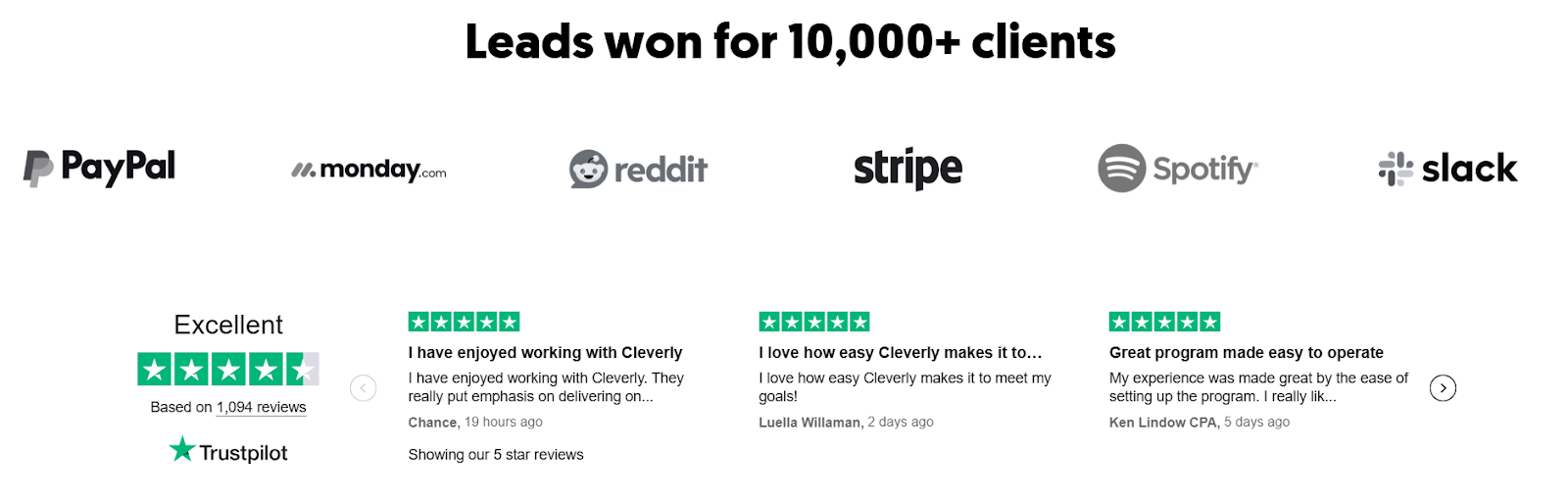
That volume of campaigns has taught us what messaging, targeting, and timing actually convert telecom buyers, and we bring that playbook to every new account instead of starting from zero.
If you're a telecom company, or a B2B vendor selling into the telecom space, and you want a steady pipeline of qualified meetings without standing up an outbound function from scratch, book a free strategy session and we'll walk you through how this works for your specific market.
Conclusion
Telecom lead generation in 2026 takes more than a contact list and a cold email template. It takes ICP precision, intent-based timing, coordinated multichannel execution, and messaging that actually speaks to what telecom buyers care about now, cloud readiness, security, and reliability, not price per line.
LinkedIn, cold email, cold calling, intent data, content, referrals, and events all work. But they work best stacked together, not run in isolation. Multichannel campaigns using three or more coordinated touchpoints consistently outperform single-channel efforts, with some research showing purchase rates as much as 287% higher.
If you're looking for a faster path to qualified pipeline, partnering with a specialist lead generation agency skips the ramp time and expertise gap that comes with building this in-house from scratch.
Frequently Asked Questions
Free Resource
How to Scale a Profitable Cold Call System
Get the complete guide — download it instantly now.
Free Ebook
Download the Free Guide
Enter your details to get instant access.
You're all set! 🎉
Your ebook is downloading now.
Click below if the download didn't start automatically.


