

Table of Contents
What Is Logistics Lead Generation?
How the Logistics Buying Process Actually Works
Best Lead Generation Strategies for Logistics Companies That Work Today
Common Challenges in Logistics Lead Generation
How Cleverly Helps Logistics Companies Generate Qualified B2B Leads
Conclusion
Frequently Asked Questions
Modified On :
August 5, 2026
Key Takeaways
- Lead generation for logistics companies works best with targeted outbound, not passive inbound strategies.
- Focus on contract-based leads with recurring volume, not one-off transactional freight inquiries.
- LinkedIn outreach and cold email are most effective when personalized around lanes, capacity, and buyer pain points.
- Logistics buying involves multiple stakeholders and 30 to 90 day sales cycles, so consistent follow-up is critical.
- Lead with proof and reliability, not just competitive rates, to stand out in a commoditized market.
- Clean data and ICP-based targeting prevent wasted outreach and improve response rates by 40%.
Lead generation for logistics companies isn't like other industries. You're not selling a one-time product or chasing vanity metrics. You need shippers who move consistent volume, 3PLs looking for reliable capacity, and procurement teams with actual budgets, not just tire kickers hunting for the cheapest rate.
The problem? Most logistics lead generation strategies treat freight like a commodity. They focus on mass outreach, generic messaging, and high-volume tactics that attract price shoppers, not partnership-ready accounts.
We've worked with freight brokers, 3PLs, and supply chain providers who were stuck in that cycle. What changed? They stopped chasing every lead and started building predictable pipelines with the right accounts.
In this guide, we'll show you how to generate leads in logistics the way top performers do: targeting decision makers, leading with value, and turning cold outreach into qualified conversations.
What Is Logistics Lead Generation?
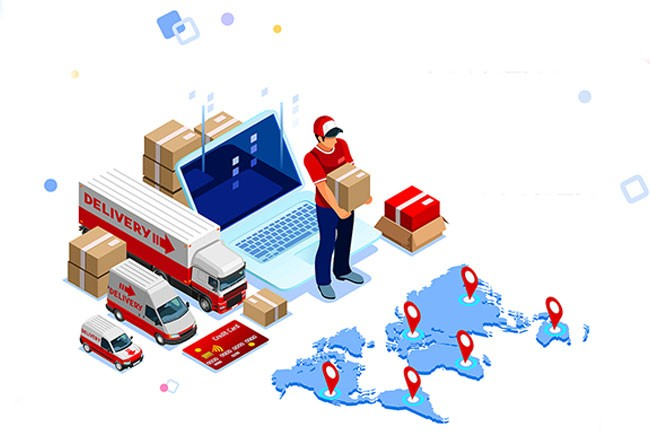
Logistics lead generation is the process of identifying and engaging businesses that need freight, warehousing, or supply chain services. But here's the thing: not all leads are created equal.
Transactional vs. Contract-Based Leads

There are two types of leads in logistics:
- Transactional freight leads: One-off shipments, spot market rates, price-driven decisions. These leads churn fast and rarely build into long-term revenue.
- Contract-based leads: Recurring volume, predictable lanes, partnership mindset. These are the accounts that actually grow your business.
We focus on the second type. That's where real pipeline lives.
Who You're Actually Selling To
In B2B logistics, your buyers aren't brokers or carriers. They're internal decision makers at companies that ship goods:
- Supply chain managers who plan logistics strategy.
- Procurement heads who negotiate contracts and vet providers.
- Operations managers who need reliable capacity for daily freight.
- Import/export managers handling international shipments.
These people don't respond to generic cold calls about "competitive rates." They respond to outreach that understands their lanes, pain points, and shipping needs.
Why Volume-Based Marketing Fails
Most lead generation companies for logistics industry blast thousands of emails or run broad LinkedIn ads.
The result? A flood of unqualified inquiries, price shoppers, and leads that ghost after one conversation.
Linkedin outreach and cold email work in logistics, but only when you target the right accounts and personalize your message. Spray and pray doesn't cut it when you're competing on relationships, not just rates.
Here’s More: Lead Generation for IT Services
🚛 Predictable Pipeline Across Every Channel
We run your LinkedIn outreach, pay-per-meeting cold email, and guaranteed cold calling to book qualified meetings for logistics sales teams.
How the Logistics Buying Process Actually Works
If you want to know how to generate leads in logistics, you need to understand how buyers actually make decisions. It's not fast, and it's definitely not transactional.
Long Sales Cycles Are the Norm
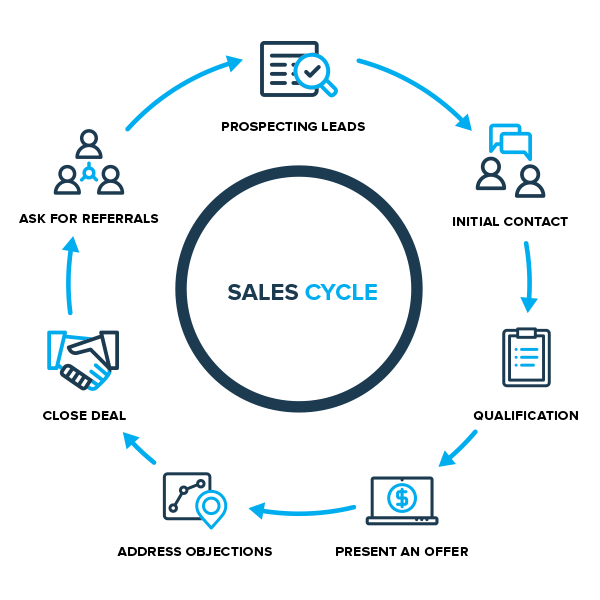
Logistics deals don't close in a week. Buyers are committing to moving their goods, sometimes across borders, sometimes worth millions. They're vetting multiple providers, checking references, and waiting for the right timing. Expect 30 to 90 days minimum for contract-based deals.
More on This: How to Shorten the B2B Sales Cycle Without Discounting
Multiple People Are Involved
You're rarely selling to just one person. A typical logistics buying decision includes:
- Operations teams evaluating your capacity and service levels
- Procurement reviewing your pricing and contract terms
- Finance approving budget and payment structures
- C-suite signing off on strategic partnerships
One "yes" isn't enough. You need buy-in across the org.
Price Matters, But So Does Reliability

Buyers compare rates. That's a given. But what they're really asking is: "Can you deliver on time without surprises?" A shipper who's been burned by a cheap carrier will pay more for consistency.
Your lead generation for logistics companies strategy should lead with reliability, not just cost savings.
Education Beats Aggression
Aggressive cold pitches don't work here. Buyers want proof you understand their industry, routes, and challenges. Share case studies. Walk them through how you've solved similar problems. Build trust before you ask for the meeting.
Timing Is Everything

Logistics buying isn't constant. It spikes around:
- Seasonal volume increases (Q4 for retail, harvest season for ag, etc.)
- Business expansion into new regions or markets
- Vendor switching after service failures or contract renewals
If you're only doing cold email or LinkedIn outreach once, you're missing 90% of opportunities. Consistency and timing win in logistics sales.
Logistics-Specific Trigger Events to Monitor
Timing isn't just seasonal. Some of the strongest signals in logistics come from specific, trackable events. If you're not watching for these, you're reaching out blind.
- Fleet expansion or new route announcements. A carrier or shipper adding lanes or trucks is scaling capacity, which usually means they need more partners to support it.
- Warehouse or distribution center openings. New DC announcements are one of the clearest buying signals in the industry. A new facility means new freight needs almost immediately.
- TMS or ERP migration signals. Job postings for roles tied to a transportation management system or ERP rollout often mean a company is re-evaluating its entire logistics stack, including vendors.
- Regulatory shifts. FMCSA rule changes hit differently depending on company size and fleet type. The FMCSA's stricter financial responsibility requirements for brokers and freight forwarders took effect January 16, 2026, and carriers running non-compliant electronic logging devices faced being placed out of service starting January 20, 2026. Both created real urgency for companies suddenly needing compliant partners or updated systems.
- Contract renewal cycles and M&A activity. A company that just went through an acquisition or is nearing a contract renewal is actively re-evaluating vendors. That's a warmer door than a cold one.
None of these require a huge budget to track. A combination of intent data, LinkedIn Sales Navigator alerts, and basic news monitoring covers most of it.
Also Check: Lead Generation for Manufacturing Companies
Best Lead Generation Strategies for Logistics Companies That Work Today
These aren't theoretical tactics. These are the logistics lead generation strategies we've seen work for freight brokers, 3PLs, and supply chain providers who are actually closing deals and building pipeline.
1) LinkedIn Outreach to Logistics Decision-Makers
LinkedIn outreach is one of the fastest ways to reach supply chain managers, procurement heads, and operations leaders. These people are active on LinkedIn, and they're open to conversations with the right partners.
Best for: Contract logistics, enterprise shipping accounts, and high-LTV clients who make decisions based on relationships, not price alone.
What works: Relationship-first messaging. Skip the pitch. Start with a question about their supply chain challenges or share insights relevant to their industry. Build rapport before asking for the call.
We've helped logistics companies book meetings with Fortune 500 procurement teams using targeted LinkedIn lead generation campaigns. It works when your messaging shows you understand their lanes and pain points.
2) Cold Email Outreach for Logistics Companies
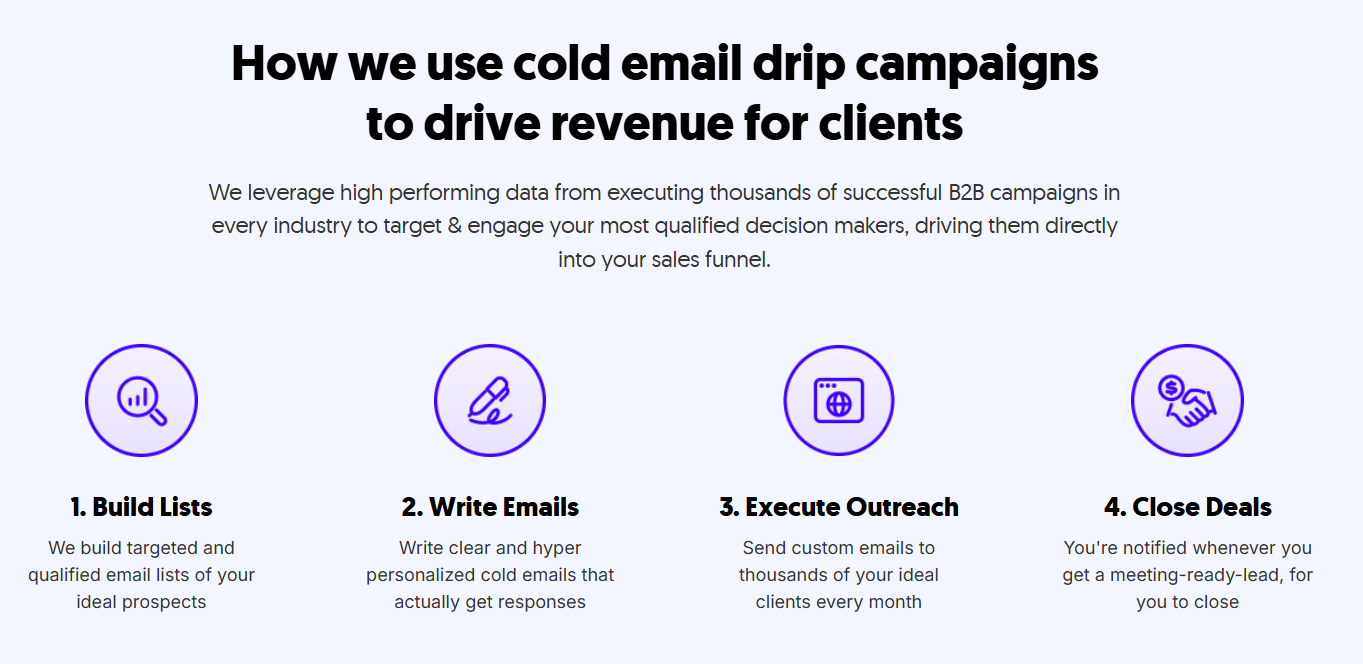
Cold email is ideal for freight forwarders, 3PLs, and international logistics providers who need volume and speed. It scales better than manual outreach and works across time zones.
What makes it work: Education-led emails. Don't lead with "we offer competitive rates." Lead with how you solve specific problems:
- Cost optimization on high-volume lanes
- Capacity in constrained markets
- Faster transit times on key routes
Strong segmentation matters. An email to an automotive manufacturer should look different than one to an ecommerce distributor. Personalization increases reply rates by 3x in logistics.
At Cleverly, our cold email services focus on meeting-ready leads. You only pay for qualified conversations, not database dumps.
3) Account-Based Lead Generation (ABM) for Enterprise Logistics
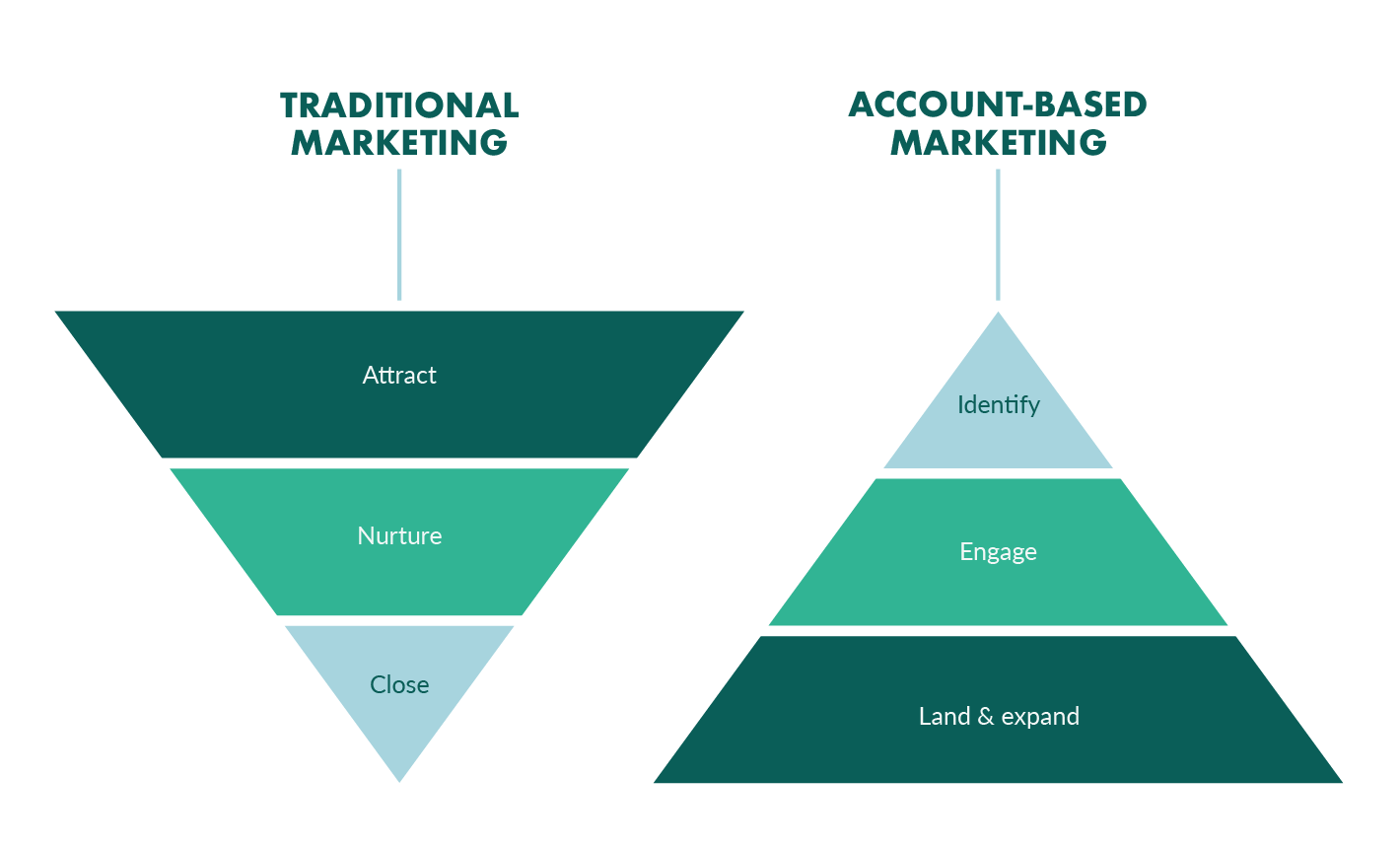
ABM is how to generate leads in logistics when you're going after enterprise accounts. Instead of broad outreach, you target 20 to 50 high-value companies and go deep.
Best for: Manufacturers, large distributors, and exporters with multi-million-dollar shipping budgets.
The approach: Multi-contact outreach per account. You're reaching the supply chain VP, the procurement manager, and the operations lead at the same time. Coordinated touchpoints across LinkedIn outreach, cold email, and calls.
This strategy takes longer, but conversion rates are 5x higher than spray-and-pray campaigns.
Tools that Help: Account-based Marketing Tools
4) Cold Calling for High-Intent Logistics Accounts
Cold calling works best when it's not actually cold. Pair it with LinkedIn or email warm-up first, then follow with a call to book the meeting.
What it's good for: Appointment-setting for demos, quote reviews, or discovery calls. Regional and domestic logistics providers see strong results here because buyers are more comfortable with phone conversations for local partnerships.
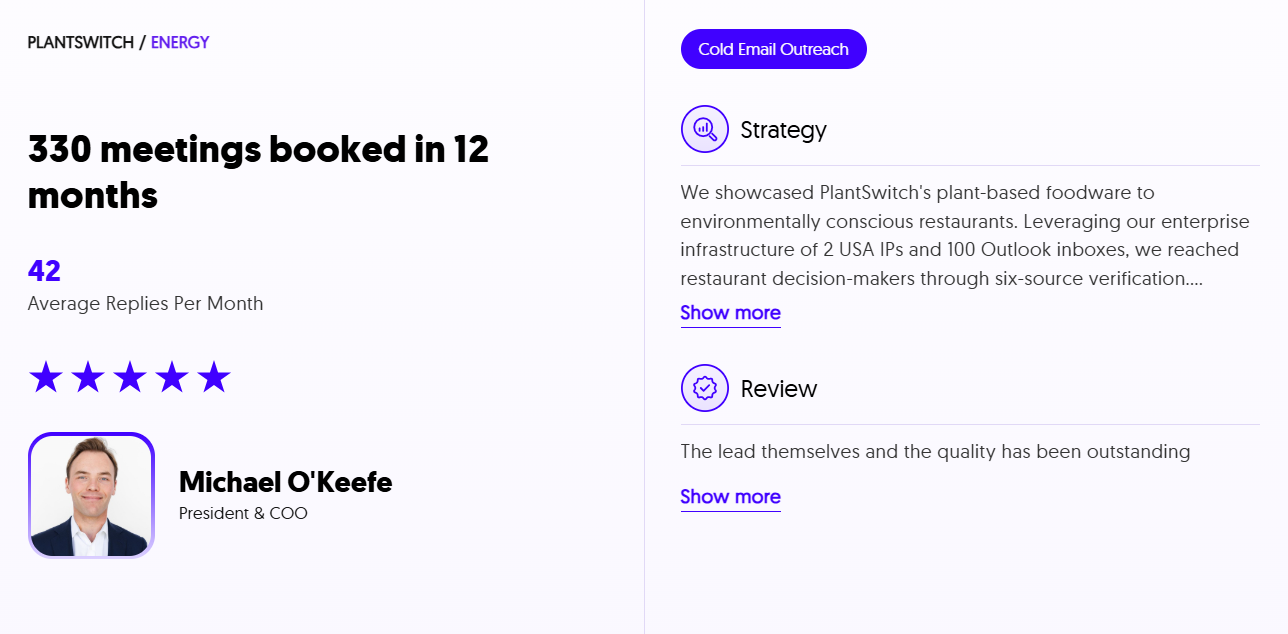
Our cold calling system has set 53,000+ appointments for B2B companies. We provide trained SDRs, call scripts, data, and dialers. You get 10 to 30 qualified calls per month, guaranteed, at half the cost of hiring in-house.
5) Content-Led Outreach (Case Studies & Proof Assets)
Buyers don't trust claims. They trust proof. If you've optimized shipping costs for a manufacturer or handled complex international freight, document it.
How to use it: Attach case studies to your outreach. Reference them in follow-ups. Use them in competitive bids to show you've done this before.
Content isn't just for inbound. It's sales enablement. A one-page case study about a similar shipper can close a deal faster than three follow-up emails.
6) Referral & Partner-Based Logistics Lead Generation

Freight agents, customs brokers, and supply chain consultants already have relationships with your ideal buyers. Partner with them.
Why it works: Lower volume, but way higher conversion. A referral from a trusted broker carries more weight than 100 cold emails.
Set up co-marketing agreements or commission structures. It's one of the most underrated ways to generate logistics leads.
7) Data Quality & ICP Targeting for Logistics Leads
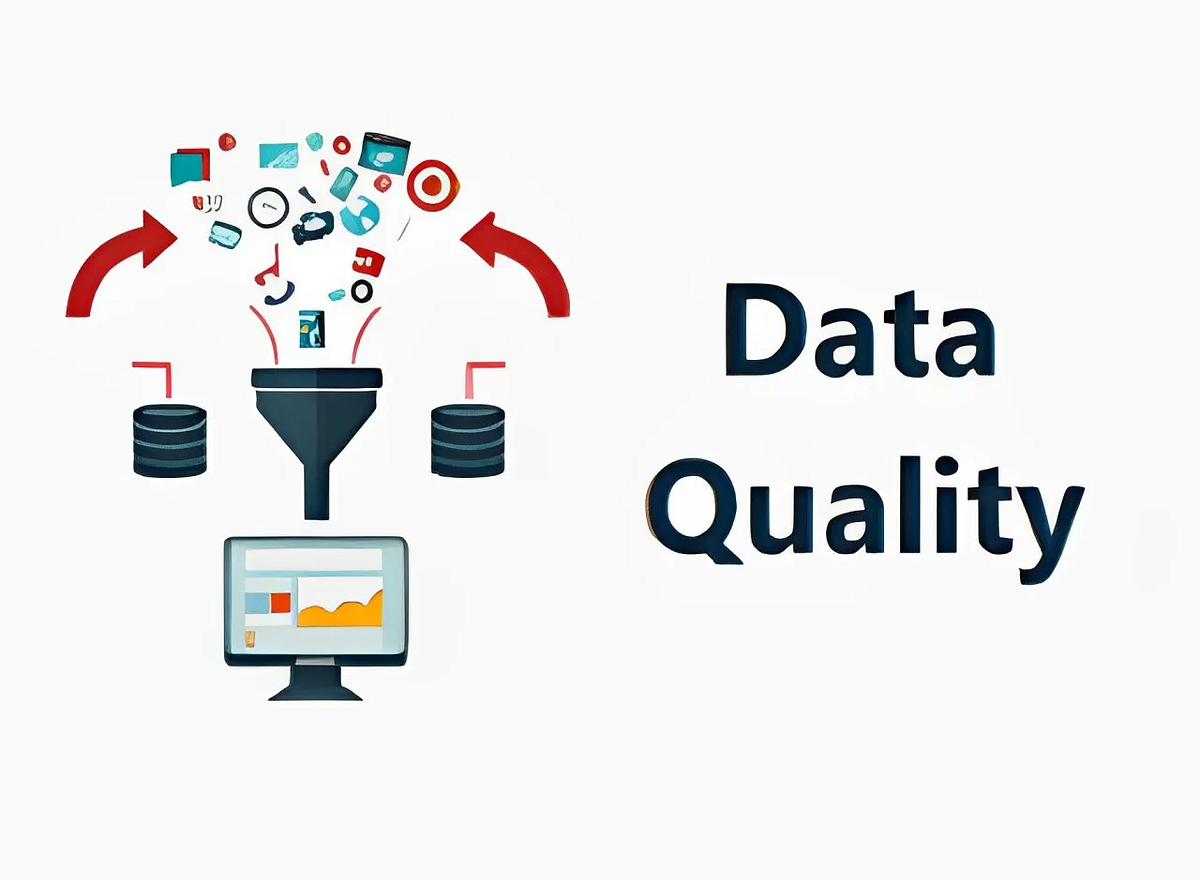
Bad data kills logistics campaigns. If you're reaching out to the wrong person or a company that doesn't ship your lanes, you're wasting time.
What matters:
- Role accuracy (you need the actual decision maker, not an admin assistant)
- Company fit (do they ship the volume, routes, or freight type you handle?)
- Clean contact info (outdated emails and phone numbers = dead outreach)
Clean data reduces wasted effort and improves response rates by 40%. At Cleverly, we handle ICP-based targeting for logistics clients so your outreach hits the right accounts from day one.
8) Marketing & Lead Gen Tools for Logistics Companies
Strategy without a tool stack is just a plan you never execute. Here's what actually supports outbound-first logistics lead generation.
Sales intelligence platforms. Tools like ZoomInfo, Apollo, and Cognism give you the contact layer: verified emails, direct dials, and job titles for supply chain managers and procurement heads who move jobs constantly. Without this, you're outreaching to people who left the company six months ago.
Intent data platforms. Bombora and 6sense track buying signals before a prospect ever fills out a form. If a company is actively researching 3PL providers or freight management software, that shows up as a signal you can act on. Most providers report intent at the account level, so pairing intent data with contact-level enrichment is usually what turns a signal into an actual conversation.
Sales engagement and cadence tools. Outreach and Salesloft manage the sequencing across email, LinkedIn, and calls so your reps aren't manually tracking who's due for a follow-up. In logistics, where it takes 6 to 8 touchpoints to book a meeting, this isn't optional. It's the system that keeps deals from falling through the cracks.
CRM and trigger-alert tools. Crunchbase, LinkedIn Sales Navigator, and Google Alerts flag the events that matter: new funding, leadership changes, expansion announcements. Feed those into your CRM and you know exactly when to reach out, not just who to reach.
How this fits an outbound-first approach: none of these tools replace outreach. They sharpen it. Intent data tells you who's in-market. Sales intelligence gets you the right contact. Cadence tools make sure your message actually lands more than once. The strategy stays the same: targeted, personalized outbound. The stack just makes it faster and more accurate.
Explore Further: Lead Generation for Accounting Firms
📈 Logistics Leads That Actually Close
Trusted by 10,000+ companies, Cleverly converts LinkedIn, email, and phone outreach into sales-ready meetings and real pipelines.
Common Challenges in Logistics Lead Generation
Even if you know how to generate leads in logistics, execution is where most companies struggle. Here are the biggest roadblocks we see and why they happen.
Highly Competitive Pricing and Commoditization

Logistics feels like a race to the bottom. Buyers get 10 quotes for the same lane, and the cheapest rate usually wins. This makes it hard to differentiate, especially when your outreach sounds like everyone else's.
✅ The fix: Stop leading with price. Lead with reliability, lane expertise, or case studies that prove you deliver. Buyers who care only about cost aren't your ideal clients anyway.
Difficulty Reaching Real Decision-Makers

You send 100 emails and get zero replies. Why? Because you're reaching the wrong people. Outdated titles, generic contact info, or messaging that lands with an assistant instead of the supply chain manager.
Logistics lead generation only works when you're talking to the actual decision maker. That means targeting procurement heads, operations VPs, and supply chain directors, not general inboxes.
Outdated or Generic Lead Lists
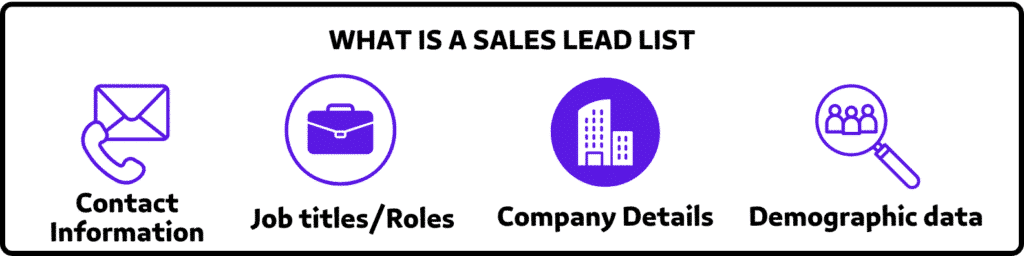
Buying a list of "companies that ship freight" doesn't work. Half the contacts are wrong, the other half don't match your lanes or service type. Generic lead lists waste time and kill your sender reputation.
What works: ICP-based targeting. Build lists around company size, shipping volume, industries you serve, and roles that actually buy logistics services. At Cleverly, we handle this for clients so outreach hits qualified accounts from the start.
Long Follow-Up Cycles and Dropped Opportunities

Logistics deals take time. A prospect might be interested but not ready to switch vendors for 60 days. If you don't have a consistent follow-up system, those opportunities die.
Most companies do one or two follow-ups and give up. The reality? It takes 6 to 8 touchpoints to book a meeting in logistics. Cold email and LinkedIn outreach need to be part of a long-term cadence, not one-off blasts.
Over-Reliance on Referrals and Brokers
Referrals are great, but they're not predictable. If your entire pipeline depends on word of mouth or broker networks, you're one bad quarter away from revenue problems.
Outbound lead generation for logistics companies gives you control. You decide who to target, when to reach out, and how to scale. Referrals should complement your strategy, not replace it.
Slow Response Times Losing Winnable Deals
Here's an uncomfortable truth: in logistics, how fast you respond often matters more than how good your pitch is.
Across B2B companies, the average time from lead inquiry to first sales response is around 47 hours, nearly two days. Leads contacted within 5 minutes close at roughly 32%, compared to 12% for leads contacted after 24 hours or more, according to Optifai's 2026 benchmark study. That's not a small gap. That's the difference between a deal you win and one you never hear back on.
Logistics buyers aren't waiting around for a callback. If a shipper reaches out about capacity on a lane, they're often talking to two or three providers at once. The first one to respond with a real answer usually gets the meeting, and often the business.
The first-responder advantage is even bigger in logistics than most industries, because so much of the buying decision comes down to trust and reliability. Answering fast signals both.
What's usually broken: it's rarely a motivation problem. It's a routing problem. Leads sit in a shared inbox nobody checks consistently, or a notification goes to someone who's out on a sales call. Fixing this doesn't require new headcount. It requires:
- Instant lead alerts routed to whoever's available, not just one rep.
- A clear ownership rule so no lead sits unclaimed for more than an hour.
- A default first-touch template reps can send in under two minutes while they prep a fuller reply.
Speed doesn't replace a good pitch. But a great pitch delivered two days late loses to an average one delivered in five minutes.
Learn More: Proven & Scalable Methods to Increase Your B2B Sales Pipeline
How Cleverly Helps Logistics Companies Generate Qualified B2B Leads
You don't need more freight inquiries. You need qualified conversations with buyers who have volume, budget, and a reason to switch.
That's where we come in.
Cleverly is a lead generation agency that specializes in outbound for logistics companies. No mass marketing. No cheap leads. Just targeted outreach to the accounts that matter.
What We Do for Logistics Companies
- ICP-based targeting: We build lists around your lanes, freight types, and ideal customer profile. Supply chain managers, procurement heads, operations VPs.
- LinkedIn outreach: Direct access to decision makers at manufacturers, distributors, and shippers who need your services.
- Cold email campaigns: Tailored messaging around routes, capacity, cost optimization, and use cases specific to your niche.
- Cold calling: Our trained SDRs book 10 to 30 qualified appointments per month. Call scripts, data, and dialers included. Guaranteed results or we replace the rep.

Why Logistics Companies Choose Cleverly
- We focus on qualified pipeline, not volume. No tire kickers or one-off spot loads.
- Long-term growth strategy, not short-term spikes. We build consistent outreach systems that fill your calendar month after month.
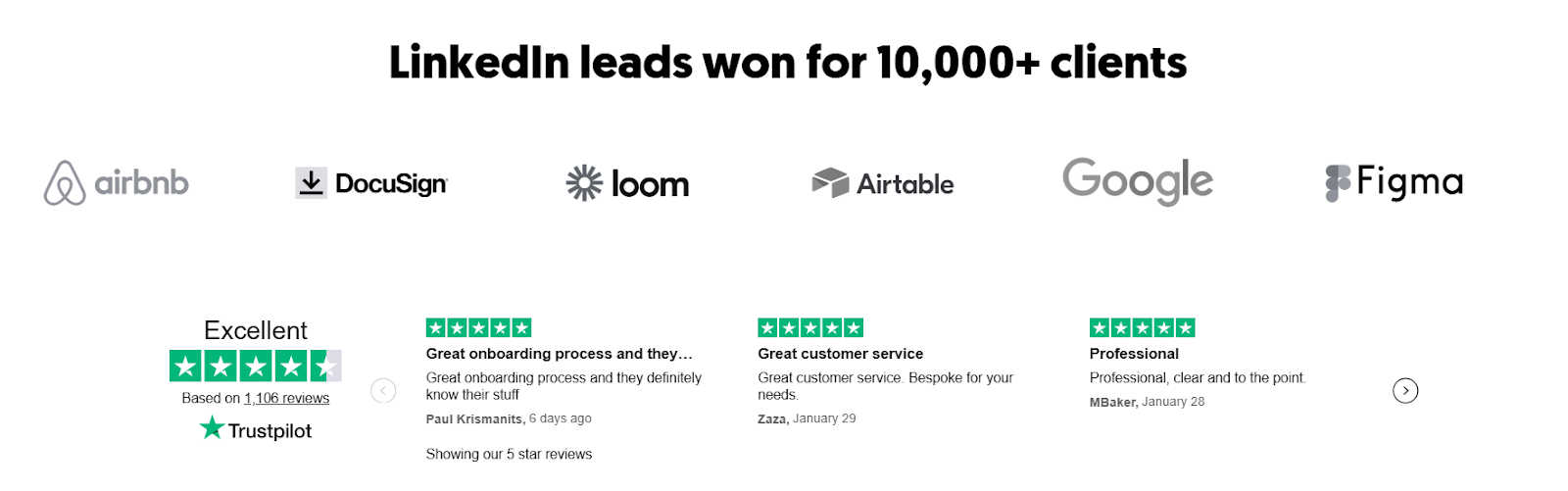
- Proven results: We've generated $312M in pipeline revenue for 10,000+ clients, including Amazon, Google, Uber, PayPal, and Slack.
✅ LinkedIn services start at just $397/month.
✅ Cold email: you only pay for meeting-ready leads we send you.
✅ Cold calling: half the cost of hiring in-house, with appointments guaranteed.

Ready to stop chasing cheap freight and start building a predictable logistics pipeline?
🚀 Let's talk.
Conclusion
Lead generation for logistics companies isn't about volume. It's about precision, trust, and showing up consistently with the right message to the right accounts.
Passive inbound strategies don't work in logistics. Buyers aren't searching for freight providers on Google. They're making decisions based on relationships, proof, and timing. That's why outbound works. LinkedIn outreach, cold email, and calling put you directly in front of supply chain leaders when they're evaluating options.
The logistics companies with predictable pipelines all do the same thing: they target high-fit accounts, lead with value instead of price, and follow up until the timing is right. One-off freight deals keep you busy. Contract-based partnerships grow your business.
If you're ready to stop chasing spot loads and start building a real pipeline, the strategies in this guide will get you there. And if you want help executing them, we're here.
Frequently Asked Questions
Free Resource
How to Scale a Profitable Cold Call System
Get the complete guide — download it instantly now.
Free Ebook
Download the Free Guide
Enter your details to get instant access.
You're all set! 🎉
Your ebook is downloading now.
Click below if the download didn't start automatically.


