Table of Contents
What Is MQL-to-SQL Conversion Rate?
MQL-to-SQL Conversion Rate Benchmarks
Why Is Your MQL-to-SQL Conversion Rate Underperforming?
How to Improve MQL-to-SQL Conversion Rate: 7 Proven Strategies
How to Structure the MQL-to-SQL Handoff Process
Tools to Help Improve MQL-to-SQL Conversion Rate
How a B2B Lead Generation Agency Can Improve Pipeline Quality
Conclusion
Frequently Asked Questions
Modified On :
July 15, 2026
Key Takeaways
- The cross-industry average MQL to SQL conversion rate is 13%, but B2B SaaS companies typically convert 18-22%, with top performers hitting 25-35%.
- A vague MQL definition is the single biggest reason conversion rates stay stuck below 15%. Fix the definition before you touch anything else.
- Speed matters more than most teams realize. Following up within an hour lifts conversion to 53%, while a 24-hour delay drops it to 17%.
- Behavioral lead scoring outperforms demographic-only scoring by a wide margin, with top performers hitting 39-40% when they weight intent signals correctly.
- Fixing MQL-to-SQL conversion is rarely a sales problem. It's usually a definition, speed, or channel-quality problem that shows up as a sales complaint.
The marketing team hits its lead targets every single month, and sales still says the leads are garbage. Both sides are right. Marketing generated the volume it promised. Sales just can't do anything with it.
This is exactly what MQL to SQL conversion measures, and it's quietly become one of the most telling health metrics in the funnel. The cross-industry average sits at 13%, while B2B SaaS companies average 18–22%, with top performers hitting 25–35%.
Companies that layer in behavioral ICP scoring push that even higher, with companies using behavioral ICP scoring achieving 39–40%. On the speed side, responding within 5 minutes makes you 100x more likely to convert compared to waiting 30 minutes.
This guide breaks down what a healthy rate actually looks like for B2B SaaS, why yours might be underperforming, and seven strategies that move the needle. It's written for marketing and revenue ops leaders who own pipeline quality, not just pipeline volume.
What Is MQL-to-SQL Conversion Rate?
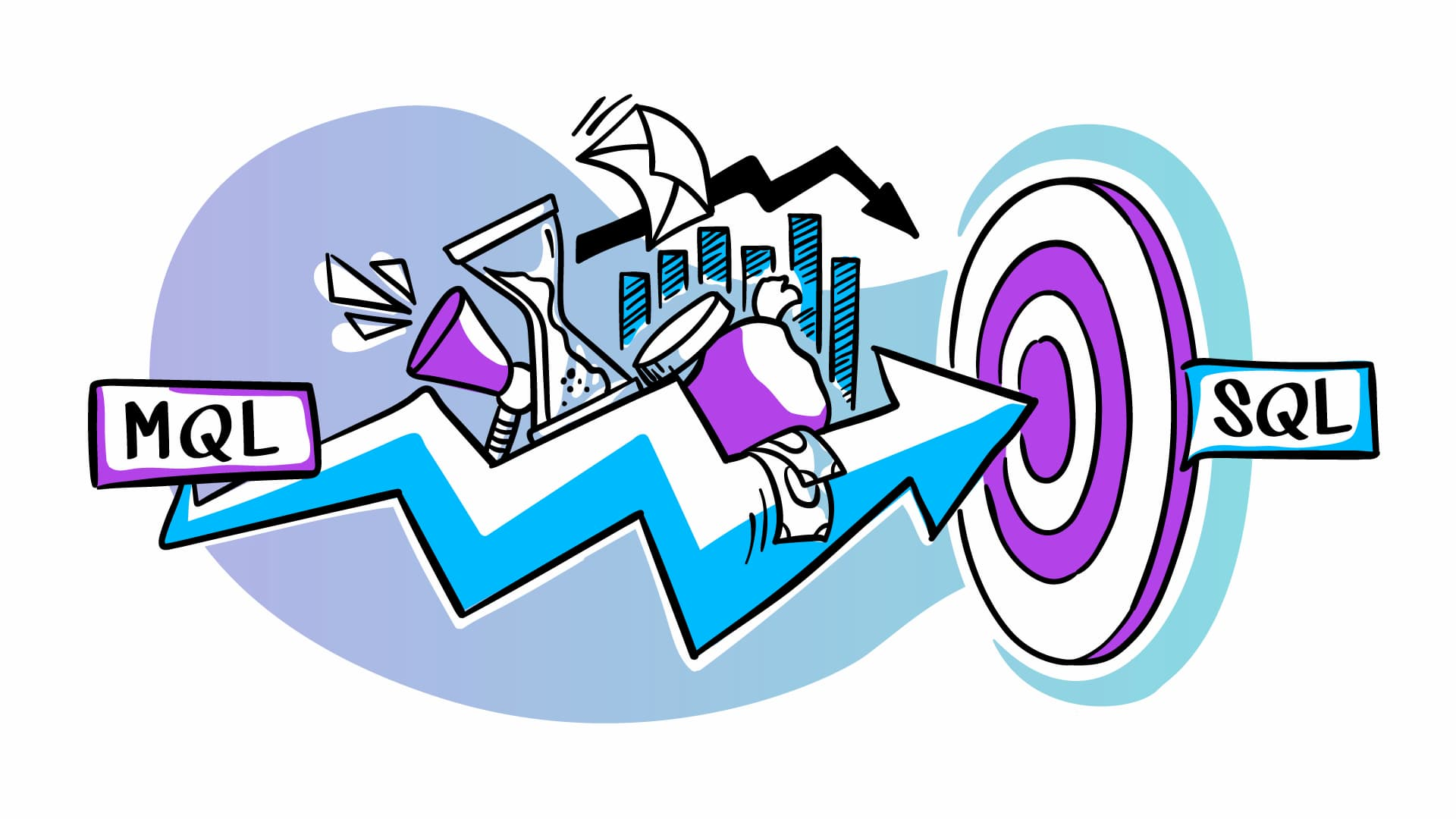
Before you can fix this number, you need both teams working from the same definitions. That's where most companies quietly go wrong.
A Marketing Qualified Lead (MQL) is a lead that meets marketing's threshold for handoff. That threshold can be based on behavior (downloaded a pricing sheet, visited your demo page), firmographic fit (right company size, right industry), or a combined score.
A Sales Qualified Lead (SQL) is a lead that sales has personally reviewed and accepted as worth pursuing, usually after a discovery call or a more direct qualification step.
The formula itself is simple:
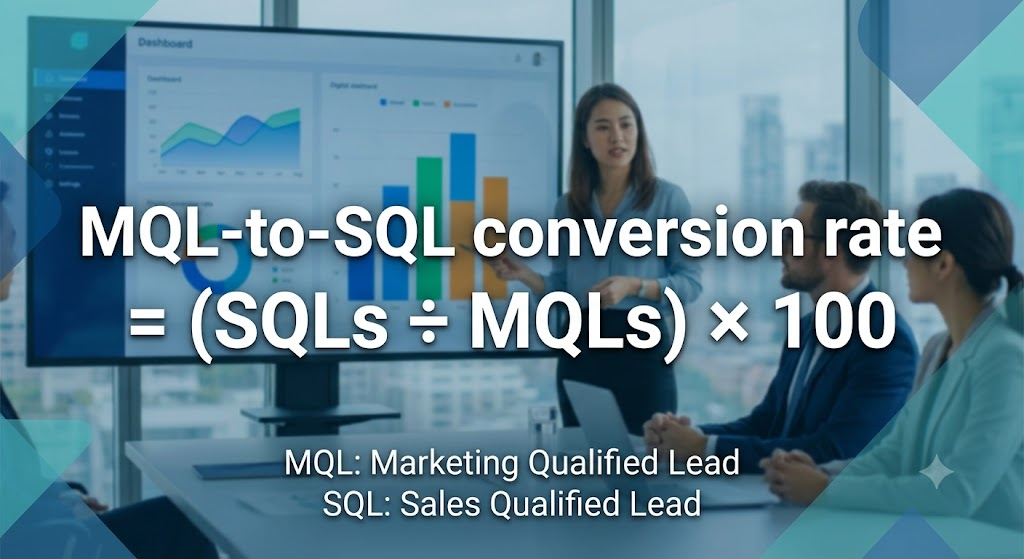
What's not simple is why the number matters so much. A five-point improvement in this rate can lift overall revenue by roughly 18%, which makes it one of the highest-leverage optimization points in the entire funnel.
Get 100 more MQLs and you might get 15 more SQLs. Fix your definition and scoring instead, and that same MQL pool can produce 30 more SQLs without spending another dollar on top-of-funnel.
One more thing worth internalizing: this metric never isolates one team's performance. A low rate can mean marketing is sending bad leads, or it can mean sales is rejecting good ones out of habit. You need to look at both sides before you diagnose the cause.
📈 More MQLs Mean Nothing Without More SQLs
We help B2B SaaS teams generate 15–30 qualified sales meetings every month with highly targeted outbound campaigns.
MQL-to-SQL Conversion Rate Benchmarks
SaaS consistently outperforms services, manufacturing, and professional services categories, largely because software buyers self-educate more before ever talking to sales.
Deal size shifts the number too. Mid-market SaaS deals typically land in the 18-25% range, while enterprise deals run lower at 8-15%, but produce far more revenue per converted lead because of contract size and multi-year value.
It's also worth noting that B2C models tend to outperform B2B, with rates in the 18-22% range compared to 13-15% for B2B, mostly because of shorter decision timelines.
What Is a Good MQL-to-SQL Conversion Rate for B2B SaaS?
If you're above 20%, you're in solid shape for a typical B2B SaaS motion. Cross 30% and that usually signals genuinely strong alignment between what marketing is targeting and what sales is willing to accept. Drop below 10%, and something structural is broken, whether that's a loose MQL definition, the wrong ICP entering the top of the funnel, or no real scoring model at all.
Use these numbers as context, not as a scoreboard. A company moving from 12% to 18% quarter over quarter is doing better work than a company sitting flat at 25%. Trend beats benchmark every time.
Why Is Your MQL-to-SQL Conversion Rate Underperforming?
Vague or Misaligned MQL Definition
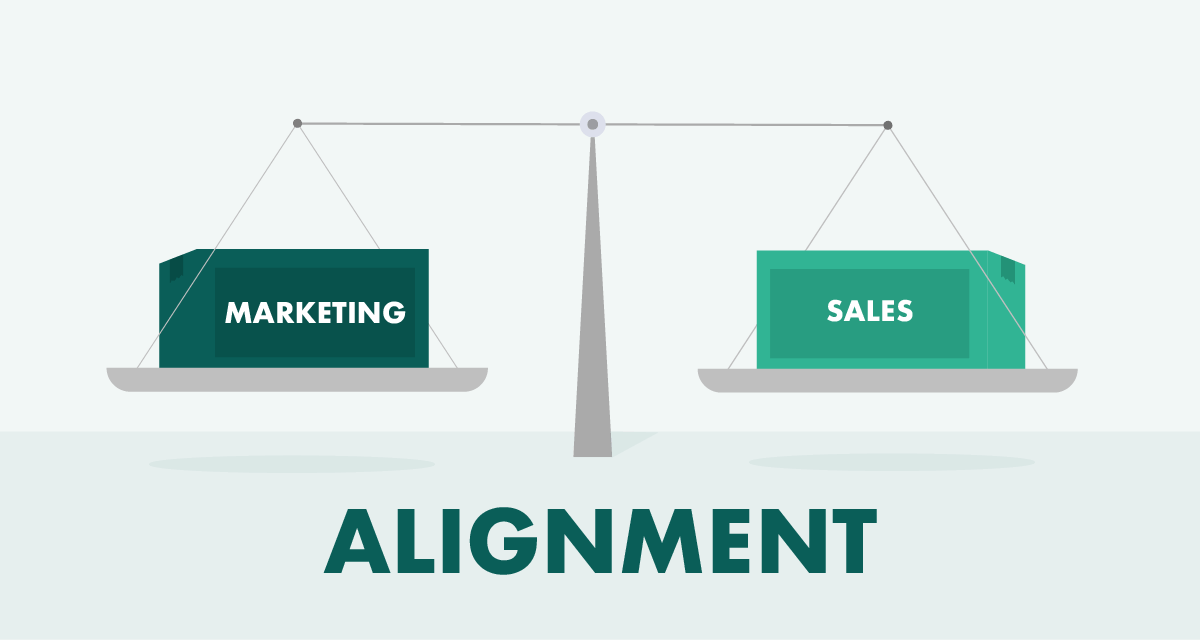
This is the root cause behind most bad rates, and it's rarely discussed directly because it requires an uncomfortable conversation between two departments. When marketing counts every form fill and email open as an MQL, and sales is expecting real purchase intent, every handoff becomes friction.
Sales rejects the lead. Marketing, with no feedback loop, keeps sending the exact same volume of low-quality leads next month. The cycle repeats until someone finally pulls the data and asks what "qualified" is actually supposed to mean.
No Lead Scoring Model (or a Broken One)
Without scoring, every MQL looks identical on paper, whether it's a decision-maker who just requested a demo or someone who clicked one blog link six months ago. Demographic-only scoring (title, company size) catches fit but completely misses intent. And even scoring models that were built correctly go stale fast if nobody revisits them as your ICP shifts.
Slow Lead Follow-Up Speed
This is the most underrated lever in the entire funnel, and it's also the cheapest to fix. Following up within an hour lifts SQL conversion to 53%. Wait 24 hours, and that number falls to 17%. Leads contacted within 5 minutes convert at rates up to 100x higher than leads contacted after 30 minutes. If your reps are working leads in batches once a day, this alone could be your biggest leak.
Wrong ICP Targeting at the Top of Funnel
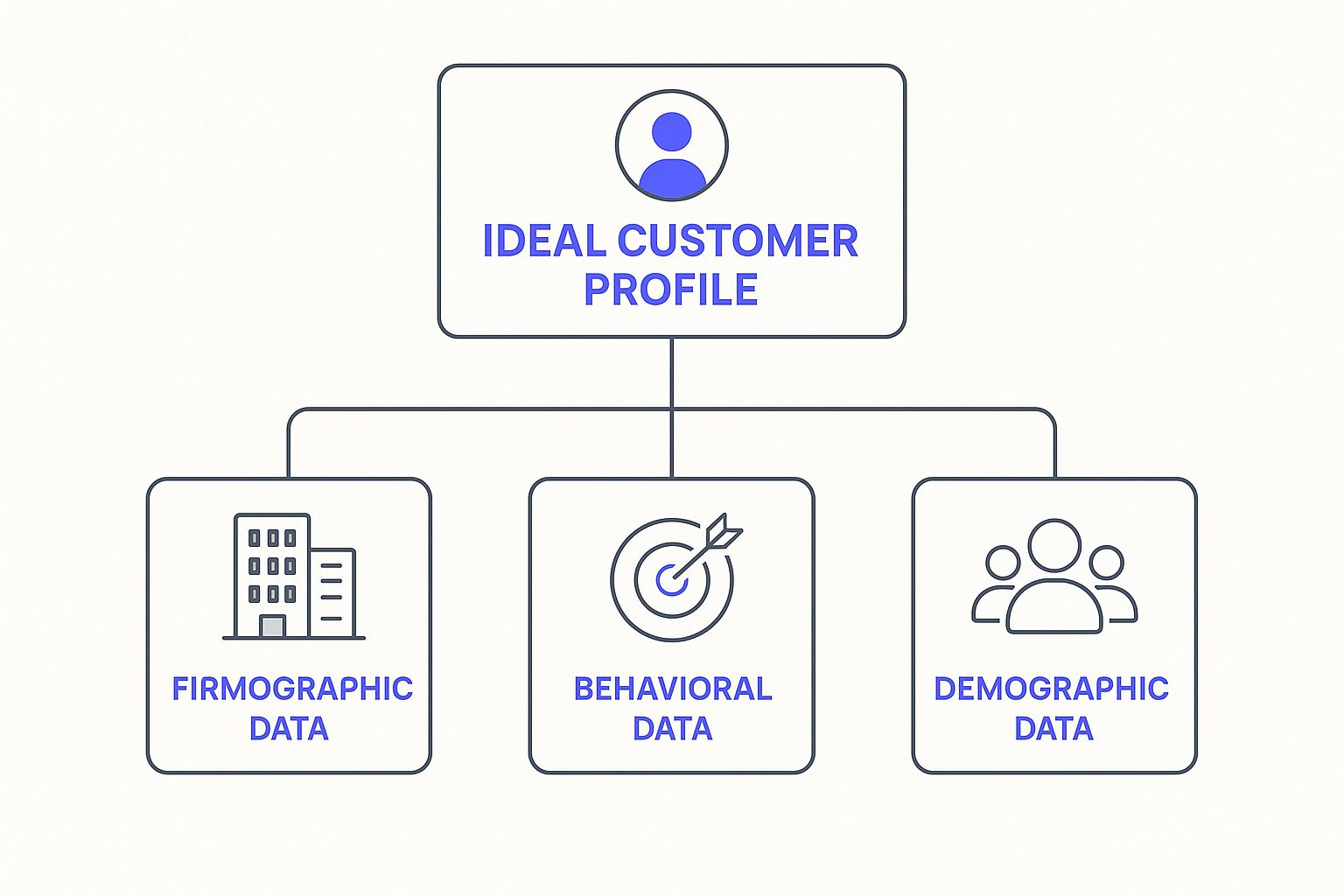
No scoring model, no matter how sophisticated, fixes an audience problem. If your ads, gated content, or organic strategy is pulling in the wrong persona or wrong company size, your MQL-to-SQL problem actually started at the awareness stage, long before anyone touched a scoring rubric.
No Product Usage or Intent Signals
If you're running a PLG or freemium motion and ignoring in-product behavior, you're leaving your strongest signal on the table. A free user who invites three teammates and logs in daily is a dramatically stronger SQL candidate than a cold form fill from someone who downloaded one whitepaper. Intent data providers like 6sense and Bombora, plus internal PQL signals, remain some of the most underused conversion levers in B2B SaaS today.
🚀 Stop Filling Your CRM With Leads That Never Convert
With 53,000+ meetings booked and $312M+ in pipeline generated, Cleverly helps you attract prospects your sales team actually wants to talk to.
How to Improve MQL-to-SQL Conversion Rate: 7 Proven Strategies
Now let’s understand how can you improve MQL-to-SQL conversion rate
1. Fix Your MQL Definition First
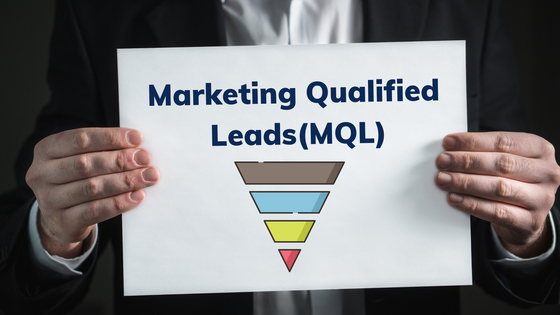
Get marketing and sales in the same room and agree, in writing, on what "ready for sales" actually means. Build a shared rubric that combines firmographic fit (company size, industry, geography) with behavioral signals (pages visited, content downloaded, demo requested). Put it in an SLA document and revisit it every quarter, not once and forget it.
Quick win: pull your last 50 closed-won SQLs and reverse-engineer what they had in common at the MQL stage. That pattern is usually more useful than any theoretical scoring model.
2. Build a Behavioral Lead Scoring Model
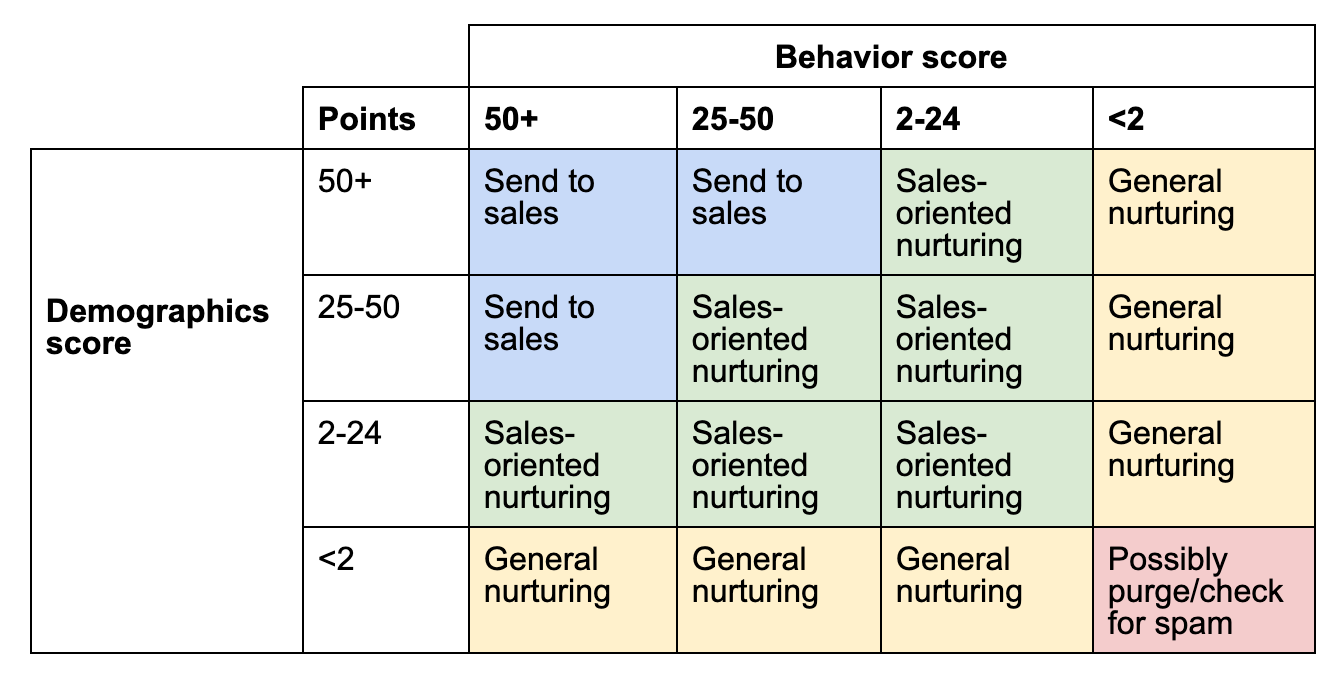
Weight the high-intent actions heavily, things like demo requests, pricing page visits, free trial signups, and repeat visits within a short window. Weight low-intent actions like blog reads or a single email open close to zero. Layer this on top of a firmographic baseline so you're scoring fit and intent together, not one or the other.
Tools like HubSpot, Marketo, 6sense, and Clearbit can enrich this in real time. The goal is straightforward: surface the top 20% of MQLs that are quietly producing 80% of your SQL conversions.
3. Prioritize Speed-to-Lead
Set a real internal SLA. Sales contacts every MQL within one hour of handoff during business hours, no exceptions. Use lead routing tools like LeanData or Chili Piper so leads aren't sitting in a manual assignment queue.
For inbound leads specifically, instant booking links remove the back-and-forth entirely and shrink the time-to-contact window to near zero. Track speed-to-first-contact in your CRM as its own metric, right alongside conversion rate.

4. Use Product Usage and PQL Signals
For SaaS companies with any kind of trial or freemium motion, connect your product analytics tool (Mixpanel, Amplitude, Heap) directly to your CRM. Flag high-intent behaviors like team invites, feature activations, and daily usage as score boosters.
Define a clear Product Qualified Lead (PQL) threshold, and route anyone who crosses it to sales immediately, bypassing your standard MQL scoring path entirely.
5. Segment MQLs by ICP Tier and Personalize Outreach
Not every MQL deserves equal sales attention.
- Tier 1 (strong fit + high intent): immediate, personal outreach from an AE
- Tier 2 (moderate fit or intent): SDR sequence with genuinely personalized messaging
- Tier 3 (low fit or early intent): nurture sequence, don't hand off to sales yet
Tiering stops sales from burning hours on low-probability leads, and it noticeably improves your SQL acceptance rate because reps aren't wading through noise to find the real opportunities.
6. Audit Lead Channel Performance by SQL Conversion, Not Volume
Different channels convert at wildly different rates, and volume alone hides that. SEO-sourced leads tend to convert around 51%, email around 46%, branded paid search 30-40%, LinkedIn Ads 18-28%, and non-branded paid search 15-26%.
If you're only measuring cost per lead, you're optimizing for the wrong output. Set up offline conversion tracking so your ad platforms start optimizing toward SQL-likely behavior instead of just form fills, and reallocate budget toward the channels actually producing SQLs.
7. Close the Loop Between Sales and Marketing
Give sales a simple, standardized way to flag rejected MQLs with a reason, things like "not ICP," "wrong title," "low intent," or "competitor." Marketing should review those rejection reasons weekly, not quarterly, and adjust scoring and targeting in response. Run a monthly pipeline review where both teams look at which sources actually produced SQLs and closed revenue. This feedback loop is the real difference between teams stuck at 10-13% and teams consistently hitting 30%+.
How to Structure the MQL-to-SQL Handoff Process
Define the Handoff SLA
Document the exact moment a lead becomes an MQL, whether that's a score threshold or a specific trigger action like a demo request. Set a clear SLA for how quickly sales must review and accept or reject the lead after handoff, and build in escalation rules for what happens if that window is missed.
Build a Lead Routing System
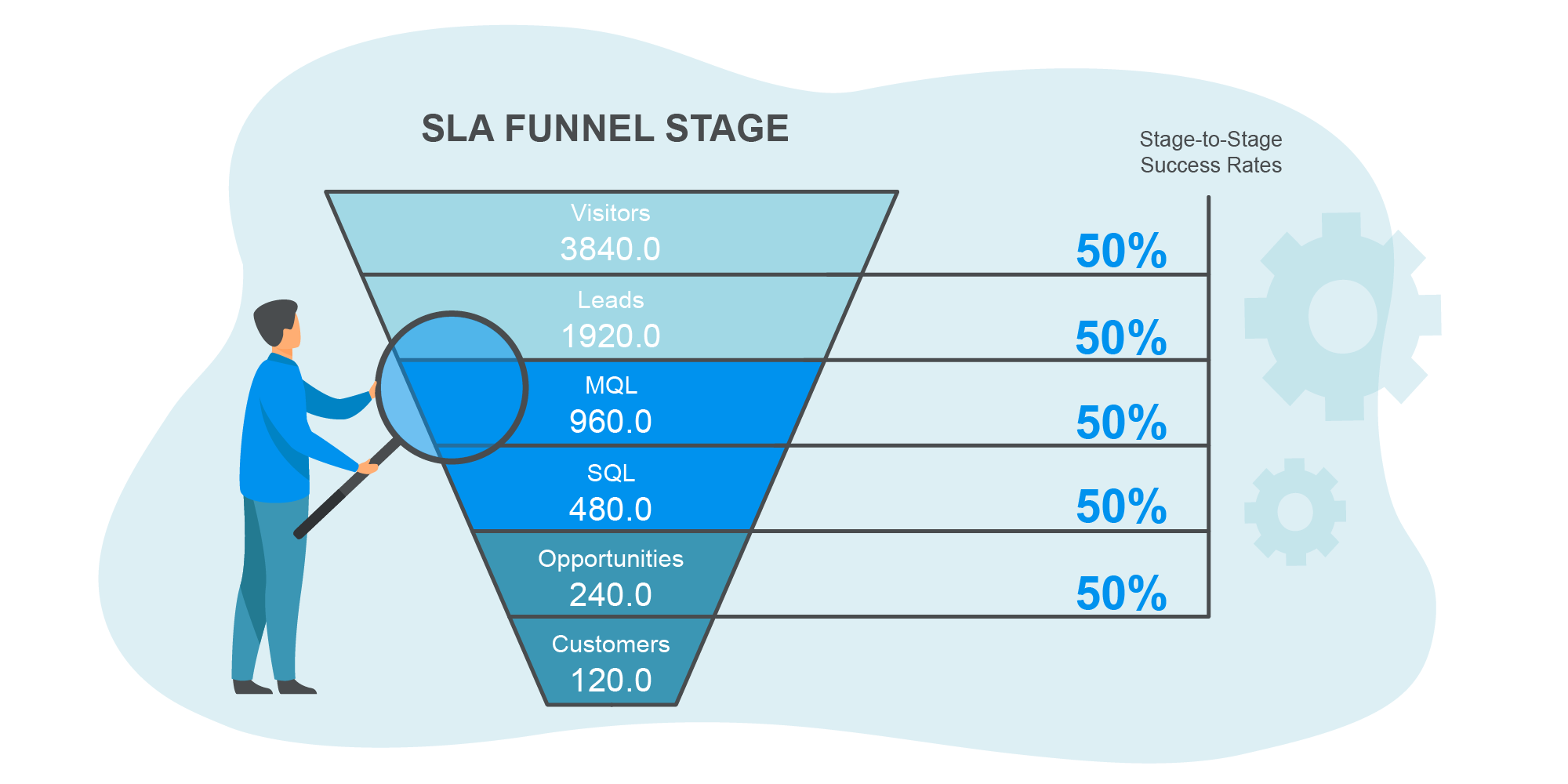
Route leads automatically by territory, industry, deal size, or existing account ownership so they land with the right rep immediately. Manual queues introduce delay every single time, and delay is what kills conversion. Lead routing tools like LeanData, Chili Piper, Salesforce assignment rules, and HubSpot workflows all handle this well.
Create a Shared Feedback Loop
Use a short, standardized reject-reason taxonomy in your CRM, ideally 5-7 options sales can select from without typing free text. Marketing reviews rejected leads weekly to catch patterns before they compound. Run a quarterly SLA review where both teams revisit the MQL definition, scoring weights, and channel mix together.
Tools to Help Improve MQL-to-SQL Conversion Rate
Worth repeating: tools amplify a process that already works. They don't fix a broken MQL definition or a sales team that isn't following up fast enough. Fix the fundamentals first, then layer in the tooling.
How a B2B Lead Generation Agency Can Improve Pipeline Quality
For a lean revenue ops team already juggling active pipeline targets, fixing MQL-to-SQL conversion internally often gets deprioritized in favor of whatever's on fire that week. That's usually where we come in.
We built Cleverly around a simple idea: the leads entering your pipeline should already be vetted against your ICP before a single sales call happens. Instead of generating volume and hoping your scoring model catches the good ones, our LinkedIn outreach, cold email, and cold calling services target decision-makers who already match your ideal customer profile, so the qualification work starts before the handoff, not after.
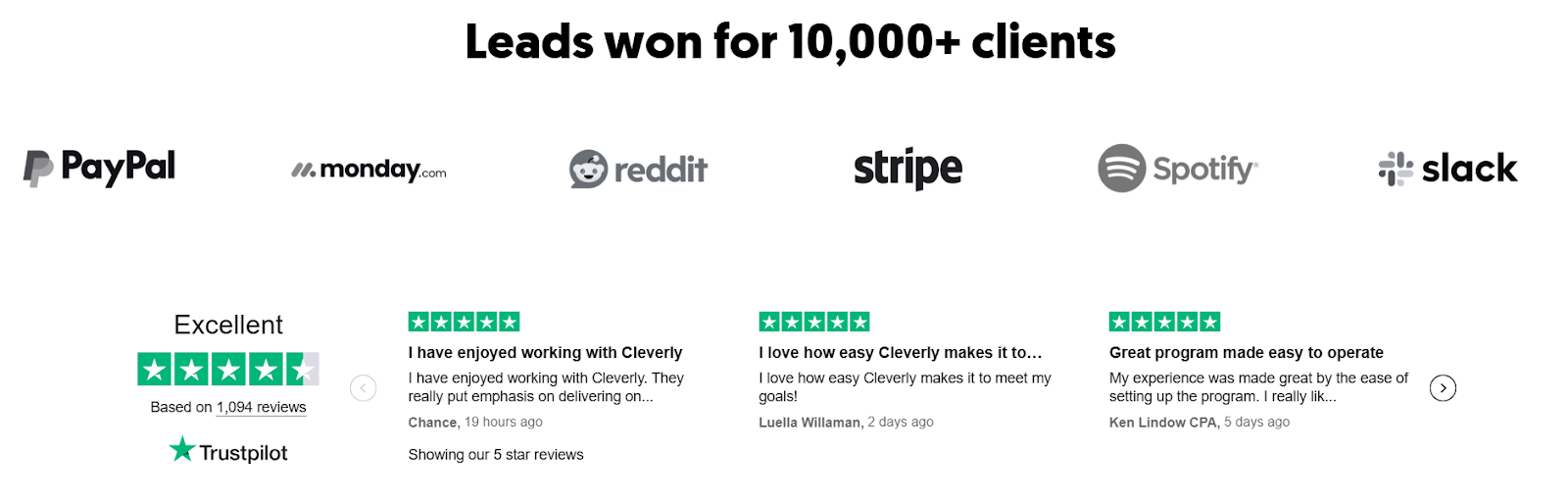
We've run this playbook across 10,000+ clients, including companies like Amazon, Google, and PayPal, and it's generated $312M in pipeline and $51.2M in closed revenue for the businesses we work with.
For teams that want a better MQL-to-SQL rate without rebuilding their entire marketing stack, outsourcing the top of funnel to a partner that already does this daily is often the fastest way to see the number move. LinkedIn lead generation starts at $397/month with no long-term contract.
🤝 Learn how Cleverly helps B2B SaaS teams build and convert a higher-quality pipeline →
Conclusion
Improving your MQL to SQL conversion rate was never going to come down to one single fix. It's the combination of a tighter definition, smarter scoring, faster follow-up, and a real feedback loop between sales and marketing that actually gets revisited instead of ignored after the first meeting.
The teams consistently landing in the 25-35% range don't have better luck. They just agreed on what "qualified" means, and they keep updating that agreement as their business changes.
If you're not sure where your leak is, start small. Audit your current MQL criteria this week and run a 90-day experiment on scoring and speed-to-lead. The data will tell you exactly where the gap is, and it's usually somewhere much simpler than teams expect.
Frequently Asked Questions
Free Resource
How to Scale a Profitable Cold Call System
Get the complete guide — download it instantly now.

Free Ebook
Download the Free Guide
Enter your details to get instant access.
You're all set! 🎉
Your ebook is downloading now.
Click below if the download didn't start automatically.