

Table of Contents
What Is Targeted Lead Generation?
Why Traditional Lead Generation Falls Short
Core Elements of Effective Targeted Lead Generation
How to Generate Targeted Leads (Step-by-Step)
Benefits of Targeted Lead Generation for Service-Based Businesses
Targeted Lead Generation vs High-Volume Outreach
Common Mistakes Teams Make With Targeted Lead Generation
How Cleverly Executes Precision-Targeted Outreach
Conclusion
Frequently Asked Question
Modified On :
August 19, 2026
Key Takeaways
- Targeted lead generation prioritizes quality over quantity, focusing on prospects who match your ICP instead of mass outreach.
- Precision outreach delivers higher response rates, better meeting quality, and faster sales cycles compared to spray-and-pray tactics.
- Success requires clear ICP definition, verified data, personalized messaging, and multi-channel sequencing.
- Qualify leads before handing them to sales to protect your team's time and keep your pipeline clean.
- The benefits of targeted lead generation compound over time as you refine your approach and improve conversion rates.
- Teams that focus on relevance instead of volume win in competitive B2B markets.
Not all leads are created equal. You can have a list of 10,000 contacts or a list of 100 that actually match your ideal customer profile. Guess which one closes more deals?
Targeted lead generation isn't about casting the widest net. It's about casting the right one. When you focus on precision over volume, everything changes.
Your response rates go up. Your sales conversations get better. Your team stops wasting time on prospects who were never going to buy.
We've seen this play out across thousands of campaigns. The companies winning at B2B sales aren't the ones sending generic pitches to everyone with a pulse. They're the ones doing the hard work upfront to identify, research, and reach the exact people who need what they're selling.
In this guide, we're breaking down how targeted lead generation works, why it outperforms spray-and-pray tactics, and how to build a system that fills your pipeline with qualified opportunities instead of dead-end conversations.
What Is Targeted Lead Generation?
Targeted lead generation is the process of identifying and reaching out to prospects who closely match your ideal customer profile.
Instead of buying massive contact lists and hoping something sticks, you're focusing on the specific companies, roles, and decision-makers most likely to need your solution.
The core of targeted lead generation comes down to three things: relevance, ICP fit, and intent.
You're not just looking for anyone who might buy. You're looking for people who have the problem you solve, the budget to fix it, and the authority to make it happen.
Why Targeted Leads Convert Better
When you focus on precision, your entire sales process improves:
- Higher engagement rates because your message actually resonates.
- Shorter sales cycles because you're talking to the right people from day one.
- Better close rates because prospects already fit your success profile.
- Less wasted effort on prospects who were never going to convert.
Targeted lead generation treats your outreach like a scalpel, not a sledgehammer. And that's exactly why it works.
Also Check: Sales-Ready Leads in B2B - Real Definition & Practical Guide
🛒 Turn Buyer Intent Into Booked Calls
Cleverly uses LinkedIn outreach, pay-per-meeting cold email, and guaranteed cold calling to engage ecommerce decision-makers who are already in buying mode.
Why Traditional Lead Generation Falls Short
Most B2B teams are still running outreach like it's 2015. They buy a list, blast thousands of emails, and wonder why their pipeline is full of unqualified noise.
Here's what happens when you prioritize volume over precision:
The Spray-and-Pray Problem
Traditional lead gen operates on a simple assumption: send enough messages and something will work.
But in reality, generic outreach just burns your domain reputation and annoys people who were never a fit in the first place.
When you don't generate targeted leads, you end up with:
- Response rates under 1% because your message isn't relevant.
- Meetings that go nowhere because the prospect doesn't match your ICP.
- Sales reps chasing deals that will never close instead of focusing on real opportunities.
- Long sales cycles filled with tire-kickers and window shoppers
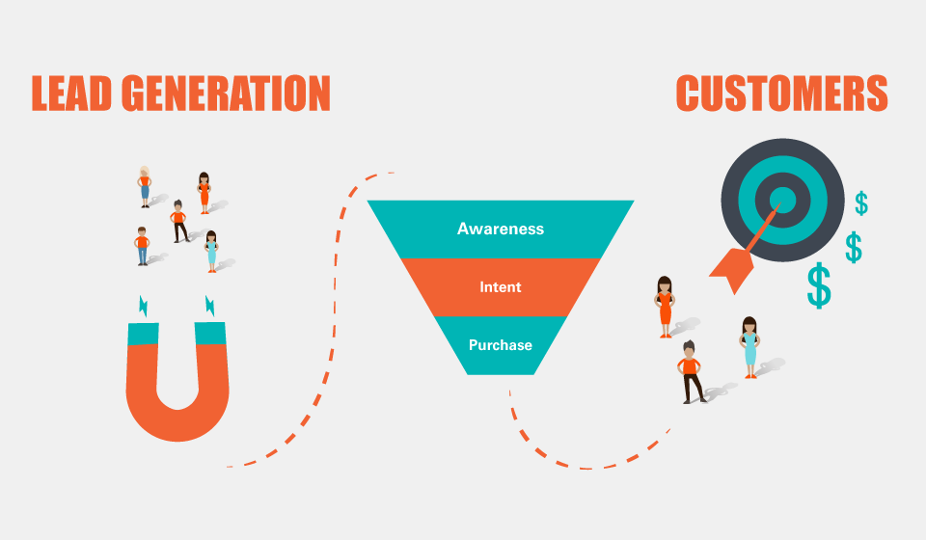
Wasted Time, Wasted Resources
Your SDR team isn't cheap. Neither is your sales team's time. When you're working from broad, unqualified lists, most of their effort goes into dead ends.
They're booking calls with:
- Companies too small to afford your solution
- Decision-makers who don't own the problem you solve
- Prospects in industries where your product doesn't fit
- People who clicked reply just to ask you to stop emailing them
That's not pipeline. That's noise.
Why Volume Tactics Don't Work Anymore
Competitive B2B markets have changed. Buyers are getting 50+ cold emails a week. They ignore anything that feels mass-produced. And if your outreach looks like everyone else's, you've already lost.
To generate targeted leads that actually convert, you need a different approach. One built on research, relevance, and precision, not spray-and-pray volume.
Learn More: B2B Sales KPIs Every Revenue Team Should Track
Core Elements of Effective Targeted Lead Generation
If you want targeted lead generation to actually work, you need to get the foundation right. Here's what separates precision outreach from guesswork:
1. Ideal Customer Profile (ICP) Definition
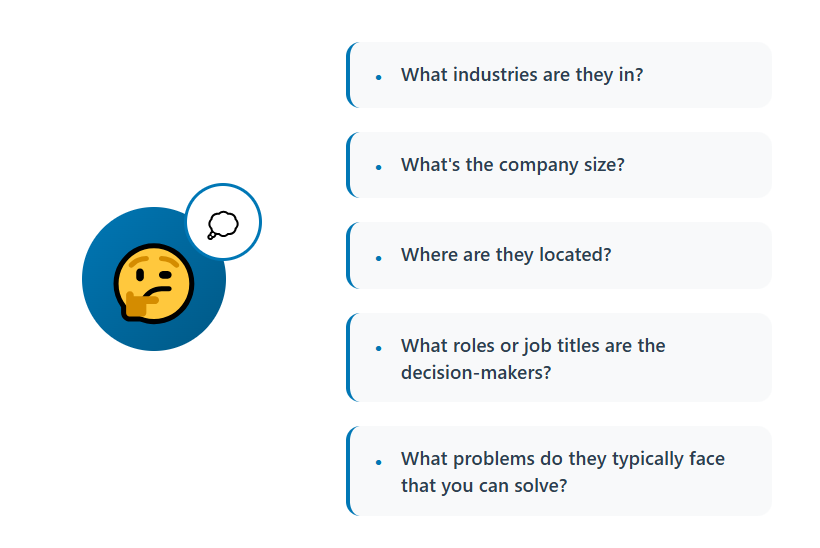
Your ICP is the blueprint for who you should be targeting. It answers questions like:
- What company size generates the best ROI?
- Which industries see the fastest time-to-value?
- What tech stack or triggers indicate buying intent?
- Which geographies convert at the highest rate?
Without a clear ICP, you're just guessing. With one, every lead you pursue has a reason to be there.
2. Buyer Persona and Role Clarity
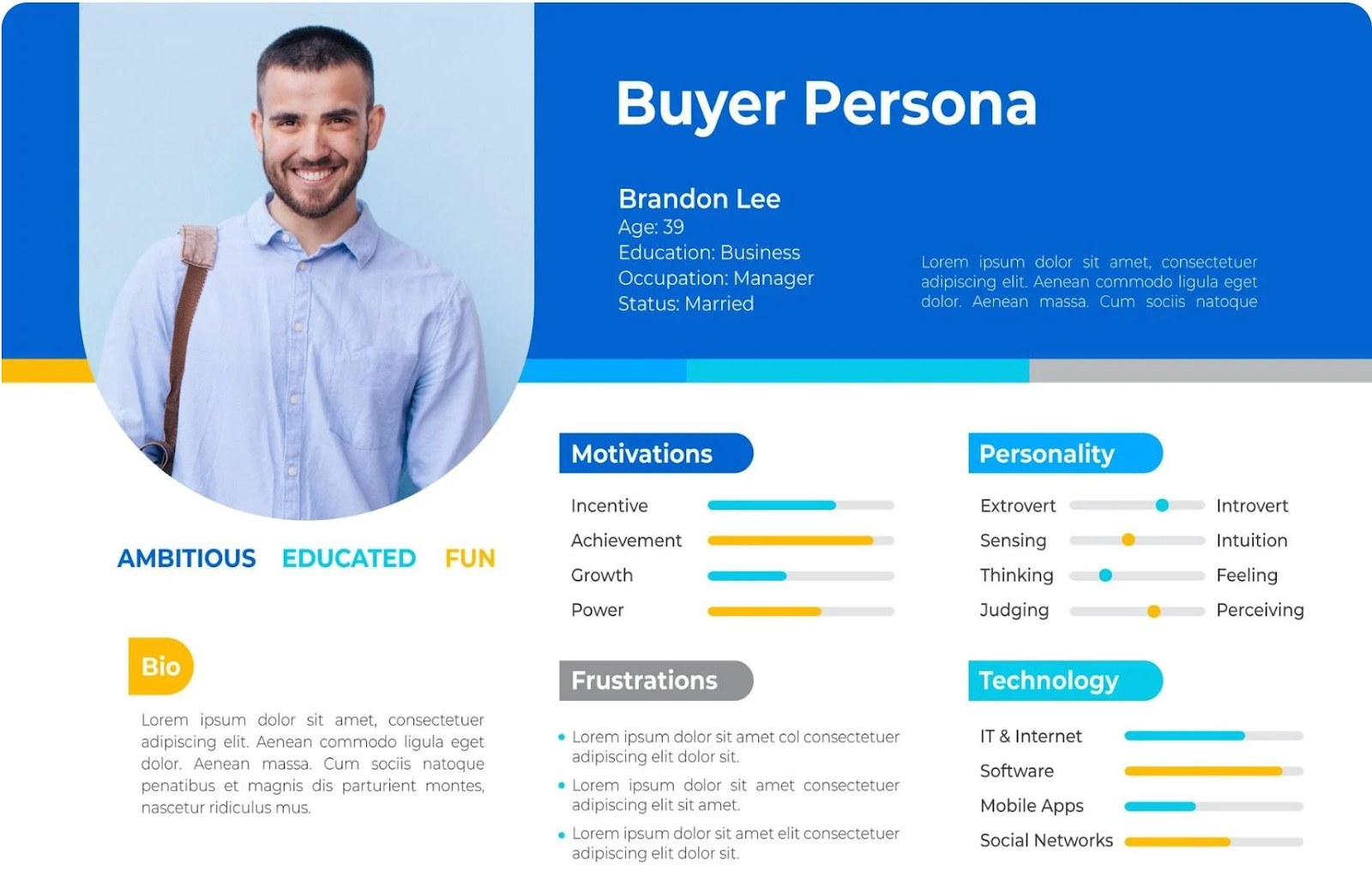
Knowing the company isn't enough. You need to know who inside that company has the problem, the budget, and the authority to solve it.
Your persona should define:
- Job titles and seniority levels
- Pain points specific to their role
- What success looks like for them
- How they prefer to be contacted
Targeted lead generation works because you're speaking directly to the person who cares, not just anyone with an email address.
More on This: How to Build High-Converting B2B Buyer Personas That Drive Revenue
3. Account-Level vs Contact-Level Targeting
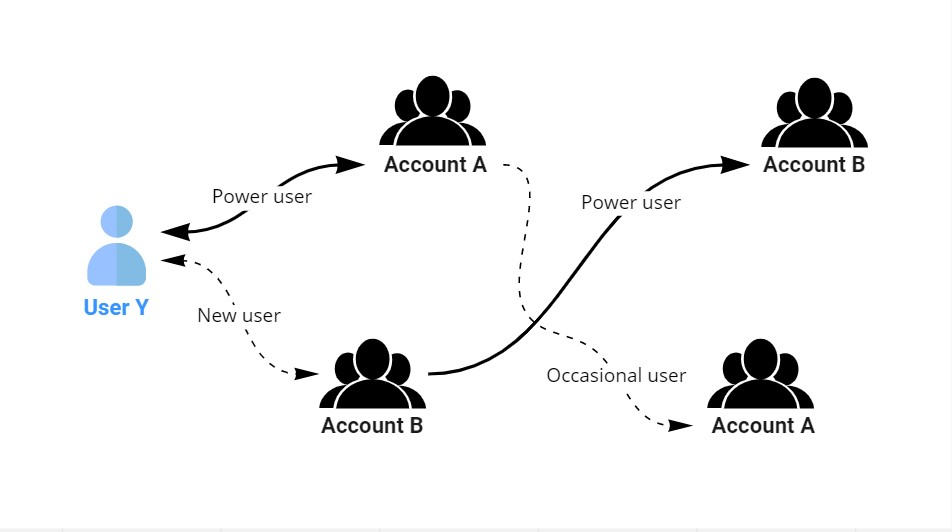
There's a difference between finding the right company and finding the right person at that company.
- Account-level targeting: Identifies companies that fit your ICP
- Contact-level targeting: Finds the specific decision-makers within those accounts
Both matter. You can't close a deal with a company. You close it with a person.
Related: Account Based Experience (ABX) Guide for B2B Growth Teams
4. Data Accuracy and Enrichment
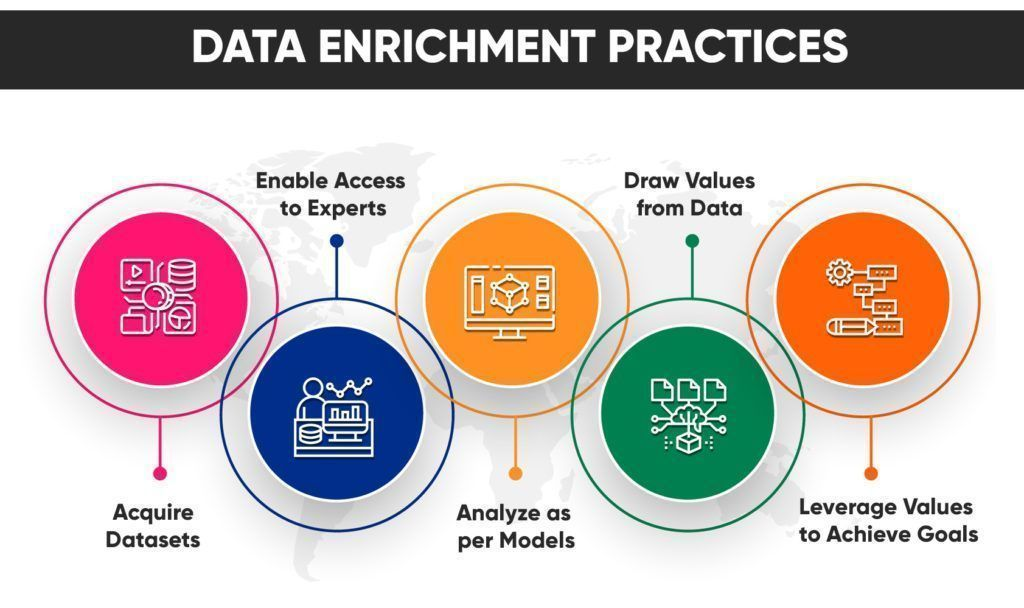
Bad data kills campaigns. If your contact info is outdated, your emails bounce. If job titles are wrong, your message lands in the wrong inbox.
Good targeted lead generation requires:
- Verified email addresses and phone numbers
- Up-to-date job titles and company info
- Enriched data like tech stack, funding, and hiring signals
- Regular list cleaning and validation
Tools that Help: Data Enrichment Tools to Boost Lead Generation
5. Message Relevance and Timing
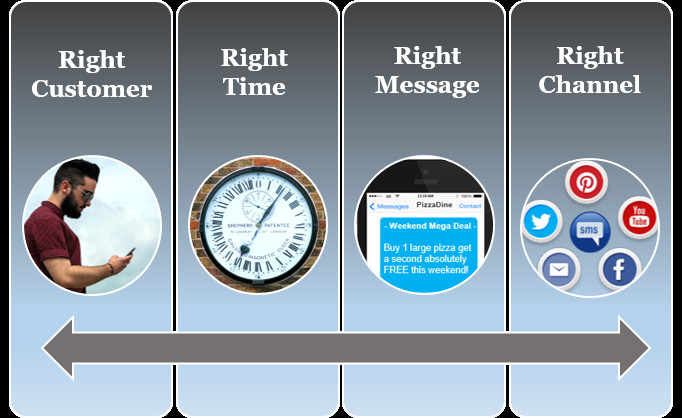
Even the perfect prospect will ignore you if your message isn't relevant or your timing is off.
Your outreach should:
- Reference specific pain points for their role or industry.
- Tie into recent company news, hiring, or growth signals.
- Offer value upfront instead of asking for time immediately.
- Hit their inbox when they're actually thinking about the problem you solve.
Get these five elements right, and you're not just generating leads. You're generating targeted leads that actually want to talk to you.
6. Sizing Your Total Addressable Market (TAM) Before You Narrow
Your ICP tells you who to target. Your Total Addressable Market (TAM) tells you how many of those companies actually exist.
These get confused constantly, but they answer different questions. ICP is a filter. TAM is a count. If your ICP is "Series B fintech companies with 50-200 employees using Stripe," your TAM is the actual number of companies on earth that meet all three of those criteria right now.
Here's why that number matters more than most teams realize:
TAM protects you from over-narrowing. It's easy to keep adding filters to your ICP until it feels perfectly precise. Perfect fit sounds great until you check the math and realize your filters have quietly shrunk your total market down to 40 companies. At that point, precision has become a liability. You'll burn through your entire addressable market in a single quarter with nothing left to expand into.
Estimating your TAM doesn't require guesswork. You can build it top-down (start with total market size, then apply your ICP filters to narrow it) or bottom-up (count actual companies matching your criteria using firmographic databases and LinkedIn Sales Navigator, then extrapolate). Bottom-up tends to be more accurate for targeted lead generation because you're working from real accounts instead of industry-wide estimates.
Use TAM to set realistic pipeline targets. If your TAM is 3,000 accounts and you know 2-3% typically convert into a qualified opportunity in your category, you now have an honest ceiling on what your pipeline can produce this year, not a number your sales team invented in a planning meeting. This also tells you how aggressively you need to expand into adjacent segments to hit growth targets your current TAM can't support alone.
The goal isn't to have the biggest possible TAM. It's to know your real number before you start narrowing, so every filter you add afterward is a deliberate tradeoff instead of an accident.
7. Geographic Targeting for Targeted Lead Generation
Geography does double duty in targeted lead generation. Sometimes it's the headline filter. Sometimes it's a footnote you apply after everything else. Knowing which one applies to you changes how you build your list.
Geography as a primary filter makes sense when your product has hard regional constraints, like a solution that only integrates with a US-based payment processor, or a service licensed to operate in specific states or countries. In these cases, filter by geography first, then layer ICP criteria on top.
Geography as a secondary filter applies when your solution works globally but you're choosing to focus resources. Most B2B service and SaaS companies fall here. You're not geography-limited by product, you're geography-limited by go-to-market capacity, so you pick regions based on where your existing wins are concentrated.
A few practical considerations once you've made that call:
- Regional messaging and compliance differ more than most teams expect. Outreach into the EU means working around GDPR restrictions that don't apply in the US, and LinkedIn's own Message Ads can't target EU members at all because of those same rules. Cold calling into different countries carries different do-not-call and consent requirements. What's a compliant, standard cold email in the US can create real exposure in other regions.
- Time zones dictate your sequencing, not just your send times. A sequence tuned for East Coast inboxes will land at midnight for prospects in APAC. If you're running targeted lead generation across multiple regions, you need separate send windows and separate follow-up cadences, not one sequence stretched across every time zone.
- Localizing beats running one national campaign once you have enough volume in a region to justify it. Localized messaging that references regional industry events, local competitors, or region-specific pain points consistently outperforms generic copy translated (or worse, not translated) for a broad audience. If you're only running targeted lead generation in the USA for now, that's one campaign to manage. The moment you expand internationally, treat each region as its own mini-campaign with its own compliance review, not an extension of the one you already have running.
8. Segmentation Frameworks: Firmographic, Behavioral, and Intent-Based
Once you know which accounts and contacts fit your ICP, segmentation determines how you group and prioritize them. Three frameworks do most of the heavy lifting in B2B lead targeting, and the teams getting this right rarely rely on just one.
Firmographic segmentation groups accounts by structural traits: industry, employee count, revenue band, and funding stage. It's the fastest way to answer "does this company look like our best customers." It's also purely static. It tells you fit, not timing.
Behavioral segmentation looks at what a prospect actually does: which pages they visit on your site, which emails they open, whether they've engaged with your content before. This is where past interaction history lives, and it's especially useful for re-engaging prospects who went quiet instead of treating them as cold contacts again.
Intent-based segmentation tracks active buying signals, meaning a company is currently researching solutions like yours, even if they've never visited your site or opened an email from you. Third-party intent data can surface this kind of in-market activity before a prospect ever raises their hand.
Here's why this matters for sequencing: research shows B2B buyers complete roughly 70% of their purchase journey before ever talking to a vendor. If you're only using firmographic filters, you have no idea where a company sits in that journey. Layering in behavioral and intent signals is what tells you whether an account is worth reaching out to this week versus three months from now.
Combining segment types consistently outperforms using just one. Firmographic data tells you a company could be a fit. Intent data tells you they're actively looking. Behavioral data tells you how they've responded to you specifically. Used together, they let you prioritize your outreach queue instead of treating every ICP-matched account with the same urgency.
🚀 High-Intent Leads, Done For You
10,000+ companies trust Cleverly to convert email, LinkedIn, and phone outreach into sales-ready meetings and real pipeline.
How to Generate Targeted Leads (Step-by-Step)
Ready to build a system that consistently delivers qualified pipeline? Here's exactly how to generate targeted leads that turn into real revenue.
Step 1: Define Your ICP and Deal Qualification Criteria
Start by getting crystal clear on who you're targeting.
Document:
- Company size (revenue, employee count)
- Industry verticals that convert best
- Geographic focus
- Tech stack or tools they use
- Funding stage or growth signals
Then define what makes a lead qualified:
- Budget range they need to fit
- Decision-making authority
- Timeline to purchase
- Pain point severity
This becomes your filter for everything that follows.
Step 2: Identify High-Intent Accounts and Decision-Makers
Once you know your ICP, find companies showing buying signals:
- Recent funding announcements
- New executive hires
- Job postings for relevant roles
- Technology changes or migrations
- Company growth or expansion news
Then identify the specific people within those accounts:
- Who owns the problem you solve?
- Who controls the budget?
- Who influences the buying decision?
Step 3: Build Clean, Verified Lead Lists
Don't skip data quality. Bad lists kill campaigns. Your list-building process should include:
- Verified contact information (email, phone, LinkedIn)
- Accurate job titles and roles so you're reaching the right person
- Enriched firmographic data like company size, tech stack, and revenue
- Regular data validation to remove bounces and outdated contacts
Quality over quantity. Always.
Step 4: Choose the Right Outreach Channels
Different buyers prefer different channels. To generate targeted leads effectively, use a multi-channel approach:
- LinkedIn outreach for relationship-building and visibility
- Cold email for scalable, personalized messaging
- Cold calling for high-value accounts that need a human touch
The best campaigns use all three in coordination, not isolation.
Step 5: Personalize Messaging Around Real Pain Points
Generic templates don't work anymore. Your messaging needs to prove you understand their world.
Personalize based on:
- Their role-specific challenges
- Industry trends affecting their business
- Recent company news or changes
- Competitors they're likely evaluating
Make it about them, not you.
Step 6: Sequence Follow-Ups Intelligently
One message won't cut it. But 10 generic messages won't either. Build sequences that:
- Space touches strategically (don't spam, but stay visible)
- Vary your approach (email, LinkedIn, call, video)
- Add value in each message instead of just asking again
- Reference previous attempts to show persistence, not desperation
Most responses come between touches 3-7. Don't give up early.
Step 7: Qualify Responses Before Handing to Sales
Not every reply is a real opportunity. Qualify before you book the meeting. Ask questions that reveal:
- Do they fit your ICP criteria?
- Is there a real problem and timeline?
- Do they have budget and authority?
- Are they evaluating other solutions?
This step protects your sales team's time and keeps your pipeline clean.
Follow this process consistently, and you'll generate targeted leads that actually move through your funnel instead of clogging it up.
Benefits of Targeted Lead Generation for Service-Based Businesses
If you're selling services, every conversation matters. You can't afford to waste time on prospects who won't close or clients who churn in 90 days.
That's exactly why the benefits of targeted lead generation for service-based businesses are so significant.
What changes when you prioritize precision over volume:
Higher Conversion Rates
When you're only reaching out to prospects who actually fit your ICP, more of them say yes.
Targeted lead generation improves conversion at every stage:
- Higher email response rates because your message is relevant.
- More discovery calls that turn into proposals.
- Better proposal-to-close ratios because you're pitching the right people.
You're not convincing people they have a problem. You're reaching people who already know they do.
Shorter Sales Cycles
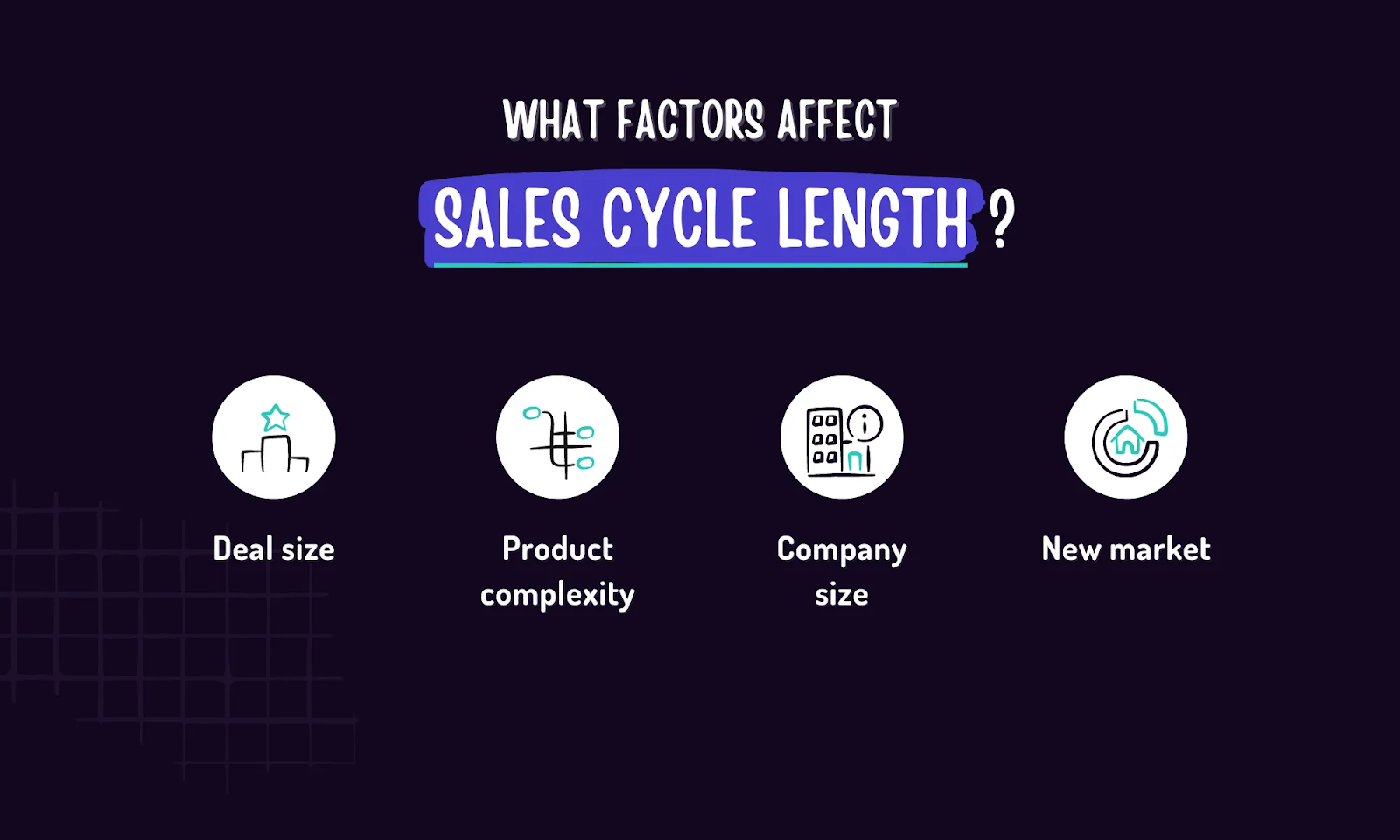
Generic leads take forever to close because they need more education, more convincing, and more internal selling.
Targeted leads move faster because:
- They already understand the problem you solve
- They have the authority and budget to make decisions
- They're actively looking for a solution (or open to one)
Instead of 6-month sales cycles, you're closing deals in weeks.
Better Use of Sales Time

Your sales team's calendar shouldn't be full of calls that go nowhere. With targeted lead generation, your reps spend time on:
- Prospects who actually fit your service offering
- Conversations with real buying intent
- Accounts worth the effort to close
Less time qualifying out bad fits. More time closing real deals.
Higher Deal Values

When you target companies that match your ICP, they typically have bigger budgets and longer contract terms.
You're not racing to the bottom on price because:
- You're solving a real, expensive problem.
- You're talking to companies that can afford your solution.
- You're positioned as the expert, not a commodity.
Better clients pay better rates. Period.
Improved Client Fit and Retention
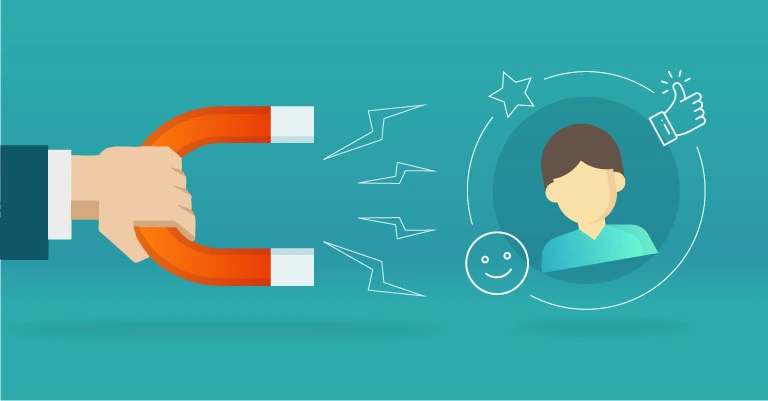
The benefits of targeted lead generation for service-based businesses don't stop at the sale. Clients who were a good fit from the start:
- Get better results from your services
- Stay longer and renew more often
- Refer other ideal clients to you
- Require less hand-holding and support
Churn drops. Lifetime value goes up.
Reduced Acquisition Costs Over Time
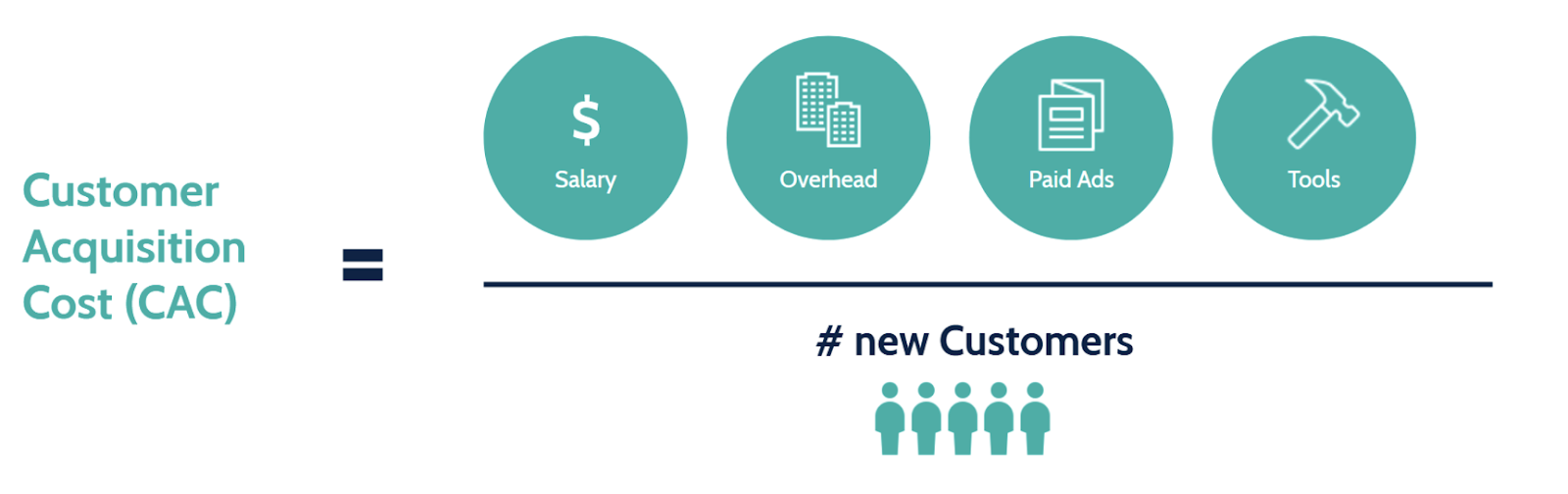
Volume-based lead gen burns through budget fast. You're paying for massive lists, high email sends, and tons of unqualified leads.
Targeted lead generation is more efficient:
- Smaller, higher-quality lists cost less to build and maintain
- Better conversion rates mean lower cost-per-acquisition
- Higher retention means you need fewer new clients to hit revenue goals
You spend less to acquire better clients. That's the math that scales.
The bottom line? For service-based businesses, targeted lead generation isn't just a nice-to-have. It's the difference between a sales team that's constantly grinding and one that's consistently closing.
Targeted Lead Generation vs High-Volume Outreach
Let's settle this once and for all. Here's how targeted lead generation stacks up against spray-and-pray tactics:
Why Targeted Outreach Scales Better Over Time
As you refine your ICP and messaging, targeted lead generation gets more efficient:
- You learn which accounts convert fastest
- Your messaging improves based on real feedback
- Your data gets cleaner and more accurate
- Your team gets better at spotting qualified opportunities
High-volume tactics, on the other hand, hit diminishing returns. Lists get burned. Domains get flagged. Response rates drop.
When High-Volume Approaches May Still Make Sense
Look, we're not saying volume never works. There are specific cases where broader outreach makes sense:
- Brand new products where your ICP isn't proven yet
- Very broad markets with millions of potential customers
- Low-ticket offers where the math supports high-volume, low-touch sales
- Top-of-funnel awareness campaigns paired with retargeting
But even in these cases, targeted lead generation should be part of your strategy. The companies that win long-term are the ones that balance reach with relevance.
How to Evaluate a Targeted Lead Generation Vendor or Platform
Once you've decided to invest in targeted lead generation, the next decision is who executes it. Not every platform or agency that claims "precision targeting" actually delivers it. Here's what separates the ones that do from the ones reselling the same static lists everyone else already has.
Data accuracy and enrichment sourcing
Ask where the data actually comes from. Poor data quality costs organizations an estimated $12.9 million per year on average, according to Gartner, mostly through wasted rep time chasing bad contacts and campaigns sent to bounced or outdated addresses. A vendor should be able to explain their verification process in specifics, not just claim "verified data" on their homepage.
Whether they build custom lists or resell static databases
This is the single biggest differentiator between targeted lead generation and generic lead generation wearing a targeted label. If a vendor's process is pulling from the same static database every client gets access to, you're not getting targeted lead generation. You're getting the same list as their last ten clients with your logo on the proposal.
Transparency on qualification criteria before meetings are booked
Ask exactly what happens between a prospect replying and a meeting landing on your calendar. Best lead gen platforms that offer precision-targeted outreach will walk you through their qualification framework in detail: what disqualifies a reply, what questions get asked before booking, and how they handle prospects who don't clearly fit. If a vendor can't answer this clearly, assume every reply gets booked regardless of fit.
Multi-channel capability versus single-channel tools
LinkedIn, cold email, and cold calling reach different buyers at different points in their day, and the strongest targeted lead generation programs coordinate across all three instead of relying on one. A platform that only does email automation, for instance, is a tool for executing one channel of a strategy, not a complete targeted lead generation solution on its own.
Run any vendor or platform through these four filters before you sign a contract. The ones worth paying for will welcome the scrutiny.
Common Mistakes Teams Make With Targeted Lead Generation
Even when teams commit to targeted lead generation, they still mess it up. Here are the biggest mistakes we see and how to avoid them:
1. Over-Targeting Without Enough Reach
Yes, precision matters. But if your ICP is so narrow that you only have 50 companies to target, you're going to run out of prospects fast.
The mistake:
- Filtering your list down to almost nothing.
- Excluding entire industries or company sizes without testing.
- Being overly rigid about "perfect fit" criteria.
The fix:
- Start with a tight ICP, but build in room to test adjacent segments.
- Aim for at least 500-1,000 accounts in your target universe.
- Expand gradually based on what converts, don't guess upfront.
Targeted lead generation means focused, not starved for pipeline.
2. Poor Data Quality
You can have the perfect ICP and the best messaging, but if your contact data is wrong, none of it matters.
The mistake:
- Using outdated or unverified contact lists
- Not enriching data with accurate job titles and company info
- Ignoring bounce rates and bad email hygiene
The fix:
- Invest in verified data sources or enrichment tools
- Regularly clean your lists and remove bad contacts
- Monitor deliverability metrics and fix issues immediately
Bad data kills campaigns faster than bad messaging.
3. Personalization Without Real Value
Mentioning someone's company name or recent LinkedIn post isn't personalization. It's just proof you looked at their profile.
The mistake:
- Personalizing for the sake of personalization
- Leading with flattery instead of value
- Spending time on surface-level research that doesn't change the message
The fix:
- Personalize around pain points specific to their role or industry
- Reference challenges they're actually facing, not generic observations
- Make sure your "personalized" line connects to why you're reaching out
If your personalization doesn't make the message more relevant, skip it.
4. Choosing Channels That Don't Match the Buyer
Not every decision-maker lives on LinkedIn. Not every executive answers cold calls. Using the wrong channel tanks your results.
The mistake:
- Only using one channel because it's what you're comfortable with.
- Assuming all buyers prefer the same communication style.
- Ignoring where your ICP actually engages.
The fix:
- Test multiple channels (LinkedIn, email, phone) and see what works
- Match your channel to buyer seniority and industry norms
- Use multi-touch sequences that combine channels strategically
Targeted lead generation works best when you meet prospects where they are, not where you want them to be.
5. Measuring Success by Leads Instead of Pipeline
This is the biggest trap. Your dashboard says you generated 500 leads, but your pipeline is empty.
The mistake:
- Celebrating volume metrics (leads generated, emails sent, calls made)
- Not tracking lead-to-opportunity or opportunity-to-close rates
- Focusing on top-of-funnel activity instead of revenue outcomes
The fix:
- Measure what matters: qualified meetings, pipeline created, deals closed
- Track conversion rates at every stage to find where leads fall off
- Optimize for revenue, not activity
A lead that never becomes an opportunity isn't a lead. It's noise.
Avoid these mistakes, and your targeted lead generation system will actually deliver results instead of just looking busy.
How Cleverly Executes Precision-Targeted Outreach
Here's the thing: most lead generation agencies chase volume. We chase quality.
We've helped 10,000+ clients generate $312 million in pipeline and $51.2 million in closed revenue by doing one thing really well: precision-targeted outreach that books meetings with people who actually want to talk.
How We Do It Differently
- ICP refinement and account selection
- LinkedIn and cold email outreach by buying role
- Multi-touch, relevance-first sequencing
- Qualification before calendar booking
Why This Works
Precision outreach delivers:
- Higher response rates
- Better meeting quality
- Cleaner pipeline
- Faster sales cycles
That's why companies like Amazon, Google, Uber, PayPal, Slack, and Spotify work with us.

Our Services
🚀 LinkedIn Lead Gen – Starts at $397/month. Targeted outreach that books qualified meetings.
🚀 Cold Email Lead Gen – Pay only for meeting-ready leads we deliver.
🚀 Cold Calling – Our $5M system books 10-30 qualified calls/month, guaranteed. No-accent setter, full training, scripts, tech included. Half the cost of in-housing.
Ready for precision-targeted outreach that actually fills your pipeline?
🔥 Book a strategy call with Cleverly

Conclusion
Targeted lead generation isn't just better than spray-and-pray tactics. It's the only approach that works in today's crowded B2B markets.
When you focus on precision over volume, you get: better conversations with the right people, higher conversion rates at every stage and cleaner pipeline that actually closes.
The key? ICP clarity, quality data, and consistent execution. Get those right, and your outreach becomes a revenue engine instead of a numbers game.
Teams that prioritize relevance over reach are the ones filling pipelines with real opportunities. The question isn't whether you should adopt targeted lead generation. It's how fast you can make the shift.
Frequently Asked Questions
Free Resource
How to Scale a Profitable Cold Call System
Get the complete guide — download it instantly now.
Free Ebook
Download the Free Guide
Enter your details to get instant access.
You're all set! 🎉
Your ebook is downloading now.
Click below if the download didn't start automatically.


