Table of Contents
What Is a Sales Funnel Strategy?
The B2B Sales Funnel Stages
Sales Funnel Framework: Step-by-Step Guide for 2026
How to Align Your Sales Funnel With GTM Strategy
Tools to Build & Scale a Sales Funnel
Mistakes That Kill B2B Funnel Performance
How Cleverly Helps You Build, Scale, and Fuel Your B2B Sales Funnel
Conclusion
Frequently Asked Questions
Modified On :
August 27, 2026
Key Takeaways
- B2B sales funnel strategy needs multiple touchpoints. Most deals close between touches 5-12, so build persistence into your system from day one.
- The tighter your targeting and messaging match your ideal buyer, the higher your conversion rates across every stage.
- Different GTM motions need different funnels. what works for inbound won't work for outbound, PLG, or ABM.
- 100 high-intent prospects will always outperform 1,000 garbage leads.
- Small changes to messaging, timing, or channels can create massive lifts in conversion rates.
- Happy customers renew, expand, and refer new business. Don't ignore post-sale nurture.
Do you know why most sales funnel strategies suck?
You know the drill: someone downloads a whitepaper, gets 47 nurture emails, maybe clicks a few links, and eventually... ghosts you.
Meanwhile, your pipeline looks like a leaky bucket and your sales team is burning through unqualified leads like there's no tomorrow.
See, B2B lead gen has completely changed. Your prospects are doing 80% of their research before they ever talk to a sales rep.
They're getting pitched on LinkedIn 10 times a day. Their inboxes are a war zone. And that traditional funnel you built? It's not converting like it used to.
But 2026 is different. The companies crushing it right now aren't just tweaking their old lead gen funnels, they're rebuilding them from the ground up with strategies that actually match how modern B2B buyers make decisions.
In this guide, we're breaking down exactly how to build a sales funnel strategy that doesn't just generate leads, it generates revenue. Just the tactics we've used to help clients generate $312 million in pipeline.
Let's dive in.
What Is a Sales Funnel Strategy?
A best sales funnel strategy is basically your roadmap for turning cold prospects into paying customers. A structured journey that takes someone from "who are you?" to "here's my credit card."
But here's where most people get it wrong, they treat it like a one-size-fits-all template. Copy some funnel from a guru's course, plug in their product, and wonder why it's not working.
B2B vs. B2C: Why Your Funnel Needs to Be Different
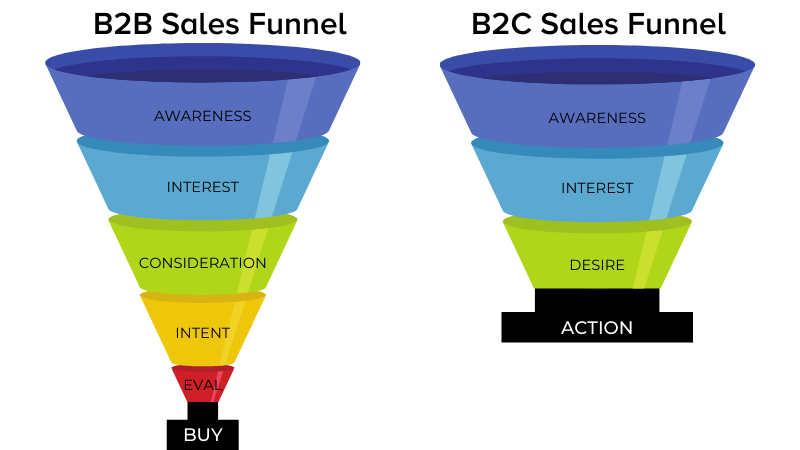
If you're in B2B, your funnel can't look like a DTC ecommerce brand. Here's why:
Multiple decision-makers are involved. You're not selling to one person—you're selling to the VP of Sales, the CFO who controls the budget, and maybe even the CEO who needs to sign off. Each one has different priorities and concerns.
Longer sales cycles mean more touchpoints. B2C might close in 24 hours. Your B2B deal? Could take 3-6 months. Your funnel needs to nurture relationships over time, not just push for a quick sale.
Proof-based selling is non-negotiable. B2C buyers might impulse-purchase based on emotion. B2B buyers need case studies, ROI calculators, testimonials, and proof that you've done this before. They're risking their job if they pick the wrong vendor.
The Secret Sauce: ICP + Messaging Alignment
Here's what separates a best sales funnel strategy from a mediocre one—alignment.
Your funnel only converts when you're targeting the right people (your ICP) with the right message at the right time. Sounds simple, but most companies skip this step and wonder why their conversion rates are trash.
When you nail your ICP and match your messaging to their actual pain points, everything clicks. Your LinkedIn outreach gets replies. Your emails get opened. Your sales calls actually book meetings. That's the difference between a 2% conversion rate and a 15% conversion rate.
Also Check: Use AI for B2B Lead Generation
📢 Fill Your Funnel With Hot Leads
Cleverly drives qualified LinkedIn, cold email, and cold-calling leads straight into your funnel—so your team closes instead of chasing.
The B2B Sales Funnel Stages
Look, a b2b sales funnel strategy isn't rocket science, but it does have distinct stages that need different tactics. Let's break down what actually matters at each level.
Top of Funnel (Awareness & Lead Capture)
This is where you get on someone's radar. They don't know you exist yet, and your job is to make them stop scrolling and actually pay attention.
What you're trying to do: Get traffic, grab attention, and get them to take one small action, download something, book a call, sign up for a demo, whatever makes sense for your business.
What actually works here:
- LinkedIn content that your ICP actually engages with (not corporate word salad).
- Paid ads targeting specific job titles and industries.
- SEO content that answers real questions your prospects are Googling.
- Lead magnets that solve an immediate problem (not another generic ebook).
The goal isn't to sell yet. It's to start a conversation.
Middle of Funnel (Nurture, Educate & Qualify)
Now they know who you are. Cool. But they're not ready to buy—they're comparing options, building a business case, and frankly, they're talking to your competitors too.
What you're trying to do: Build trust, prove you know what you're talking about, and show them you've actually done this before. This is where weak funnels die—they either over-pitch or disappear completely.
What actually works here:
- Case studies from companies they've heard of (or companies just like theirs).
- Webinars or workshops that teach something valuable.
- Nurture email sequences that educate, not just sell.
- Retargeting ads that keep you top of mind.
At Cleverly, this is where we show prospects the $312 million in pipeline we've generated for clients. Proof beats promises every time.

Bottom of Funnel (Demo, Proposal, Close)
They're interested. Now you need to get them over the finish line without choking.
What you're trying to do: Remove every last bit of doubt, show them exactly what ROI looks like, and make the decision as easy as possible. Speed matters here—the longer this drags, the higher the chance they ghost or go with someone else.
What actually works:
- Personalized demos that focus on their specific pain points.
- Proposals with clear pricing and expected outcomes.
- ROI calculators or business case templates they can take to their boss.
- Reference calls with existing customers.
This is also where you handle objections head-on. Price concerns? Show the cost of doing nothing. Worried about implementation? Walk them through onboarding. Make it stupid-simple to say yes.
Retention & Expansion (Post-Sale Growth)
Most companies celebrate the close and then disappear. That's leaving money on the table.
What you're trying to do: Keep customers happy, get them to renew, upsell them when it makes sense, and turn them into referral machines.
What actually works:
- Quarterly business reviews showing actual results.
- Customer success content (tips, best practices, updates).
- Upsell offers when they hit specific milestones.
- Referral programs that reward them for spreading the word.
Your existing customers are your easiest path to growth. A solid b2b sales funnel strategy doesn't end at the close—it loops back into more revenue.
Also Check: Ways To Increase Your Inbound B2B Leads (Proven Framework)
B2B Sales Funnel Conversion Benchmarks by Stage
Before you build or fix anything, it helps to know what "working" actually looks like. Not as a target to hit, but as a gut check for where your funnel stands today.
Here's how B2B funnels typically convert, stage by stage, based on 2026 lead gen benchmark data:
1. Visitor to lead: 2-3% on average. Top performers push 6-15% depending on offer strength and page speed.
2. Lead to MQL: Around 31% when scoring criteria are actually enforced instead of ignored.
3. MQL to SQL: This is the one that hurts. Industry average sits around 13%. Teams with tight ICP definitions and real behavioral scoring get to 25-40%.
4. SQL to opportunity: 30-59%, depending on how much discovery happens before a deal gets logged as an opportunity in the first place.
5. Opportunity to customer: 22-30% on average.
The overall picture: Multiply those together and you'll see why B2B sales takes volume. Getting from cold visitor to closed customer at "average" rates means you need hundreds of leads to land one deal. Top performers aren't running some magic funnel, they're just less leaky at every single stage, and those small gains compound.
Why benchmarks vary by industry: A cybersecurity buyer researching compliance software behaves nothing like a marketing agency prospect filling out a contact form. Visitor-to-lead rates for high-trust, high-stakes categories (cybersecurity, fintech, enterprise software) often run lower than services or SaaS with lighter-touch offers. Deal size matters too. Enterprise deals with multiple stakeholders tend to convert worse early (more people have to say yes to even engage) and better late (once they've aligned internally, they've usually already done the work to justify the purchase).
How to actually use these numbers: Don't chase industry averages as a scoreboard. Use them as a diagnostic. If your visitor-to-lead conversion is at 0.5%, that's a top-of-funnel problem worth fixing before you touch anything else. If it's at 3% but your MQL-to-SQL is stuck at 5%, your top of funnel is fine and your qualification process is broken. The benchmark tells you where to look, not what to force.
Sales Funnel Framework: Step-by-Step Guide for 2026
Alright, let's get into the actual playbook. Here's how to build a sales funnel marketing strategy that doesn't just look good on a whiteboard, it actually converts.
Step 1 — Define ICP + Buyer Intent Signals
You can't sell to everyone, so stop trying. Get crystal clear on who you're actually going after.
What to nail down:
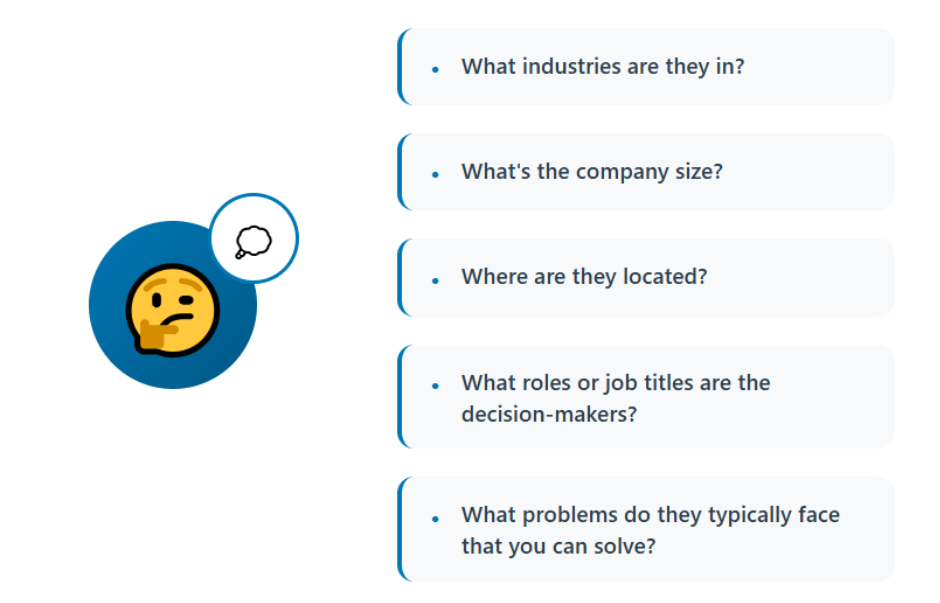
- Industry, company size, revenue range
- Job titles of decision-makers and influencers
- Pain points they're actively trying to solve right now
- Signals that show they're in-market (hiring SDRs, raised funding, posted about a problem on LinkedIn).
The tighter your ICP, the better everything else performs. When we work with clients at Cleverly, the ones who know exactly who they're targeting see 3x better response rates than the ones casting a wide net.
Step 2 — Build a Lead Capture Mechanism (High-Value Offer)
Nobody's handing over their email for a "newsletter" anymore. You need to offer something they actually want.
What works in 2026:
- Free audit or assessment of their current setup.
- Calculator or ROI tool specific to their problem.
- Template or swipe file they can use immediately.
- Exclusive data or research they can't find elsewhere.
The key? Make it valuable enough that they'd consider paying for it. That's your bar.
Check This Out: 15+ Lead Magnet Ideas That Attract High-Quality Leads (Not Just Sign-Ups)
Step 3 — Create Multi-Touch Follow-Up Sequences
One email doesn't cut it. One LinkedIn message doesn't cut it. You need multiple touches across multiple channels.
Here's the reality: Most deals close between touch 5-12, but most reps give up after 2-3. Your sales funnel marketing strategy needs persistence baked in.
What a solid sequence looks like:
- Day 1: LinkedIn connection request with personalized note
- Day 3: Email with relevant case study
- Day 7: LinkedIn message following up
- Day 10: Email with different angle (ROI focus, peer comparison)
- Day 14: Video message or voice note
- Day 21: Final value-add touchpoint
Mix up your channels. Change your messaging angles. Stay consistent without being annoying.

Step 4 — Add Authority Assets (Case Studies, Testimonials, Social Proof)
People buy from companies they trust. You build trust by showing you've done this before.
What you need in your arsenal:
- 3-5 case studies with actual numbers (revenue generated, time saved, ROI delivered)
- Video testimonials from recognizable brands or relevant companies
- Logo walls of clients (works better than you think)
- Third-party reviews on G2, Capterra, or Trustpilot
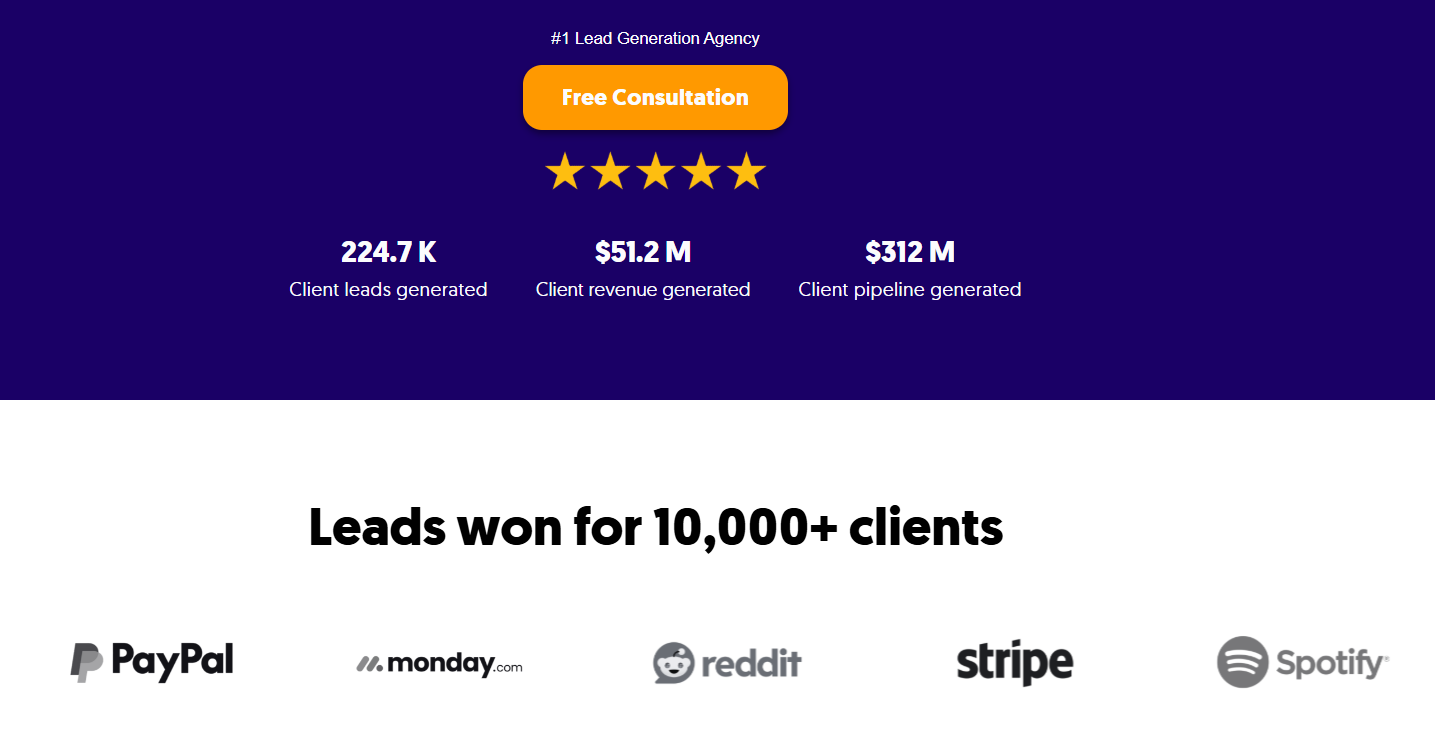
Drop these into your lead nurture sequences, on your website, in your proposals, everywhere. We mention our $312 million in pipeline generated because it's proof that our system works. What's your proof?
Step 5 — Qualify Prospects Using a Lead Scoring System
Not all leads are created equal. Stop wasting time on tire-kickers.
Set up scoring based on:
- Firmographic fit (do they match your ICP?)
- Engagement level (are they opening emails, visiting your site, watching videos?)
- Intent signals (did they view pricing? Download a case study? Request a demo?)
- Timeline and budget (are they ready to buy or just browsing?)
When someone hits your threshold score, that's when your sales team jumps in. Before that? Keep nurturing. This is how you focus energy on deals that actually close.
Use These: Best AI Lead Qualification Tools for Faster B2B Conversions
Step 6 — Optimize the Closing Process (Scripts, Objection Handling, Demos)
You got them to the demo. Now don't blow it.
What separates closers from talkers:
- Discovery-first demos (understand their problem before pitching your solution)
- Objection handling frameworks ready to go (price, timing, competition—have answers locked and loaded)
- Clear next steps at the end of every call (no "we'll circle back next week" nonsense)
- Proposal templates that highlight ROI, not just features
Practice your demos. Role-play objections. Record your calls and actually listen back. The closing process is where good funnels become great funnels.
More to Learn: Cold Calling Rejection - How Top SDRs Turn “No” Into “Next”
Step 7 — Retain + Upsell Using Post-Sale Nurture Automation
The sale isn't the end—it's the beginning of a longer relationship.
Set up automation for:
- Onboarding sequences that get them to first value fast
- Check-in emails at 30, 60, 90 days with tips and wins
- Quarterly business reviews showing their results
- Upsell triggers when they hit usage milestones or growth indicators
Happy customers renew. Great customers refer. Your sales funnel marketing strategy should treat retention like the revenue driver it actually is.
🤝 Meetings Delivered. Growth Guaranteed.
Using targeted outreach + our $5M calling system, Cleverly books decision-maker meetings you only pay for—and fuels every stage of your B2B funnel.
How to Align Your Sales Funnel With GTM Strategy
Here's where most companies screw up, they build a funnel in a vacuum without thinking about their actual go-to-market motion.
Your sales funnel needs to match how you're actually selling, not some generic template you found online.
Your GTM Motion Dictates Your Funnel Approach
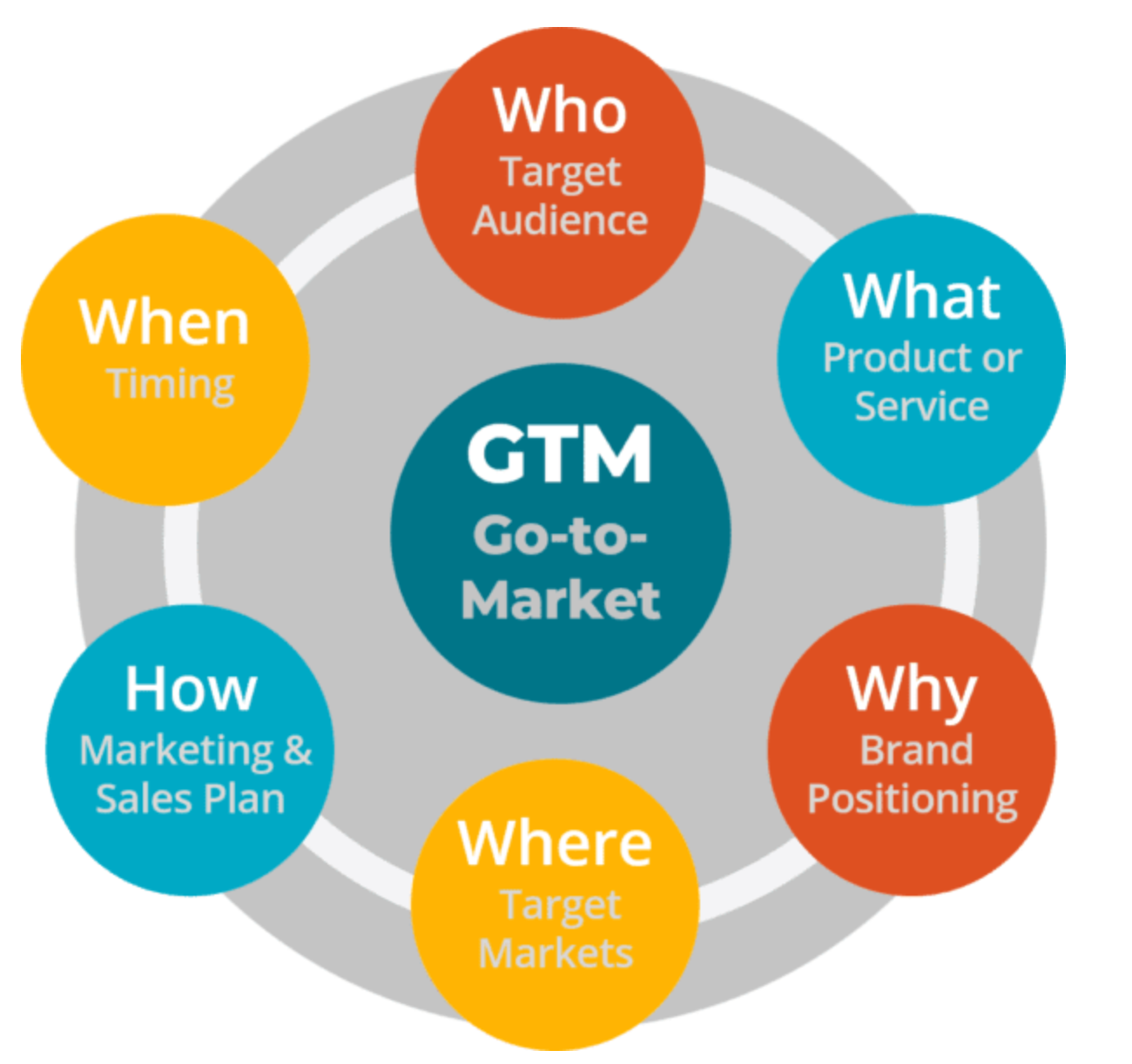
Different go-to-market strategies need completely different funnels. What works for inbound doesn't work for outbound. What works for PLG breaks ABM. Let's break it down:
👉 Inbound-led funnels are all about content and SEO. Prospects find you, consume your content, and eventually convert. Your funnel needs educational assets, lead magnets, and nurture sequences that build trust over time. Think longer cycles, warmer leads, but also more tire-kickers.
👉 Outbound-led funnels flip the script—you're interrupting prospects who aren't actively looking for you. Your funnel needs to grab attention fast, prove relevance immediately, and book meetings within 3-5 touches. This is where we see the best results at Cleverly with LinkedIn outreach and cold calling. When you're doing outbound, speed and personalization matter more than anything.
👉 Product-led growth (PLG) funnels let the product do the selling. Free trials, freemium models, self-serve onboarding. Your funnel focuses on activation, feature adoption, and converting free users to paid. Sales gets involved later for expansion deals, not initial closes.
👉 Account-based marketing (ABM) funnels target specific high-value accounts, not broad audiences. Everything's hyper-personalized—custom landing pages, 1:1 outreach, tailored demos. Your funnel is narrower but deeper, with way more touchpoints per account.
The bottom line? Don't copy someone else's funnel if you're running a different GTM motion. Figure out how to align sales funnel with go-to-market strategies that match your actual business model.
Some Tools that Help: Best GTM Tools to Accelerate Your Growth (Expert-Curated)
Everyone Needs to Be Singing the Same Song
Your funnel falls apart when marketing says one thing, SDRs say another, and sales closes with completely different messaging. Prospects notice the disconnect—and it kills trust.
Here's what alignment actually looks like:
Marketing creates content around your core value props → SDRs use those same talking points in outreach → Sales reinforces it on calls → Customer success delivers on the promises made during the sale.
If marketing is positioning you as "the fastest solution" but sales is selling on "best support," you're confusing buyers and losing deals. Get your teams in a room and nail down:
- Your 3 main value props
- Your differentiation from competitors
- Your target buyer pain points
- Your proof points (case studies, metrics, testimonials)
Then make sure everyone's actually using them. Review calls. Check emails. Look at your content. If it's not consistent, fix it.
Lead Scoring Needs to Make Sense to Both Teams
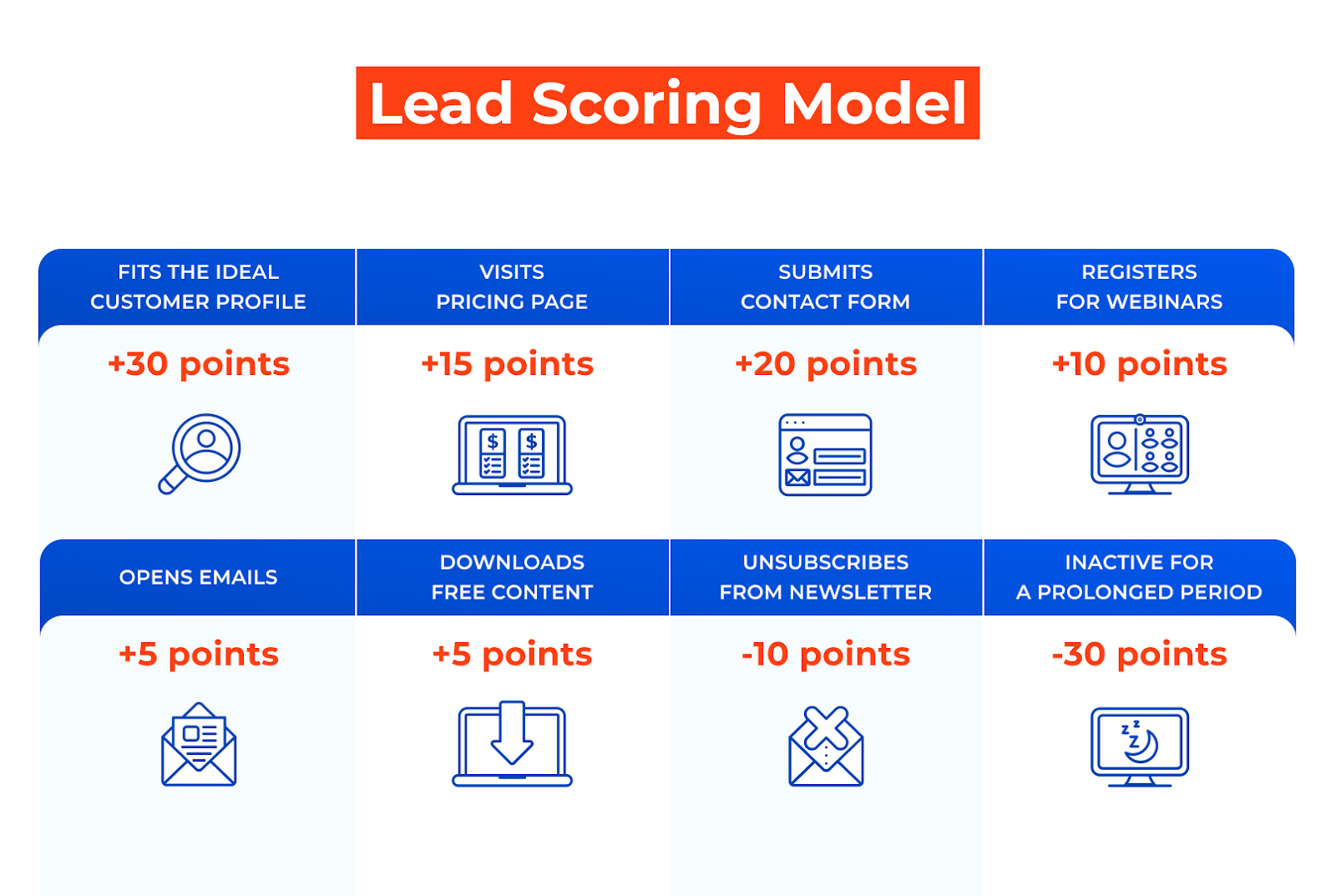
Here's a tale as old as time: Marketing sends leads to sales. Sales says they're garbage. Marketing says sales isn't following up fast enough. Everyone blames each other, and deals slip through the cracks.
The fix? Build a lead scoring system that both teams agree on upfront.
What good alignment looks like:
- Clear definitions of MQL vs SQL vs opportunity
- Agreed-upon scoring criteria (firmographic fit + engagement + intent signals)
- SLAs on follow-up time (if marketing sends an SQL, sales contacts them within 2 hours)
- Feedback loop where sales tells marketing which leads actually convert
When you nail how to align sales funnel with go-to-market strategies across teams, everything gets easier.
Marketing generates better leads. Sales closes faster. Prospects get a consistent experience. That's how you actually scale revenue instead of just generating more noise.
Dive Deeper Into: Perfect B2B Sales Strategy to Close More Deals (Proven Methods)
Tools to Build & Scale a Sales Funnel
Look, you don't need a hundred tools to build a solid funnel. But you do need the right ones at each stage. Here's what actually works without burning a hole in your budget.
Awareness: Getting in Front of Your ICP
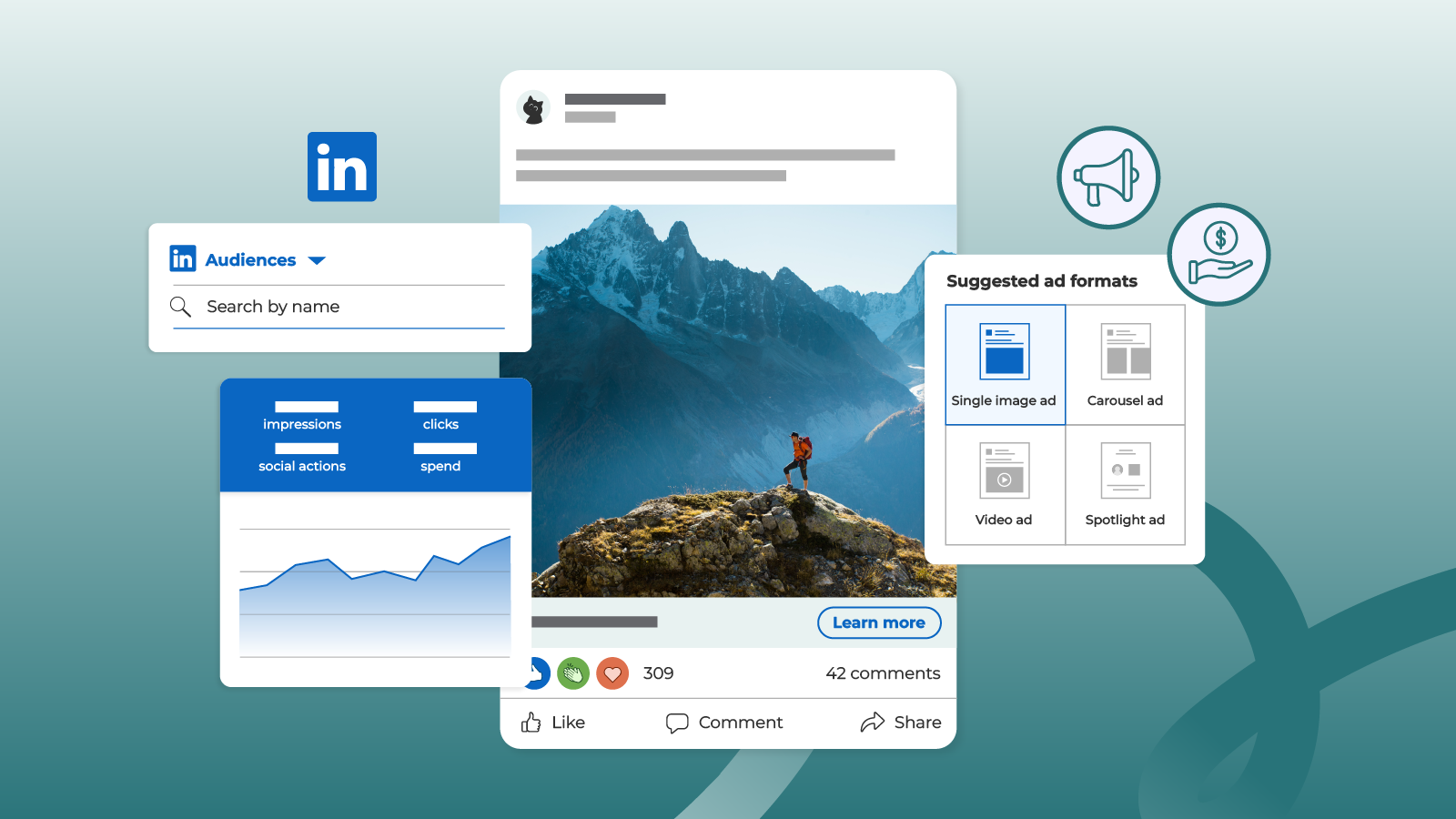
- LinkedIn Ads — If you're in B2B, this is where your buyers are. Target by job title, company size, industry. Way better than Facebook for reaching decision-makers.
- HubSpot — Solid all-in-one for content management, blogging, and SEO. Their free tools are actually useful for getting started.
- Webflow — If you want a high-converting website without dealing with clunky WordPress plugins. Clean, fast, and looks professional.
- SparkToro — Underrated tool for audience research. Figure out where your ICP hangs out online, what they read, who they follow. Helps you show up in the right places.
Lead Capture: Turn Traffic Into Contacts
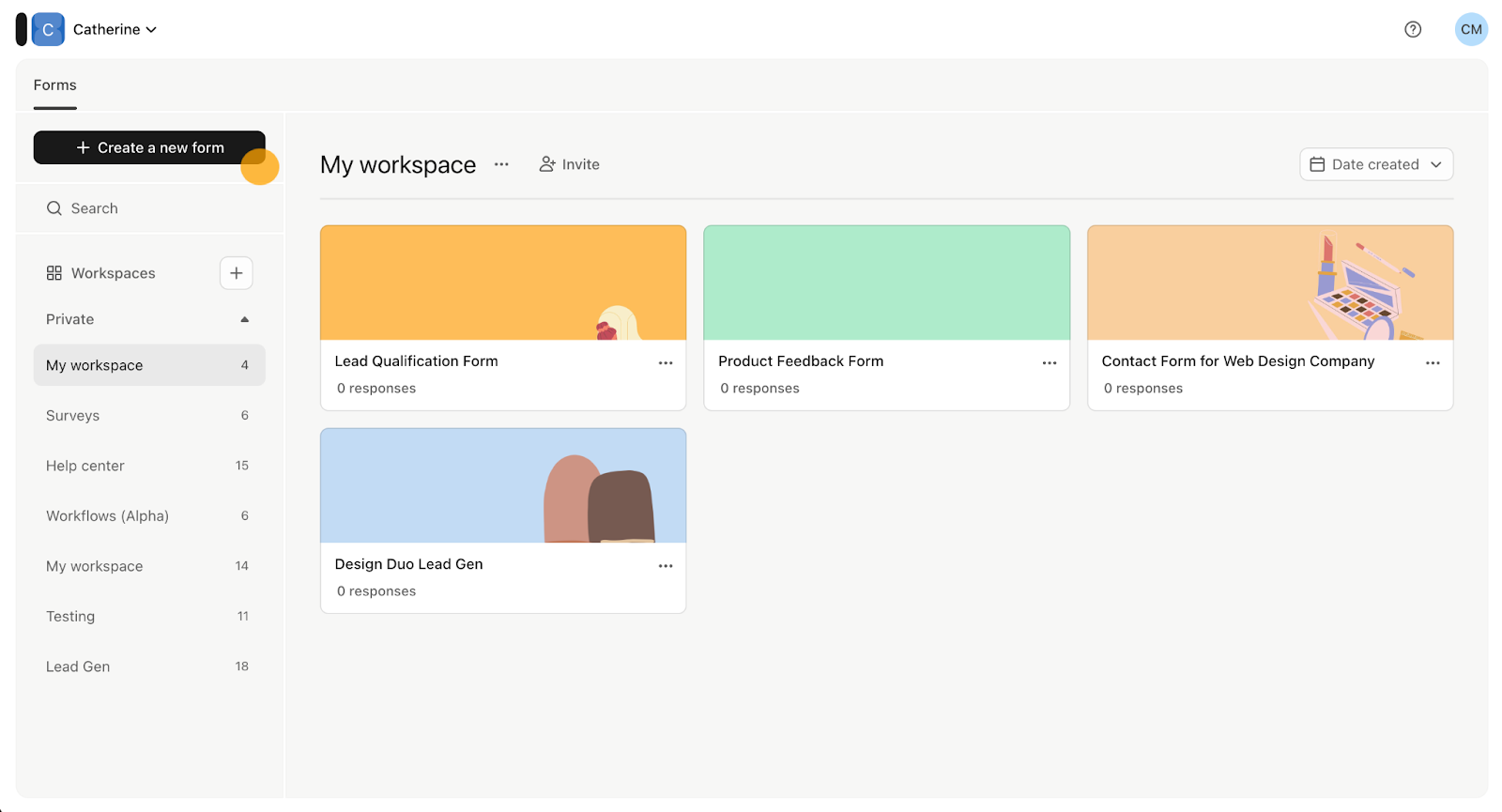
- Typeform — Makes forms that people actually want to fill out. Way better completion rates than boring standard forms.
- Instapage — Purpose-built for landing pages that convert. A/B testing, heatmaps, the whole deal.
- LeadPages — Cheaper alternative to Instapage, still gets the job done. Good for agencies and smaller teams.
The key here isn't the tool—it's the offer. A great lead magnet on a basic form beats a mediocre offer on a fancy page every time.
Nurturing: Stay Top of Mind Without Being Annoying
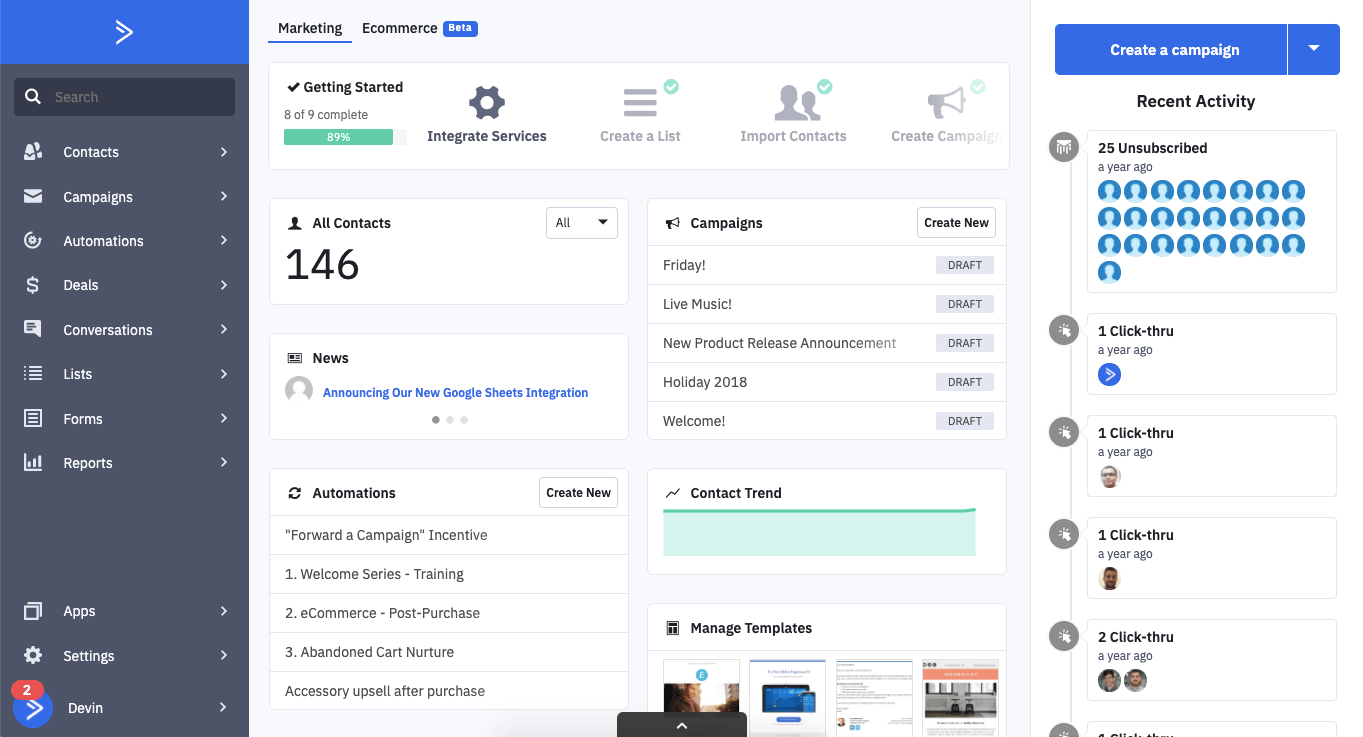
- ActiveCampaign — Email automation that doesn't feel robotic. Good for building sequences that actually nurture instead of just blast.
- Apollo — Database of 250+ million contacts plus email sequencing. Great for outbound prospecting when you need both data and delivery.
- Outreach — Built for sales teams doing high-volume multi-touch campaigns. LinkedIn, email, phone—all in one place.
At Cleverly, we've dialed in our nurture email sequences across email to the point where we're booking 10-30 qualified calls per month for clients. The tool matters less than the strategy behind it.
Outbound Channel Benchmarks: Cold Email, Cold Calling, and Multichannel Lift
Picking tools is easier once you know what good performance actually looks like on each channel. Here's where the bar sits in 2026.
Cold email reply rates. The overall average reply rate sits around 3.4%. Anything above 5% puts you ahead of most B2B senders, and 10%+ is genuinely excellent. If your campaigns are stuck under 2%, the problem is almost never "cold email doesn't work," it's targeting, list quality, or a message that reads like every other pitch in the inbox. We've broken this down further by industry-specific cold email benchmarks if you want to see where your vertical sits.
Cold calling. The average conversation-to-meeting success rate is around 2.7%. Only 3-10% of dials even connect to a live person, which is why call volume alone doesn't fix a bad cold calling program. Top-performing teams get to 6-11%+ success rates through better data and tighter targeting, not just more dials. Our cold calling benchmarks go deeper into the connect-rate and conversation-rate splits.
Multichannel lift. Running email, LinkedIn, and calling together instead of just one channel produces roughly 2-3x more replies and booked meetings. This isn't just "more touches equals more luck." Different prospects live in different channels, and hitting someone on LinkedIn after a cold email builds familiarity that makes the next touch land better.
Follow-up does the heavy lifting. Roughly 58% of replies come from the very first message. The remaining 42% come specifically from follow-up touches, not the opener. If your sequence stops after one email or one call, you're leaving close to half your possible replies on the table.
Sales Enablement: Help Your Team Actually Close
- Gong — Records and analyzes your sales calls. Shows you what's working, what objections keep coming up, where deals are dying. Game-changer for coaching reps.
- Salesloft — Cadence management, call tracking, email analytics. Keeps your sales team organized and accountable.
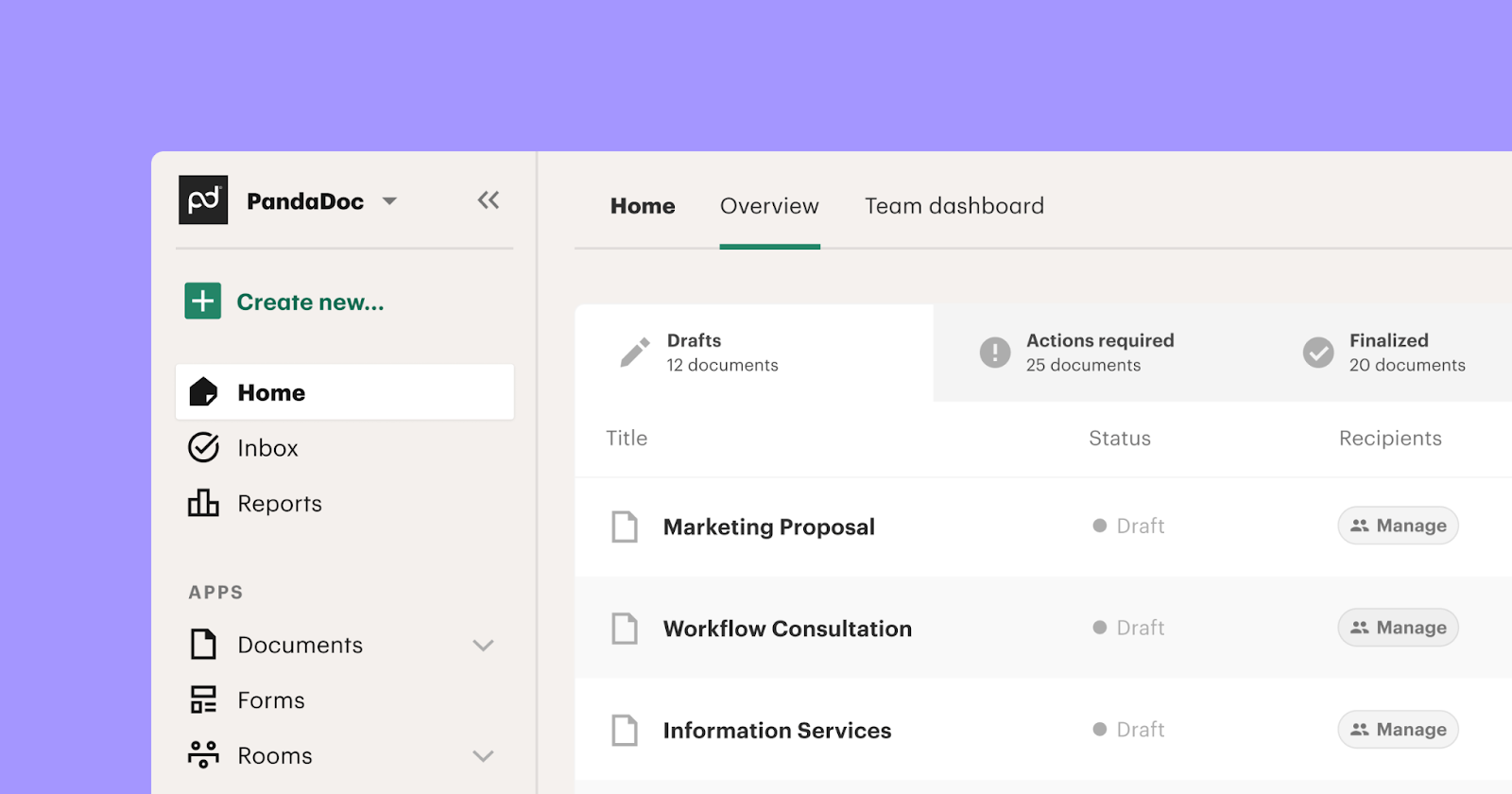
- PandaDoc — Proposals and contracts that don't suck. Track when prospects open them, where they spend time, when they're ready to sign.
These tools won't fix a bad sales process, but they'll supercharge a good one.
Retention & Analytics: Know What's Actually Working
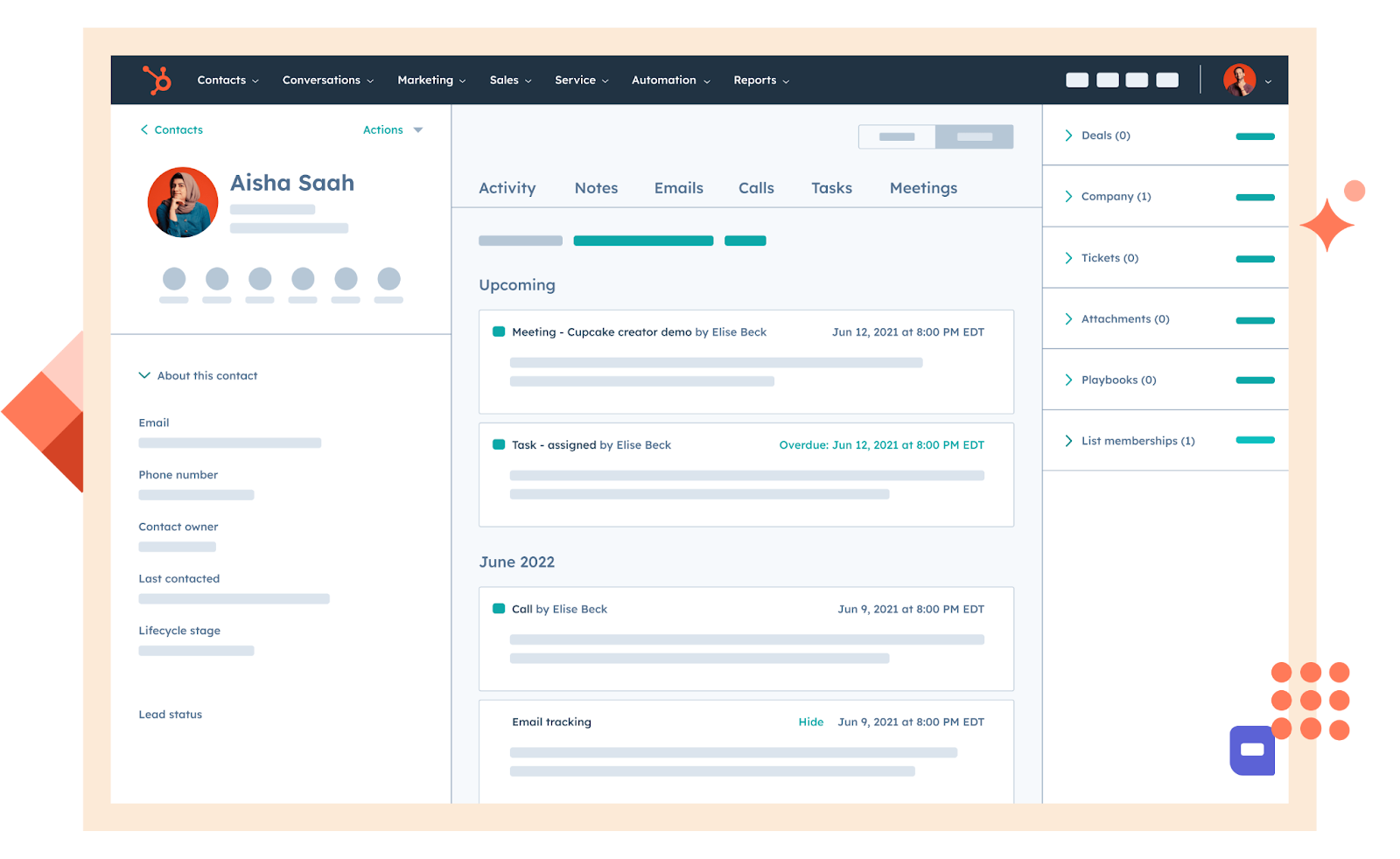
- HubSpot CRM — Free to start, scales as you grow. Tracks deals, manages contacts, shows you pipeline health. Does the job for most B2B companies.
- Salesforce — The enterprise standard. More powerful but also more complex. Overkill for early-stage companies, necessary for larger orgs.
- ChurnZero — Monitors customer health, flags at-risk accounts, automates check-ins. If retention matters to your business model (and it should), this pays for itself.
Here's the real talk: Don't get caught up in shiny object syndrome. Pick tools that integrate with each other, train your team to actually use them, and focus on execution over perfection. The best tool is the one your team will actually use consistently.
Mistakes That Kill B2B Funnel Performance
Let's talk about where funnels go to die. You can have the best tools, the tightest ICP, and a solid strategy—but these mistakes will tank your results every time.
❌ Treating Every Lead the Same
Not all leads deserve the same attention. Sending a VP at a $50M company the same generic email as an intern at a startup? That's how you waste time and miss deals.
✅ The fix: Segment by company size, role, intent level, and budget. Tailor your approach accordingly. High-value accounts get white-glove treatment. Low-fit leads get automated nurture or disqualified entirely.
❌ No Follow-Up System (or Giving Up Too Soon)
Here's a stat that'll hurt: 80% of sales require 5+ follow-ups, but most reps stop after 2. You're leaving money on the table because you're not persistent enough.
✅ The reality: People are busy. Your first email got buried. Your LinkedIn message was missed. Your call went to voicemail. That doesn't mean they're not interested—it means you need a real follow-up system.
Build sequences with 7-10 touches across multiple channels. Change your messaging angle each time. And for the love of revenue, don't give up after one "not interested" if they actually fit your ICP.
❌ Leaky Handoffs Between Marketing and Sales
Marketing generates a lead. It sits in the CRM for 3 days. Sales finally reaches out with zero context about what the lead downloaded or engaged with. The prospect has already moved on.
What's breaking: No clear SLA on response time, no context being passed from marketing to sales, and no accountability when leads fall through the cracks.
✅ The fix: Set response time SLAs (2 hours max for hot leads), build a shared view of lead activity, and have weekly alignment meetings where both teams review what's working and what's not.
❌ Slow Speed-to-Lead
A lead fills out a form or books a demo. Then they sit in your CRM for a few hours, or worse, a few days, before anyone reaches out. By then, they've already talked to two competitors and half-forgotten why they filled out your form in the first place.
The numbers here are brutal. Responding within 5 minutes makes you roughly 21 times more likely to qualify that lead compared to waiting 30 minutes. Harvard Business Review's research on this found the odds of qualifying a lead drop sharply for every extra minute past that 5-minute window.
✅ The fix: the first vendor to respond usually wins the deal. Research puts that first-responder advantage at around 78% of B2B buyers going with whoever gets back to them first, regardless of who had the better product or the better price. Speed alone changes the outcome before your pitch even starts.
This isn't a headcount problem. You don't need a bigger SDR team on standby 24/7. You need lead routing that fires instantly the moment a lead comes in, alerts the right rep automatically, and doesn't depend on whoever happens to be checking their inbox. Set up instant notifications, auto-assign based on territory or account ownership, and build an SLA (5 minutes for hot inbound, 2 hours max for anything else) that your team actually has to hit. For a full breakdown of how fast is fast enough by lead type, see how quickly you should respond to leads.
The MQL-to-SQL Handoff: Where B2B Funnels Actually Leak
Let's put a number on what "leaky handoff" costs you.
The average MQL-to-SQL conversion rate across B2B is around 13%. That means for every 100 leads marketing hands off as sales-ready, sales only ends up accepting and working about 13 of them. The other 87 didn't disappear because they were bad leads. Most of them died in the handoff.
Two things usually cause this:
Marketing passes leads before they're actually ready. A form fill or a whitepaper download gets scored as "sales-ready" when the prospect was just researching. Sales gets on the phone, hears "just looking," and marks it dead. Nobody updates the scoring model, so it happens again next week.
Sales cherry-picks instead of working the full list. Reps skip anything that doesn't look like an obvious, fast-closing deal. The leads that needed one more nurture touch or a slightly different angle just sit untouched until they go cold.
Here's why this is the highest-leverage fix on your entire funnel: moving your MQL-to-SQL rate from 13% to even 20% means roughly 50% more sales-ready leads flowing into your pipeline, using leads you're already generating. You don't need a bigger ad budget or more content. You need marketing and sales to agree on what "ready" means, backed by an SLA and a feedback loop, the same fix already covered above.
Before you spend another dollar adding top-of-funnel volume, fix this stage first. Pouring more leads into a funnel that already leaks 87% of them at one gate just means you're burning more budget to hit the same broken gate.
❌ Focusing Only on Top-of-Funnel Volume
More leads don't equal more revenue if those leads suck. Chasing vanity metrics like "we generated 5,000 leads this quarter" means nothing if only 10 converted.
✅ The shift: Stop optimizing for volume. Start optimizing for quality and conversion rates. Would you rather have 1,000 garbage leads or 100 high-intent prospects who actually have budget and authority? The math isn't even close.
❌ No Testing, No Optimization
You launched your funnel six months ago and haven't touched it since. Meanwhile, your conversion rates are dropping and you have no idea why.
Funnels decay. What worked last quarter might not work now. You need to constantly test messaging, offers, channels, and timing.
✅ Fix: Run A/B tests on subject lines, try different lead magnets, test outreach cadences. Look at your data every week and ask: "What's breaking? What's working better than expected?" Then double down or cut ruthlessly.
❌ Ignoring the Bottom of the Funnel
You're great at getting meetings booked. But your close rate is 8% when it should be 25%. Why? Because you're not optimizing the last mile.
What's likely happening:
- Your demos are too generic and feature-heavy.
- You're not handling objections confidently.
- Your proposals take too long to send or aren't compelling.
- You don't have a clear follow-up process post-demo.
The deals you're losing at the finish line are the most expensive losses. Fix your closing process before you spend another dollar on top-of-funnel ads.
❌ Forgetting That Customers Are Part of Your Funnel
You closed the deal. Congrats. Now you ghost them until renewal comes up. That's how you lose customers and miss upsell opportunities.
The opportunity: Happy customers refer new business, expand their contracts, and renew without friction. Bad customer experience? They churn, leave negative reviews, and tell their network to avoid you.
✅ Build retention into your funnel from day one. Regular check-ins, success metrics, upsell triggers—treat post-sale like the revenue engine it is.
These mistakes aren't hypothetical. We see them every day with prospects who come to us after their funnel stops working. The good news? They're all fixable. You just have to be honest about where yours is breaking and actually do something about it.
How Cleverly Helps You Build, Scale, and Fuel Your B2B Sales Funnel
Here's the thing: a funnel is only as strong as the quality of leads entering it—and the consistency of follow-up.
You can have the perfect sales funnel strategy, but if you're not filling it with qualified prospects who actually want to talk to you, it doesn't matter. That's where most companies hit a wall.
We're a B2B Lead Gen Agency That Actually Delivers
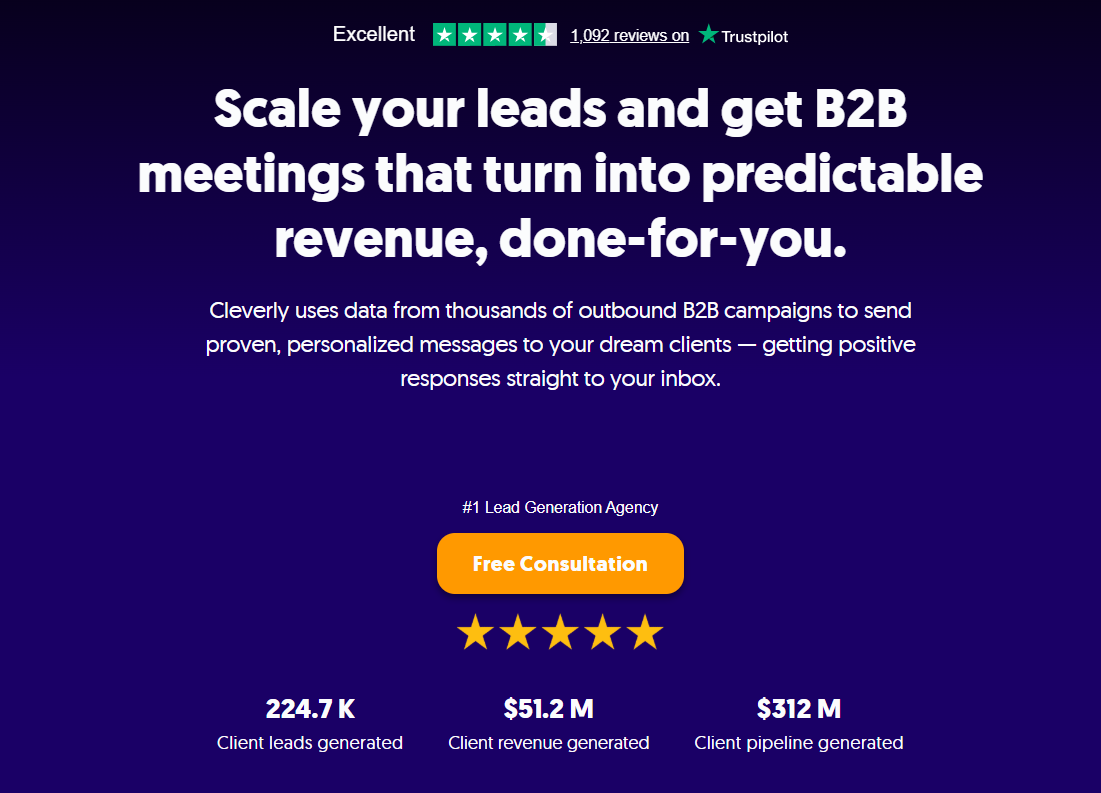
At Cleverly, we've generated $312 million in pipeline and $51.2 million in closed revenue for over 10,000 clients—including companies like Amazon, Google, Uber, PayPal, Slack, and Spotify.
We don't just send random cold emails and hope something sticks. We fill your funnel with meeting-ready leads through three proven channels:
- LinkedIn Lead Gen — Starting at just $397/month, we handle everything from profile optimization to personalized messaging to booking qualified meetings. Your ICP, our proven system.
- Cold Email Campaigns — You only pay for the meeting-ready leads we send you. No fluff, no tire-kickers. Just prospects who fit your ICP and are ready to have a conversation.
- Cold Calling That Actually Works — Our $5M Cold Calling System books you 10-30 qualified sales calls every month, guaranteed. We place a no-accent appointment setter, write breakthrough scripts, include data and tech, and train them to go live in 2 weeks. And if they don't hit the numbers? We replace them. It's half the cost of building this in-house.
Over 1 million cold calls made. 53,000+ appointments set.

The Bottom Line?
If your funnel isn't converting, it's probably not the funnel—it's the leads (or lack of consistent outreach).
As a b2b lead gen agency, we make sure you never have to worry about where your next qualified conversation is coming from.
Want to see how we'd fill your pipeline? Let's talk.

Conclusion
Look, building a sales funnel strategy that actually works in 2026 isn't about complexity—it's about clarity, consistency, and iteration.
Know exactly who you're targeting. Show up consistently across channels. And never stop testing what's working and what's not.
The companies crushing it right now aren't the ones with the fanciest tools or biggest budgets. They're the ones making small, smart changes every week and watching their conversion rates climb.
Start with one thing. Test it. Improve it. Then move to the next.
Your funnel doesn't need to be perfect, it just needs to be better than it was last month.
Frequently Asked Questions
Free Resource
How to Scale a Profitable Cold Call System
Get the complete guide — download it instantly now.
Free Ebook
Download the Free Guide
Enter your details to get instant access.
You're all set! 🎉
Your ebook is downloading now.
Click below if the download didn't start automatically.